


Top 10 Coolest Things About Beatrix “The Bride” Kiddo




Beatrix Kiddo is the relentless center of Quentin Tarantino’s two-part saga, introduced in ‘Kill Bill: Vol. 1’ and followed through in ‘Kill Bill: Vol. 2’. Across both films, she’s presented with a clear objective, a detailed personal history, and a set of skills that are explained on-screen—so viewers can track exactly how she does what she does. Her journey spans Texas, Japan, and Mexico, connecting criminal syndicates, legendary masters, and a dismantled assassination squad.
What makes Beatrix stand out is how much of her capability the story actually documents. We see who trained her, who armed her, who betrayed her, and how she systematically responds. Names, places, and methods are spelled out—so rather than relying on mystique alone, the films give verifiable, in-world reasons for her effectiveness.
Codename “Black Mamba” in the Deadly Viper Assassination Squad

Within the Deadly Viper Assassination Squad (DiVAS), Beatrix is assigned the codename “Black Mamba,” aligning her with a roster that includes O-Ren Ishii, Vernita Green, Budd, and Elle Driver under Bill’s leadership. The codename fits the team’s serpent theme and places her within a defined hierarchy, establishing shared protocols, missions, and rivalries that the films reference by name.
Her time in DiVAS provides the network she later dismantles member by member. The movie details her relationships with each target and the skills and intel they possess, which explains why every confrontation unfolds differently—whether it’s a domestic ambush, a nightclub warzone, a trailer standoff, or a quiet face-to-face at the end.
Her Real Name Reveal—And Why It Was Hidden
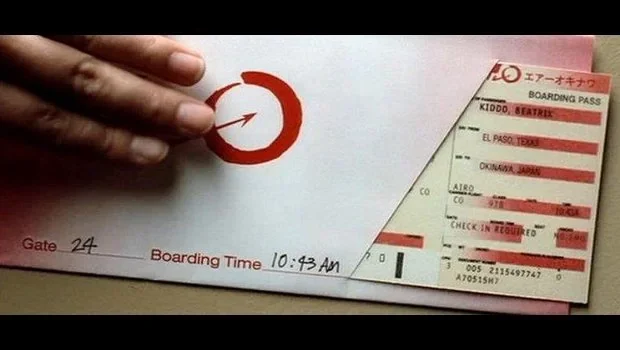
Early in ‘Kill Bill: Vol. 1’, Beatrix’s real name is repeatedly censored by an audio bleep, a diegetic gag that’s dropped only when ‘Kill Bill: Vol. 2’ finally states “Beatrix Kiddo” on-screen. This structure turns her name into a plot device, delaying biographical details until the audience has enough context to understand her history and motivations.
That reveal coincides with flashbacks to her time with Bill and the DiVAS, filling in how she entered, excelled in, and attempted to exit the life. By tying her name disclosure to these scenes, the films ground her identity in events and choices rather than a single exposition dump.
The Hattori Hanzō Sword
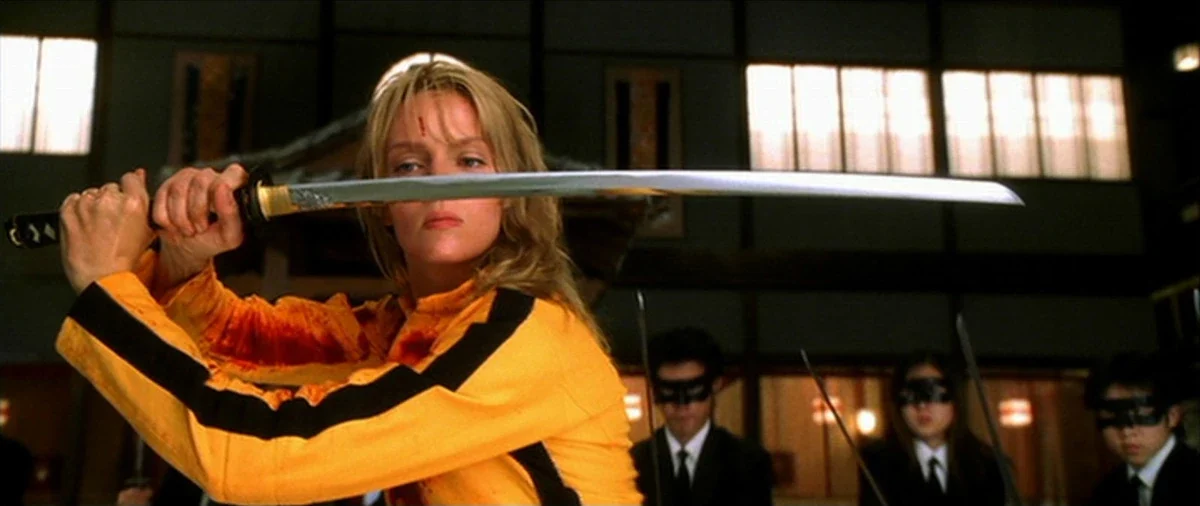
Beatrix’s katana is forged by Hattori Hanzō in Okinawa after he breaks his vow never to make another instrument of death. The film shows the request, the smith’s reluctance, the period of forging, and the ceremonial presentation—so viewers can track the weapon’s provenance step by step.
Combat sequences then demonstrate the sword’s performance against multiple opponents and even other blades. The story underscores its uniqueness by having Hanzō declare he has created something without equal, and by showing how that advantage changes the odds in large-scale confrontations.
The Five Point Palm Exploding Heart Technique

The Five Point Palm Exploding Heart Technique is introduced as a secret Pai Mei move that Beatrix learns off-screen during her training but is named explicitly only at the end. The rules are stated in dialogue—strike five points, the target takes five steps, and the heart stops—which gives the technique clear, testable parameters within the story.
Because multiple characters insist Pai Mei never taught anyone this move, Beatrix’s mastery functions as both a plot twist and a documented exception. The final usage adheres exactly to the technique’s described conditions, aligning the narrative payoff with the earlier explanation.
Pai Mei’s Training Regimen

Beatrix’s apprenticeship under Pai Mei is presented in detail: brutal conditioning, close-quarters strikes, and strict discipline, including the one-inch punch practiced against a wooden board at chest height. The film shows drills, corrections, and punishments that map directly to skills she later uses.
When Beatrix escapes a coffin underground, the technique is executed exactly as trained—short-range strikes, measured breathing, and repeated impacts to split the wood. The sequence explicitly connects cause and effect: training method on one side, field application on the other.
The House of Blue Leaves Strategy
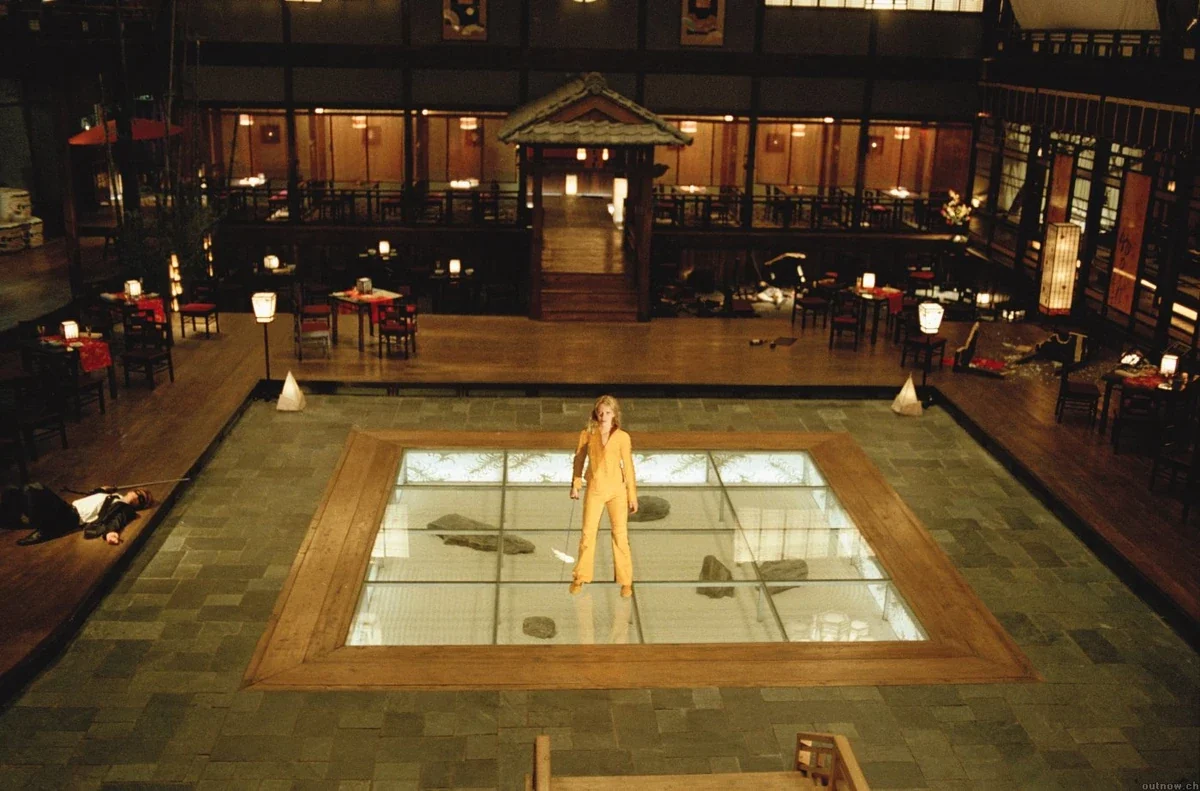
The House of Blue Leaves sequence lays out Beatrix’s approach to outnumbered combat. She isolates O-Ren Ishii’s lieutenants, then takes on the Crazy 88 in waves, using footwork, spacing, and precision cuts to reduce the group’s mobility before the duel. The cinematography switches perspectives and lighting to mark transitions between phases of the fight.
The duel with O-Ren is fought under codified etiquette—formal introductions, agreement on location, and a clean finishing stroke. By following these steps, the film shows how Beatrix moves from chaotic melee to a rule-bound confrontation, matching the tactical flow the audience has just watched.
The Death List and Methodical Target Tracking

Beatrix keeps a handwritten list of targets, crossing names out after each confrontation. The prop appears repeatedly, creating a persistent checklist that the plot follows city by city. The order is governed by logistics and access rather than simple vendetta escalation, which the film indicates through travel, surveillance, and chance opportunities.
Each entry links to background details—addresses, cover identities, and known associates—so when the story shifts locations, the list signals why. This consistent artifact functions as an on-screen project plan, making her progress auditable within the narrative.
The “Pussy Wagon” and Mobility Tactics

After the hospital sequence, Beatrix acquires a distinctive pickup truck that becomes her transport and equipment platform. The vehicle’s visibility is acknowledged in dialogue and camera framing, but it also provides cargo space for weapons and travel over long distances between encounters.
The films show refueling, highway travel, and parking choices that fit her surveillance and approach strategies. By keeping the same vehicle across sequences, the story provides continuity for her movements and makes her timeline easier to follow.
Maternal Motivation and the B.B. Reveal

Beatrix’s pregnancy at the wedding chapel and the later revelation that her daughter B.B. survived provide a documented personal motive for ending ties with the DiVAS. The films present medical details, the timeline of the coma, and the concealment of B.B.’s whereabouts to explain both Beatrix’s disappearance and her return.
At Bill’s home, scenes with B.B. establish routines, stories, and a shared bond that the narrative treats as evidence of life outside the cycle of revenge. These moments frame the final confrontation not only as the end of a mission but as a transition into a documented parental role.
Final Confrontation Protocols with Bill
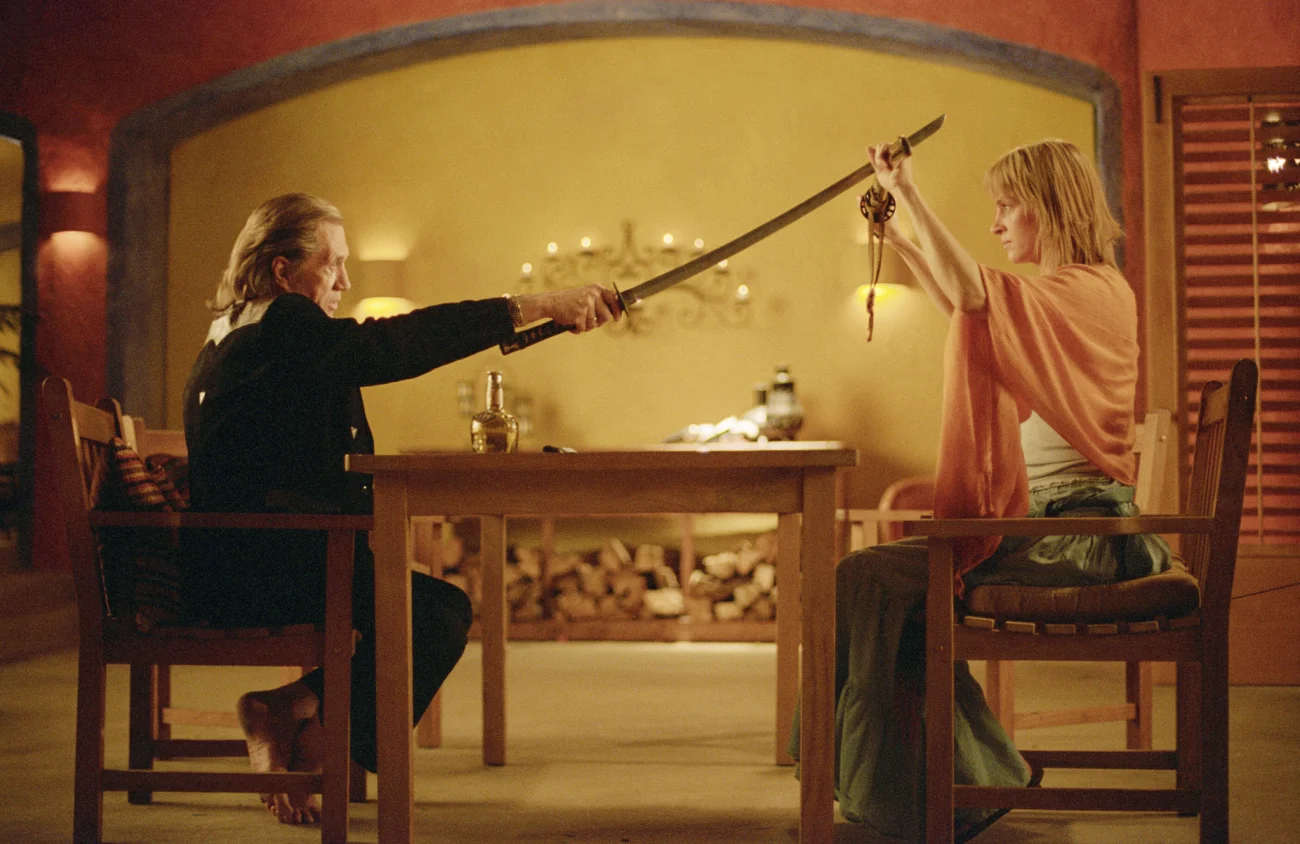
The last act outlines ground rules—no ambush, honest conversation, and a fair chance—before any fighting starts. The dialogue confirms mutual knowledge of past events, clarifies misconceptions, and sets the stage for the agreed-upon terms, including the moment Bill recognizes the technique that will end the conflict.
When Beatrix applies the Five Point Palm Exploding Heart Technique, the film follows the previously stated mechanics to the letter. The resolution aligns with the established training arc, the codified rules between warriors, and the personal closure the story has been building toward.
Share your favorite Beatrix Kiddo moments or details in the comments below!