


Top 10 Coolest Things About Beetlejuice




The ‘Beetlejuice’ universe blends supernatural rules, high-impact production design, and a deeply memorable sense of humor into a world that’s easy to recognize at a glance. Across films, TV, music, and even theme parks, it’s packed with concrete details—from how ghosts file paperwork to the exact songs that turn a dinner party upside down.
Below, you’ll find ten specific elements that make the property stand out. Each entry focuses on what’s actually in the canon or behind the scenes—who made it, how it works, where it was filmed, and how it expanded—so you get a practical, fact-first tour of what makes this world tick.
‘Beetlejuice’ (1988)
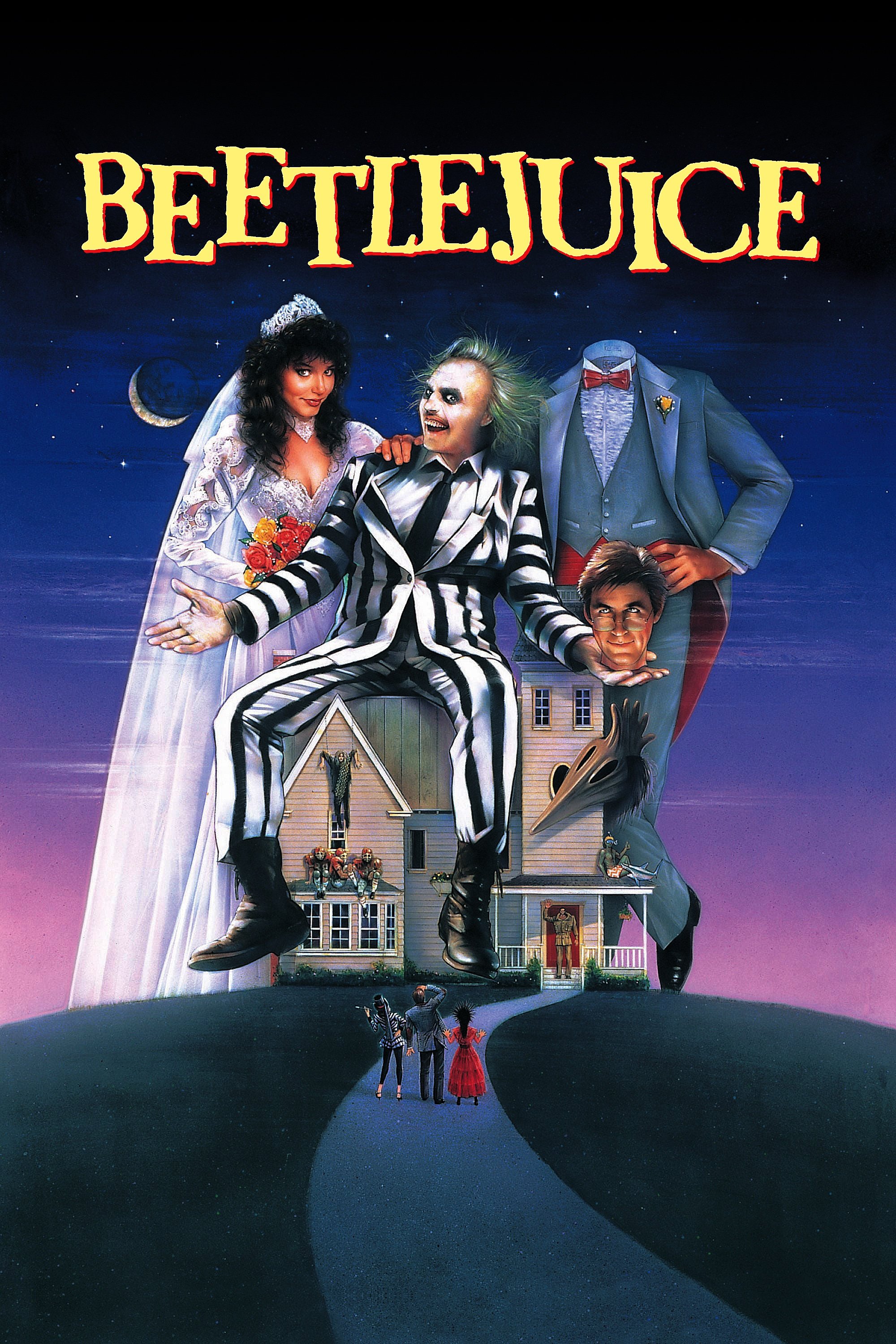
Tim Burton directed ‘Beetlejuice’ from a story by Michael McDowell and Larry Wilson, with a screenplay by McDowell and Warren Skaaren, and production by The Geffen Company and Warner Bros. The film introduced the afterlife’s bureaucratic rules, the Deetz family’s move to Winter River, and the concept of a “bio-exorcist” hired by ghosts to remove the living. It won the Academy Award for Best Makeup, recognizing work that defined the title character’s moldy complexion, wild hair, and distinctive teeth.
The production’s visual identity—striped costuming, exaggerated architecture, and miniature models—came together under production designer Bo Welch and costume designer Aggie Guerard Rodgers. Alec Baldwin and Geena Davis play the Maitlands, Winona Ryder and Catherine O’Hara appear as Lydia and Delia Deetz, and Michael Keaton’s title character sets the story in motion when his name is called three times.
Practical Effects, Miniatures, and Stop-Motion
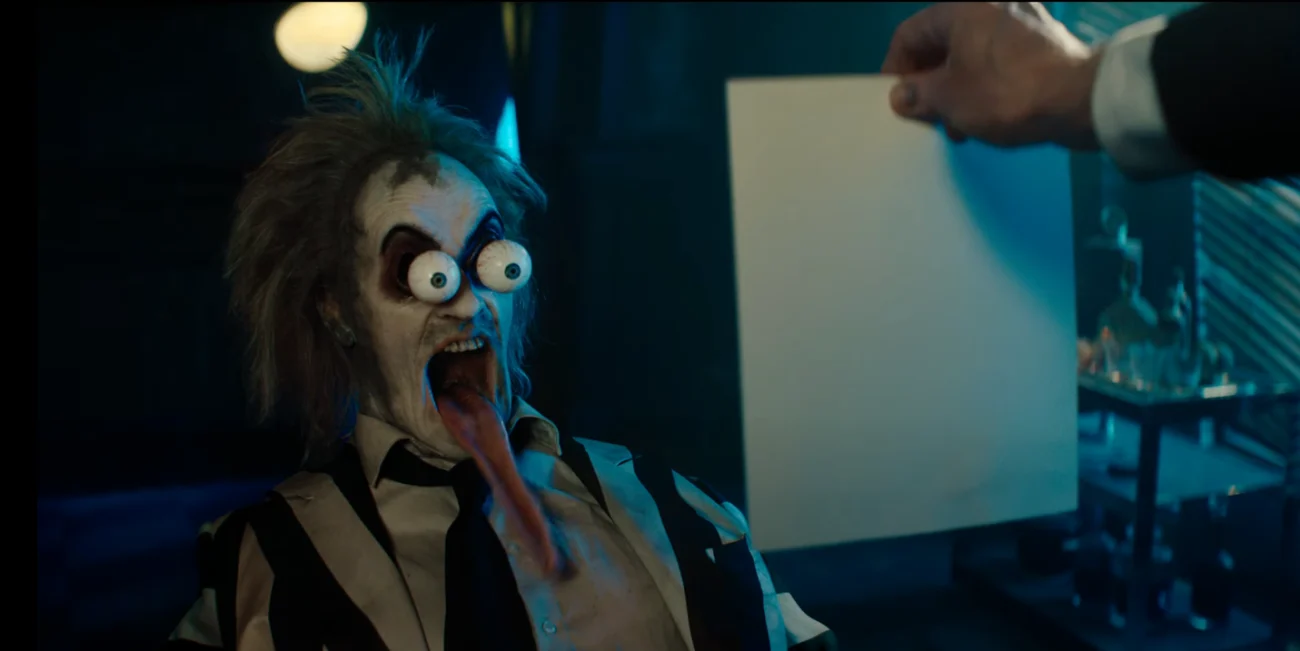
The franchise’s signature sandworms, decapitations, and shrunken heads heavily rely on stop-motion animation, miniature sets, matte paintings, rear-projection, and practical gags rather than fully digital imagery. Sandworm sequences were built with scale models and animated frame by frame, while the miniature town of Winter River allowed camera moves that sold the illusion of a living diorama.
Makeup and prosthetics supported the afterlife’s look: flattened ghosts, exposed jaws, and stitched necks were created with foam latex appliances and mechanical rigs. Effects crews used in-camera blends, puppetry, and optical printing to keep performances and lighting consistent, which helps the gags read clearly even as lighting shifts between the living world and the Neitherworld.
The Rules of Saying His Name
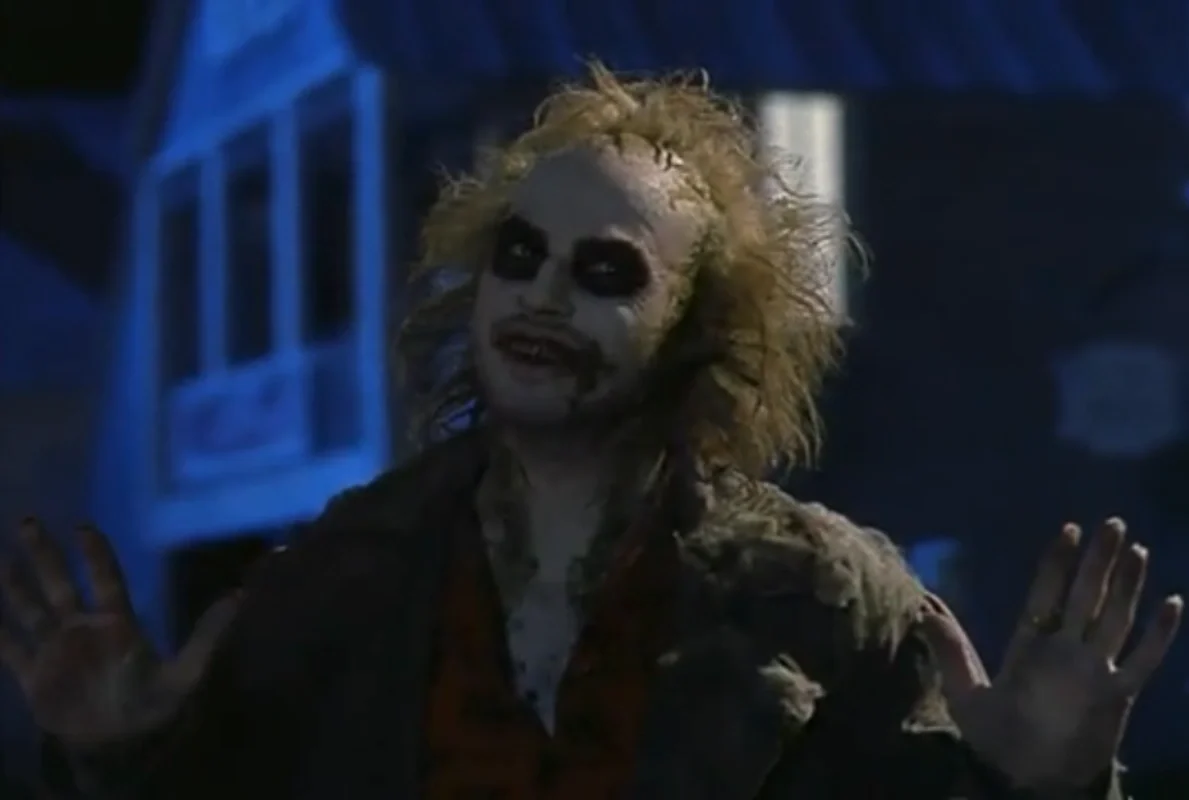
Within the story, summoning and dismissing the bio-exorcist requires saying his name three times, a constraint that controls when he can act and who can compel him. The invocation works like a contract—characters must speak the name themselves, and the sequence resets if they’re interrupted, which gives the plot predictable triggers for entrances and exits.
The same three-times rule applies to banishment, providing a clean mechanic to end his interference. Other constraints—like the need for marriage to move freely among the living—add stakes to specific scenes while keeping the rules simple enough to follow in a single viewing.
The Deetz House and East Corinth, Vermont
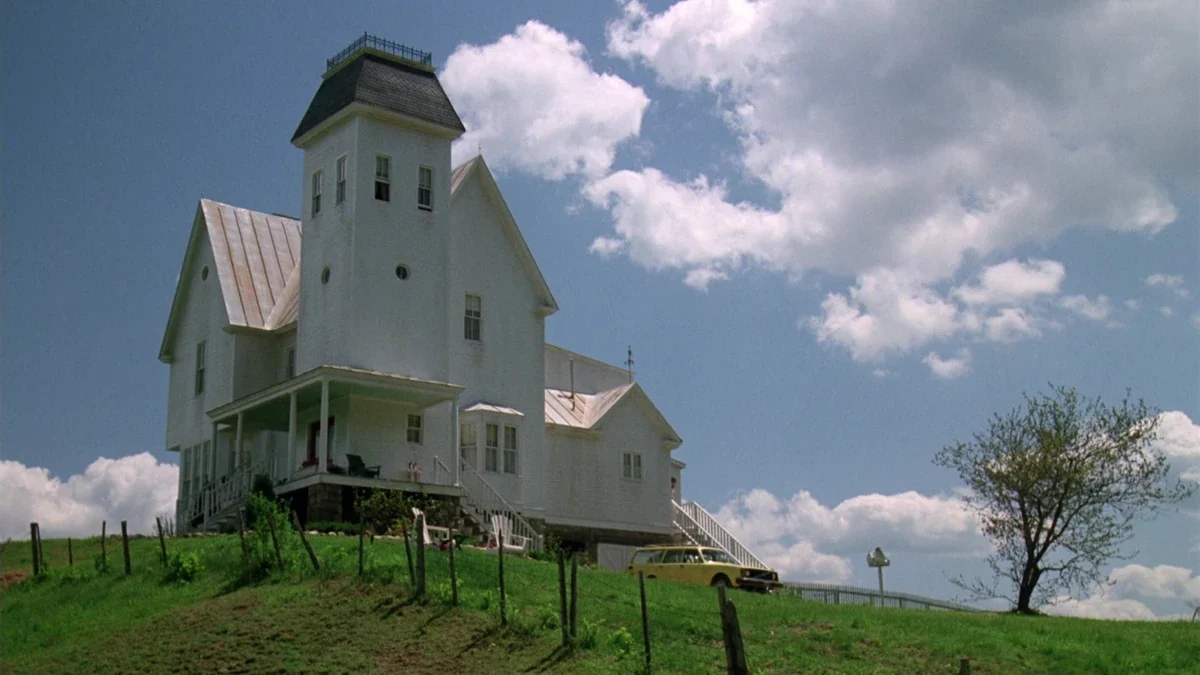
Winter River is a fictional Connecticut town, but the production used East Corinth, Vermont, for exteriors. The steep hilltop house was a purpose-built façade erected on a meadow; interiors were constructed on soundstages so crews could fly walls, rig effects, and control lighting schemes for day-night transitions and afterlife color palettes.
The town’s covered bridge—crucial to the Maitlands’ story—was also built for filming, designed to match local architecture while accommodating camera placements and stunt setups. After filming, the house façade was removed, but the recognizable stretch of road and hillside remain a draw for location enthusiasts tracing the movie’s real-world footprint.
‘Beetlejuice’ (1989–1991)
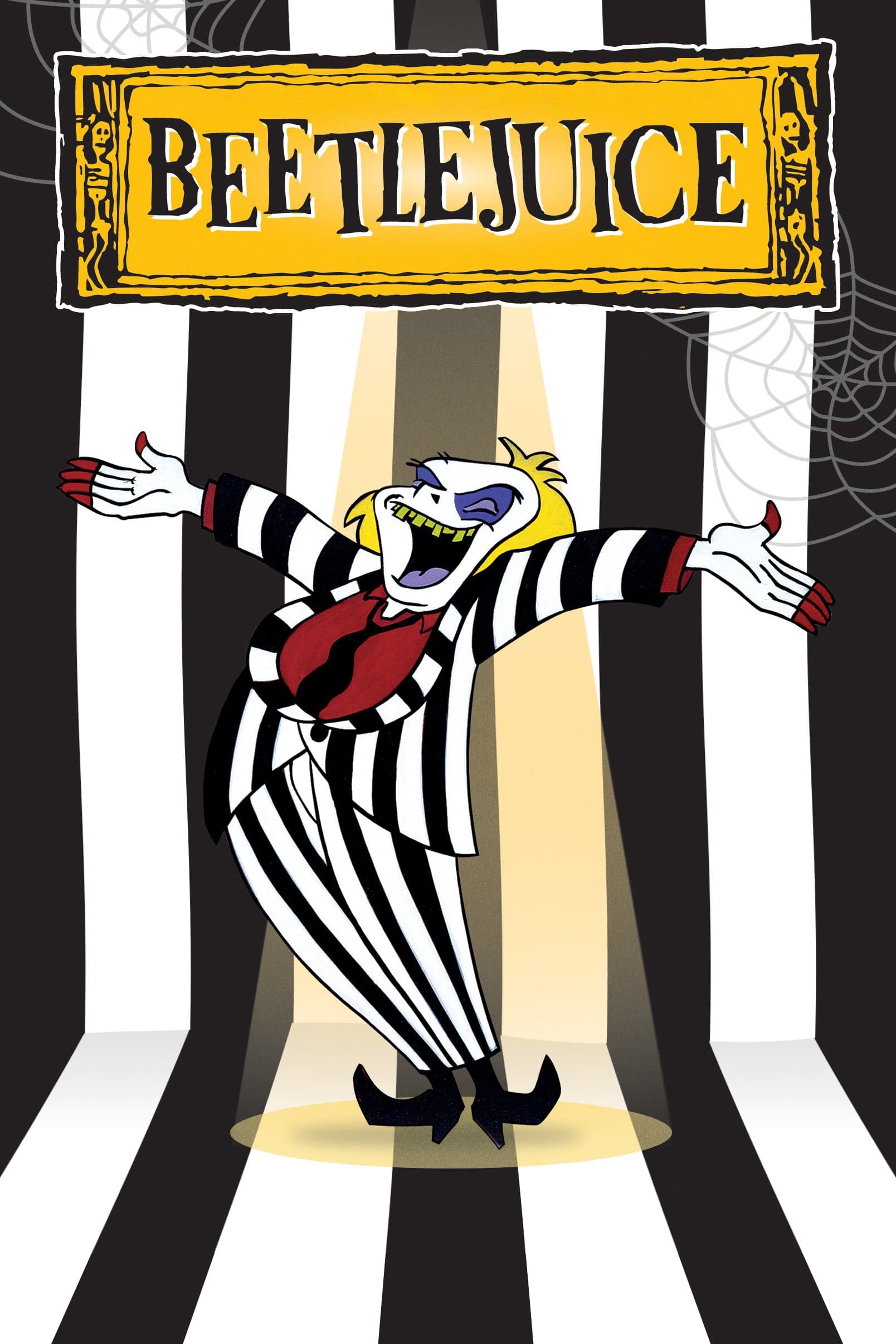
The animated series reimagines the dynamic between Lydia Deetz and the title character as a friendship, shifting the tone toward kid-friendly adventures while keeping signature motifs like the striped suit and sandbox-desert realms. Co-produced by Nelvana alongside The Geffen Company, the series aired on ABC before moving to Fox Kids, expanding the Neitherworld with recurring characters and pun-filled setpieces.
Episodes regularly jump between Lydia’s world and the Neitherworld, with visual gags that translate the film’s effects into squash-and-stretch animation. The show broadened the franchise’s reach to Saturday-morning audiences and generated tie-in books, toys, and home-video releases that kept the brand active between screen projects.
Danny Elfman’s Score and Musical DNA
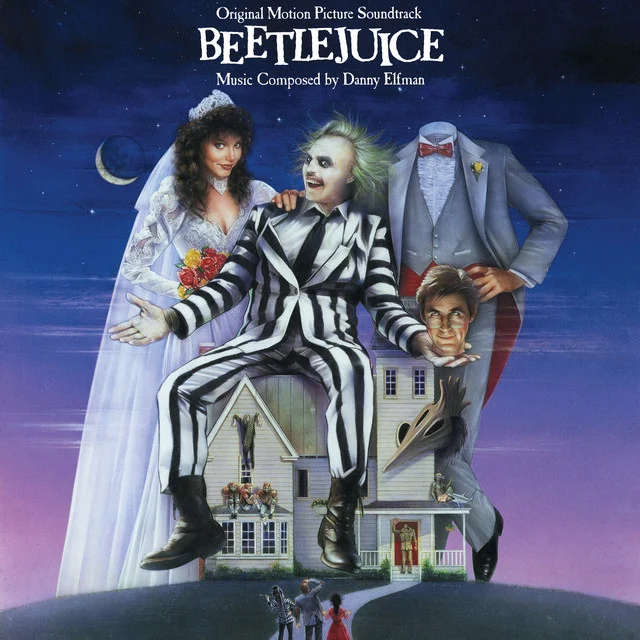
Composer Danny Elfman’s main theme frames the film with brisk tempos, low brass, pipe-organ colors, and choral bursts that signal a carnival-meets-gothic mood. The orchestration alternates between punchy, short phrases and swirling woodwinds, supporting both comedic timing and macabre reveals without relying on a single melodic hook.
Motivic callbacks link scenes—staccato rhythmic cells and organ figures return whenever the story crosses into afterlife bureaucracy or Beetlejuice’s schemes. The score’s mix of orchestral textures and circus-like gestures became a template for later collaborations between Elfman and Burton, and it’s frequently performed in concert suites and film-music programs.
Calypso Needle-Drops That Everyone Remembers
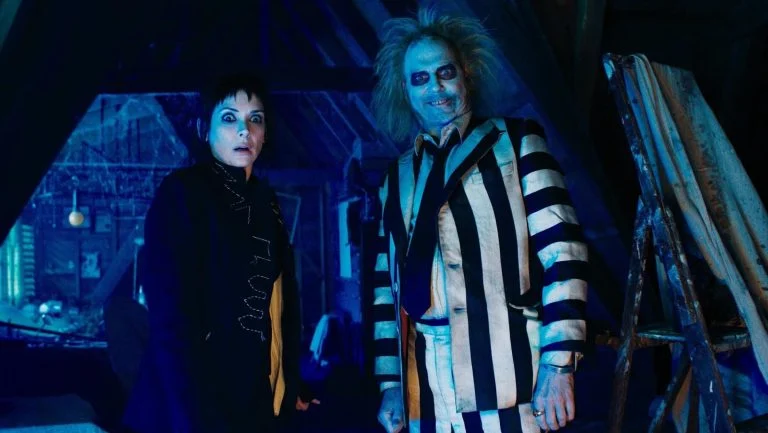
The dinner-party possession sequence uses Harry Belafonte’s ‘Day-O (The Banana Boat Song)’ to turn a tense social evening into a choreographed setpiece driven by diegetic playback and invisible manipulation. The cue’s call-and-response structure gives actors clear beats for movement and facial reactions, which helps the scene land without extra exposition.
The closing celebration leans on ‘Jump in the Line (Shake, Senora),’ tying the film’s final mood to another Belafonte staple. These needle-drops boosted catalog streams and reintroduced classic calypso to new audiences through soundtrack albums and decades of cable reruns and home-video circulation.
The Afterlife as a Paper-Pushing Bureaucracy
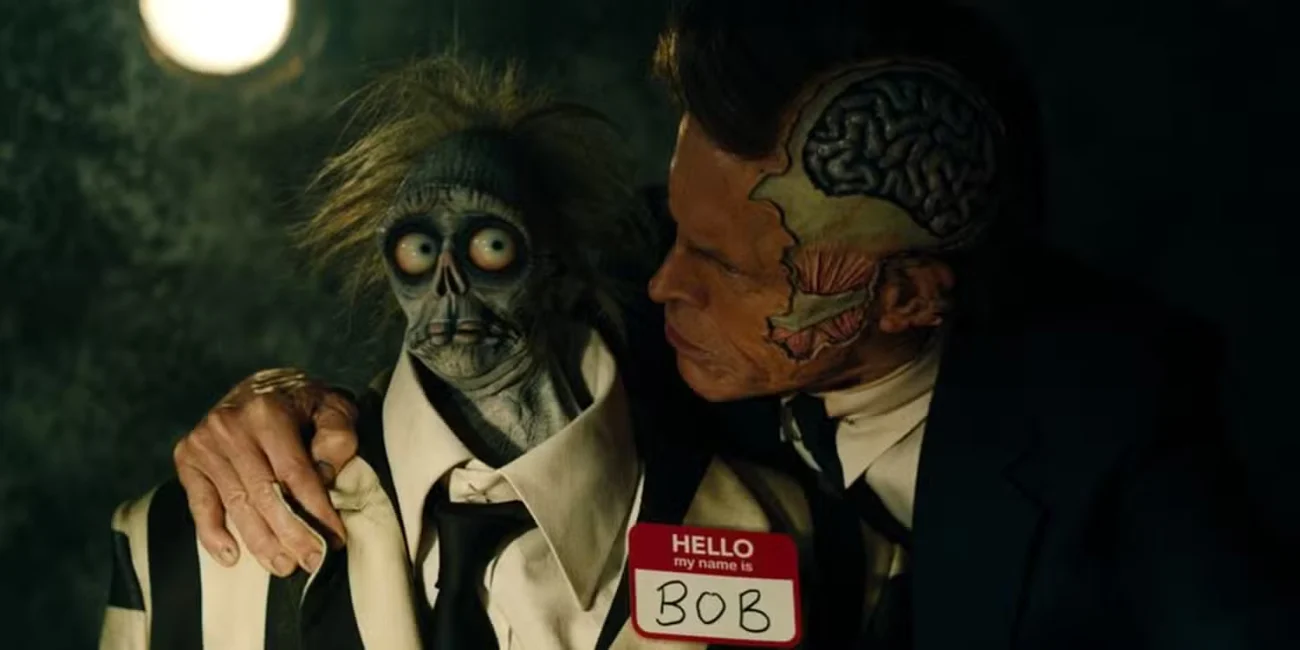
The ‘Handbook for the Recently Deceased’ serves as an in-universe manual that lays out processes, waiting periods, and limitations for spirits navigating the transition. Caseworker Juno handles the Maitlands’ file, and the waiting room is populated with ghosts whose appearances reflect how they died, turning cause of death into a readable visual code.
Tickets, numbered doors, and rule-bound portals formalize the pathway between the living world and the Neitherworld. This framework gives scenes clear objectives—find the correct office, file the right request, wait out the queue—and allows the story to move briskly while keeping supernatural logic consistent.
Theme-Park and Live-Show Footprint
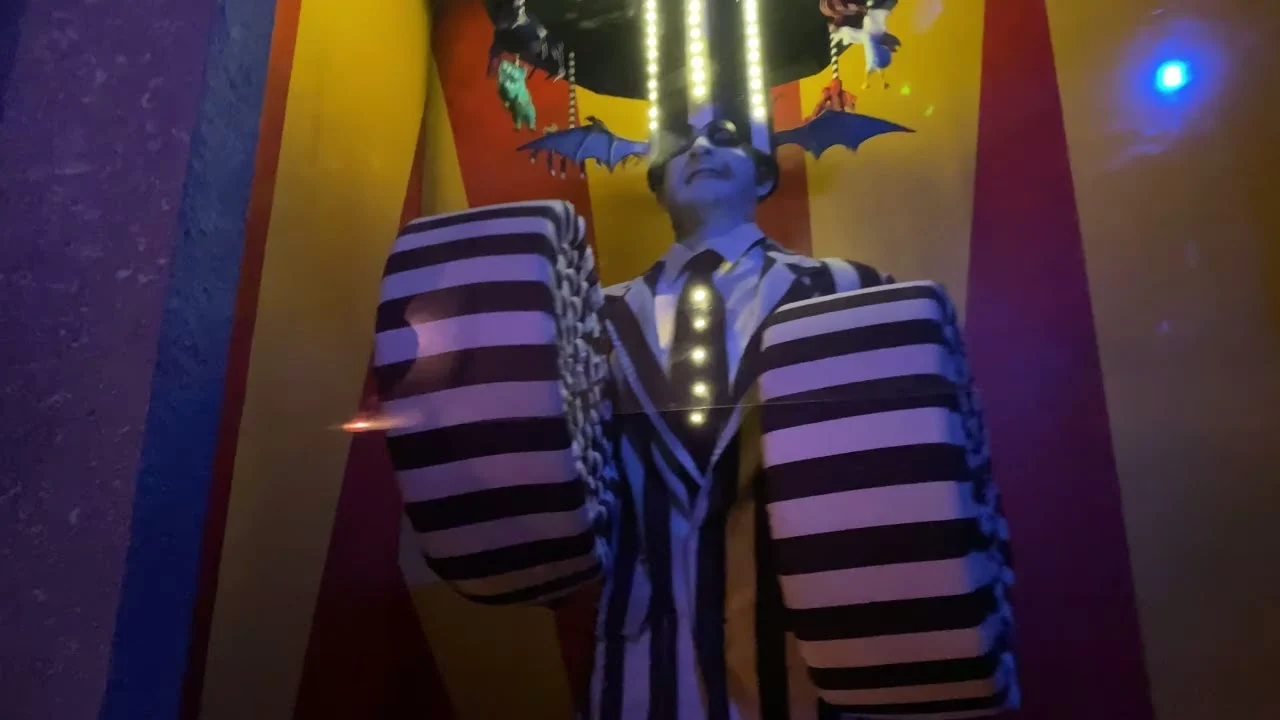
Universal Studios Florida presented Beetlejuice-themed stage shows, most prominently Beetlejuice’s Graveyard Revue, which mixed live singing with appearances by classic-monster characters. The production ran for years with updated song lineups and seasonal overlays, using a host character to bridge audience interaction and park operations.
International parks featured variations tailored to local venues and schedules, and seasonal events sometimes included street shows or character greetings styled after the striped-suit trickster. These installations helped standardize a live-performance persona—fast patter, guest call-and-response, and photo-friendly visual beats—across thousands of shows.
Iconic Wardrobe and Makeup Craft
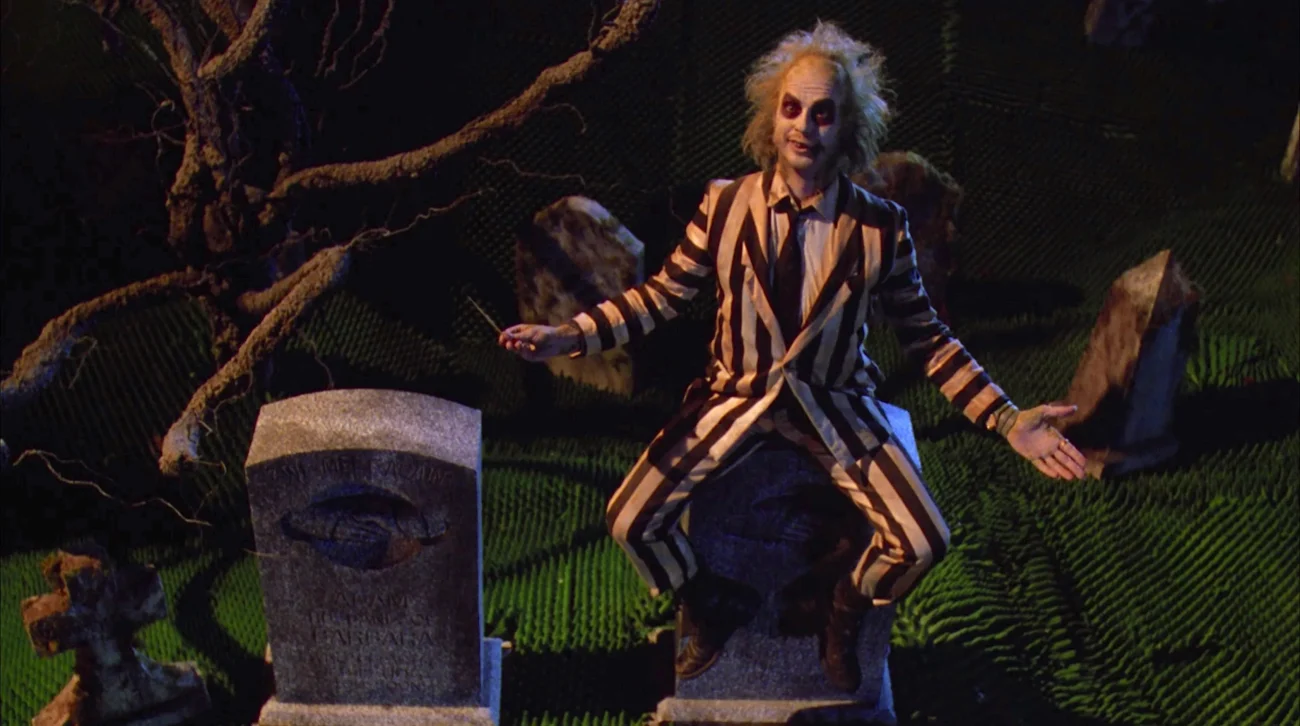
Costume elements—most famously the black-and-white striped suit—establish silhouette recognition at any distance, while makeup techniques layer pallor, mildew-green staining, and exaggerated dental appliances to shift expressions dramatically on camera. Application workflows prioritized speed for set turnaround, with modular pieces that could be adjusted as scenes moved between close-ups and wider coverage.
Other characters’ looks reinforce world-building: the Maitlands’ morphs rely on prosthetics and mechanical rigs, while afterlife staff wear period-specific uniforms and accessories that suggest office culture. Together, wardrobe and makeup provide consistent visual shorthand for status—living, dead, or bureaucratic—without needing extra dialogue.
‘Beetlejuice Beetlejuice’ (2024)
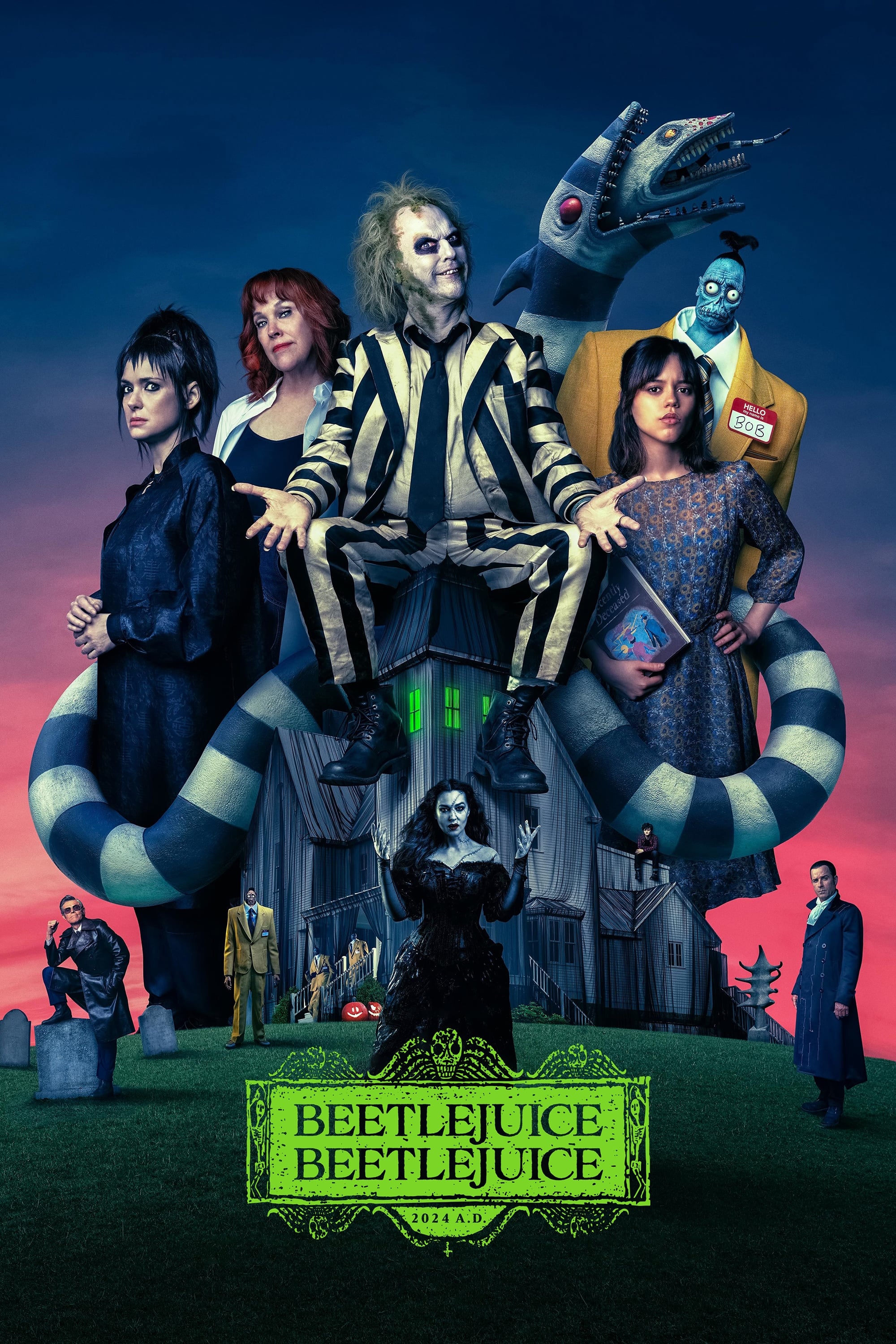
‘Beetlejuice Beetlejuice’ brings back director Tim Burton and returning cast members Michael Keaton, Winona Ryder, and Catherine O’Hara, while adding Jenna Ortega, Justin Theroux, Monica Bellucci, and Willem Dafoe. The story reconnects with the Deetz family and introduces new pressures that reopen the doorway between worlds, giving the bio-exorcist fresh opportunities to meddle.
Production continued the franchise’s commitment to practical techniques alongside modern compositing, keeping tactile gags and stylized sets in the mix. Marketing emphasized continuity with established iconography—striped tailoring, the miniature-town motif, and the name-calling rule—so audiences could track how familiar mechanics play out under new circumstances.
Share your own favorite piece of ‘Beetlejuice’ trivia or world-building in the comments!