

Top 10 Coolest Things About Bowser




Bowser has anchored Nintendo’s ‘Super Mario’ universe for decades as the Koopa King—an imposing, turtle-dragon monarch with spiked armor, volcanic breath, and a knack for kidnapping Princess Peach. Across platformers, role-playing games, party titles, and crossovers, he’s been engineered with consistent design pillars—power, scale, and spectacle—while still adapting to each game’s mechanics and hardware.
Beyond his boss fights, Bowser has a surprisingly deep footprint: he leads an army with defined ranks, rules vast territories, and even co-stars in RPGs that expose his day-to-day operations and internal logic. From core platform games like ‘Super Mario Bros.’ and ‘Super Mario Odyssey’ to spin-offs such as ‘Mario Kart’, ‘Mario Party’, and ‘Super Smash Bros.’, he’s one of the most fully specified antagonists in gaming, with clear abilities, transformations, relationships, and lore.
The Long-Running Mainline Antagonist
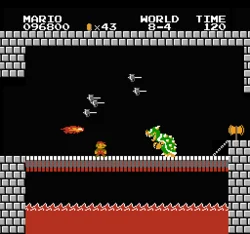
Bowser is the principal antagonist across the mainline ‘Super Mario’ platformers, beginning with ‘Super Mario Bros.’ and continuing through entries like ‘Super Mario World’, ‘New Super Mario Bros. U’, and ‘Super Mario Odyssey’. His core objective—seizing the Mushroom Kingdom and abducting Princess Peach—provides continuity, while each game iterates on his capabilities through new boss phases, environmental hazards, and cinematic set-pieces.
Across these games, Bowser’s final encounters often leverage stage-specific systems—bridge-cutting axes in early titles, 3D arena traversal in ‘Super Mario 64’, gravity mechanics in ‘Super Mario Galaxy’, and possession-based twists in ‘Super Mario Odyssey’. These designs ensure he functions as a culmination of each title’s mechanics rather than a standalone brawler.
Signature Fire Breath and Shell Armor
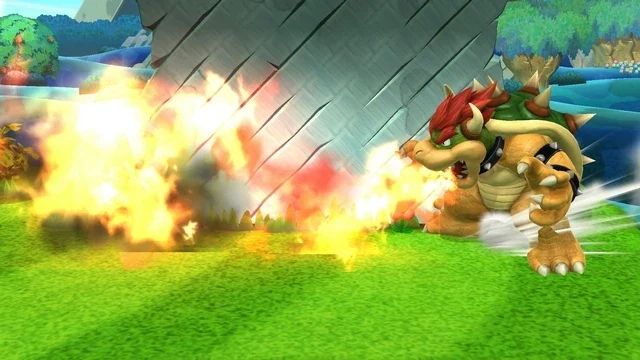
Bowser’s moveset consistently features long-range fire breath and a defensive-offensive shell covered in spikes. Fire patterns vary by game—fixed arcs in side-scrollers, trackable streams in 3D arenas, and homing bursts in late-game phases—forcing players to time jumps, use cover, or exploit cooldown windows.
His spiked shell informs both level design and damage rules. Many games make direct top-down contact hazardous, pushing players to use projectiles, environmental triggers, or indirect attacks. In titles with physics systems like ‘Super Mario 3D World’, shell spins, shockwaves, and charge attacks add area-denial that shapes platform layout and safe zones.
Kingdoms, Fortresses, and the Koopa Chain of Command
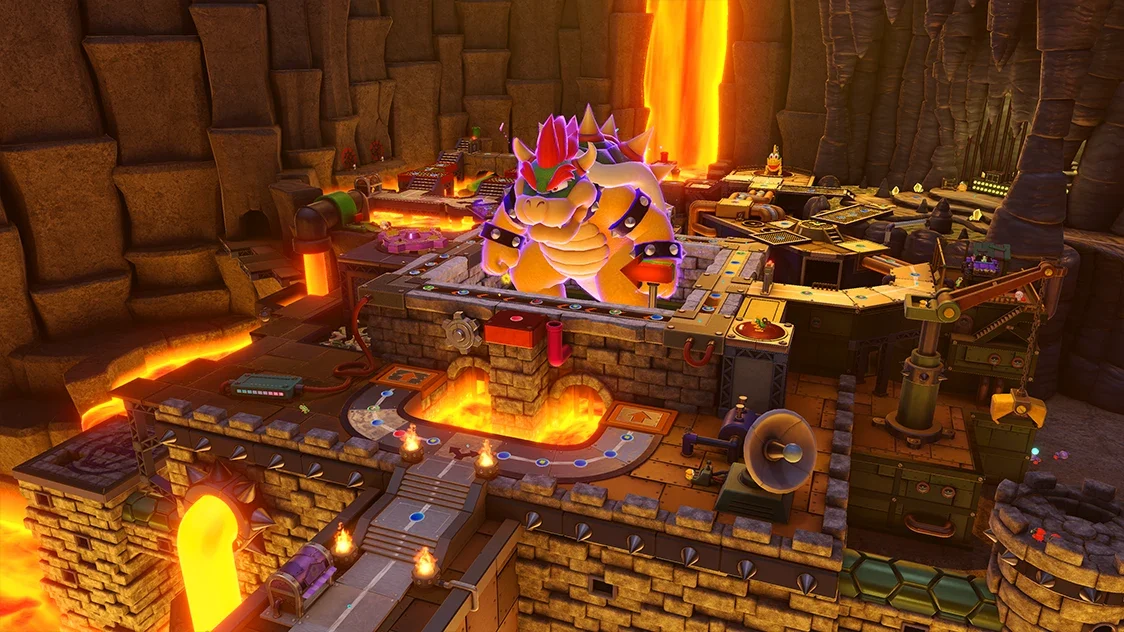
Bowser is formally styled as the King of the Koopas, ruling territories that include airships, lava fortresses, and sprawling castles. In ‘Super Mario Bros. 3’ and later entries, his forces field distinct unit types—Goombas, Koopa Troopas, Hammer Bros., Magikoopas, and more—organized to escalate difficulty from overworld skirmishes to stronghold sieges.
World-building details show Bowser’s logistics at work: airship fleets deliver bosses across maps, fortresses gate progression with keys and switch puzzles, and late-game castles combine traps with miniboss patrols. ‘Super Mario Odyssey’ expands this with Bowser’s Kingdom, a Japan-inspired citadel whose architecture and enemy sets reflect his rule.
Playable Bowser in RPGs and Spin-Offs
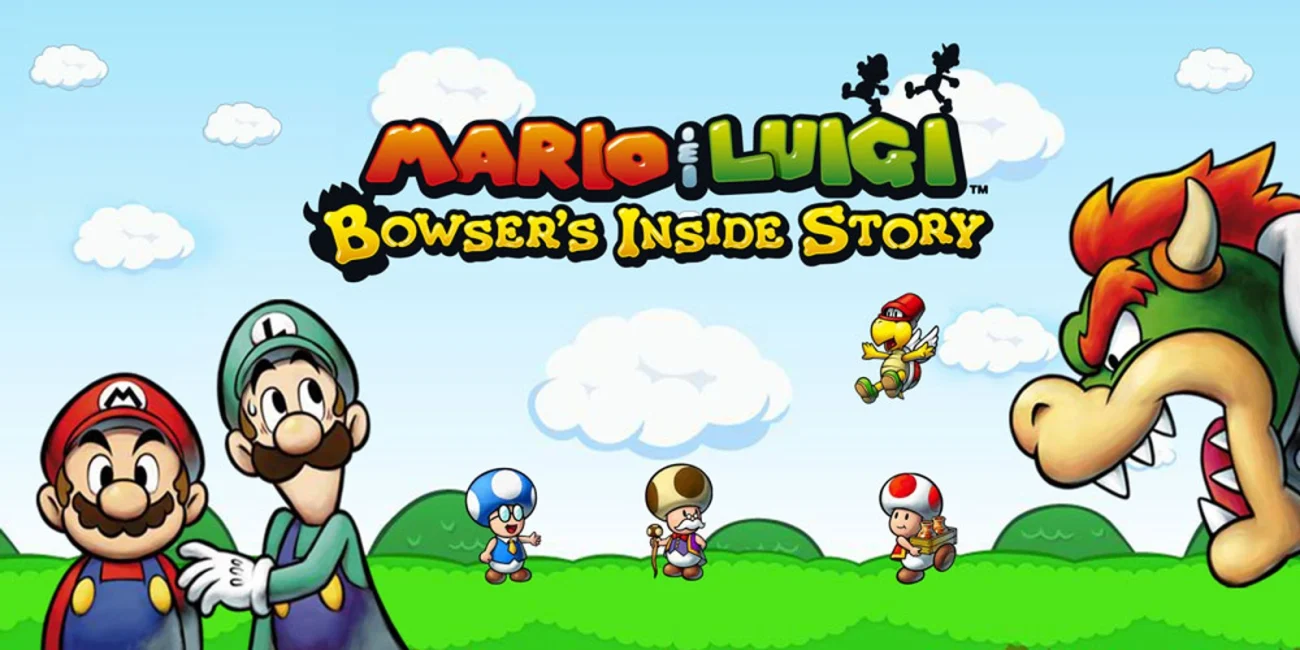
While Bowser is usually the final boss, several games put players in direct control of him. ‘Mario & Luigi: Bowser’s Inside Story’ lets you traverse overworlds as Bowser, use his strength to solve environmental puzzles, and engage in giant set-piece battles that translate his size into stylus-driven mechanics. This framework outlines how he manages minions and confronts rival factions.
In competitive spin-offs, Bowser is a selectable character with heavyweight stats. In ‘Mario Kart’, he typically trades acceleration for top speed and weight-based collision advantages. In ‘Mario Party’, Bowser introduces board events, custom dice variants in some entries, and special modes that formalize him as a rule-changing participant rather than only a random hazard.
Transformations: Dry Bowser, Fury Bowser, and More
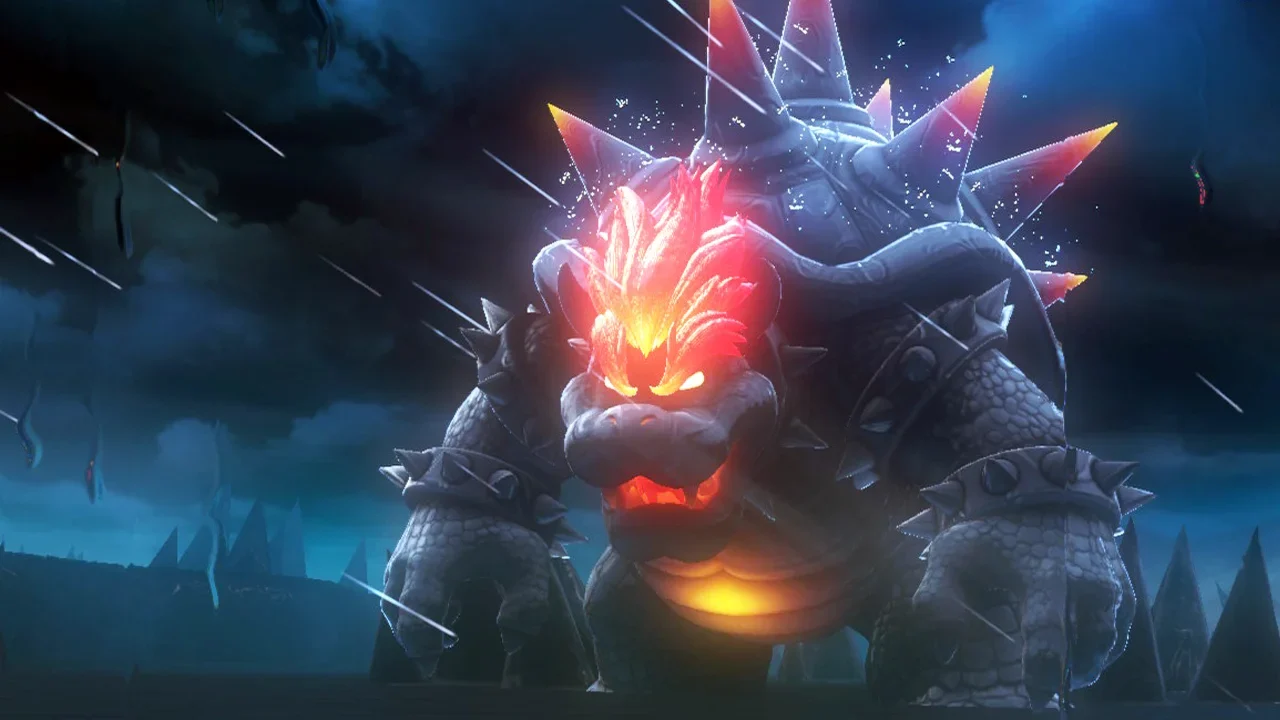
Bowser’s transformations serve specific gameplay and narrative roles. Dry Bowser appears as an undead, skeletal variant with altered attack effects and resistances in multiple titles, often used for post-game challenges. Giga Bowser functions as an ultimate form in ‘Super Smash Bros.’, expanding hitboxes, damage, and armor to communicate boss-tier threat.
Other forms adapt to each game’s theme—Meowser in ‘Super Mario 3D World’ layers cat-like agility onto vertical stages, while Fury Bowser in ‘Bowser’s Fury’ introduces timed, kaiju-scale storms that restructure the overworld and unlock high-risk, high-reward tactics. These forms systematically diversify encounter pacing and player strategy.
Family Ties: Bowser Jr. and the Koopalings
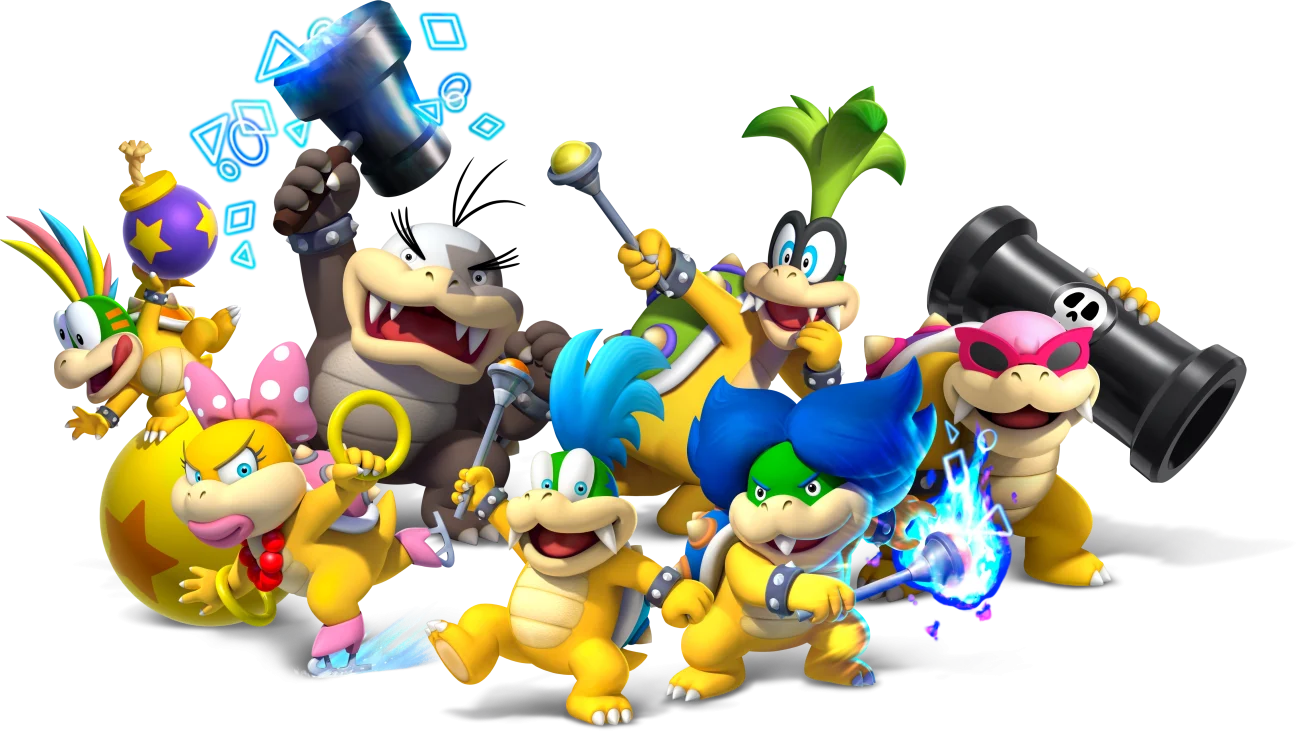
Bowser’s hierarchy includes Bowser Jr. and the Koopalings—Larry, Morton, Wendy, Iggy, Roy, Lemmy, and Ludwig—who function as lieutenants and minibosses across platformers and spin-offs. Bowser Jr. frequently acts as field commander, piloting the Junior Clown Car with paintbrush mechanics in ‘Super Mario Sunshine’ and gadget-based boss patterns in later games.
The Koopalings differentiate encounters through unique weapons and movement—wands that alter terrain, drill orbits, and shell-bounce patterns—giving each world a consistent mid-boss cadence. Their presence also supports multi-stage campaigns: airship captures, fortress retakes, and castle escalations that map to a clear chain of command under Bowser.
Boss Design That Showcases Game Systems
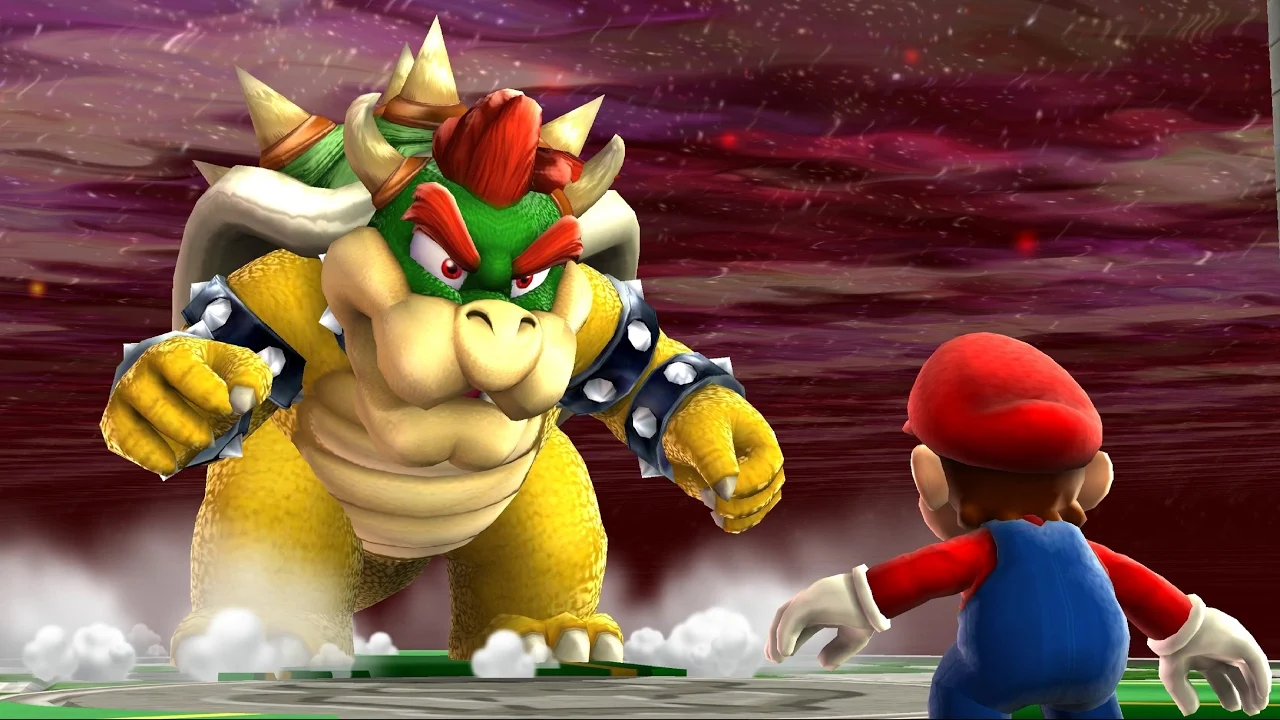
Bowser’s boss fights routinely teach or test mechanics introduced in the same game. Examples include tail-grabs and throw timing in ‘Super Mario 64’, gravity sling traversal in ‘Super Mario Galaxy’, and capture-based platforming in ‘Super Mario Odyssey’. These encounters fold core movement and physics into readable, repeatable loops.
Designers often implement escalating phases with new tells, wider area-denial, and environmental triggers—switches, bombs, lava levels—to push mastery without introducing unfamiliar rules. This approach ensures Bowser functions as a final exam for the skill set players built throughout the campaign.
Characterization in the RPG Series
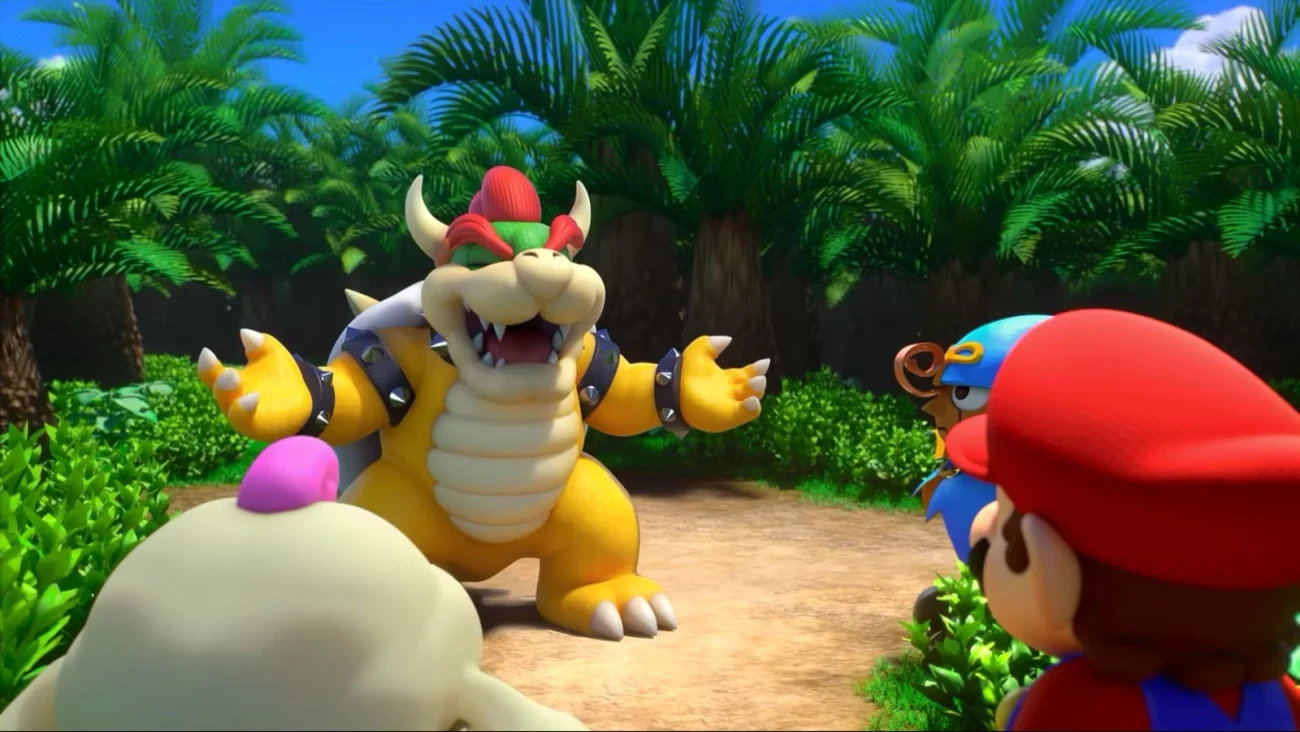
RPG entries such as ‘Paper Mario’ and ‘Mario & Luigi’ expand Bowser beyond a silent antagonist. Dialogue, set-piece comedy, and party interactions document his management style, resource constraints, and rivalries. These games codify how he negotiates with allies, handles setbacks, and coordinates campaigns against Mario’s team.
Mechanically, RPGs quantify his power through stats, badges, and special moves while preserving his identity—high attack, strong defenses, and area-control abilities. Story arcs often place him in temporary alliances or perspective-shifting chapters that clarify his goals and the operational logic of the Koopa Troop.
Crossovers and Platform-Specific Cameos
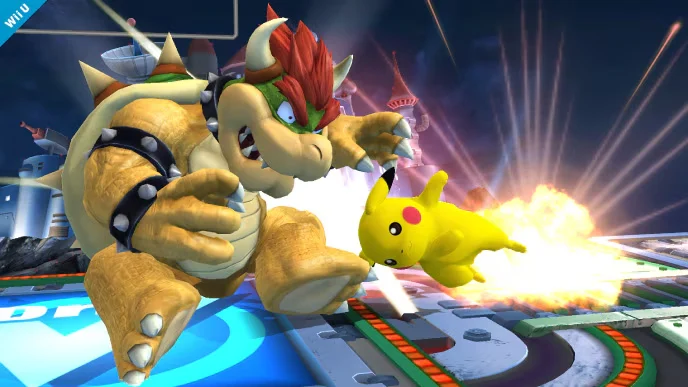
Bowser’s crossover presence cements him as a Nintendo flagship. In ‘Super Smash Bros.’, he is a heavyweight with command grabs, armor on select moves, and a Final Smash that emphasizes scale and intimidation. Moveset tuning across entries refines mobility and punish windows while keeping his archetype intact.
Outside fighting games, Bowser appeared as a guest character in ‘Skylanders: SuperChargers’ on Nintendo platforms, complete with an Amiibo-hybrid figure that toggles between ‘Skylanders’ and ‘Super Mario’ functionality. This cameo integrated his brand into a separate toys-to-life ecosystem without altering his core identity and abilities.
Visual and Audio Design Consistency
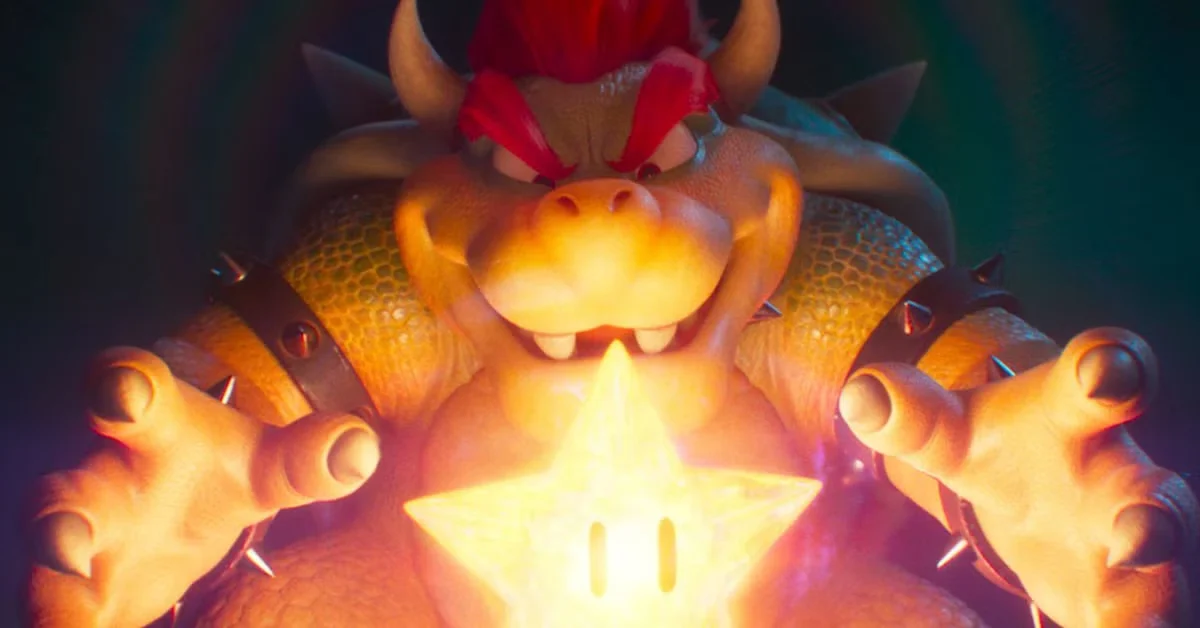
Bowser’s silhouette—a massive shell, horns, and spiked cuffs—stays consistent across games, supporting instant recognition at varied resolutions and art styles. Animators scale jaw size, claw length, and shell spikes to communicate threat in both 2D sprites and 3D models while preserving silhouette clarity against busy backgrounds.
Audio design reinforces his presence with gravelly vocalizations, heavy footfalls, and theme motifs that recur across titles. Sound teams align roar timing with attack telegraphs and use low-frequency emphasis to sell mass, ensuring players can parse his state—enraged, charging, vulnerable—even without direct visual focus.
Share your favorite Bowser moment or transformation in the comments!