


Top 10 Coolest Things About Captain Kirk




Captain James T. Kirk has been at the heart of ‘Star Trek’ for decades, showing how a starship captain balances split-second decisions with long-range vision. Across missions that span first contact, crisis response, and even time travel, he’s consistently presented as a leader who knows his crew, his ship, and the stakes of deep-space exploration.
What follows highlights ten concrete aspects of Kirk that have shaped Federation history and ‘Star Trek’ lore. These aren’t hype lines—they’re specific achievements, habits, and skills that explain why the name “Kirk” still anchors conversations about command, diplomacy, and problem-solving in the final frontier.
Outsmarting the Kobayashi Maru

At Starfleet Academy, Kirk became the only cadet to beat the no-win Kobayashi Maru test by reprogramming the simulation to allow a winnable scenario. The move demonstrated technical fluency with training systems as well as a refusal to accept preset outcomes when lives might be saved. It also established a record that future officers studied as a case of rule-bending under controlled conditions.
The incident followed him throughout his career, shaping how peers and superiors interpreted his risk calculus. In practice, it meant he entered real engagements prepared to search for third options—methods that were not obvious within the initial parameters but still delivered mission goals while protecting his crew.
The Corbomite Bluff
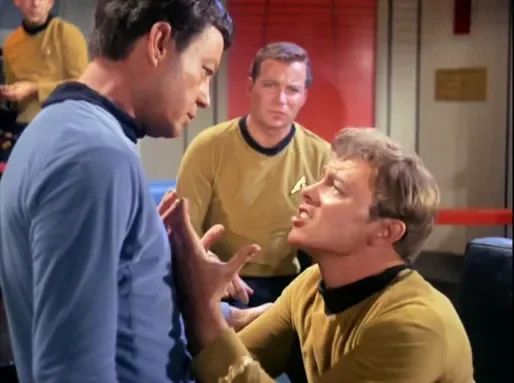
Facing a vastly superior opponent, Kirk invented a fictitious substance called “corbomite,” claiming any attack on the Enterprise would rebound and destroy the aggressor. This information operation—introduced during the events of the episode ‘The Corbomite Maneuver’—bought time, shifted the adversary’s risk assessment, and prevented escalation without firing a shot.
The tactic showed structured use of deception: clear delivery, credible technical framing, and follow-through until the strategic objective—de-escalation—was secured. It’s often cited in Starfleet coursework as an example of non-kinetic conflict resolution where command presence and controlled messaging can neutralize threats.
First-Contact Diplomacy Under Pressure

Kirk led multiple first-contact or near-first-contact situations, including engagements with technologically advanced species that outmatched Federation capabilities. In episodes such as ‘Errand of Mercy’ and ‘Metamorphosis’, he negotiated or maneuvered within alien legal and cultural frameworks while maintaining the Federation’s core principles.
These missions required rapid cultural analysis, protocol discipline, and correct invocation of Federation law. Kirk’s logs from these encounters provide practical templates for later captains, covering language mediation, local customs, and conditions that trigger withdrawal versus continued engagement.
Strategic Prime Directive Interpretation

Kirk consistently applied the Prime Directive with attention to context—especially when pre-warp societies were being covertly manipulated or were locked in destructive stalemates. Cases such as ‘A Taste of Armageddon’ and ‘Return of the Archons’ document interventions aimed at restoring natural societal development by removing external distortions.
Operationally, that approach relied on careful evidence-gathering, limited-scope actions, and post-incident stabilization steps. Starfleet analyses of these missions emphasize the balance he struck between non-interference and the duty to halt artificial containment or indirect coercion that violated Federation standards.
The Spock–McCoy–Kirk Command Triad
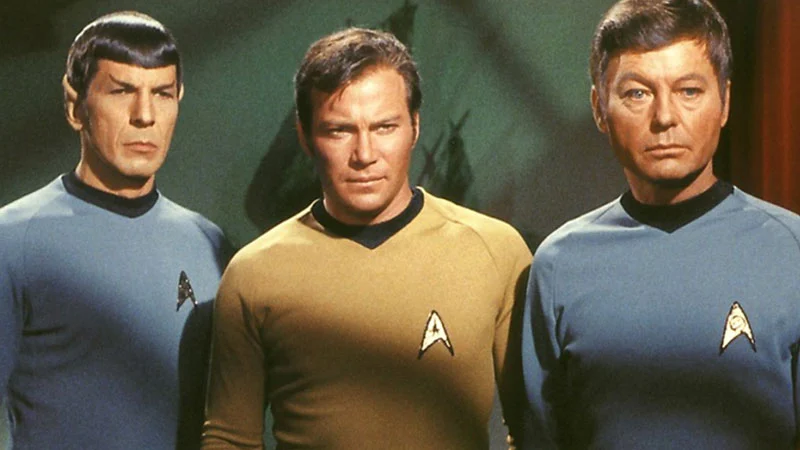
Kirk’s bridge leadership worked in tandem with Spock’s analytics and McCoy’s human-centric perspective. Mission briefings and crisis councils show him soliciting and contrasting their inputs before choosing a course—an intentional structure that kept logic checks and ethical considerations front-and-center.
After-action reports highlight faster consensus building and fewer downstream corrections when the triad operated at full cadence. Starfleet leadership modules frequently cite this triad as a replicable model: designate specialist counterweights, formalize dissent channels, and synthesize into decisive orders.
High-Risk, High-Reward Starship Tactics

From feigned system failures to sensor spoofing and three-dimensional vector traps, Kirk’s space-combat playbook favored misdirection and maneuver over brute force. Engagements such as ‘Balance of Terror’ illustrate disciplined use of limited visibility, pattern prediction, and timing to counter cloaked or stealth-optimized adversaries.
Training materials derived from Enterprise logs detail these methods with telemetry sequences and helm-weapons synchronization. The emphasis is on initiative: degrade an opponent’s advantages, compress decision windows, and force them into unfavorable reveal points while minimizing exposure of critical ship systems.
Time-Travel Mission Execution
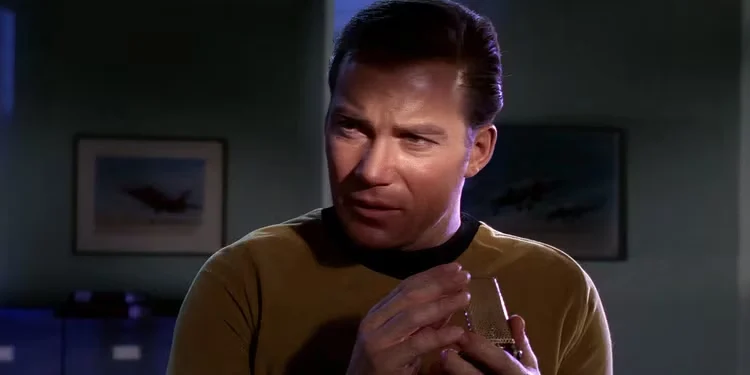
Kirk led or co-led multiple temporally displaced operations, including the events in ‘The City on the Edge of Forever’ and later film-era missions involving historical retrieval and timeline preservation. These cases involved strict chain-of-custody for artifacts, minimal cultural contamination, and restoration of key historical inflection points.
Starfleet’s Temporal Investigations office references these logs for procedural baselines: identity cover protocols, causal risk assessment, and event-restoration metrics. The documentation demonstrates how the Enterprise crew executed temporal objectives while tracking paradox exposure and ensuring re-assimilation into primary chronology.
From Tarsus IV Survivor to Flag Officer

Biographical records place Kirk among the survivors of the Tarsus IV famine, an event that later intersected with the case documented in ‘The Conscience of the King’. He proceeded from Academy honors to command of the Enterprise, later served as an admiral, and was ultimately returned to the captain’s chair during film-era crises.
Career files map a progression through tactical training, command-track evaluations, and notable commendations. The arc provides a data-rich look at how early-life adversity, mentorship, and performance under stress converged in Starfleet promotion pathways of the 23rd century.
Cross-Era Continuity and Alternate-Timeline Presence

Kirk’s character exists in both the prime continuity and the Kelvin-timeline films, with consistent core traits adapted to different historical branches. The Kelvin-timeline depiction—seen in ‘Star Trek’, ‘Star Trek Into Darkness’, and ‘Star Trek Beyond’—documents analogous Academy incidents, altered by divergent events surrounding the destruction of Vulcan.
Comparative analyses note how key nodes—Enterprise command, the triad dynamic, and major confrontations—recur with timeline-specific variables. This cross-era presence offers a controlled study in character-driven outcomes under differing strategic environments and altered Federation geopolitics.
Khitomer Crisis Resolution
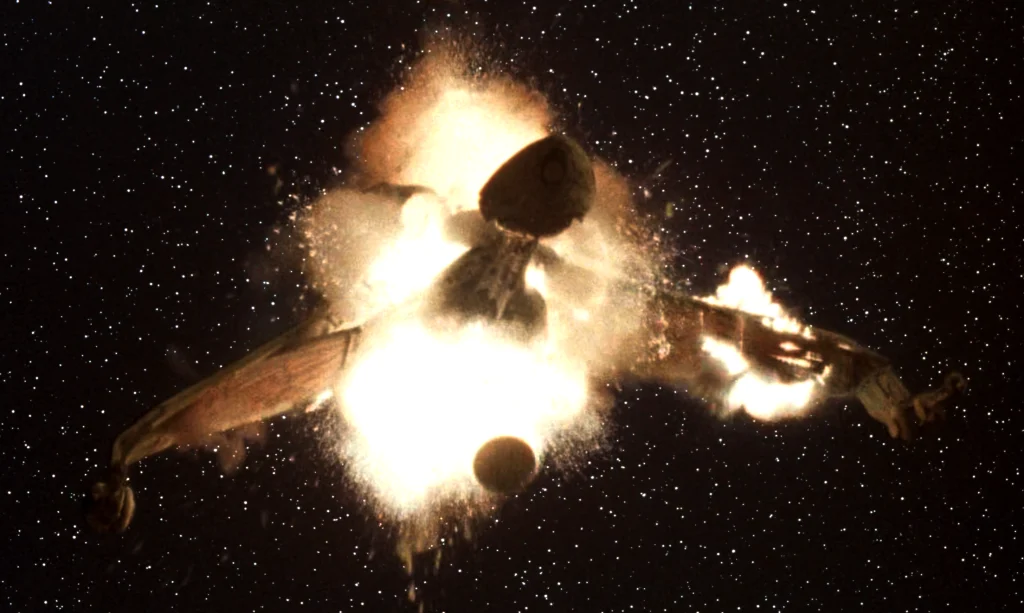
During the conspiracy surrounding the Khitomer peace process—as depicted in ‘Star Trek VI: The Undiscovered Country’—Kirk and the Enterprise crew uncovered coordinated attempts to sabotage Federation–Klingon détente. Their investigation, pursuit, and final-hour intervention preserved the summit and protected the incoming Chancellor.
Diplomatic archives mark this as a decisive contribution to the opening that led to long-term stability with the Klingon Empire. Logs track the investigative sequence: forensic clue-chaining aboard a Federation vessel, interservice coordination, and protective actions that ensured the accords could be signed without further interference.
Share your favorite Kirk moment in the comments so everyone can compare notes and keep the conversation going!