

Top 10 Coolest Things About Charizard




Charizard is one of those rare creatures that bridges generations of players—people who met it on an old handheld, fans who discovered it through trading cards, and viewers who watched it soar in the ‘Pokémon’ anime. It’s a Fire- and Flying-type with a dragon-like design, but the appeal isn’t just looks; Charizard packs unique forms, broad availability across games, and real competitive utility that keep it relevant decades after debut.
From Pokédex #006 to tournament stages and collectible binders, Charizard has accumulated a deep trail of facts, mechanics, and milestones. Here’s a clear, useful tour of the ten standout things that make Charizard special—what they are, where they come from, and how they work in games and media.
Fire/Flying Typing with Dragon-Like Coverage
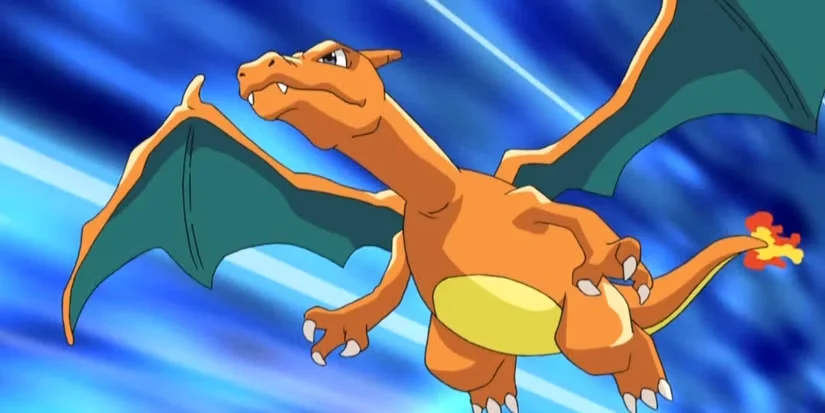
Charizard’s standard typing is Fire/Flying, which gives it immunities and resistances that matter in battle—specifically, an immunity to Ground-type moves (except when negated by certain effects) and resistances to Fighting, Bug, Steel, Fire, Grass, and Fairy. Offensively, Fire STAB (same-type attack bonus) handles Steel- and Grass-types, while Flying STAB pressures Fighting- and Bug-types. Its movepool supplements this with Dragon-type options like Dragon Claw and Dragon Pulse, allowing coverage against targets that resist Fire.
Stat-wise, Charizard’s base stat total is in the mid-500s in its regular form, with Speed and Special Attack as highlights in many game generations. This balance supports mixed sets in older titles and special-attacking sets in newer ones, where access to Air Slash, Flamethrower, Fire Blast, and Focus Blast (via TM/TR where applicable) provides practical combinations for story play and various competitive tiers.
Two Distinct Mega Evolutions
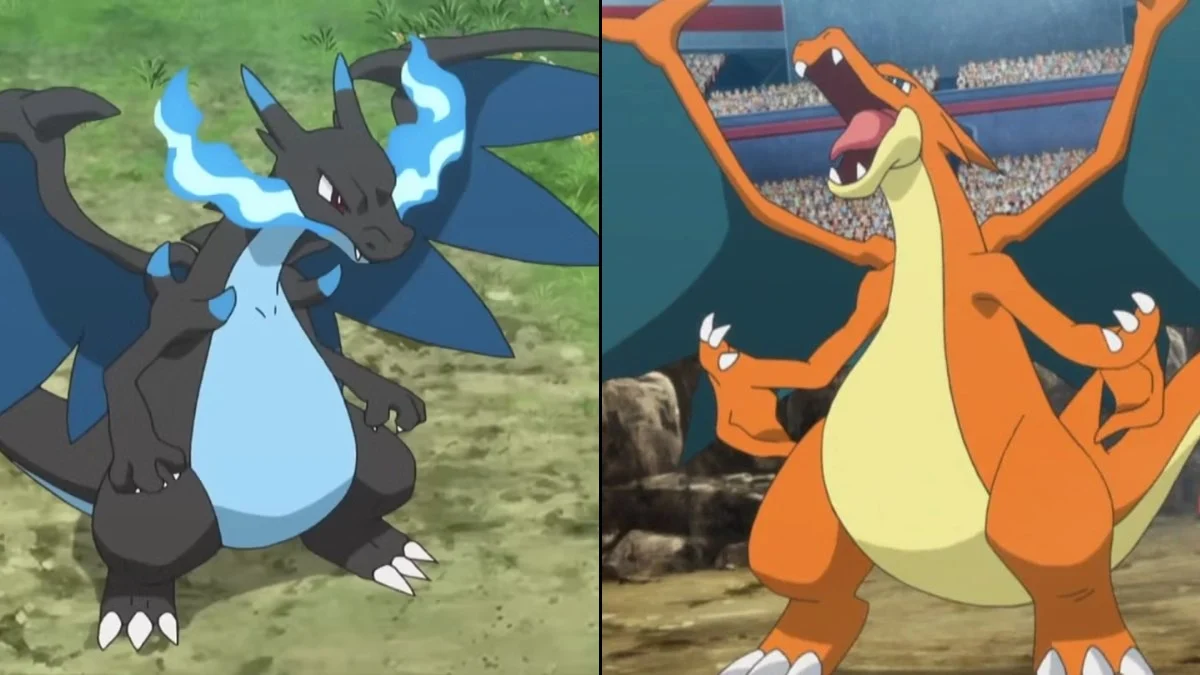
Charizard is one of the few Pokémon with two Mega Evolutions, unlocked in the ‘Pokémon X and Y’ era via Charizardite X and Charizardite Y. Mega Charizard X changes typing to Fire/Dragon and gains the ability Tough Claws, which boosts the power of contact moves like Dragon Claw and Flare Blitz. This form shifts Charizard toward physical offense while removing its 4× weakness to Rock, altering matchups and item-choice considerations.
Mega Charizard Y retains Fire/Flying but gains Drought, automatically summoning harsh sunlight that boosts Fire-type moves and enables Solar Beam to fire in one turn. With a significantly higher Special Attack, Mega Y functions as a powerful sun-based wallbreaker in formats and games where Mega Evolution is available, influencing team construction around weather control and hazard support.
Gigantamax Form and G-Max Wildfire
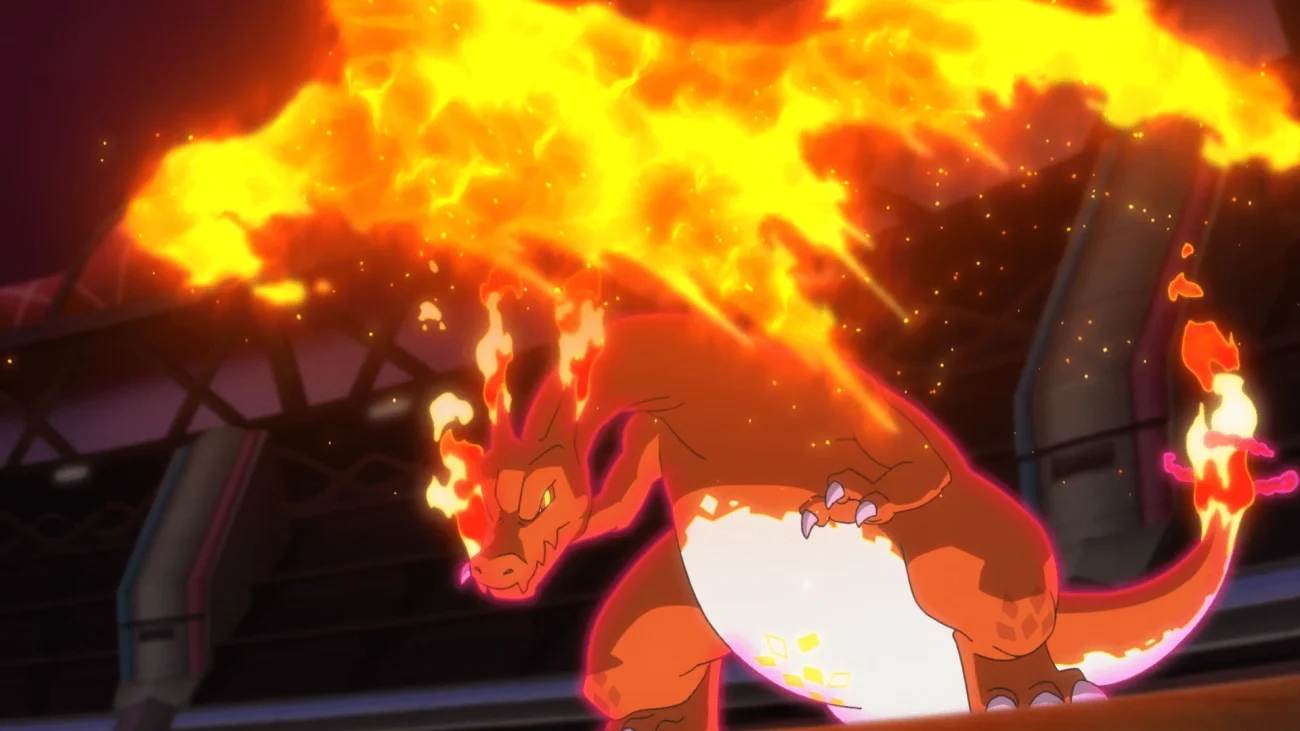
In ‘Pokémon Sword and Shield’, Charizard has a Gigantamax form with a unique model—flame patterns engulf its body and wings—and exclusive access to the G-Max move G-Max Wildfire. This attack not only deals damage up front but also sets a lingering effect that damages non-Fire opponents for several turns, adding reliable chip that stacks with hazards and weather.
Gigantamax Charizard is typically distributed in-game through special encounters and events tied to that generation’s systems (like Max Raid Battles), making it a notable target for collectors. Because G-Max moves replace specific Max Moves while Dynamaxed, team planning needs to account for both the immediate power spike and the residual field effect G-Max Wildfire provides.
Hidden Ability and Sun Synergy
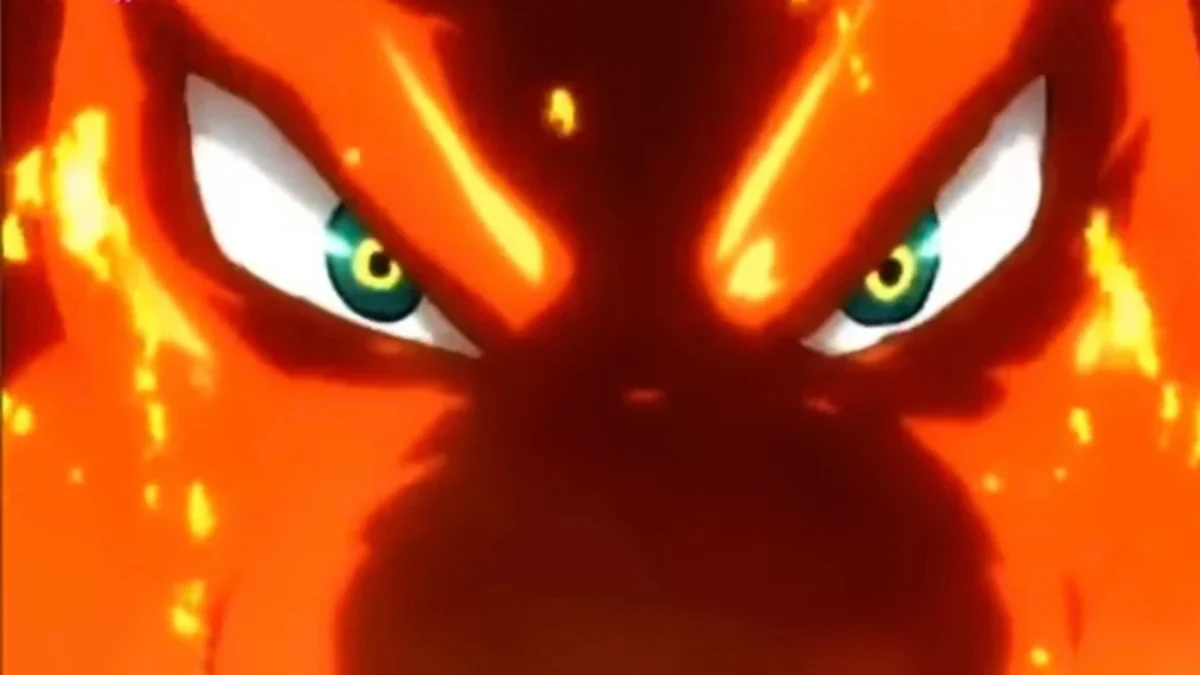
Charizard’s standard ability is Blaze, which boosts Fire-type moves when its HP is low. Its Hidden Ability, Solar Power, increases Special Attack in sunny weather at the cost of passive HP each turn. In games with reliable sun setters—manual Sunny Day users, Drought abilities, or weather rocks—Solar Power Charizard can reach notable damage thresholds with moves like Flamethrower, Fire Blast, and Hurricane (weather interactions vary by game mechanics).
The combination of Solar Power and sun support has featured in multiple formats over the years, with common partners including Pokémon that set or extend sun, as well as hazard removal to mitigate Stealth Rock. Because Solar Power inflicts HP loss, players often plan around recovery from team support or aim for fast, decisive offense that leverages the boosted damage before the recoil adds up.
Iconic Trading Card History
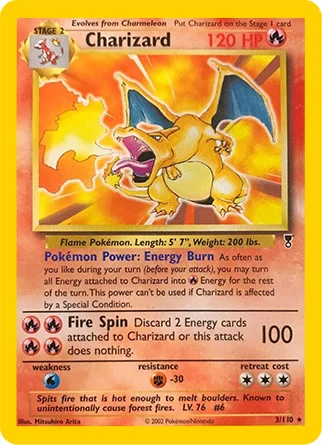
Charizard became a flagship of the Pokémon Trading Card Game early on, with the 1999 Base Set Charizard card gaining attention for its artwork, high attack cost, and status among collectors. Over time, numerous Charizard printings—holofoil variants, full-arts, secret rares, and special sets—have maintained steady demand in the hobby, making Charizard one of the most tracked names in TCG marketplaces and price histories.
Beyond collectability, several Charizard cards have been tournament-relevant across different eras, often centered on big Fire-energy attacks, item-based acceleration, and support from Trainer cards that enable rapid setup. The sustained release of new Charizard lines in expansions keeps the character present for both competitive deckbuilders and set completionists.
Wide Movepool and Practical TMs/TRs
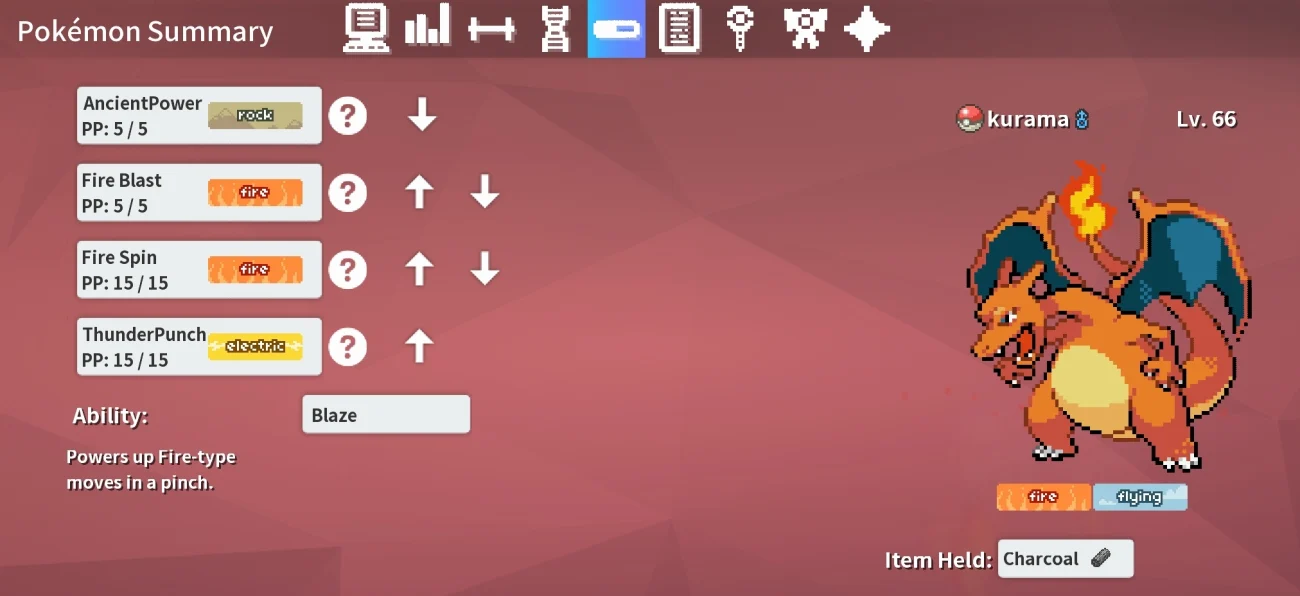
Across generations, Charizard learns a broad range of attacks via level-up, TM/HMs (in older titles), and TM/TR records (in newer ones). Fire-type staples like Flamethrower and Fire Blast are accessible in most mainline games, while Flying-type moves such as Air Slash provide flinch potential for special sets. Coverage options like Focus Blast, Dragon Pulse, and Earthquake (physical) appear through TMs/TRs where supported, enabling flexible builds for in-game and format-specific needs.
It also has access to utility moves in certain generations, including Will-O-Wisp for burn support and Roost for self-healing, which meaningfully change how it trades damage or sustains in longer battles. This toolkit lets Charizard adapt between roles—special attacker, mixed attacker, or utility-leaning attacker—depending on the title and item rules in play.
Blast Burn and Starter-Exclusive Tutors
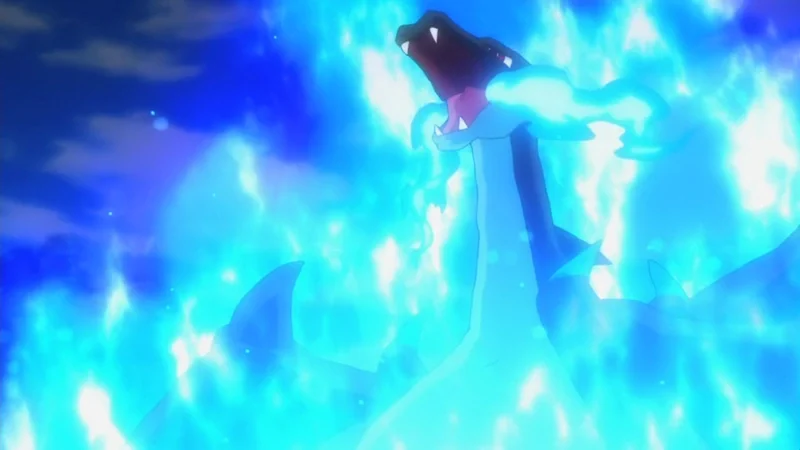
Charizard can learn Blast Burn through tutors that teach exclusive moves to fully evolved Fire-type starters in the games where those tutors appear. Blast Burn is a very strong special Fire-type attack balanced by a recharge turn, and it’s typically available only after meeting specific in-game conditions like story progress or tutor access in certain regions.
Because Blast Burn imposes downtime after use, players often reserve it for finishing blows or scripted encounters where a single high-power hit is advantageous. Its availability varies by title, so checking the current game’s move tutor locations and requirements ensures you can add it to Charizard’s moveset when it’s supported.
Anime Legacy in the ‘Pokémon’ Series
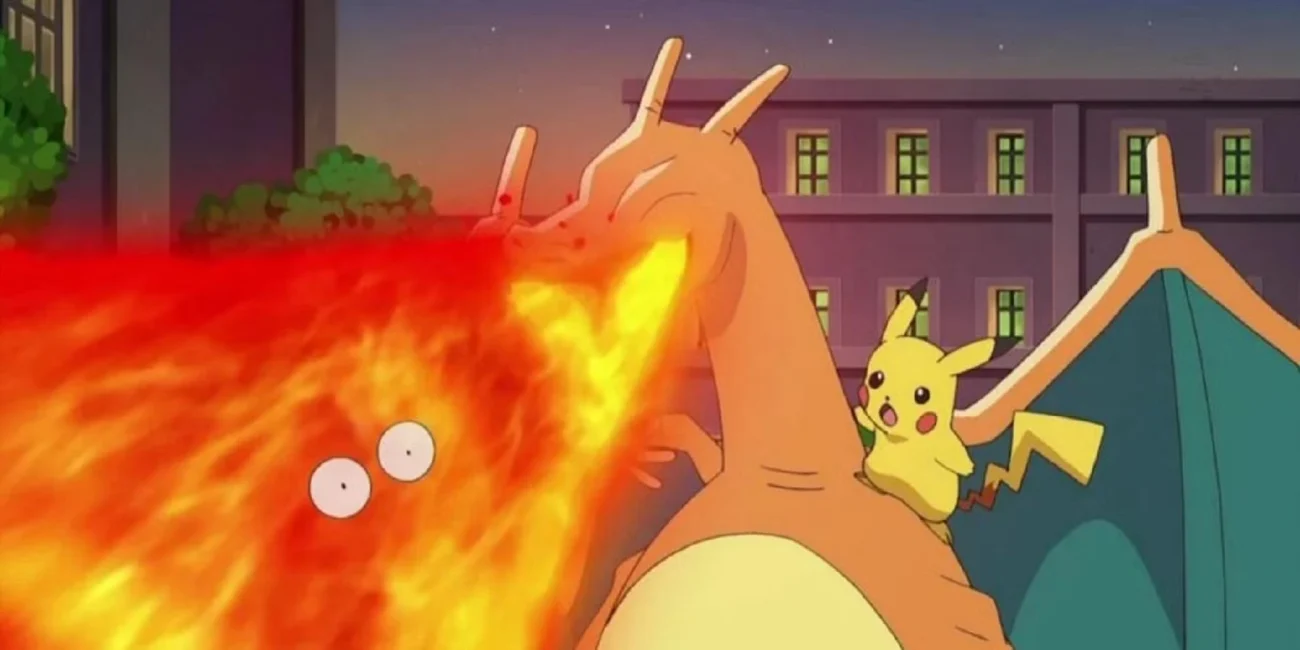
In the ‘Pokémon’ anime, Charizard has long-running visibility through key characters and arcs, including training narratives where it grows from stubborn to reliable under structured practice. These appearances have tied Charizard to major battles, league events, and special training locations within the show’s regions, giving viewers consistent reference points for its personality and capabilities.
Because the anime reaches audiences who may never touch the games or TCG, Charizard’s screen time has helped standardize its image—flame intensity as a power cue, aerial combat as a showcase for mobility, and signature techniques depicted with distinctive animation. The series also integrates region-specific mechanics over time, so Charizard’s portrayed strategies evolve alongside the anime’s current generation.
Overworld Travel and Companion Features
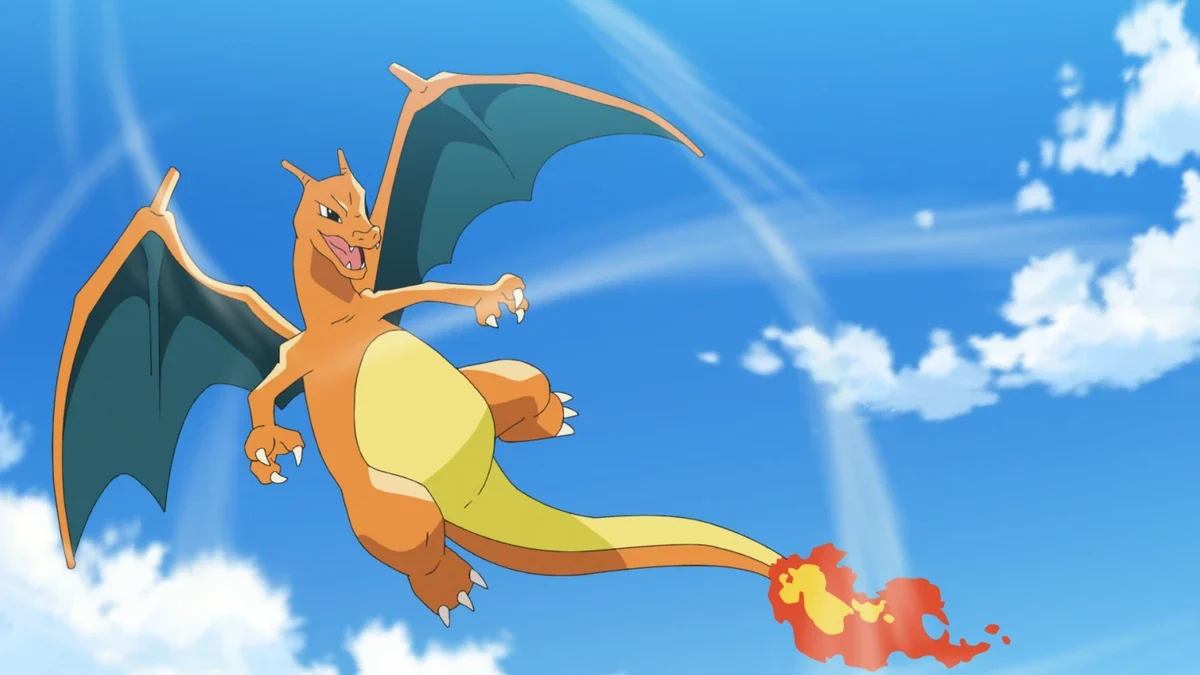
In several titles, Charizard can be used for overworld travel—historically via the Fly HM in older games and, in certain modern titles, as a rideable partner where that feature is implemented. This grants faster region traversal after unlocking the relevant progression points, streamlining tasks like item farming, trainer rematches, and Pokédex scouting.
Some spin-offs and special modes also treat Charizard as a companion or summonable ally with specific utility, such as arena introductions or mini-objective assistance. These systems vary by game, so the exact functions—transport, short-range glides, or scripted set pieces—depend on the title’s mechanics and the progression state of your save file.
Shiny Palette and Event Distributions
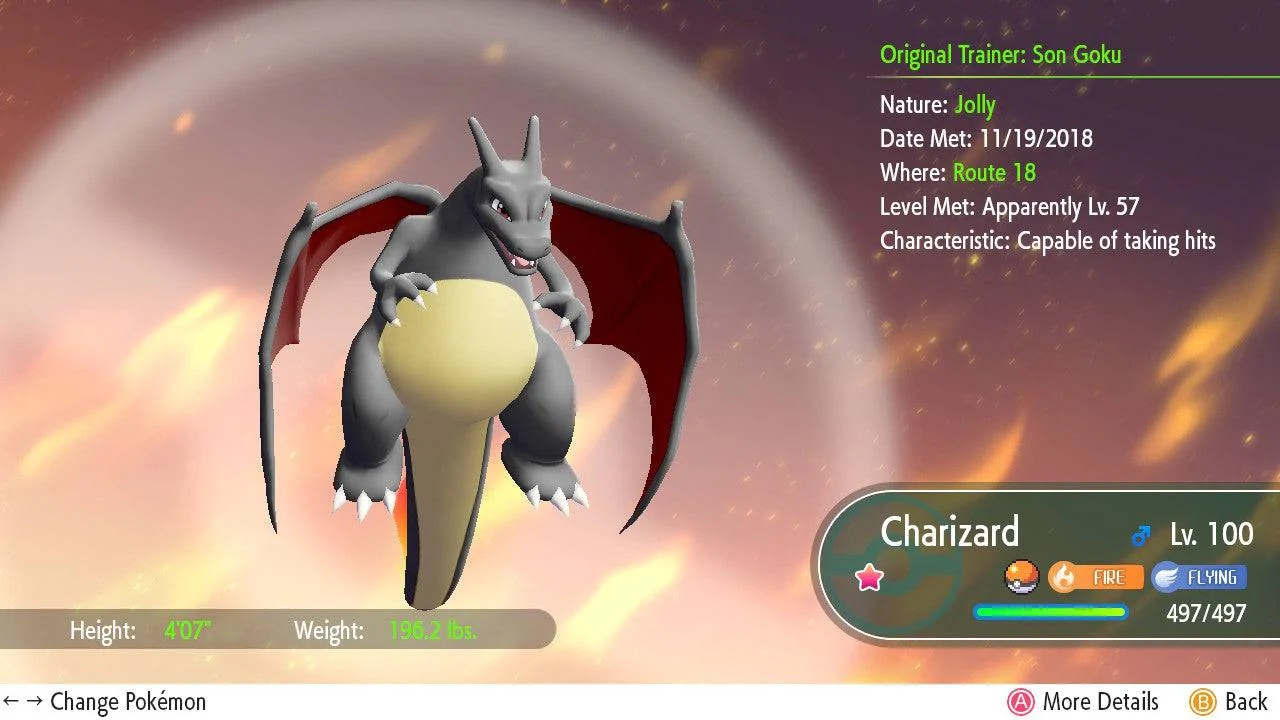
Charizard’s Shiny form swaps the standard orange for a black body with contrasting wing membranes, making it easy to identify in encounters and showcases. Because Shiny odds and methods differ by generation—random encounters, breeding with Masuda Method, chain mechanics, or sandwiches/charms in newer titles—players use generation-specific strategies to hunt for this variant efficiently.
Over the years, official distributions have provided Charizard with special moves, abilities, forms, or ribbons in select windows, often tied to promotions or in-game events. Keeping an eye on distribution announcements within each game’s ecosystem lets players claim time-limited Charizard variants, which can carry unique movesets or collectible marks that aren’t otherwise obtainable.
Enjoyed this breakdown? Share your favorite Charizard fact in the comments!