


Top 10 Coolest Things About Ciri




Cirilla Fiona Elen Riannon—better known as Ciri—is the beating heart of the Witcher saga. Born a Cintran princess and bound by an old promise to a monster-slaying witcher, she carries a genetic legacy that can reshape the world and the rare ability to slip between places like stepping through a door. Across Andrzej Sapkowski’s novels, CD PROJEKT RED’s games, and the ‘The Witcher’ TV series, Ciri’s path ties together dynasties, mages, elves, and the fate of the Continent itself.
From grueling sword drills at a frozen keep to lessons in Elder Speech and court etiquette, her upbringing blends witcher toughness with sorceress polish. The same bloodline that paints a target on her back also fuels the powers everyone wants to control. Below are ten concrete pillars of who Ciri is—what she’s inherited, what she’s learned, and why so many forces move when she does.
Elder Blood Lineage

Ciri descends from Lara Dorren, an Aen Elle elf whose union with the human knight Cregennan of Lod created a powerful human bloodline known as Hen Ichaer—the Elder Blood. This lineage carries dormant genetic “paths” that occasionally revive in a descendant, unlocking singular magical potential and the capacity to fulfill (or avert) ancient prophecies tied to the world’s cycles. Ciri is one of the extremely rare heirs in whom the Elder Blood’s latent traits fully manifest.
Because Elder Blood can be passed on, Ciri’s very existence has strategic value to factions that want to control succession and sorcerous power at the same time. Various groups—mages’ cabals, imperial planners, and elven courts—have tried to capture or steer her for breeding programs or ritual aims. This is why her identity is often concealed, forged, or contested, and why “who has Ciri” can shift the balance of power across the North and Nilfgaard.
Law of Surprise and Destiny
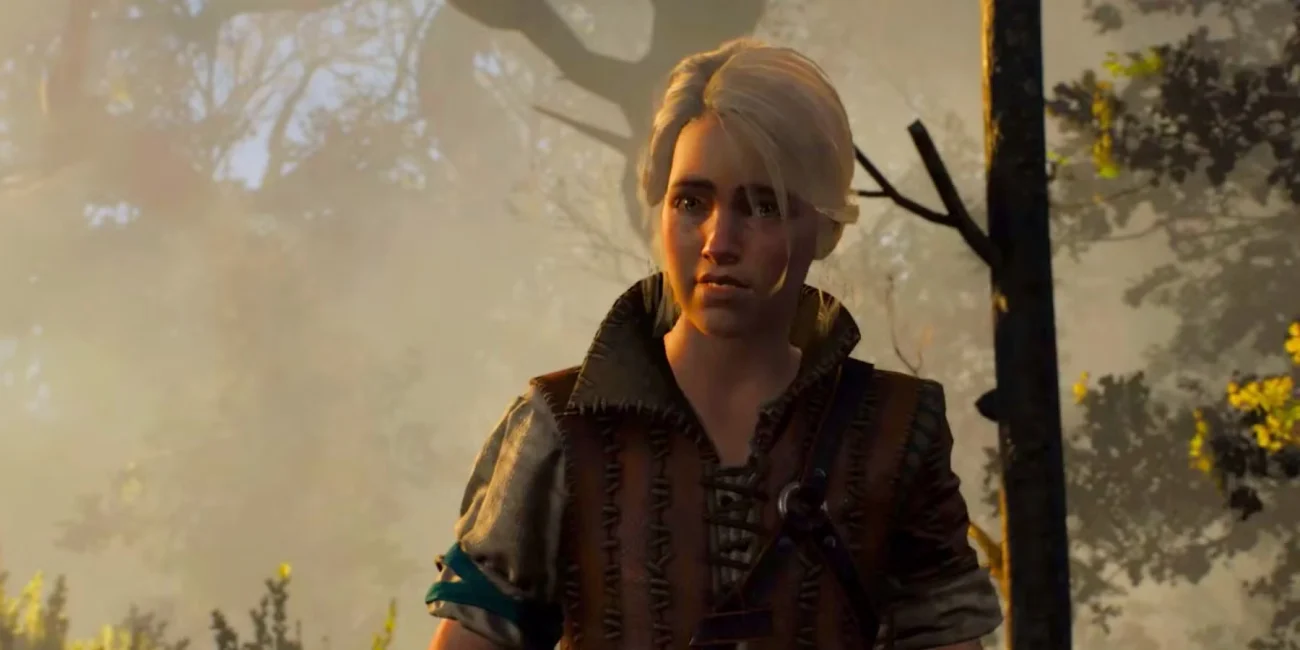
Ciri is bound to Geralt of Rivia through the Law of Surprise, an ancient custom where a rescuer claims “what you already have but do not yet know.” When Geralt invoked it after saving Duny (a cursed knight later revealed as Emhyr var Emreis), the reward turned out to be Pavetta’s unborn child—Ciri. That vow, made long before her birth, legally and magically tied her fate to Geralt’s protection.
The Law of Surprise weaves through Ciri’s early life as a recurring legal anchor that repeatedly brings her back to Geralt when wars, coups, or kidnappings pull them apart. It also explains why multiple monarchs and mage factions keep track of her guardianship status: if Geralt’s claim stands, it blocks rival custody claims and complicates political marriages arranged to absorb Cintra’s inheritance.
Princess of Cintra and Political Stakes

As the only child of Pavetta and the granddaughter of Queen Calanthe, Ciri is heir to Cintra, a strategically placed kingdom with ports on the Great Sea and overland routes to the Northern Kingdoms. Her claim connects the royal lines of Cintra and, through her father, the imperial house of Nilfgaard, making her a linchpin for any ruler seeking uncontested legitimacy over conquered territories.
After Cintra’s fall, numerous courts tried to locate or impersonate Ciri to stabilize frontiers, secure vassal oaths, or justify annexations. The use of a “false Ciri” in diplomatic pageantry shows how powerful her name is: treaties, noble loyalties, and tax regimes can hinge on whether the person wearing a crown—or seated beside an emperor—is the real Cirilla Fiona Elen Riannon.
Training at Kaer Morhen
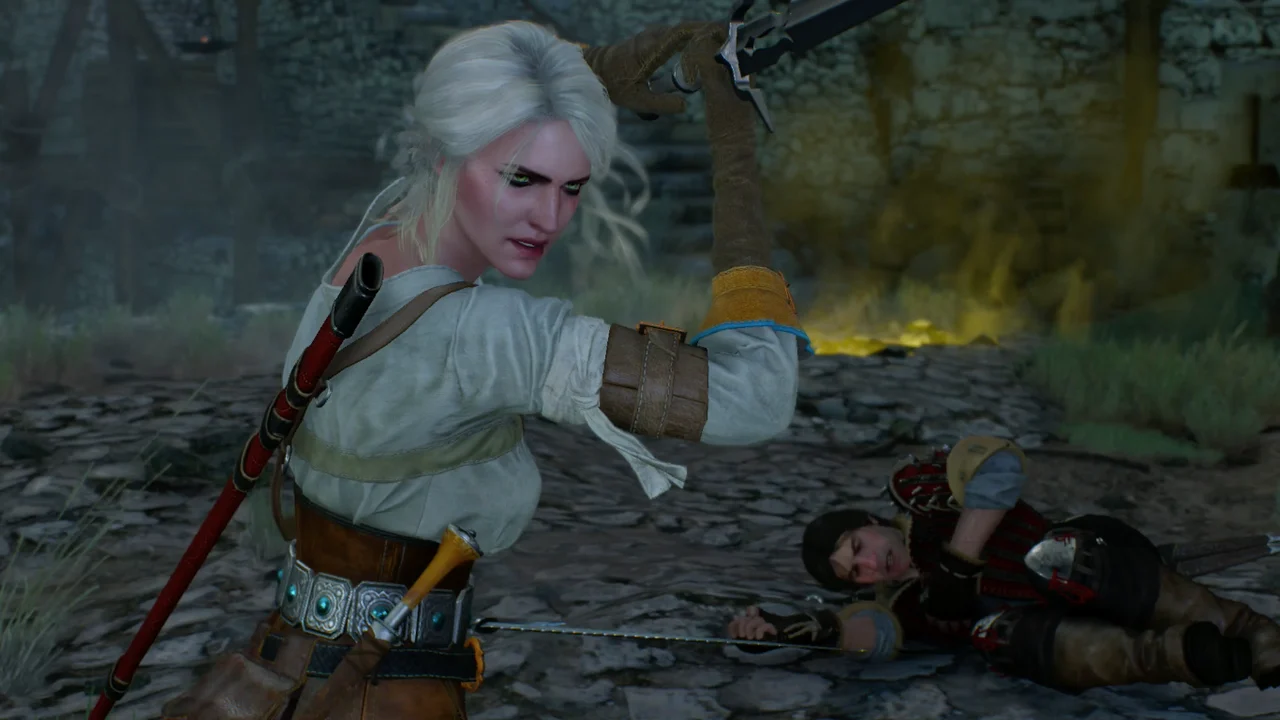
Ciri’s combat foundation was laid at Kaer Morhen, the witcher stronghold in Kaedwen, under Vesemir, Geralt, Eskel, Lambert, and Coën. She studied footwork on the pendulums, balance on the Path, and forms like Fiore and Egan, learning to manage distance, read feints, and strike from recovery without overcommitting. Triss Merigold later intervened to adapt routines around her physiology, adding nutrition, hygiene, and medical safeguards witchers often forego.
Unlike witchers, Ciri did not undergo the Trial of the Grasses, so she lacks their accelerated metabolism and full suite of mutations. To compensate, her regimen emphasizes timing, mobility, and precision over brute stamina, pairing fast entries and exits with concise cuts. That training lets her fight effectively alongside witchers while maintaining techniques compatible with her non-mutant body and her unpredictable magic surges.
Source Magic and Time–Space Travel
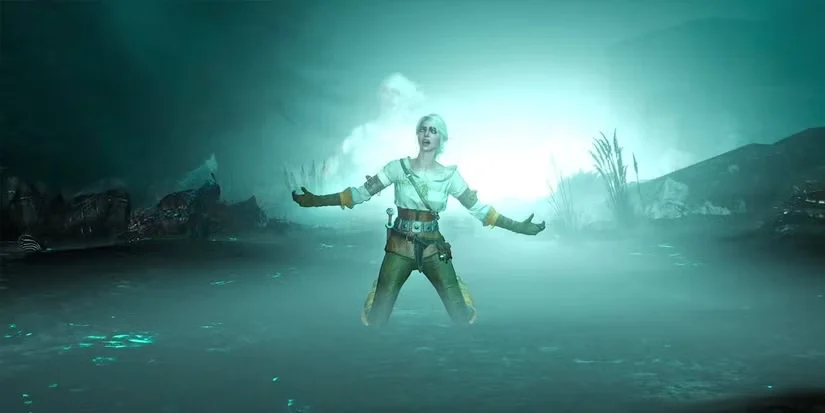
Ciri is a “Source,” meaning she channels raw, often unprocessed magic rather than relying solely on learned formulae. Her Elder Blood amplifies this to a rare specialization: manipulating time and space. In acute states she can tear open passages—momentary gates that let her traverse vast distances or slip between parallel worlds—and unleash shockwaves that disrupt both matter and magic in a radius around her.
Because unfiltered power can be dangerous, her mentors focused on control: breath work to dampen surges, trigger phrases in Elder Speech to shape outcomes, and mental anchors to prevent temporal disorientation after a jump. Practical uses include rapid exfiltration from ambushes, bypassing fortified lines without siege gear, and scouting environments that would normally be unreachable due to distance, climate, or planar barriers.
The Wild Hunt and Aen Elle Connection
The spectral riders known as the Wild Hunt are the vanguard of the Aen Elle elves, who operate from a different world with distinct courts and military structures. Their commander, Eredin Bréacc Glas, targets Ciri because Elder Blood could secure the Aen Elle’s long-term dynastic and magical objectives, from stabilizing gateways to expanding settlement capacity across spheres.
Ciri’s encounters with the Aen Elle include high-risk negotiations and coerced plans centered on her lineage. These interactions detail the Aen Elle power hierarchy, the role of King Auberon, and the technical limits of stable inter-world travel. They also explain why the Hunt raids are not random portents but operational sorties with logistics, objectives, and withdrawal protocols shaped around acquiring—or exhausting—the Lady of Time and Space.
Zireael — The Swallow Sword
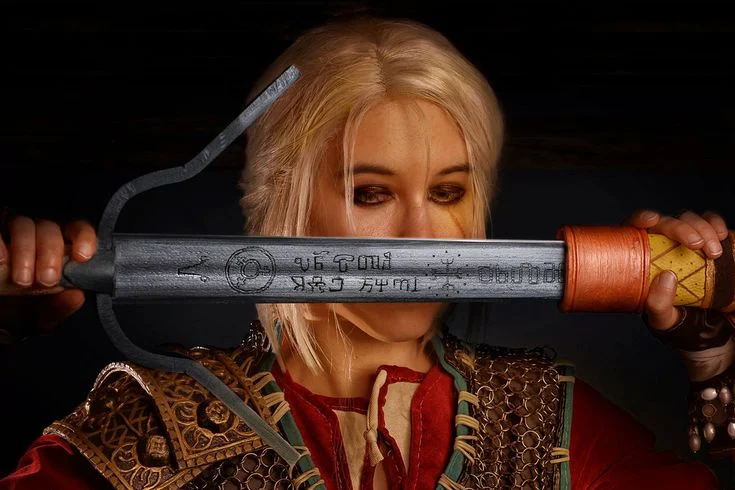
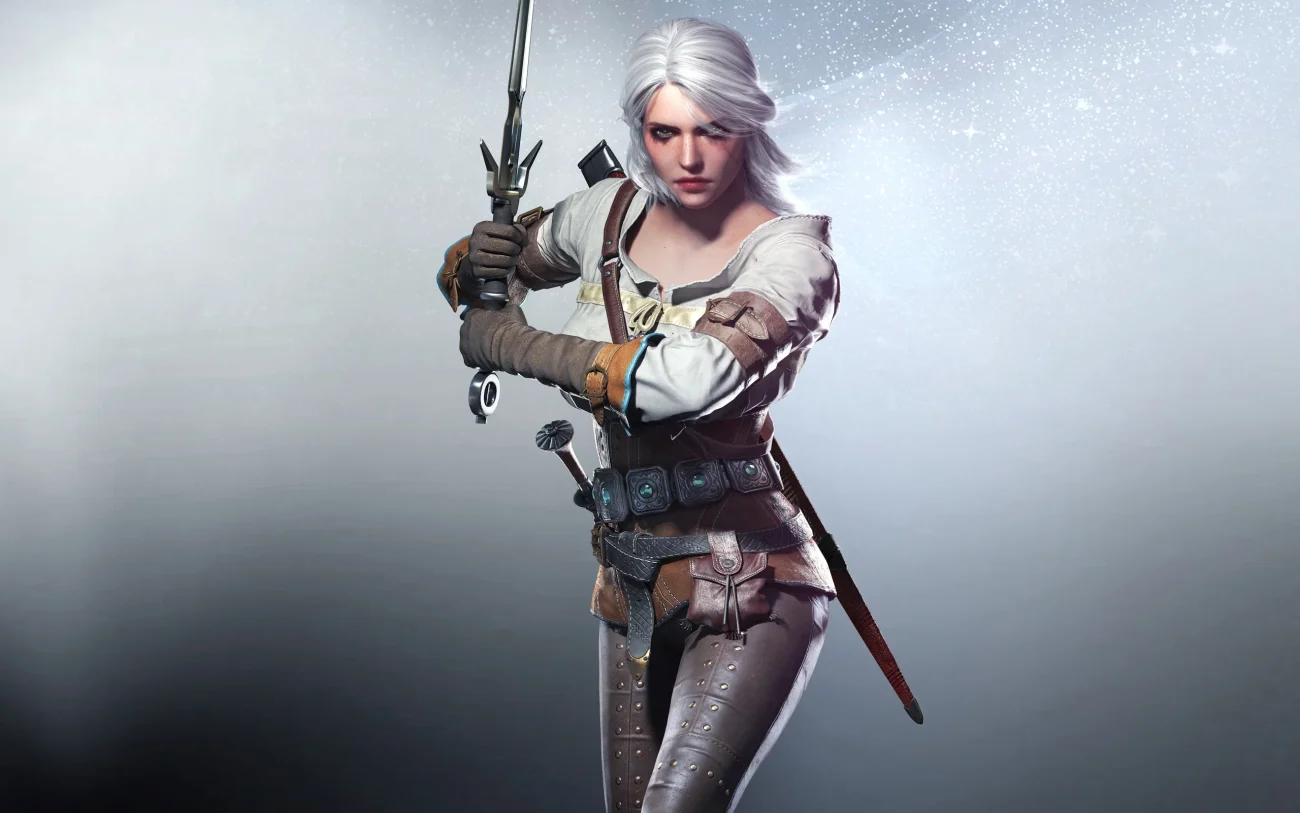
Ciri’s signature blade, Zireael (“Swallow” in Elder Speech), is a light, fast one-handed sword crafted to favor speed and recovery over mass. Its fittings and scabbard markings echo the swallow motif that follows her across the saga, and its balance pairs with her footwork to enable rapid cut-and-fade sequences against larger opponents. The sword’s geometry complements thrust-heavy forms learned at Kaer Morhen and refined in real combat.
While materials and exact provenance are described differently across mediums, Zireael consistently functions as a purpose-built tool matched to Ciri’s physiology and tactics. In practice, its edge retention and guard profile reduce maintenance downtime and hand injuries during prolonged engagements, and its weight helps her integrate short teleport steps—when available—without over-rotating into a miss.
Aliases and Titles Across the Saga
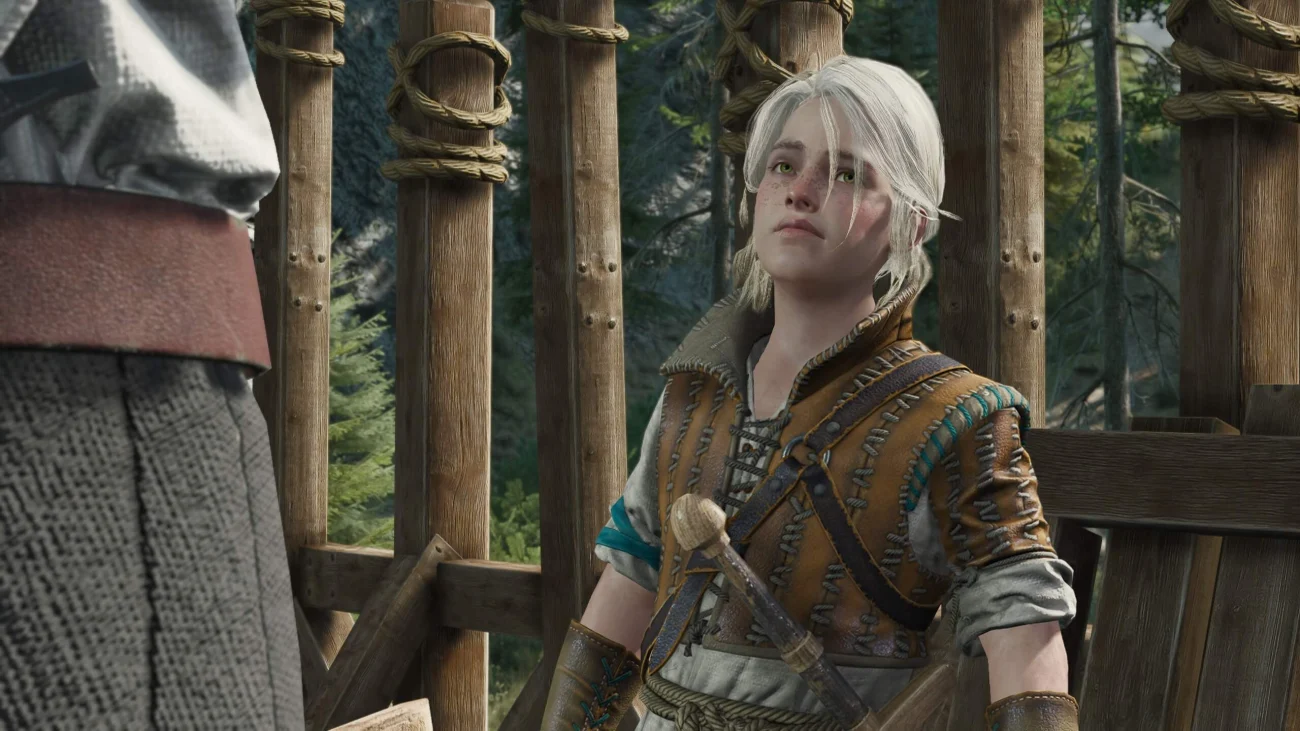
Ciri accumulates names that track her circumstances and the groups surrounding her. “Lion Cub of Cintra” ties her to Queen Calanthe’s line and Cintra’s heraldry; “Zireael” links her to elven prophecy and the swallow symbol; “Falka,” an alias she adopts while riding with the outlaw band known as the Rats, masks her identity during a period when multiple powers were actively hunting her. Each name signals a different legal and social posture—princess, prophesied heir, fugitive.
These aliases carry practical consequences. Under a royal style, travel requires envoys, seals, and secure routes; under a street name, she can cross borders in plain clothes, but loses diplomatic protections and access to formal networks. Record-keepers, bounty offices, and mage circles log these identities separately, which is why locating credible “Ciri sightings” often requires reconciling reports across titles and pseudonyms.
Mentors and Education
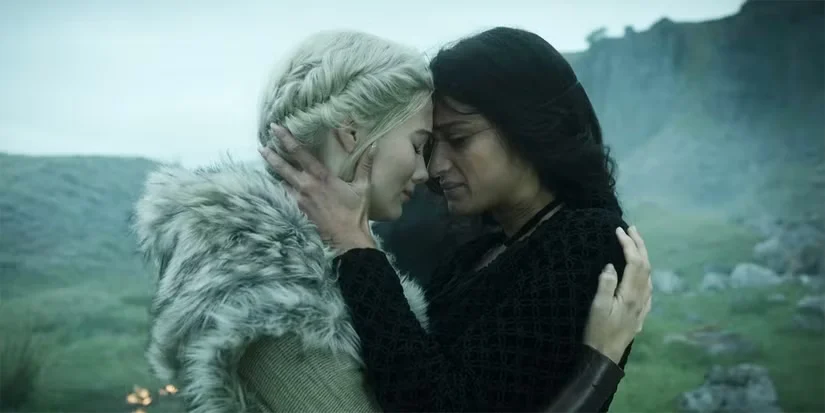
Beyond witcher drills, Ciri studied under Yennefer of Vengerberg, who built a curriculum spanning literacy in multiple tongues, court decorum, arithmetic, and magical discipline. Yennefer coordinated with the Temple of Melitele in Ellander to stabilize Ciri’s Source outbursts, using meditation practices, controlled casting environments, and supervised exercises to replace reflexive flares with intentional spell-work.
Triss Merigold’s early guidance at Kaer Morhen added health safeguards and basic magical theory, while figures like the druid Mousesack (Ermion) provided political and cultural context tied to Cintra and Skellige. This layered mentorship produced a rare profile: a royal heir conversant in diplomacy, a combatant competent with steel, and a Source trained to modulate high-risk magic in confined or populated spaces.
Cross-World Travel and Survival Skills

Repeated displacements—some voluntary, some forced—pushed Ciri to learn survival outside castles and keeps. She built practical proficiencies: desert navigation by stars and dunes, foraging and water discipline under heat stress, and winter travel techniques such as wind-shadowing and layered insulation to prevent exposure. These field skills let her endure when portals strand her far from allies or supplies.
Ciri also adopted low-profile travel habits that limit detection by mages and informants: rotating alias use, avoiding repeat merchants, caching clothing and currency near waypoints, and keeping a minimal magical signature unless extraction is required. Together, these methods explain how she can vanish for months even when high-level courts and lodges are circulating her descriptions and offering substantial bounties.
Share your favorite Ciri facts and moments in the comments so everyone can compare notes on what stood out most in her story.