


Top 10 Coolest Things About Deadpool

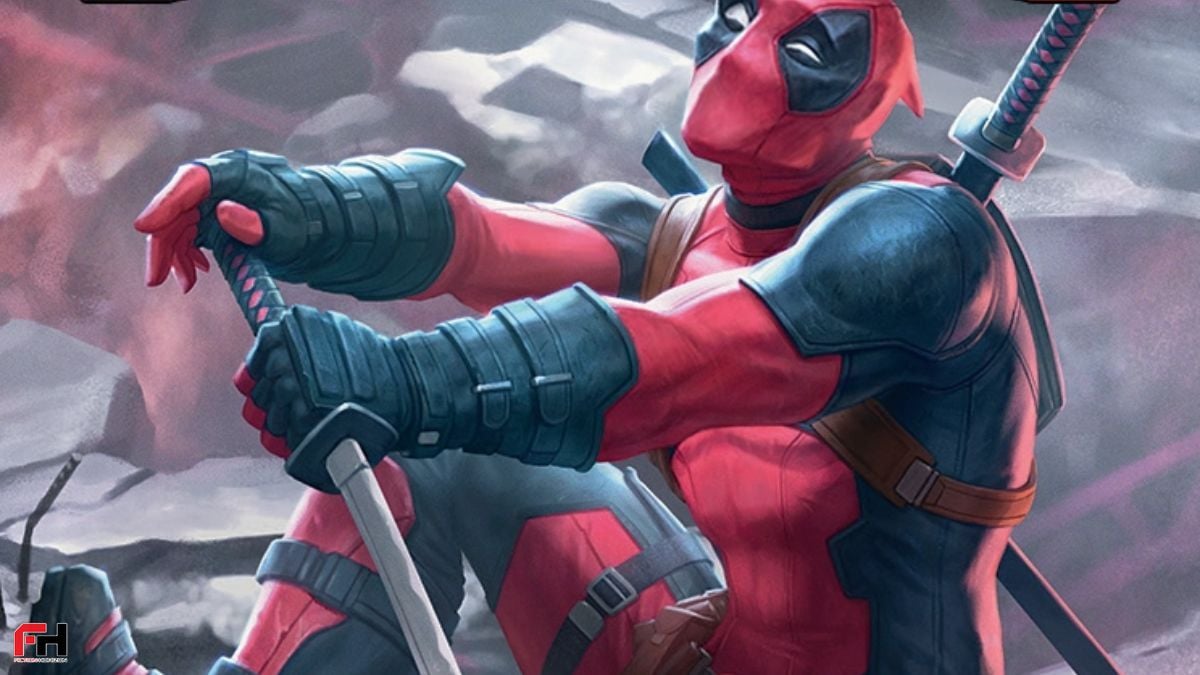


Deadpool started in Marvel Comics as a contract killer with an experimental healing factor and evolved into a pop-culture fixture across comics, games, and films like ‘Deadpool’, ‘Deadpool 2’, and ‘Deadpool & Wolverine’. Created by Rob Liefeld and Fabian Nicieza, he first appeared as Wade Wilson in The New Mutants #98, where the foundations of his powers, personality, and mercenary life were all introduced on the page.
Across mediums, he’s become known for an unusual mix of strategic combat skills, meta-aware humor, and flexible continuity. The character’s history ties into Weapon X science, X-team politics, and a long list of odd-couple partnerships, which gives writers room to place him in street-level missions, mutant-centric stories, or multiverse adventures without breaking established canon.
Regenerative Healing Factor
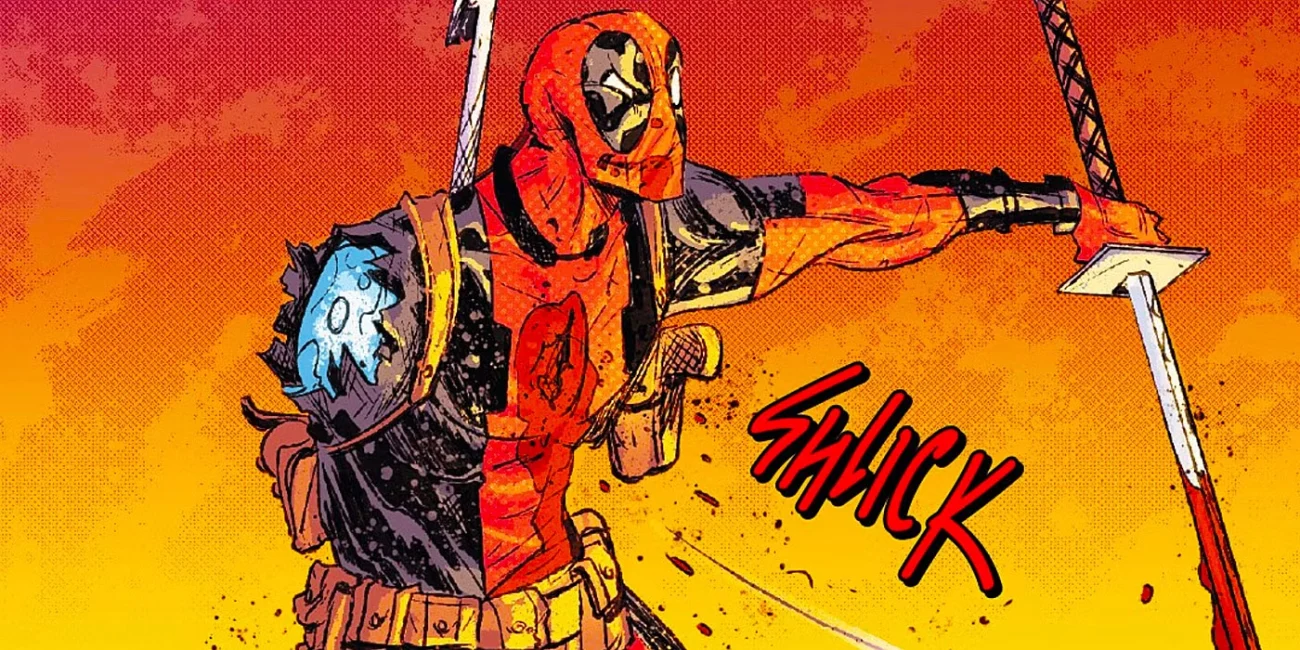
Deadpool’s accelerated healing factor lets him recover from wounds that would incapacitate most characters, from gunshots and burns to limb loss. In stories, this regeneration is tied to experimental procedures linked to Weapon X research, which altered his physiology and made his tissues and organs regenerate at extraordinary speed.
Writers use the healing factor to explain his high pain tolerance and endurance in extended fights. It also creates medical anomalies—like inconsistent scar formation and cellular instability—that show up as recurring plot points, affecting everything from his vital signs to how long poisons or tranquilizers remain effective.
Fourth-Wall Awareness
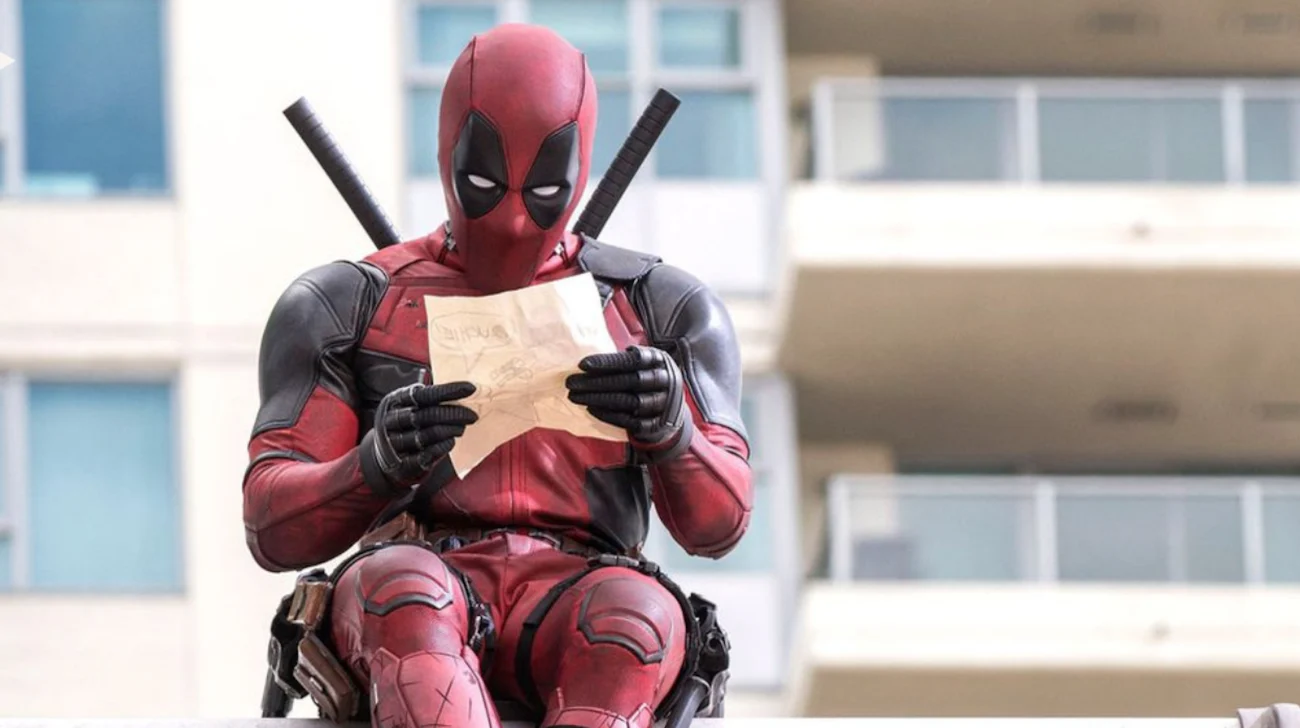
Deadpool is depicted as knowing he’s a character inside a story and uses that awareness to comment on narration, panels, and creators. He can address readers directly, reference publishing history mid-scene, and exploit meta rules—like calling out sound effects or page layouts—to influence how a scene plays.
This device appears in comics and on screen, where he interrupts scenes to talk to the audience, critiques marketing, and compares versions of himself across adaptations. The technique works as a narrative tool to explain continuity gaps, preview twists, or contextualize crossovers without requiring in-story exposition from other characters.
Weapon X Origins and Procedure
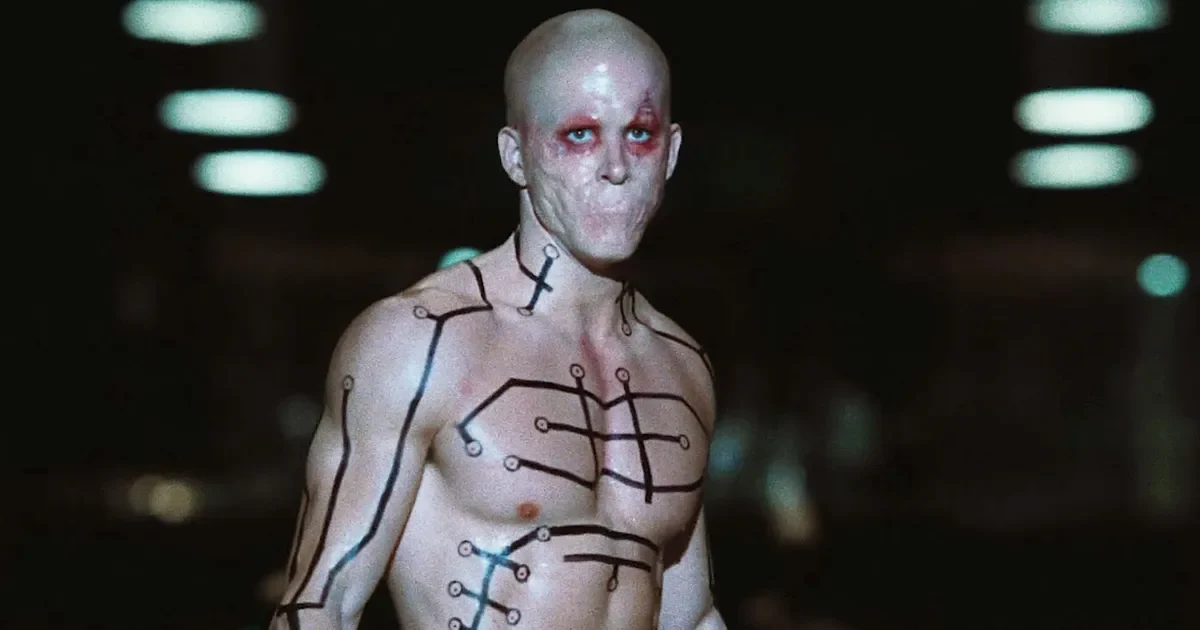
Wade Wilson’s transformation is rooted in clandestine programs that attempted to replicate and modify super-soldier and mutant biology. The process subjected him to invasive treatments that triggered his healing factor, suppressed diseases, and left long-term physiological side effects.
Files and flashbacks tie those procedures to black-ops facilities, unethical experimentation, and handlers who rerouted him into mercenary assignments. That background explains his operational knowledge—like familiarity with security protocols, extraction tactics, and counter-surveillance—and why he maintains contacts across intelligence and criminal networks.
Combat Skillset and Improvisation

Before enhancement, Wade trained as a specialist with proficiency in firearms, swords, and close-quarters techniques. Stories document his marksmanship, dual-wielding capability, and footwork that blends traditional forms with opportunistic grappling, allowing him to transition rapidly between ranged and melee threats.
In the field, he combines ballistic accuracy with ad-hoc tactics: repurposing environment objects, exploiting opponent habits, and baiting attacks to create openings. The healing factor lets him attempt high-risk maneuvers others would avoid—like absorbing a hit to close distance—which is described as a calculated tradeoff rather than reckless showboating.
The Suit, Symbols, and Gear
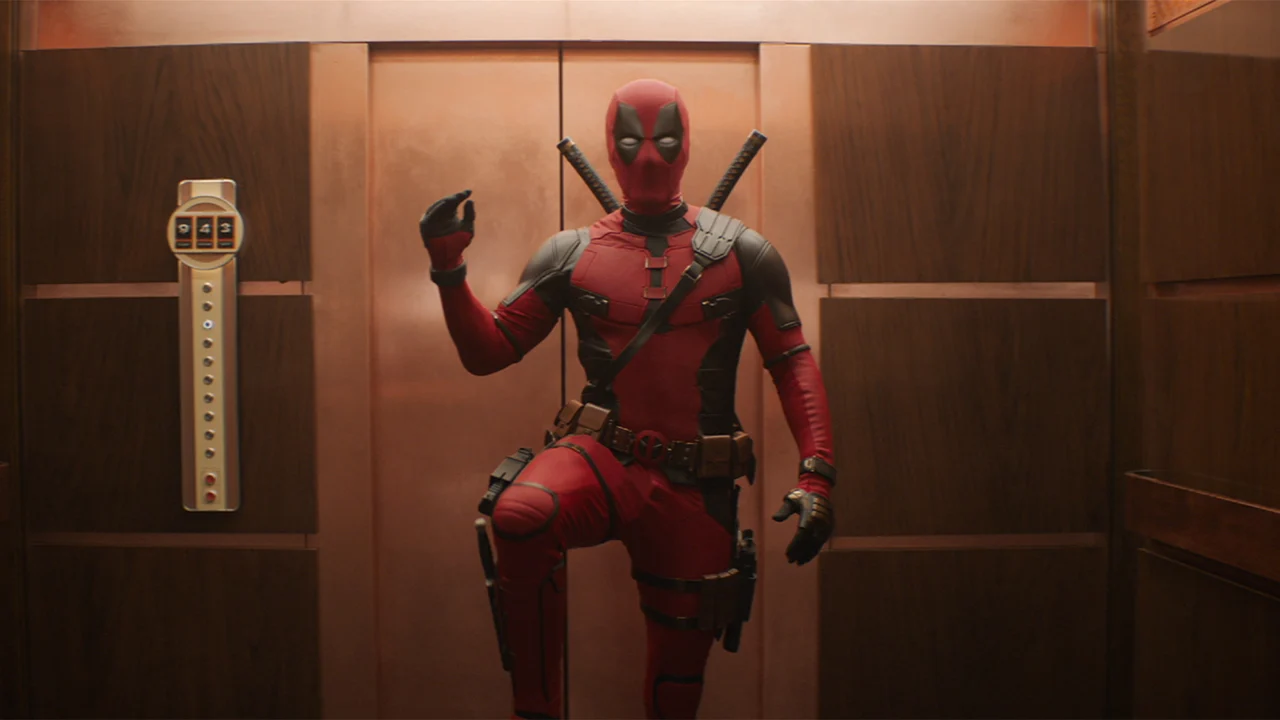
Deadpool’s red-and-black suit serves practical and narrative purposes. The colors obscure blood and scorch marks during extended engagements, while the segmented design accommodates holsters, sheaths, and modular pouches. His mask’s stylized eye shapes are drawn to exaggerate expression, enabling silent panels to convey intent and timing.
His load-out typically includes katanas, compact pistols, heavier sidearms, and explosives, sometimes augmented with specialized ammo types. Utility pouches carry lockpick sets, adhesive charges, and medical supplies, and creators adjust the inventory per mission—urban infiltration kits for stealth arcs, heavier ordnance for open-field confrontations.
The “Merc With a Mouth” Linguistics
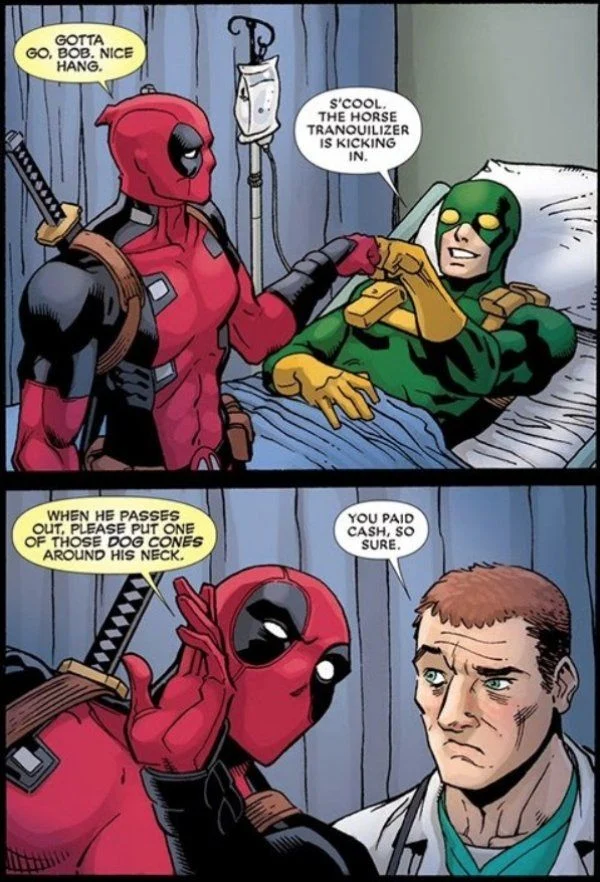
Dialogue is a core trait: Deadpool mixes slang, technical jargon, and rapid-fire references to explain tactics, misdirect opponents, or needle allies. This speech pattern doubles as a combat tool, distracting foes and forcing mistakes, while also delivering quick context for readers about objectives and stakes.
Writers often script bilingual or multilingual quips when settings shift to international locales or when contacts and targets speak different languages. This lets him navigate criminal markets, negotiate contract terms, and gather intel in-scene without swapping to a translator character, streamlining mission briefings and debriefs.
Partnerships, Teams, and Odd-Couple Dynamics
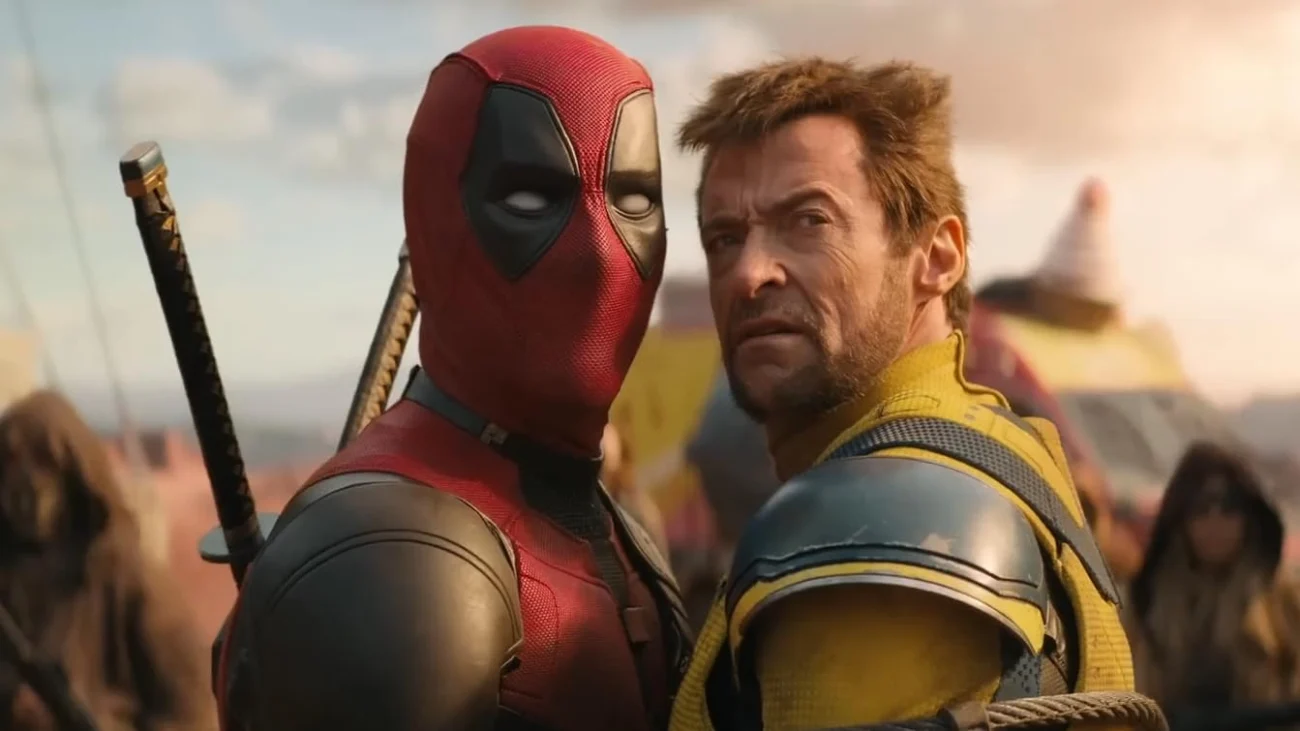
Deadpool’s network includes allies like Cable, Domino, and Weasel, plus complicated bonds with Blind Al and Vanessa. These relationships supply transport, intel, and specialized gear, and they create leverage points—like safehouses and burner accounts—that move plots forward.
Team affiliations, including stints with X-aligned groups and ad-hoc strike squads, place him in operations with defined command structures and objectives. Those team-ups document how his improvisational style integrates with coordinated tactics, showing him running decoy roles, breaching defenses, or acting as a kinetic cleanup unit after stealth phases.
Cross-Media Impact of the Films
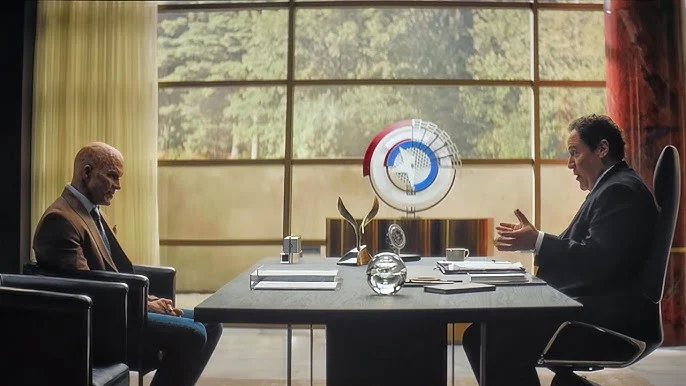
The live-action films—’Deadpool’, ‘Deadpool 2’, and ‘Deadpool & Wolverine’—demonstrate how a comics-accurate mask, meta narration, and hard-edged action translate to mainstream audiences. They retain core elements like direct-address humor and stylized violence while aligning with cinematic pacing and visual effects standards.
Production notes and marketing highlight how the films coordinated stunt design with comedic beats, used practical suits alongside CGI augmentation, and aimed for faithful costume silhouettes. Their releases expanded the character’s reach to viewers beyond monthly comics, while tie-in campaigns synced with game appearances and licensed merchandise.
Flexible Continuity and Multiverse Storytelling
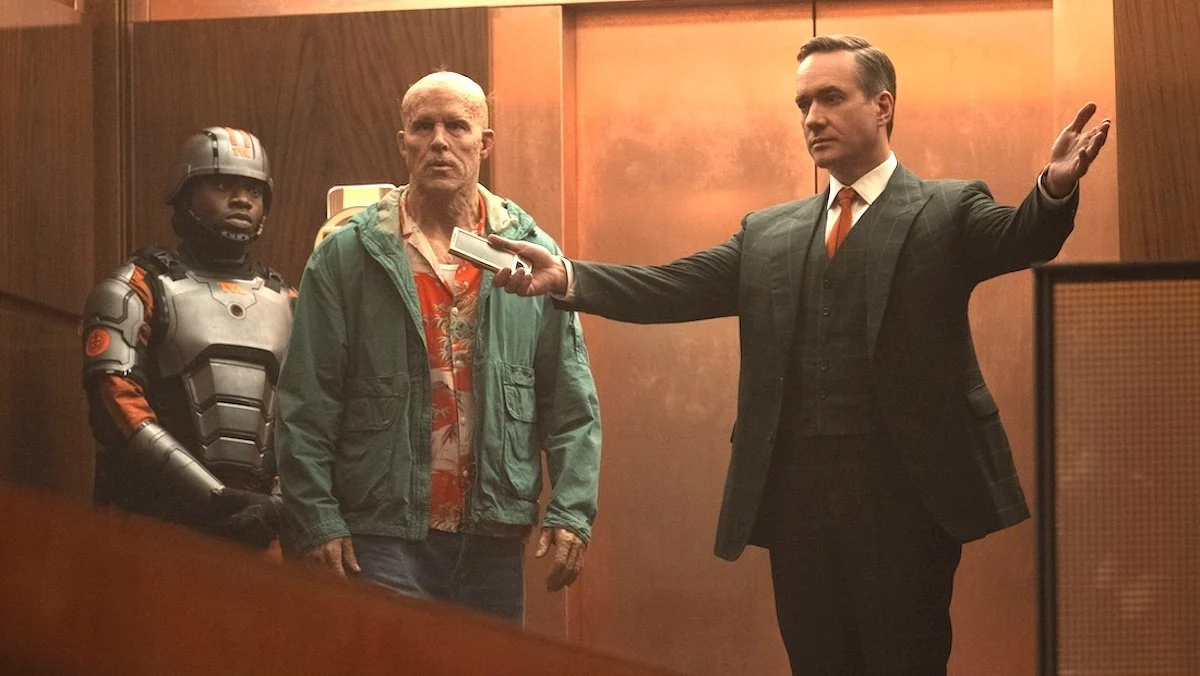
Deadpool’s stories frequently reference alternate timelines, resets, and branching outcomes, which enables creators to reposition him without discarding prior arcs. This flexibility supports crossovers with teams, legacy characters, and parallel versions of familiar heroes, allowing fresh combinations of tone and stakes.
On screen, multiverse setups and inter-studio collaborations are used to justify unexpected encounters and upgraded costumes or abilities. In print, miniseries and specials exploit this elasticity to stage genre shifts—from heist structures to horror riffs—while still acknowledging earlier events through jokes, footnotes, or recap pages.
Games, Animation, and Licensing Footprint
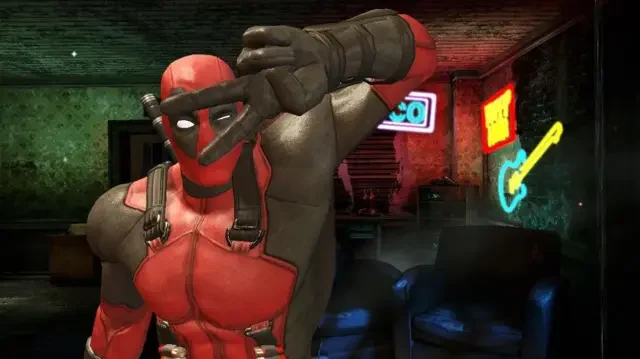
Beyond comics and films, Deadpool features in console and mobile games, animated series cameos, and collectible lines. Game appearances emphasize dual-wield combat, skill trees, and environmental finishers, using voiceover to replicate his meta-aware commentary during missions and boss fights.
Licensing extends to statues, replicas, apparel, and prop-grade accessories modeled after the suit and gear. Publishing schedules often align releases—such as omnibus reprints or new miniseries—around screen appearances to provide entry points for new readers and to keep continuity touchstones accessible.
Cultural References and Self-Commentary
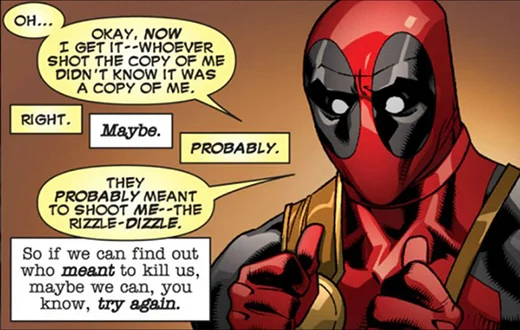
Scripts embed nods to contemporary music, celebrity culture, and genre tropes, which are used as shorthand to explain a situation’s tone or to compare a tactic to something familiar. These references serve as functional exposition, compressing background information into a quick line that relays motive or plan.
Meta commentary lets him evaluate earlier portrayals, address creative course corrections, and contrast different production approaches. This creates an internal record across media that acknowledges changes in costume details, supporting casts, and story emphasis, giving audiences clear signposts when a version shifts direction.
Share your favorite Deadpool detail in the comments and tell us which moment, arc, or screen scene you think nails the character best!