


Top 10 Coolest Things About Donnie Yen

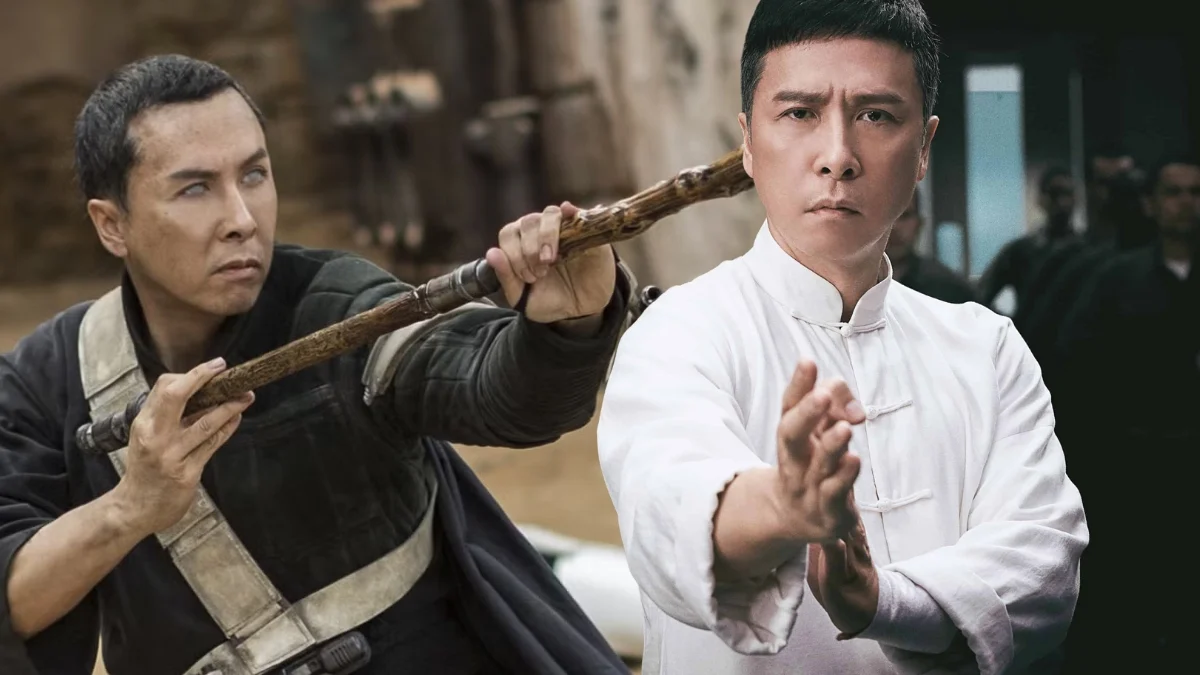


Donnie Yen has spent decades shaping modern screen combat across Hong Kong, China, and Hollywood, blending traditional martial arts with contemporary techniques and precise camera-aware choreography. Below are ten standout, screen-focused moments that show how his choices as an actor, action director, and producer changed how fights look and feel on film and TV.
‘Ip Man’ (2008) – Turned Wing Chun into a global phenomenon
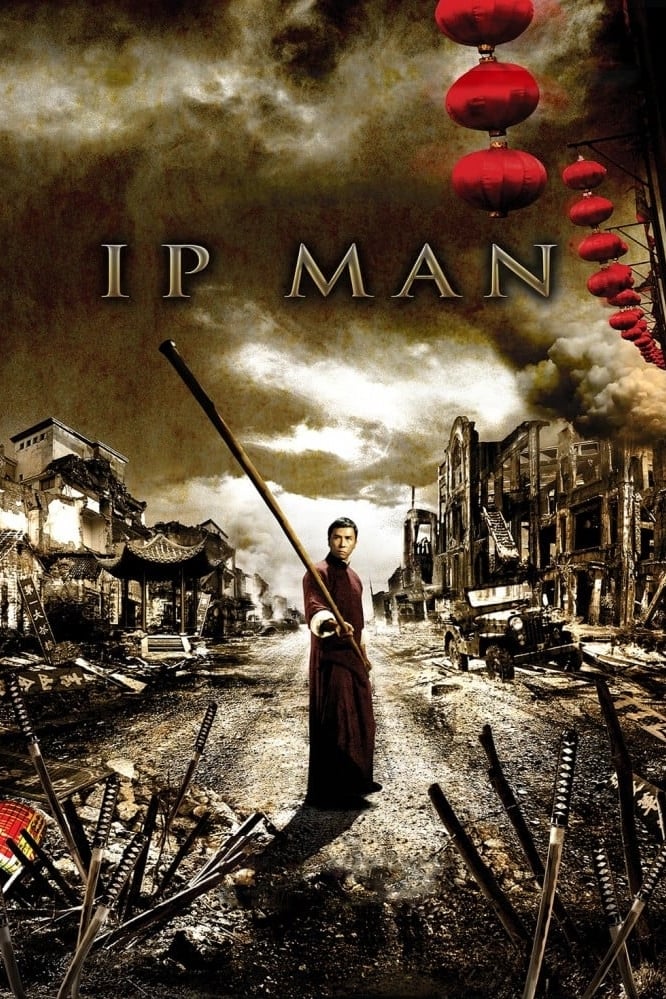
Yen’s portrayal of grandmaster Yip Man sparked worldwide interest in Wing Chun and introduced its centerline theory to mainstream audiences. He trained intensively with Ip Man’s son, Ip Chun, to refine stance, structure, and trapping hands for camera. The film’s success led to multiple sequels and cemented a template for clean, story-driven choreography built around rhythm and economy of motion. It also popularized the benchmark “ten black belts” sequence that many later films referenced.
‘Rogue One: A Star Wars Story’ (2016) – Shaped Chirrut Îmwe into a blind Force-believer with an iconic mantra
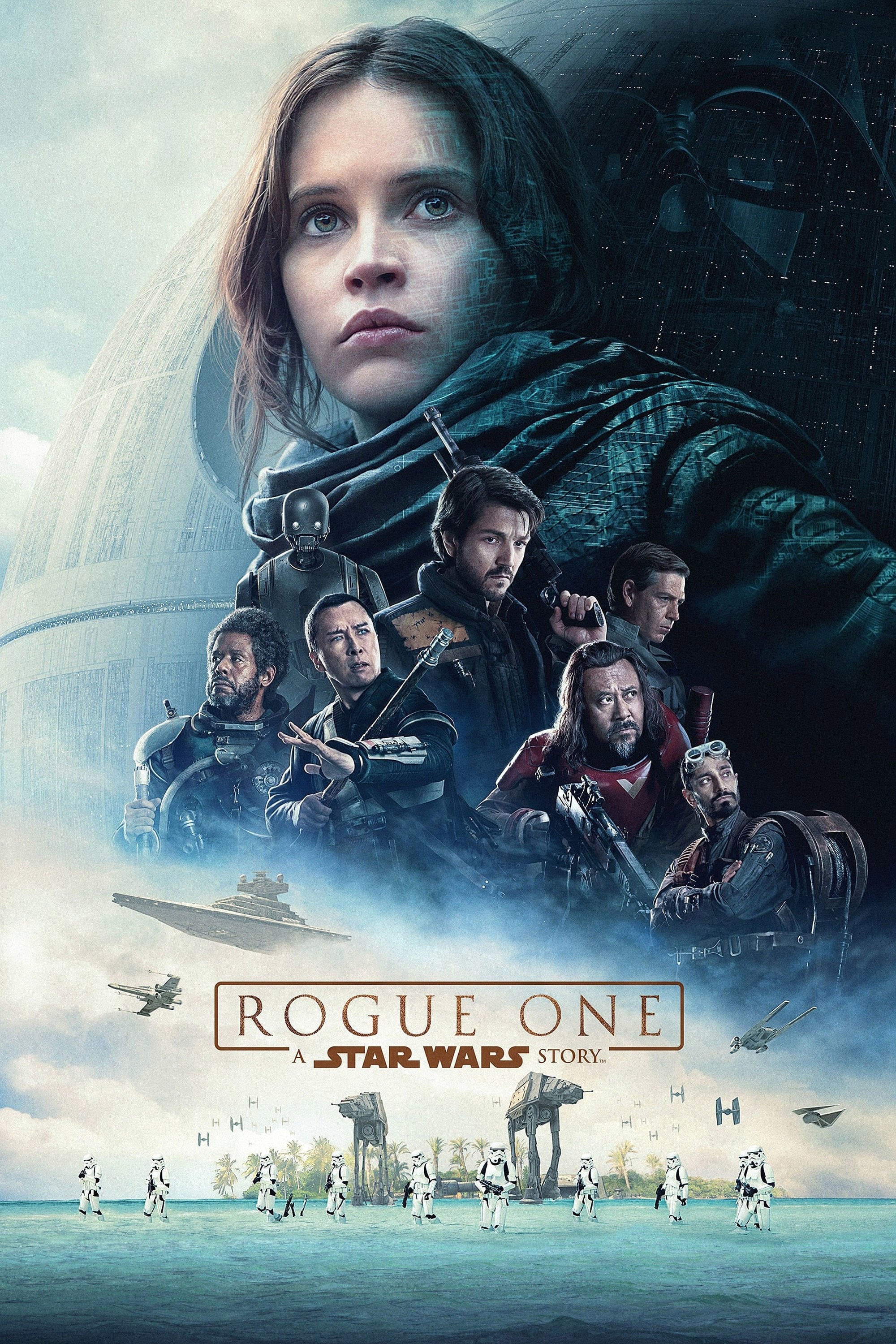
Yen helped develop Chirrut Îmwe by proposing the character’s blindness and contributing the “I am one with the Force” mantra that became a franchise touchstone. He performed staff-based sequences that merged Chinese weapon forms with Star Wars world-building. The production incorporated his timing and beat structure so the character’s listening and footwork sold the idea of fighting without sight. The result added a distinct martial rhythm to the saga’s ground battles.
‘SPL: Kill Zone’ (2005) – Brought MMA-style techniques into Hong Kong action cinema
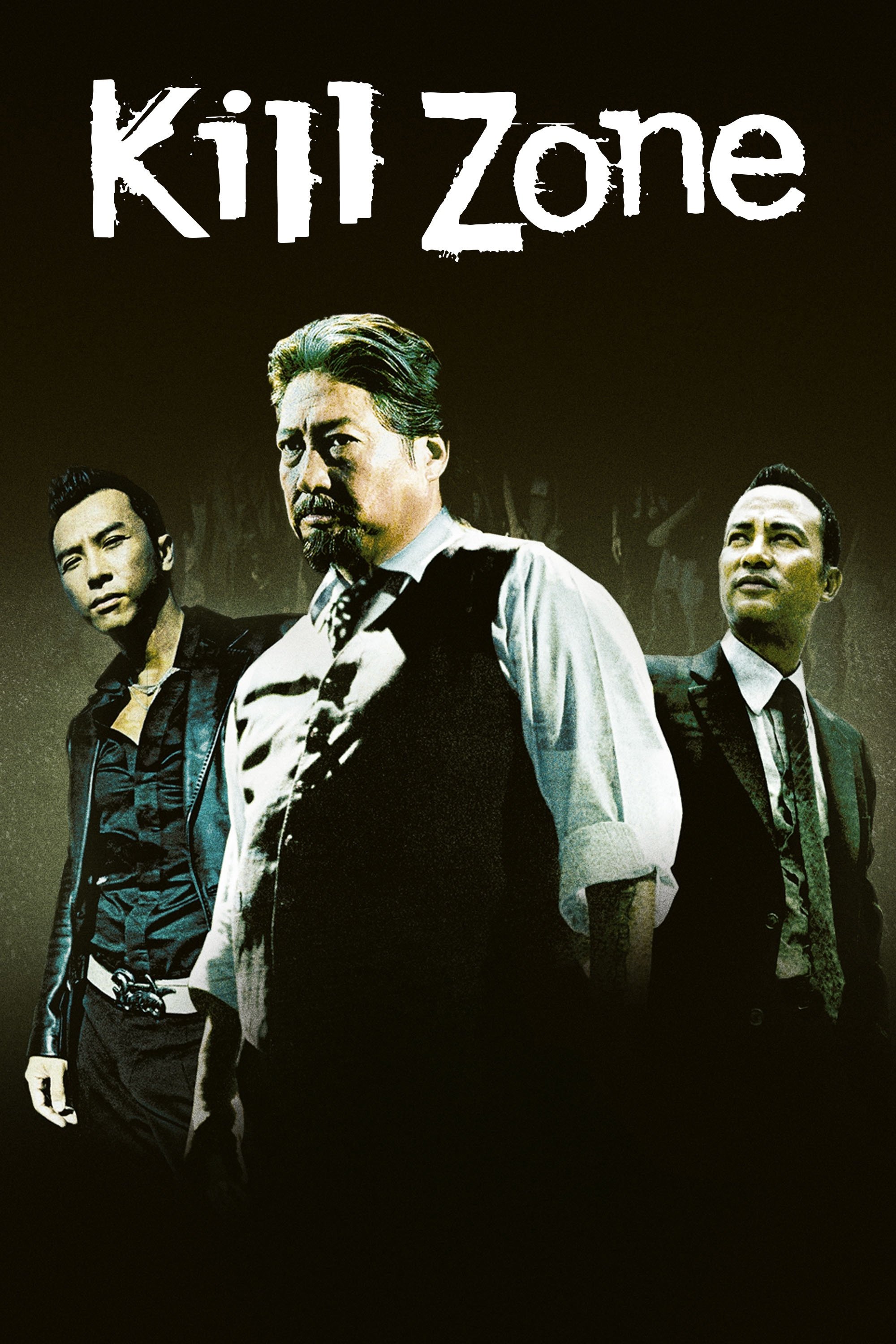
The film’s alley fight against Wu Jing showcased grappling, armbars, and takedowns rarely seen in local action at the time. Yen fused impact strikes with clinch transitions so the camera could read position changes in real time. This approach influenced a wave of productions that mixed striking with Brazilian jiu-jitsu and wrestling. The set-piece is still cited for its baton-versus-knife structure and measurable escalation.
‘Flash Point’ (2007) – Pushed full-contact realism with hybrid choreography
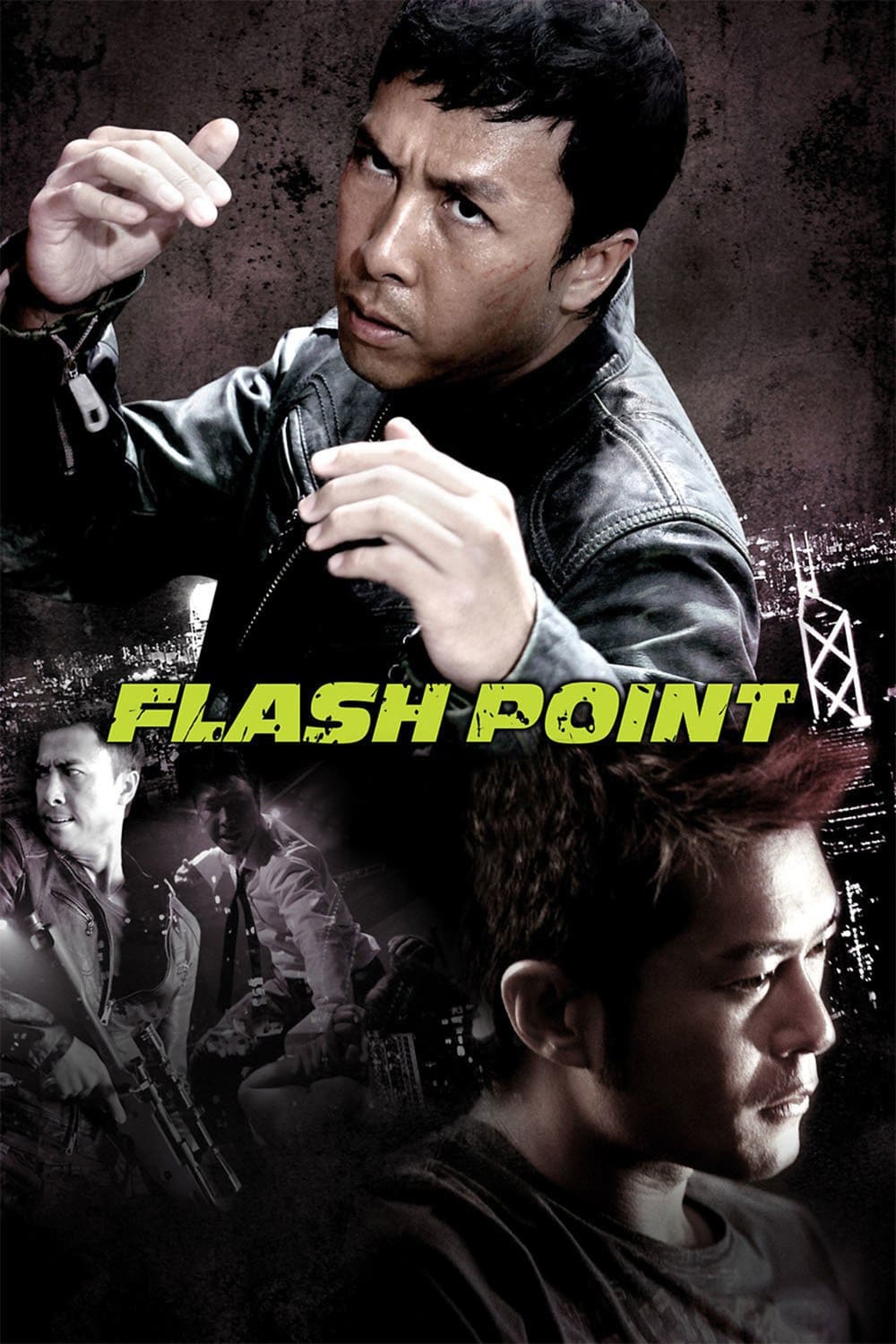
As inspector Ma Jun, Yen built a finale that blended boxing entries, judo off-balances, and ground control against Colin Chou. The choreography emphasizes weight transfer and pressure rather than wire-assisted spectacle. Wide lenses, minimal cutting, and audible body shots were used to sell authenticity. The film became a key reference for integrating MMA into narrative fistfights.
‘John Wick: Chapter 4’ (2023) – Reframed the “blind assassin” with fresh character and tactics
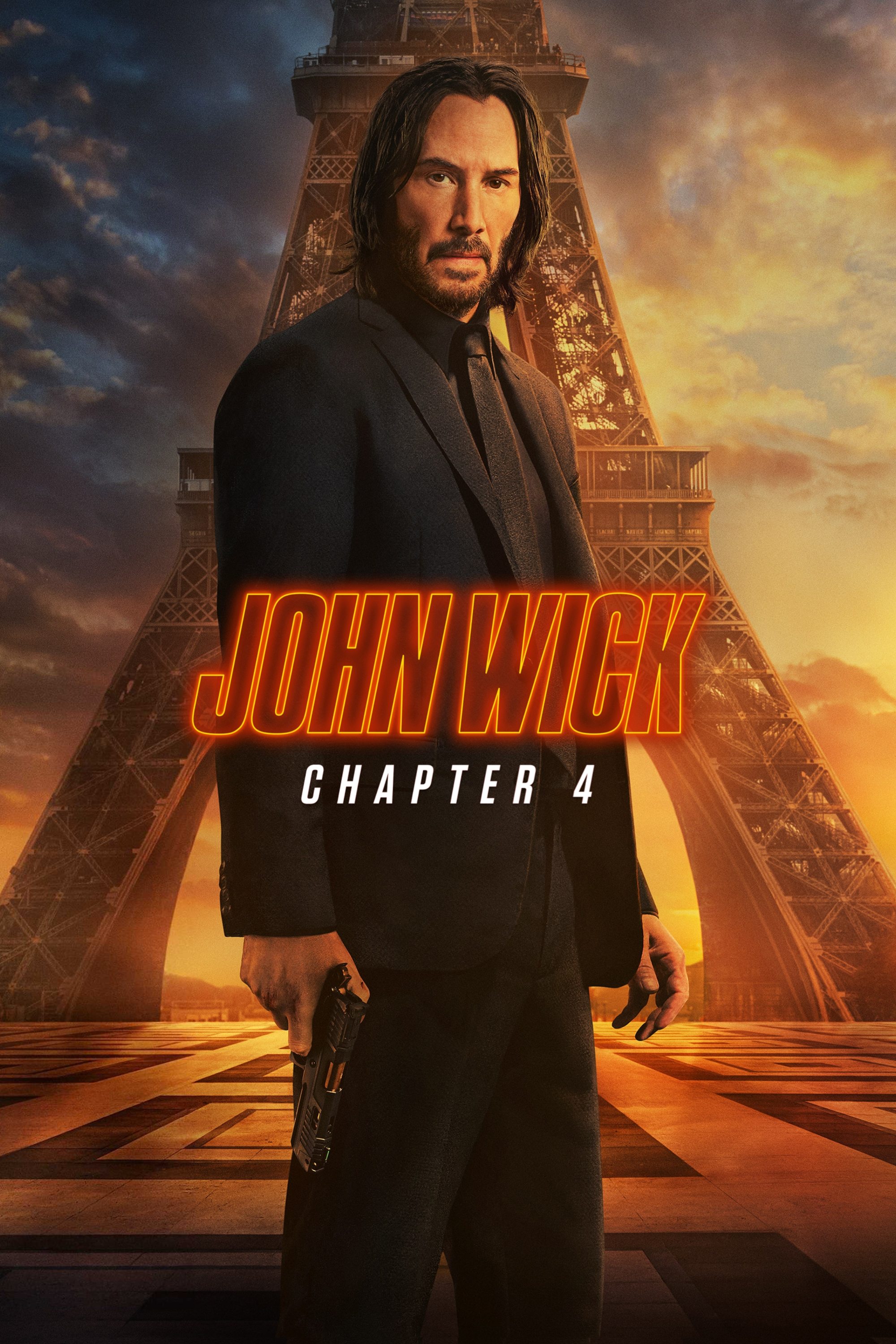
Yen’s Caine was designed with canny movement prompts—tactile cues, cane-assisted strikes, and short-blade entries—to make blindness read as strategy, not gimmick. He worked with the team to avoid stereotyped styling and align Caine with the series’ “gun-fu” language. The Osaka and Paris sequences highlight tight footwork, quick draws, and landmark awareness to track opponents. His beats were crafted to interlock with the franchise’s clean geography and long takes.
‘Fist of Fury’ (1995) – TV breakout that carried Bruce Lee’s legacy into a serialized format
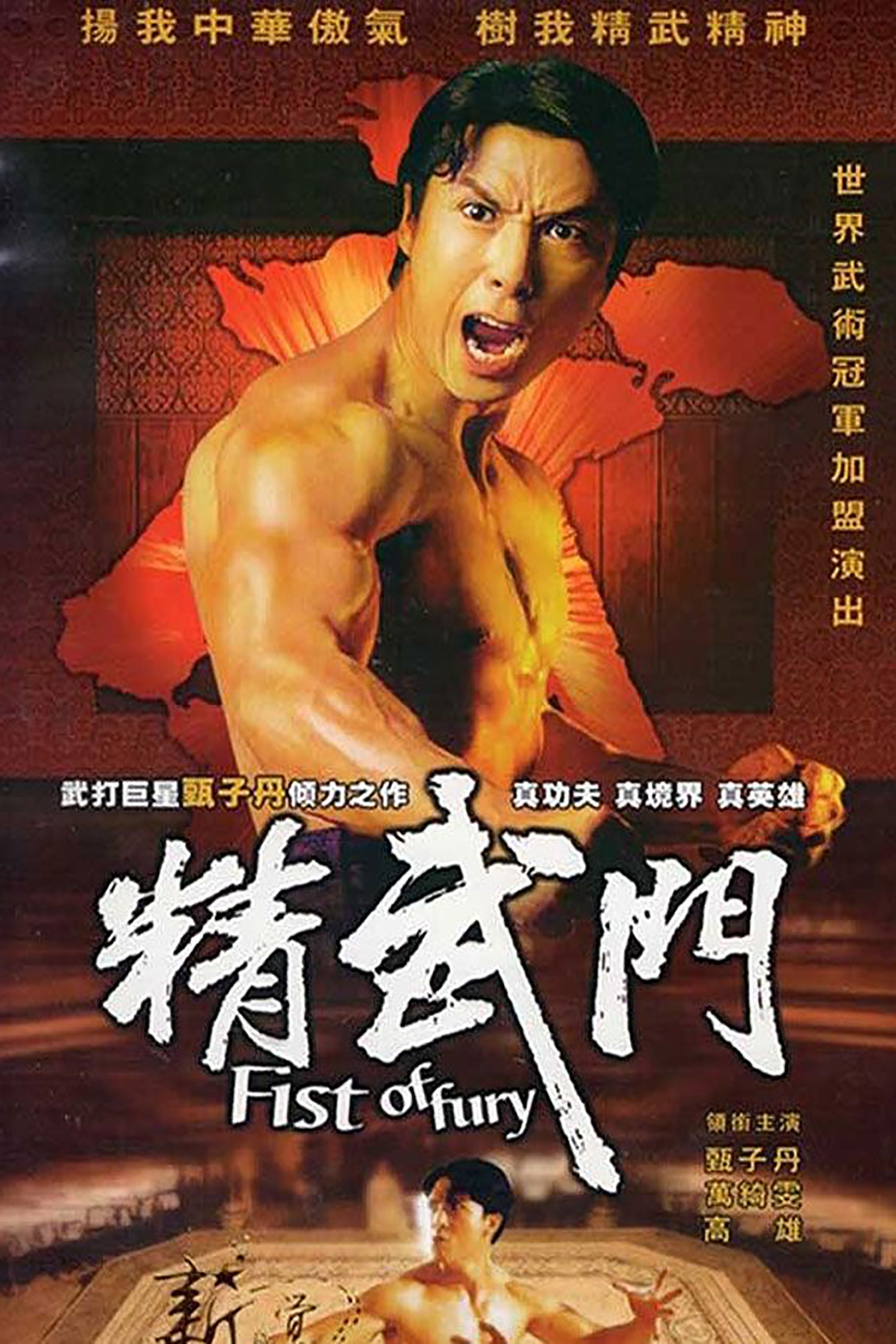
This 30-episode series reimagined Chen Zhen for television, giving Yen room to expand training arcs and rivalries across multiple story beats. The production scaled set-piece frequency while maintaining period detail and hand-to-hand clarity. It proved he could lead long-form action storytelling with consistent choreography quality. The show’s success broadened his audience well beyond feature films.
‘Blade II’ (2002) – Double duty as on-screen fighter and fight choreographer in Hollywood
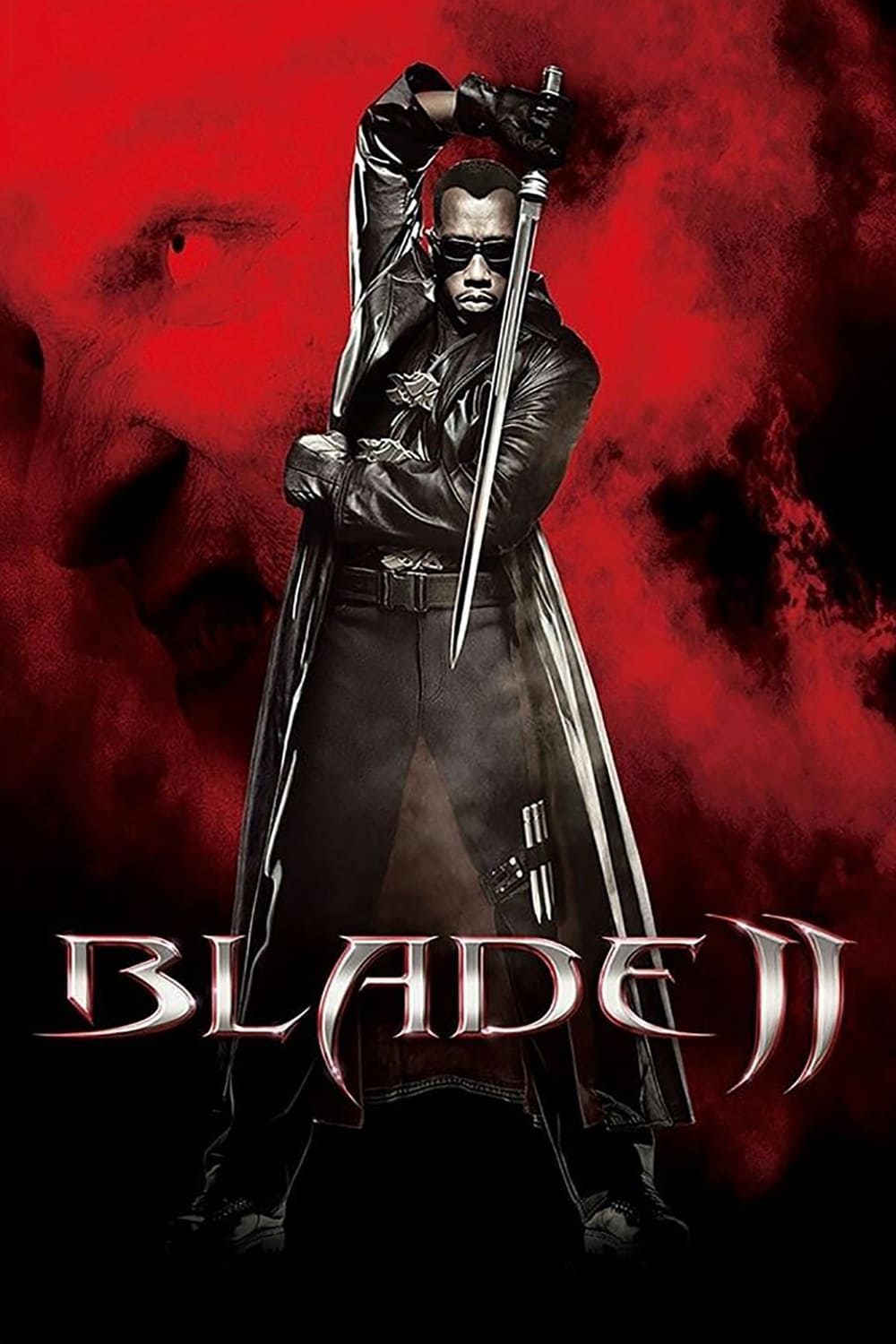
Yen played the taciturn Snowman and contributed to the film’s fight design, bringing Hong Kong timing and clean limb feeds to Western action coverage. He emphasized silhouette clarity so moves read under creature-feature lighting. The production incorporated short-beat combinations that could be safely repeated from multiple angles. This crossover helped introduce Hong Kong fight logic to a new blockbuster audience.
‘xXx: Return of Xander Cage’ (2017) – Demonstrated global star power with high-velocity set-pieces
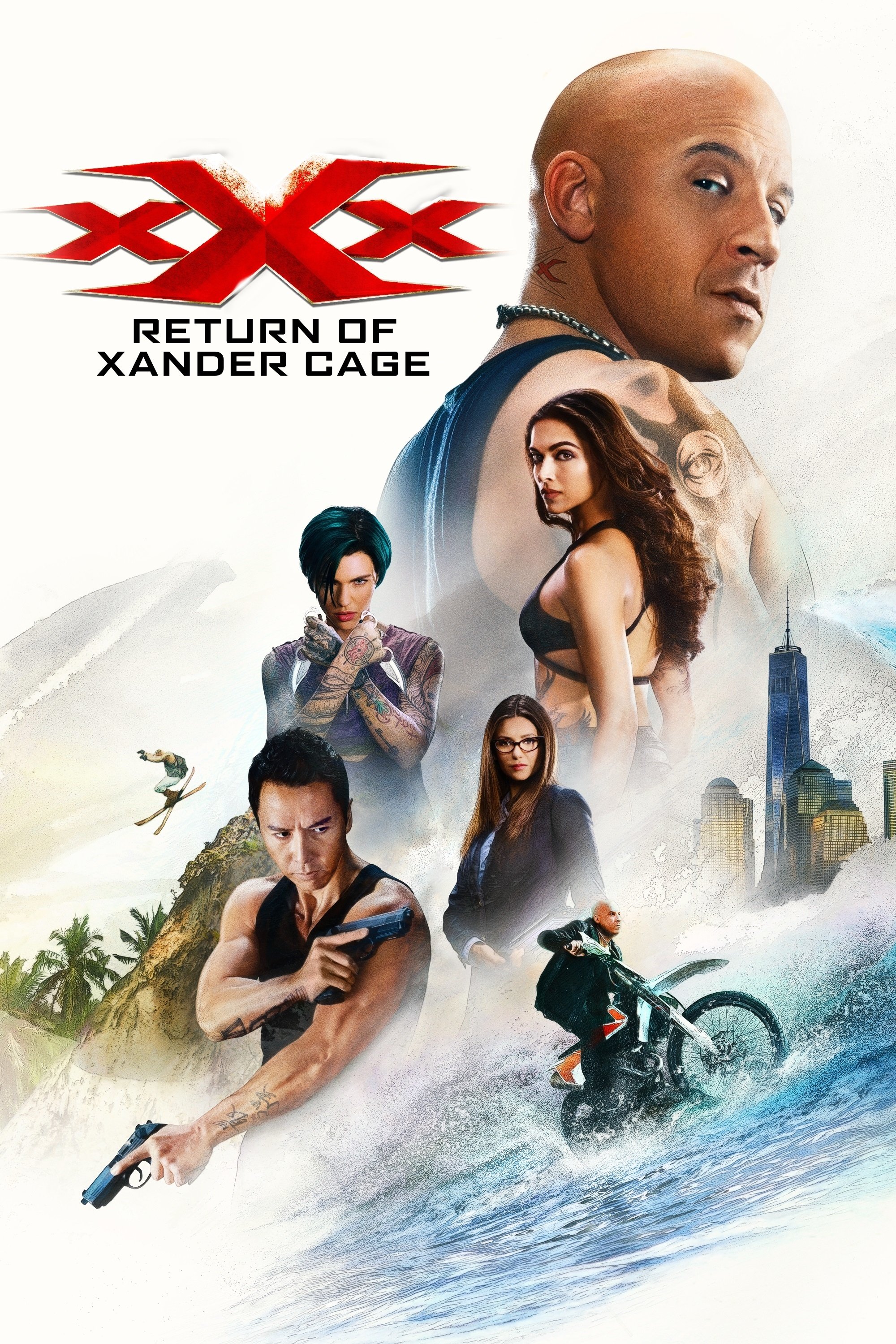
As Xiang, Yen delivered rapid-fire combinations and parkour-assisted entries that became trailer centerpieces. The production leaned on his ability to land readable strikes at speed without sacrificing safety. He performed extended takes that kept spatial relationships intact, helping the action travel across international locations. The film’s worldwide success highlighted his box-office draw beyond Cantonese-language markets.
‘Raging Fire’ (2021) – Headlined a hard-hitting swan song for director Benny Chan
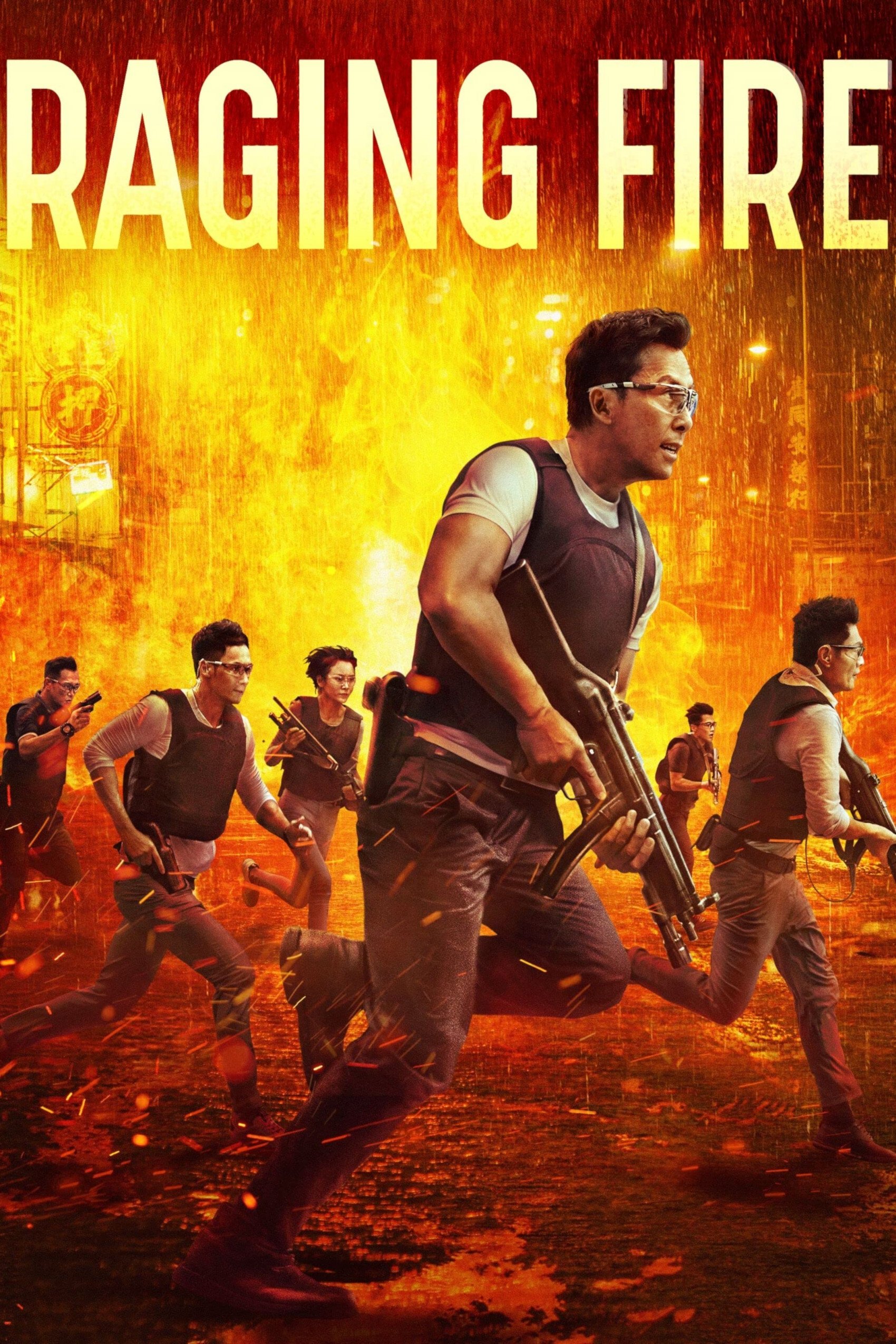
Yen starred and produced a throwback police actioner built around practical stunts and large-scale gun-fight choreography. The team staged lengthy car chases and urban shootouts with legible lines of fire and grounded reload beats. Hand-to-hand sequences returned to elbows, clinches, and counter-throws over wire-heavy fantasy. The film also stands as a tribute to Chan’s legacy in Hong Kong action cinema.
‘Legend of the Fist: The Return of Chen Zhen’ (2010) – Reimagined an icon with period espionage and stylized set-pieces
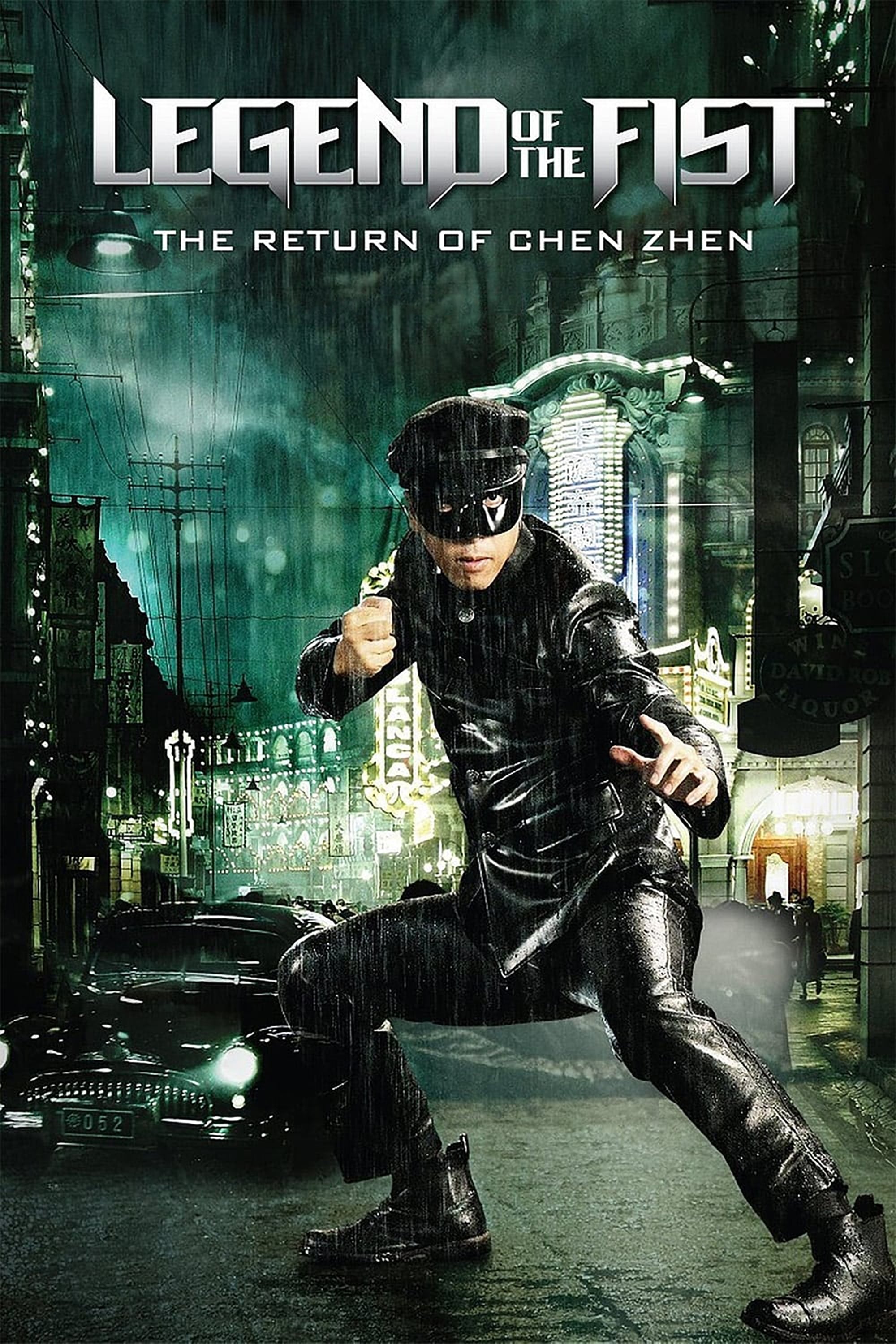
Yen’s Chen Zhen navigates 1920s Shanghai, mixing masked-vigilante sequences with military and dojo confrontations. The opening trenches prologue sets a physical baseline—mud, weight, and recoil—before shifting to sleek, noir-influenced city fights. Choreography nods to classic screen lineage while updating footwork and guard positions for modern lenses. The production merges costume, lighting, and movement to honor history without freezing it in place.
Share your favorite Donnie Yen moments in the comments!