

Top 10 Coolest Things About Ezio Auditore

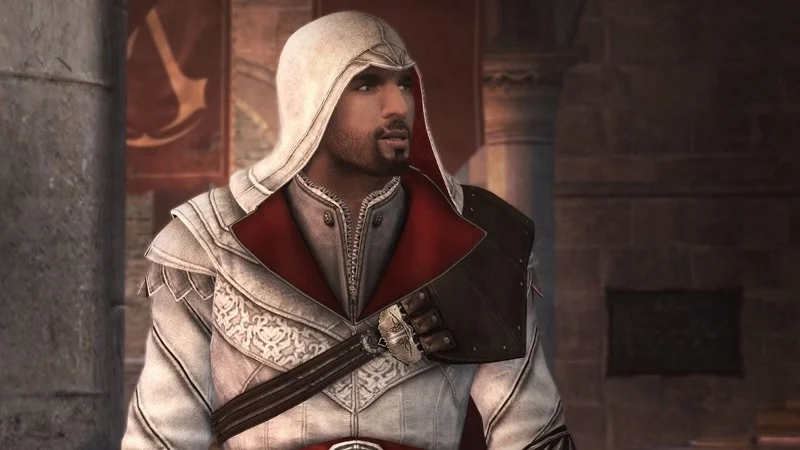


Ezio Auditore’s story threads through the late Italian Renaissance, touching real cities, real politics, and real historical figures while exploring the hidden war between Assassins and Templars. Across three main games, he evolves from carefree noble to seasoned Mentor, leaving a detailed paper trail of allies, technologies, and reforms that reshape his order. His journeys span Florence, Venice, Forlì, Rome, and beyond, mapping tightly to the geography and architecture of the period. Along the way, his connections to earlier and later Assassins tie the franchise’s eras together in a single, traceable lineage.
A Renaissance Life Grounded in Real History
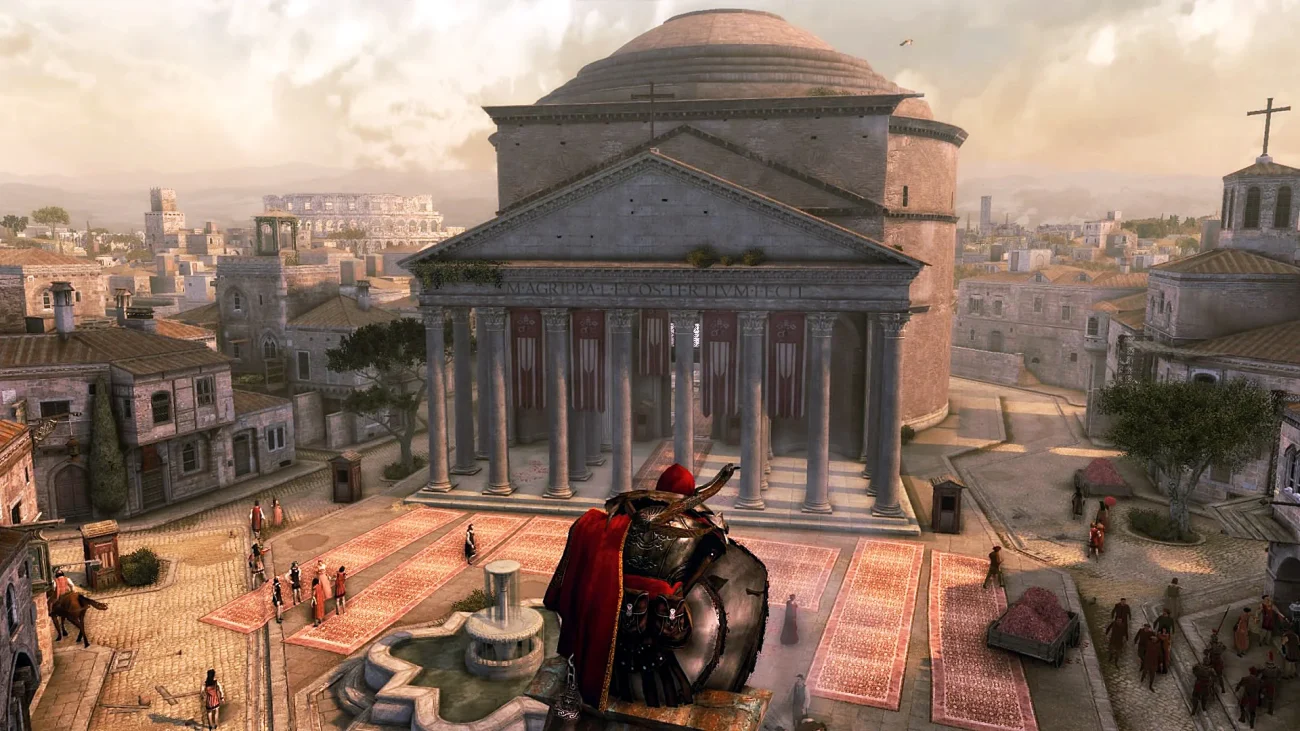
Ezio is born into a Florentine banking family and is pulled into the Assassin–Templar conflict after a political purge targets his father and brothers. His path takes him through actual Renaissance power centers—Florence’s guilds, Venice’s trade hubs, and Rome’s papal court—where factions like the Medici and the Borgias shape events. The games layer in documented customs, civic ceremonies, and architecture, from Florentine palazzi to Venetian arsenals. This setting anchors his actions to recognizable social structures, making his missions line up with how influence and power moved in that era.
Signature Arsenal: Dual Hidden Blades and More
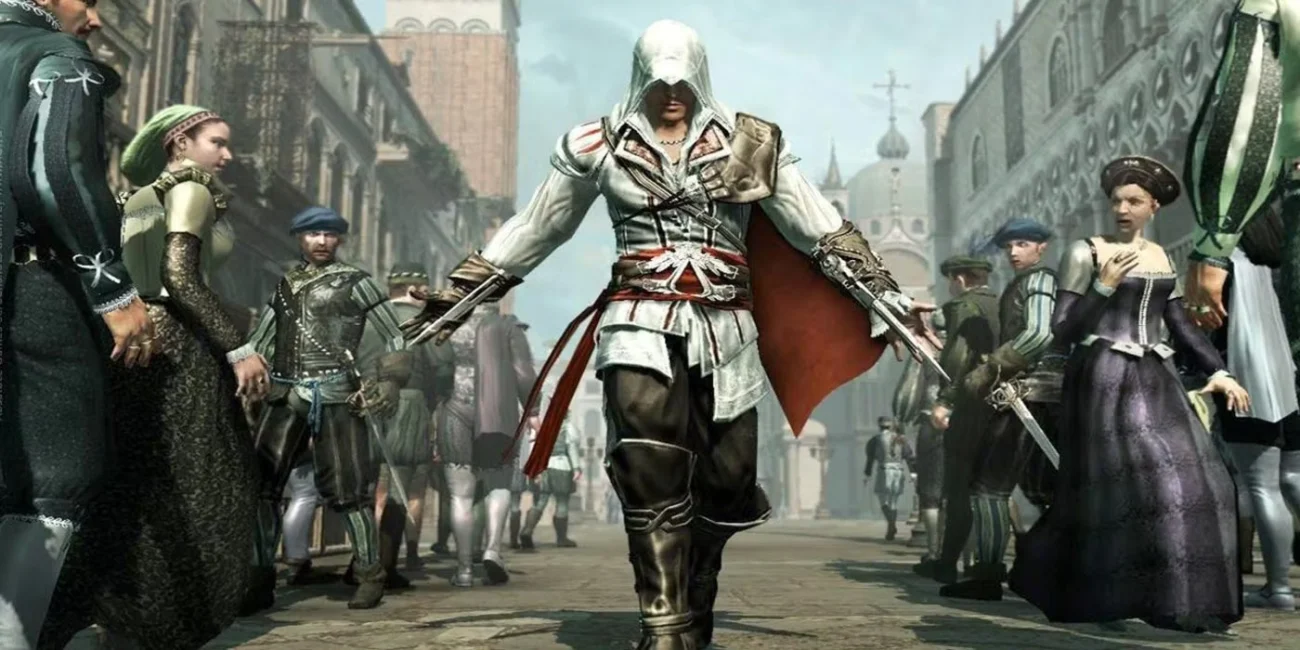
Ezio popularizes a toolkit that defines Assassin combat for years: dual Hidden Blades, a poison blade, and the wrist-mounted miniature firearm. He’s one of the first to carry a Hidden Blade configuration that doesn’t require the loss of a finger, reflecting a documented design shift within the Brotherhood. The wrist gun extends stealth into mid-range engagements without breaking cover. These devices turn infiltration, dueling, and escapes into distinct tactical layers that players can plan around.
Leonardo da Vinci’s Partner-in-Invention
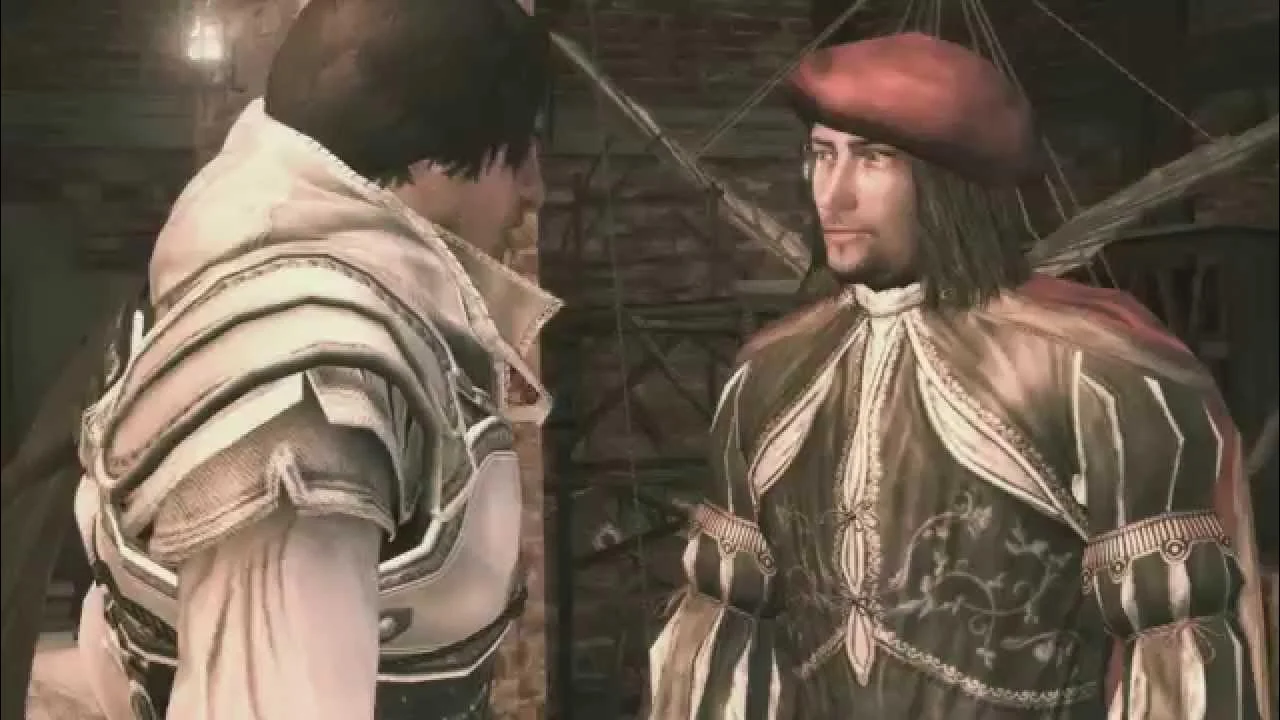
Ezio’s friendship with Leonardo da Vinci yields practical upgrades and mission-critical prototypes. Leonardo deciphers Altair’s Codex pages, unlocking the double blade, the poison mechanism, and the concealed firearm. He also provides one-off machines and aids like the flying machine and, later, the parachute that changes rooftop mobility and getaway options. Their collaboration is documented as a steady pipeline of blueprints and field tests, not a single miracle gadget.
Master Organizer of the Brotherhood in Rome
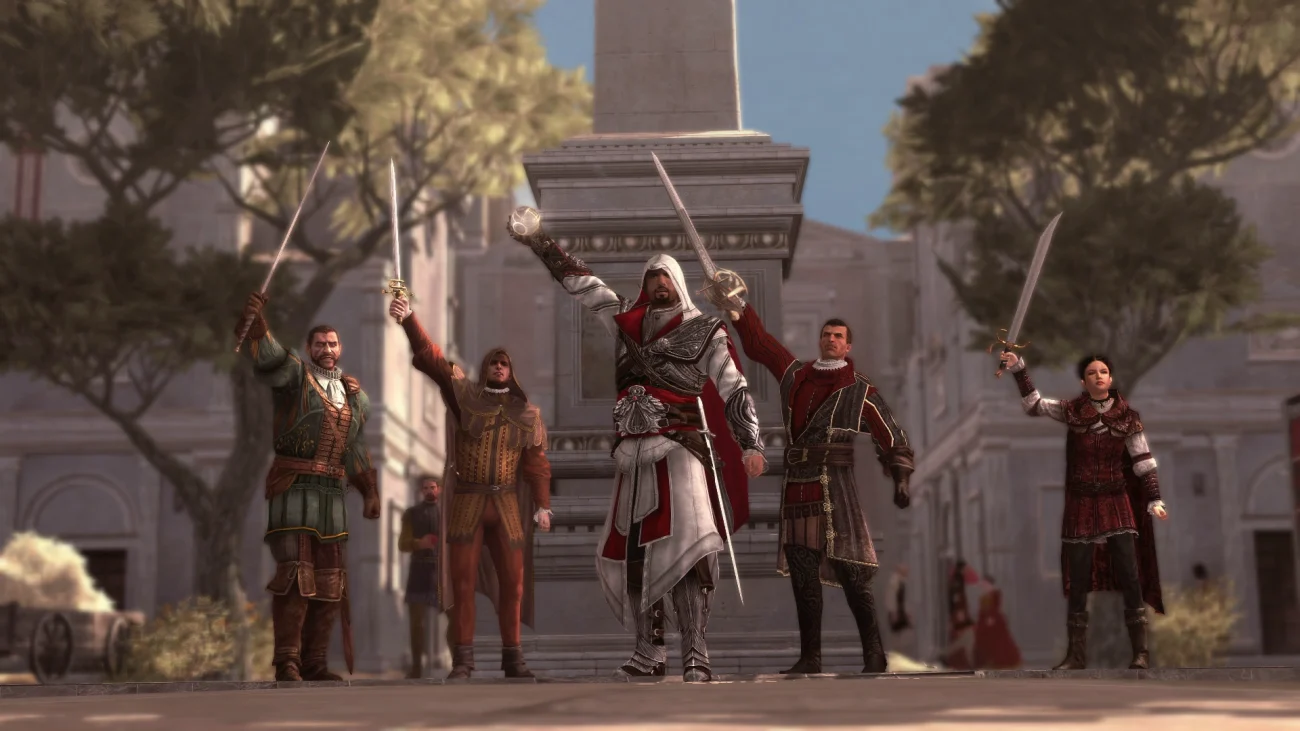
When Ezio brings the fight to Rome, he rebuilds the Assassin network by recruiting citizens, funding renovations, and dismantling Templar control node by node. He formalizes training of new Assassins, dispatching them on assignments that raise their rank and availability. District liberation mechanics—destroying strongholds, reopening shops, restoring landmarks—translate strategy into visible urban change. The result is a replicable model for Assassin growth that persists after his time.
Parkour, Social Stealth, and the Hookblade
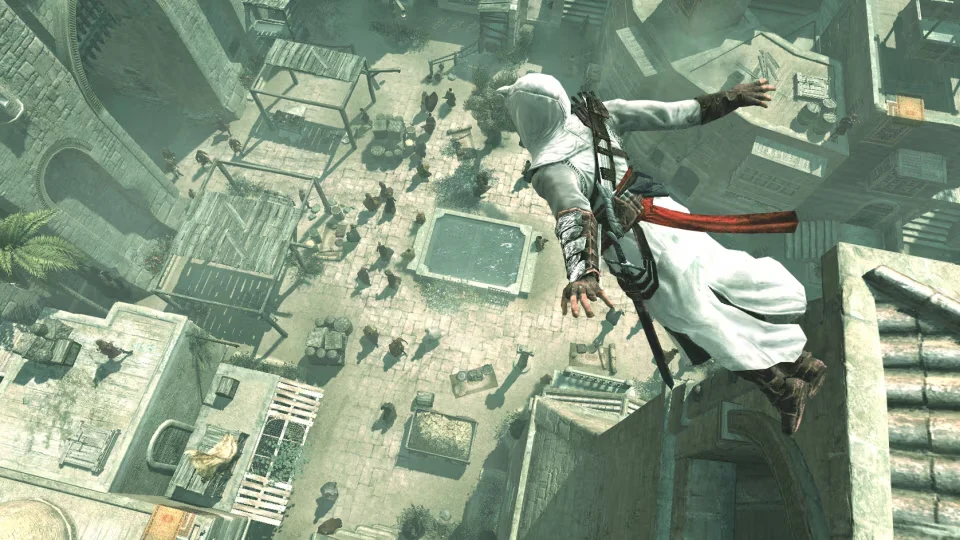
Ezio’s movement system codifies free-running routes over domes, bell towers, and aqueducts, using period-accurate ledges and scaffolds. Social stealth—blending with crowds, hiring courtesans or thieves, and managing notoriety—turns urban life into cover. Later, the hookblade extends climb reach and enables zipline travel, expanding vertical and lateral navigation in dense neighborhoods. Together, these tools make city design, not just combat stats, the decisive factor in planning a mission.
The Borgia Conflict and the Liberation of Rome
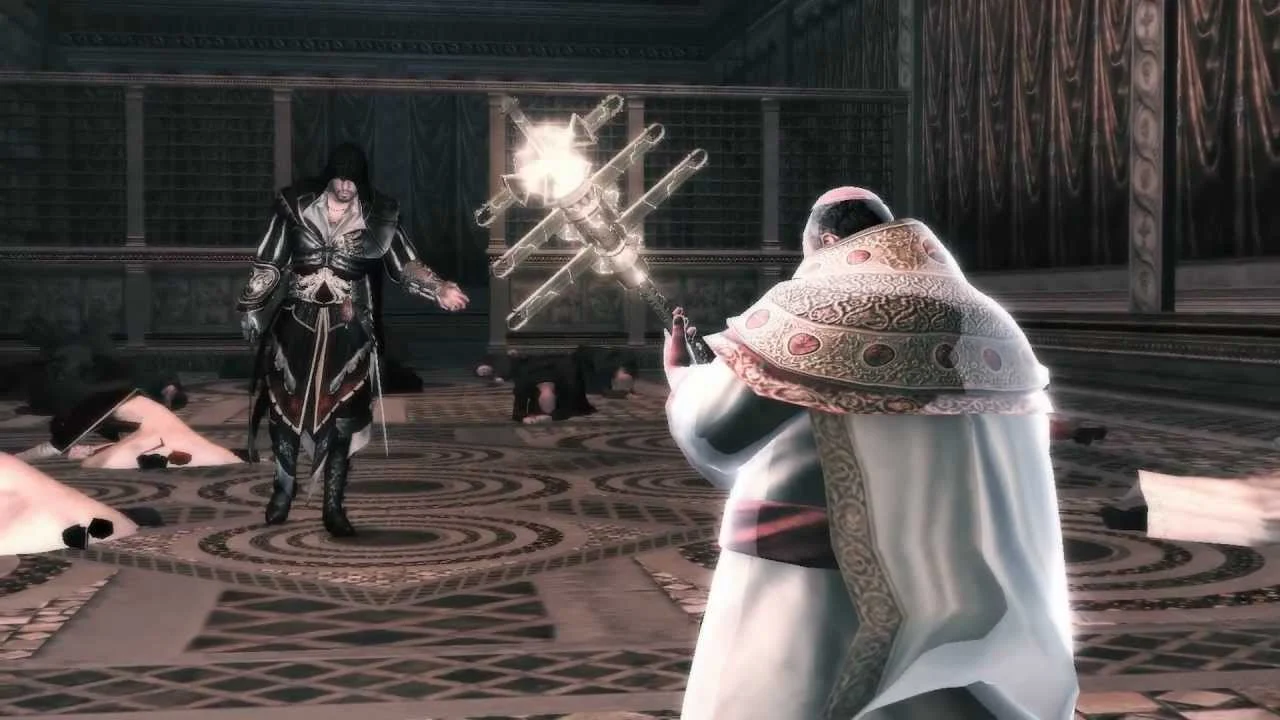
Ezio’s campaign directly confronts Rodrigo and Cesare Borgia, mapping to a recognizable arc of papal and military power in Rome. He methodically undermines Borgia influence by targeting commanders, seizing fortifications, and disrupting revenue streams that fund their armies. Restoring civic institutions—blacksmiths, tailors, doctors—measurably improves the city’s function and the Brotherhood’s logistics. This structured dismantling shows how strategic control points translate into political change.
From Florence to Constantinople and Masyaf
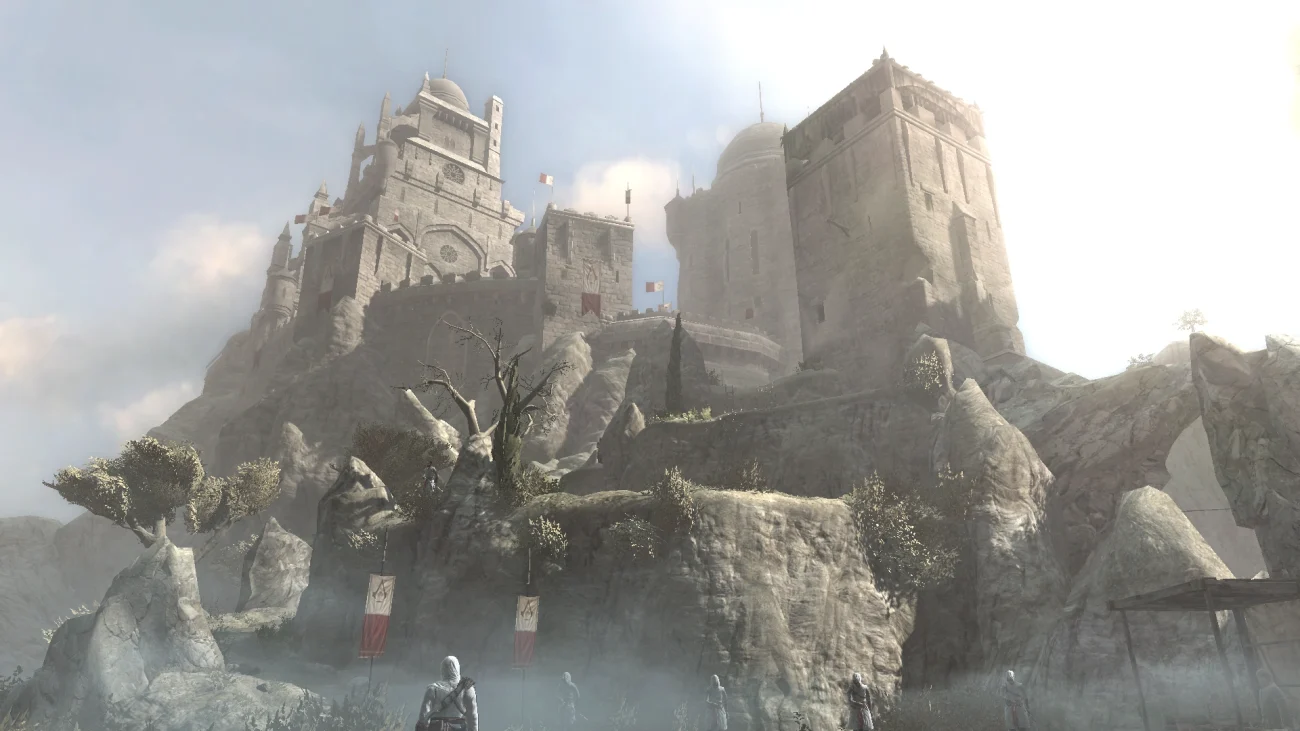
Ezio’s later travels take him to Constantinople, where he collaborates with local Assassins and navigates Ottoman imperial politics. There, he adopts region-specific practices, including the hookblade’s expanded role in traversal and combat. His pilgrimage to Masyaf connects him with Altair’s legacy and the institutional memory of the Brotherhood. That journey culminates in a transfer of knowledge through keys and libraries, tying separate Assassin generations into a single repository.
The Apple of Eden and First Civilization Ties
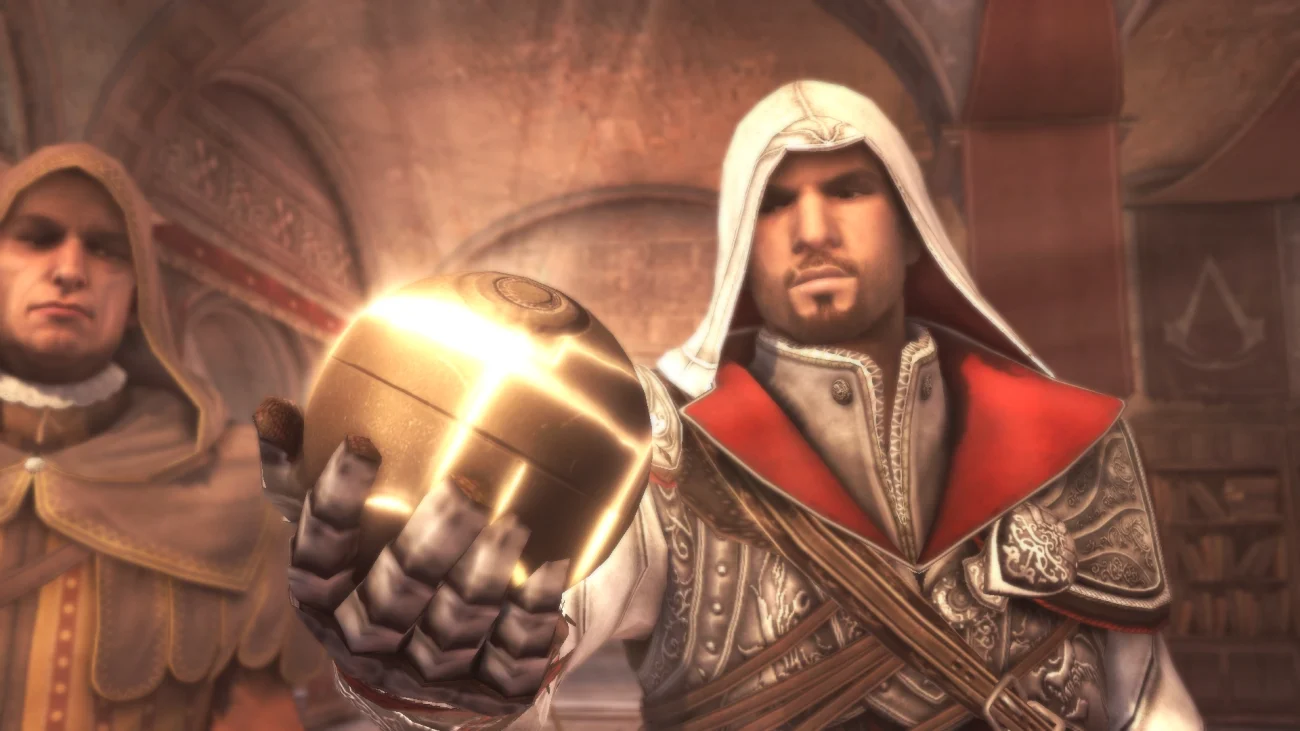
Ezio’s missions intersect with Precursor artifacts, especially the Apple of Eden, which exerts psychological and tactical influence on those who wield it. He safeguards, uses, and ultimately distances himself from the Apple, treating it as a burdened tool rather than a prize. His encounters trigger messages aimed at future listeners, establishing a communication chain across time. These sequences position Ezio as both custodian and conduit for information beyond his century.
Beyond the Games: Shorts and Crossovers

Ezio’s story extends into live-action and animated media that fill in personal and political gaps. The short-film series ‘Assassin’s Creed: Lineage’ explores the events around his family before his initiation. The animated short ‘Assassin’s Creed: Embers’ depicts his final years and the passing of his knowledge to the next generation. He also appears in crossovers and guest roles in other games, reflecting his status as a central figure whose biography is referenced across mediums.
A Complete Arc, From Youth to Mentor to Farewell

Ezio’s documented life traces a full professional and personal progression—initiation, leadership, and retirement. Records within the games track his rank advancements, property holdings, and alliances, creating a clear ledger of responsibilities gained and relinquished. His later years show deliberate withdrawal from active operations while ensuring succession plans and institutional continuity. The arc closes with a recorded farewell that reinforces the Brotherhood’s ethos as something larger than any one Assassin.
Share your favorite Ezio detail or moment in the comments so everyone can compare notes!