


Top 10 Coolest Things About Indiana Jones




Indiana Jones endures because the character blends brains, brawn, and a knack for landing in the middle of unforgettable set pieces, all wrapped in a timeless adventure vibe. Across multiple films, he chases artifacts rooted in real myths and history while juggling the life of a field archaeologist and a university professor. The stories move fast, but they’re full of details—from carefully staged practical stunts to clever visual motifs—that reward a closer look. Here are ten concrete elements that make the character and his world stand out.
The Fedora, Jacket, and Satchel

Indy’s silhouette—fedora, leather jacket, and weathered satchel—was designed to be instantly readable on screen, even in low light or through dust and rain. The wide-brim hat frames his eyes and throws a dramatic shadow that filmmakers use to cue tension or reveal. The jacket’s rugged hide protects during slides, scrapes, and falls while hiding harnesses and pads for stunts. The cross-body satchel keeps relics and notebooks close, making it both a character signature and a practical prop for action blocking.
The Bullwhip as a Multi-Tool
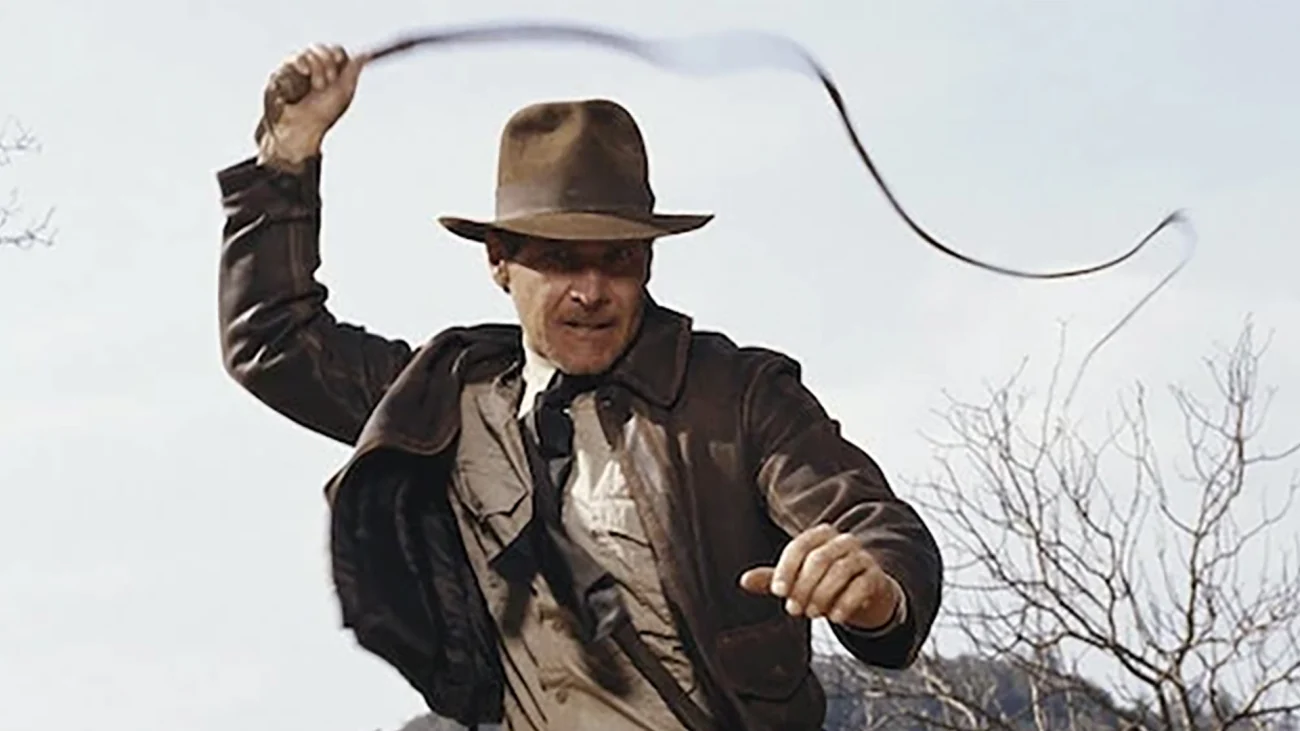
The bullwhip operates as a traversal tool, a way to snag levers or bars, and a crowd-control device in fight scenes. Choreography treats the whip crack as a timing cue so actors and stunt performers can hit marks safely. It also solves cinematic problems—bridging short gaps, disarming foes, or yanking objects—without stopping momentum for exposition. Training and rehearsals ensure accuracy, letting the whip function smoothly alongside swordplay, firearms, and hand-to-hand beats.
The Sound of Adventure: ‘The Raiders March’
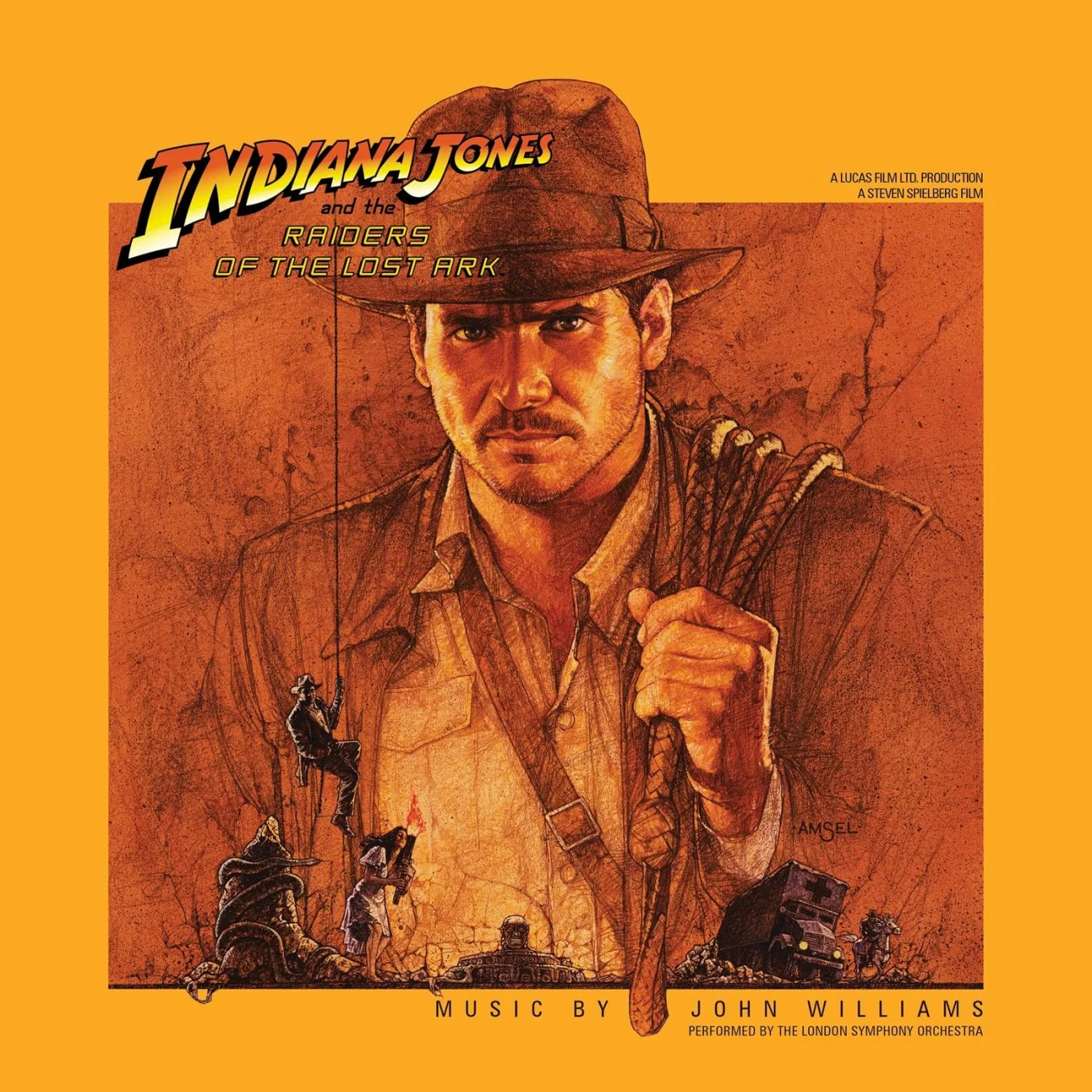
John Williams’s ‘The Raiders March’ gives the character a musical identity that instantly communicates confidence, motion, and scale. The theme is built from two interlocking melodies that can be split, reharmonized, or slowed to match tension or triumph. Surrounding leitmotifs—like Marion’s theme and mystical cues for artifacts—let the score track who and what matters in a scene. The music’s structure helps editors and directors pace chases, puzzles, and reveals without heavy dialogue.
Booby Traps and Clever Puzzles
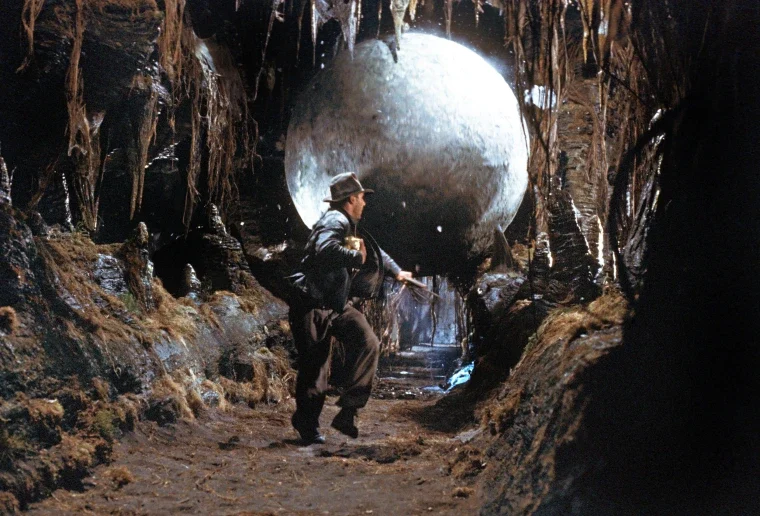
Indy’s adventures feature traps and riddles that translate academic clues into physical actions—step patterns, weight triggers, or lettered tiles. Set designers build these spaces with practical mechanisms so doors slam, darts fire, and floors drop on camera. The rules of each puzzle are telegraphed through carvings, inscriptions, or props, letting viewers solve along with the hero. Because the mechanics are tangible, the payoffs—narrow escapes, collapsing halls, and last-second grabs—feel earned.
The Red-Line Map and Globetrotting Structure
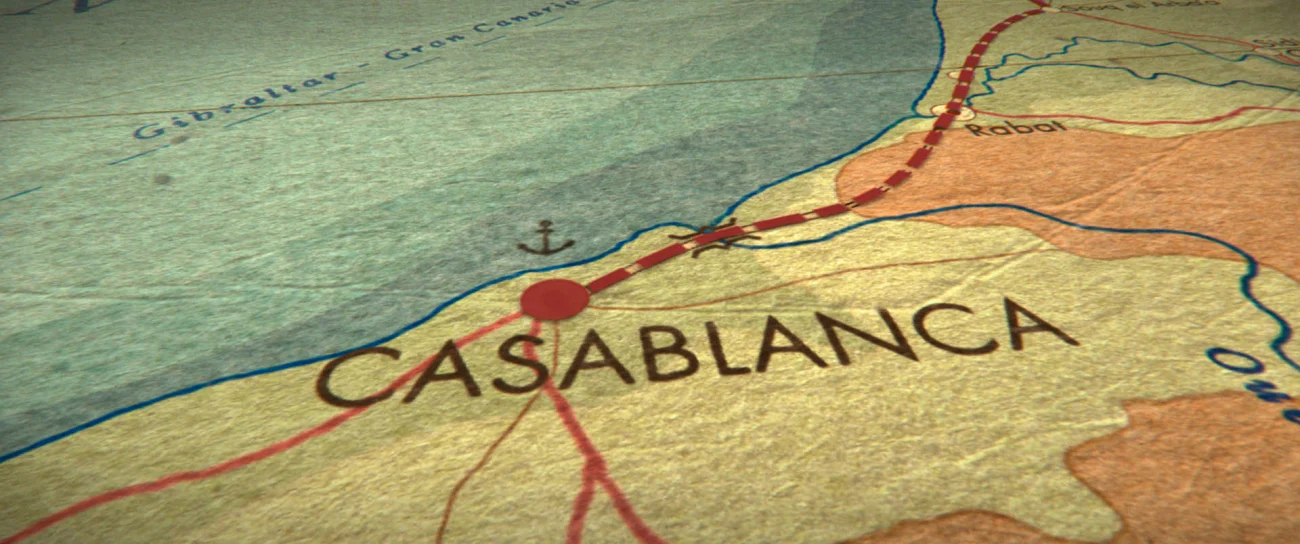
Travel sequences use the “red-line map” device to jump between continents while anchoring the story in real geography. Filming mixes backlot sets with on-location work across deserts, jungles, and old city quarters to give each chase a distinct texture. Location art direction—market stalls, aircraft interiors, coastal forts—builds a sense of lived-in history without slowing the plot. This rhythm keeps the narrative brisk while preserving the thrill of moving through the wider world.
Artifacts Rooted in Real Myths

The franchise’s MacGuffins draw from actual traditions and scholarship, including the Ark of the Covenant, the Sankara Stones, the Holy Grail, crystal skull legends, and a device inspired by the Antikythera mechanism. Scripts typically introduce a brief academic framing—a map, a codex, or a classroom scene—so the quest has a historical spine. The artifacts’ properties mirror their sources: covenantal power, protection and prosperity, eternal life motifs, pseudo-archaeological curios, or ancient engineering. This blend of scholarship and myth creates stakes that are clear without requiring deep prior knowledge.
The Professor Persona

Indiana Jones is presented as a working academic who lectures, advises students, and consults archives between expeditions. Classroom scenes show him translating languages, sketching stratigraphy, and citing primary sources. Field notebooks, rubbings, and maps connect campus research to on-site investigation, emphasizing method over guesswork. His recurring line—“It belongs in a museum!”—signals a preservation ethos and explains why he resists private collectors and looters.
Practical Stunts and Old-School Craft

Signature sequences rely heavily on practical work: vehicle-to-vehicle transfers, real pyrotechnics, and full-scale props like massive rolling boulders. Miniatures, matte paintings, and in-camera compositing extend sets while keeping physics recognizable. Fight scenes use stunt doubling, wire assists, and careful rigging that let performers tumble across trucks, tanks, and conveyor belts. Because these elements interact physically with actors and costumes, impacts and near-misses read as authentic.
A Team of Memorable Allies

Recurring allies give the stories continuity and contrast: Marion Ravenwood brings grit and resourcefulness, Sallah offers loyalty and local savvy, Short Round adds quick thinking and heart, and Marcus Brody represents academic institutions. Their skills often unlock progress—bartending familiarity with a hidden medallion, access to transport, or interpreting a clue Indy might overlook. Dialogue establishes shared history fast, so partnership dynamics feel lived-in. These relationships also raise the stakes, giving peril scenes an immediate human dimension.
A Cross-Media Legacy

Indiana Jones spans films, novels, comics, video games, and theme-park experiences, each reinforcing the franchise language of maps, relics, and peril. The character originated from a collaboration between George Lucas and Steven Spielberg, with James Mangold later directing ‘Indiana Jones and the Dial of Destiny’. Visual and musical motifs from ‘Raiders of the Lost Ark’, ‘Indiana Jones and the Temple of Doom’, and ‘Indiana Jones and the Last Crusade’ recur across tie-ins. This continuity lets new stories plug into a familiar toolkit while exploring fresh settings and legends.
Share your favorite Indy detail or moment in the comments—what cool thing did we miss?