


Top 10 Coolest Things About James Bond




James Bond has evolved from Ian Fleming’s novels into a long-running screen franchise that blends espionage procedure with distinctive cinematic traditions. Across films, the character’s world is defined by specific institutions, visual motifs, technical details, and carefully crafted rituals that audiences can track from one adventure to the next. These elements—spanning gear, music, staging, and recurring adversaries—create a recognizable toolkit for telling modern spy stories. Here are ten concrete aspects that define how Bond operates, how the films are built, and why the character’s universe is so easy to spot.
The 00 Section and Licence to Kill
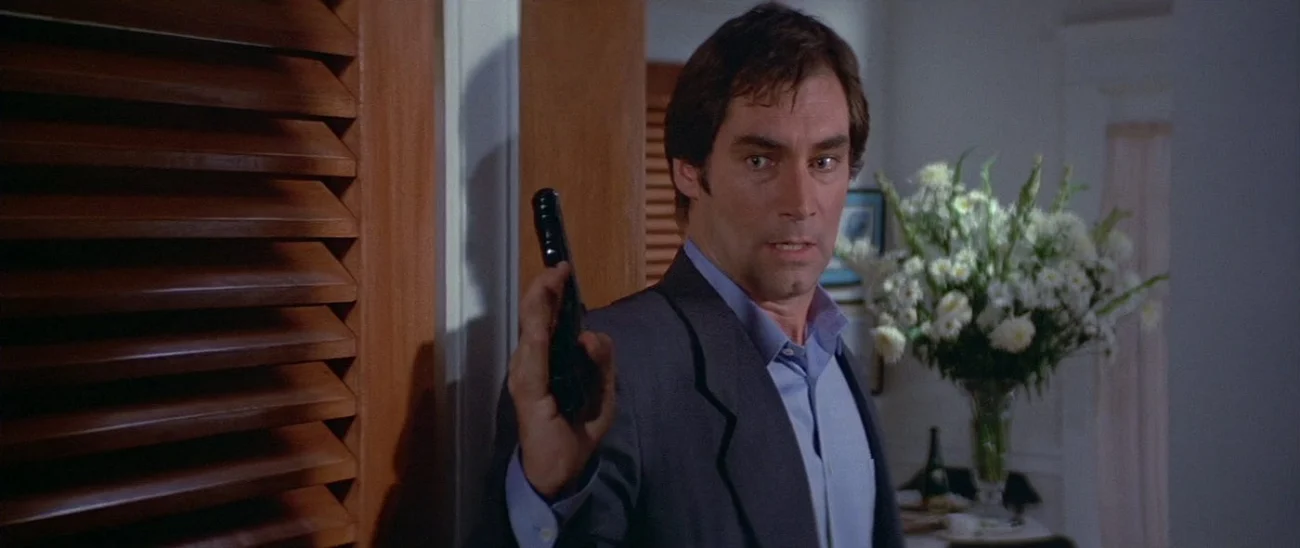
Within MI6, the “00 Section” designates agents with a discretionary licence to kill in the line of duty, a concept drawn from Ian Fleming’s books and retained in the films. Earning 00 status is depicted as requiring exceptional field competence and specific mission approvals. The films consistently show Bond reporting to M for assignments and oversight, grounding the licence in a chain of command rather than free-form vigilantism. This structure frames Bond’s actions as state operations with legal cover inside the story world.
Codename 007 and the Famous Introduction

Bond’s numeric code, 007, marks him as the seventh operative in the 00 program and functions as secure identification in mission communications. The character’s self-introduction—“Bond, James Bond”—first appeared on screen in ‘Dr. No’ and has been repeated in subsequent entries. The line typically accompanies a moment of controlled reveal, often in social settings like casinos or bars. Its recurrence signals continuity across different actors while anchoring the films’ tone of composed professionalism.
The Aston Martin DB5

The Aston Martin DB5 is the most frequently associated Bond car and is shown with concealed gadgets such as rotating number plates, an ejector seat, and onboard defenses. It made its cinematic debut with Bond in ‘Goldfinger’, establishing a template for vehicles that are both luxury transport and mission hardware. The DB5 has reappeared across eras, sometimes restored or refitted by Q Branch to suit new threats. Its presence ties contemporary stories back to earlier films through a single piece of recognizable equipment.
The Walther Sidearm

Bond is most commonly equipped with a Walther PPK, later supplemented or replaced in some films by models like the Walther P99. The PPK’s compact size supports concealed carry for undercover work, while the franchise sometimes adds narrative features such as user recognition or suppressors. Q Branch sequences often document the transfer and testing of sidearms, emphasizing maintenance and accountability. These details keep Bond’s weaponry grounded in real-world firearms design even as other gadgets become more experimental.
Q Branch and Practical Gadgets

Q Branch serves as MI6’s research and development hub, briefing Bond on mission-specific tools before deployment. Across the series, Q has been portrayed by multiple actors, with Desmond Llewelyn holding the role the longest and later succeeded by others who continue the technical briefings. Gadgetry has included trackers, rebreathers, compact explosives, and wearable comms, usually demonstrated with clear operating instructions. These scenes establish rules of use that later pay off during field improvisations.
The Gun Barrel Sequence

Most Bond films open with the gun barrel sequence, a stylized viewpoint shot authored originally by title designer Maurice Binder. The visual shows Bond turning toward camera to fire, followed by screen “blood” and a transition into the main titles. Its placement has varied—before or after a pre-title sequence—but it functions as a signature stamp that the story is entering Bond’s world. The musical cue that accompanies it ties directly into the ‘James Bond Theme’, creating an audiovisual handshake with the audience.
Pre-Title Cold Opens

Bond films typically begin with a pre-title sequence that delivers a short, self-contained mission or incident. These segments introduce a threat, showcase a stunt, or set up an element that will matter later in the plot. The format lets the film start with action while keeping the main story beats for after the titles. It also provides a place to display specialized skills, locations, or equipment before the briefing scene with M.
SPECTRE and Blofeld

SPECTRE—an acronym for Special Executive for Counter-intelligence, Terrorism, Revenge and Extortion—is a recurring criminal syndicate in the franchise. Its leader, Ernst Stavro Blofeld, appears in multiple films as the architect of transnational schemes that require international counter-measures. The organization’s operations often involve proxy villains and shell companies, giving the stories global scope. Its reintroductions over time have allowed the series to connect standalone plots into larger conspiracies.
Title Themes and Main Title Design

Each film features a dedicated title song and a main title sequence that credits the cast and crew while establishing tone for the story. Composers and performers range widely, but the ‘James Bond Theme’ remains the musical anchor, with variations threaded through the score. Title designers integrate silhouettes, typography, and symbolic imagery linked to gadgets, locations, or antagonists. The result is a repeatable format where music and motion graphics deliver narrative context before the first act begins.
Casinos, Cards, and Tradecraft at the Table

Casinos are frequent settings for contact meetings, surveillance, and psychological pressure rather than simple leisure scenes. Bond engages in games such as baccarat or poker to read opponents, launder intelligence exchanges, or trigger security responses. These sequences often hide technical work—like micro-transmitters, covert earpieces, and chip-based tracking—inside normal casino behavior. The setting provides neutral ground where observation, bankroll management, and protocol become tools of the mission.
Enjoyed the breakdown? Share which Bond element you’d add to the list in the comments!