


Top 10 Coolest Things About Jesse Pinkman




Jesse Pinkman stands out as one of television’s most fully realized anti-heroes, a character whose choices are shaped by circumstance, hard-earned skills, and the people who move in and out of his life. Across ‘Breaking Bad’, ‘El Camino: A Breaking Bad Movie’, and a key appearance in ‘Better Call Saul’, the details of his arc—big and small—add up to a portrait of someone who keeps learning, adapting, and surviving.
This list pulls together concrete moments, capabilities, and relationships that define Jesse. Each item focuses on specific facts from on-screen events—how he plans jobs, how he responds when people are hurt, how he interacts with law enforcement, and how his story threads across the wider ‘Breaking Bad’ universe—so you can trace exactly what makes him such a memorable figure.
From ‘Cap’n Cook’ to a Lab-Caliber Chemist
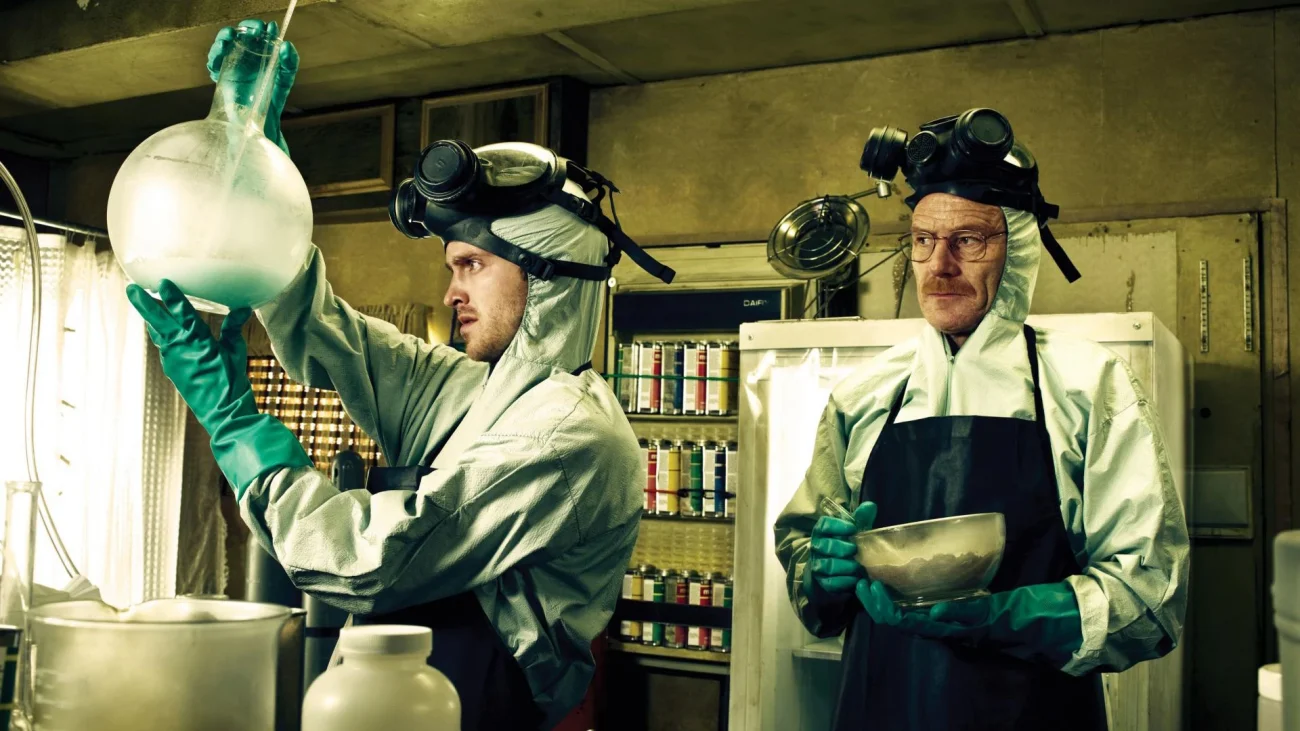
Jesse begins as a small-time manufacturer under the alias “Cap’n Cook,” distinguished mainly by adding chili powder to his product. After partnering with Walter White, he learns controlled-lab technique—stoichiometry, proper filtration, and solvent handling—and transitions from improvised setups to professional-grade processes that consistently yield high purity. He demonstrates practical mastery in multiple environments, including mobile labs, clandestine industrial spaces, and a cartel-supervised facility.
That progression is made explicit when he successfully runs high-output batches without Walter present and later teaches procedures to other cooks under pressure. Supervisors and rivals within the drug world recognize the quality of the resulting product, and Jesse’s ability to replicate results in unfamiliar labs becomes a recurring plot lever that other characters keep trying to exploit.
He Turned Wild Ideas Into Working Plans
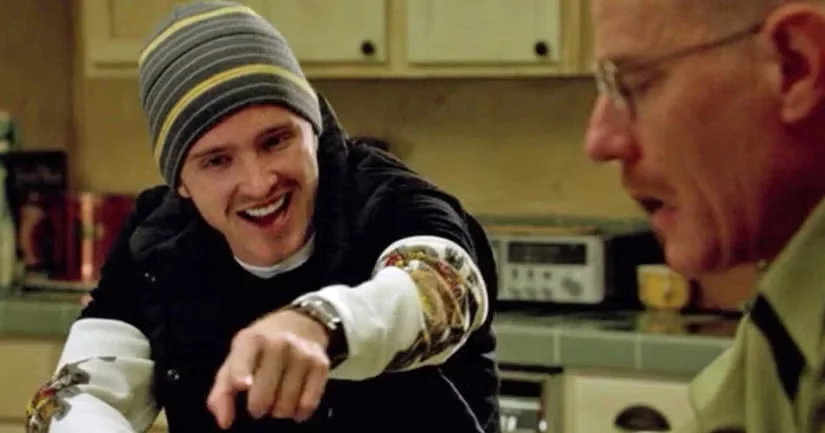
Jesse proposes the evidence-erasing magnet scheme used against a police lockup, turning a half-joking “what if” into a technically viable plan with an industrial electromagnet, a delivery truck, and a rapid exfiltration timeline. The operation hinges on placement, amperage control, and the expectation that electronics and storage media inside the target facility will be vulnerable to a strong external magnetic field.
He also contributes the key insight that makes the train heist possible: displacing the stolen methylamine with water so the tank’s level and weight appear unchanged to inspectors. That practical fluid-dynamics workaround—combined with a temporary rail obstruction and remote pumping—lets the crew remove the chemical without triggering the routine checks that would otherwise reveal a volume loss.
He Drew a Line Around Harm to Kids
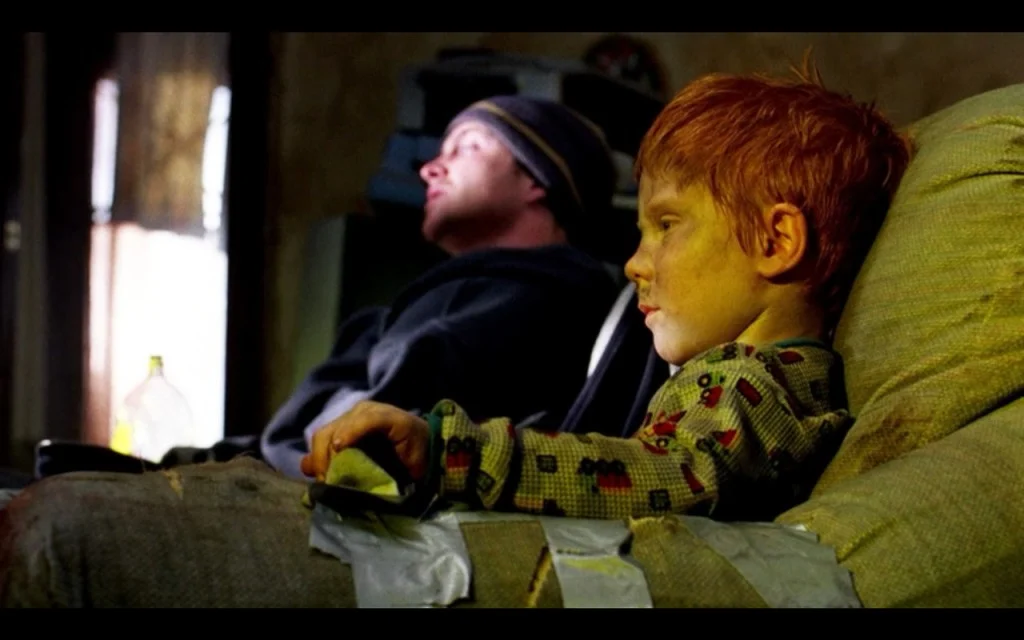
Jesse consistently changes course when children are endangered. After Brock falls mysteriously ill, he abandons criminal plans to focus on the boy’s condition and begins connecting dots that later reshape his alliances. Earlier, when a child witnesses the crew’s activities during a theft, Jesse’s alarm leads him to push for safer methods; the later killing of Drew Sharp devastates him and becomes a catalyst for breaking from partners who treat collateral damage as acceptable.
Those incidents directly affect his decisions with money and with whom he’s willing to work. He attempts to funnel cash to Andrea and Brock for support and repeatedly tries to distance himself from operations that show indifference to child safety. The pattern is clear on screen: whenever kids are pulled into danger, Jesse’s priorities shift immediately and decisively.
His Bond With Walter White Drove—and Undid—the Empire
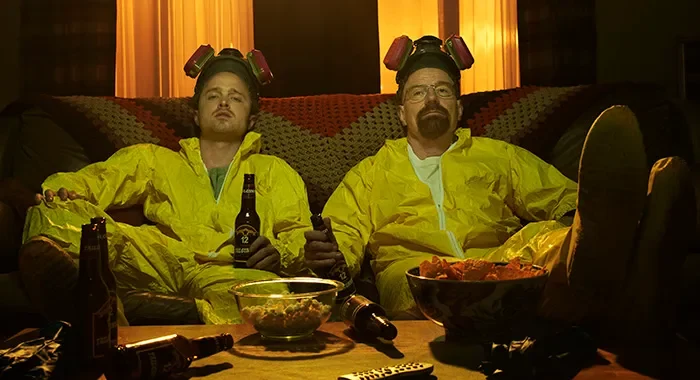
Walter first recruits Jesse as a street-level guide to distribution, but the partnership soon becomes a cycle of reliance and manipulation. Key events include Walt withholding the truth about Jane’s death, orchestrating circumstances that lead Jesse to resume cooking, and later poisoning Brock with lily-of-the-valley to steer Jesse’s choices. Each reveal pushes Jesse toward or away from Walt at pivotal moments.
Those breaks set up Jesse’s cooperation with law enforcement and his attempts to turn evidence against Walt. The plaza meeting, the staged confession strategies, and the shifting loyalties around Gus Fring and Mike Ehrmantraut all track back to how Jesse processes what Walt has done. Their final interactions unfold amid hostage-taking and cross-fire, closing a partnership that began as a pragmatic arrangement and ended with lethal consequences.
Survival Under Captivity—and the Escape That Followed
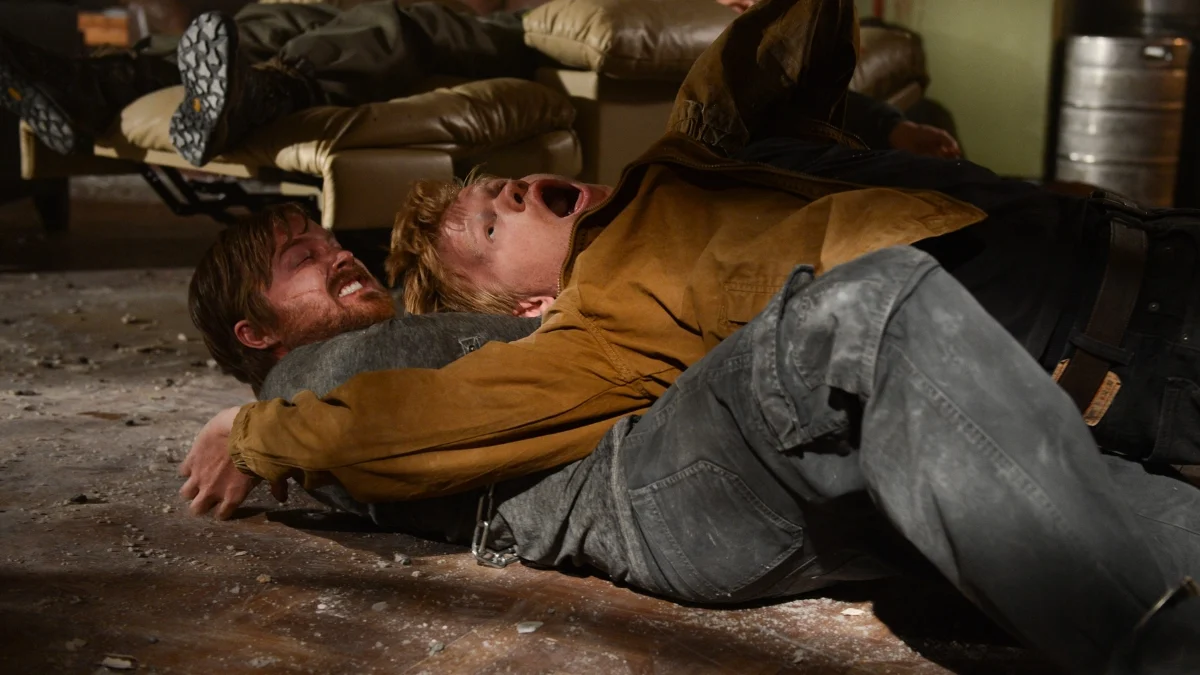
Jesse spends months enslaved by Jack Welker’s crew, forced to cook under guard, confined by a sliding-track harness, and punished when he resists. He maps routines, catalogues who watches which posts, and uses small opportunities to test boundaries, but attempts to break out are met with direct retaliation, including threats against people he cares about.
When he finally gets free, he prioritizes eliminating links to his captors, securing funds, and erasing his trail. He engages the vacuum-repair front run by Ed Galbraith to obtain a new identity and extraction logistics, coordinates vehicle swaps, and avoids surveillance by discarding trackers and changing appearance. The steps are procedural: acquire clean cash, neutralize loose ends, and relocate beyond former networks.
He Sought Accountability Through Recovery and Confession
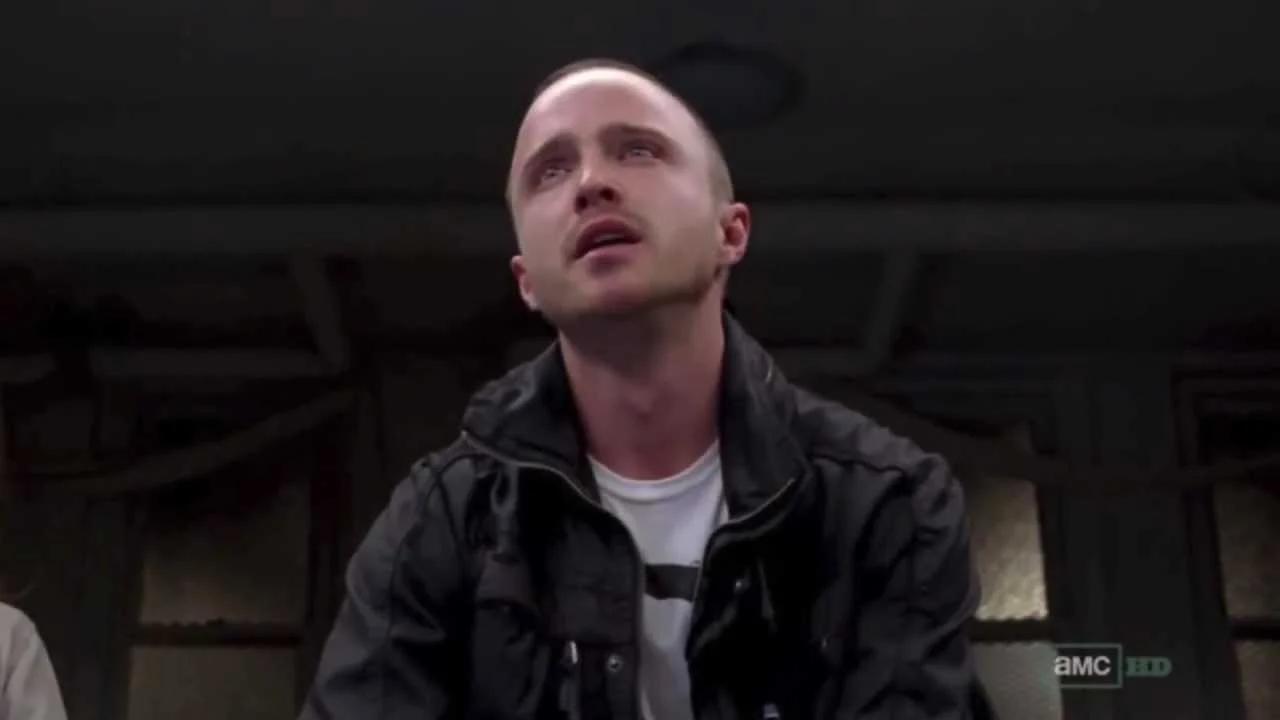
Jesse’s attendance at Narcotics Anonymous meetings marks an early attempt to understand his behavior’s fallout. He speaks candidly about guilt, temptation, and the moral weight of his work, even when other attendees misread his euphemisms. These sessions become a narrative device that shows he’s cataloguing harms and contemplating restitution, not just trying to lay low.
He later tries to confess to law enforcement when the violence escalates, attempting to trade information for a chance to stop further damage. Conversations with Hank Schrader outline the evidence he can provide, plans for wired conversations, and the risks of drawing out a target who anticipates stings. The procedural detail—covert recording, controlled meetings, backup units—underscores Jesse’s readiness to accept consequences if it will halt the cycle.
Loyalty to Friends Who Showed Up for Him
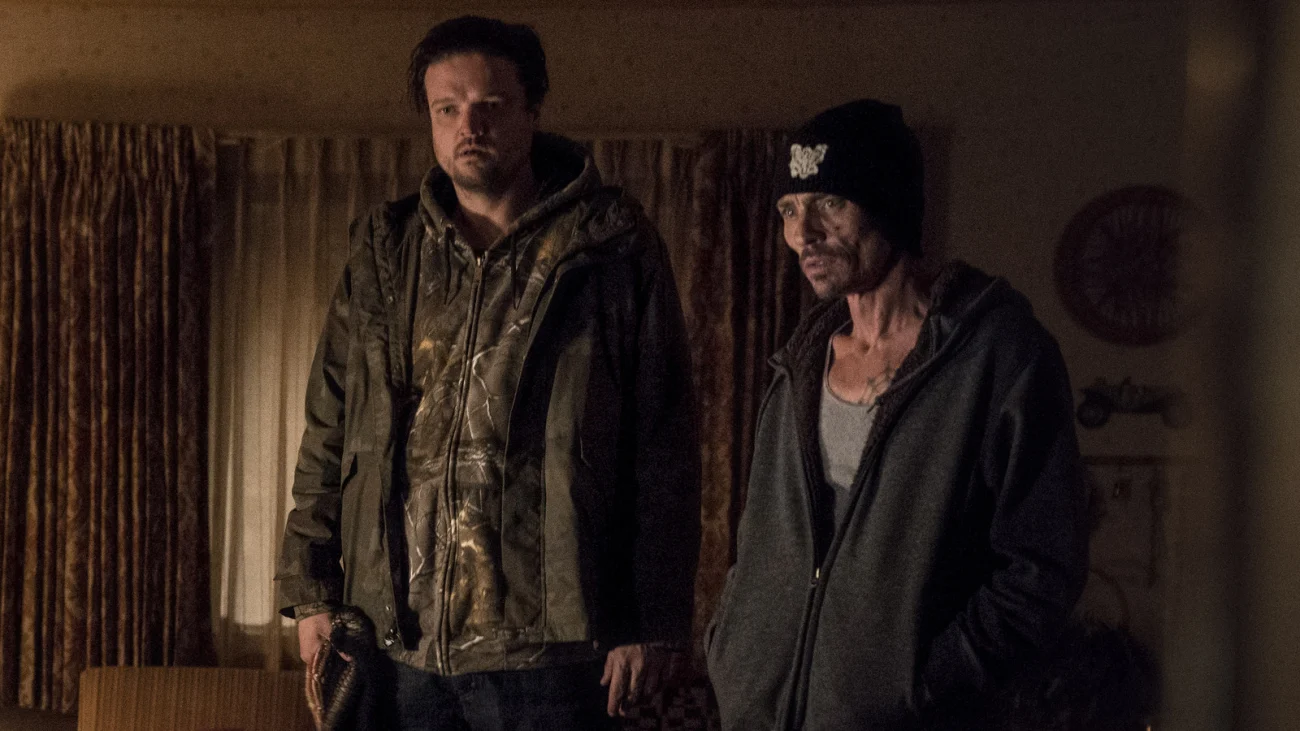
Skinny Pete and Badger repeatedly provide cover, transport, and quick problem-solving under time pressure. They hand over vehicles, stage alibis, and manage swap-outs that make Jesse harder to track in the immediate aftermath of violent incidents. When Jesse arrives after escaping captivity, they coordinate a clothes change, vehicle exchange, and overnight hide, demonstrating a practiced division of tasks.
Jesse, in turn, looks out for them by steering them away from high-risk jobs and trying to make sure they are never present when explosive decisions are made. He allocates money to them with instructions that minimize exposure and avoids naming them to law enforcement or rivals. Their scenes provide concrete, logistical beats—keys, titles, burner phones—that show how friendship functions as infrastructure in moments when minutes matter.
He Moved Seamlessly Across the Franchise Timeline in ‘Better Call Saul’ (2015–2022)
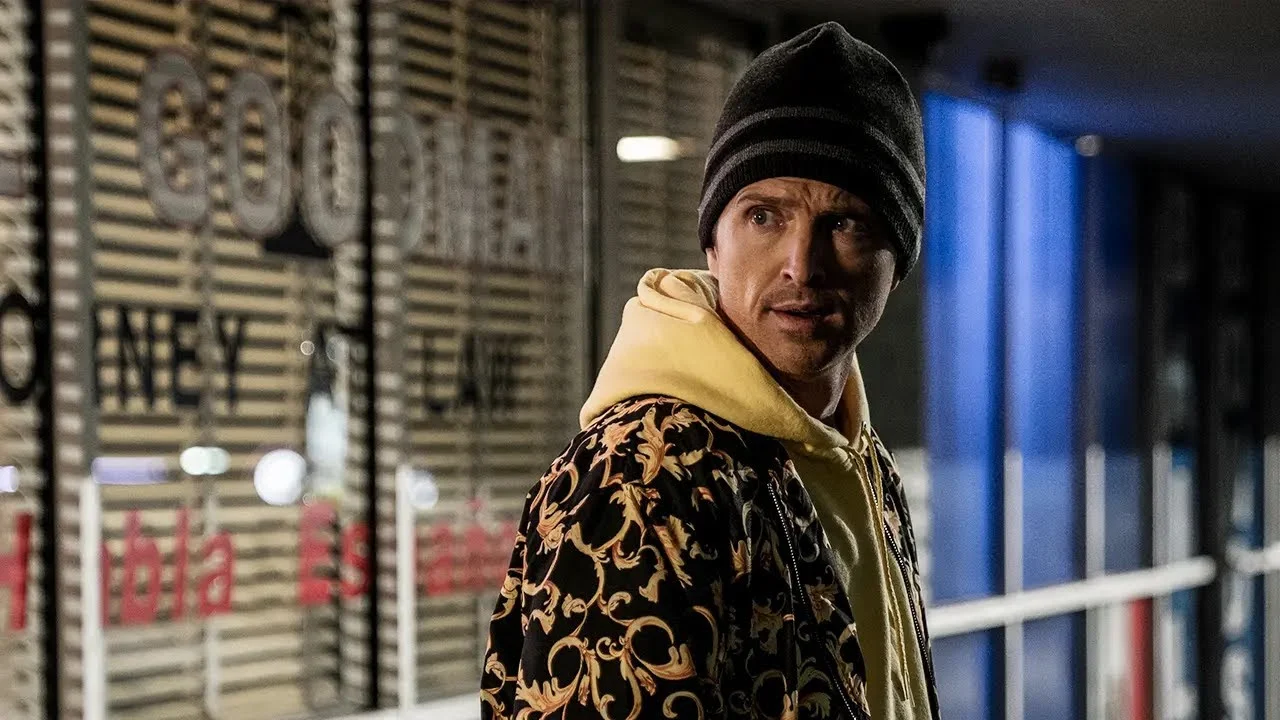
Jesse’s appearance in ‘Better Call Saul’ dovetails with the events that lead Saul Goodman to work with Walt and Jesse. The scenes place Jesse inside conversations that re-establish the duo’s criminal credibility to Saul, including references to their product’s consistency and market demand. The crossover tightens the chronology between the two series by anchoring Saul’s decision to represent them in dialogue that mirrors early ‘Breaking Bad’ episodes.
Those moments also broaden Jesse’s network mapping—how he assesses Saul’s connections, how the pair evaluate risk when approaching a high-profile lawyer, and how Jesse reads people who could either expose them or expand their operation. The cameo is used to fill factual gaps in when, where, and why these characters start working together, making the shared universe’s timeline clearer.
‘El Camino: A Breaking Bad Movie’ (2019) Showed the Mechanics of Disappearing

In ‘El Camino: A Breaking Bad Movie’, Jesse’s first objectives are to secure hidden cash and sever ties with anyone who could be used against him. He navigates Todd Alquist’s apartment to locate a concealed stash, negotiates with criminals who control part of that money, and engages Kandy Welding in a tense confrontation to reclaim what he needs. Each step ties to traceable items—keys, floor plans, safes, and receipts—that either help or hinder his progress.
The film also details how a new identity is obtained through Ed Galbraith: specific buy-in amount, rendezvous protocol, and contingency steps when the initial payment comes up short. Jesse follows the process precisely—quiet pickup, strict instructions, and final transport—before relocating to Alaska under an assumed name. The closing scenes confirm the practical outcome: a clean slate, a remote destination, and the end of his visible trail.
His Words—and a Few Artifacts—Became Canon Within the World
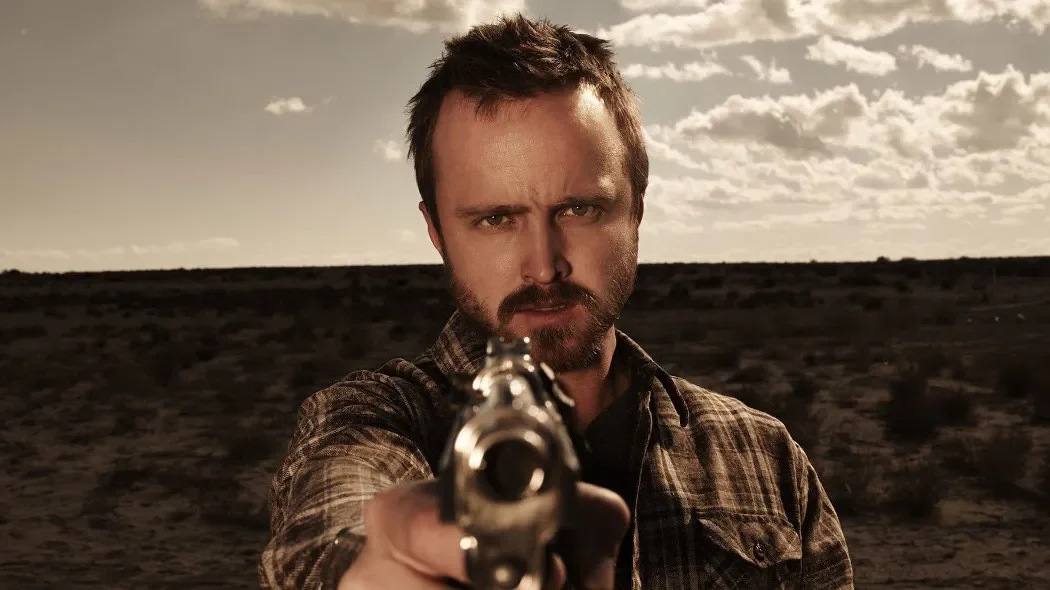
Jesse’s exclamations and slang migrate from casual dialogue to identifiers that other characters recognize instantly. Certain lines recur at key beats, marking turning points in operations or confrontations. The show uses these verbal tics as auditory signatures that signal who’s in the room before faces are even visible, and props like his beanies and the RV’s setup function similarly as quick visual cues.
Inside the story, those identifiers have operational effects: a familiar voice on a phone tips off an adversary, a known outfit makes someone easier to spot under surveillance, and a recognizable vehicle becomes a liability. Jesse’s personal artifacts and speech patterns thus become practical considerations for both his allies and enemies, shaping how they plan meetings, hand-offs, and escapes.
Share your favorite Jesse moments—and the specific scenes that made them stand out—down in the comments!