

Top 10 Coolest Things About Kakashi Hatake




Kakashi Hatake is one of the most resourceful and influential shinobi in the Hidden Leaf’s history, with a career that spans the events of ‘Naruto’, ‘Naruto: Shippuden’, and ‘Boruto: Naruto Next Generations’. From frontline battles and covert ops to mentoring the next generation, his record is packed with concrete achievements that shaped the outcome of major conflicts and the village’s political future. His skills cover a wide range—ninjutsu, taijutsu, genjutsu counter-measures, strategy, tracking, and leadership—making him a model of versatility under pressure.
Across the series, Kakashi’s abilities and decisions repeatedly alter the trajectory of key characters and world-level threats. He trained future heroes, devised battlefield tactics against overwhelming odds, and later stabilized the village as Sixth Hokage. The points below collect specific, verifiable highlights from his career—what he did, how he did it, and why those actions mattered to teammates, rivals, and the shinobi world.
“The Copy Ninja” Reputation
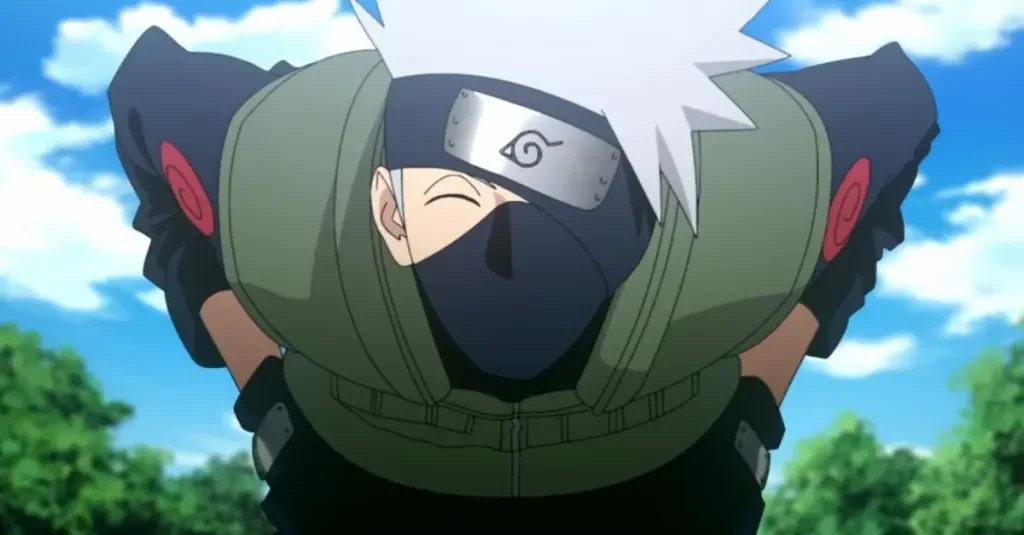
Kakashi earned the nickname “Copy Ninja” by using the Sharingan to mimic opponents’ hand-seals, chakra flow, and movement patterns in real time. Canon sources attribute more than a thousand copied techniques to him, ranging from elemental ninjutsu to taijutsu combinations displayed in missions and exams throughout ‘Naruto’. This capability let him neutralize unfamiliar jutsu on first contact, then redeploy them immediately, closing the information gap that usually dooms shinobi in surprise encounters.
On missions, that reputation had practical effects. Enemy squads often altered tactics or retreated once they recognized him, which changed engagement tempo before the first exchange. For allied teams, having a leader who could replicate hostile techniques and brief countermeasures on the fly reduced casualties and scouting time, especially in cross-border operations where intelligence was thin.
Sharingan and Mangekyō Lineage
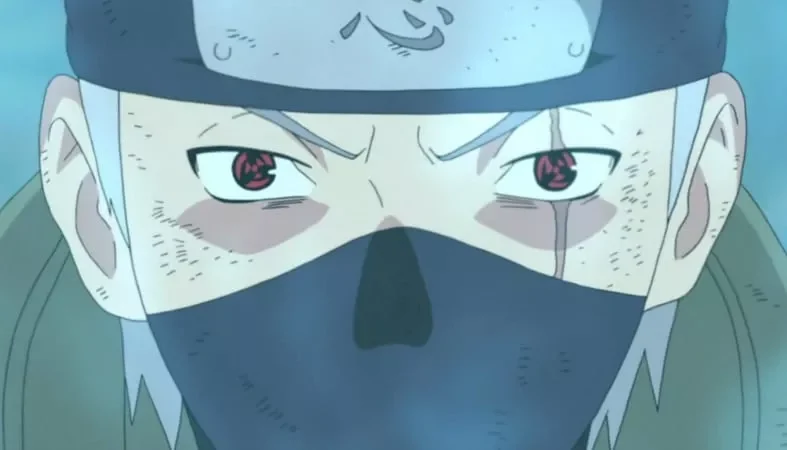
Kakashi’s Sharingan originated from Obito Uchiha, implanted during an emergency field surgery when their team was trapped behind enemy lines. The eye’s constant activation in a non-Uchiha host imposed heavy chakra costs, which explains Kakashi’s measured fighting rhythm and strategic use of clones and misdirection in ‘Naruto’. Despite the strain, he developed high-precision observational skills, predicting feints and reading minute shifts in an opponent’s stance.
Later, trauma associated with a teammate’s death catalyzed the Mangekyō Sharingan, unlocking enhanced perception and access to space–time ninjutsu. In ‘Naruto: Shippuden’, this evolution broadened his battlefield role from tactician to high-impact specialist who could threaten jinchūriki-level targets, while still coordinating unit movements and support fire through radio and hand-signal protocols.
Kamui: Space–Time Precision

With Mangekyō activated, Kakashi gained Kamui, a long-range space–time technique that warps targets into a separate dimension. He demonstrated applications on both macro and micro scales—erasing projectiles mid-flight, severing parts of titanic chakra constructs, and providing ad-hoc extraction by transporting allies or attacks. These feats appear repeatedly during major arcs in ‘Naruto: Shippuden’, where Kamui served as a hard counter to otherwise unstoppable jutsu.
Operationally, Kamui changed how teams positioned around him. Comrades could commit to riskier angles knowing Kakashi could delete incoming threats or open a precision window through defenses. Against high-mobility adversaries, he paired Kamui with shadow clones and substitution to bait reactions, then activated the warp at the moment an enemy’s evasion options were exhausted.
Creator of Chidori/Raikiri (Lightning Blade)
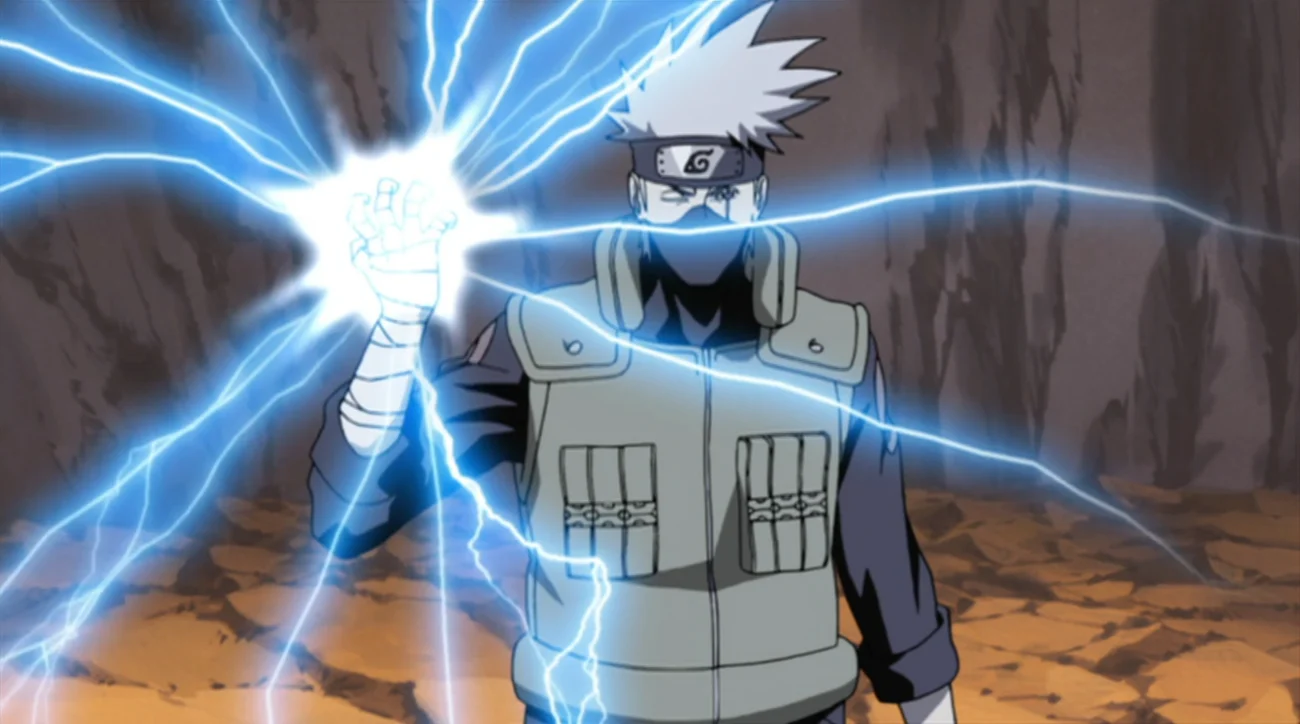
Kakashi devised Chidori as a high-velocity thrust augmented by concentrated lightning chakra, later refining it into Raikiri—often translated as Lightning Blade—after recognizing the need for enhanced perception to manage tunnel-vision at speed. With Sharingan support, he corrected the original technique’s reaction-time flaw, enabling reliable use against elite targets in ‘Naruto’. The result was a close-quarters finisher that could pierce hardened defenses and chakra-reinforced armor.
He also served as the transmission point for this technique’s lineage by training Sasuke Uchiha in its fundamentals and safety constraints. That instruction included chakra nature transformation drills, edge-alignment control, and situational guidelines for deployment so the user wouldn’t overextend into cross-fire—details that show up in Team 7’s field exercises and later one-on-one sessions in ‘Naruto’.
Ninken Summons and Tracking Expertise
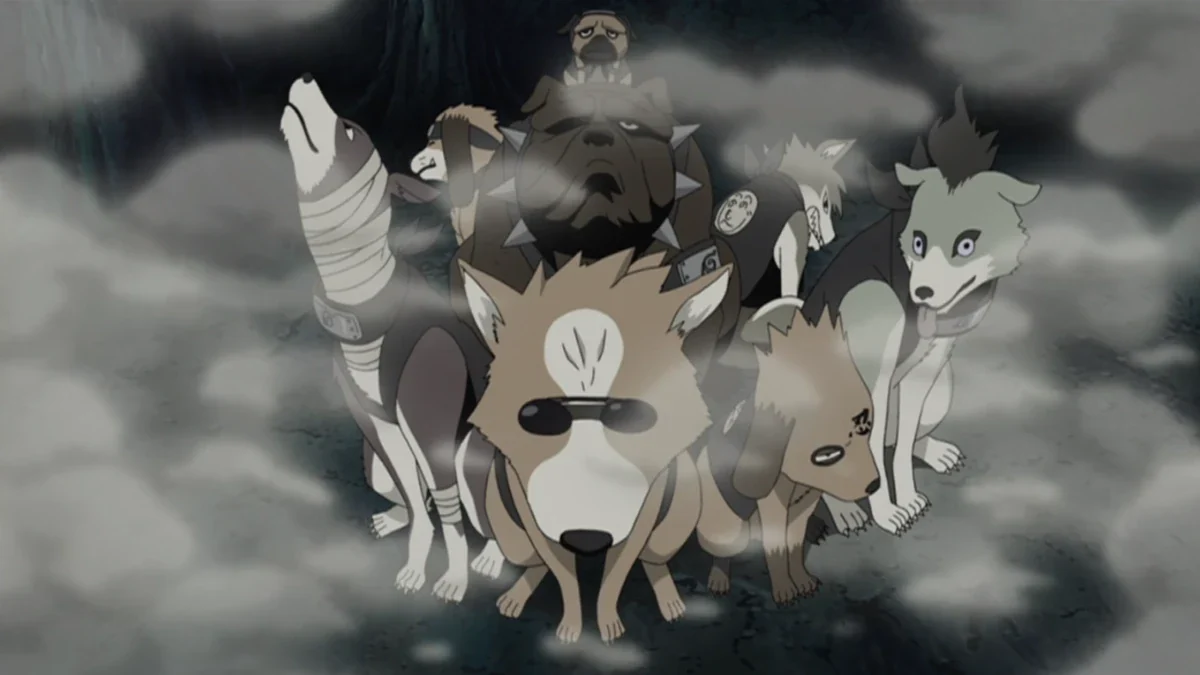
Kakashi maintains a contract with a pack of ninken, including Pakkun, which he uses for scent tracking, ambush detection, and restraint tactics. In ‘Naruto’, the dogs appear on missions that require rapid target reacquisition through complex terrain, including underground passages and urban clutter where line-of-sight is unreliable. Their ability to coordinate with Kakashi’s clones and traps gives his squads multi-layered coverage.
Beyond pursuit, the ninken enable battlefield control. Kakashi can sink opponents with tunneling attacks, pin limbs to prevent hand-seals, and then follow with disabling strikes or capture protocols. This integration of summons with sensor data and terrain analysis allowed his teams to maintain contact with evasive targets without burning excessive chakra on continuous high-speed pursuit.
Team 7 Mentor and the Bell Test Method

As leader of Team 7, Kakashi set the tone with the bell test, a scenario designed to expose the failure of solo heroics and reward coordinated planning. In ‘Naruto’, he withholds explicit instructions, forcing trainees to infer priorities—free the captured ally, share rations, and distribute roles—mirroring real mission ambiguity. This format quickly revealed each student’s baseline: Naruto’s persistence, Sasuke’s precision, and Sakura’s analysis.
He then structured their growth around complementary strengths. Kakashi assigned drills in chakra control, trap detection, and synchronized timing, while staging repeat tests to evaluate whether they could break tunnel-vision under pressure. By linking promotions and mission eligibility to teamwork metrics, he ensured sustainable progress rather than sporadic wins built on individual spikes.
ANBU Captaincy and Covert Operations

Before taking on Team 7, Kakashi served as an ANBU captain, operating under a dog-themed mask on black-ops missions for the Hokage. In ‘Naruto’, references and flashbacks place him on assignments involving assassinations, infiltration, and counter-intelligence during volatile periods. ANBU protocols demanded compartmentalization, rapid hand-off of intel, and strict adherence to mission parameters—disciplines that later shaped his calm, minimal-motion fighting style.
This background also explains his security instincts as a leader. Kakashi habitually set perimeter traps, enforced radio silence when needed, and ran misdirection to conceal team objectives. His ability to switch between overt leadership and covert tradecraft meant he could run deniable operations without leaving patterns that enemy analysts could easily model.
Key Roles in Major Battles
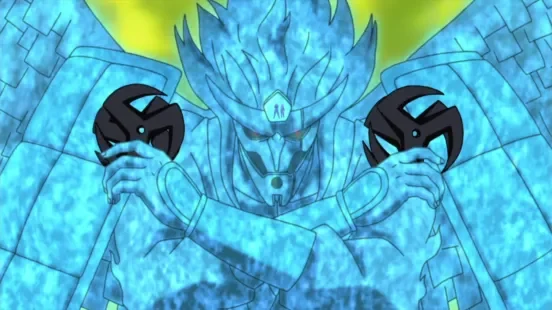
Kakashi’s combat record includes critical engagements against the Akatsuki and participation in the Fourth Shinobi World War. In ‘Naruto: Shippuden’, he fought the Deva and Asura Paths of Pain, expending his reserves to protect civilians and stall the assault until reinforcements and later events shifted the balance. During the war, he co-led divisions, synchronized attacks with Might Guy, and used Kamui to manage threats that outclassed conventional squads.
Near the climax, he cooperated with Obito and other allies to counter high-tier enemies whose abilities warped terrain and physics. Temporary boosts allowed him to deploy dual-eye Mangekyō techniques and a Susanoo manifestation, creating openings for sealing strategies. These contributions weren’t isolated duels—they were integrated into broader operational plans involving sensor networks, logistics, and medical support.
Sixth Hokage Leadership
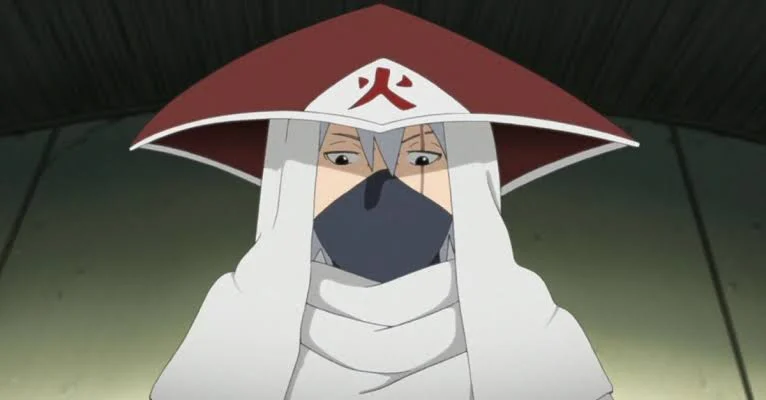
After the war, Kakashi accepted the mantle of Sixth Hokage, overseeing reconstruction, inter-village alliances, and modernization initiatives visible by the time of ‘Boruto: Naruto Next Generations’. His tenure focused on stabilizing budgets, rebalancing the mission economy toward peacetime needs, and formalizing cooperation frameworks with former rivals to reduce the likelihood of multi-front conflicts.
Administrative reforms under his watch included updates to academy curricula, adjustments to mission-rank criteria in light of new technologies, and clearer protocols for inter-village joint operations. By the time he stepped down, these systems supported faster disaster response, better information-sharing, and a smoother transition to the next generation of leadership.
Post-Sharingan Evolution and “Purple Lightning”

Following events late in ‘Naruto: Shippuden’, Kakashi no longer carried the Sharingan, which forced a recalibration of his fighting style. He responded by refining taijutsu, expanding elemental versatility, and developing “Purple Lightning” (Shiden), a technique that delivers high-speed lightning strikes without the visual-acuity requirement that Chidori originally demanded. This gave him a reliable, low-lag option for both ranged and close-quarters use.
In ‘Boruto: Naruto Next Generations’, he appears demonstrating advisory roles, assessment of emerging threats, and targeted field assistance, applying experience rather than relying on ocular powers. Training modules he offers to younger shinobi emphasize efficient chakra usage, anti-ninja tool countermeasures, and scenario planning for technology-augmented adversaries.
Share your favorite Kakashi moment or ability in the comments so everyone can compare notes on what stood out most to them!