


Top 10 Coolest Things About Kirsten Dunst




Kirsten Dunst has built one of the most versatile careers of her generation, moving effortlessly from indie dramas to major franchises and acclaimed television. She started working young and kept leveling up with bold choices, deep collaborations with distinctive directors, and projects that balanced mainstream appeal with artistic ambition. Across film and TV, she’s earned major awards recognition, anchored box-office hits, and produced work behind the scenes. Here are ten standout highlights that show just how wide her range is—and why her résumé keeps getting more interesting.
‘Interview with the Vampire’ (1994) — Breakout performance and early awards recognition

Dunst’s turn as the immortal child Claudia drew widespread acclaim for its emotional intensity and technical precision opposite established stars. The role earned her a Golden Globe nomination for Best Supporting Actress, signaling an early arrival as a serious talent. She also won several critics’ prizes for the performance, rare for an actor so early in a career. The part established her as a sought-after young lead for both genre films and prestige dramas.
‘Jumanji’ (1995) — Early blockbuster experience with pioneering effects

Playing Judy Shepherd, Dunst held her own amid large-scale visual effects that were cutting-edge for a family adventure at the time. The film’s success gave her firsthand experience on high-budget sets and with performance anchored to complex VFX sequences. It expanded her audience and proved she could carry major studio releases. That credibility helped set up a balance between commercial and indie roles later on.
‘The Virgin Suicides’ (1999) — First major collaboration with Sofia Coppola

As Lux Lisbon, Dunst delivered a nuanced portrait that became a defining early dramatic role and a long-running collaboration with the director. The film’s reception positioned her as an actor with strong instincts for character-driven storytelling. The partnership with Coppola would resurface in later projects, deepening her auteur-driven credentials. It also opened doors to more mature, layered material.
‘Bring It On’ (2000) — Launching a cultural touchstone teen comedy
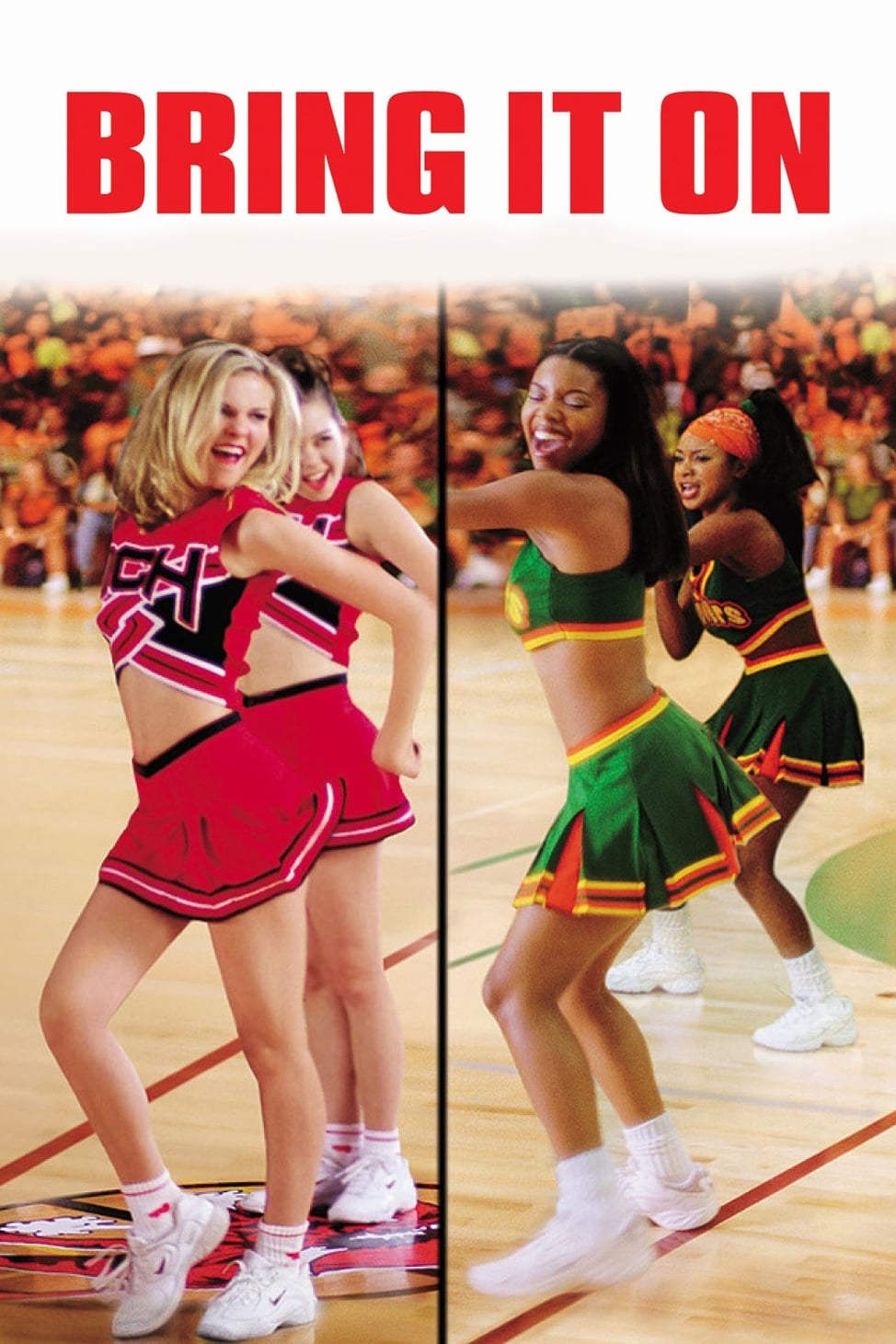
Leading the cheer squad as Torrance Shipman, Dunst headlined a sleeper hit that grew into a long-running franchise. The film showcased her comedic timing and physical commitment through choreography-heavy routines. Its sports-comedy framework broadened her appeal with younger audiences without typecasting her. The success reinforced her bankability as a lead outside of fantasy or horror.
‘Spider-Man’ (2002–2007) — Defining Mary Jane Watson in a modern superhero landmark

Dunst’s Mary Jane became a central emotional anchor across Sam Raimi’s trilogy, balancing action-driven spectacle with grounded relationship beats. The films set new box-office benchmarks for comic-book adaptations and helped popularize the modern superhero era. Her chemistry with the lead and consistent presence across installments created continuity that audiences followed. The role cemented her status as an international star.
‘Marie Antoinette’ (2006) — Bold historical role with a modern sensibility
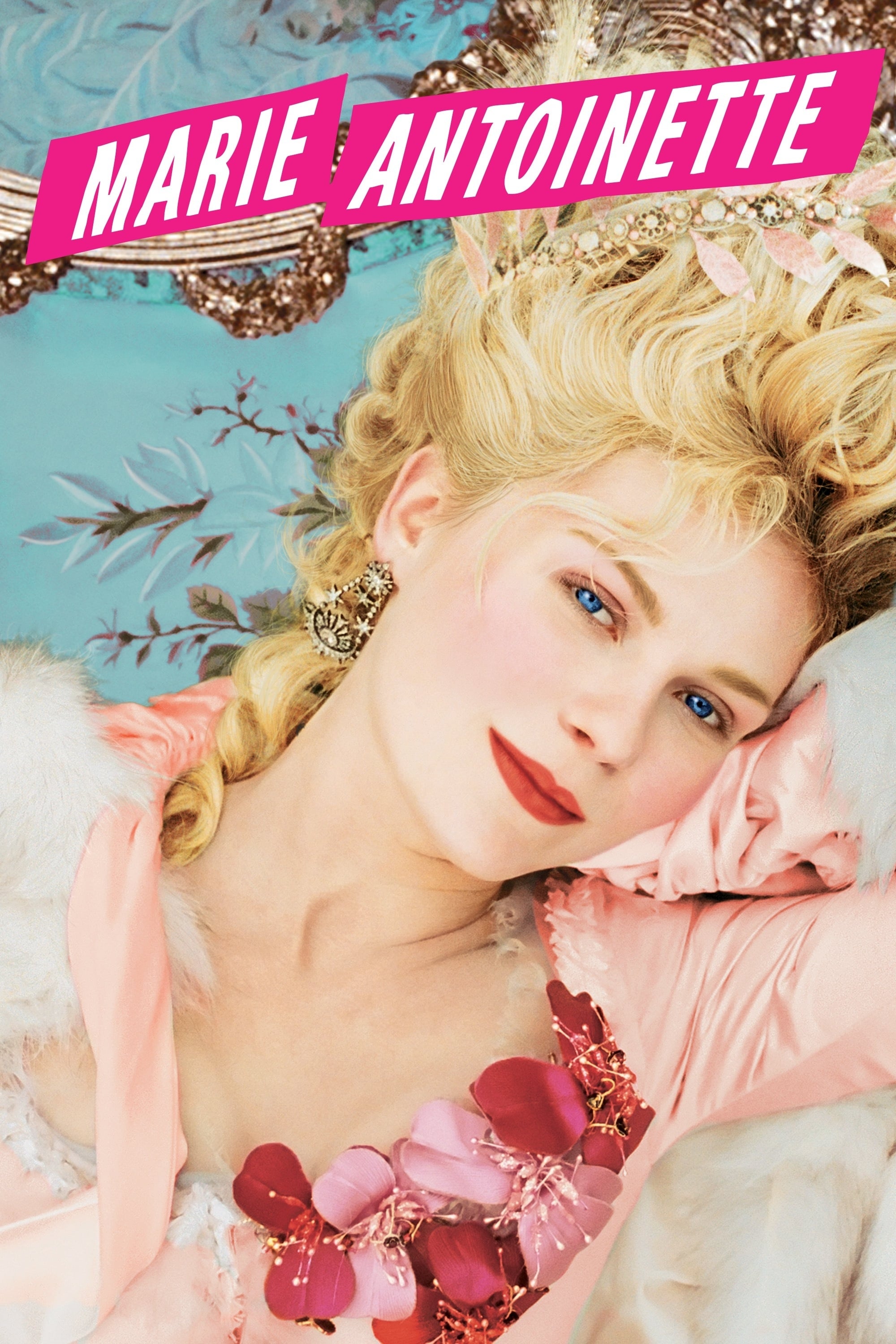
Reuniting with Sofia Coppola, Dunst led a stylized portrait of a royal figure crafted through contemporary music, fashion-forward design, and impressionistic storytelling. She carried a performance that had to bridge intimate character study and lavish period production. The film showcased her ability to anchor experimental approaches within a studio-backed release. It further demonstrated her range in costume drama while keeping a distinctive, auteur-driven edge.
‘Melancholia’ (2011) — Cannes Best Actress for a daring sci-fi drama
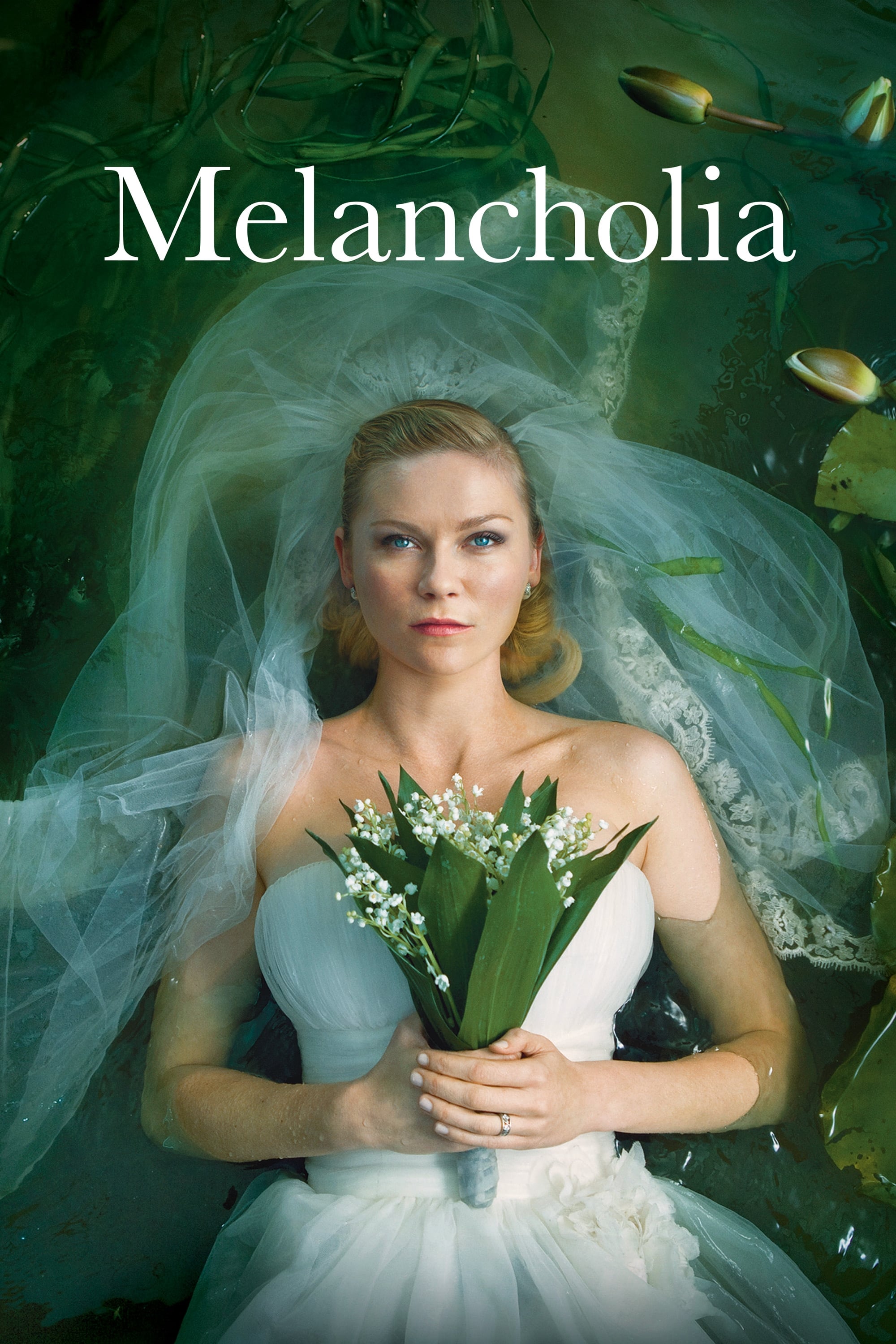
As Justine in Lars von Trier’s apocalyptic fable, Dunst delivered a complex performance that earned the festival’s top acting honor. The role demanded navigating depressive states alongside genre elements, and she balanced both with precision. Critical response highlighted her command of difficult material and psychological depth. The recognition elevated her standing in international art-house cinema.
‘Fargo’ (2015) — Prestige TV pivot with major nominations
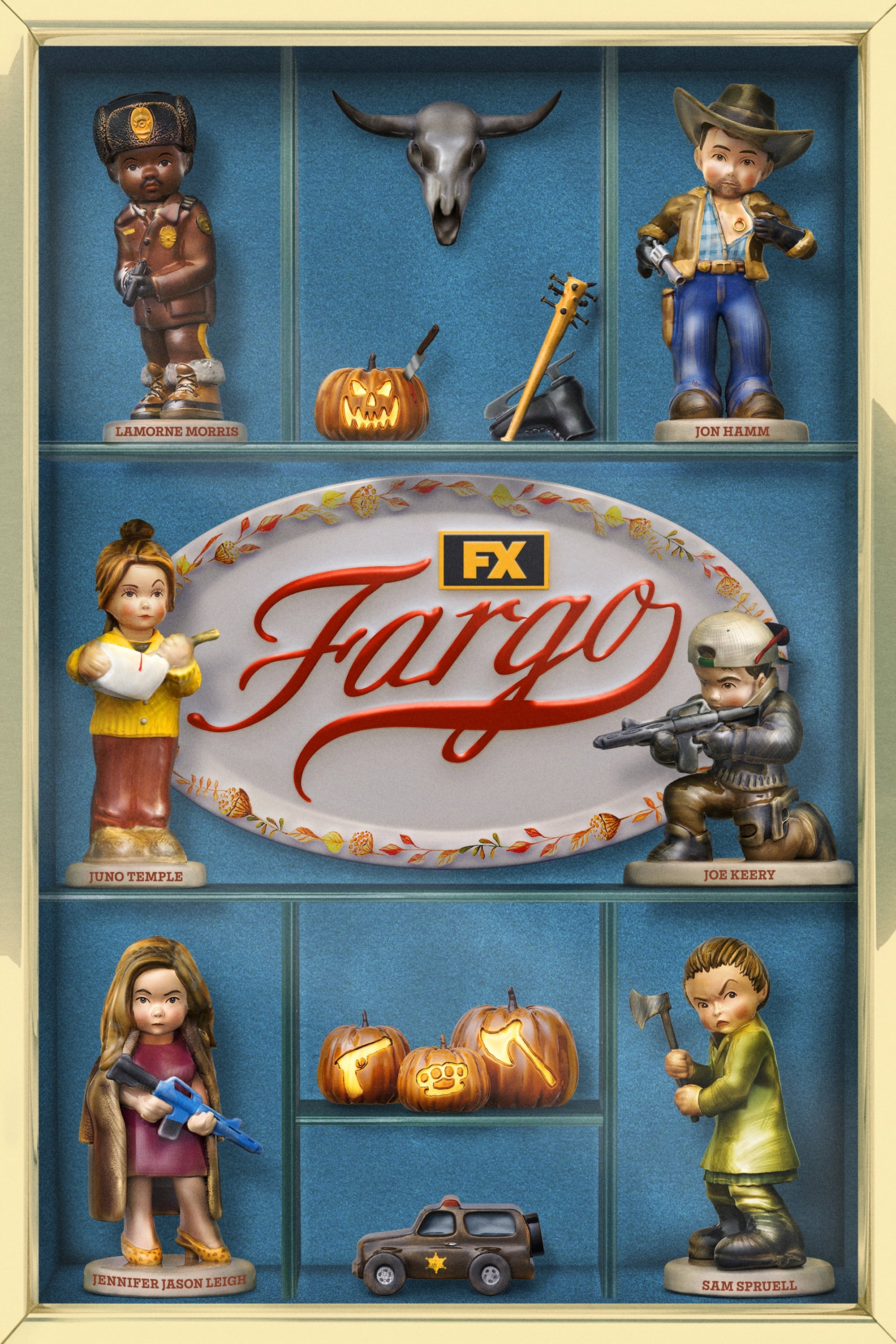
Dunst’s turn as Peggy Blumquist in the anthology series’ second season earned nominations from top television awards bodies. The performance demonstrated how she translated film star power into long-form character development. It also marked a successful pivot into peak-TV storytelling without sacrificing selectivity in roles. The series expanded her profile with audiences who follow serialized prestige drama.
‘On Becoming a God in Central Florida’ (2019) — Star and executive producer
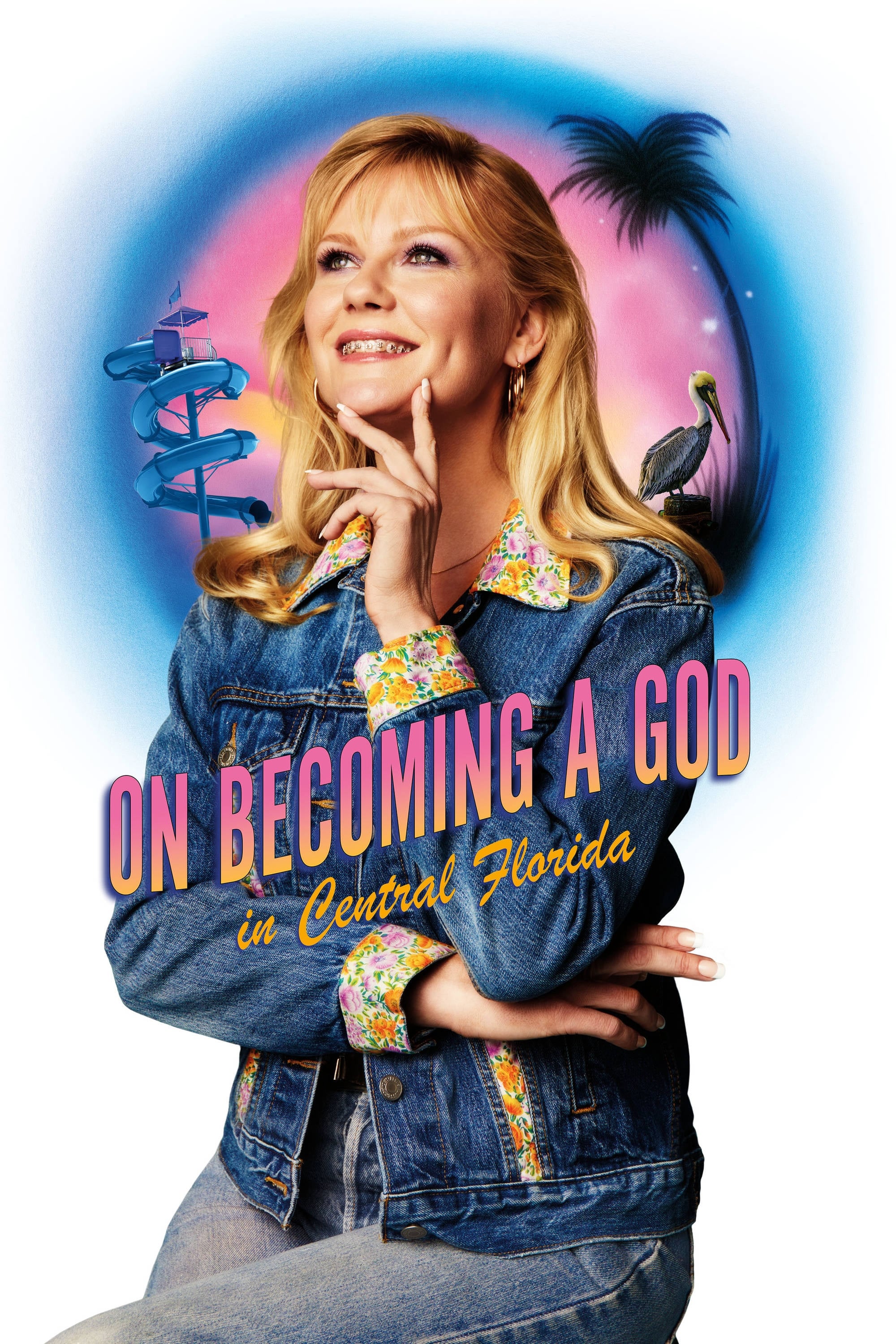
Dunst headlined and executive-produced this dark comedy series, showcasing both creative leadership and on-screen versatility. The show drew strong notices for its satire of get-rich-quick culture and for her performance at its center. Taking on producing duties underscored her influence in shaping material and tone. The project added a behind-the-camera dimension to her career portfolio.
‘The Power of the Dog’ (2021) — First Academy Award nomination alongside a frequent co-star
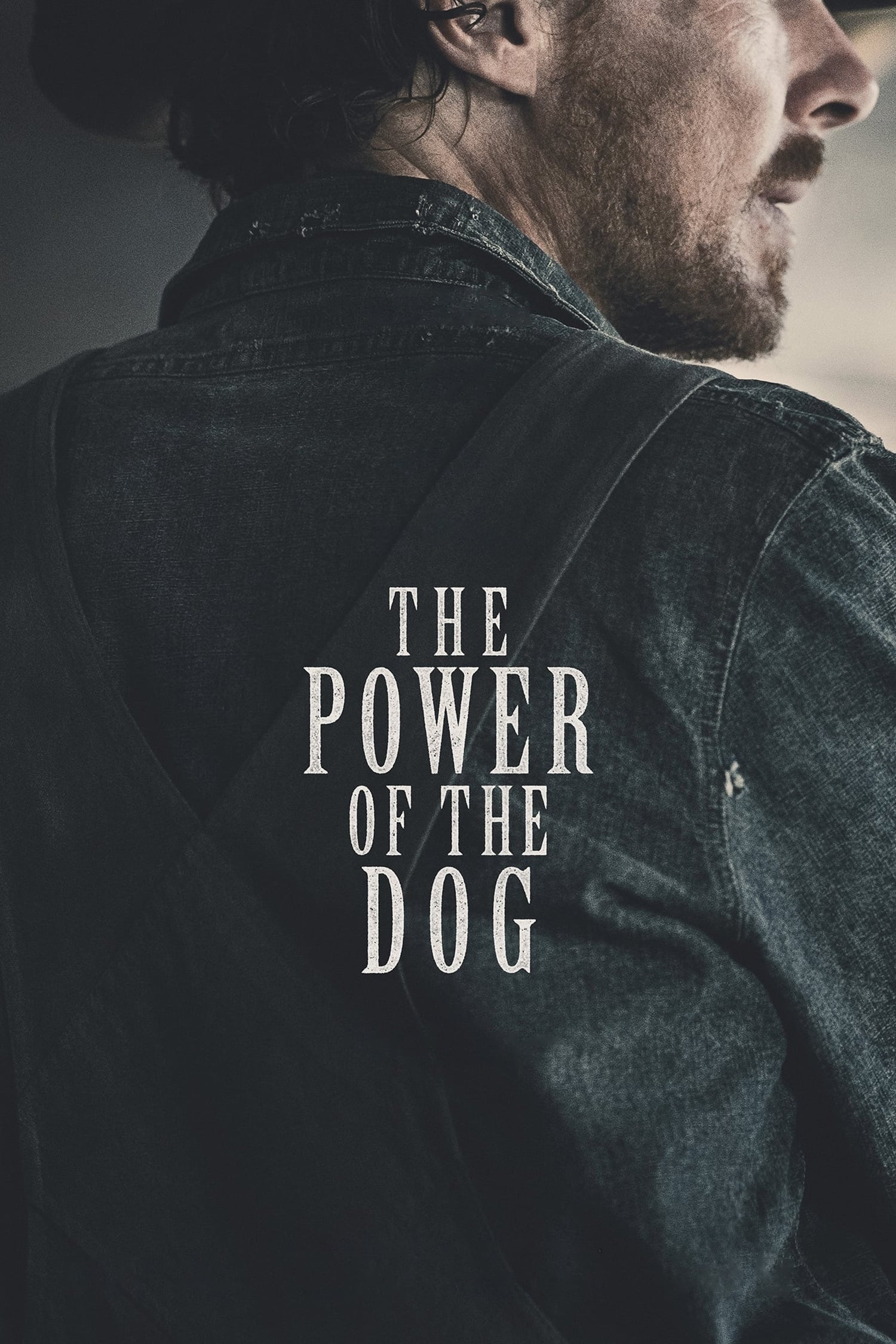
Dunst earned her first Oscar nomination for a performance that required quiet intensity within a slow-burn western drama. The film’s ensemble approach highlighted her ability to calibrate tension and vulnerability in restrained scenes. She shared the nomination spotlight with Jesse Plemons, a frequent collaborator, drawing attention to their onscreen dynamic. The recognition affirmed her enduring relevance with top directors and awards voters.
Share your favorite Kirsten Dunst roles or moments in the comments!