


Top 10 Coolest Things About Meryl Streep

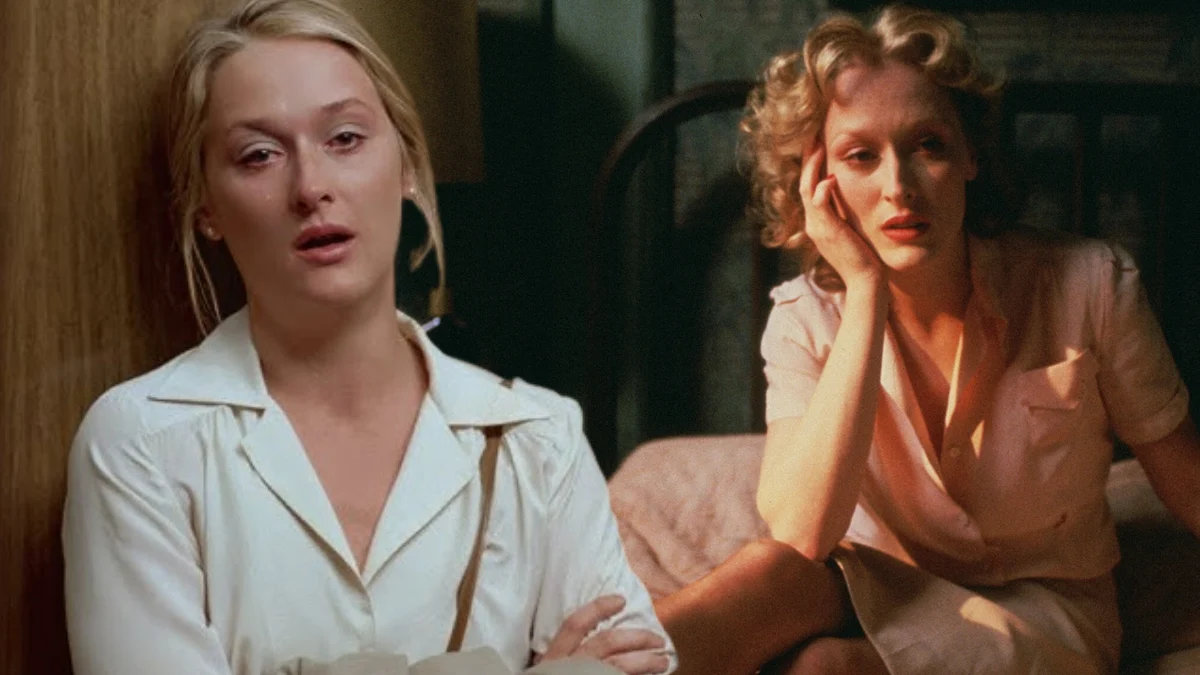


Meryl Streep’s career is a masterclass in range, craft, and sheer longevity—spanning courtroom dramas, literary adaptations, prestige TV, musicals, and blockbuster comedies. Below are ten film- and TV-centered highlights that show how she built that reputation through specific roles, collaborations, and production choices.
‘Kramer vs. Kramer’ (1979) – the breakthrough that won her first Oscar
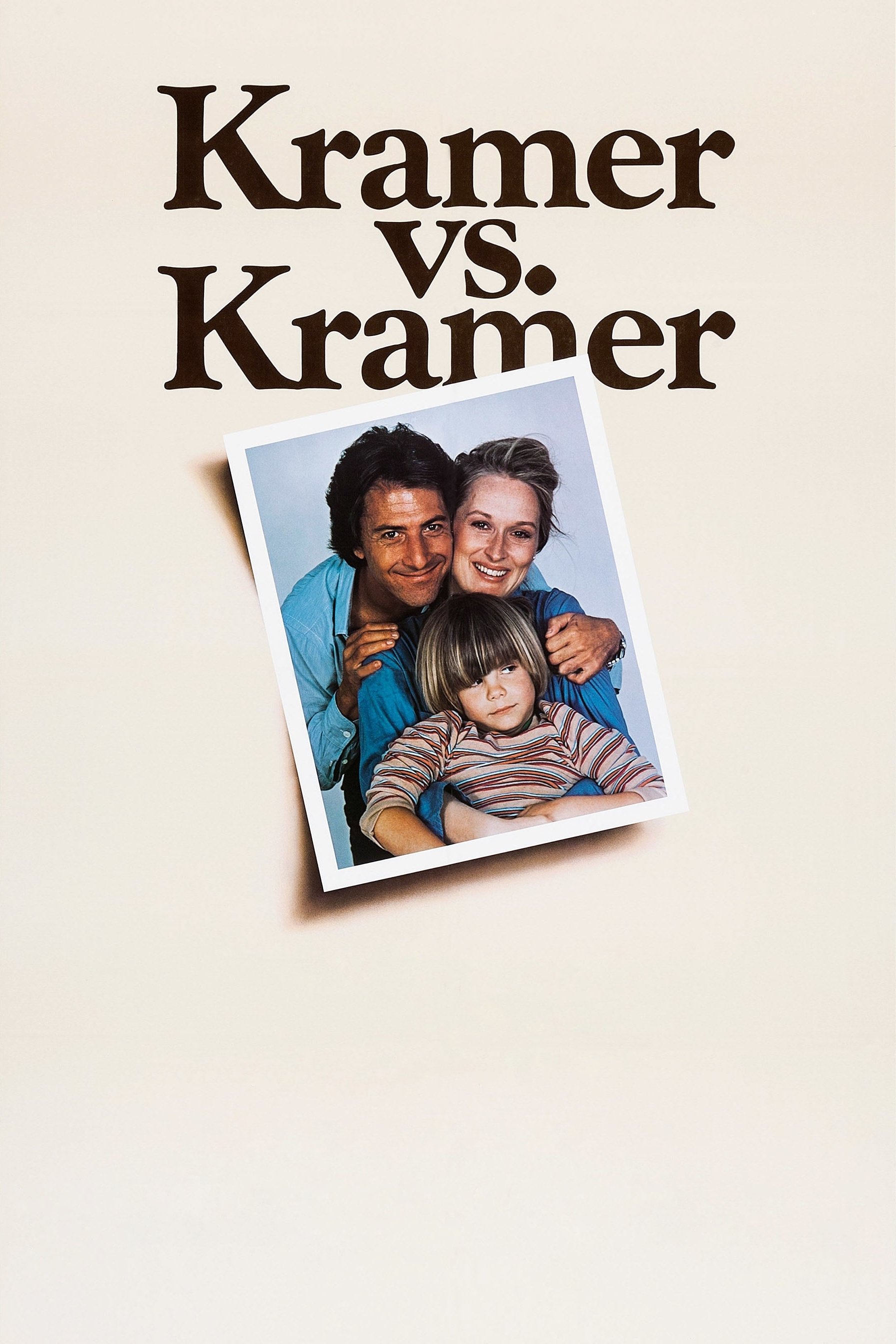
Streep’s turn as Joanna Kramer earned her the Academy Award for Best Supporting Actress. She advocated for script changes to deepen her character’s perspective, including revisions to a pivotal courtroom scene. The film’s success helped reshape Hollywood conversations about custody, work, and parenting. It also established her early partnership with director Robert Benton and co-star Dustin Hoffman.
‘Sophie’s Choice’ (1982) – the performance that redefined screen acting
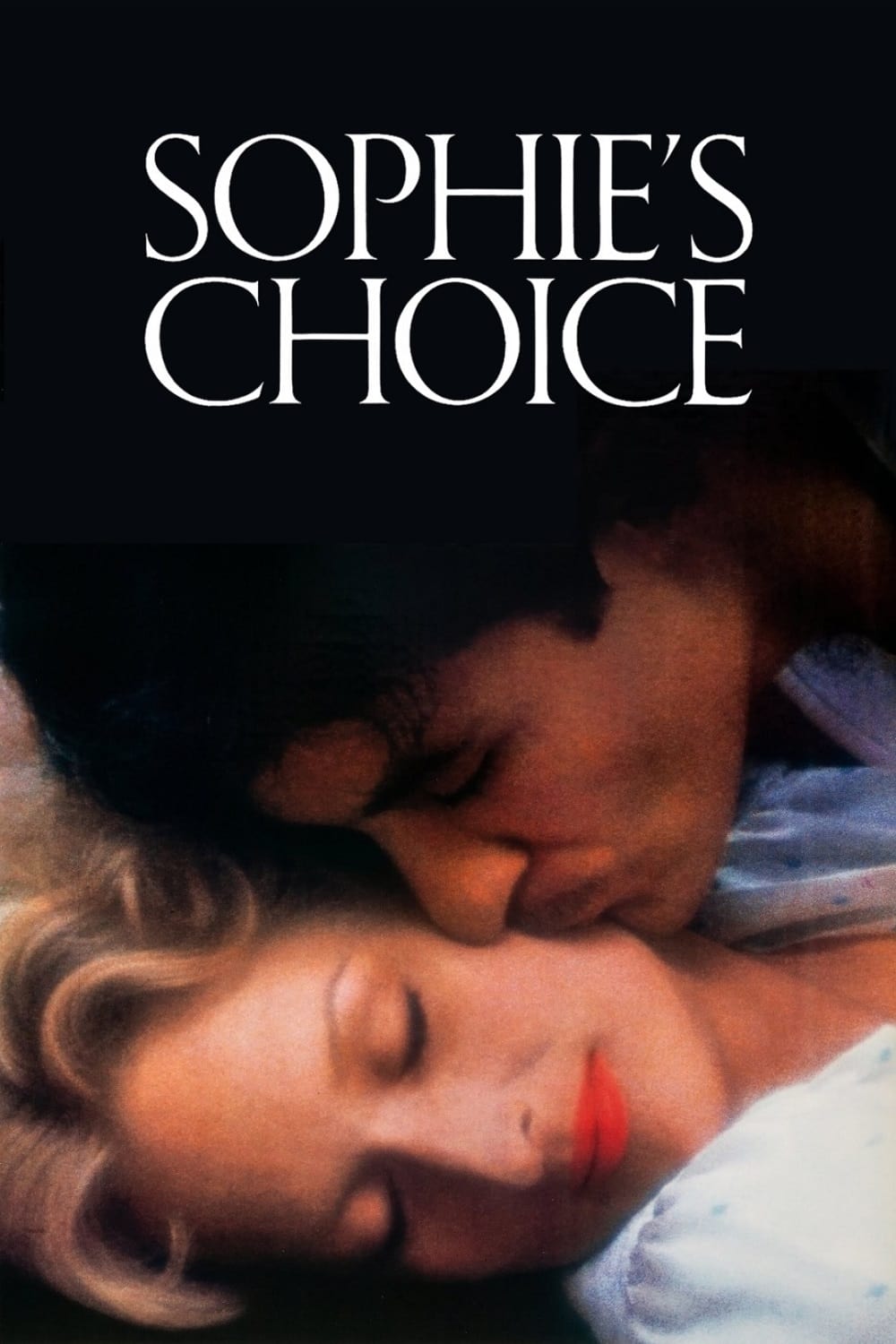
Playing Sophie Zawistowski, Streep prepared intensively by learning Polish and German to deliver dialogue with linguistic authenticity. She won the Academy Award for Best Actress for this role. The film became a benchmark for immersive character work in modern drama. Her portrayal also cemented a reputation for meticulous dialect coaching and layered emotional architecture.
‘Out of Africa’ (1985) – epic romance anchored by precision and poise
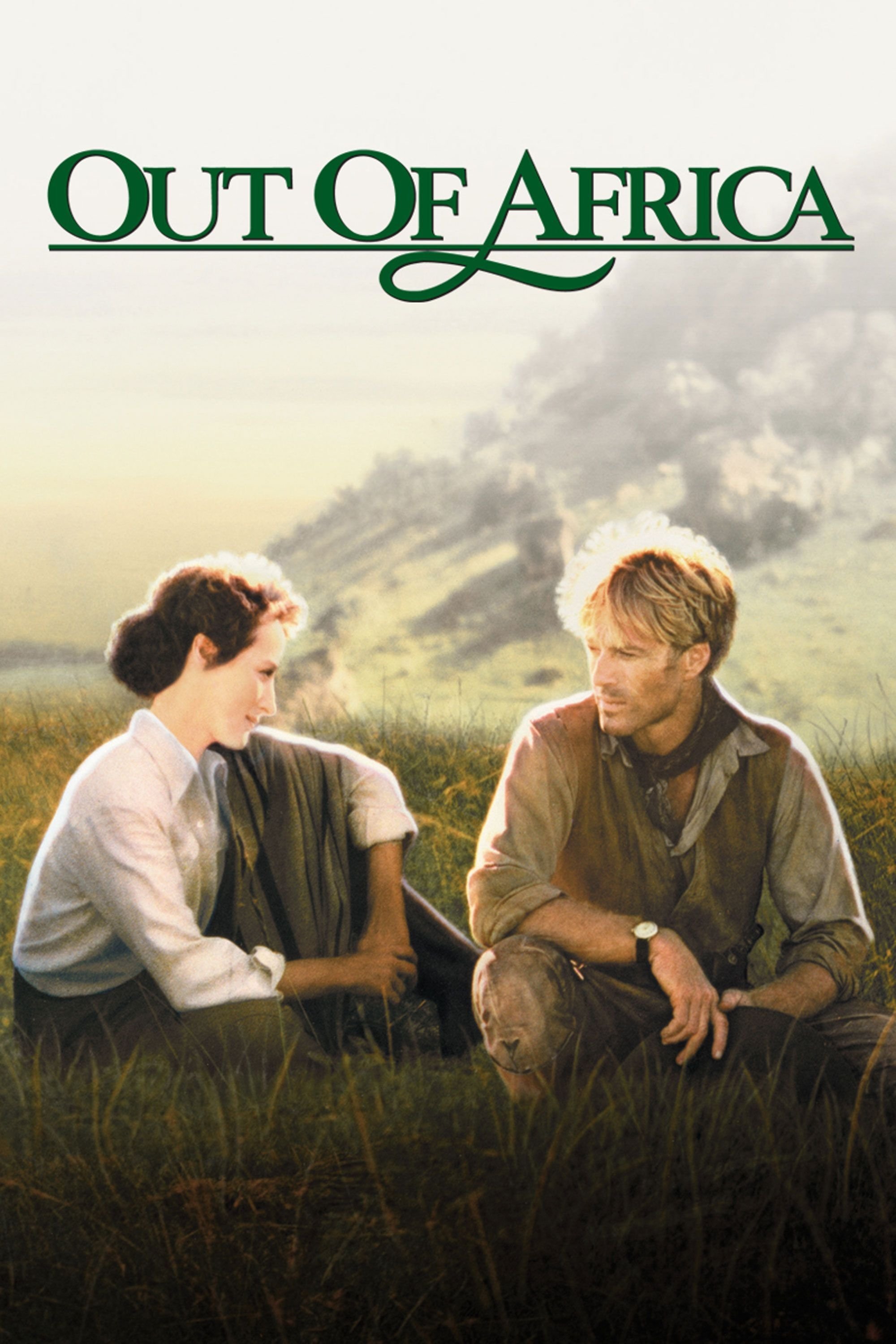
As Karen Blixen, Streep reunited with director Sydney Pollack, filming extensively on location in Kenya. The film won Best Picture, with Streep’s performance praised for balancing intimacy against sweeping, old-Hollywood scale. Her chemistry with co-star Robert Redford helped carry a narrative built on letters, landscapes, and memory. The production showcased her ability to calibrate small, precise choices within large-format storytelling.
‘Death Becomes Her’ (1992) – a visual-effects milestone with razor-sharp timing
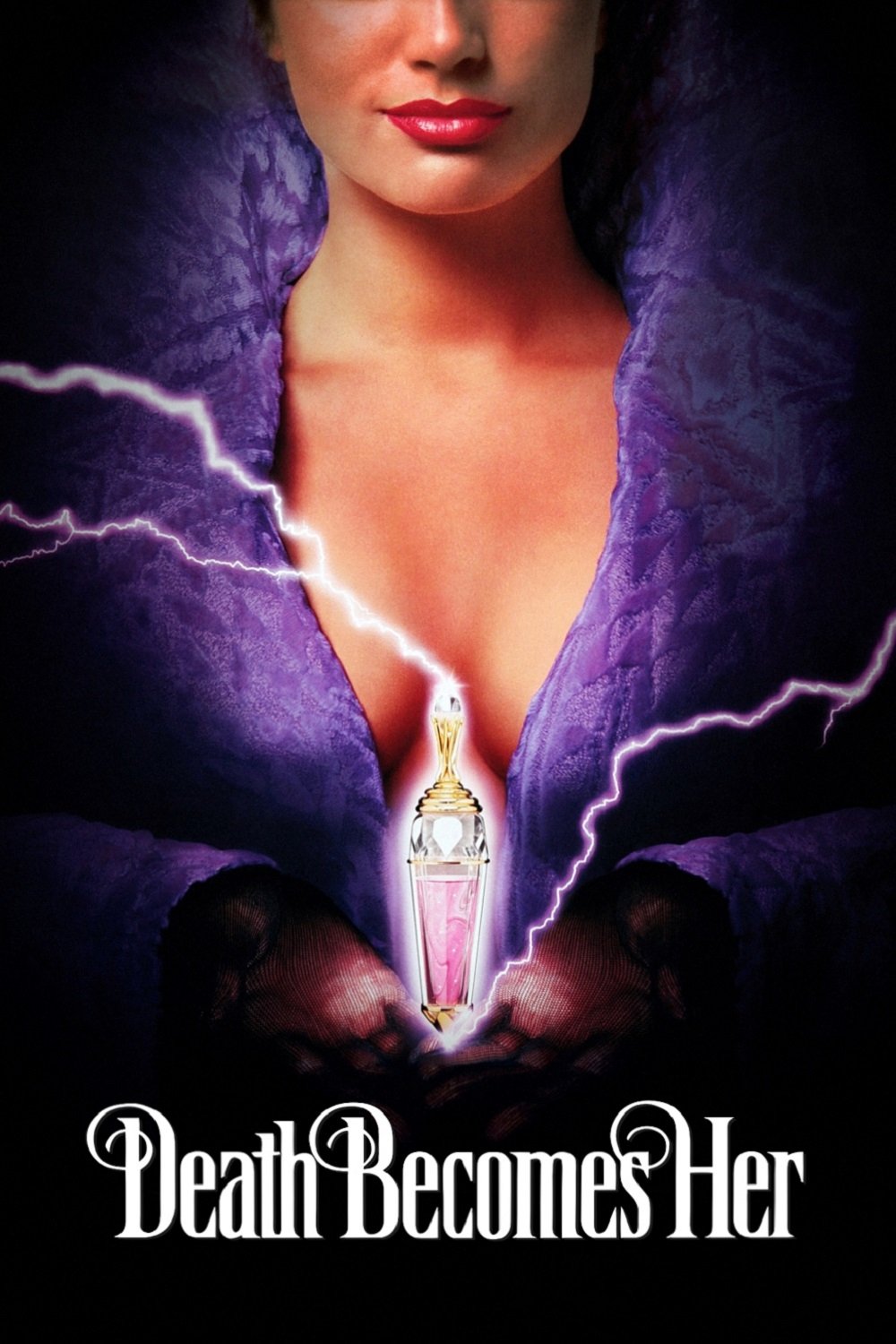
Streep’s comic turn as Madeline Ashton arrived during a watershed moment for digital effects, which went on to win an Academy Award for makeup and VFX. The role displayed her facility with physical comedy and intricate blocking against green-screen setups. She collaborated with director Robert Zemeckis on sequences that required exacting technical marks for later effects integration. The film has since become a cult favorite for its dark-comic tone and genre-bending style.
‘Adaptation.’ (2002) – meta storytelling that landed another Oscar nomination

As journalist Susan Orlean, Streep navigated Charlie Kaufman’s layered screenplay, blending nonfiction roots with fictional inventions. Her performance earned an Academy Award nomination for Best Supporting Actress. Working with director Spike Jonze, she played against Nicolas Cage’s dual role and Chris Cooper’s acclaimed turn, balancing irony with vulnerability. The film is often cited in screenwriting circles for its playful structure and character reversals.
‘The Devil Wears Prada’ (2006) – a cultural touchstone built on restraint
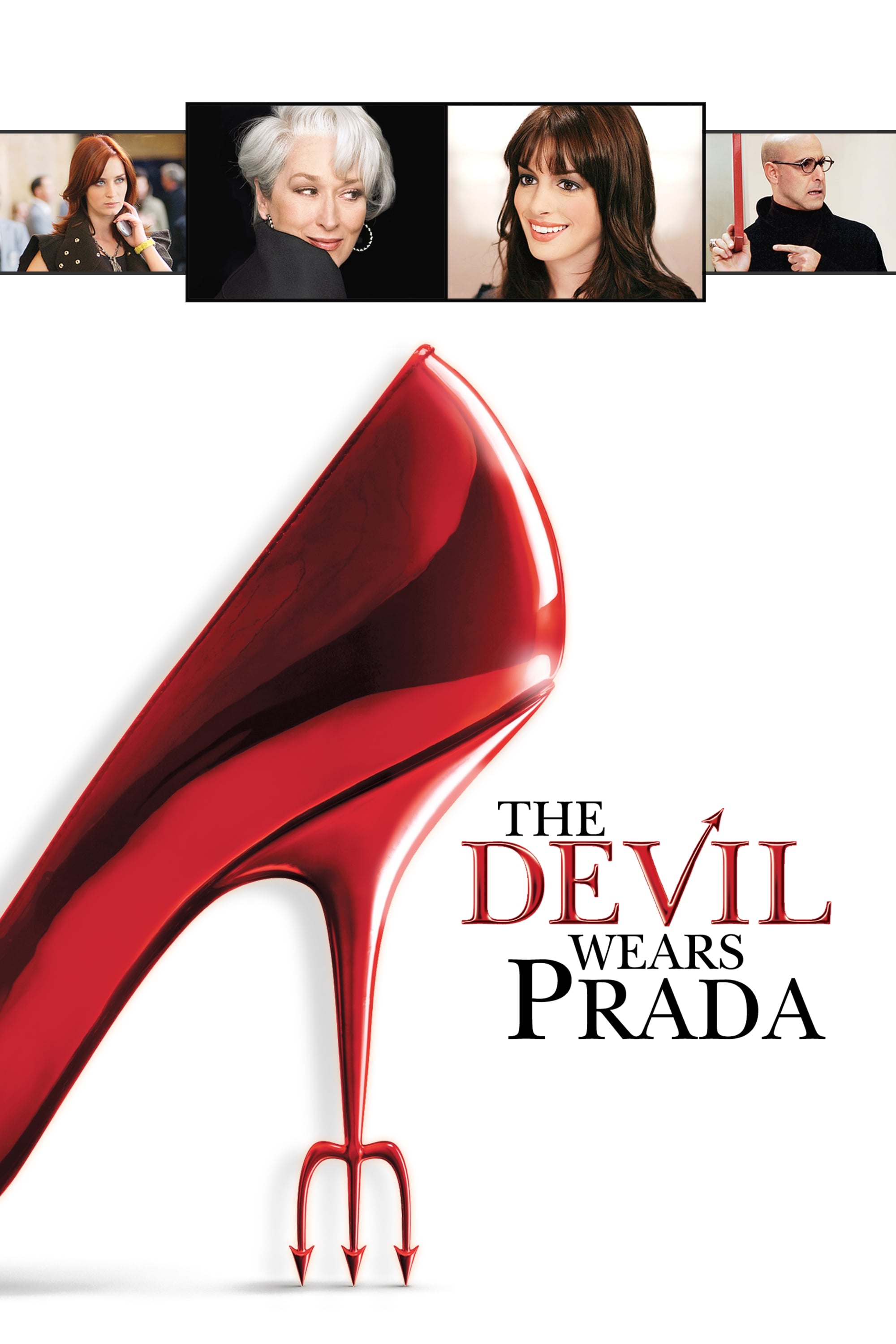
Streep crafted Miranda Priestly’s power through controlled vocal choices and near-whisper line readings, influencing how authority is portrayed on screen. She secured a pay increase after initially being offered a lower salary than the film’s budget and expectations warranted, later noting the negotiation publicly. The movie became a major hit, invigorating interest in fashion-world storytelling and workplace satire. Her performance earned major awards attention while redefining what a modern screen “boss” could look like.
‘Doubt’ (2008) – ensemble fireworks with nominations across the board
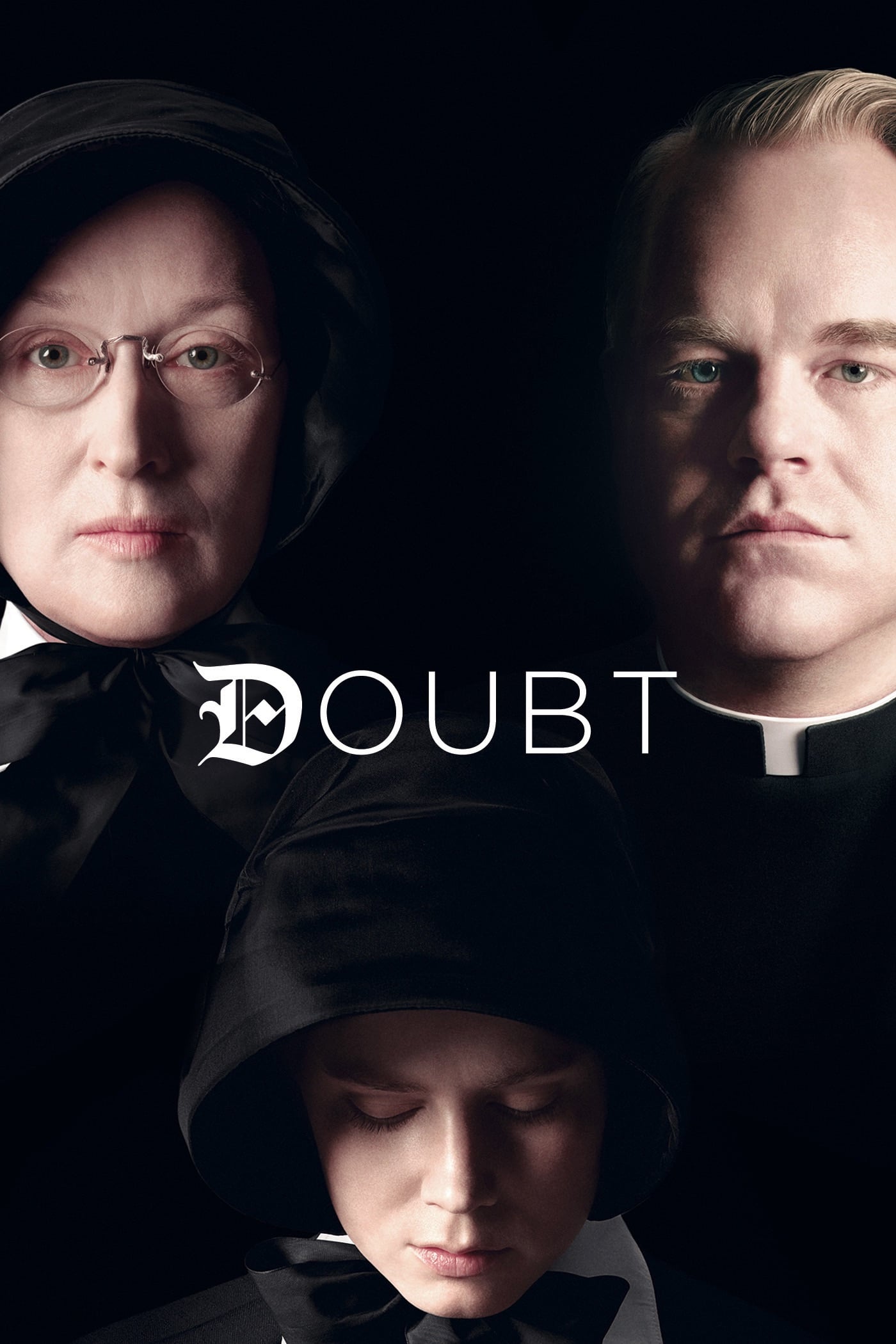
Streep played Sister Aloysius opposite Philip Seymour Hoffman, with Viola Davis and Amy Adams rounding out a powerhouse ensemble. All four principal actors received Academy Award nominations for their performances. The adaptation from John Patrick Shanley’s stage play retained its moral ambiguity while expanding visually for the screen. Streep’s character work emphasized precise gestures, silences, and verbal cadence to heighten tension.
‘Julie & Julia’ (2009) – channeling Julia Child with culinary verve

Portraying Julia Child, Streep partnered with Nora Ephron to interweave a biographical thread with a contemporary blogger’s story. The role earned her widespread awards recognition, including major nominations and wins. She trained to capture Child’s physicality, voice, and on-camera cooking rhythms. The film boosted renewed interest in home cooking, classic French techniques, and Child’s original television legacy.
‘The Iron Lady’ (2011) – transformative character work with prosthetics and voice
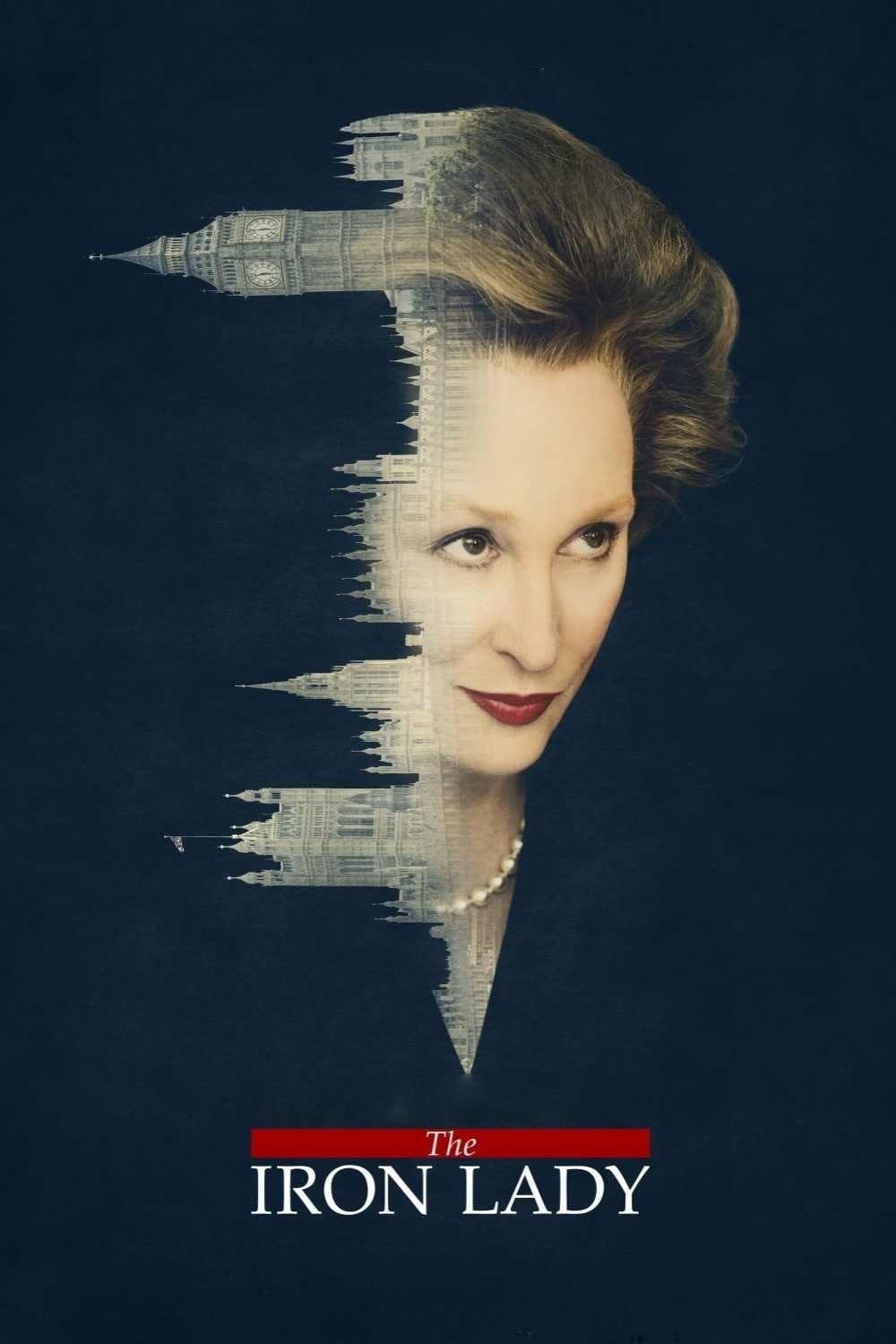
Streep’s portrayal of Margaret Thatcher combined extensive dialect study with prosthetic makeup and age-progression techniques. She won the Academy Award for Best Actress for this performance. The production highlighted detailed collaboration between acting, hair, makeup, and sound departments to achieve verisimilitude. Her approach illustrated how technical crafts and performance choices can fuse into a unified biographical portrait.
‘Into the Woods’ (2014) – Sondheim on screen with full-tilt vocals
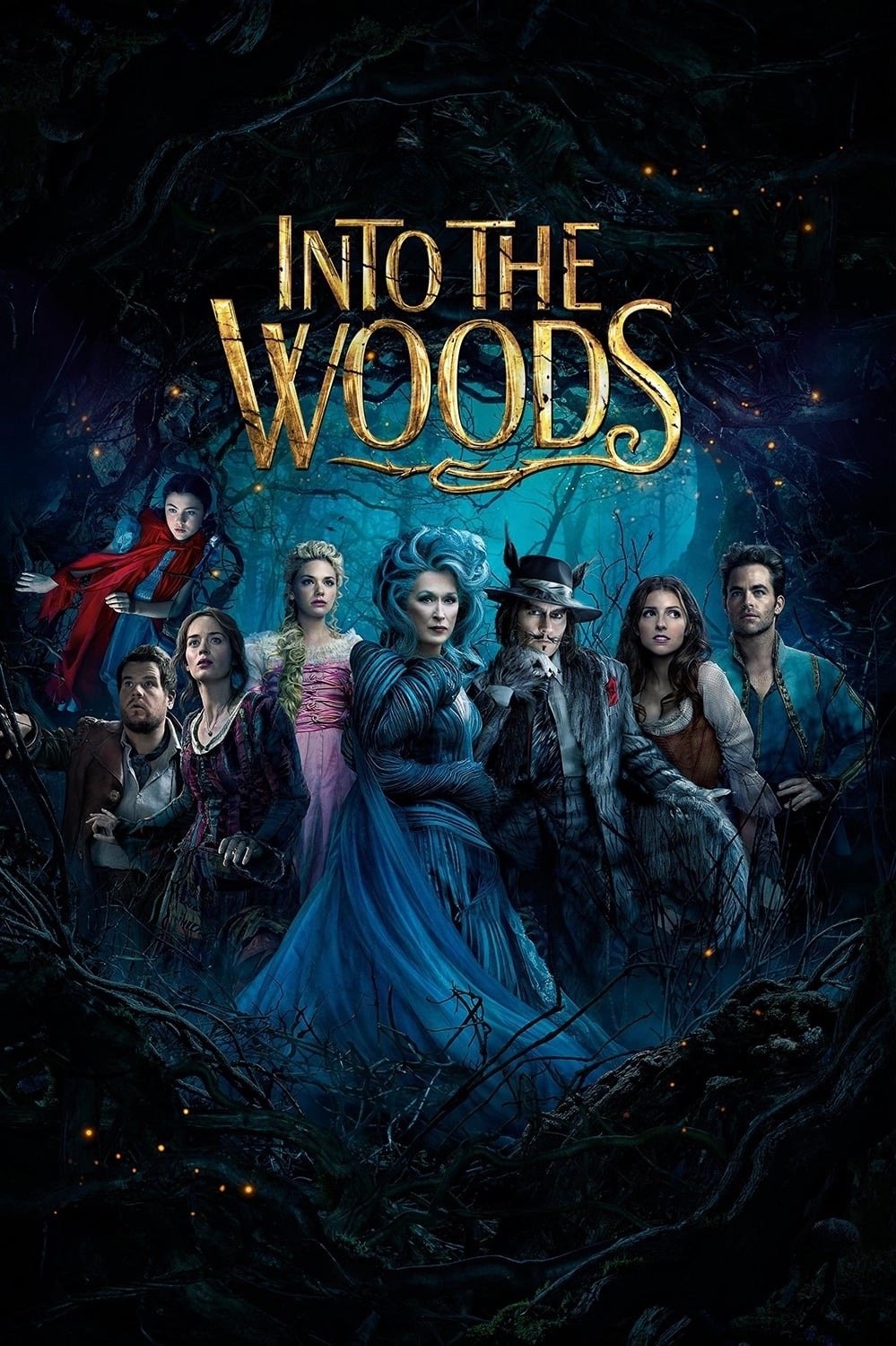
As the Witch, Streep took on complex Stephen Sondheim music, including challenging patter and sustained range. She recorded and performed under the supervision of seasoned musical directors to maintain the score’s precision. The role earned her another Academy Award nomination, affirming her credibility in musical cinema alongside drama and comedy. The film introduced Sondheim’s themes to new audiences while preserving the stage work’s tonal bite and moral ambiguity.
Share your favorite Meryl Streep moments in the comments—what role or production detail impressed you most?