


Top 10 Coolest Things About Pedro Almodóvar




Pedro Almodóvar’s movies reshaped global perceptions of Spanish cinema, blending melodrama, humor, bold color, and deep empathy into unforgettable stories. His films champion complex women, queer lives, and characters living at the crossroads of pain and desire, all staged with meticulous craft. From Cannes laurels to Academy Awards, he’s built a body of work that’s both fiercely personal and internationally celebrated. Here are ten standout achievements and milestones—led by films and shows first—that capture what makes Almodóvar so singular.
‘Women on the Verge of a Nervous Breakdown’ (1988) – The breakout that put him on the global map
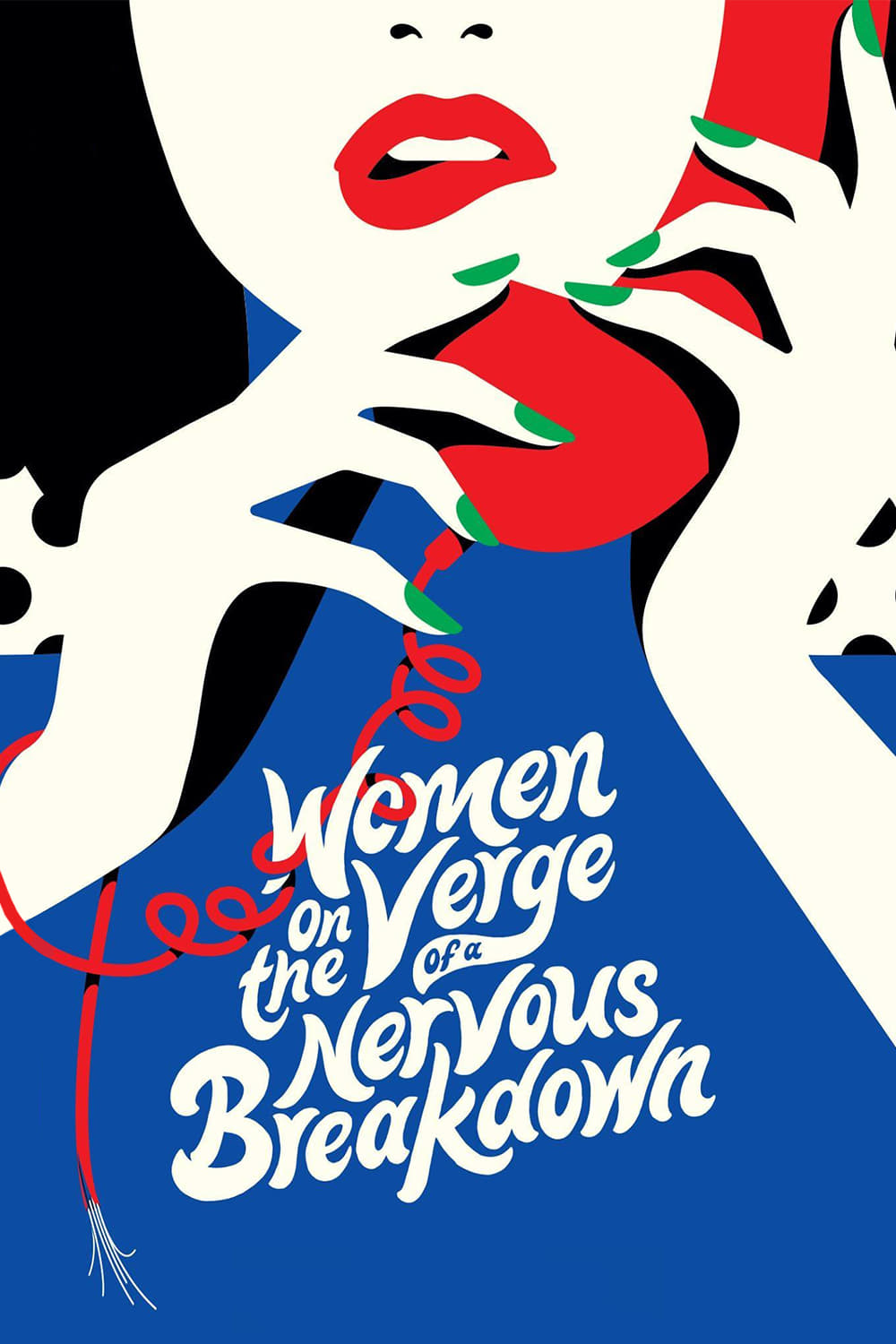
This fast-paced dark comedy brought Almodóvar mainstream international attention and introduced audiences to his signature blend of farce, heartbreak, and vibrant design. It earned an Academy Award nomination for Best Foreign Language Film and helped cement Spain as a powerhouse in contemporary cinema. The film’s rapid-fire plotting, telephonic misunderstandings, and iconic gazpacho gag became shorthand for his playful yet precise direction. It also launched frequent collaborator Carmen Maura as a global face of his cinema.
‘All About My Mother’ (1999) – Spain’s Oscar-winning triumph
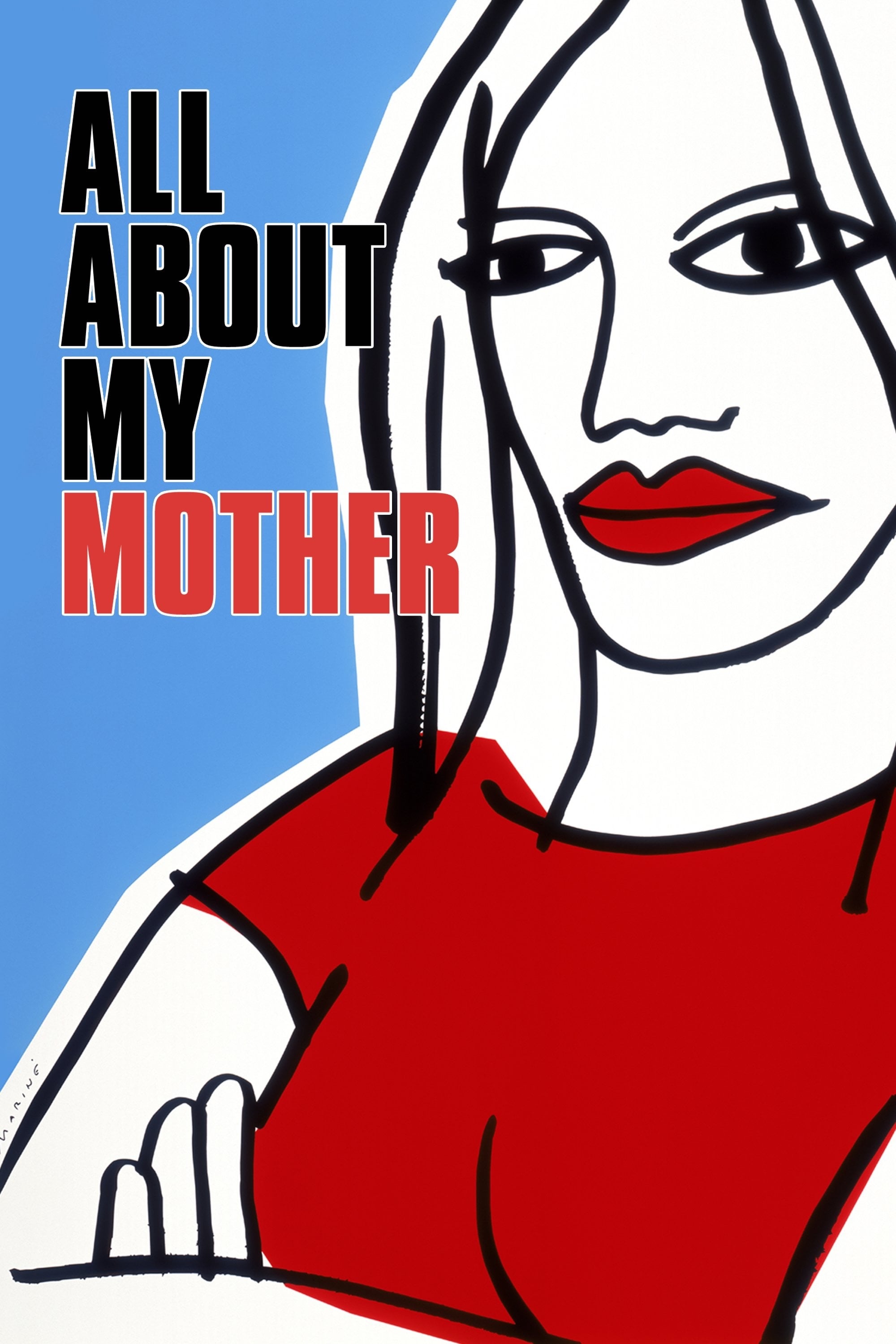
This emotionally rich drama won the Academy Award for Best Foreign Language Film, confirming Almodóvar’s arrival as a world-class auteur. Centered on grief, chosen family, and performances within performances, it showcases his ability to fold theater, film, and life into a single compassionate frame. The movie elevated actors like Penélope Cruz and Cecilia Roth to international acclaim through layered, tender roles. Its Madrid and Barcelona settings became living, breathing characters, reflecting his gift for turning cities into emotional landscapes.
‘Talk to Her’ (2002) – An Oscar-winning original screenplay
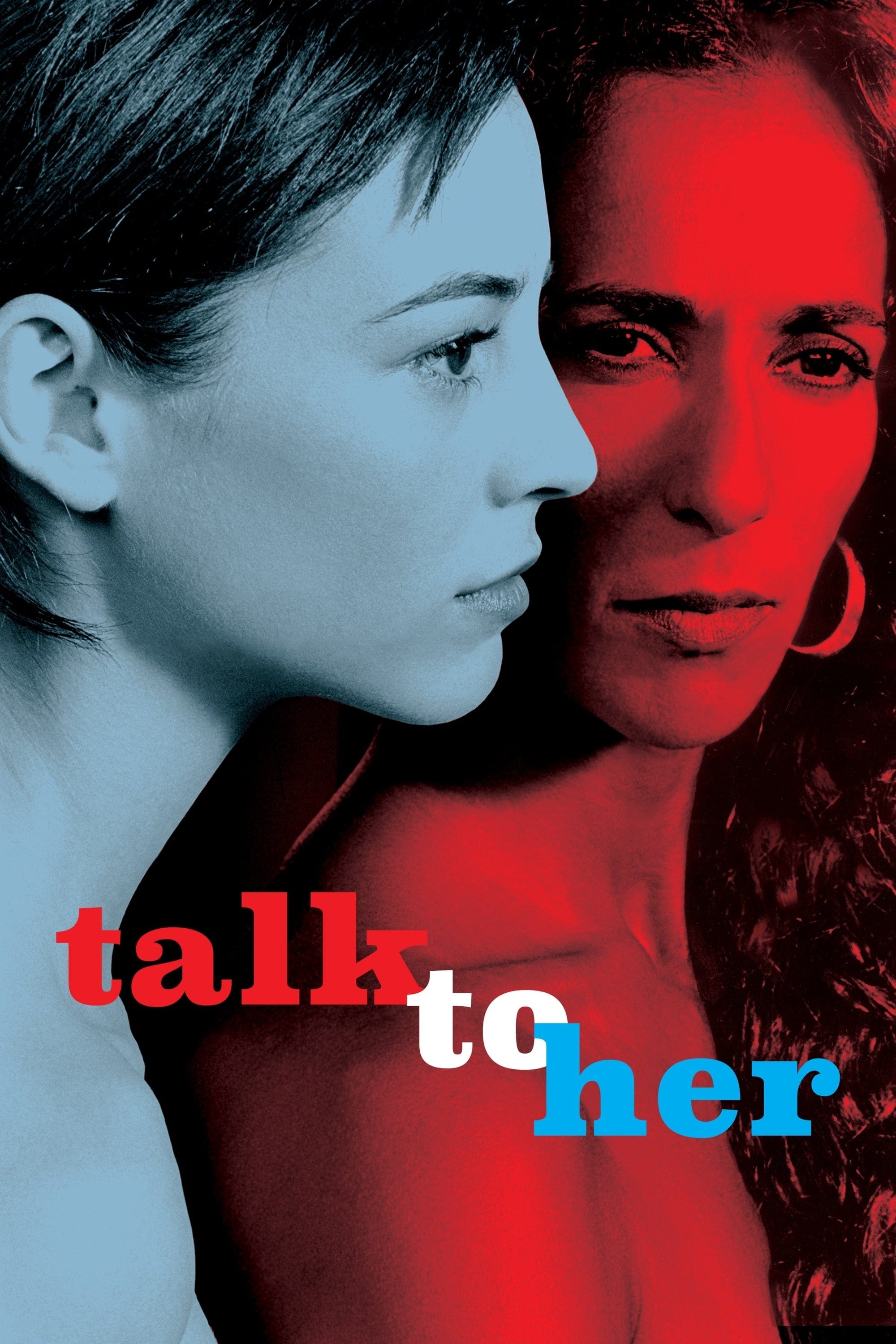
Almodóvar won the Academy Award for Best Original Screenplay for this haunting story of loneliness, caretaking, and moral ambiguity. The film’s structure—interweaving two men’s lives across parallel hospital rooms—demonstrates his mastery of nonlinear storytelling without sacrificing clarity. It balances ethically thorny material with lyrical interludes, including dance and silent-film homage. The result is a rare blend of cinematic daring and humanist sensitivity that resonated globally.
‘Volver’ (2006) – Cannes honors for its women-led ensemble

This multigenerational tale of mothers, daughters, and buried secrets earned a collective Best Actress prize at Cannes for its leading women, with Penélope Cruz front and center. It also won Best Screenplay at the festival, underscoring Almodóvar’s command of tone and structure. Domestic spaces—kitchens, courtyards, rooftops—become stages where resilience and solidarity take root. The film’s mix of suspense, comedy, and catharsis distills his most beloved themes into a warm, accessible story.
‘Tie Me Up! Tie Me Down!’ (1990) – Sparked the shift to the NC-17 rating in the U.S.
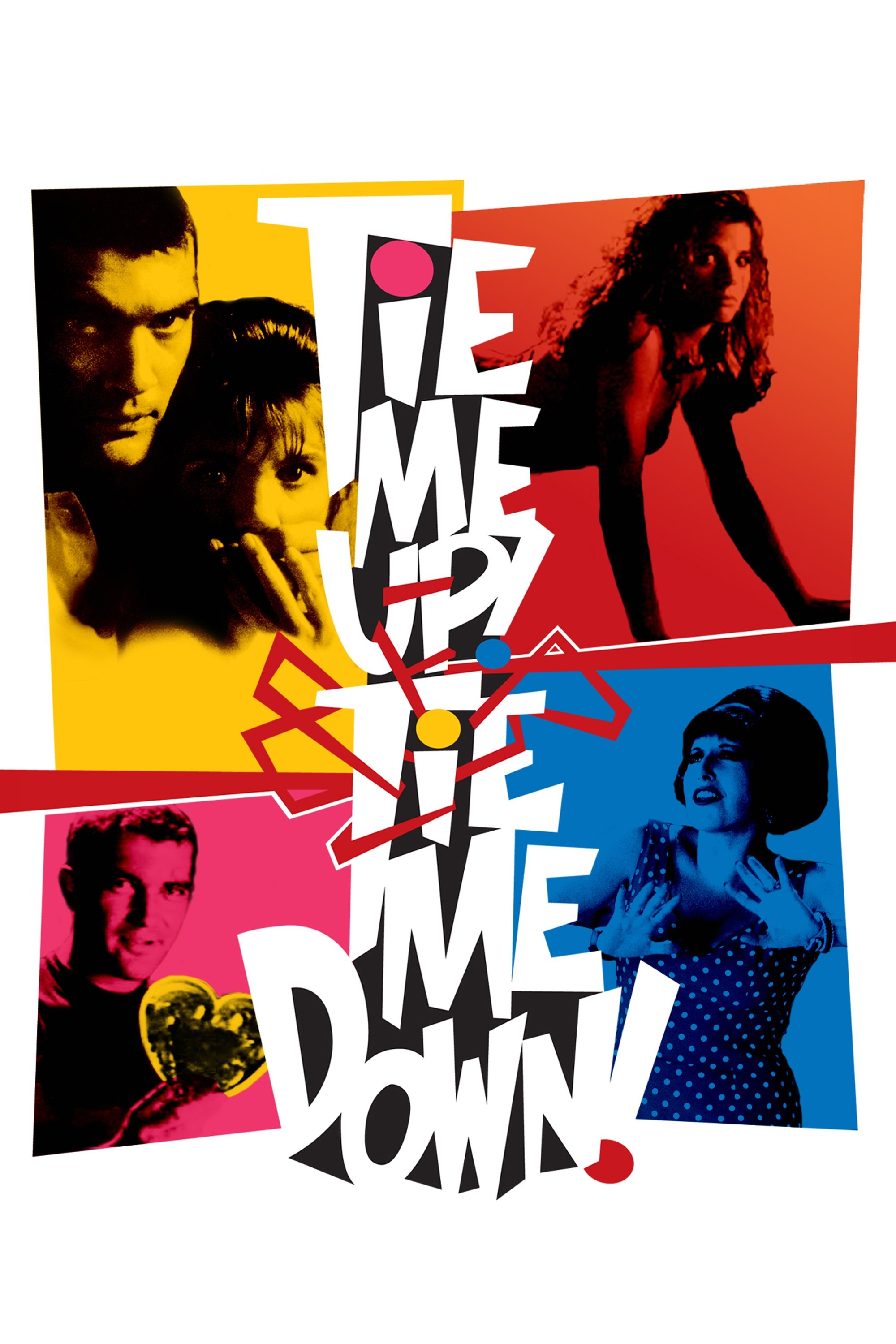
Released amid controversy, this provocative romance became a flashpoint in the American ratings debate. Its initial classification battle helped precipitate the creation of the NC-17 rating, replacing the stigmatized X and reshaping how adult content could be distributed. The film also deepened Almodóvar’s collaboration with Antonio Banderas, showcasing the actor’s intensity within morally messy relationships. Its legacy extends beyond the screen, influencing policy and distribution practices.
‘Bad Education’ (2004) – A bravely candid exploration that opened Cannes
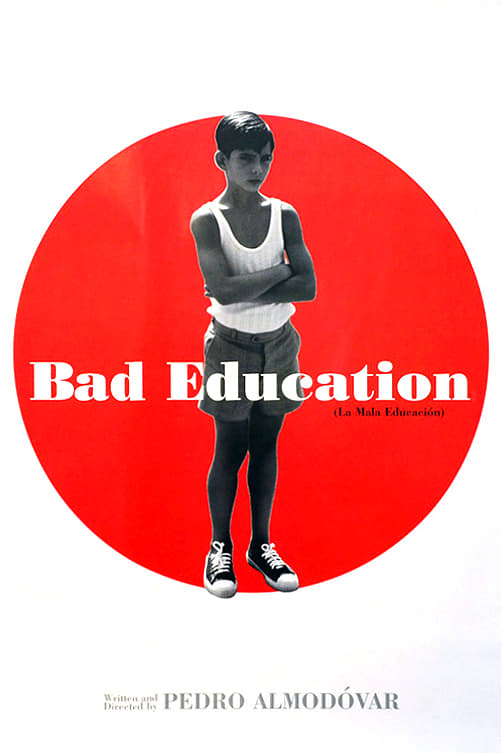
Chosen as the opening film of the Cannes Film Festival, this noir-tinged drama confronts identity, abuse, and the blurred lines between memory and fiction. Almodóvar uses a story-within-a-story device to track characters across years, revealing how art can both heal and manipulate. It marked a bold return to male-centered narratives while retaining his fascination with performance and reinvention. The movie’s daring subject matter underscored his commitment to telling uncomfortable truths with elegance.
‘The Skin I Live In’ (2011) – A chilling reunion with Antonio Banderas

Reuniting with Banderas after decades, Almodóvar crafted a clinical, unsettling thriller about control, identity, and bodily autonomy. Its precise production design—cool surfaces, art pieces, and surgical spaces—amplifies the film’s sense of dread. The script unfolds like a puzzle box, rewarding attentive viewers as motives and histories snap into focus. It broadened his genre range without abandoning his core concerns about desire, power, and transformation.
‘Pain and Glory’ (2019) – A luminous, self-reflective late-career peak
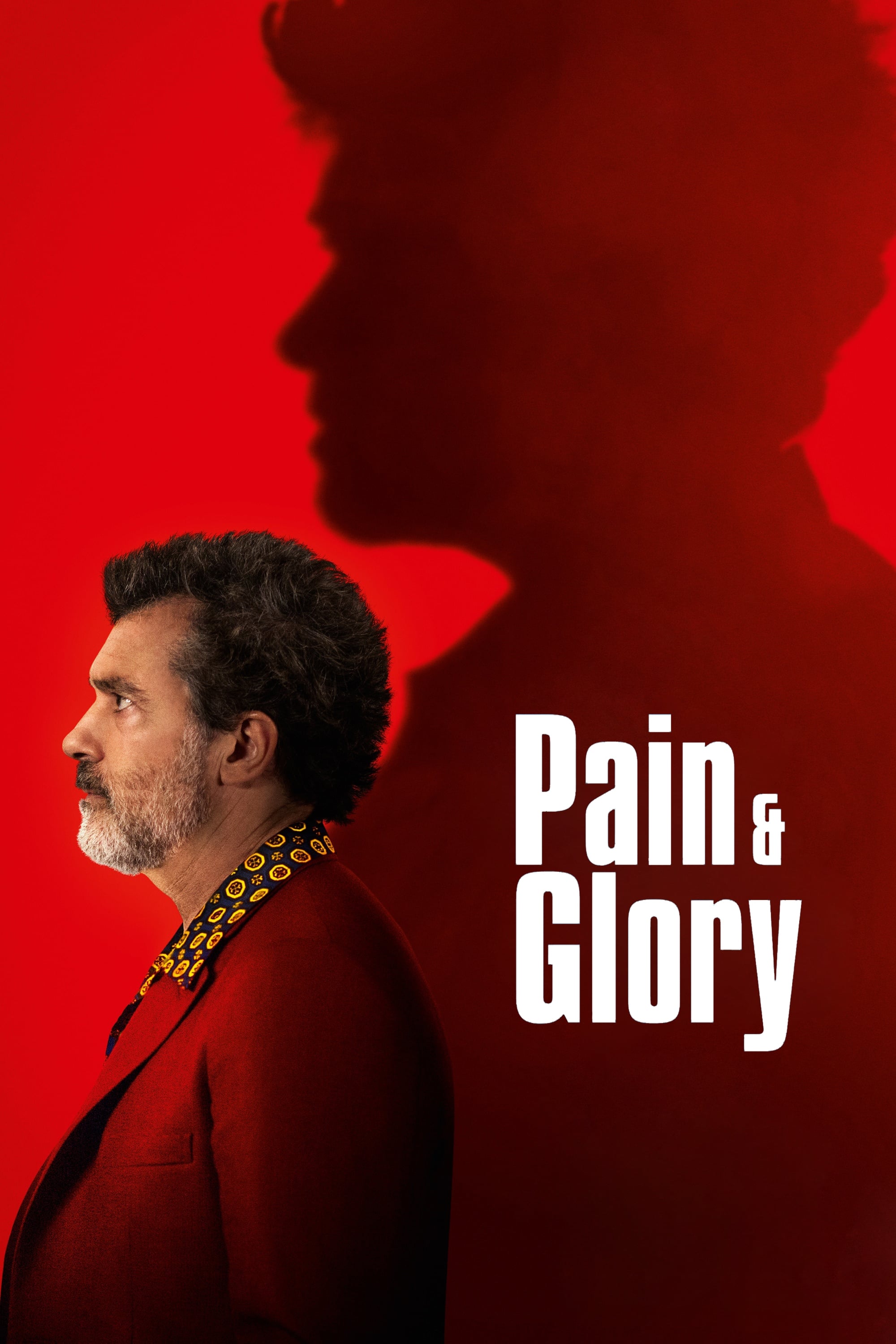
This intimate drama follows a filmmaker confronting illness, memory, and reconciliation, widely seen as Almodóvar’s most personal work. Antonio Banderas delivers a career-capping performance that earned major festival and awards recognition. The film’s vignettes—childhood summers, first loves, and creative block—coalesce into a gentle meditation on how the past permeates the present. It confirmed that Almodóvar could be introspective without losing narrative momentum or visual allure.
El Deseo — The family-run studio powering his vision

Founded with his brother Agustín Almodóvar, El Deseo has produced nearly all of his films, safeguarding creative control from development through release. The company nurtures recurring collaborators—from actors like Penélope Cruz and Antonio Banderas to composer Alberto Iglesias and cinematographer José Luis Alcaine. Its independence allows for bold subject matter, steady financing, and consistent craftsmanship. By keeping production in-house, Almodóvar maintains a cohesive artistic identity across decades.
A defining collaboration — Penélope Cruz as his most enduring muse

Penélope Cruz has headlined multiple Almodóvar films, including ‘Volver’, ‘Broken Embraces’, ‘Pain and Glory’, and ‘Parallel Mothers’, forming one of modern cinema’s great director-actor partnerships. Their projects routinely yield festival prizes and major award nominations, amplifying Spanish cinema on the world stage. Cruz’s performances often channel the director’s favorite motifs—maternal strength, secrecy, and survival—with a blend of vulnerability and fire. The partnership exemplifies how long-term creative trust can produce singular, evolving characters across an entire filmography.
Share your favorite Almodóvar film moments—and the cool facts we missed—in the comments.