


Top 10 Coolest Things About Robert De Niro

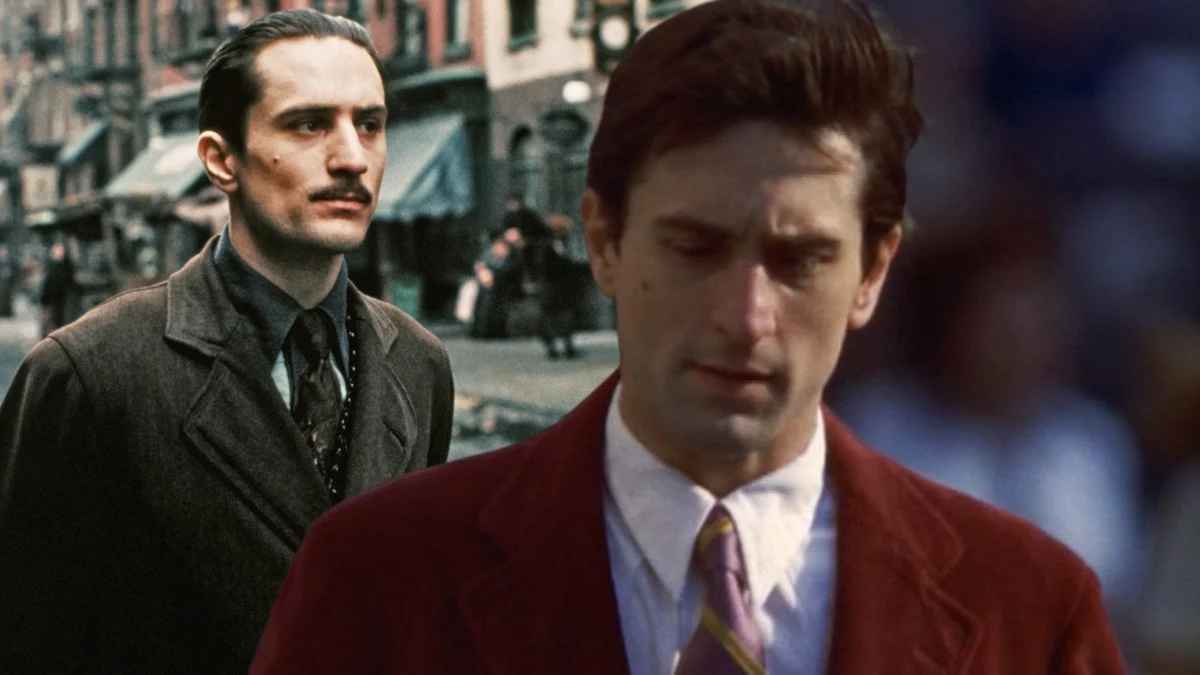


Robert De Niro’s career spans decades of genre-defining performances, bold collaborations, and inventive behind-the-scenes work that reshaped how films get made. From immersive preparation that set new bars for method acting to long-running partnerships with directors that consistently turned out landmark titles, his filmography reads like a crash course in modern cinema. He’s also stepped into directing, television, and festival-building, extending his influence well beyond the screen. Here are ten standout highlights that show why his body of work keeps mattering to both filmmakers and audiences.
‘The Godfather Part II’ (1974) – a breakout role built on language mastery
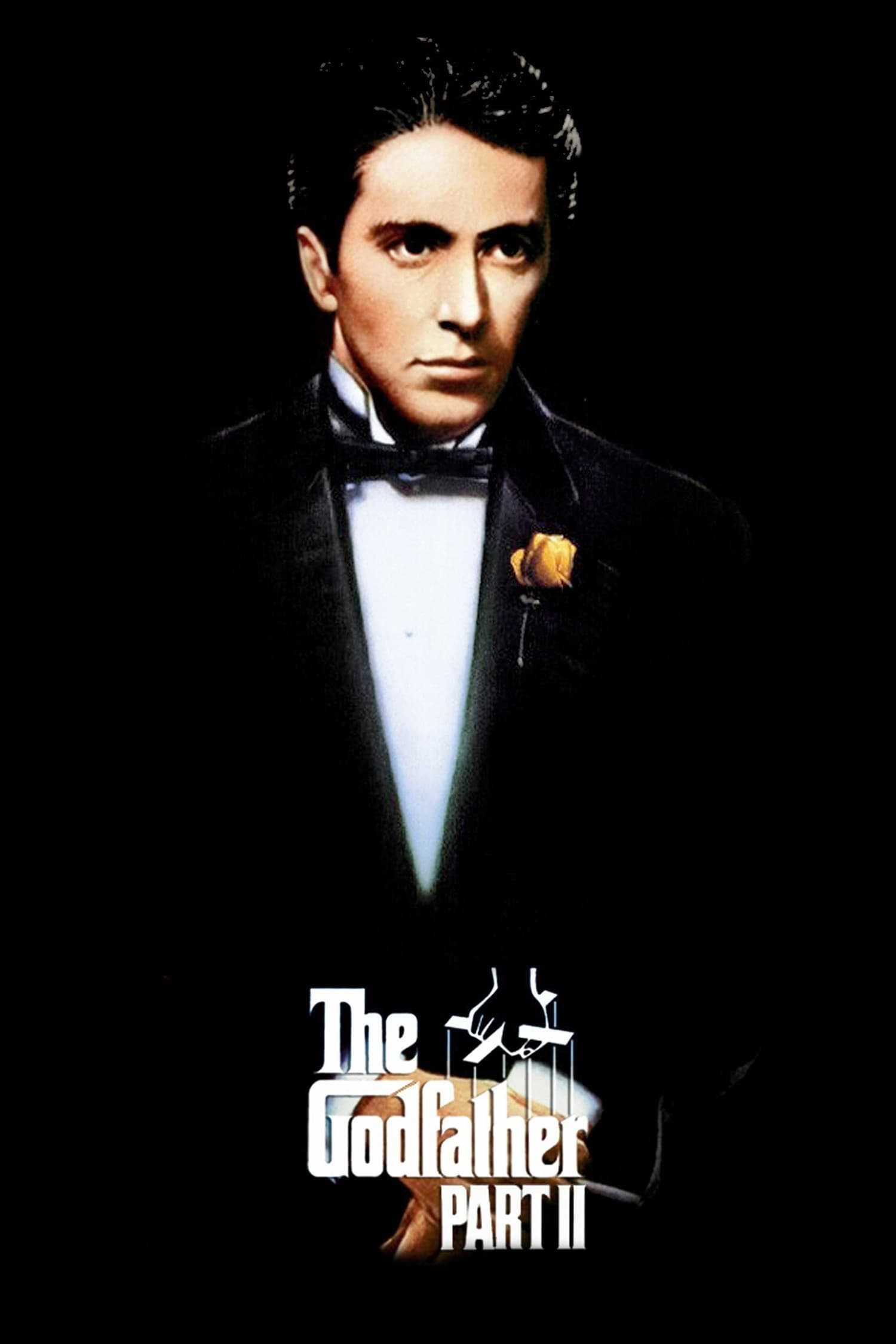
De Niro won the Academy Award for Best Supporting Actor for playing young Vito Corleone. To ground the character, he studied and spoke extensive Sicilian dialect, delivering most of his lines with minimal English. His performance created a seamless bridge to Marlon Brando’s Don Corleone while standing as a fully realized portrayal on its own. The role also cemented his reputation for rigorous preparation that would define many later projects.
‘Raging Bull’ (1980) – De Niro’s extreme physical transformation
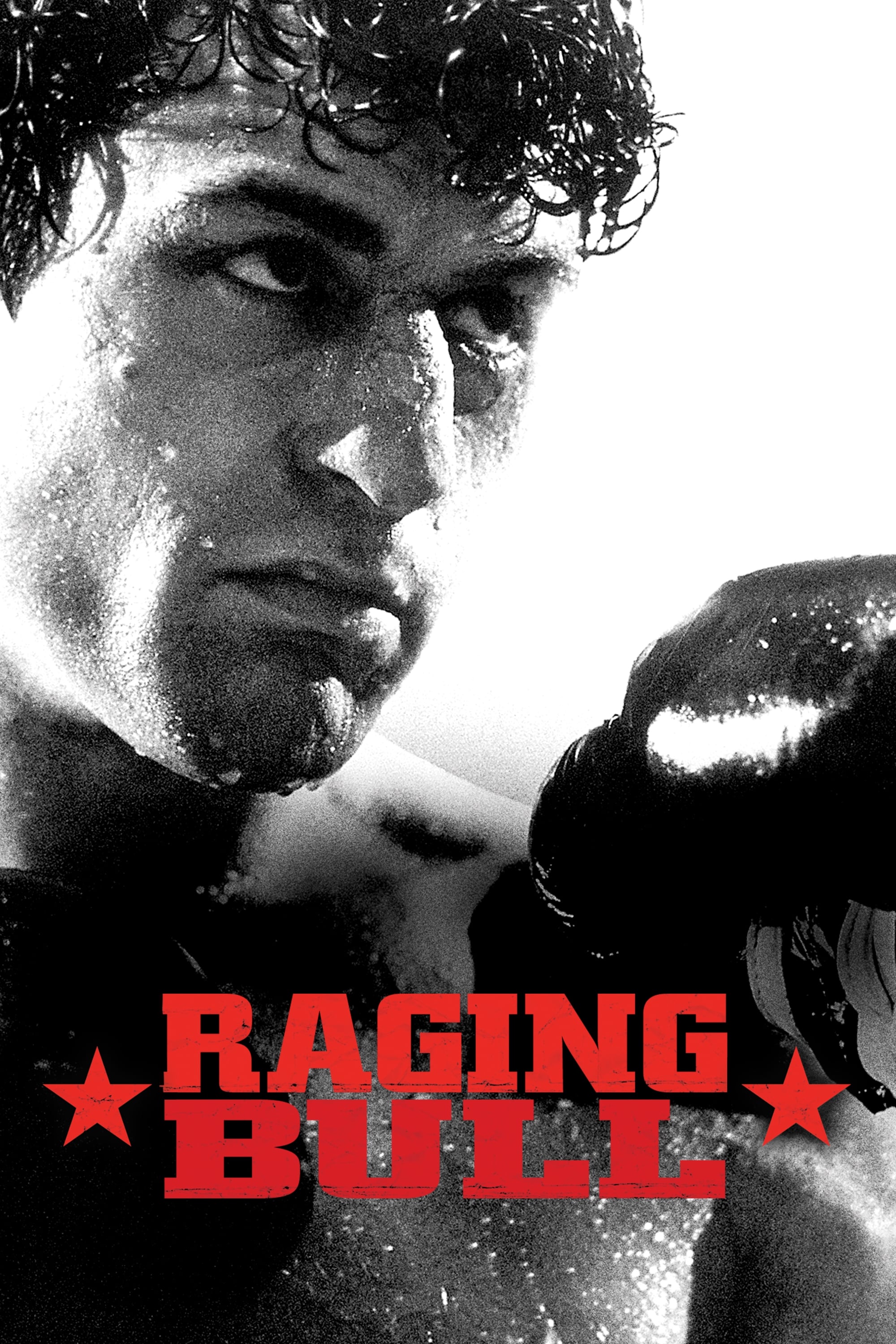
For Jake LaMotta, De Niro underwent a widely reported weight gain to portray the boxer across different life stages. He trained in the ring with professional boxers to capture footwork, stance, and ring psychology. The performance earned him the Academy Award for Best Actor. The film’s demanding approach to character and craft became a touchstone for actors taking on physically and psychologically taxing roles.
‘Taxi Driver’ (1976) – a character study shaped on set
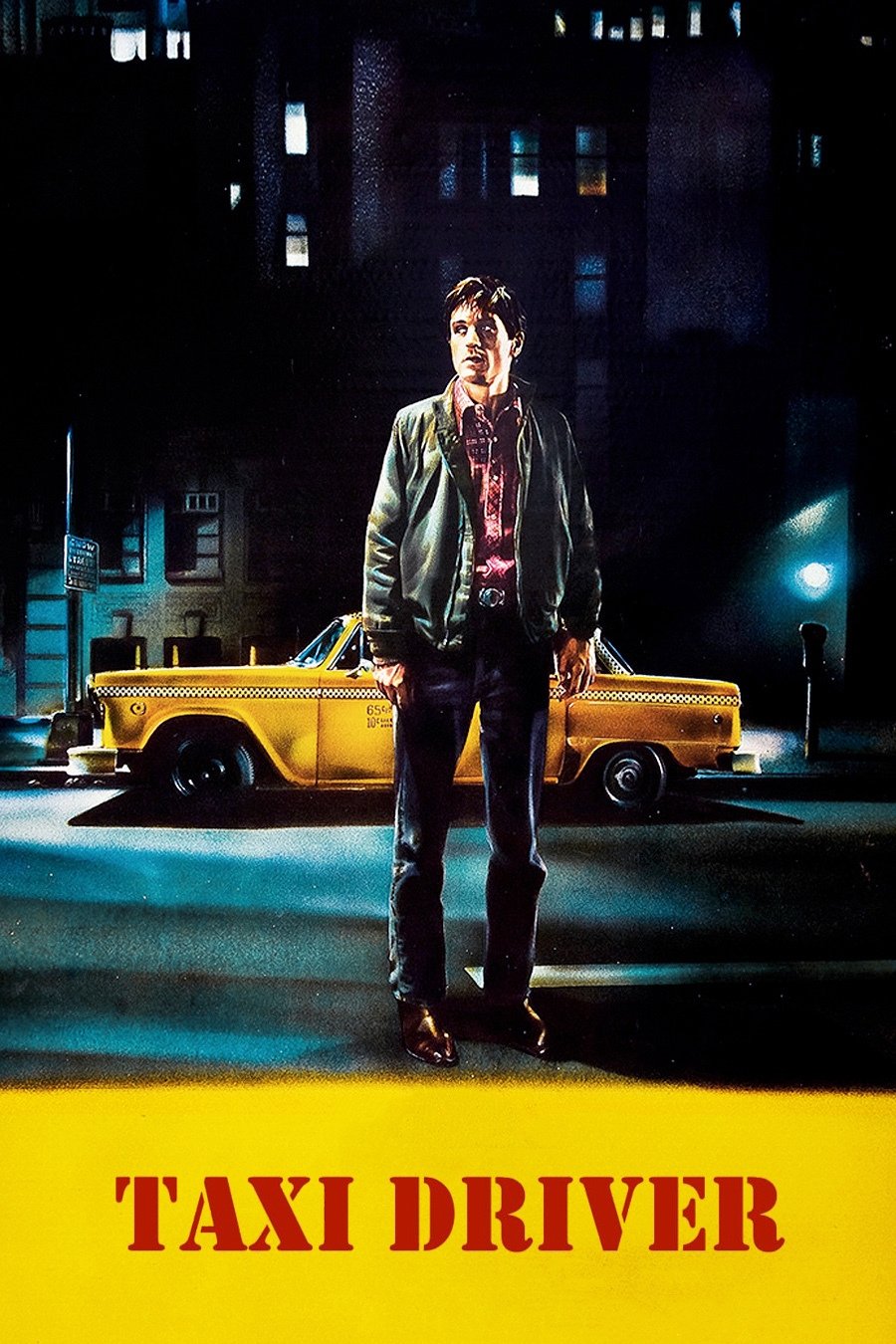
Playing Travis Bickle, De Niro immersed himself in New York cab work to study the rhythms and routes of the city. The character’s mirror monologue—often cited as improvised—emerged from on-set exploration that aligned with the film’s raw, intimate style. His collaboration with screenwriter Paul Schrader and director Martin Scorsese produced a portrait of alienation that influenced countless anti-hero narratives. The role remains central to discussions of method acting and urban neo-noir.
‘Goodfellas’ (1990) – precision in portraying a real-world figure
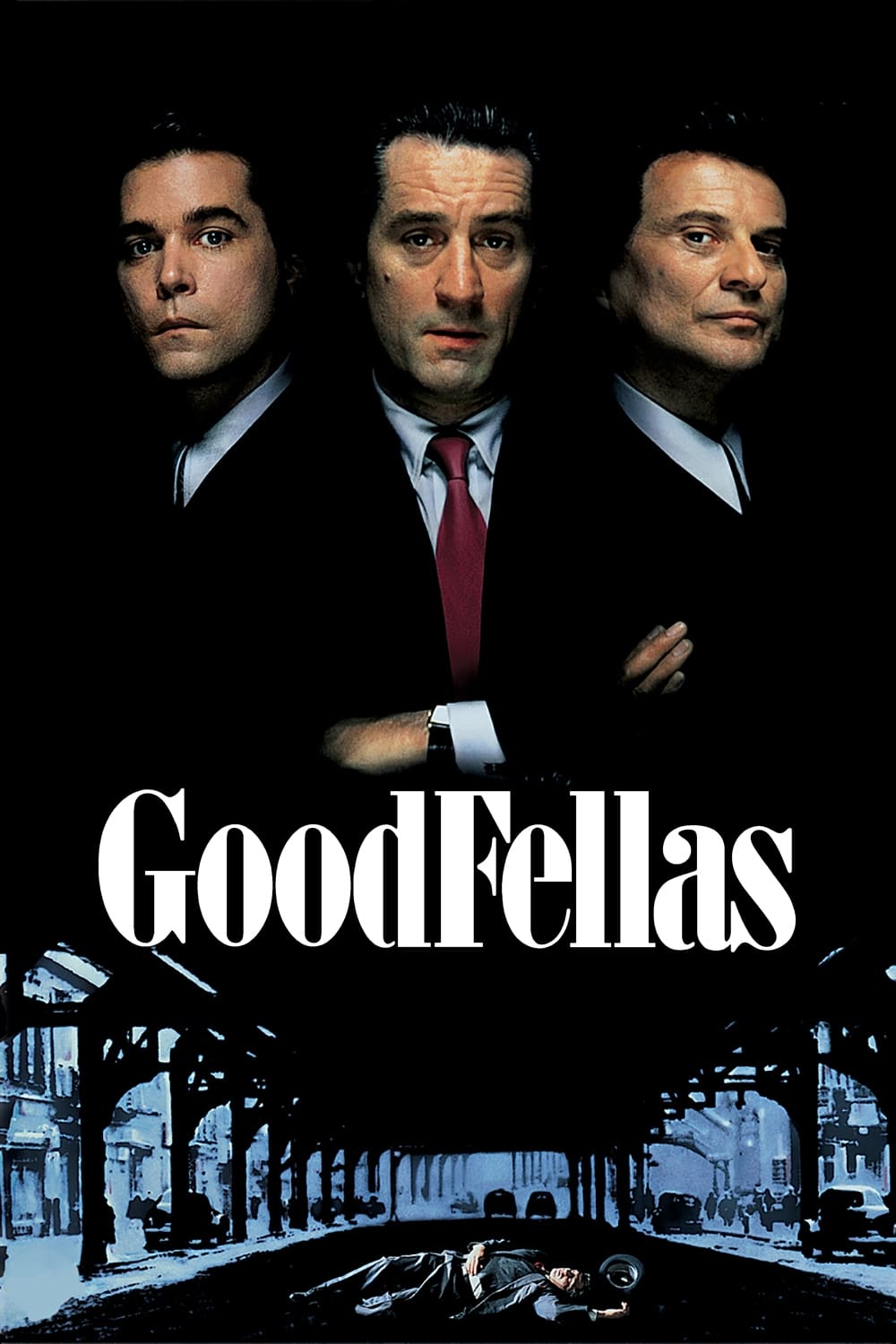
As Jimmy Conway, De Niro drew from journalistic sources and firsthand accounts to mirror the habits and demeanor of the real-life inspiration. He worked closely with the costume and props teams to calibrate gestures—like cigarette handling and cash counting—that signal control and menace. The performance anchors the film’s whirlwind structure with a steady, calculating presence. His long-running collaboration with Martin Scorsese helped the ensemble cohere around authentic detail.
‘Heat’ (1995) – first on-screen face-off with Al Pacino
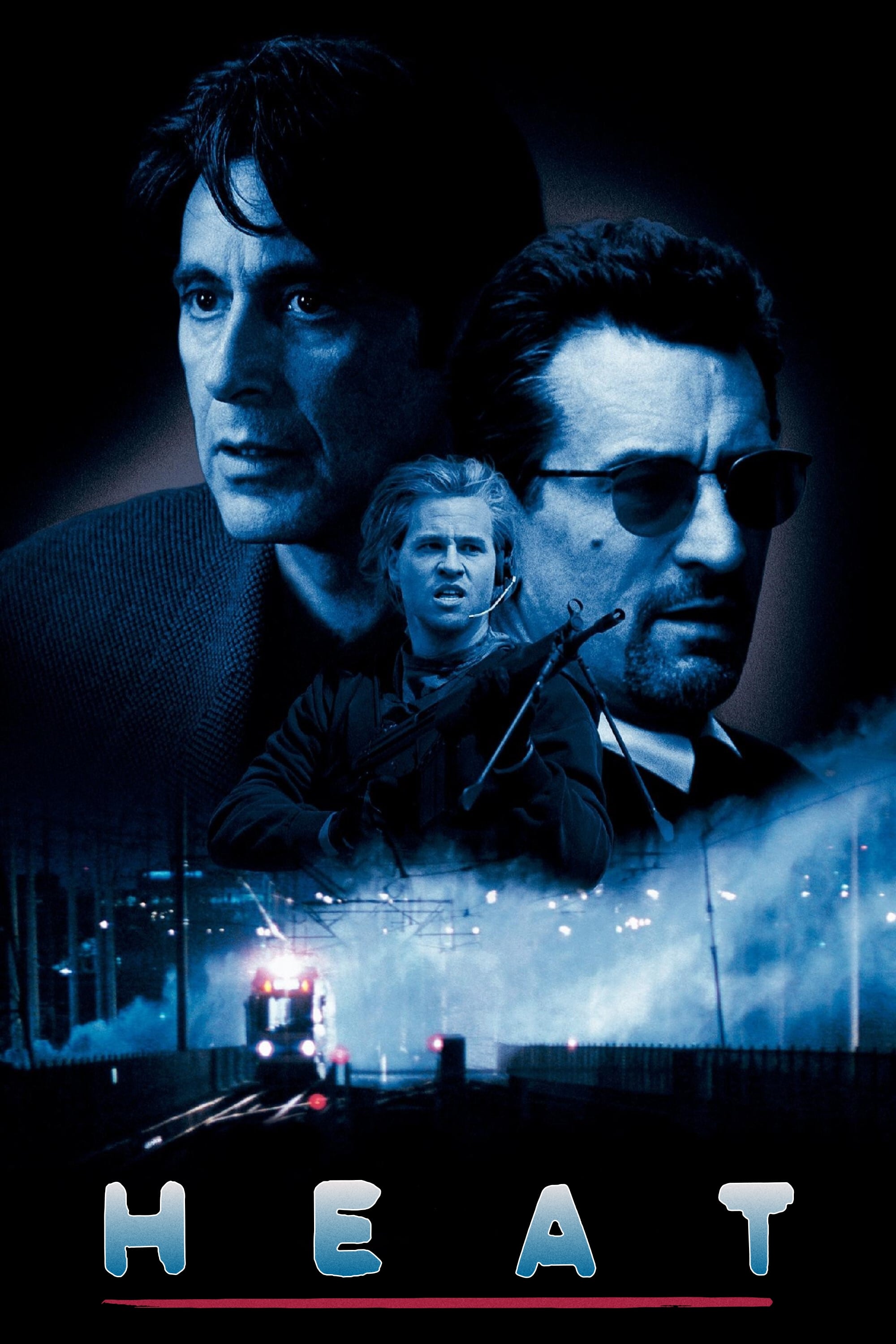
Although both actors appeared in ‘The Godfather Part II’, they had no shared scenes, making the diner conversation here their first on-screen dialogue together. De Niro’s Neil McCauley is crafted from law-enforcement case studies and criminal-procedure research to reflect a disciplined professional thief. The film juxtaposes his character’s methodical approach with Pacino’s driven detective for a study in contrasting temperaments. Their meeting scene became a reference point for staging high-stakes dialogue between equals.
‘A Bronx Tale’ (1993) – directing with a performer’s eye
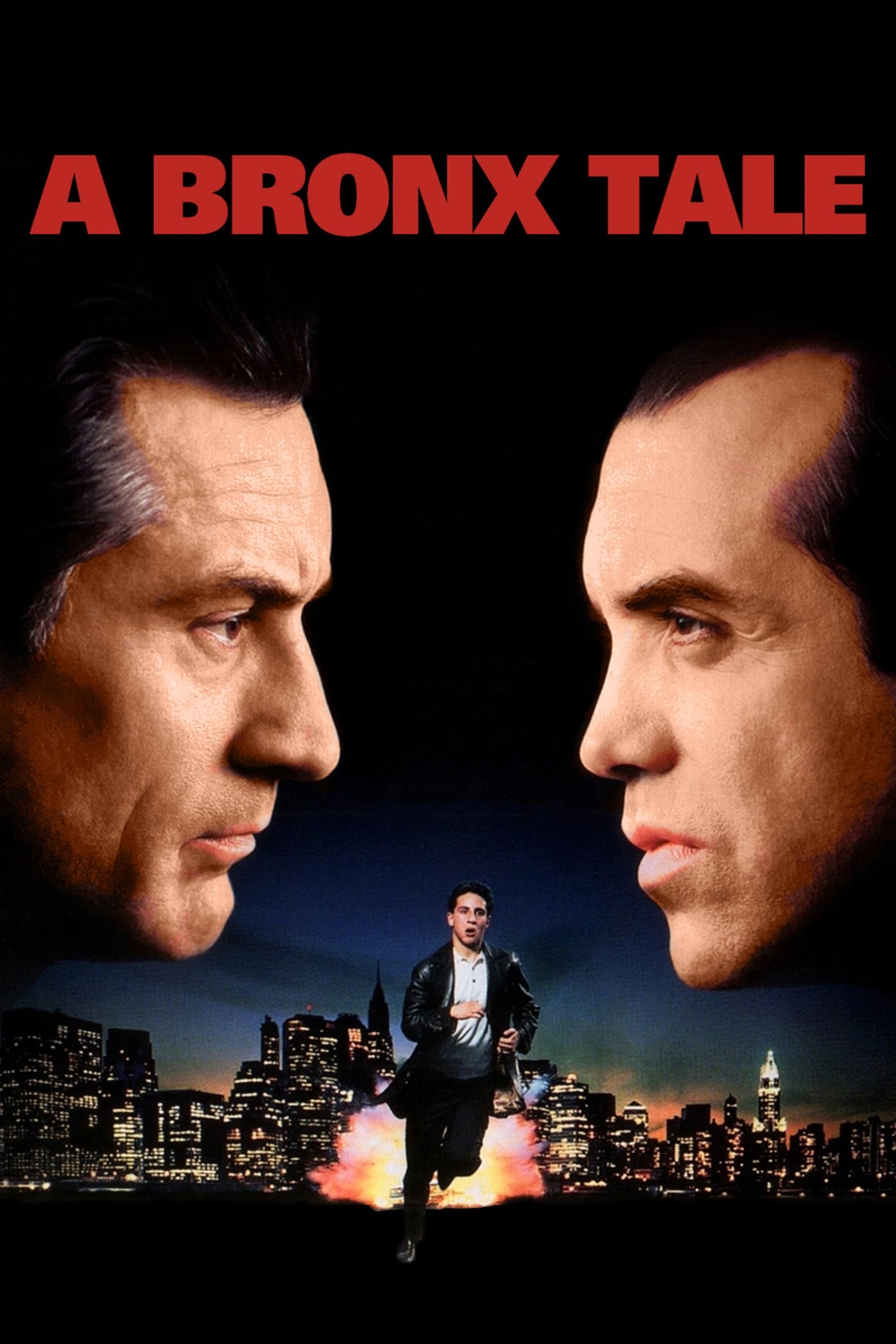
De Niro made his feature directing debut with this adaptation of Chazz Palminteri’s one-man show, also playing the boy’s father on screen. He preserved the story’s neighborhood intimacy by shooting on location and prioritizing ensemble dynamics. The production balanced coming-of-age drama with questions about loyalty, family, and influence. His work behind the camera demonstrated a taste for measured pacing and character-centered storytelling.
‘The Irishman’ (2019) – large-scale digital de-aging anchored by performance
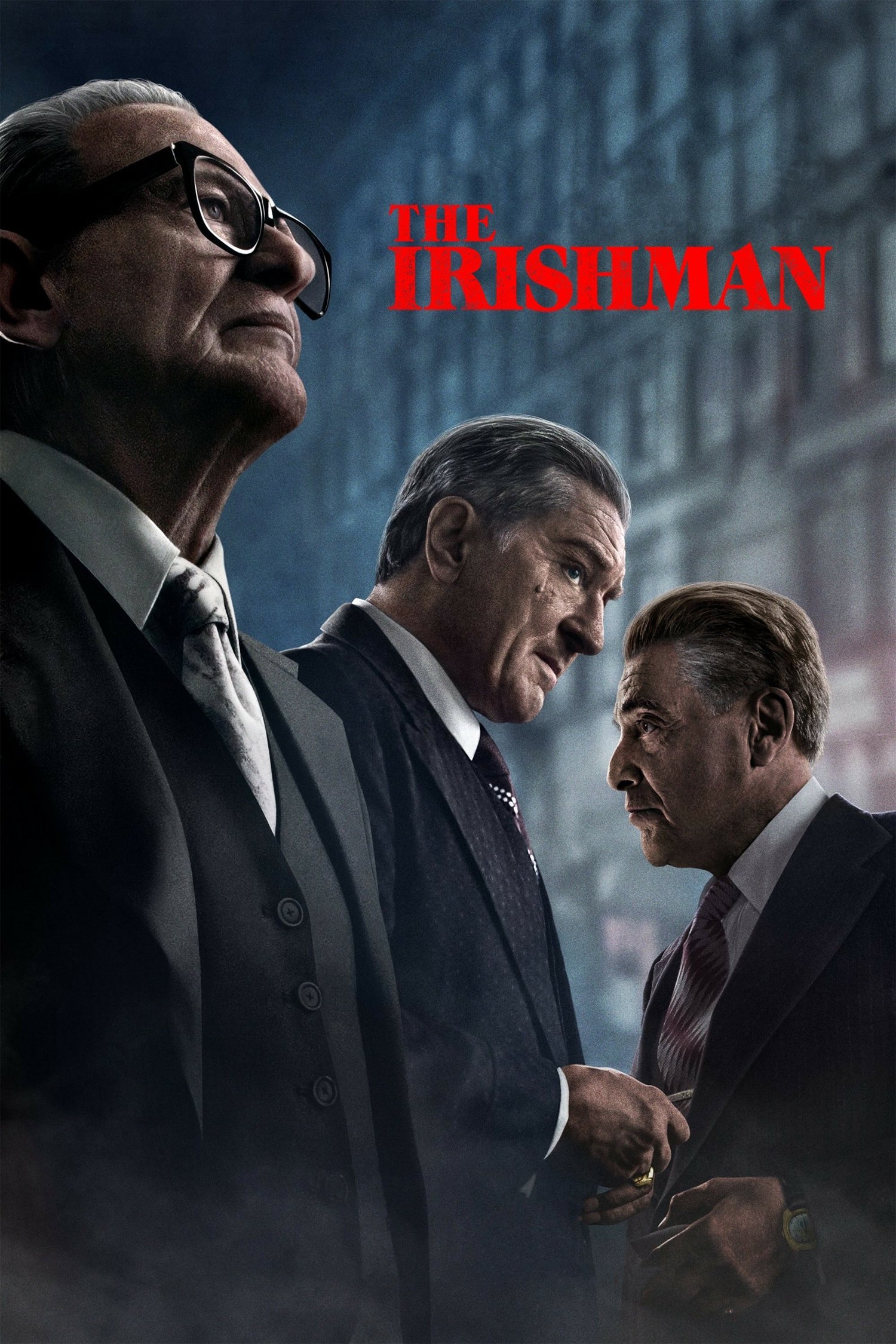
Reuniting with Scorsese, De Niro portrayed Frank Sheeran across multiple decades, supported by extensive digital de-aging. The production adjusted set practices—like motion-capture markers and specialized lighting—to retain subtle facial cues. De Niro modulated posture, gait, and vocal delivery to match the character’s different life periods, so the visual effects had a grounded base. The film also reassembled collaborators including Al Pacino and Joe Pesci for an intergenerational crime epic.
‘The Wizard of Lies’ (2017) – television deep-dive into financial fraud
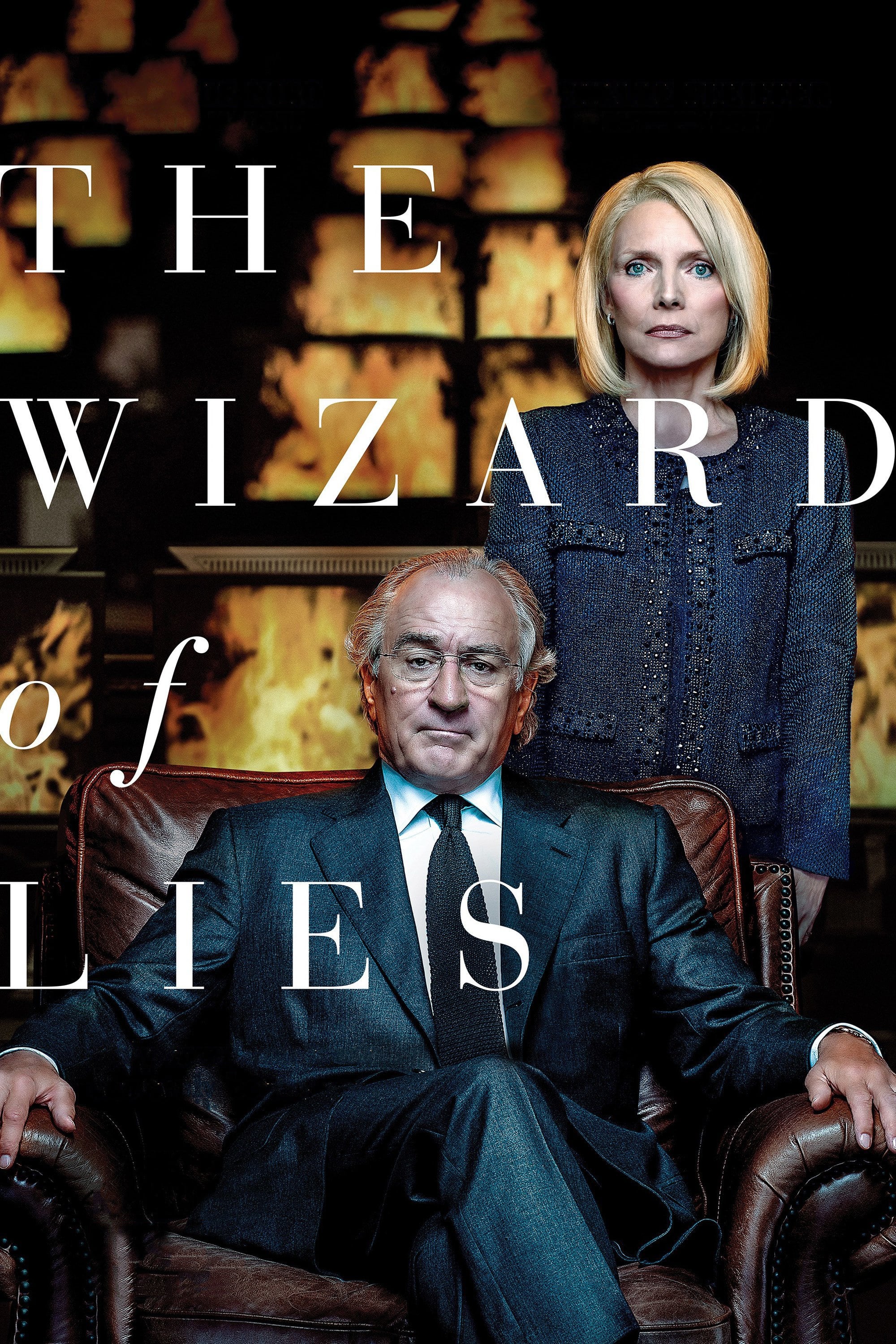
In this HBO film, De Niro played Bernie Madoff, drawing on court records, journalism, and interviews to map the scheme’s mechanics and personal fallout. The project emphasized procedural accuracy—from financial jargon to deposition dynamics—over sensationalism. De Niro’s performance earned major award nominations in the limited-series/TV movie categories. It also underscored his ease moving between theatrical features and prestige television.
‘Killers of the Flower Moon’ (2023) – revisiting American power and complicity
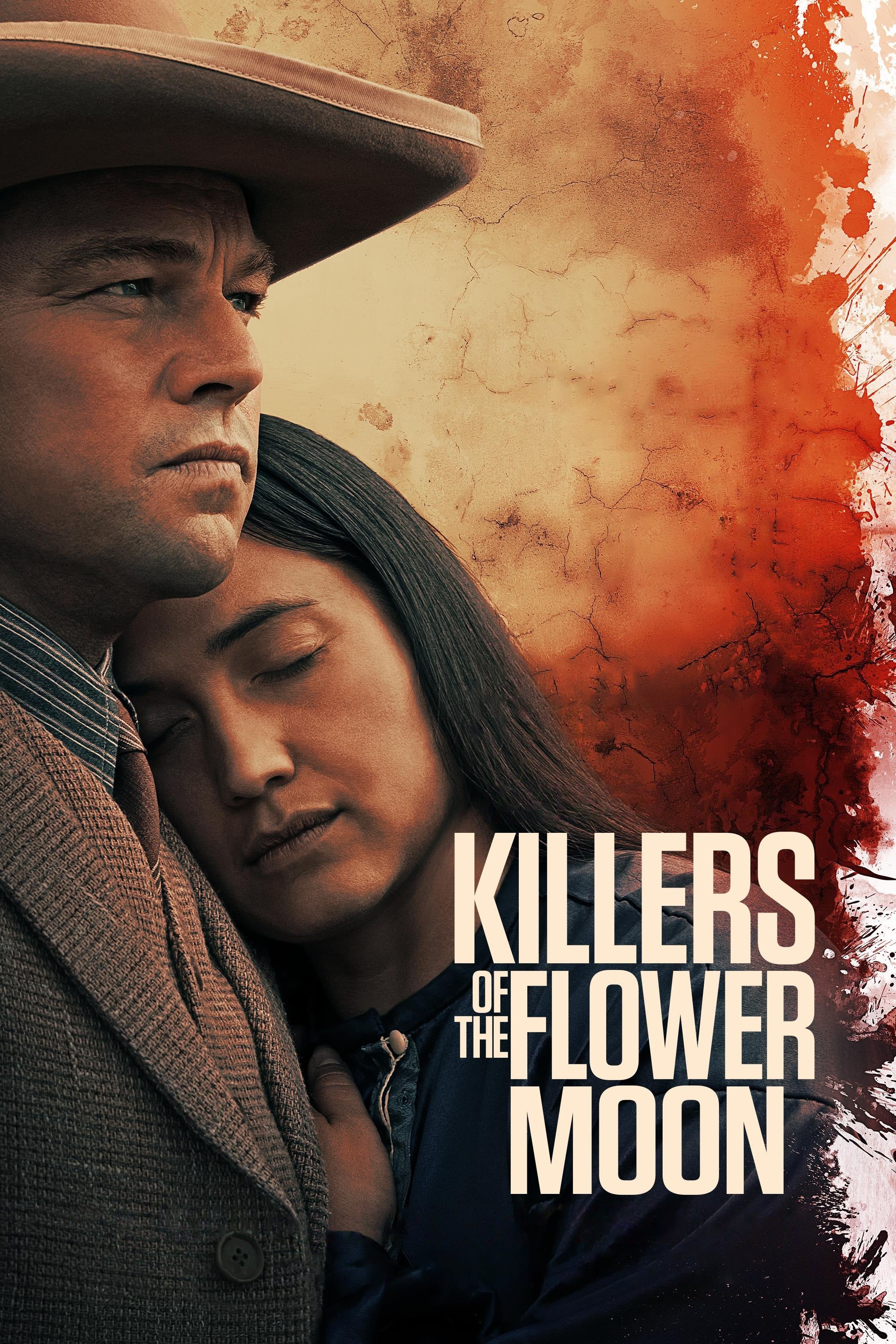
De Niro portrayed William Hale, a cattleman entwined with the murders in the Osage Nation, in another collaboration with Scorsese. He researched period documents and regional history to align the character with documented behaviors and speech. The role drew significant awards attention, including an Academy Award nomination for Best Supporting Actor. The film’s production involved close consultation with Osage representatives to reflect language, customs, and historical context.
Building the Tribeca Film Festival – revitalizing a creative hub

De Niro co-founded the Tribeca Film Festival to help revive Lower Manhattan’s cultural and economic life after the September 11 attacks. The festival provides a platform for independent features, documentaries, shorts, games, and immersive media, alongside industry panels and workshops. It has grown into a year-round enterprise through Tribeca Enterprises, supporting creators across formats. The initiative broadened his impact from performer and director to cultural institution builder.
Share your favorite De Niro moments in the comments—what performance or project stands out most to you?