


Top 10 Coolest Things About Robin Williams

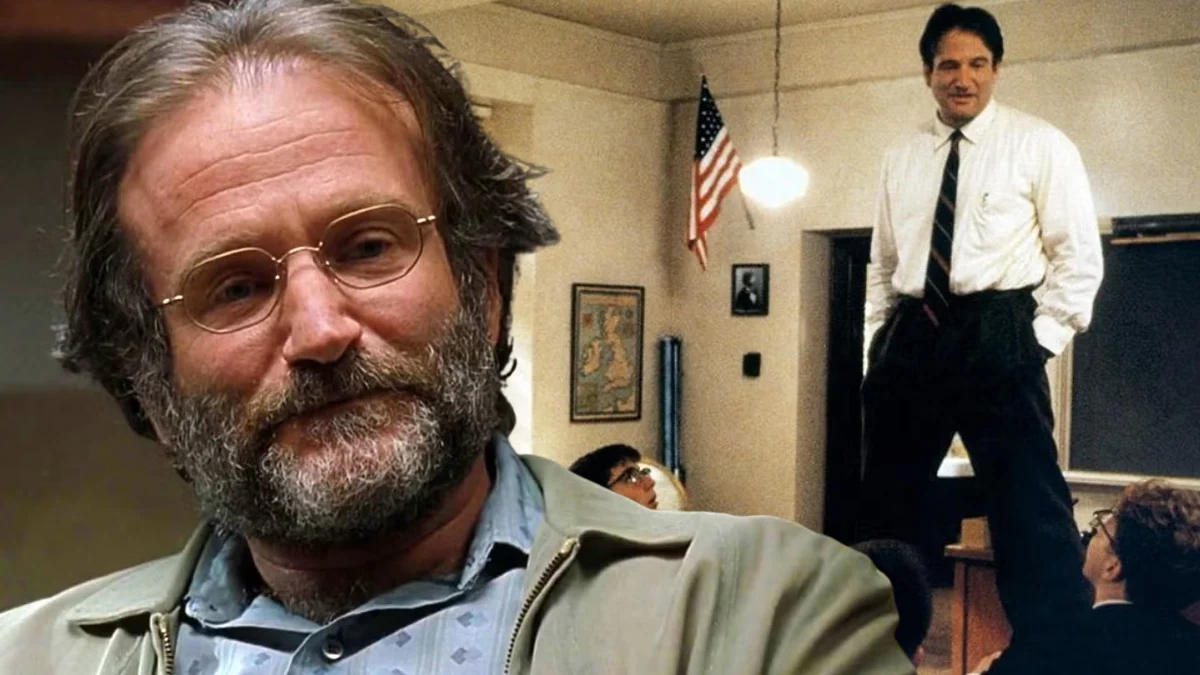


Robin Williams built a career that stretched from breakneck improv to finely tuned drama, leaving a trail of unforgettable film and TV moments. The highlights below focus on concrete achievements—performances, production details, and industry recognition—that show how much range and craft he brought to every set. From voice sessions that reshaped animation workflows to dramatic turns that drew major awards, these are ten standout facts that capture what made his screen work so singular.
‘Good Will Hunting’ (1997) – the Oscar-winning turn
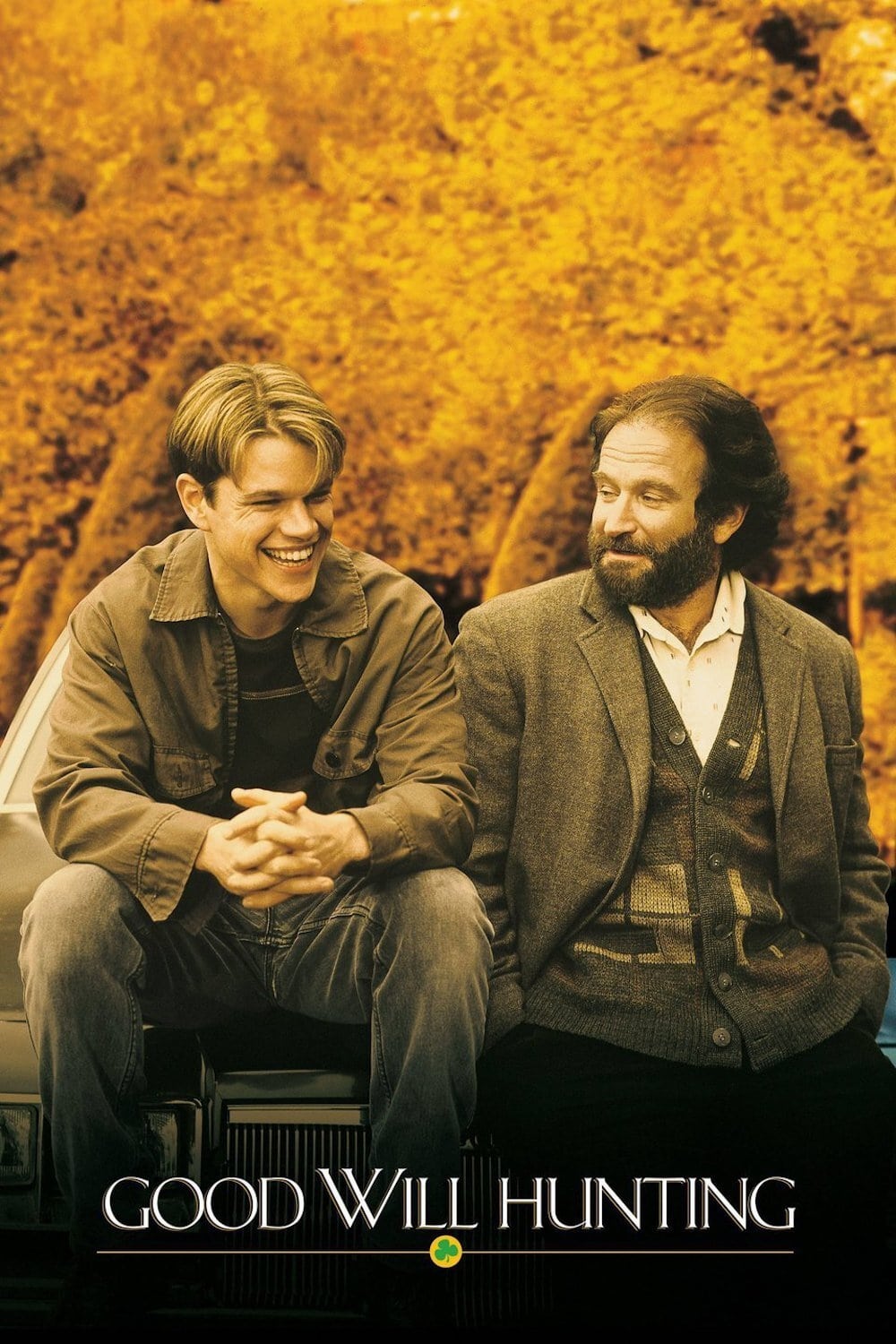
Williams won the Academy Award for Best Supporting Actor for his performance as therapist Sean Maguire. The role anchored the film’s emotional core and balanced grounded realism with sharp humor. His scenes with Matt Damon were celebrated for precise timing and controlled intensity. The film’s success also included a Best Original Screenplay win for Ben Affleck and Matt Damon, cementing its status as a modern classic.
‘Aladdin’ (1992) – the Genie built on improvisation
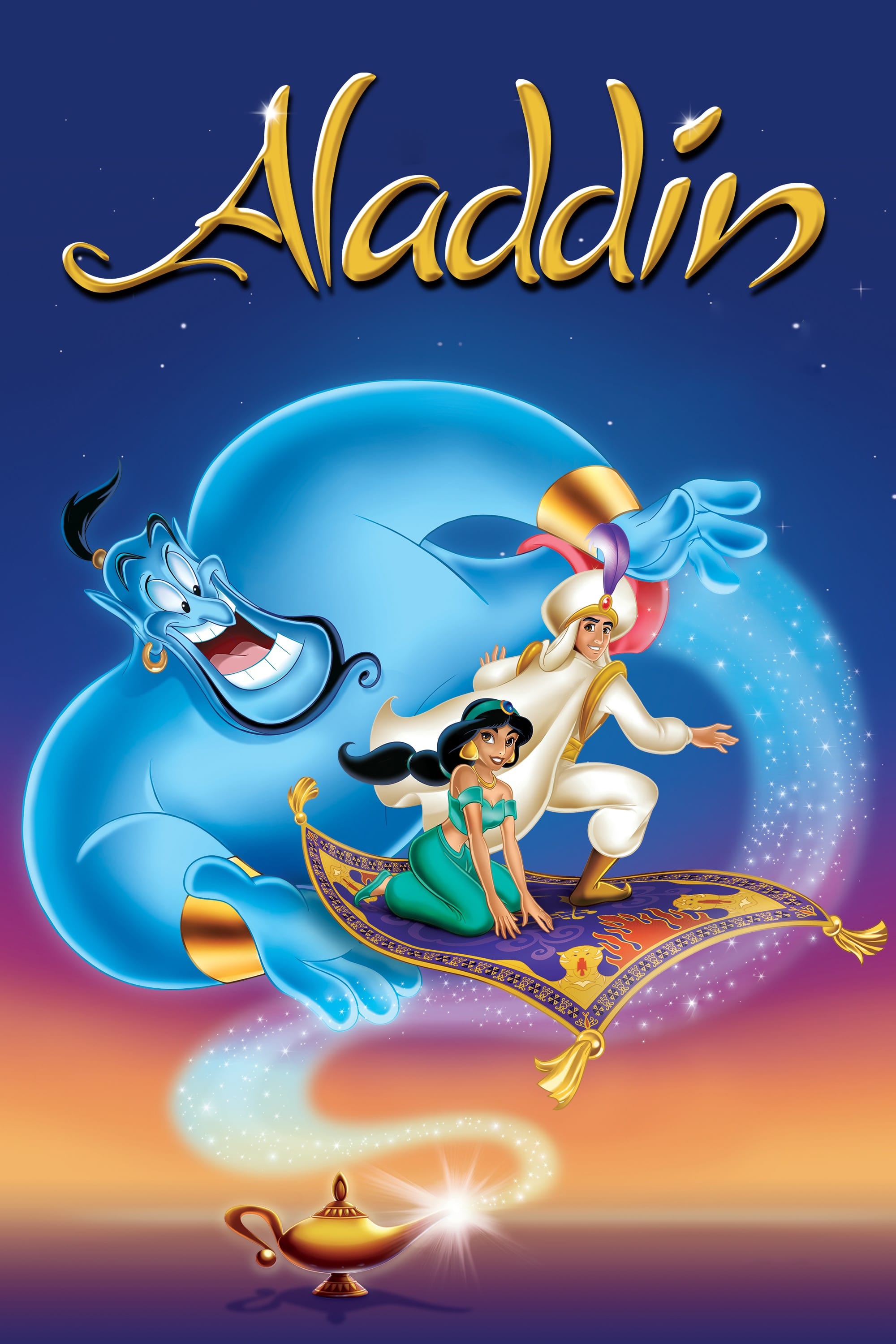
Williams recorded hours of riffing that the animators used as a creative engine for the Genie, expanding sequences around his spontaneous bits. His vocal range let the character switch personas mid-sentence, influencing the final edit and even story beats. The performance earned him a Special Golden Globe recognition for vocal work. It also helped popularize celebrity voice casting in animated features across the industry.
‘Good Morning, Vietnam’ (1987) – radio riffs turned into a performance
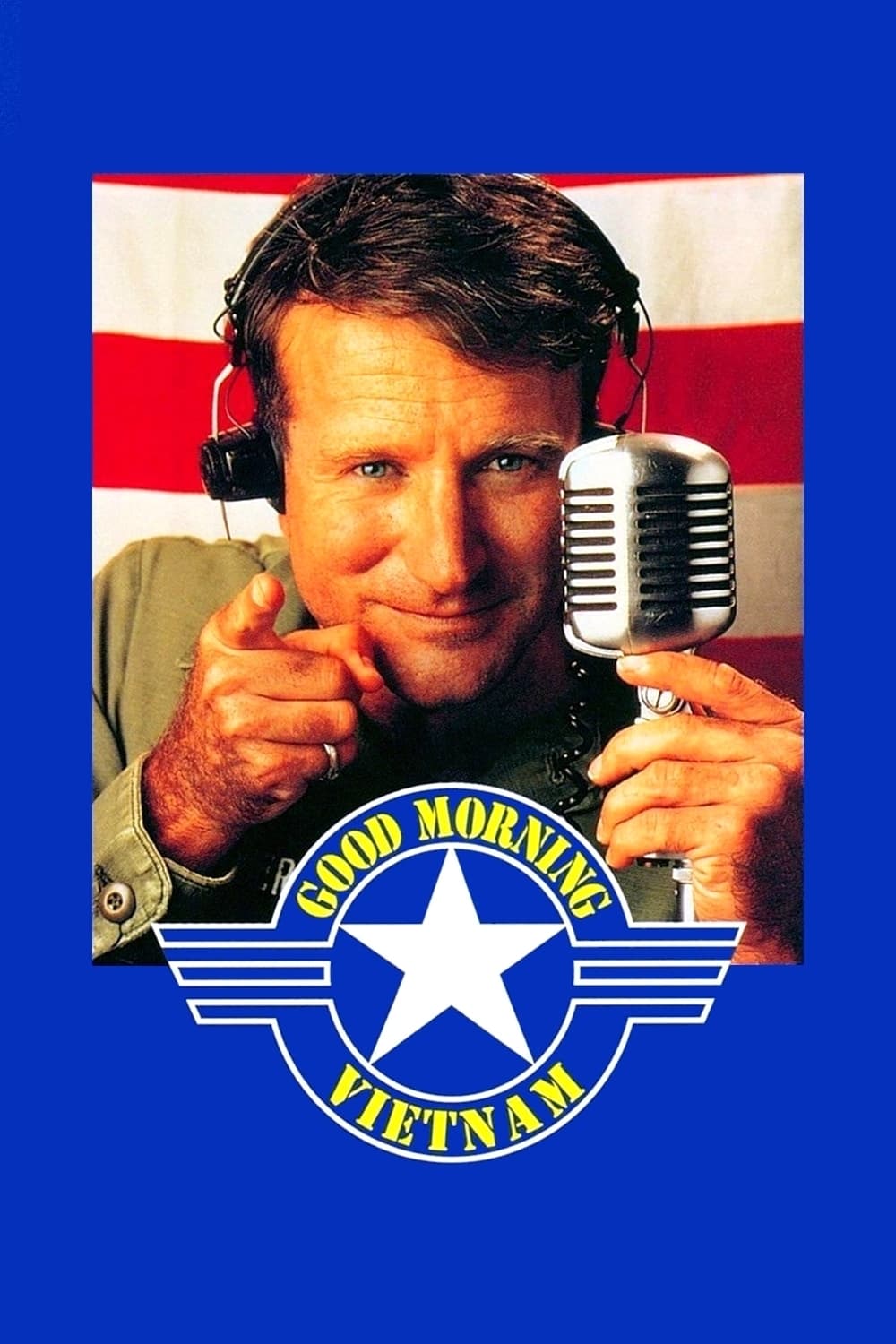
As Adrian Cronauer, Williams channeled rapid-fire radio monologues that drew on his stand-up agility, much of it shaped by on-mic improvisation. The role earned him an Academy Award nomination for Best Actor. Production leaned into his ad-libbing by capturing long takes and selecting the sharpest segments for broadcast scenes. The film paired that comic energy with a dramatic portrait of wartime broadcasting.
‘Dead Poets Society’ (1989) – a teacher who inspired a generation
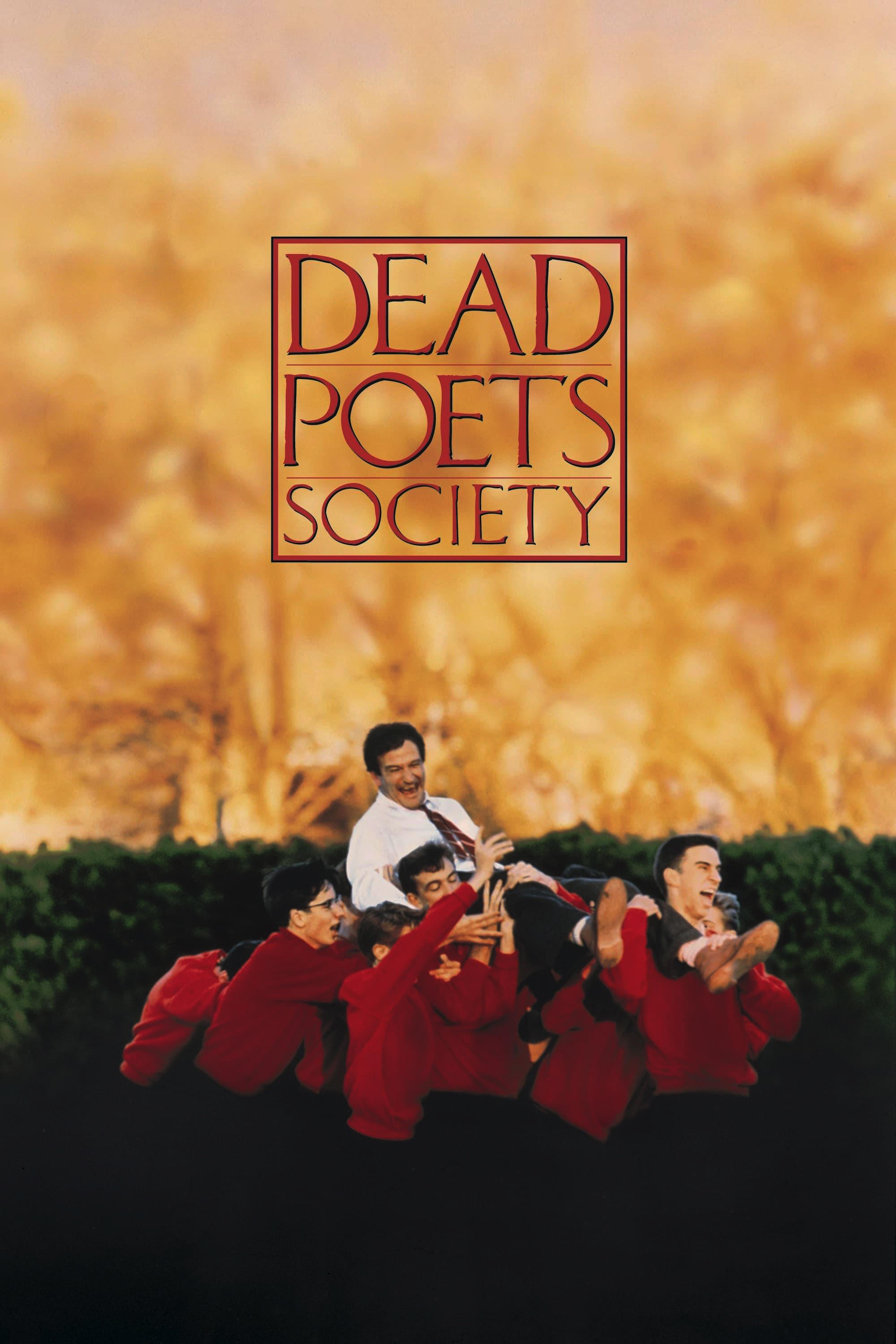
Williams received an Academy Award nomination for Best Actor for his portrayal of English teacher John Keating. The film’s screenplay won an Academy Award, and its classroom scenes became widely cited for their staging and ensemble work. Williams’ performance emphasized restraint, allowing the students’ arcs to lead while he guided the narrative. The result showed his ability to elevate an ensemble drama without overpowering it.
‘Mrs. Doubtfire’ (1993) – transformative makeup and accent work

The film’s makeup team won the Academy Award for Best Makeup for creating the title character’s convincingly aged face and full-body prosthetics. Williams delivered extended scenes in character, syncing physical comedy with a consistent vocal performance. He also won a Golden Globe for Best Actor in a Motion Picture – Musical or Comedy for the role. The combination of disguise, dialect, and precise timing marked a high point in his family-comedy work.
‘The Fisher King’ (1991) – a complex lead in a modern fable
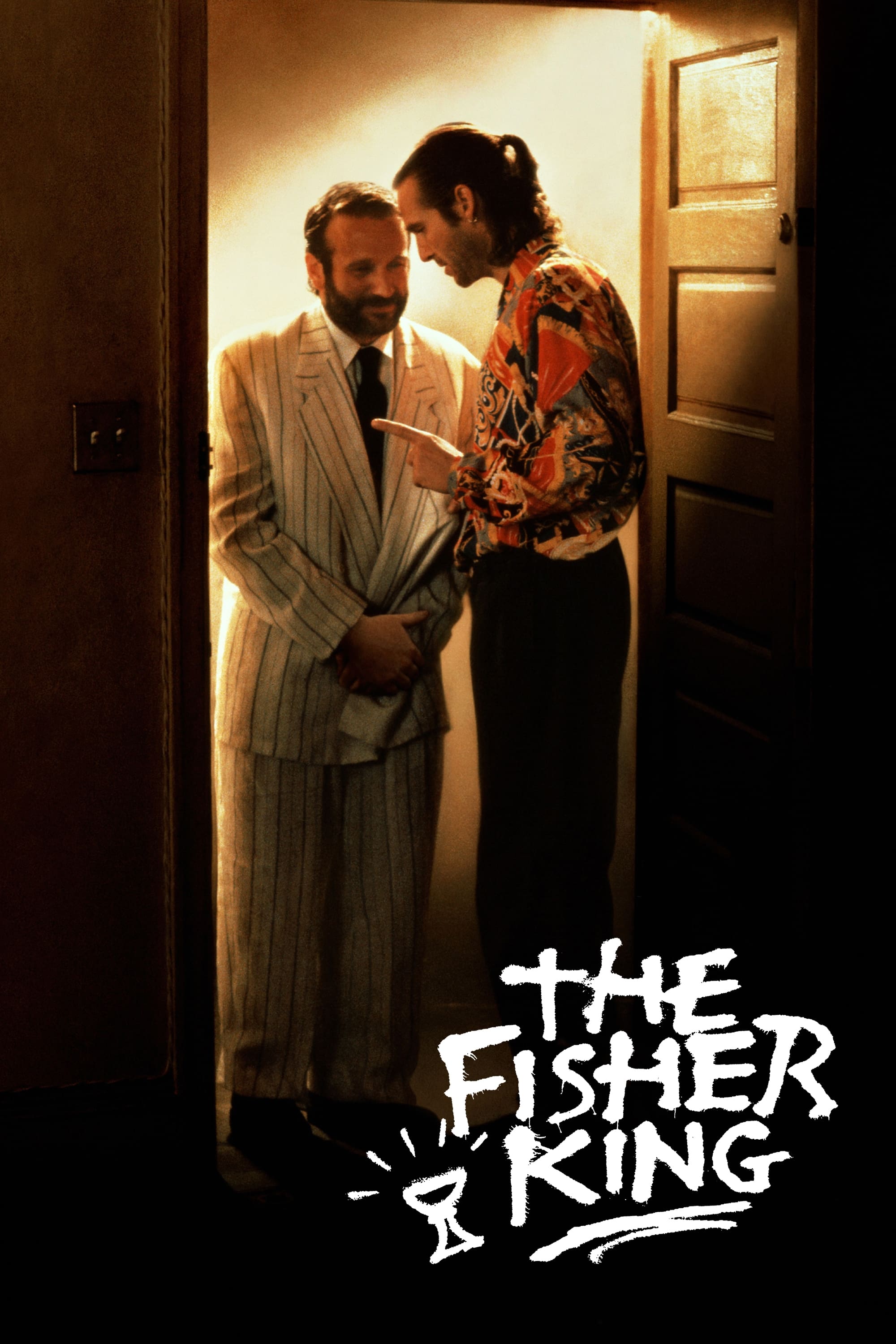
Williams earned another Academy Award nomination for Best Actor for playing Parry, a role that demanded both vulnerability and mythic intensity. The film showcased intricate set pieces, including stylized urban sequences that leaned on his physical presence. He won a Golden Globe for Best Actor for the performance. The project stands out for blending fantasy elements with character-driven drama anchored by Williams and Jeff Bridges.
‘Mork & Mindy’ (1978–1982) – a breakout from a ‘Happy Days’ guest spot
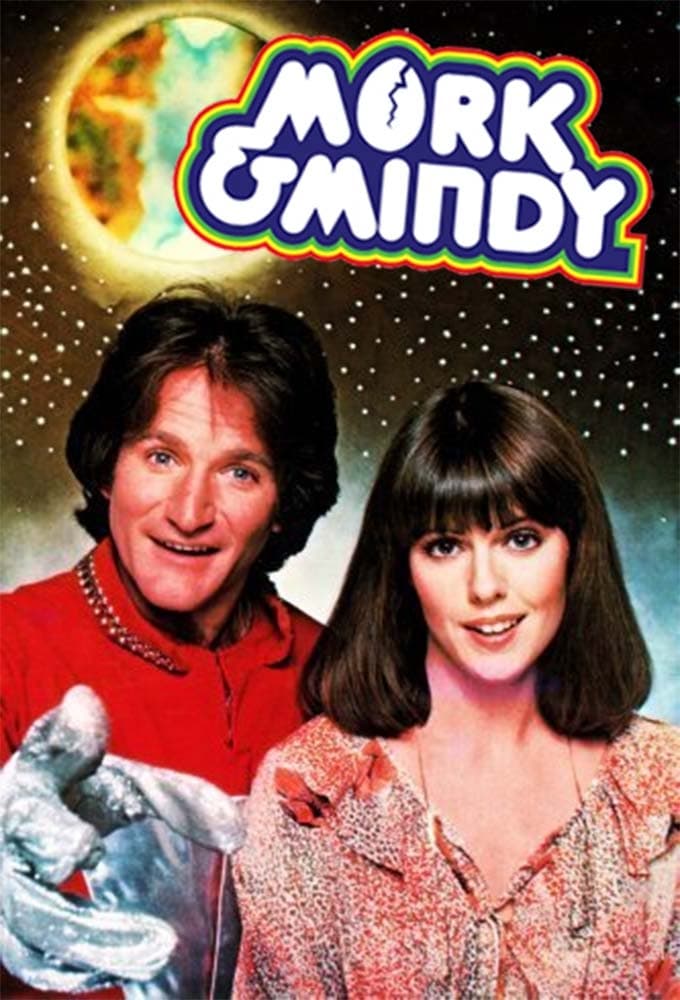
The character Mork originated in a guest appearance on ‘Happy Days’ and spun off into this sitcom, turning Williams into a household name. His elastic physicality and alien-outsider wordplay shaped the show’s tone and production, with scripts often accommodating improvisation. He won a Golden Globe for Best Actor in a TV series – Musical or Comedy for the role. The series established the on-screen persona that later films could refine or subvert.
‘Jumanji’ (1995) – blending live action with early CGI spectacle
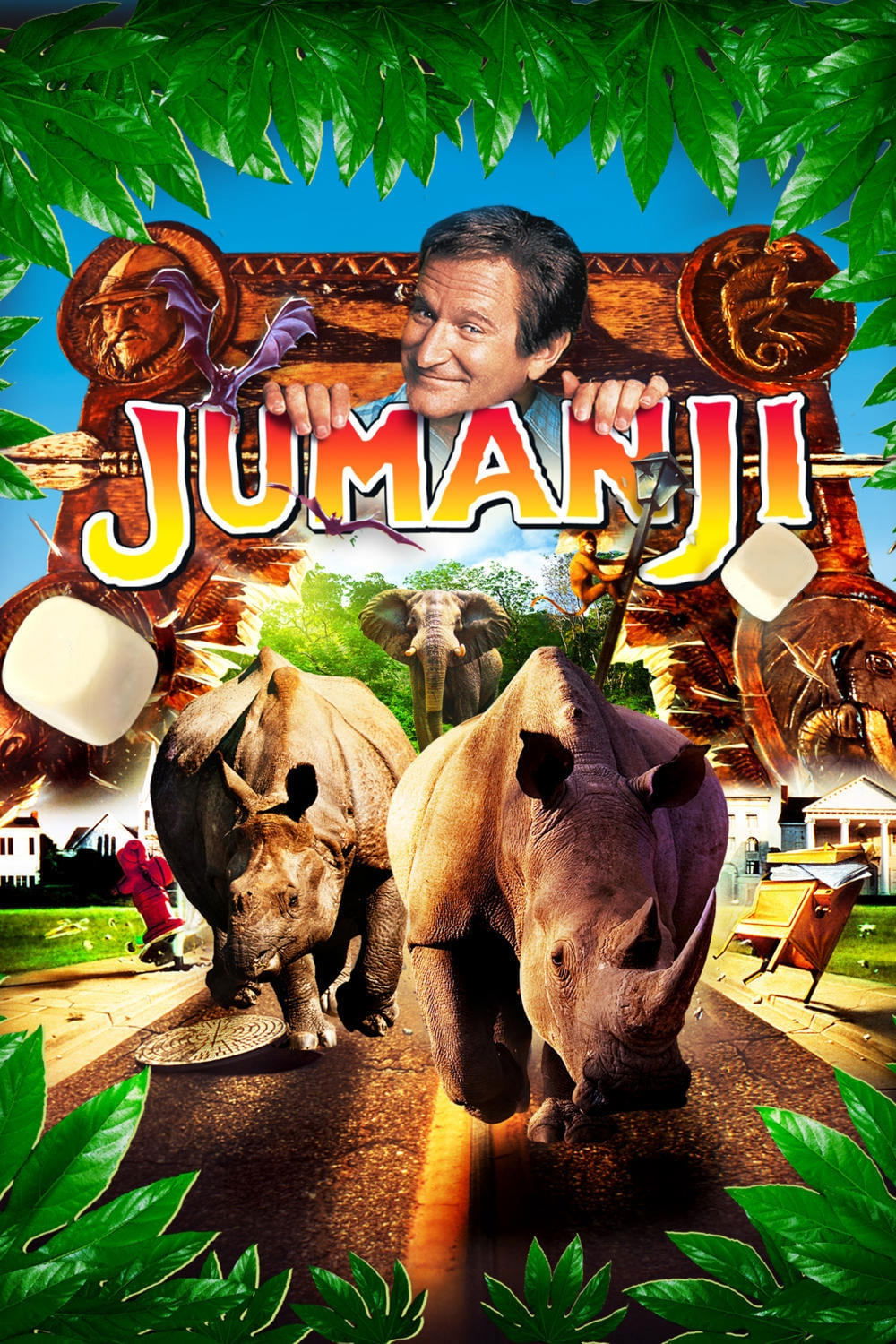
Williams headlined a family adventure that combined practical effects with then-cutting-edge digital creatures and environmental transformations. Effects houses integrated his performance with complex composites, helping sequences feel grounded despite heavy VFX. The film became a major box-office success and later launched a broader franchise. Its production helped cement large-scale, effects-driven family films as reliable holiday releases.
‘One Hour Photo’ (2002) – a chilling dramatic pivot
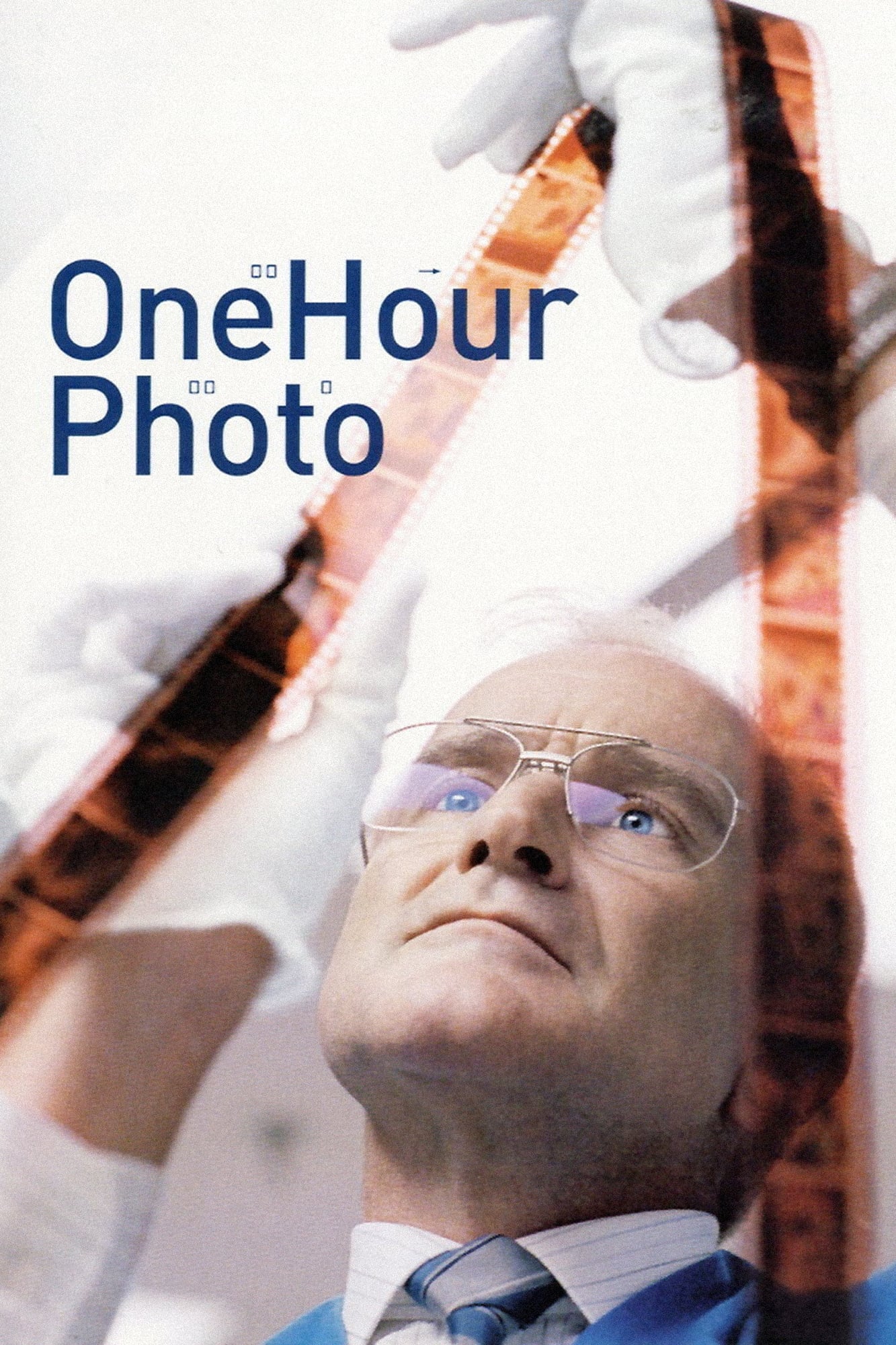
Williams played a photo-lab technician whose fixation turns menacing, taking on a spare, unsettling register far from his comic persona. The performance drew awards recognition, including a Saturn Award for Best Actor. Critics highlighted the film’s controlled pacing and the way his stillness carried suspense. The role broadened casting possibilities for him in serious thrillers.
‘Insomnia’ (2002) – matching wits in a psychological thriller
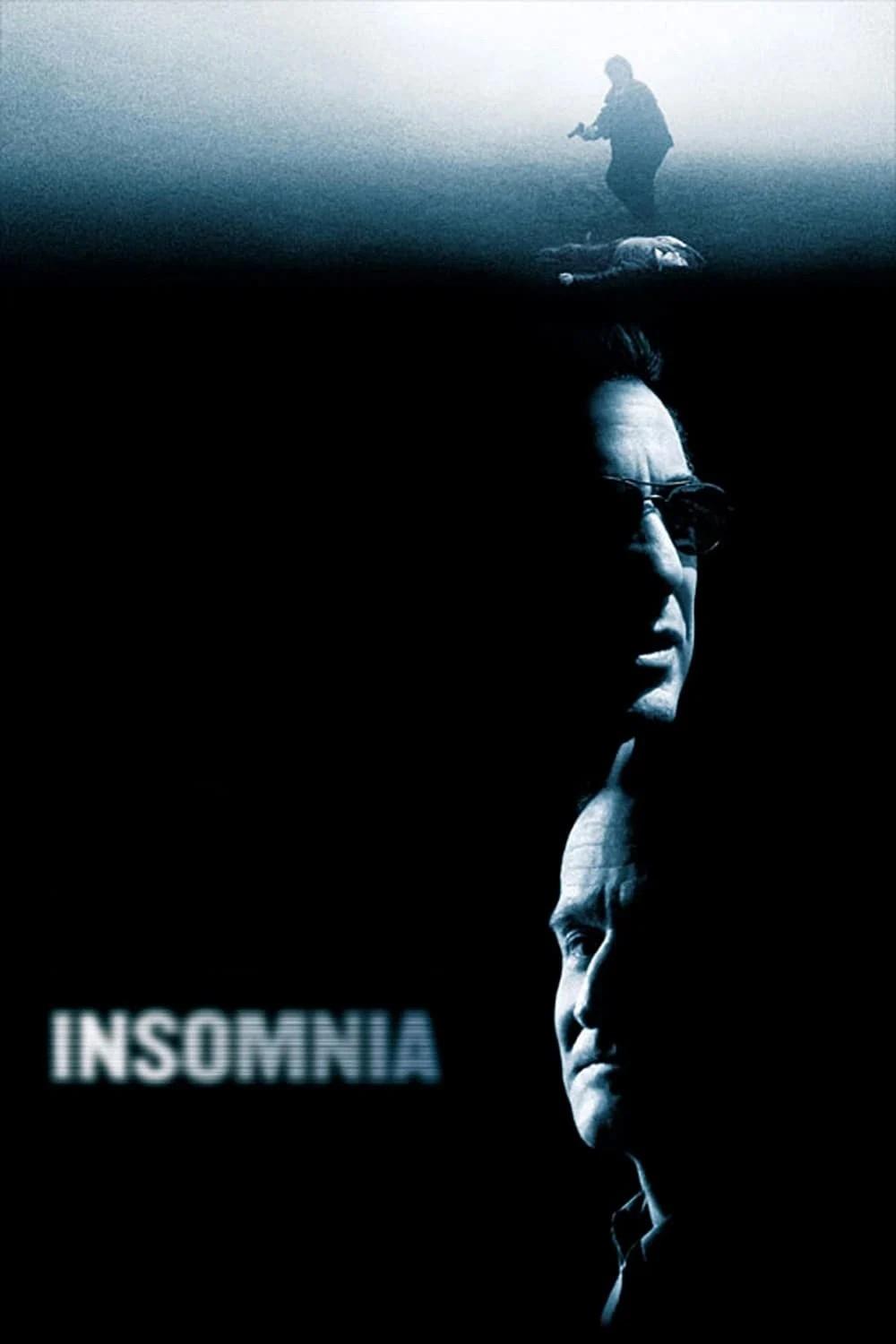
Under director Christopher Nolan, Williams portrayed crime novelist Walter Finch opposite Al Pacino and Hilary Swank. The film emphasized moral ambiguity and psychological cat-and-mouse dynamics, with Williams delivering a measured, understated antagonist. His casting against type intensified the story’s tension without resorting to showy gestures. The performance reinforced his credibility in grounded, adult dramas.
Tell us your favorite Robin Williams screen moment in the comments!