


Top 10 Coolest Things About Tony Leung

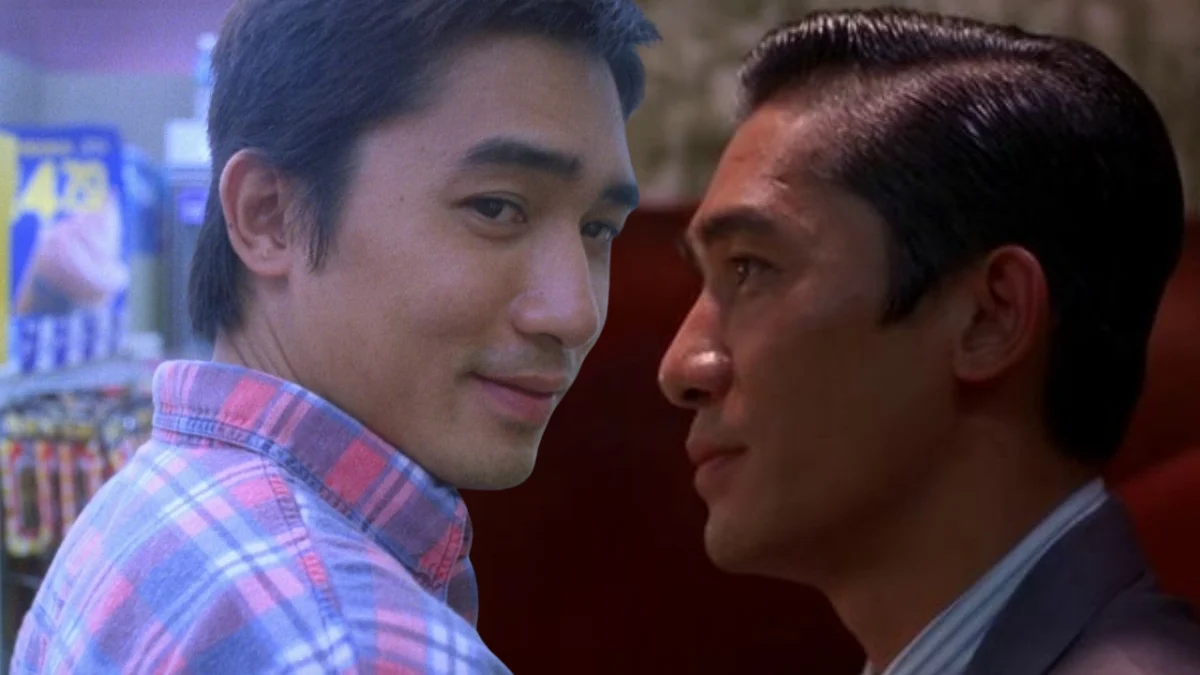


Tony Leung Chiu-wai has spent decades shaping modern cinema across Hong Kong, mainland China, and Hollywood, moving between intimate character studies and large-scale epics with ease. Below are ten screen highlights that show how his choices, preparation, and collaborations turned great projects into lasting milestones.
‘In the Mood for Love’ (2000) – Cannes Best Actor for a near-silent performance
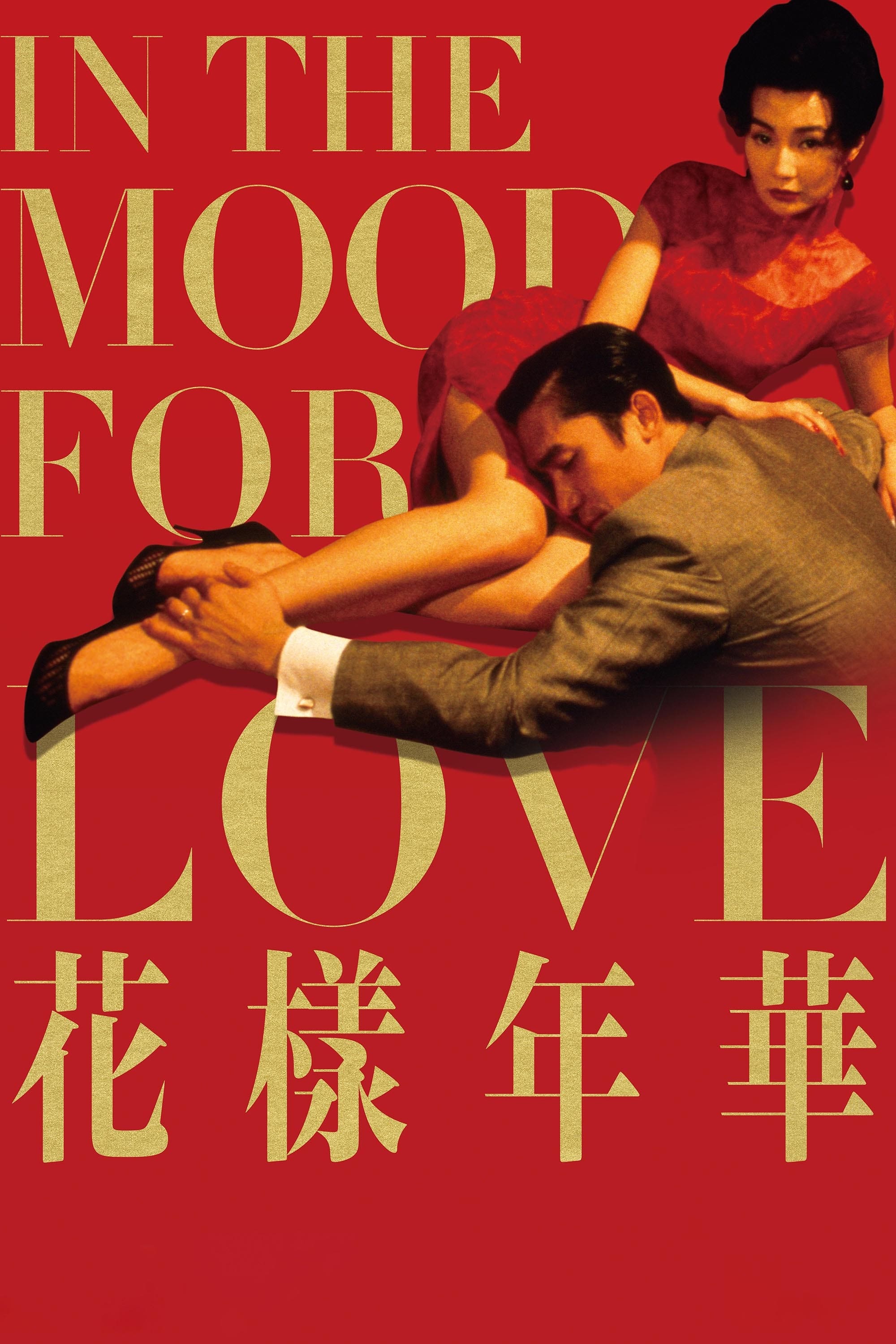
Leung won Best Actor at the Cannes Film Festival for his portrayal of journalist Chow Mo-wan, a role built on restrained gestures and limited dialogue. The performance anchors Wong Kar-wai’s meticulously crafted period drama, set in 1960s Hong Kong. Leung’s character development continues across related works, creating one of Asian cinema’s most recognized screen personae. His collaboration with Maggie Cheung in this film became a reference point for understated romantic storytelling.
‘Chungking Express’ (1994) – Shot fast during a production hiatus
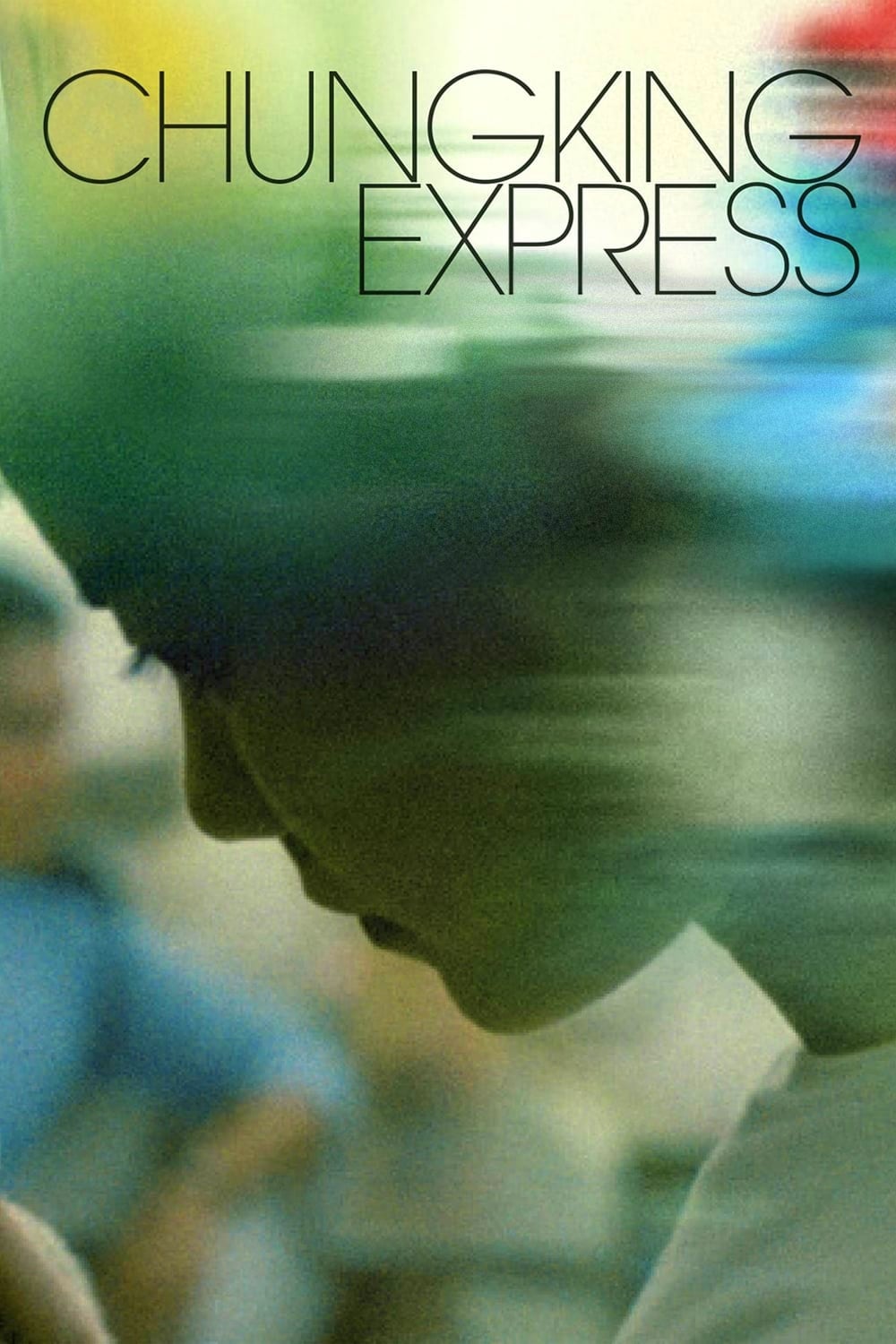
While Wong Kar-wai paused post-production on ‘Ashes of Time’, he made ‘Chungking Express’ quickly, and Leung joined as Cop 663 in the second story. The film’s handheld shooting, real Hong Kong locations, and rapid schedule gave Leung room for spontaneous, slice-of-life detail. His scenes opposite Faye Wong helped popularize the movie internationally in art-house circuits. The role cemented his long-term creative partnership with Wong Kar-wai.
‘Infernal Affairs’ (2002) – Origin of a major Hollywood remake
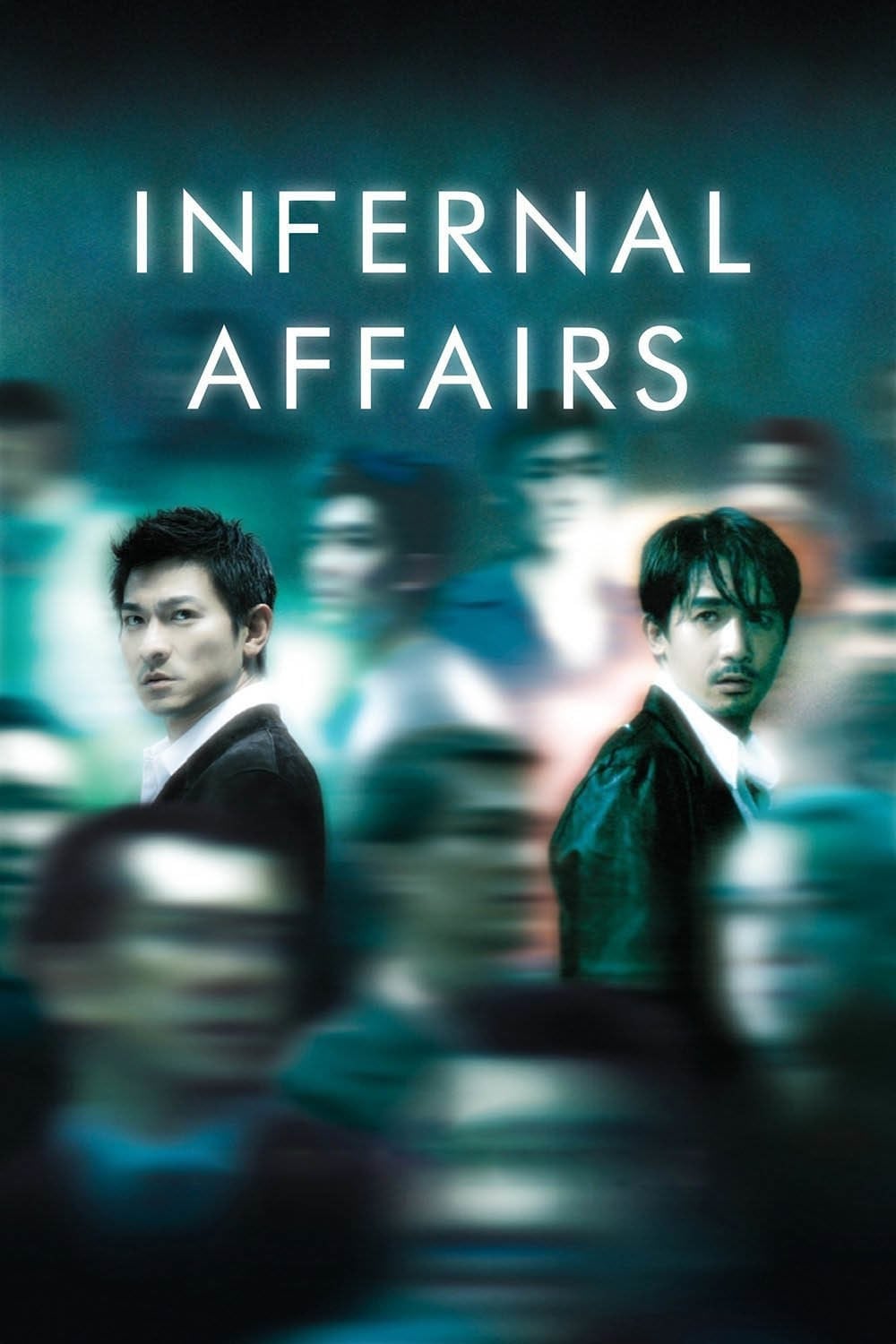
Leung plays undercover officer Chan Wing-yan in the crime thriller that later inspired ‘The Departed’. The film revitalized the Hong Kong police–triad genre with a tense, two-protagonist structure. Leung’s work contributed to the movie’s multi-award sweep in Hong Kong and its cross-market success. The character’s moral and psychological stakes became a template for modern undercover dramas.
‘Happy Together’ (1997) – Landmark LGBTQ+ story set in Argentina
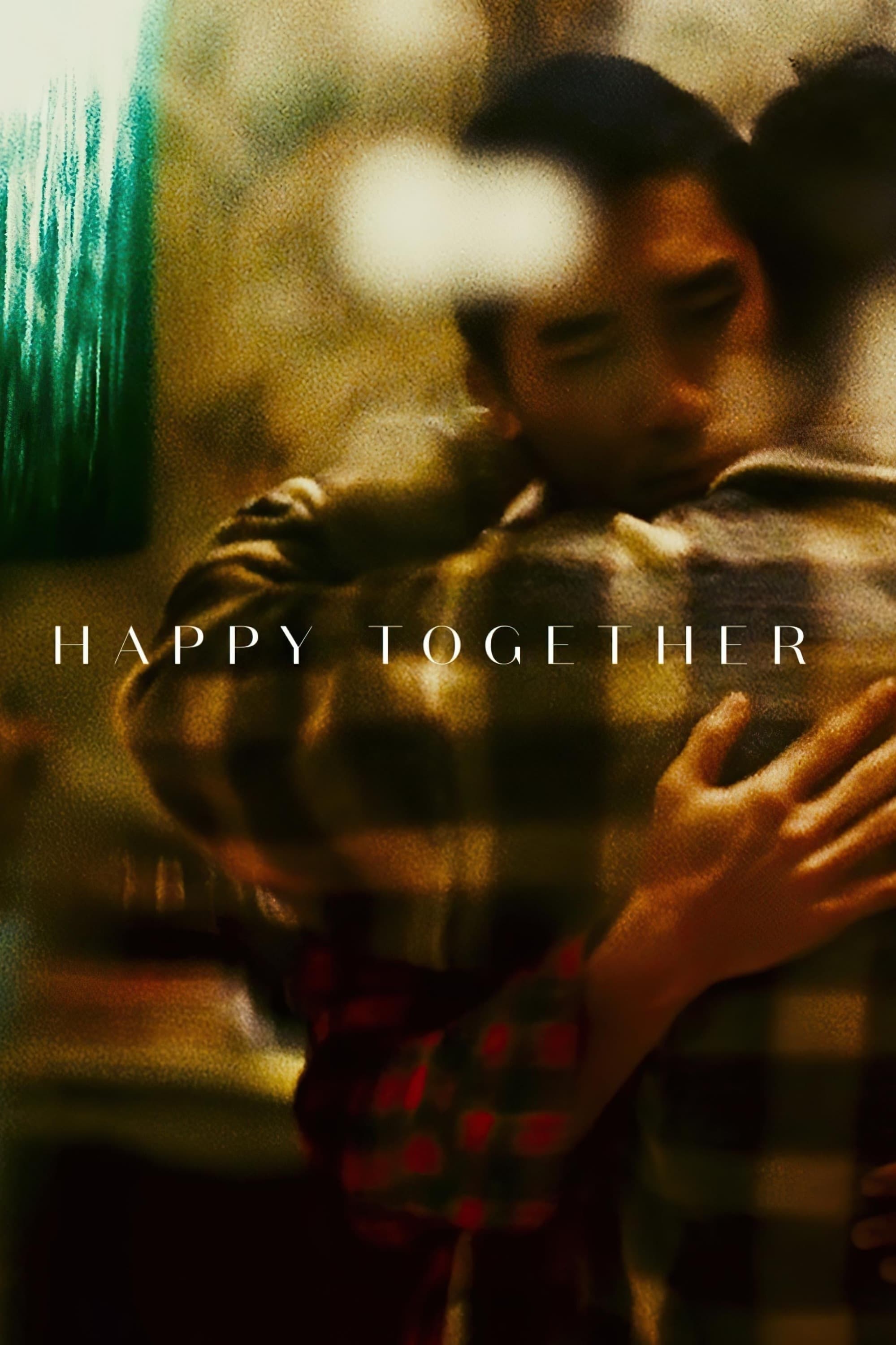
Leung’s portrayal of Lai Yiu-fai anchors a Hong Kong film shot largely in Buenos Aires, following an on-again, off-again relationship. The movie earned Wong Kar-wai Best Director at Cannes and expanded the global visibility of Hong Kong cinema’s range. Leung’s character navigates migration, economic precarity, and intimacy, giving the story sociocultural weight. The performance broadened the kinds of roles offered to leading men in Asian cinema.
‘Hero’ (2002) – Part of the first Chinese-language film to top the U.S. box office

Zhang Yimou’s wuxia epic reached number one in the United States on its wide release, a milestone for a subtitled film. Leung plays the calligrapher-swordsman Broken Sword, integral to the plot’s layered retellings. His work with Maggie Cheung adds emotional and thematic depth to the film’s debates about sacrifice and unity. The project expanded Leung’s visibility with mainstream Western audiences.
‘Lust, Caution’ (2007) – Central to Venice’s Golden Lion winner
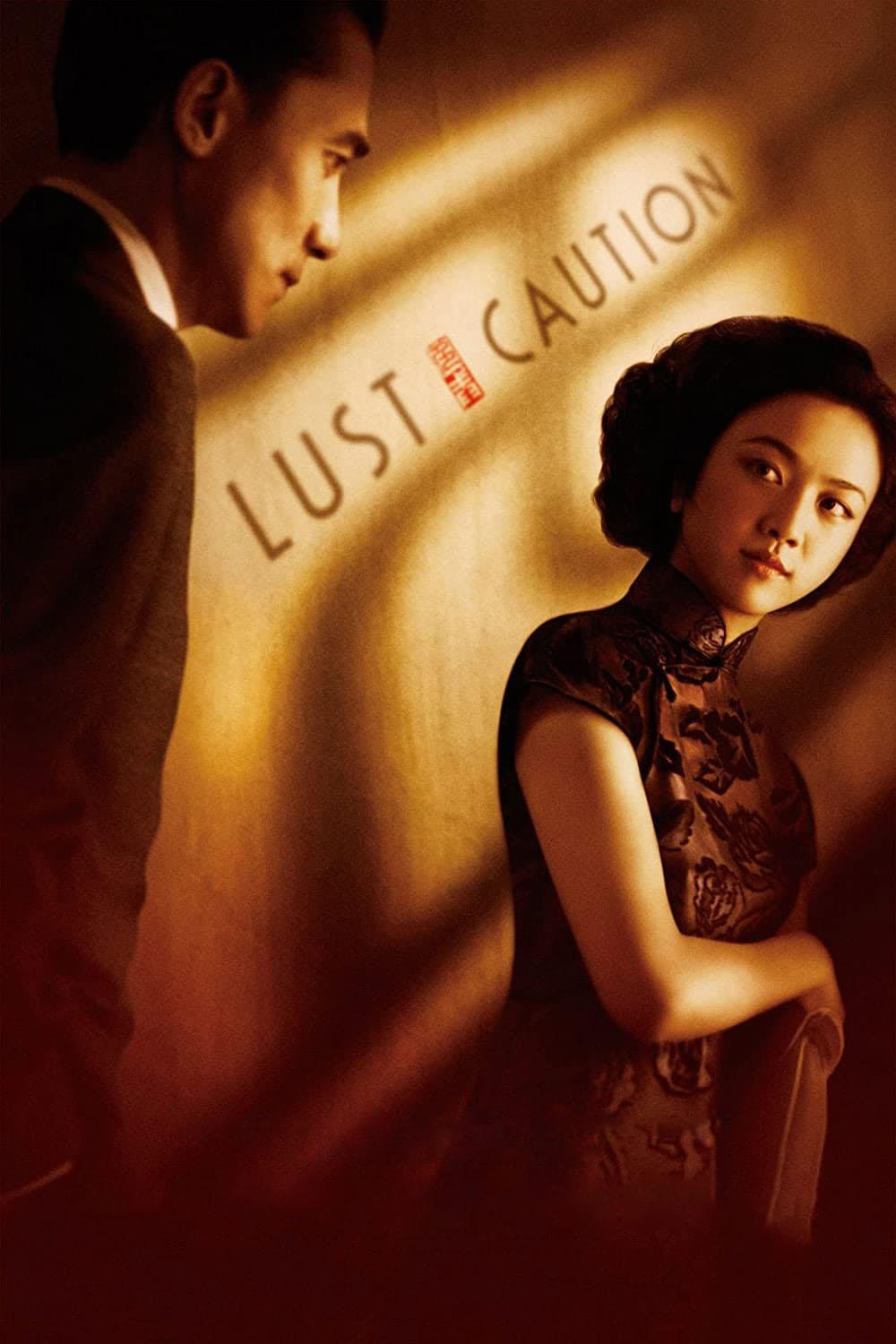
Ang Lee’s espionage drama won the Golden Lion at the Venice Film Festival, with Leung portraying intelligence official Mr. Yee. The film’s NC-17 rating in the U.S. drew attention to its realism, period detail, and psychological intensity. Leung’s character sits at the nexus of occupation politics, surveillance, and desire in wartime Shanghai. The role showcased his fluency in balancing menace with vulnerability in historical settings.
‘The Grandmaster’ (2013) – Years of wing chun training for Ip Man
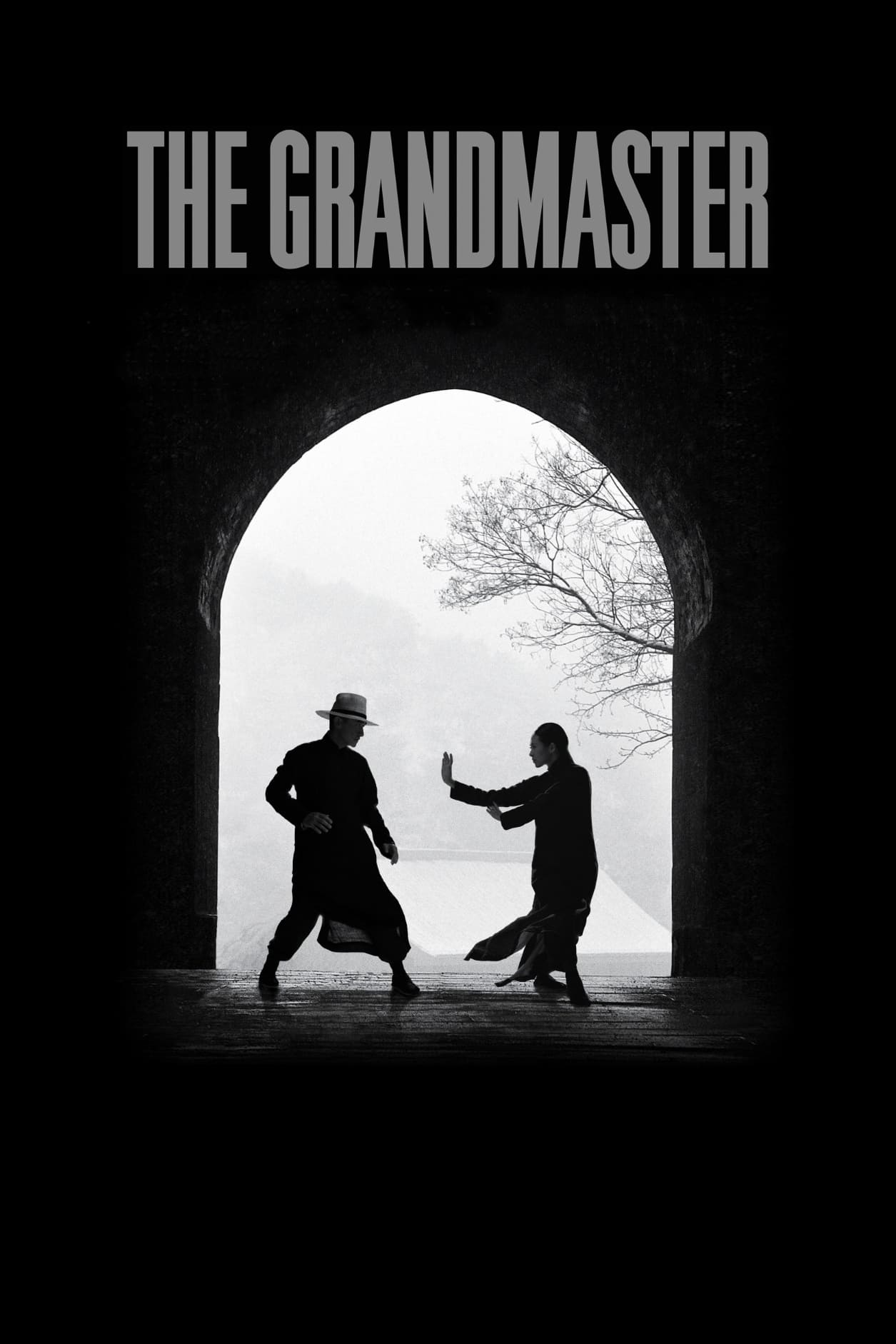
To play Ip Man for Wong Kar-wai, Leung undertook extensive wing chun training under recognized instructors. Reports from production noted he suffered training injuries, including arm fractures, before and during the multi-year shoot. His physical preparation shaped the film’s close-quarters choreography and character authenticity. The movie contributed to a broader wave of Ip Man screen portrayals while emphasizing biographical nuance.
‘2046’ (2004) – Revisiting Chow across a multi-year production
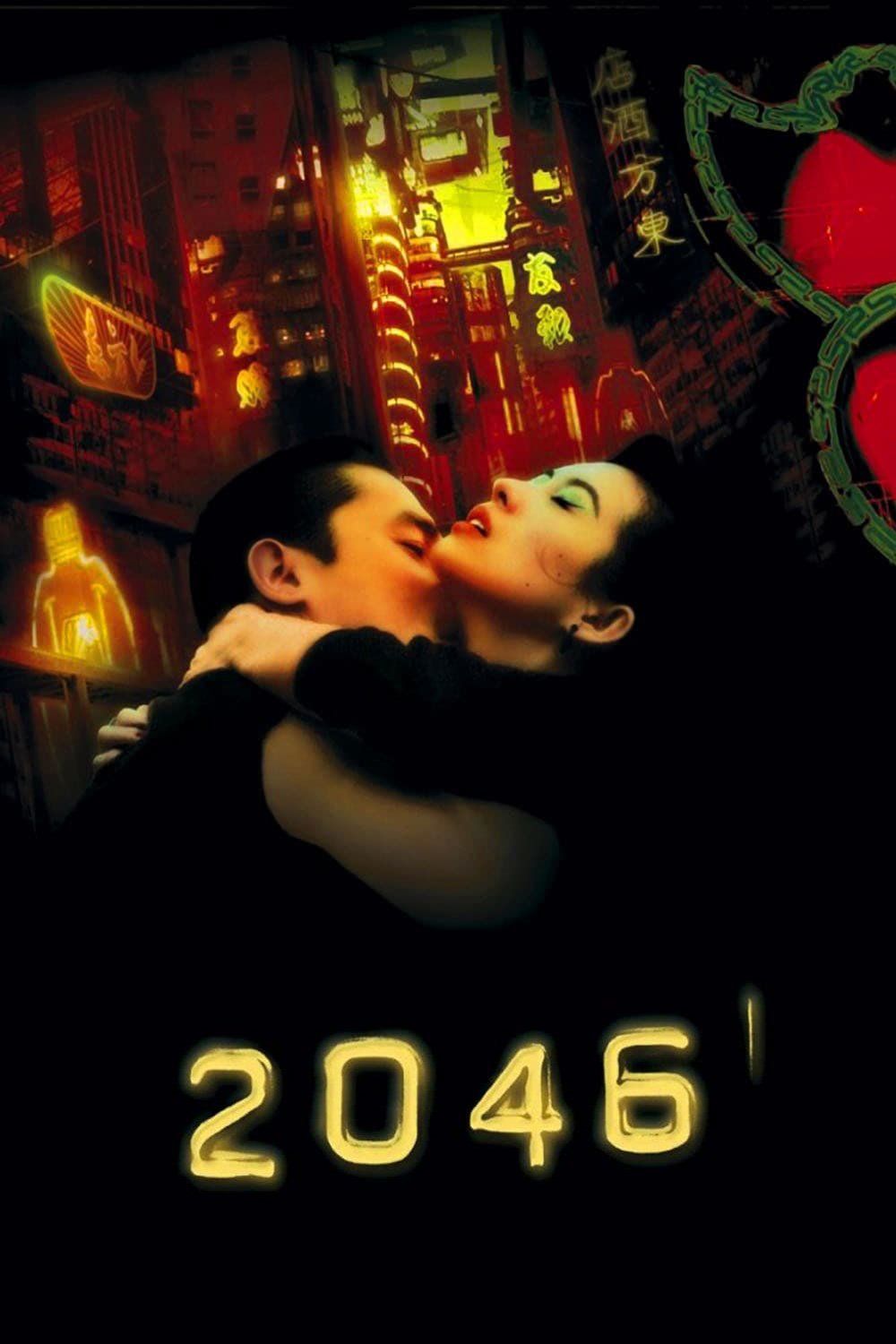
Leung returns as Chow Mo-wan in a companion piece to ‘In the Mood for Love’, developed over a prolonged schedule with multiple edits. The film intertwines period drama with speculative fiction sequences to track memory and reinvention. Leung’s continuity of character links separate films into a larger narrative arc. The project premiered at Cannes and deepened the international profile of the Wong–Leung collaboration.
‘Shang-Chi and the Legend of the Ten Rings’ (2021) – MCU debut as a layered antagonist
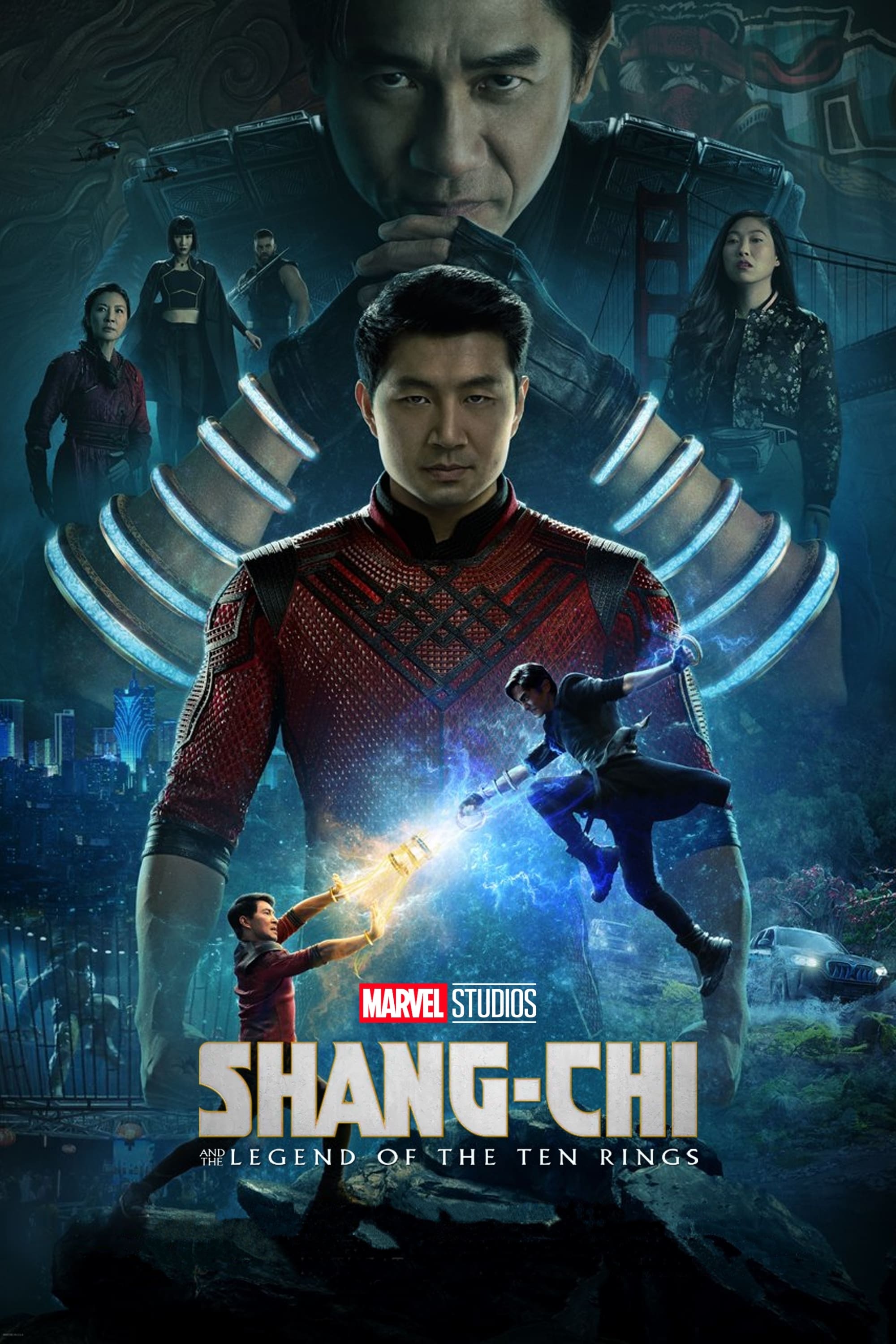
Leung’s Wenwu introduced a new anchor for the Ten Rings mythology in the Marvel Cinematic Universe. The film became a global box office hit and broadened representation with an Asian-led superhero narrative. His character spans crime-lord leadership, fatherhood, and millennia-spanning backstory, connecting multiple eras in the franchise. The role marked a major studio entry without replacing his ongoing presence in Asian cinema.
‘Police Cadet’ (1984) – TVB breakout that launched a screen-leading career
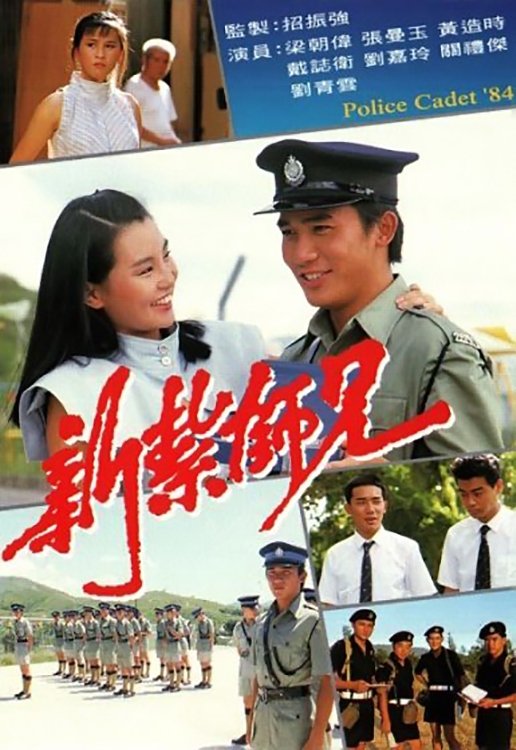
Before his international film run, Leung’s early recognition came through TVB’s ‘Police Cadet’ series. The show introduced him to mass Hong Kong audiences and led to subsequent leading television roles. Success on television provided a pipeline to prestige film collaborations later in the 1980s and 1990s. This foundation established the industry relationships that shaped his long-term trajectory.
Share your favorite Tony Leung screen moment in the comments!