


Top 10 Coolest Things About Walter White




Walter White begins ‘Breaking Bad’ as a high school chemistry teacher in Albuquerque who receives a late-stage lung cancer diagnosis, a development that collides with his role as a husband and father and fundamentally alters his decisions. The character’s arc explores how scientific expertise, financial pressure, and criminal opportunity intersect, tracing the mechanics of a double life built on secrecy, careful planning, and escalating risk.
Across the series, Walter’s actions touch chemistry, logistics, finance, and personal relationships, and they ripple into wider criminal networks depicted in both ‘Breaking Bad’ and ‘Better Call Saul’. What follows highlights concrete elements of who he is and what he does—his training, methods, partnerships, and systems—so you can see how the pieces of his world actually work.
Deep Chemistry Training and Career Foundations
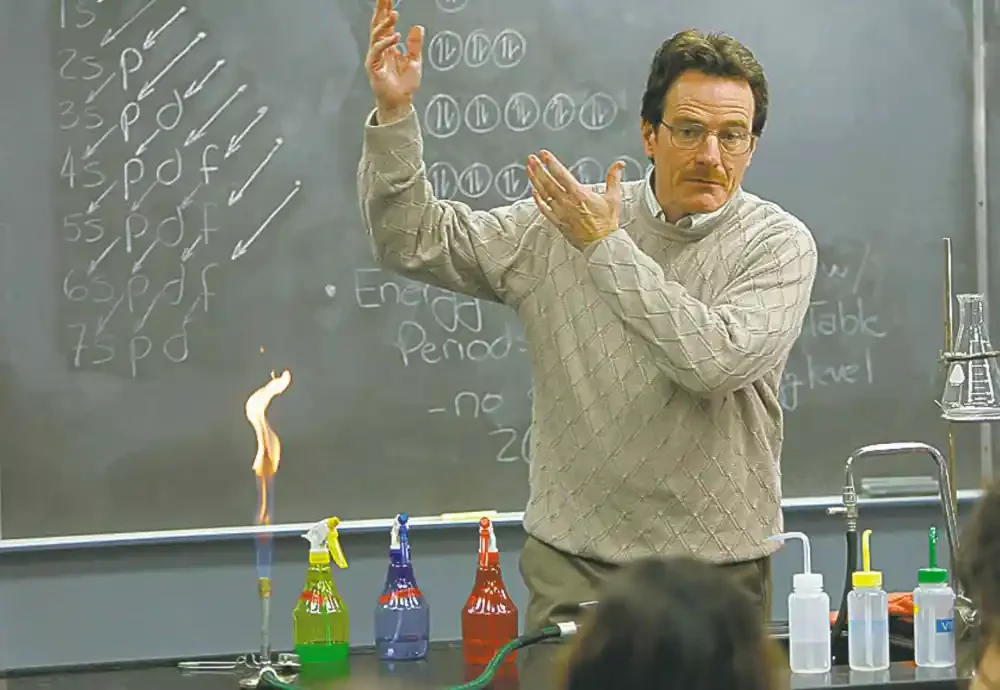
Walter White holds advanced academic training in chemistry and co-founded Gray Matter Technologies with Elliott Schwartz and Gretchen, a venture that later grew without him after he sold his stake. He later taught high school chemistry, where he emphasized rigorous fundamentals like stoichiometry, thermodynamics, and reaction mechanisms, establishing a base that he would later repurpose outside the classroom.
His lab competence includes precise lab technique, quality control, and safety protocols—gloving, eye protection, fume hood discipline, and contamination avoidance—skills that translate directly to controlled synthesis and reproducible purity. These habits explain why his lab work consistently meets strict specifications across different facilities.
The ‘Heisenberg’ Persona as an Operational Shield
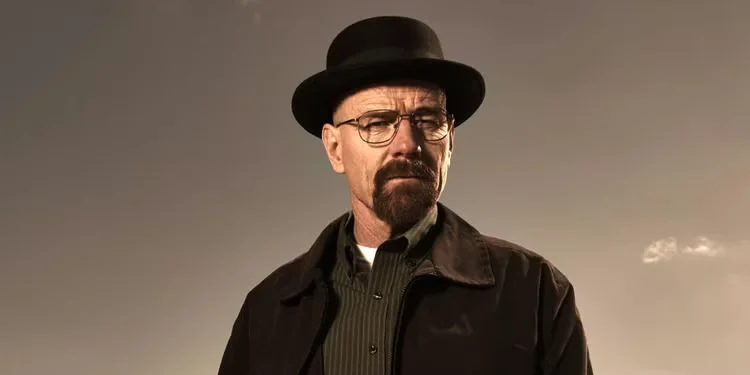
Walter adopts the name “Heisenberg,” referencing the physicist associated with the uncertainty principle, to separate his criminal identity from his personal life. The alter ego functions as a compartmentalization tool that limits traceability to his legal identity, especially across dealings with distributors, suppliers, and rivals.
The persona also standardizes how others perceive him in the criminal market: a single brand that negotiates, threatens, and contracts, rather than a shifting set of aliases. This consistent label helps third parties attribute products, resolve disputes, and maintain a predictable channel, which reduces confusion in a volatile supply chain.
From Teacher to Producer: The Initial Capability Build
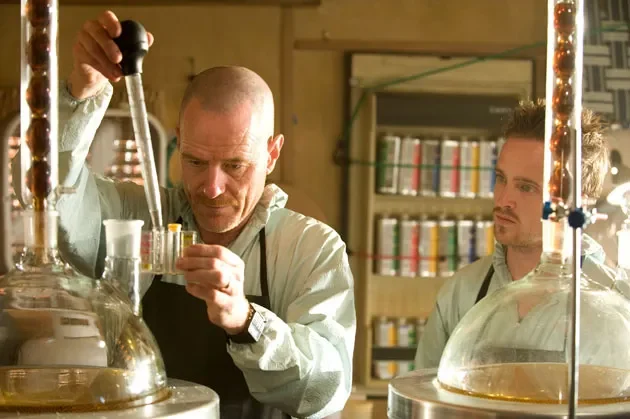
At the outset, Walter leverages school-grade glassware knowledge to operate in improvised spaces, beginning with a mobile setup that allows him to avoid fixed-site detection. He establishes processes for measuring inputs, managing temperature control, and staging cleanup, demonstrating transfer of academic lab skills into field conditions.
He also develops routines for site selection and exit—choosing remote locations, tracking travel, and managing waste—to reduce surveillance exposure. These routines become templates that he iterates as the scale and sophistication of his operations increase.
Achieving Distinctive Product Specifications
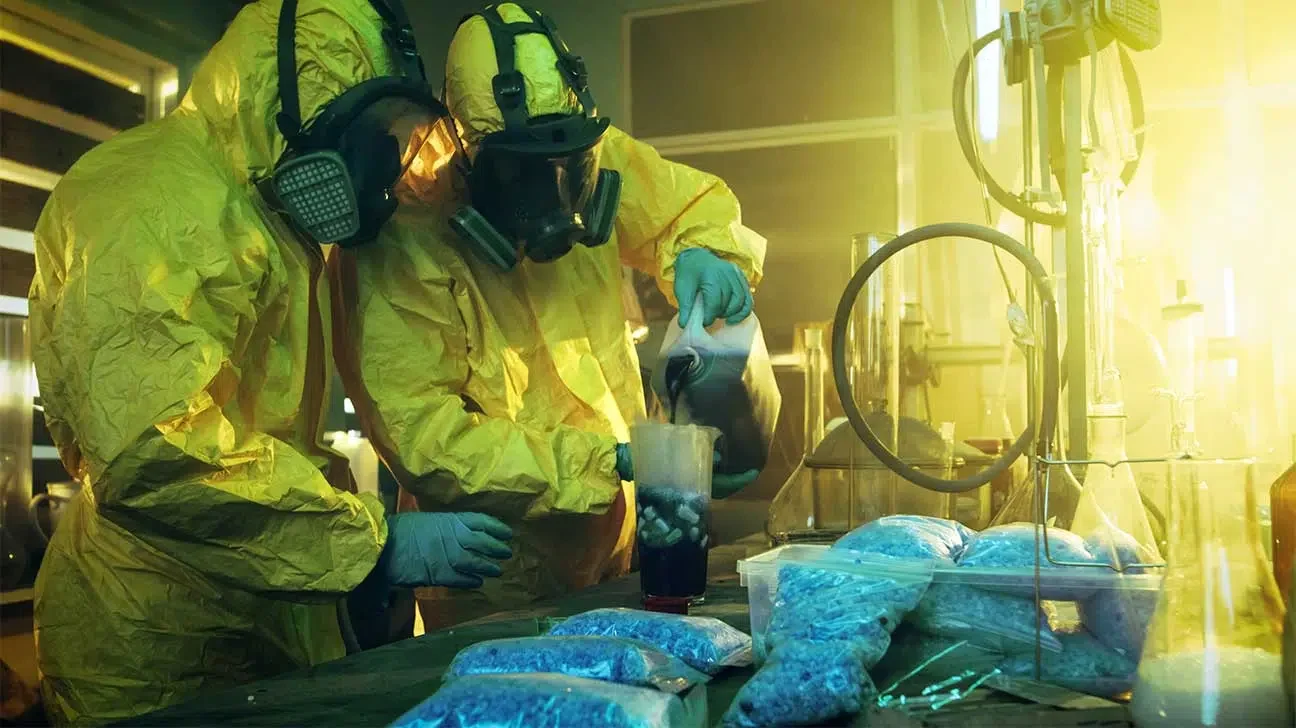
Walter’s output becomes known for a distinctive color and unusually high purity that differentiates it from competitors’ supply. The hallmark is consistency—batches match specifications across time and facility changes—making downstream distribution simpler because wholesalers can forecast potency and plan accordingly.
When precursor markets shift, he adapts by changing synthesis approach and process controls to maintain quality under new constraints. He updates workflow, refines purification, and tightens quality checks, treating production like a controlled, documented process rather than a series of ad-hoc cooks.
Strategic Partnerships and Adversaries
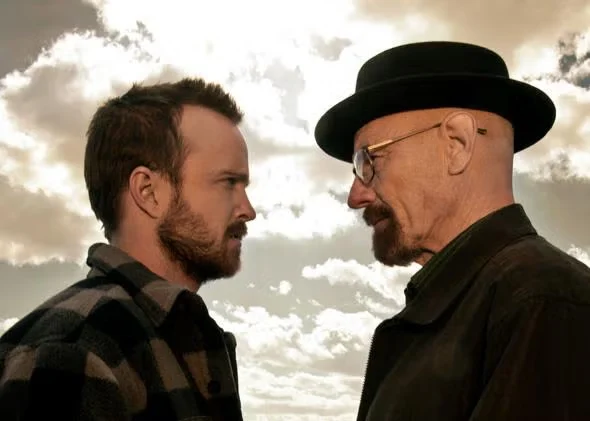
Walter’s earliest criminal collaboration is with Jesse Pinkman, who provides access to street-level knowledge and initial distribution channels. Later, he engages with Gustavo Fring, whose operation adds industrial-scale infrastructure, standardized procedures, and a professionalized supply chain, bringing Walter into contact with Mike Ehrmantraut’s security and logistics systems.
Conflicts with actors like Tuco Salamanca and later cartel-connected figures define the risk environment, influencing how Walter times moves, shields his identity, and chooses allies. These relationships drive concrete operational changes—new lab sites, altered communication patterns, and revised safety protocols—and set the terms for expansion or retrenchment.
Engineering Solutions Under Pressure
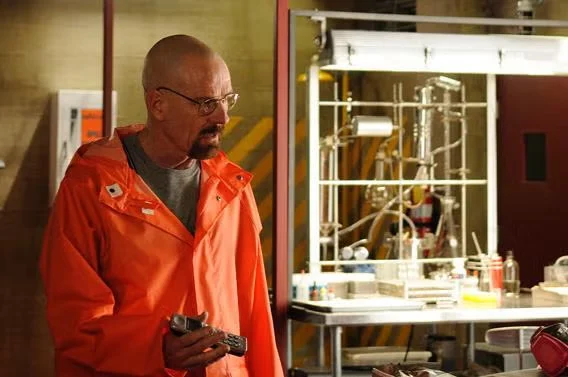
Walter repeatedly applies practical chemistry and physics to time-critical problems—building a makeshift battery to start a stranded vehicle, using redox and energetics knowledge to manipulate reactions, and exploiting material properties in constrained environments. Each instance relies on measured quantities, reaction predictability, and an understanding of heat, pressure, or gas evolution.
He routinely inventories available materials, identifies feasible reaction pathways that stay within what the environment safely allows, and manages by-products to avoid forensic traces. This habit of rapid problem decomposition and resource accounting lets him turn ordinary items into functional tools without relying on specialized equipment.
Facilities: From RV to Superlab to Residential Setups

Walter’s production sites evolve from an RV configured as a mobile lab to a purpose-built underground facility with industrial ventilation, stainless workstations, and controlled workflows. The upgrade adds separation between steps, improved temperature stability, and better solvent handling, cutting down on variability and contamination.
Later, he participates in a residential fumigation cover that rotates houses as temporary labs under the guise of pest control. This setup uses short windows of access, minimal footprint, and rapid teardown—key features that complicate detection while preserving sufficient environmental control for consistent output.
Financial Flows and Money Laundering Practices

Walter’s revenue management shifts from cash storage to integration into legitimate businesses, with the A1A Car Wash becoming the primary vehicle for moving funds into the legal economy. The car wash provides plausible cash inflows, allowing reported sales to absorb portions of the illicit proceeds without drawing immediate scrutiny.
He also deals with bulk cash handling realities—storage volume, moisture control, and transport—while attempting to limit the paper trail. Decisions about denominations, packaging, and counting procedures reflect the practical constraints of physically managing large sums outside the banking system.
Family Dynamics and Cover Stories
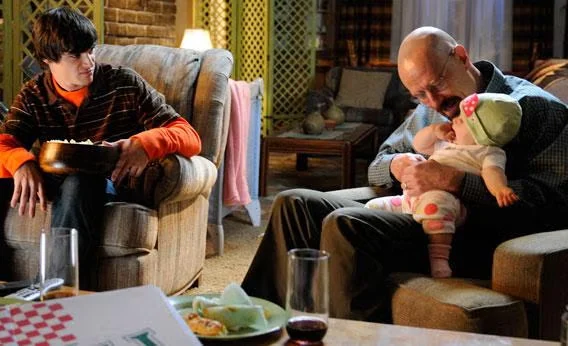
Walter’s activities are framed by family obligations—healthcare costs, mortgage responsibilities, and college savings—which shape early justifications and timelines. He initially uses medical treatment and second jobs as explanations for absences, late nights, and sudden schedule changes, keeping his spouse and son unaware of the underlying activities.
As law-enforcement interest grows, he adjusts routines around school events, medical appointments, and in-home obligations to maintain plausible continuity. These choices show how he structures alibis, controls who knows what, and staggers disclosures to prevent a single point of failure that could expose his entire operation.
Law-Enforcement Proximity and Countermeasures
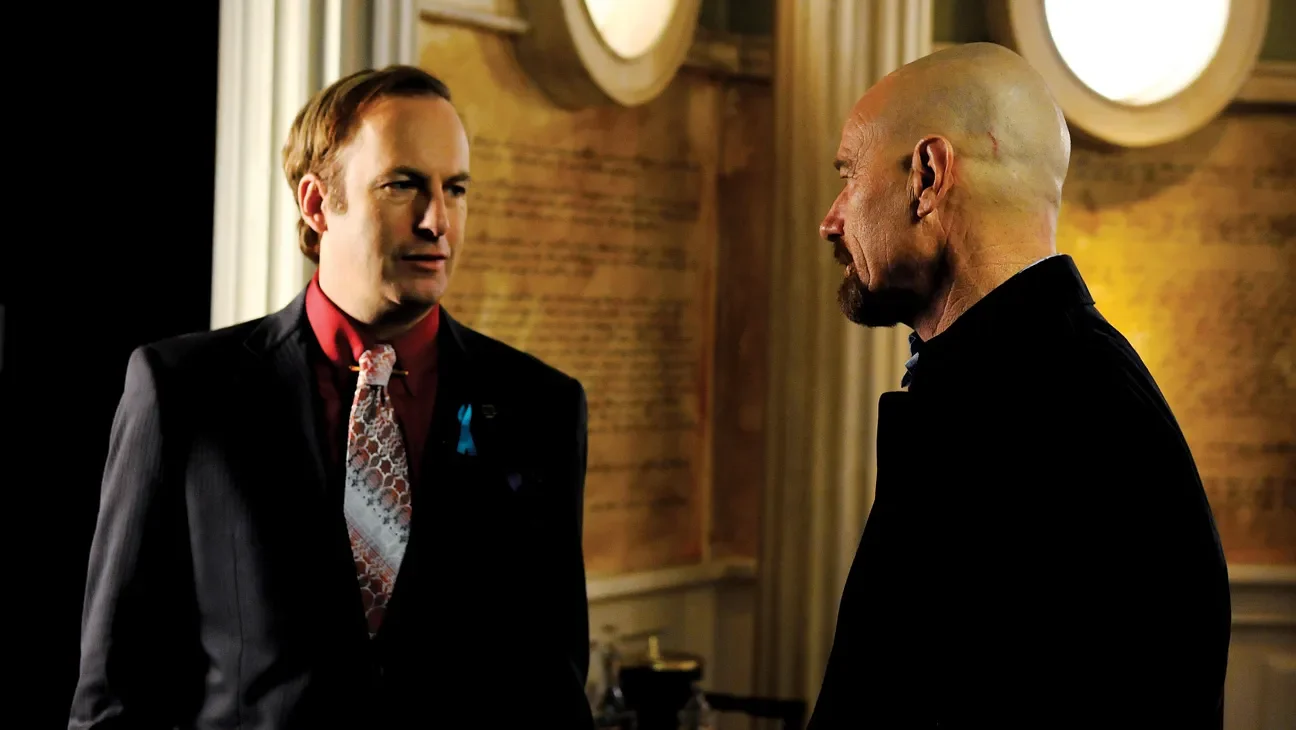
Walter’s proximity to federal investigation through his brother-in-law Hank Schrader at the DEA creates an unusual information environment. Household conversations, office anecdotes, and chance observations give Walter indirect insight into investigative progress, which he uses to adjust production schedules, storage, and communications.
He experiments with counter-surveillance—burner phones, staggered meets, and cautious vehicle use—while tracking patterns that could indicate active monitoring. These practices reduce predictable routines that investigators can exploit and buy time to move assets, dismantle sites, or renegotiate terms with partners.
Share your favorite Walter White detail in the comments so everyone can compare notes on what stood out most to them.