

Top 10 Ways To Earn Money Playing Video Games




Making money by playing video games isn’t just for a tiny group of pros anymore. With today’s platforms, anyone who’s consistent, organized, and willing to learn can turn game time into income—whether that’s a side hustle or something more substantial. The key is picking a path that fits your strengths, then treating it like real work with real deliverables.
Below are ten practical routes—from livestreaming and tournament play to paid testing and coaching—each with clear steps, typical tools, and smart ways to start. Use them individually or stack a few for more stable, diversified earnings.
Livestreaming on Twitch or YouTube

To monetize livestreaming, set up a reliable broadcast using OBS or similar software, a stable upload speed (at least 6–8 Mbps for 1080p), and consistent scheduling. On Twitch, income commonly comes from channel subscriptions, Bits, ads, and brand sponsorships; on YouTube, it’s memberships, Super Chat, ads, and sponsors. Add concrete encoder targets—around 6000 kbps video bitrate with a keyframe interval of 2 seconds and 48 kHz audio—to keep quality predictable and within platform limits, and keep your branding, alerts, and overlays consistent so viewers recognize you quickly.
Growth depends on discoverability and retention: pick specific games or categories where you can stand out, use searchable titles and tags, and repurpose stream highlights into short-form clips for YouTube Shorts, TikTok, and Instagram Reels. Follow platform music policies to avoid DMCA issues, set chat rules, and enable VOD archiving so new viewers can sample your content when you’re offline.
Create Gaming Videos on YouTube

Recorded content monetizes through ads (once you meet eligibility), channel memberships, sponsorships, and affiliate links in descriptions. Focus on searchable formats—how-tos, settings guides, best builds, patch breakdowns, speedruns, challenge runs, or comparison tests—that answer specific player questions. Clear thumbnails, keyword-rich titles, and tight intros reduce bounce rates, while chapters improve watch time; as a capture baseline, record at 1080p60 with a 20–30 Mbps bitrate to preserve fast-motion detail.
Standardize your workflow to publish consistently: script key points, capture footage at high bitrate, record clean commentary, and use B-roll and on-screen callouts to keep pace brisk. Track performance in YouTube Analytics (CTR, average view duration, audience retention graphs) and iterate topics and thumbnails based on what actually holds viewers.
Enter esports and online tournaments

Competitive players can earn through prize pools, team salaries, and performance bonuses by entering tournaments on platforms like ESL, FACEIT, Battlefy, or Start.gg. Start with community or collegiate circuits to build results, then submit highlight reels and stats when contacting teams or managers. Keep all match VODs, scrim logs, and personal performance notes to quantify improvement over time.
Preparation matters as much as raw skill: use coaching VOD reviews, aim trainers or practice maps, and structured training blocks with warm-ups, scrims, and review. Confirm event rules (maps, formats, anti-cheat requirements), maintain tournament-legal gear settings, and verify regional eligibility to avoid disqualification. Secure travel logistics early for LANs and maintain a public schedule so supporters can tune in.
Do Paid Playtests and User Research

Studios and research firms pay players for structured feedback on prototypes and live games. Sign up with reputable platforms that recruit gamers for remote sessions; typical tasks include playing for a set period while thinking aloud, completing surveys, and joining recorded interviews. Participants are often selected by device type, region, experience level, or genre familiarity, so fill out profiles accurately to match more studies.
To improve selection odds, set up a quiet environment, a webcam and mic, and screen-recording capability if requested. Read NDAs carefully, meet punctuality requirements, and provide specific, actionable feedback (e.g., replicate bugs with steps, device specs, and timestamps). Keep a log of completed studies and payments to track your effective hourly rate and identify the sources worth prioritizing.
Work as a Game QA Tester (Contract or Freelance)

QA testers are paid to find, reproduce, and document defects across platforms. You’ll execute test plans, write reproducible bug reports with expected vs. actual outcomes, record media evidence, and follow priorities (blocker, critical, major, minor) set by leads. Entry routes include: contract roles through staffing firms, testing vendors, or direct studio postings; many roles are on-site, though remote openings exist for compatibility and live-ops testing.
Build a basic QA toolkit and habits: maintain device matrices and firmware versions, capture logs and system info, and get comfortable with issue trackers (e.g., JIRA) and version control basics. Availability during sprints and live events is valuable, as is familiarity with platform certification checklists. Keep a portfolio of sanitized bug write-ups demonstrating clarity, reproduction steps, and environment details.
Coach Other Players

Strong players can monetize expertise by offering one-on-one coaching, VOD reviews, and structured training plans. Define your scope—rank goals, role fundamentals, map pool prep, or tournament mindset—and package sessions with clear deliverables (pre-session questionnaire, annotated VOD, drills, improvement tracker). Proof of skill (rank screenshots, tournament finishes, or verified stats) helps clients pick you over similar coaches.
Use scheduling and payment tools to reduce friction, request client gameplay clips beforehand, and deliver written notes with drills and progress targets after each session. Collect testimonials, track client outcomes, and build evergreen resources (checklists, warm-up routines, role guides) that you can sell separately or include as value-adds to increase your effective hourly rate.
Trade In-Game Items Within Allowed Marketplaces

Certain ecosystems support real money trading through official or whitelisted markets (for example, publisher-approved skin markets or the Steam Community Market). Income comes from sourcing desirable items, understanding drop rates, timing updates, and listing with competitive pricing after platform fees. Keep meticulous records of purchase price, sale price, fees, and net margin to understand what’s actually profitable.
Before trading, review game and platform Terms of Service and regional regulations; focus only on permitted marketplaces to avoid account risks. Study historical price charts where available, monitor patch notes that affect item demand, and capture clean screenshots of listings with accurate tags. Diversify across several low-correlated items to reduce volatility and limit inventory exposure during major balance changes.
Use Affiliate Marketing Around Your Gameplay
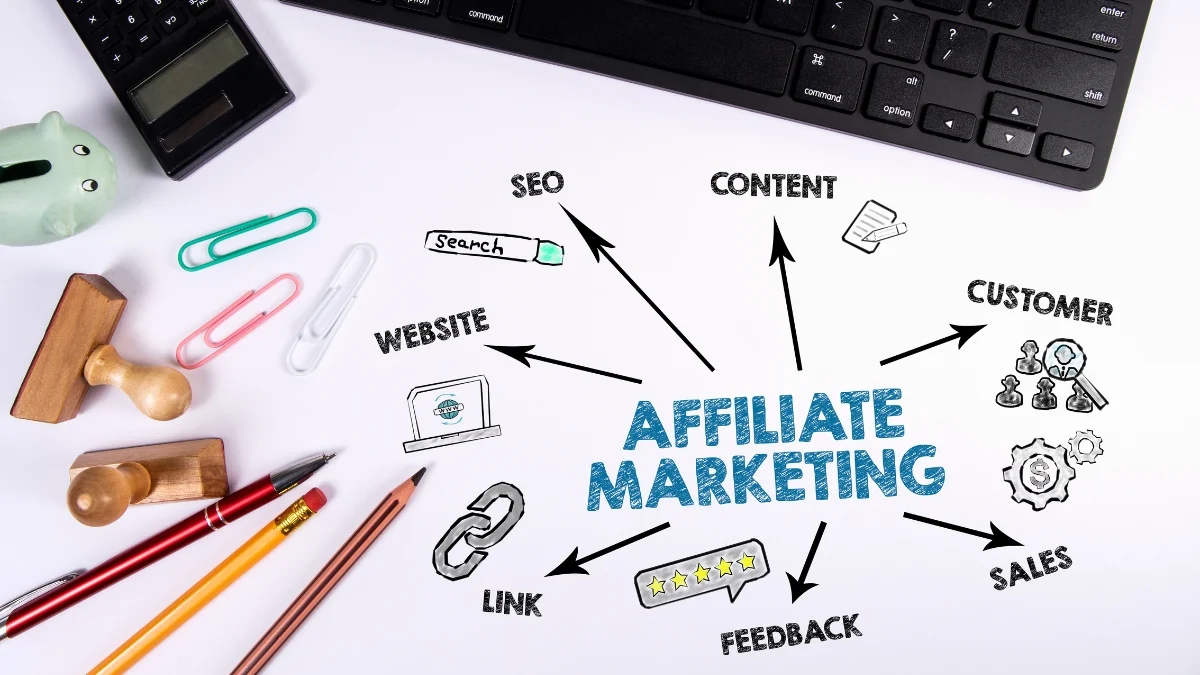
Affiliate programs pay you a commission for sales driven from your content—common options include hardware and accessory stores, digital game retailers, and peripheral brands. Create comparison guides, setup explainers, and “what I use” pages with clear product names, specs, and links. Disclose affiliate relationships per platform rules, and add UTM parameters to track which content converts best.
Integrate links in stream panels, video descriptions, pinned comments, and chat commands, and keep them updated when products go out of stock. Improve conversion with timestamped demos, performance benchmarks, and simple decision trees that match gear to budgets. Review analytics monthly and prune links with low click-through or poor earnings per click, replacing them with better-performing alternatives.
Sell Game Guides, PDFs, and Mini-Courses

Well-structured guides and mini-courses turn deep game knowledge into a product you can sell repeatedly. Start with a narrow topic players actively search for—beginner roadmaps, economy optimization, speedrun routes, or ranked progression frameworks—and outline step-by-step sections with screenshots, diagrams, and checklists. Package deliverables as a PDF, Notion template, or short video course and host them on a storefront that handles payments and file delivery.
Keep versions aligned with major patches and communicate update policies on your product page. Add bonuses like printable cheat sheets, perk calculators, or practice routines, and include a feedback form to gather requests for the next update. Offer a lower-priced “lite” version to widen your funnel and an upsell tier that includes a coaching session or private Q&A.
Join Skill-Based Cash Contests and Reward Apps

Some platforms run skill-based cash matches or tournaments for mobile and casual titles; players pay modest entry fees and compete on standardized rules with fraud prevention and leaderboards. Start with low-stake brackets to learn scoring, time limits, and anti-cheat requirements, and analyze replays to refine tactics that consistently improve your placement. Track your win rate and average entry cost to understand expected value over time.
Reward apps and console loyalty programs provide smaller earnings through quests, daily streaks, or achievement challenges that convert to gift cards or balance. Maximize returns by batching tasks, focusing on higher-value challenges, and setting reminders for weekly or monthly refreshes. Always verify regional eligibility, withdrawal methods, and fee structures before committing meaningful time.
Share which methods you’re using—or want to try next—in the comments so others can learn from your experience.