

Top 15 Anime Villains of the 21st Century




The 21st century has delivered a wave of antagonists whose plans, powers, and philosophies shape entire story worlds. These characters push heroes to their limits, drive plots across sprawling arcs, and leave lasting fingerprints on the rules, politics, and ethics of their series. They aren’t just obstacles; they are catalysts—forces that reframe what victory, justice, and survival even mean in their respective universes.
Below, we spotlight fifteen villains who define modern anime through their tactics, influence on supporting casts, and the consequences they set in motion. For each entry, you’ll find concrete context about where they come from, what they do, and how their actions change the trajectory of their stories—no fluff, just useful details fans and newcomers can use to navigate these series.
Johan Liebert

Johan Liebert is the central antagonist of ‘Monster’, operating across multiple cities as a highly intelligent, mobile threat who manipulates institutions, criminals, and everyday people to achieve his objectives. He is connected to experimental programs and pseudonymous identities, which let him step in and out of police radar while leaving others to take the fall. His influence extends through bankers, ex-military operatives, and orphanage networks, turning ordinary environments into pressure cookers.
His methods focus on long-term psychological setups: grooming intermediaries, planting conflicting orders, and orchestrating events so victims appear complicit. This creates jurisdictional confusion for investigators and splits allies who might otherwise collaborate. Throughout ‘Monster’, case files, witness accounts, and trail-side artifacts keep circling back to the same pattern—someone unseen escalates ordinary crimes into multi-layered conspiracies that stay one step ahead of formal authority.
Sōsuke Aizen

Sōsuke Aizen of ‘Bleach’ begins as a trusted captain within Soul Society, with documented access to restricted research and an intimate understanding of how divisions coordinate during emergencies. He secures the Hōgyoku, a device capable of breaking boundaries between beings, and uses it to build an army of Arrancar whose abilities combine Hollow and Shinigami traits. His defection disrupts command structures and forces Soul Society to reallocate resources to external fronts.
Aizen’s zanpakutō ability, Kyōka Suigetsu, exploits complete hypnotic control triggered by initial exposure, allowing him to stage assassinations, fake deaths, and reposition allies as enemies at critical moments. By tampering with perception rather than brute force, he creates tactical openings that reshape entire battles. His campaigns lead to structural reforms in Soul Society and reshuffle power balances that persist well past his frontline presence.
Light Yagami

Light Yagami, the principal antagonist of ‘Death Note’, acquires a supernatural notebook that causes death when a name and image match. Using aliases, time-delayed entries, and decoy patterns, he directs a global manhunt while posing as both suspect and investigator. The task force chasing him depends on fragmented evidence, because Light inserts misdirection into media broadcasts and law-enforcement communication.
Light’s conflict with the detective L involves contingency planning across many layers: proxy killers, hidden caches, and substituted notebooks. Throughout ‘Death Note’, forensic anomalies—heart attacks linked only by timing and broadcast signals—push authorities into unprecedented coordination with international partners. Light’s activities expose gaps in digital security, chain-of-custody procedures, and inter-agency trust, permanently altering investigative playbooks inside the story.
Madara Uchiha

Madara Uchiha of ‘Naruto: Shippuden’ is a founding figure tied to the early development of shinobi villages and the Uchiha clan’s leadership structures. Through alliances, reincarnation mechanisms, and the mobilization of rogue factions, he re-enters modern conflicts with insider knowledge of village protocols and battlefield logistics. His actions knit together historical grievances and present-day vulnerabilities.
Madara’s use of ocular techniques enables wide-area control, battlefield illusions, and large-scale suppression of enemy ranks. He also leverages tailed-beast resources and forbidden techniques to centralize power under a singular plan that bypasses diplomatic channels. The resulting crises force temporary alliances among rival villages, rewrite treaty expectations, and introduce emergency command hierarchies that outlive the immediate war.
Meruem

Meruem, introduced in ‘Hunter x Hunter’ during the Chimera Ant arc, leads a biologically evolving army with hierarchical ranks, each unit testing different combat and reconnaissance roles. He implements selection regimes to sort human populations, using guards like Neferpitou, Shaiapouf, and Menthuthuyoupi to control intelligence, medicine, and perimeter security. This creates a fortified zone that standard hunter protocols cannot easily penetrate.
His rapid adaptation—both physical and cognitive—changes the tactical landscape around him. Meruem’s governance experiments trigger countermeasures from Hunter Association leadership, including specialized squads and unconventional infiltration. The arc tracks supply lines, evacuation routes, and command-channel secrecy, documenting how a sudden, organized apex predator forces institutions to rethink containment and engagement strategies.
Yoshikage Kira

Yoshikage Kira, the covert antagonist of ‘JoJo’s Bizarre Adventure: Diamond Is Unbreakable’, hides in plain sight within the town of Morioh. He uses a Stand, Killer Queen, that can turn objects into bombs, enabling clean evidence removal and controlled detonations that erase forensic traces. Kira alters his identity mid-arc to evade detection, leveraging another Stand’s ability to assume a new face and social history.
Morioh’s improvised detective network—high school students and local Stand users—builds case files from small anomalies: altered habits, missing items, and inconsistent timelines. Kira’s avoidance tactics push the town’s protectors to coordinate informally, share Stand intel, and reconstruct movement logs from public spaces. The resulting chase blends Stand mechanics with standard investigative steps, closing Kira’s margins for error.
Father
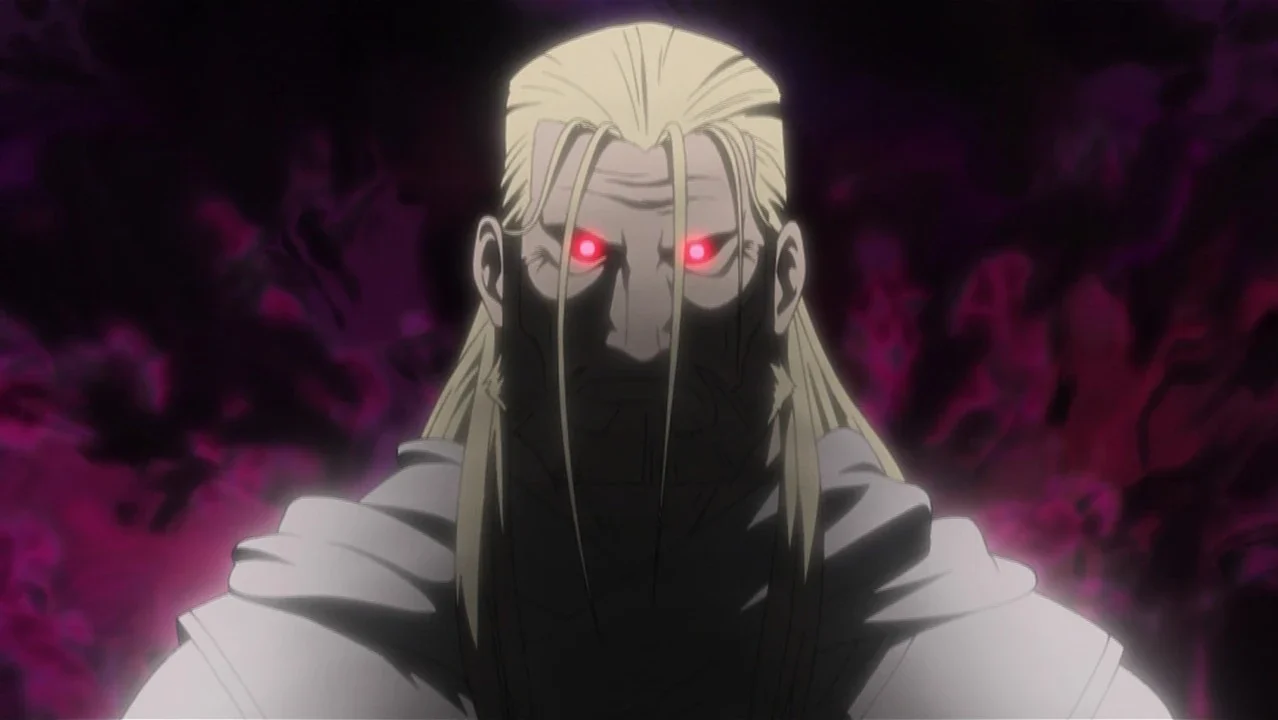
Father from ‘Fullmetal Alchemist: Brotherhood’ originates from a homunculus created through alchemical experimentation, later taking a human form to conduct nation-scale plans. He produces homunculi—Lust, Envy, Gluttony, Greed, Sloth, Wrath, and Pride—as specialized agents, each executing targeted missions that sabotage military oversight and scientific ethics boards. This organizational map lets him embed assets across the state.
By exploiting alchemy’s underlying rules, Father builds transmutation arrays that span borders and public infrastructure. He manipulates research funding and military promotions to keep critical personnel close while suppressing dissent. His endgame requires mass coordination at key geographic points, so he stages conflicts that concentrate people exactly where the final array demands, creating a logistical blueprint disguised as routine governance.
Shōgo Makishima

Shōgo Makishima of ‘Psycho-Pass’ operates outside the Sibyl System’s crime-coefficient detection, allowing him to move freely through surveillance-heavy zones. He recruits perpetrators by identifying psychological pressure points and supplying tools that exploit blind spots in automated law enforcement. This approach reveals how dependent the public is on real-time scans rather than traditional investigative habits.
Makishima executes targeted strikes on infrastructure—broadcast systems, education hubs, and research facilities—to test Sibyl’s thresholds. Each incident becomes a live audit of response times, officer discretion, and system override policies. As investigators adapt, the series documents new procedural training, manual verification steps, and layered authentication, all introduced because one offender could slip past core sensors.
All For One

All For One, the shadow leader in ‘My Hero Academia’, accumulates and redistributes Quirks, building a patronage network where loyalty is secured through power grants and medical maintenance. He uses intermediaries to manage recruitment, training, and public-relations manipulation, keeping his own movements limited and insulated. His operations overlap with the League of Villains, turning scattered crimes into coordinated campaigns.
His clashes with top heroes reshape hero licensing, internship models, and threat-level classifications. Hospitals, support companies, and schools adjust protocols around Quirk safety and emergency drills because All For One’s methods expose weak points in public places. The legal and educational reforms shown in the series directly trace back to the risks posed by a villain who can both steal and bestow abilities.
Muzan Kibutsuji

Muzan Kibutsuji of ‘Demon Slayer: Kimetsu no Yaiba’ is the progenitor of demons, controlling a hierarchy called the Twelve Kizuki. He can alter subordinates’ bodies, revoke power, and remotely punish insubordination, which keeps the organization centralized and efficient. His distribution tactics spread demons across regions where travel, commerce, and nighttime work create perfect cover.
The Demon Slayer Corps responds with specialized breathing styles, categorized ranks, and crow-based communications to match Muzan’s dispersed threat model. Safe houses, treatment compounds, and rotating patrols are established because Muzan’s network targets both urban and rural communities. The series details antidote research, swordsman training pipelines, and intelligence sharing—all scaled to counter the adaptability of Muzan’s forces.
Bondrewd
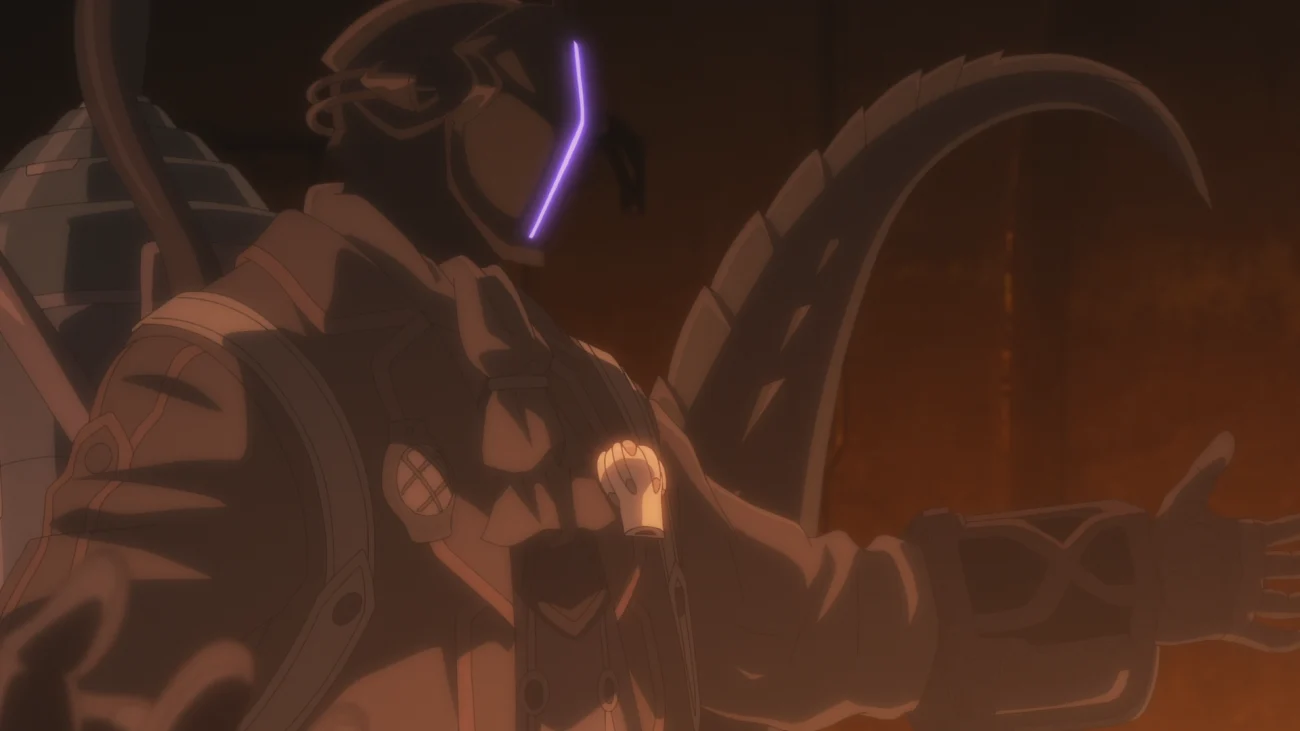
Bondrewd, from ‘Made in Abyss’, is a White Whistle Delver who runs experiments in the Abyss’s deeper layers. He maintains a facility with staff, equipment caches, and transport routes that navigate the Curse’s vertical hazards. His work focuses on artifacts and biological modifications, generating results that other explorers consider impossible to replicate at higher layers.
Bondrewd’s operations rely on legal gray zones and remote jurisdiction, allowing him to conduct procedures beyond ordinary oversight. The series maps his laboratory layouts, containment methods, and contingency plans for when the Curse triggers catastrophic side effects. His presence forces other Delvers to plan missions with medical contingencies, rescue timings, and artifact handling protocols shaped by his research.
Isabella
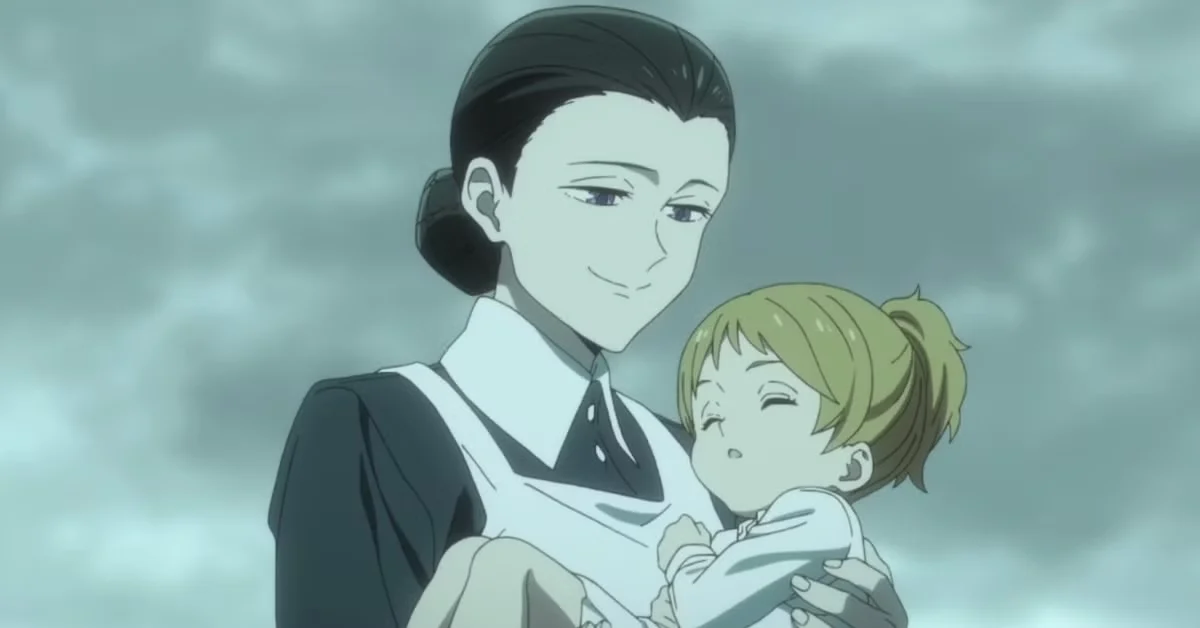
Isabella, known as “Mama” in ‘The Promised Neverland’, manages Grace Field House with strict routines that mask a supply-chain relationship to external buyers. She oversees tracking devices, daily testing, and behavioral conditioning that keep children compliant and unaware of the facility’s true purpose. Her communication with outside handlers follows coded systems and scheduled pickups.
As the children uncover the farm’s design, Isabella counters with tightened surveillance, inventory checks, and selective discipline to break information-sharing networks. Her role illustrates how institutionalized control can operate through caregiving infrastructure: locked gates, controlled books, and restricted areas. The escape plan and subsequent countermeasures showcase logistics on both sides—mapping, rope-making, timing drills, and decoy management.
Makima

Makima of ‘Chainsaw Man’ holds a high post within Public Safety, using bureaucratic authority and supernatural contracts to direct field teams and negotiate with devils. She leverages official channels to obtain intel, weapons access, and international cooperation, letting her deploy lethal force under the cover of sanctioned operations. Her interactions with other divisions establish a chain of command that masks her true objectives.
Makima’s contracts involve exchange rates that convert human loss into strategic advantages, allowing her to eliminate enemies without conventional collateral patterns. Communication control—phone calls, briefings, and sudden redeployments—lets her split allied units and isolate targets. The series records these steps through debriefs, mission reports, and shifting alliances that reveal how paperwork and power can hide the most decisive moves.
Ryomen Sukuna

Ryomen Sukuna in ‘Jujutsu Kaisen’ is a cursed spirit anchored to twenty fingers distributed across dangerous sites. Each ingested finger escalates his manifestation, creating crisis points wherever exorcists store or transport them. This artifact-based structure ensures that containment, not just combat, drives the story’s tactics.
Sukuna’s domain techniques and pacts exploit loopholes in sorcerer rules, forcing schools and agencies to redesign training around hostage protocols, domain countermeasures, and artifact custody. The existence of multiple fingers in circulation stresses logistics: secure vaults, escort teams, and information blackouts that prevent opportunistic theft. His influence persists even when dormant, because policy must account for instant, catastrophic emergence.
Esdeath

Esdeath from ‘Akame ga Kill!’ is a general who commands elite imperial forces and wields a Teigu that freezes terrain and opponents. She runs capture operations with specialized squads, using reconnaissance, bait strategies, and crowd-control methods suited to both urban and frontier settings. Her campaigns document military resource allocation and the integration of Teigu users into conventional units.
On the political side, Esdeath’s loyalty keeps the regime’s coercive apparatus stable, deterring internal dissent and partisan defections. Rebel groups must adjust routes, safehouses, and recruitment, because her rapid-response teams and torture-based intelligence gathering close down insurgent freedom of movement. These conditions shape the broader conflict map across the series, determining where resistance can survive.
Got your own pick for a 21st-century anime villain who changed the game? Share your thoughts in the comments!