


Top 15 Creatures from African Mythology

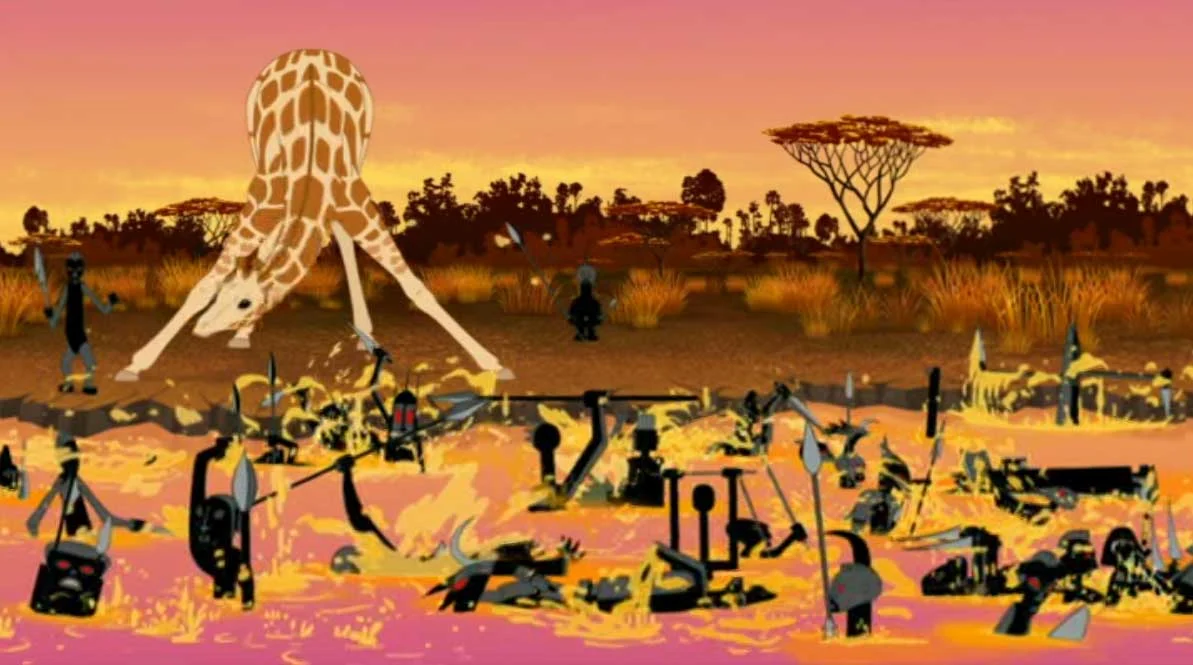


African mythologies brim with beings that guard rivers, haunt forests, ride thunderclouds, and test the boundaries between the human and spirit worlds. These creatures come from hundreds of distinct cultures across the continent, each with its own languages, landscapes, and beliefs. Many are tied to natural forces—water, storms, and the wilderness—while others serve as moral enforcers or cautionary figures. Below are fifteen notable beings, with origins and traits that show just how varied and deep Africa’s mythic imagination runs.
Anansi
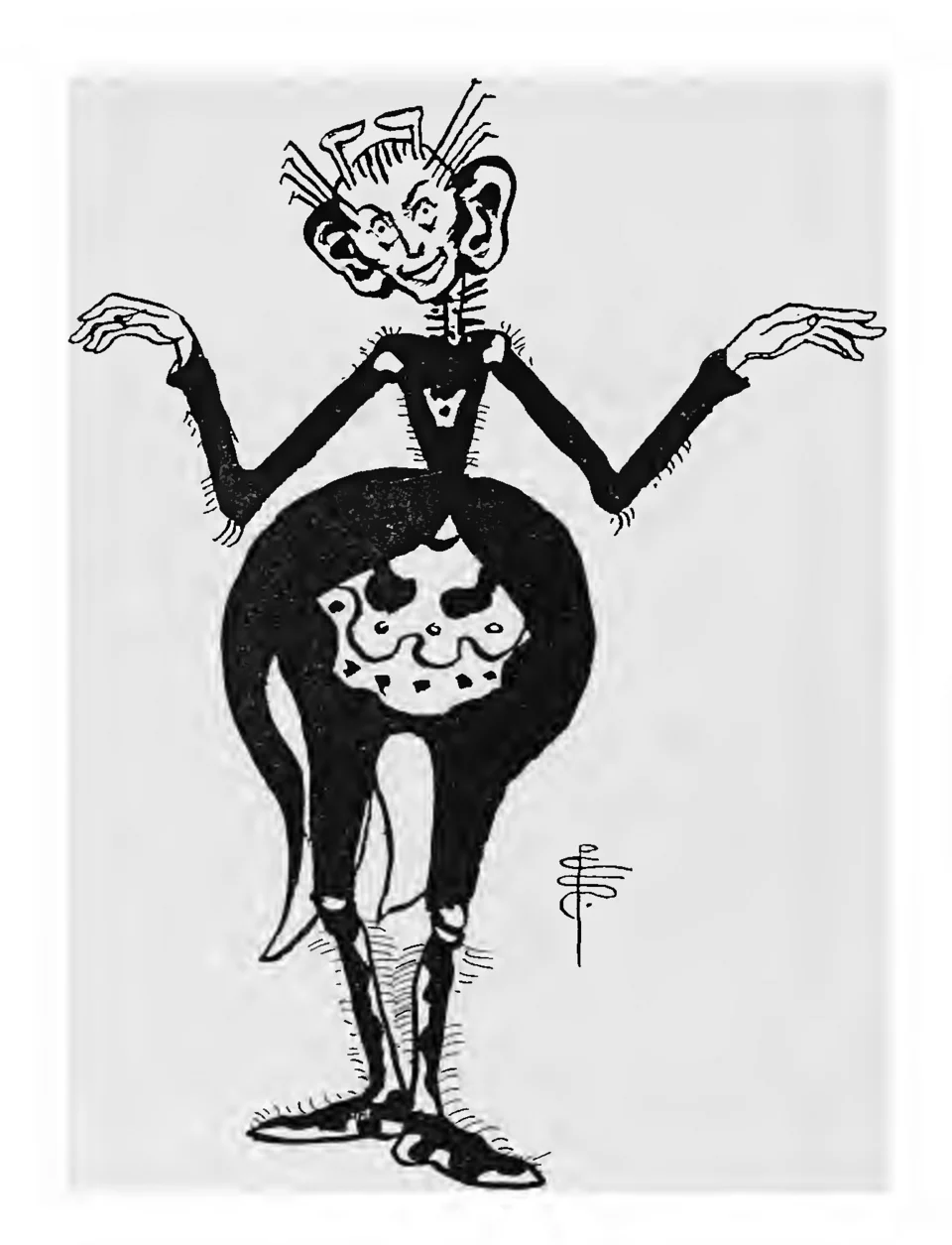
Anansi is a spider trickster from Akan folklore in present-day Ghana and Ivory Coast, often appearing as both spider and man. He is credited with bringing stories to humanity after bargaining with the sky god Nyame. In tales, Anansi uses wit to outmaneuver stronger foes, embodying cunning over brute force. Stories about Anansi traveled across the Atlantic via the African diaspora, where he appears in Caribbean and American folktales under similar names.
Adze

The Adze is a vampiric entity from Ewe tradition in Ghana and Togo that can take the form of a firefly. In insect form it slips through keyholes to prey on sleepers, but captured, it becomes human-like and can be interrogated. Folklore links Adze attacks with illness and misfortune, including explanations for unexplained deaths. Protective measures range from talismans to community vigilance, reflecting the Adze’s role in social and spiritual health.
Asanbosam
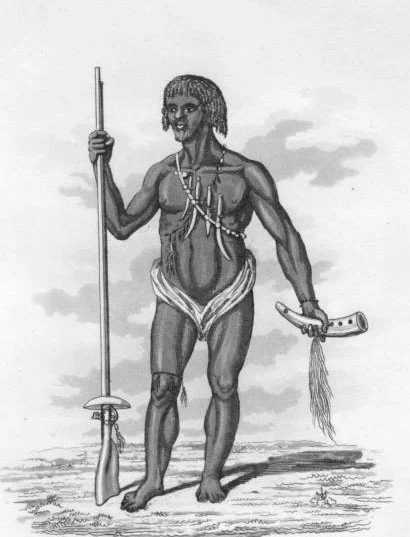
Asanbosam belongs to Ashanti lore in Ghana and is described as a humanoid with iron teeth and backward-pointing feet. It lurks in forest trees and drops onto travelers, a warning about venturing alone into dense woodland. Some versions distinguish between Asanbosam and its larger relative, Sasabonsam, but both are associated with canopy ambush. Hunters and woodcutters feature prominently in stories that emphasize caution and respect for forest spaces.
Tokoloshe
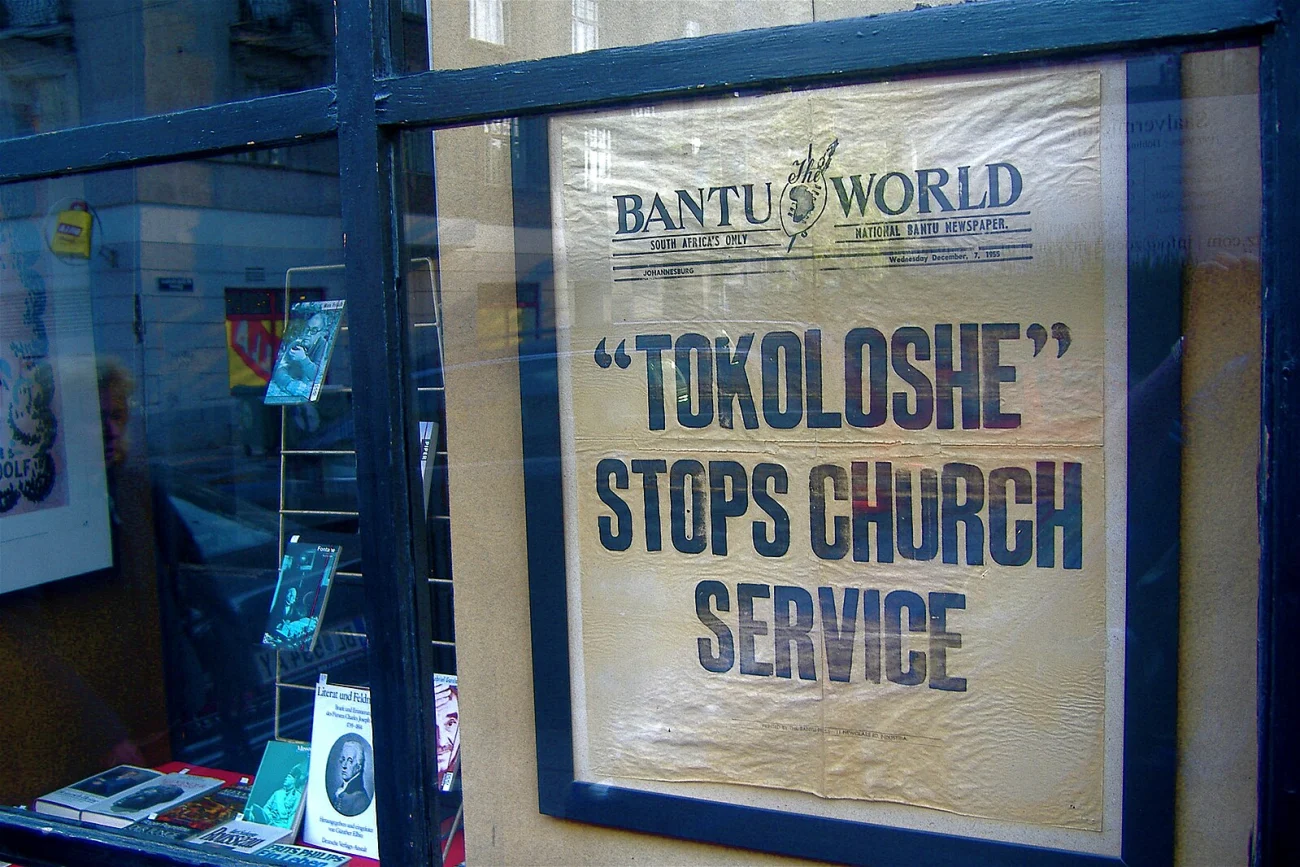
The Tokoloshe in Zulu and Xhosa folklore is a small, malevolent spirit or dwarf-like being that can cause illness or disturbances. Traditional accounts say it can be summoned by sorcerers for harm and made invisible by drinking water. A common household response is raising beds on bricks to avoid nocturnal attacks, a detail frequently cited in regional folk practice. Explanations of the Tokoloshe often touch on social tensions, jealousy, and the ethics of using spiritual power.
Grootslang
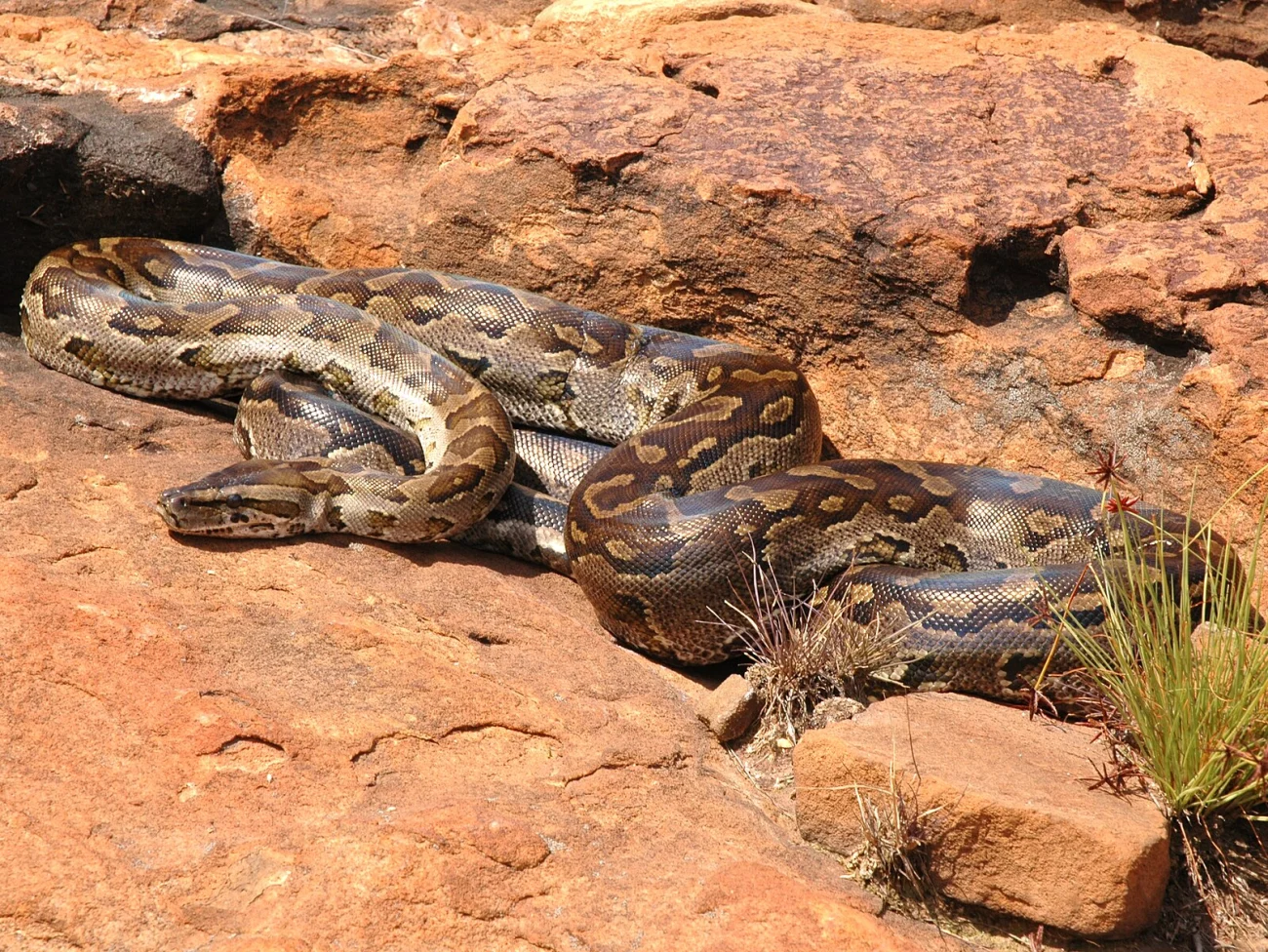
The Grootslang from South African legend is an ancient monster said to dwell in remote caves, notably the Richtersveld’s “Wonder Hole.” Descriptions combine elephant and serpent traits, making it a primordial creature of immense strength and greed. Stories associate it with hoarded gems and the perils of venturing into deep ravines. The Grootslang functions as a guardian of wild, mineral-rich places where people risk their lives for treasure.
Impundulu
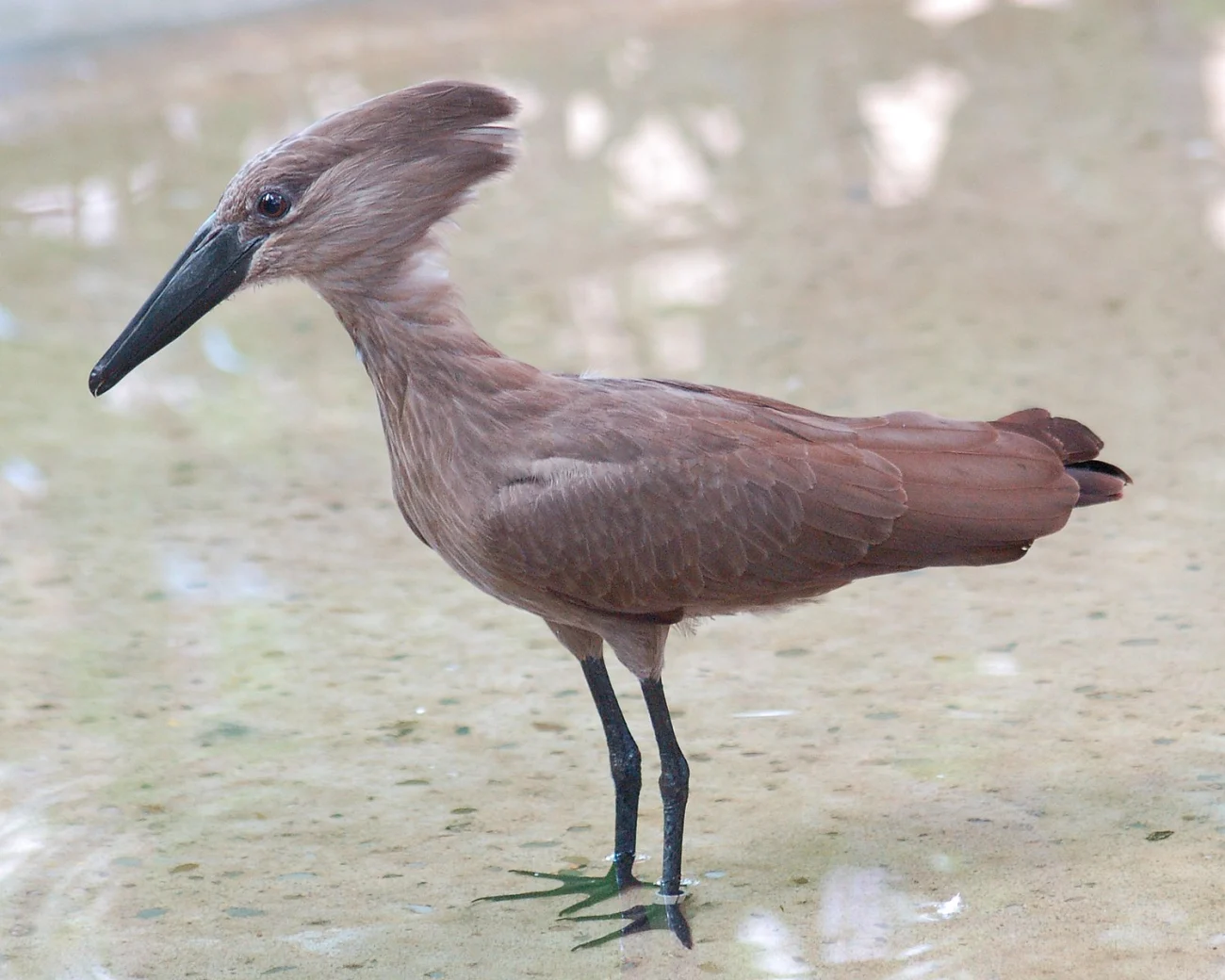
Impundulu, or the Lightning Bird, appears in Southern African traditions, especially among the Pondo and Zulu. It is said to ride storms, summon thunder, and feed on blood, sometimes serving as a familiar for a witch. Folklore claims it can shape-shift between bird and human forms and cannot easily be killed. Its presence explains sudden storms, lightning strikes, and certain unexplained illnesses in livestock or people.
Mami Wata
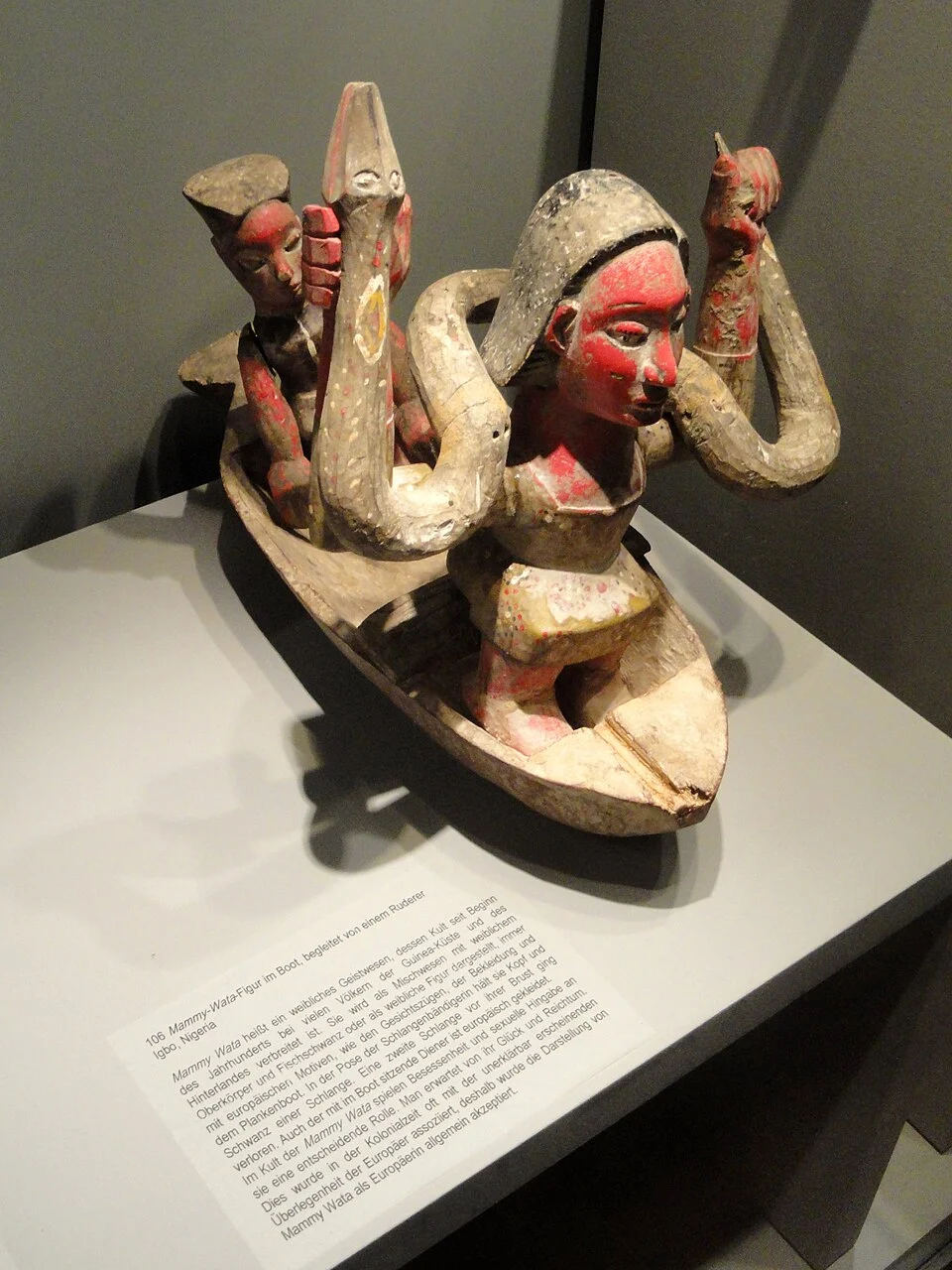
Mami Wata is a widespread water spirit across West and Central Africa and throughout the Atlantic diaspora. She is often depicted as a beautiful woman—sometimes with a fish tail—associated with wealth, healing, and the unpredictable power of water. Shrines, music, and elaborate rites honor her in coastal cities and inland river communities alike. Devotees seek blessings for prosperity, health, and safe travel on waterways, reflecting her dual capacity to give and take.
Jengu
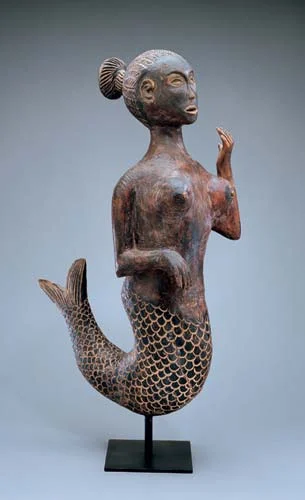
The Jengu (plural Miengu) are water spirits venerated by Sawa peoples of Cameroon, especially the Duala and Bakweri. They are linked to healing, initiation societies, and mediation between the human community and aquatic realms. Rituals to the Jengu often involve canoe processions, drumming, and offerings at river mouths. Their favor is sought for protection from illness and success in fishing and trade along the coast.
Ammit
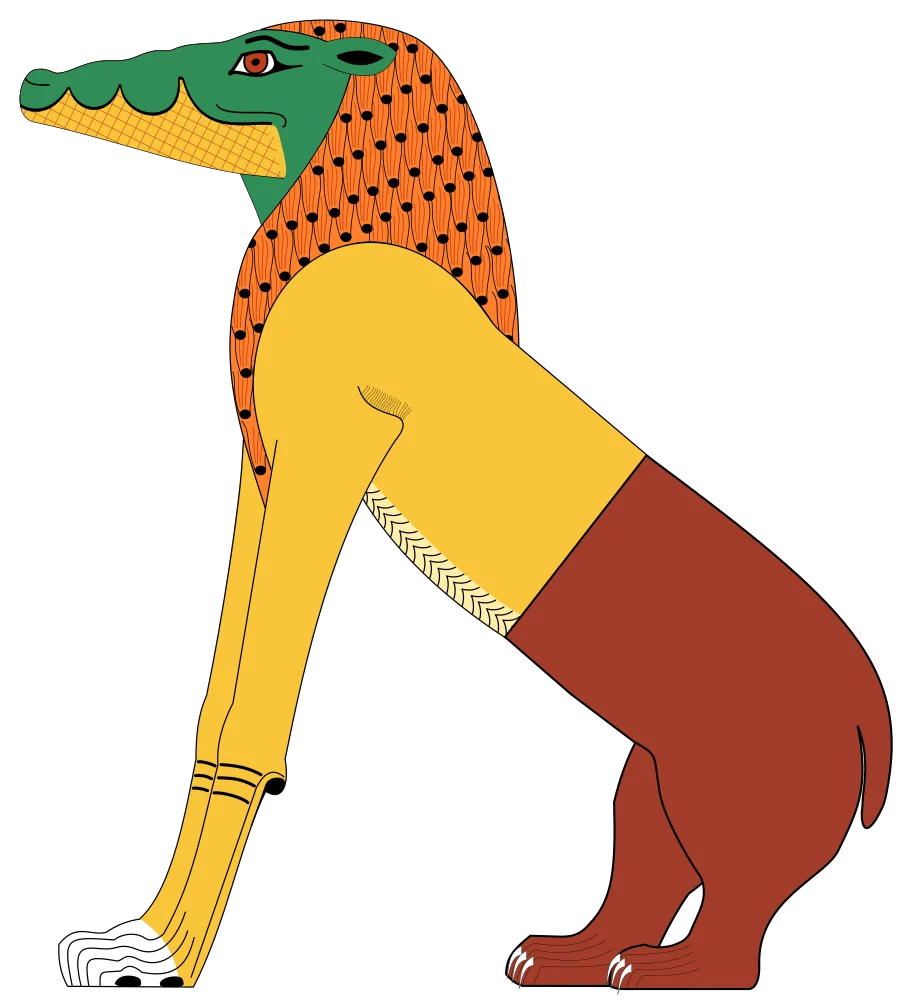
Ammit in ancient Egyptian belief is a chimeric devourer with the head of a crocodile, forequarters of a lion, and hindquarters of a hippopotamus. In the Hall of Two Truths, she consumes the hearts of those whose deeds weigh heavier than the feather of Ma’at. Ammit does not judge; instead, she enforces cosmic order by annihilating the unworthy soul. Her form unites Egypt’s most dangerous animals, underscoring the finality of moral failure.
Bultungin
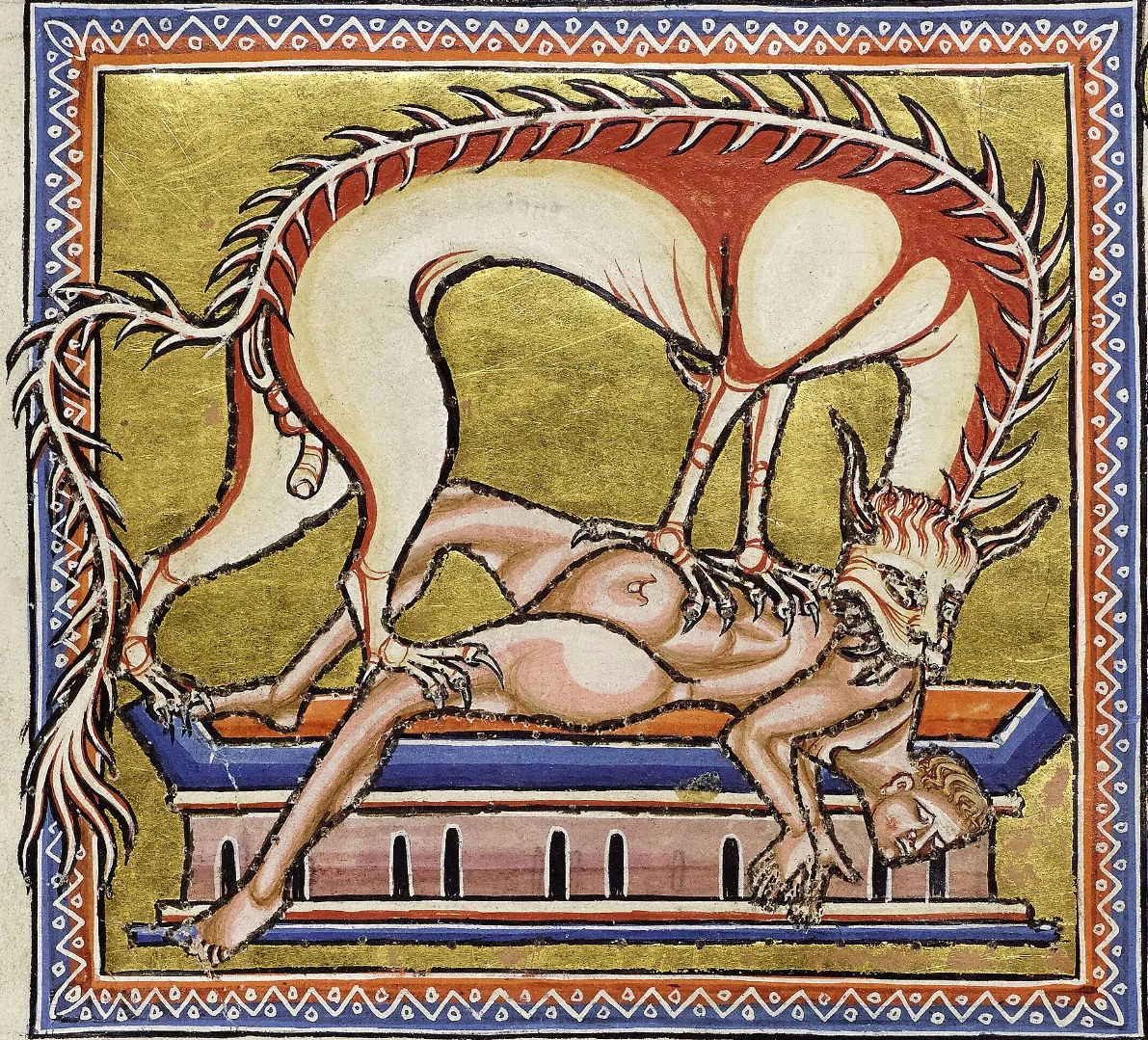
Bultungin, in Hausa traditions of West Africa, refers to were-hyenas—humans who transform into hyenas at night. Accounts describe secret associations that pass on shape-shifting abilities for hunting or illicit power. The motif parallels broader “bouda” beliefs in the Horn of Africa, where hyenas bridge the human and animal worlds. Bultungin stories often warn against envy, predation on neighbors, and the misuse of nocturnal cover.
Ninki Nanka
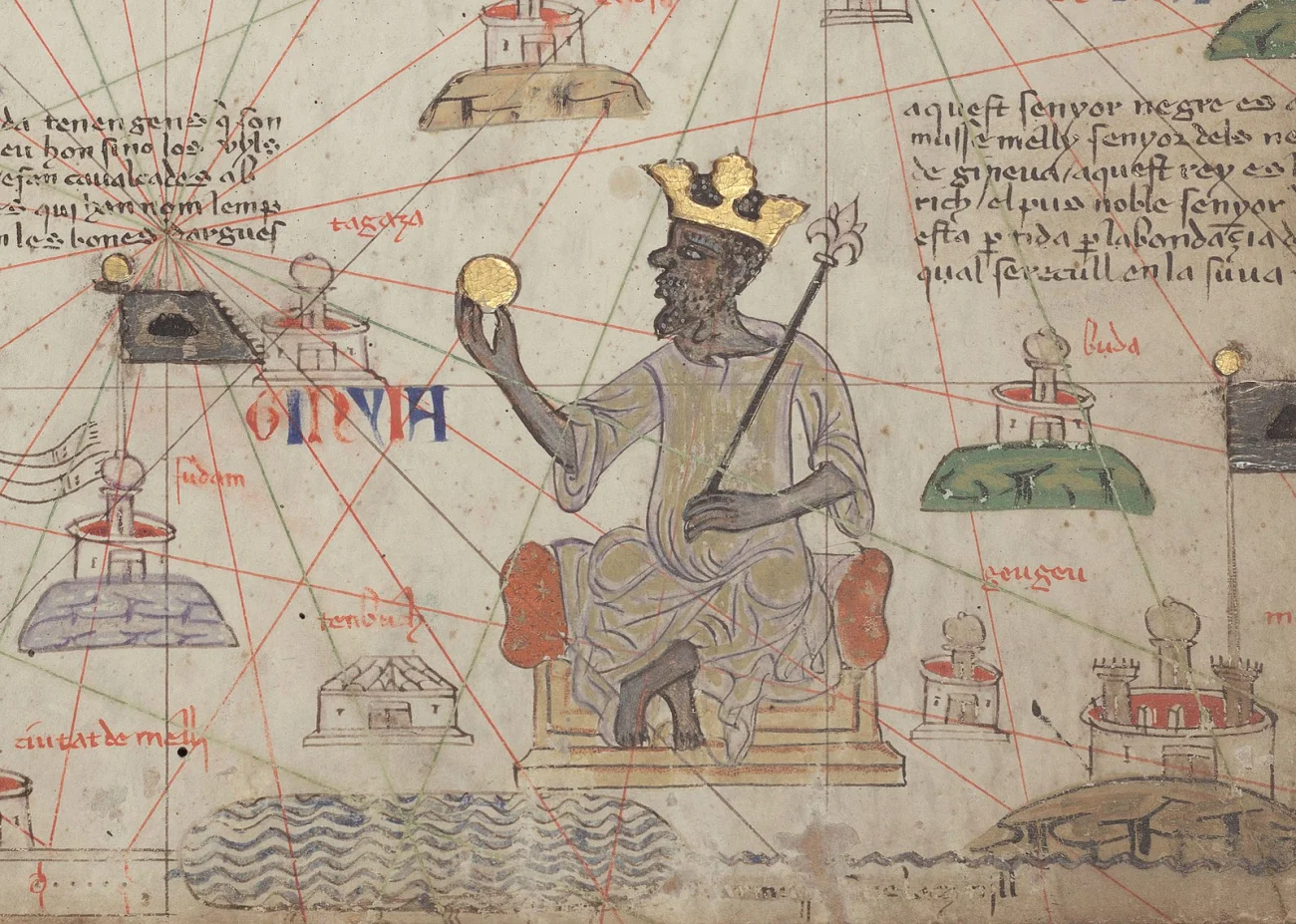
Ninki Nanka is a river-dragon figure from Gambian and broader West African folklore, associated with mangroves and creeks. Descriptions vary, but many portray it as a long, crested reptilian creature that punishes disobedience. Children’s cautionary tales place it in forbidden swamps to deter risky wanderings. Modern accounts sometimes describe expeditions to find it, reflecting how folklore adapts to contemporary curiosity.
Kishi
Kishi in Angolan folklore is a dangerous being with two faces: a handsome human visage in front and a hyena’s face at the back. It uses charm to lure victims before the hidden hyena maw attacks. Stories highlight the duplicity of appearances and the peril of predatory seduction. The Kishi’s dual nature mirrors cultural warnings about smooth talkers who mask violent intent.
Popobawa
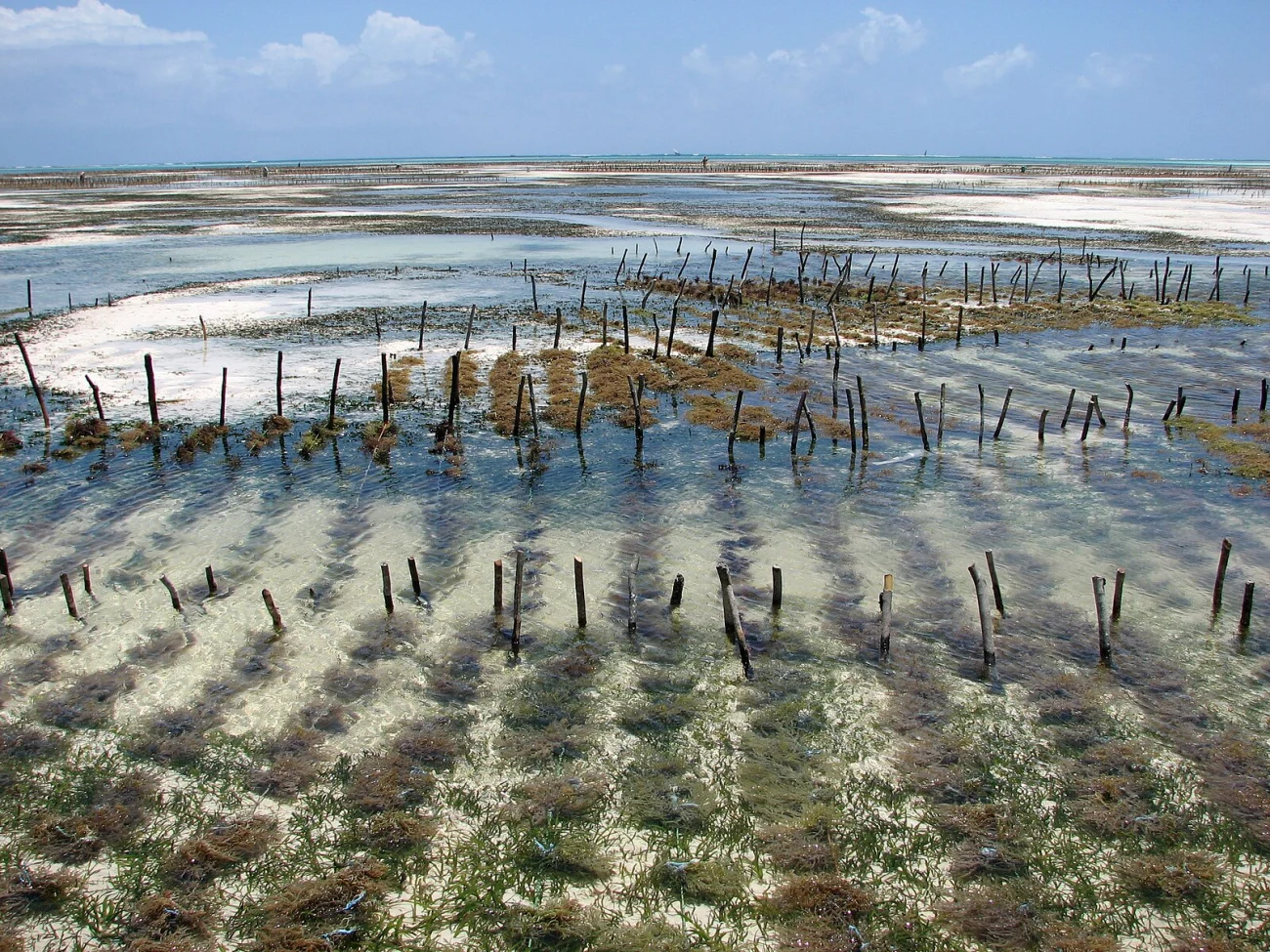
Popobawa is a shape-shifting entity from the Swahili coast, especially associated with Pemba and Zanzibar. Reports describe waves of nocturnal attacks followed by periods of calm, creating episodes of communal anxiety. Popobawa is said to change form—sometimes as a bat-like shadow—and to punish those who deny its existence. Local responses include collective night watches and ritual protections that reaffirm community solidarity.
Inkanyamba
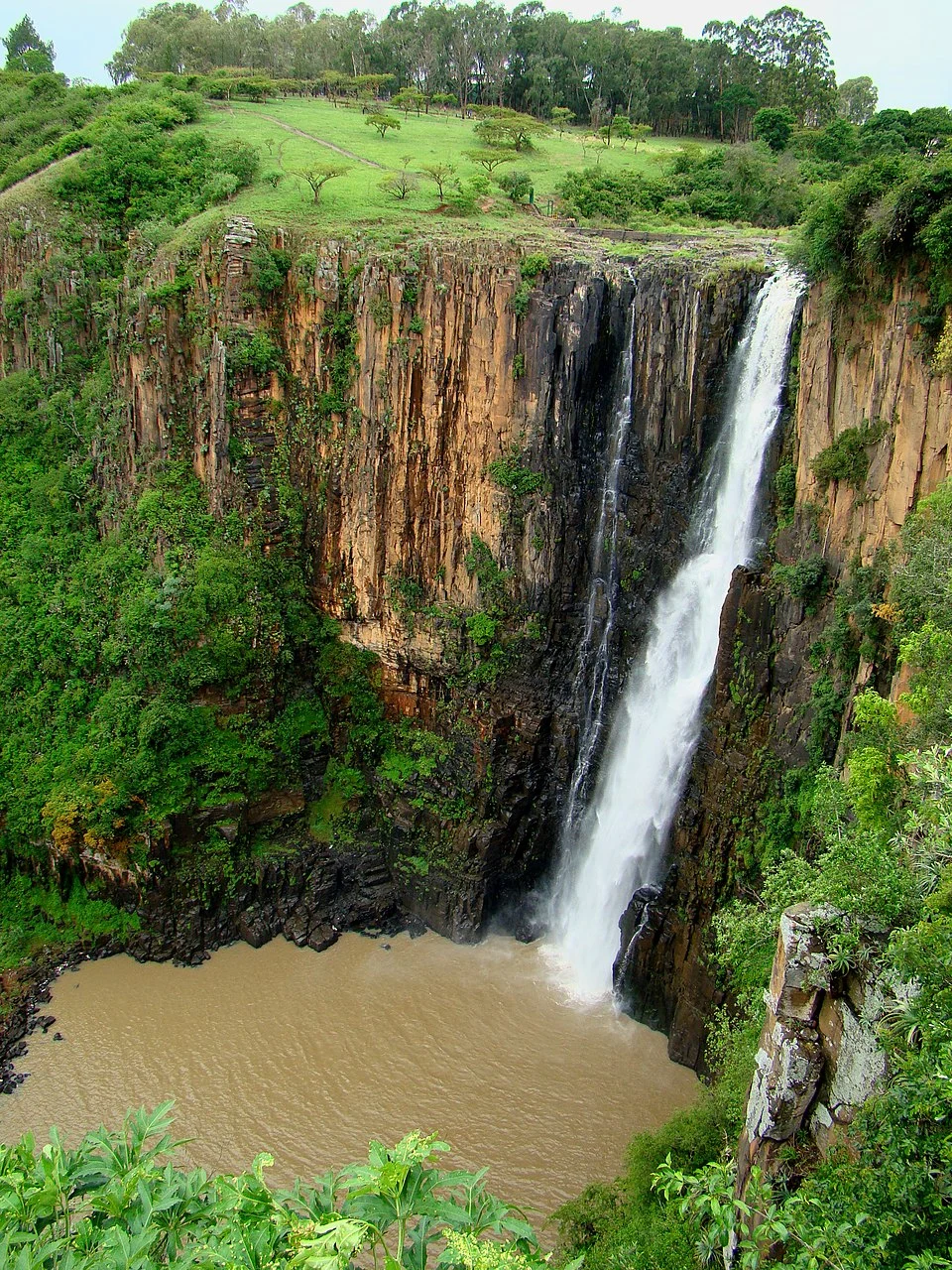
Inkanyamba in Zulu and Xhosa lore is a massive, serpent-like creature linked to summer storms and waterfalls. It is especially associated with Howick Falls in KwaZulu-Natal, where whirlwinds and sudden weather shifts are attributed to its movements. Traditional beliefs connect migratory eels and seasonal winds with the creature’s presence. Appeasement rituals aim to temper violent storms and safeguard nearby settlements.
Adroanzi
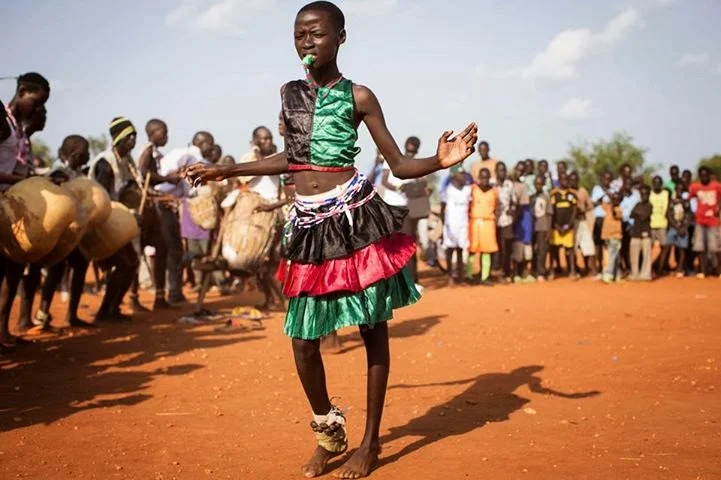
The Adroanzi of the Lugbara people in Uganda and the Democratic Republic of the Congo are forest and river spirits tied to the deity Adroa. They protect travelers who show respect, yet they punish those who violate taboos or move at night without caution. Descriptions emphasize their invisibility and the need for proper conduct in wild places. Their guardianship underscores a reciprocal relationship between humans and the environment.
Share your favorite creature—or one from your own community’s stories—in the comments!