

Top 15 Most Unfair Anime Battles Ever

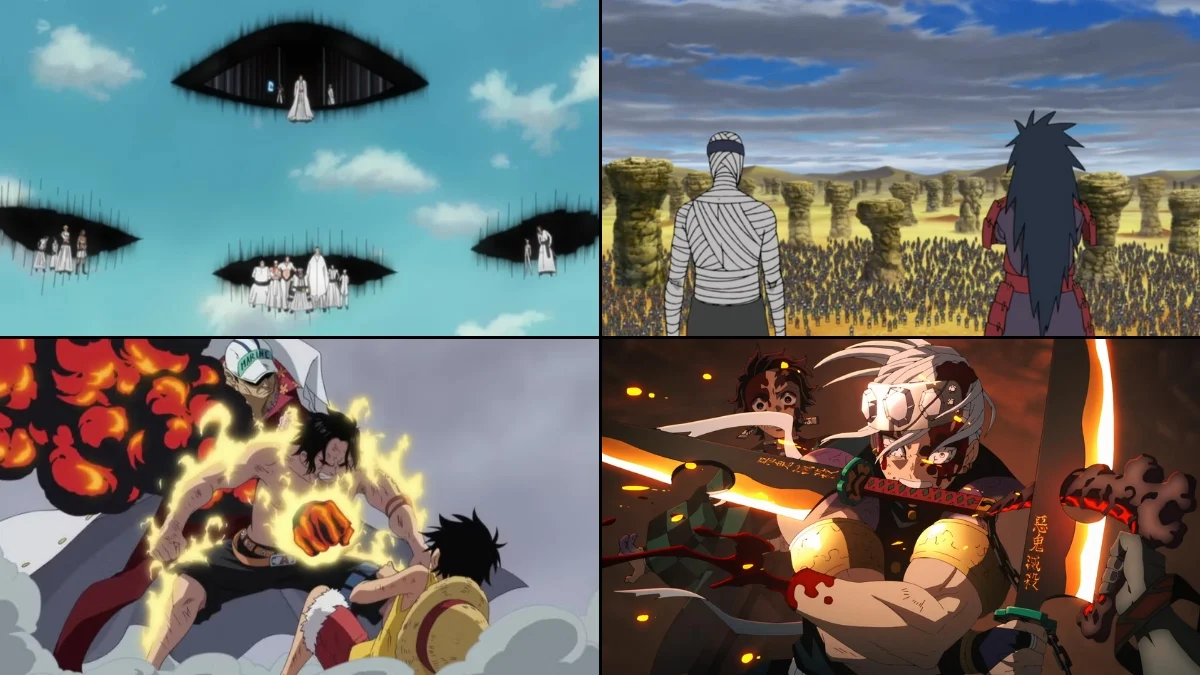


Some anime fights feel stacked from the opening bell, whether because one side is injured, outnumbered, held back by rules, or staring down a foe who bends reality like it’s nothing. This list spotlights matchups where circumstances, abilities, or setups created huge gaps, and the outcome hinged on overwhelming advantages rather than a level playing field. You’ll find everything from battlefield-scale routs to lopsided duels shaped by deceptive powers, poison, and literal gods. Titles are in single quotes so you can quickly spot where to watch or revisit the episodes tied to each clash.
Saitama vs. Genos — ‘One-Punch Man’
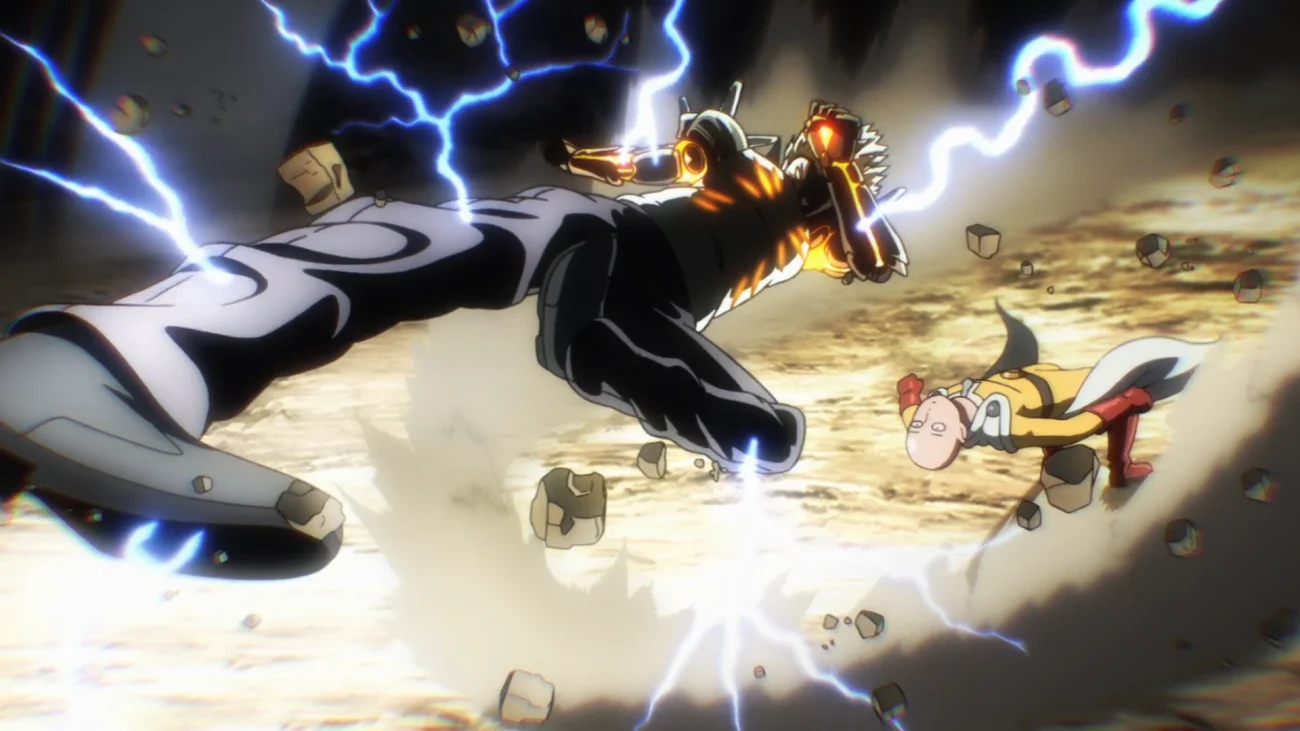
This training match is arranged so Genos can record data on Saitama, with no intention of a real, even contest. Saitama withholds serious effort, instantly outpacing Genos and demonstrating speed that leaves afterimages across the landscape. The bout ends when Saitama halts a “serious” strike inches from Genos’s face, blasting a canyon behind him without making contact. The encounter establishes the data-gathering purpose of the spar while underscoring Saitama’s overwhelming gap in power and control.
Madara Uchiha vs. Allied Shinobi Forces — ‘Naruto Shippuden’
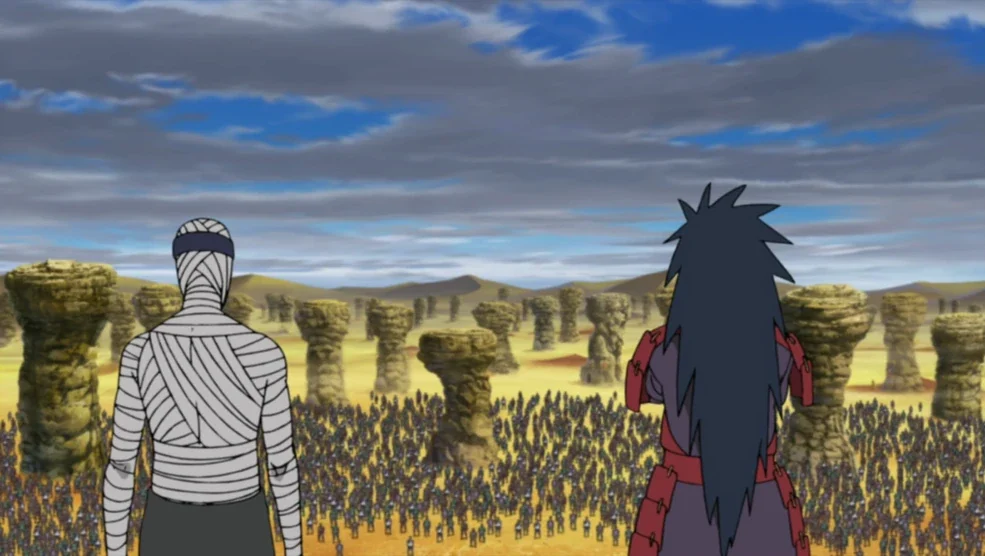
Revived with Edo Tensei, Madara enters the battlefield with the Rinnegan, Eternal Mangekyō Sharingan, and access to Susanoo on a scale the alliance cannot match. He pressures thousands at once, drops multiple meteorites, and shrugs off conventional ninjutsu thanks to regeneration from his reanimated state. The Five Kage intervene with coordinated tactics yet struggle against his Perfect Susanoo and stacked ocular abilities. The engagement is defined by one combatant’s endgame arsenal against largely standard-issue forces.
Sōsuke Aizen vs. the Gotei 13 in Fake Karakura Town — ‘Bleach’
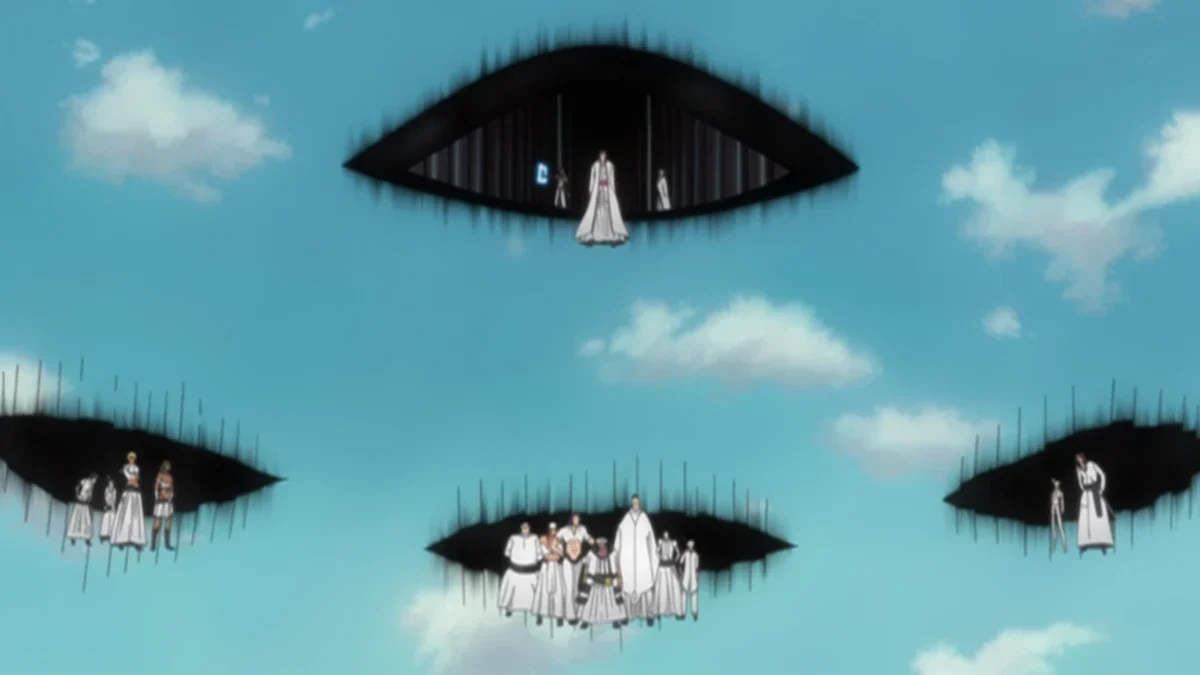
Aizen fights after fusing with the Hōgyoku and carries Kyōka Suigetsu’s complete hypnosis, which can manipulate all five senses. Captains and Visoreds repeatedly commit to plans only to strike illusions, wasting resources and opening themselves to counterattacks. Even high-level kidō and bankai are blunted by Aizen’s regeneration and evolving form. The battlefield setting and layered deception ensure traditional team tactics rarely land in a meaningful way.
Isaac Netero vs. Meruem — ‘Hunter x Hunter’
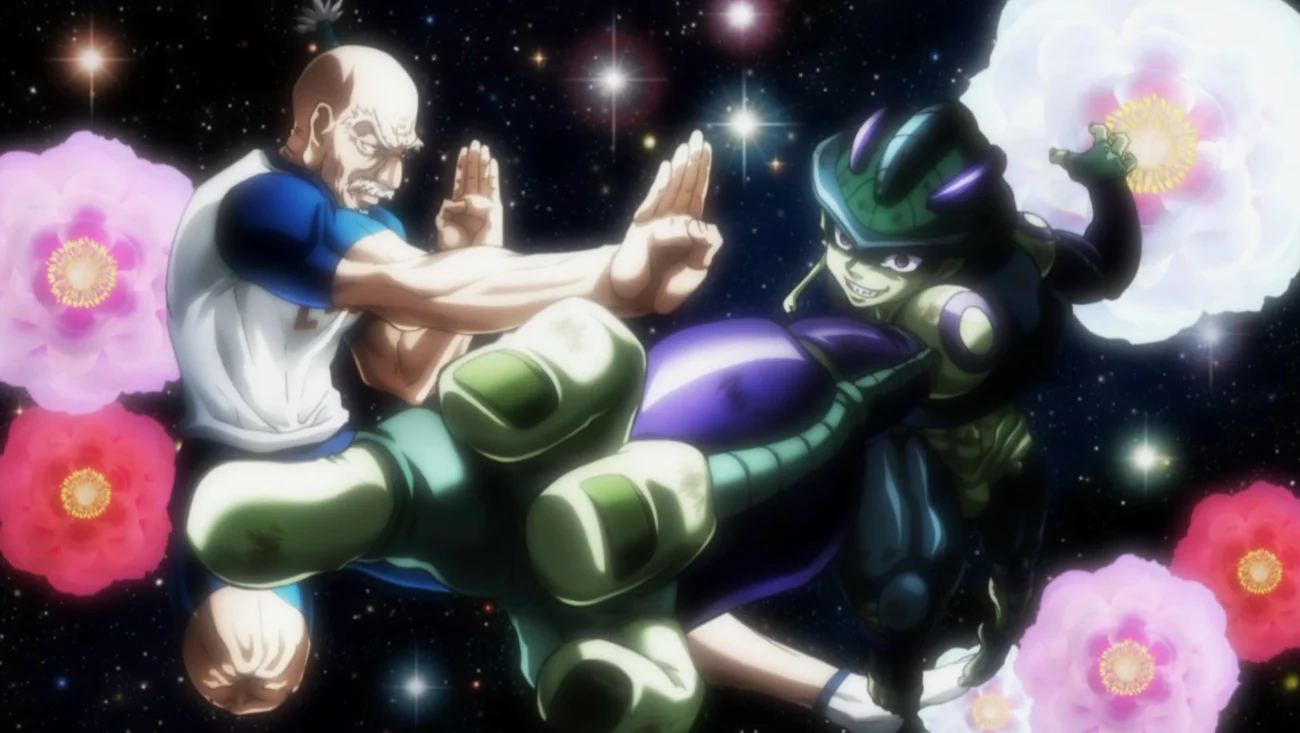
Netero deploys the 100-Type Guanyin Bodhisattva with relentless speed, but Meruem adapts mid-fight and reads his patterns. Stripped of options that can meaningfully damage the Chimera Ant King, Netero resorts to a contingency: a miniature “Poor Man’s Rose” embedded in his body. The bomb detonates upon his death, leaving Meruem grievously affected despite his physical superiority. Strategy, preparation, and last-resort weaponry define the encounter’s structure more than blow-for-blow parity.
Kurapika vs. Uvogin — ‘Hunter x Hunter’
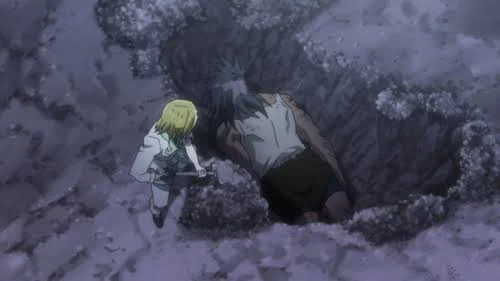
Kurapika’s Chain Jail can only be used on members of the Phantom Troupe due to a self-imposed nen restriction that massively boosts its effectiveness. Once bound, Uvogin cannot use nen, nullifying his strongest defenses and attacks. Emperor Time further amplifies Kurapika’s nen mastery, enabling precise control and lethal judgment chains. The conditions and contracts around the abilities set the terms of the fight well before the first punch lands.
Sakazuki (Akainu) vs. Portgas D. Ace — ‘One Piece’
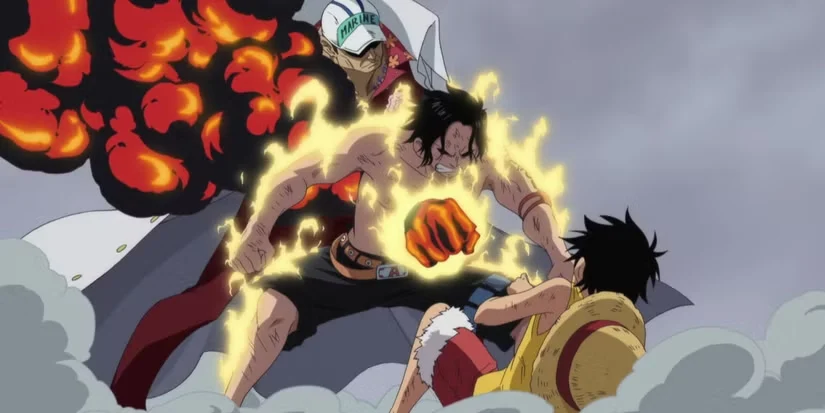
At Marineford, Akainu’s Magma-Magma Fruit holds elemental supremacy over Ace’s Fire-Fire Fruit. The conflict unfolds amid a chaotic war where Ace diverts from escape to protect Luffy from a killing blow. Akainu exploits the clash of elements and battlefield distractions to land fatal strikes. The broader naval operation, admirals’ logistics, and fruit interaction make the duel hinge on systemic advantages as much as raw strength.
Levi Ackerman vs. the Beast Titan — ‘Attack on Titan’
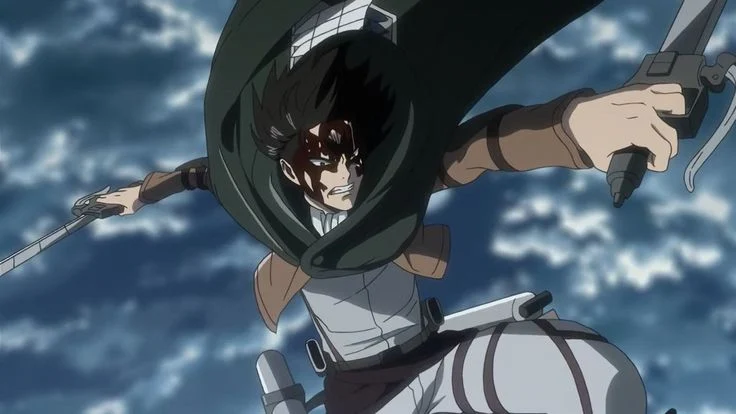
Levi closes distance under cover of smoke and debris, using vertical maneuvering gear to bypass the Beast Titan’s barrage. With precision cuts, he disables the Titan’s arms, opens the nape, and neutralizes Zeke before surrounding forces can react. The advantage comes from preparation, speed, and terrain exploitation rather than a symmetric exchange of blows. It is executed amid a larger operation that draws the enemy’s focus away from Levi’s approach.
Escanor vs. Estarossa — ‘The Seven Deadly Sins’
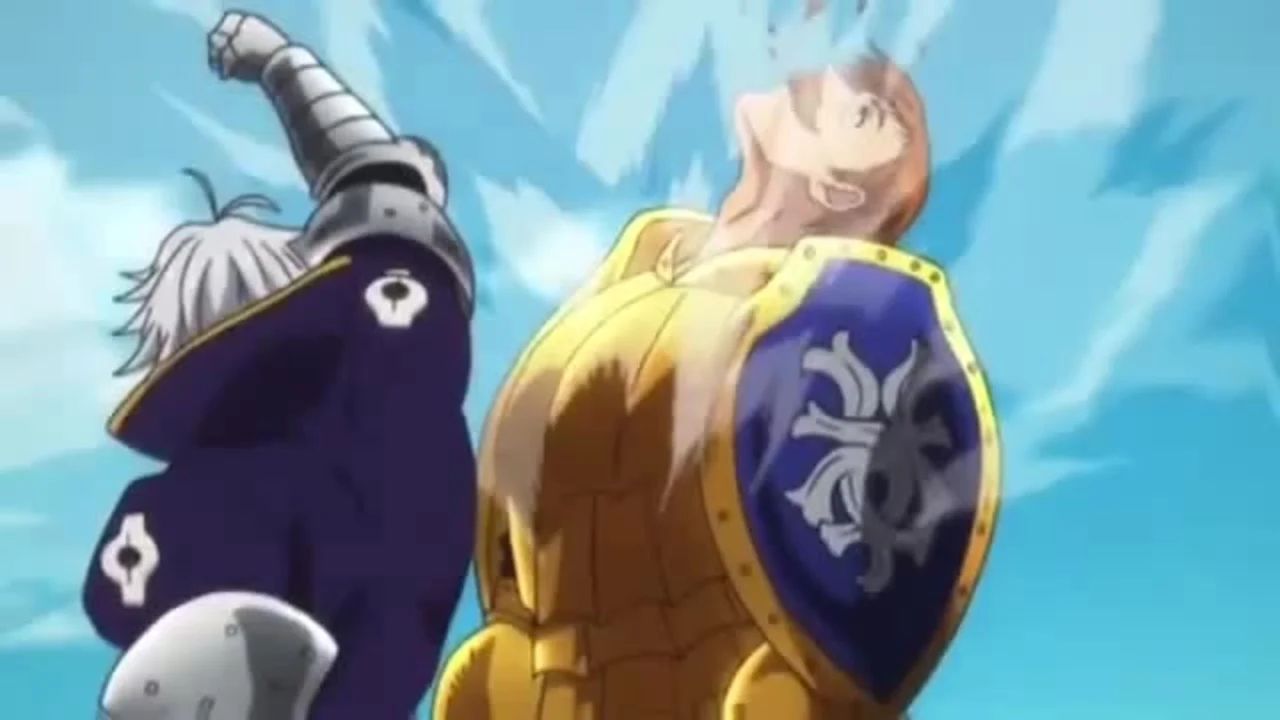
Escanor’s Sunshine ability increases his power as the sun rises, peaking at noon in a state referred to as The One. Estarossa brings commandment powers and darkness, but his counters are undercut by Escanor’s surging physicality and burning aura. The timing of the battle relative to the sun’s position dictates the power curve minute by minute. The mechanics of their abilities ensure momentum naturally tilts toward Escanor as the fight reaches midday.
All Might vs. Nomu (USJ) — ‘My Hero Academia’
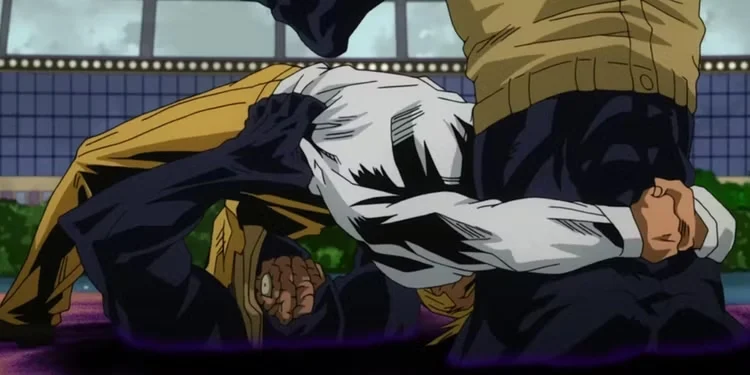
Nomu is engineered to counter All Might with shock absorption, high regeneration, and strength-enhancing quirks tailored for that purpose. All Might is already time-limited due to previous injuries, forcing him to compress output into a narrow window. The fight becomes a test of exceeding the engineered limit, culminating in strikes launched fast enough to overcome shock absorption. Design parameters, lab-made quirks, and a constrained timer shape every exchange.
Tengen Uzui, Tanjiro, Zenitsu, and Inosuke vs. Gyutaro and Daki — ‘Demon Slayer: Kimetsu no Yaiba’
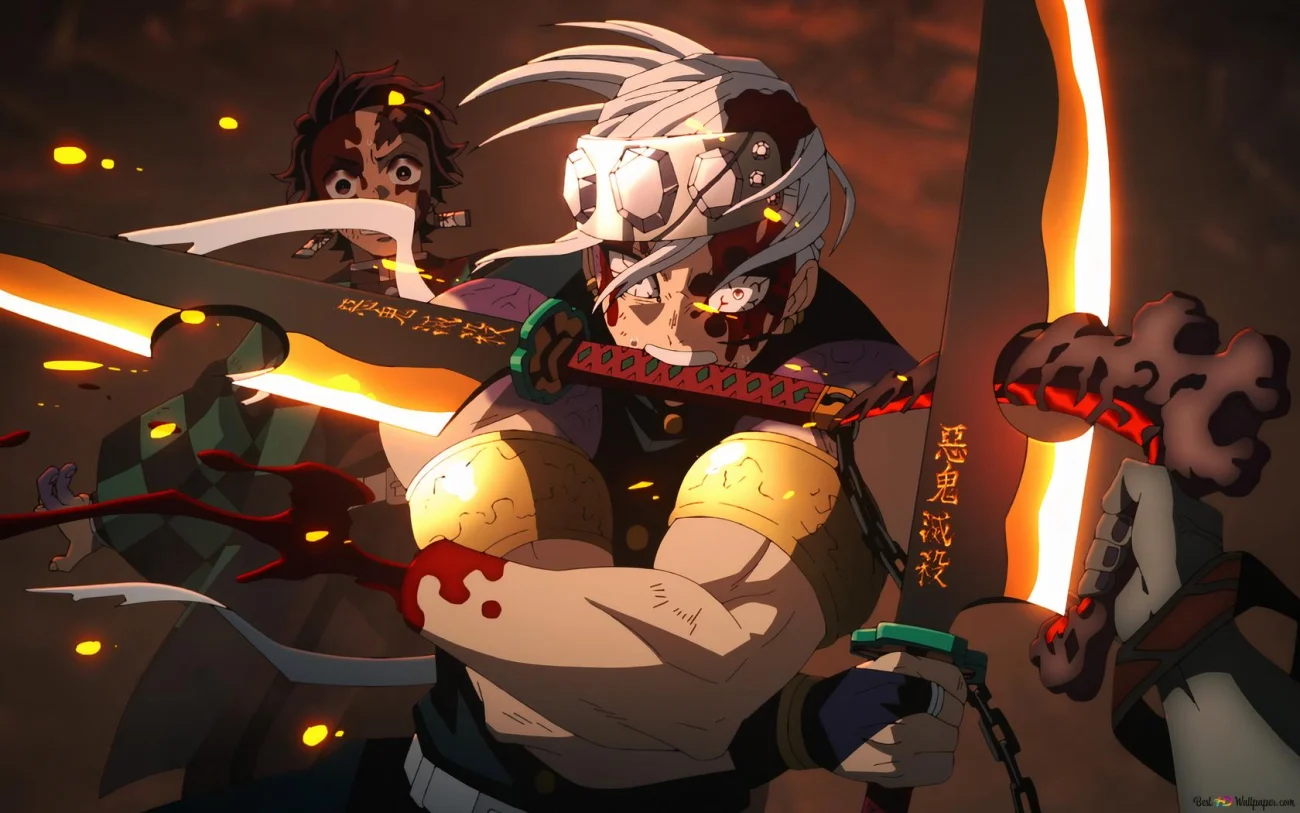
Upper Rank Six is effectively two demons sharing a lifeline, requiring simultaneous decapitation to defeat. Gyutaro’s blood demon art inflicts poison that rapidly weakens opponents, and Uzui fights while envenomed. The slayers must coordinate across multiple fronts, protect civilians, and adapt to changing battlefield positions in a dense entertainment district. The demons’ synergy and status-based damage create constant pressure that multiplies the difficulty beyond a single-opponent duel.
Yhwach vs. Genryūsai Yamamoto — ‘Bleach: Thousand-Year Blood War’
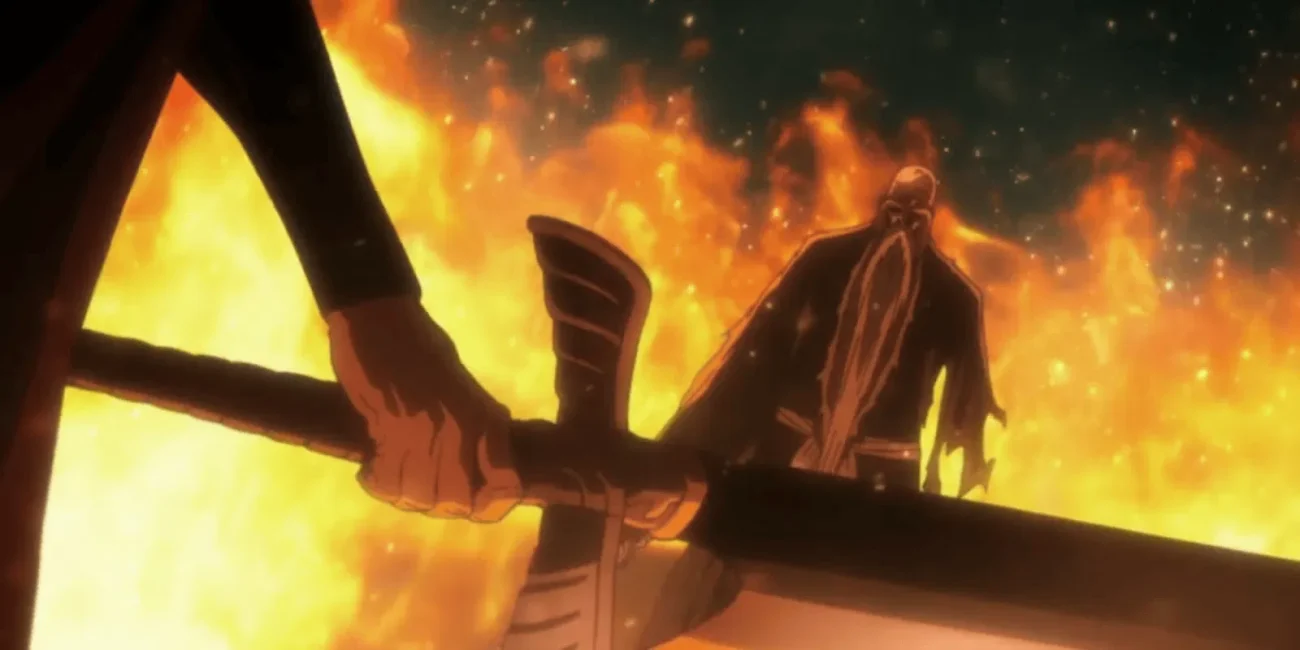
Yhwach’s forces employ deception through Royd Lloyd’s mimicry to draw out Yamamoto’s power and study his techniques. After Yamamoto unleashes Zanka no Tachi’s terrifying heat and sealing aspects, the real Yhwach arrives to capitalize on the intel and timing. Quincy Schrift abilities, command structure, and battlefield orchestration undercut the Captain-Commander’s dominance. The sequence emphasizes leadership tactics and information asymmetry as decisive factors.
Guts and the Band of the Hawk vs. the Apostles — ‘Berserk’
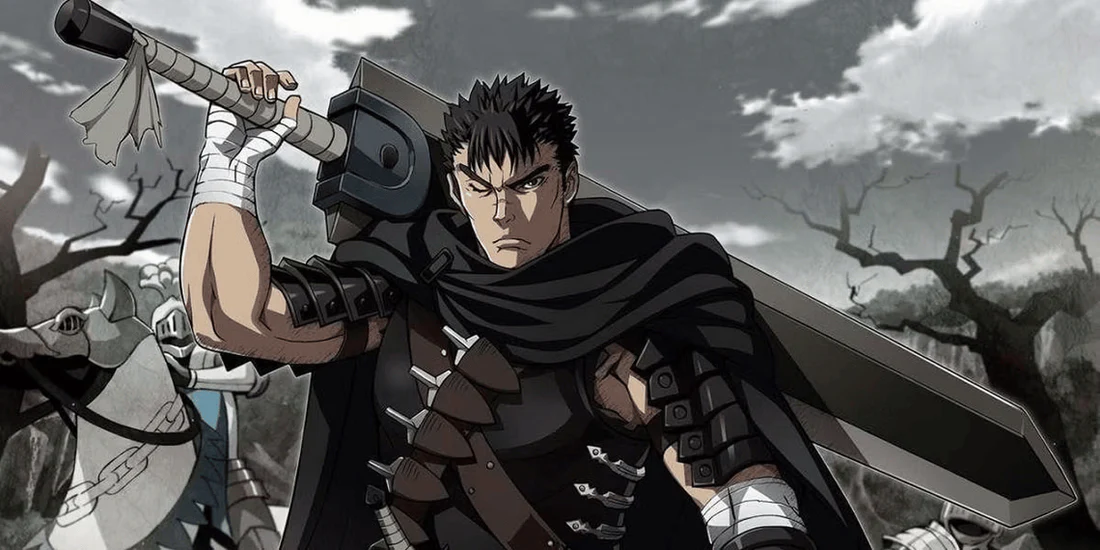
During the Eclipse, the God Hand initiates a sacrificial ceremony that transforms the site into a hellscape packed with demonic apostles. The Band of the Hawk, composed of human soldiers, is surrounded and hunted with no viable escape routes. Griffith’s rebirth as Femto cements the ritual’s power imbalance, while the apostles’ supernatural bodies render conventional weapons nearly useless. The event is structured as a predation rather than a contest of matched forces.
Satoru Gojo vs. Jogo — ‘Jujutsu Kaisen’
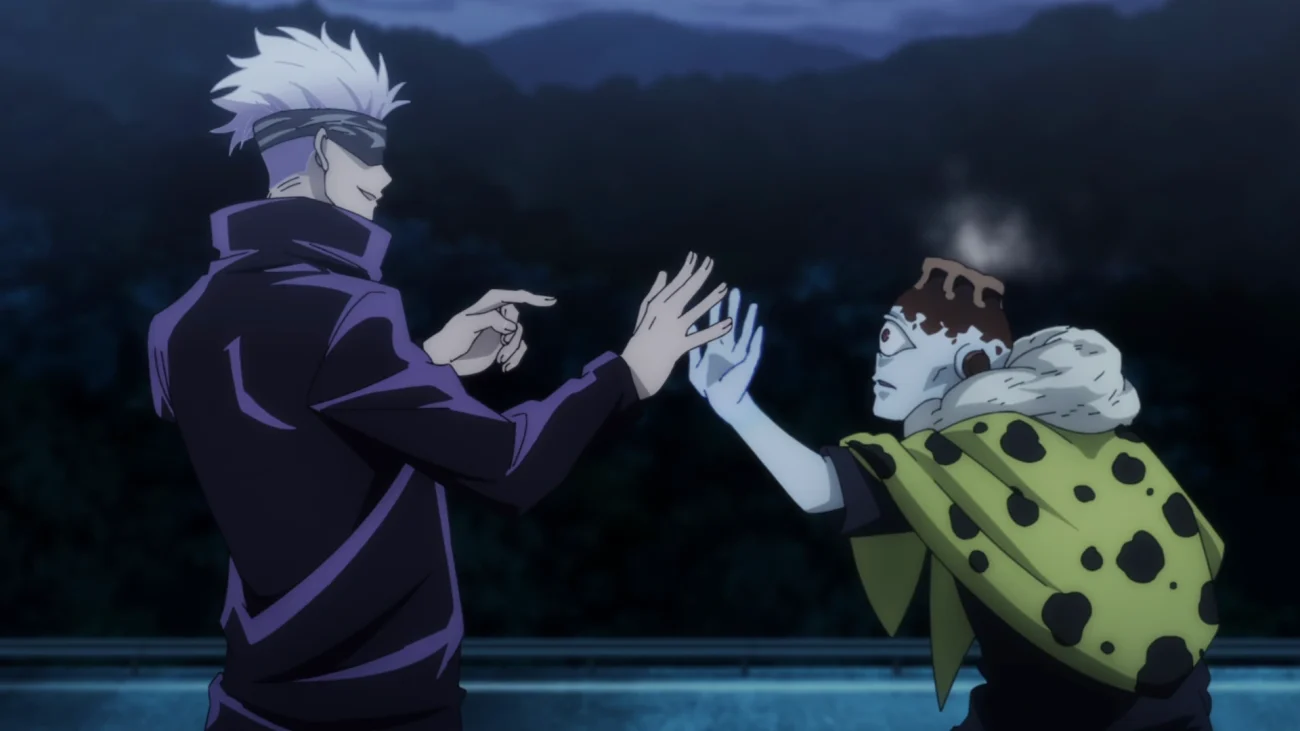
Gojo’s Limitless technique creates an “Infinity” that halts attacks before contact, nullifying Jogo’s close-range offense. When domains are deployed, Gojo’s Unlimited Void floods Jogo with infinite information, incapacitating him inside the barrier. The match demonstrates the hierarchy between special-grade sorcerer techniques and a special-grade curse relying on heat-based attacks. Technique interactions, domain supremacy, and control of engagement distance determine the outcome.
Beerus vs. the Z Fighters — ‘Dragon Ball Super’
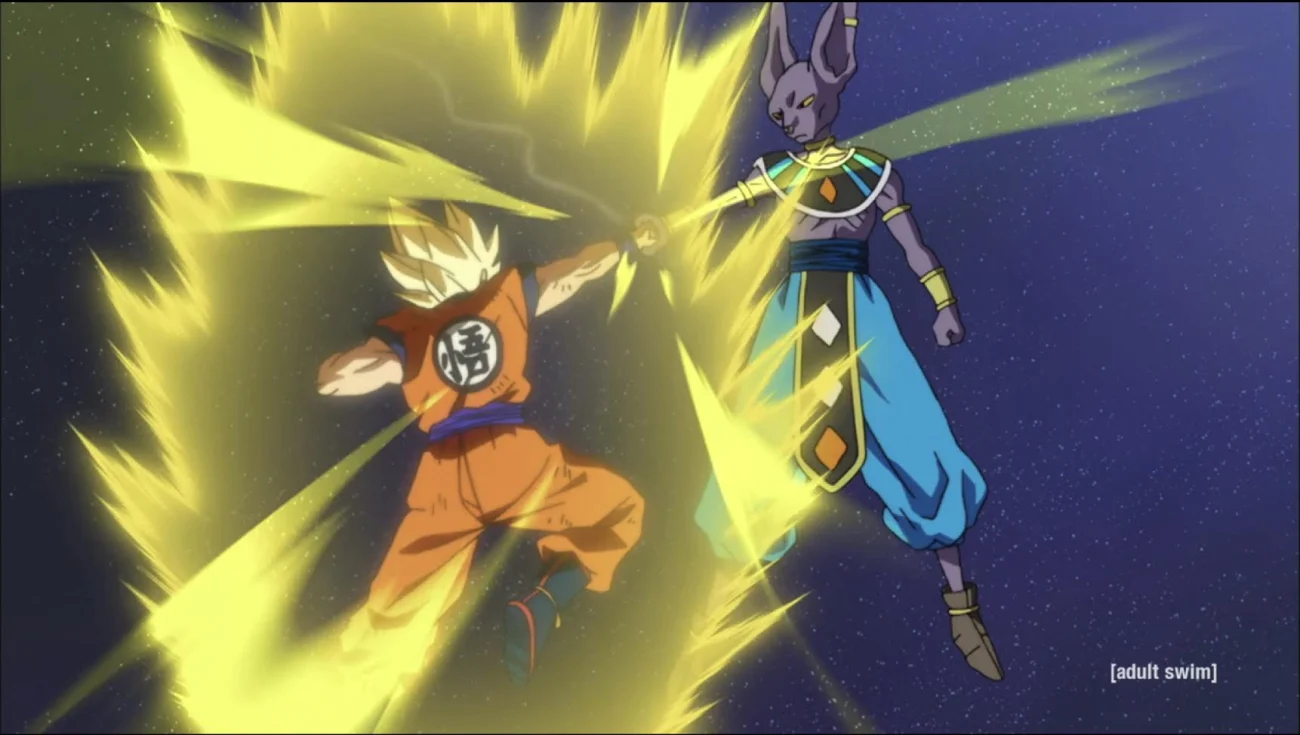
Beerus, a God of Destruction, arrives seeking the Super Saiyan God and demonstrates casual, planetary-scale power. Initial attempts by Vegeta and others barely register, with Beerus setting the pace and ending exchanges at will. Only after a divine ritual does Goku access a form that can engage him meaningfully, and even then Beerus manages the intensity. The fight framework highlights a divine-versus-mortal tier gap baked into their roles and abilities.
Kaguya Ōtsutsuki vs. Team 7 — ‘Naruto Shippuden’
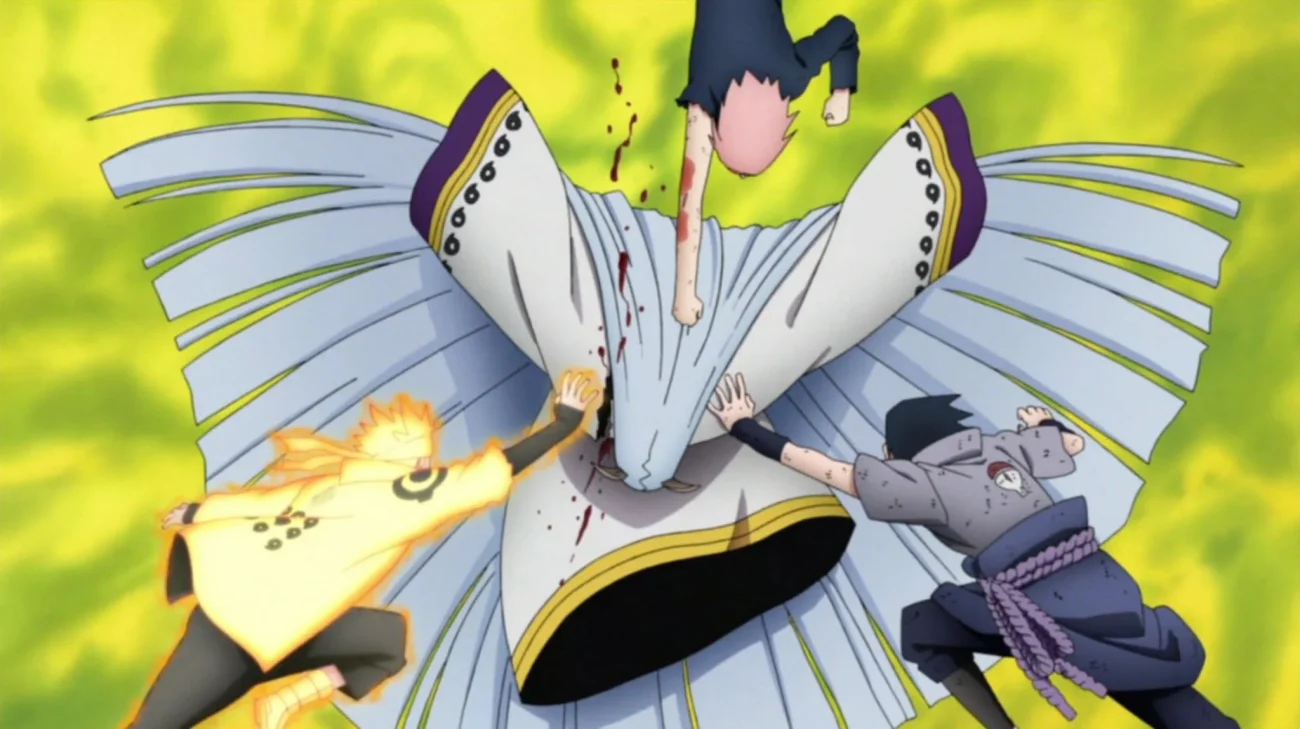
Revived through the Infinite Tsukuyomi, Kaguya wields near-limitless chakra, space-time dimension shifting, and all-consuming techniques like Expansive Truth-Seeking Ball. Naruto and Sasuke require Six Paths power and a specific sealing method to restrain her rather than defeat her through conventional damage. The battlefield shifts across extreme environments, forcing constant adaptation to gravity, terrain, and chakra-draining conditions. The resolution depends on coordinated sealing and counters to reality-warping abilities more than standard combat exchanges.
Share which battles you’d add to the list in the comments!