


Top 15 Movie Blondes, Ranked

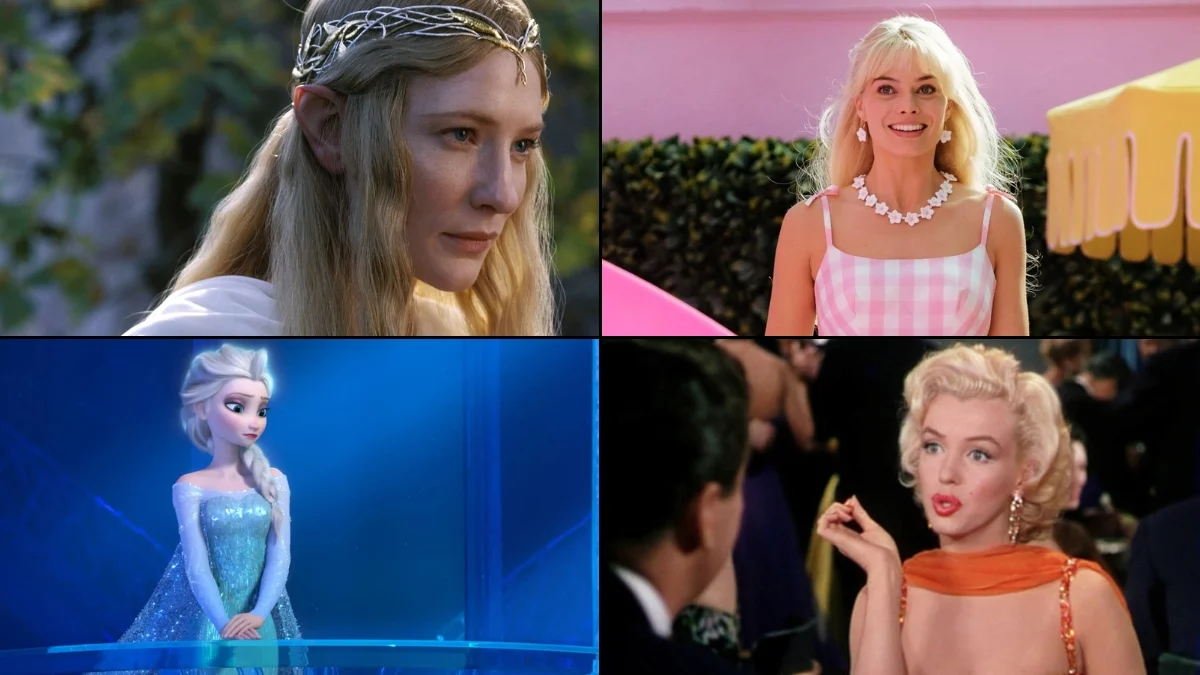


Blonde characters show up everywhere in film—animated fantasies, superhero epics, teen comedies, and noir-tinged thrillers. This list focuses on characters, not performers, and highlights who they are in their stories, what they do on screen, and the concrete details that define them—names, roles, abilities, relationships, and plot contributions—without drifting into actor trivia.
To order the picks, the emphasis is on measurable, topic-relevant factors: narrative centrality within the film, cross-media presence or franchise continuity, and documented cultural footprint such as sequels, spin-offs, merchandise, and enduring references in later works. It’s a countdown from 15 to 1.
Elsa — ‘Frozen’
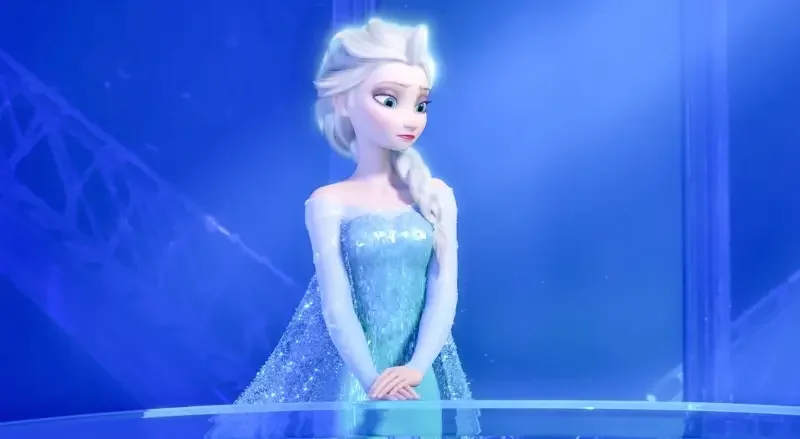
Elsa of Arendelle is the elder daughter of the royal family whose cryokinetic powers trigger the kingdom’s deep freeze. She spends much of the story isolated from her sister Anna, establishing the central conflict around control, fear, and responsibility as a sovereign. The character was conceived as a subversion of an archetypal ice queen, with powers that are innate rather than bestowed.
Elsa’s portrayal extends through feature films, shorts, and licensed media, anchoring a major modern Disney franchise. Her signature elements include the ice palace sequence, the coronation gown versus the glacial dress, and a motif of snowflake iconography used across theme-park attractions, video games, and publishing lines.
Alice — ‘Alice in Wonderland’
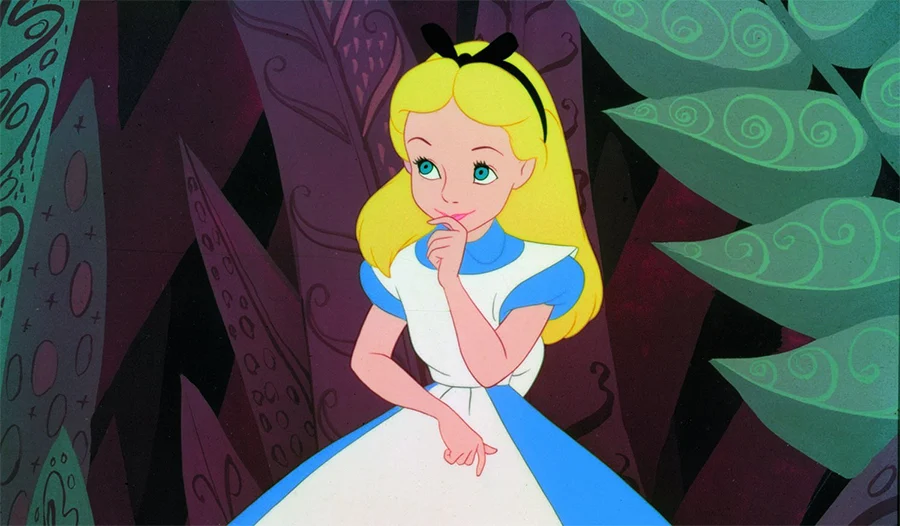
Alice is a curious English girl who follows a white rabbit into a realm governed by dreamlike logic. In her film version, she navigates shifting scale, anthropomorphic creatures, and authority figures such as the Queen of Hearts, providing a through-line for episodic encounters that mirror the structure of the original literary source.
The character’s imagery—blue dress, black headband, blonde hair—became standardized in screen adaptations and merchandising. Alice’s narrative function is as an observer-protagonist whose perspective frames the surreal set-pieces, a role that has supported re-interpretations in later films, television specials, and interactive media under the same title.
Aurora — ‘Sleeping Beauty’
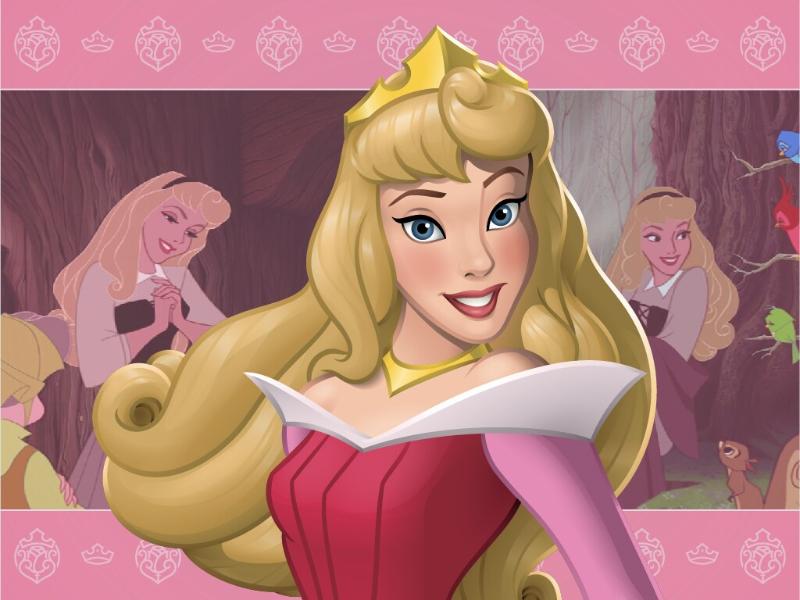
Princess Aurora is the royal child cursed by Maleficent to fall into a deathlike sleep upon pricking her finger on a spindle. Hidden in the forest by three good fairies under an alias, she meets Prince Phillip before the spell takes effect, setting up the rescue that resolves the central enchantment.
Aurora’s design emphasizes golden hair and a rose-blue color motif used for gowns and promotional materials. The film’s narrative gives substantial screen time to the fairies and antagonist, but Aurora’s identity—birthright, curse, and awakening—anchors tie-ins, stage adaptations, and subsequent reinterpretations within related films bearing the same title elements.
Draco Malfoy — ‘Harry Potter and the Philosopher’s Stone’
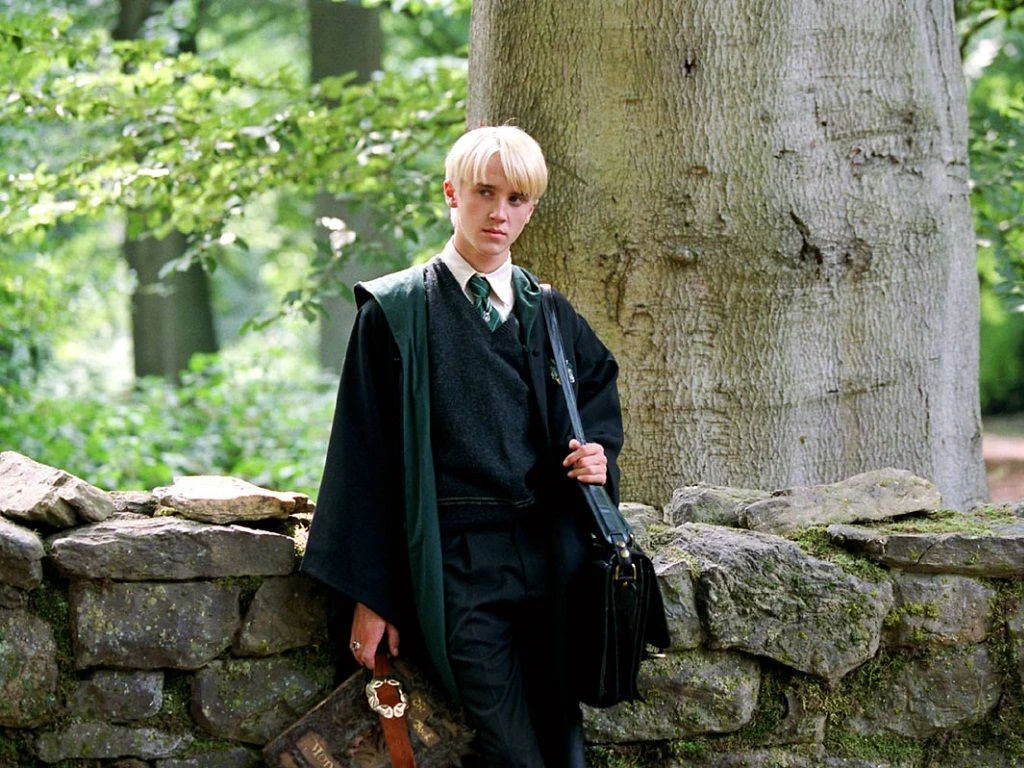
Draco Malfoy is a Slytherin student at Hogwarts and the main school-age foil to the title character. Introduced as the heir of a pure-blood family allied with dark wizards, he establishes a rivalry that threads through classes, Quidditch matches, and house competitions, providing steady conflict within the school setting.
The character’s blonde appearance, aristocratic demeanor, and emphasis on lineage mark him as a contrast to other students. Across the film series, he transitions from schoolyard antagonism to participation in larger plots involving covert tasks and divided loyalties, which are documented in subsequent installments under the same franchise banner.
Princess Buttercup — ‘The Princess Bride’
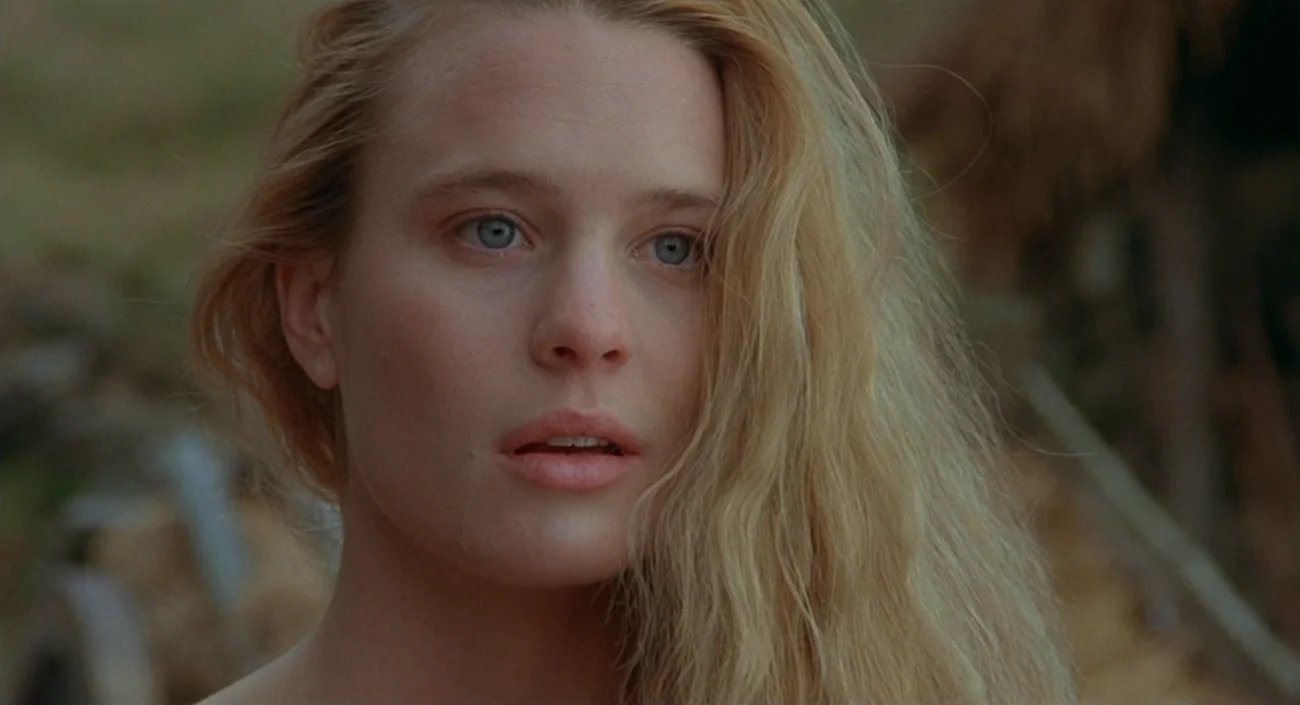
Buttercup begins as a farm girl who falls in love with Westley before he disappears and is presumed dead. She is later forced into an engagement with Prince Humperdinck, which propels abductions, rescues, and duels as various parties converge on the kingdom’s political scheme.
Her characterization includes a direct manner of speaking, equestrian scenes at the farm, and royal attire after the betrothal. While many supporting figures drive the story’s action, Buttercup’s choices—accepting the engagement, confronting the prince, and recognizing Westley’s identity—provide the stakes that tie the adventure, romance, and satire together in the film.
Cher Horowitz — ‘Clueless’
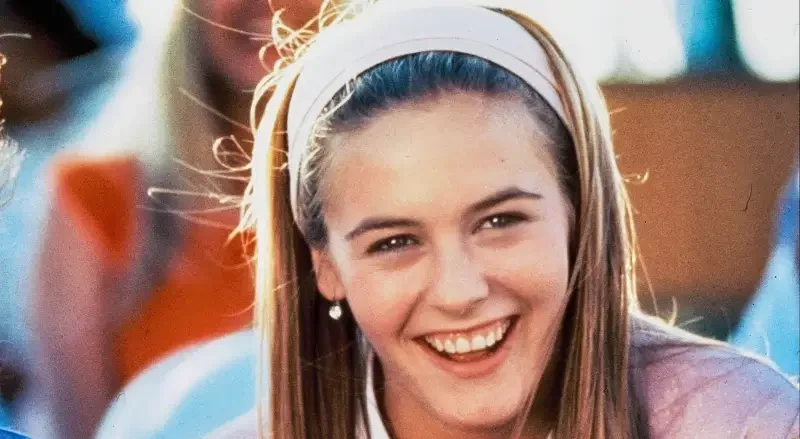
Cher is a Beverly Hills high-school student who applies her interest in fashion and persuasion to social projects, including matchmaking and an attempted makeover of a new classmate. She navigates debates, driving lessons, and family expectations while forming and revising her view of relationships and status.
The character’s wardrobe—plaid suits, mini dresses, and coordinated accessories—became a codified visual language associated with the film’s setting. Cher’s dialogue, friendship with Dionne, and dynamic with stepbrother Josh supply recurring setups for classroom scenes, mall sequences, and party set-pieces, which were expanded in later media using the same title.
Regina George — ‘Mean Girls’
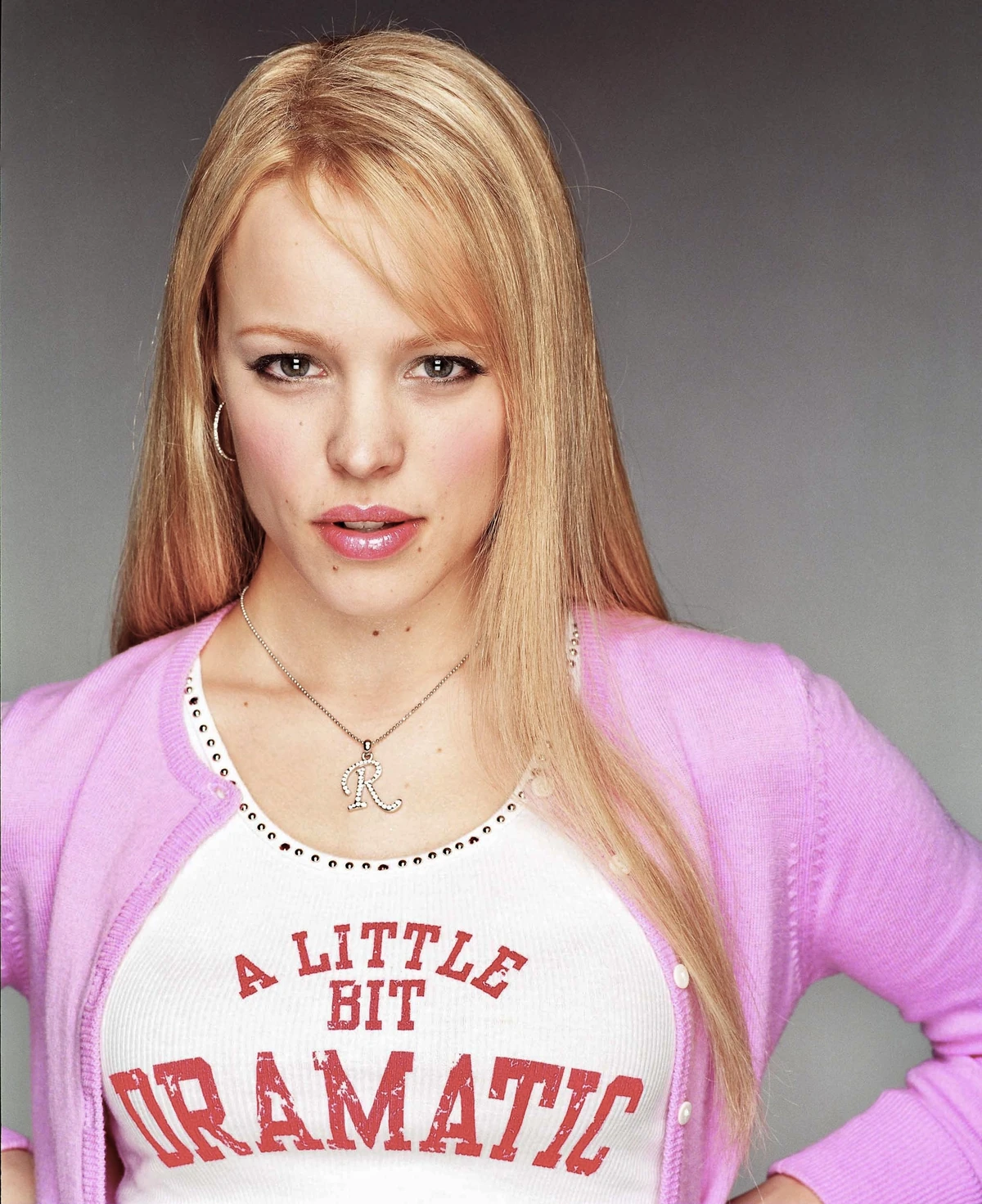
Regina is the leader of the Plastics, the school clique that shapes fashion, social calendars, and cafeteria politics. She serves as the primary obstacle to the new student’s adjustment, directing pranks, social sabotage, and rule-setting with a handbook that codifies the group’s operations.
Her blonde presentation, matching tracksuits, and accessories form a repeatable template for costumes and references in later works. Key plot mechanics attached to Regina include the Burn Book, the winter talent show, and the power shift after an injury, each of which functions as a catalyst for changes in allegiances and school-wide fallout within the film.
Elle Woods — ‘Legally Blonde’
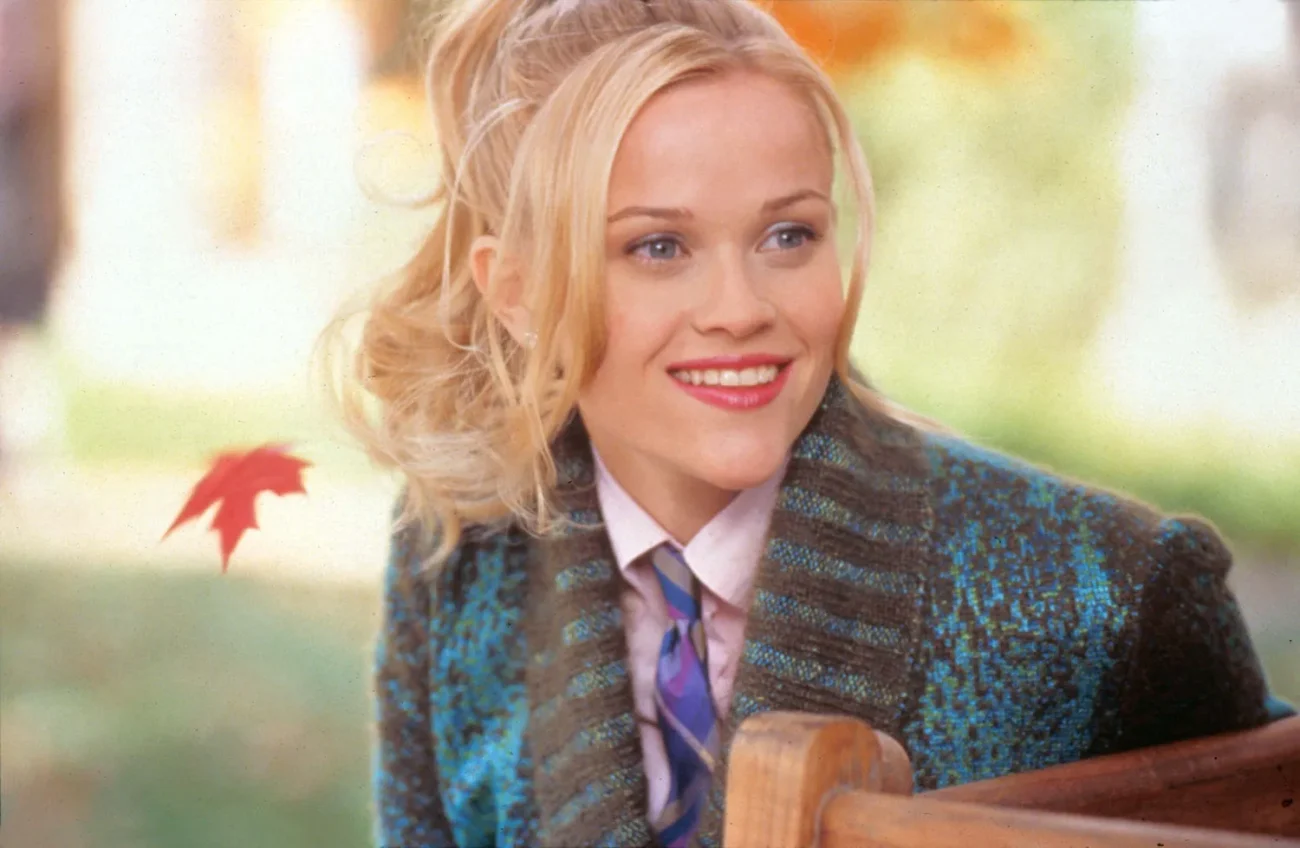
Elle Woods starts as a sorority president who applies to law school to pursue a relationship goal, then redirects that momentum into academic performance and courtroom strategy. She prepares for entrance exams with targeted study plans and later deploys knowledge of consumer habits and hair-care chemistry as probative detail in a murder case.
Her on-screen identifiers include a pink-forward wardrobe, a small dog named Bruiser, and themed stationery and accessories. The character’s arc incorporates admissions procedures, internships, and trial preparation, providing a procedural framework that supported sequels, a stage musical, and licensed products aligned with the same name.
Harley Quinn — ‘Suicide Squad’

Harley Quinn is introduced on screen as a former psychiatrist who becomes an antihero after a relationship with the Joker. In this film continuity, she operates as part of a government-assembled team of incarcerated meta-criminals tasked with high-risk missions, wielding melee weapons and exhibiting gymnastic agility.
Her blonde hair with dyed tips, bomber jackets, and baseball bat form a consistent visual package across appearances. The character’s file, prison scenes, and mission briefings supply concrete background—real name, prior employment at Arkham, and behavioral notes—which recur in subsequent installments and spin-offs using the same continuity.
Catherine Tramell — ‘Basic Instinct’
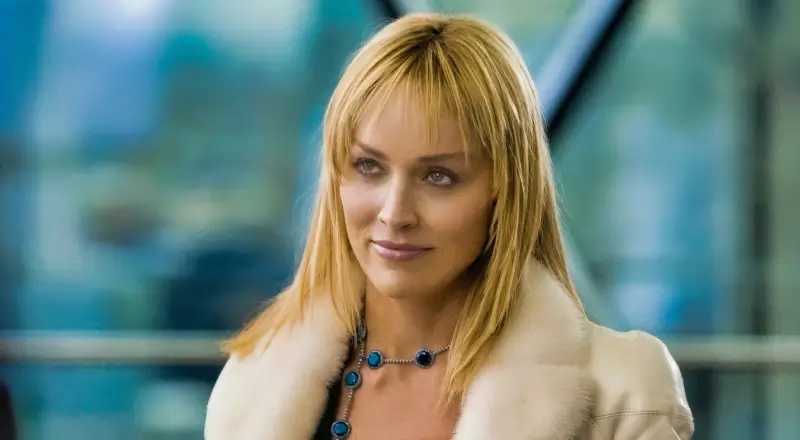
Catherine Tramell is a crime novelist connected to a homicide investigation that mirrors one of her books. She participates in police interviews, social gatherings, and private meetings where details about her past associates and published work become part of the case file.
The character’s bibliography, wealth, and residence on the coast create recurring settings for questioning and surveillance. Specific sequences—ice-pick references, polygraph topics, and manuscript discussions—provide procedural anchors that link Catherine’s literary output to the investigation’s timeline within the film’s narrative structure.
Lorelei Lee — ‘Gentlemen Prefer Blondes’
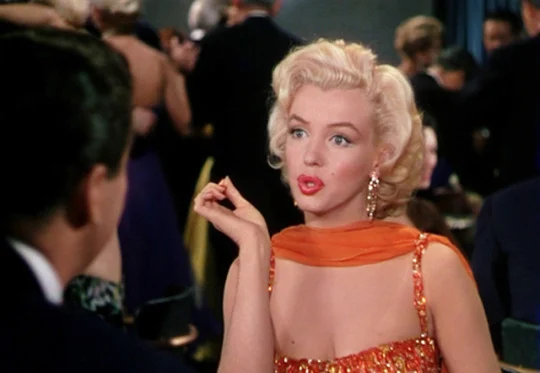
Lorelei Lee is a showgirl who travels by ocean liner to France, where her engagement to a wealthy man is complicated by a private investigator and misunderstandings over gifts. She uses performance numbers and social maneuvering to address the obstacles presented by guardians and suitors.
Her costuming—sequined gowns and a notable pink dress—pairs with musical sequences that advance plot points about diamonds, friendship, and proof of fidelity. Lorelei’s interactions with Dorothy, the captain’s table scenes, and encounters with law enforcement create a chain of set-pieces that resolves legal and romantic complications on screen.
Legolas — ‘The Lord of the Rings’

Legolas is a Sindarin elf and a founding member of the Fellowship tasked with the destruction of the Ring. His contributions include reconnaissance, ranged combat with a signature bow, and traversal of hazardous terrain across multiple regions named in the source material and depicted on screen.
The character’s blonde hair, light armor, and elven accoutrements are part of a consistent production design sustained through the film trilogy bearing the same title elements. His partnership with the dwarf Gimli yields numerical tallies during battles and shared travel sequences, which function as structural beats within the larger war narrative.
Thor — ‘Thor’

Thor is the crown prince of Asgard whose banishment to Earth initiates his transition from impulsive warrior to protector of multiple realms. The film charts his attempt to reclaim the hammer Mjolnir, interactions with astrophysicists, and conflict with his brother Loki as part of a larger cosmic framework.
His presentation features long blonde hair, a red cape, and armor embossed with circular plates. Thor’s abilities—weather manipulation, flight via the hammer, and enhanced strength—are cataloged across team-up films and solo entries sharing the same title lineage, alongside recurring settings such as Asgard, New Mexico, and later urban battlegrounds.
Barbie — ‘Barbie’
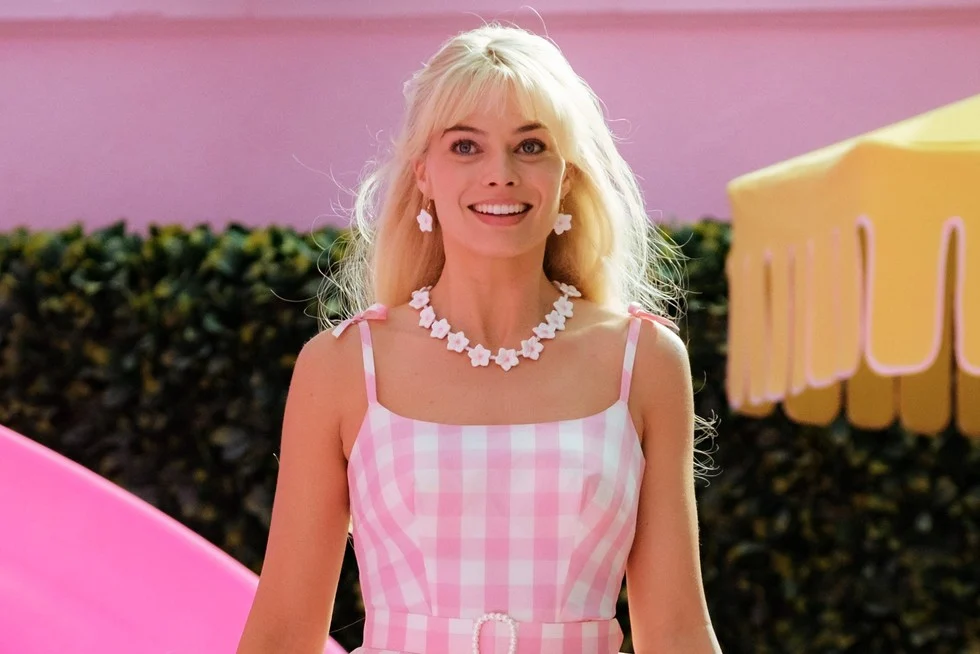
Barbie is portrayed as a resident of a matriarchal toy-box world whose routines are disrupted by unplanned changes. She leaves her home setting to investigate the cause, entering a parallel, real-world environment that reframes the rules governing her daily life and social structure.
The character’s blonde look, themed wardrobe, and named Dreamhouse carry over from decades of product lines into live-action storytelling. On screen, she interacts with versions of herself and with Ken, visits corporate offices, and confronts manufacturing-era lore, all of which are documented through set designs and prop details linked to the same brand title.
Galadriel — ‘The Lord of the Rings’

Galadriel is the Lady of Lothlórien, an elven ruler who provides sanctuary, counsel, and gifts to the Fellowship. Her scenes include mirror-vision sequences, telepathic exchanges, and a moment of temptation regarding the Ring’s power, which she refuses, maintaining the story’s path toward its intended bearer.
Production design establishes Galadriel with golden hair, luminous costuming, and a circlet, aligning with her status and age within elven history. She distributes specific items—like phials and cloaks—that become functional tools in later episodes of the journey, creating documented continuity across the films sharing the same overarching title.
Share your own picks for big-screen blondes in the comments!