


Top 15 Movie Soldiers




Movie soldiers come in every shape and era, from historical figures to fictional fighters who carry the story on their backs. They show how training, duty, and fear collide in the middle of chaos, and they often anchor entire plots with the choices they make under pressure. These characters also help explain the conflicts around them, putting tactics, logistics, and command decisions into scenes that feel immediate and clear.
This list gathers fifteen standout soldiers from films across decades and wars. Each entry notes the character’s role, the mission or operation they face, and the details that shape their actions in the field. You will also see a quick nod to who released the film, kept simple and subtle, so the focus stays on the character and the story.
Captain John H. Miller in ‘Saving Private Ryan’ (1998)
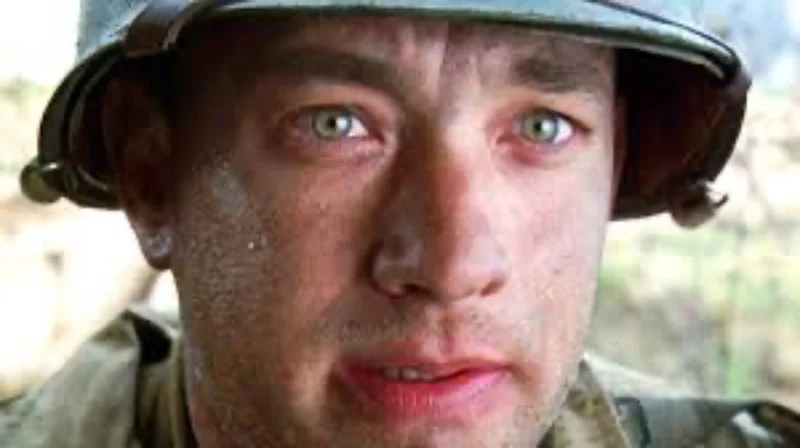
Captain John H. Miller commands a small Ranger unit sent to locate a missing paratrooper after the Normandy landings. The character’s background as a schoolteacher contrasts with the tactical choices he makes on the march from the beachhead through hedgerow country. The film lays out how squads move, how they clear obstacles, and how leadership shifts under fire.
The mission structure follows a clear objective with limited intelligence and shifting risk as the team crosses towns and river crossings. Released in the United States by DreamWorks. The depiction of small unit tactics, use of Bangalore torpedoes, and coordination with armor show how infantry advances in layered defenses.
Desmond Doss in ‘Hacksaw Ridge’ (2016)
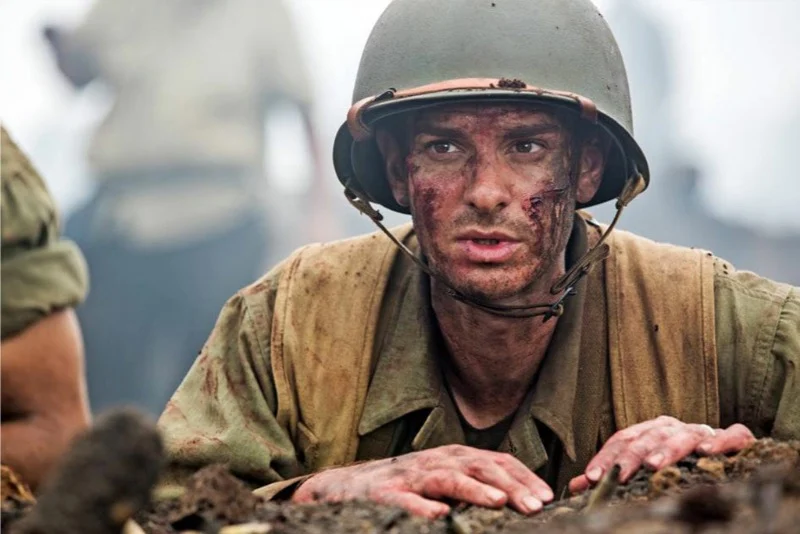
Desmond Doss serves as a combat medic in the 77th Infantry Division during the Battle of Okinawa. The film explains his status as a conscientious objector who refuses to carry a weapon yet completes training, ships out, and joins his company on the Maeda Escarpment known as Hacksaw Ridge. Medical procedures and evacuation steps are shown with field dressings, drags, and rope lowerings over the cliff.
His actions revolve around rescue under fire, triage choices, and stamina during repeated sorties back onto contested ground. Released by Lionsgate in the United States. The story tracks unit rotations, artillery preparation, and the timing of assaults relative to resupply and casualty collection.
Colonel Nicholson in ‘The Bridge on the River Kwai’ (1957)
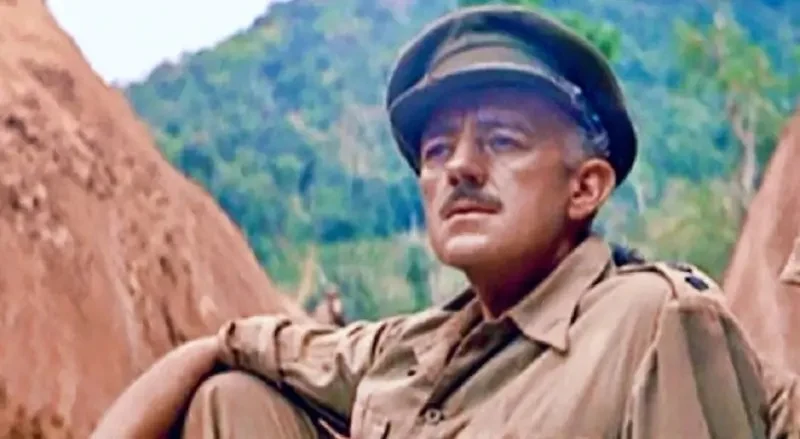
Colonel Nicholson leads British prisoners of war tasked with building a railway bridge in occupied Southeast Asia. The film details command hierarchy inside the camp, Geneva Convention arguments about officer labor, and the engineering methods used to construct the bridge with limited tools and forced deadlines.
It also follows sabotage planning and the conflict between pride in workmanship and strategic necessity as the railway becomes a military target. Released by Columbia Pictures. The story shows rail logistics, river conditions, and explosive placement with signal timing during a planned demolition.
Staff Sergeant William James in ‘The Hurt Locker’ (2008)
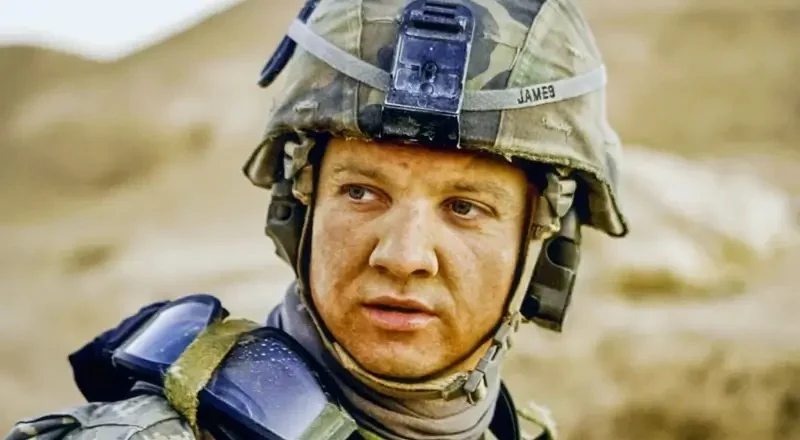
Staff Sergeant William James heads an Explosive Ordnance Disposal team operating in and around Baghdad. The film explains EOD protocols, from bomb suit use to robot reconnaissance, and how cordons are set by supporting infantry. It tracks how operators read device signatures and adapt when triggers range from garage door openers to command wires.
Team procedures, radio calls, and overwatch positions are shown in close detail during alleyway approaches and vehicle clears. Released in the United States by Summit Entertainment. The mission tempo reflects rotation schedules, quick reaction tasks, and the stress of serial callouts.
Private J. T. “Joker” Davis in ‘Full Metal Jacket’ (1987)
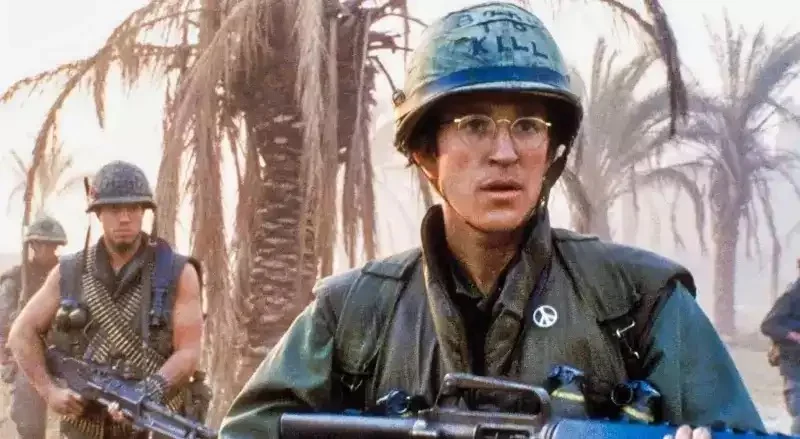
Private Joker begins at Parris Island where recruit training covers rifle marksmanship, drill, and field discipline. The film shows the structure of boot camp platoons, the role of a drill instructor, and the progression from basic tasks to live fire. It then follows Joker as a Marine combat correspondent attached to a unit in Vietnam.
The second half explains how reporters embed, how they move with squads, and how urban fighting in Hue unfolds by building and street. Released by Warner Bros. Pictures. The narrative maps rank, MOS assignments, and chain of command in both training and combat zones.
Lance Corporal William Schofield in ‘1917’ (2019)
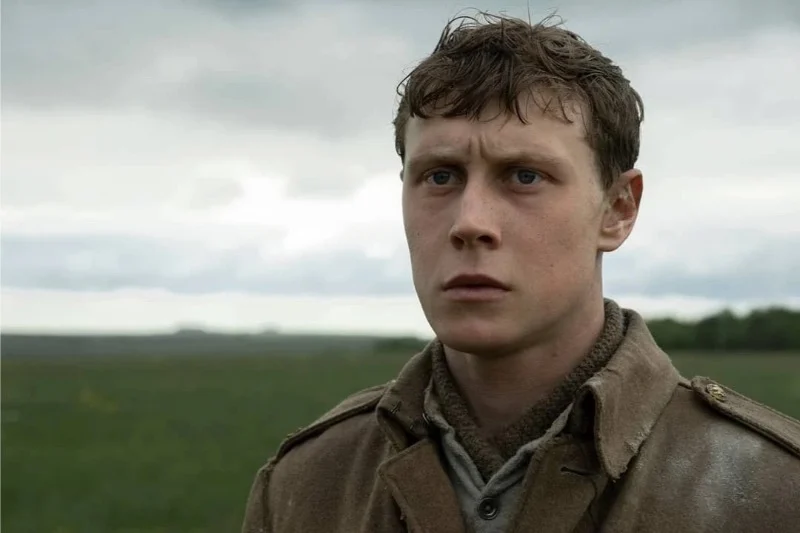
Lance Corporal Schofield is assigned to deliver a written order that will halt a planned attack. The story follows how runners navigate trenches, sap lines, and no man’s land, and how they use landmarks to avoid enemy positions. It explains rationing, kit weight, and the timing of movements with artillery barrages.
The route includes farm ruins, river crossings, and a front line shift after a supposed withdrawal. Released by Universal Pictures. You see how message security works, with orders carried physically to prevent interception over unsecured lines.
Captain Benjamin L. Willard in ‘Apocalypse Now’ (1979)

Captain Willard receives a classified mission to terminate a rogue commander deep in Cambodia. The film outlines special operations tasking, the use of riverine patrol boats, and the complexities of rules of engagement far from conventional fronts. It shows air support requests, coordination with Army helicopter units, and how navigation relies on charts and local guides.
The journey tracks supply points and the gradual loss of communications as the crew moves upriver. Released in the United States by United Artists. The command brief at the start clarifies how covert directives can bypass normal field reporting.
Private Witt in ‘The Thin Red Line’ (1998)
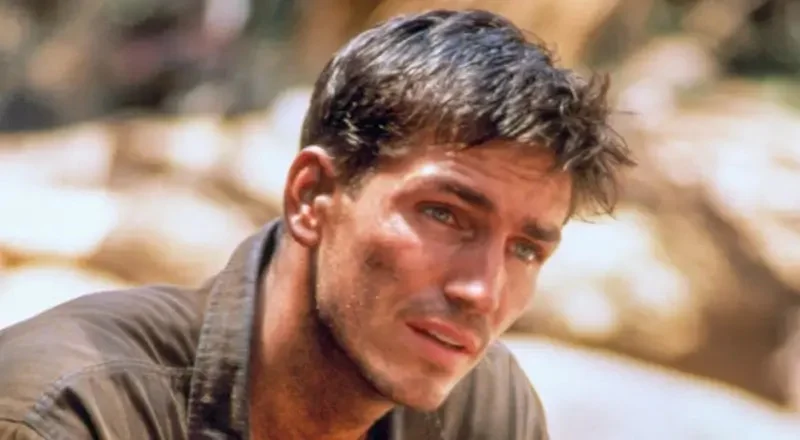
Private Witt serves with the Army during the Guadalcanal campaign in the Solomon Islands. The film focuses on company level assaults up grassy ridges against entrenched positions, with emphasis on reconnaissance, suppressive fire, and flanking maneuvers. It contrasts field leadership styles between officers who prioritize caution and those who push rapid attacks.
Supply lines, casualty evacuation to aid stations, and the effect of terrain on fire lanes are shown across several engagements. Released domestically by 20th Century Fox. The narrative also notes how rotations off the line work when units reach exhaustion.
Staff Sergeant Matt Eversmann in ‘Black Hawk Down’ (2001)
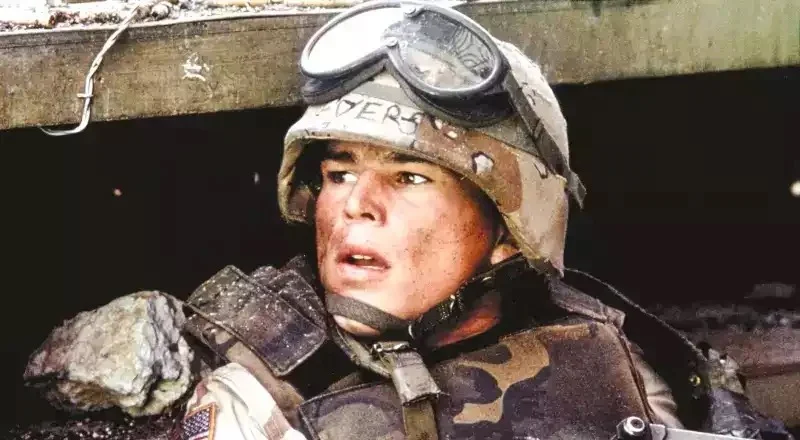
Staff Sergeant Eversmann leads a chalk of Rangers during a daylight raid in Mogadishu. The film lays out the task organization of Rangers and Delta operators, the plan to secure targets, and the convoy routes to extraction. When helicopters are hit, the mission shifts to perimeter defense and casualty recovery under sustained fire.
Communications traffic, call signs, and coordination between ground convoys and helicopters are presented with map clarity. Released by Columbia Pictures. The timeline shows how quick missions can turn into extended urban fights when airframes are lost.
Sergeant Don “Wardaddy” Collier in ‘Fury’ (2014)
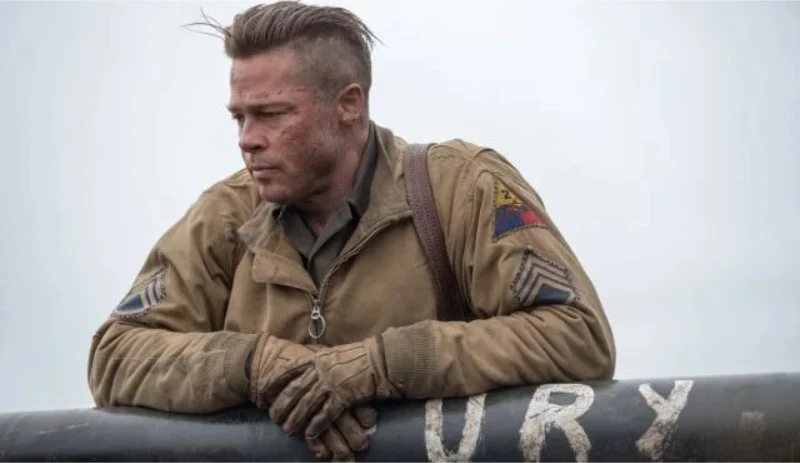
Sergeant Collier commands an M4A3E8 Sherman tank and crew in the final push into Germany. The film walks through tank crew roles from gunner to loader, ammunition types, and engagement ranges against German armor. It shows how tanks coordinate with infantry in towns and fields and how maintenance happens in forward areas.
Road marches, recovery of damaged vehicles, and the use of smoke to screen movement are built into the action. Released by Columbia Pictures. The closing defense sequence illustrates how a single tank sets fields of fire and manages dwindling ammunition.
Tommy in ‘Dunkirk’ (2017)
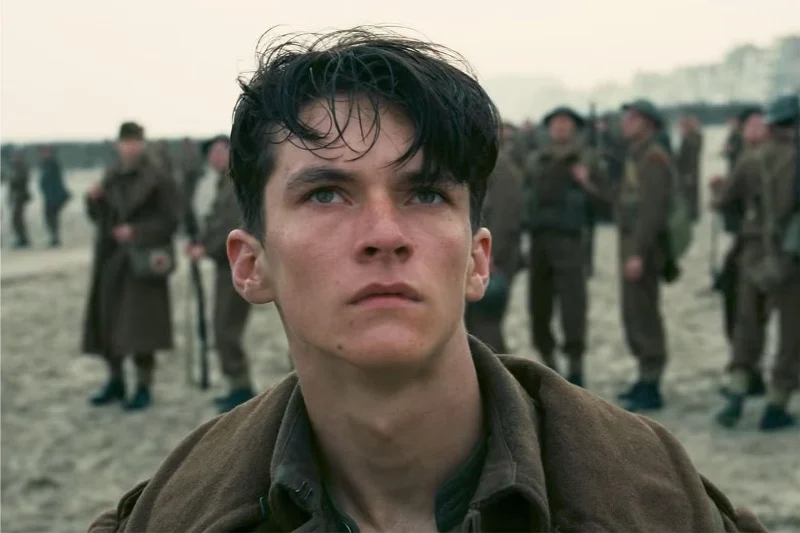
Tommy is a young British private trying to reach evacuation points on the beaches of Northern France. The film explains the structure of the Dunkirk evacuation with the mole, the beach queues, and the arrival of civilian vessels. It intercuts the soldier’s viewpoint with air cover and naval protection that enable lift capacity.
Ration distribution, medical staging, and the risks from U-boat threats and bombing runs are built into the evacuation timeline. Released by Warner Bros. Pictures. The story also shows how units re-form after reaching ships and how manifests track embarkation.
Chris Kyle in ‘American Sniper’ (2014)
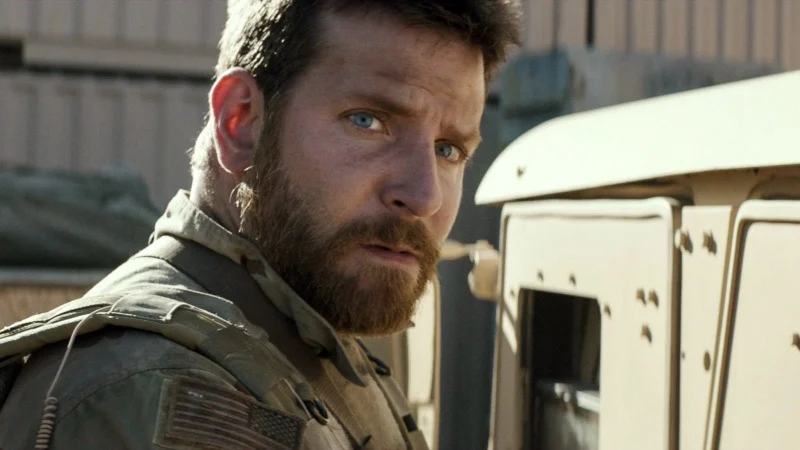
Chris Kyle serves as a United States Navy SEAL sniper attached to ground units in Iraq. The film covers sniper team composition, spotting, range estimation, and the process of obtaining clearance to fire in complex urban settings. It details how overwatch supports patrols and how callouts flow from squads to rooftops.
Rotations between deployments and training cycles at home are part of the timeline, with attention to equipment updates and optics. Released by Warner Bros. Pictures. The film also notes how rules of engagement affect target identification from concealed positions.
Corporal Dwayne Hicks in ‘Aliens’ (1986)
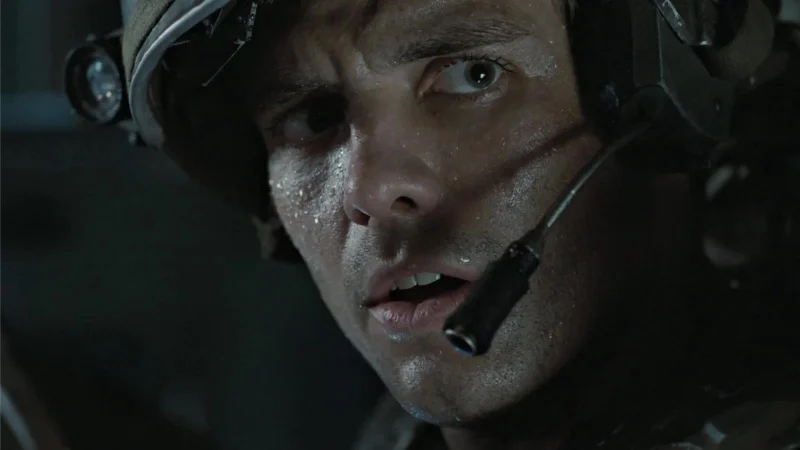
Corporal Hicks is a squad leader in the United States Colonial Marines sent to investigate a lost colony. The film sets out squad structure, motion trackers, and the limits placed on live ammunition in pressurized environments. It highlights how perimeter setups and sentry guns manage corridors and chokepoints.
Command passes to Hicks after leadership losses, and he reorganizes surviving marines for withdrawal and defense. Released by 20th Century Fox. The use of dropships, APCs, and orbital support mirrors combined arms principles adapted to off-world settings.
Sergeant Elias Grodin in ‘Platoon’ (1986)
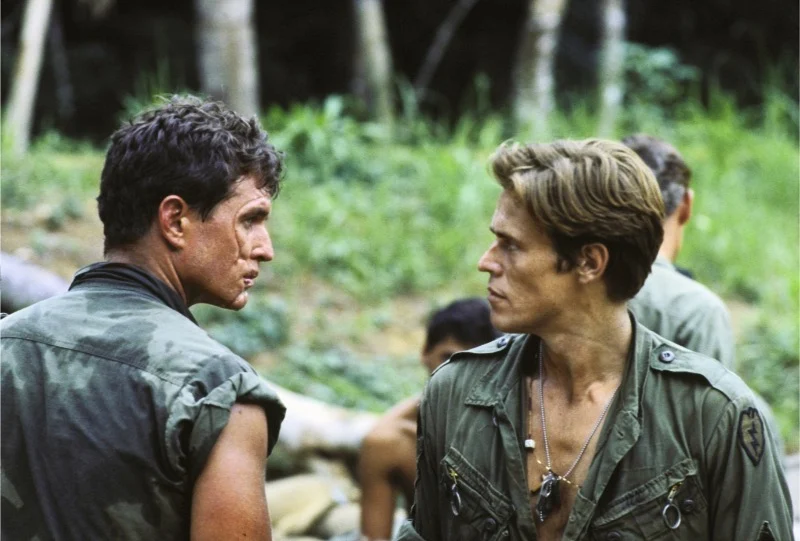
Sergeant Elias serves in an infantry platoon operating in rural Vietnam. The film shows patrol patterns, ambush drills, and village sweeps with attention to how small units navigate dense terrain. It contrasts leadership approaches within the same platoon and how those differences affect morale and field conduct.
The depiction of night defenses, trip flares, and artillery fire missions grounds the combat scenes in standard operating procedures. Released by Orion Pictures. The timeline tracks rotations, rest periods at rear bases, and the strain of repeated contact.
General George S. Patton in ‘Patton’ (1970)
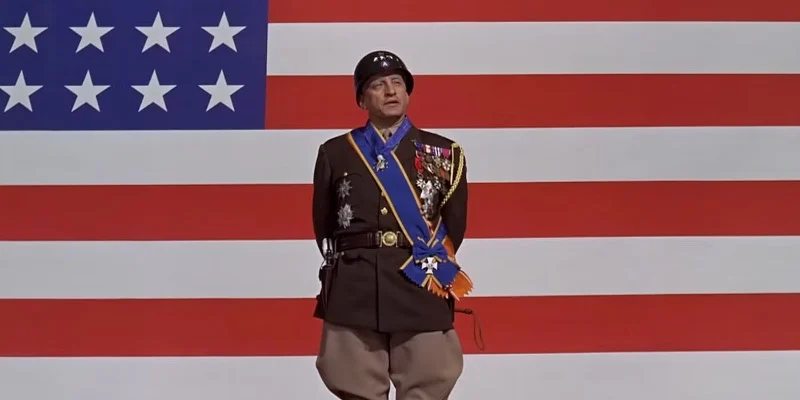
General Patton commands U.S. forces in North Africa and Europe, with the film tracing campaigns from Tunisia through Sicily and into the push after the Normandy breakout. It explains corps level planning, logistics for fuel and ammunition, and how armored divisions exploit breakthroughs. It also covers relations with allied commanders and the importance of rapid maneuver.
Operational maps, staff briefings, and orders emphasize how strategy turns into movement across entire theaters. Released by 20th Century Fox. The Battle of the Bulge segment shows how weather, supply lines, and relief timing shape outcomes at scale.
Share your favorite big screen soldiers in the comments so we can compare notes on who else deserves a spot.