


Top 15 Movie Villains of the 21st Century

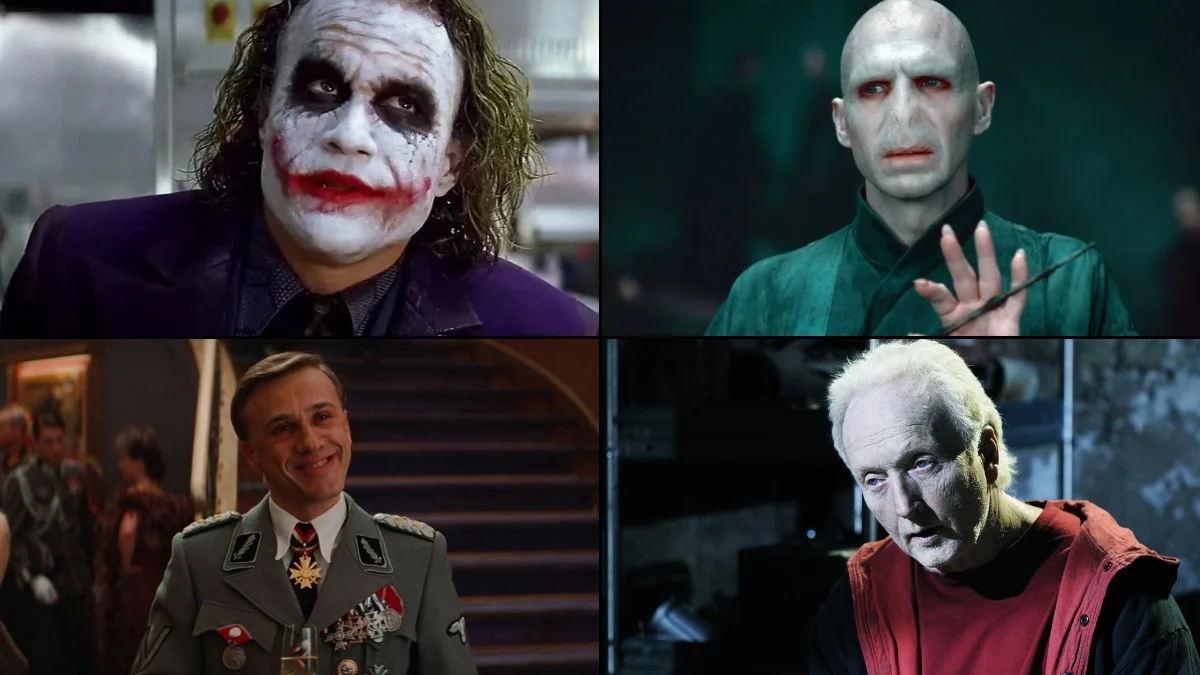


This list spotlights big-screen antagonists who first appeared in movies released from 2001 onward. Each entry notes the performer, the filmmaking choices that shaped the character on screen, and concrete story elements—methods, goals, and on-screen actions—that define the threat they pose.
Selections span multiple genres and production scales, from franchise tentpoles to literary adaptations. To keep things consistent, titles are presented in H2 headers with release years, and details such as awards, production techniques, and narrative functions are included in the paragraphs that follow.
Joker – ‘The Dark Knight’ (2008)
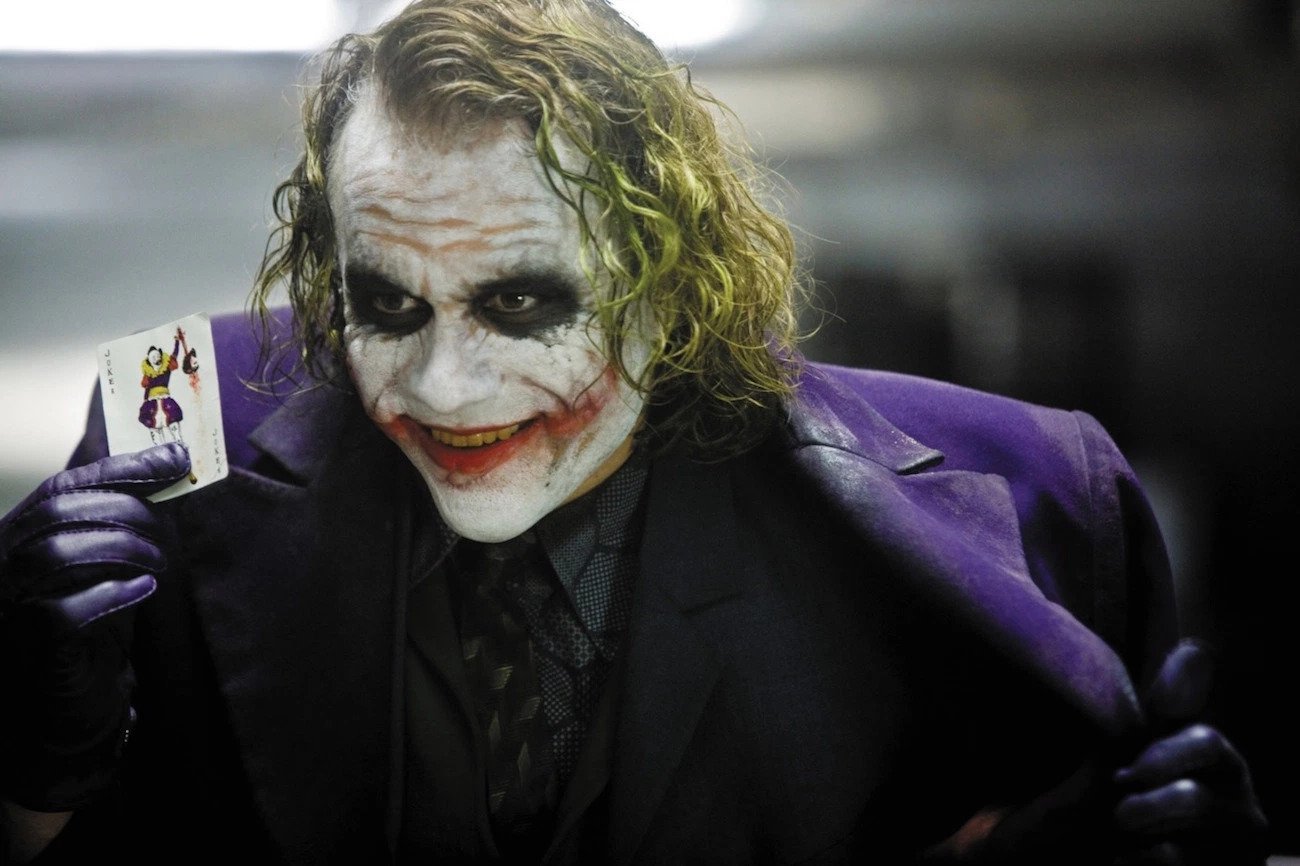
Heath Ledger portrays the Joker under director Christopher Nolan, operating in Gotham City against Batman, the police, and public officials. The character conducts synchronized bank robberies, bomb threats targeting transit and civic buildings, and hostage schemes designed to pit institutions and citizens against one another.
Ledger received the Academy Award for Best Supporting Actor for this role, and the production combined practical stunts, IMAX photography, and makeup effects to preserve facial nuance through smudged greasepaint and scars. The screenplay assigns the character multiple aliases and false origin stories, and the film traces his dealings with organized crime leaders alongside staged moral dilemmas.
Anton Chigurh – ‘No Country for Old Men’ (2007)

Javier Bardem plays Anton Chigurh, a contract killer pursuing stolen drug money across the U.S.–Mexico border region. The character is associated with a captive-bolt pistol used as a door breaching tool and weapon, a suppressed shotgun, and coin-toss confrontations that precede several killings.
Bardem won the Academy Award for Best Supporting Actor, and the film emphasizes ambient sound, long silences, and sparse scoring to heighten tension around the character’s movements. The adaptation preserves key traits from Cormac McCarthy’s novel, including deliberate speech patterns, unwavering pursuit, and interactions with law enforcement that document his route across counties and towns.
Lord Voldemort – ‘Harry Potter’ (2001–2011)

Ralph Fiennes portrays Tom Marvolo Riddle, known as Lord Voldemort, across multiple installments as the principal antagonist to Harry Potter and the wizarding community. The character oversees the Death Eaters, seeks control over wizarding institutions, and targets Hogwarts, the Ministry, and specific individuals tied to prophecy and bloodlines.
Makeup and visual effects establish a noseless, serpentine visage and wand-based combat enhanced by digital compositing. The story details Horcrux creation and concealment, the recruitment of followers via intimidation and ideology, and the pursuit of the Elder Wand’s allegiance, linking his returns to specific magical mechanisms.
Thanos – ‘Avengers: Infinity War’ (2018)

Josh Brolin, via performance capture and voice, embodies Thanos as he acquires six Infinity Stones from locations introduced across prior installments. The character defeats or evades multiple hero teams, uses lieutenants known as the Black Order, and executes a universe-wide plan upon assembling the gauntlet.
Facial capture preserved micro-expressions through a fully digital model, integrating live-action plates with CG environments and armor simulations. The narrative traces stone acquisitions planet by planet, connects the antagonist to prior post-credits scenes, and logs battlefield outcomes that reshape the status of various allied groups.
Hans Landa – ‘Inglourious Basterds’ (2009)
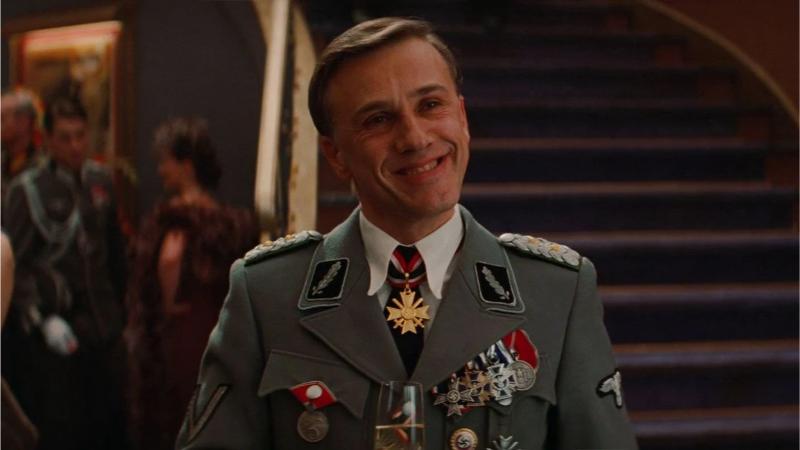
Christoph Waltz plays SS officer Hans Landa, tasked with locating Jewish families and later negotiating with enemy forces. Early farmhouse and tavern sequences document his interrogation style—multilingual questioning, evidence triangulation, and attention to small behavioral tells.
Waltz won the Academy Award for Best Supporting Actor, and extended dialogue scenes in multiple languages are structured around long takes and careful blocking. The character’s official position within Nazi command gives him authority over raids, arrests, and covert agreements, and the film records his use of written dossiers and personal leverage.
Erik Killmonger – ‘Black Panther’ (2018)

Michael B. Jordan portrays Erik “Killmonger” Stevens, a U.S. special-operations veteran with familial ties to Wakanda and a challenge right to the throne. The character defeats opponents in ritual combat, gains formal control of state resources, and redirects weapons programs toward global proxy operations.
Costume design contrasts tactical vests and scars with ceremonial panther-tooth elements, while production design locates key scenes in the Hall of Kings, Shuri’s lab, and the Great Mound. The screenplay outlines his training, intelligence background, and access to vibranium technology, mapping his moves from museum heist to royal court.
Amy Dunne – ‘Gone Girl’ (2014)

Rosamund Pike plays Amy Elliott Dunne, whose orchestrated disappearance activates local law enforcement, national media, and community search efforts. The plot presents staged crime-scene evidence, falsified diary pages, and timed financial transactions that generate a specific narrative for investigators and reporters.
Pike received major award nominations for the role, and the film’s parallel timelines align audience perspective with controlled reveals of Amy’s planning. The production depicts procedures—press conferences, tip hotlines, forensic sweeps, and televised interviews—showing how her strategy manipulates legal processes and broadcast coverage.
Raoul Silva – ‘Skyfall’ (2012)
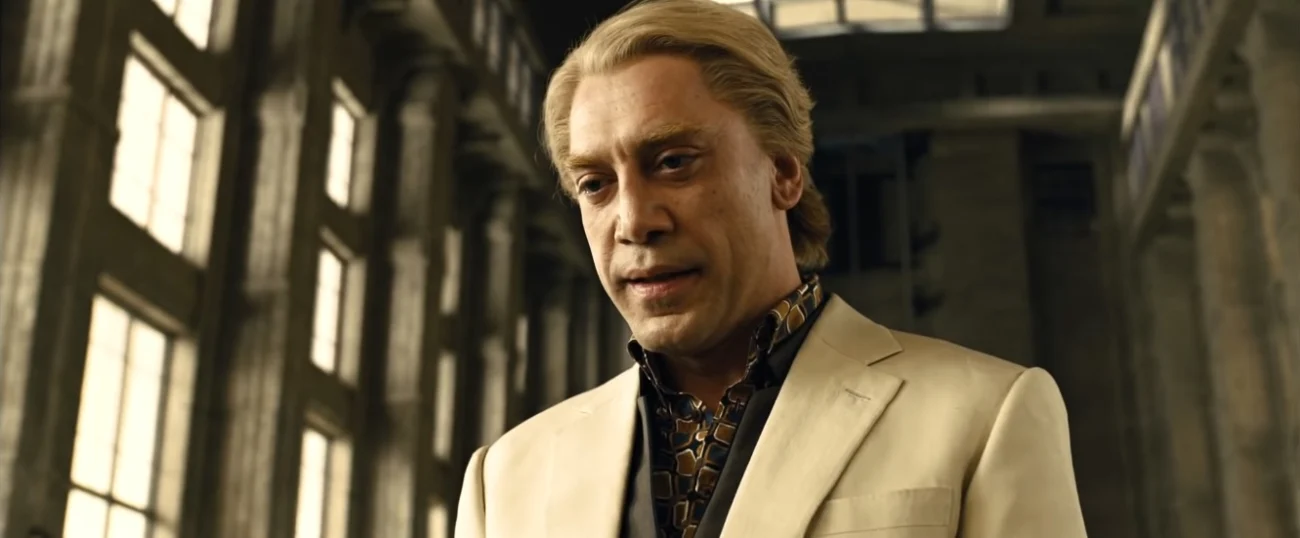
Javier Bardem’s Raoul Silva targets MI6 and M through cyber-intrusion, data theft, and a coordinated assault on hearings and safe houses. The character’s backstory identifies him as a former agent with a history of capture and injury following a compromised operation.
Makeup and digital effects present maxillofacial damage during an interrogation scene, and location shooting covers Shanghai, Macau, London, and the Scottish Highlands. The narrative tracks Silva’s use of disguises, police-band exploitation, and timed explosions, along with decoy routes that draw security services into ambushes.
Bane – ‘The Dark Knight Rises’ (2012)

Tom Hardy plays Bane, who organizes a takeover of Gotham City through stock-exchange manipulation, mass prison releases, and control of a fusion-core device. The character defeats Batman in hand-to-hand combat, relocates him, and institutes show-trial proceedings that target civic leaders.
Sound design and ADR techniques shape Bane’s distinctive voice through a respirator mask engineered by the costume team. Large-scale set pieces—stadium demolition, tunnel collapses, and bridge blockades—are staged with practical effects and thousands of extras to depict citywide isolation and paramilitary checkpoints.
Pennywise – ‘It’ (2017)

Bill Skarsgård portrays Pennywise the Dancing Clown, an entity preying on children in the town of Derry. The character lures victims through appearances tailored to individual fears and operates from lairs connected by sewer tunnels beneath neighborhoods and public buildings.
Practical makeup, eye-direction techniques, and digital augmentation alter facial proportions and bite sequences. Production design situates encounters in abandoned houses, storm drains, and school spaces, and the screenplay catalogs missing-persons cases, town folklore, and historical incidents that align with cyclical activity.
Immortan Joe – ‘Mad Max: Fury Road’ (2015)

Hugh Keays-Byrne plays Immortan Joe, ruler of the Citadel who controls water distribution and commands the War Boys. He allies with the Bullet Farm and Gas Town, fields pursuit vehicles, and deploys a war convoy to recapture Imperator Furiosa and escapees.
The film’s stunt program features custom rigs, pole-cats, and high-speed desert chases coordinated across practical locations. Costume and props—breathing apparatus, medals, and transparent armor—visualize Joe’s self-constructed mythology, and the screenplay outlines resource flows that sustain his hierarchy and military logistics.
Green Goblin (Norman Osborn) – ‘Spider-Man’ (2002)
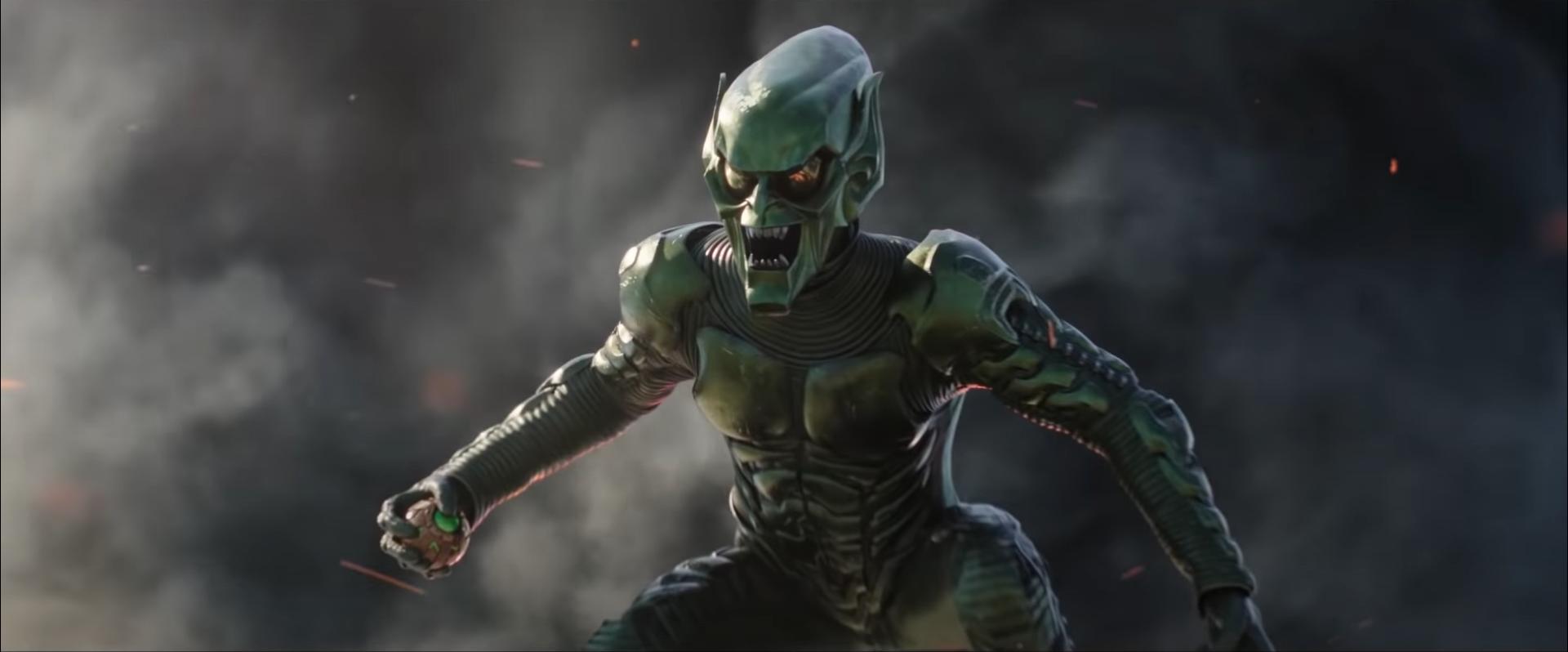
Willem Dafoe plays industrialist Norman Osborn, whose exposure to an experimental enhancer unleashes the Green Goblin persona. The character targets a defense board, city festivals, and Spider-Man using a glider, pumpkin bombs, and a composite-fiber suit with onboard weapon systems.
Aerial wire work and digital shots integrate glider movement with skyline plates, and the film documents Osborn’s split-personality dialogues and laboratory tests. The character later reappears in ‘Spider-Man: No Way Home’, with the story employing multiverse mechanics to revisit the glider technology, serum effects, and tactical choices.
Kylo Ren – ‘Star Wars: The Force Awakens’ (2015)
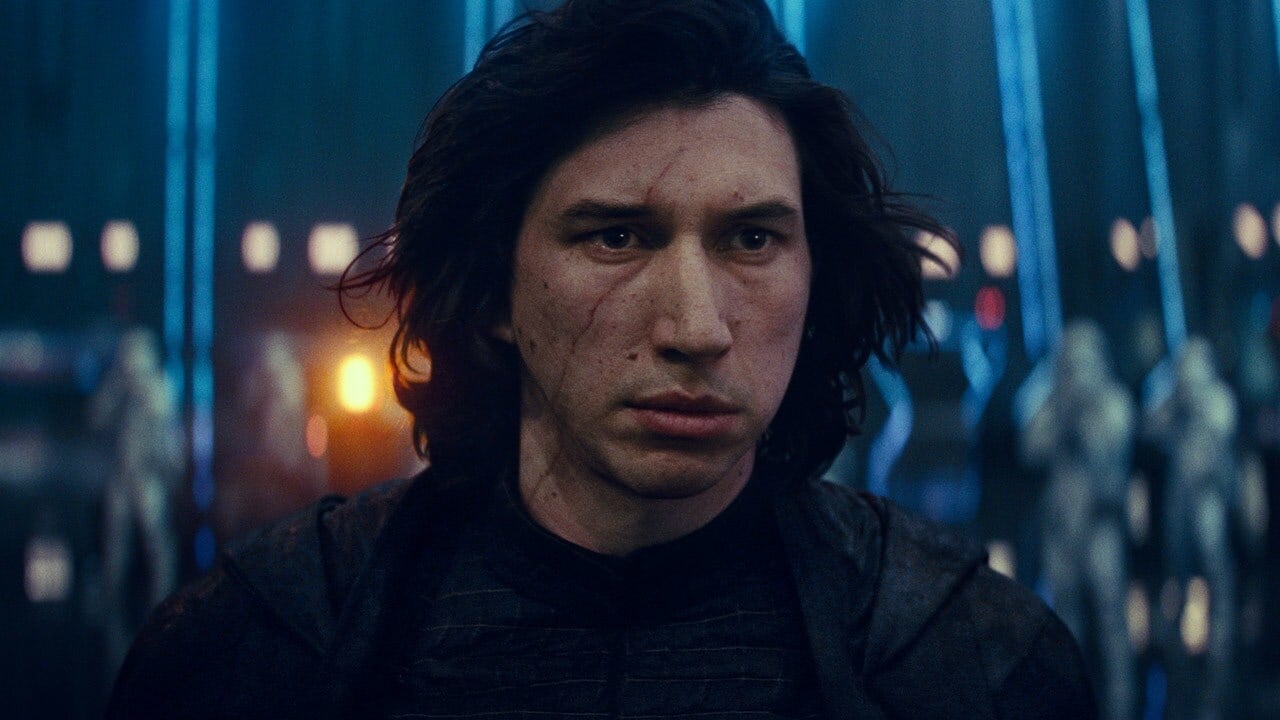
Adam Driver portrays Kylo Ren, operating within the First Order’s command and trained under Supreme Leader Snoke. The character oversees raids, interrogations employing Force techniques, and operations involving Starkiller Base and its super-weapon.
Across subsequent entries, helmet acoustics, fabric choices, and fight choreography evolve to reflect status changes and injuries. The films document lineage, mentorship, and command transitions, placing the character in meetings with military leadership and in missions that target resistance cells and key individuals.
Jigsaw (John Kramer) – ‘Saw’ (2004)
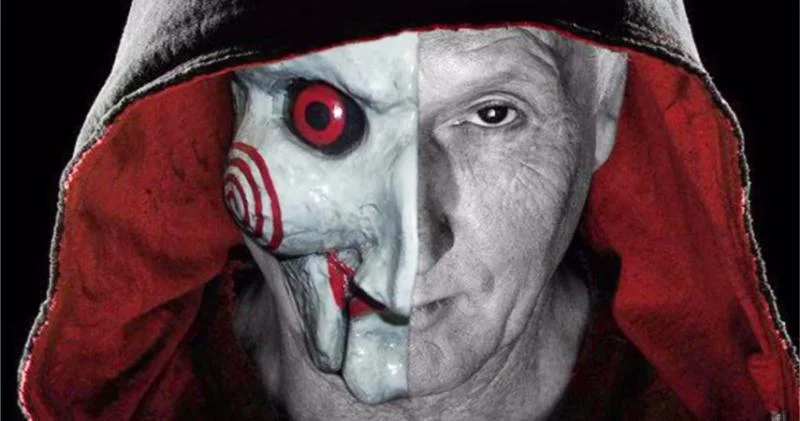
Tobin Bell plays John Kramer, known as Jigsaw, who abducts people and subjects them to mechanical traps framed as tests. The character communicates through recorded messages and intermediaries, and selects targets according to criteria linked to perceived personal failings and survival choices.
Early installments use tight interiors, practical devices, and non-linear editing to reveal trap mechanics and timelines. Police investigations, forensic work, and apprentice storylines extend the methodology beyond Kramer’s hospitalizations, outlining inheritance of blueprints, workshop spaces, and case files.
Magneto (Erik Lehnsherr) – ‘X-Men: First Class’ (2011)

Michael Fassbender portrays Magneto during formative missions that tie personal history to the emergence of the X-Men and the Brotherhood. The character tracks former persecutors, collaborates and clashes with Charles Xavier, and manipulates metal to affect submarines, satellites, and weapon systems.
Period production design situates the story amid Cold War settings—intel safe houses, coastal facilities, and international summits. Recurring props such as Magneto’s helmet, specialized aircraft, and laboratory equipment mark ideological divides and provide material continuity across later installments.
Have a villain you think deserves a slot here—maybe from a recent release or an overlooked international hit? Share your pick in the comments.