

Top 15 Nintendo Characters

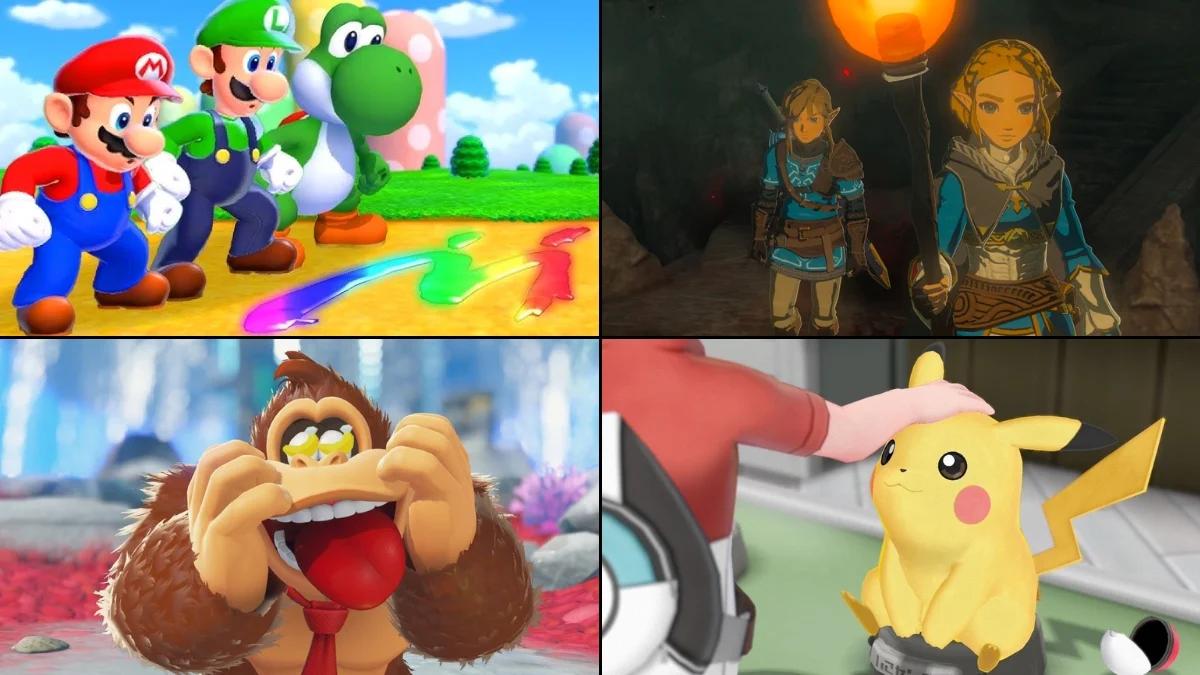


Nintendo’s characters have powered platformers, adventures, racers, and party games for decades, shaping how millions learn the language of game design. Many of these heroes and rivals began as technical solutions to hardware limits and evolved into full-fledged mascots with consistent roles, recognizable silhouettes, and cross-series cameos.
Below is a set of 15 characters closely tied to Nintendo’s most influential franchises. For each one, you’ll find essential background—creator credits, debut games, trademark abilities, and how they fit into their series’ mechanics, stories, and merchandising—so you can quickly place them in Nintendo’s wider universe.
Super Mario
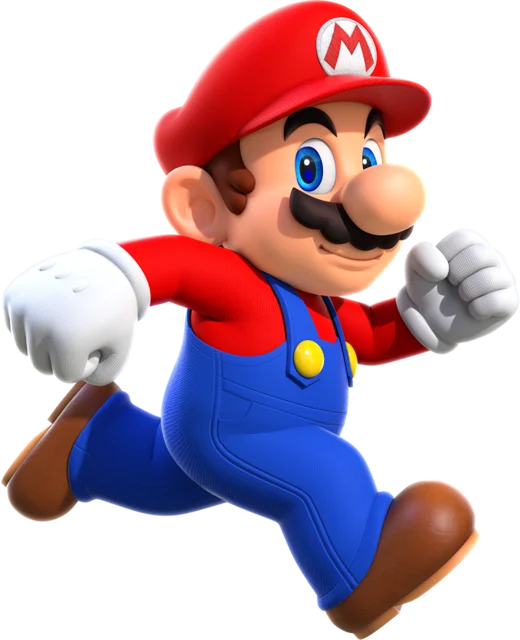
Mario debuted in Donkey Kong (arcade) as a carpenter and was refined into a plumber in Super Mario Bros. (NES). Created by Shigeru Miyamoto, he anchors the Super Mario series, appearing across platformers, RPGs, sports titles, racers, and party games. His moveset—running, jumping, power-ups like Super Mushroom, Fire Flower, Super Star, and power-suits such as Tanooki and Cat—established a template for responsive platforming and level design.
As Nintendo’s primary corporate mascot, Mario leads multi-genre spin-offs including Mario Kart, Mario Party, and various sports lines, each with distinct mechanics tuned around approachability and replayability. He’s also the focal point of crossover rosters in Super Smash Bros., licensed merchandise, and theme-park attractions, ensuring consistent visibility across hardware generations.
Link
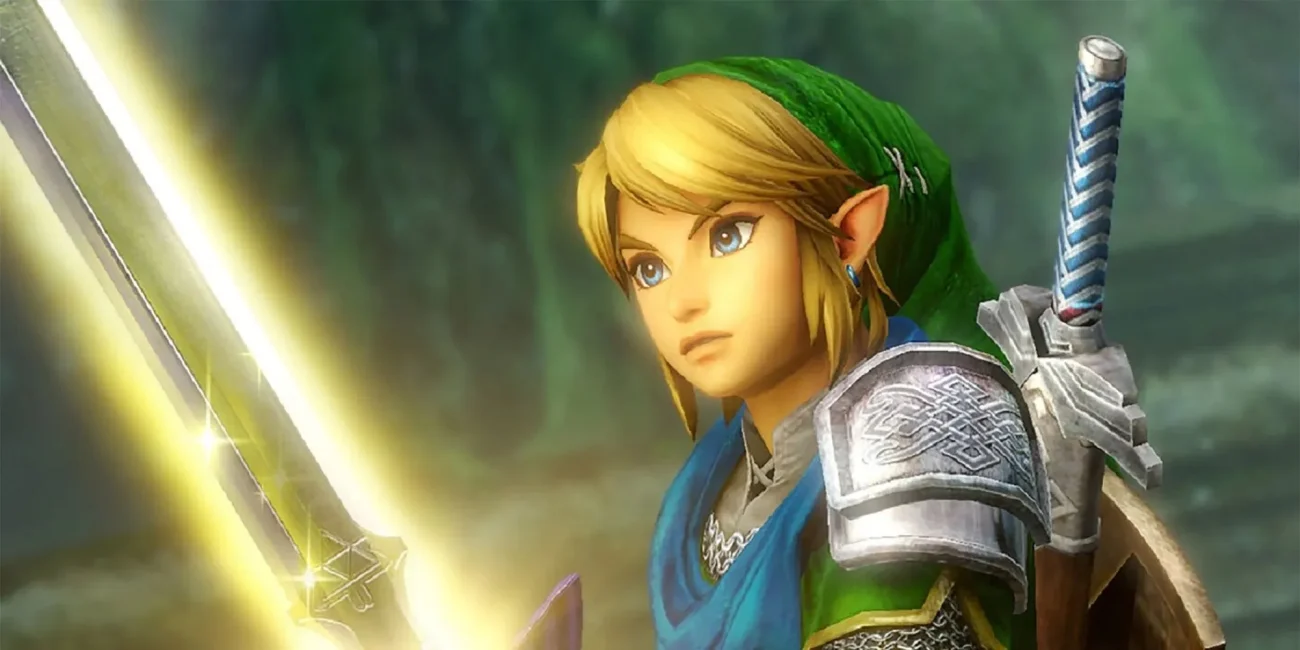
Link is the playable protagonist across most mainline The Legend of Zelda entries, introduced in The Legend of Zelda (NES) by Shigeru Miyamoto and Takashi Tezuka, with character art shaped by artists such as Yusuke Nakano and Satoru Takizawa. Across timelines and incarnations, Link is typically a Hylian who wields the Master Sword and Hylian Shield, learns context-specific tools, and solves environment-driven puzzles.
Mechanically, Link’s tool-based progression—boomerang, bombs, hookshot, bow, and numerous era-specific items—structures dungeon layouts and overworld gating. Later entries added stamina systems, climbing, paragliding, and physics-based interactions, expanding traversal, emergent problem-solving, and open-world exploration while maintaining the silent-protagonist convention.
Samus Aran
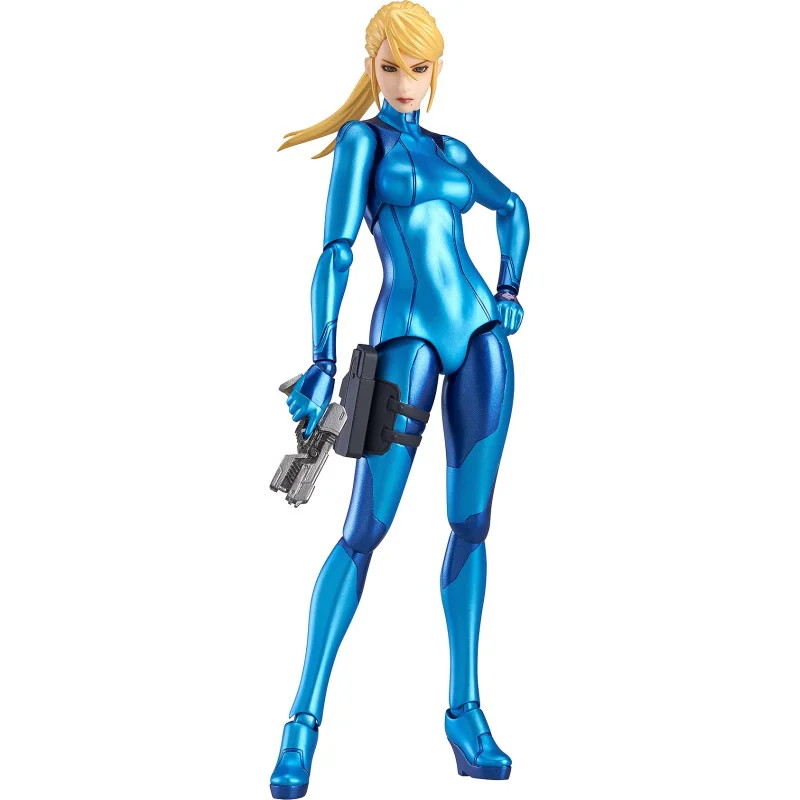
Samus Aran, created by Makoto Kano, Hiroji Kiyotake, and Yoshio Sakamoto, debuted in Metroid (NES) as a bounty hunter in powered armor. Her Chozo-engineered Power Suit supports morph ball traversal, beam and missile upgrades, and modular expansions like Varia and Gravity suits, defining a progression loop of exploration, item discovery, and area revisiting.
The Metroid series helped codify the “search-action” structure often called “Metroidvania,” emphasizing map completion, ability-gated routes, and atmospheric storytelling. First-person entries retained that design DNA through lock-on combat, visor scanning, and layered environmental lore, keeping Samus’s identity consistent across 2D and 3D formats.
Donkey Kong
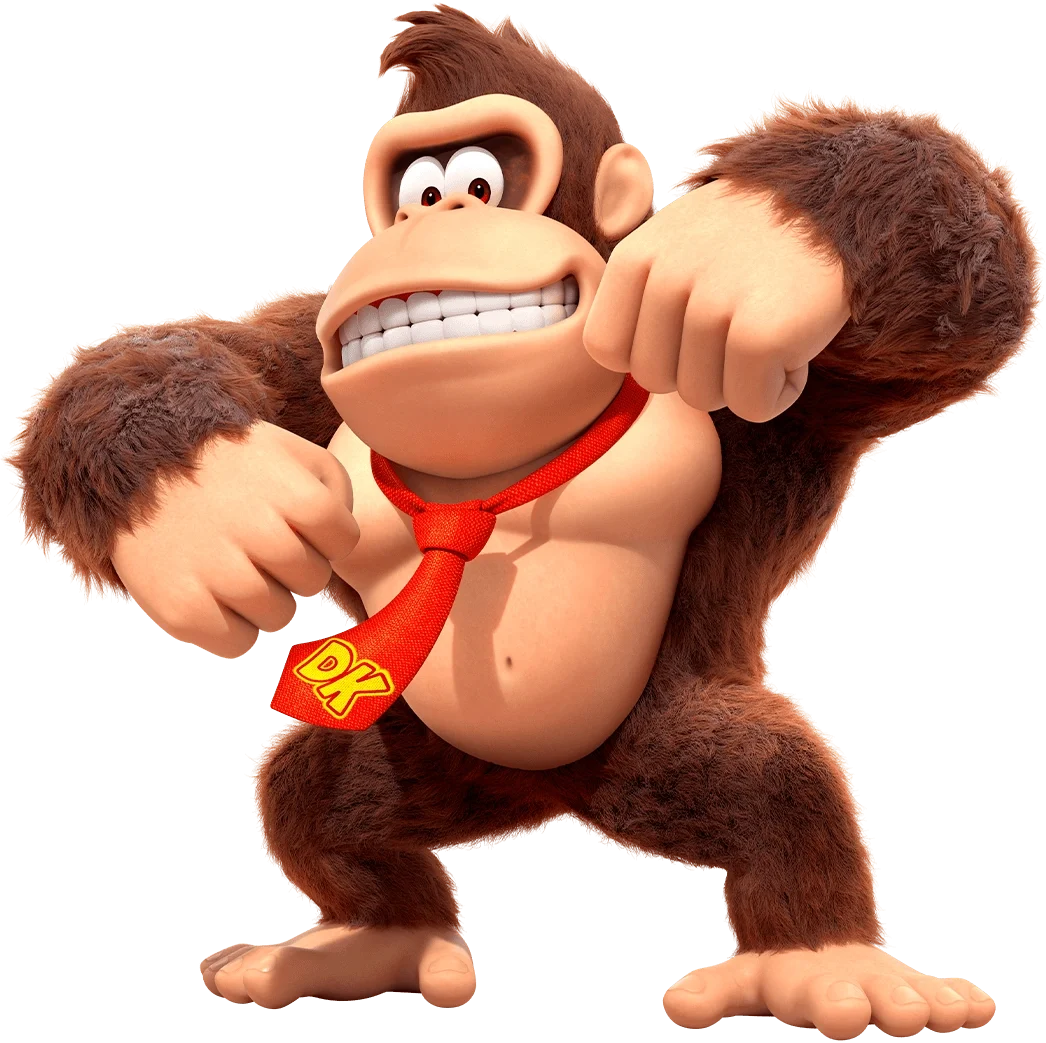
Donkey Kong began as the arcade antagonist in Donkey Kong and transitioned into a hero in the Donkey Kong Country platformers developed with Rare, with subsequent titles by Retro Studios. Character traits include super-strength, barrel-based mechanics, and partnerships with allies like Diddy, Dixie, and Cranky, each adding movement or level-gimmick variations.
The series is noted for high-precision platforming, animal buddies, and collectable-driven progression. Musical motifs, mine-cart and barrel-cannon sequences, and set-piece-heavy stages define its identity, while Donkey Kong also appears as a power character in Mario Kart, sports, and party spin-offs.
Kirby
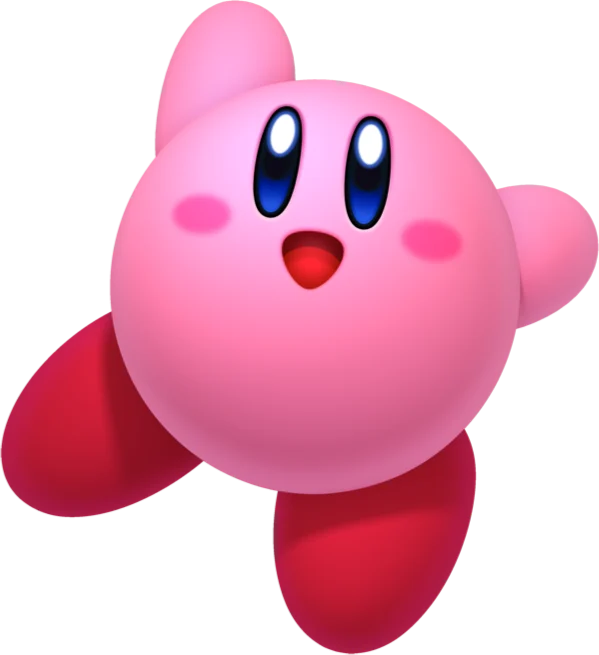
Kirby, created by Masahiro Sakurai at HAL Laboratory, debuted in Kirby’s Dream Land (Game Boy). His signature Copy Ability lets him inhale enemies and acquire their powers—sword, fire, beam, and dozens more—yielding flexible movesets tuned for accessibility and experimentation.
Kirby titles mix side-scrolling stages with secrets, simplified inputs, and co-op options, often introducing new meta-abilities or forms per entry. The character also headlines sub-games and spinoffs—pinball, puzzle, and rhythm—while maintaining a consistent art style and music direction anchored by HAL’s development teams.
Pikachu
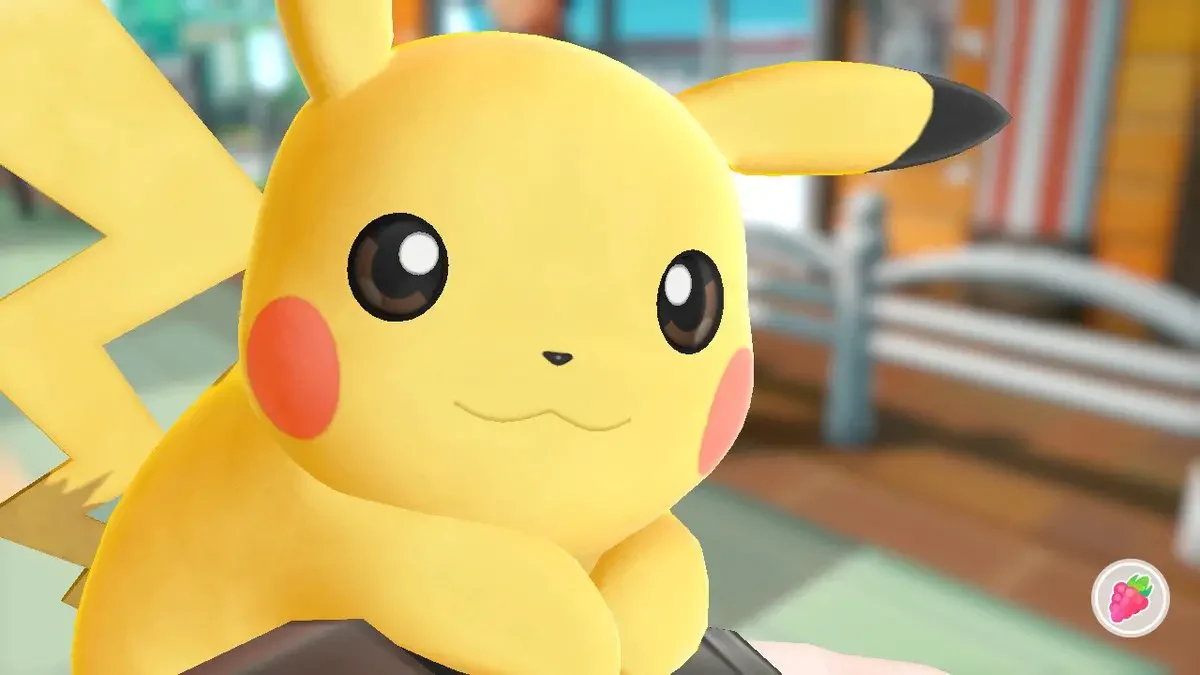
Pikachu serves as the Pokémon franchise’s primary mascot, originating in Pokémon Red and Pokémon Green (Japan) and surfacing globally in Pokémon Red and Pokémon Blue. Designed by Atsuko Nishida and Ken Sugimori, Pikachu is an Electric-type with moves like Thunderbolt and Quick Attack, frequently used as a tutorial-friendly partner for teaching type matchups and move effects.
Outside the main RPGs, Pikachu appears in the anime and numerous spin-offs—Pokémon Mystery Dungeon, Pokémon Snap, and fighting and party titles—supporting brand recognition across demographics. In competitive contexts, Pikachu’s stats, move pool, and held items define specific battle roles that vary by game rules and balance updates.
Princess Zelda
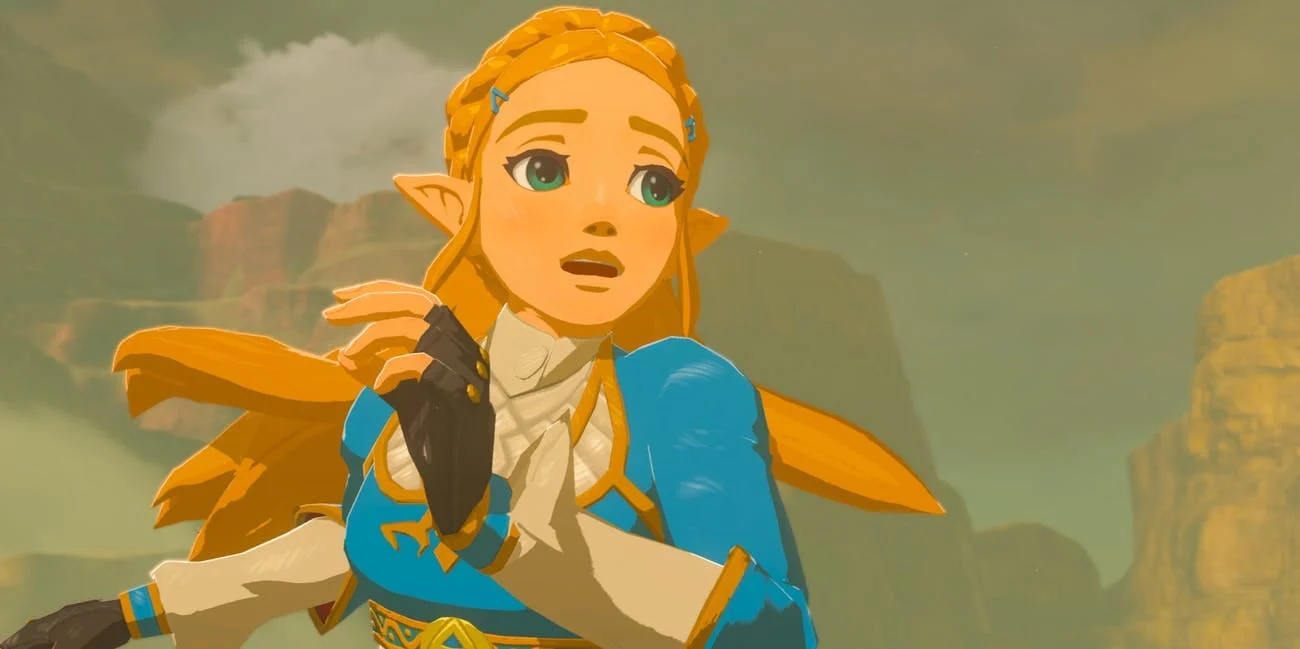
Princess Zelda is a central figure in The Legend of Zelda, typically a Hylian royal associated with the Triforce of Wisdom. Different incarnations—scholar, emissary, ninja-like alter ego, or monarch—support the series’ timeline structure and provide lore continuity through characters like Impa and eras such as Hyrule’s founding myths.
Gameplay roles for Zelda range from guiding the player via telepathic messages and cutscene prompts to direct playability in select titles and modes. Her magic, sealing abilities, and Sheikah connections frequently underpin dungeon themes, boss mechanics, and endgame sequences that frame Link’s quest.
Bowser
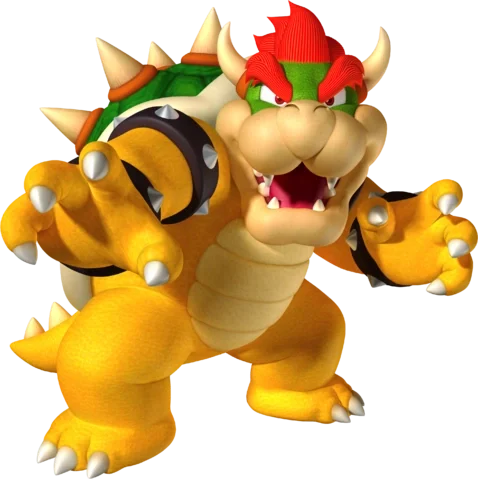
Bowser, created by Shigeru Miyamoto and designed by Yoichi Kotabe, is the primary antagonist of the Super Mario series. As the Koopa King, he commands a roster of minions—Koopalings, Bowser Jr., and various Koopa species—and uses castles, airships, and traps that structure world-ending bosses and environmental hazards.
Boss encounters with Bowser showcase platforming checks, arena hazards, and pattern recognition, with variations like giant forms, puzzle-centric fights, and multi-phase finales. Bowser is also a heavyweight character in Kart, sports, and Smash-style crossover titles, where his high-power, low-speed profile is consistently represented.
Luigi
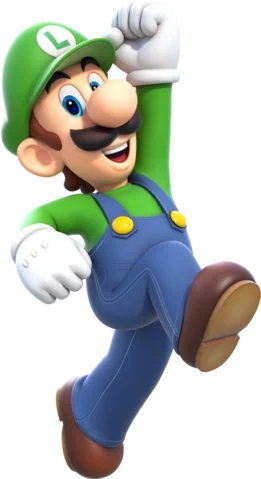
Luigi, introduced alongside Mario in early arcade titles and defined more fully in Super Mario Bros., is Mario’s brother and frequent co-op counterpart. His taller model and higher jump have supported alternate physics profiles in various entries, differentiating him from Mario in platformers and crossover rosters.
Luigi’s starring games—particularly the Luigi’s Mansion sub-series—feature gadget-driven ghost capture with the Poltergust line, puzzle rooms, and score-oriented replay. These mechanics emphasize environmental interaction and light-based combat while tying back to shared Mushroom Kingdom characters and settings.
Yoshi
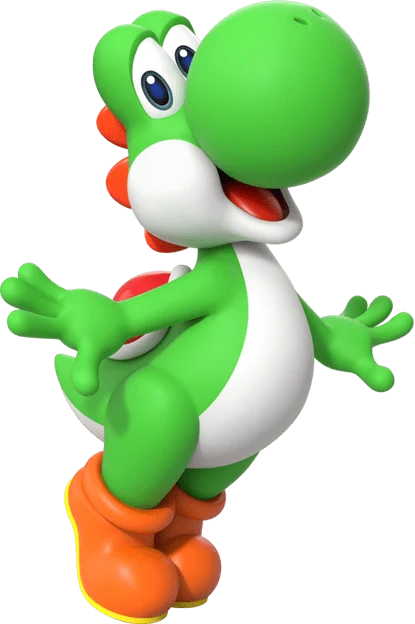
Yoshi first appeared in Super Mario World (SNES), created by Shigefumi Hino and Takashi Tezuka. As a rideable companion with flutter jump, tongue grab, and egg-throw abilities, Yoshi modifies Mario’s movement economy and enemy interactions, adding route options and hidden-area access.
The Yoshi’s Island lineage introduced hand-drawn aesthetics, egg-based projectile arcs, and baby-escort mechanics that switch the focus from speed to precision and protection. Subsequent Yoshi titles continue collectible-dense level design and mellow difficulty curves, while Yoshi remains a staple in Kart, sports, and party lineups.
Fox McCloud
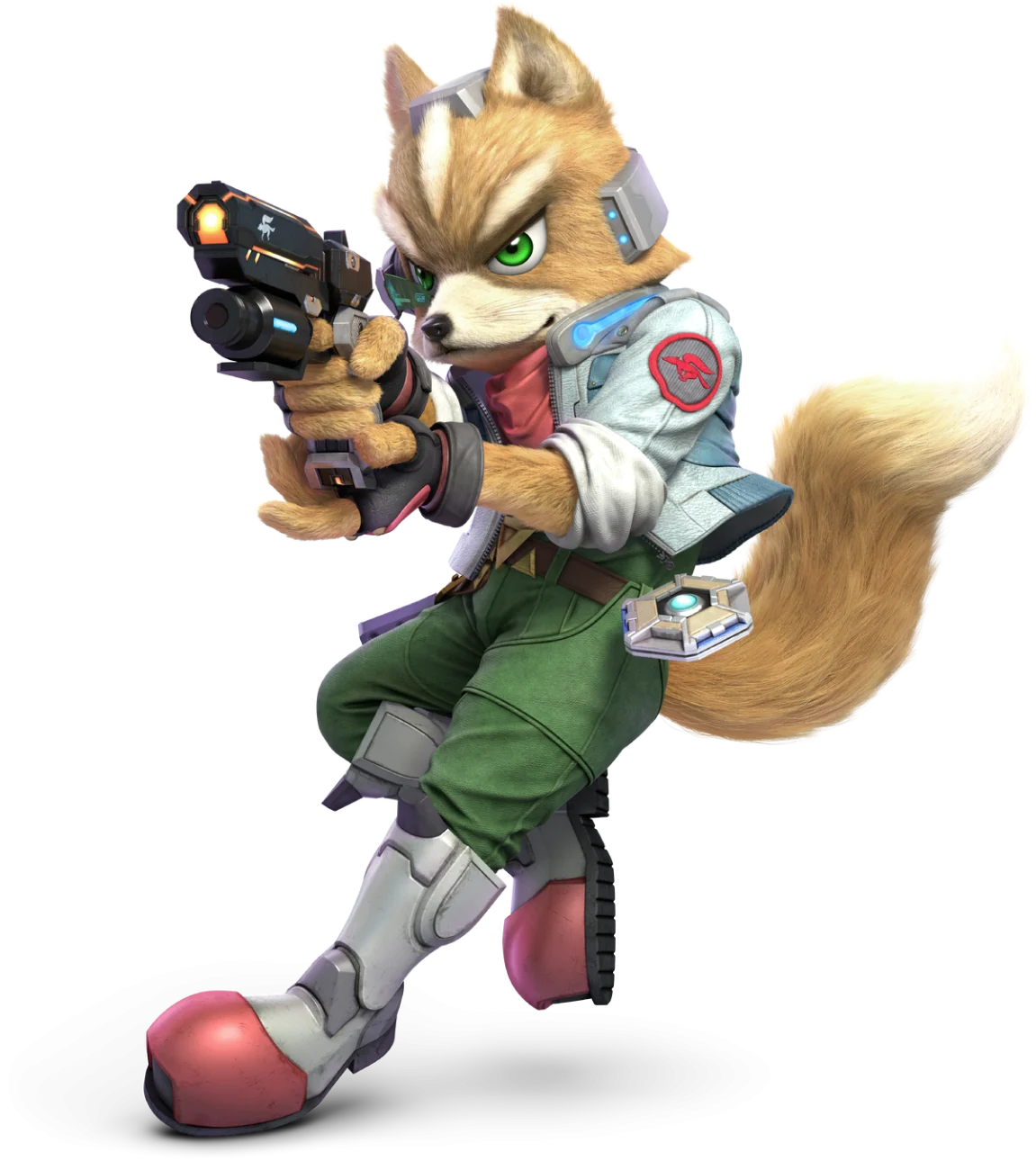
Fox McCloud leads the Star Fox team, debuting in Star Fox (SNES) from Nintendo and Argonaut Software. The series popularized forward-scrolling “on-rails” shooting on consoles, using the Arwing fighter’s barrel rolls, charge shots, and wing damage as both visual feedback and gameplay modifiers.
Branching routes, score chasing, and squadmate radio cues characterize campaign structure, with vehicles like the Landmaster and Blue Marine adding mission variety. Fox’s crossover appearances preserve a fast, agile profile, reflecting his series’ emphasis on speed, targeting, and evasive maneuvers.
Captain Falcon
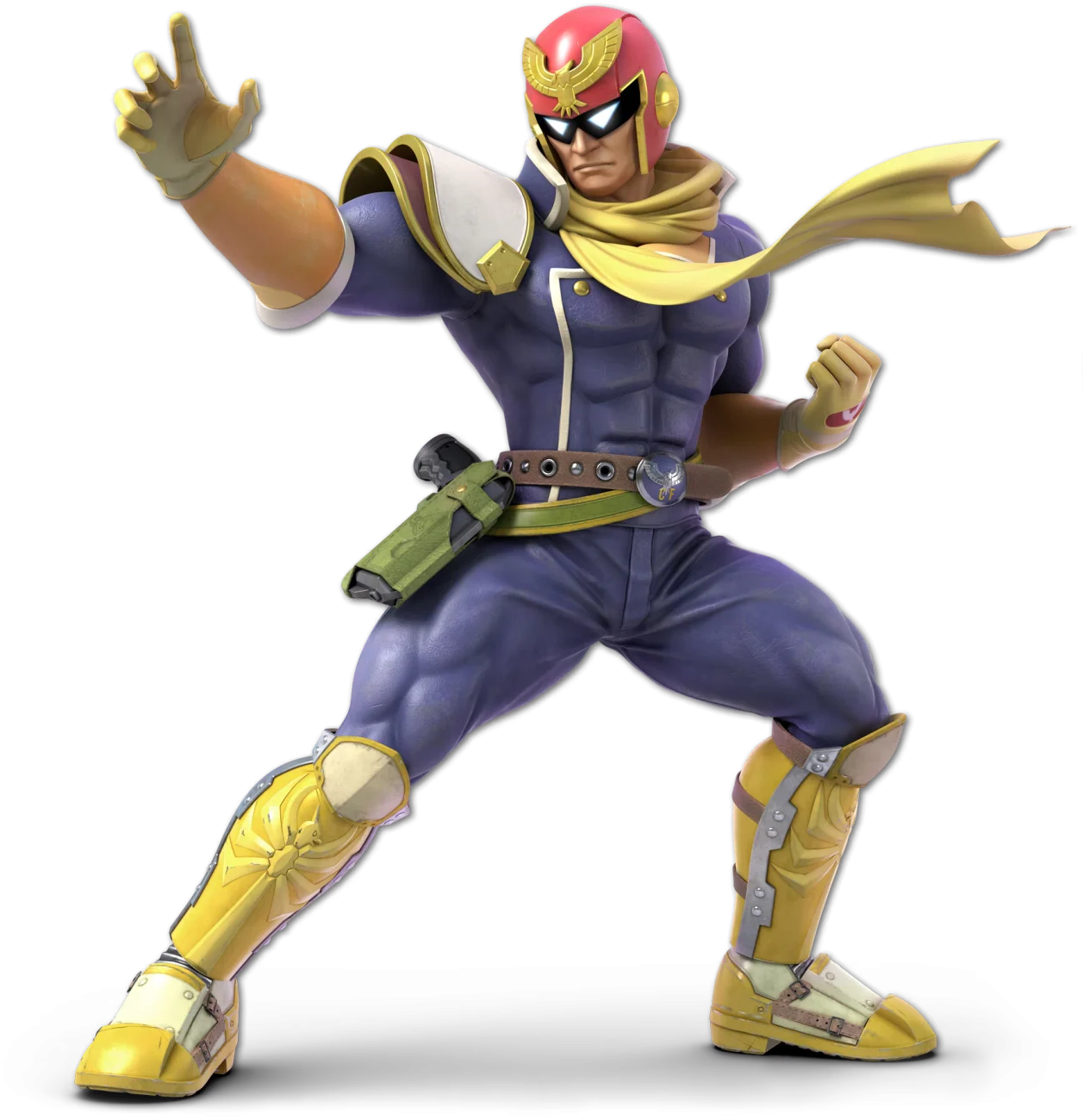
Captain Falcon originated in F-Zero (SNES), a futuristic racing series designed to showcase high-speed Mode 7 tech. While primarily known as a racer and in-universe bounty hunter, he became widely recognized through crossover fighting rosters, where his move names and animations echo F-Zero’s high-velocity theme.
Within F-Zero, Falcon’s vehicle—the Blue Falcon—balances top speed and handling against durability, a trade-off central to the series’ risk-reward racing. Course design features boost-pad lines, energy management via pit strips, and destruction-on-impact physics that demand precision at extreme speeds.
Ness
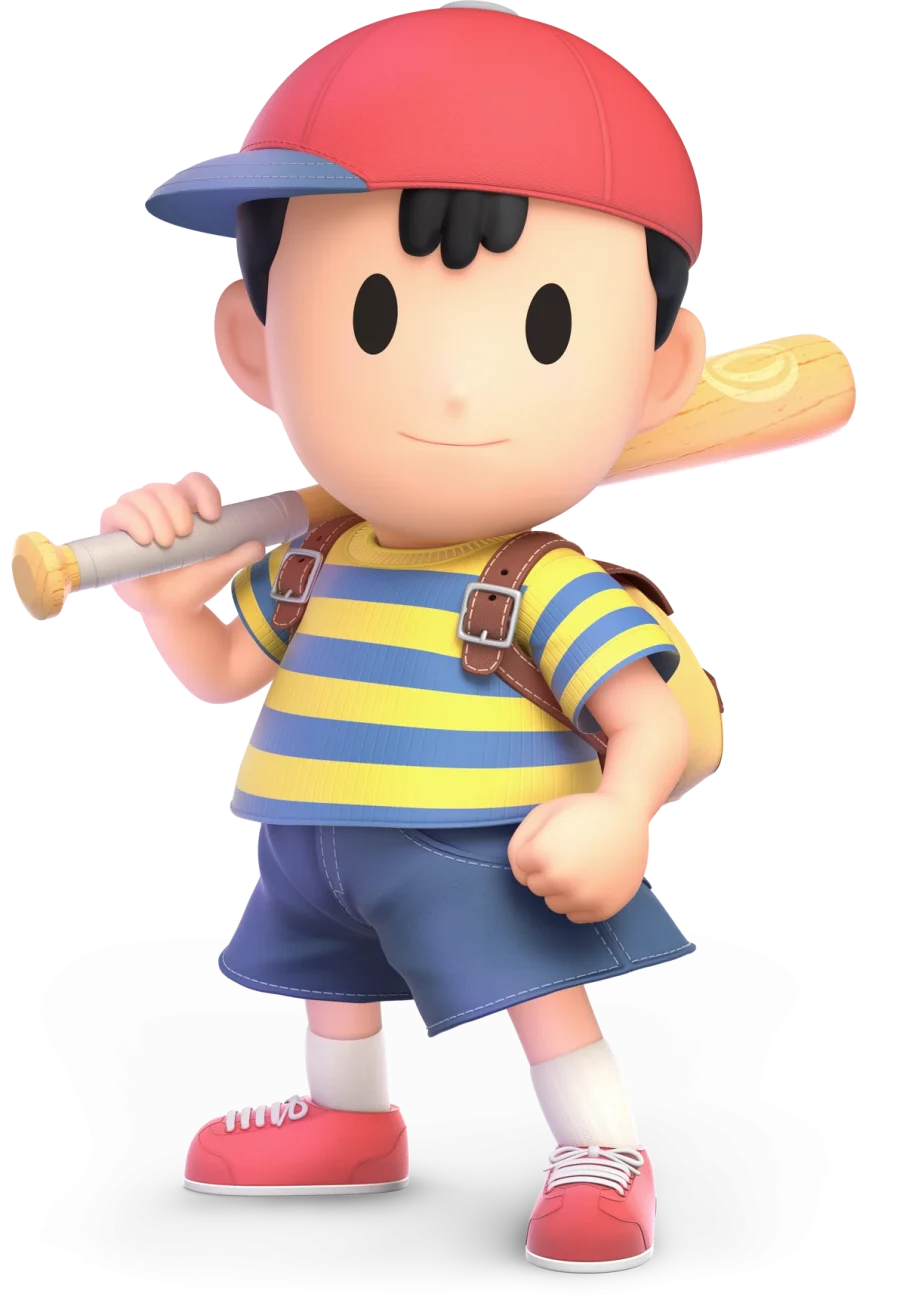
Ness is the telekinetic protagonist of EarthBound (SNES), created by Shigesato Itoi and developed by Ape Inc. and HAL Laboratory. He uses PSI abilities like PK Rockin (localized variants), Lifeup, and healing moves, with baseball bats and yo-yos as signature equipment in a modern, suburban setting.
EarthBound’s systems marry status effects, rolling HP counters, and auto-win encounters when over-leveled, encouraging exploration without repetitive battles. Ness’s party dynamics and item management reflect the series’ contemporary motif—ATM cards, phones, and everyday objects—within a traditional turn-based framework.
Isabelle
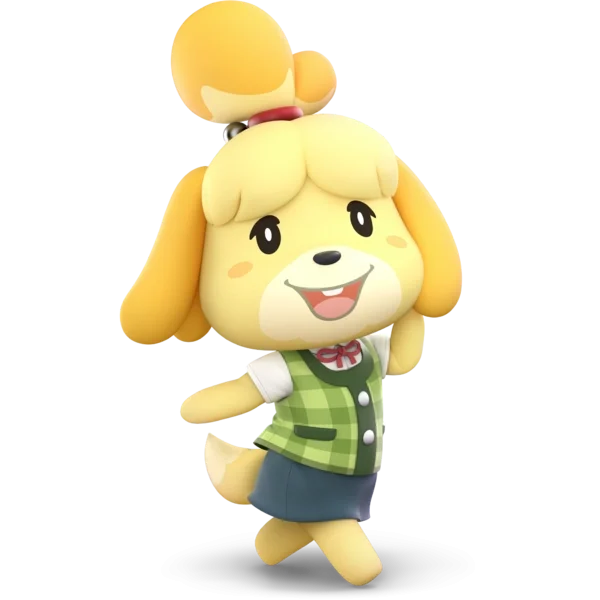
Isabelle, introduced in Animal Crossing: New Leaf (3DS), serves as a municipal assistant who guides public works, ordinances, and player-town administration. Her role is tutorial and infrastructure-focused, helping players navigate menus, town planning, and daily objectives without imposing hard deadlines.
Isabelle appears across subsequent Animal Crossing titles, seasonal events, and promotional materials, often representing community features like visiting, gifting, and multiplayer. She’s also a crossover participant in racing and fighting titles, where her toolkit references support items and town-building tools from the life-sim series.
Inkling
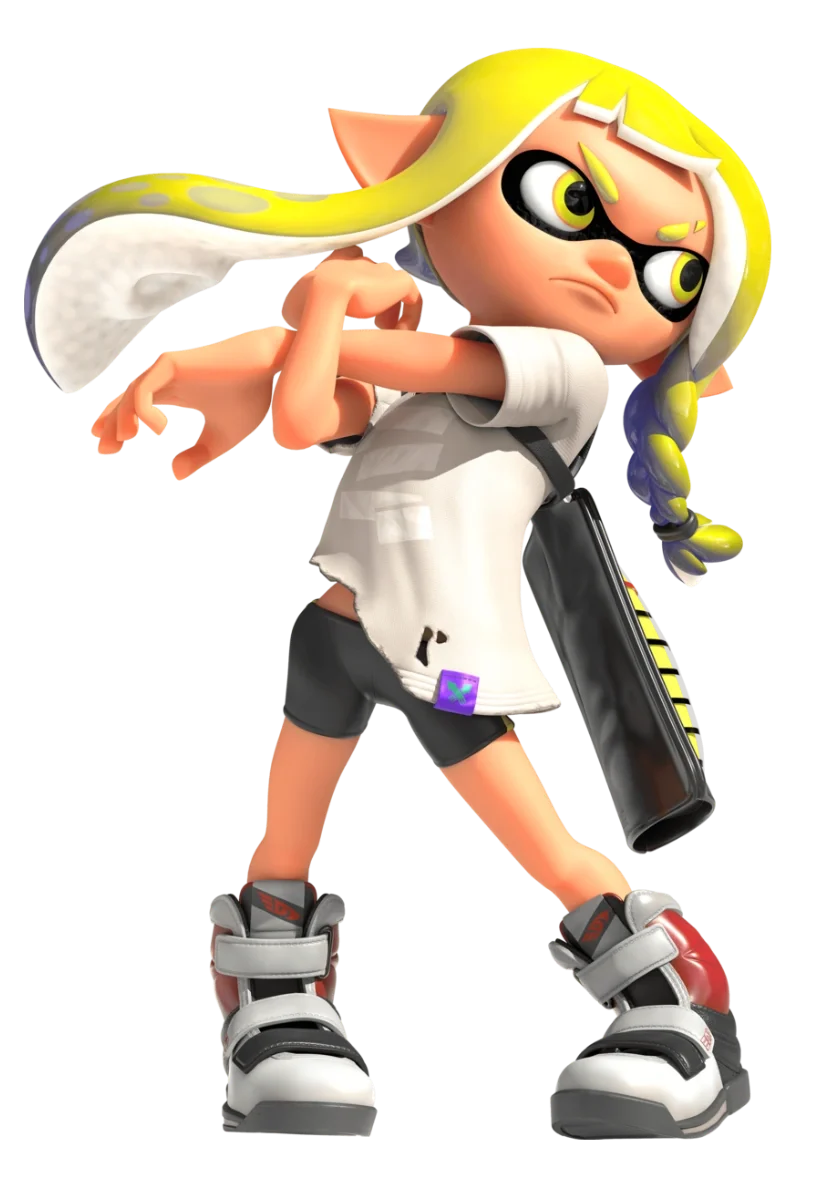
Inkling characters lead the Splatoon series from Nintendo’s EPD, first appearing on Wii U. They shift between humanoid and squid forms, with ink functioning as both ammunition and traversal medium—swimming in friendly ink to refill, move quickly, and ambush opponents.
Splatoon’s Turf War and ranked modes revolve around territory coverage, weapon class diversity (shooters, rollers, chargers, brushes), and gear perks that modify movement and combat. Stylized world-building, recurring Splatfests, and co-op Salmon Run expand the ecosystem, while Inklings headline cross-game rosters with moves referencing ink mechanics.
Share your own top Nintendo characters in the comments and tell us who you’d add to the list!