


Top 15 Short-Lived Celebrity Talk Shows

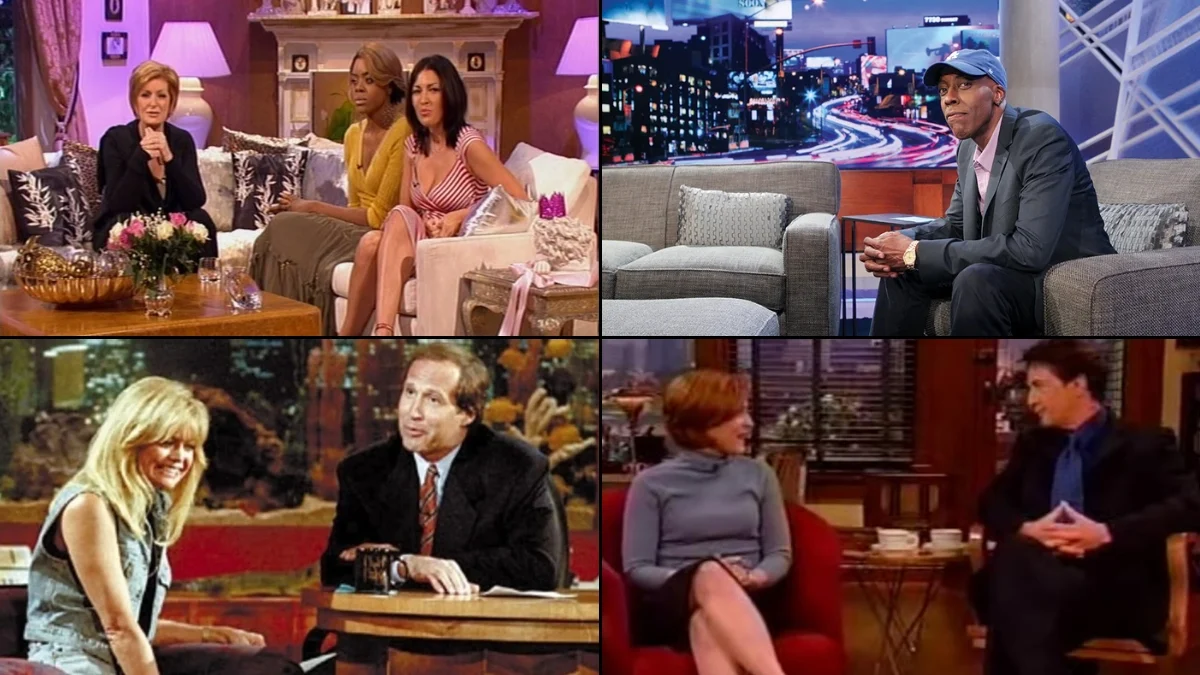


Some celebrity-fronted talk shows come roaring out of the gate with splashy promos, big-name guests, and bold format swings—only to disappear almost as fast as they arrived. The reasons vary: time-slot experiments, syndication headwinds, local-station downgrades, or simply the brutal pace of a daily or weekly grind.
Below are 15 celebrity talk shows that burned bright for a short time. For each, you’ll find concrete details about who made them, how they were scheduled and distributed, notable episodes or segments, and what ultimately brought the run to a close.
‘Thicke of the Night’ (1983–1984)
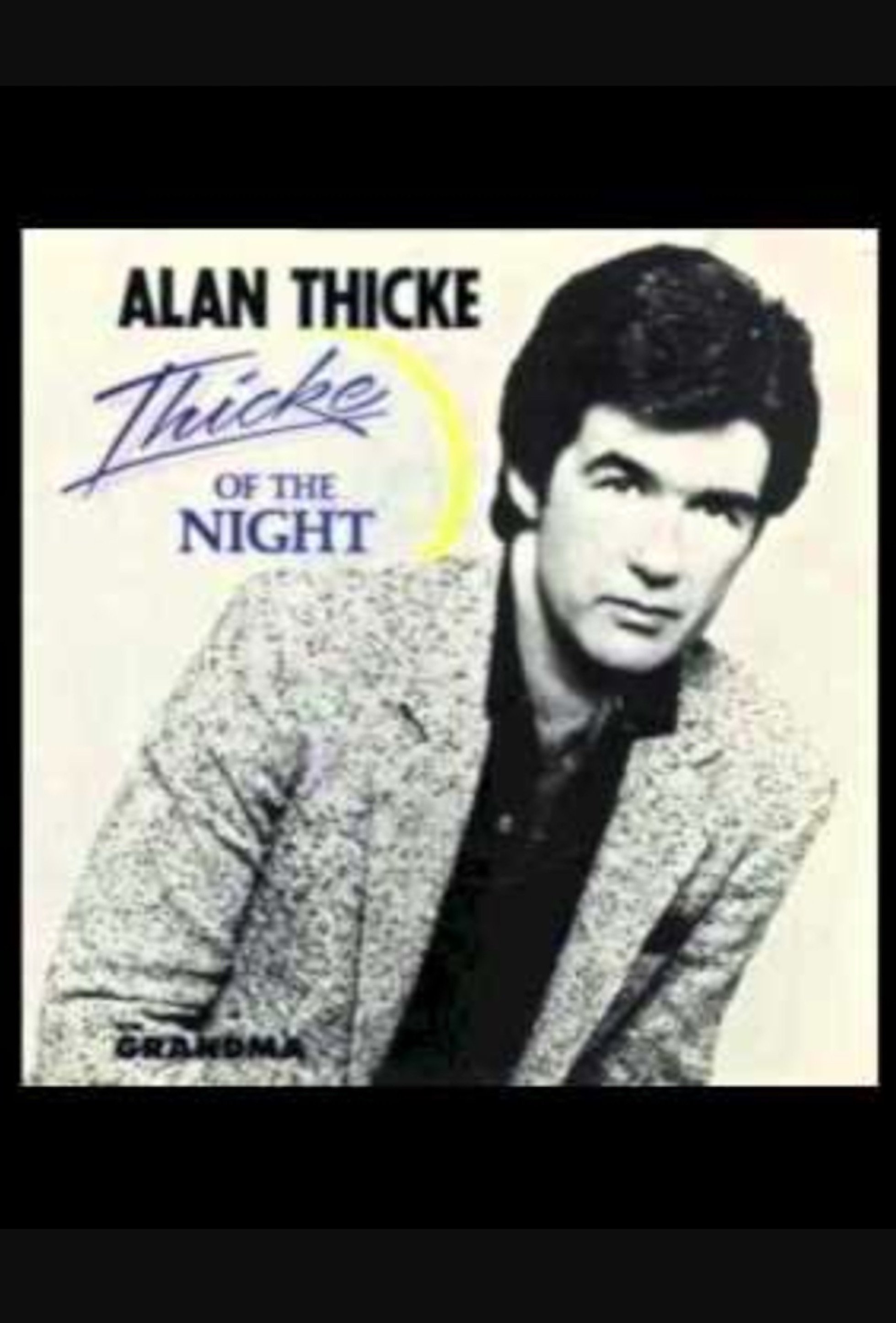
Launched in first-run syndication as a late-night competitor to NBC’s flagship, the show starred Alan Thicke and regularly featured comics like Richard Belzer, Arsenio Hall, and Gilbert Gottfried, mixing interviews, sketches, and music. The program initially ran at ninety minutes before being trimmed to an hour as stations adjusted the schedule.
Production was handled by InterMedia and partners, with distribution tied to MGM/UA-related entities for local clearances. Despite an aggressive rollout and a roster of recurring performers, inconsistent time slots across markets and soft ratings led to a single-season run.
‘The Pat Sajak Show’ (1989–1990)

CBS installed Pat Sajak in a network late-night slot with monologues, celebrity interviews, and a house band, while Friday editions were often guest-hosted as the run progressed. The series went head-to-head against entrenched rivals in the same hours, creating immediate competitive pressure.
After months of underperformance relative to network expectations, CBS announced the cancellation and affiliates shifted to alternative programming. The final broadcast aired with a guest host, and the network reverted to other late-night strategies afterward.
‘The Dennis Miller Show’ (1992)

Tribune Entertainment produced and distributed this syndicated late-night series built around Dennis Miller’s desk monologue, interviews, and sketches, backed by a sizable writers’ room. The show premiered nationally via a patchwork of local stations carrying it in late-evening slots.
The rollout struggled to establish consistent ratings momentum across key markets, and Tribune shut down production after several months. Many stations filled remaining dates with reruns and alternate syndicated packages.
‘The Chevy Chase Show’ (1993)

Fox positioned this Hollywood-based late-night strip with a house band, in-studio interviews, and taped comedy bits, produced at a venue the network temporarily rebranded as The Chevy Chase Theater. The show aired weeknights, giving Fox a high-profile attempt at a network talk franchise.
Network leadership cited audience delivery and affiliate interests in announcing the cancellation after a short run. The experiment ended quickly, and Fox stepped back from developing an in-house late-night talker for some time.
‘The Keenen Ivory Wayans Show’ (1997–1998)

Buena Vista Television launched this syndicated late-night talk-variety series featuring opening monologues, sketches, and an in-house band. The show booked film stars and touring acts, with tapings feeding late-night slots across a wide station group.
Despite notable bookings, audience levels did not meet distributor targets, and production was halted in the spring. Repeats continued to air through the end of clearances before stations moved on to other options.
‘The Magic Hour’ (1998)
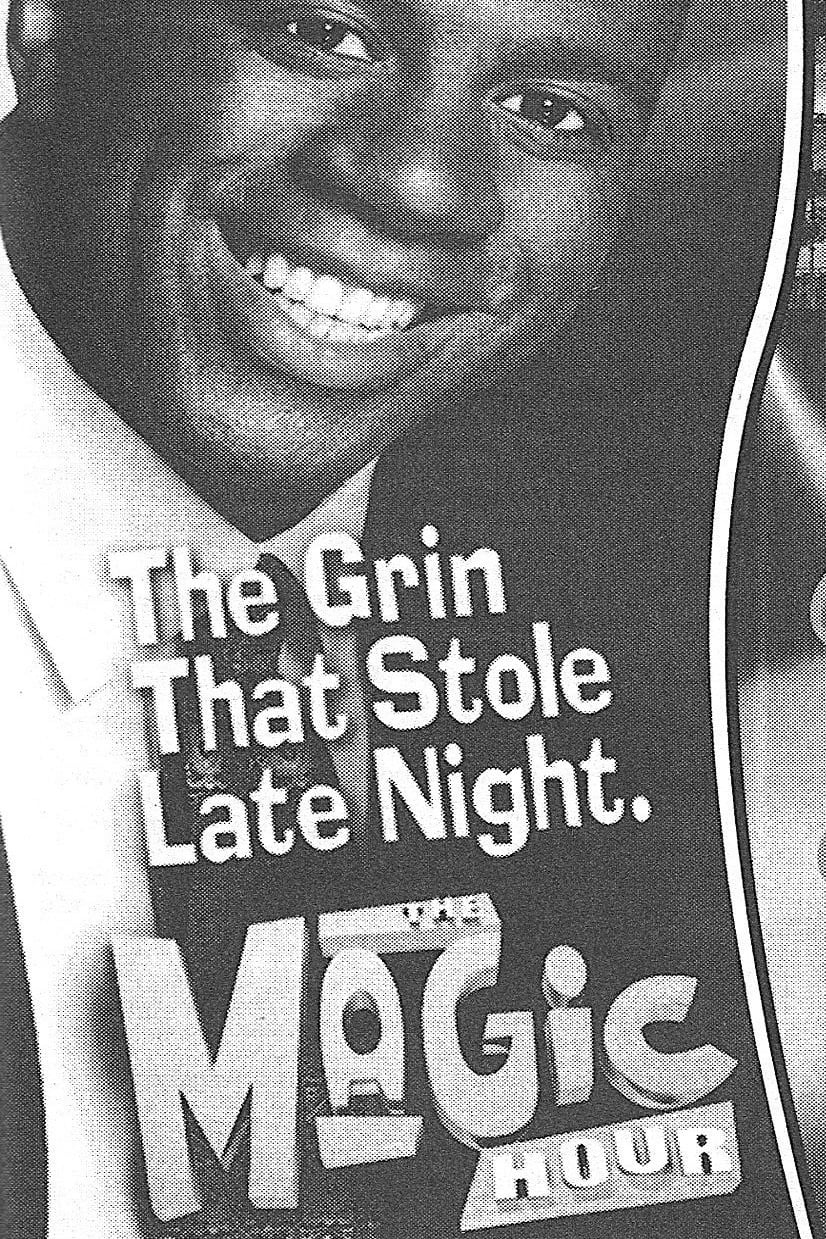
Twentieth Television distributed Magic Johnson’s syndicated talk show with a traditional late-night format, including a band, celebrity guests, and widely publicized stunt bookings that briefly boosted sampling. The program targeted large markets with significant sports-fan crossover.
Audience gains proved short-lived, and stations reported scheduling concerns tied to delivery and competitive performance. The distributor canceled the series after a brief run, and local outlets reprogrammed the slot with alternate syndicated fare.
‘The Martin Short Show’ (1999–2000)
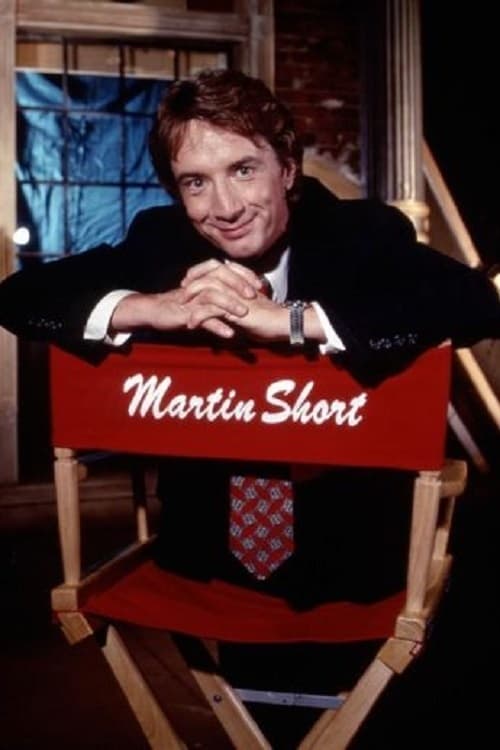
Produced by King World, this syndicated daytime talker adapted elements of the late-night template to daytime, complete with an announcer/sidekick and recurring character bits. The series taped in New York and cleared across a broad station footprint.
Ratings lagged expectations in multiple demos, and trades flagged the trajectory as a challenge for renewal. After its freshman season, stations pivoted to other syndicated options in the hour.
‘The Sharon Osbourne Show’ (2003–2004)
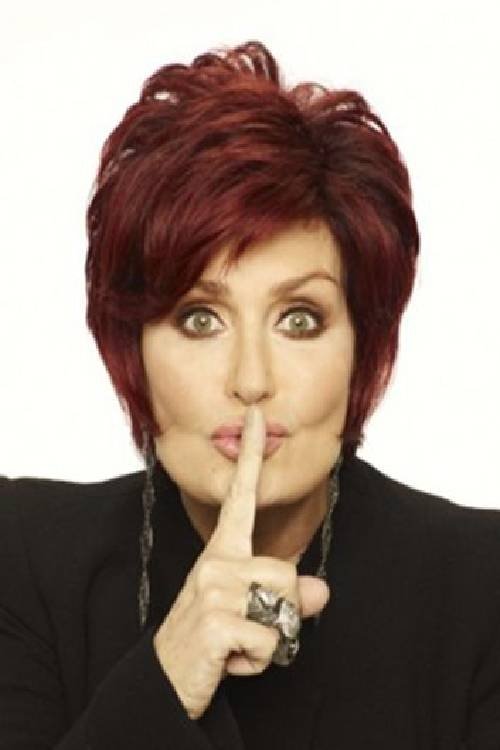
Telepictures produced this first-run syndicated daytime series from Tribune Studios, pairing celebrity interviews with lifestyle segments. The show replaced outgoing daytime strips in several markets and launched with sizable household clearance.
As the season wore on, distributors and stations explored replacement options and signaled changes ahead of the next cycle. The show was formally canceled, with original episodes airing into late spring before the slot was reprogrammed.
‘The Megan Mullally Show’ (2006–2007)
NBCUniversal Domestic Television Distribution rolled out this syndicated daytime talker featuring celebrity guests and audience participation segments. The series premiered across major owned-and-operated groups and affiliates with a standard one-hour format.
Within its first season, the distributor halted production and confirmed that remaining originals would finish airing on the existing schedule. Multiple outlets grouped the cancellation with other freshman daytime exits from the same cycle.
‘The Wanda Sykes Show’ (2009–2010)
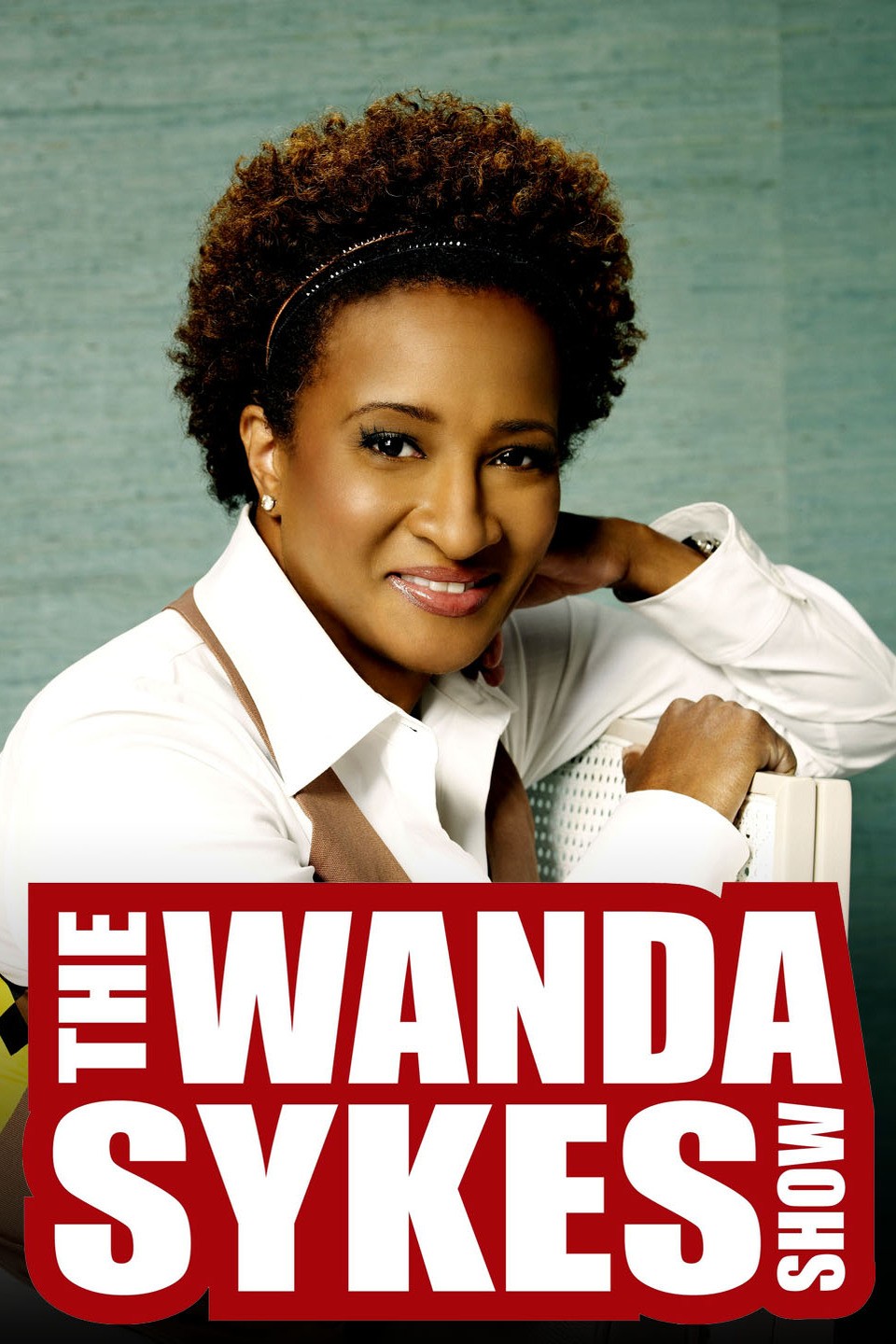
Fox slotted this weekly late-night series on Saturday nights, replacing previous sketch and talk programming on the evening. The format included an on-set sidekick, panel discussions, and pre-taped pieces assembled at Fox Television Center.
After one season of episodes, Fox announced the series would not return, leaving the network without original late-night entertainment on weekends. Stations filled the slot with acquired series, local sports, and other off-network programming.
‘The Jeff Probst Show’ (2012–2013)

CBS Television Distribution handled this syndicated daytime talker from Sunset Bronson Studios, with Jeff Probst also serving as an executive producer. The show mixed interviews with audience interaction and occasional guest co-hosts across weekdays.
Midseason, the distributor confirmed it would not return, citing performance relative to expectations in its daypart. Several stations also executed time-period downgrades ahead of the cancellation, which reduced reach in key markets.
‘Kris’ (2013)

Twentieth Television ran a six-week summer test of Kris Jenner’s daytime talk show on Fox-owned stations in multiple major markets. The format combined celebrity interviews with lifestyle and pop-culture segments, and the finale drew outsized attention with a high-profile guest appearance.
At the end of the test window, the distributor declined to order a full season and the series concluded with a limited batch of produced episodes. O&O groups returned to their regular daytime schedules once the test wrapped.
‘The Arsenio Hall Show’ (2013–2014)
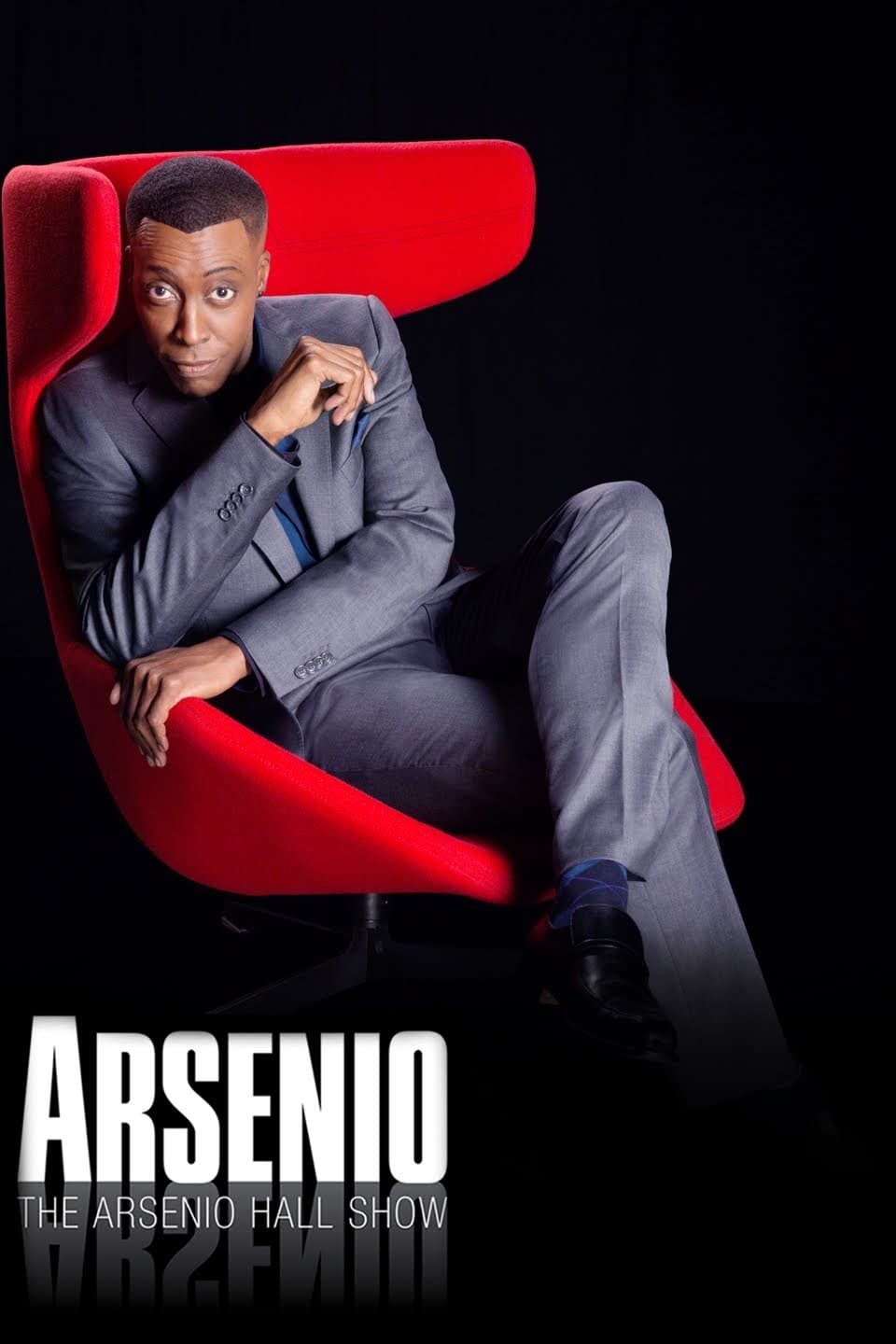
A revival of Arsenio Hall’s franchise returned to syndication with production at Sunset Bronson Studios and distribution by CBS Television Distribution in partnership with Tribune. The show booked a mix of music acts and celebrity guests and mirrored aspects of the earlier format while adjusting for contemporary competition.
Although initially announced as renewed, the distributor reversed course and canceled the series after one season. Planned time-period downgrades by major station groups would have reduced household reach, prompting the decision to end the run.
‘Busy Tonight’ (2018–2019)

E! launched Busy Philipps’ late-night talk show as a cable strip featuring interviews and social-media-driven segments from a Los Angeles studio. The series leaned on a compact production schedule and a set designed for conversational, couch-style chats.
After its freshman run, the network confirmed it would wrap production and air a final episode before retiring the format from its schedule. The show completed its planned airings and then exited the lineup, with the host exploring other platforms for similar content.
‘Nick Cannon’ (2021–2022)

Debmar-Mercury distributed Nick Cannon’s syndicated daytime talk show across Fox and other station groups, with a format spanning celebrity interviews, audience giveaways, and musical performances. The daily strip originated from New York and slotted into mid-day and afternoon hours in many markets.
The distributor notified staff that the show would not be renewed beyond its initial season, and stations adjusted their daytime grids accordingly. Remaining originals were scheduled out before the end of the broadcast year, concluding the series after a single cycle.
Share the short-lived talk shows you remember—and which episodes stuck with you—in the comments!