


Top 15 TV Show Villains of the 21st Century

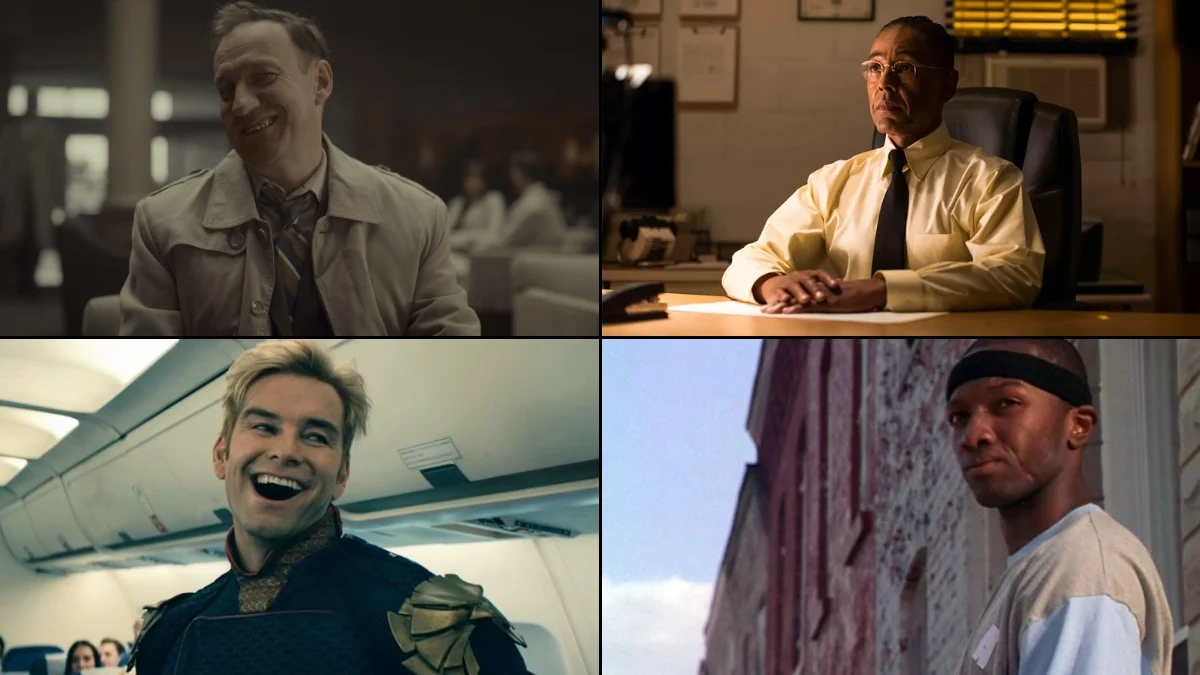


Some TV antagonists are written to push plots forward; others reshape entire series—altering alliances, rewiring characters’ goals, and setting off long consequences that ripple for seasons. The standouts below aren’t just memorable faces; they’re pivotal engines of story whose schemes, crimes, and power plays define their shows’ biggest turns.
Each entry highlights where the character appears, who portrays them, and the concrete actions, affiliations, and tactics that make them central to the narrative. You’ll find details like organizations they control, relationships that drive conflicts, and season-by-season developments that show exactly how they operate inside their worlds.
Gus Fring

Giancarlo Esposito plays Gustavo “Gus” Fring across ‘Breaking Bad’ and ‘Better Call Saul’, operating a bi-continental drug distribution network behind the cover of the Los Pollos Hermanos restaurant chain and the industrial-scale Lavandería hideout. The character builds a vertically integrated operation—financing labs, hiring chemists, and maintaining supply lines through cartel intermediaries—while presenting as a legitimate businessman to law enforcement and civic leaders.
Across multiple seasons, Gus manages rival factions, deploys professional enforcers like Mike Ehrmantraut, and constructs contingency plans that include surveillance, shell companies, and safehouses. His storyline documents the construction and defense of infrastructure, including a subterranean superlab and a cross-border logistics pipeline, culminating in targeted strikes that realign cartel leadership.
Cersei Lannister

Lena Headey’s Cersei Lannister drives succession, debt, and military policy in ‘Game of Thrones’ through her authority over the royal small council, the Crown’s finances, and alliances with houses in the Westerlands. She leverages marriage contracts, hostage exchanges, and a network of informants maintained by family retainers to maintain power in King’s Landing.
Her arc tracks the consolidation of authority after leadership vacuums, the use of religious militias through legal decrees, and the redeployment of siege engines and wildfire stores during urban conflict. She negotiates with the Iron Bank for credit extensions and redirects garrison forces to secure strategic gates and ports, shaping the capital’s political map for multiple campaigns.
Joffrey Baratheon

Jack Gleeson portrays Joffrey Baratheon in ‘Game of Thrones’ as a monarch whose decisions directly affect troop movements, court appointments, and the legal status of key families. His proclamations lead to executions, confiscations of lands, and changes to the City Watch chain of command.
Joffrey’s interactions with the Kingsguard, small council, and foreign envoys produce concrete shifts in treaties and defensive postures around the capital. The character’s actions trigger uprisings that necessitate logistical responses such as food rationing, reallocation of guard patrols, and emergency fortification of city walls ahead of naval engagements.
Ramsay Bolton
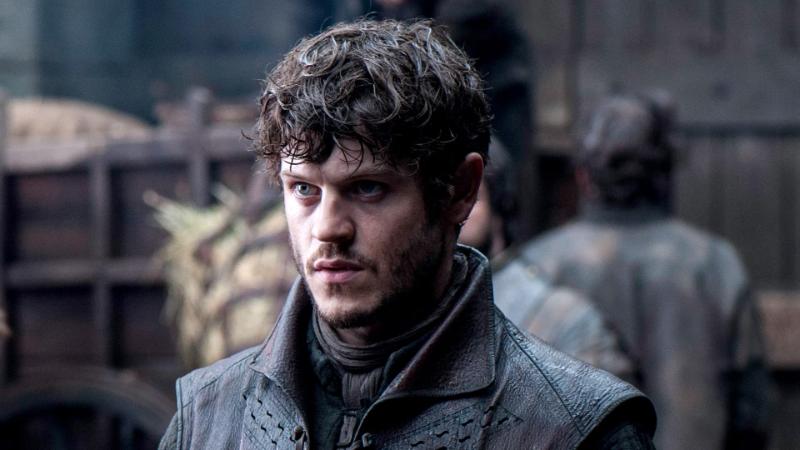
Iwan Rheon’s Ramsay Bolton in ‘Game of Thrones’ consolidates authority in the North via forced legitimization, strategic marriages, and the absorption of minor houses’ levies. He controls a garrisoned stronghold equipped with kennels and interrogation chambers, using psychological warfare to break rival claimants.
His campaigns include night raids, scorched-earth tactics, and the manipulation of messengers to misdirect opposing commanders. By executing prisoners for leverage and reorganizing bannermen under house sigils, he alters frontline deployments and supply chains across northern territories.
Homelander
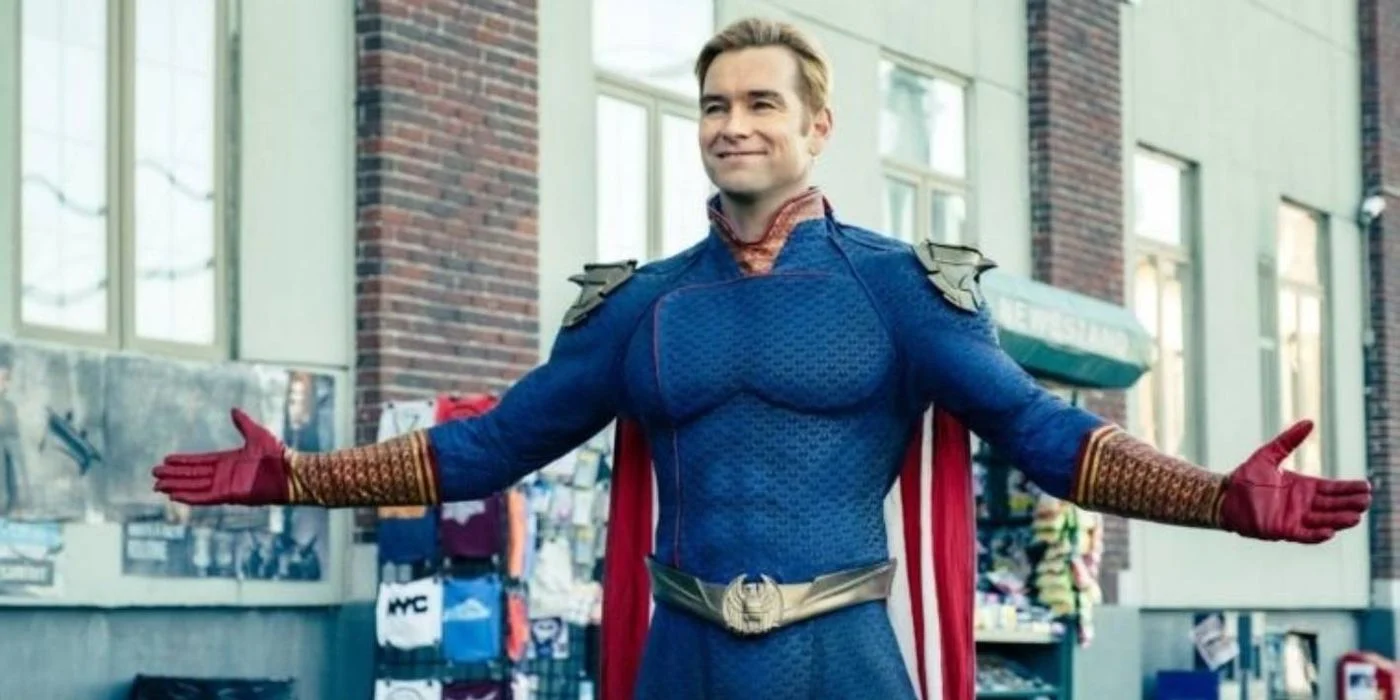
Antony Starr plays Homelander in ‘The Boys’, the public leader of the Seven whose image is managed by Vought International through press briefings, product licensing, and staged rescue operations. The character holds operational command during team missions, interfaces with corporate executives, and influences legislative hearings about superpowered oversight.
Within the narrative, Homelander’s decisions affect security protocols at Vought facilities, deployment of surveillance aircraft, and the handling of incident footage. His relationships with teammates determine personnel assignments, and his interactions with research labs tie into drug testing programs and crisis-management plans following urban disasters.
Wilson Fisk (Kingpin)
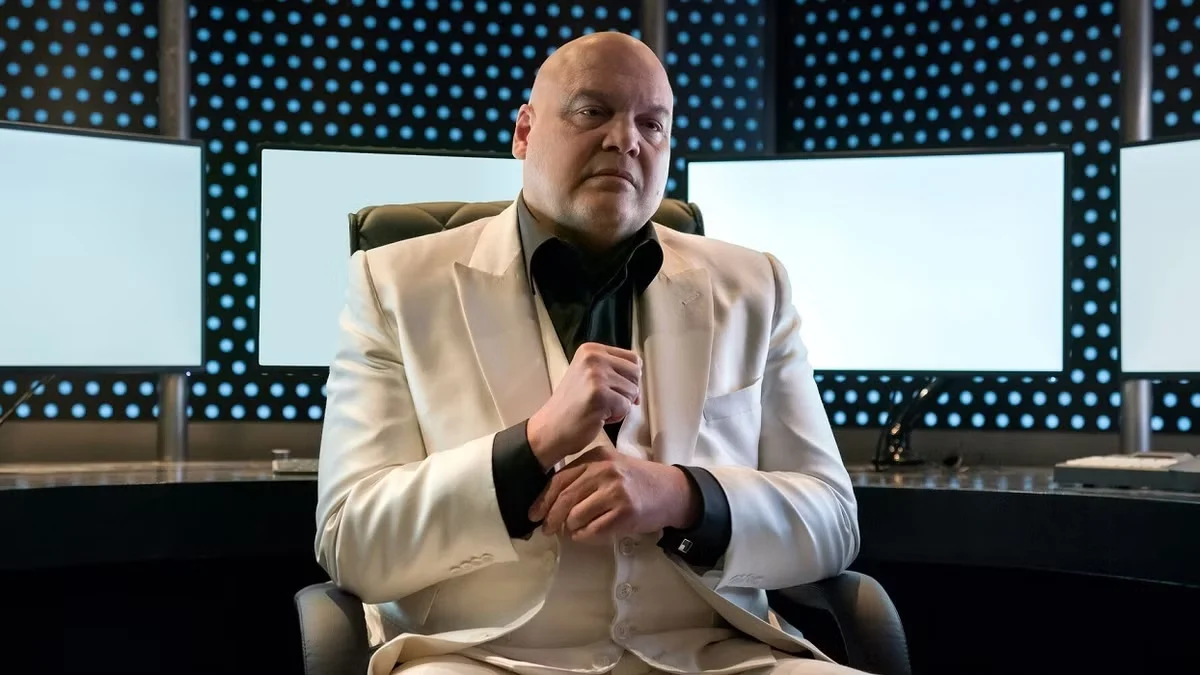
Vincent D’Onofrio’s Wilson Fisk controls organized crime in ‘Daredevil’ through a network of construction fronts, import/export businesses, and paid officials. He restructures New York neighborhoods by directing development contracts, leveraging bribery, and using private security teams to protect shipments.
Fisk’s operations involve data blackouts, manipulation of court cases via compromised experts, and the strategic use of safehouses with panic rooms. The storyline documents power transfers among rival syndicates and includes measurable changes to precinct corruption maps, port schedules, and procurement of specialized body armor for his enforcers; the character also reappears in ‘Hawkeye’ and ‘Echo’, extending those networks into broader turf arrangements.
Kilgrave
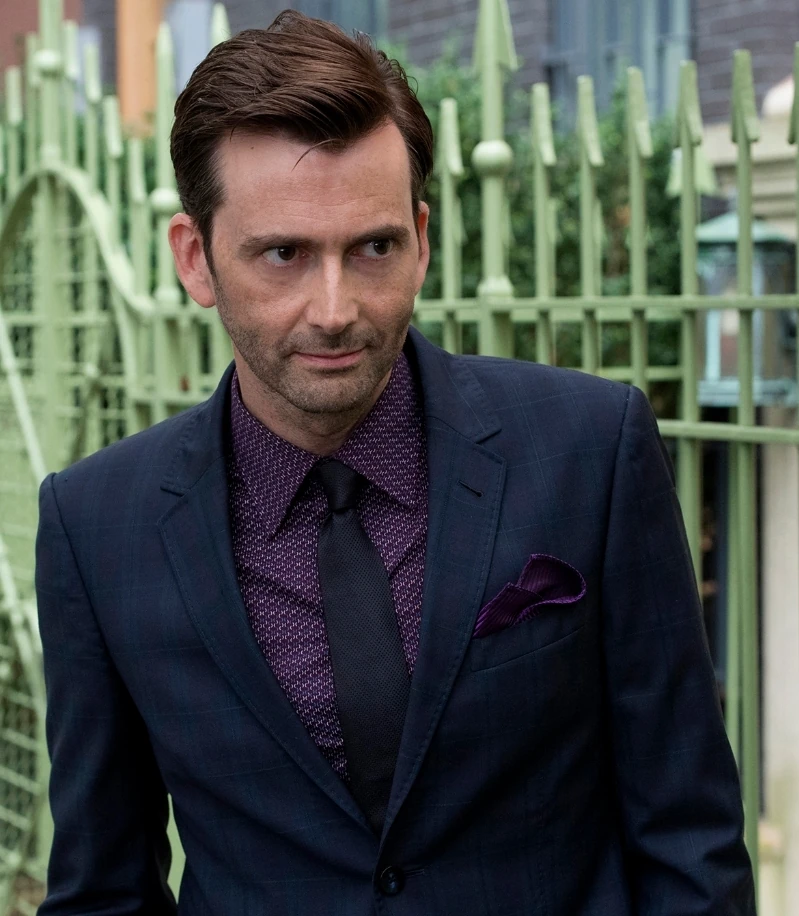
David Tennant portrays Kilgrave in ‘Jessica Jones’, a perpetrator whose voice-activated coercion compels victims to carry out instructions without post-event recall safeguards. Law enforcement faces unique evidence challenges because witnesses act as unwilling intermediaries and physical crime scenes lack conventional signs of restraint.
The season details countermeasures such as noise-isolating environments, timed instructions, and attempts to document command chains on audio and video. Medical research threads examine pathogen exposure histories and neurological markers, while the investigative team maps prior victim movements to establish a geographic pattern for tracking.
Ben Linus
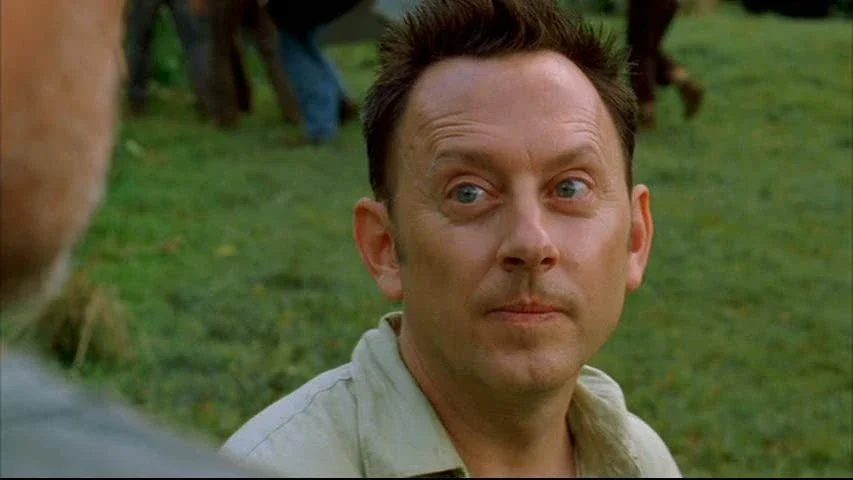
Michael Emerson’s Ben Linus in ‘Lost’ leads the island’s resident faction through underground stations, code protocols, and a network of off-island identities. He manages logistics for medical supplies, maintains communication via secure frequencies, and directs abductions to achieve specific bargaining goals with outsiders.
Ben coordinates prison exchanges, oversees dharma-era facilities with fail-safe mechanisms, and redeploys personnel based on reconnaissance. His storylines include governance disputes within his group and the use of hidden access tunnels and supply drops, with documented hierarchies that show how assignments and codenames regulate operations.
Marlo Stanfield
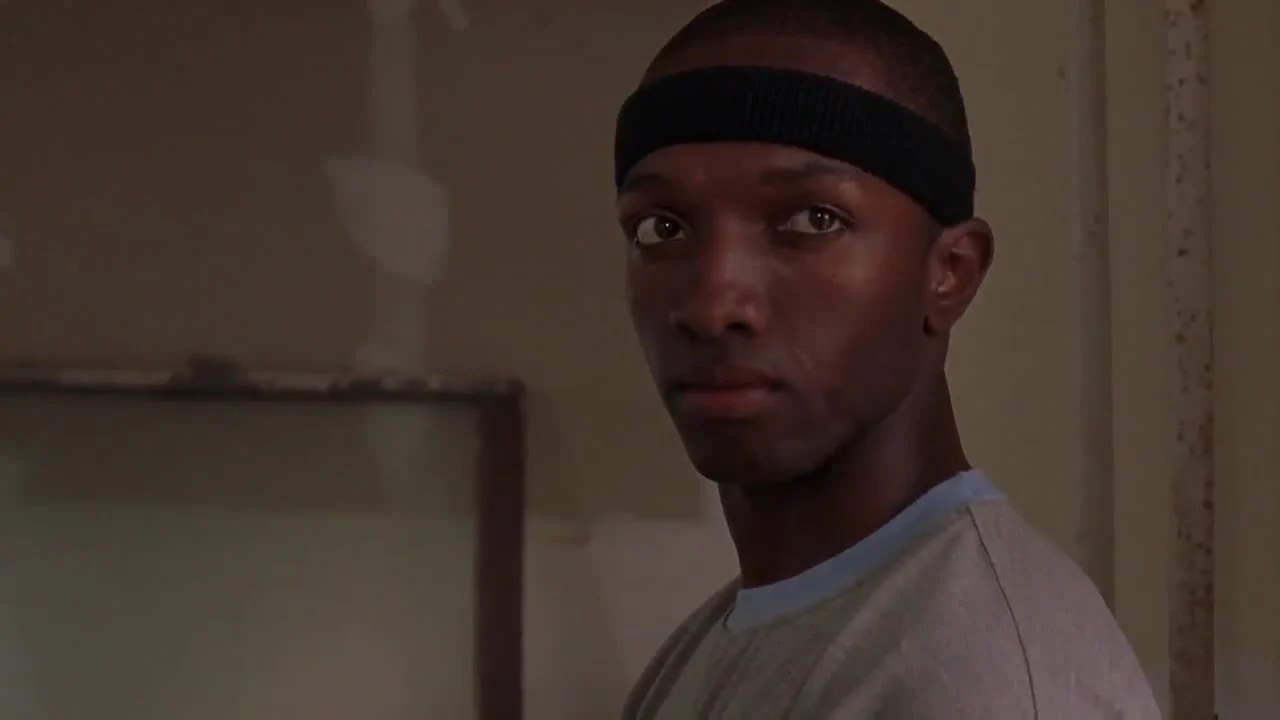
Jamie Hector’s Marlo Stanfield in ‘The Wire’ commands a corner-based drug organization that replaces pager codes with face-to-face communications and hand signals to avoid wiretaps. His crew enforces territory through a small cadre of lieutenants, restricting information flow and minimizing recorded conversations.
Marlo’s rise prompts shifts in homicide clearance rates, changes in grand jury cases, and redeployments by rival crews. The character’s tactics include using vacant houses as clandestine graves, rotating stash locations, and leveraging a bail bondsman network, all of which alter police surveillance patterns and the city’s narcotics market structure.
Lorne Malvo
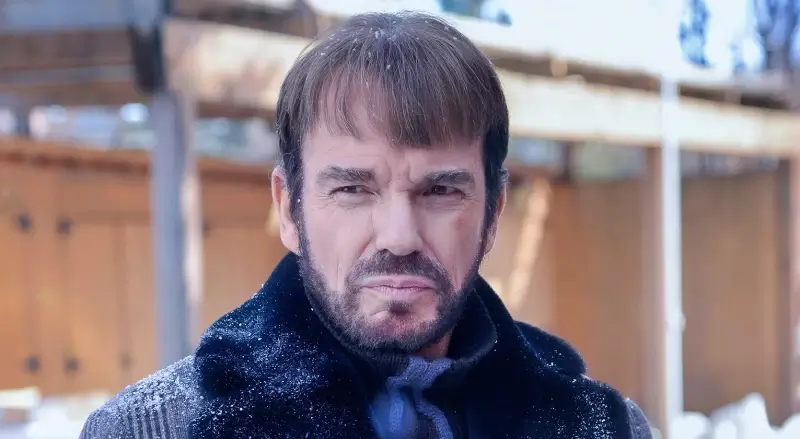
Billy Bob Thornton plays Lorne Malvo in ‘Fargo’, a contract operative who travels with minimal paper trails, cash payments, and burner communication methods. He cultivates clients through intimidation schemes that include staged threats and controlled leaks to local authorities.
Malvo engineers conflicts between regional syndicates and small-town figures, using disguises, coded recordings, and misdirection to redirect investigations. The season tracks specific hits, blackmail exchanges, and police jurisdiction handoffs, documenting how his interference escalates from localized extortion to multi-state criminal fallout.
The Governor

David Morrissey’s character, commonly called the Governor, leads Woodbury in ‘The Walking Dead’ with a private militia, perimeter defenses, and rationing schedules that attract new residents. He maintains an armory, conducts prisoner interrogations, and negotiates with neighboring survivor groups from a fortified position.
Operationally, he orders raids to seize medical supplies, authorizes sniper overwatch on approach roads, and sets curfews enforced by patrol rotations. His decisions yield measurable impacts on survivor population numbers, ammunition counts, and the stability of trade agreements with other settlements.
Negan

Jeffrey Dean Morgan portrays Negan in ‘The Walking Dead’ as the head of the Saviors, a group running a tribute system that redistributes food, fuel, and weapons from satellite communities. He enforces compliance through scheduled collections, route patrols, and centralized armament storage at the Sanctuary.
The storyline details the creation of outposts along key highways, the use of coded radio traffic, and the management of labor crews for manufacturing and agriculture. Negotiations, reprisals, and truces alter the map of safe travel corridors and determine which communities retain partial autonomy under the Saviors’ control.
Lalo Salamanca
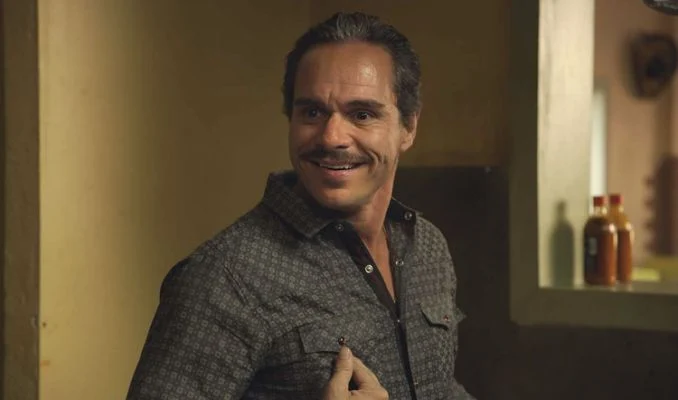
Tony Dalton’s Lalo Salamanca in ‘Better Call Saul’ functions as a mobile fixer for the Salamanca family, coordinating couriers, safehouses, and cross-border financing. He maintains redundancies in travel documents and uses informal networks to recruit drivers and lookouts.
Investigative threads track his movements through motel registries, taxi logs, and burner phone patterns, while his surveillance of rivals includes stakeouts and covert recordings. His presence directly impacts the security posture of the Fring organization, forcing changes to lab construction timelines, guard shifts, and cash transfer methods.
The Trinity Killer (Arthur Mitchell)
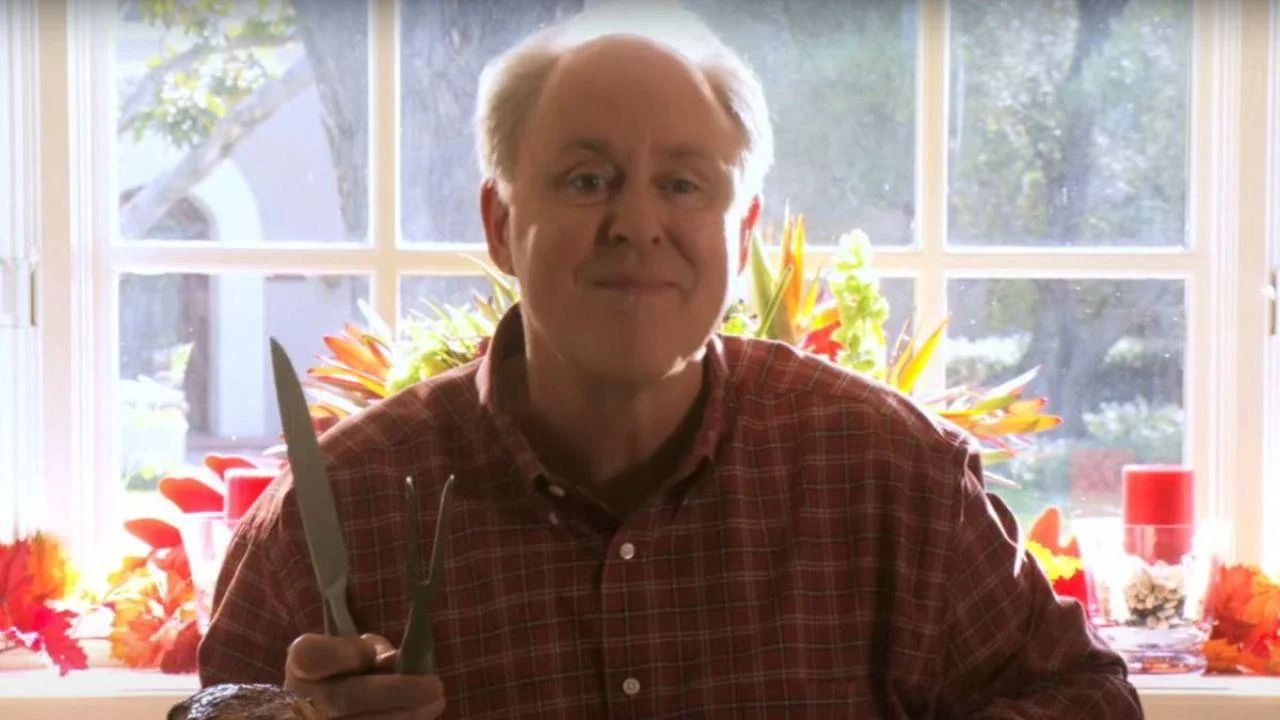
John Lithgow’s Arthur Mitchell in ‘Dexter’ operates within a ritualized pattern that aligns locations and victim profiles to personal milestones. The character maintains a façade of community involvement while using precise timing, toolkits, and reconnaissance to avoid detection.
Law-enforcement and vigilante investigations analyze his pattern via crime-scene commonalities, including staging practices and disposal methods. Forensic details—tool marks, cleanup agents, and vehicle movements—feed a timeline that allows the pursuit to narrow geographic zones and anticipate future targets.
V. M. Varga
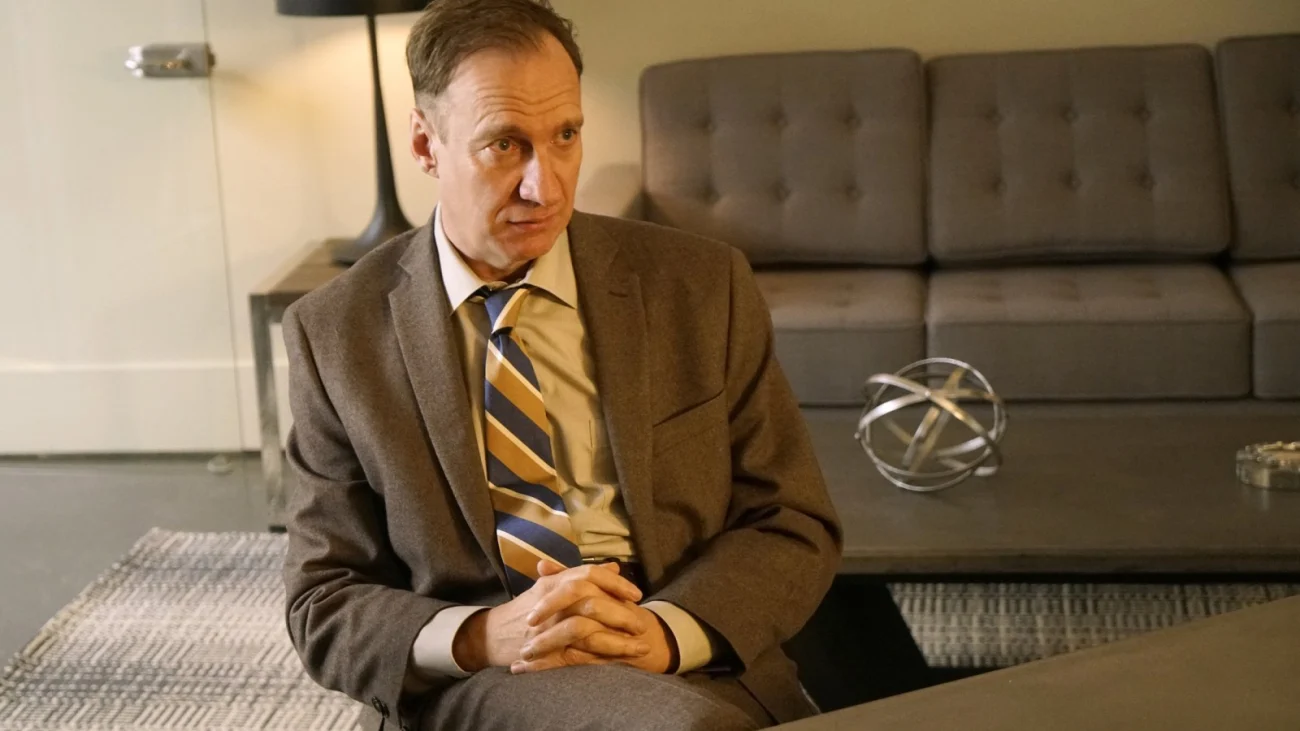
David Thewlis portrays V. M. Varga in ‘Fargo’ as the front for a multinational criminal consortium that embeds itself in legitimate companies through debt manipulation, tax fraud, and asset stripping. He targets Emmit Stussy’s parking-lot business using shell corporations, falsified invoices, and off-shore accounts, then forces compliance with threats, blackmail material, and tight control over communications. Operationally, he installs a mobile command in a semi-trailer, deploys encrypted laptops, and relies on disciplined lieutenants—Yuri Gurka and Meemo—to intimidate witnesses, steer police attention, and manage courier routes for cash and documents.
Varga engineers a leveraged takeover by flooding the books with phantom loans and routing funds through layered entities to obscure beneficial ownership. He counters regulatory pressure by staging audit responses, planting doctored financials, and weaponizing civil litigation to delay seizures. The plotline tracks specific moves: the coercive partnership with Emmit and Sy Feltz, the laundering pipeline built through fake suppliers, and the coordinated interference with IRS inquiries, all culminating in an exit strategy that leaves local partners exposed while his network redeploys to a new target.
Have a favorite we missed—or a pick you’d swap in? Share your thoughts in the comments so everyone can compare notes!