

Top 15 Worst NPCs in Video Games

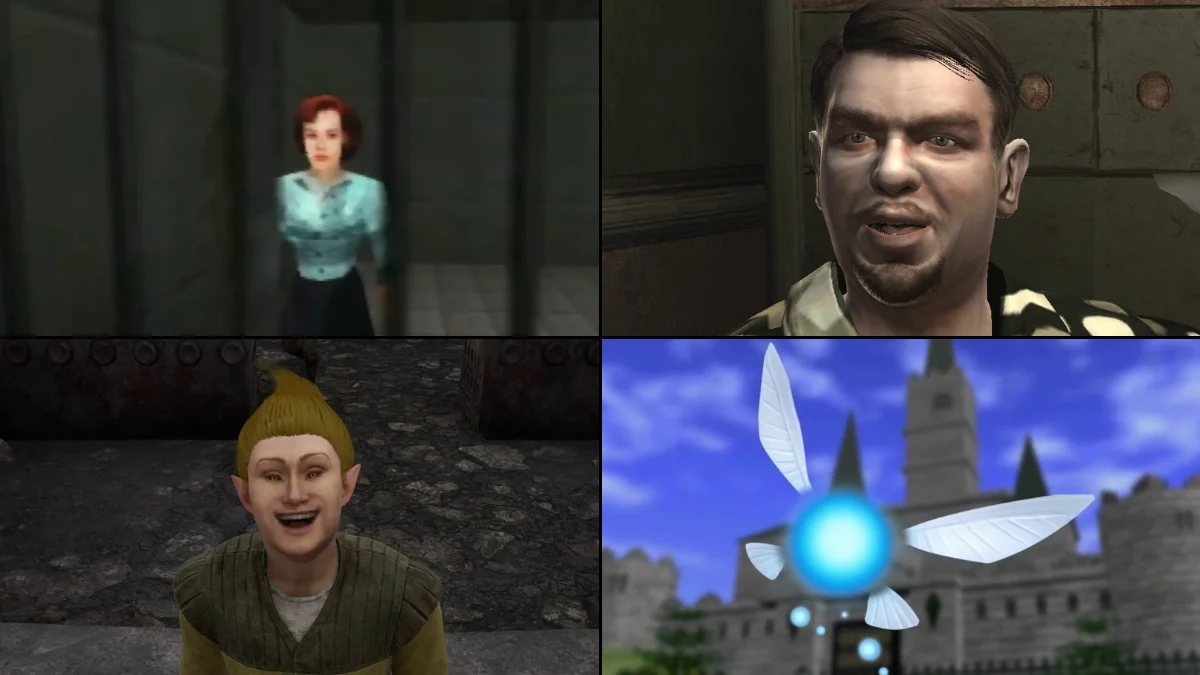


Non-player characters are the glue that holds game worlds together—quest givers, companions, shopkeepers, and background life. Sometimes, though, their behavior, dialogue systems, or quest design creates friction that players remember for all the wrong reasons. What follows looks at specific mechanics, scripting, and systems that made certain NPCs infamous.
This isn’t about dunking on characters; it’s about the design choices behind them. From endlessly repeating radiant tasks to brittle escort logic, each entry explains what the NPC does in-game, how their systems work, and why those systems have a reputation for causing trouble during ordinary play.
Preston Garvey (Fallout 4)
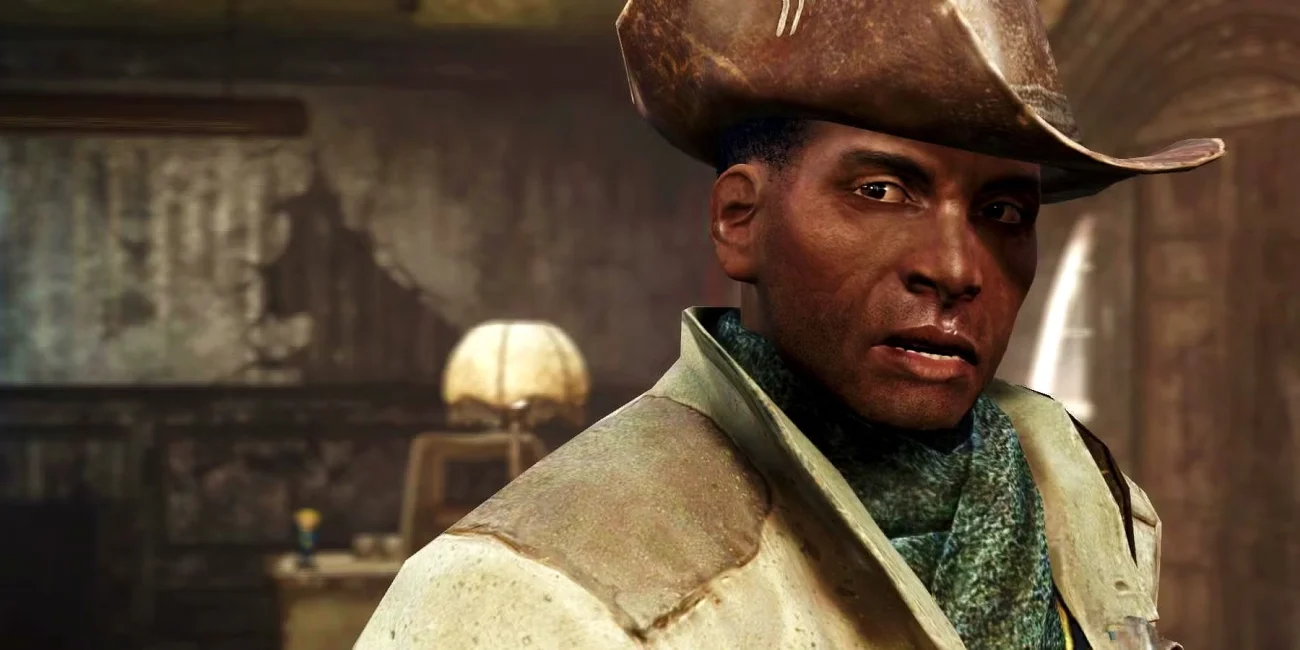
In Fallout 4, Preston Garvey is a Minutemen leader who introduces the settlement system and issues “radiant” quests through the “Miscellaneous Minutemen” pool. These procedurally generated missions—such as clearing out raiders or rescuing settlers—are created by the Radiant Quest framework and can trigger again shortly after completion, often targeting different map cells but using the same templates. Accepting Preston’s offers updates the quest log, places a map marker, and can change settlement happiness and population when completed.
Mechanically, advancing the Minutemen faction requires engaging with Preston’s assignments to unlock key milestones like the Castle reclamation and artillery support. Because radiant tasks have no fixed endpoint, players can see their Pip-Boy fill with recurring objectives tied to settlements. Preston’s location also matters: he tends to migrate to newly founded settlements if assigned, which can change where players must travel to turn in quests and access unique dialogue.
Navi (The Legend of Zelda: Ocarina of Time)

Navi is a context-sensitive hint companion that introduces Z-targeting and delivers tutorial guidance throughout Ocarina of Time. The fairy’s audio cue and on-screen “Listen!” prompt are tied to event flags—new areas, boss rooms, and key puzzle beats—triggering targetable tips that summarize mechanics like enemy weaknesses or environmental interactions. Navi also serves as the lock-on anchor, circling targets to communicate focus and distance for combat and item use.
Outside combat, Navi’s prompts can be fired by timers or area checks that remind players of the next critical objective. The companion integrates with the game’s help system via the C-Up command to deliver optional lore and direction. Because these triggers persist through much of the main quest, players encounter frequent, system-driven interruptions that keep progression on track but remain active even after mastering earlier mechanics.
Ashley Graham (Resident Evil 4)

Ashley Graham is central to Resident Evil 4’s escort structure, with discrete AI states—Follow, Wait, Hide, and contextual actions like climbing or ducking. The player can issue simple commands, and Ashley’s pathing uses navmesh data that keeps her near the player unless instructed otherwise. When enemies grapple her, a capture meter begins; if it fills or she’s carried out of the encounter bounds, a fail state triggers, reloading the checkpoint.
The game uses special geometry (dumpsters, lockers) where Ashley can be hidden, temporarily removing her from combat logic to prevent captures. Several set pieces, such as the castle battlements, spawn siege waves that target Ashley as a priority entity. Ammunition and grenade placement must account for friendly-fire flags, since Ashley can take damage from the player’s weapons, which turns otherwise straightforward crowd control into risk-managed positioning problems.
The Adoring Fan (The Elder Scrolls IV: Oblivion)
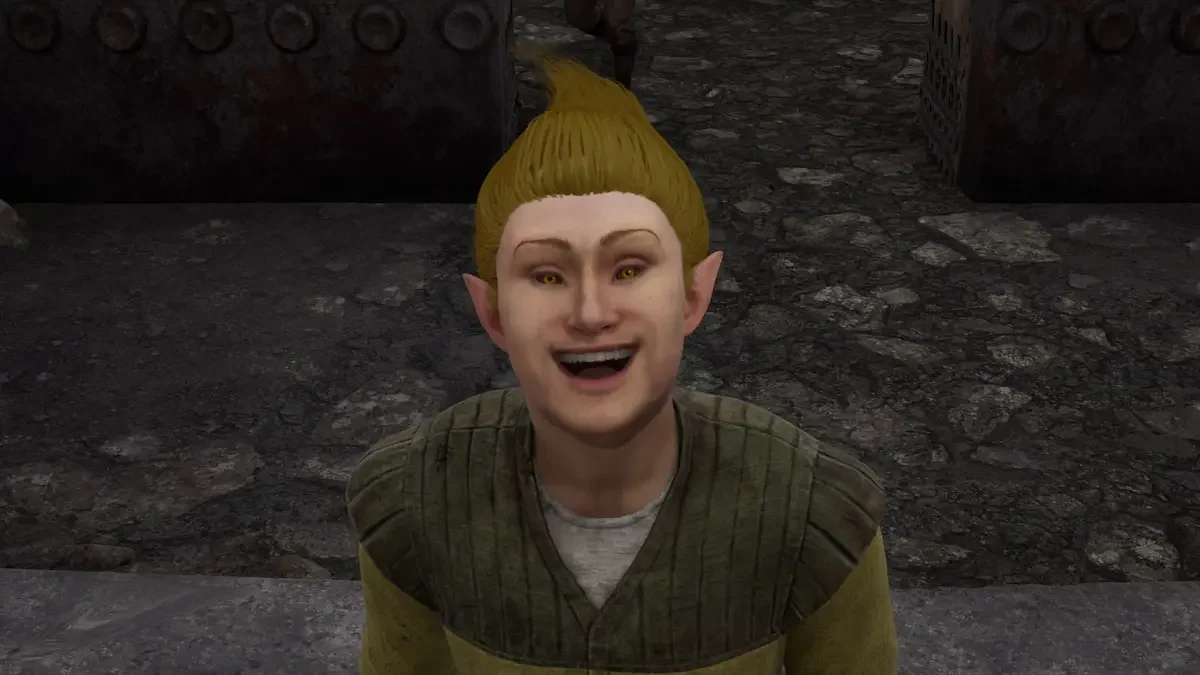
After earning the Grand Champion title in the Arena, the Adoring Fan spawns as a persistent follower with a package that trails the player at a set distance. His AI uses low aggression and confidence values, avoiding combat while attempting to remain within tether range. Importantly, he is flagged Essential in normal play, so lethal damage only renders him unconscious for a short period before he gets back up, preserving his follow loop without a true death state.
The Fan’s daily schedule keeps him near the player until dismissed with dialogue that toggles his follow package. He does not contribute meaningfully to combat or utility, carries no unique gear, and has collision enabled, meaning he can physically block doorways and narrow corridors. Because he cannot permanently die under default rules, normal removal methods do not disable his behavior, and he will eventually return to following unless told to wait.
Lydia (The Elder Scrolls V: Skyrim)
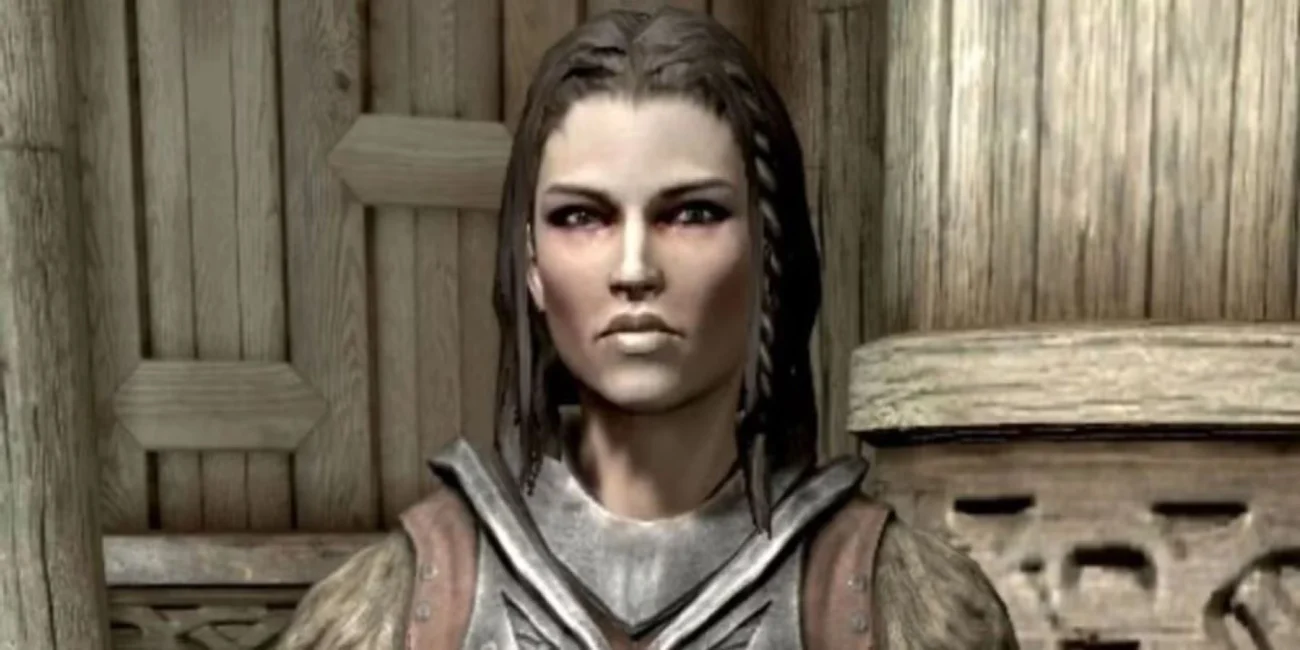
Lydia is assigned as housecarl upon acquiring Breezehome in Whiterun, using Skyrim’s follower framework: inventory sharing, trade commands, and combat AI driven by confidence, aggression, and preferred weapon tags. Her carry capacity extends the player’s encumbrance, and she can be directed to interact with world objects, including levers and pressure plates, by issuing contextual commands. By default she is flagged Protected, which prevents enemies from killing her; only the player can deliver a killing blow through friendly fire.
Followers in Skyrim have full collision and pathfinding that can lag in narrow spaces, and Lydia is vulnerable to environmental hazards like traps the player has triggered. When dismissed, her sandbox package returns her to Dragonsreach or Breezehome, and she remains eligible for marriage through the standard amulet and dialogue route if criteria are met. Platform, patch, or mod setups can alter flags and behaviors, but in unmodded play her protection state is the key factor governing survivability.
Otis Washington (Dead Rising)
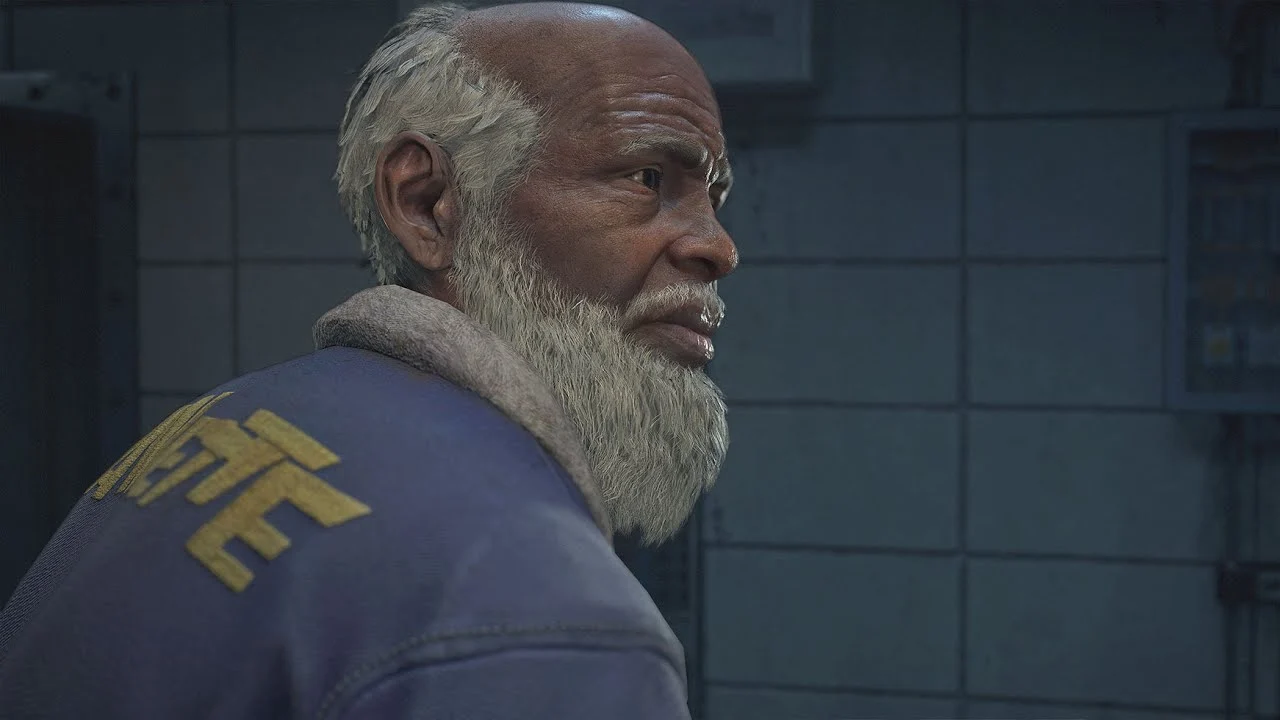
Otis communicates with the player through a transceiver, pushing real-time calls that announce survivor locations and scoop missions. The transceiver overlay temporarily takes input focus; if the player is hit, jumps, or performs certain actions, the call is considered “interrupted,” which flags Otis to call back shortly afterward to repeat the information. These calls are keyed to time-sensitive events that expire if not acted on.
Accepting Otis’s prompts populates the Case Files and survivor escort opportunities, each with unique AI behaviors. Because Dead Rising runs on a continuous timer, Otis’s updates are both the discovery mechanism for content and a recurring UI modal. The system ensures mission awareness but can chain callbacks if the player is fighting or navigating, since the interruption logic prioritizes message delivery before the timer windows close.
Slippy Toad (Star Fox 64)

Slippy functions as both a wingmate and an in-mission HUD integrator, broadcasting target scan data that enables the on-screen shield/health gauges for enemies and bosses. His health values are lower than Falco’s and Peppy’s, and his flight behavior sets him on predictable pursuit paths that can draw heavy fire. When Slippy’s Arwing is critically damaged, he can be shot down, removing those HUD readouts until he returns in a later mission after repairs.
Rescuing wingmates triggers context-sensitive radio lines that also toggle bonus events and route conditions. If Slippy is downed in certain stages, he is absent from the next mission and can only rejoin after a repair sequence. This interplay between ally survival and HUD functionality makes his status a persistent gameplay variable; keeping him safe preserves target health information that otherwise disappears until his reappearance.
Kaepora Gaebora (The Legend of Zelda: Ocarina of Time)

Kaepora Gaebora serves as a recurring guidance NPC whose dialogue trees summarize recent objectives and world logic. The owl’s conversations use multi-page text with a confirmation branch that, by default, can route back to the start if the player selects the wrong response, effectively looping the guidance sequence. Encounter triggers are tied to key progression gates like leaving Kokiri Forest or reaching new map regions.
Because his appearances are scripted at major transitions, Kaepora Gaebora helps onboard puzzles, fast-travel points, and story beats. The dialogue also includes lore about Hyrule and gameplay mechanics such as map navigation. The combination of frequent, mandatory stops and the loop-back choice pattern means players often advance through several screens of text to proceed after each trigger point.
Natalya Simonova (GoldenEye 007)
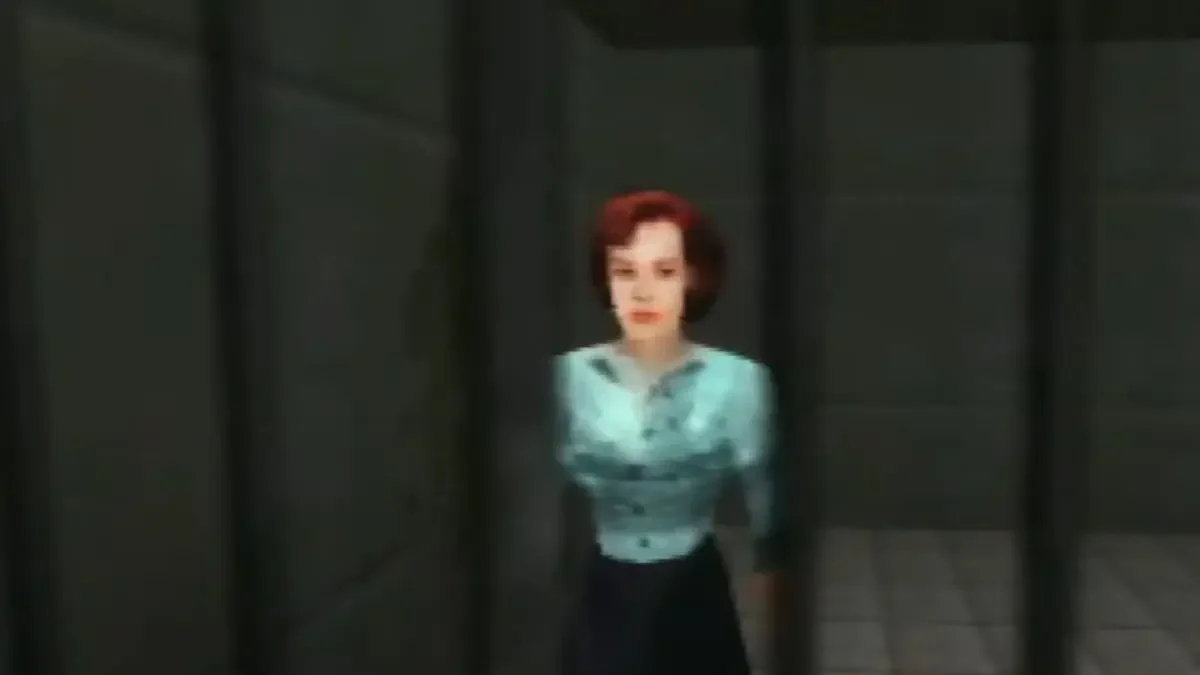
In GoldenEye 007, Natalya features in multiple missions with escort and hacking objectives, notably in Control. Her AI follows pre-baked routes with limited deviation and uses non-combatant behavior, avoiding weapon use while attempting to reach consoles within a time window. Enemy spawns scale during her hacking sequences, and failure conditions include her death or the destruction of critical terminals.
During escort segments, Natalya’s pathing depends on door states and player positioning; if doors close or the player sprints ahead, her AI can desynchronize from the intended route, delaying mission progress. Control’s defense phase requires managing multiple enemy entry points while ensuring stray fire does not hit her, since friendly fire can also end the mission. The design highlights late-90s escort scripting where precision positioning and spawn control are mandatory to proceed.
Fi (The Legend of Zelda: Skyward Sword)

Fi is an integral guide who provides statistical readouts—percentages estimating outcomes, dowsing explanations, and equipment durability notes. Her help system includes proactive prompts triggered by health thresholds, item conditions, and hardware states on original hardware, such as controller battery level. Many prompts are modal, pausing gameplay to present analysis and suggestions tied to the current objective.
Players can also manually invoke Fi to access actionable tips, enemy information, and hints about puzzle solutions. Dowsing, a search mechanic she introduces, attaches to the Sword to locate quest items via directional feedback. The combination of automatic and on-demand guidance ensures constant access to information about progression, resource status, and objectives, with frequent system-initiated interruptions to deliver that information.
Sheva Alomar (Resident Evil 5)

In single-player, Sheva runs on partner AI that evaluates threat proximity, ammo availability, and weapon type to choose between support and assault behaviors. Inventory management is shared; the AI will use healing items and consume ammunition based on need, and it can request or hand over items through a quick-exchange system. Her positioning logic tries to maintain line-of-sight while avoiding friendly-fire cones during intense firefights.
Puzzles and co-op gates use simultaneous levers, platforming assists, and cover mechanics that require Sheva to reach exact nodes before scenes advance. On higher difficulties, her health values and damage intake make resource management tighter, because healing items are split between two inventories and revive windows are limited. These systems ensure the partner role is always active, but they also enforce strict synchronization with the AI’s movement and resource logic.
Roman Bellic (Grand Theft Auto IV)
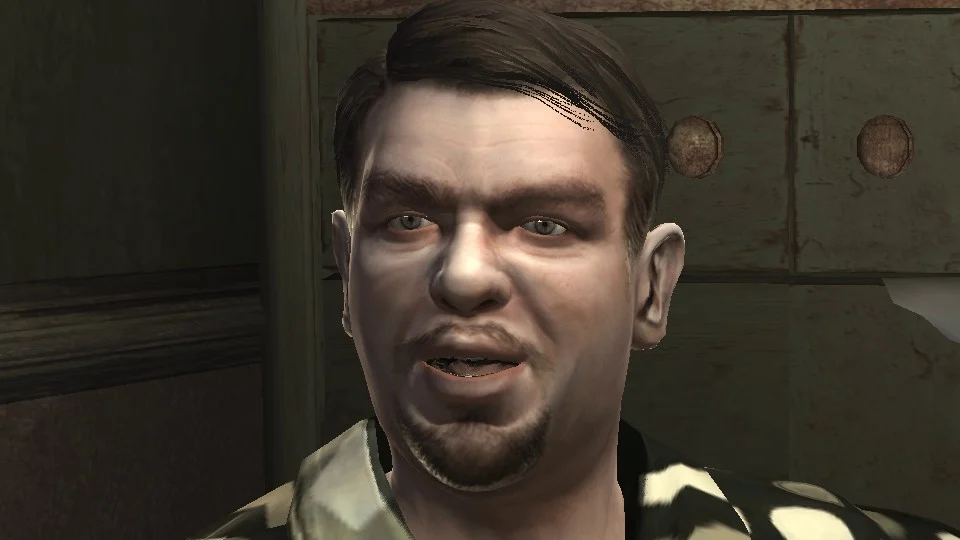
Roman operates as a social-system driver in Grand Theft Auto IV, using the in-game phone to invite the player to activities like bowling or drinking. Accepting or declining affects relationship metrics that unlock perks such as cab discounts. Calls are event- and timer-based; if scheduled activities are missed, additional calls can trigger later, re-offering the same social options. During many story missions, incoming calls are suppressed by scripting and resume after the mission concludes.
The phone interface accepts calls freely during open-world play, and some relationship perks require maintaining a minimum favor level, so players interact with Roman’s schedule to keep benefits active. The system integrates with the day-night cycle and city simulation, so travel time, traffic density, and mission availability can overlap with Roman’s invitations and reminders, with mission locks lifting once active objectives finish.
Yorda (Ico)
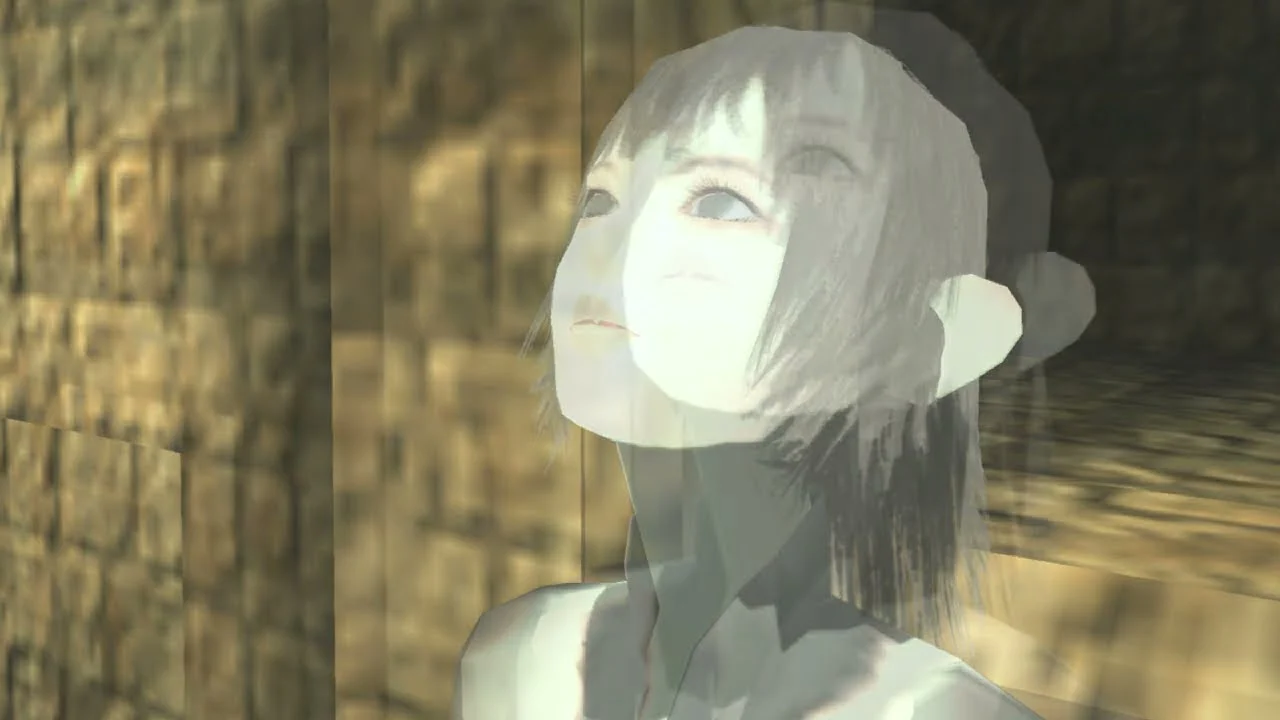
Yorda’s behavior is built on a hand-holding system that physically connects her to the player character, with contextual jumps and ladder climbs triggered when she is within reach. Her AI prefers safe paths but moves at a walking pace unless led, and shadow creatures attempt to abduct her through portal interactions, which create immediate fail states if she is pulled in. Environmental puzzles often require leaving Yorda temporarily to manipulate mechanisms that open a route forward.
Doors keyed to Yorda’s presence enforce co-location: many exits only unlock if she approaches them, meaning puzzle solutions must end with a clear path for her to follow. Because enemies target her directly, combat prioritization centers on keeping her within a defensible radius. Save points are spaced around rooms where both characters can rest, reinforcing the escort structure across the castle’s interconnected spaces.
Villagers (Minecraft)
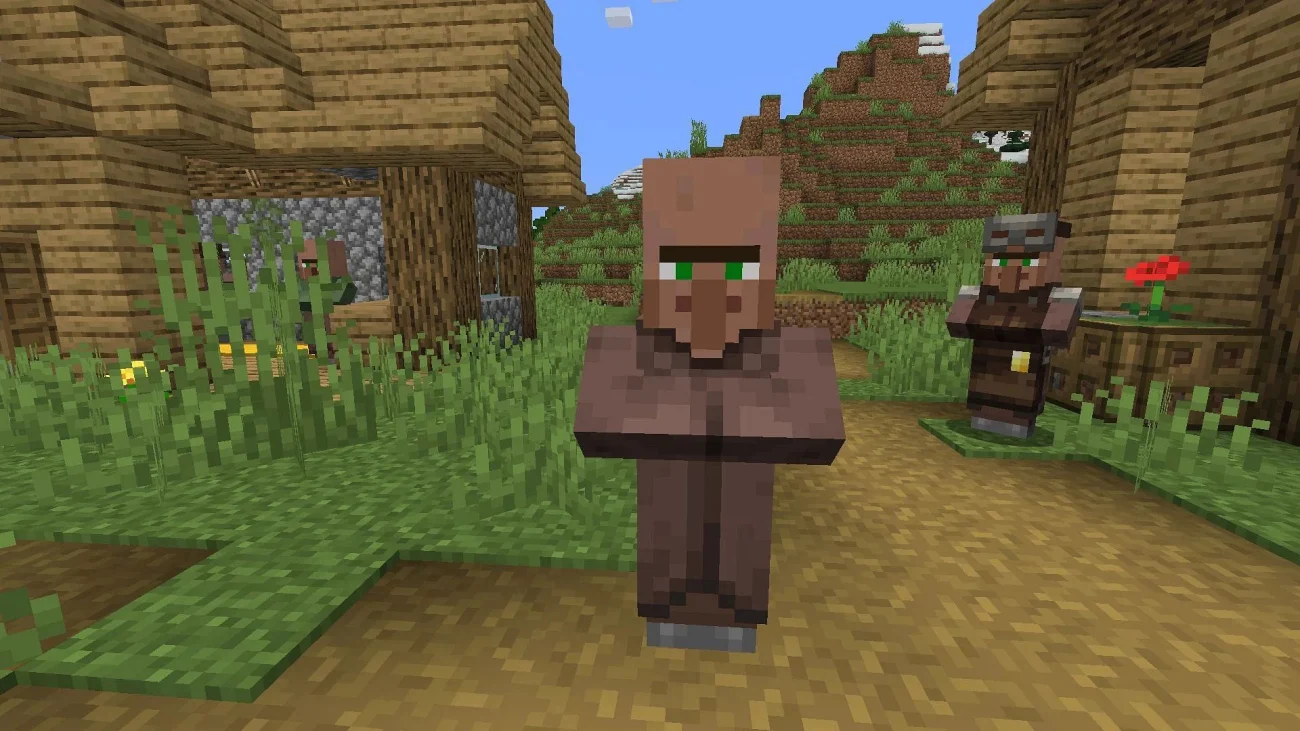
Minecraft’s villagers run daily schedules—work at job sites, socialize, sleep—and use a gossip system that affects prices and iron golem spawning. Trading ties to professions gained from workstations like the Lectern or Blast Furnace, and restocking occurs when villagers can path to their stations during work hours. Before major updates, villagers had simpler AI with limited pathfinding and trading depth; current behavior includes reputation, curing discounts, and raid interactions.
Village mechanics also cover breeding based on beds and available food, linking population growth to player-placed resources. Raids trigger when a player with Bad Omen enters a village, causing waves of hostile mobs that target villagers and their work areas, with victory rewarding Hero of the Village discounts. Because villager pathfinding depends on doors, beds, and workstations being accessible, base layouts significantly affect how reliably trades restock and whether golems spawn as intended.
Mankrik (World of Warcraft)
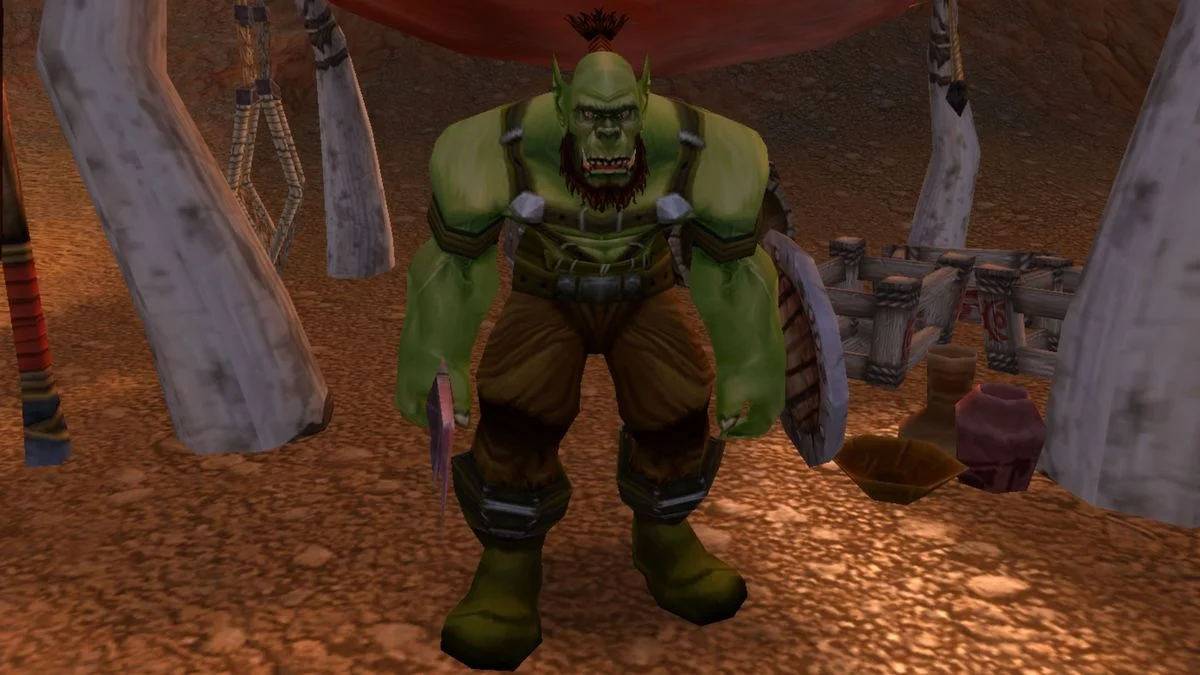
Mankrik’s quest “Lost in Battle” in the Barrens sends players to locate the remains of his wife, using descriptive directions rather than explicit map markers in early versions. The target is a static corpse spawn in a dangerous area populated by hostile mobs, and the quest objective updates upon interaction, enabling the return-to-giver turn-in. Without modern tracking, players relied on textual hints that reference roads and landmarks.
The Barrens’ large zones and respawn rates made travel time and combat density core parts of the quest’s difficulty profile. Later UI enhancements added quest tracking that places markers on the map, reducing search time. The quest’s design—long distances, descriptive navigation, and a single interactable target—became a notable example of early MMO guidance philosophy where directions in text replaced precise on-screen waypoints.
Share your picks and the NPC moments that tested your patience most in the comments!