Top 25 Anime Episode Titles That Are Works Of Art


Some anime don’t just deliver great stories—they give their episodes names that read like poetry, quote philosophy, or play clever games with language. Below is a tour of 25 standout episode titles and the concrete facts behind them: where they appear in the show, what the titles reference, and how they connect to each series’ storytelling or production choices.
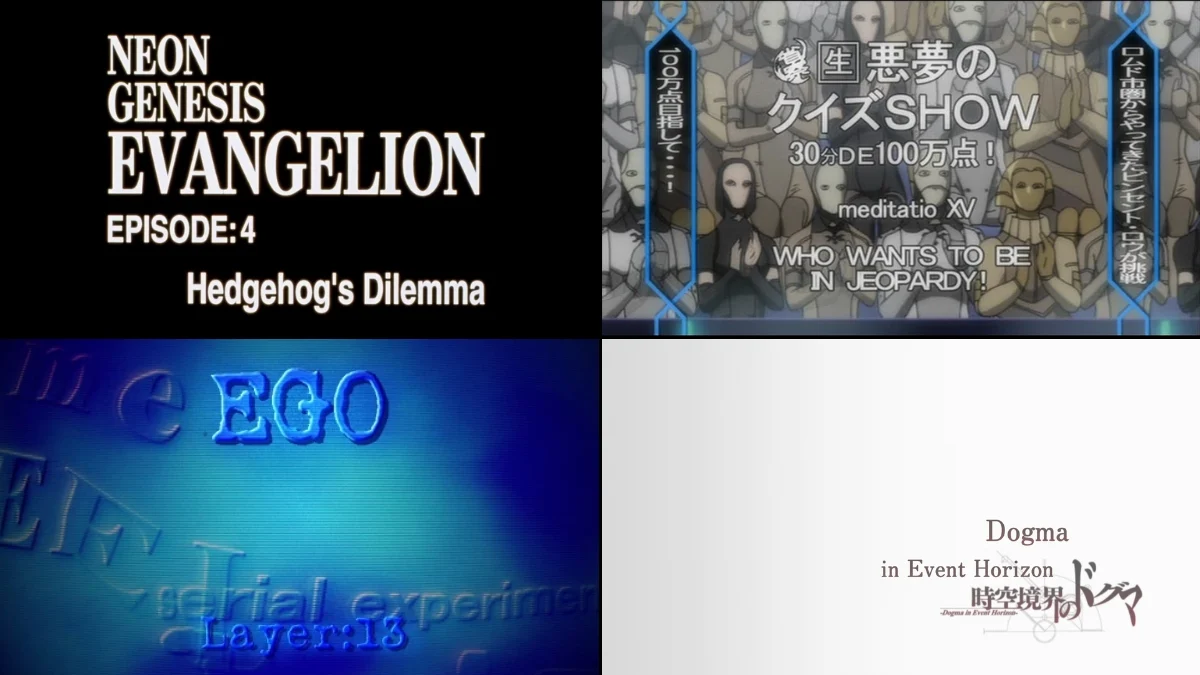
‘Neon Genesis Evangelion’ (1995–1996) – “The Hedgehog’s Dilemma”
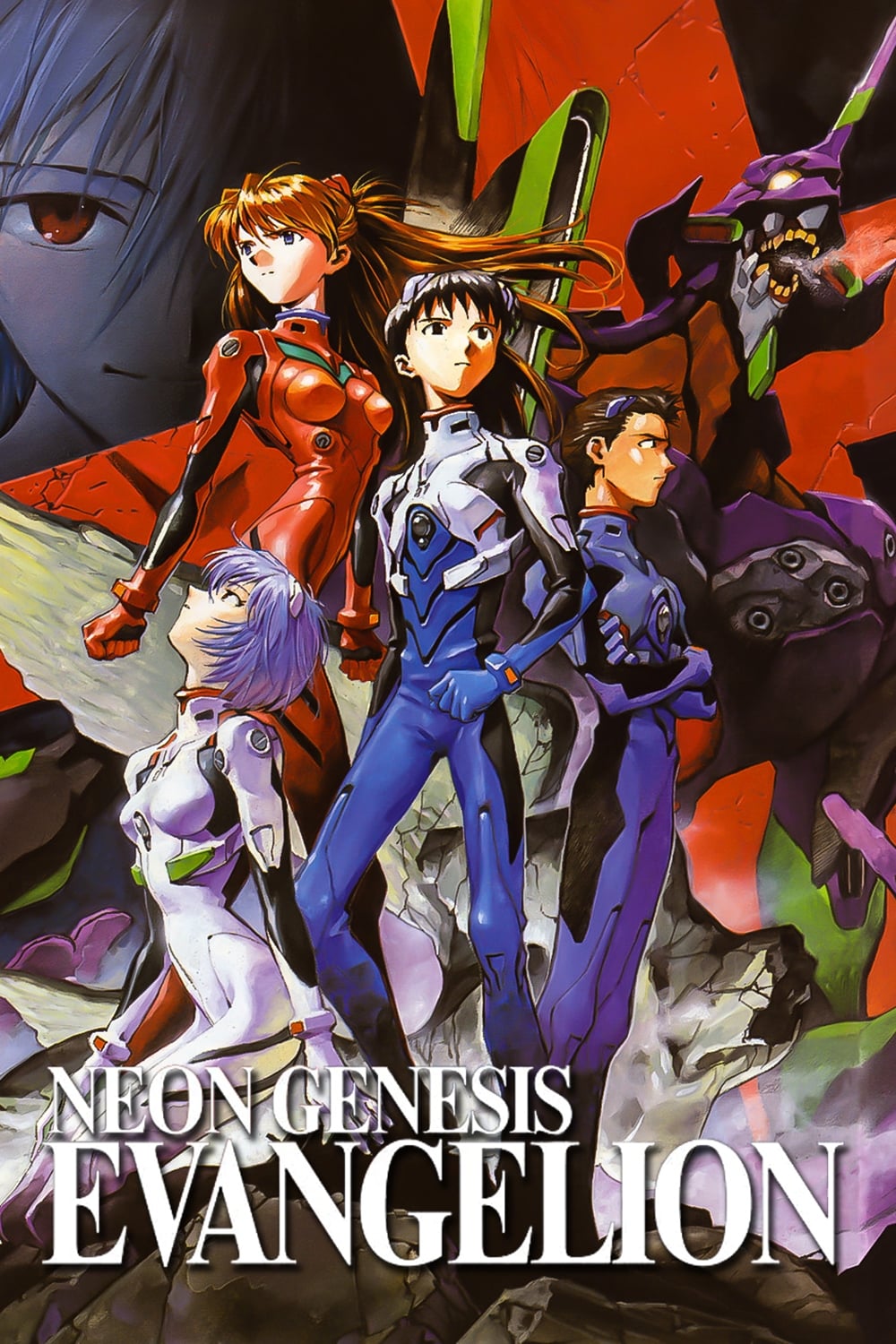
This early episode’s title references the well-known metaphor attributed to Arthur Schopenhauer and later Sigmund Freud, used in psychology to describe the tension between intimacy and self-protection. The show famously presented dual titles—Japanese and on-screen English—for many episodes, a production choice that sometimes yielded different nuances between versions. The episode situates the concept squarely in the narrative by foregrounding Shinji Ikari’s avoidance behavior and social withdrawal. Its placement in the first quarter of the series helps establish the franchise’s long-running engagement with psychoanalytic and philosophical terminology.
‘Cowboy Bebop’ (1998–1999) – “Ballad of Fallen Angels”
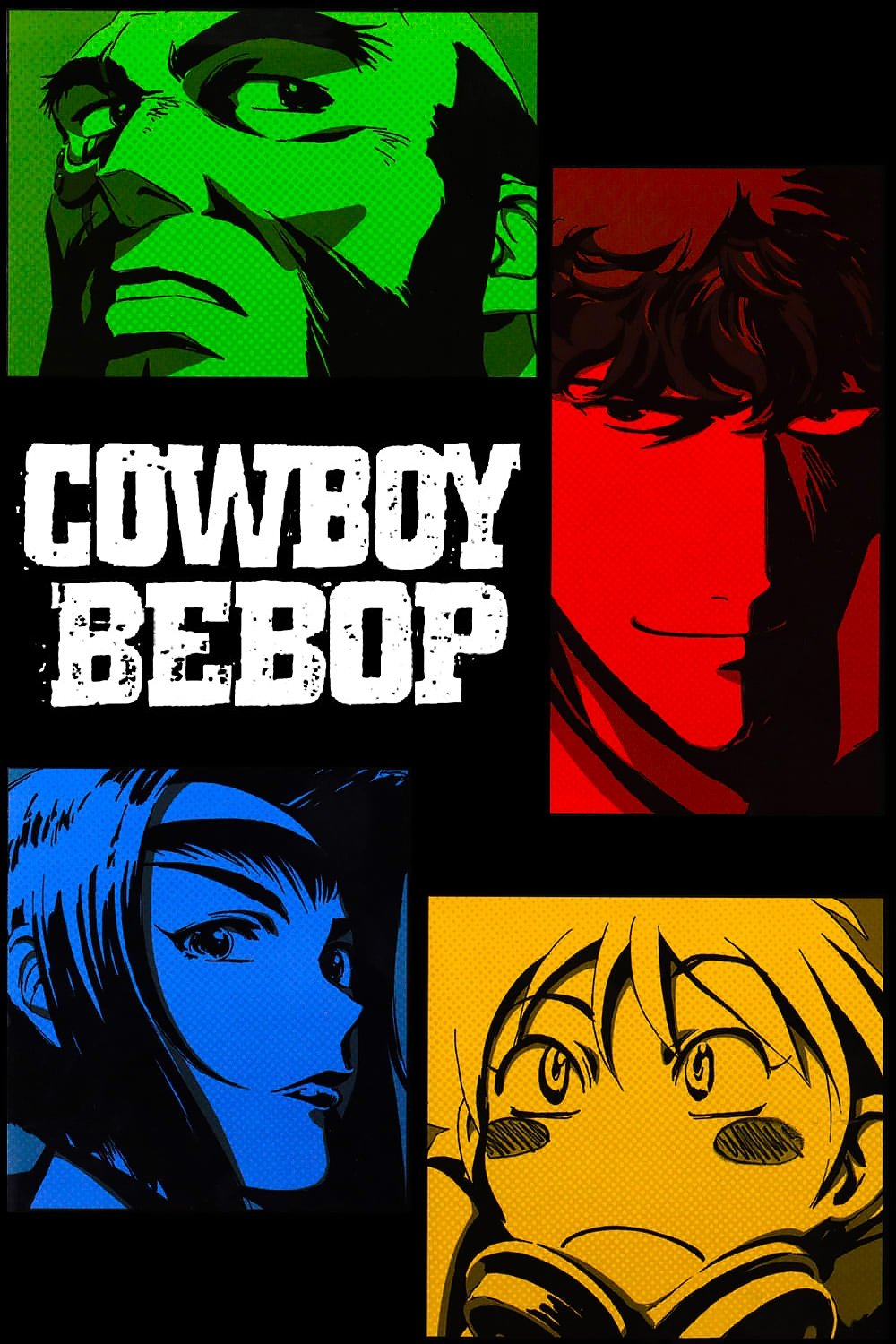
The title aligns with the show’s music-infused naming convention, echoing the series’ reliance on jazz, blues, and pop motifs. It’s the episode that further introduces Spike’s history with Vicious and the Syndicate, using a cathedral setting that visually reinforces the “fallen angels” phrasing. Yoko Kanno’s insert track “Green Bird” underscores the dramatic mid-episode sequence, a pairing that became a hallmark moment in the show’s broadcast. Many ‘Bebop’ titles similarly riff on musical forms—“Jupiter Jazz,” “Heavy Metal Queen,” and “Mushroom Samba”—as a consistent production pattern.
‘Samurai Champloo’ (2004–2005) – “Mushroom Samba”
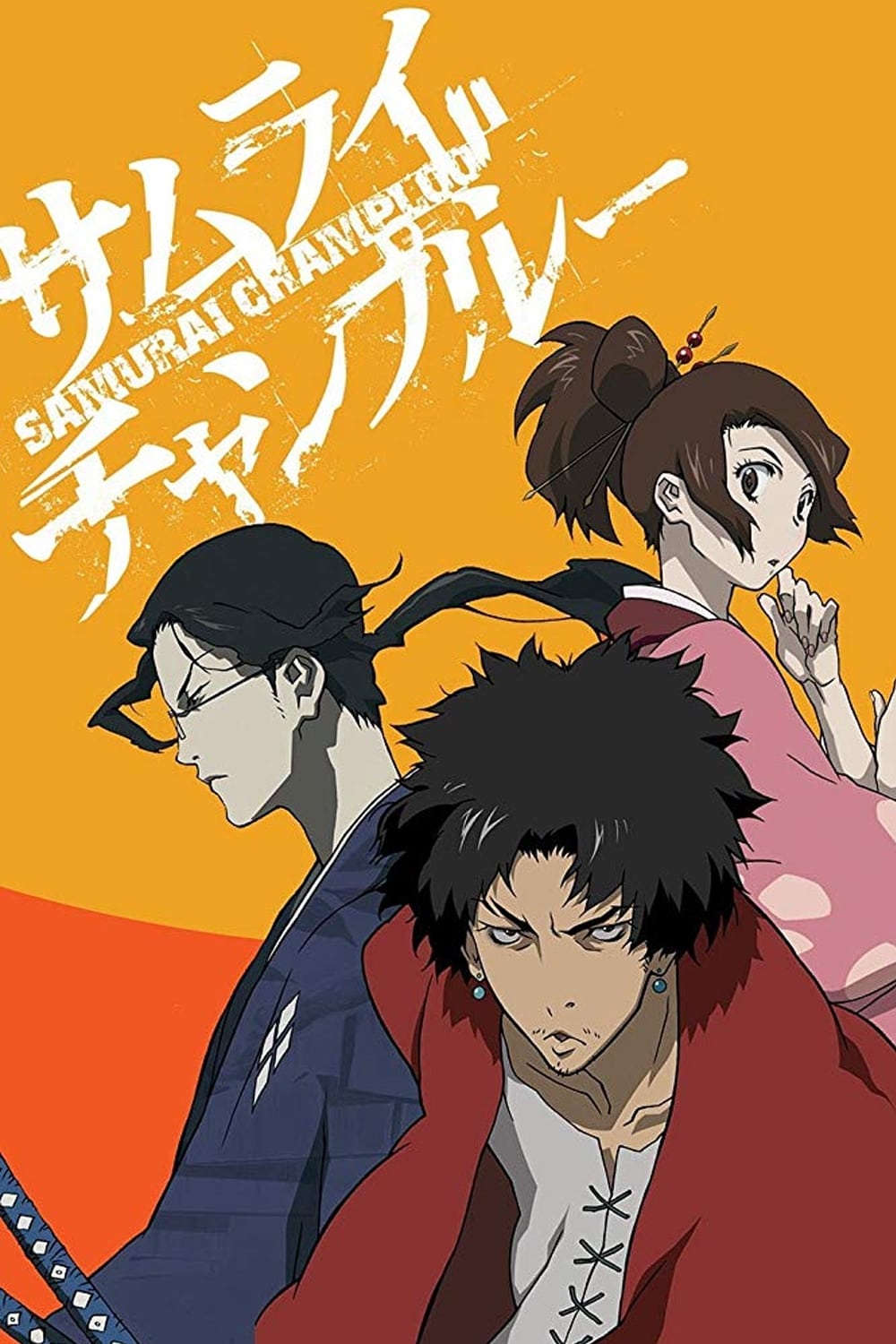
The episode title parodies the naming of musical genres, mirroring the series’ hip-hop-meets-Edo aesthetic. It’s a standalone story centered on Edamame-like mushrooms that drive the plot, with visual gags and chase sequences structured around the premise. As with other ‘Champloo’ entries, the title’s rhythm complements the show’s record-scratch transitions and DJ-style edits. The production keeps the musical joke consistent across the season, with other titles like “Beatbox Bandits” reinforcing the same approach.
‘Serial Experiments Lain’ (1998) – “Ego”
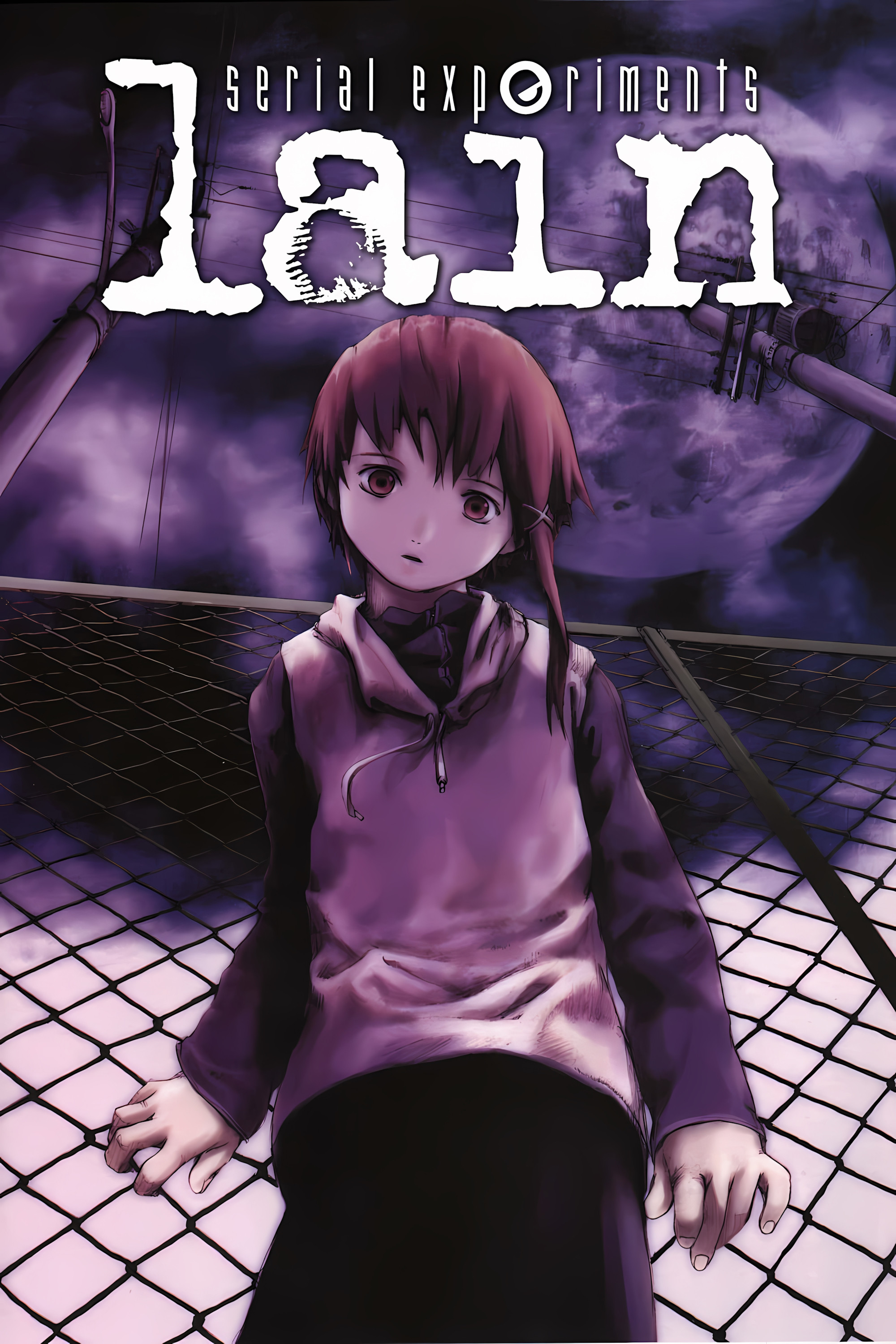
‘Lain’ labels its episodes “Layer:01,” “Layer:02,” and so on, and peppers them with psychology terms such as “Ego,” “Society,” and “Protocol.” “Ego” caps the run and foregrounds identity boundaries between the Wired and the offline world, matching the series’ core thematic vocabulary. The naming scheme was a deliberate production device: each “Layer” behaves like a software stack or OS layer. The concise title fits the show’s on-screen typography and UI-styled intertitles that frame every episode.
‘Mushi-shi’ (2005–2006) – “The Light of the Eyelid”
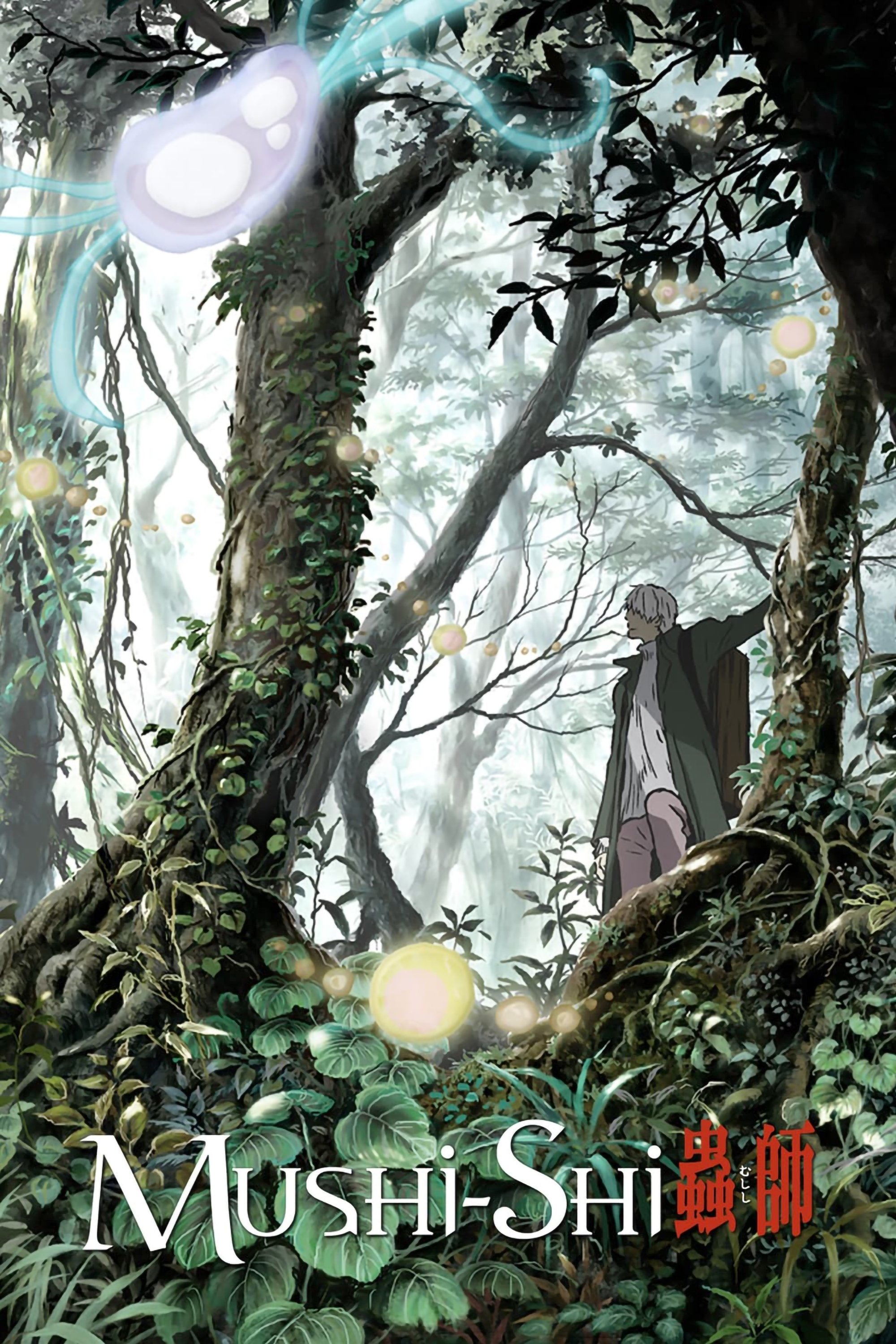
The title describes a physiological image—perceived light through closed lids—that the episode literalizes via its supernatural mushi phenomenon. ‘Mushishi’ episode names typically describe a natural image or phenomenon (“The Sea’s Feather,” “The Green Seat”), forming a consistent lexicon across the series. This entry situates its folklore-like case study within that naming tradition, pairing a calm title with a careful procedural structure. The show’s production keeps the titles minimal and descriptive to match its anthology format.
‘Revolutionary Girl Utena’ (1997) – “The Sunlit Garden”
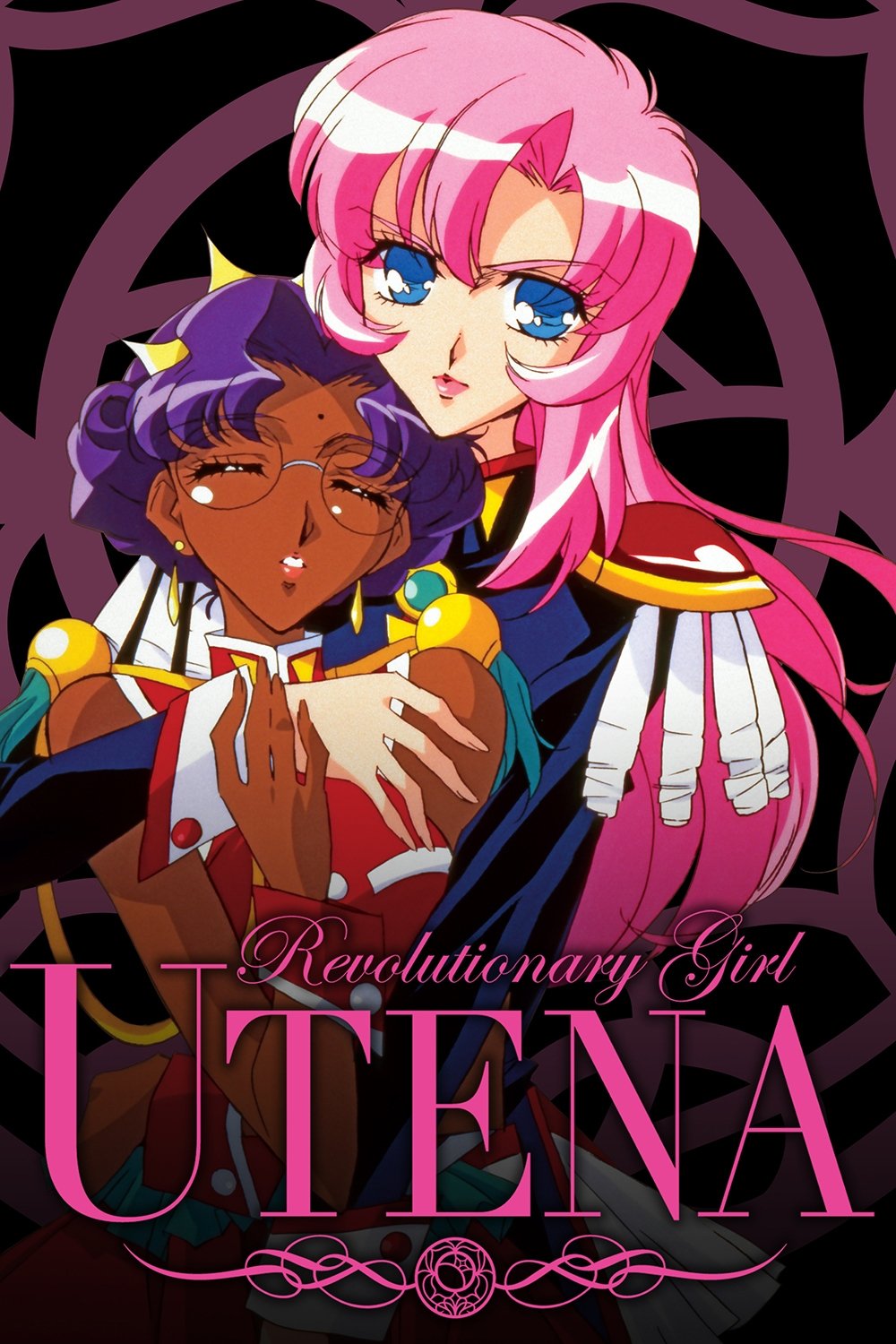
This is a repeated motif title used more than once in the series, anchoring episodes that explore Utena and Anthy’s relationships with the dueling system. The phrase recurs in the score as well, tying title and music cues together within the broadcast. It matches the show’s broader practice of naming with floral and courtly imagery (“The Rose Bride,” “The Castle Said to Hold Eternity”). The title’s reuse functions as an internal signpost across arcs.
‘Attack on Titan’ (2013–2023) – “To You, in 2000 Years”
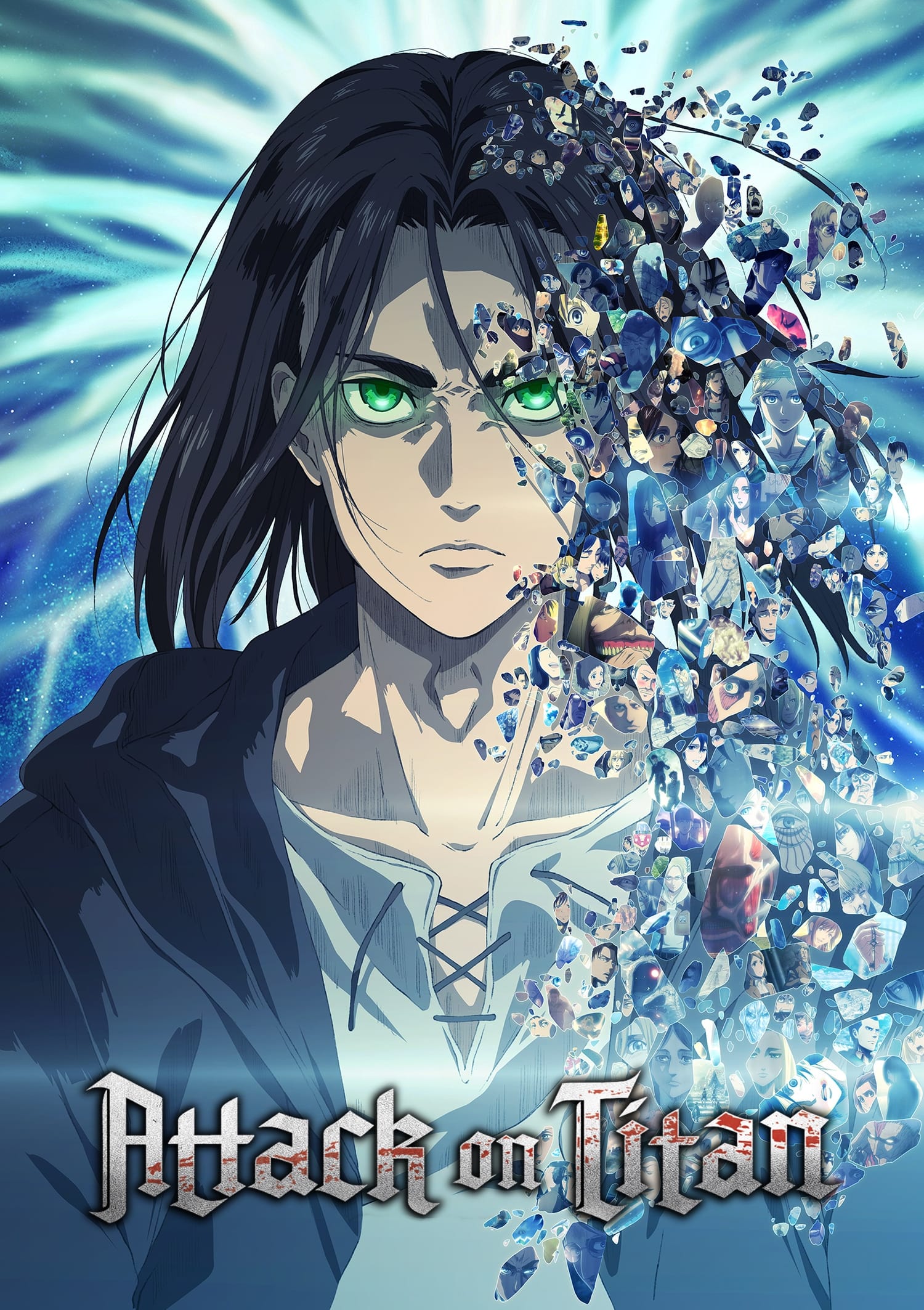
The phrase bookends the franchise, appearing in the very first broadcast episode and returning late in the saga in a mirrored form. It signals the story’s long-range causality device that connects past and future, a structural element revisited in later seasons. The show’s titles frequently foreshadow plot mechanics—“Warrior,” “Declaration of War,” and “Hero”—and this entry inaugurates that practice. As a production choice, the mirrored titling helps tie the premiere and denouement together across multi-year releases.
‘Steins;Gate’ (2011) – “Dogma in Event Horizon”
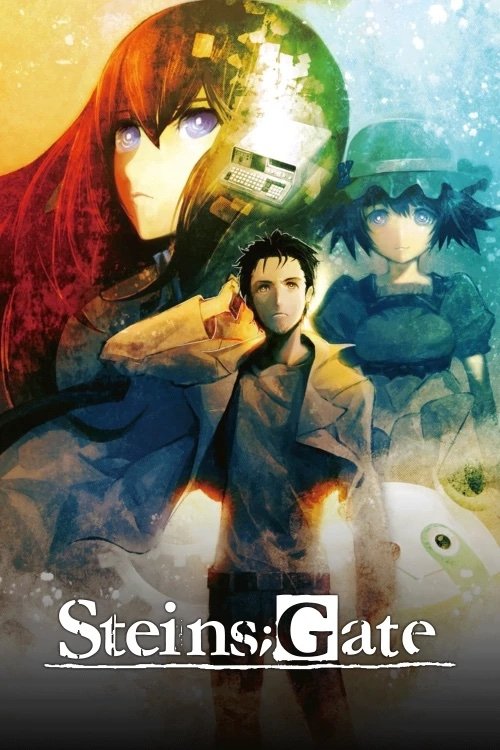
This title fuses physics jargon with dramatic language, a pattern ‘Steins;Gate’ employs throughout (“Chaos Theory Homeostasis,” “Parallel World Paranoia”). The episode advances the time-leap mechanics while keeping the pseudo-technical lexicon front-and-center in on-screen title cards. That stylistic consistency extends to the visual use of semicolons and elaborate subtitles in marketing and home-video materials. The naming positions each installment like a theorem in the series’ larger cause-and-effect chain.
‘Death Note’ (2006–2007) – “Silence”
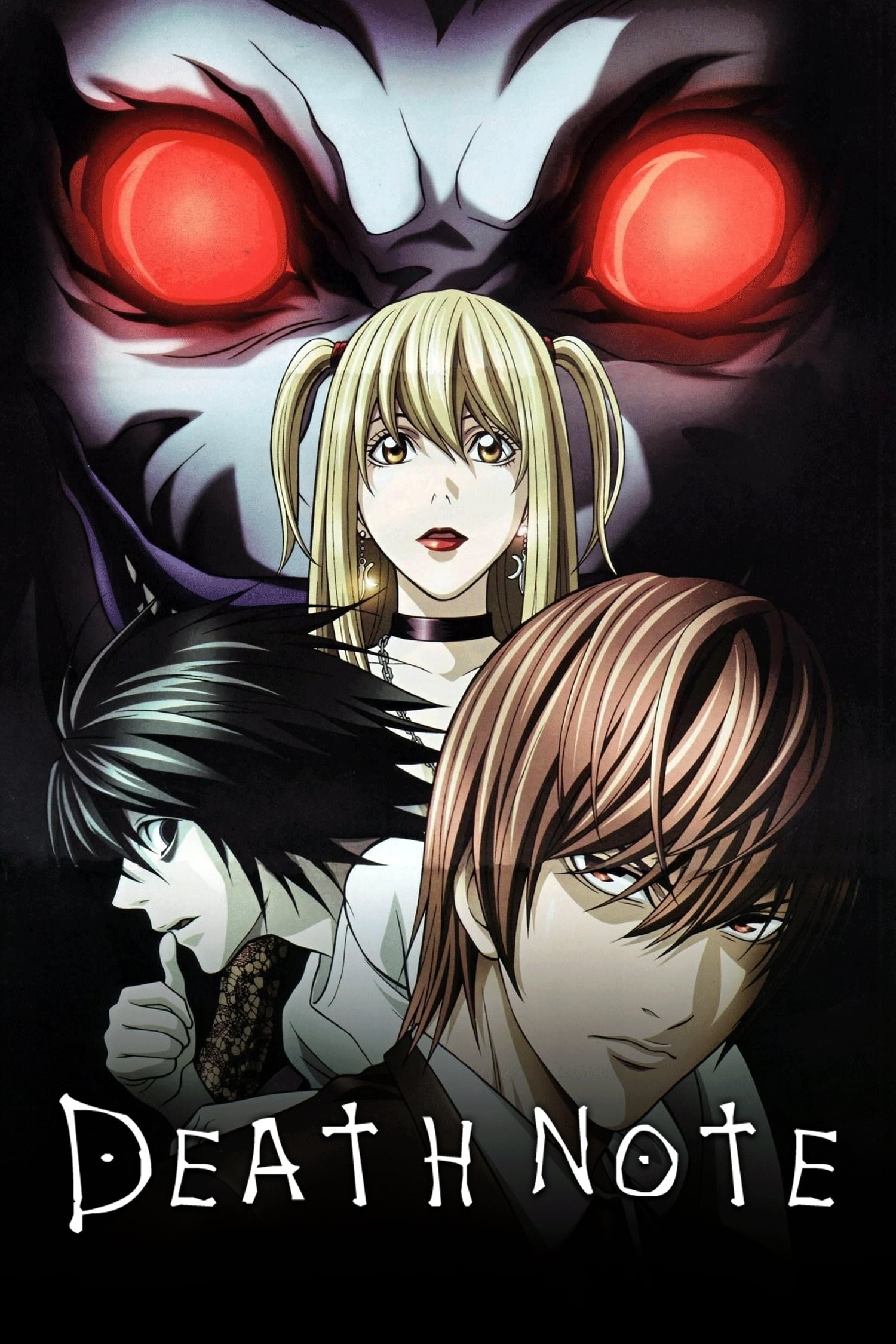
The title corresponds to the tense, dialogue-sparse climax of a major investigative arc, using the episode’s sound design to match the name literally. ‘Death Note’ titles skew minimalist (“Revival,” “Renewal,” “Decision”) and this entry sits squarely in that pattern. The episode’s plot hinges on a carefully timed handoff sequence, reflecting the production’s emphasis on procedural staging. The reserved title stands in contrast to the show’s dense internal rules, making the naming choice stand out in the run.
‘Berserk’ (1997–1998) – “Eclipse”
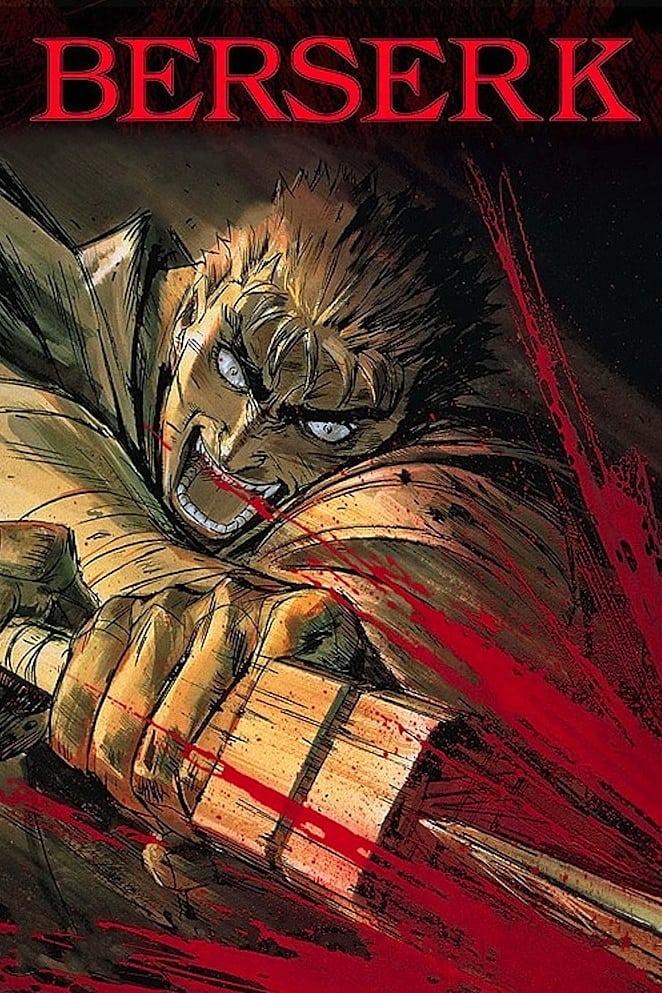
The episode’s name is a direct label for the pivotal event that concludes the Golden Age arc in the television adaptation. Its title has become shorthand among viewers for the entire narrative turning point later revisited in other adaptations. The broadcast positions it near the end of the run, matching the manga’s arc structure closely for this sequence. Subsequent ‘Berserk’ projects reuse the term “Eclipse,” maintaining naming continuity across formats.
‘Puella Magi Madoka Magica’ (2011) – “I First Met Her in a Dream… or Something”
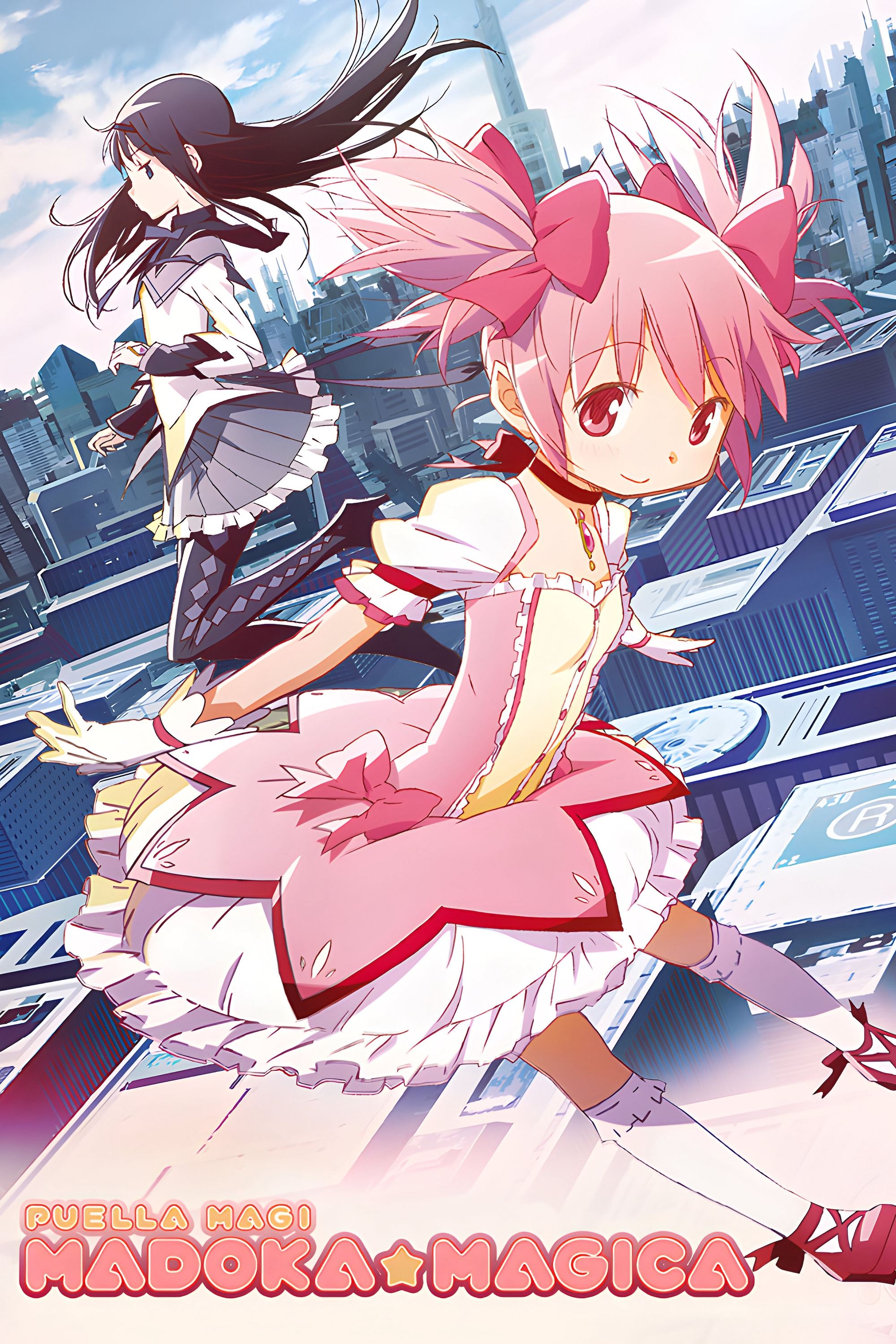
The premiere’s title echoes the series’ pattern of unusually long, conversational episode names in the Japanese broadcast. It sets up the show’s mixture of mundane school life and surreal contract-magic premise right from the title card. Later episodes keep the style (“I Was Stupid… So Stupid,” “This Just Can’t Be Right”), giving the run a distinctive textual voice. The naming style carried into official subtitles and home releases with only minor adjustments.
‘Made in Abyss’ (2017–2022) – “The Value of a Life”
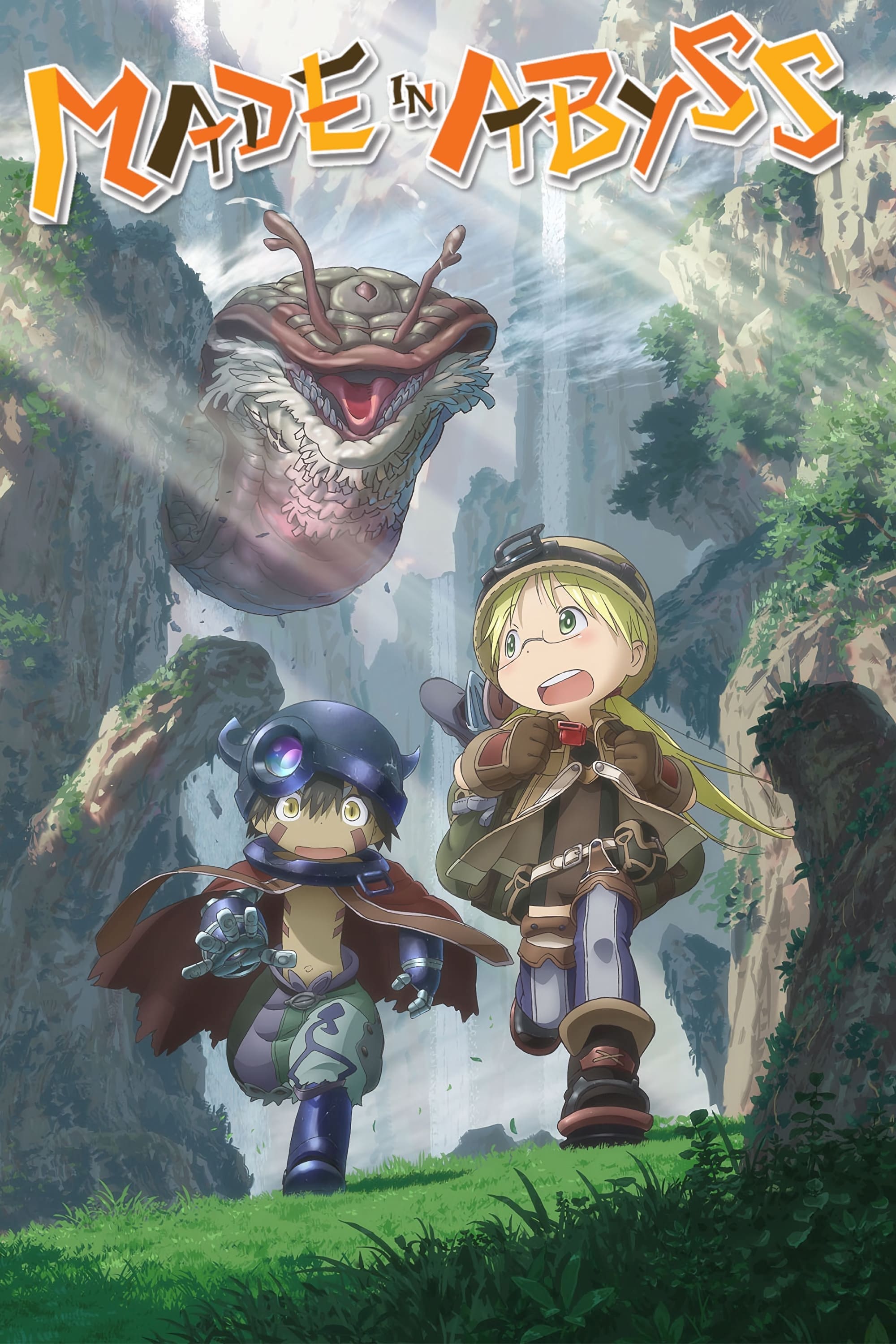
The title encapsulates the series’ recurring cost-and-sacrifice framework, which is formalized as “value” exchanges in worldbuilding and relic exploration. ‘Made in Abyss’ often selects titles that summarize the ethical or physiological stakes of a given descent layer. The episode’s events revolve around irreversible consequences, aligning with the production’s careful content warnings in marketing and broadcast notes. Naming remains concise across the run, with titles such as “Seeker Camp” and “Poison and the Curse” following the same pattern.
‘Paranoia Agent’ (2004) – “Happy Family Planning”
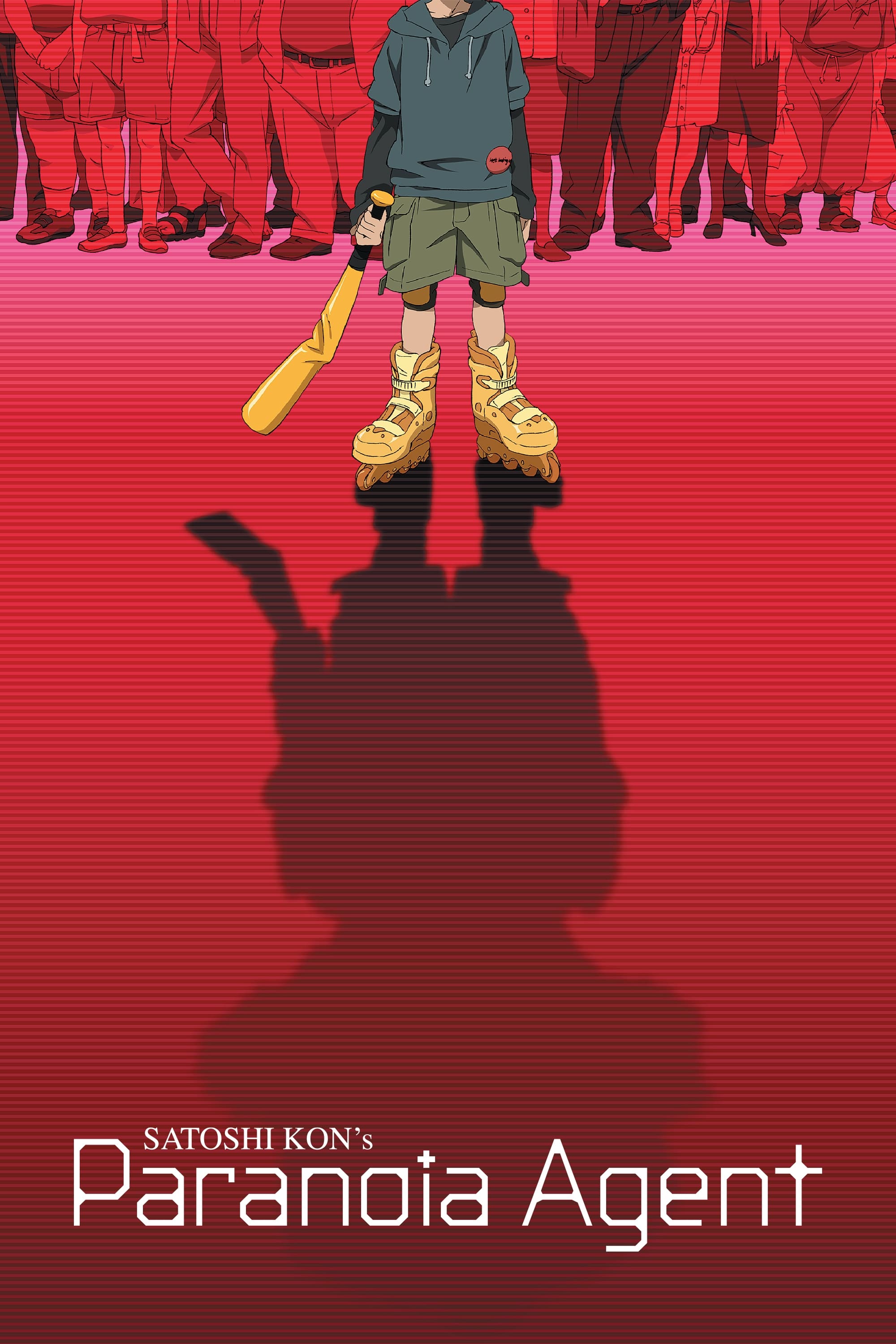
This mid-series episode title telegraphs its anthology-style focus on a group story separate from the main investigative thread. Satoshi Kon’s series uses discrete, descriptive titles that map onto stand-alone case studies (“Enter the Hero,” “The Holy Warrior”). The naming helps the production shift tone episode-to-episode while keeping the larger mythos intact. The episode’s structure reflects the show’s broader televised experiment with shifting genres under a single umbrella.
‘Boogiepop Phantom’ (2000) – “Portraits in Darkness”
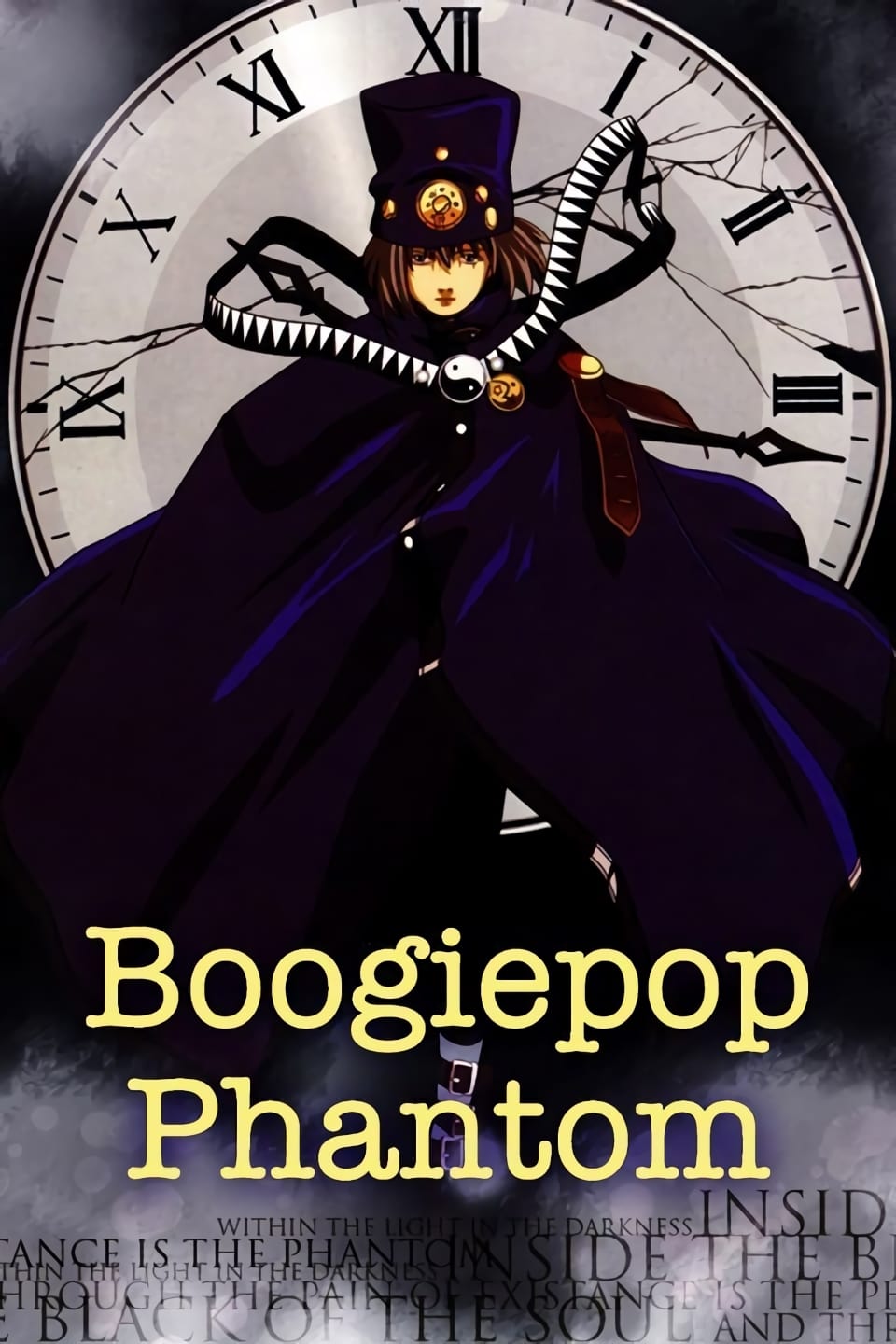
The title mirrors the show’s mosaic format, which assembles character “portraits” out of overlapping scenes and distorted timelines. ‘Boogiepop Phantom’ relies on evocative yet precise episode names to situate each chapter within its urban-legend framework. The broadcast order was designed to reveal connections progressively, and the titling complements that design by foregrounding theme rather than plot. The phrasing also aligns with the series’ photographic and afterimage motifs.
‘Princess Tutu’ (2002–2003) – “The Dying Swan”
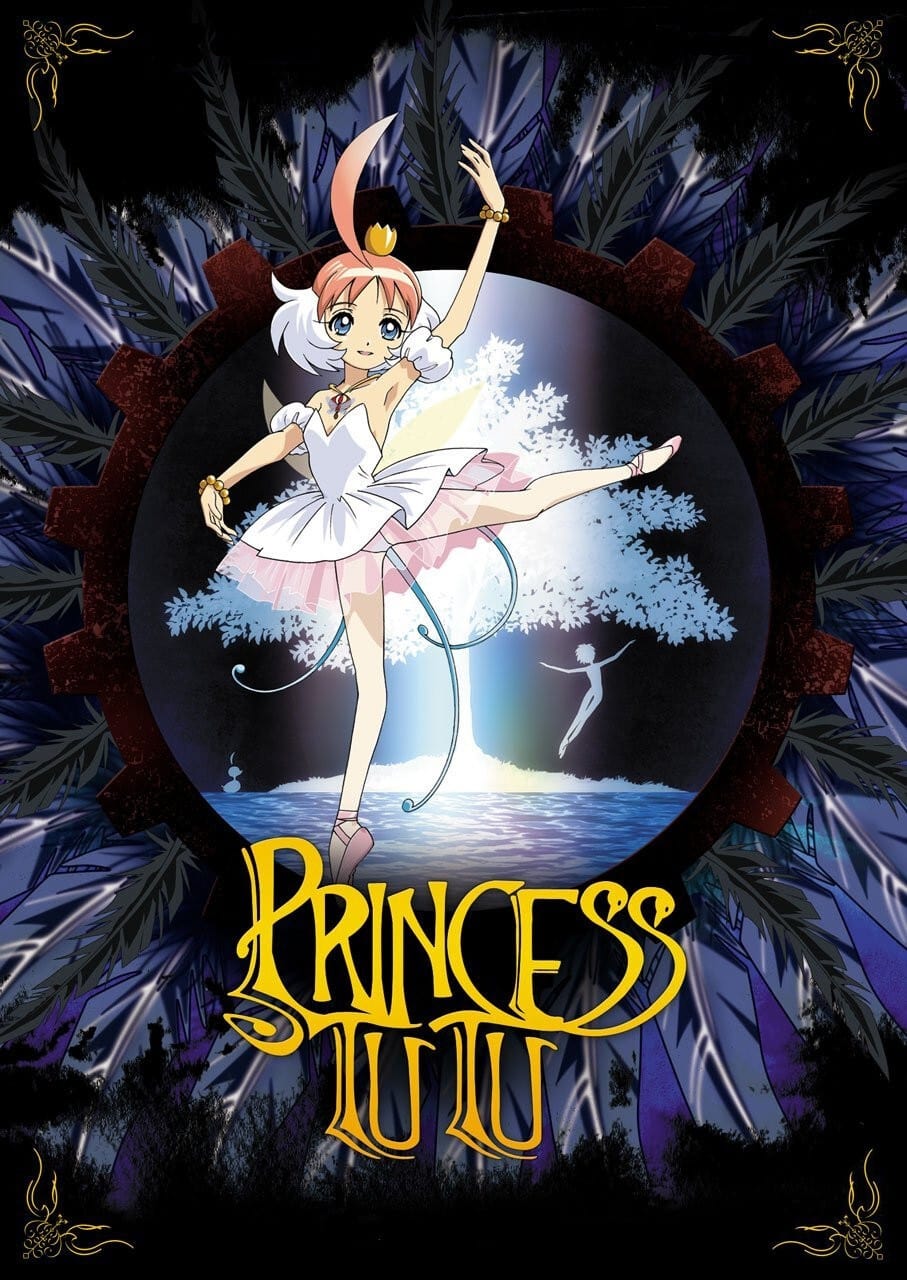
Named after the famous ballet solo, the episode exemplifies the show’s practice of titling entries after classical pieces and stories. Production notes and episode previews consistently link the title’s referenced music to that week’s choreography and staging. Other installments follow suit—“Nutcracker,” “Coppelia,” and “Giselle”—making the series a catalog of ballet citations. The naming convention supports the adaptation’s structure as a fairy-tale set within performance traditions.
‘Haibane Renmei’ (2002) – “End of a World”
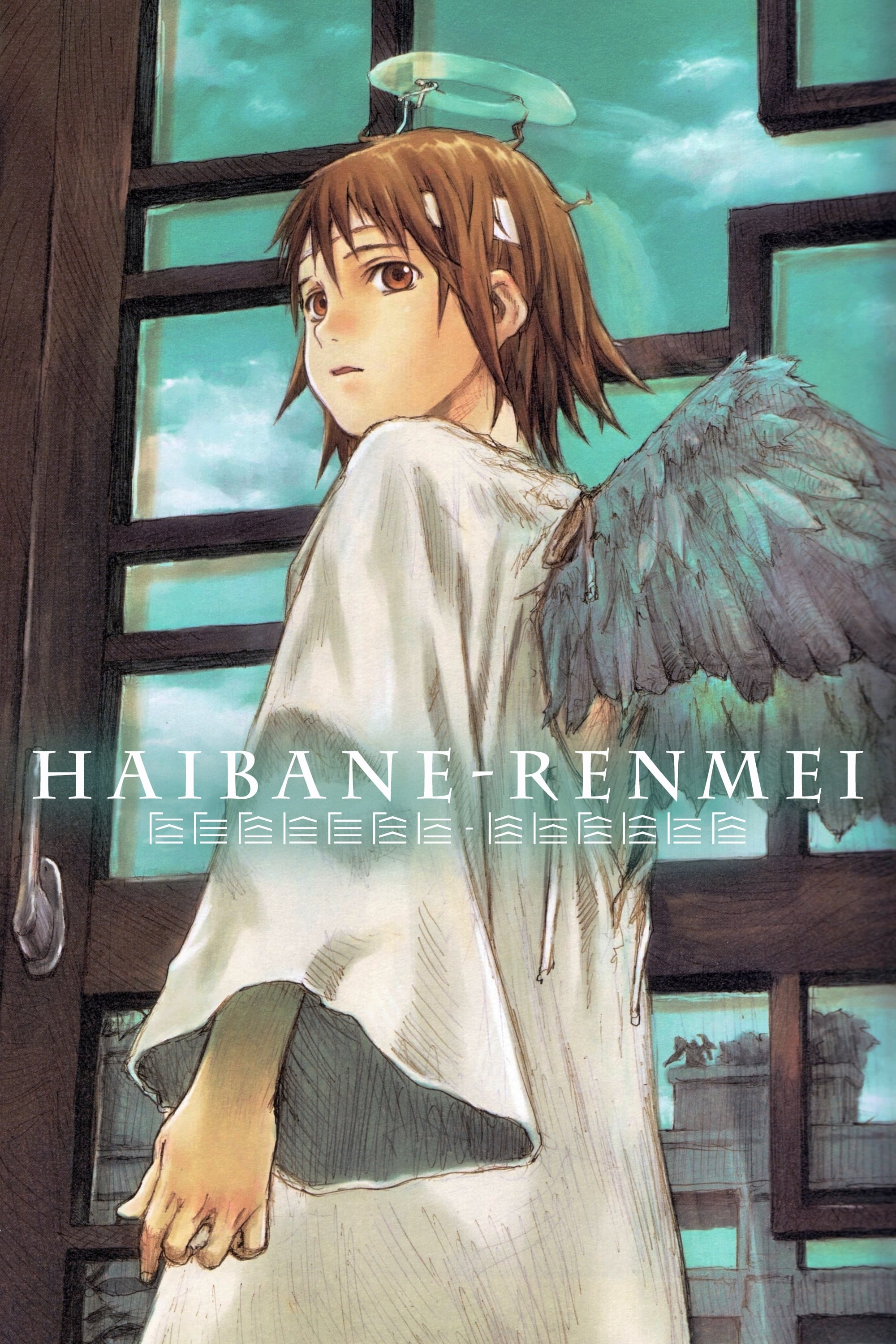
This title describes a transition point in the series’ mystery, tying directly to the show’s rite-of-passage framework. ‘Haibane Renmei’ maintains plainspoken, reflective titles across its broadcast, often using seasonal and life-cycle language. The episode anchors late-series revelations without departing from the production’s reserved titling style. Its wording also resonates with the series’ book-like chapter formatting in home releases.
‘Monogatari’ (2009) – “Mayoi Jiangshi”
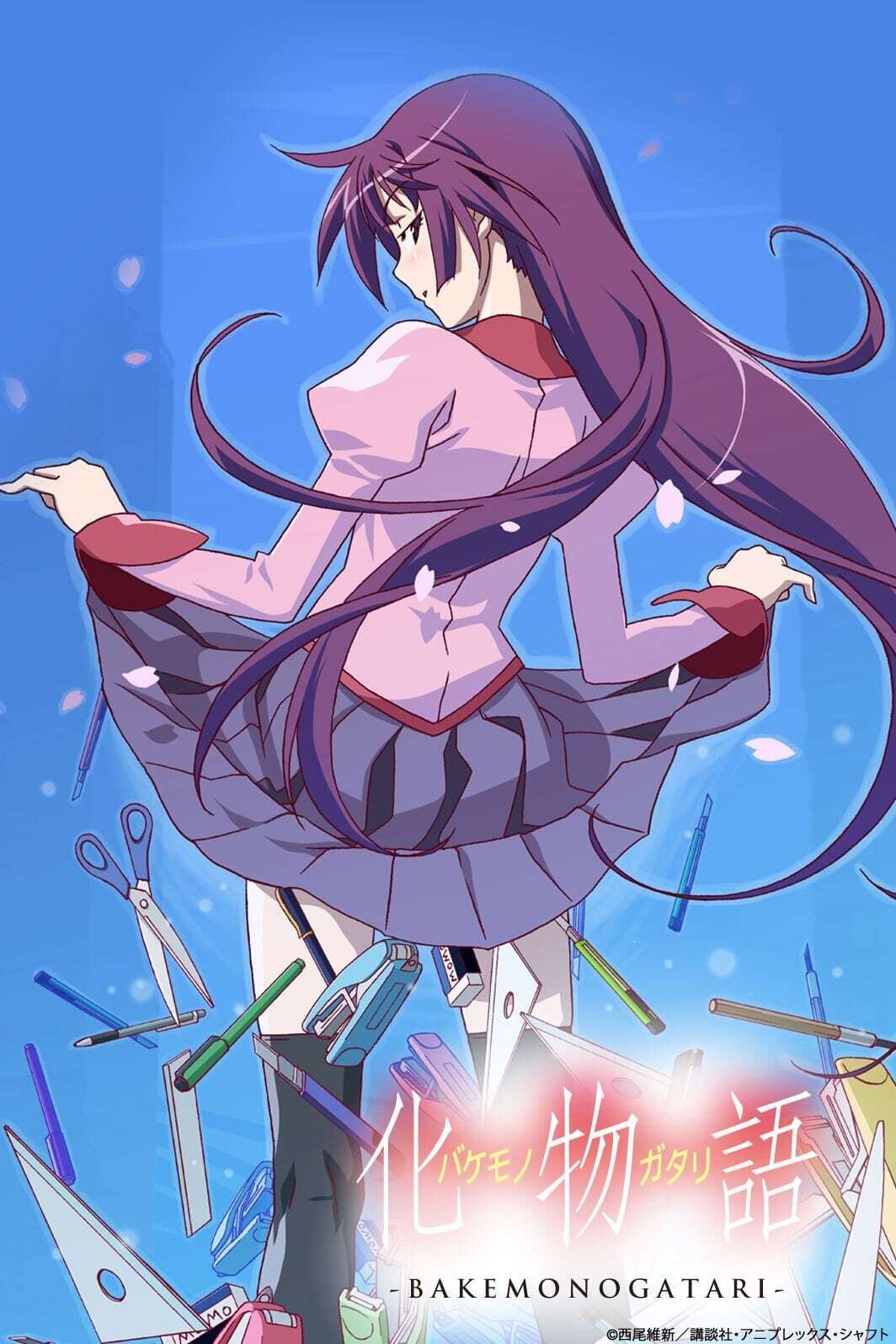
The arc title doubles as multiple episode titles in broadcast, reflecting the franchise’s practice of naming by arc (“Hitagi End,” “Shinobu Time”). “Jiangshi” references a specific folklore creature, matching the series’ habit of pairing a character name with a myth type. The production often stylizes titles with kanji puns and furigana that layer meanings for Japanese viewers. Official subtitles typically preserve the structure while localizing the myth term directly.
‘Kaiba’ (2008) – “The Name is Warp”
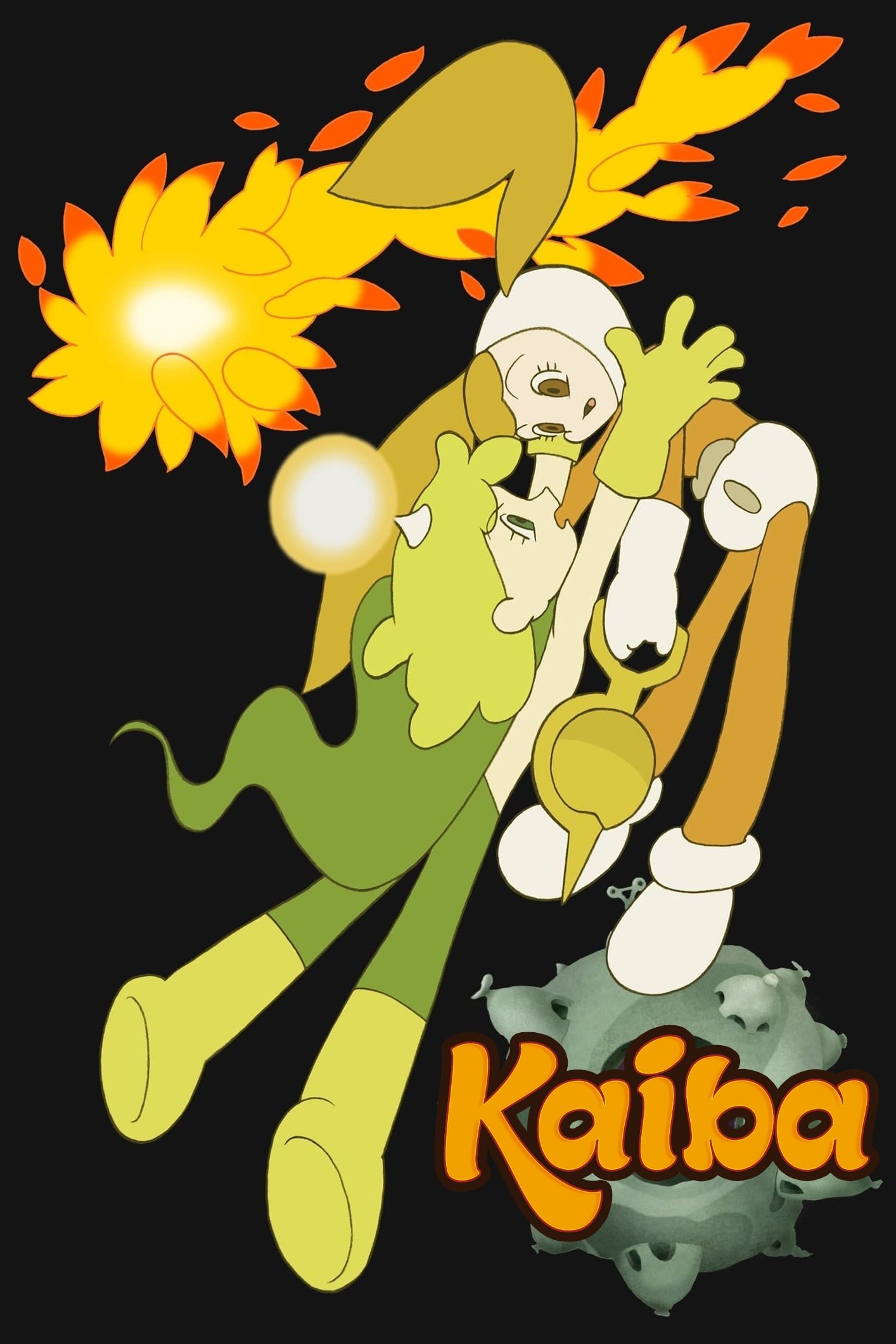
This episode establishes the protagonist’s reclaimed identity, and the title states that plot function explicitly. ‘Kaiba’ titles frequently serve as direct labels of memory and body-swap events, matching the show’s science-fiction premise. The broadcast order uses titles to clarify narrative orientation amid frequent time and perspective shifts. Visual title cards in this series are designed to match the minimal, rounded art style.
‘Ping Pong the Animation’ (2014) – “Smile”
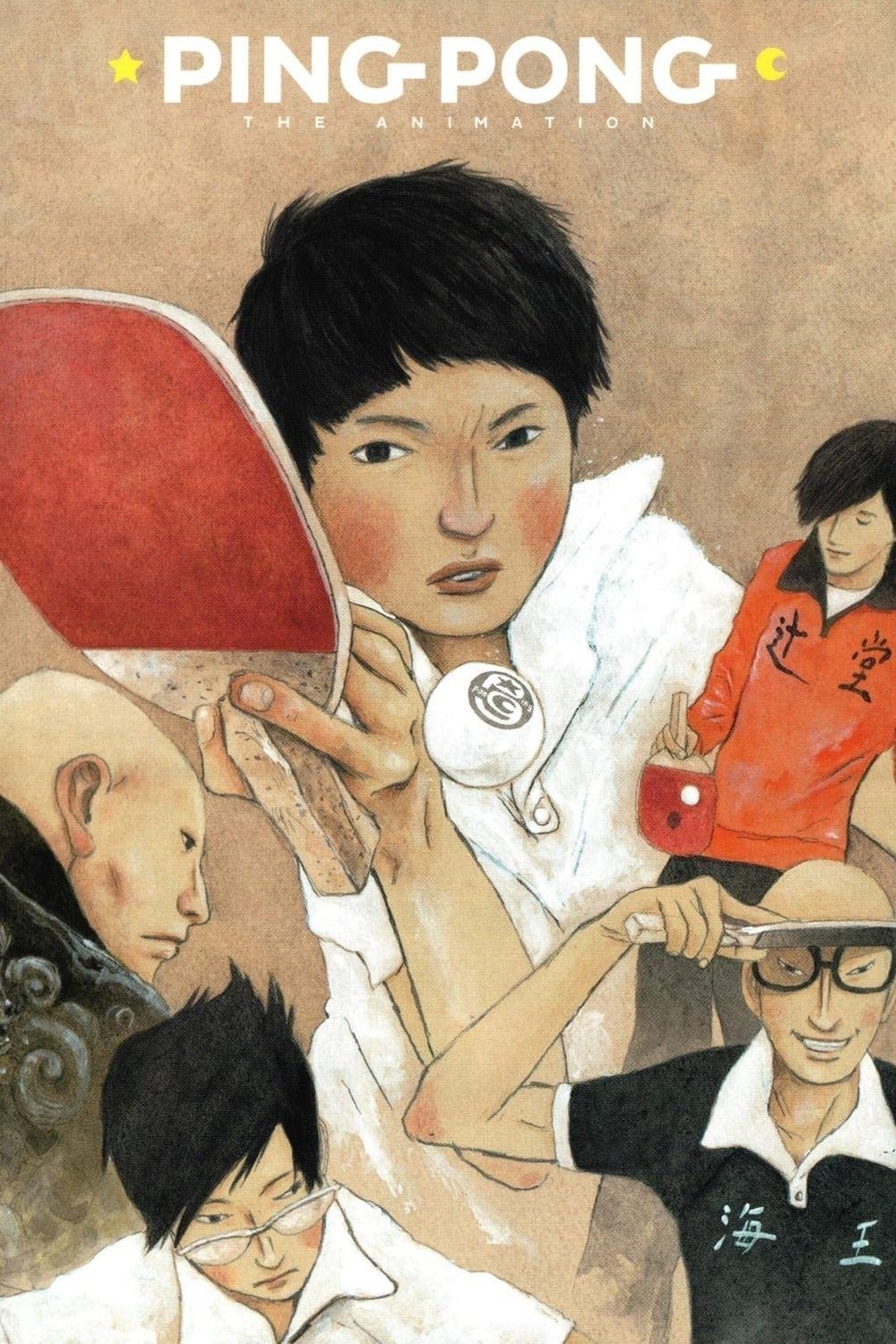
The title foregrounds the nickname of one of the two leads, reflecting the series’ habit of naming episodes after players or signature plays. Other titles—“Hero,” “Windmill,” and “The Only Way to Be Sure”—follow a similarly terse structure. The episode sits within a tightly storyboarded broadcast that tracks tournament brackets and coaching strategies. The naming schema makes it easier to align character-centric chapters with match outcomes.
‘Hyouka’ (2012) – “Wild Fire”
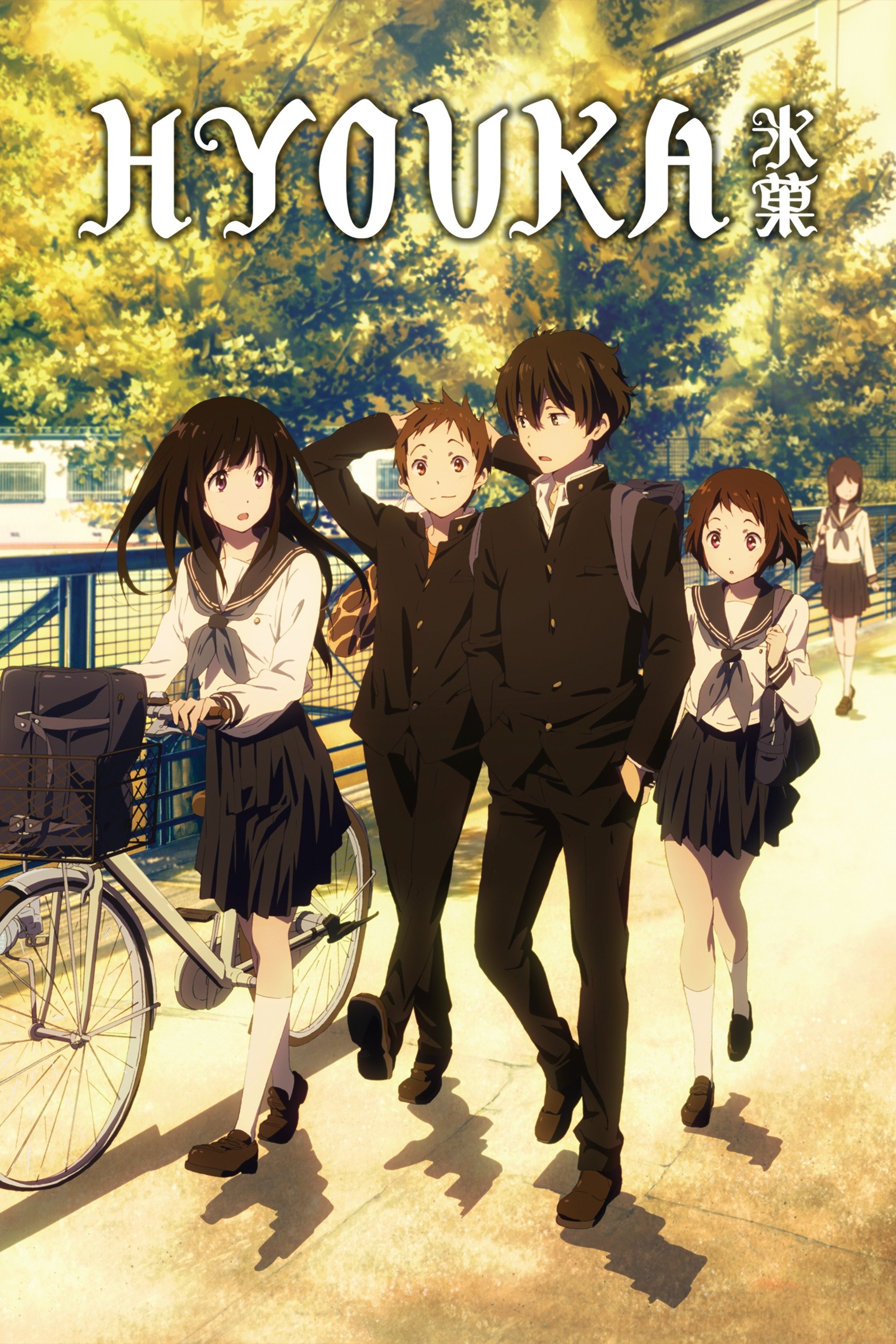
The title refers to the cooking competition centerpiece of its cultural-festival arc, which the episode frames as a timed contest. ‘Hyouka’ frequently uses titles that point to literary references or school-event anchors (“The Juumonji Incident,” “Why Didn’t She Ask Eba?”). The production’s attention to classic-mystery structure is mirrored by titles that hint at puzzles without revealing solutions. The phrasing matches the episode’s game-show visual devices and scoreboard overlays.
‘The Tatami Galaxy’ (2010) – “A Four-and-a-Half Mat Labyrinth”
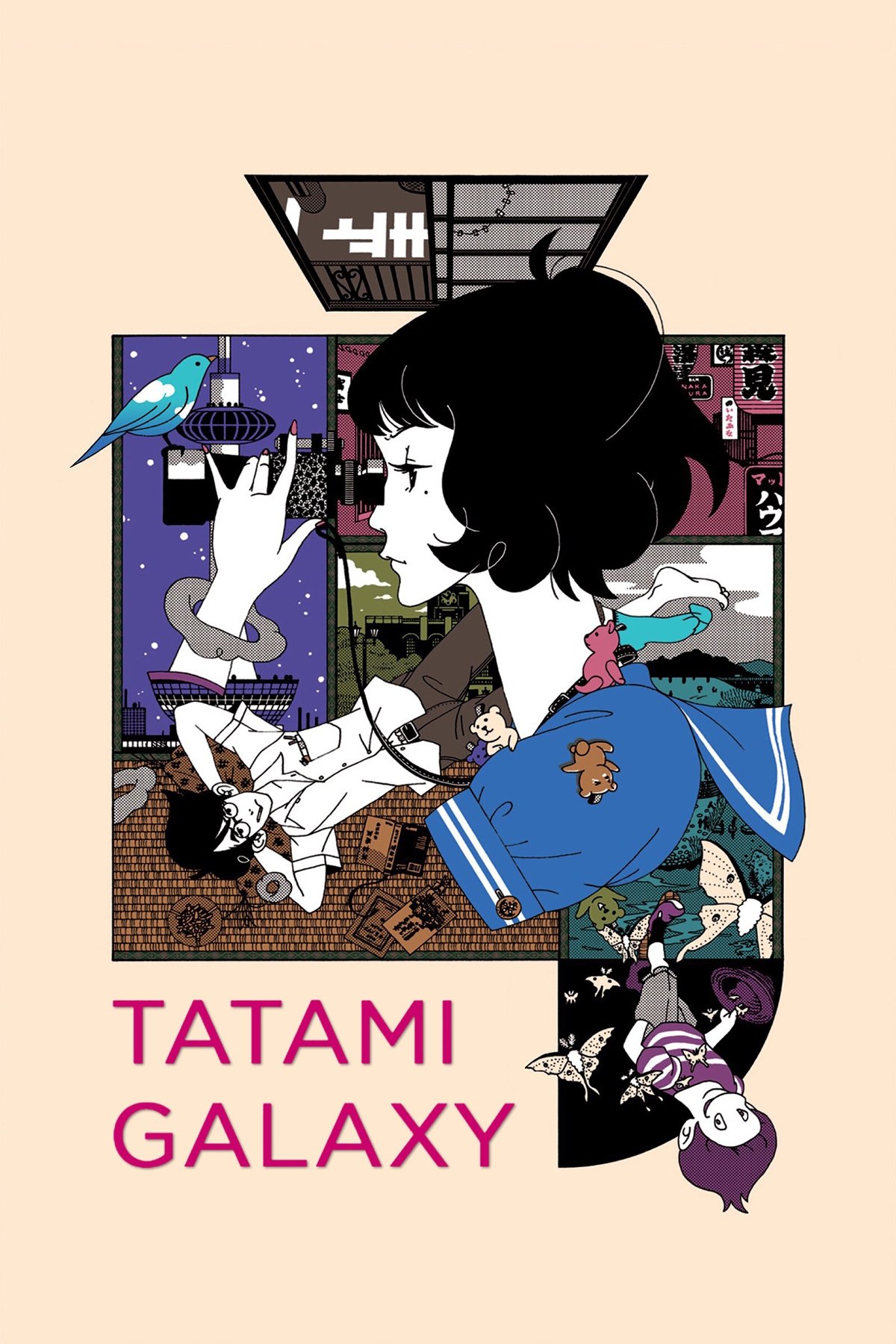
The title plays on the show’s core motif—the 4.5-tatami room—used throughout its alternate-timeline structure. Episode names often remix club names, campus jargon, and room metaphors to position each branch of the story. The production uses identical framing sequences across episodes, so clear titling helps orient viewers to each divergence. This entry’s wording nods to the series’ mazelike editing and repeating narrative loops.
‘Ergo Proxy’ (2006) – “Who Wants to Be in Jeopardy!”
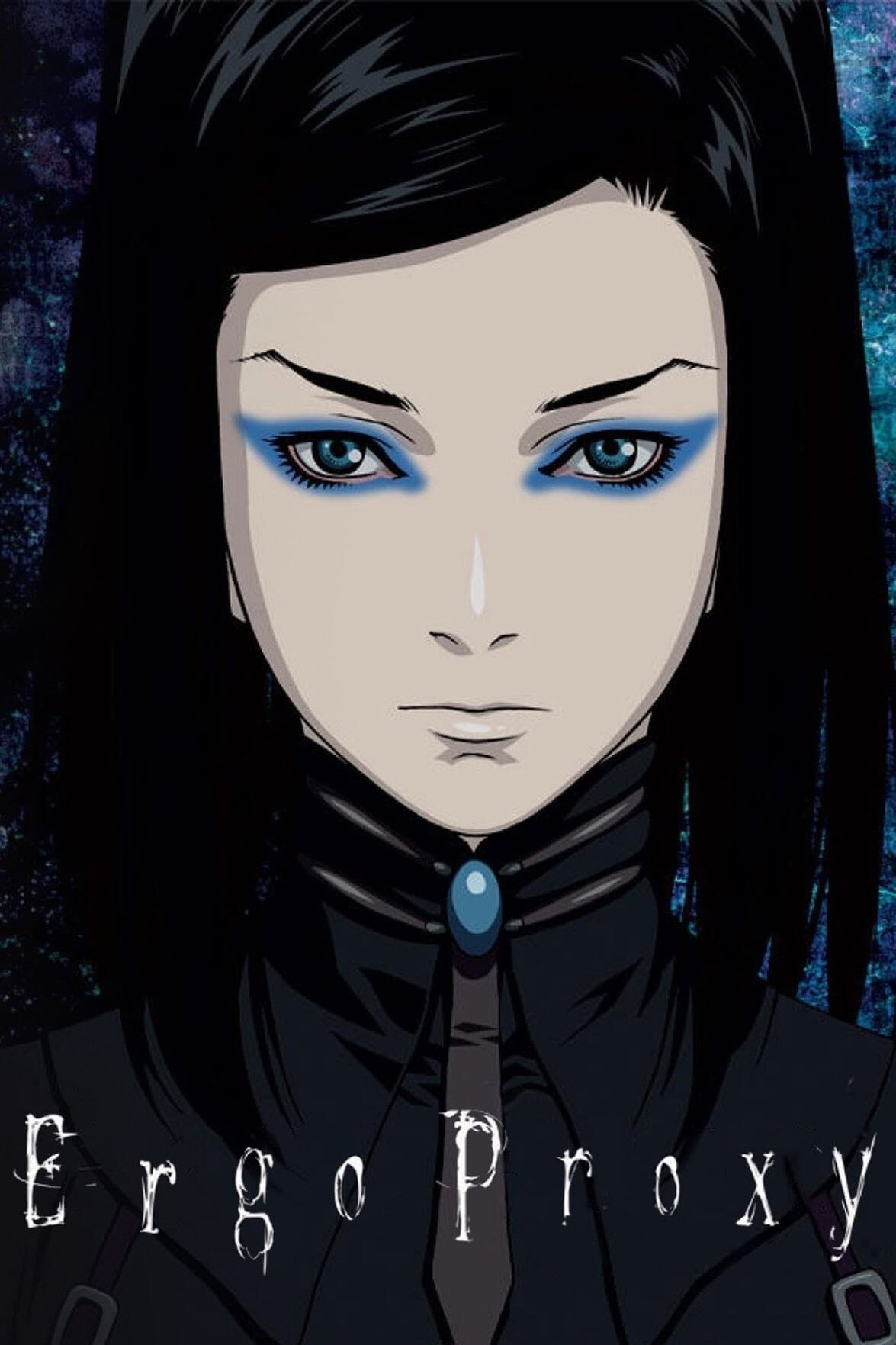
This title quotes the format of a quiz show and introduces an in-universe game structure for the episode’s events. ‘Ergo Proxy’ leans on wordplay and media parodies in multiple episodes, with titles like “Confession of a Fellow Traveler” and “Cytotropism.” The quiz-show framework is presented via on-screen graphics and announcer prompts that match the title’s conceit. The naming underlines the series’ practice of embedding philosophy and media criticism into individual chapters.
‘FLCL’ (2000–2001) – “Brittle Bullet”
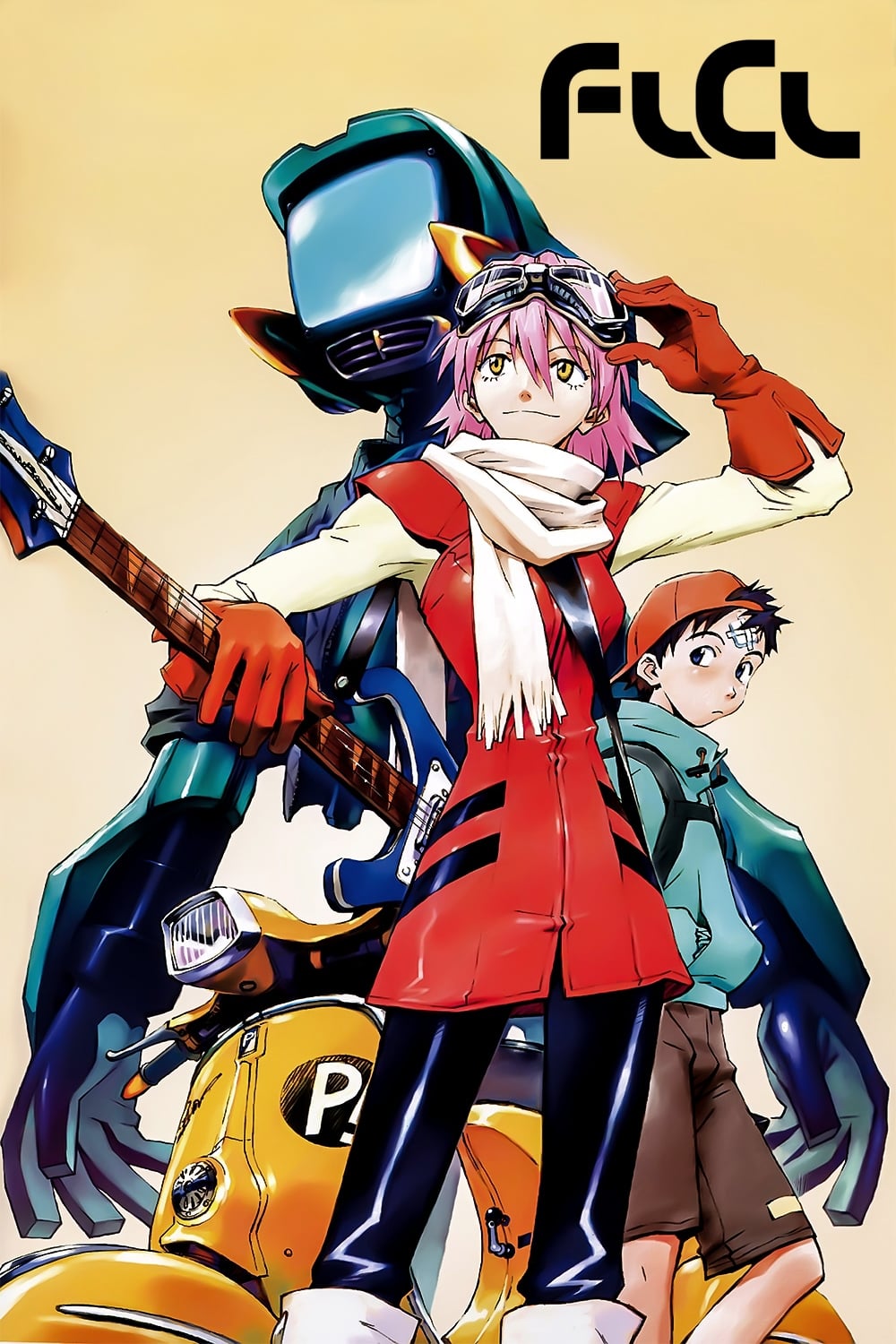
The gun-themed title signals an episode centered on imitation-Western imagery and exaggerated live-action insert effects. ‘FLCL’ titles commonly cue the week’s visual motif—“Fire Starter,” “Full Swing,” “FLCLimax”—which the production doubles down on via music and editing. The episode’s name appears alongside bold, stylized title cards that are part of the OVA’s signature. This approach keeps the six-episode project tightly aligned between titles, visuals, and song choices.
‘Gankutsuou’ (2004–2005) – “Invitation”
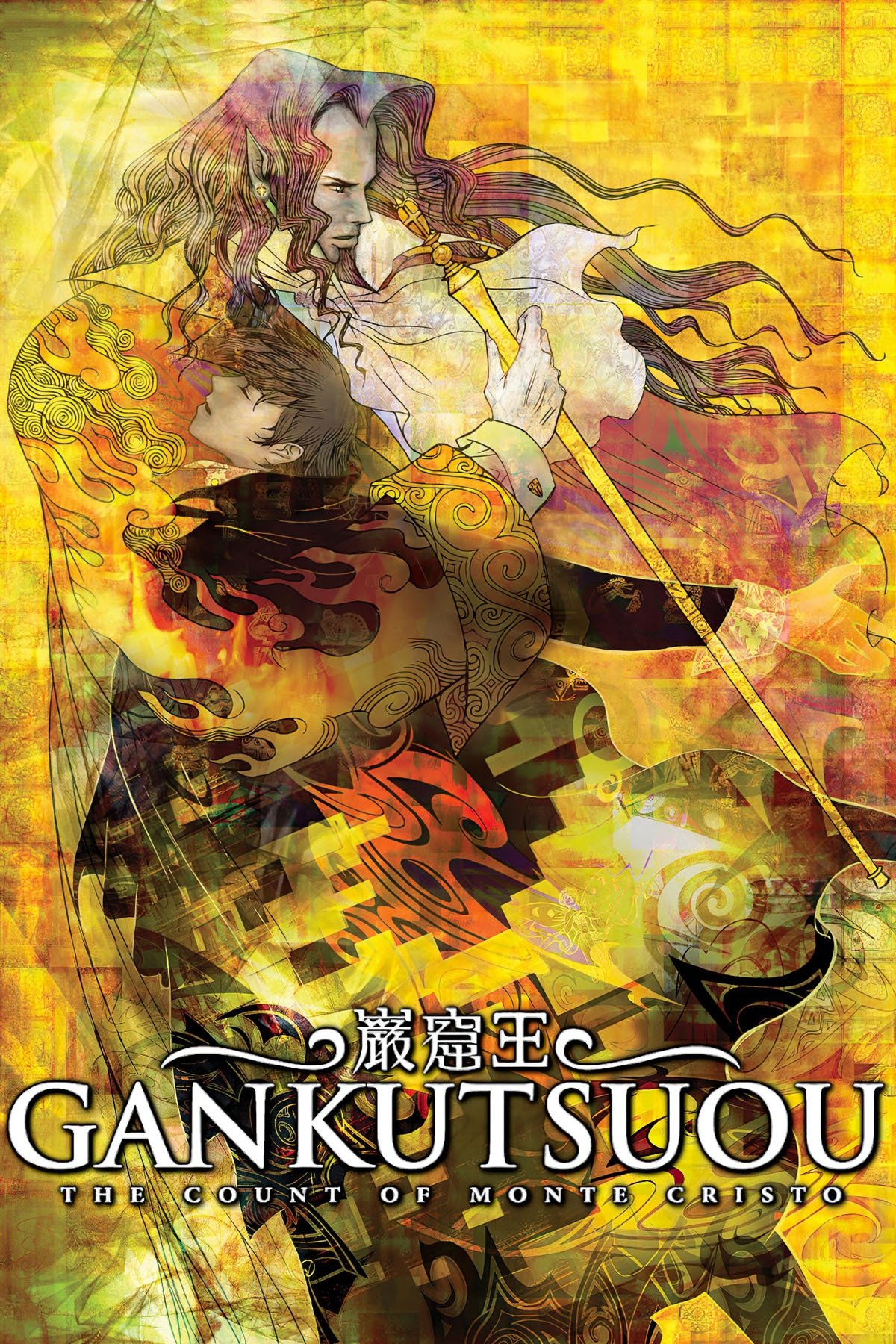
The title connects to the aristocratic social calendar that structures early episodes of the adaptation. ‘Gankutsuou’ labels installments with direct nouns—“Invitation,” “Vows,” “Mother”—mirroring the series’ chapter-like narrative. The production’s layered-texture art style is paired with elegant, minimal title cards that foreground the single-word names. This entry’s wording sets up the formal events that drive early plot turns.
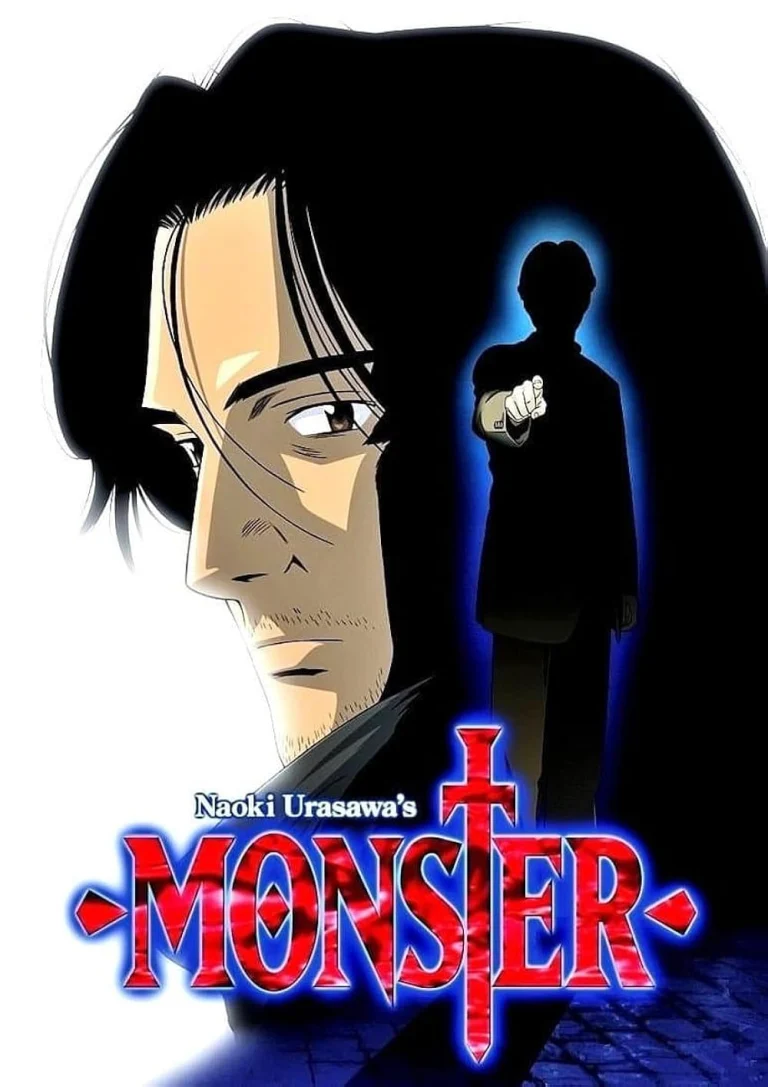
‘Monster’ (2004–2005) – “The Nameless Monster”

The title shares wording with the picture-book story that recurs throughout the series and is woven into the central mystery. ‘Monster’ repeatedly uses titles that echo its investigative structure—“Be My Baby,” “Scenery for a Doomsday”—and this one marks a key myth thread. The episode leverages the title by incorporating narrated pages and illustrations inside the broadcast. The naming reinforces the show’s practice of embedding literary devices into plot exposition.
Share your favorite artful anime episode titles—and the stories behind them—in the comments!