

Top 25 Anime Plot Twists We Still Think About

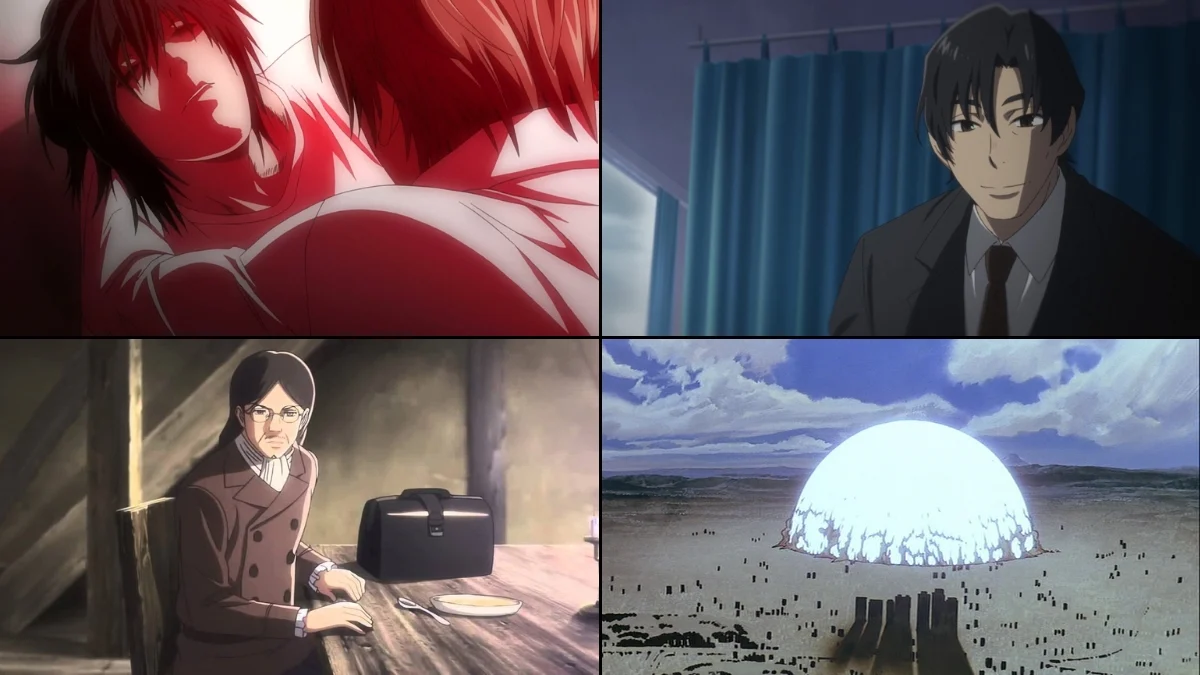


Some anime don’t just surprise you once—they reframe everything you’ve seen, reshuffle motives, and change the rules of their worlds in a single reveal. Below are the twists that did exactly that, with quick context on what happens, why it matters to the story, and how the fallout reshapes characters and stakes. Spoilers ahead.
‘Attack on Titan’ (2013–2023) – The truth in the basement and the world beyond the Walls
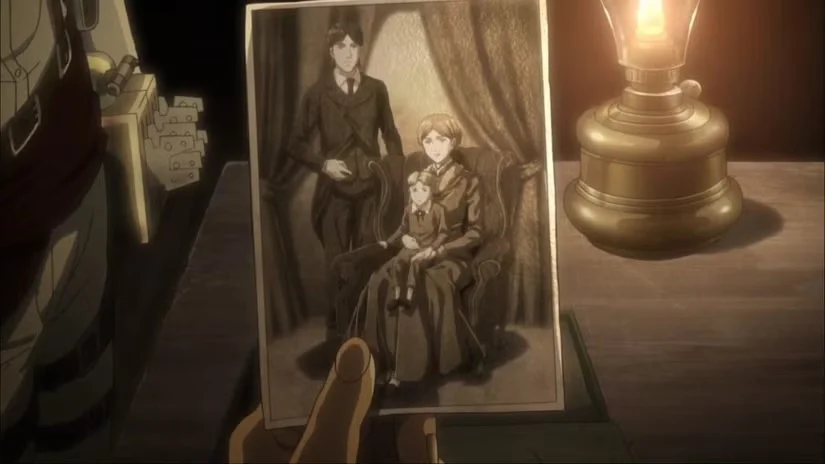
The long-teased basement contains records proving humanity inside the Walls are Eldians isolated by Marley, not the last survivors on Earth. The books and photos introduce Marley, Titans as weaponized Eldians, and a larger global conflict. This overturns the series’ closed-world premise and redefines the Titans as political tools rather than pure monsters. The reveal redirects the narrative from survival to international warfare and historical oppression, forcing characters to reassess enemies and allegiances.
‘Death Note’ (2006–2007) – L’s defeat and the arrival of new successors
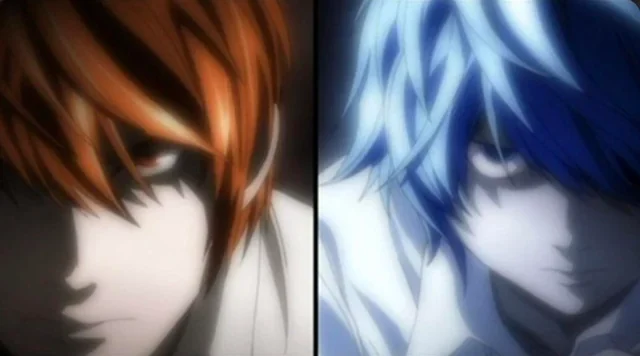
Midway through the story, L dies after Light manipulates Rem, shifting the duel to a new phase with Near and Mello. The investigation splinters into competing approaches, each exploiting different networks and risks. Light gains institutional power but faces analysts who do not mirror L’s methods or assumptions. The change resets the cat-and-mouse dynamics, introducing fresh strategies, vulnerabilities, and eventual exposure of Kira’s tactics.
‘Code Geass’ (2006–2008) – The Zero Requiem
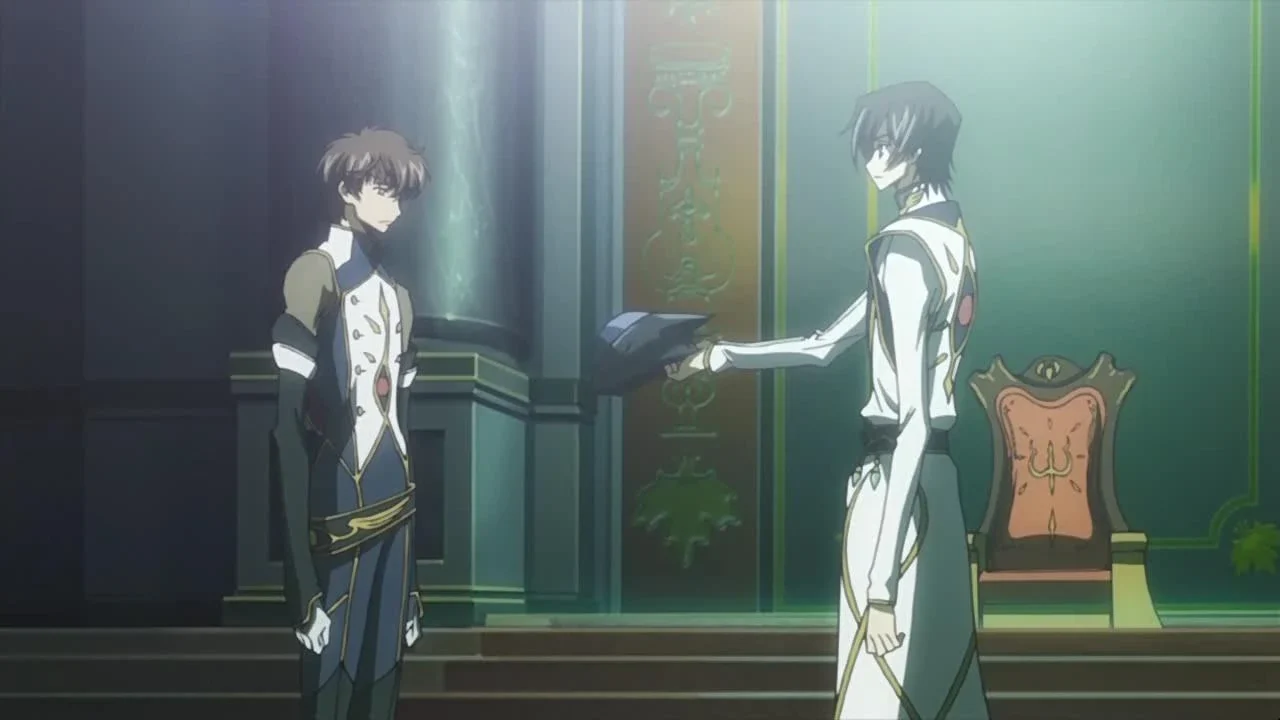
Lelouch and Suzaku engineer a public downfall in which Lelouch becomes a unifying enemy and Suzaku, as Zero, ends him. By concentrating global hatred onto one figure, they create a controlled catharsis that halts cycles of retaliation. The plan requires absolute secrecy, coordinated theater, and a transfer of symbols more than territories. It closes the conflict by recoding victory as a spectacle of sacrifice and narrative control.
‘Puella Magi Madoka Magica’ (2011) – Witches are corrupted magical girls
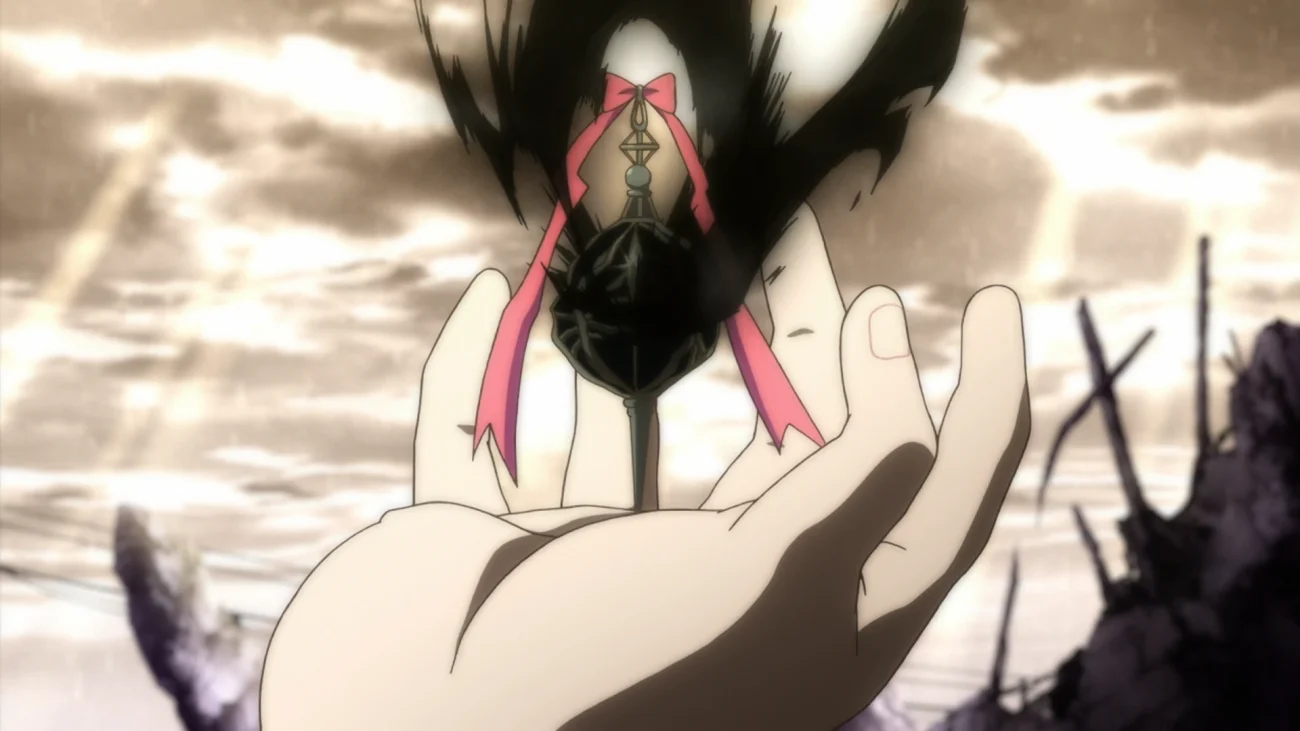
Kyubey’s system reveals that witches originate from magical girls’ despair, turning every “rescue” into a future threat. Soul gems double as life anchors and doom triggers, tying wish economies to entropy management. Homura’s loops document repeated failures that compound the system’s cruelty. The twist reframes contracts as energy harvesting and pushes Madoka toward a rules-level solution rather than a single battle.
‘Fullmetal Alchemist: Brotherhood’ (2009–2010) – The Philosopher’s Stone’s true ingredients
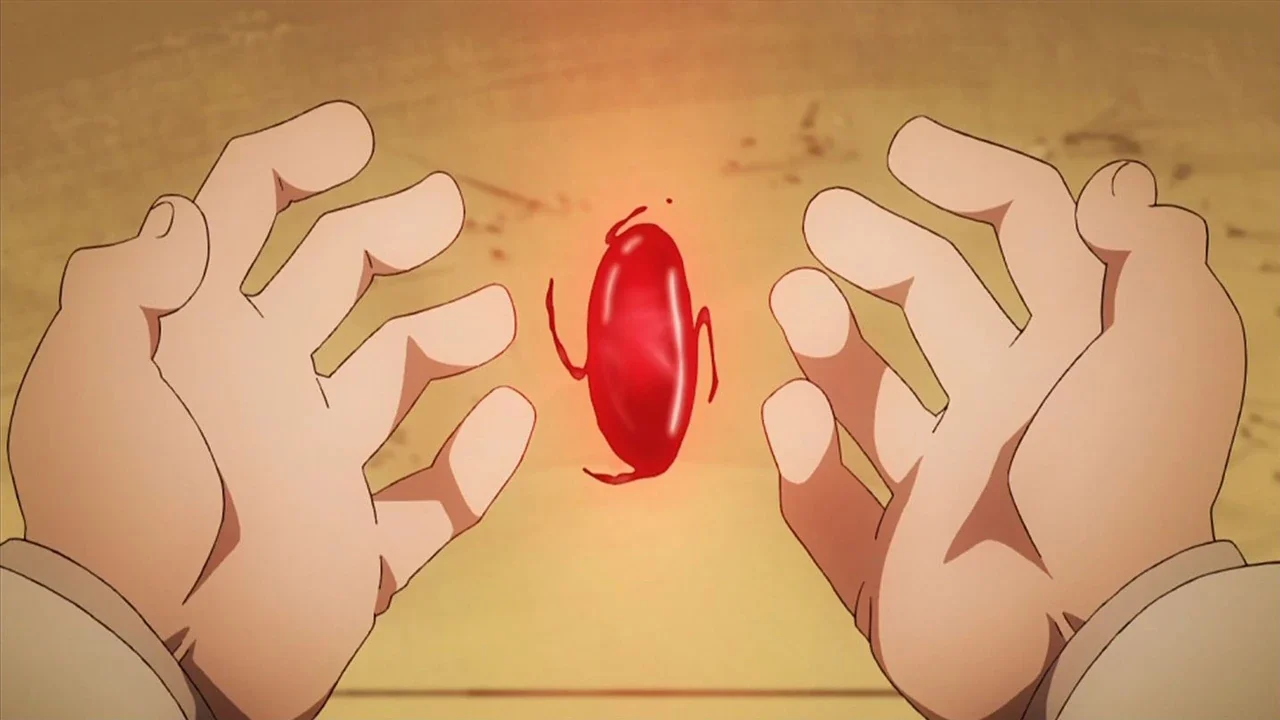
Alchemists learn the Stone is created from human lives, not rare minerals or arcane rites. This exposes atrocities behind historical “miracles” and links national projects to mass sacrifice. It also clarifies why some conspirators refuse open research scrutiny. The revelation forces protagonists to reject shortcuts, pursue responsible alchemy, and confront state-level crimes.
‘Neon Genesis Evangelion’ (1995–1996) – Rei’s origins and Instrumentality’s design
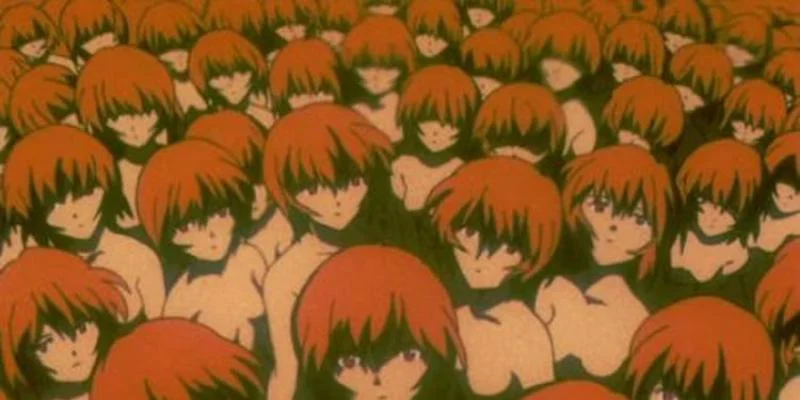
Rei is revealed as a series of clones with Lilith-based ties, explaining her uncanny resilience and behavior. SEELE’s Human Instrumentality Project seeks to dissolve individual barriers, using Evangelions and catastrophic triggers to force a singular consciousness. Gendo and SEELE diverge on outcomes, but both rely on the same occult-biotechnical foundations. The twist reframes battles as steps toward an ontological merger, not simple defense operations.
‘The Promised Neverland’ (2019–2021) – Grace Field House is a farm

The “orphanage” raises children as premium livestock for demons, with intelligence scores linked to market value. Tracking devices and scheduled shipments explain strict routines and surveillance. Isabella’s role aligns staff incentives with product quality rather than education. The reveal transforms a slice-of-life setting into an escape-planning thriller centered on logistics and deception.
‘Berserk’ (1997–1998) – The Eclipse and Griffith’s choice
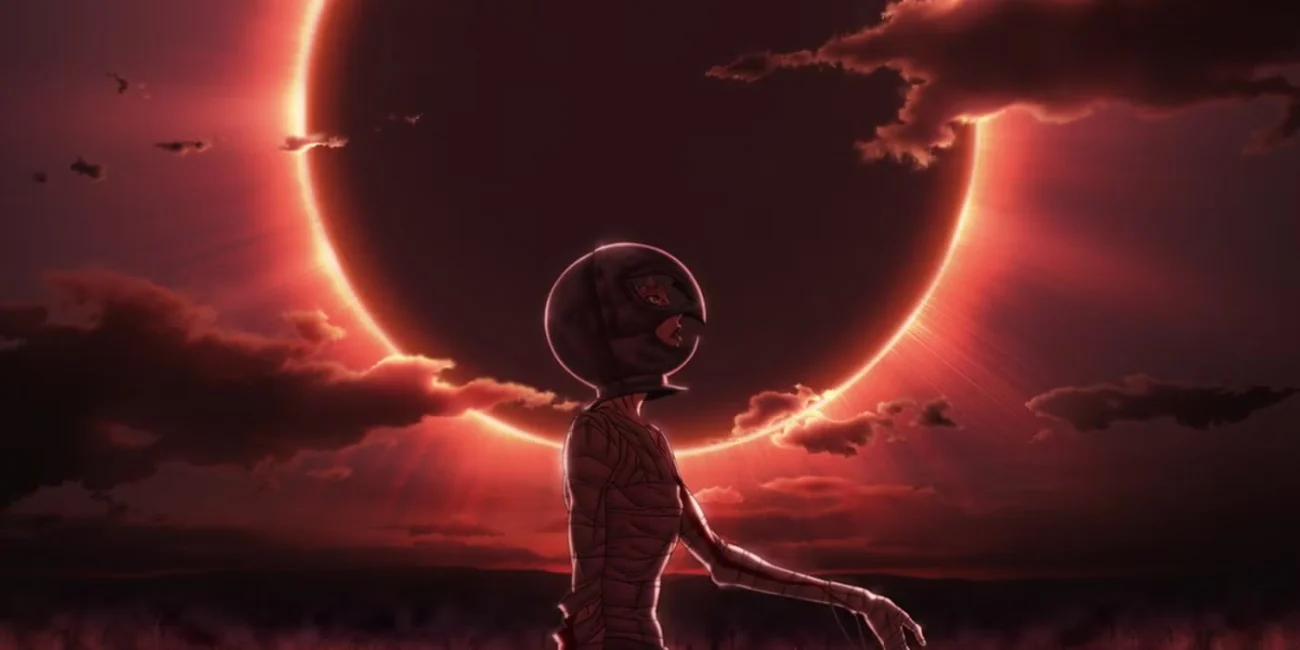
Griffith activates the Behelit during the Eclipse and offers his comrades to ascend as a member of the God Hand. The event explains the series’ brand, demonic hierarchies, and persistent hauntings. It also sets Guts’s mark as a beacon for monsters and his vendetta as metaphysically enforced. The twist converts a military ascent story into a struggle against a predestined supernatural order.
‘Steins;Gate’ (2011) – The world-line trap and the true route to salvation
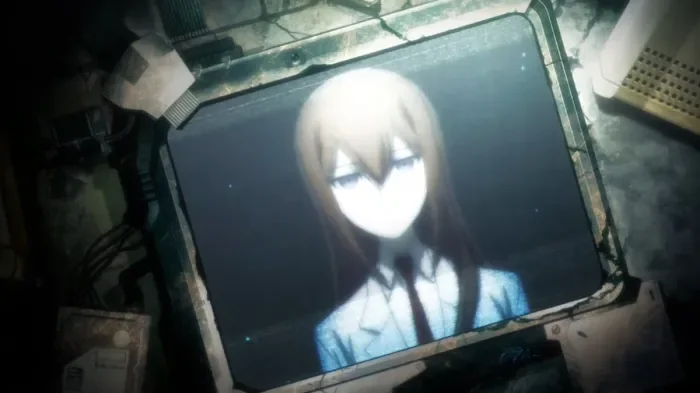
Okabe discovers that saving one friend repeatedly anchors a future catastrophe for another due to attractor fields. D-mails are not simple fixes but interventions that shift realities while preserving certain outcomes. The only path forward requires reconstructing a scene precisely to trigger a specific observation and divergence. This codifies time travel as a system with constraints, not a tool for unlimited retries.
‘Psycho-Pass’ (2012–2013) – The Sibyl System’s human core
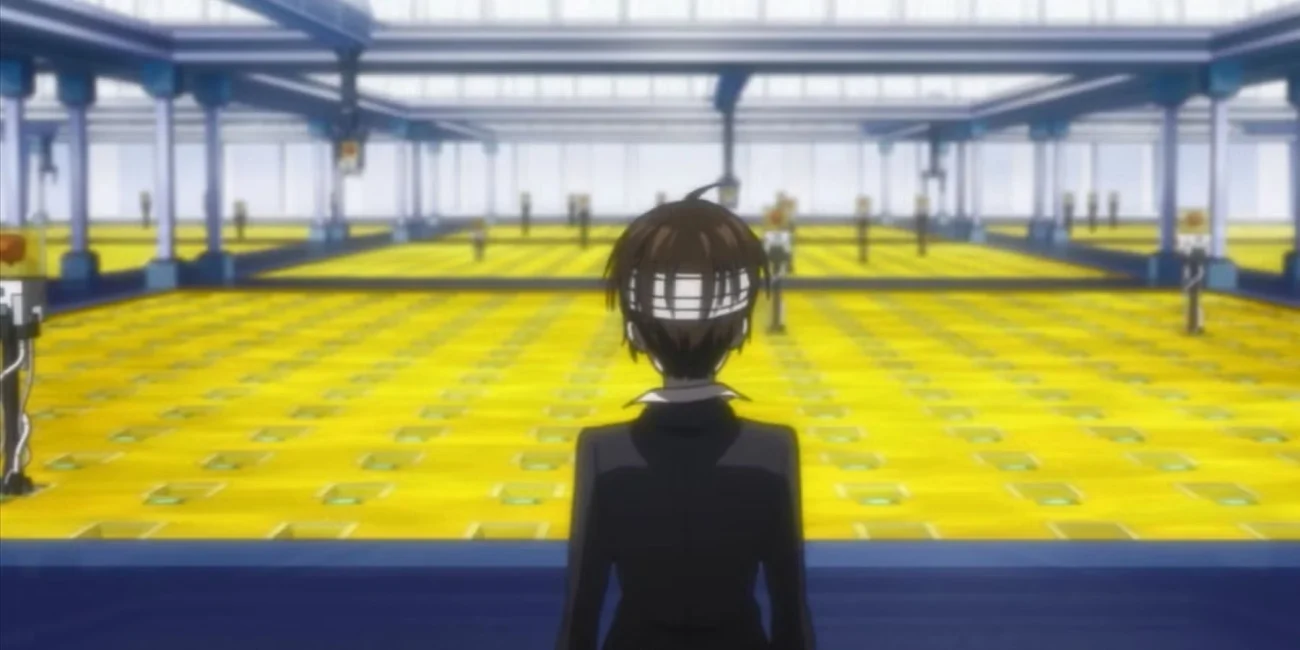
Sibyl is revealed as a collective of criminally asymptomatic brains that adjudicate society from within a hidden network. This explains why certain offenders cannot be judged by standard metrics and why the system resists transparency. The discovery reframes “objective” justice as curated by rare neurological outliers. It centers governance on capacity to evade detection, not moral superiority.
‘From the New World’ (2012–2013) – Queerats’ true identity

“Queerats” are disclosed to be altered humans, engineered to avoid psychic powers and controlled through myth and law. Their subjugation produces long-term strategic resistance disguised as servitude. Historical censorship and rituals exist to maintain this hierarchy and prevent rebellion. The reveal destabilizes the protagonists’ assumptions about species, ethics, and authority.
‘Your Lie in April’ (2014–2015) – Kaori’s letter and the confession behind the “lie”
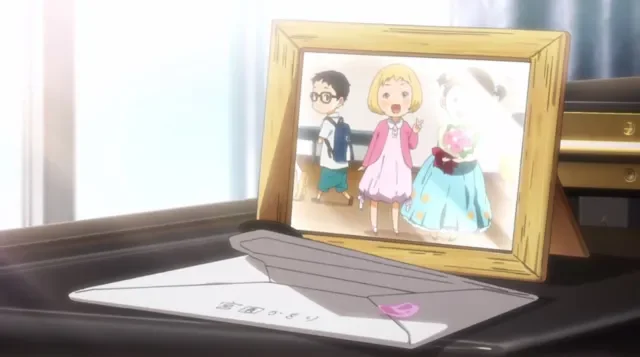
Kaori’s posthumous letter reveals her illness timeline and that she chose Kōsei, not the classmate she pretended to date. The “lie” allowed her to stay close while avoiding pressure he might not have handled. Medical details and performance dates align with her sudden hospitalizations and risky surgery. The letter reframes shared performances as deliberate gifts rather than coincidence.
‘Erased’ (2016) – The teacher’s identity as the serial kidnapper
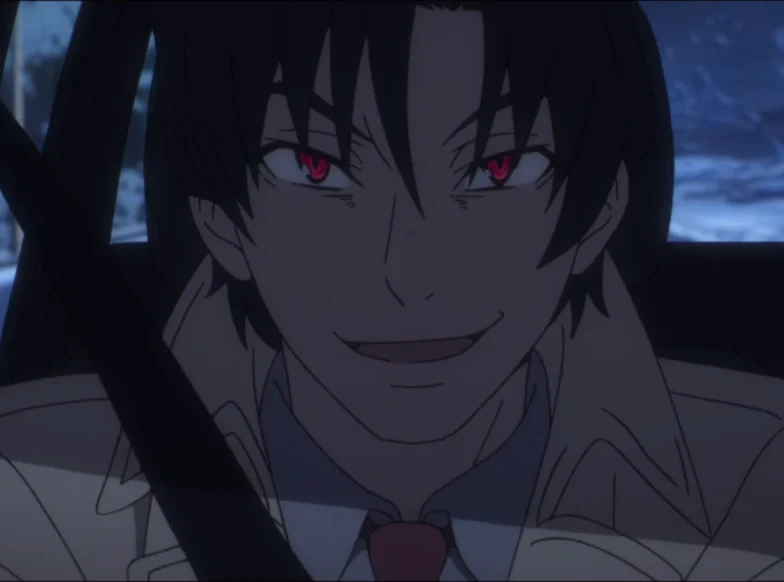
Satoru’s mentor figure is exposed as the perpetrator connecting multiple abductions across towns. Small procedural choices—vehicle placement, candy brand habits, and alibi timing—tie incidents together. The reveal clarifies why evidence disappears and why certain leads stall. It turns a protective relationship into an adversarial chase with institutional cover.
‘Perfect Blue’ (1997) – The real aggressor behind the blurred reality
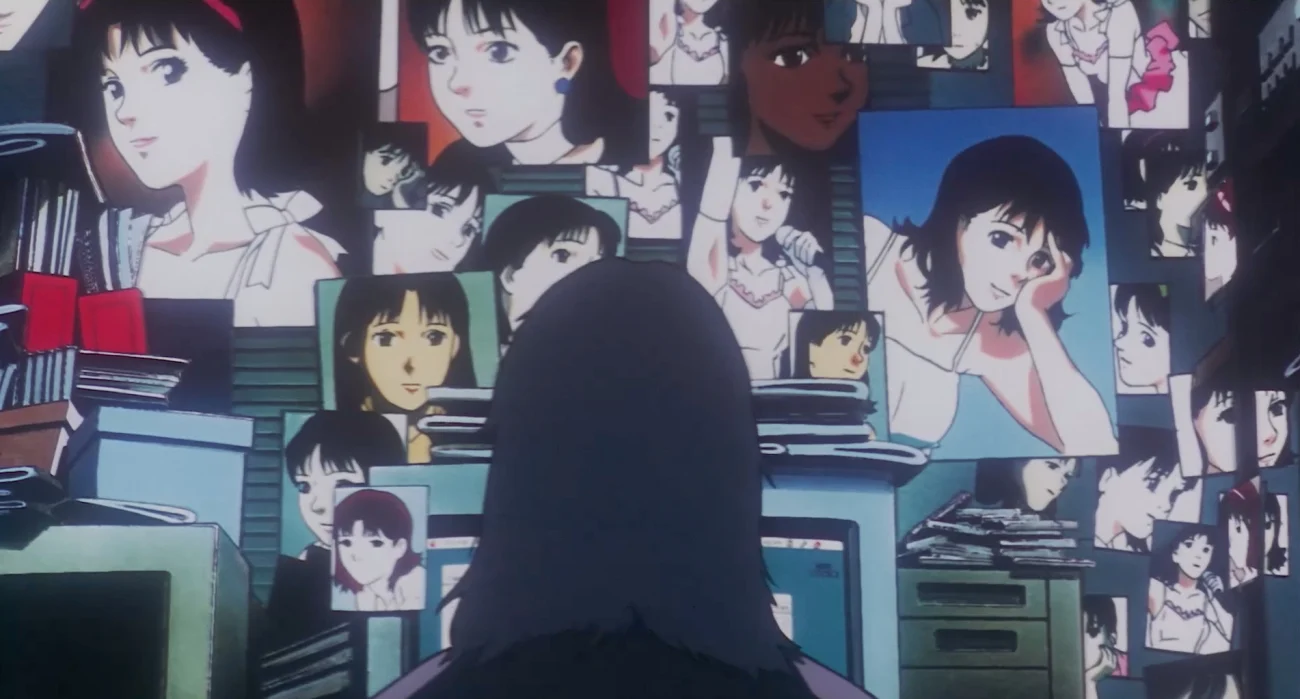
The apparent stalker is a pawn, while a trusted manager enforces an idealized image of the idol. Layered media—web pages, televised roles, and hallucinations—obscure authorship of threats. The twist aligns attacks with attempts to preserve a fictional persona. It dissects how control over an image can escalate into violence when reality contradicts branding.
‘Serial Experiments Lain’ (1998) – Lain’s constructed nature and the Wired’s reach
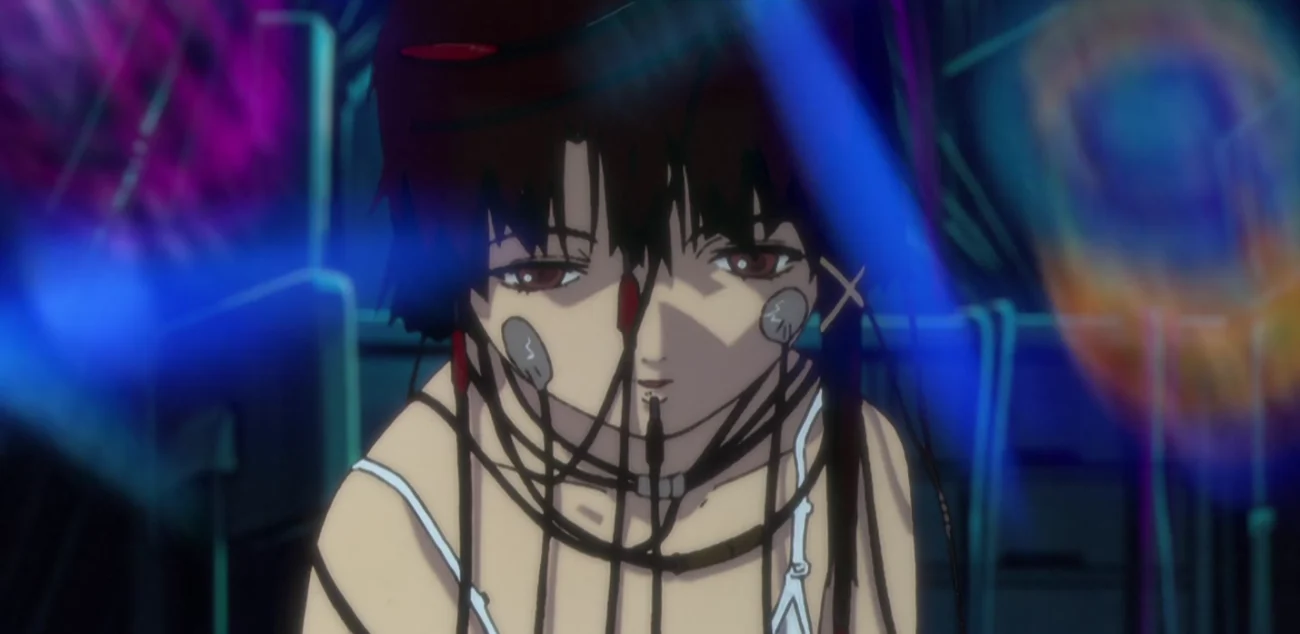
Lain is revealed as an entity intertwined with the Wired, existing beyond ordinary physical constraints. Protocol manipulations and memory edits show how network layers overwrite personal continuity. Conspirators seek to merge domains by exploiting emergent consciousness in communication systems. The twist recasts identity as a negotiable property maintained by shared data rather than biology.
‘Gurren Lagann’ (2007) – The Anti-Spiral revelation
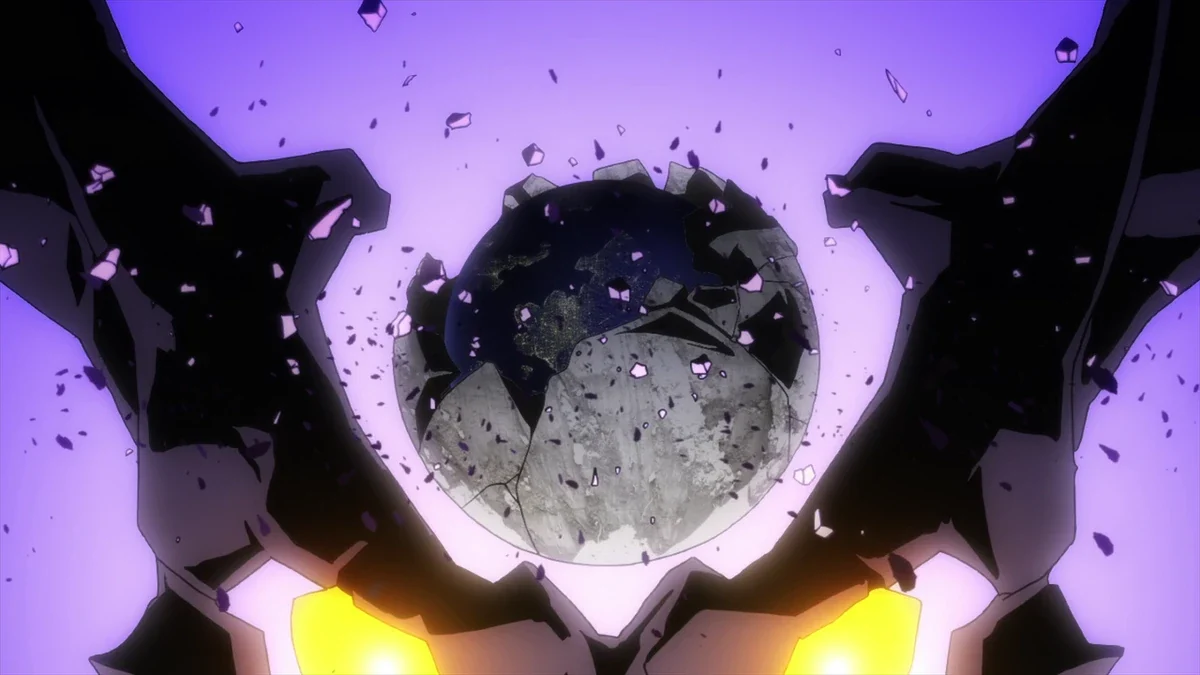
The Anti-Spiral collective originated from beings who suppressed their own evolution to prevent a predicted catastrophe. Their tactics—dimensional locks and probability fields—explain sudden ceilings on human progress. Spiral power becomes a quantified risk, not mere bravado. The reveal reframes escalation as a managed parameter in a universal conflict model.
‘Angel Beats!’ (2010) – The school as a liminal afterlife

The campus is a transitional space where students resolve regrets before moving on. NPC-like characters and system rules maintain stability against disruptive grief. The student council enforces balance by channeling frustrations into activities. The twist clarifies why injuries reset and why certain memories surface only after specific triggers.
‘Akira’ (1988) – What “Akira” really is
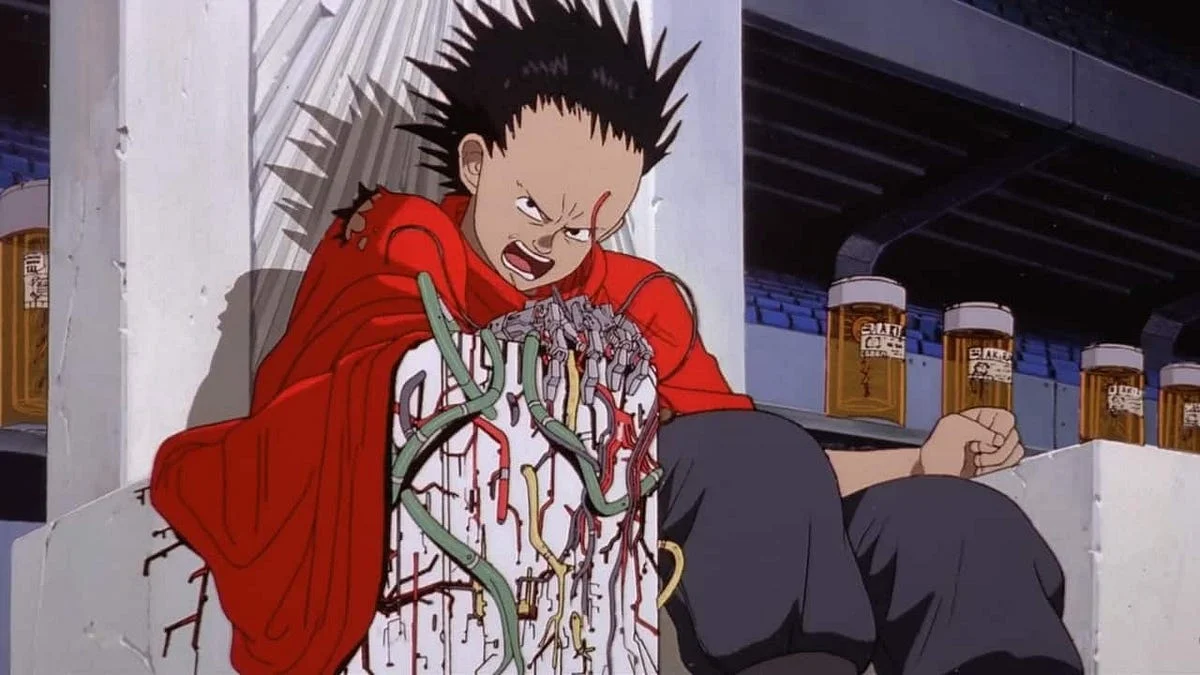
“Akira” refers to a child test subject whose disassembled remains are preserved for study, not a divine being. Government projects tracked psychic escalation and containment protocols after a city-level disaster. Tetsuo’s surge mirrors documented thresholds that Akira once crossed. The reveal grounds the phenomenon in experimental history and state secrecy.
‘Clannad: After Story’ (2008–2009) – The Illusionary World and the reset
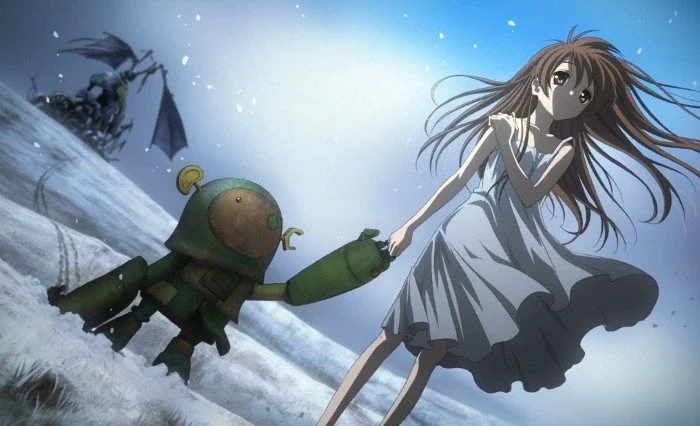
Orbs of light accumulate from fulfilled wishes and, when gathered, enable a reality rewrite. The Illusionary World sequences depict a parallel construct that interfaces with those lights. Tomoya’s choices and connections assemble the conditions required for a reversal. The twist ties family bonds to a metaphysical mechanism that undoes a chain of losses.
‘School-Live!’ (2015) – The cheerful club in a zombie catastrophe
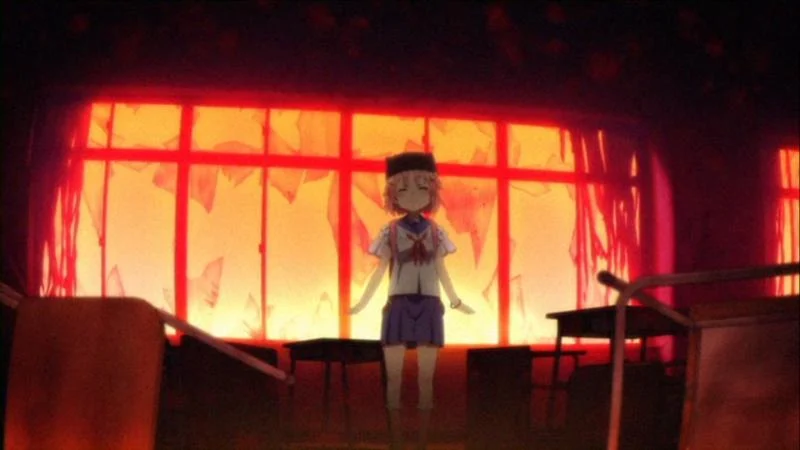
The “School Living Club” is a coping structure built around one student’s denial of the outbreak. Classroom routines, graduation events, and “errands” are survival tasks reframed as school life. Barricades, supply caches, and rooftop gardens explain how the group lasts. The reveal synchronizes upbeat scenes with background signs of decay and danger.
‘Paranoia Agent’ (2004) – Lil’ Slugger as a social delusion
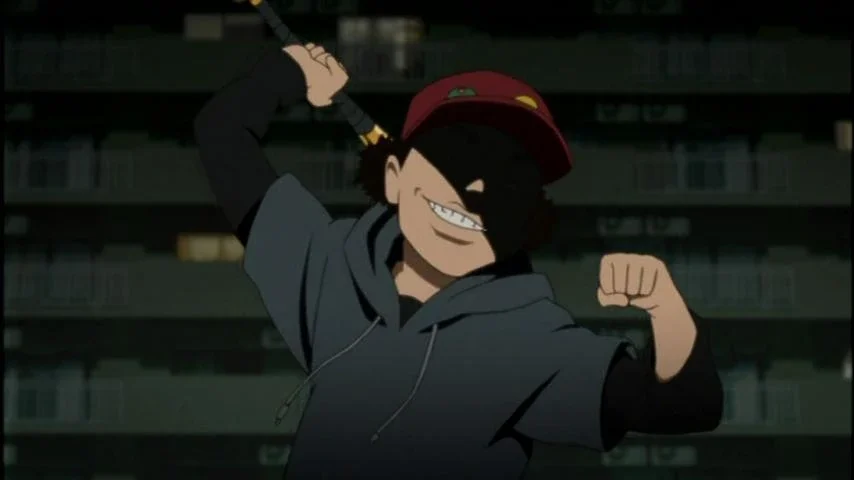
Investigations show the assailant functions as a shared psychological escape rather than a consistent individual. Confessions and sightings contradict in ways that map to public anxiety spikes. Media coverage amplifies the figure, feeding new incidents and mutations. The twist positions the culprit as an emergent narrative sustained by fear and convenience.
‘Re:Zero − Starting Life in Another World’ (2016–) – The source and cost of “Return by Death”
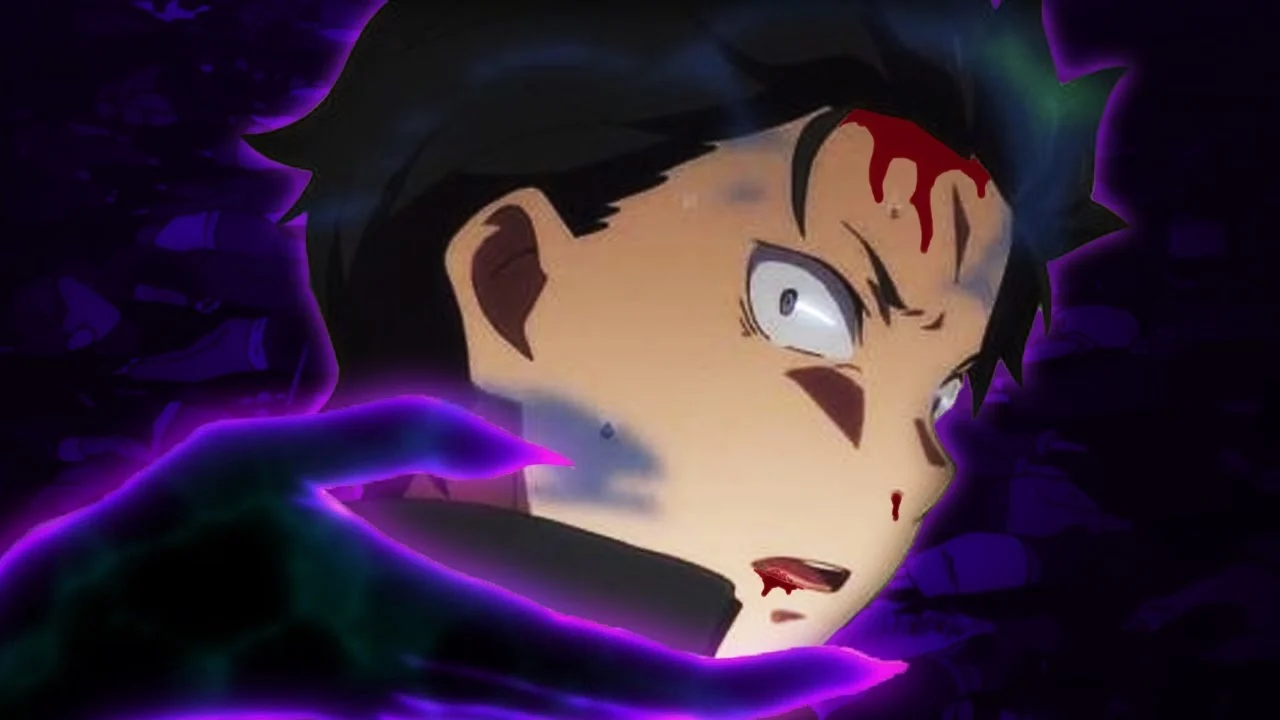
Subaru’s resets are granted by the Witch of Envy, binding him to conditions he cannot discuss without punishment. Each return leaves traces detectable by antagonists attuned to the Witch’s scent. Alliances form or fail depending on how those traces are interpreted. The twist formalizes resurrection as a contract with constraints, not a free safety net.
‘Revolutionary Girl Utena’ (1997) – “End of the World” unmasked
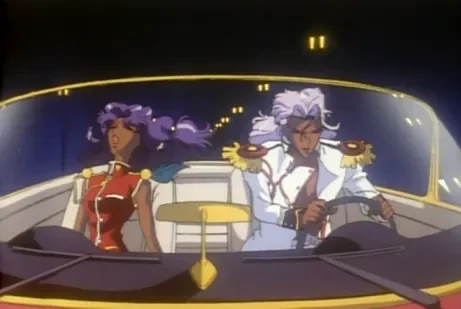
The shadowy authority controlling the duels is revealed as Akio, manipulating students through staged miracles. The dueling system commodifies desire, promising access to “revolution” while enforcing cycles. Anthy’s role as the Rose Bride is institutionalized harm masked as ritual. The reveal exposes how structures maintain power by scripting adolescent longing.
‘Monster’ (2004–2010) – The picture-book author and the experiment network
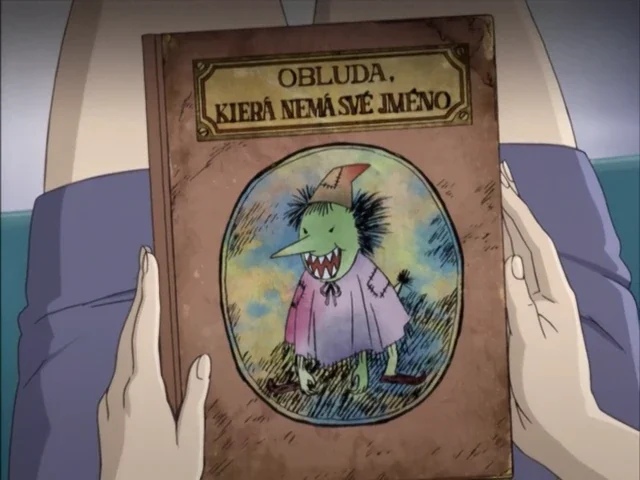
The creator of a children’s book is unmasked as a figure behind psychological experiments linked to orphanage programs. His projects cultivated dissociation and charisma in selected subjects used for clandestine aims. Evidence threads from medical records to publishing ties consolidate the connection. The twist aligns a cultural artifact with a covert architecture of abuse.
‘Higurashi When They Cry’ (2006) – The loops and the syndrome’s cause

Recurring tragedies stem from a parasite-based syndrome influenced by stress, fear, and external triggers. Rika retains awareness across iterations, using accumulated knowledge to test countermeasures. Local power structures exploit the illness for control and cover operations. The reveal converts supernatural assumptions into epidemiology, timing, and community interventions.
Share the plot twist that stunned you most and tell us which one you still think about in the comments!