


Top 15 Actors Who Bombed in Big Roles

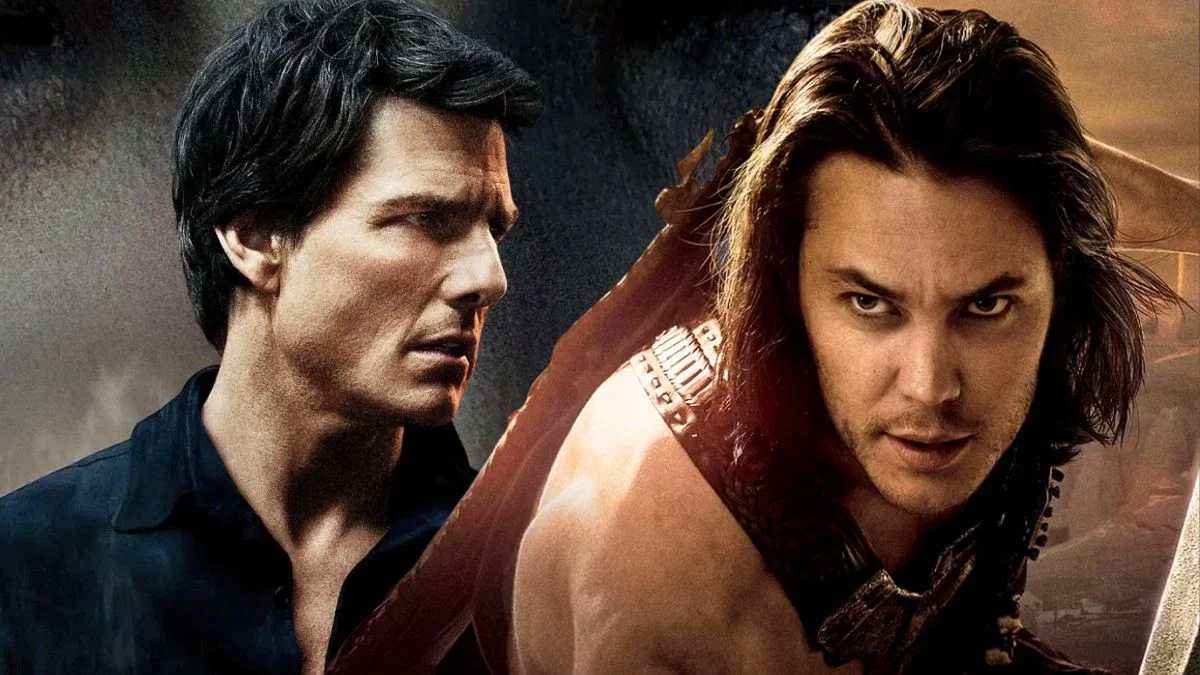


Sometimes a single part is supposed to change everything for a star, from launching a franchise to redefining a career. These are the roles that came with giant budgets, massive marketing, and big expectations, only to stumble when it counted most. What follows isn’t about talent so much as tough outcomes measured in ticket sales, awards that nobody wants, and plans that never materialized.
Each entry focuses on concrete results like budgets, grosses, and fallout. You’ll see how some films missed by a mile and how others simply underperformed for what the studio needed. In every case, the projects were positioned as major events, and the numbers tell the story of why they’re remembered as misfires.
Taylor Kitsch in ‘John Carter’
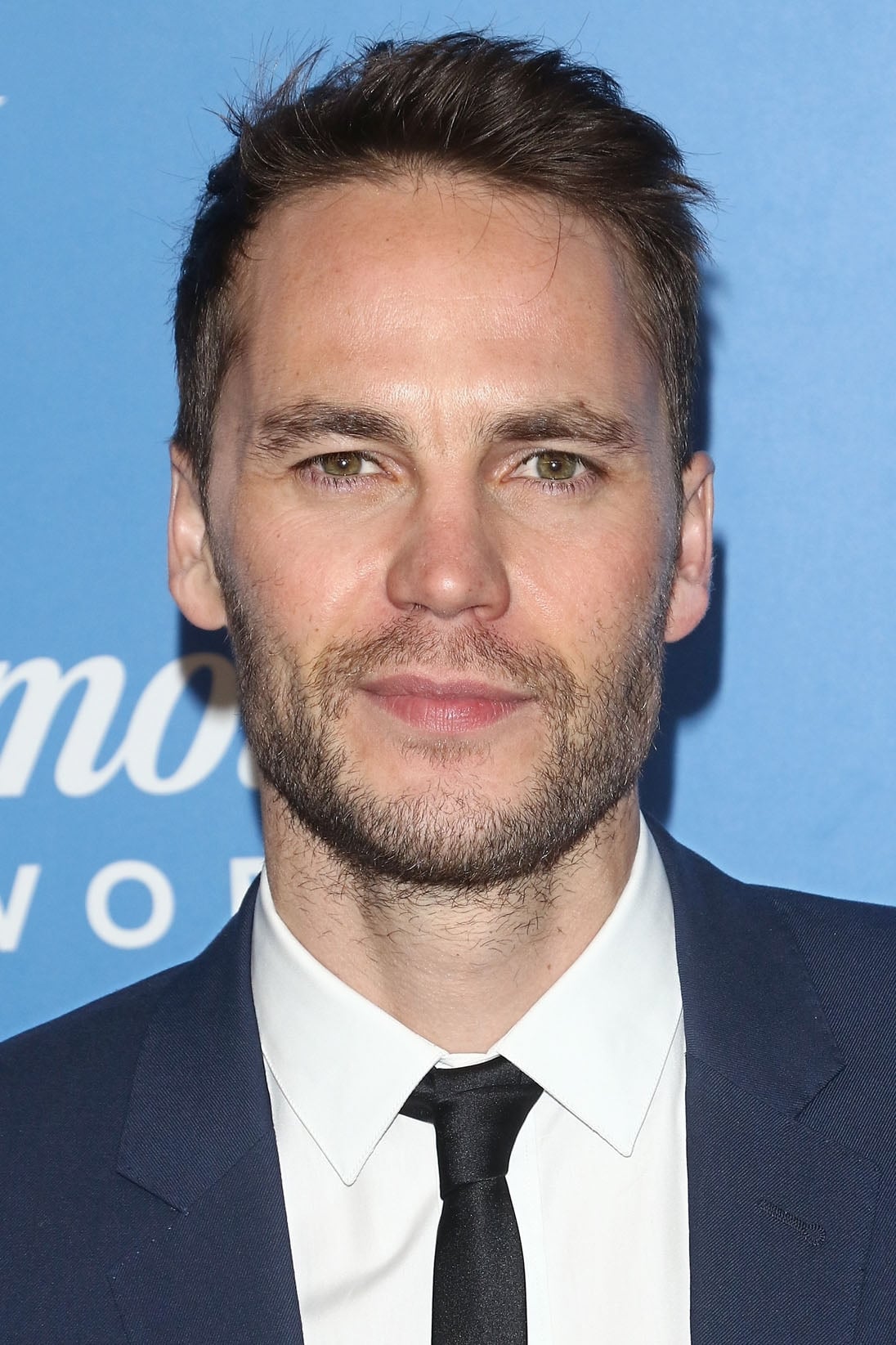
Disney spent well over two hundred million dollars producing ‘John Carter,’ with additional tens of millions in global marketing to introduce a new sci-fi hero. The movie finished with a worldwide gross in the mid-two hundreds, a figure that didn’t cover its combined production and marketing outlay. The studio publicly disclosed a significant quarterly loss tied to the film, and planned sequels were abandoned.
For Kitsch, the project was pitched as a star-making vehicle after success on television. The underperformance halted franchise ambitions and led to a quick pivot toward ensemble projects and supporting parts, illustrating how a single mega-budget swing can reshape an actor’s film trajectory.
Eddie Murphy in ‘The Adventures of Pluto Nash’
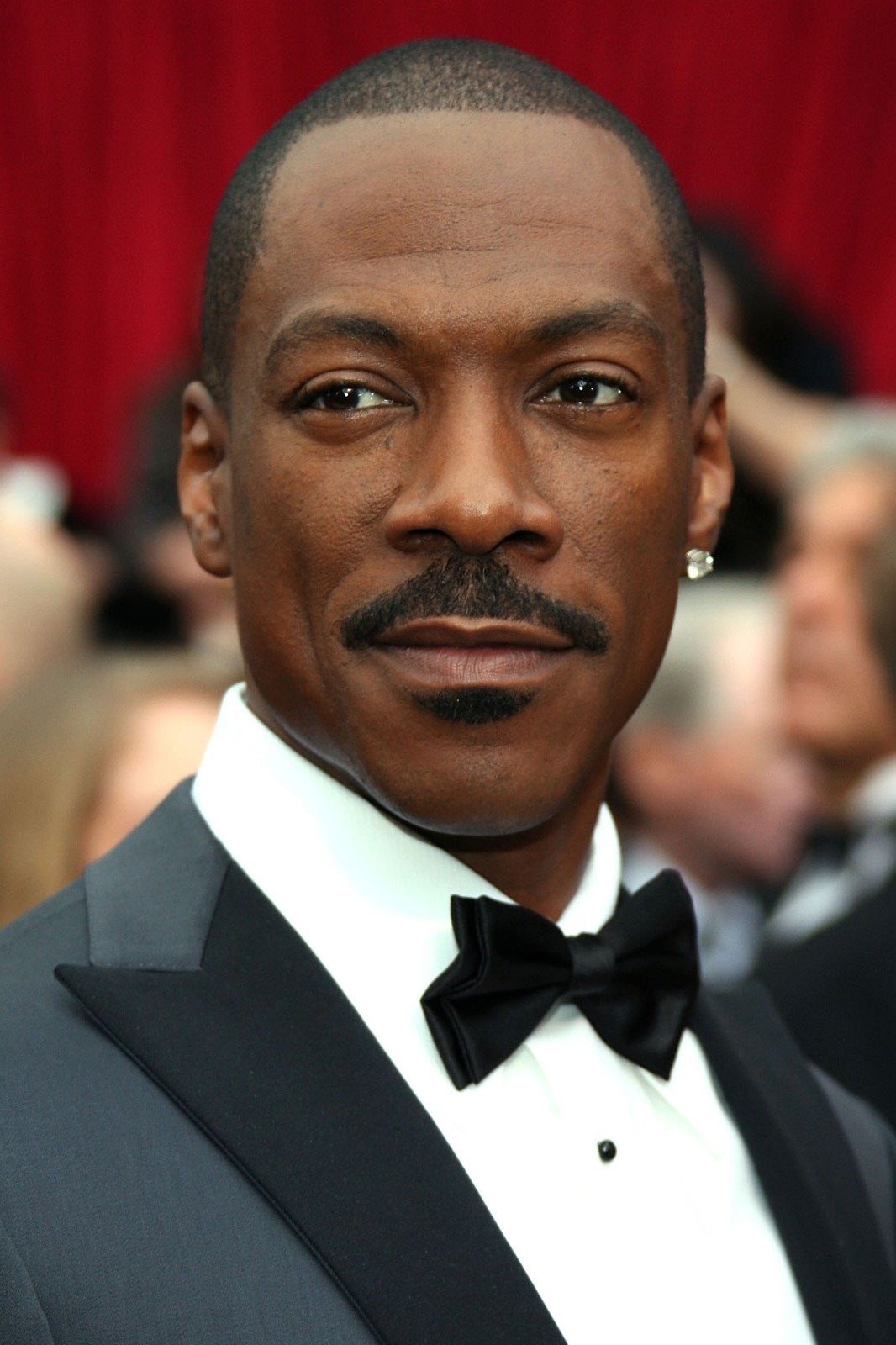
‘The Adventures of Pluto Nash’ carried a production budget reported around the hundred-million mark. Its worldwide box office finished in the single-digit millions, making it one of the starkest money-losers for a wide release of its era and a frequent reference point for costly sci-fi comedy misfires.
Murphy was a proven box office draw, and this was set up as a broad four-quadrant play. The film’s outcome curtailed momentum for similar high-priced vehicles and pushed subsequent projects toward safer budgets and concepts, showing how returns can influence the scale of offers for a marquee name.
Halle Berry in ‘Catwoman’

‘Catwoman’ was mounted as a summer tentpole with a nine-figure budget and a wide global rollout. The film’s worldwide gross landed below its production cost, and the performance fell short of what superhero releases typically delivered in ancillary markets at the time.
Berry accepted a Razzie for the role, an unusual public footnote that underscored the film’s reception. Planned follow-ups and crossovers never moved forward, and the character’s big-screen future was effectively reset in other franchises rather than continued from this installment.
Ryan Reynolds in ‘Green Lantern’
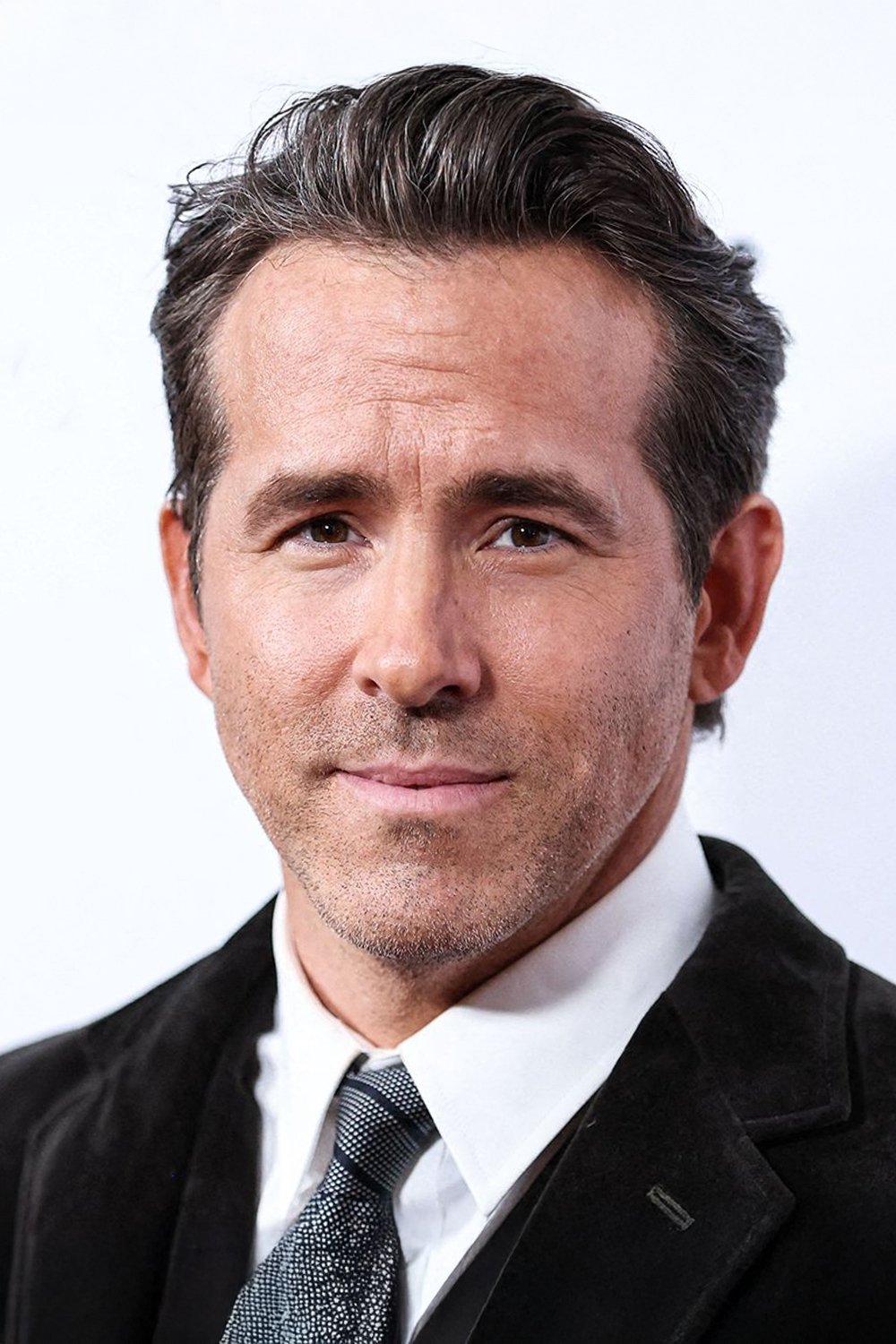
‘Green Lantern’ arrived with an estimated two-hundred-million-dollar budget and a substantial effects footprint. Its worldwide revenue barely edged past production cost, leaving limited room after distribution fees and marketing to achieve profitability.
The film had been positioned as the start of a long-running series, with merchandising and universe expansion in mind. After results came in, the studio shelved direct sequels and later rebooted the character elsewhere, while Reynolds pivoted to a different comic-book role that succeeded on a more disciplined budget.
Kevin Costner in ‘The Postman’
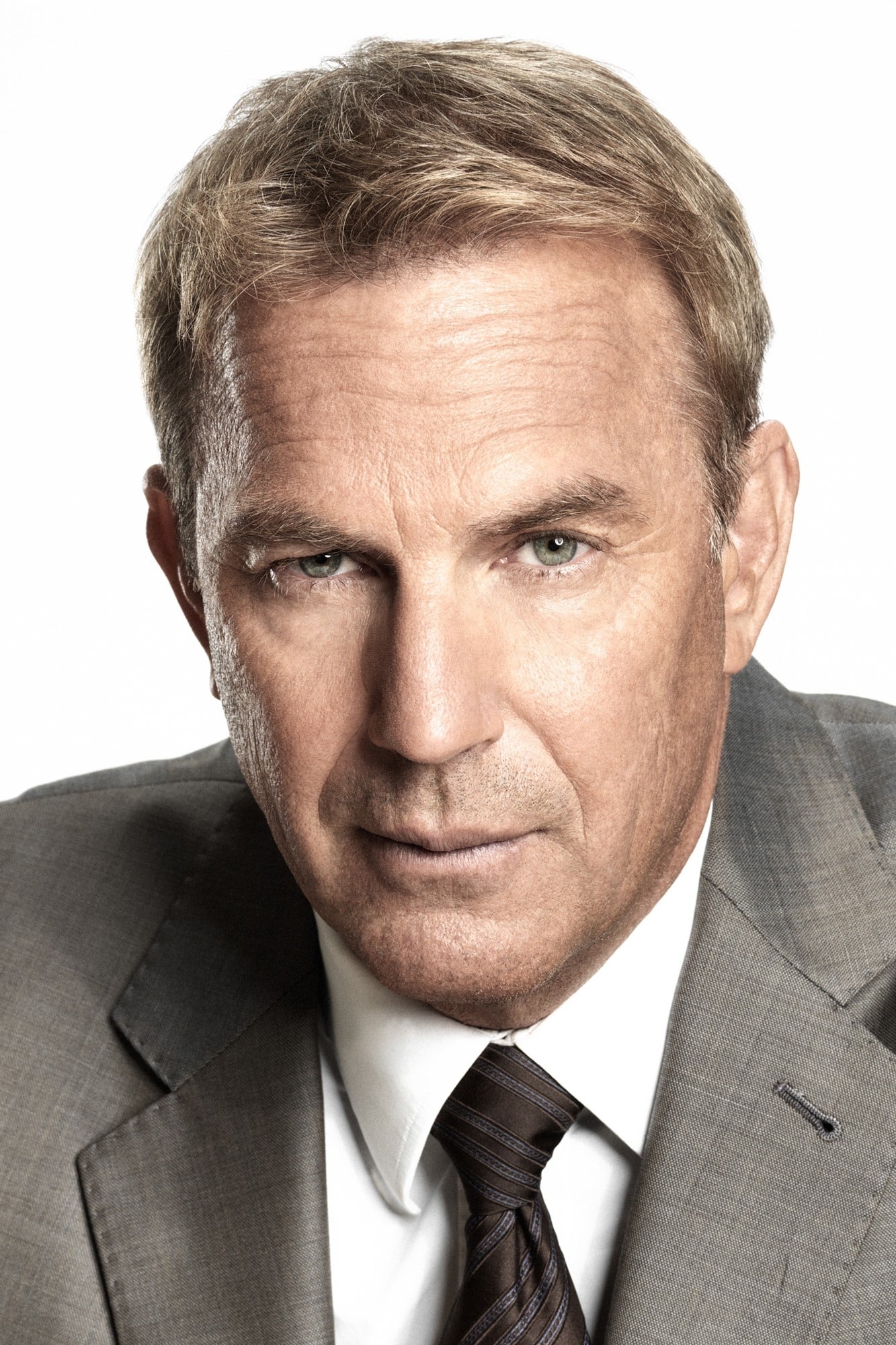
‘The Postman’ carried a reported budget around the eighty-million range and opened during the holiday corridor. Domestic earnings settled under twenty-five million, and international totals were modest, leaving a sizeable gap to break even.
Following a previous effects-heavy venture, this was another large-scale gamble that didn’t connect commercially. The outcome narrowed support for similarly expensive post-apocalyptic epics anchored by Costner, and the title became a common case study in how long runtimes and premium costs can work against theatrical turnout.
Ben Affleck in ‘Gigli’
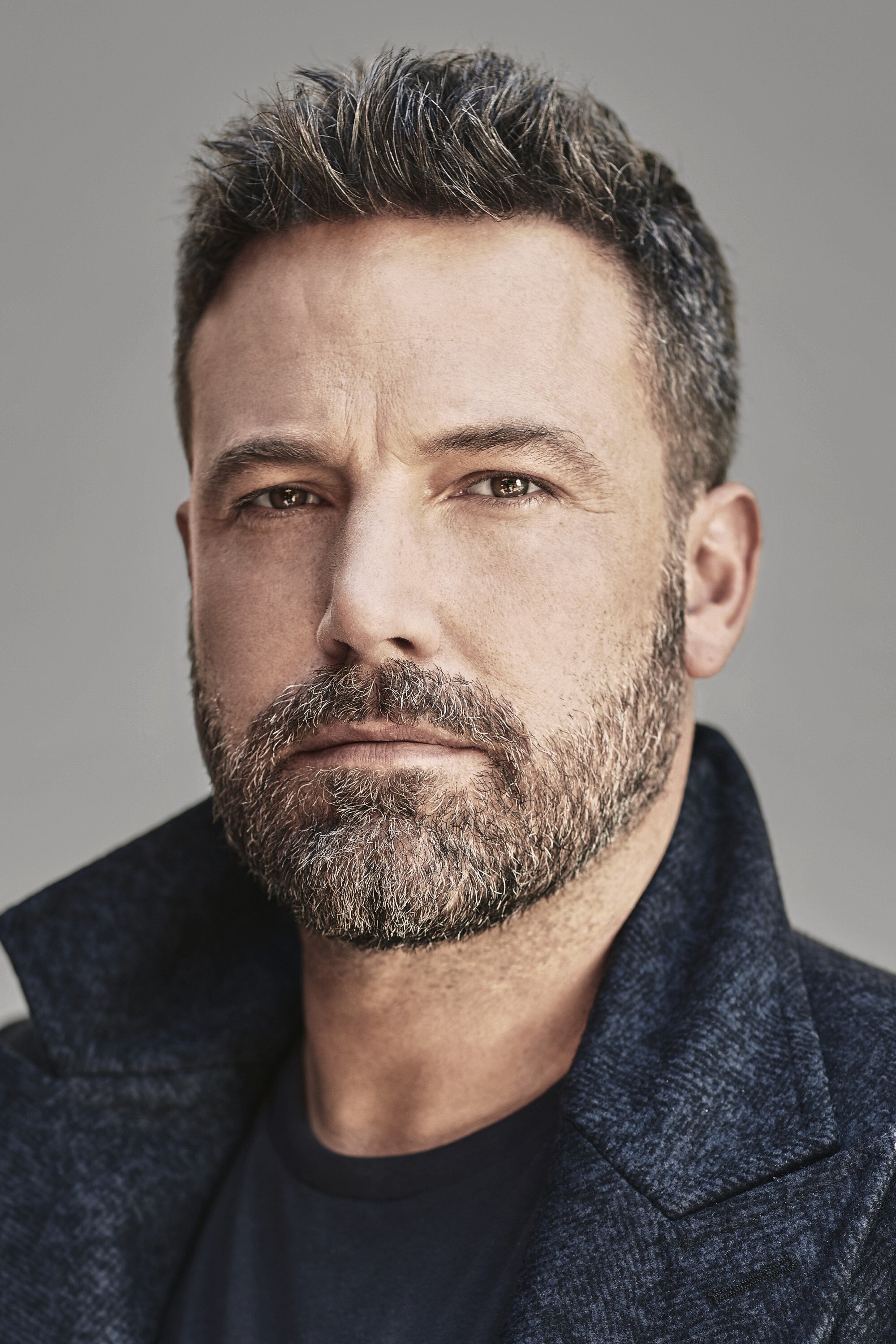
With a mid-eight-figure production cost, ‘Gigli’ rolled out widely in late summer. The film finished with a worldwide gross in the single-digit millions, far below its budget and marketing spend, and exited theaters quickly after steep week-to-week drops.
The release led to canceled promotional plans for potential expansions and reshuffles in both stars’ upcoming slates. Affleck subsequently redirected into directing and character roles before returning to large-scale action, showing how strategic project choices can rebuild momentum after a major underperformer.
Johnny Depp in ‘The Lone Ranger’

‘The Lone Ranger’ had a production cost north of two hundred million and significant global advertising. The worldwide gross ended around the mid-two hundreds, a figure that left limited path to profitability once prints and marketing were counted.
The film had been framed as a new live-action adventure series from a proven creative team. After returns lagged, projected sequels and tie-ins didn’t advance, and the studio adjusted its slate away from similar Western adventure bets for several years.
Colin Farrell in ‘Alexander’
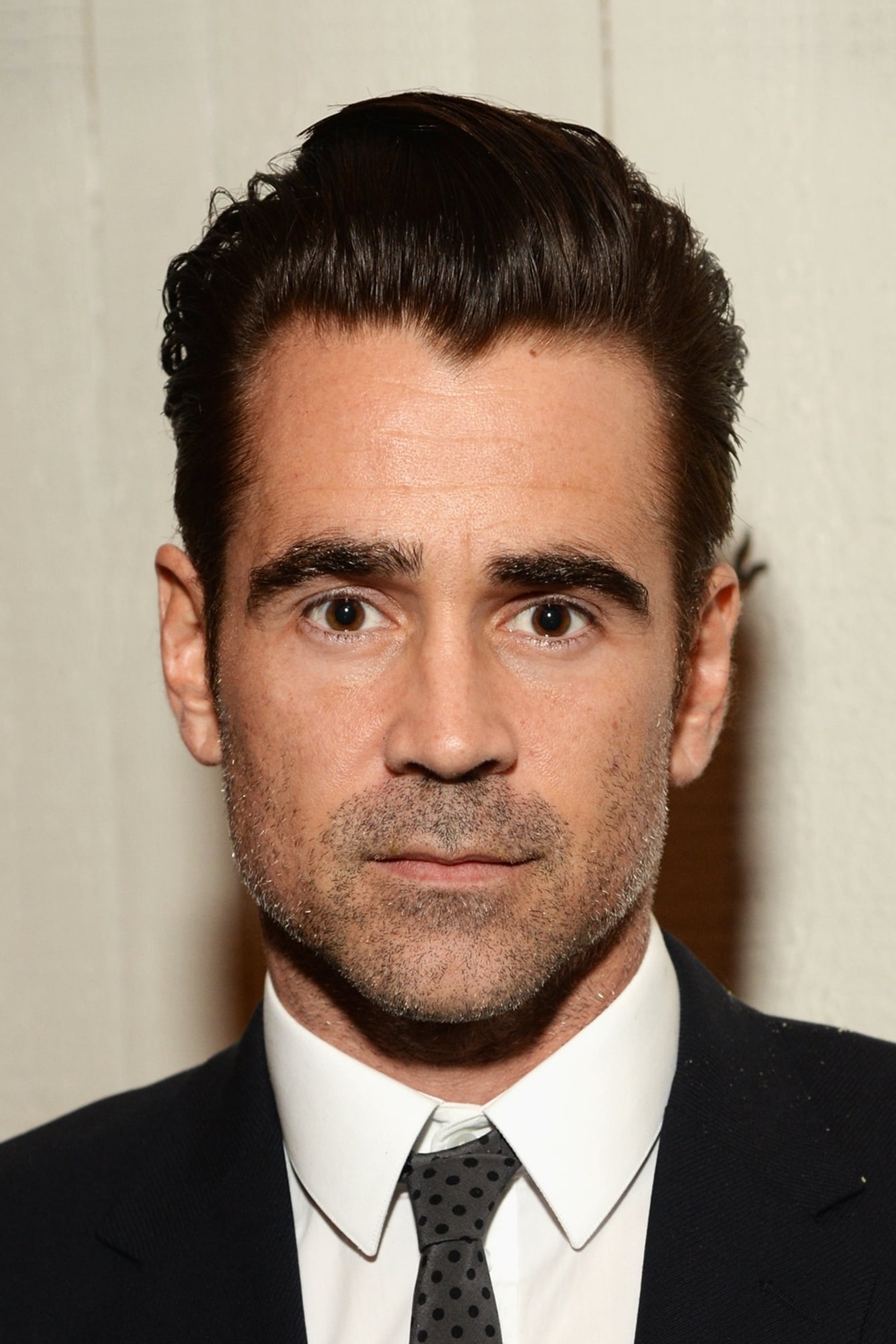
‘Alexander’ reached theaters with a budget around the mid-one-hundreds and a lengthy awards-season push. The film earned roughly that amount worldwide, with domestic results notably soft compared to the spend, leaving profitability dependent on later cuts and home entertainment.
Multiple alternate edits followed its theatrical run, extending the title’s life on video. Even with those releases, initial box office didn’t support franchise ideas, and Farrell’s next big vehicles leaned toward genre pieces and prestige dramas rather than sprawling historical epics.
Geena Davis in ‘Cutthroat Island’

‘Cutthroat Island’ cost close to a hundred million to produce, an unusually high figure for a mid-90s pirate adventure. The worldwide total ended near the ten-million mark, and the fallout contributed to its production company’s financial collapse.
The film’s outcome paused Hollywood’s appetite for pirate stories at large budgets for years. Davis shifted focus to television and smaller features afterward, while the genre only returned to major spending when a later franchise proved the exception rather than the rule.
Jared Leto in ‘Morbius’
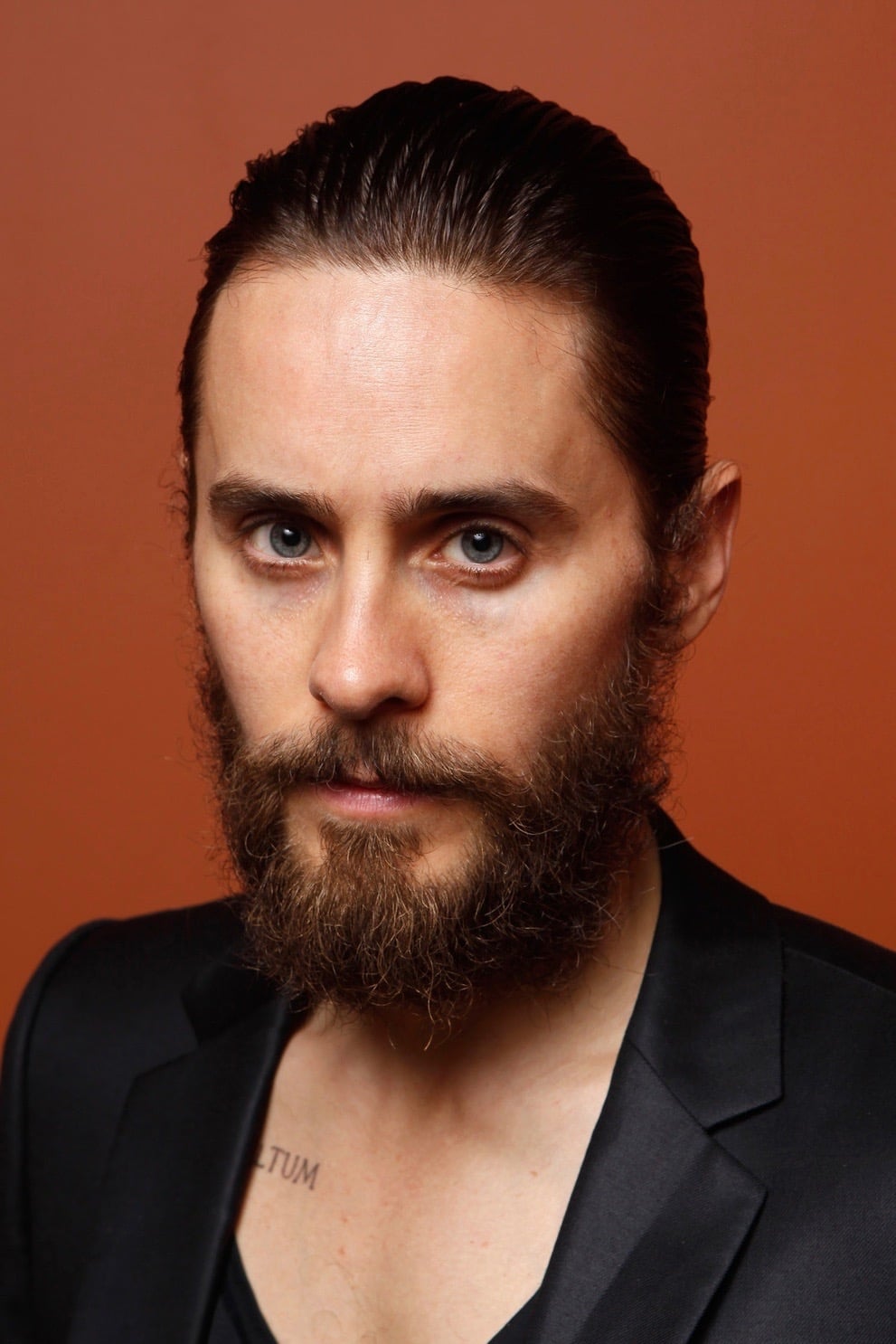
‘Morbius’ reportedly cost around seventy-five million to make and opened at number one before suffering steep declines. It finished near one hundred and sixty-plus million worldwide, a figure that left limited profit margin after global marketing.
The film re-entered theaters amid online memes, adding a comparatively small amount to its total. Plans for rapid character crossovers slowed, and future appearances were recalibrated as the studio reassessed how to position adjacent titles in the same universe.
Channing Tatum in ‘Jupiter Ascending’

‘Jupiter Ascending’ carried a production budget in the mid-one-hundreds and shifted release dates to accommodate effects work. Its worldwide gross landed in the high-one-hundreds, which did not cover combined costs once prints and marketing were included.
This was conceived as original franchise world-building with extensive merchandising potential. After the results, immediate sequel talk faded, and both leads moved on to projects with stronger pre-sold hooks or more moderate budgets to align risk and return.
Miles Teller in ‘Fantastic Four’
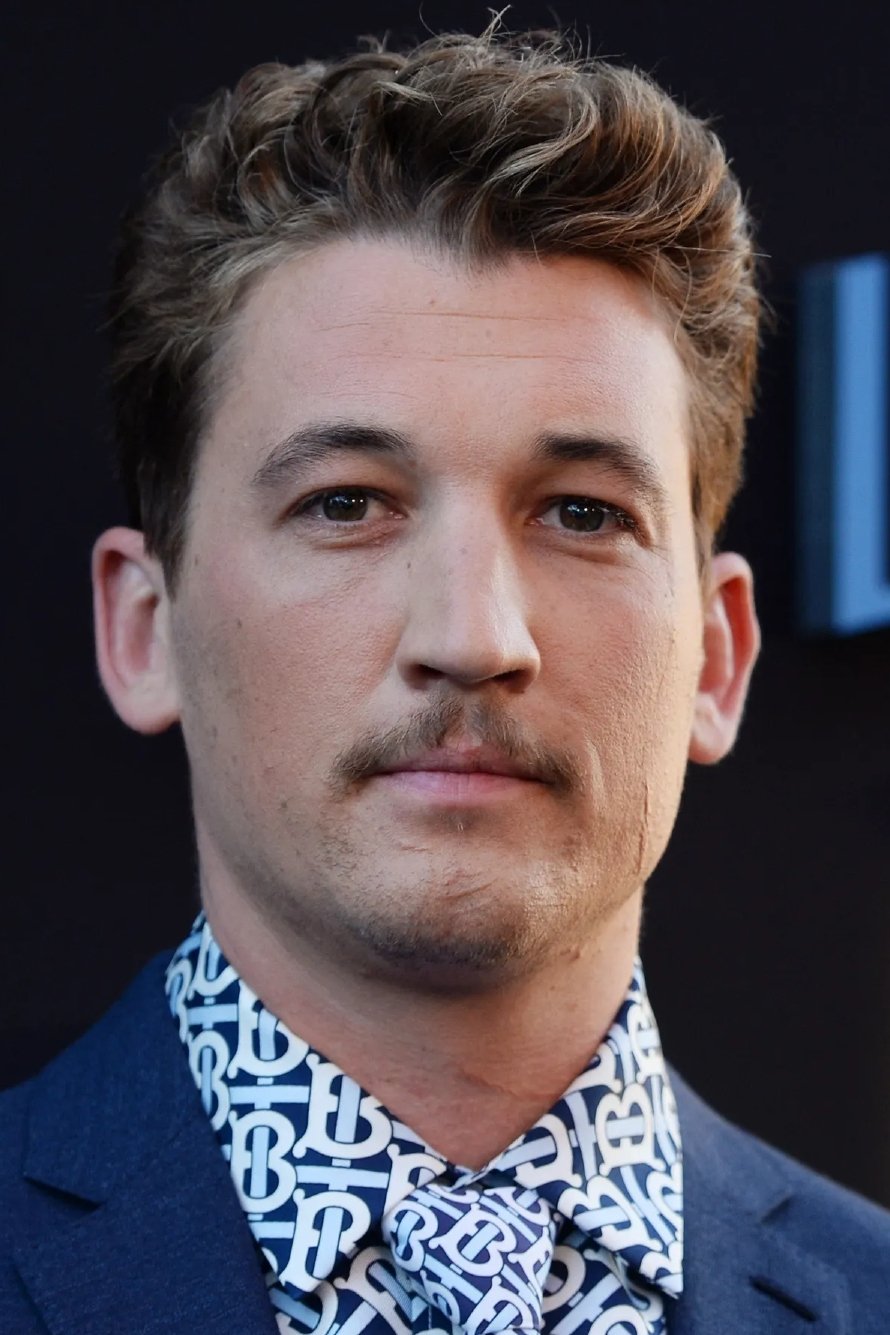
‘Fantastic Four’ arrived with a budget reported around one hundred and twenty million, along with a truncated press plan after late-stage reshoots. The movie finished with worldwide grosses in the mid-one-sixties, short of franchise targets for a marquee comic-book property.
A planned sequel date was removed from the calendar following the opening weeks. The characters were later reoriented under different stewardship, and cast members shifted toward awards-driven work and streaming projects instead of immediate superhero follow-ups.
Will Smith in ‘After Earth’

‘After Earth’ had a production cost around one hundred and thirty million and leaned heavily on global markets. The film reached about two hundred and forty-plus million worldwide, with domestic earnings notably light for a summer sci-fi adventure headlined by a top-tier star.
The performance curtailed plans for additional stories in the same universe. Smith’s subsequent big-budget choices became more selective, while the project’s outcome was used internally to reassess original sci-fi risk at premium price points without a pre-sold brand.
Chris Hemsworth in ‘Blackhat’

‘Blackhat’ was produced for roughly seventy million and opened to low single-digit millions domestically. Its worldwide total ended around twenty million, a result that didn’t approach breakeven even with strong ancillary sales.
Despite Hemsworth’s rising profile from other franchises, the cyber-thriller setup didn’t translate to turnout. The title’s performance cooled studio enthusiasm for similar tech-centric thrillers at that budget level and guided the star’s next headlining choices back toward established series.
Tom Cruise in ‘The Mummy’
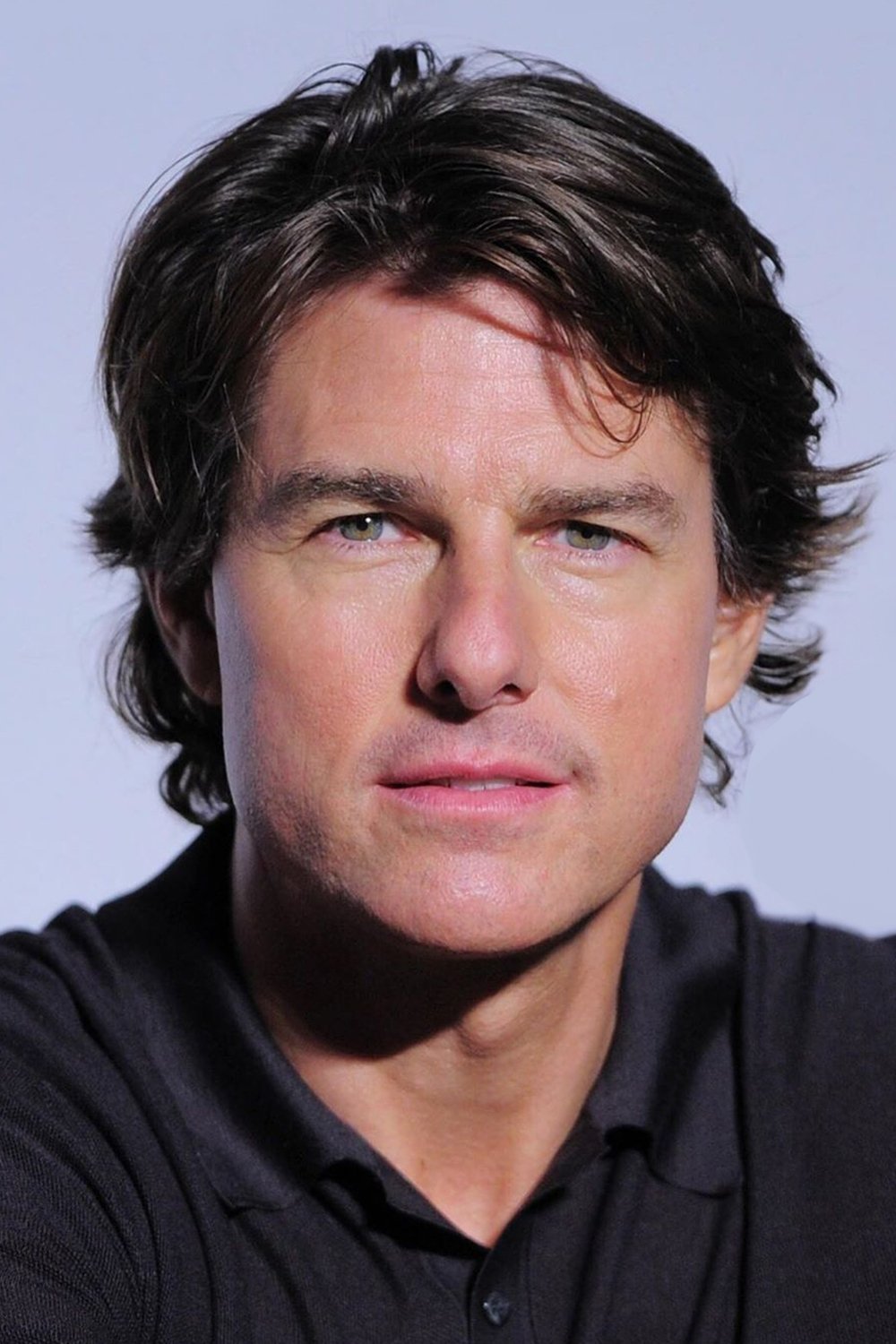
‘The Mummy’ was built to start a connected monster universe, with a production budget in the hundred-plus-million range and an aggressive international push. The global gross topped four hundred million, but domestic earnings were comparatively low for a supposed cornerstone release, and reported costs diminished the margin.
Following the rollout, the proposed shared universe was paused and later dissolved, with other monster projects redeveloped as stand-alones. Cruise returned to proven action franchises afterward, while the studio rethought strategy for legacy horror characters on the big screen.
Share your picks in the comments and tell us which high-profile performances you think missed the mark.