


Top Actors Who Won an Award and Disappeared from the Spotlight




Winning a major award can change an actor’s career overnight. Sometimes it opens every door. Other times it marks a peak followed by a quieter chapter that is easy to miss unless you look closely at the credits and festival programs. The reasons vary from choosing different kinds of work to shifting into international markets or simply stepping away for personal priorities.
This list looks at actors who earned a significant trophy and then moved out of mainstream view for a stretch. Each entry notes the award that put them in the headlines and what happened next. You will see career pivots, long pauses, and returns that flew under the radar while the industry moved on to the next big name.
Mira Sorvino
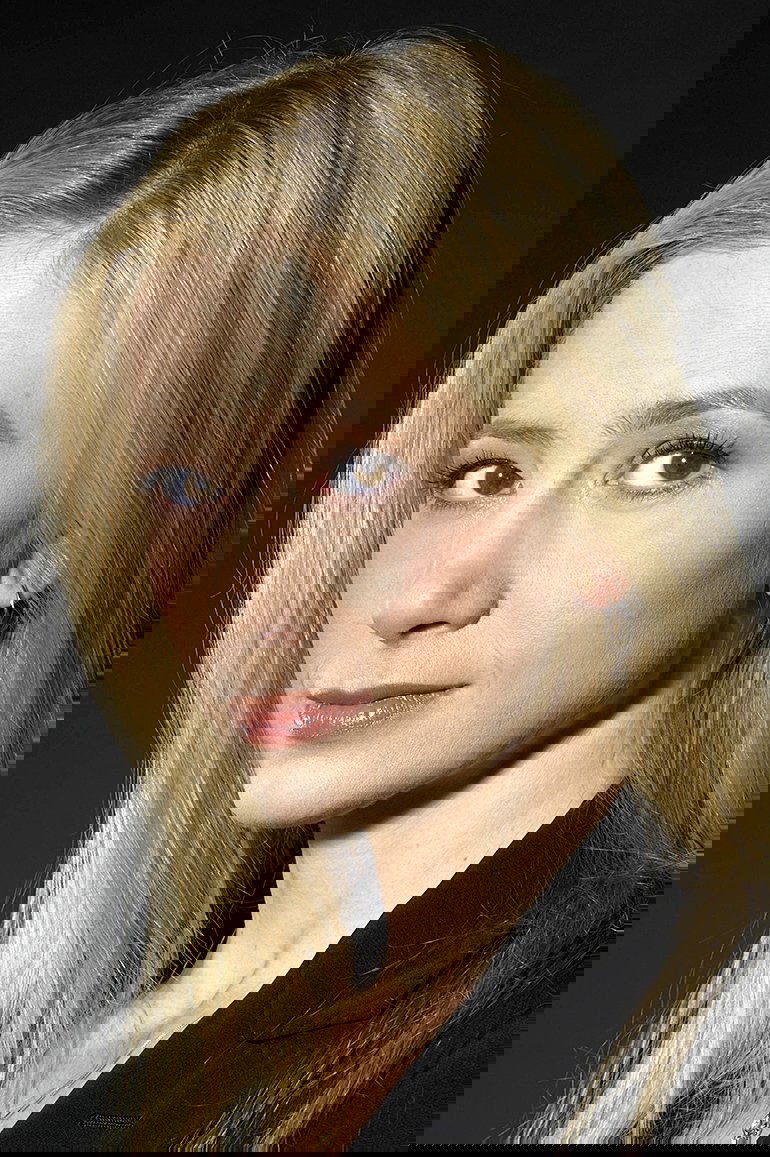
Mira Sorvino won the Academy Award for Best Supporting Actress in 1996 for her performance in ‘Mighty Aphrodite’. The win led to a wave of offers and studio projects. Within a few years she shifted to a mix of television movies, independent features, and international productions that did not receive the same level of marketing or wide theatrical releases.
Her subsequent work included festival titles and limited series that found niche audiences rather than broad box office attention. She also dedicated time to advocacy and humanitarian initiatives. That focus, combined with selective role choices, kept her out of the weekly blockbuster conversation even while she continued to act.
Mo’Nique
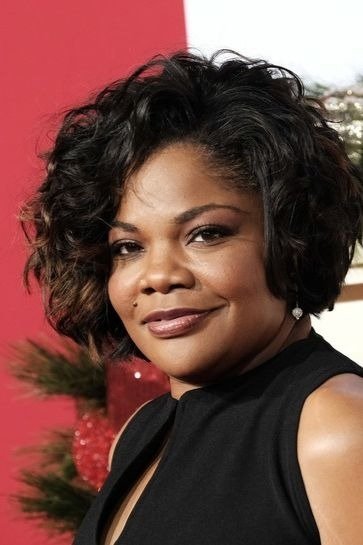
Mo’Nique earned the Academy Award for Best Supporting Actress in 2010 for ‘Precious’. After the award she publicly described disputes over promotion expectations and industry relationships. The result was a noticeable slowdown in high profile casting offers from major studios.
She continued performing through stand up, touring, and later a Netflix special while taking occasional film and television roles. The projects that followed tended to be limited releases or streaming titles that did not place her in the center of mainstream film marketing cycles for several years.
Cuba Gooding Jr.
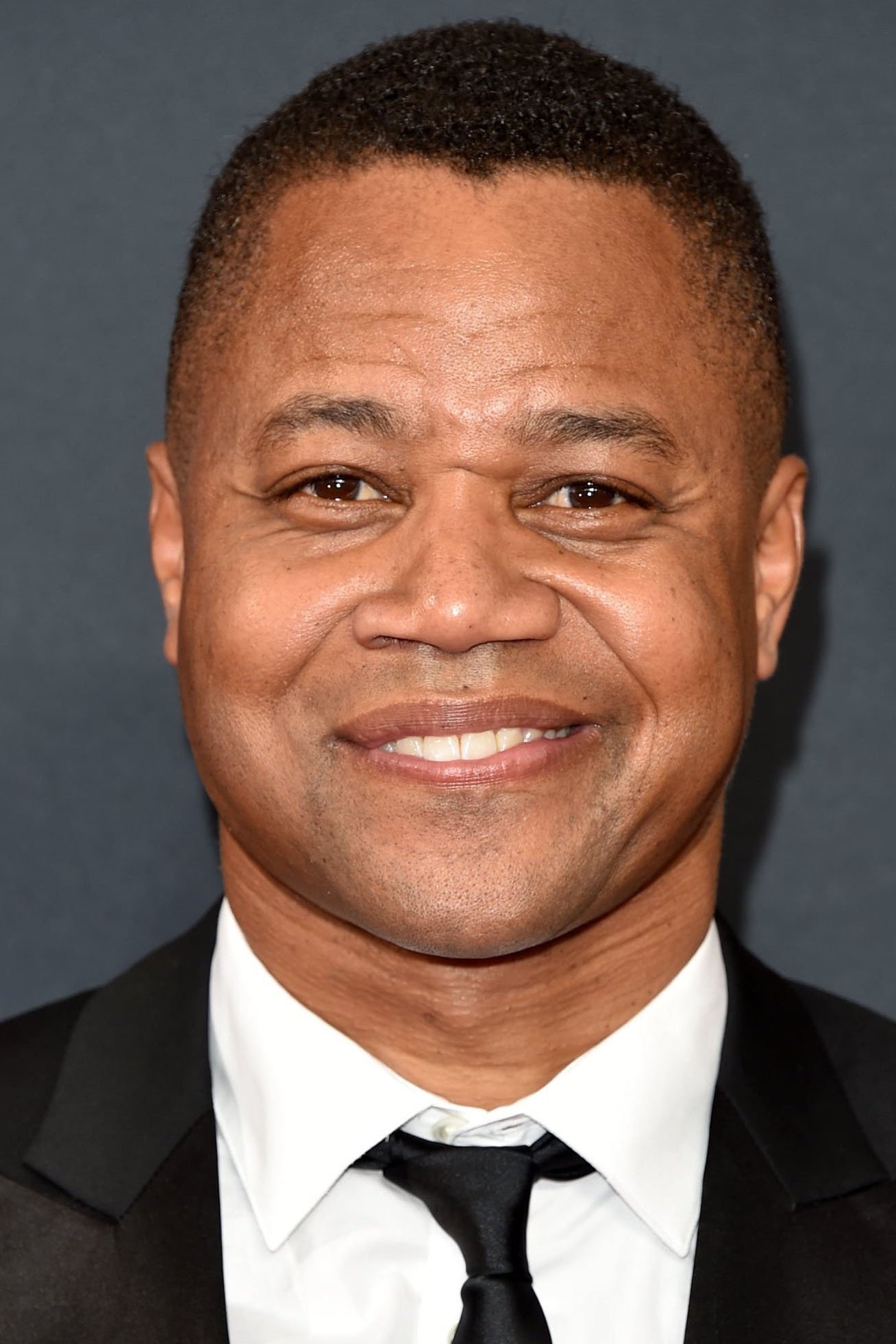
Cuba Gooding Jr. won the Academy Award for Best Supporting Actor in 1997 for ‘Jerry Maguire’. The win brought a surge of attention and a variety of leading roles in commercial films. Over time the projects shifted toward mid budget and direct to video releases that had smaller theatrical footprints.
He maintained steady output across television guest roles and cable movies while also trying stage work. The combination kept him active but less visible in wide release studio campaigns that shape popular awareness. His later appearances often reached audiences through home entertainment and niche platforms.
Jean Dujardin
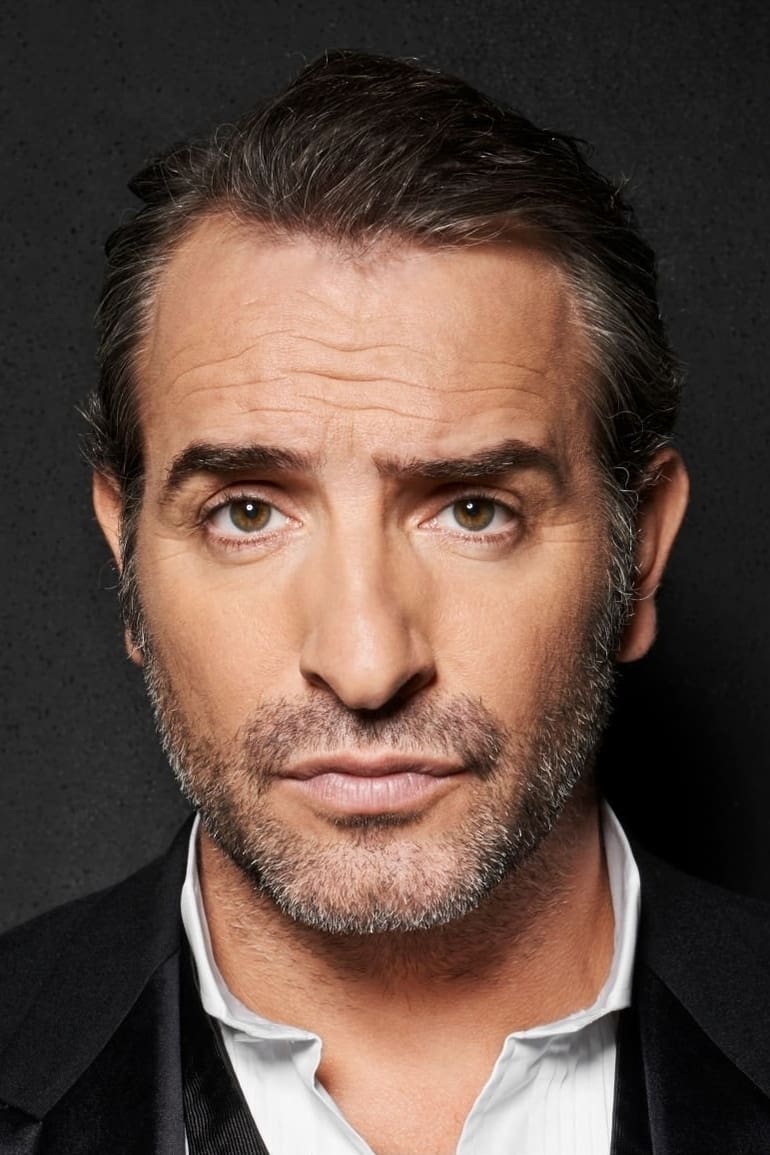
Jean Dujardin received the Academy Award for Best Actor in 2012 for ‘The Artist’. After that success he chose to work largely in France across comedies, thrillers, and period dramas that performed well domestically. Many of these films had limited distribution in English speaking markets.
He made select appearances in Hollywood productions but most of his releases targeted European audiences and regional festivals. That strategy sustained his career while reducing his profile in North American media, which can make it appear as if he stepped back when he remained busy overseas.
Roberto Benigni
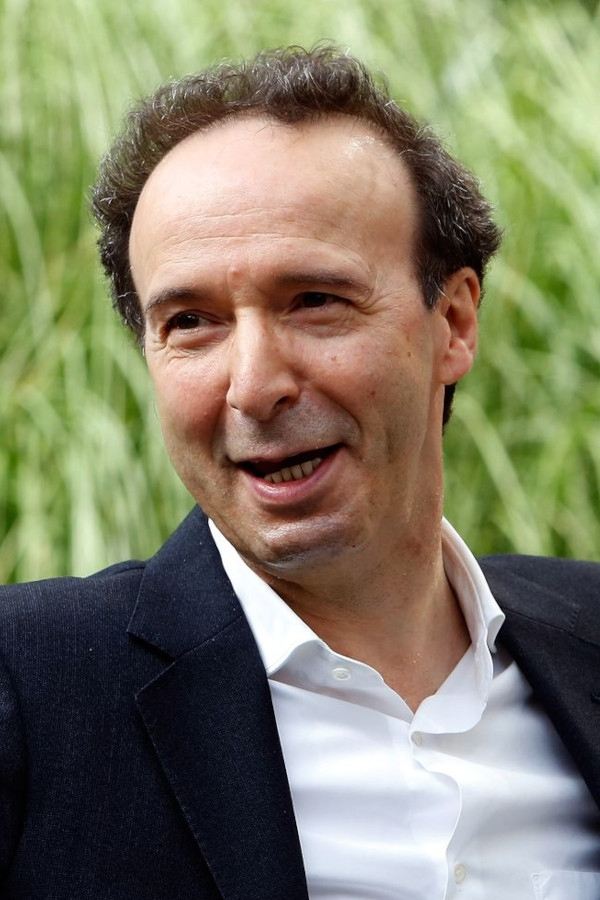
Roberto Benigni won the Academy Award for Best Actor in 1999 for ‘Life is Beautiful’. Following that landmark he directed and starred in projects that were personal and often Italian market focused. International rollouts were smaller and sometimes delayed compared with his award winning breakout.
He took long intervals between films and balanced his time with stage readings and television appearances in Italy. Those choices kept him present in his home country while decreasing his visibility in global multiplexes, which led to the impression of a retreat from the spotlight.
Louise Fletcher
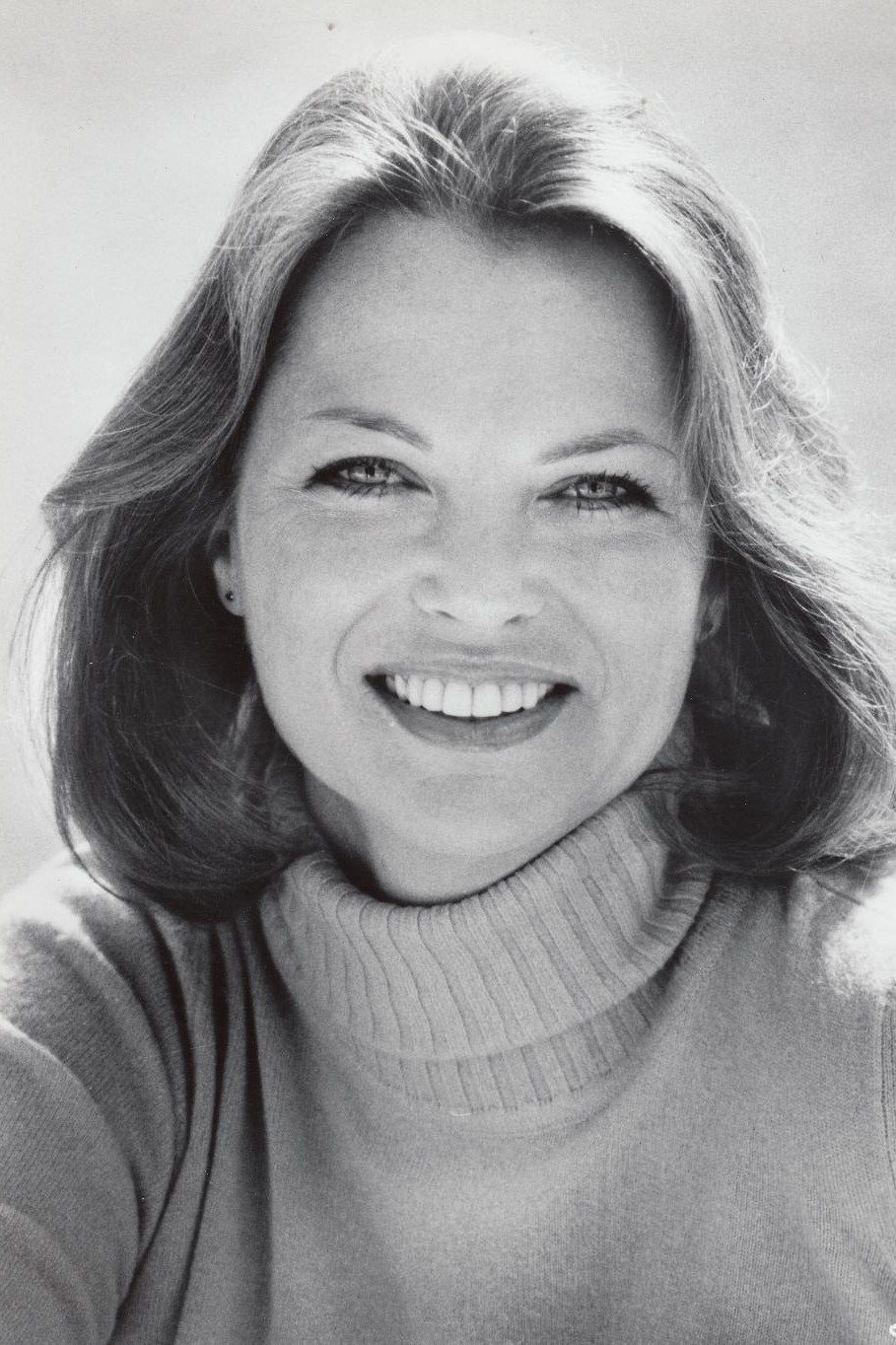
Louise Fletcher won the Academy Award for Best Actress in 1976 for ‘One Flew Over the Cuckoo’s Nest’. After the award she acted consistently across film and television with many roles in horror and independent dramas that had modest box office footprints.
Her most visible later work came through recurring television parts that appealed to devoted fan bases. These projects were not always positioned as mainstream events, which made her continuing career less prominent to casual audiences even as she remained active for decades.
Haing S. Ngor

Haing S. Ngor received the Academy Award for Best Supporting Actor in 1985 for ‘The Killing Fields’. He was not a career actor before the film and chose roles sparingly afterward. His life centered on community work and advocacy related to Cambodian history and refugee support.
His acting credits remained limited by design. He appeared in a handful of projects while prioritizing public speaking and humanitarian efforts. That commitment reduced his presence on screen and contributed to the sense that he had stepped away from the industry after his historic win.
Mercedes Ruehl
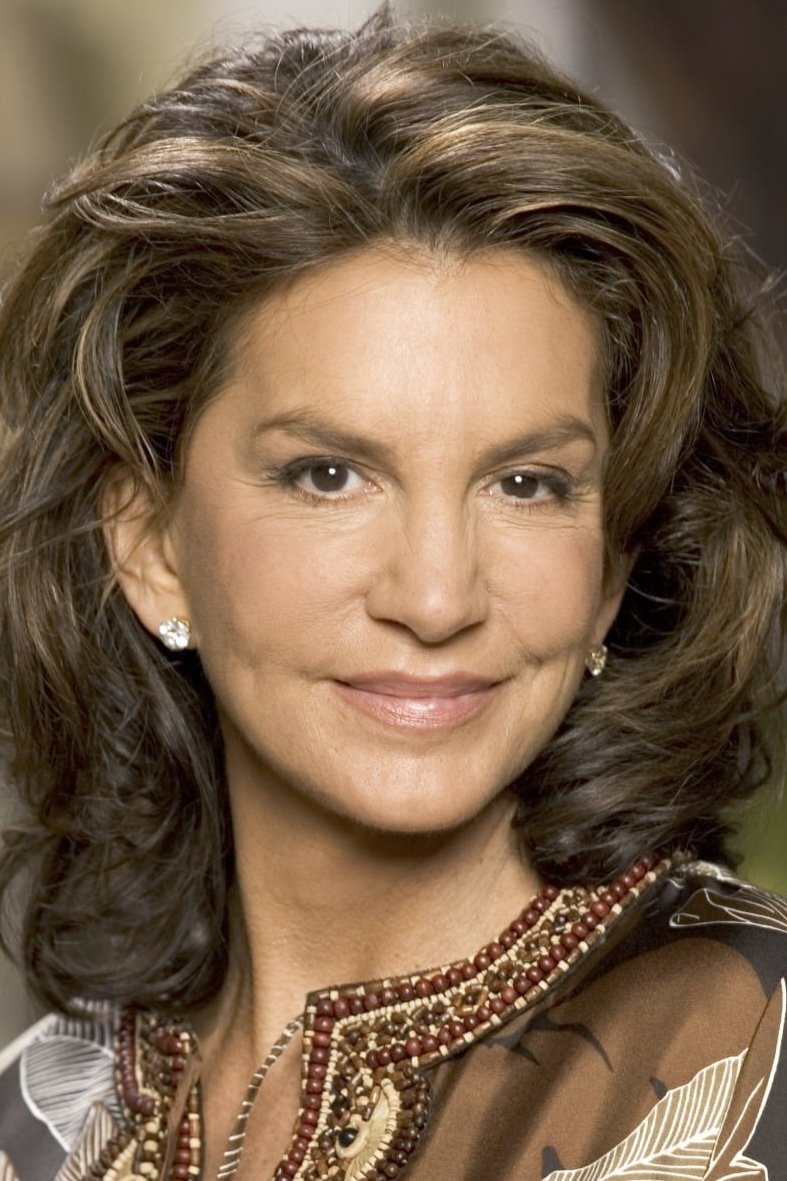
Mercedes Ruehl won the Academy Award for Best Supporting Actress in 1992 for ‘The Fisher King’. She then focused heavily on theater, including Broadway and regional productions, which kept her in front of live audiences rather than filmgoers.
Her screen work continued through television guest spots and independent films with targeted releases. The emphasis on stage roles and smaller screen projects meant fewer high profile film campaigns, which lowered her visibility to mainstream audiences while she continued to build an acclaimed theater résumé.
Tatum O’Neal

Tatum O’Neal earned the Academy Award for Best Supporting Actress in 1974 for ‘Paper Moon’. In the years after her early success she took fewer major film roles and experienced long gaps between widely released movies.
She appeared in television series and reality programming while publishing memoirs that detailed personal history. The shift toward selective acting and non acting ventures kept her outside the steady stream of studio features that drive sustained public attention.
Brenda Fricker
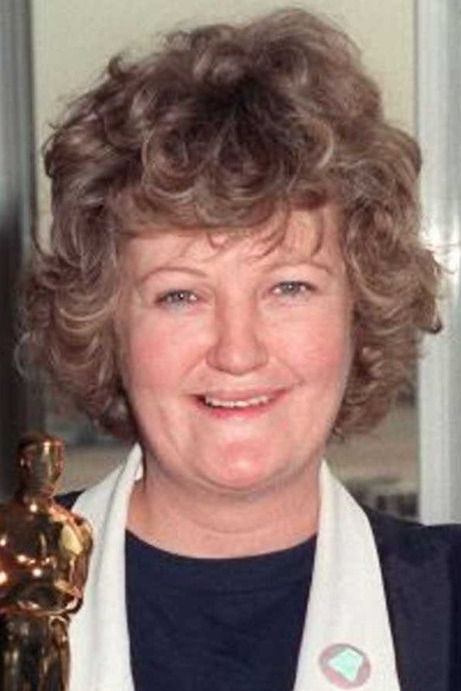
Brenda Fricker won the Academy Award for Best Supporting Actress in 1990 for ‘My Left Foot’. She continued to act in British and Irish productions along with character roles in international films, many of which had limited theatrical reach outside specific markets.
Her later career emphasized television dramas and local projects that resonated regionally. This body of work found dedicated audiences but did not generate the worldwide publicity associated with Hollywood awards seasons, creating the appearance of a lower profile.
George Chakiris
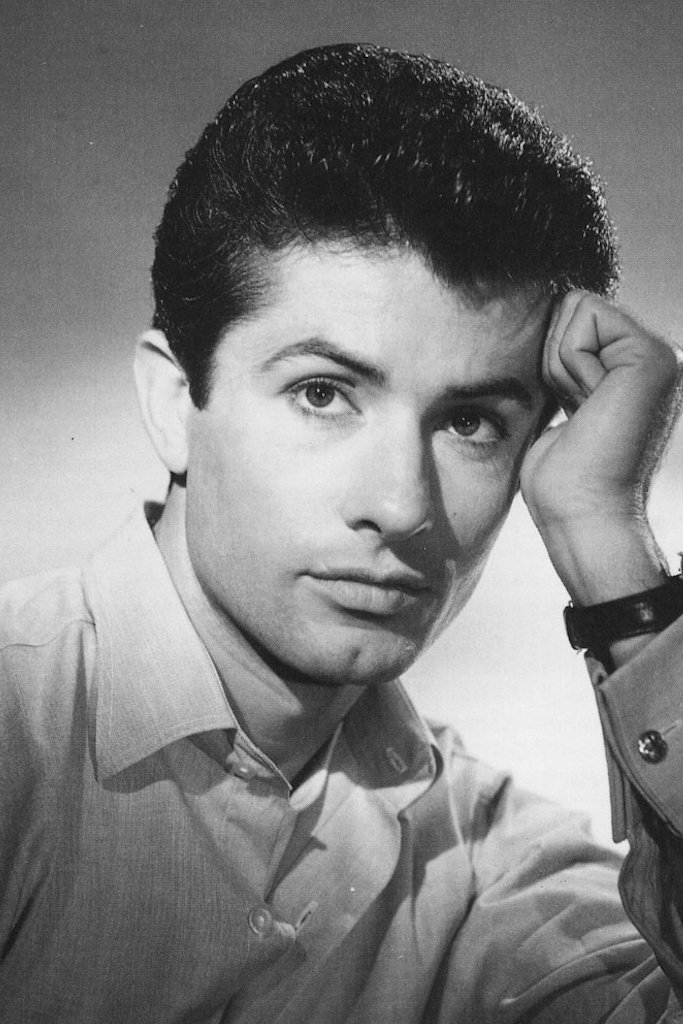
George Chakiris received the Academy Award for Best Supporting Actor in 1962 for ‘West Side Story’. After the win he worked in European cinema and television while also pursuing a recording career and stage appearances.
He took roles that were often outside the major studio system in the United States. The international focus and diversified pursuits meant fewer widely promoted American releases, which led to a quieter public presence despite ongoing creative activity.
Cliff Robertson
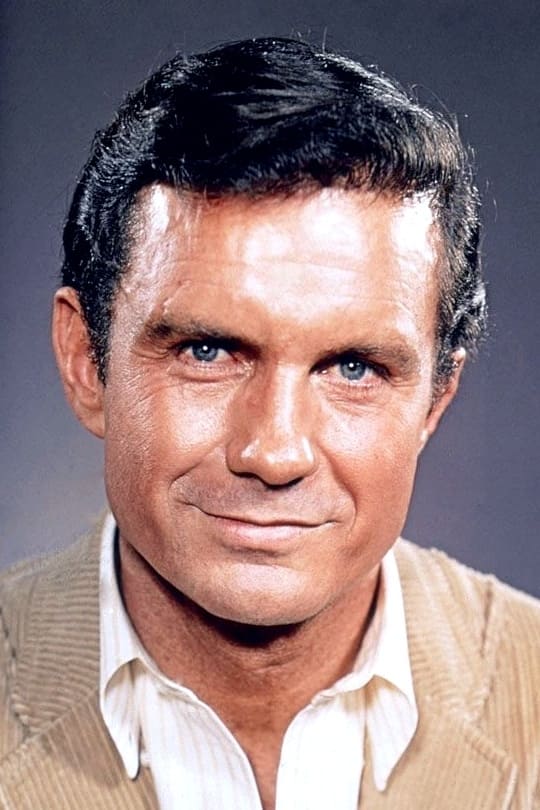
Cliff Robertson won the Academy Award for Best Actor in 1969 for ‘Charly’. In the years that followed he reported professional repercussions after exposing a financial issue involving a studio executive. That period coincided with fewer major studio roles.
He later returned to steady work through television movies and supporting parts while maintaining interests outside acting. The combination of earlier industry conflict and a pivot to smaller screen projects reduced his visibility in big theatrical releases for an extended time.
Kim Basinger
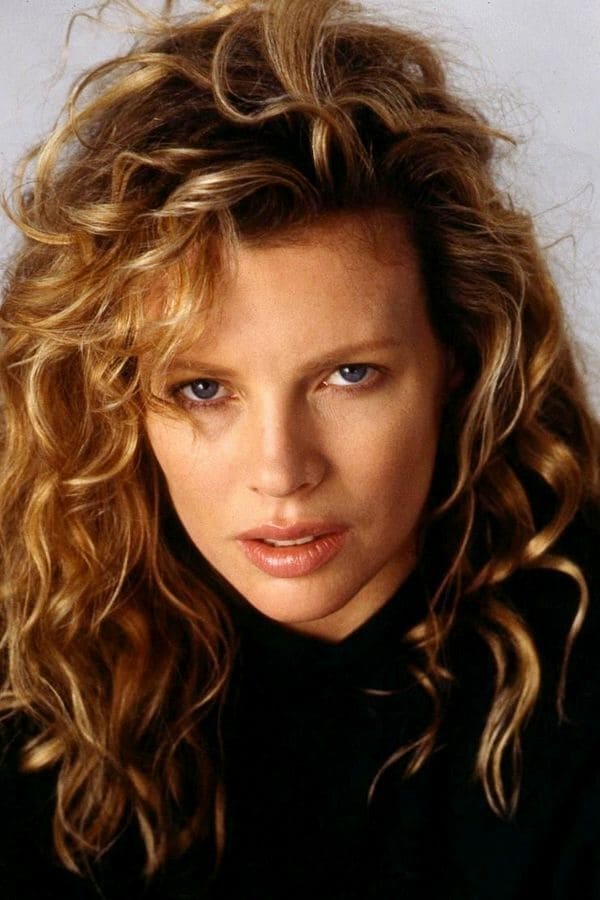
Kim Basinger earned the Academy Award for Best Supporting Actress in 1998 for ‘L.A. Confidential’. She then alternated between extended breaks and selective roles in mid budget films and thrillers that did not always receive wide promotional support.
She also focused on personal commitments and business interests. Those choices, along with long intervals between projects, decreased her presence in year round awards chatter and mainstream campaigns even though she continued to take roles across film and television.
Gwyneth Paltrow

Gwyneth Paltrow received the Academy Award for Best Actress in 1999 for ‘Shakespeare in Love’. She maintained screen work but gradually shifted attention to building a lifestyle company and related ventures that required sustained time and public focus.
Her acting choices became more selective, with appearances in franchise films and occasional dramas while long stretches were devoted to entrepreneurial work. That balance kept her in the news for reasons beyond acting and reduced the number of leading roles in continuous theatrical rotation.
Share your picks in the comments and tell us which award winning actors you think quietly slipped out of the spotlight.