


Top 20 Actors You Didn’t Know Started In Stand-Up

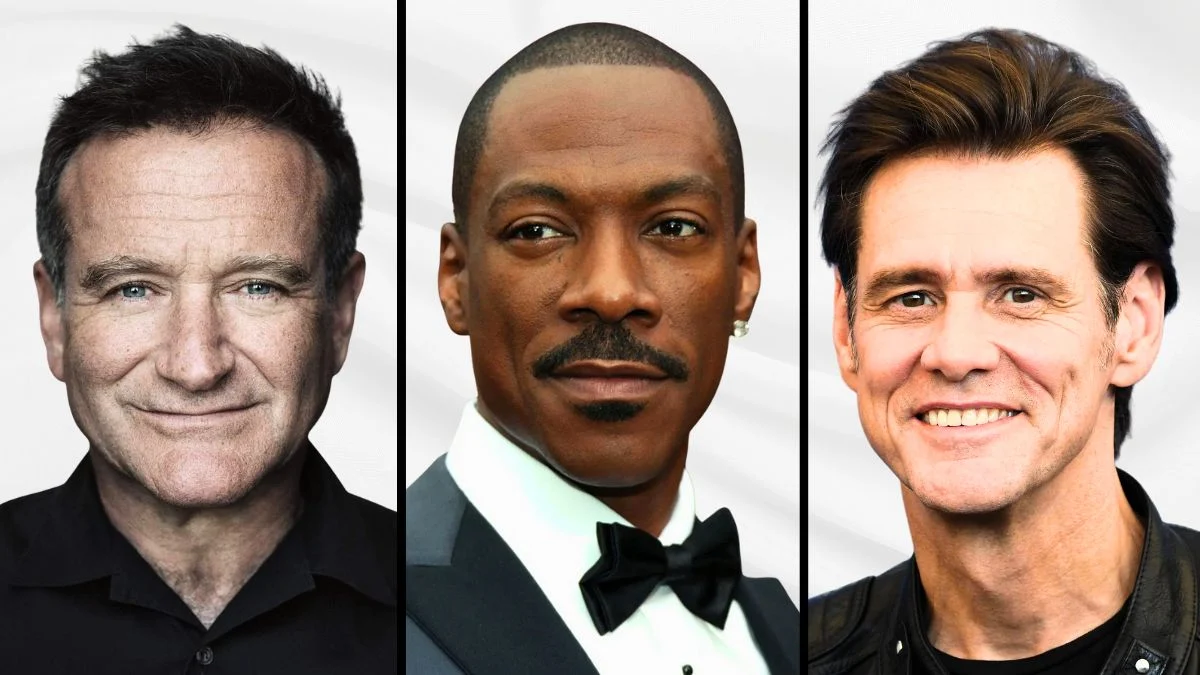


Some of the biggest names in movies and television first learned to read a room with a mic in hand and a crowd that did not always play nice. Before scripts and sets came late nights, open mics, and the kind of trial by fire that teaches timing, presence, and how to turn silence into laughs. That background shaped how these stars deliver lines, build characters, and carry scenes that stick with viewers long after the credits roll.
This list looks at actors who cut their teeth in stand up before landing roles that made them household names. You will see how early gigs in clubs and college rooms led to auditions, breakout appearances, and the projects that changed their careers. Along the way you will spot the patterns that connect a tight five on stage to unforgettable moments in shows like ‘Saturday Night Live’, ‘In Living Color’, and ‘The Office’ as well as films that still play on weekends.
Robin Williams
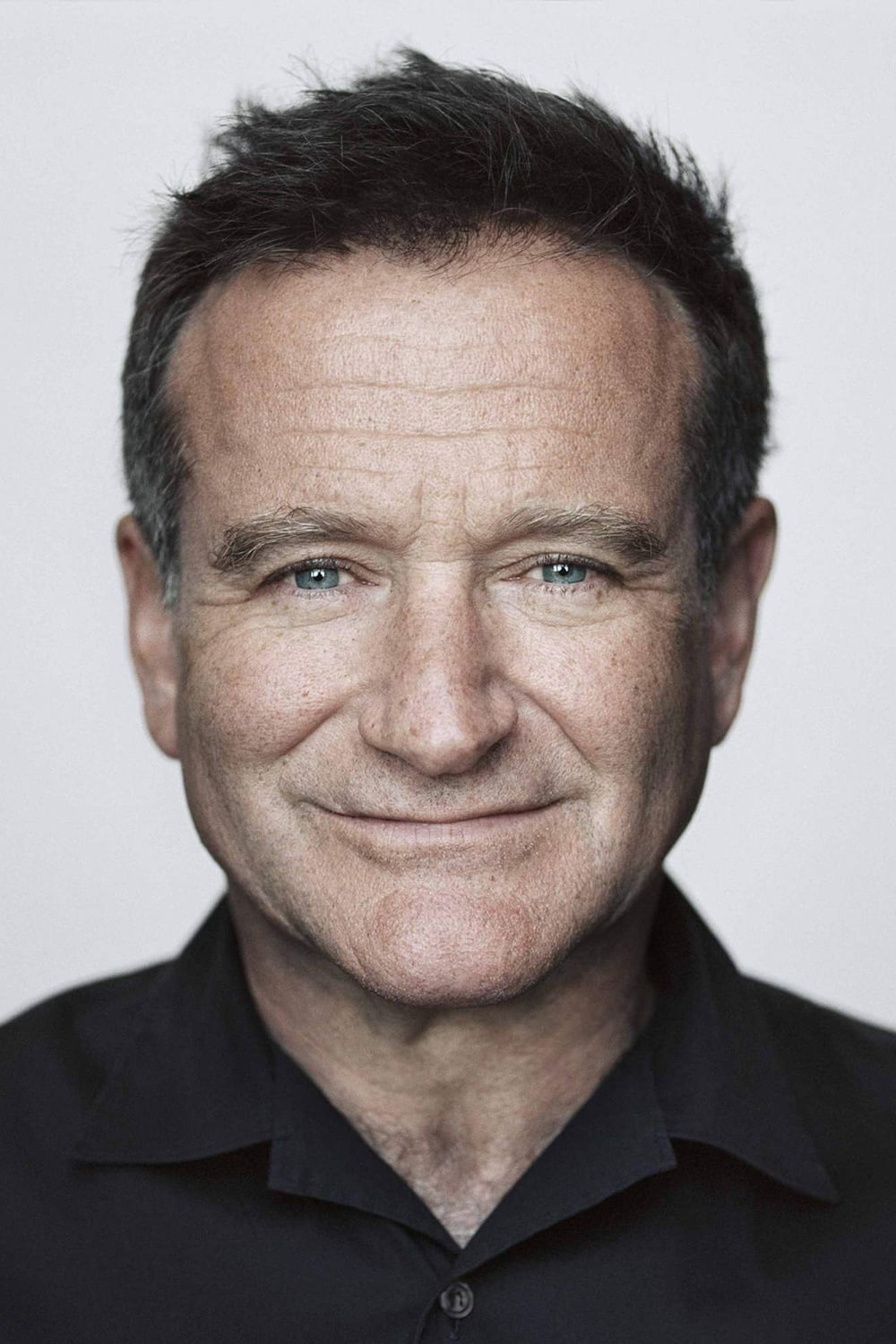
Williams started in the San Francisco and Los Angeles club circuits where rapid fire improvisation turned small rooms into whirlwinds. His sets mixed voices, characters, and physical bits that he honed night after night which helped him stand out among a crowded scene.
That live wire energy carried straight into television with ‘Mork and Mindy’ and later into films like ‘Good Morning Vietnam’ and ‘Mrs Doubtfire’. The ability to switch voices and characters mid sentence came from the same club instincts he used when a crowd needed a jolt.
Jim Carrey
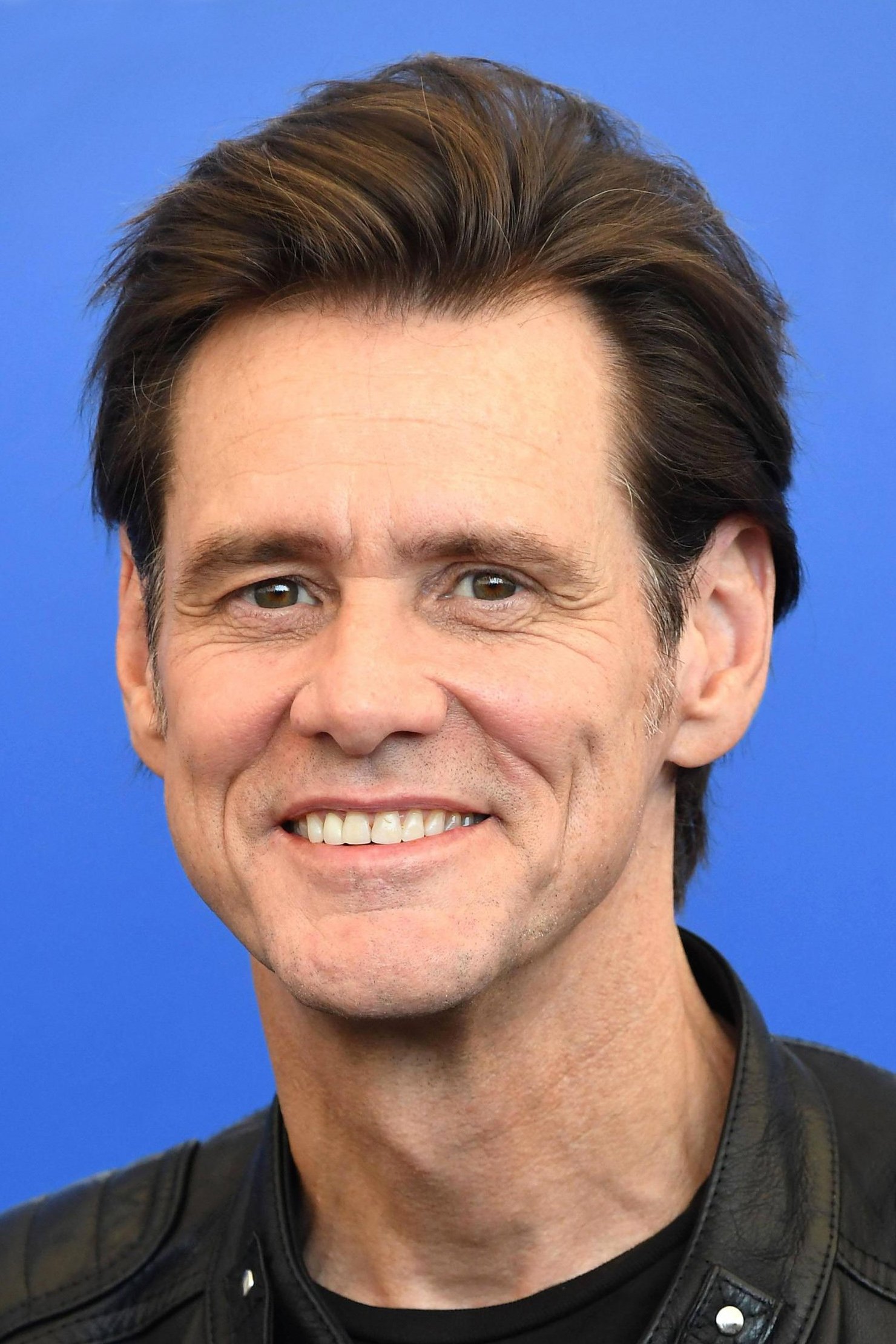
Carrey began performing impressions at Toronto venues while still a teenager and spent years refining a high energy style built on faces and elastic movement. Those early club sets taught him how to push a premise visually until the room cracked.
That physical command became a calling card on ‘In Living Color’ and then launched film roles in ‘Ace Ventura Pet Detective’ and ‘The Mask’. The stage discipline of building to a payoff helped him carry scenes that rely on commitment from first beat to final button.
Eddie Murphy
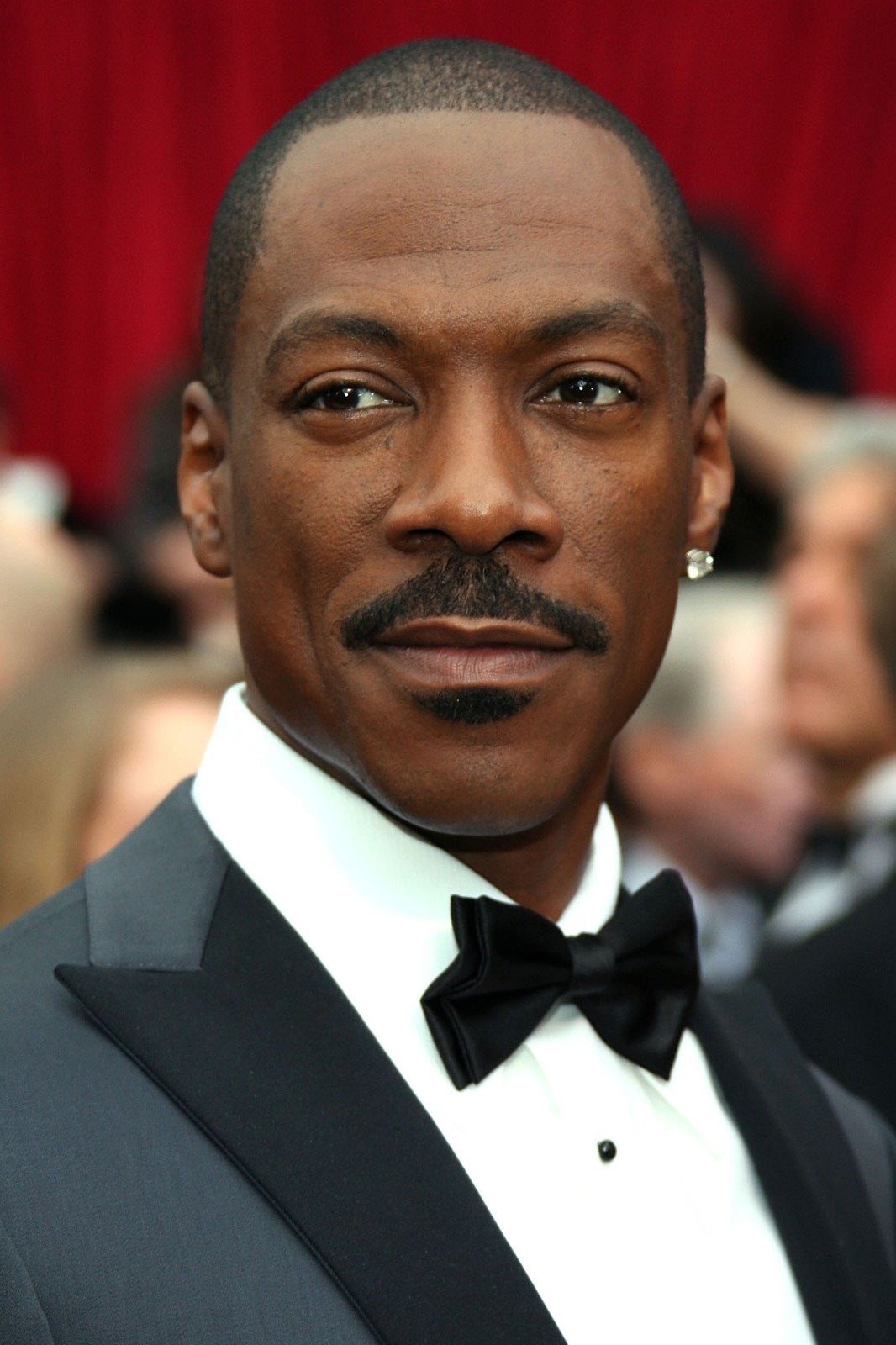
Murphy was working New York clubs before his eighteenth birthday and quickly developed a confident stage presence with sharp stories and voices. The momentum from packed rooms led to a spot on ‘Saturday Night Live’ where he turned sketches into weekly events.
That same command of character powered film hits like ’48 Hrs’ and ‘Beverly Hills Cop’. His stand up training showed in the way he held the camera during long takes and kept jokes landing while the plot moved forward.
Adam Sandler
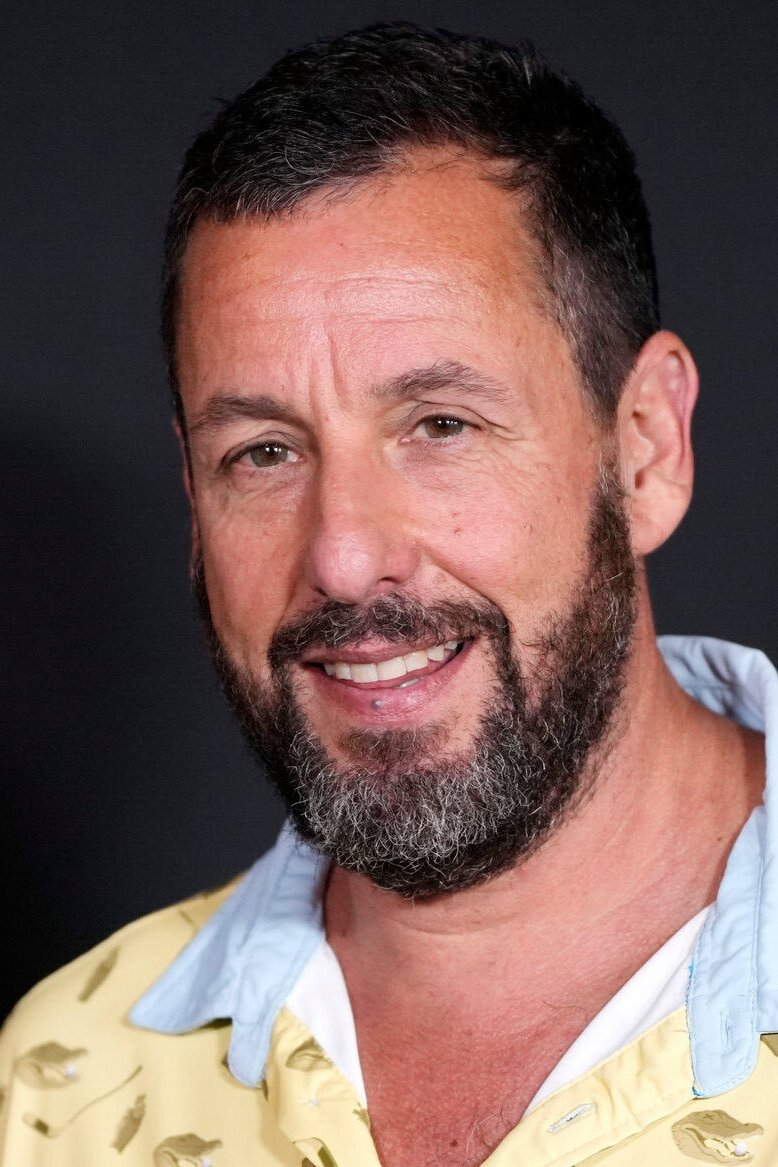
Sandler performed stand up in Boston and New York while attending college and after graduation he kept building a set built on songs and offbeat stories. A recommendation from the circuit helped him join ‘Saturday Night Live’ where he brought guitar bits and oddball characters to national TV.
Those stage habits shaped his film work in ‘Billy Madison’ and ‘Happy Gilmore’. The rhythm of a song joke and the structure of a club set helped him pace scenes so a punchline arrived at just the right moment.
Steve Martin
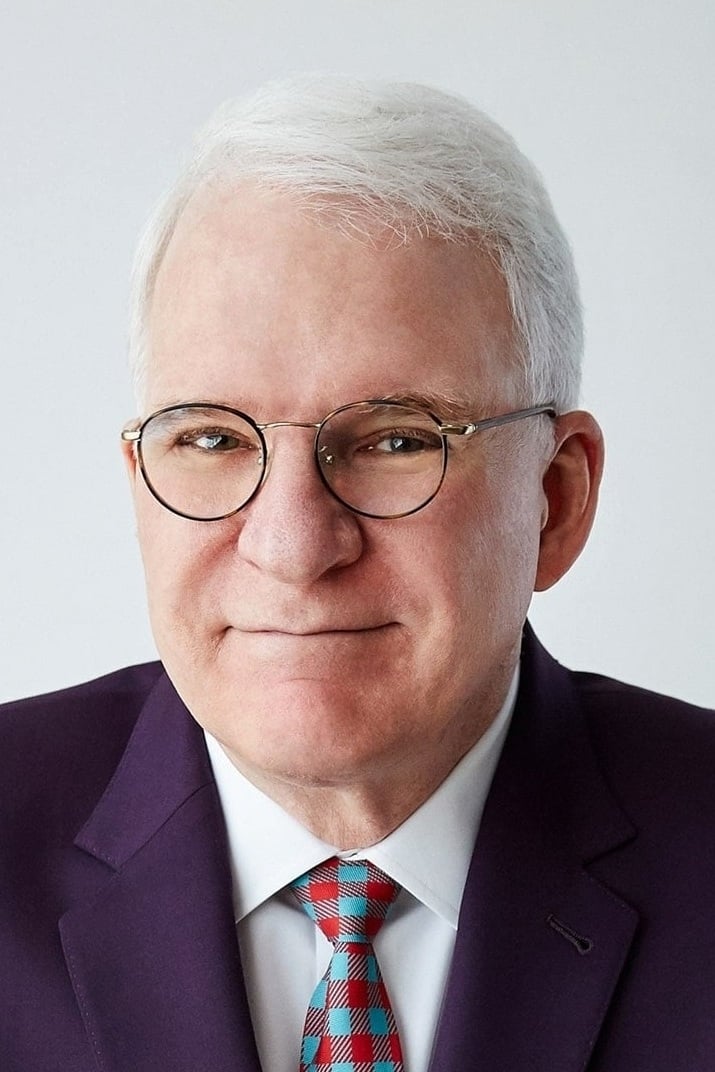
Martin spent years on the road as a stand up who mixed banjo playing, magic gags, and meta humor that filled stadiums by the late seventies. The act relied on precise timing and a playful approach to audience expectations.
That precision translated to screen roles in ‘The Jerk’ and ‘Planes Trains and Automobiles’. The careful build of a bit on stage matched how he shaped character arcs so that small choices paid off in the final scene.
Whoopi Goldberg
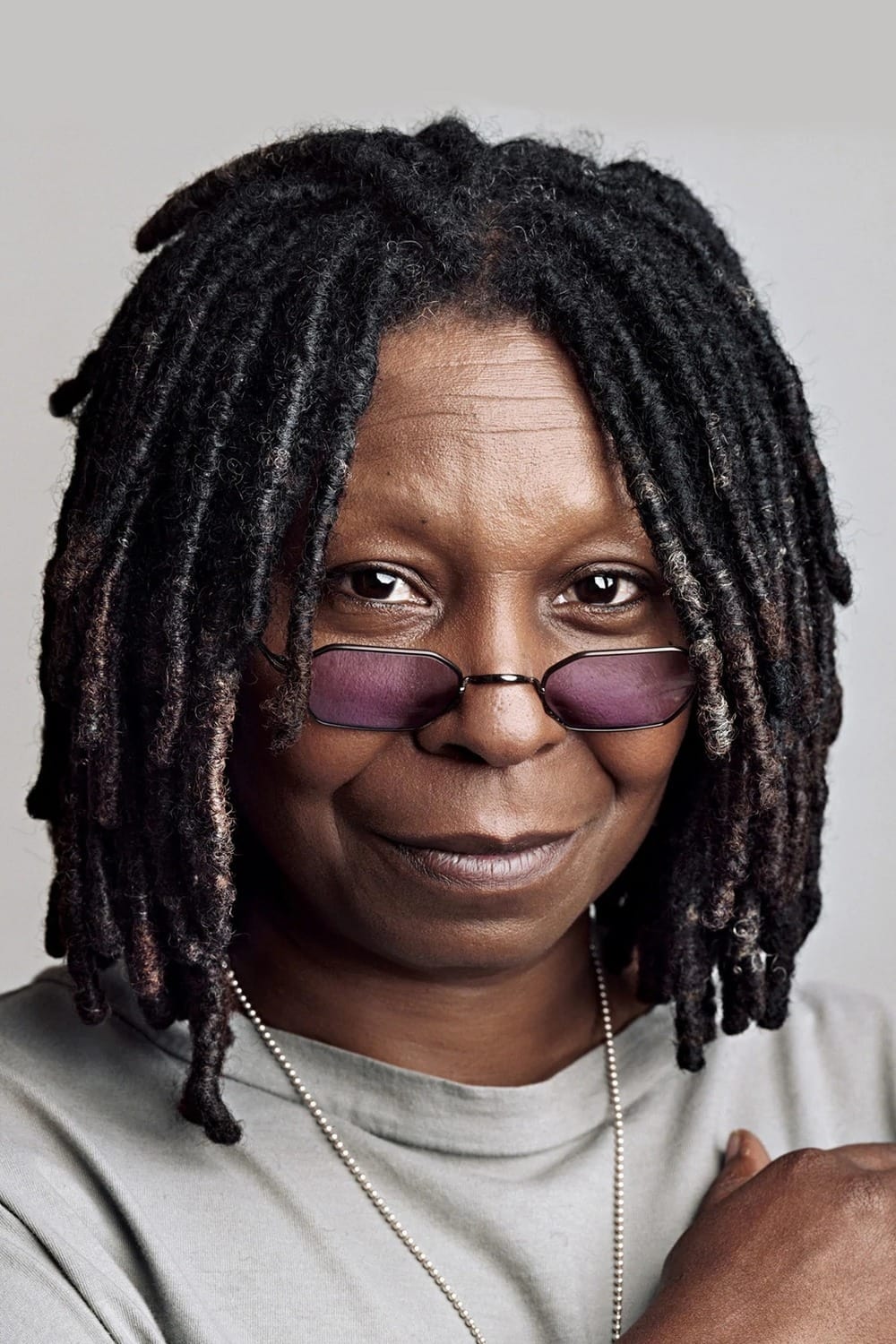
Goldberg developed solo stage pieces in Bay Area theaters and clubs before taking them to Broadway. Her stand up blended character monologues with sharp social observation that showcased range and control.
That range opened doors to film with ‘The Color Purple’ and later to global fame in ‘Ghost’. The ability to shift perspective mid performance came straight from the character work she built on live stages.
Jamie Foxx
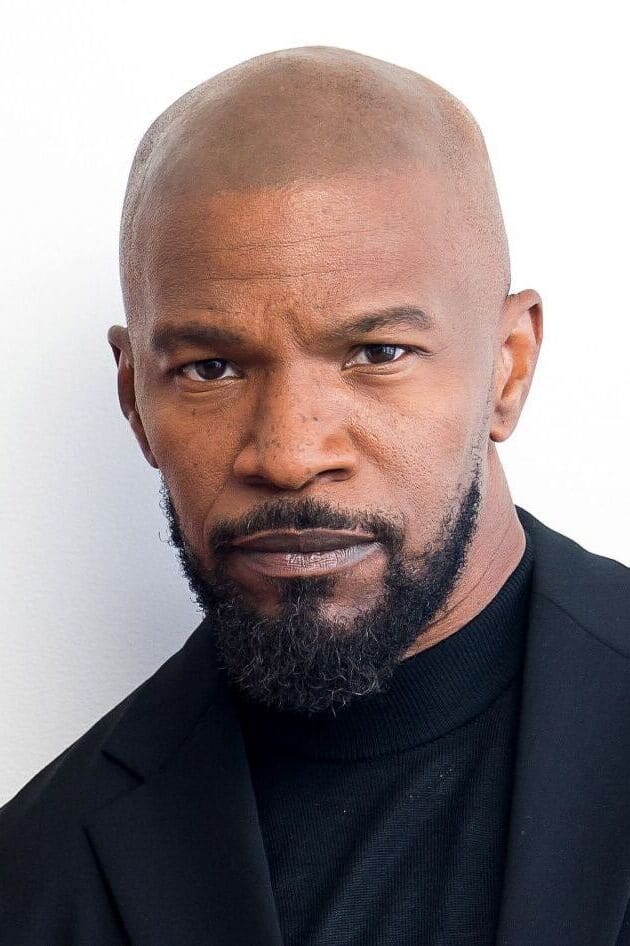
Foxx won amateur nights at Los Angeles clubs and built a musical comedy set that mixed piano skills with crowd work. That stage confidence helped him join the cast of ‘In Living Color’ where he sharpened sketch instincts.
Those tools carried into acting with ‘Any Given Sunday’ and later ‘Ray’. The musical timing that worked in clubs supported nuanced performances where silence and breath turned into part of the scene.
Tim Allen
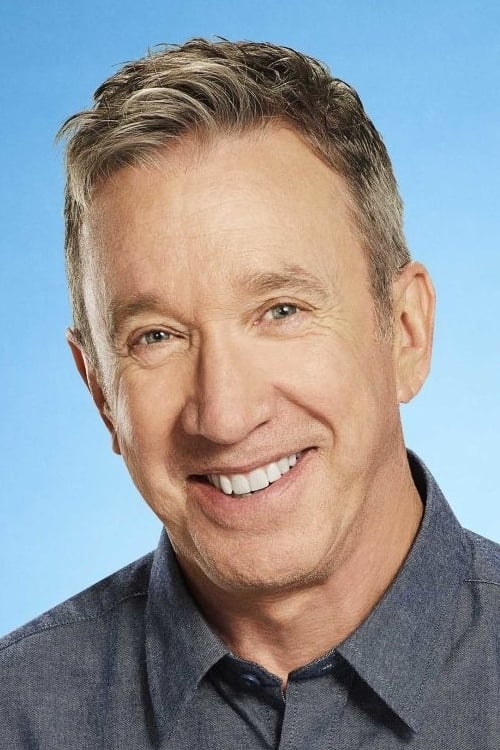
Allen worked Detroit clubs and refined material about tools and home projects that resonated with local crowds. The set grew into a clear voice that made his persona easy to book and easy to build around.
Television used that persona with ‘Home Improvement’ which led to film work in ‘The Santa Clause’ and voice acting in ‘Toy Story’. The club tested topics gave writers a reliable foundation for stories that lift quick.
Chris Rock
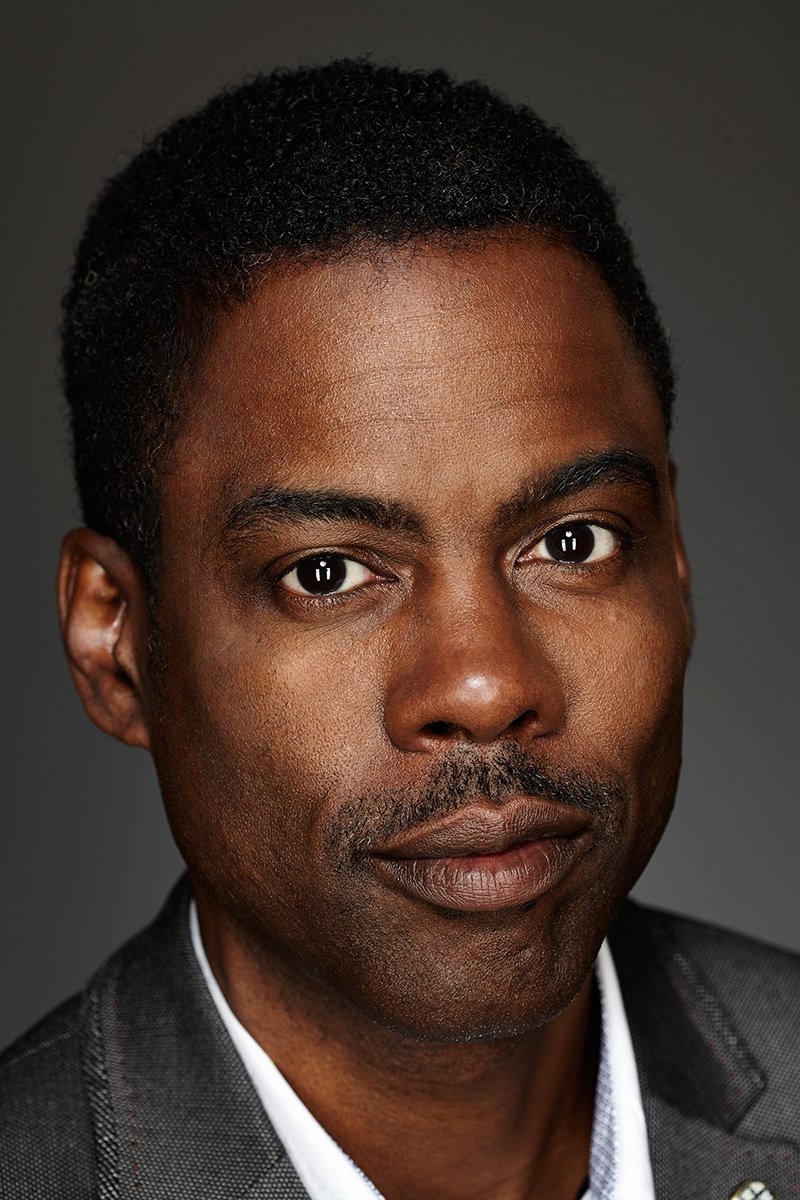
Rock came up in New York clubs and learned to develop a premise through repetition and angles until it landed hard. Those nights built a reputation that led to a spot on ‘Saturday Night Live’ and specials that raised his profile.
Film and television roles followed with ‘New Jack City’ and later ‘Everybody Hates Chris’. The club habit of framing and reframing a point helped him write scenes that build to a clean payoff.
Kevin Hart
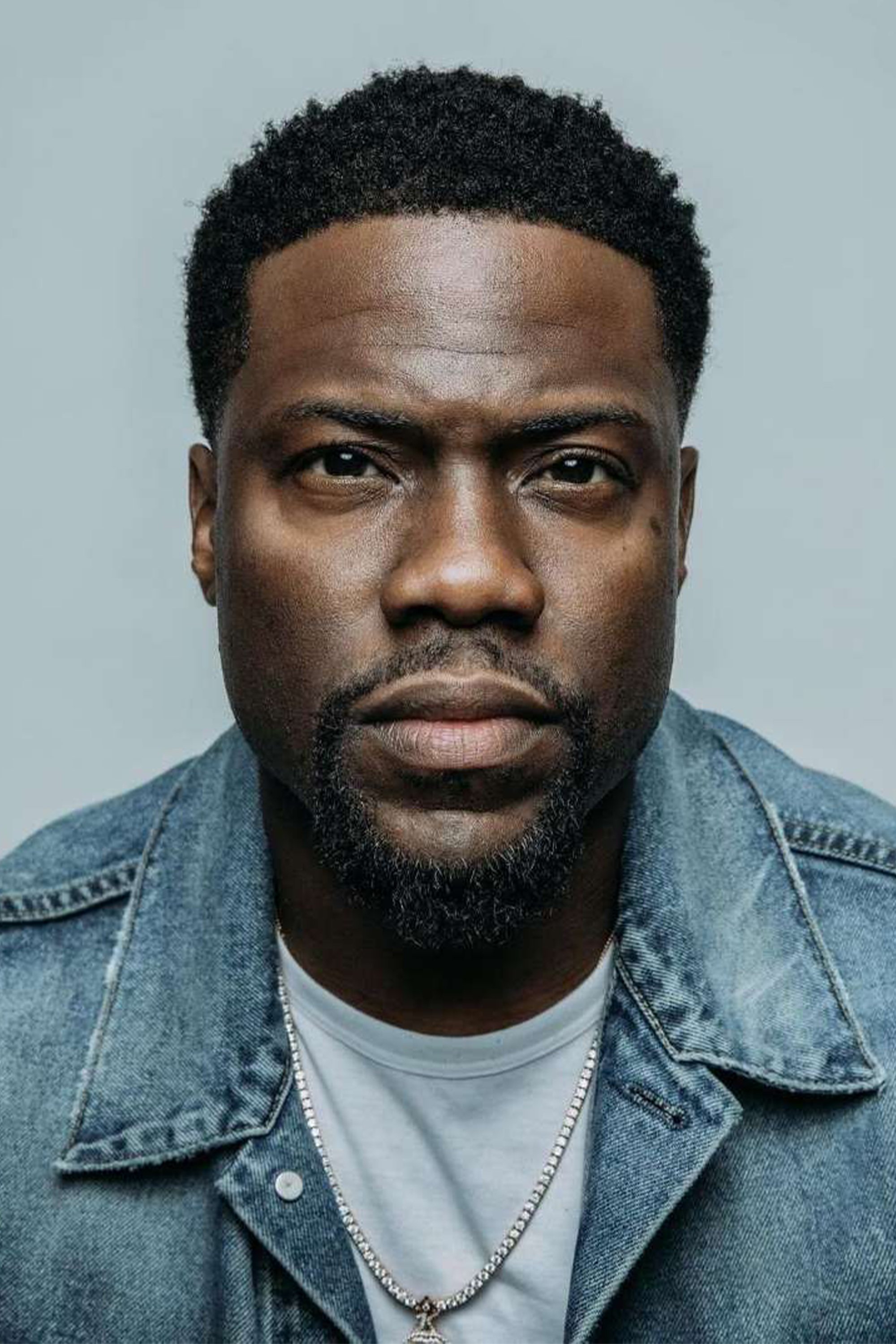
Hart started in Philadelphia rooms where he took setbacks and used them to sharpen delivery and structure. Frequent sets allowed him to test new tags and learn how to control pace under pressure.
That relentless approach led to film roles in ‘Think Like a Man’ and ‘Ride Along’. The touring schedule also trained him to carry promotional interviews and ensemble scenes with a steady tempo.
Seth Rogen
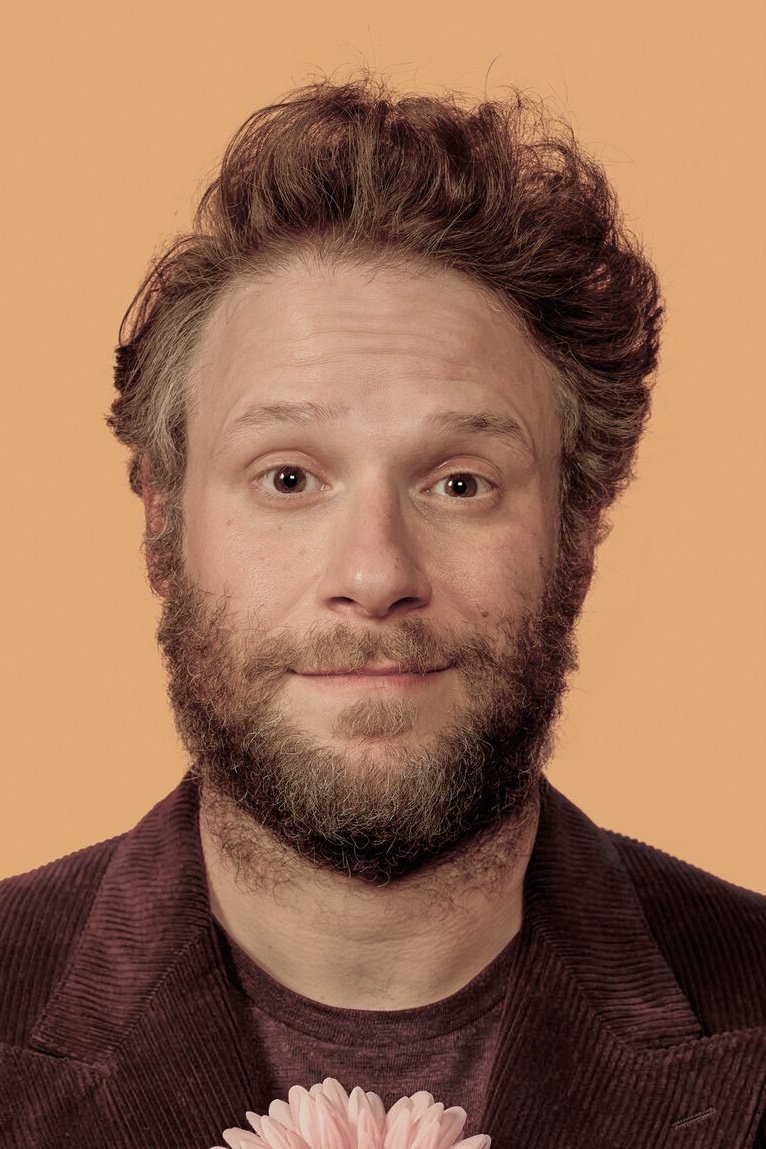
Rogen performed stand up in Vancouver as a teenager and entered local competitions that put him on casting radars. His material leaned on honest stories and a casual delivery that felt conversational.
Those qualities fit naturally in ‘Freaks and Geeks’ and later in films like ‘Superbad’. The comfort with unscripted rhythms helped him handle improvisation on set without losing the thread of a scene.
Donald Glover

Glover balanced stand up sets with writing work and built hours in small venues while shaping a voice that blended stories and music. The club reps taught him how to shift tone without losing the audience.
That flexibility shows in ‘Community’ and ‘Atlanta’. The ability to move from comedy to quiet moments comes from the same instincts he used to steer a room during longer bits.
Ken Jeong
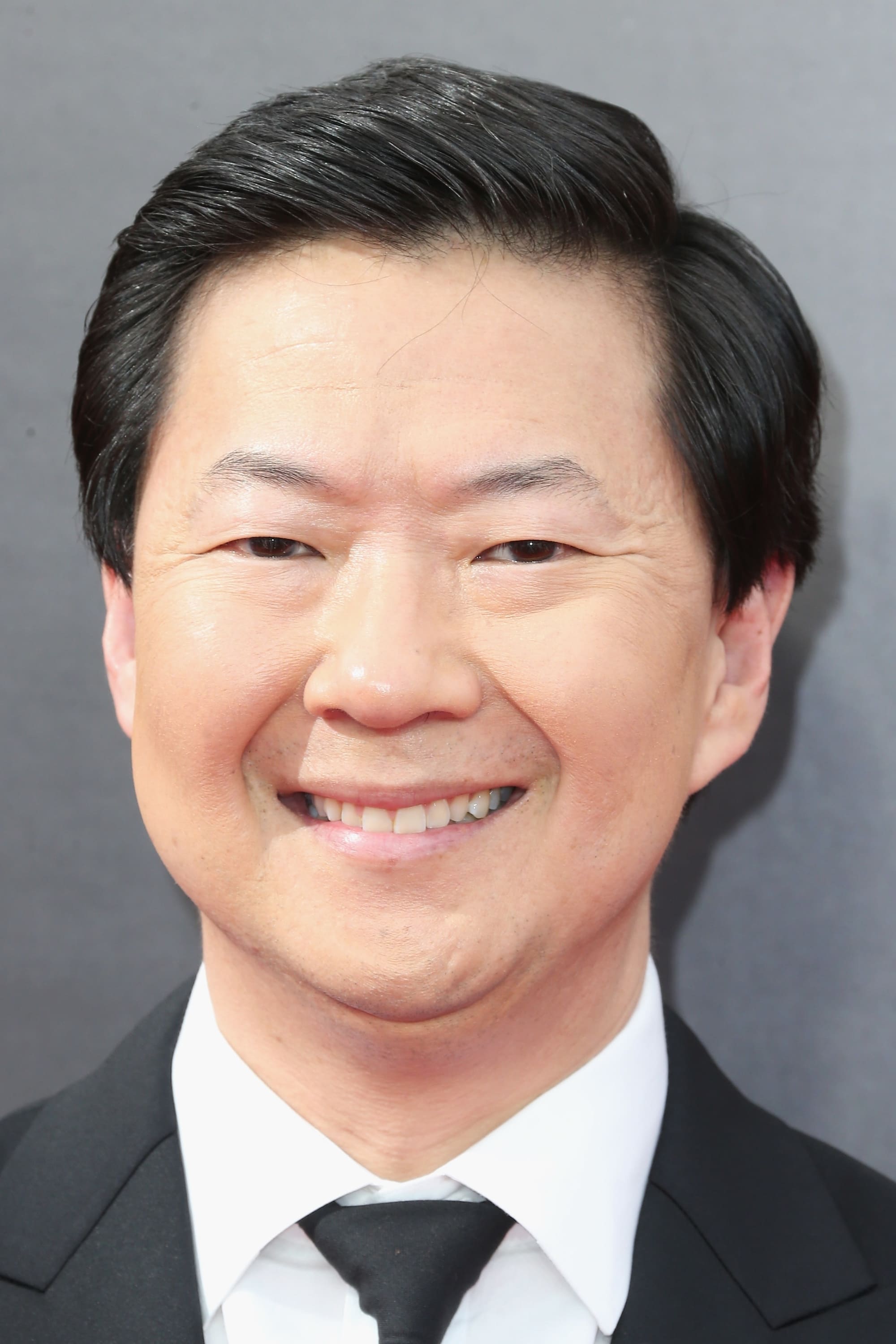
Jeong practiced medicine while doing open mics and club sets at night which taught him to maximize short stage time. His material drew from real life and used precise wording to fit tight slots.
A small part in ‘Knocked Up’ led to ‘The Hangover’ and a recurring role on ‘Community’. The stand up habit of committing fully to a premise helped him make brief scenes feel memorable.
Tiffany Haddish
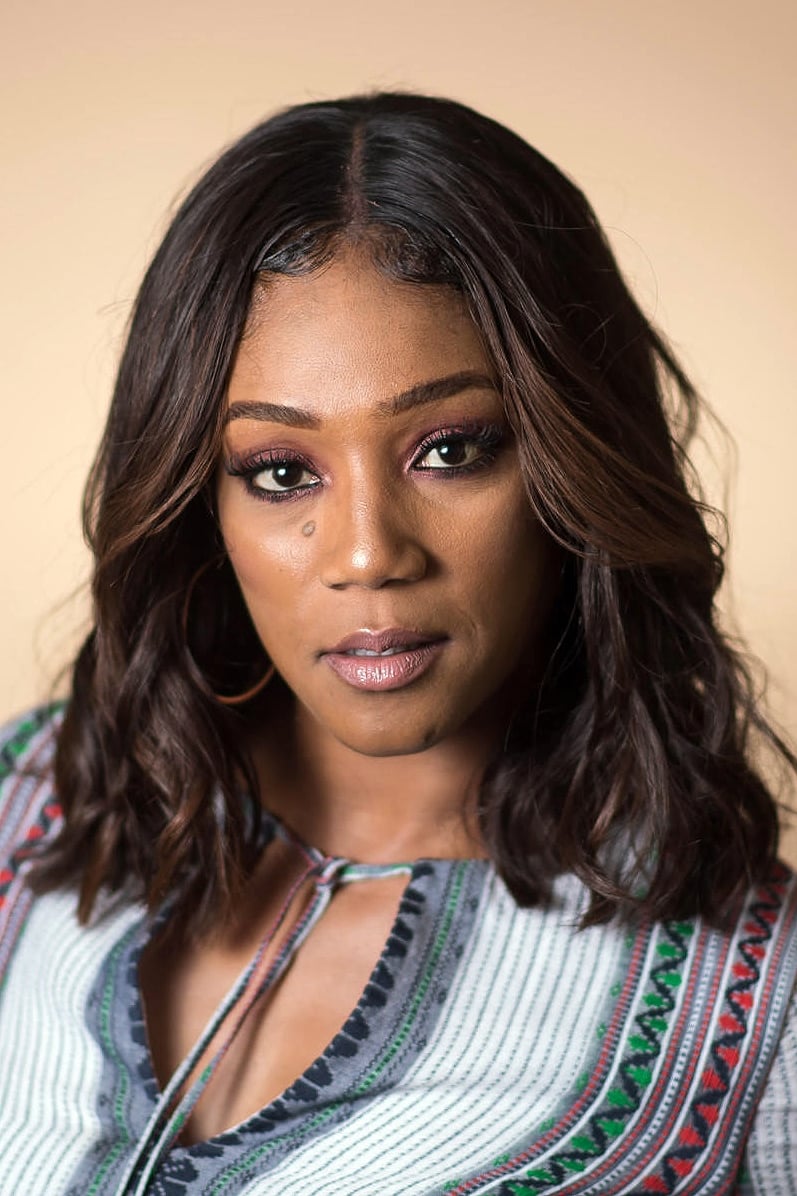
Haddish began performing at comedy camps and clubs in Los Angeles where she learned crowd work that turns surprises into momentum. Regular stage time built confidence and a toolbox for handling any room.
Those skills carried into ‘Girls Trip’ and voice roles across animation. The same quick read of audience energy translates to sets where timing matters and reactions can shift a scene.
Kumail Nanjiani
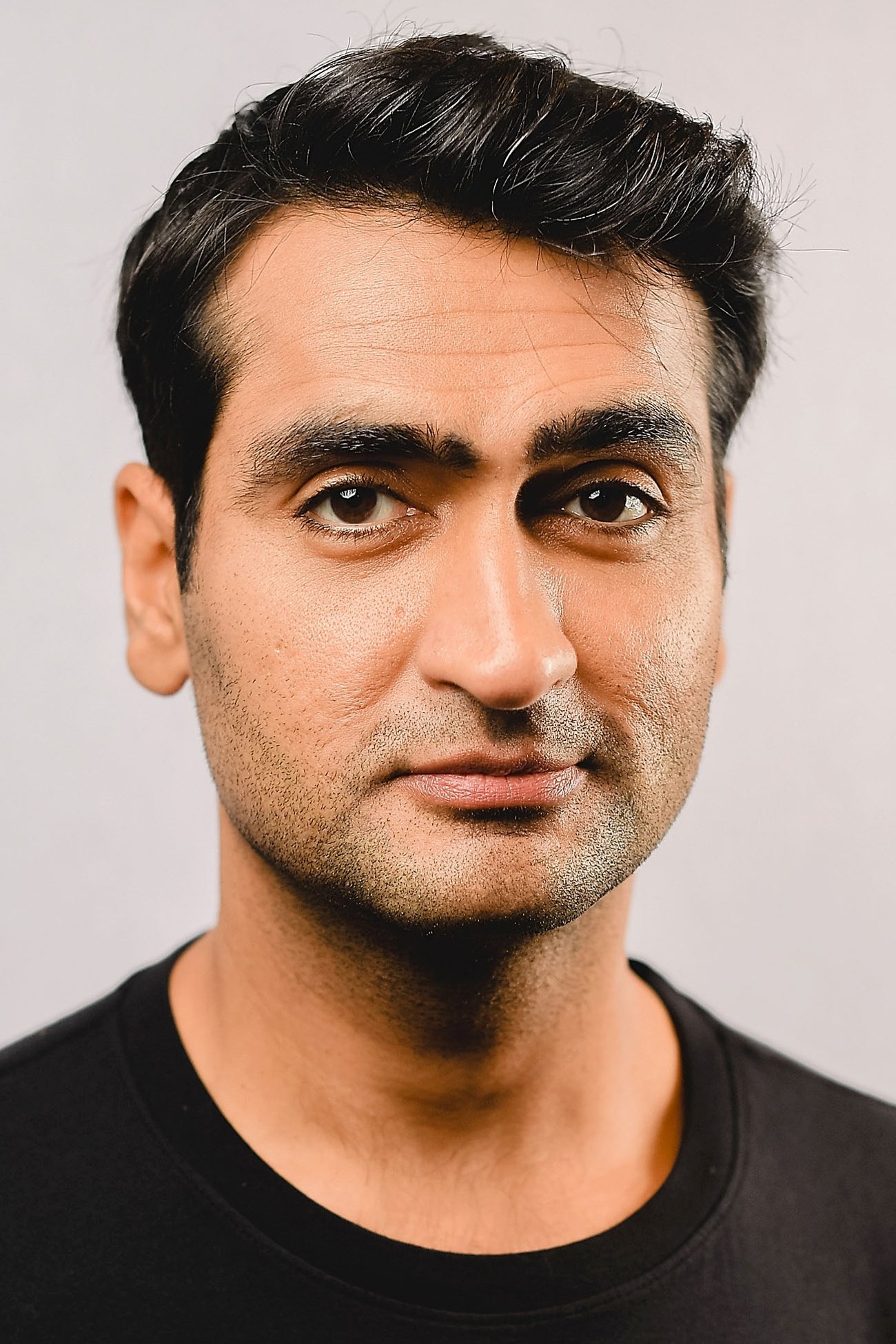
Nanjiani performed stand up in Chicago and New York with a focus on storytelling and precise wording. He built a following through club sets and live shows that highlighted calm delivery.
Television took notice with ‘Silicon Valley’ and later work in ‘The Big Sick’. The structure of a long form bit informed how he shapes character beats and balances humor with emotion.
Bob Odenkirk
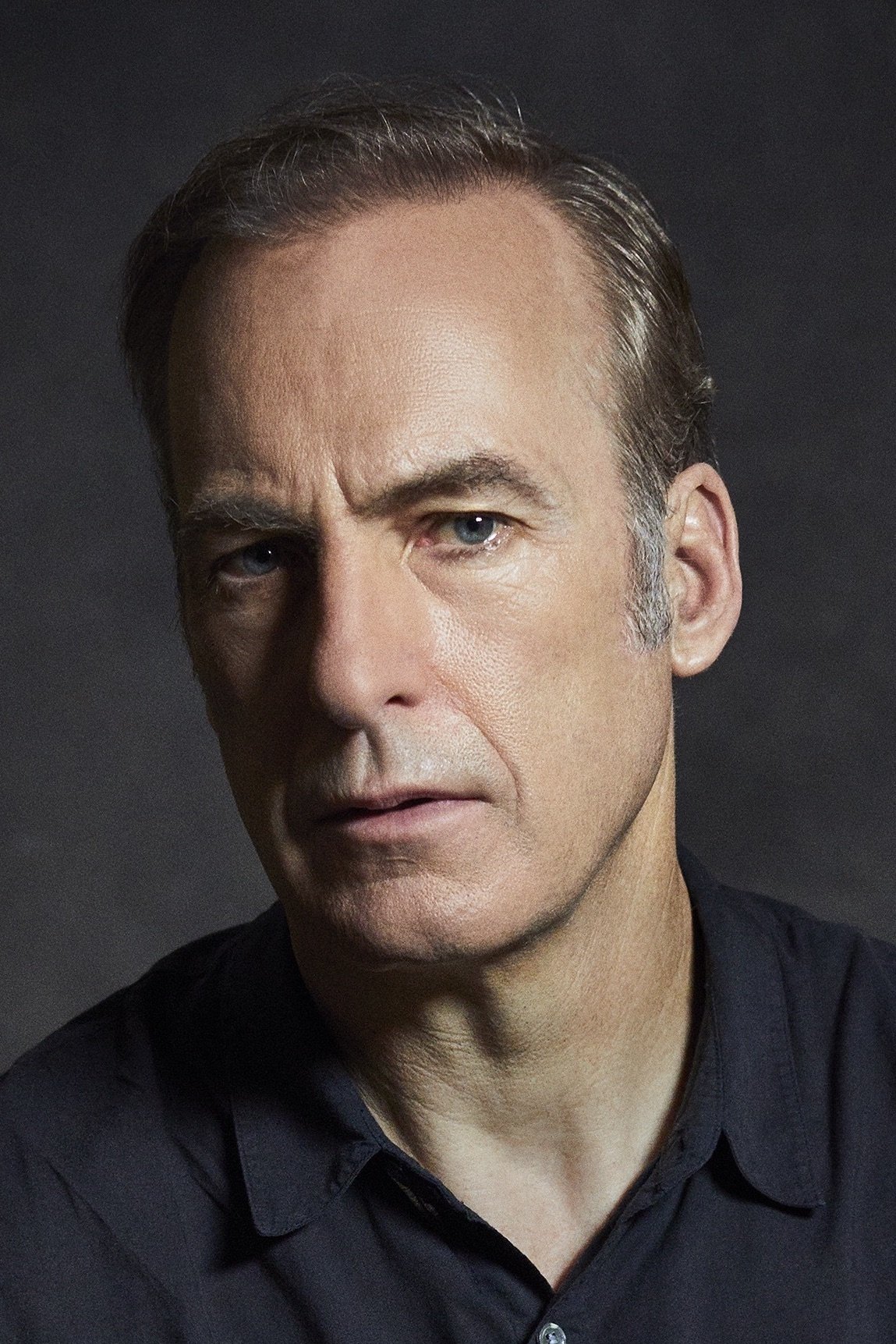
Odenkirk did stand up and sketch in Chicago where he learned to write and edit jokes on his feet. Stage time with experimental shows strengthened his sense for setup and misdirection.
That editing sense underpins ‘Mr Show’ and his dramatic turn in ‘Better Call Saul’. The discipline of trimming a bit to its core helped him deliver dialogue with clarity and weight.
Aisha Tyler

Tyler built her career with stand up in San Francisco and Los Angeles while hosting and touring. Club work trained her to manage rooms with different energies and demographics.
On screen that range supports roles in ‘Friends’ and voice work in ‘Archer’. The experience of adjusting tone set by set translates to performances that land across formats.
Jenny Slate
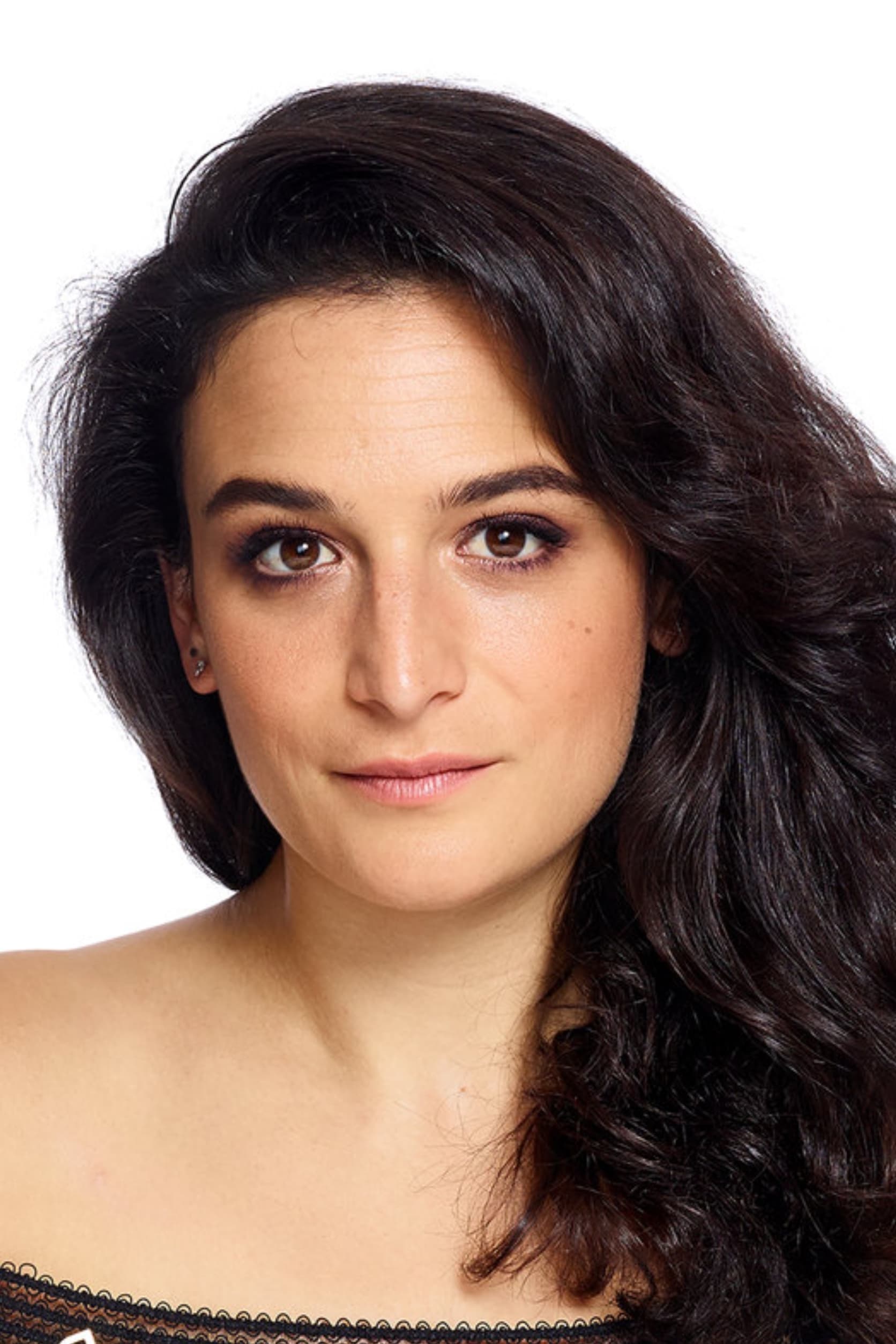
Slate performed stand up in New York and developed material that mixed character voices with personal stories. Small rooms gave her space to test unusual structures and find the right cadence.
Those experiments carried into ‘Saturday Night Live’ and later films like ‘Obvious Child’. The habit of blending vulnerability with crafted beats shows up in dialogue that feels natural.
Aziz Ansari
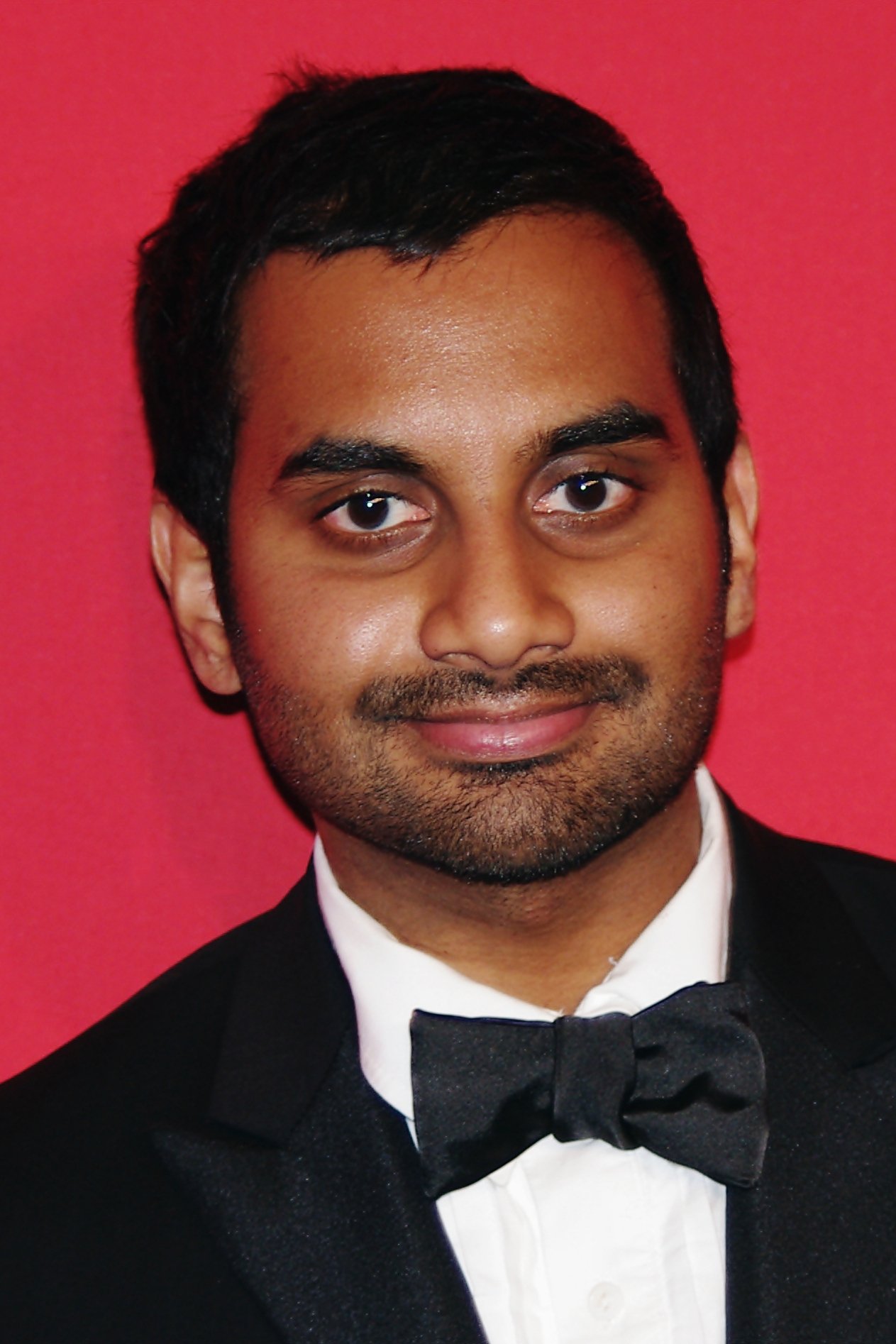
Ansari started in college shows and New York clubs where he formed a sketch group while keeping a stand up schedule. The mix of formats taught him to write and perform with clear perspective.
That clarity is visible in ‘Parks and Recreation’ and ‘Master of None’. The stage practice of building a theme over an hour supports episodes that thread humor through grounded scenes.
Maria Bamford

Bamford developed a stand up voice built on characters and tonal shifts in Minneapolis and Los Angeles rooms. She used small spaces to craft intricate bits that rely on precision and empathy.
Television roles followed with ‘Arrested Development’ and a starring turn in ‘Lady Dynamite’. The same control she uses on stage lets her move between big laughs and quiet beats without losing focus.
Share your favorite surprise from the list in the comments and tell us which actor’s club days you want to read more about.