


Top 20 Amazing Cyberpunk Movies

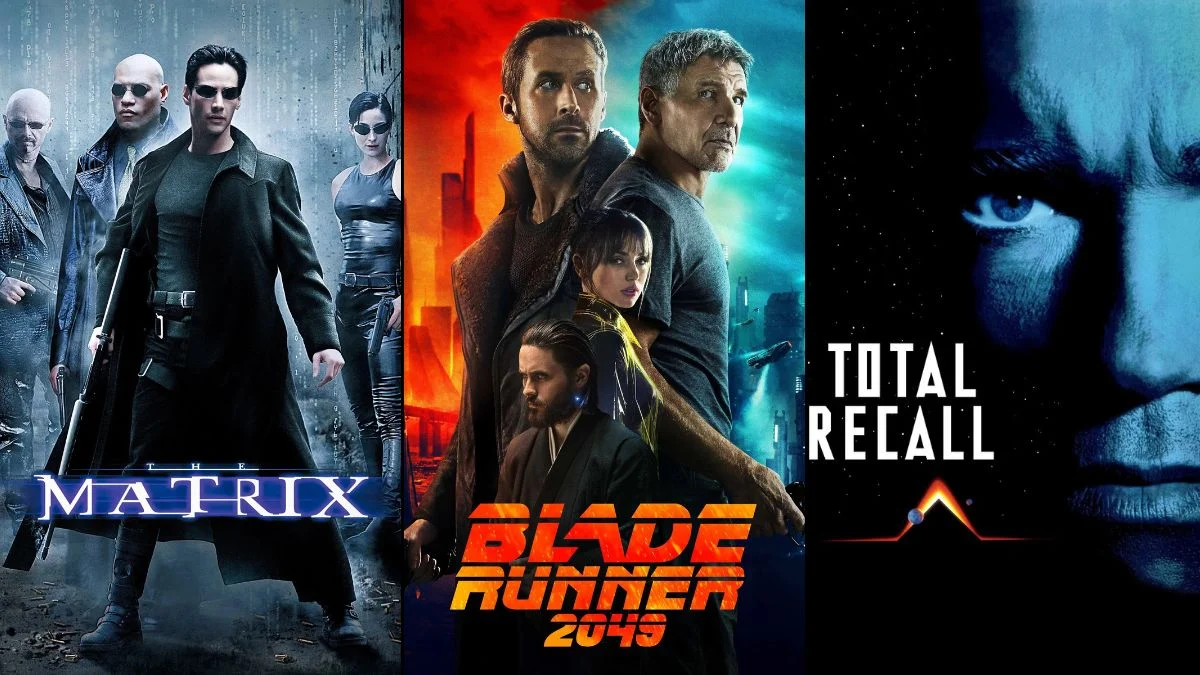


Cyberpunk movies drop viewers into neon cities, corporate empires, and hacked realities where technology reshapes identity and power. These films mix cutting edge gadgets with street level grit and ask what it means to stay human when machines touch every part of life. From anime landmarks to live action epics, the genre stretches across continents and styles while circling the same big questions. Here are twenty standout films that map the evolution of cyberpunk on screen.
‘Blade Runner’ (1982)
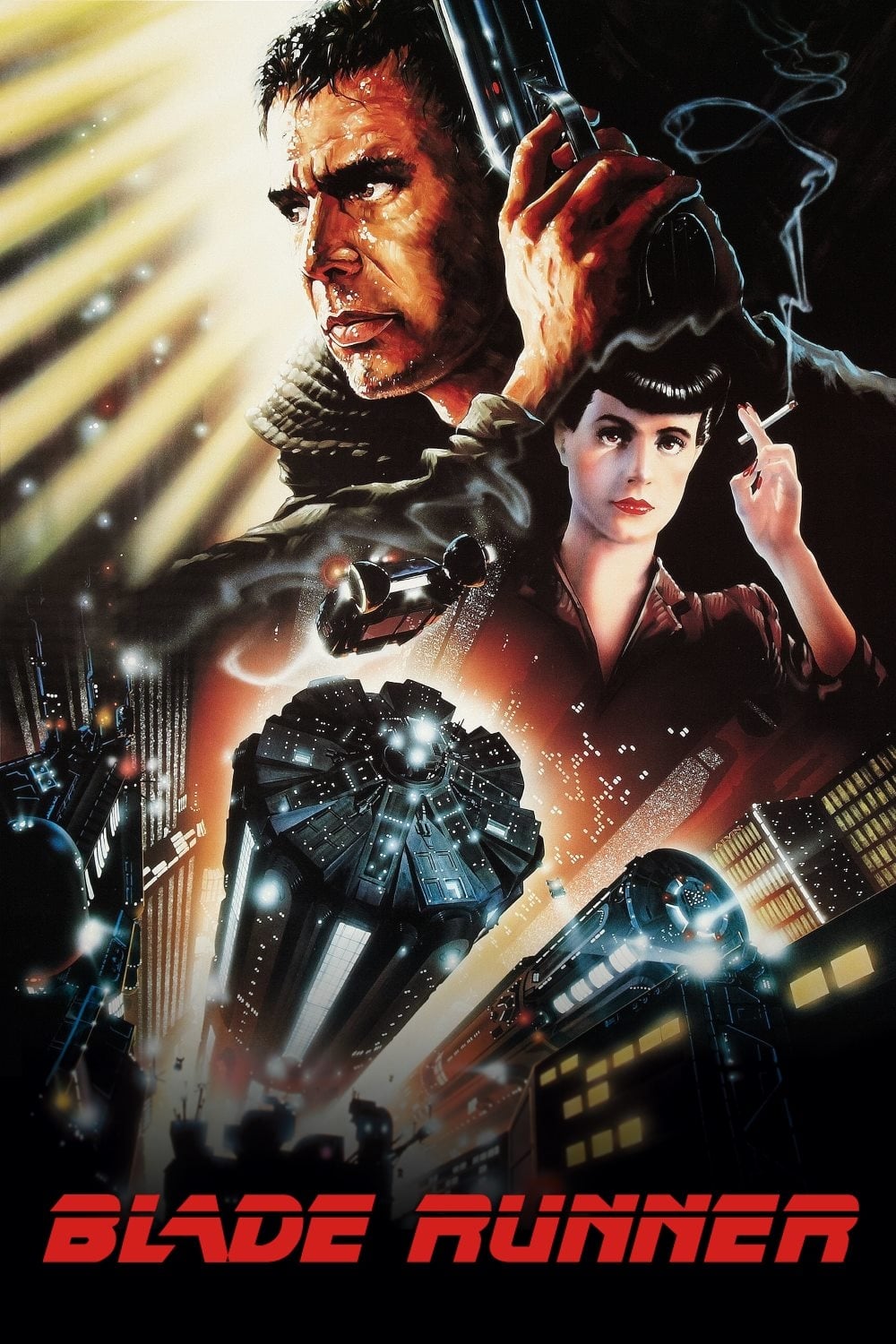
Ridley Scott adapts Philip K. Dick’s story about a cop hunting bioengineered replicants in a rain soaked Los Angeles. The film established the genre’s look with crowded skylines, off world ads, and retrofitted tech. Production design by Lawrence G. Paull and visuals by Douglas Trumbull shaped decades of sci fi worldbuilding. Vangelis’s synthesizer score and the Voight Kampff test made the human and machine divide feel unsettlingly thin.
‘Blade Runner 2049’ (2017)
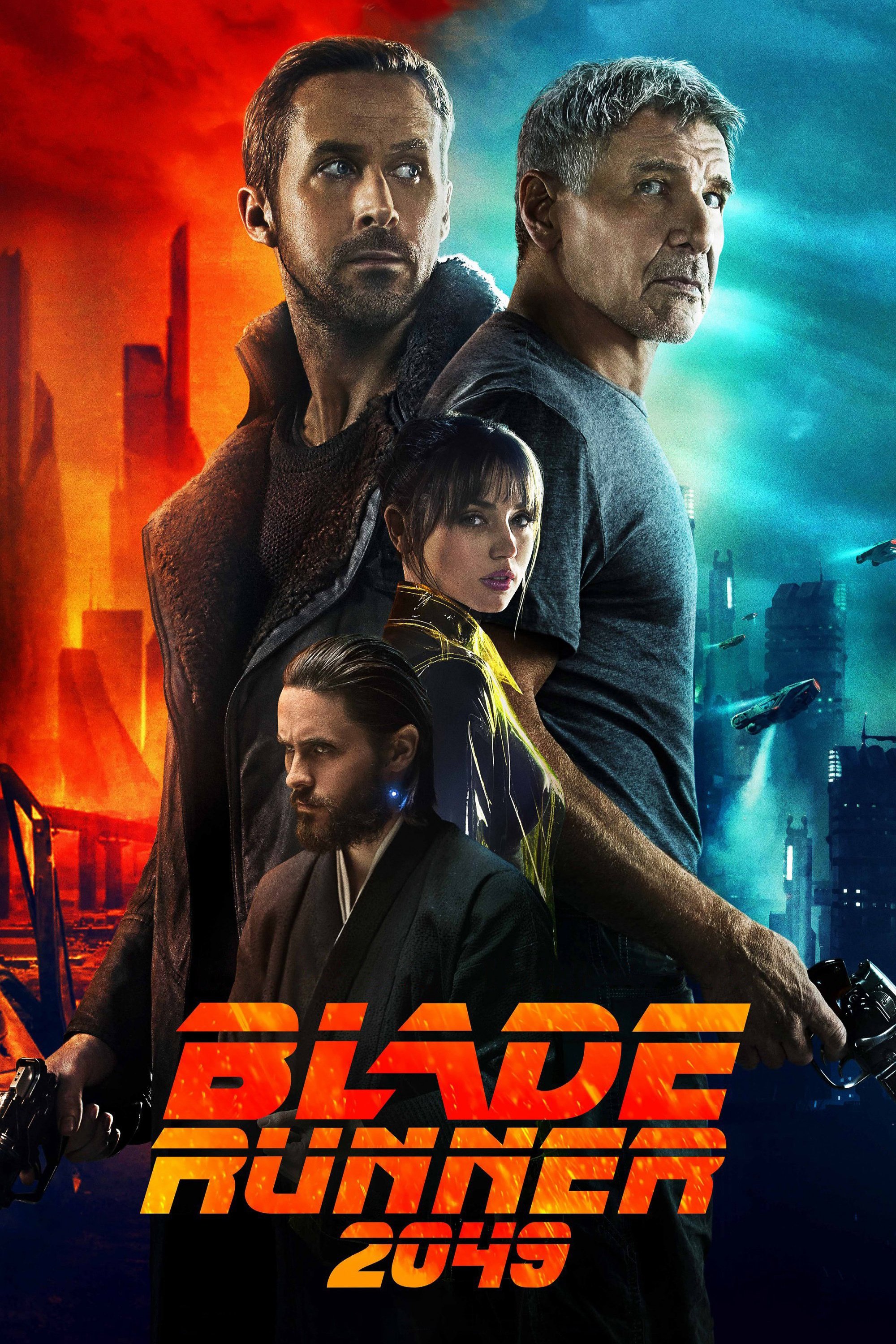
Denis Villeneuve continues the story with a new blade runner named K who uncovers a long buried secret. The film expands the world with abandoned industrial zones, data farms, and black market memory labs. Roger Deakins’s cinematography uses stark light and color to map a colder future. The sequel also deepens replicant history through Wallace Corporation technology and memory fabrication.
‘Ghost in the Shell’ (1995)

Mamoru Oshii’s anime follows Section 9 agent Motoko Kusanagi as she hunts a hacker called the Puppet Master. The film explores cyberbrains, full body prosthetics, and the legal status of sentient AI. Its cityscapes blend analog grime with high bandwidth networks and public surveillance. The closing sequence poses legal and philosophical questions about identity after networked consciousness.
‘Akira’ (1988)

Set in Neo Tokyo, this anime adapts Katsuhiro Otomo’s manga about government experiments and uncontrolled psychic power. The film shows biker subcultures, military labs, and decaying infrastructure tied to rapid urban growth. Hand drawn animation captures dense streets and flashing signage with meticulous detail. Its depiction of social unrest and unauthorized testing links technology to political collapse.
‘The Matrix’ (1999)
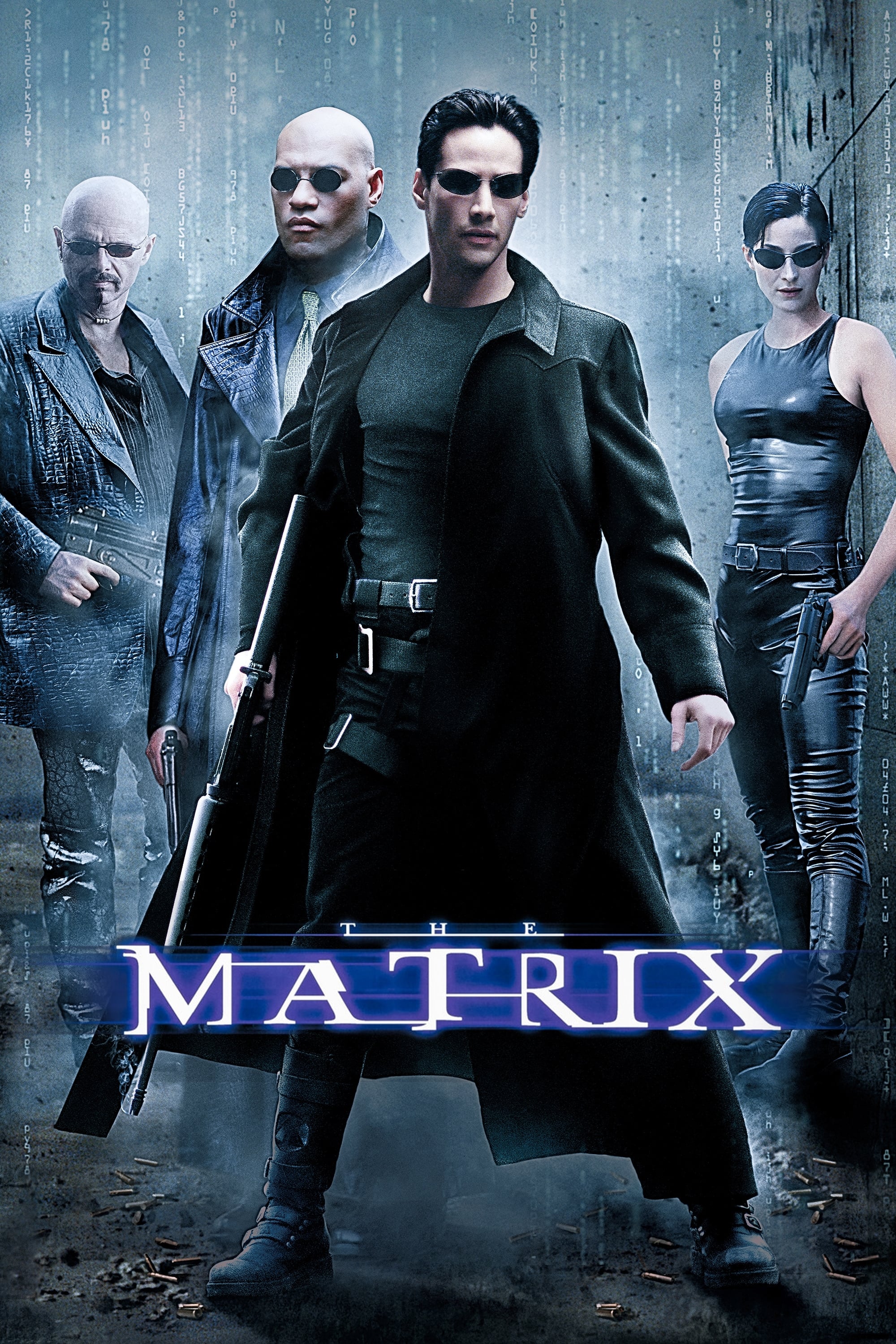
The Wachowskis present a simulated reality where humans serve as energy sources for machines. The film introduces bullet time effects, black market software, and ship born crews that jack into the system. It popularized the idea of downloadable skills and exploit like glitches inside a virtual prison. Costume and production design shaped a visual language for hackers and resistance cells.
‘RoboCop’ (1987)
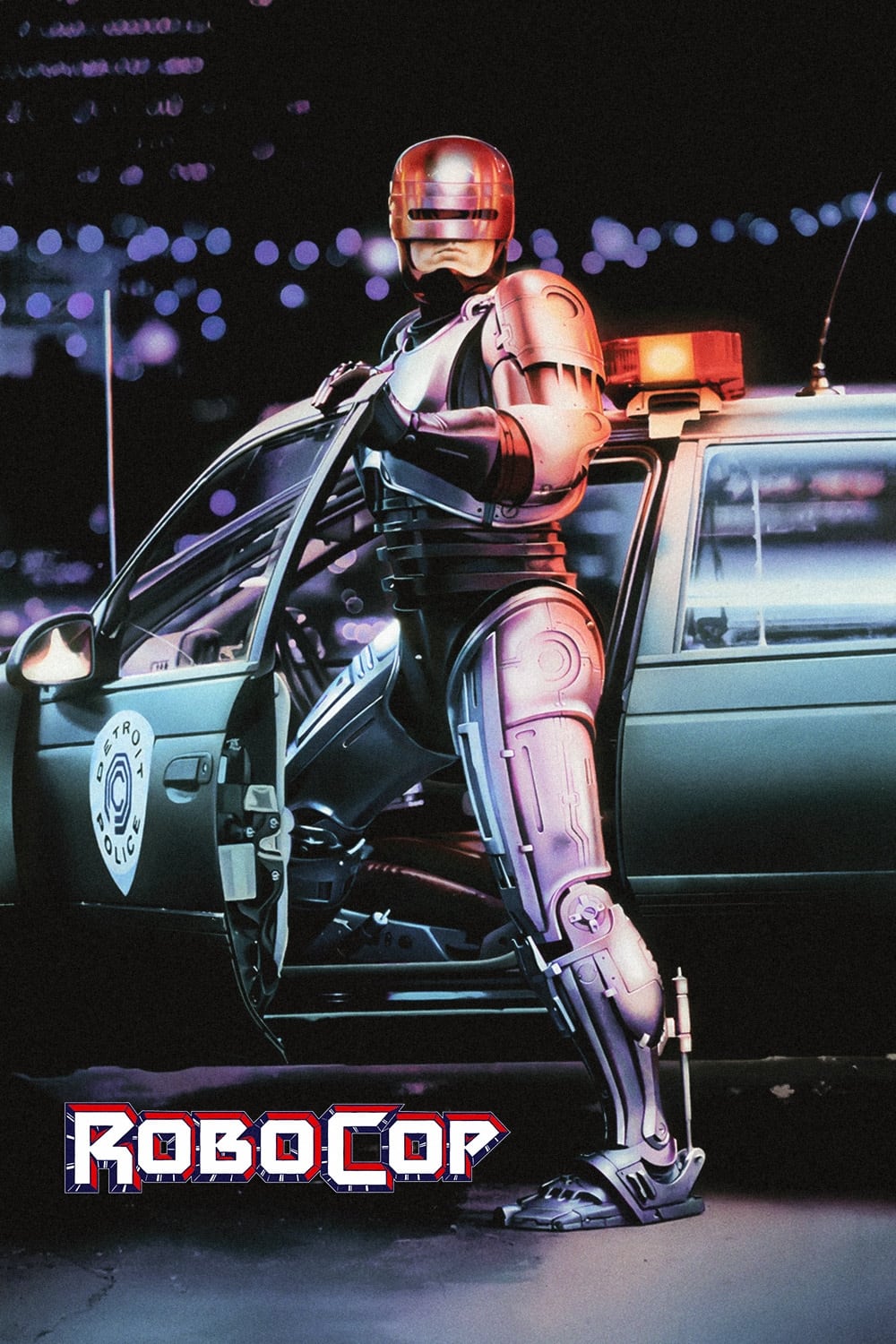
Set in Detroit, this film follows a slain officer rebuilt as a law enforcement cyborg owned by a private corporation. The story tracks how directives and corporate contracts limit autonomy. News breaks and ads inside the movie sketch a media landscape tuned to profit and control. Practical effects and suit design make the fusion of flesh and machine feel industrial and heavy.
‘Total Recall’ (1990)

Based on a Philip K. Dick story, a construction worker buys memory implants and uncovers a hidden life. The film uses off world colonies, identity rewriting, and corporate resource monopolies. Practical miniatures and animatronics build Martian environments with visible machinery. The plot hinges on the legal consequences of altered memories and corporate power on distant frontiers.
‘Dredd’ (2012)
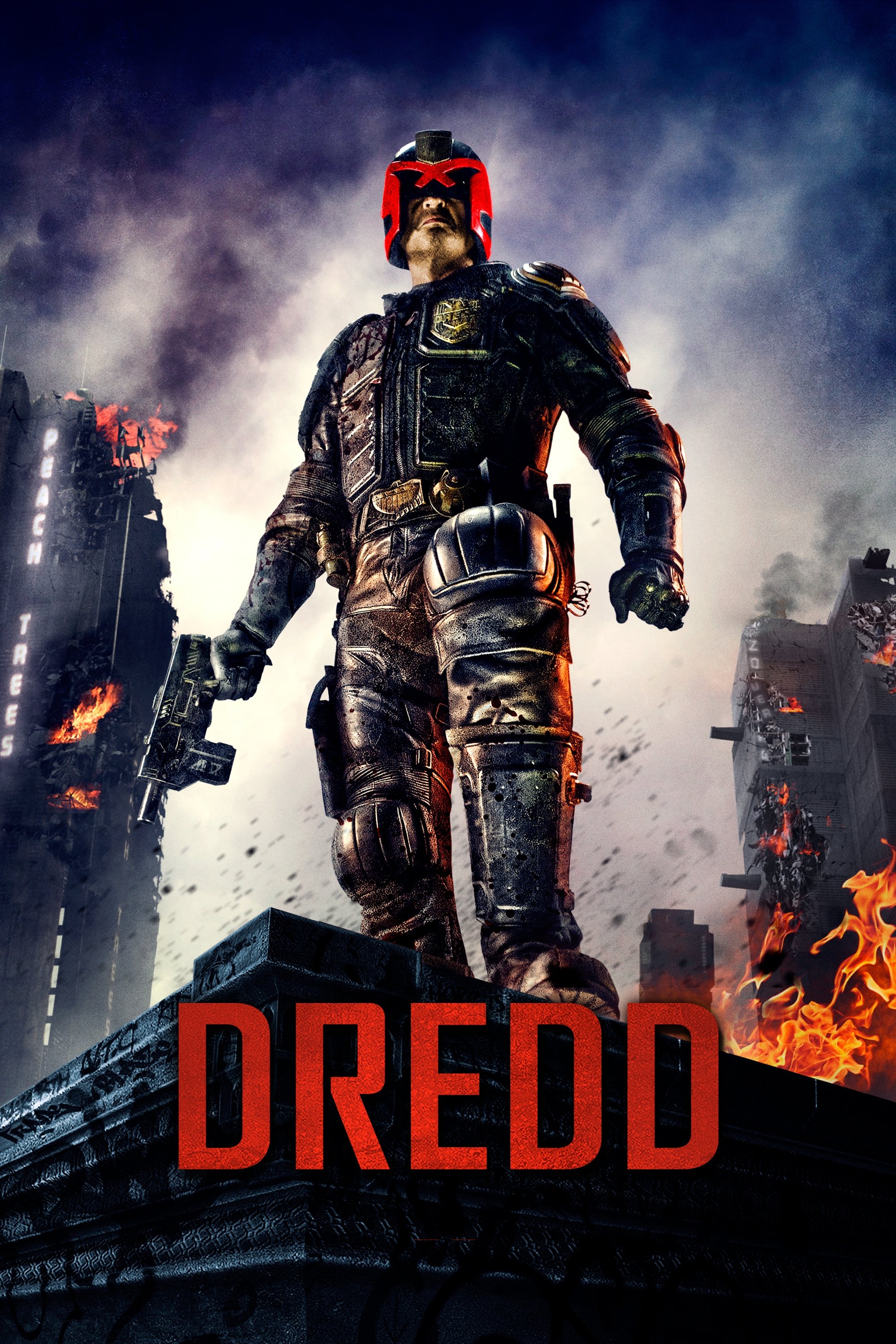
Mega City One uses judges as combined police and judiciary in a vertical slum called Peach Trees. The film focuses on real time tactics, body cams, and narcotics distribution guarded by closed circuit systems. Slow motion sequences visualize a drug that alters perception rather than reality itself. Production design layers barricaded housing blocks with gang control and limited public services.
‘A Scanner Darkly’ (2006)
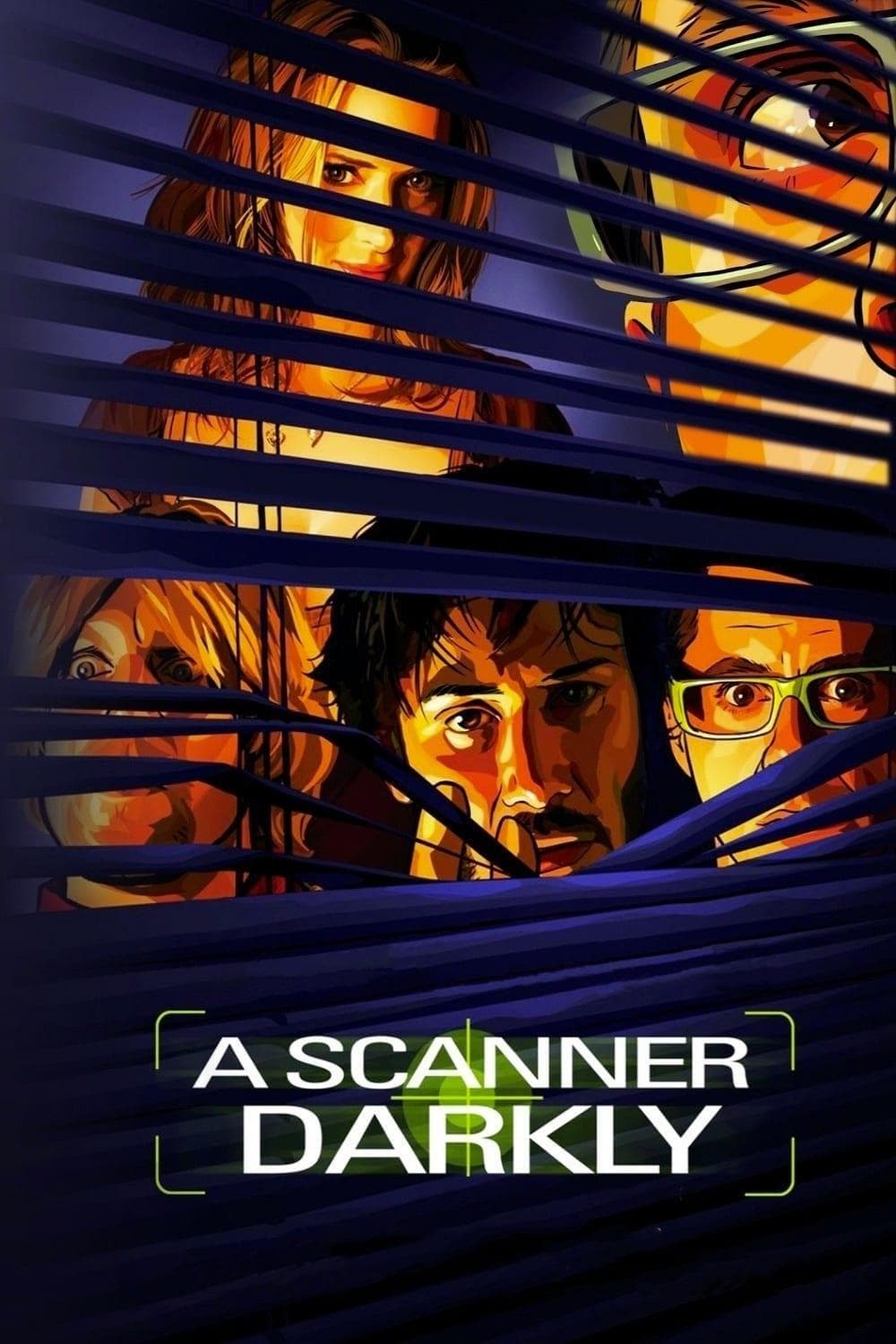
Richard Linklater adapts another Philip K. Dick novel using rotoscope animation over live action. The story follows undercover surveillance through scramble suits that hide identity and voice. It studies a synthetic drug that erodes memory and loyalty inside a monitored suburb. The technology of observation becomes as disruptive as the substance it tries to track.
‘Strange Days’ (1995)
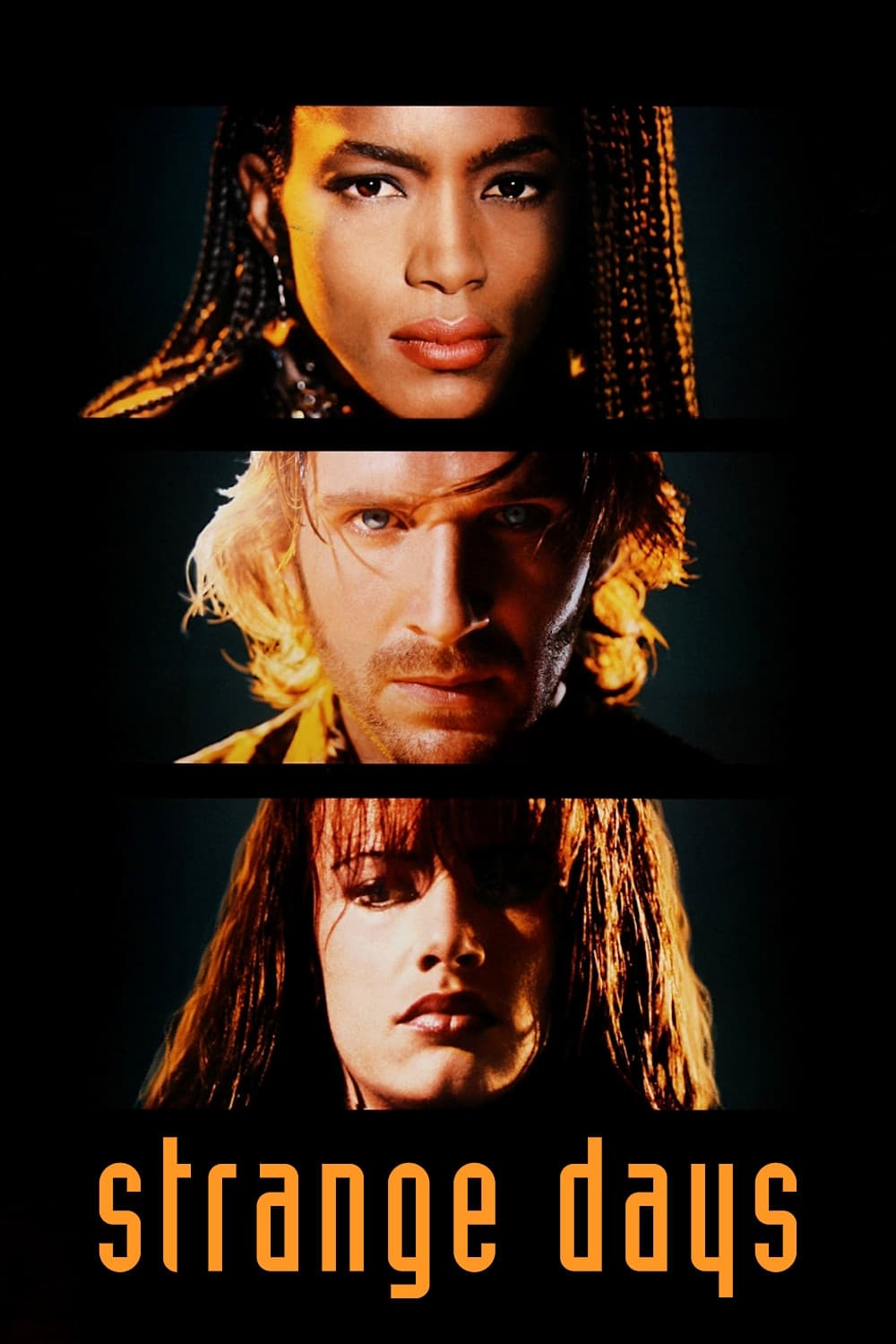
Set around the turn of the millennium, this film centers on illegal recordings from a device that captures direct sensory experience. Street vendors trade memories and crimes as data objects. The plot moves through police corruption, music scenes, and community unrest. Its near future Los Angeles shows how intimate tech can be exploited by both gangs and authorities.
‘Tetsuo: The Iron Man’ (1989)

This Japanese film depicts a man transforming as metal invades his body. Harsh editing and industrial sound create an aggressive portrait of bodily change. The city appears as a maze of scrap, wires, and anonymous rooms. The transformation questions where human tissue ends once machines enter the bloodstream.
‘Dark City’ (1998)
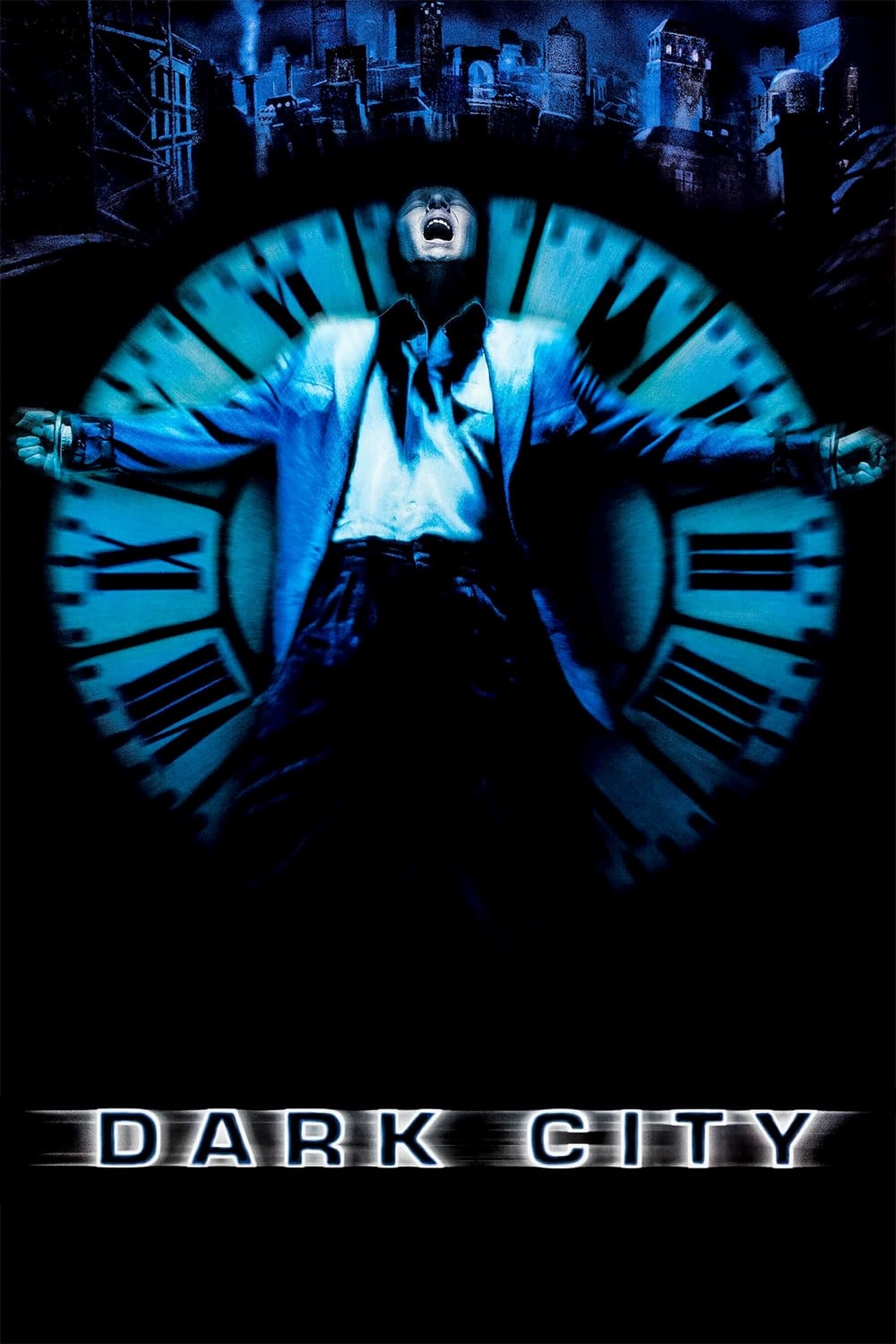
A man wakes with no memory in a city controlled by beings who rearrange architecture during nightly stoppages. The setting uses manipulated timelines, implanted memories, and shifting urban grids. Miniatures and practical sets make the environment feel hand built and unstable. The narrative studies how identity survives when external forces rewrite personal history.
‘Alita: Battle Angel’ (2019)

A cybernetic girl is rebuilt by a doctor and begins to piece together her past in a stratified society. The film shows parts markets, hunter warrior registries, and aerial cities tied to ground level scrap economies. Performance capture and extensive CG integrate mechanical bodies with human emotion cues. Tournament fighting and bounty systems reveal who can exercise legal force in this world.
‘Upgrade’ (2018)

After an assault leaves him paralyzed, a man receives an experimental implant that restores movement and adds analytic capabilities. The story tracks how the chip negotiates control with its host. Smart homes, self driving cars, and black market clinics form the support network for the technology. The investigation traces back to venture backed projects and military adjacent research.
‘Minority Report’ (2002)
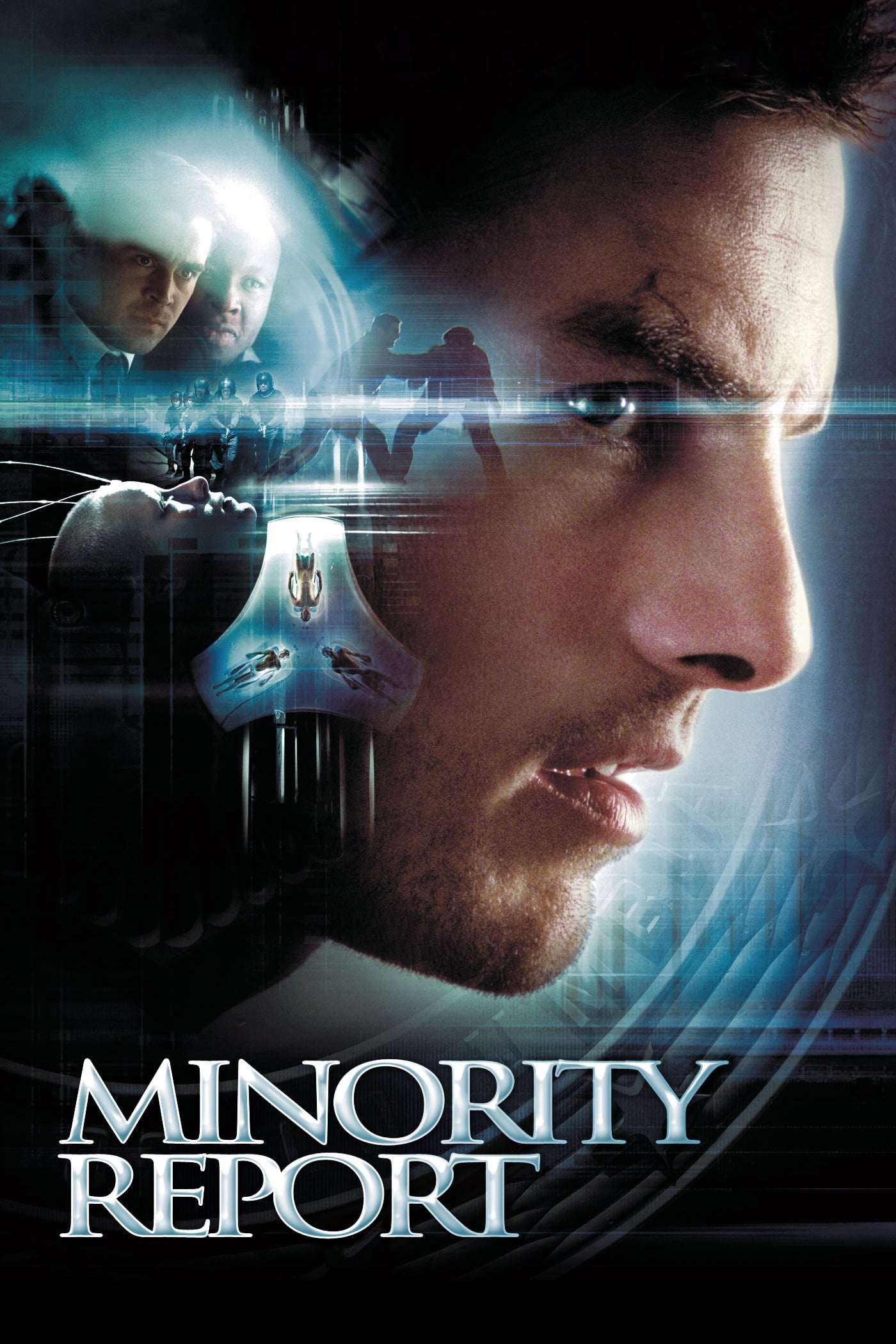
Set in Washington D.C., a specialized police unit uses precognitive visions to prevent murders. The film builds a predictive ecosystem with personalized ads, gesture interfaces, and iris recognition. Maglev transport and transparent displays depict ubiquitous data tracking. The ethics of preemptive arrest drive the conflict and expose gaps in the system’s assumptions.
‘TRON’ (1982)
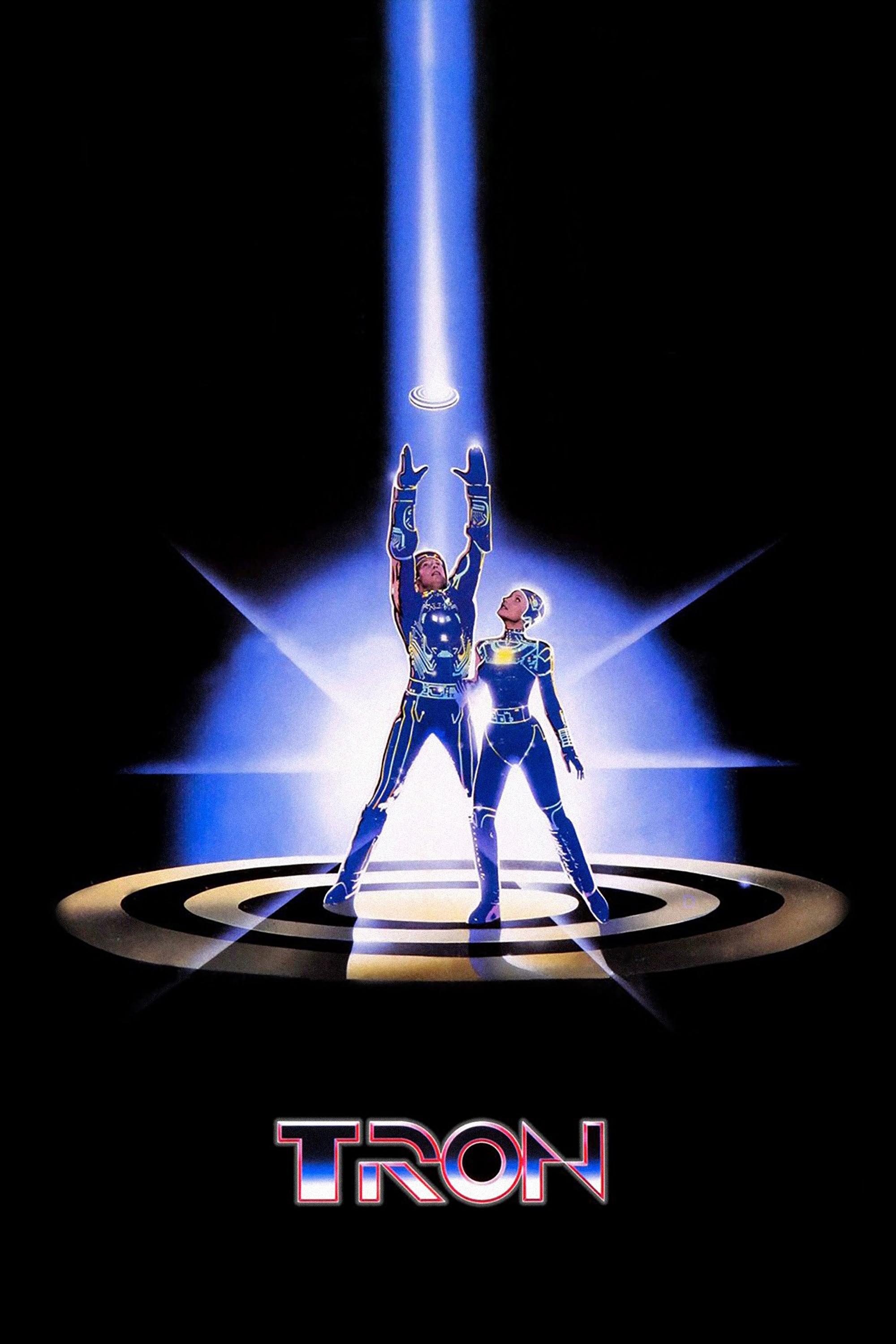
A programmer is transported inside a computer system depicted as a glowing arena of programs and users. The film pioneers early computer generated imagery combined with live action. It imagines corporate control over software as a literal hierarchy of entities. Identity disks, light cycles, and the Master Control Program visualize data as tangible objects.
‘TRON: Legacy’ (2010)
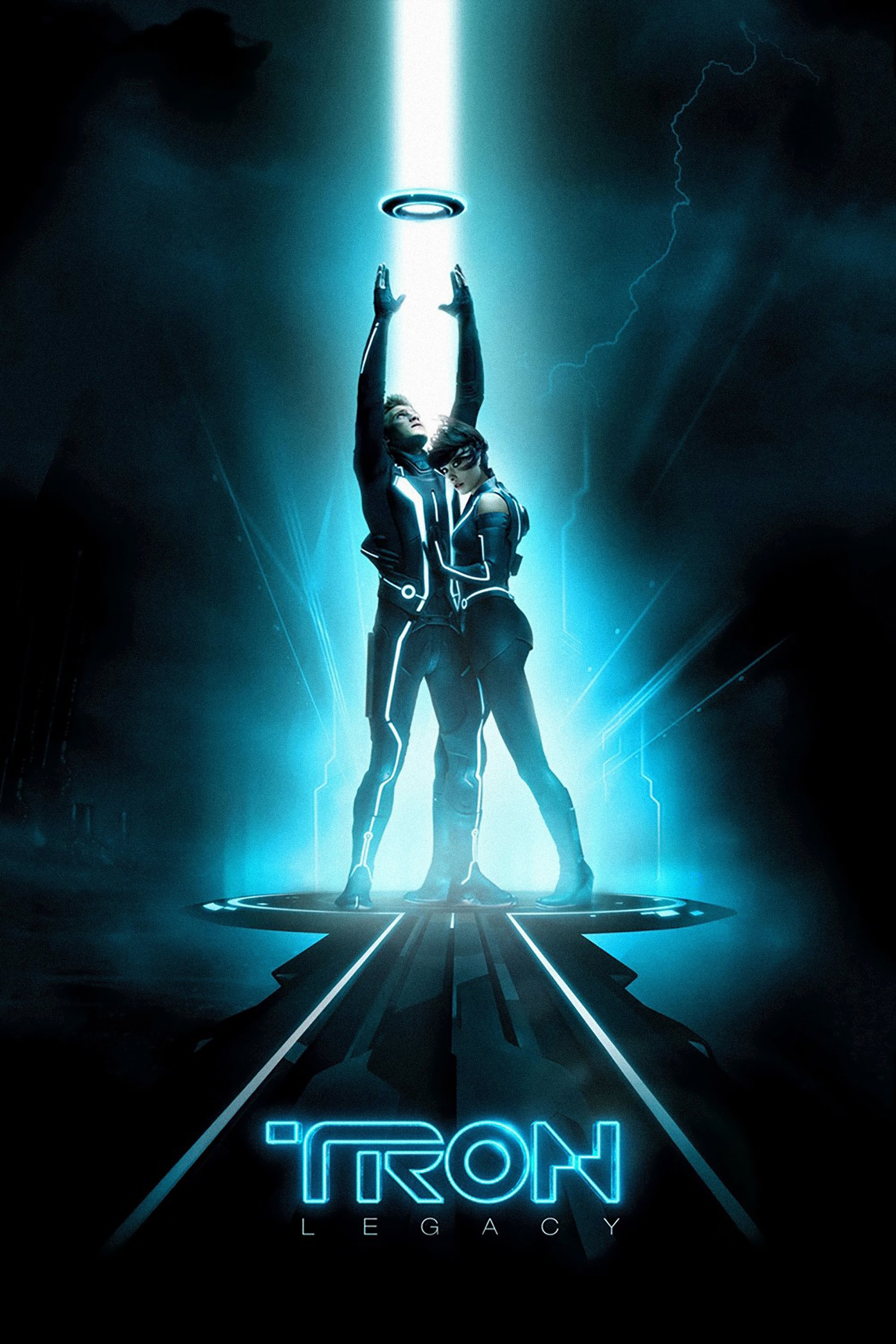
Decades later, a son enters the Grid and confronts a rogue program that shaped a new order. The film updates the digital city with procedural architecture and airborne platforms. De-aging and full CG characters extend the idea of software based bodies. Its world explores how closed systems evolve when left under a single ideology.
‘Brazil’ (1985)
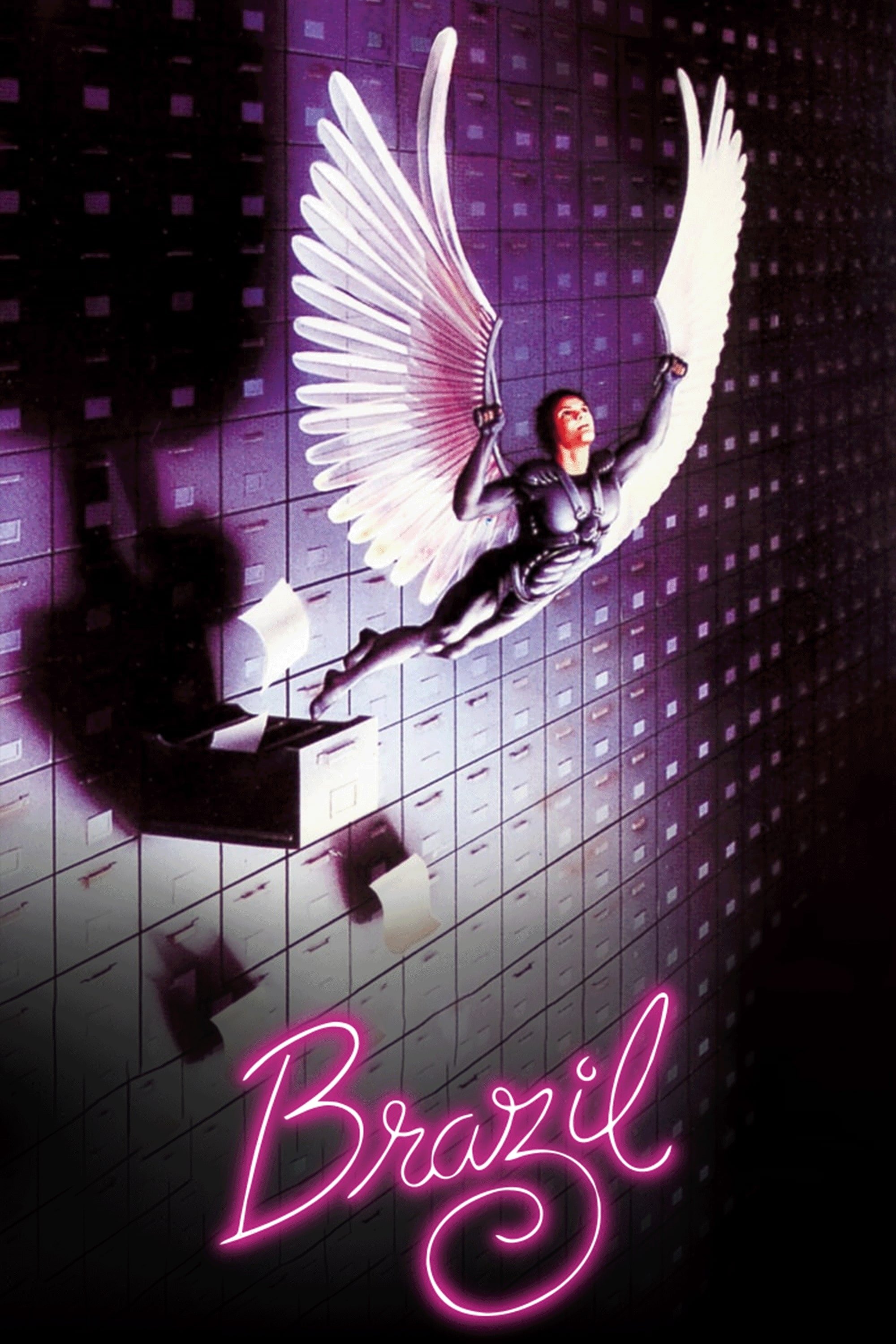
This dystopia follows a low level worker inside a state that manages citizens through paperwork and machine error. Vacuum tube computers, pneumatic messaging, and unreliable interfaces map a bureaucratic nightmare. The plot shows how a typo can trigger total surveillance and capture. Production design mixes retro tech with industrial ducts that crowd every room.
‘Johnny Mnemonic’ (1995)
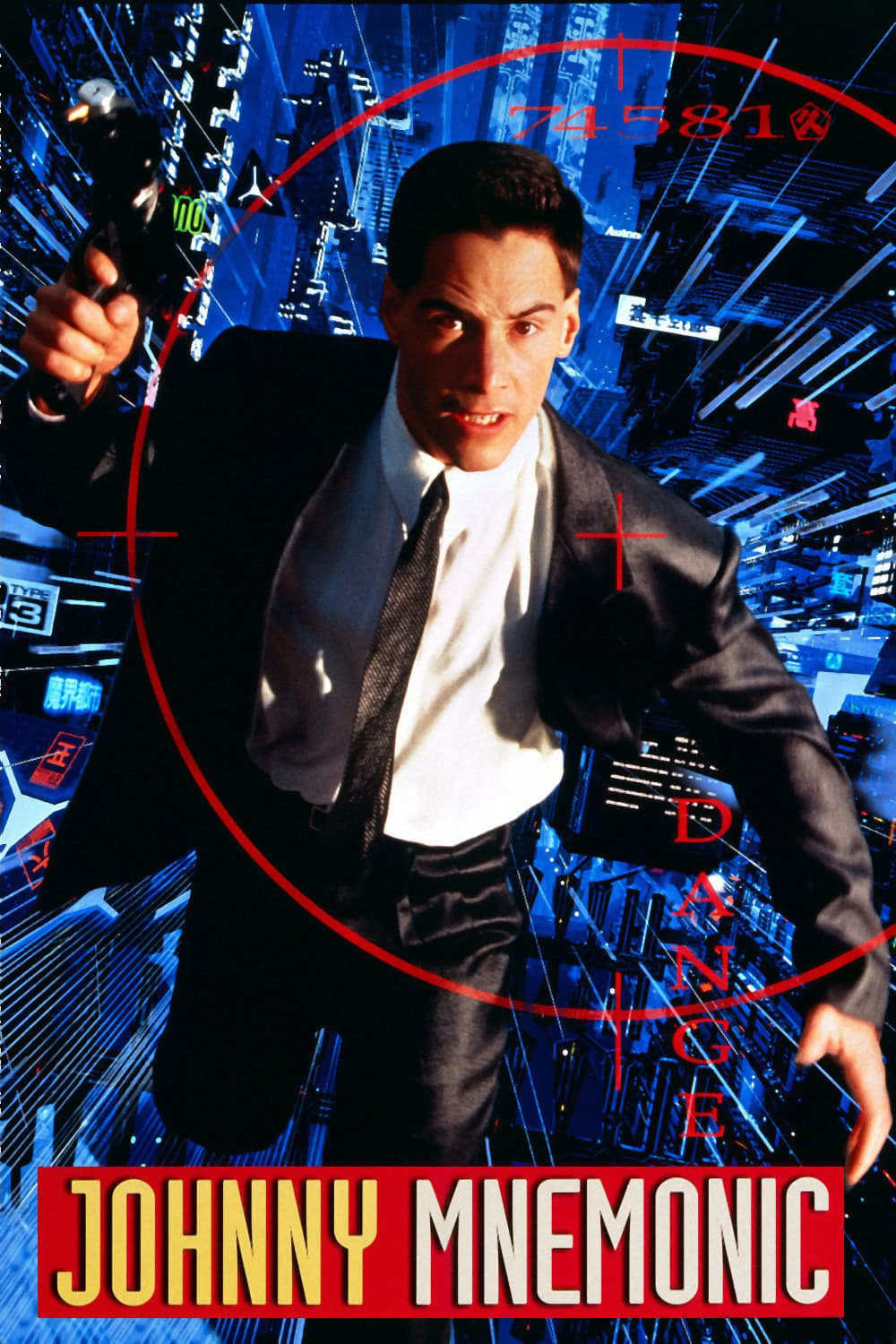
A courier stores encrypted data in a neural implant and races to deliver it to buyers. The film features Yakuza enforcers, corporate research labs, and black clinic surgery. It uses overloaded networks and memory capacity limits as real risks. Street level hackers and activist groups push back against pharmaceutical monopolies.
‘Avalon’ (2001)

Set in a near future Eastern Europe, players risk their minds inside a military themed virtual reality game. The film shows illegal servers, addiction clinics, and quiet cities tied to unstable economies. Oshii films the real world in muted tones while the game space appears sharper and cleaner. The story examines how purpose and belonging migrate from daily life to simulated missions.
Share your favorite picks and any hidden gems in the comments so everyone can build an even better cyberpunk watchlist.