

Top 20 Anime Cancelled Too Soon

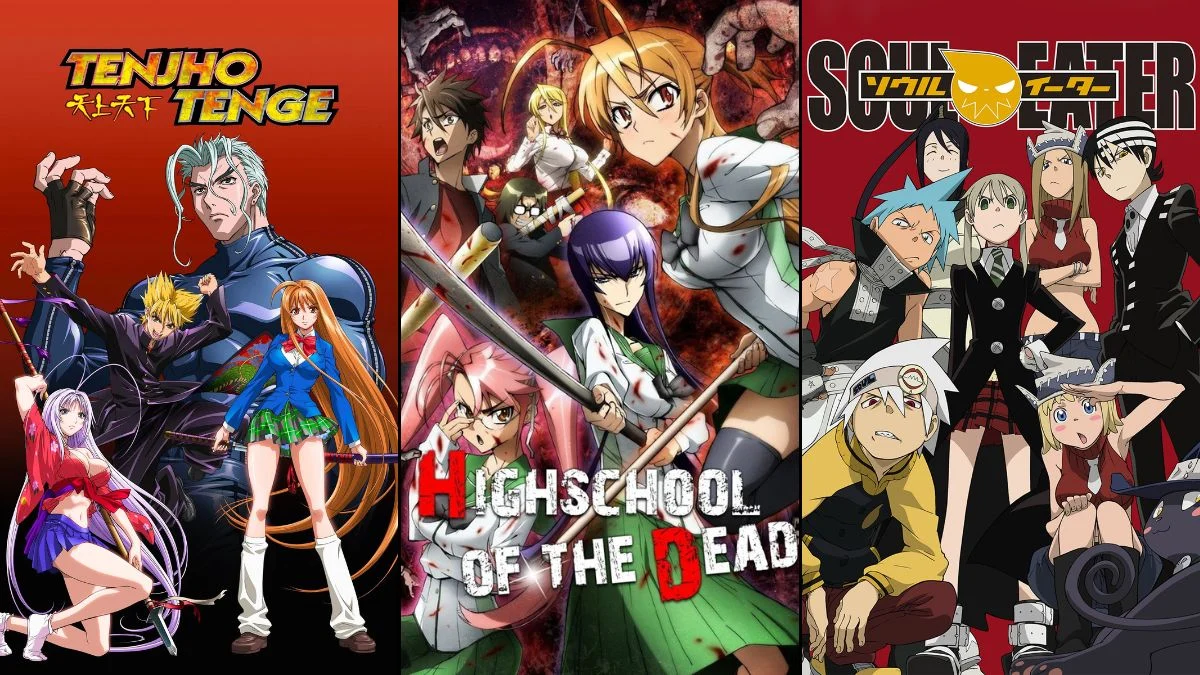


Some anime arrive with strong concepts and growing fanbases but lose momentum when the production stops before the story can finish. This list gathers notable series that ended early because of issues like low sales, studio closures, rights complications, author health problems, or shifting production plans. Each entry notes what aired, how far the adaptation went, and what exists in the source material. If you want closure, many of these stories continue in manga or novels, while a few remain unfinished anywhere.
‘Ouran High School Host Club’ (2006)
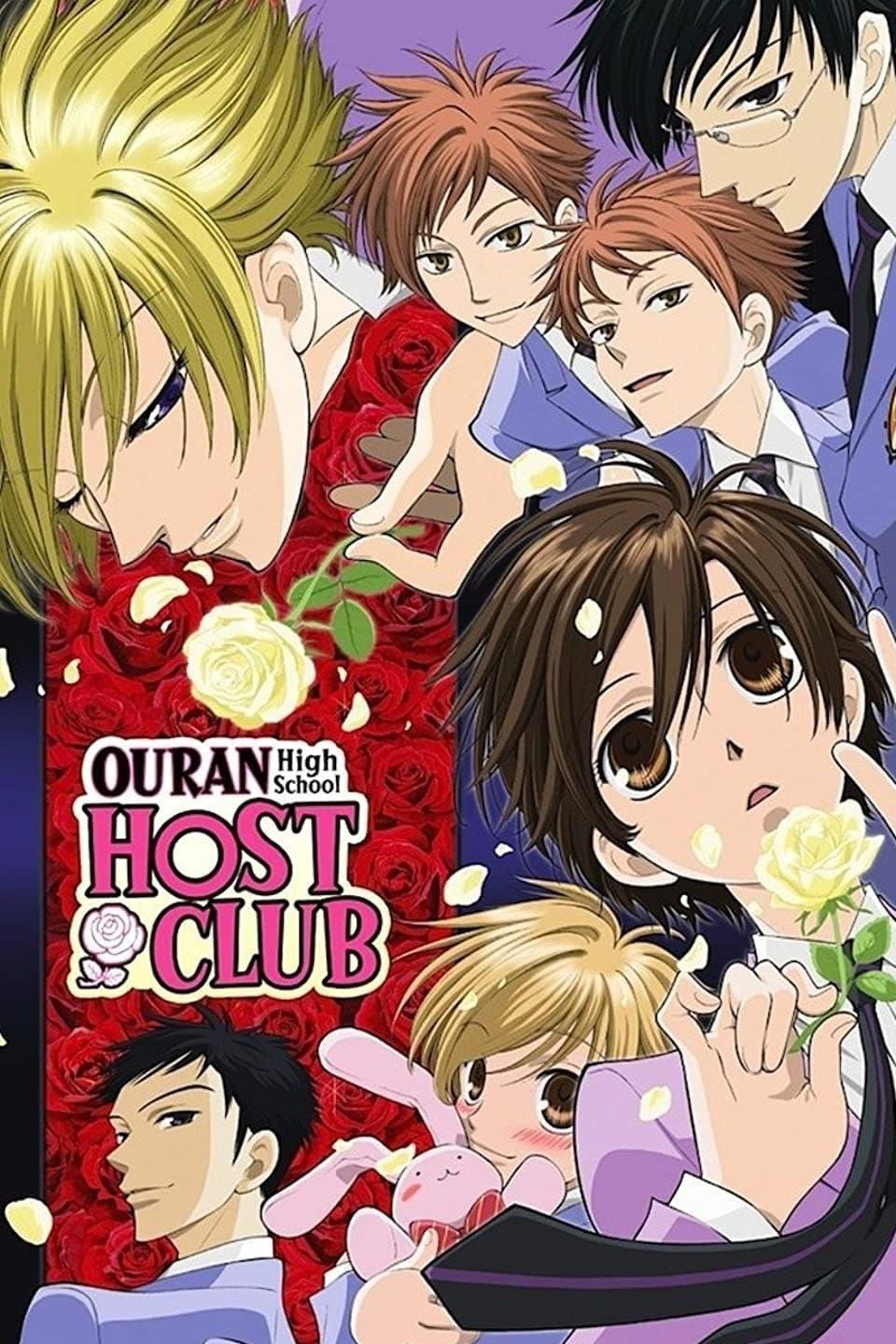
The anime adapts only part of the manga across twenty six episodes. It covers early arcs at Ouran Academy and introduces the Host Club members but does not animate the later storylines that resolve the central relationships. The manga continues far beyond the anime and provides a full conclusion. Fans seeking the rest of the plot can read the manga volumes to see the characters graduate and move forward.
‘Claymore’ (2007)
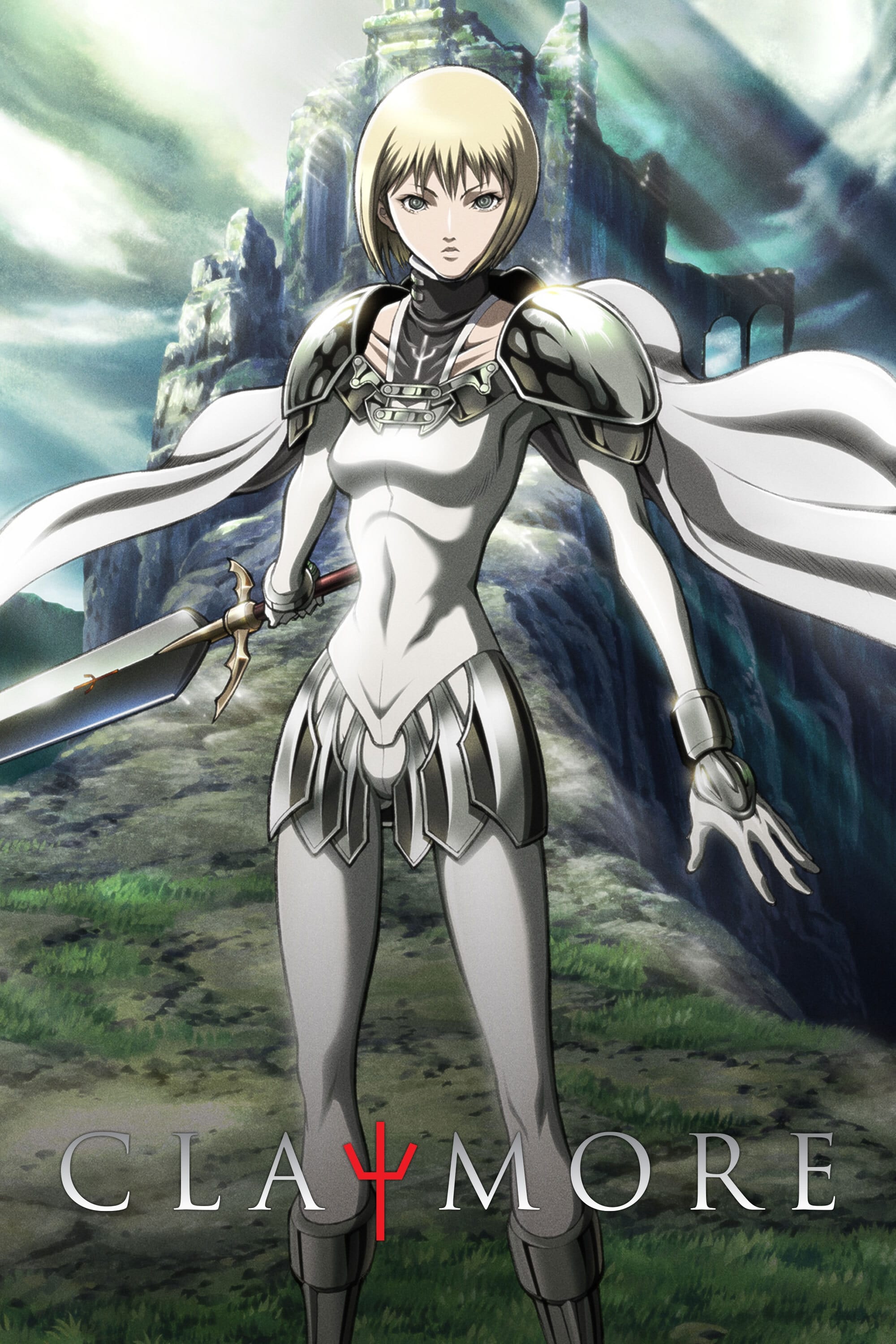
The anime runs for twenty six episodes and adapts the early manga arcs about half human warriors who fight yoma. It diverges with an original ending that arrives long before the printed story’s major revelations. The manga continues with extensive arcs that explore the Organization and the true nature of the enemies. Readers can follow Clare’s journey and the larger conspiracy to its conclusion in the manga.
‘Deadman Wonderland’ (2011)
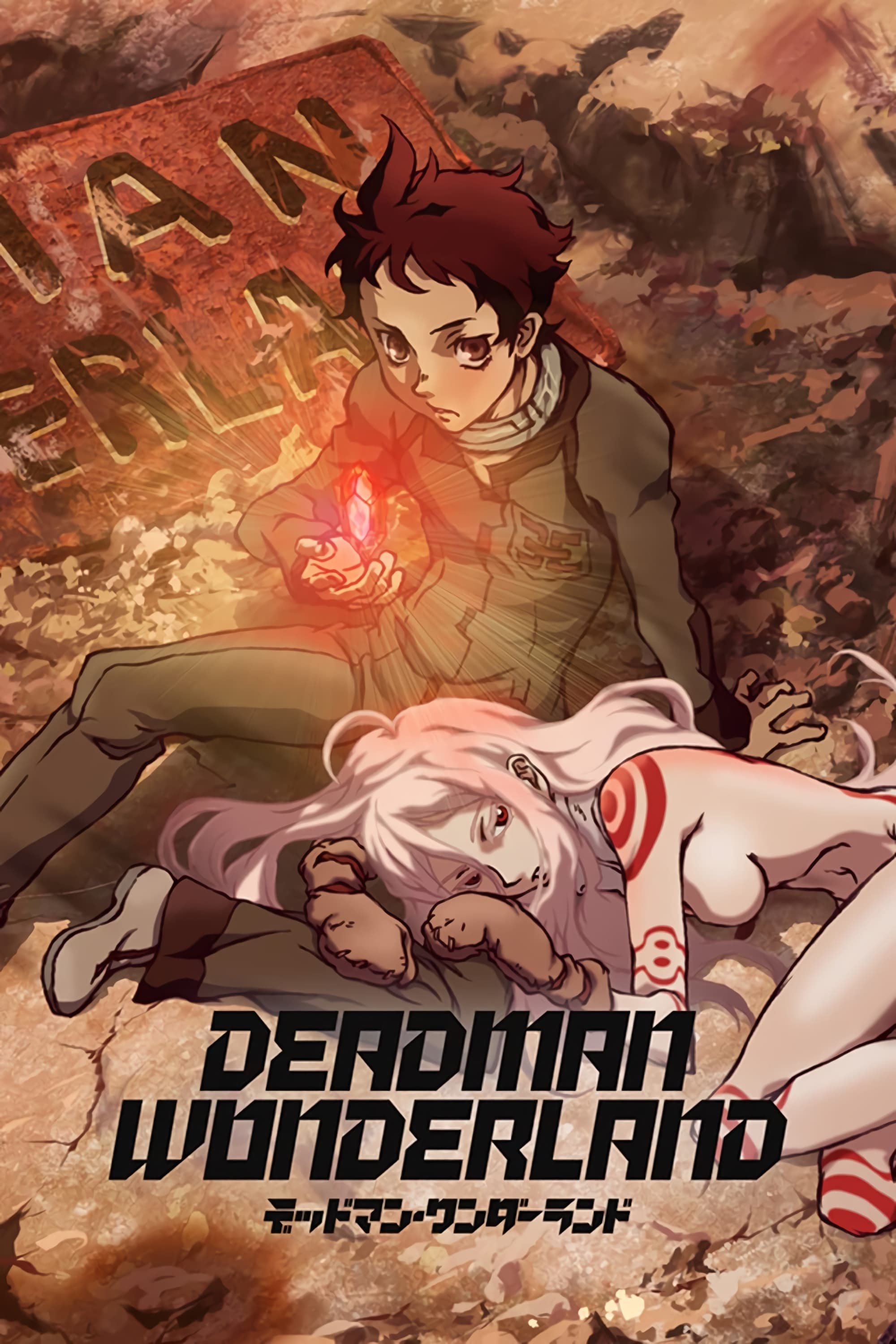
This series adapts the early prison arc over twelve episodes plus an OVA. It stops well before the manga’s later conflicts and never returns to animate the remaining volumes. The printed story expands on the Deadmen, the Wretched Egg, and the larger political cover up. To finish the narrative, fans can read the manga to see the final confrontations play out.
‘Gangsta.’ (2015)
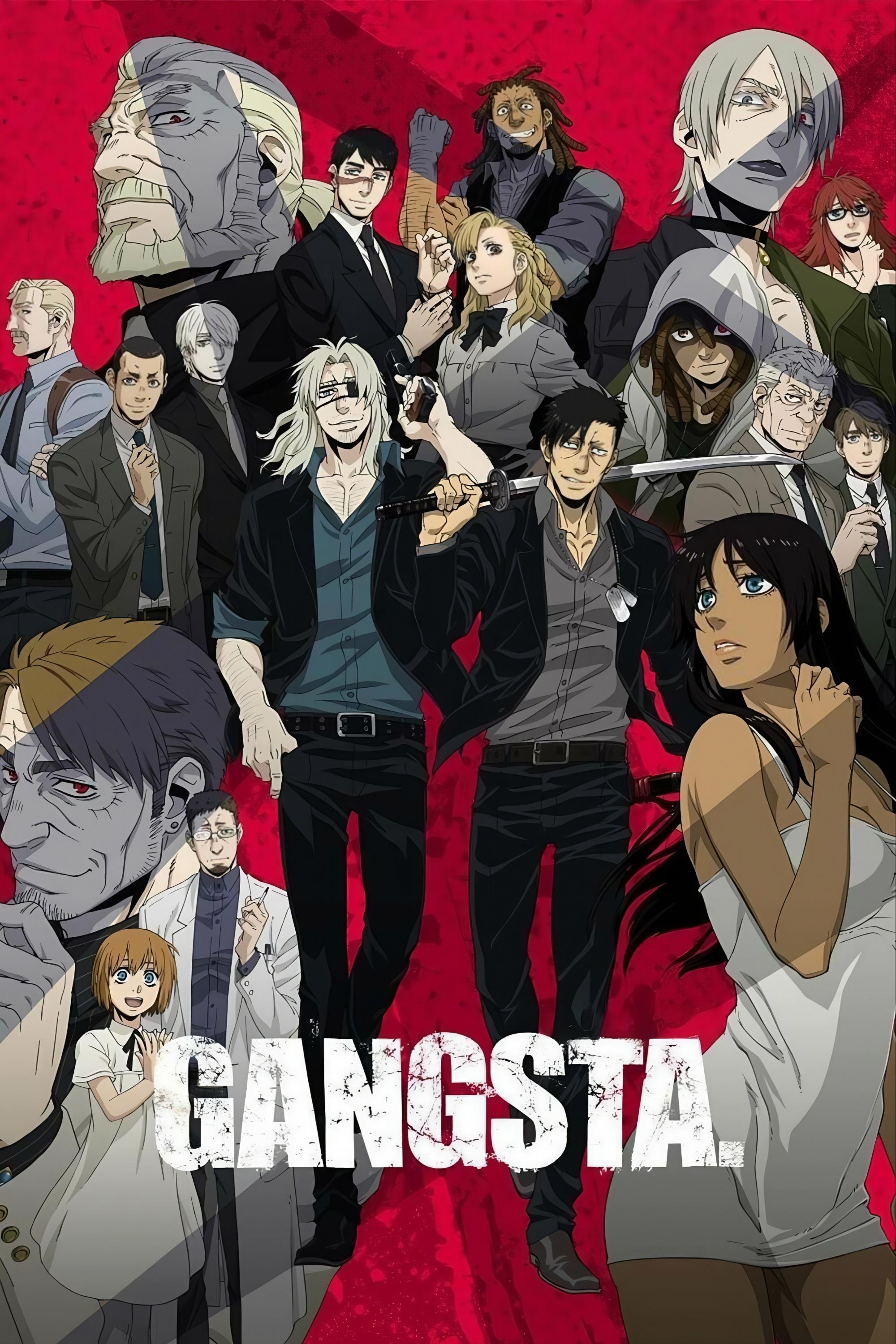
The anime covers the first volumes about two handymen in the city of Ergastulum. Production ended after twelve episodes when studio Manglobe went bankrupt and the adaptation paused. The manga continues the story with deeper arcs on the Twilights and the city’s power struggles. New readers can follow the ongoing plot in the manga beyond where the show stops.
‘Nana’ (2006–2007)
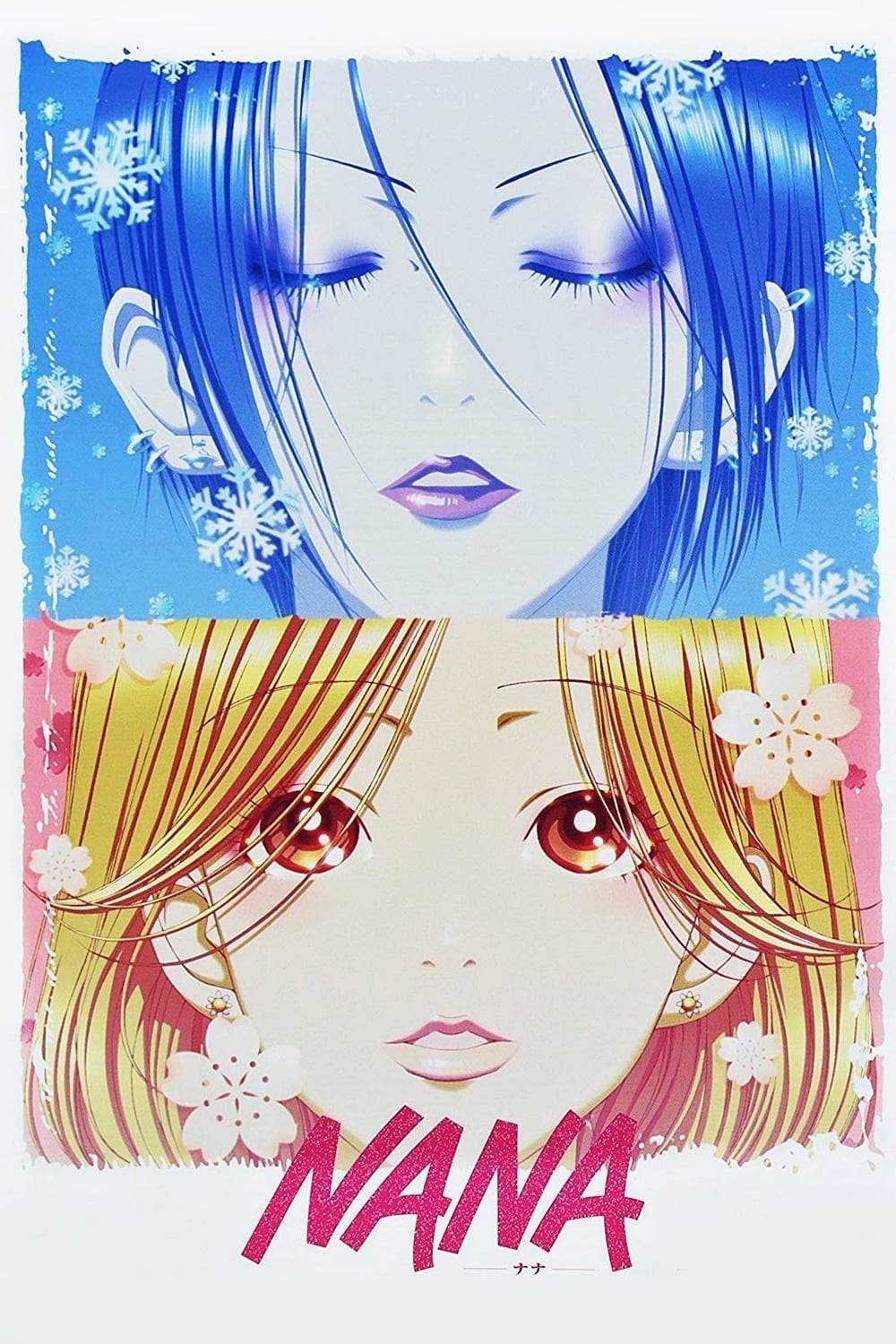
The show adapts a substantial part of the manga across forty seven episodes but halts without an ending. The original manga went on hiatus due to the author’s health, which left both versions without a final chapter. The anime stops amid relationship upheavals and career turning points for the two Nanas. Viewers can turn to the manga for additional chapters, though the overall story remains incomplete.
‘X’ (2001–2002)

Based on the manga known as ‘X/1999’, the television series runs for twenty four episodes. It presents the conflict between Dragons of Heaven and Dragons of Earth but ends without animating the manga’s intended final battle. The source manga also halted, which limited material for a conclusive adaptation. Fans can explore available manga volumes and earlier adaptations to see alternate takes on the setup.
‘Stars Align’ (2019)
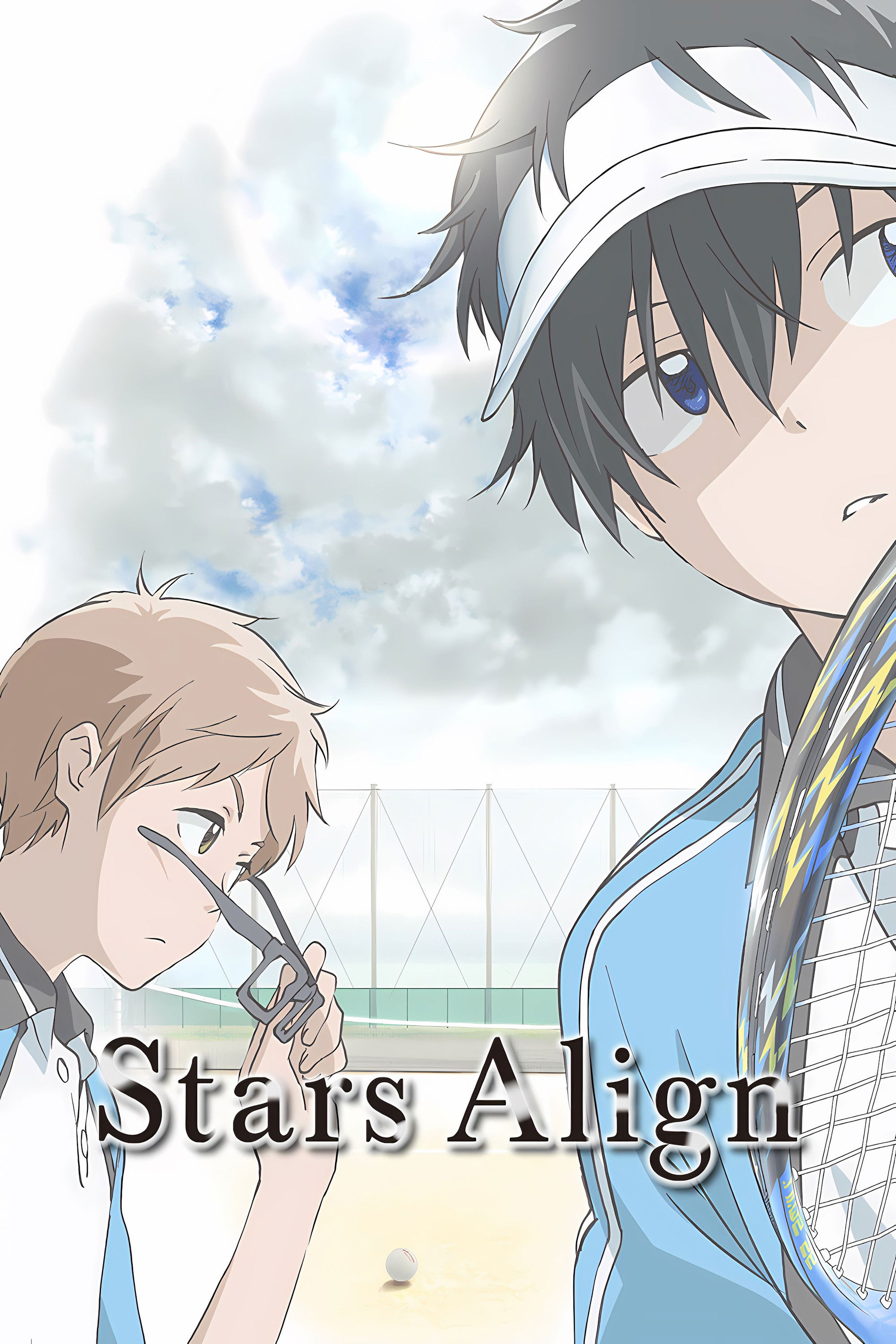
Planned as a two cour production, it was cut to one cour and ends abruptly at episode twelve. The show focuses on a middle school soft tennis team while addressing family issues and personal identity. After the cut, the director shared script details and plans for unproduced episodes but no continuation aired. As of now the televised story stops in the middle of character arcs and tournament stakes.
‘Highschool of the Dead’ (2010)
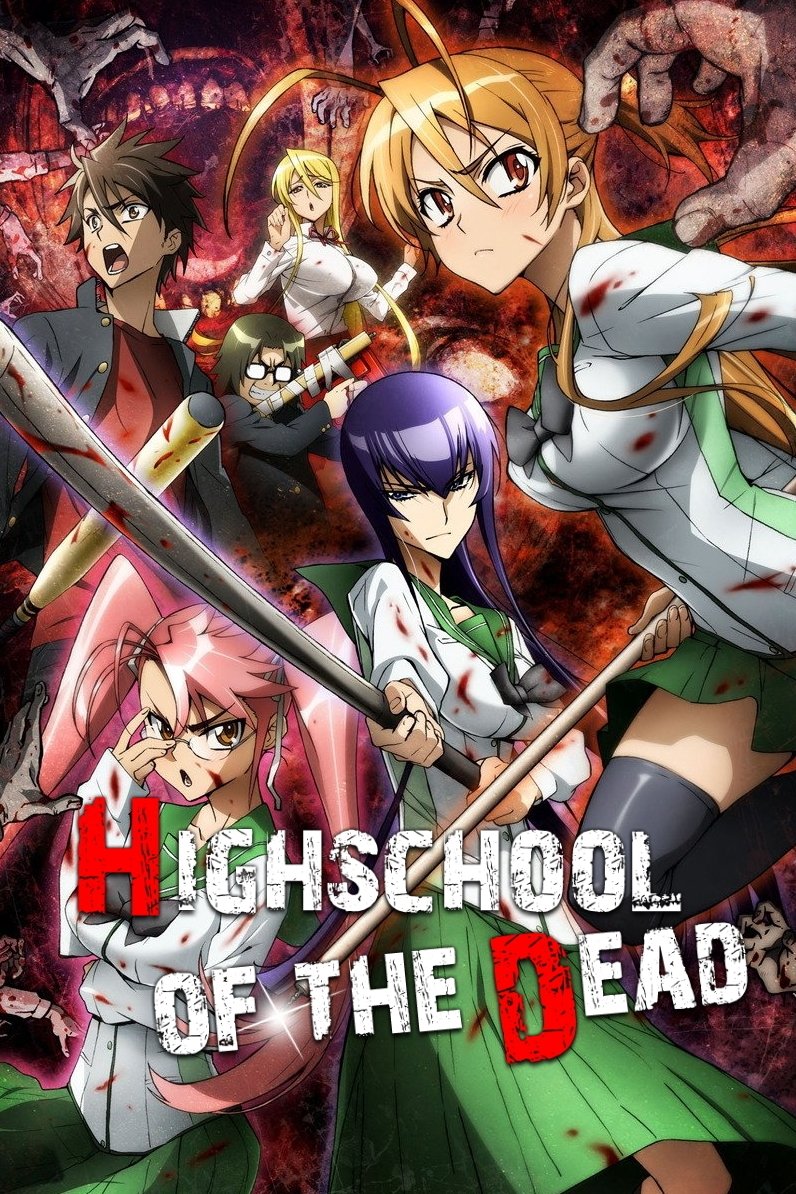
The anime adapts seven manga volumes across twelve episodes and an OVA. It stops during the group’s journey through a zombie outbreak and never returns to cover the later manga chapters. The original manga entered a prolonged hiatus and later remained unfinished following the author’s passing. Viewers can read the existing volumes for more events beyond the final episode.
‘Btooom!’ (2012)
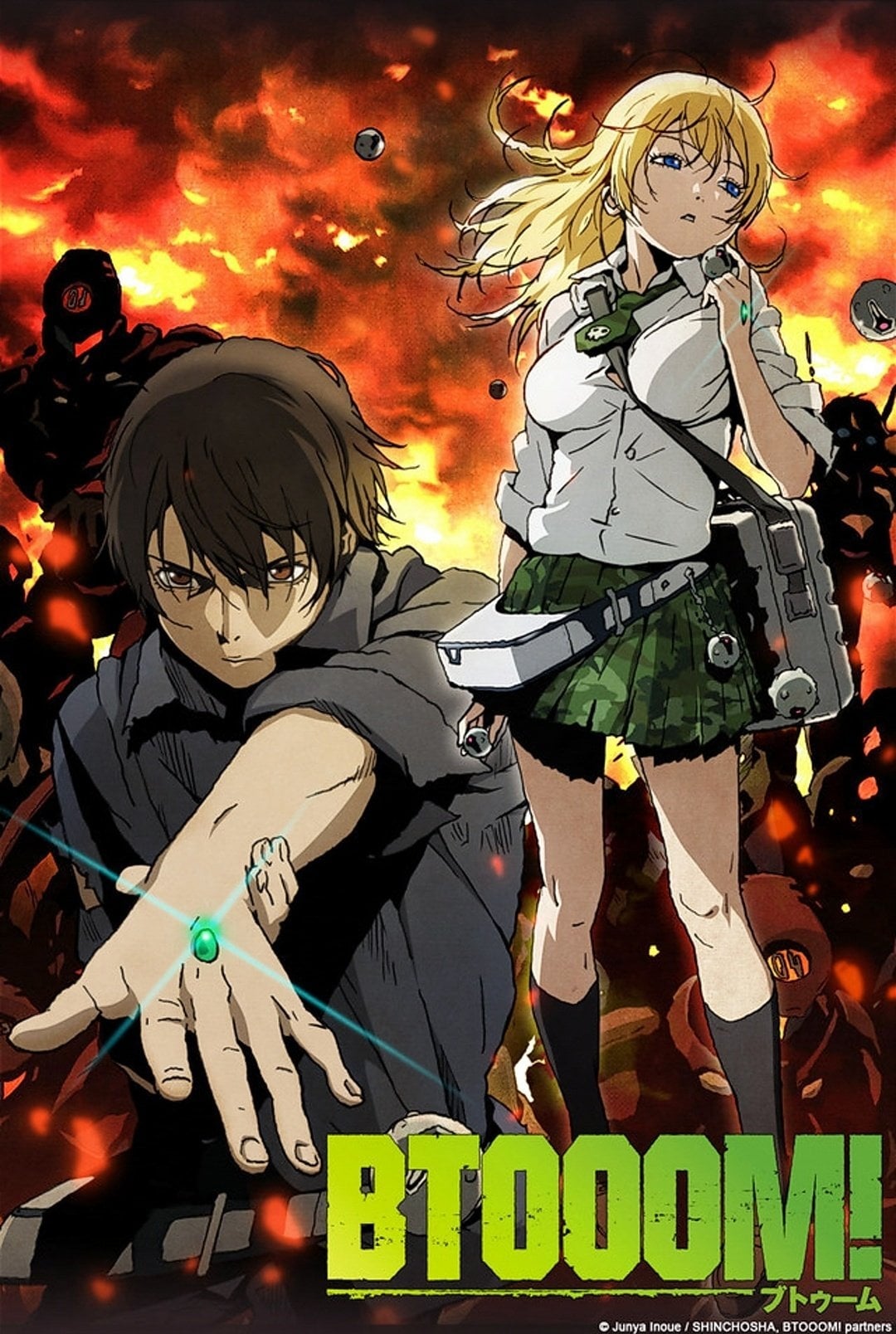
This adaptation covers the opening survival game arcs in twelve episodes. It ends before the manga’s multiple routes and the ultimate resolution of the island conflict. The manga later offers divergent endings that give two different outcomes to the story. Readers can choose the path they prefer and see how the game concludes in print.
‘Flowers of Evil’ (2013)
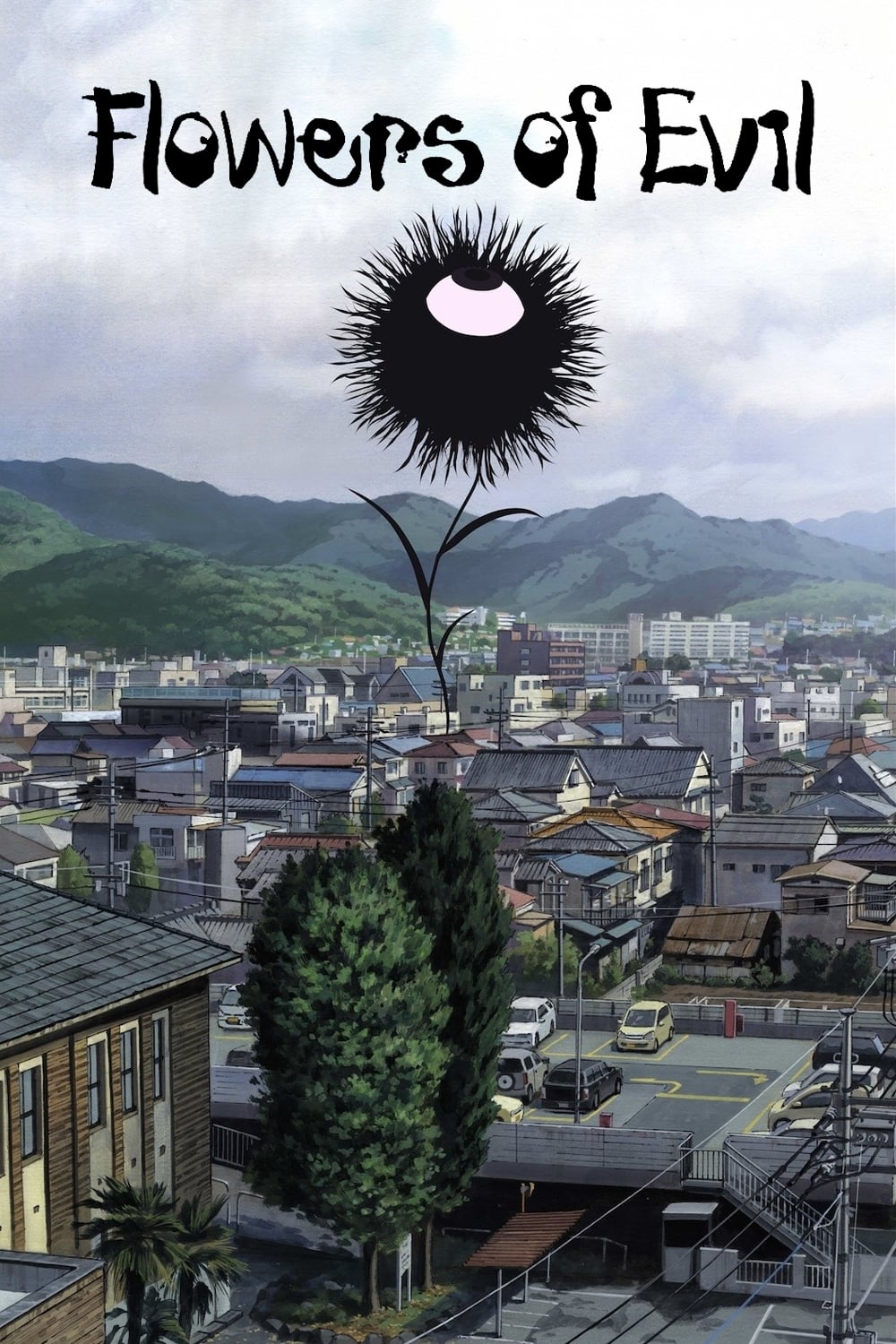
The series adapts the first major arc using rotoscope animation over thirteen episodes. It stops at a pivotal turning point for the leads and never returns to animate the subsequent town changing events. The manga continues with dramatic aftermath and the characters’ growth into later life. Those wanting closure can read the full manga to follow the consequences.
‘Air Gear’ (2006)
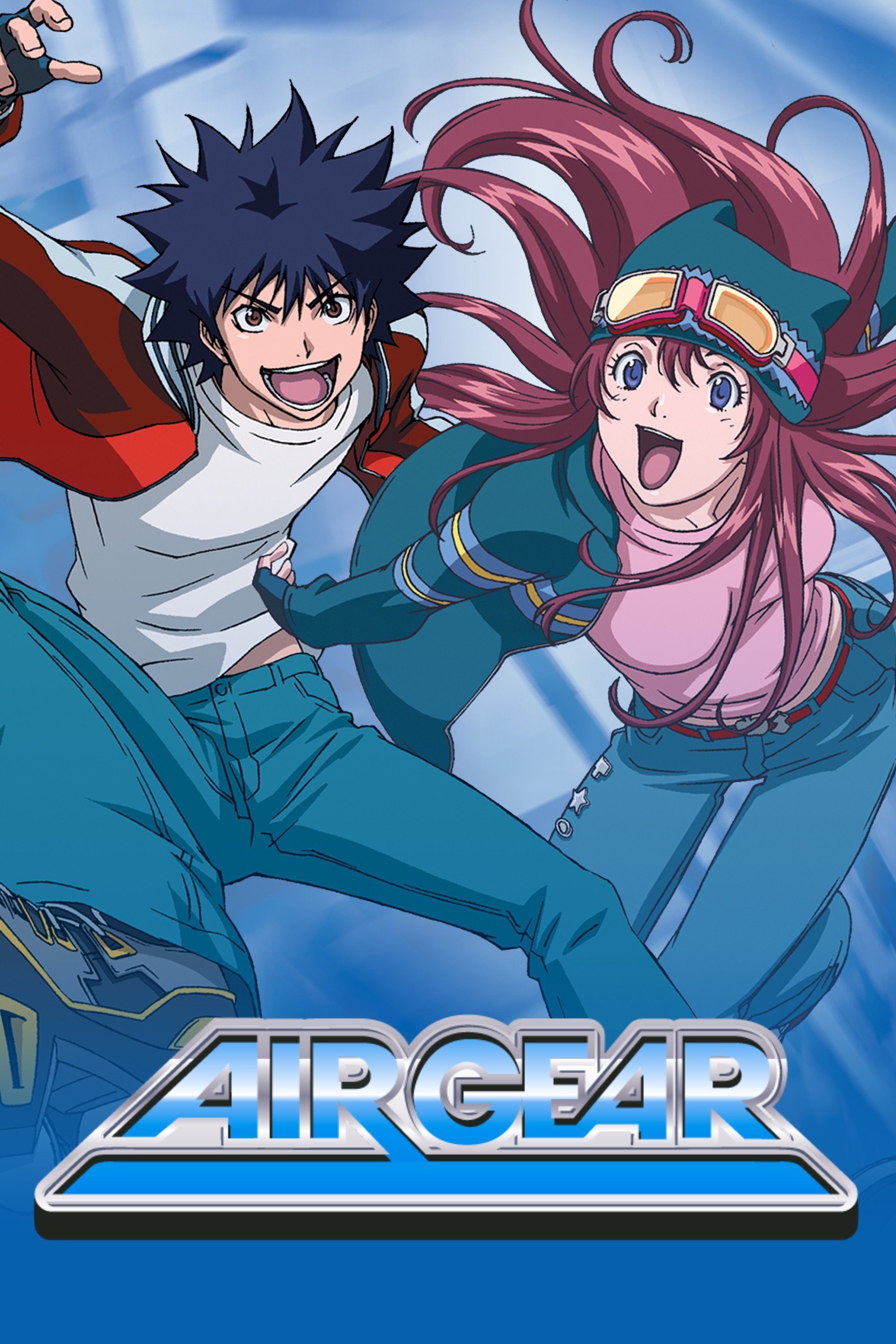
This adaptation covers early arcs about teams battling with motorized inline skates. It ends after twenty five episodes and several OVAs while the manga continues with larger battles and deeper lore. The printed story moves far beyond the anime with new rivals and revelations. Fans interested in the complete plot can finish it in the manga volumes.
‘Tsubasa RESERVoir CHRoNiCLE’ (2005–2006)
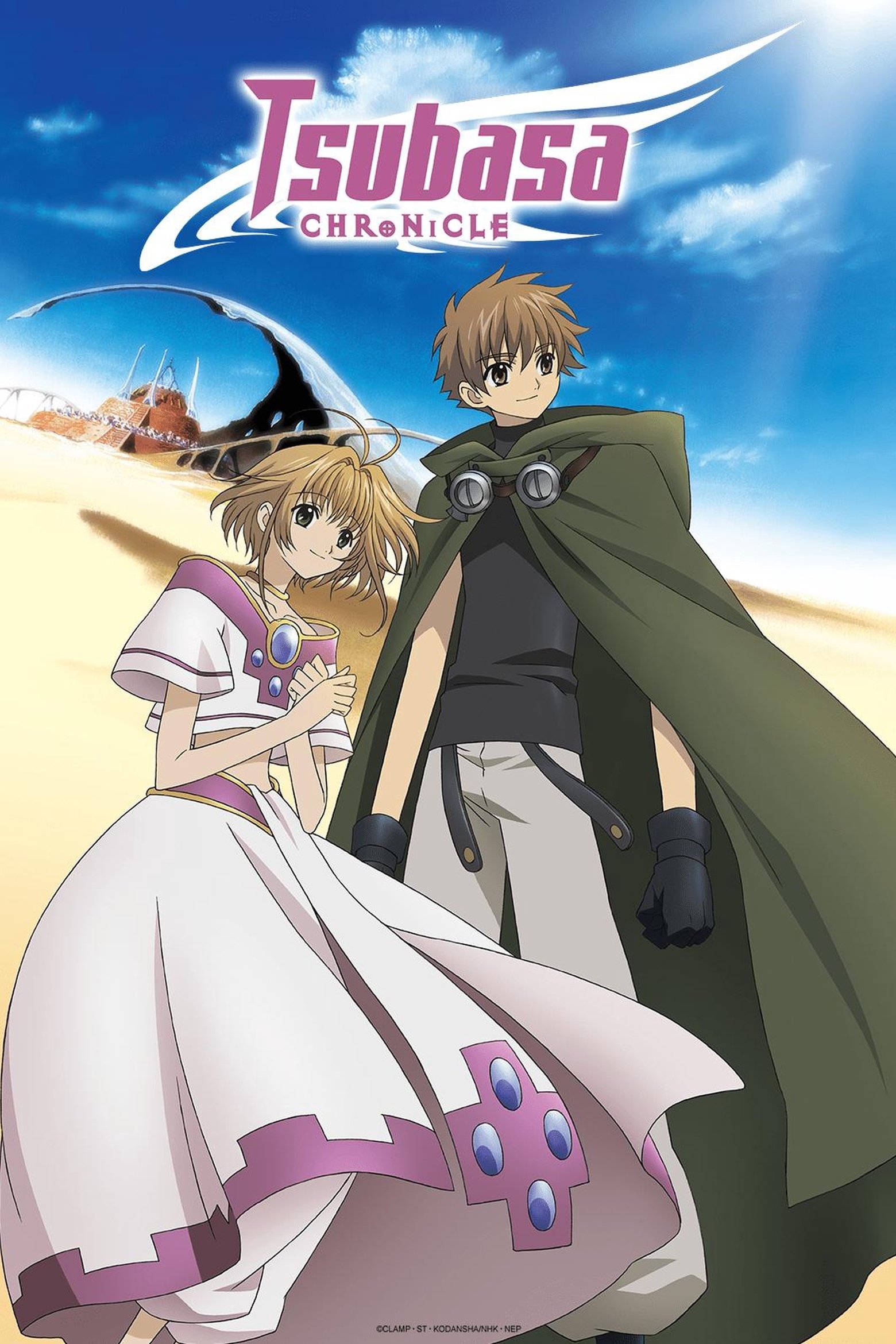
The anime runs for two seasons and a film plus OVAs but does not complete the manga’s universe spanning quest. The televised episodes adapt early adventures and introduce crossover elements from related works. Major twists and the final resolution are left to later print chapters and video only releases. To see the full plan unfold, readers can continue with the manga and the OVAs.
‘Soul Eater’ (2008–2009)
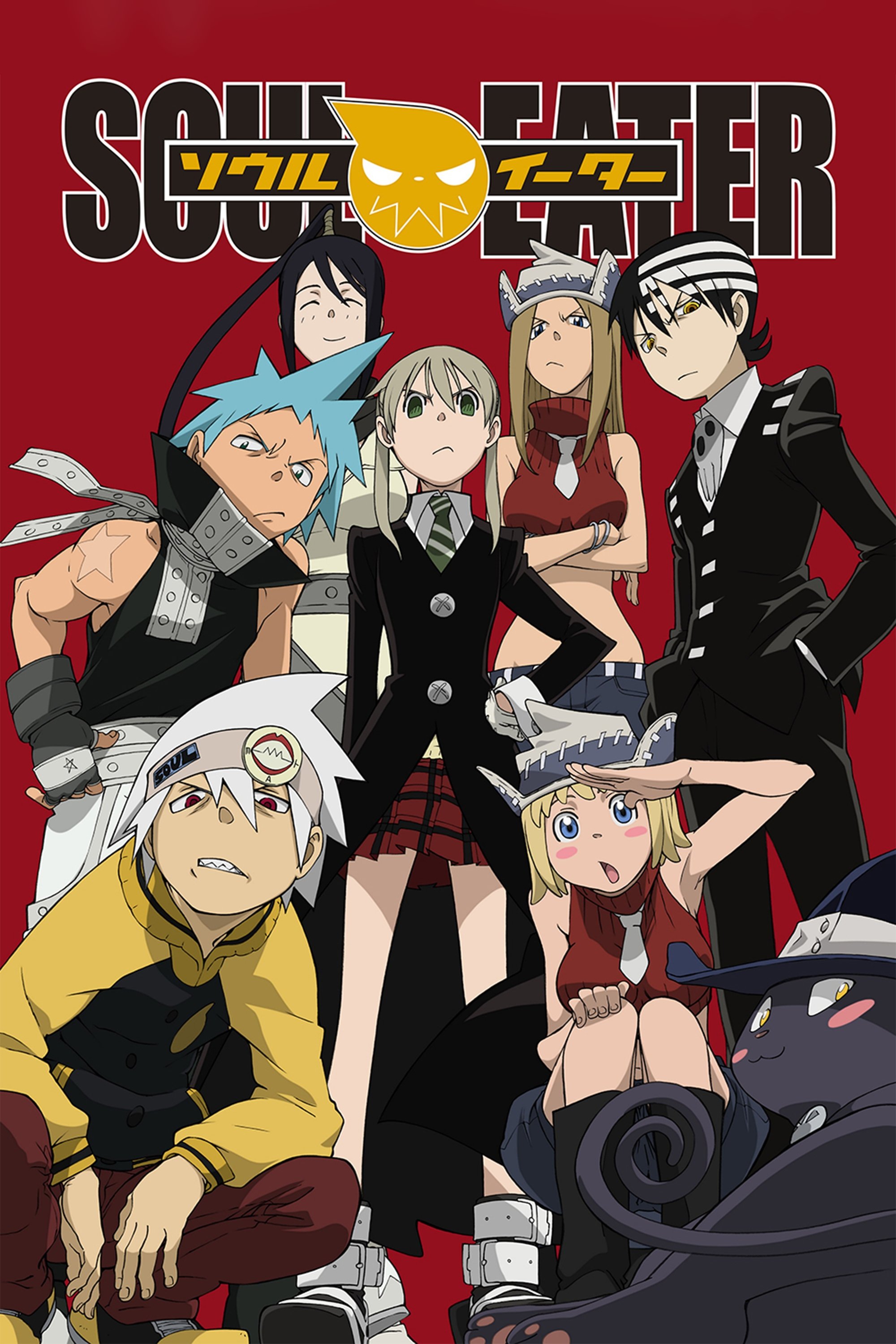
This series adapts the manga’s early content across fifty one episodes before switching to an anime original conclusion. Key later arcs and character developments are not animated. The manga continues with new antagonists and expanded world building after the point where the show diverges. Completing the story requires reading the remaining volumes.
‘Rokka: Braves of the Six Flowers’ (2015)
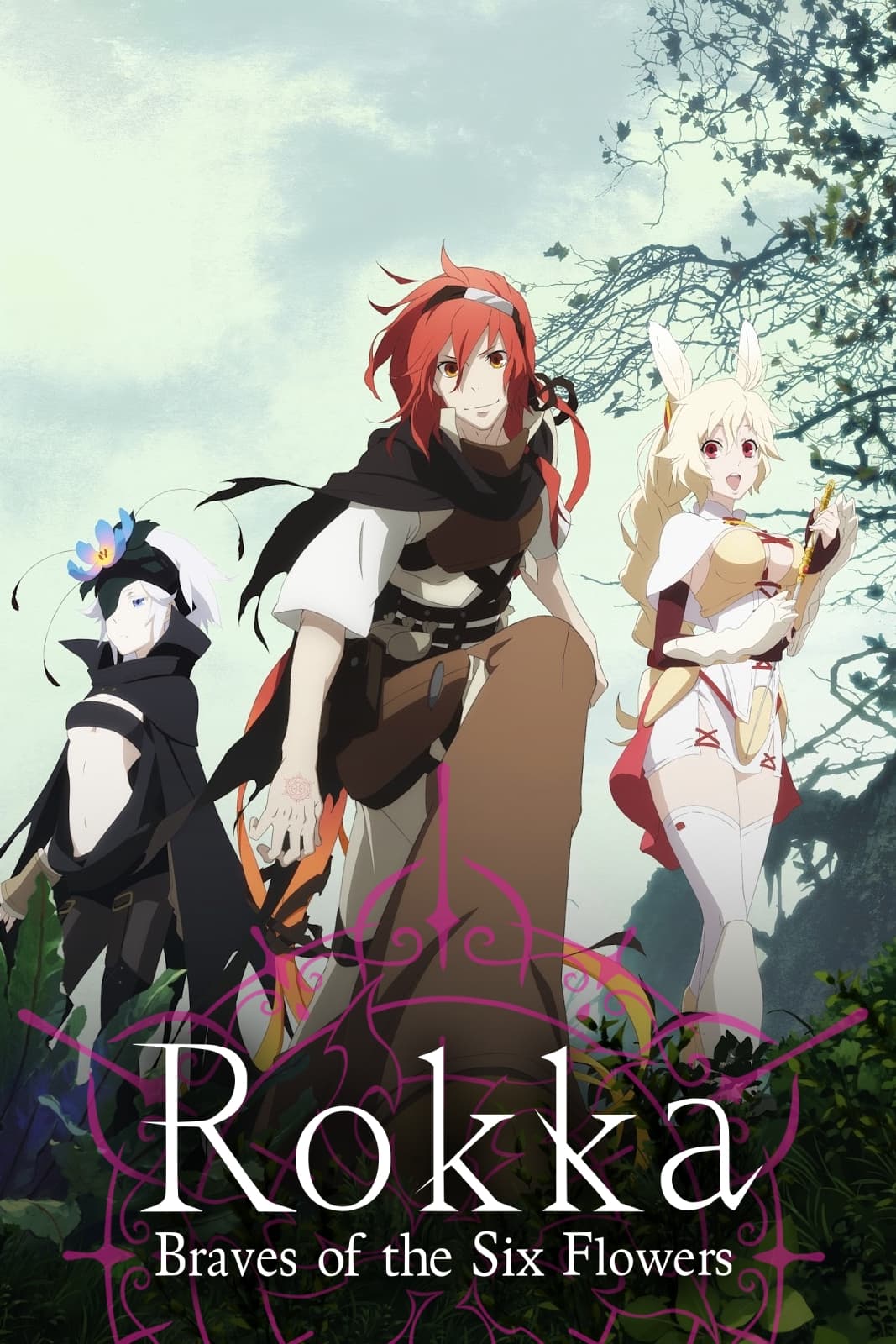
The anime adapts the first light novel arc in twelve episodes. It ends after the initial mystery without covering later volumes that change the party lineup and expand the world. The light novels continue with new locations and deeper lore about the Braves and the Demon God. To follow the journey, readers can pick up the subsequent books.
‘Zetman’ (2012)
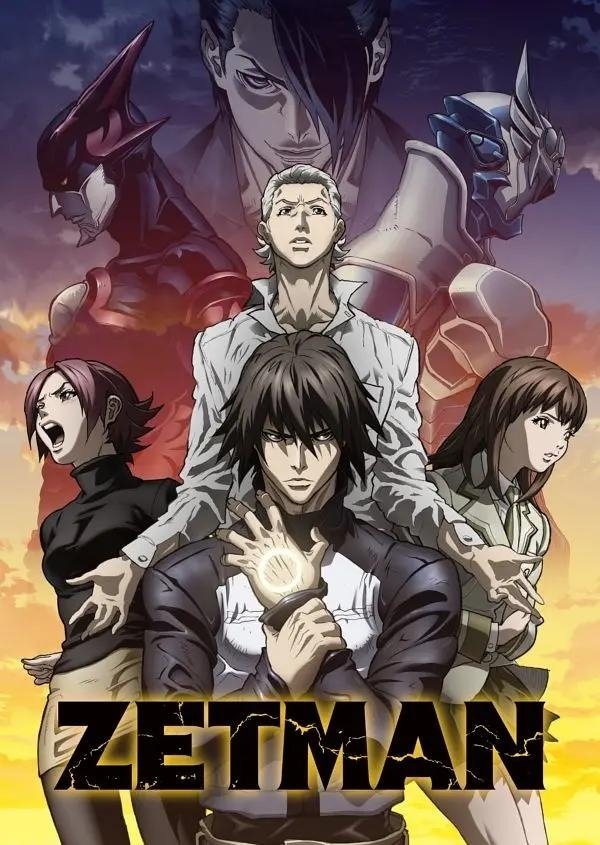
This adaptation condenses and alters early manga arcs over thirteen episodes. It stops before the printed story’s extensive plotlines about the Players and the secret projects behind them. The manga explores the dual leads and their evolving roles in a much longer narrative. Fans can read the source to see how the conflicts escalate and resolve.
‘Noragami’ (2014–2015)
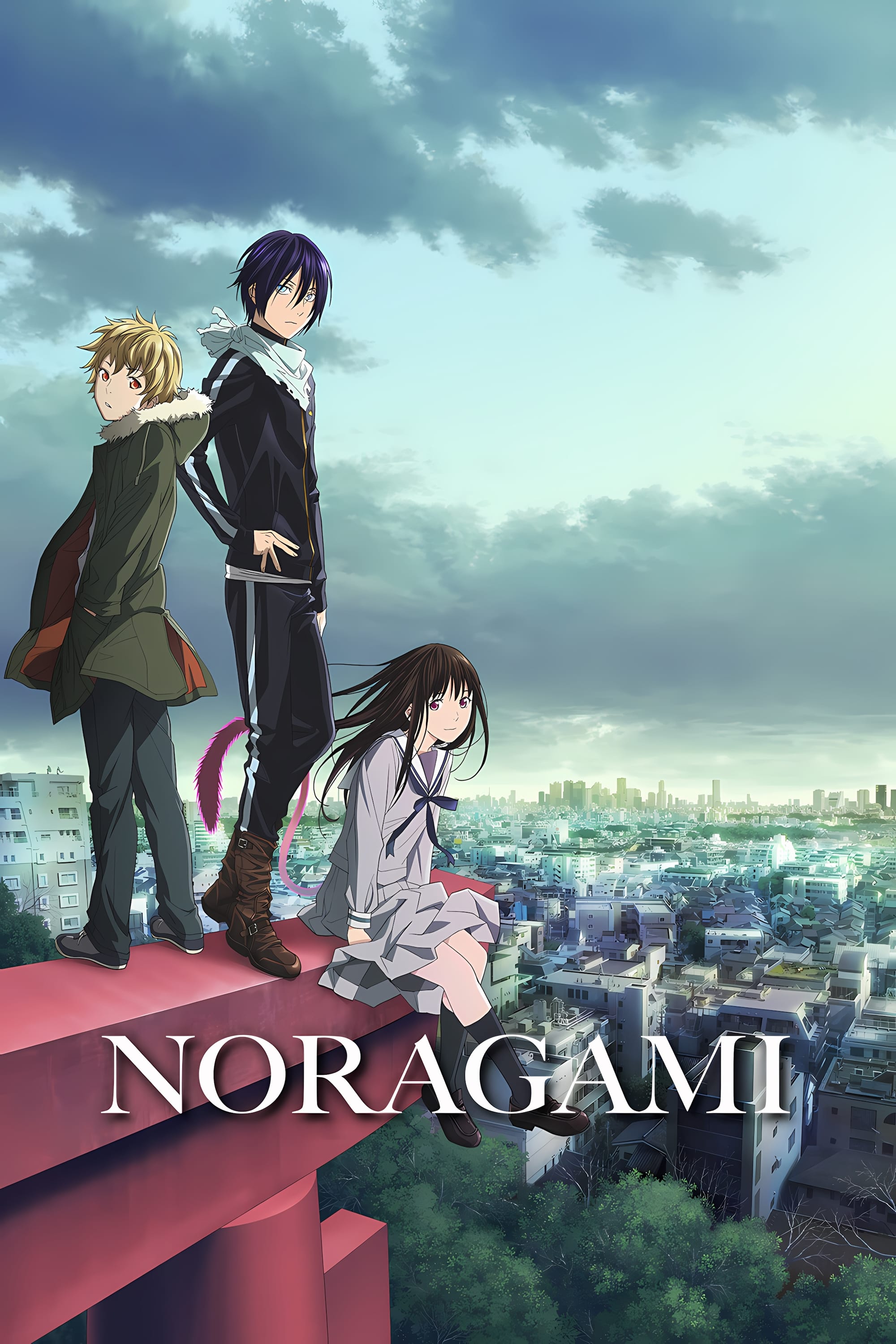
Across two seasons the anime covers the introduction of Yato and several major confrontations. It ends well before the manga’s later arcs that address the gods’ politics and Yato’s past in full. The printed story continues with substantial developments and a complete conclusion. Readers can finish the tale by following the manga through its final chapters.
‘Spice and Wolf’ (2008–2009)
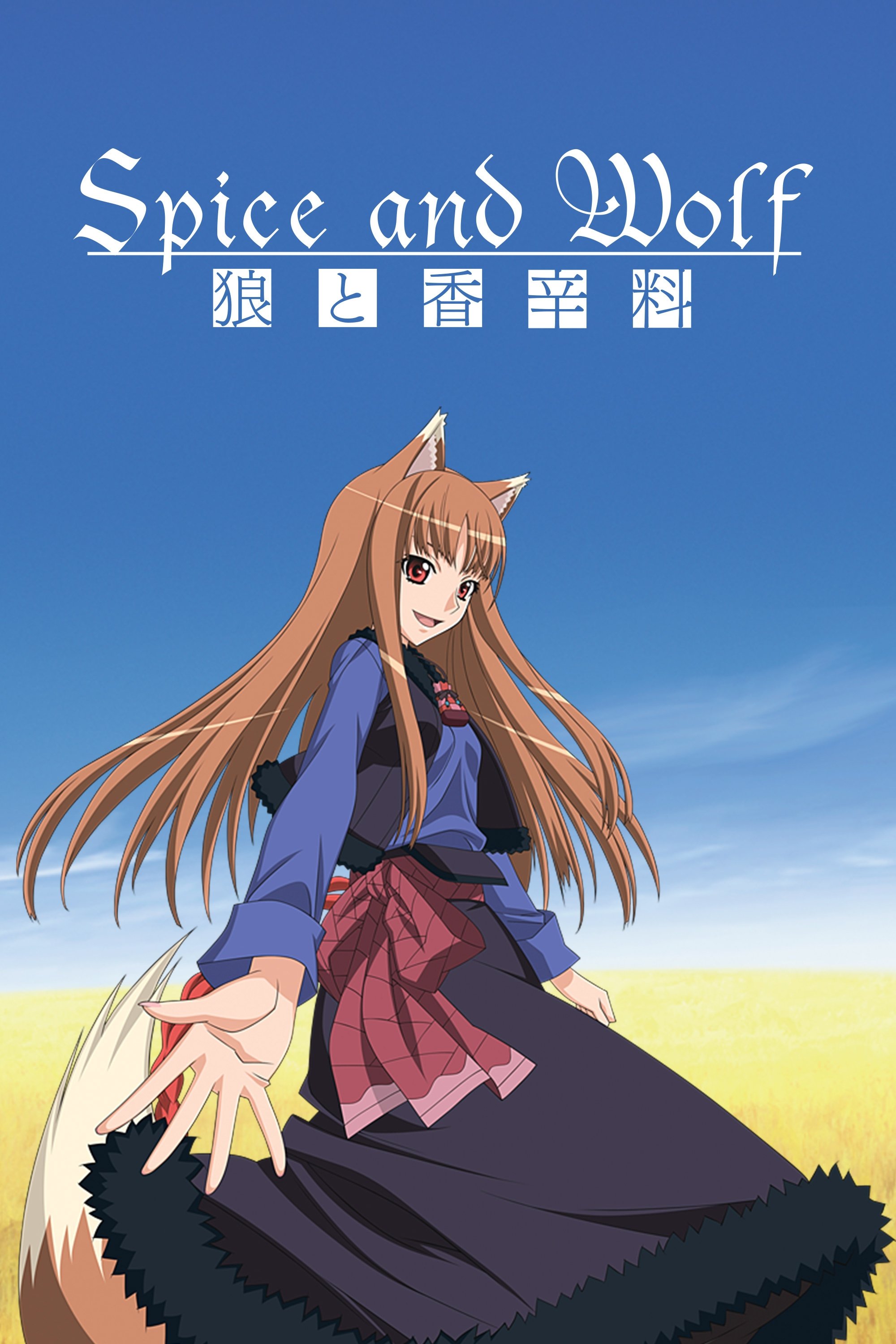
The original adaptation covers several light novel volumes over two seasons but leaves much of the merchant journey unanimated. It stops before key later arcs that deepen the partnership between Kraft Lawrence and Holo. The light novels provide the full route and ultimate destination for the pair. A modern remake has begun retelling the story while the original run still stands as incomplete.
‘Tenjho Tenge’ (2004)
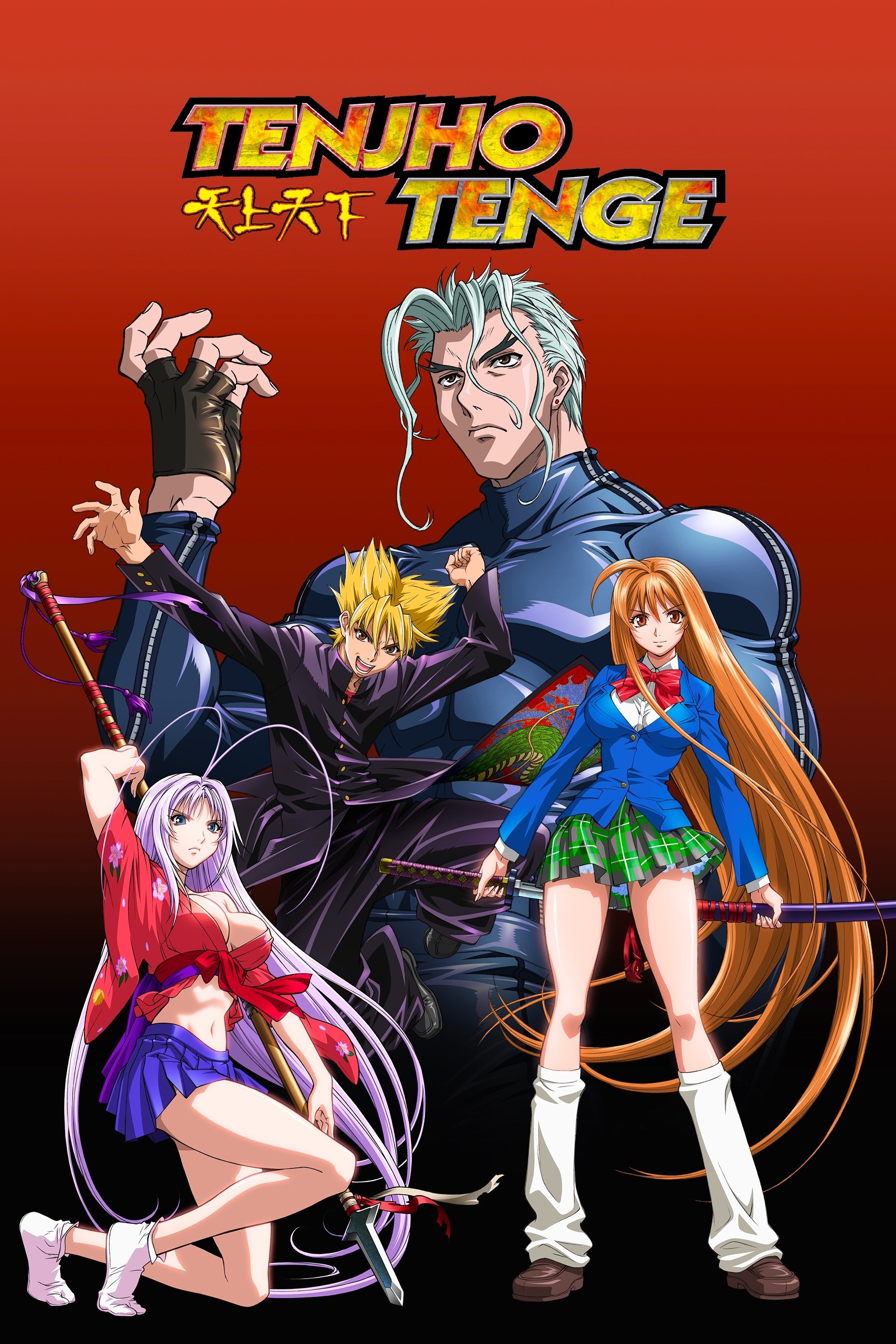
This series adapts the early school fighting arcs over twenty four episodes. It ends without covering the later manga storylines that explain the families and the long running feud. The anime includes flashbacks but stops short of the manga’s wider resolution. To see the complete conflict, readers need to continue with the printed volumes.
‘Gantz’ (2004)
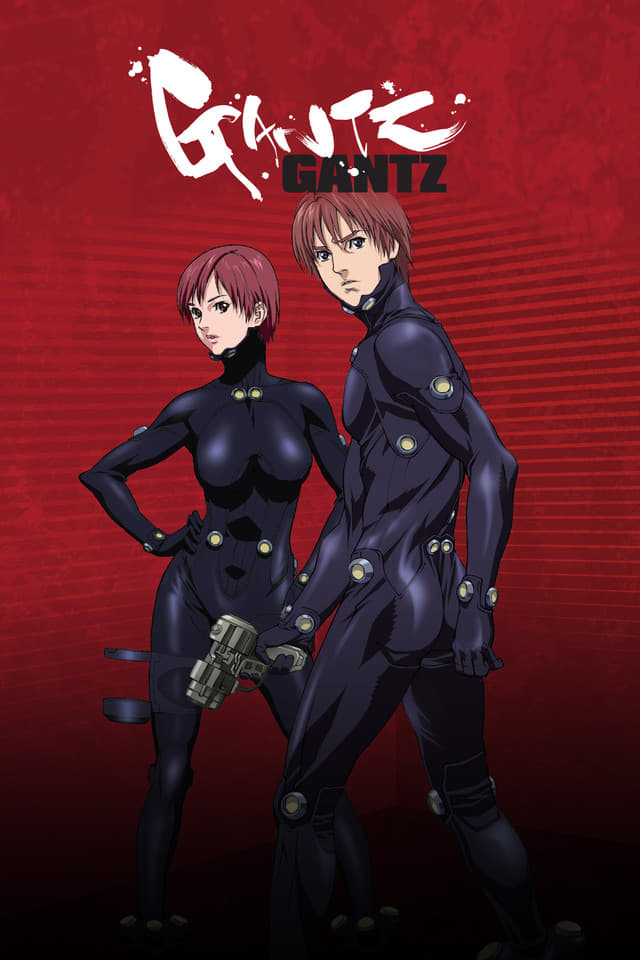
The television version runs for two seasons and concludes with an anime original ending. It diverges from the manga and omits many later missions and revelations about the black spheres. The manga continues much further with large scale battles and the truth behind the game. Fans can read the source to follow the story to its definitive end.
‘Berserk’ (1997–1998)
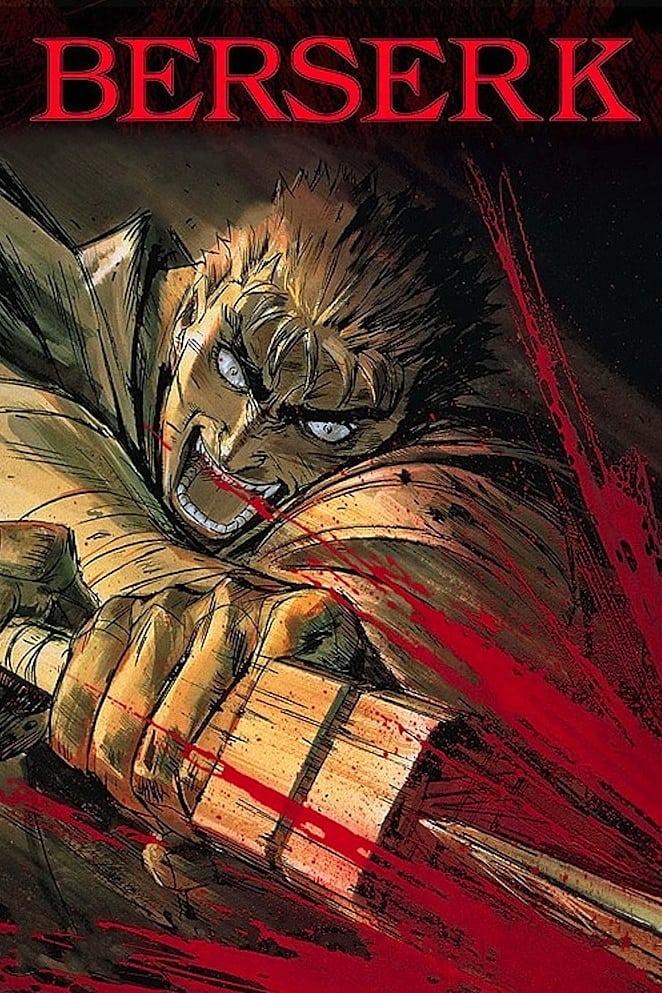
This adaptation covers the Golden Age arc and stops at the Eclipse. It does not animate the long aftermath that defines most of the saga. The manga continues far beyond with new companions, continents, and factions. Those who want the rest of Guts’s journey must move to the manga for the full narrative.
Share the anime you think ended too early in the comments so everyone can compare notes.