

Top 15 Anime Characters Who Got Ripped

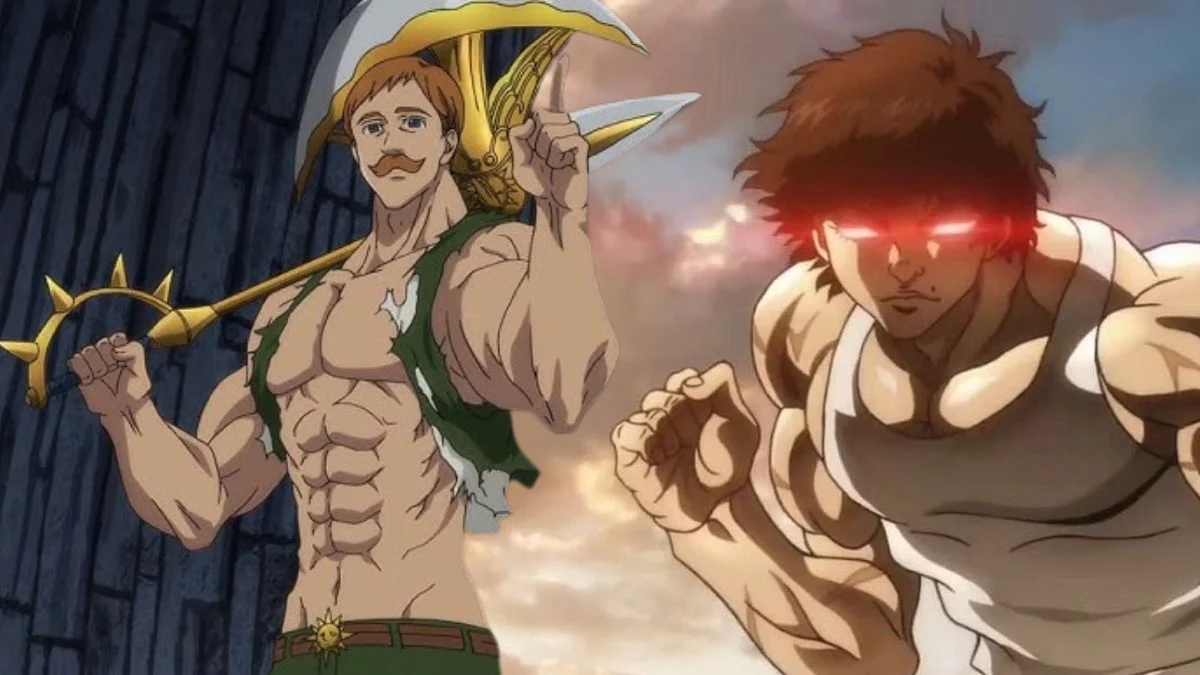


Some anime heroes and villains put in ridiculous work to transform their bodies, and their shows make sure you notice every vein and flex. From training arcs to time skips, these characters earned physiques that match their wild power-ups. Here are standout examples across shonen and beyond, each tied to a series where the animation studio helped sell every muscle twitch. No rankings here, just a tour of bulked up legends and how they got that way.
Son Goku
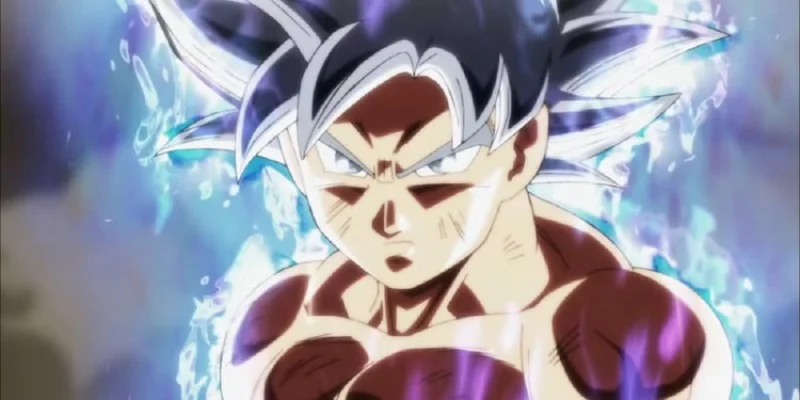
In ‘Dragon Ball Z’ and ‘Dragon Ball Super’, Goku’s physique grows with each gravity chamber session and new Saiyan form. He trains under fifty times Earth’s gravity, spars with gods, and stacks techniques like Kaio-ken over Super Saiyan states. The visual escalation is a hallmark of Toei Animation and it highlights how his body adapts to match every new ceiling. Ultra Instinct adds a leaner, sharper frame while keeping the raw power unmistakable.
Vegeta
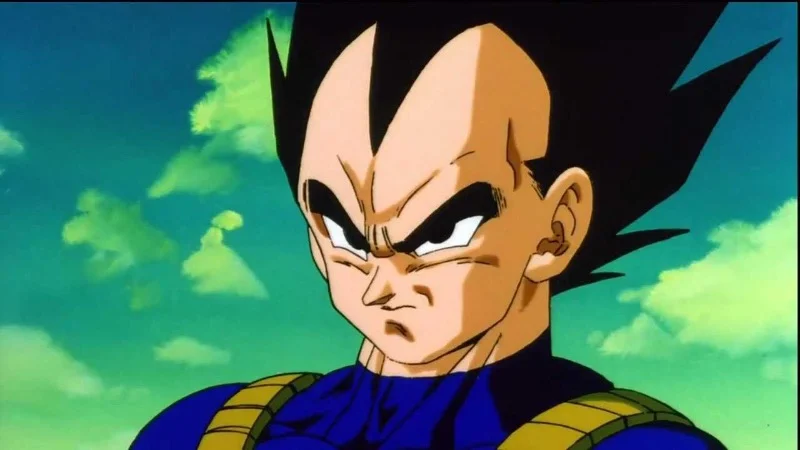
Vegeta’s body reflects relentless self improvement throughout ‘Dragon Ball Z’ and ‘Dragon Ball Super’. He endures brutal sessions in the gravity room, hyperbolic time chamber marathons, and specialized training with Whis. Toei Animation emphasizes his compact, high density build that contrasts with Goku’s longer lines. The Prince’s gains are always tied to technique refinements like controlled ki output and precise guard.
Broly
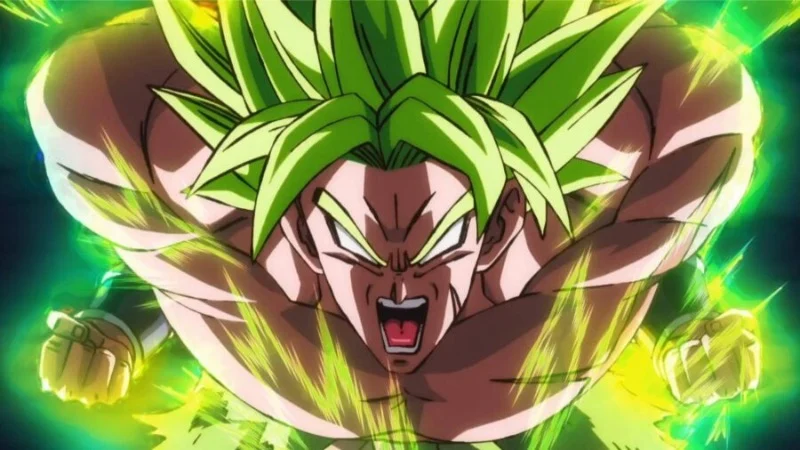
In ‘Dragon Ball Super: Broly’, the Saiyan’s physique expands from rugged survivor to towering berserker under extreme emotional triggers. His power manifests as layered muscle fiber growth that surges with his wrathful state. Toei Animation stages the transformation with frame stretching and weighty impact shots. The result shows a body tuned for raw output and durability rather than fine control.
All Might

‘My Hero Academia’ presents All Might’s heroic form as a supercharged physique built on the transferable Quirk One For All. His muscle bound look is contrasted with his weakened state to underline the cost of hero work. Bones animates the shift with exaggerated squash and stretch that still reads as mass heavy. Flashback training passes the torch to Midoriya and clarifies how that power demands a body that can withstand it.
Saitama

In ‘One-Punch Man’, Saitama claims a simple regimen of daily calisthenics and no air conditioning, yet he ends up with a ripped frame and limitless strength. The gag plays against the standard shonen grind while still showing clearly defined musculature. Madhouse and later J.C.Staff depict him as deceptively plain until the camera lingers on fight choreography. His body reads like minimal bulk with maximum force transmission.
Eren Yeager

‘Attack on Titan’ uses a time skip to show Eren’s shift from wiry recruit to hardened operative with broader shoulders and visible core strength. His training and field experience align with his evolving Titan control and endurance. Wit Studio and later MAPPA accentuate the lean muscle and sharper jawline that match his colder demeanor. The change supports longer engagements and high mobility maneuvering.
Asta
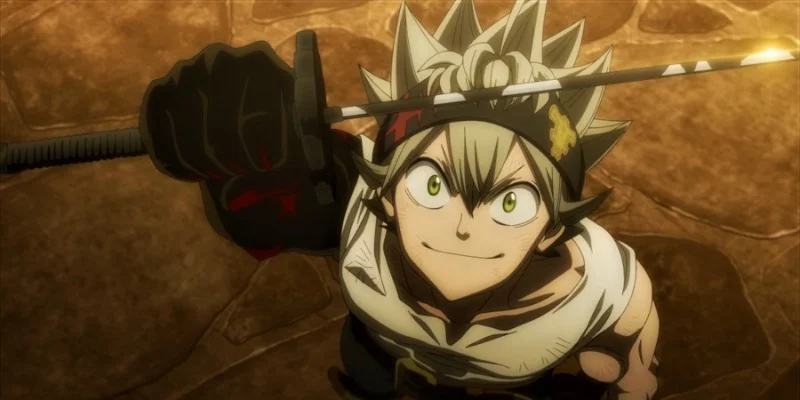
In ‘Black Clover’, Asta builds a muscular physique through relentless physical conditioning to compensate for having no magic. He swings oversized swords, performs nonstop core work, and trains under anti magic constraints that demand brute stamina. Studio Pierrot presents him with thick arms and an iron midsection that sell heavy weapon handling. His gains tie directly to longer transformation upkeep and higher strike volume.
Ichigo Kurosaki

‘Bleach’ charts Ichigo’s growth from student to battle ready Soul Reaper with progressive increases in definition. He endures Bankai training that compresses time and exposes him to high spiritual pressure, forcing rapid adaptation. Studio Pierrot frames his body with long limbs and a cut torso that fit quick draw sword work. Later forms emphasize tensile strength over bulk.
Roronoa Zoro
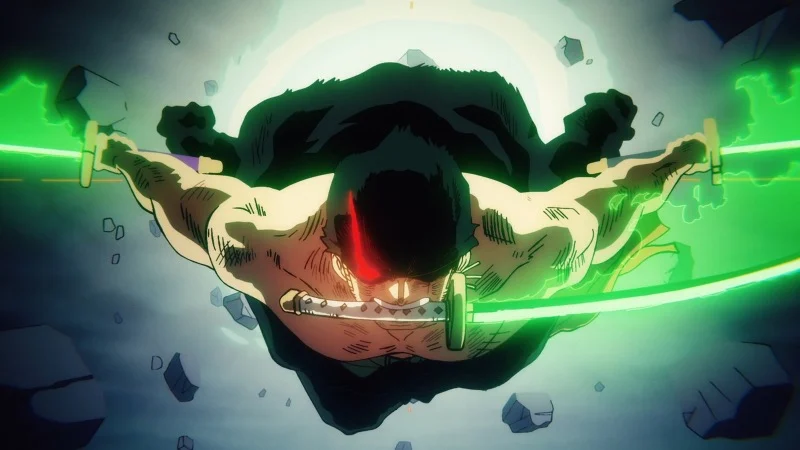
‘One Piece’ features Zoro’s constant strength work, from weighted katas to sword endurance drills that enable three sword style. Time skip gains result in a thicker neck, broader lats, and forearms made for sustained grip. Toei Animation underscores his stability with low stances and heavy shading around the core. The physique is built to anchor colossal cuts without losing balance on deck.
Guts

In ‘Berserk’, Guts carries a slab like greatsword that requires a dense, battle worn build. His training is practical, forged by mercenary life and constant armor wear that taxes endurance. OLM’s classic run and later adaptations depict ropey forearms, defined delts, and a torso conditioned for recoil absorption. The body design supports long arcs of attrition against inhuman foes.
Baki Hanma
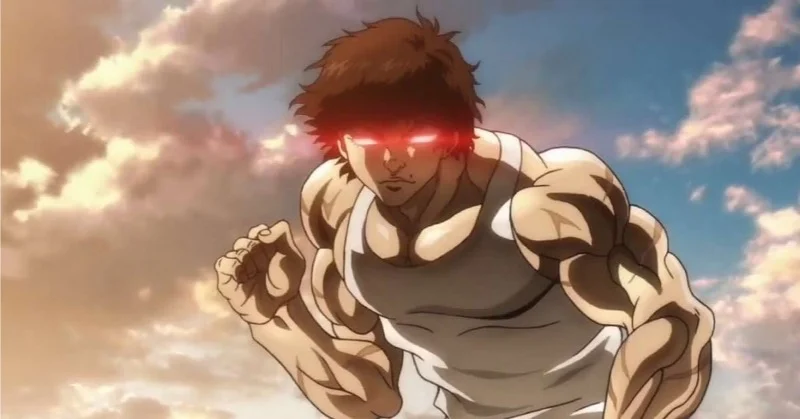
‘Baki’ follows Baki’s targeted muscle development to match specialized martial arts techniques. He cycles through hypertrophy, conditioning, and neuromuscular drills to refine speed while adding power. TMS Entertainment highlights striation detail and anatomical focus during technique breakdowns. The series treats physique as a technical tool linked to specific fighting applications.
Jonathan Joestar
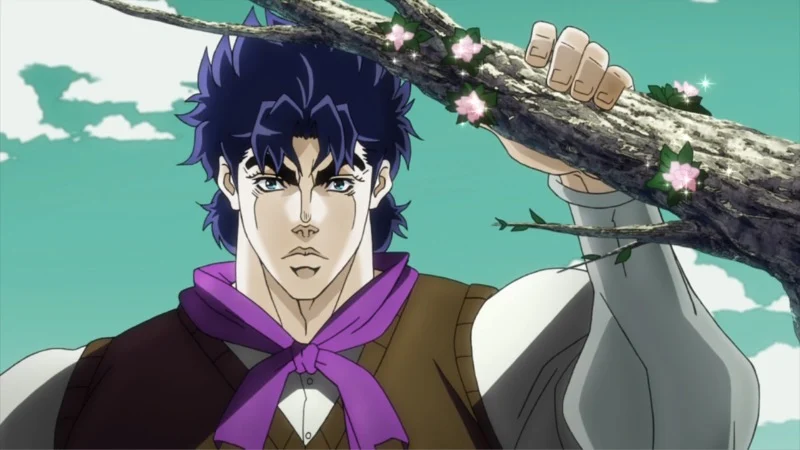
‘JoJo’s Bizarre Adventure’ begins with Jonathan’s gentleman boxer build that transforms through Ripple training into a heroic frame. His chest and shoulder development matches a style focused on straight power and breath control. David Production uses bold shading and angular posing to emphasize mass and posture. The classic look sets the physical template many later Joestars iterate on.
Escanor

In ‘The Seven Deadly Sins’, Escanor’s body changes with the sun, peaking at noon as his power swells. The transformation presents expanding muscle volume alongside a surge in magical heat. A-1 Pictures and later Studio Deen animate the shift with scaling and glow that still reads as physical weight. The day night contrast makes his physique a literal clock of power.
Tengen Uzui
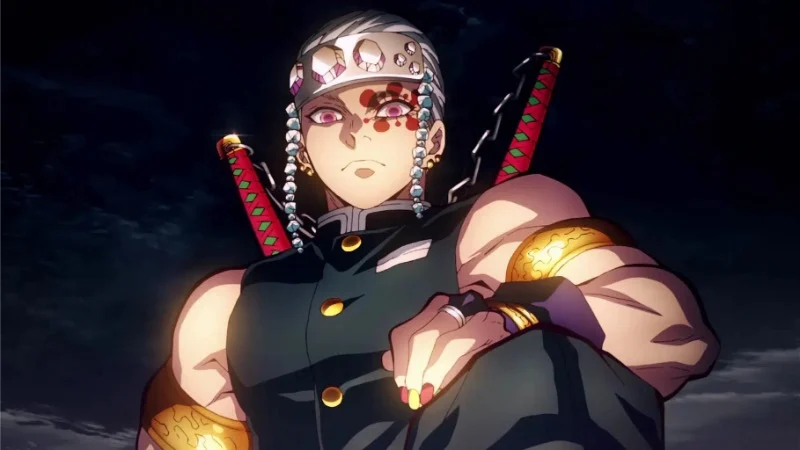
‘Demon Slayer: Kimetsu no Yaiba’ shows Tengen as a sound focused Hashira with a gymnast like bulk suited to explosive movement. His training favors coordinated core and limb power for dual blade handling and acrobatic positioning. Ufotable illustrates pronounced arm and shoulder lines during set piece fights that showcase grip strength. His physique supports high speed footwork while wearing heavy accessories.
Gon Freecss

‘Hunter x Hunter’ uses the adult transformation to depict a sudden, purpose driven surge to a fully developed build. The change concentrates years of potential growth into a single moment, altering limb length and muscle density. Madhouse frames the shift with stark lighting and minimal motion to stress how unnatural it is. The form is powerful but tied to a specific emotional and narrative cost.
Share your picks for the most impressively built anime characters in the comments and tell us who we missed.