

Top 20 Anime Everyone Makes Fun Of

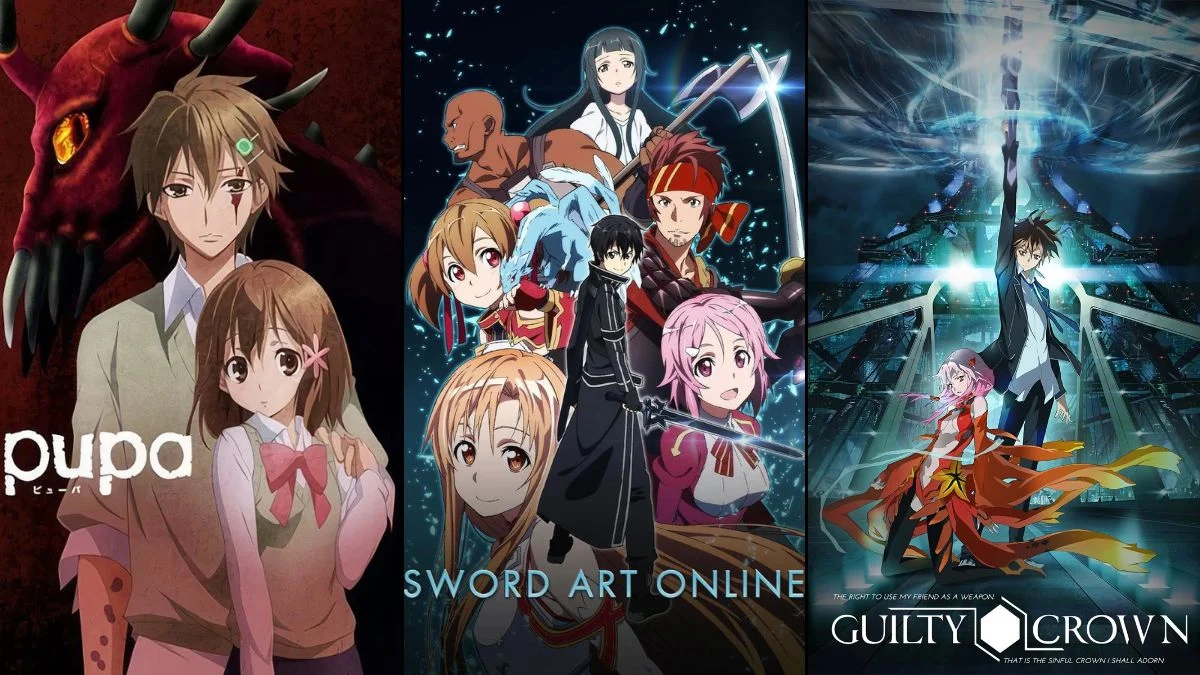


Some anime end up as punchlines because of wild production choices, overused tropes, or story twists that sparked endless memes. Fans roast them while still quoting the lines, clipping the scenes, and debating the choices that made them so infamous. You can love these shows and still laugh at the quirks that turned them into running jokes across forums and group chats. Here are the titles people keep teasing, along with the reasons they became meme magnets.
‘Ex-Arm’ (2021)
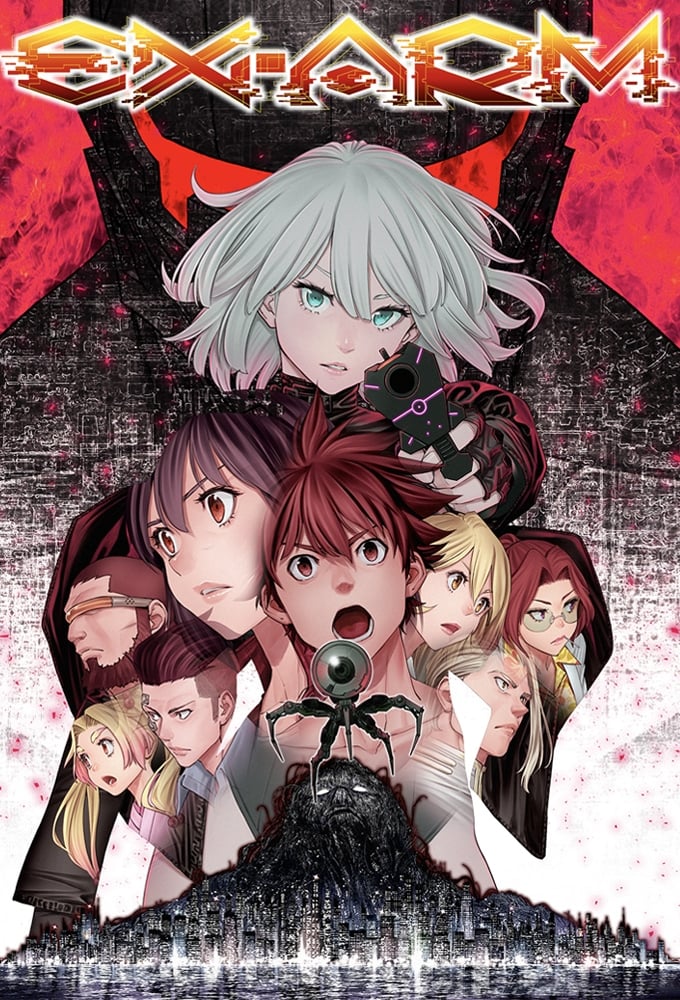
This series became a case study for what happens when full 3D character models do not blend with 2D backgrounds. The production used motion capture in ways that made movement look stiff and out of sync with the environment. Scenes of police action and close combat were widely clipped because the timing and camera cuts looked off. Even simple dialogue shots drew attention because lip flaps and body language did not match the voices.
‘Pupa’ (2014)
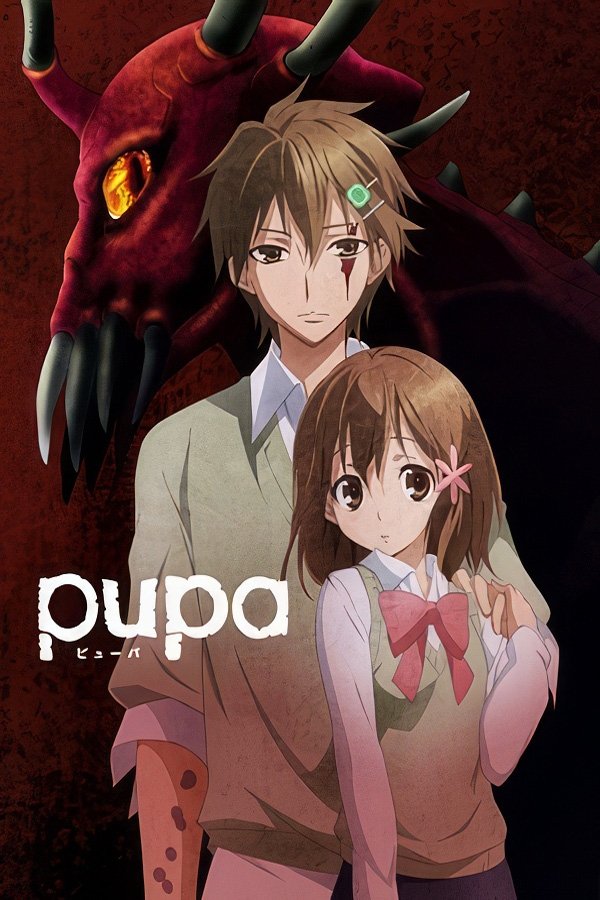
Each episode runs only a few minutes, which chopped up the story and left major plot beats without context. Broadcast versions relied on heavy censorship that hid gore behind opaque effects, making key scenes hard to follow. Viewers circulated side by side frames to show how much was obscured on television. Home releases restored footage, but the short format still limited character development and exposition.
‘Mars of Destruction’ (2005)
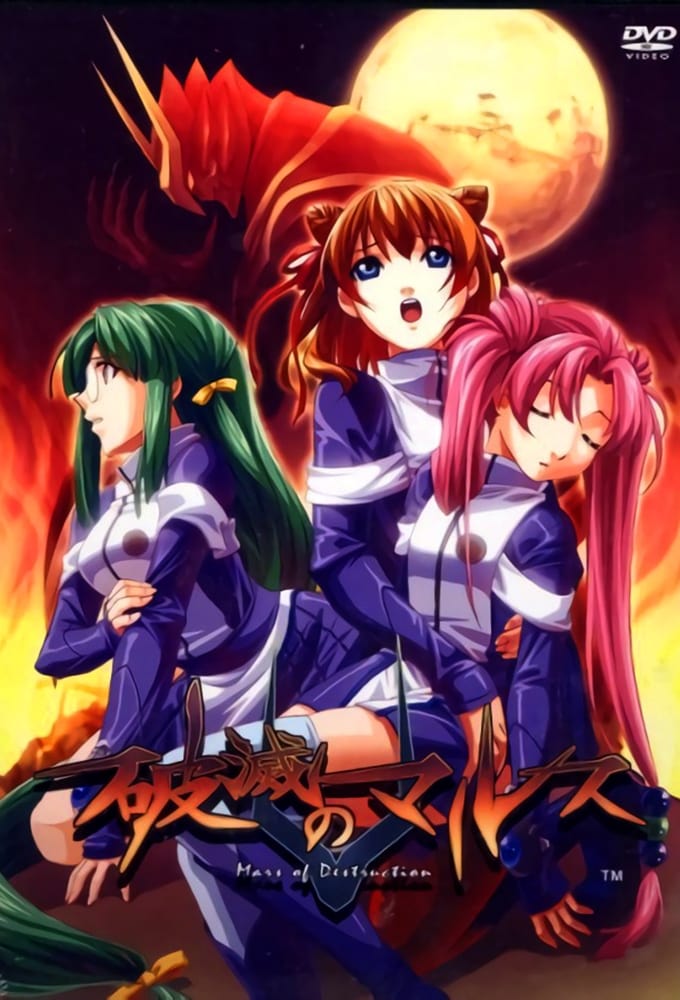
This single episode OVA is known for frequent art and animation errors that distract from the story. Character faces drift off model within the same scene and action shots cut away before impacts land. Sound effects repeat at odd moments while lines are delivered over mismatched mouth movement. The ending arrives abruptly, which only fuels rewatches done for comedic effect.
‘Hand Shakers’ (2017)
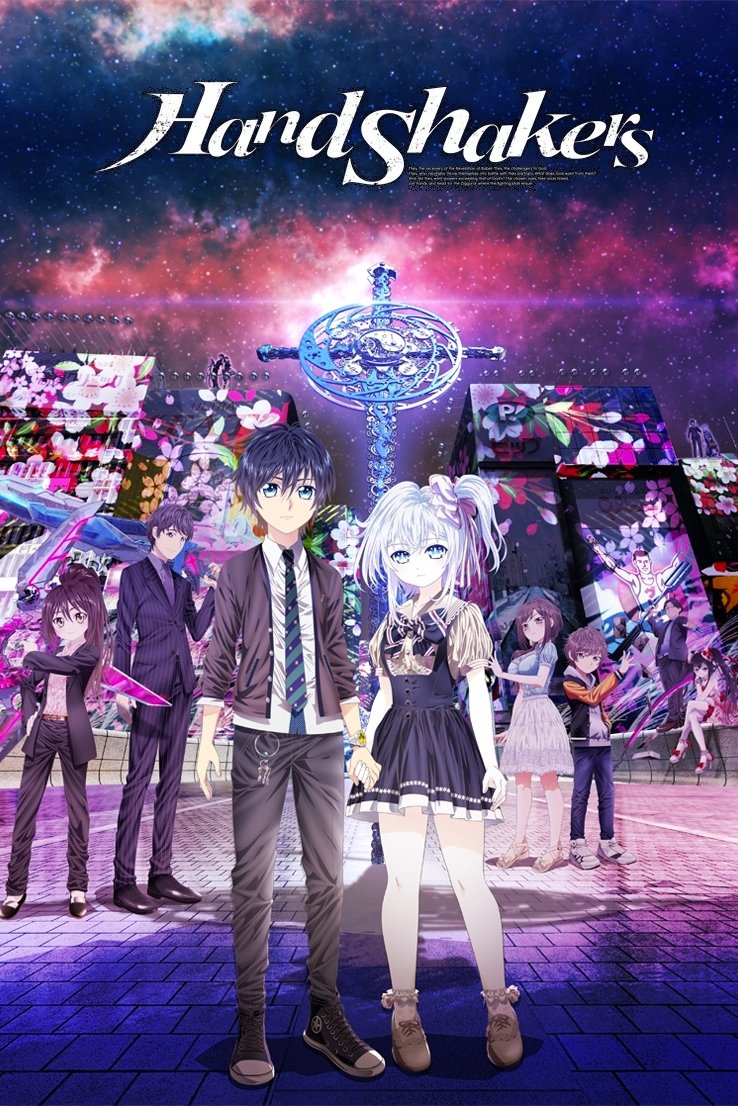
Fight scenes used constant camera movement that made spatial layouts hard to read. Reflections and glossy textures were pushed in most frames, creating visual clutter around the characters. Dialogue exchanges often layered foreground and background text that pulled the eye away from the speakers. Fans shared gifs of chain weapons and gear summons because the perspective looked inconsistent across cuts.
‘Eromanga Sensei’ (2017)
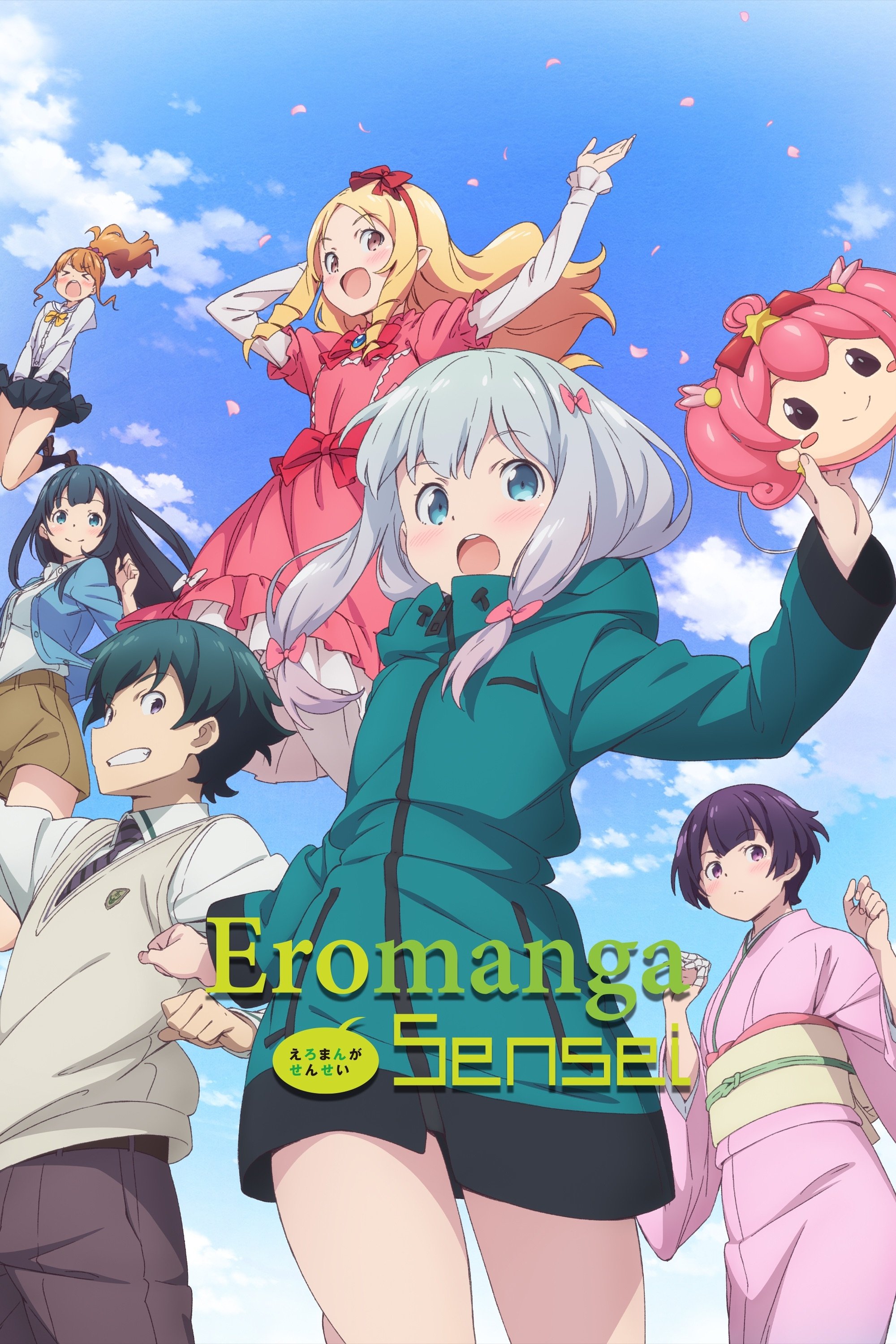
The premise centers on teen light novel creators who happen to be step siblings, which immediately drew scrutiny from viewers. The show features frequent reference humor about otaku culture and popular titles that lands as awkward for some audiences. Scenes of live streaming and fan service are framed as industry satire, yet viewers pass around clips that highlight the contrast. Merchandise and event marketing inside the story added another layer people love to poke fun at.
‘Sword Art Online’ (2012–2014)

Early arcs moved the story quickly through many floors without showing the day to day of survival, which led to jokes about skipped progress. Power scaling for the lead becomes a common talking point in highlight reels. The abrupt shift between game worlds gives meme makers a clean breakpoint to compare tones. Catchphrases and signature moves are clipped widely because they appear in sudden, dramatic cut ins.
‘Boruto: Naruto Next Generations’ (2017–2023)

The long run includes many slice of life episodes that fans label as filler, and those episodes are a frequent target for jokes. Comparisons to the parent series show differences in stakes and tone that invite parody. Character power levels fluctuate across arcs, which fuels charts and memes about sudden strength jumps. The shift to new villains and technologies produces side by side edits that contrast classic ninja tactics with modern tools.
‘Fairy Tail’ (2009–2019)
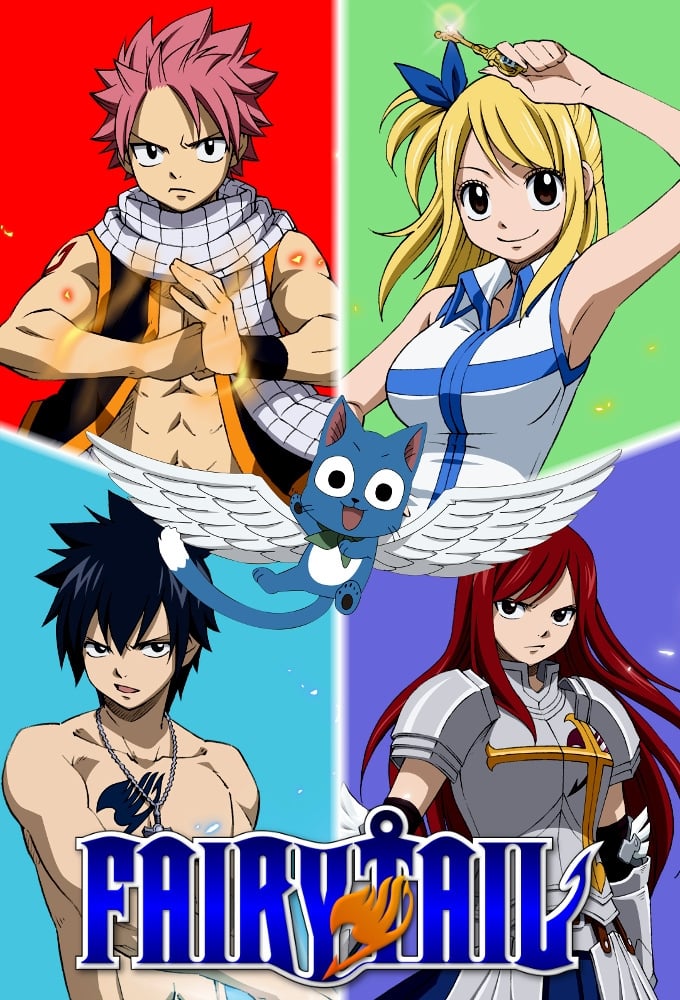
Story climaxes often hinge on bonds between teammates, leading to the community phrase about winning through friendship. The episodic structure sets up regular last minute reversals that show up in compilation videos. Character theme songs and chants are reused in ways that make fan edits easy to assemble. Costume swaps and form upgrades appear frequently, which helps meme creators label each phase of a fight.
‘The Asterisk War’ (2015–2016)
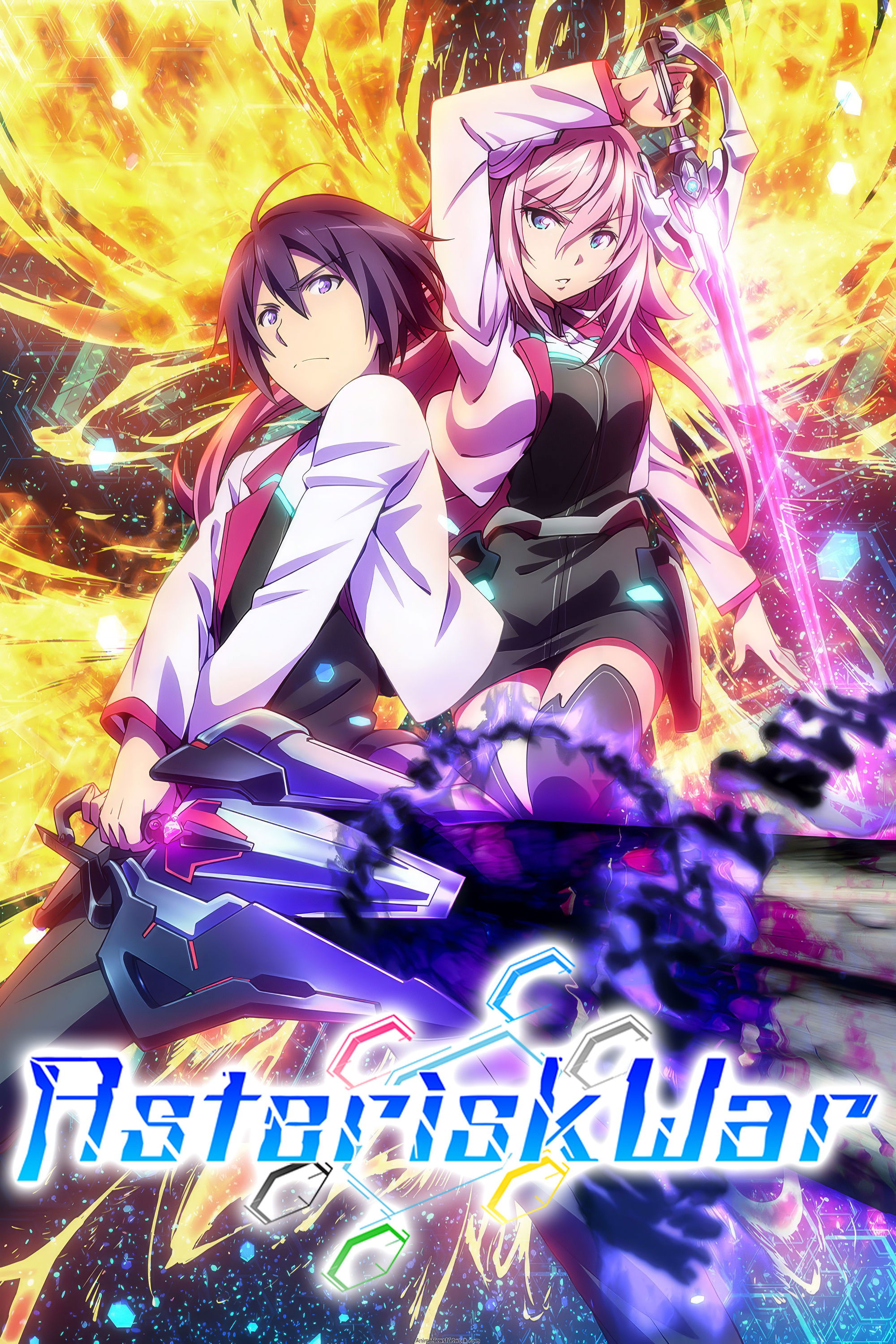
This entry follows the battle academy format where students duel in tournaments with clearly defined rules. Many episodes revolve around ranking boards, match brackets, and sponsor systems that viewers compare to other school battle shows. The harem elements intersect with training arcs in predictable beats that get mapped and shared. Viewers joke about how quickly new transfer students receive unique weapons and signature moves.
‘Guilty Crown’ (2011–2012)
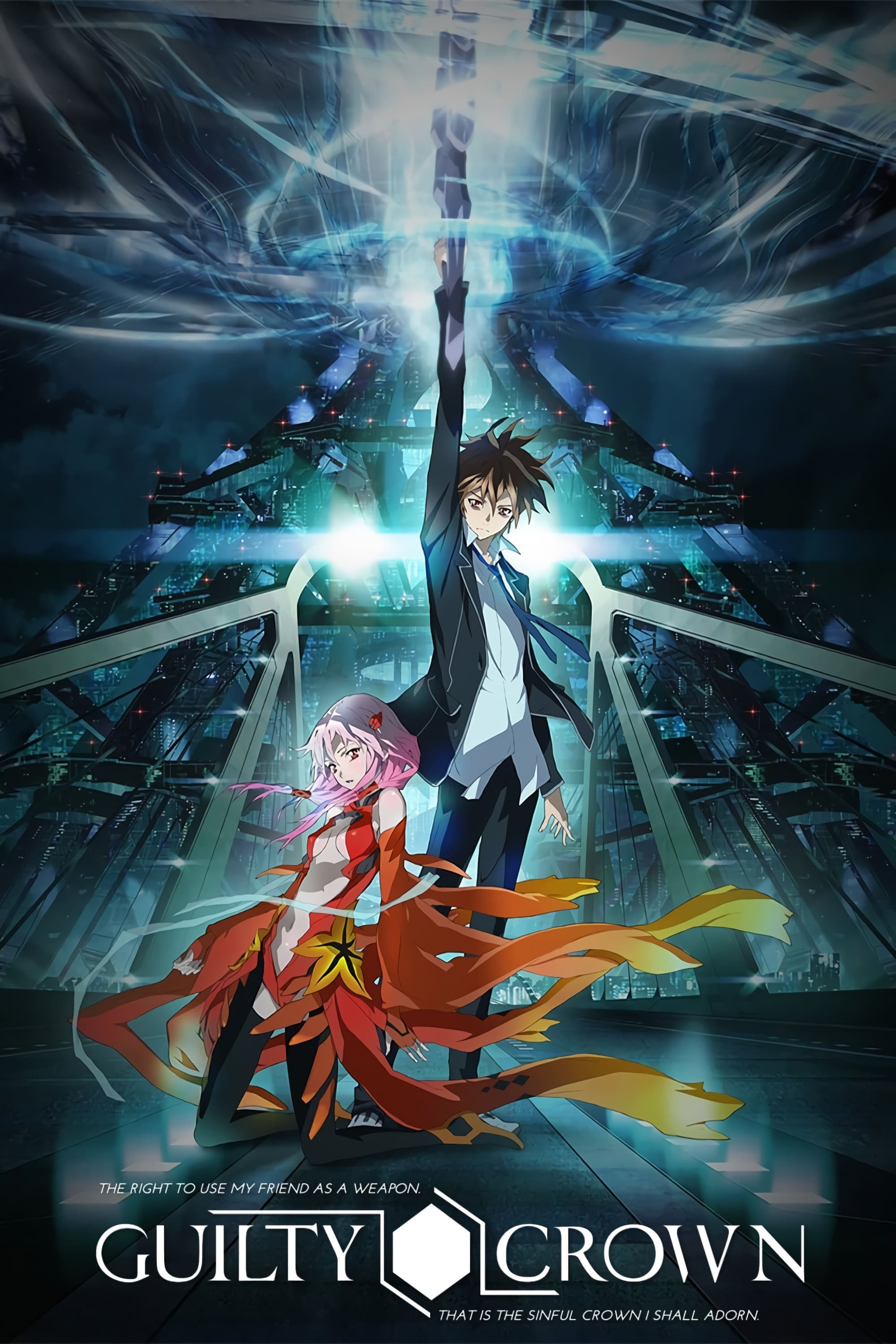
The lead can manifest weapons by pulling them from other people, a concept that spawns endless visual puns. Mid season shifts introduce political plotlines that reframe earlier episodes in surprising ways. Character deaths and reversals are edited into timelines to show rapid swings in allegiance. The soundtrack is praised widely, which adds contrast when fans cut dramatic music over chaotic scenes.
‘Darling in the Franxx’ (2018)
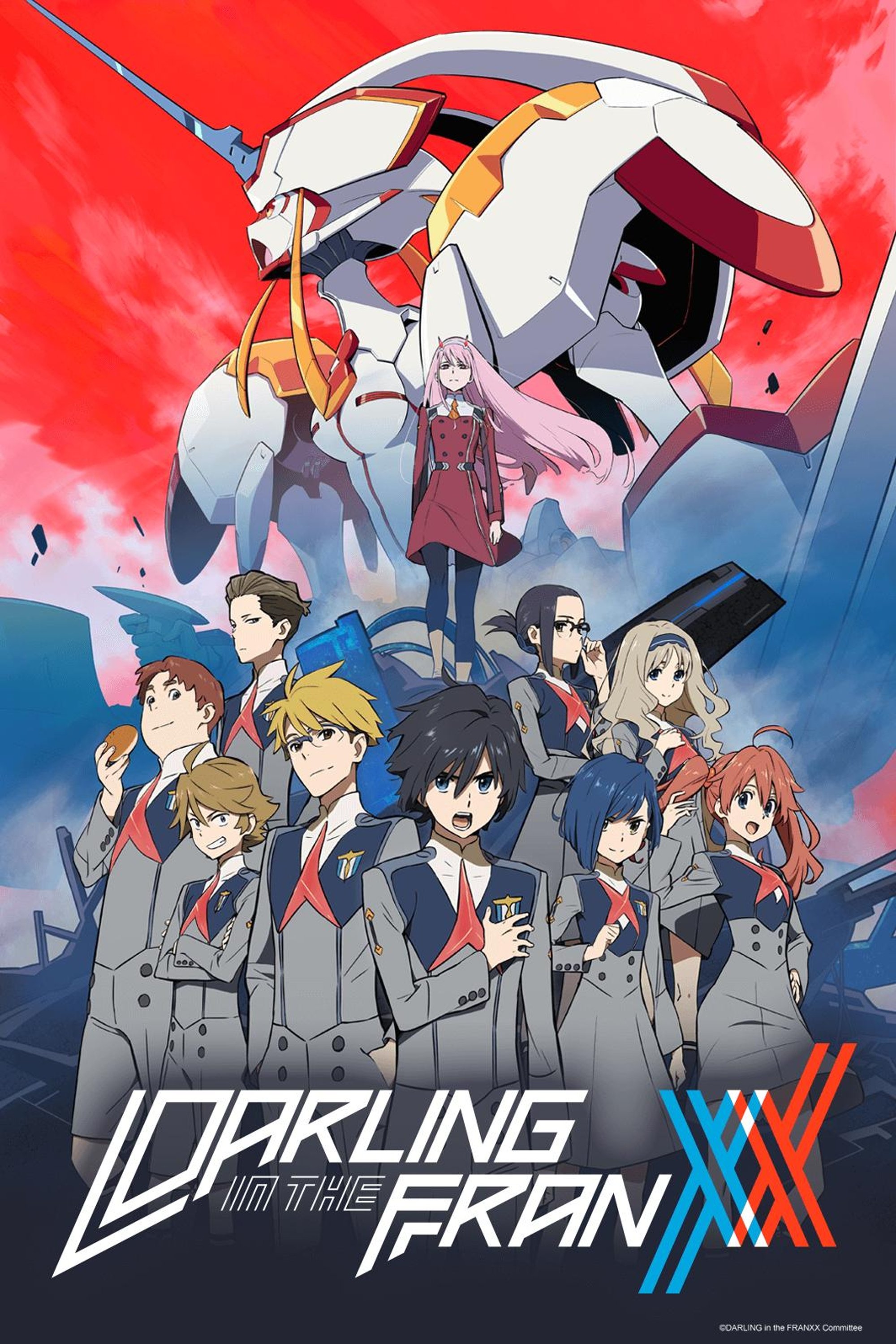
The series begins with coming of age mecha battles and later pivots into lore that expands far beyond the initial setting. That change encourages charts tracking terminology for pilots, machines, and factions. Episode discussions often focus on staging choices during key breakups and reconciliations. The final stretch inspires flowcharts that map character decisions leading into the conclusion.
‘Tokyo Ghoul √A’ (2014)
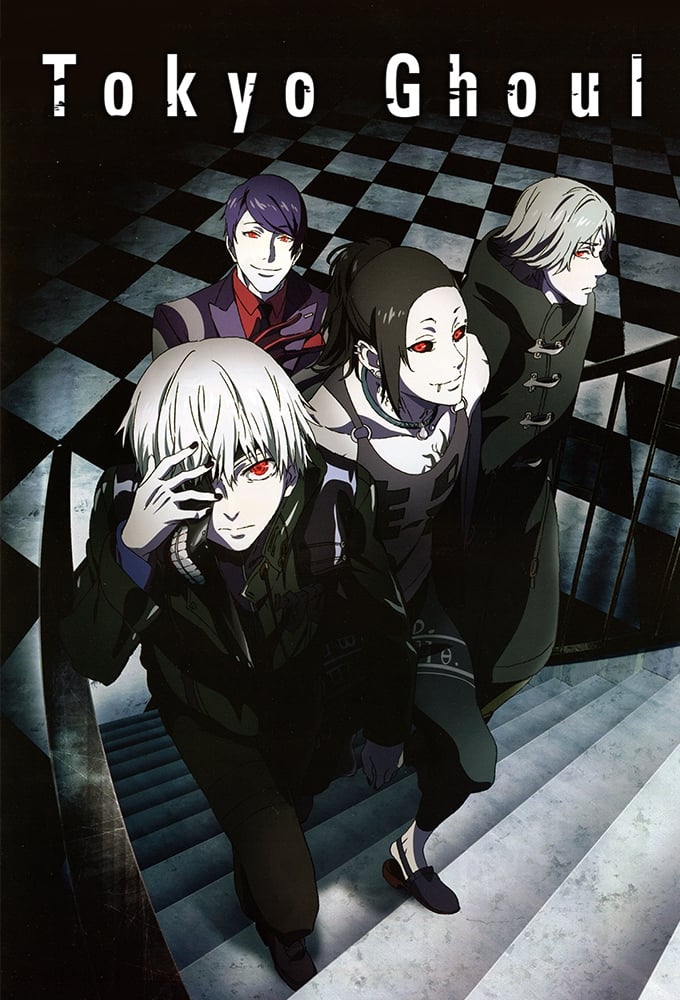
This season diverges from the manga storyline, which creates side by side comparisons for major events. Character motivations shift in ways that make continuity threads difficult to follow across episodes. Fight choreography emphasizes atmosphere over clear geography, leading to looping clips of smoke and rain. Fans catalog costume and mask changes to track who aligns with which group at a given moment.
‘Akame ga Kill!’ (2014)

The plot commits to high mortality across both sides of the conflict, so viewers built bingo cards for who would fall next. Weapons have named abilities that show up as on screen callouts, making it easy to compile ability reels. The empire versus rebels framing produces debate over tactics used in each assassination. Late stage battles escalate quickly, which encourages joking graphs about sudden power spikes.
‘Big Order’ (2016)
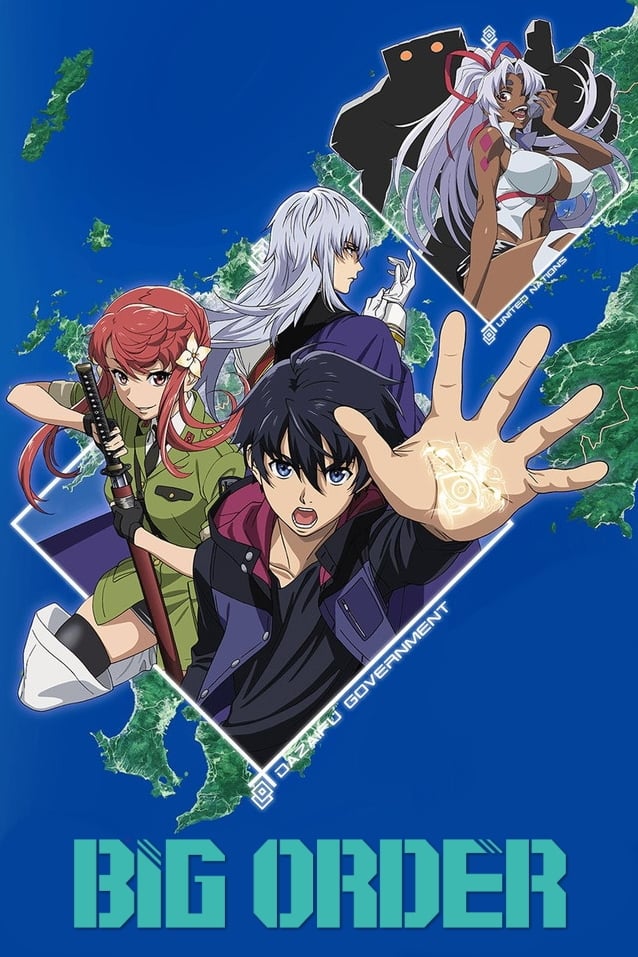
This story grants wish based powers that manifest as territory control and contracts, and those rules are explained through dense infodumps. Scenes of citywide destruction are intercut with school life that resumes almost immediately afterward. The lead’s relationships create hostage situations that escalate in unexpected directions. Viewers share clip compilations that show how often the power system bends to resolve the latest crisis.
‘Berserk’ (2016–2017)
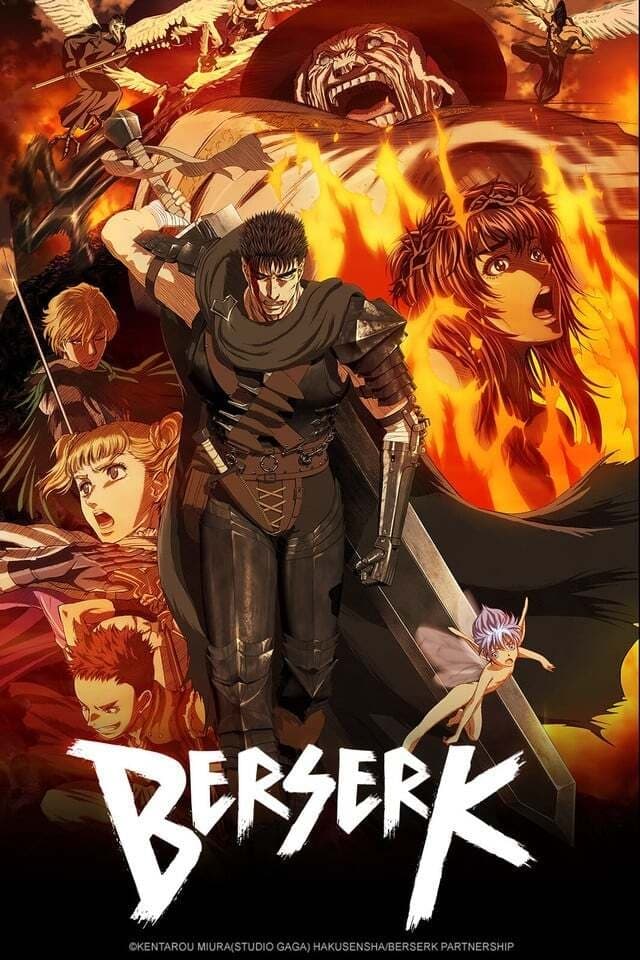
This adaptation relies heavily on low frame rate 3D models mixed with 2D effects, which draws frequent criticism. Sword clashes often cut to impact frames that do not align with character posing. Sound mixing places screams and metallic hits above dialogue, leading to comic remixes. Fans point new viewers to specific episodes as examples of how the camera struggles to track movement.
‘Infinite Stratos’ (2011–2013)
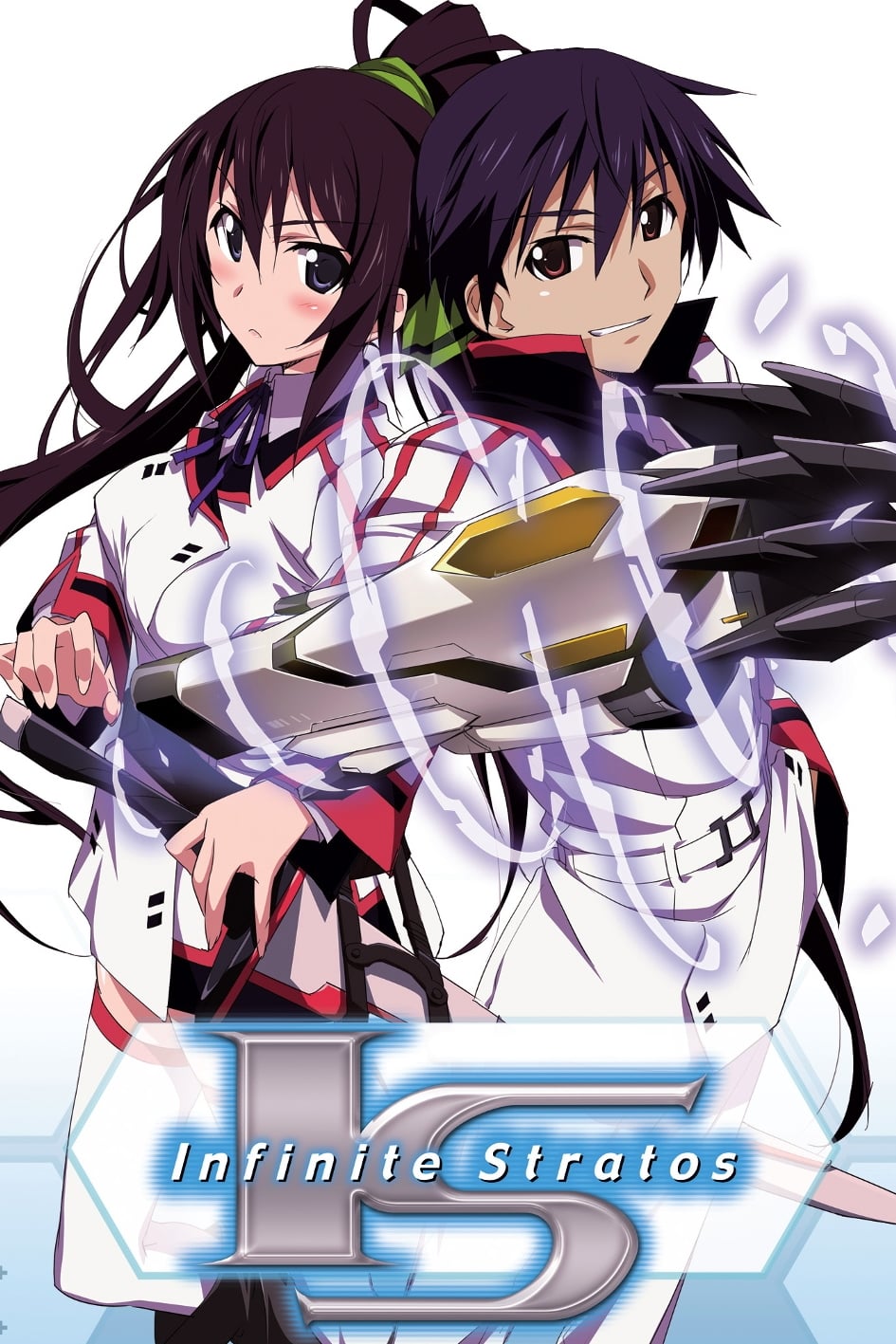
Only one boy can pilot advanced exoskeletons at a global academy and he immediately gathers a group of admirers. Classes and combat exams set up repeated training mishaps that feed comedic edits. National rivalries are framed through character archetypes that introduce predictable conflicts. The series cycles through beach, festival, and dorm episodes that fans label and meme as standard checkpoints.
‘The Melancholy of Haruhi Suzumiya’ (2006–2009)
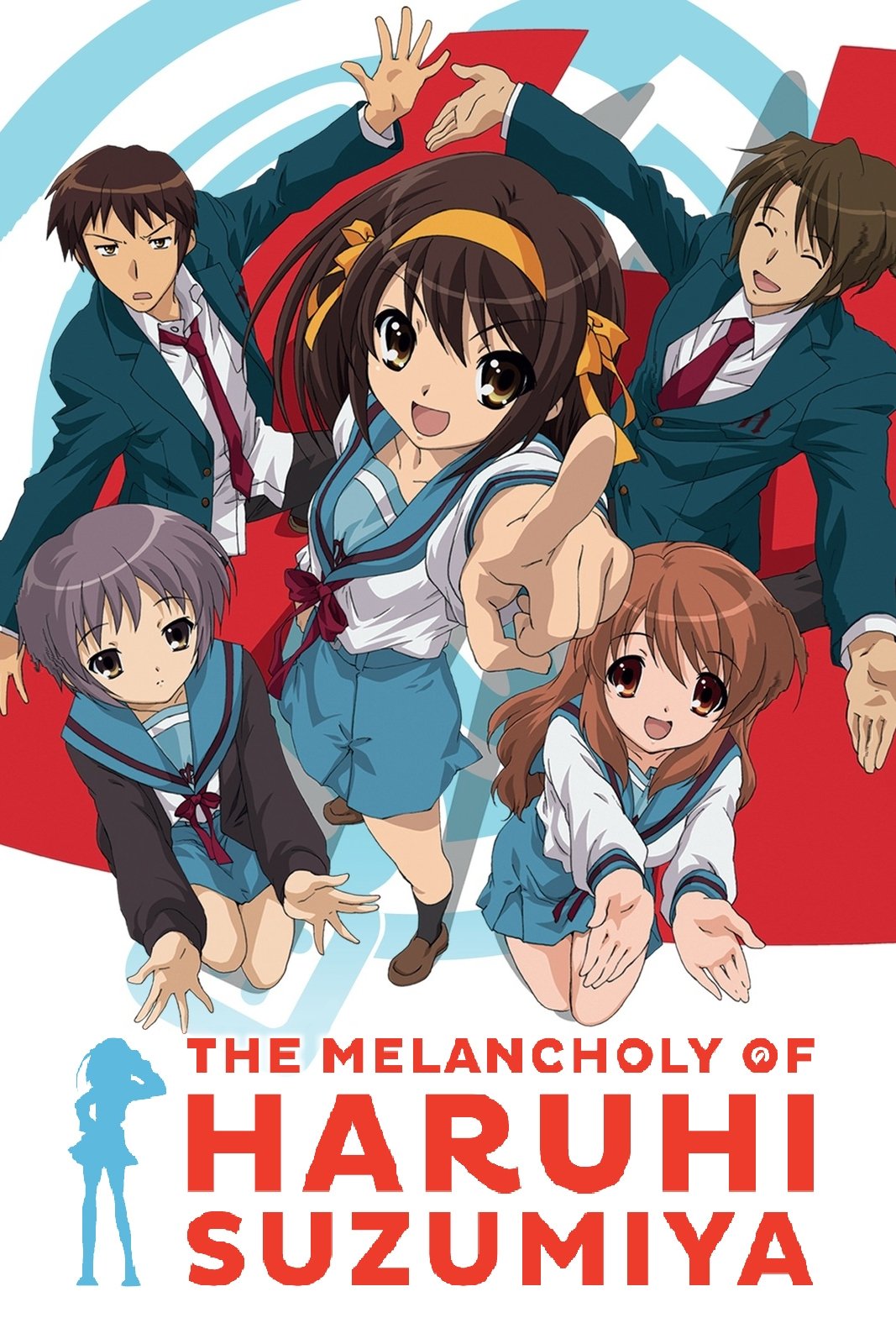
A single arc repeats similar events across multiple episodes, which the community refers to collectively in shorthand. Broadcast order and chronological order differ, so guide charts became widespread. The dance from the ending theme turned into a staple for recreations at conventions. Viewers still post the club recruitment scenes to illustrate how the group forms and operates.
‘Attack on Titan’ (2013–2023)
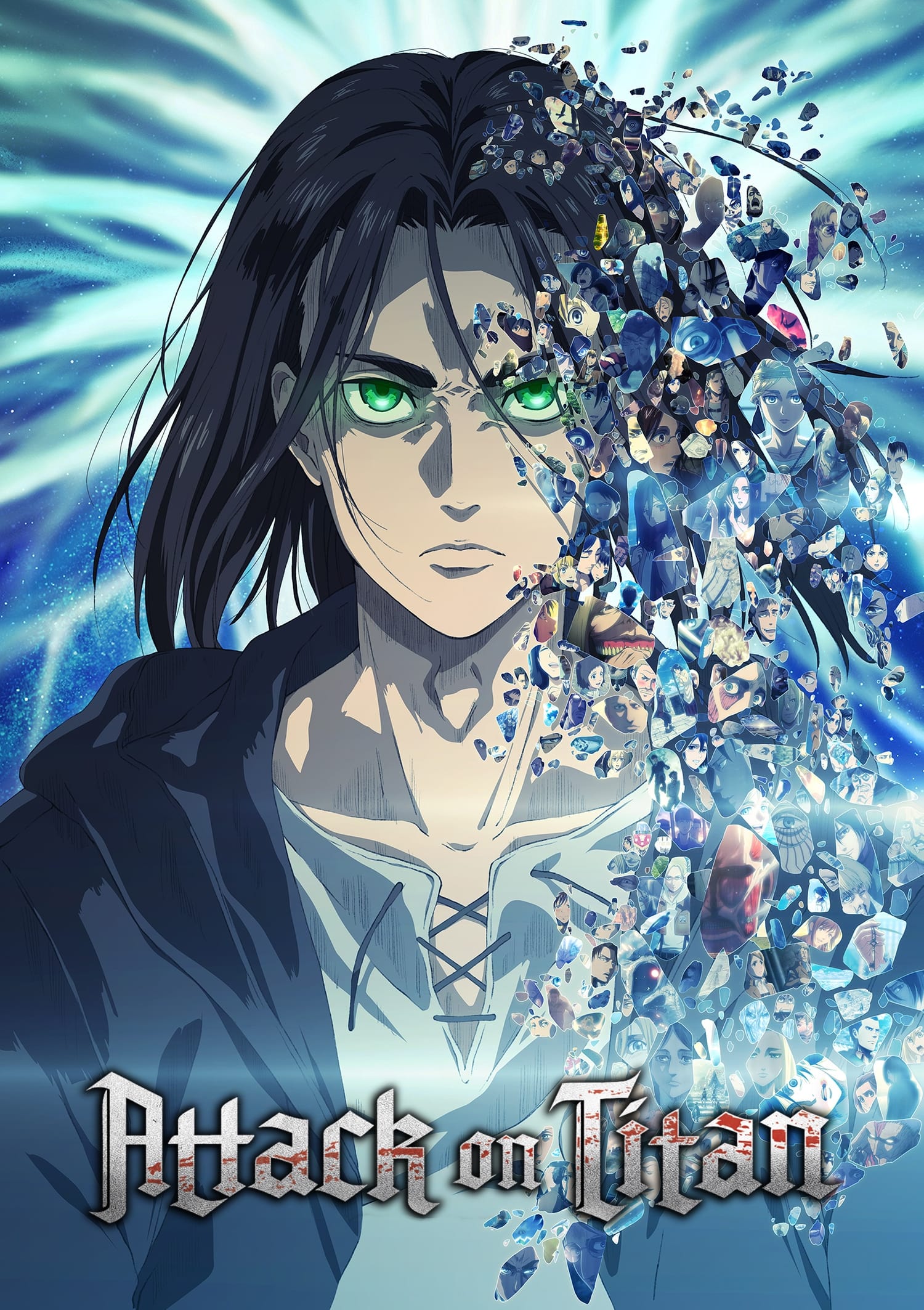
The slow reveal of the truth behind the walls sparked predictions that lasted for years. The final season title changed across parts, which inspired calendars joking about how many conclusions remained. 3D maneuver gear action is clipped often because the tracking shots create striking motion paths. Character speeches are excerpted for reaction videos when alliances shift.
‘Dragon Ball Z’ (1989–1996)

Long power ups and transformations give editors extended sequences to rework and loop. Energy beam clashes are punctuated by shouted attack names that fans can recite from memory. The show structures arcs around tournaments, training, and world saving finales, which simplifies timeline breakdowns. Power level discussions remain a popular template for debates across many fandoms.
‘JoJo’s Bizarre Adventure’ (2012–2021)
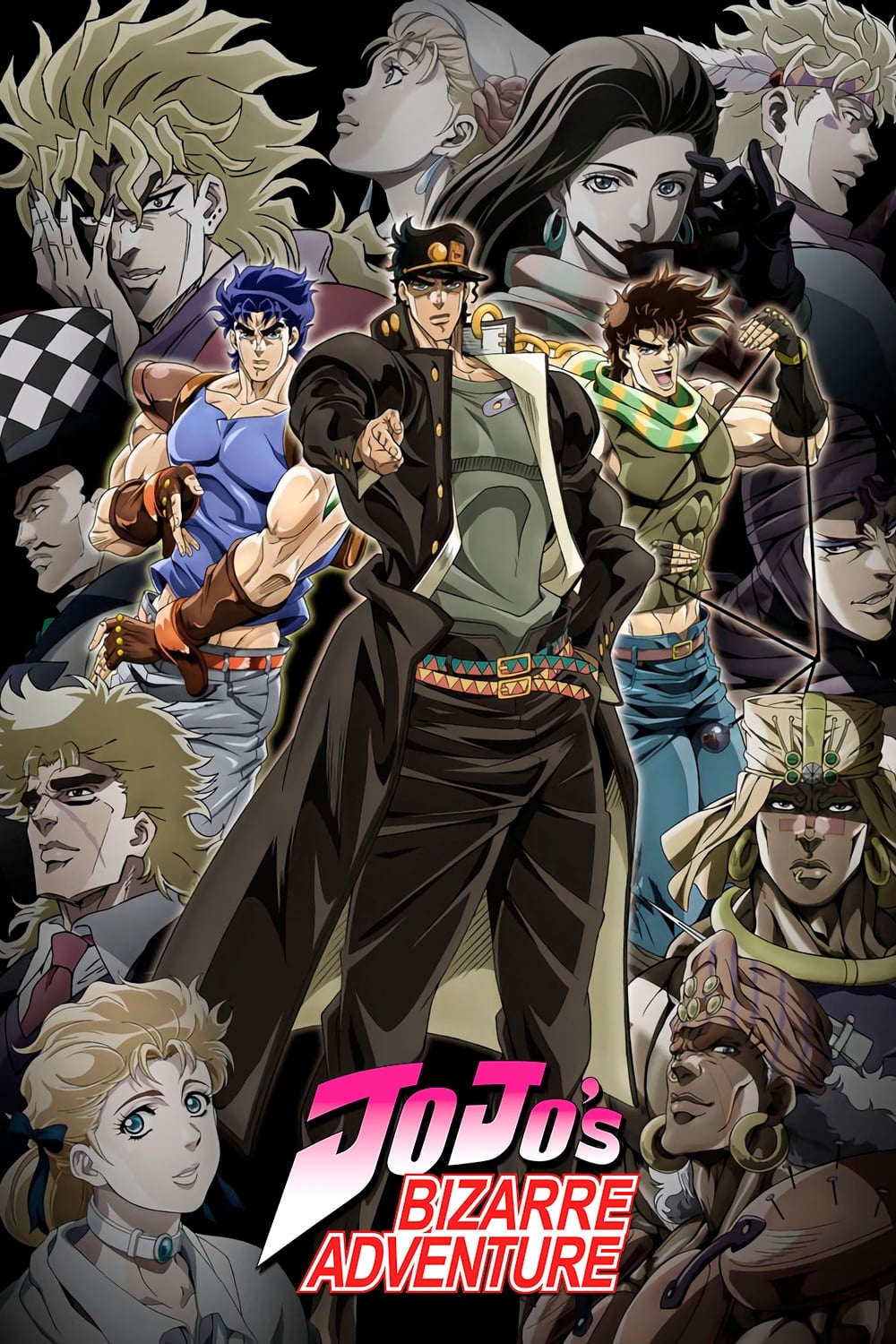
Each part introduces a new lead with unique abilities, which helps meme makers label eras clearly. Stand powers follow specific rules that fans love to overanalyze and parody in diagrams. Poses and fashion choices are iconic and appear in photo recreations from events worldwide. The sound effects and battle taunts are quoted frequently because they are easy to recognize in short clips.
Share your picks in the comments and tell everyone which anime you think gets roasted the most and why.