

The Best Anime of the 21st Century (So Far)




The twenty first century has delivered a huge wave of standout anime across every genre, with original stories, smart adaptations, and striking art styles that got people talking worldwide. From sweeping epics to small character pieces, these series and films brought fresh ideas, memorable worlds, and big emotional stakes. This list gathers modern essentials that helped define anime for new audiences and longtime fans alike. You will find power fantasies, quiet slice of life moments, and ambitious sci fi experiments all in one place.
‘Fullmetal Alchemist: Brotherhood’ (2009–2010)
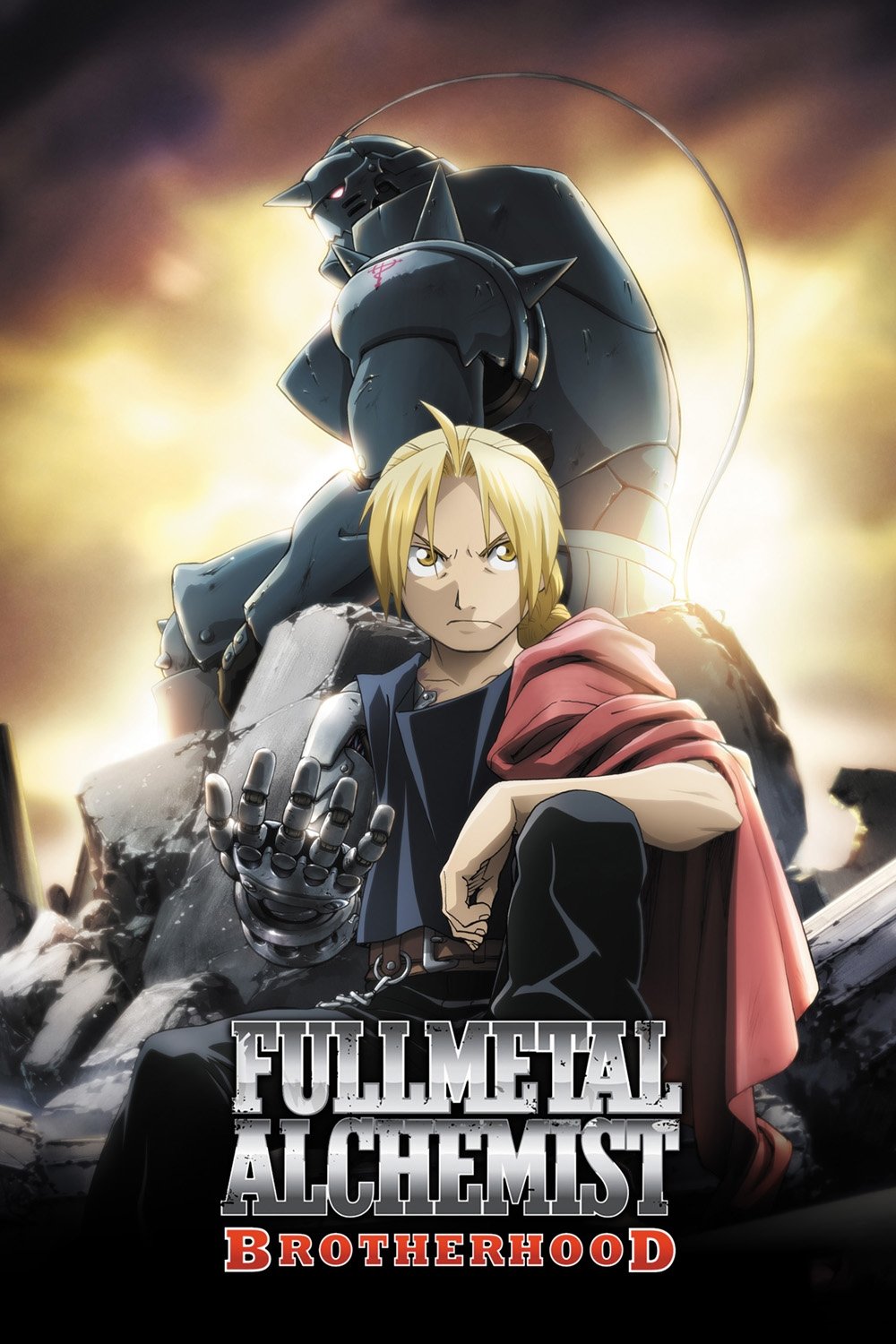
Based on Hiromu Arakawa’s manga, ‘Fullmetal Alchemist: Brotherhood’ follows Edward and Alphonse Elric as they search for a way to restore their bodies after a failed alchemy ritual. The series adapts the full manga storyline with tight plotting from start to finish. Bones produced the animation with consistent action choreography and a large cast woven into political and moral conflicts. Its mix of worldbuilding, alchemical rules, and character arcs makes it a frequent starting point for newcomers.
‘Attack on Titan’ (2013–2023)
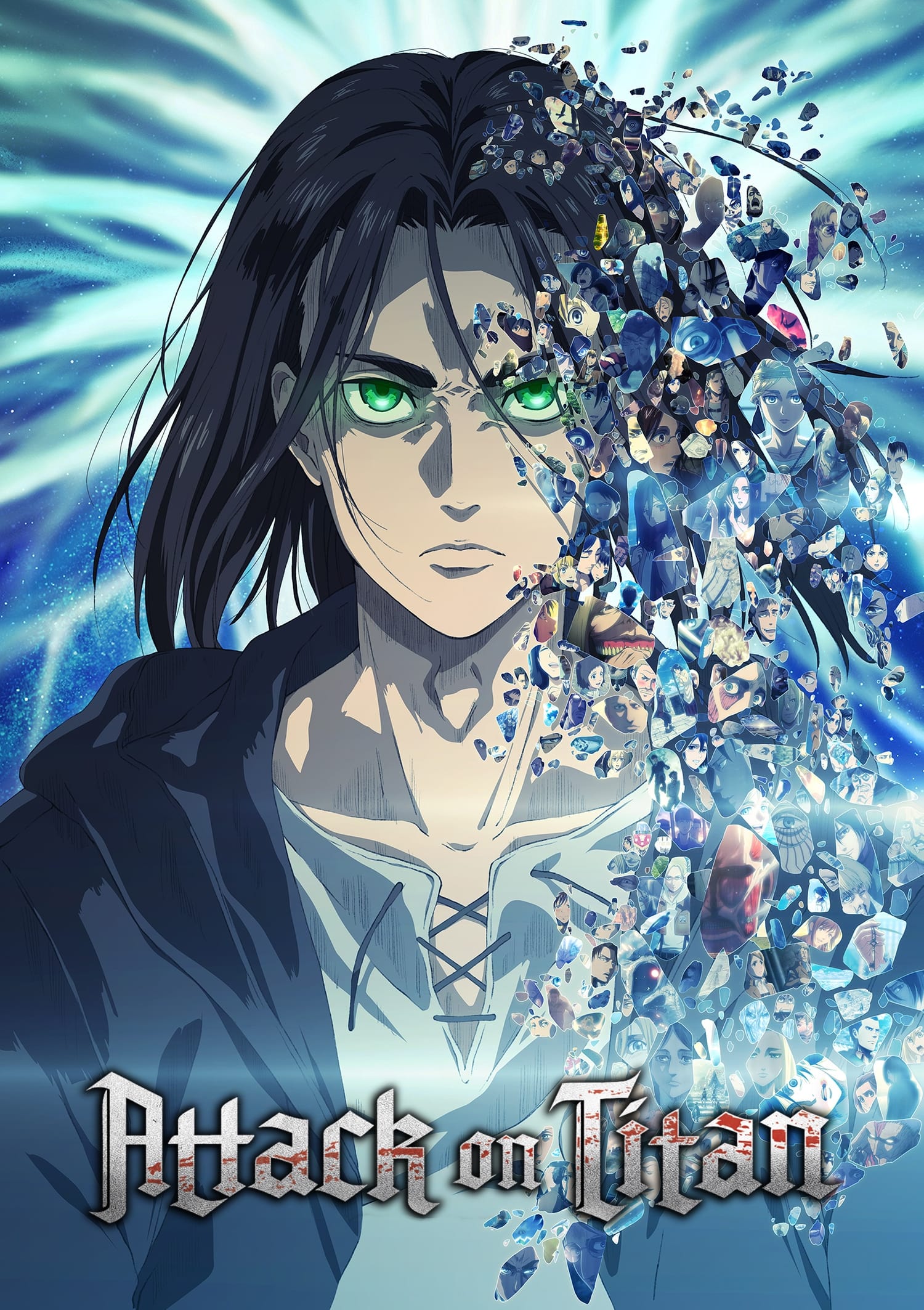
‘Attack on Titan’ begins inside walled cities where humanity fights giant man eating Titans with vertical maneuvering gear. The story moves from survival horror to military and political intrigue while revealing the origins of the Titans. Wit Studio handled the first three seasons before MAPPA completed the saga. Its shifting perspectives and long planned reveals reward viewers who follow the mystery to the end.
‘Death Note’ (2006–2007)
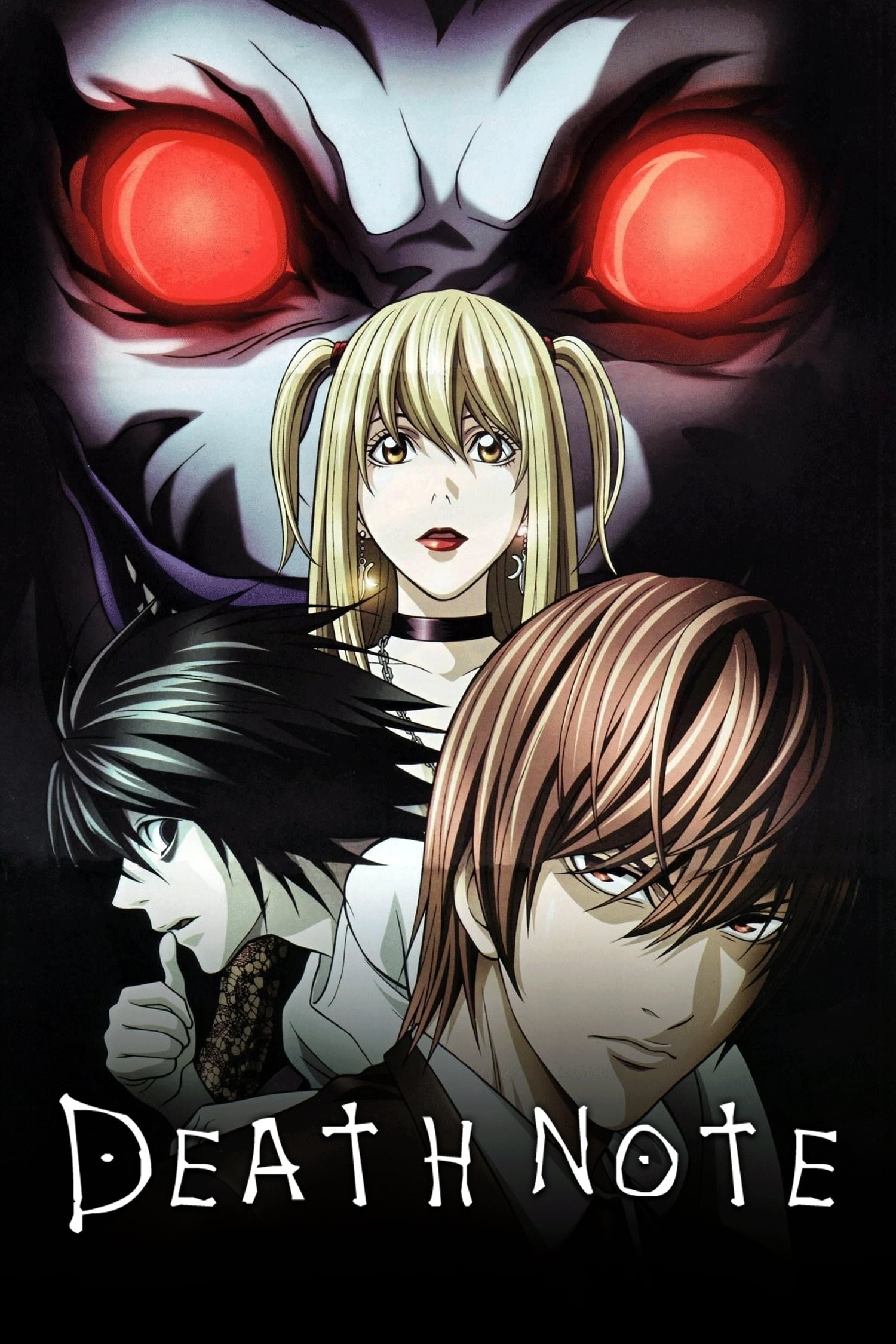
‘Death Note’ centers on a high school student who gains a notebook that can kill anyone whose name is written in it. The tense cat and mouse battle between Light and the detective known as L drives the narrative. Madhouse delivered clean visuals and deliberate pacing that highlight mind games and rules. The series became known for its detailed power system and careful escalation of stakes.
‘Steins;Gate’ (2011)
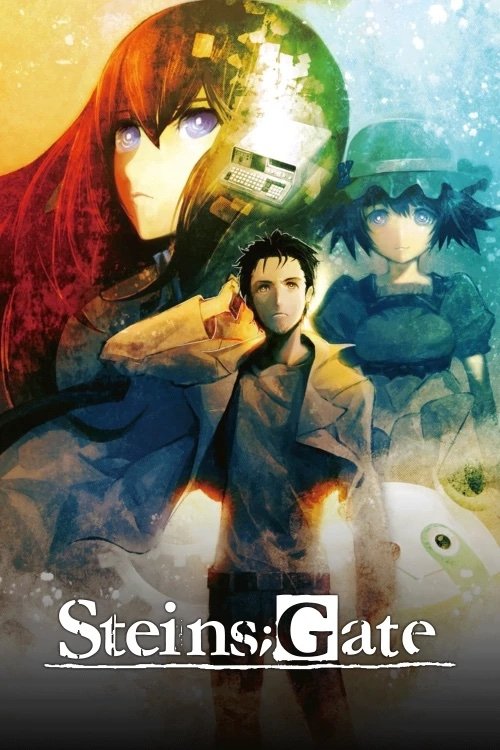
‘Steins;Gate’ adapts a visual novel about a self styled scientist who discovers that a phone and a microwave can send texts to the past. Small changes ripple into serious consequences that force the characters to seek a stable timeline. The show blends everyday comedy with time travel mechanics that gradually turn heavy. With careful foreshadowing and emotional payoffs, it sticks the landing on a complex premise.
‘Naruto: Shippuden’ (2007–2017)

‘Naruto: Shippuden’ continues Naruto Uzumaki’s path to protect his village and bring back his friend Sasuke. The story expands the shinobi world with new clans, global politics, and large scale conflicts. Studio Pierrot adapted lengthy arcs that explore bloodline abilities and the history of the tailed beasts. Its training systems and ranked missions give structure to hundreds of episodes.
‘Demon Slayer: Kimetsu no Yaiba’ (2019–)
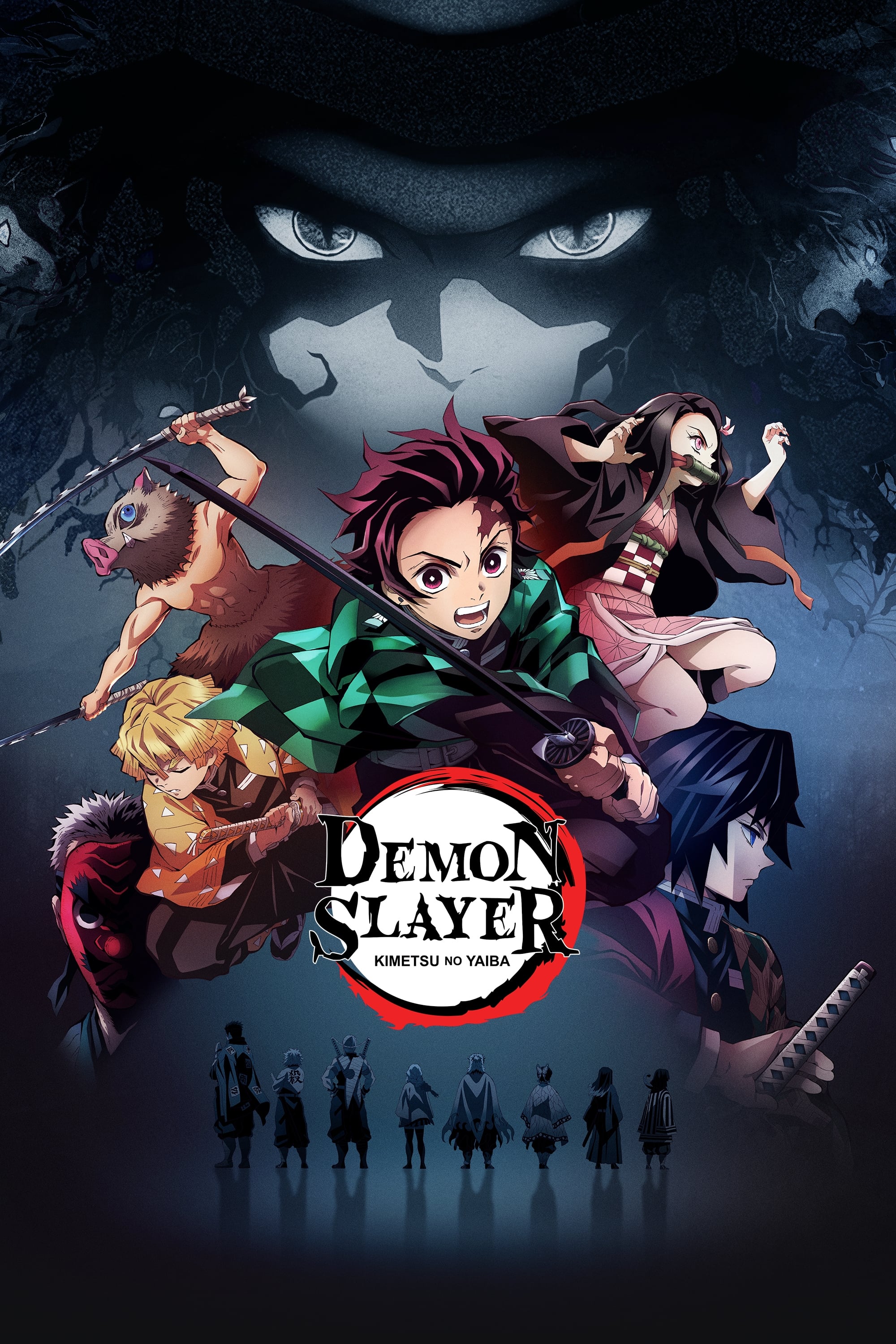
‘Demon Slayer: Kimetsu no Yaiba’ follows Tanjiro as he joins the Demon Slayer Corps to find a cure for his sister. Ufotable’s digital compositing and sword forms create set pieces that blend 2D and 3D techniques. The narrative uses a monster of the week structure that feeds into broader arcs about the Twelve Kizuki. Music and color design help mark each breathing style and battlefield.
‘Jujutsu Kaisen’ (2020–)
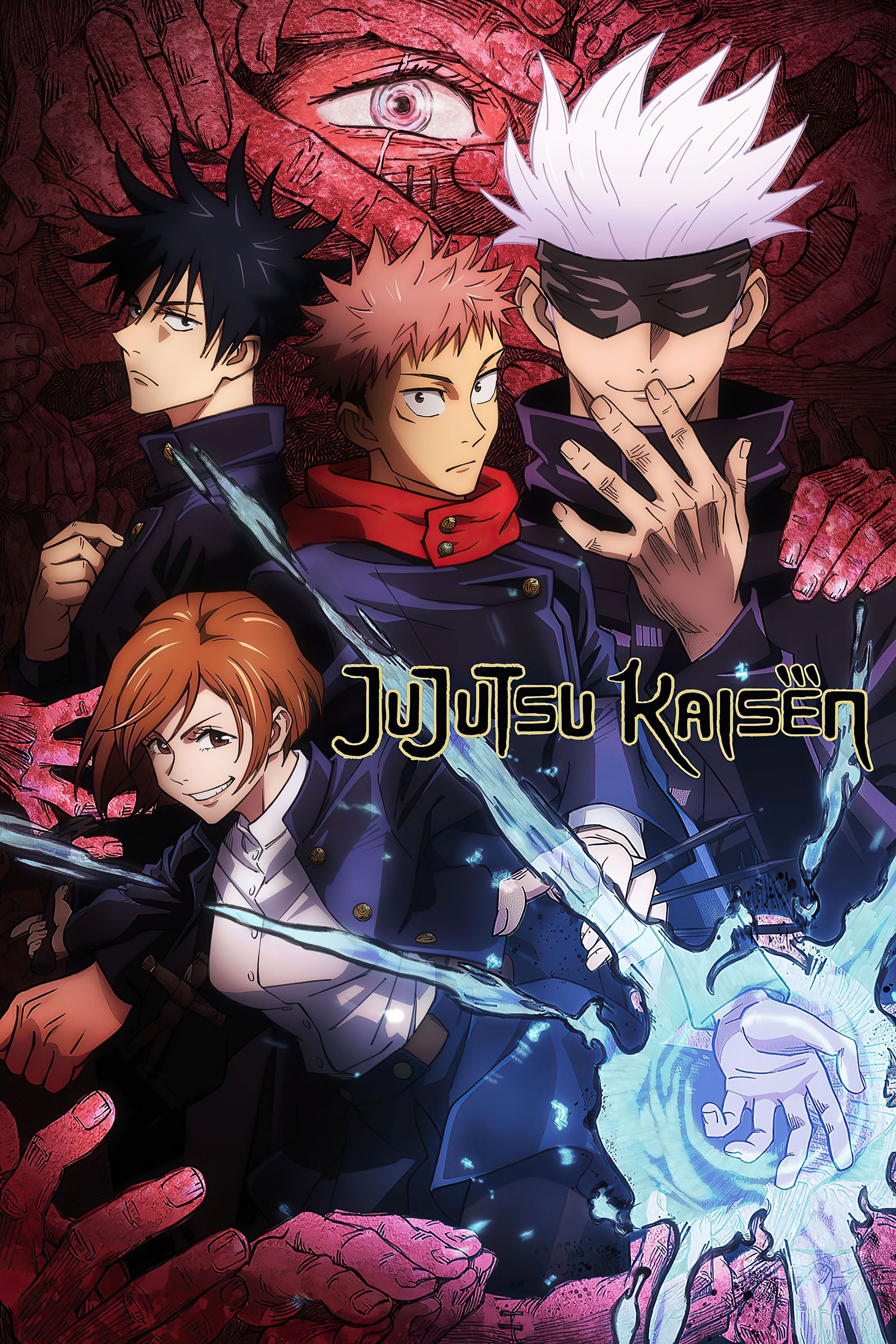
‘Jujutsu Kaisen’ tracks Yuji Itadori after he swallows a cursed object and becomes host to a powerful spirit. The series lays out a system of cursed energy that defines techniques and domains for duels. MAPPA’s animation emphasizes fluid choreography and expressive effects during fights. The school setting gives a steady pipeline of missions while building out sorcerer factions.
‘Mob Psycho 100’ (2016–2019)
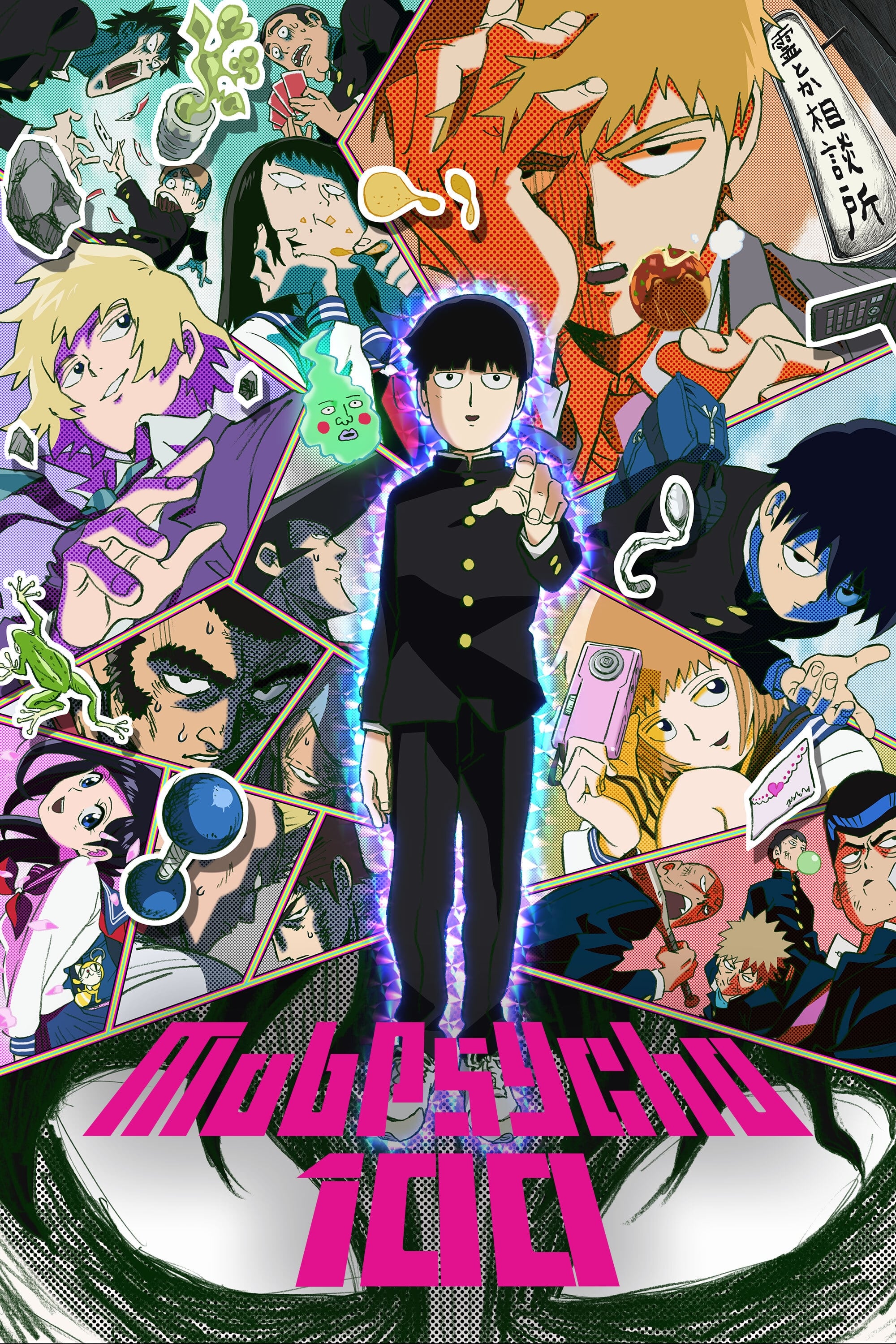
‘Mob Psycho 100’ centers on an extremely powerful psychic who works for a self proclaimed exorcist while trying to live a normal life. Bones animates exaggerated motion with inventive visual gags and abstract sequences. Episodes alternate between comedic exorcisms and sincere growth for Mob and his classmates. The show tracks how he develops boundaries and self worth without relying on power.
‘Violet Evergarden’ (2018)
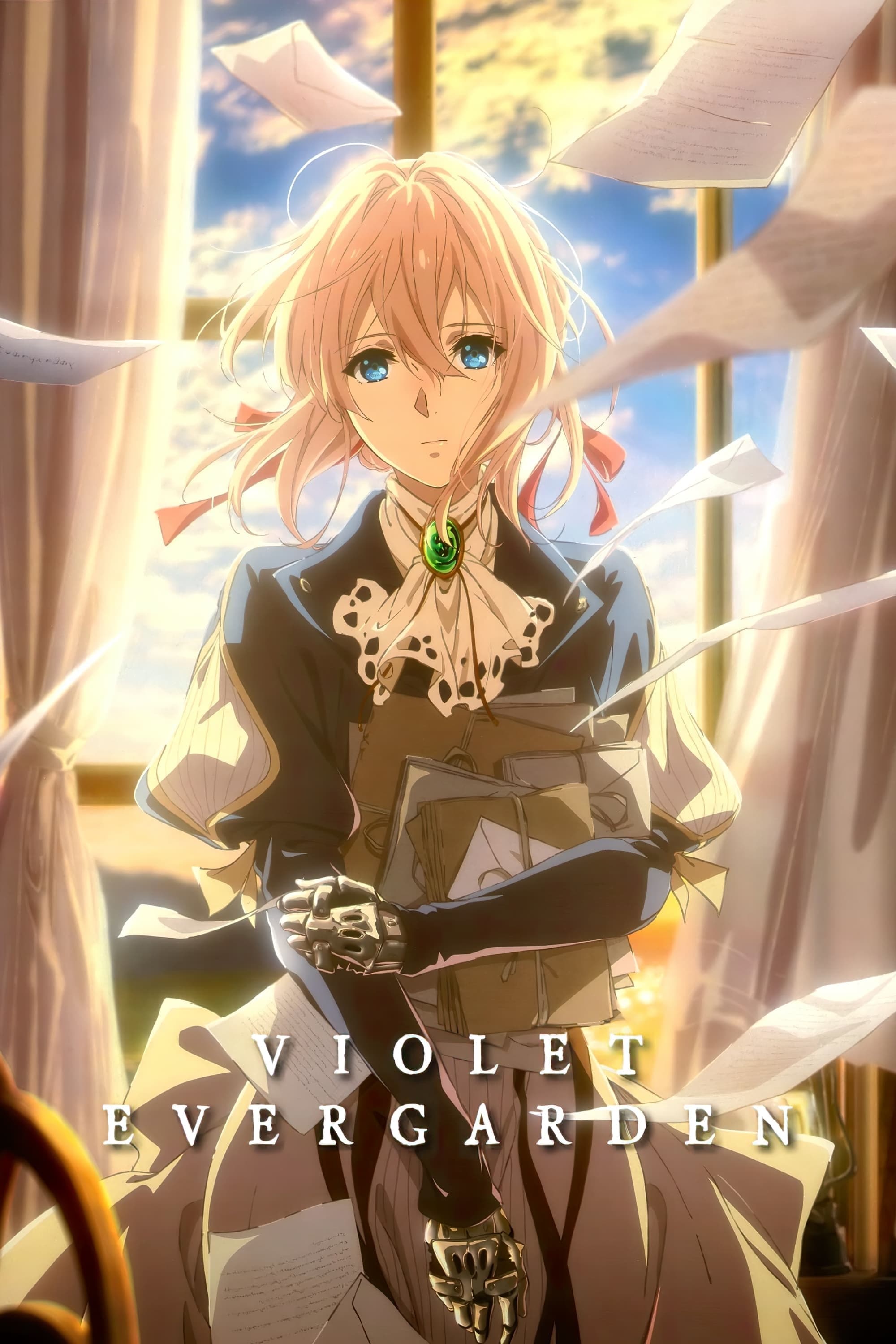
‘Violet Evergarden’ follows a former child soldier who writes letters for clients as she learns to understand emotions and language. Kyoto Animation delivers precise character acting and detailed backgrounds. Each episode presents a new client whose story adds to Violet’s growth. The series explores communication, grief, and the meaning of words in different settings.
‘Made in Abyss’ (2017–)
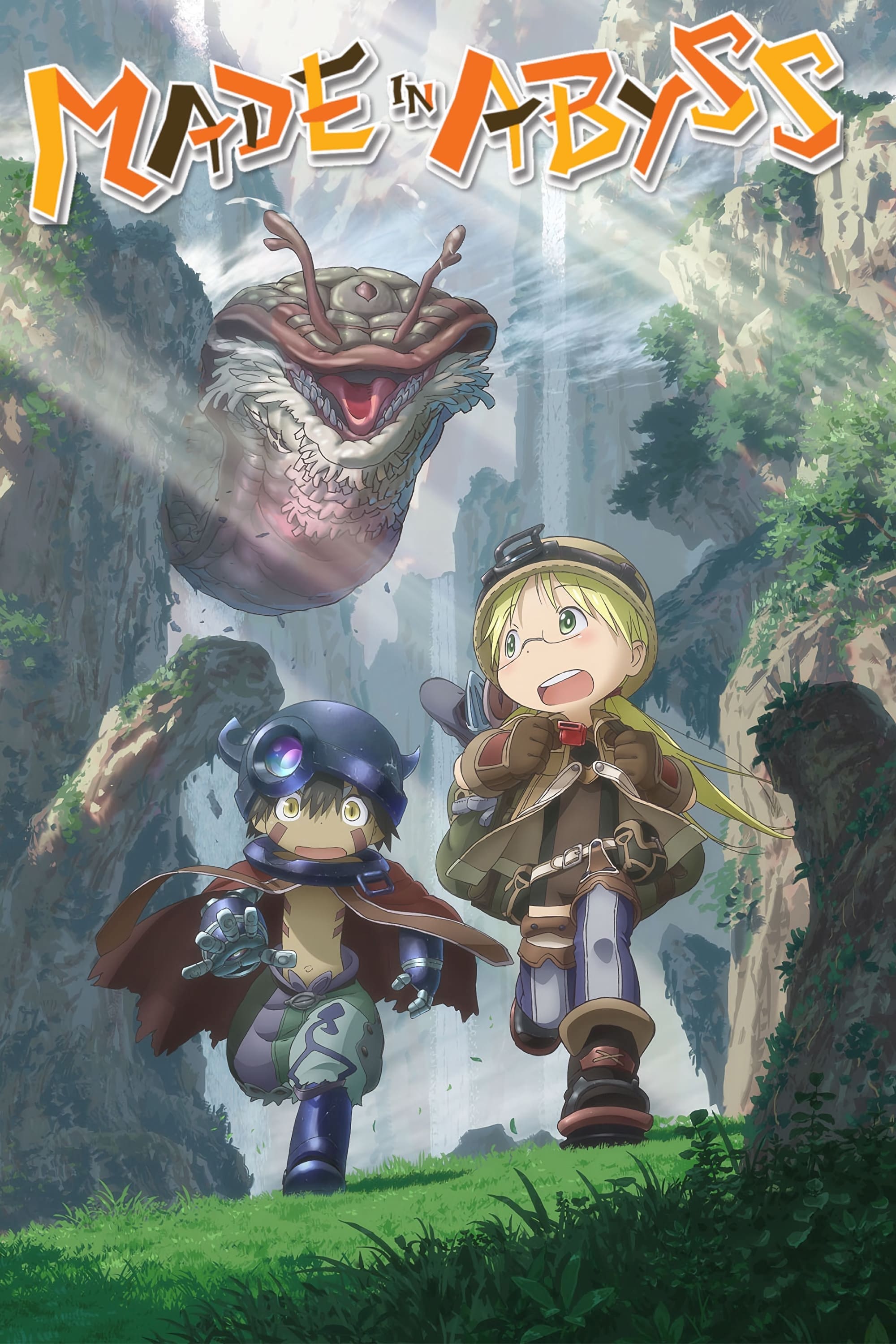
‘Made in Abyss’ sends two children down a giant pit filled with relics and ecological hazards. The deeper layers impose physical curses that shape the journey and the gear they use. Kinema Citrus balances cute character designs with unsettling creature encounters. Notes and maps play a role as the pair document discoveries and learn the rules of each stratum.
‘Hunter x Hunter’ (2011–2014)
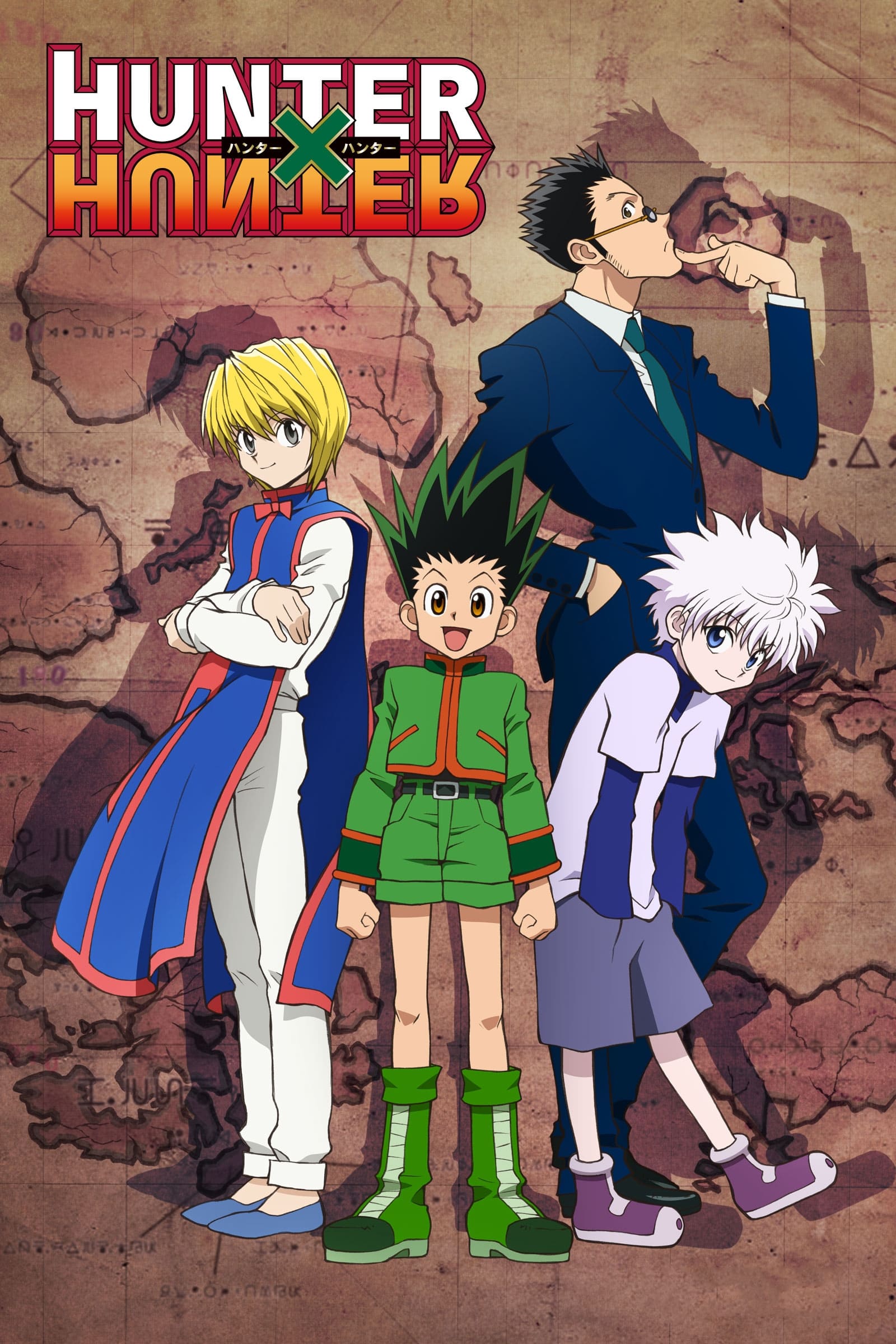
‘Hunter x Hunter’ follows Gon and Killua through exams, criminal underworlds, and specialized martial systems. Madhouse’s version adapts major arcs with a focus on Nen, a power framework that governs abilities and tactics. The show shifts tones between adventure, thriller, and war while keeping rules consistent. Strategic battles hinge on preparation, contracts, and trade offs rather than raw strength.
‘Gurren Lagann’ (2007)
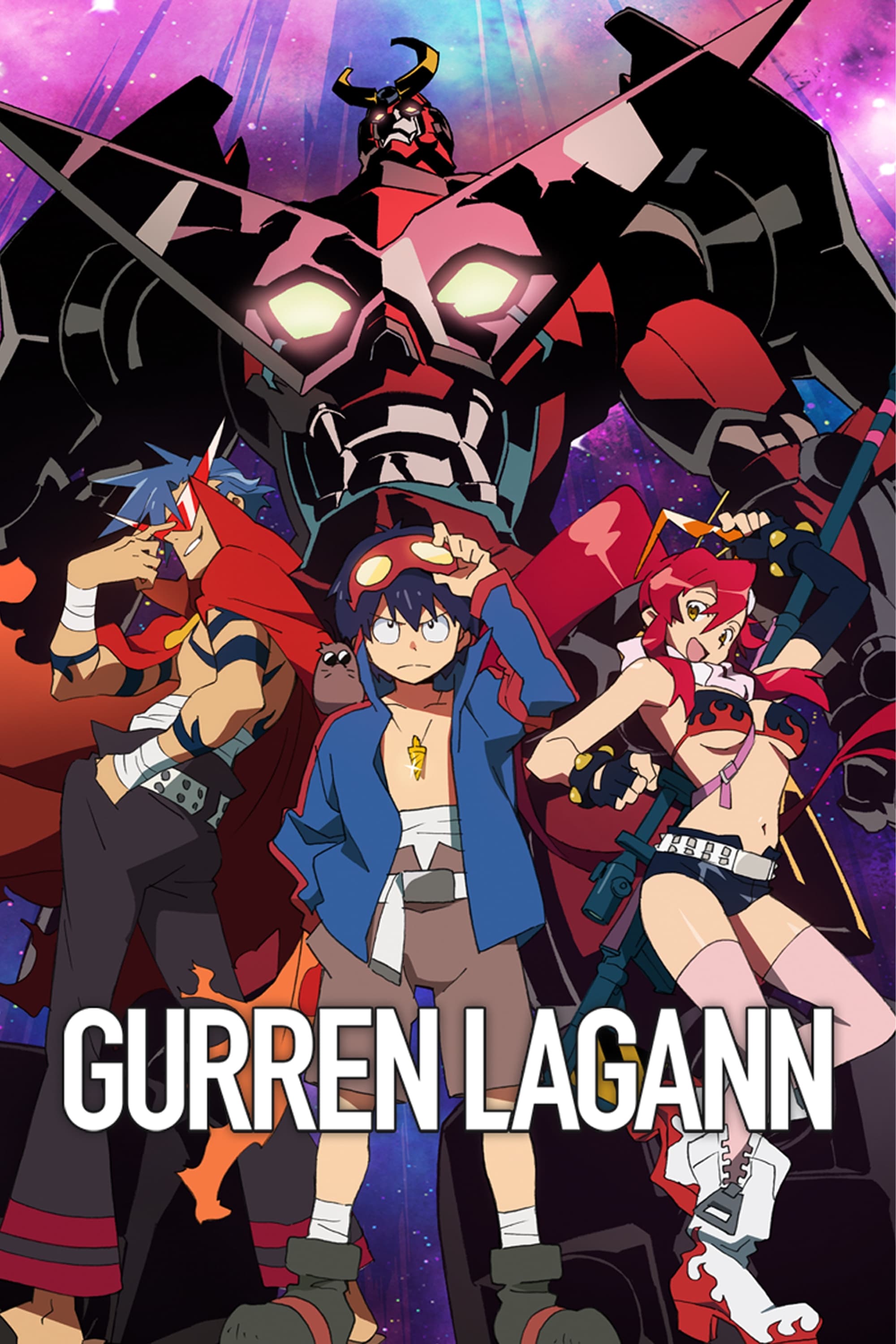
‘Gurren Lagann’ begins in an underground village and rises to battles among colossal mechs. Gainax uses bold shapes and escalating scale to mark each new stage of the conflict. The show pairs simple drill themed symbolism with clear team formations and combination machines. Its structure moves from rebellion to exploration and then to interstellar stakes without losing track of the crew.
‘My Hero Academia’ (2016–)
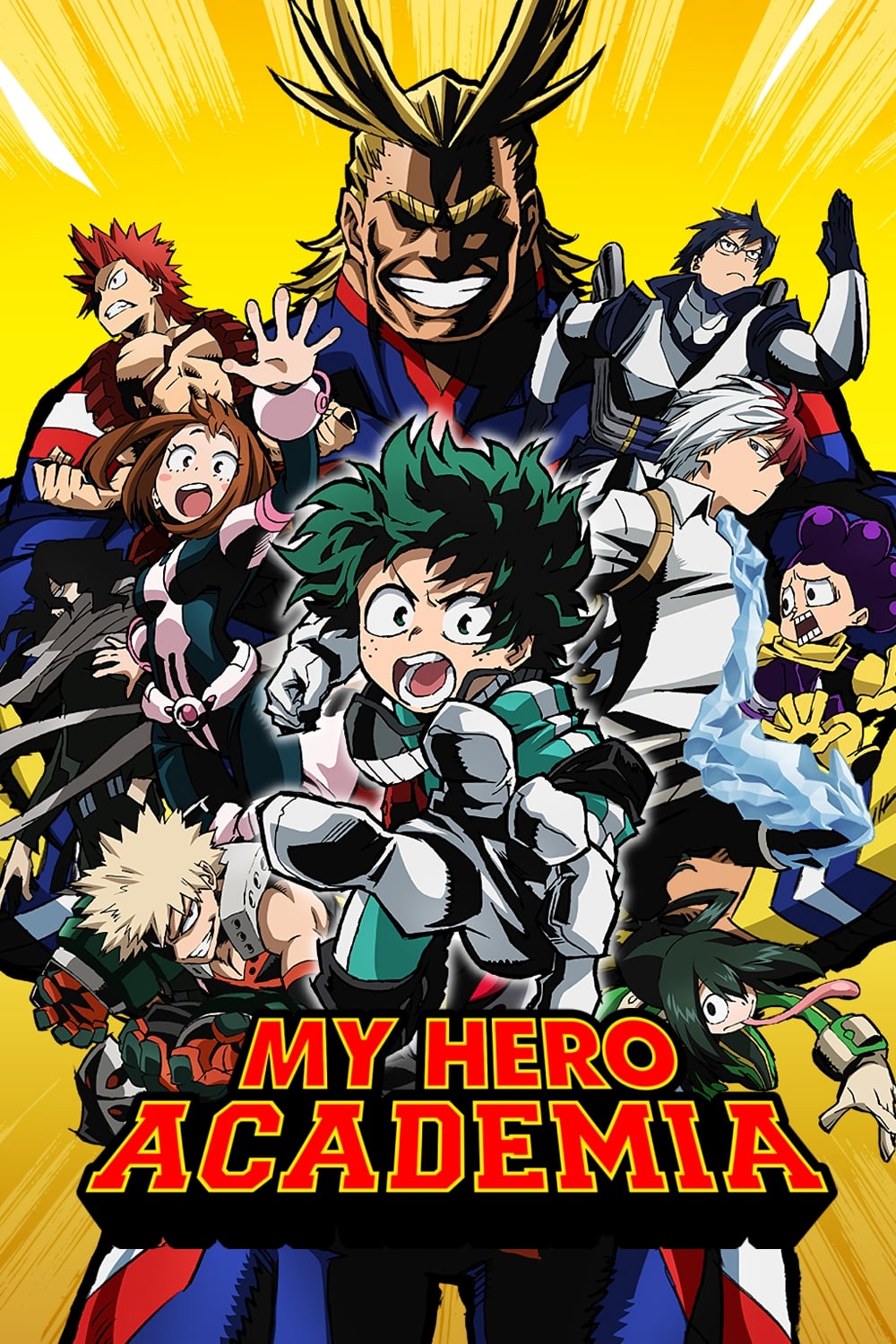
‘My Hero Academia’ is set in a world where most people have superpowers known as Quirks. The series follows hero training at U A High and covers internships, league confrontations, and license exams. Bones delivers clear readable fights that highlight teamwork and rescue operations. The setting includes ranking systems, hero agencies, and laws that affect how powers are used.
‘Your Name.’ (2016)
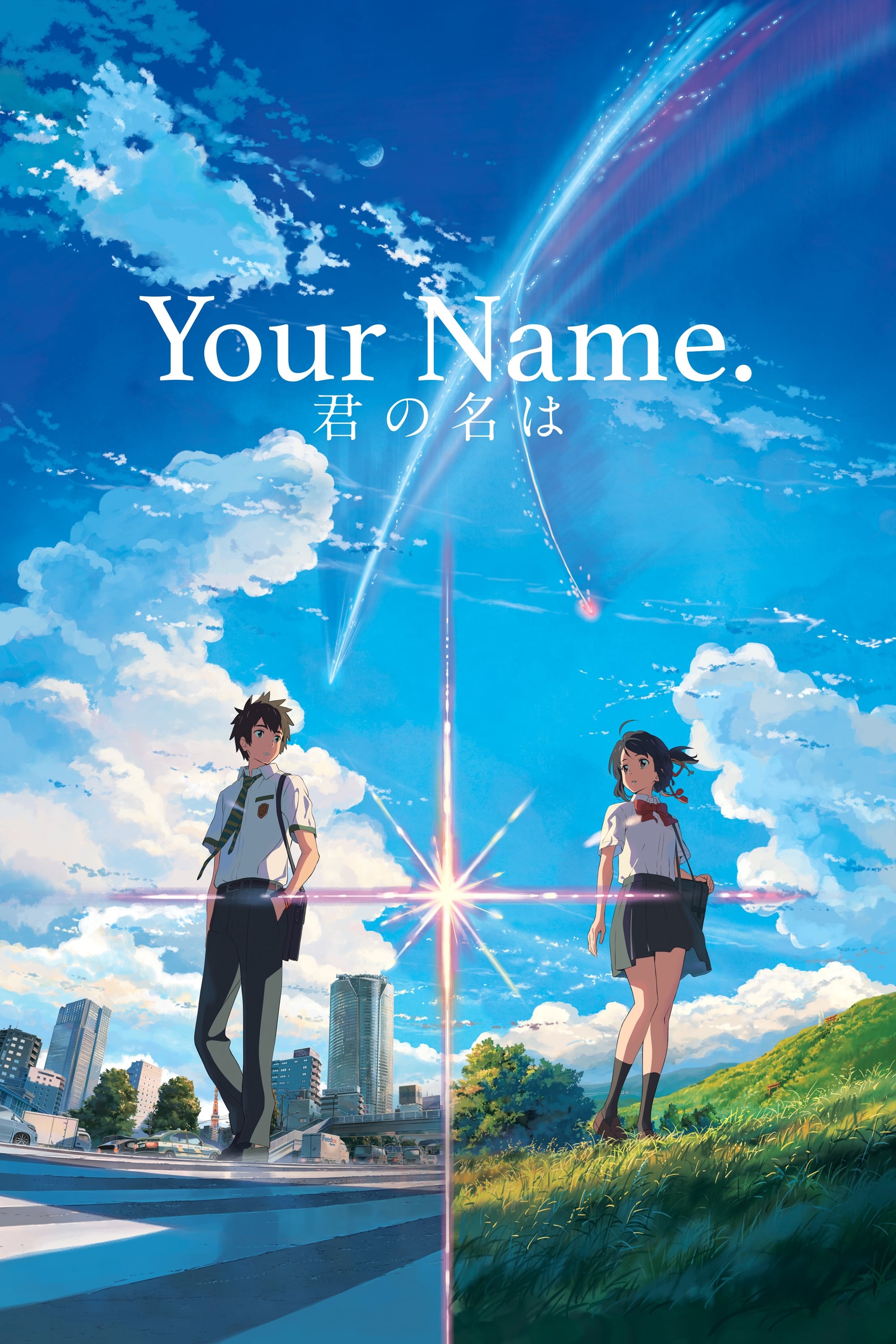
‘Your Name.’ tells a body swap story about two teenagers who wake up in each other’s lives and leave notes to keep track. The film layers a later twist that requires them to piece together timelines and locations. CoMix Wave Films used detailed cityscapes and rural vistas to anchor the plot. The soundtrack and visual motifs tie together memory, place, and connection.
‘Spirited Away’ (2001)
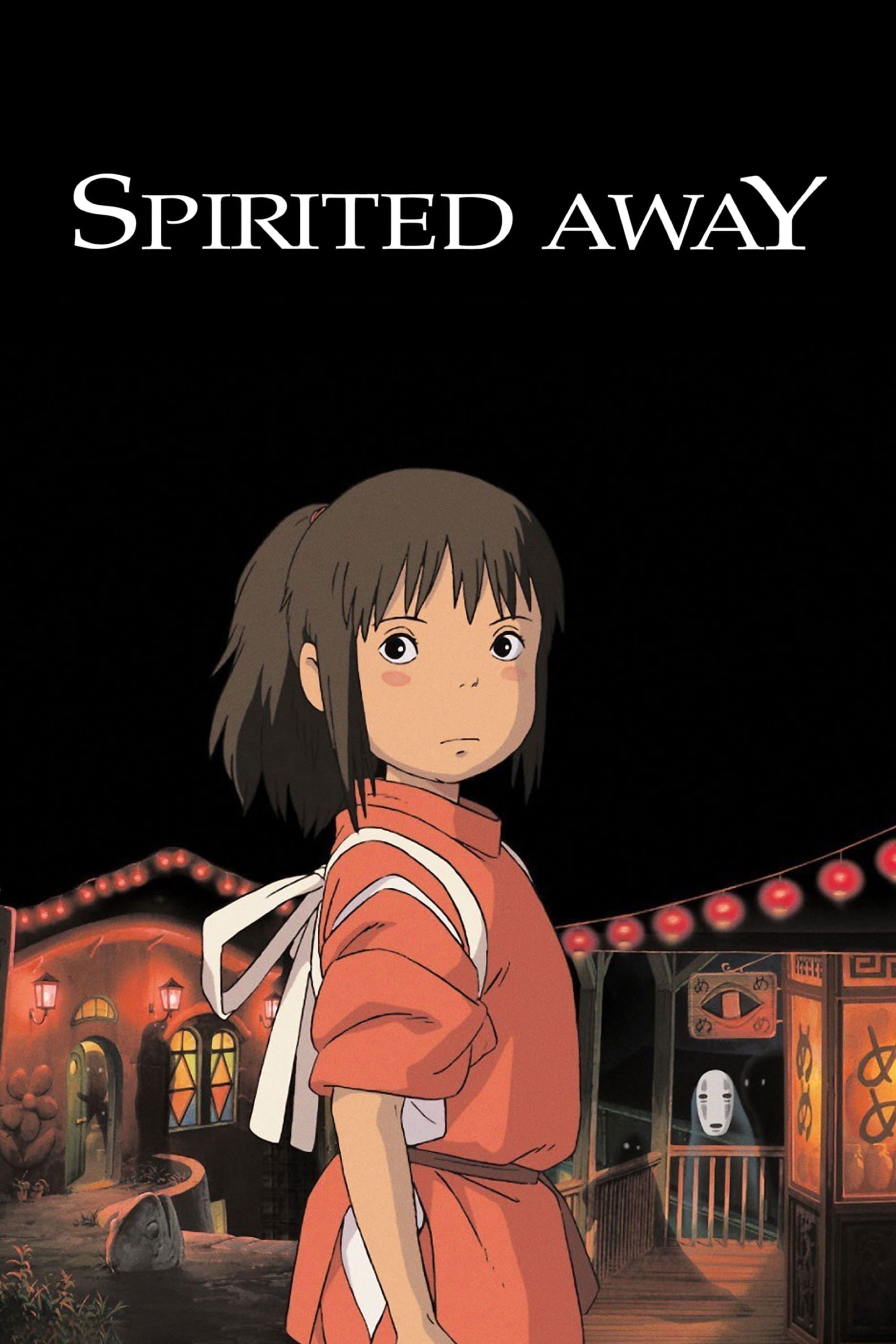
‘Spirited Away’ follows a girl who works in a bathhouse for spirits to free her parents. Studio Ghibli fills the world with distinct creatures, rules, and jobs that explain how the bathhouse runs. Chihiro’s tasks create a path through contracts, names, and favors. The film’s attention to mundane labor grounds its fantasy setting.
‘The Girl Who Leapt Through Time’ (2006)
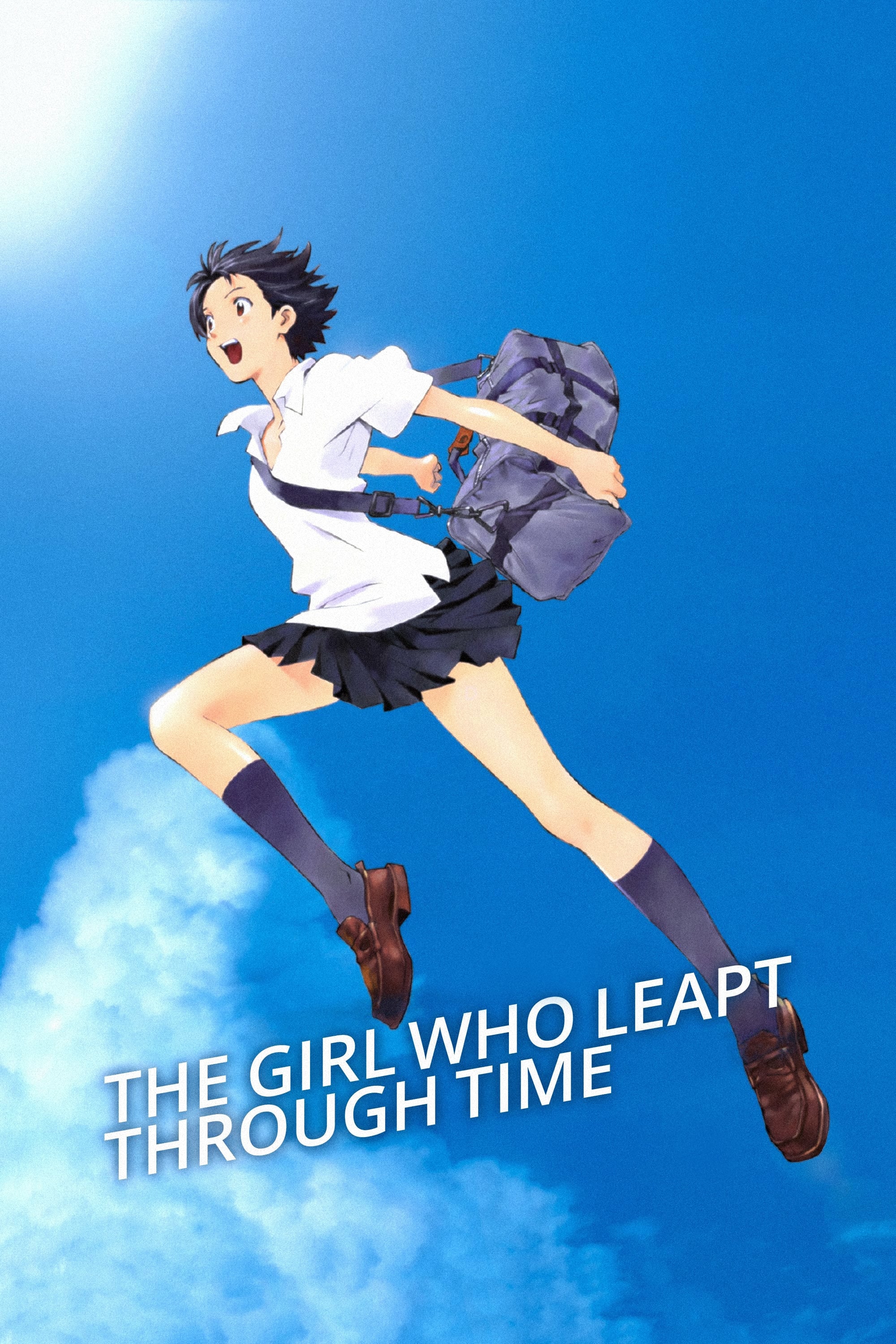
‘The Girl Who Leapt Through Time’ focuses on a student who gains the ability to jump backward in time. Each leap creates small fixes that lead to unintended outcomes. Mamoru Hosoda uses everyday scenes to track how cause and effect ripple through friendships. The film sets clear limits on resets that push the story toward a decision.
‘Mononoke’ (2007)
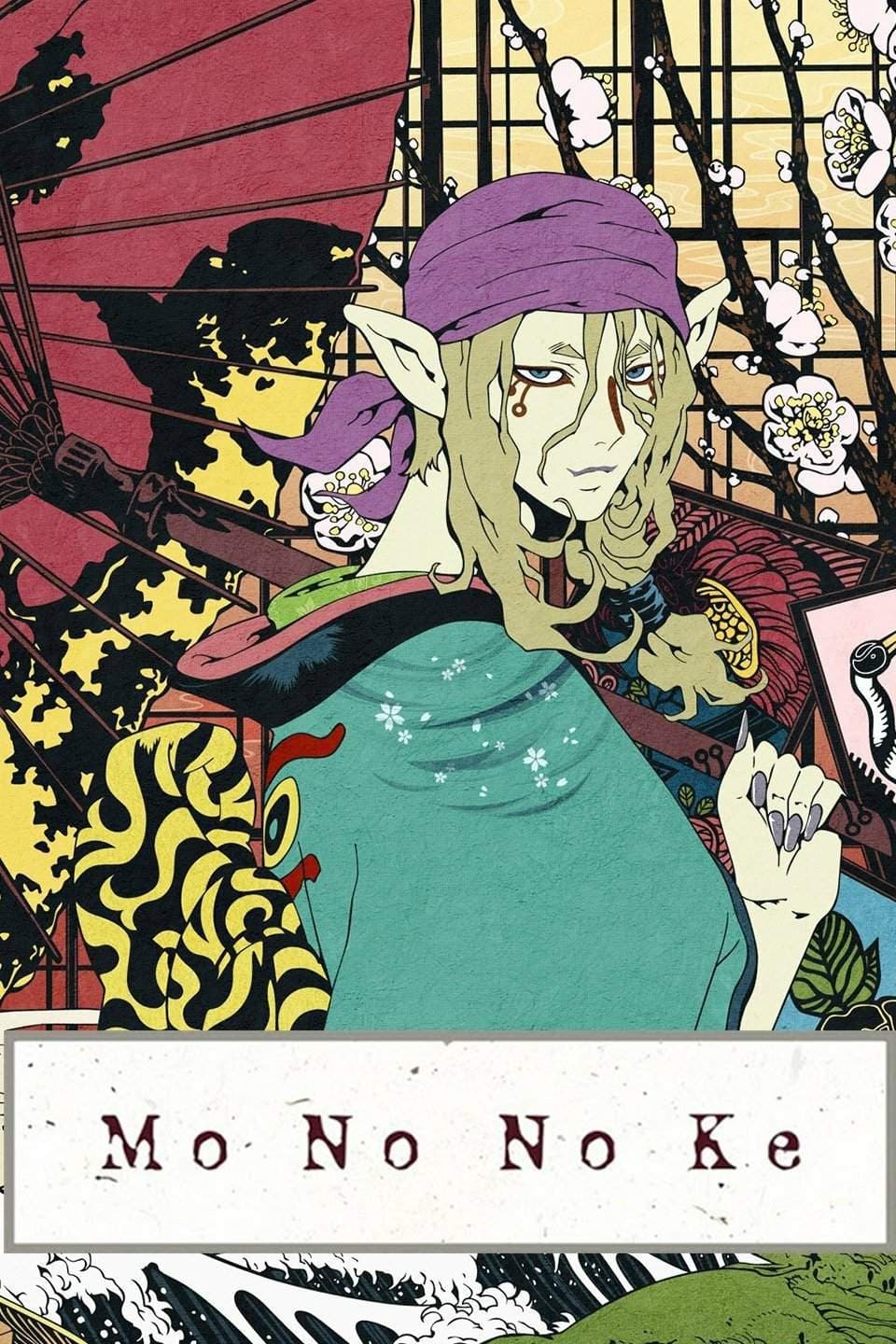
‘Mononoke’ follows the Medicine Seller as he exorcises spirits by uncovering Form, Truth, and Regret. Toei Animation presents each case with ukiyo e inspired visuals and patterned frames. The structure plays out as contained arcs that resemble stage plays. Dialogue and investigation reveal motives before the exorcism begins.
‘Ping Pong the Animation’ (2014)
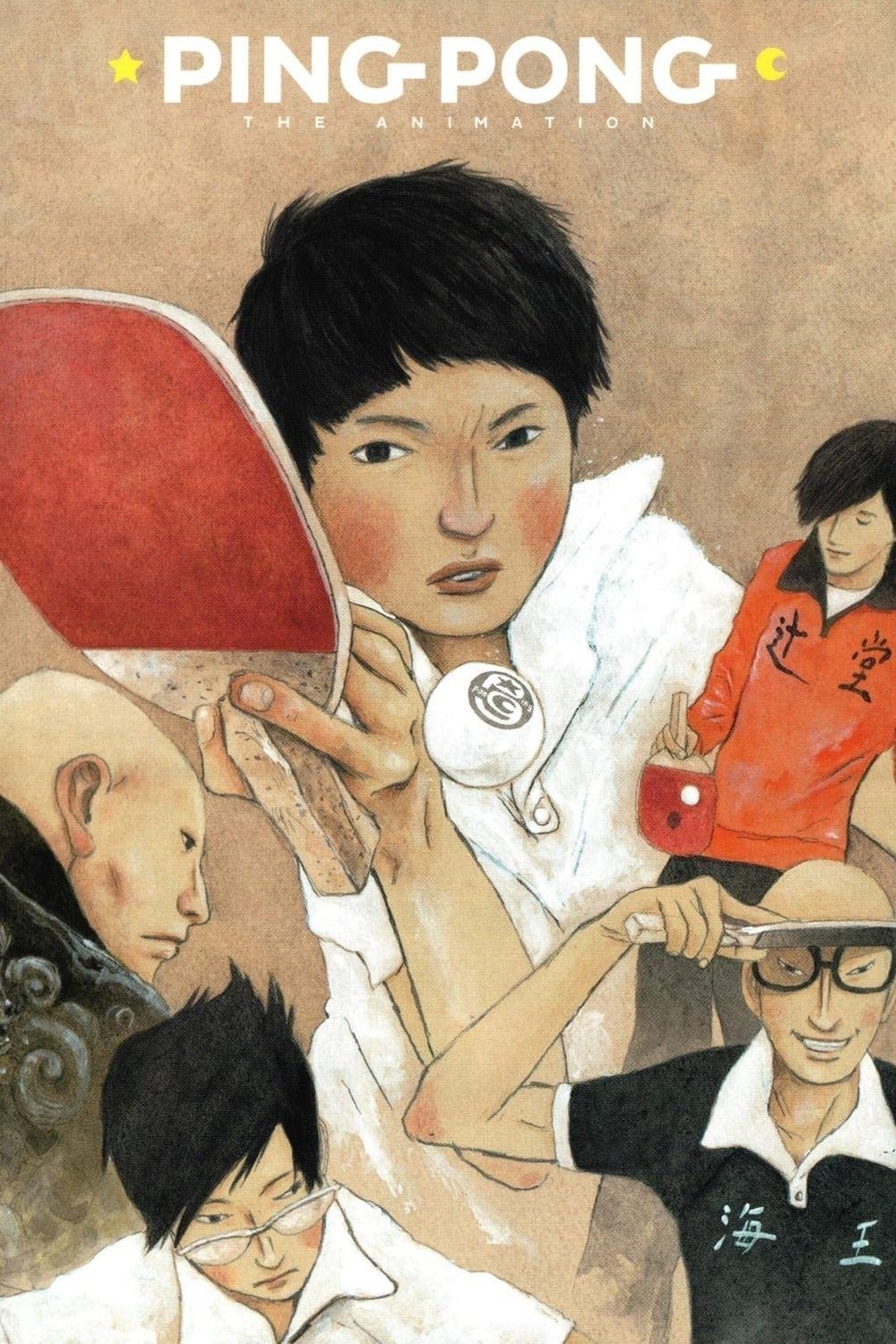
‘Ping Pong the Animation’ adapts Taiyo Matsumoto’s manga about two friends and their different relationships with competition. Masaaki Yuasa’s direction favors sketchy lines and dynamic camera work that tracks spin and momentum. Episodes study coaching styles, club politics, and how players handle pressure. The show uses tournament brackets to chart growth without losing focus on character interiority.
‘March Comes In Like a Lion’ (2016–2018)
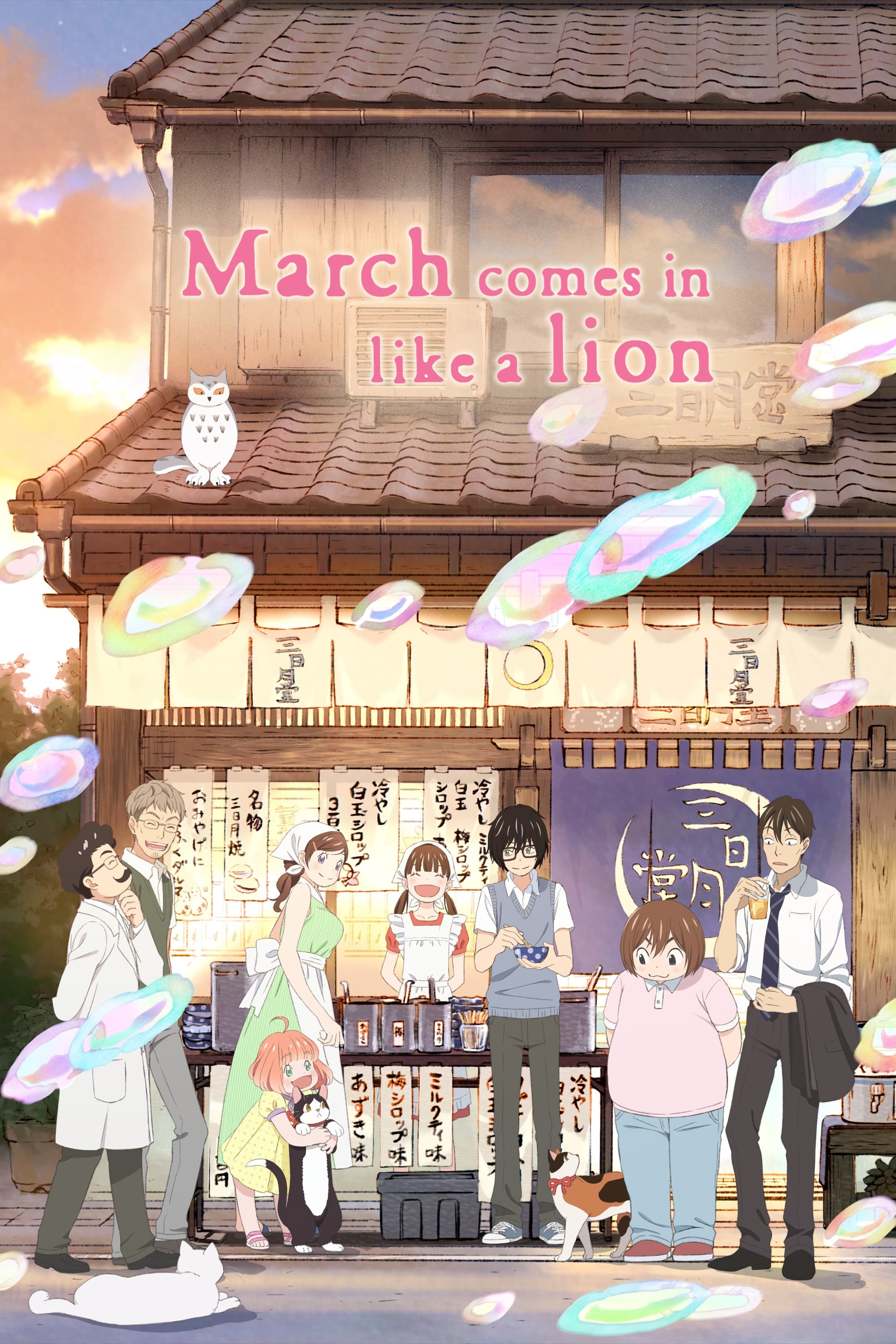
‘March Comes In Like a Lion’ follows a teenage professional shogi player as he copes with isolation and forms new bonds. Shaft balances stylized imagery with quiet domestic scenes. Shogi matches are presented with enough explanation to follow strategy and stakes. The series spends time on mental health and community support through the Kawamoto family and school life.
‘Paranoia Agent’ (2004)
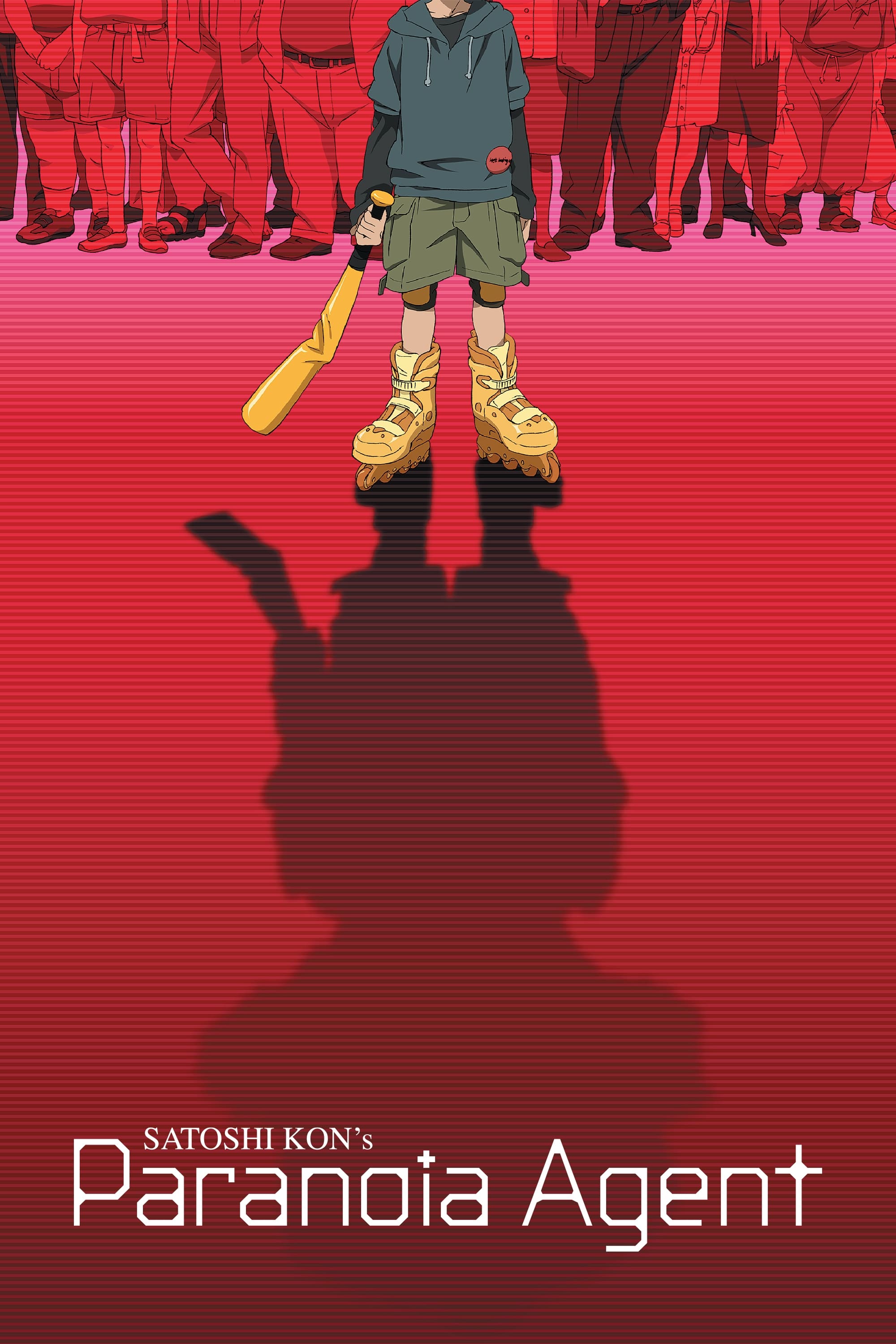
‘Paranoia Agent’ is an anthology like series about a city shaken by attacks from a figure called Lil Slugger. Satoshi Kon uses interconnected vignettes to examine rumor, stress, and media. Madhouse shifts visual tone across episodes to match each subject’s perspective. The mystery moves forward as social pressure feeds into collective delusion.
‘Monster’ (2004–2005)

‘Monster’ adapts Naoki Urasawa’s thriller about a surgeon who saves a boy who later becomes a killer. The story spans multiple countries and years as Dr Tenma tracks the consequences of his choice. Madhouse maintains slow burn pacing with careful character studies. The series relies on interviews, records, and witness accounts to build its case.
‘Code Geass: Lelouch of the Rebellion’ (2006–2008)
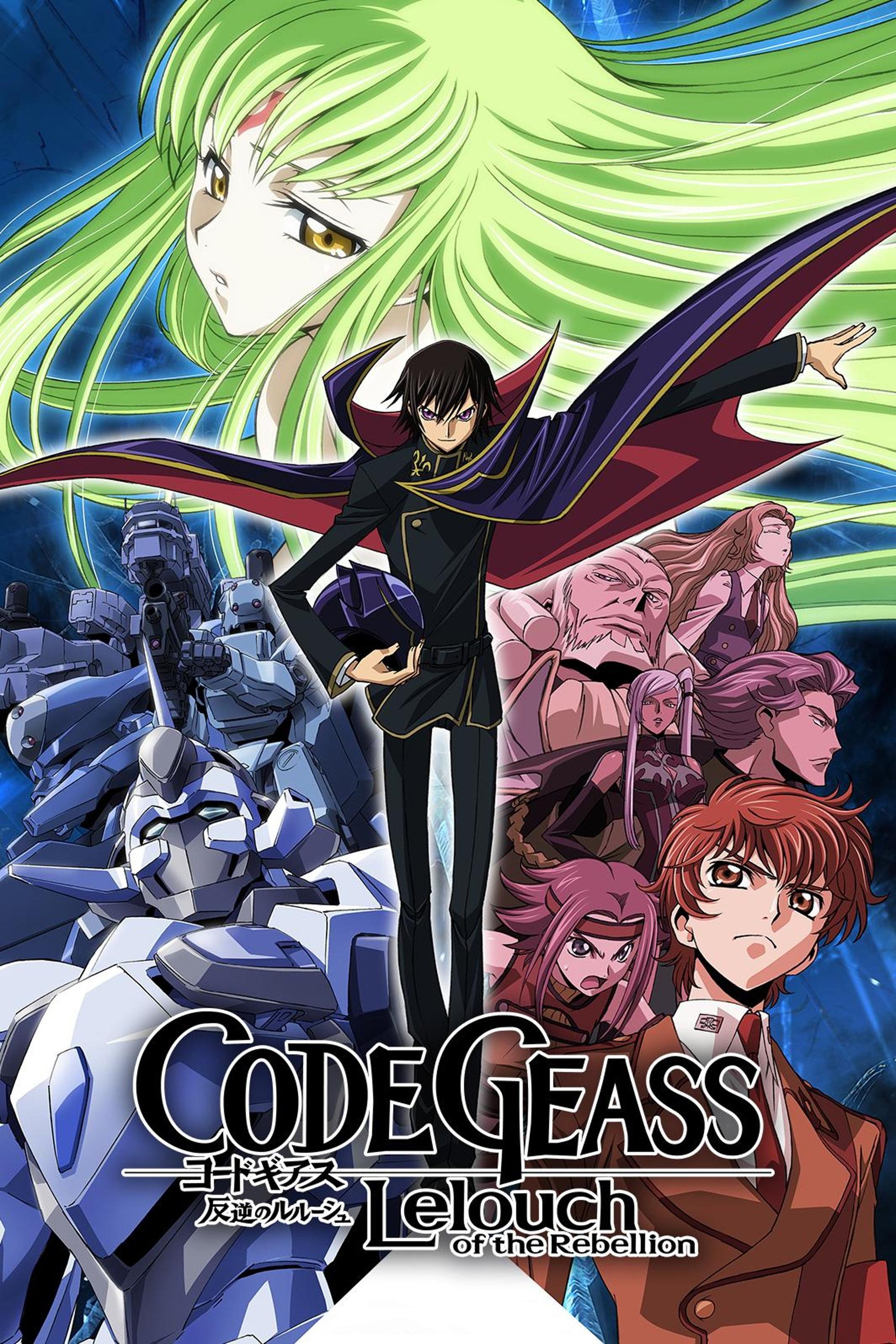
‘Code Geass’ follows Lelouch, a prince who gains a power that compels obedience and leads a masked rebellion. Sunrise mixes mecha battles with chess like gambits and shifting alliances. School life scenes sit alongside operations that change the balance of power. The Geass power has rules and limits that shape every plan.
‘Fate/Zero’ (2011–2012)
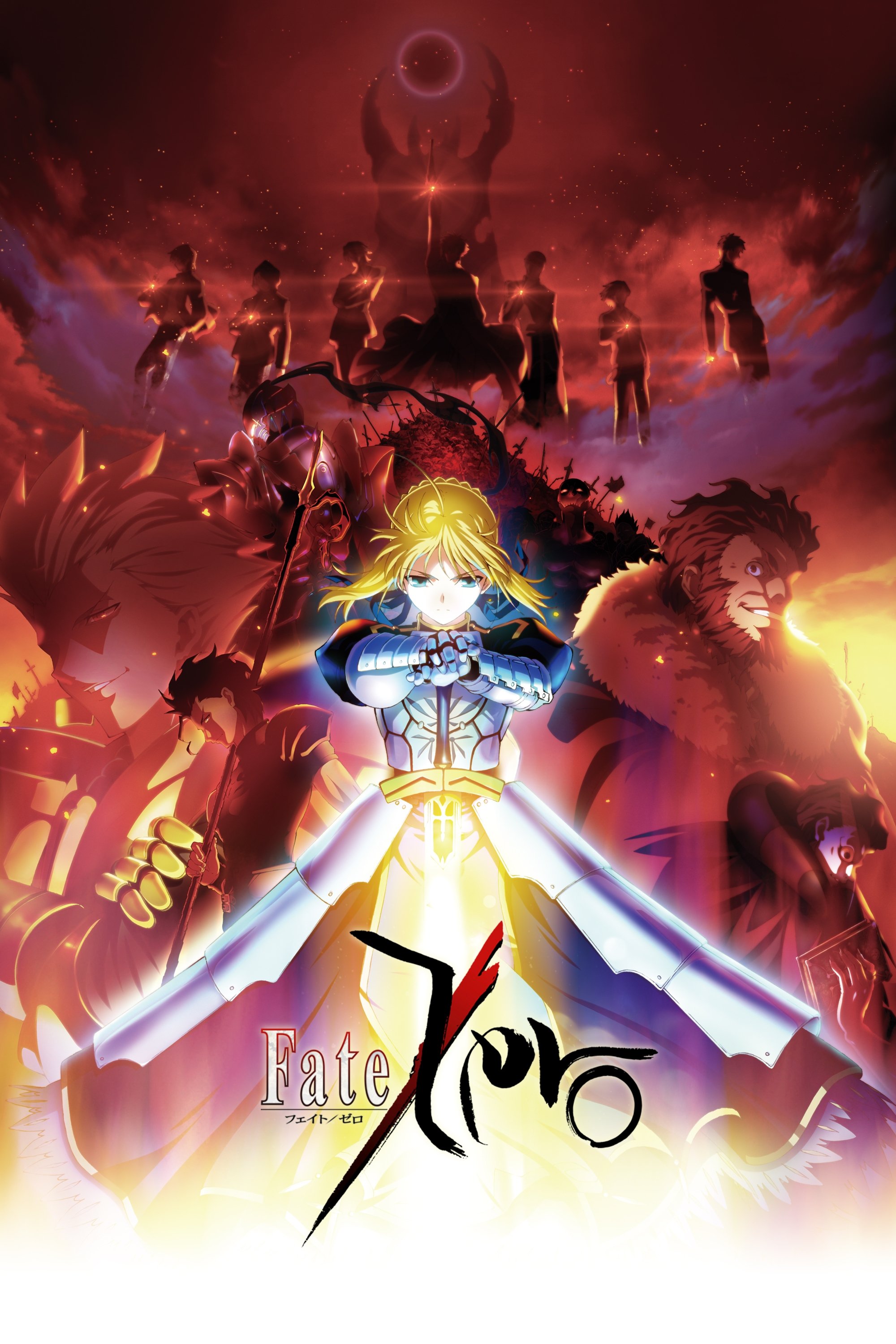
‘Fate/Zero’ depicts a battle royale where mages summon legendary heroes to fight for a wish granting artifact. Ufotable’s production highlights weapon trails, summoning circles, and nighttime cityscapes. The story frames each master servant pair with a clear philosophy and goal. It explores contracts, command seals, and the cost of winning.
‘Haikyu!!’ (2014–2020)

‘Haikyu!!’ follows a high school volleyball team as it learns systems like quick sets, rotations, and reading blockers. Production I G focuses on footwork, timing, and formation to make rallies easy to follow. Training arcs show drills and tactics that return during matches. The supporting teams each bring unique play styles that test Karasuno’s growth.
‘Cyberpunk: Edgerunners’ (2022)
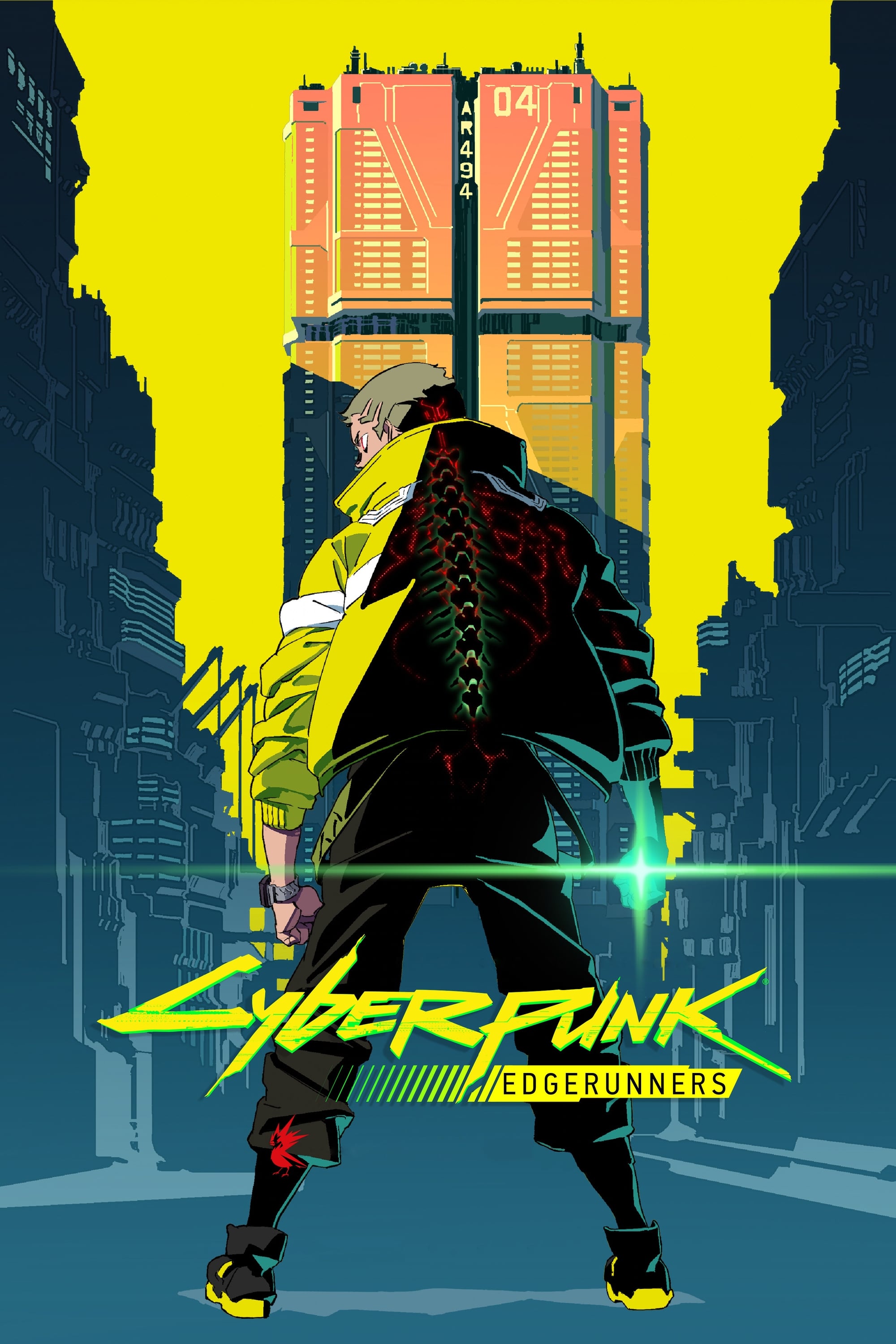
‘Cyberpunk: Edgerunners’ tells the story of a student who enters the world of mercenaries in Night City after a personal loss. Studio Trigger uses sharp cuts and glitchy transitions to show cyberware overload and high speed combat. The limited run centers on crew dynamics, heists, and the risks of augmentation. Visual motifs and slang from the setting reinforce how the city shapes every choice.
‘One-Punch Man’ (2015–)
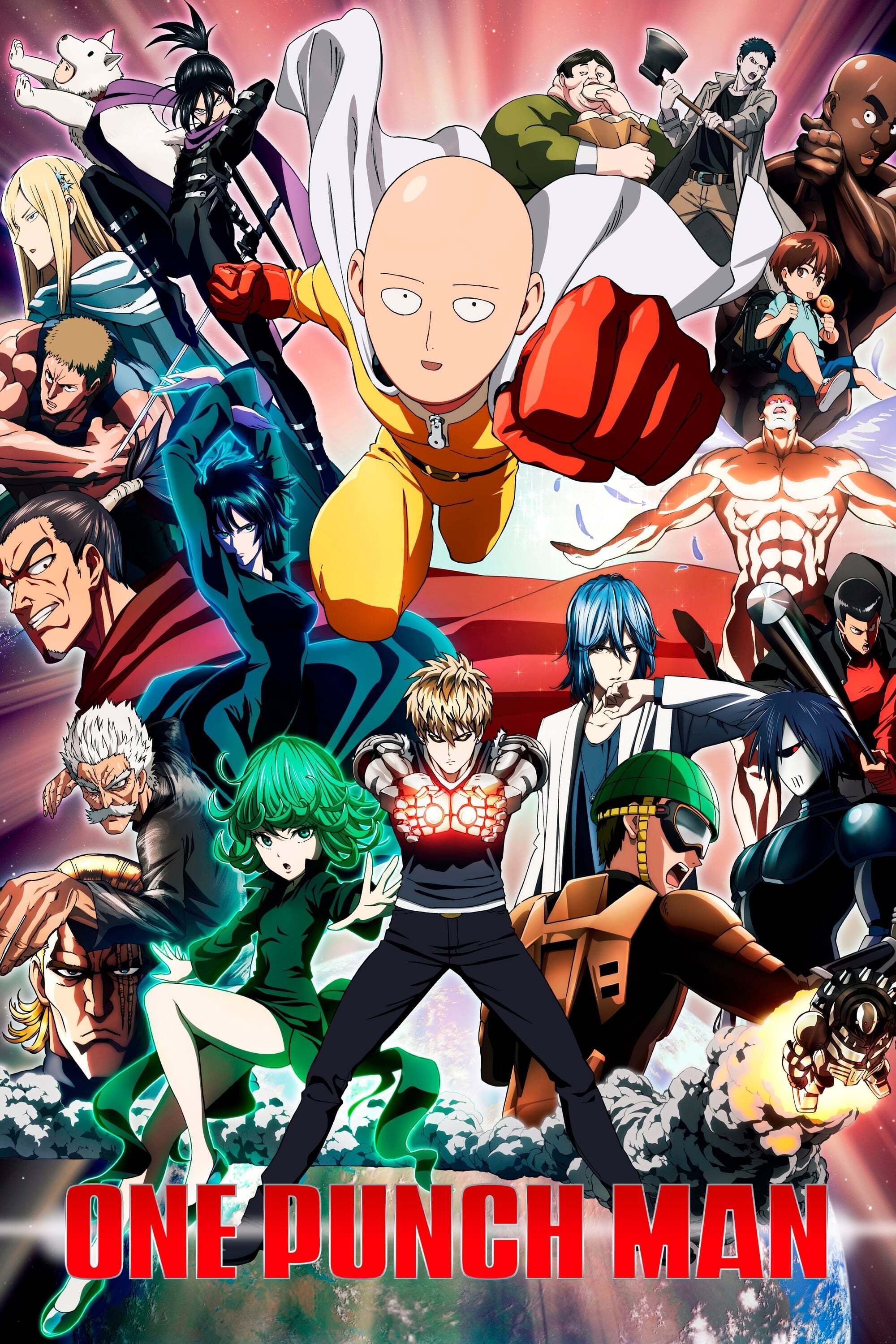
‘One Punch Man’ follows Saitama, a hero who can defeat any opponent with a single punch and struggles to find a real challenge. The anime maps out the Hero Association with class rankings, promotion exams, and disaster levels. Season one by Madhouse set the standard for crisp action cuts and exaggerated timing. Later episodes expand the roster of heroes and monsters while tracking training methods and power scaling.
‘Samurai Champloo’ (2004–2005)
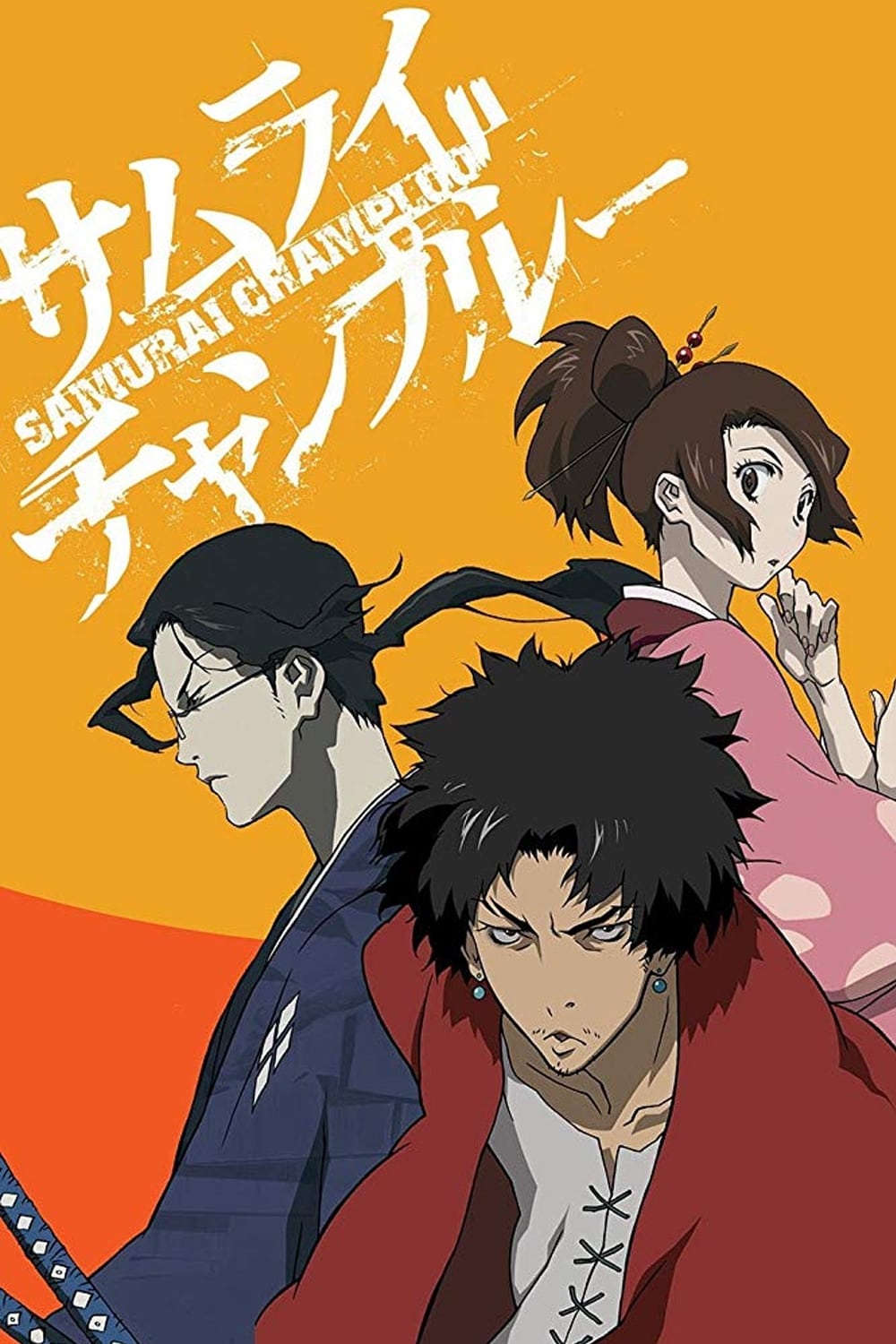
‘Samurai Champloo’ pairs a tea house waitress with two swordsmen on a journey across Edo era Japan. The show blends period details with hip hop music and breakbeat editing. Episodes work as stand alone adventures that touch on merchants, artists, and outlaws. The choreography switches between freestyle brawls and precise swordplay that shows stance and spacing.
‘Vinland Saga’ (2019–)
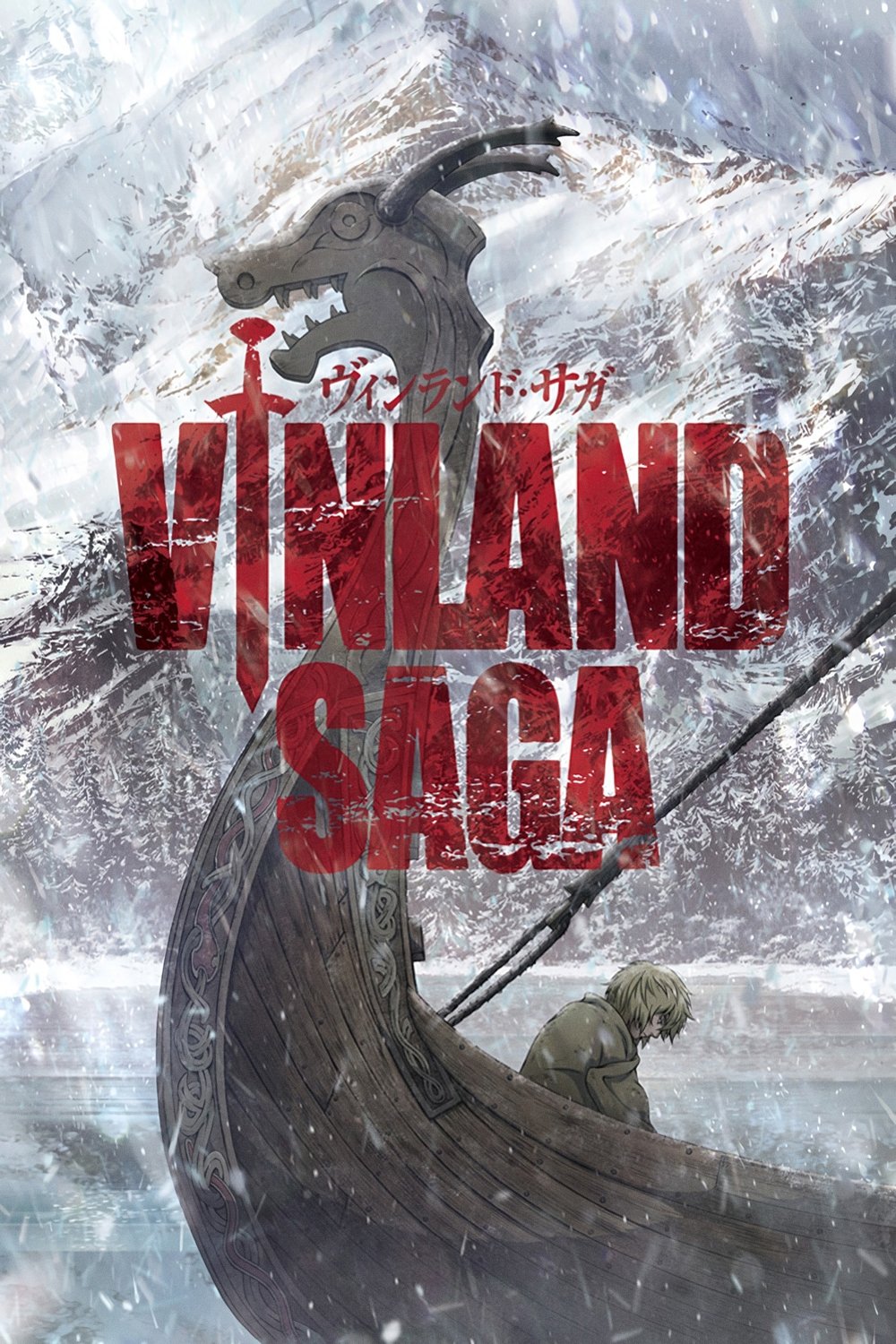
‘Vinland Saga’ adapts Makoto Yukimura’s manga about Norse warriors and the search for a land free of war. The anime details historical tactics, ships, and social structures among Danes and English. MAPPA and Wit Studio focus on landscape design and cold weather survival. Character arcs move from vengeance to questions about cycles of violence and farming as a path forward.
‘Puella Magi Madoka Magica’ (2011)
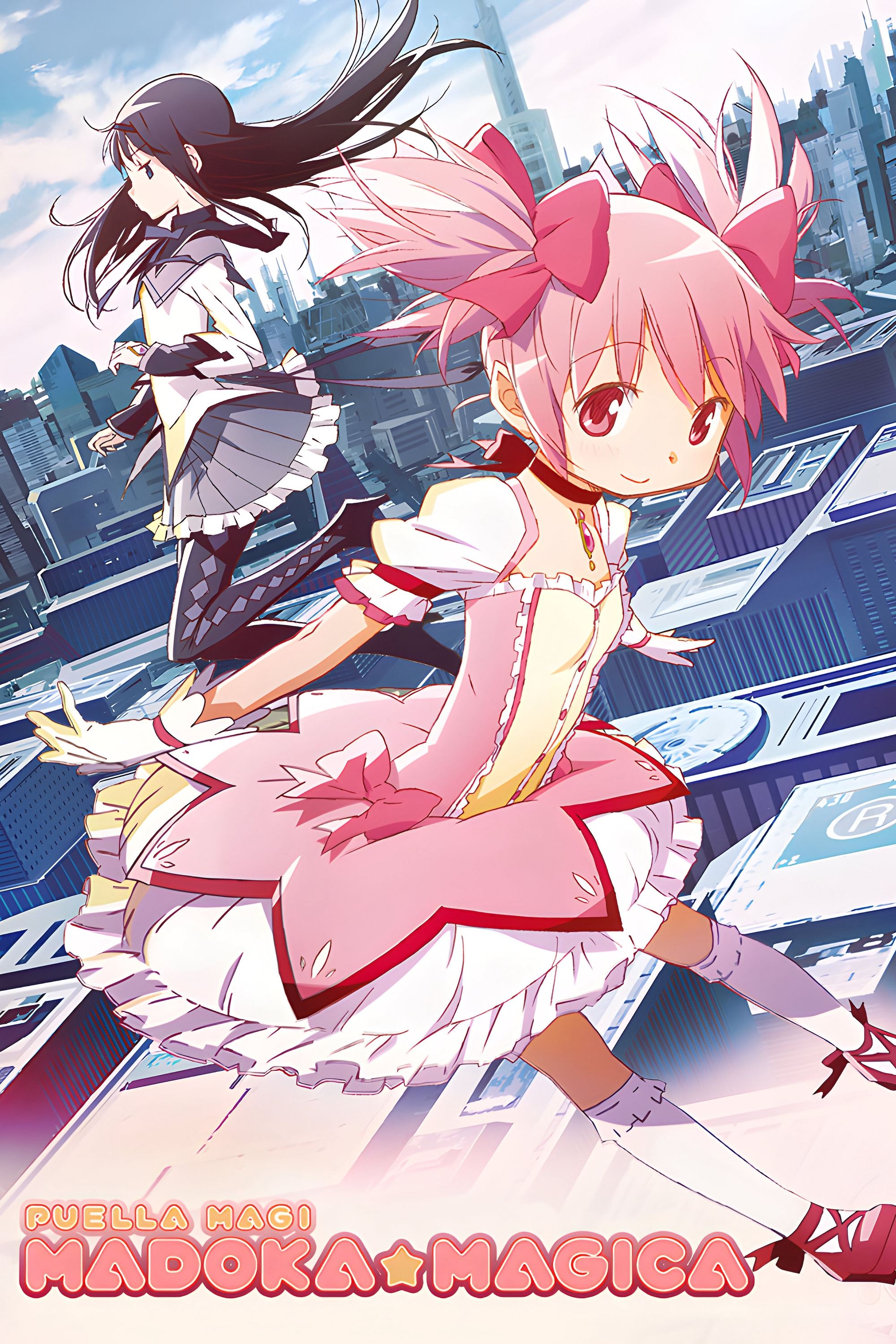
‘Puella Magi Madoka Magica’ reframes the magical girl contract as a system with strict costs. Witches are presented through collage style labyrinths that change rules for each battle. The narrative uses time loops and energy balances to explain cause and effect. Shaft’s staging and music cues guide each reveal and escalation.
‘Psycho-Pass’ (2012–2019)
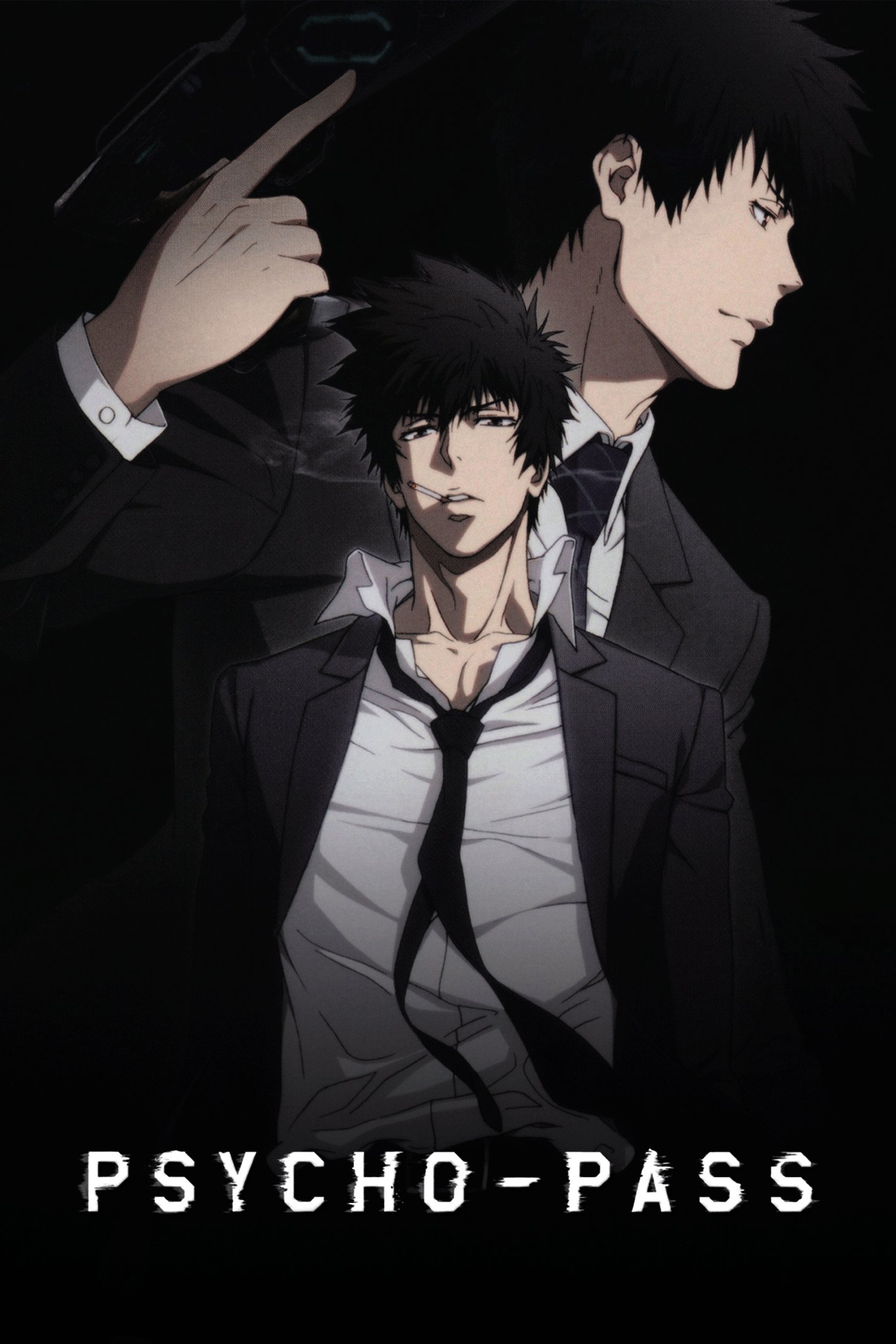
‘Psycho-Pass’ takes place in a society where the Sibyl System quantifies mental states to predict crime. Inspectors and Enforcers use Dominators that switch modes based on threat assessments. The series examines how policy, privacy, and technology interact in everyday policing. Seasons and films map jurisdiction conflicts and the limits of algorithmic control.
‘Baccano!’ (2007)
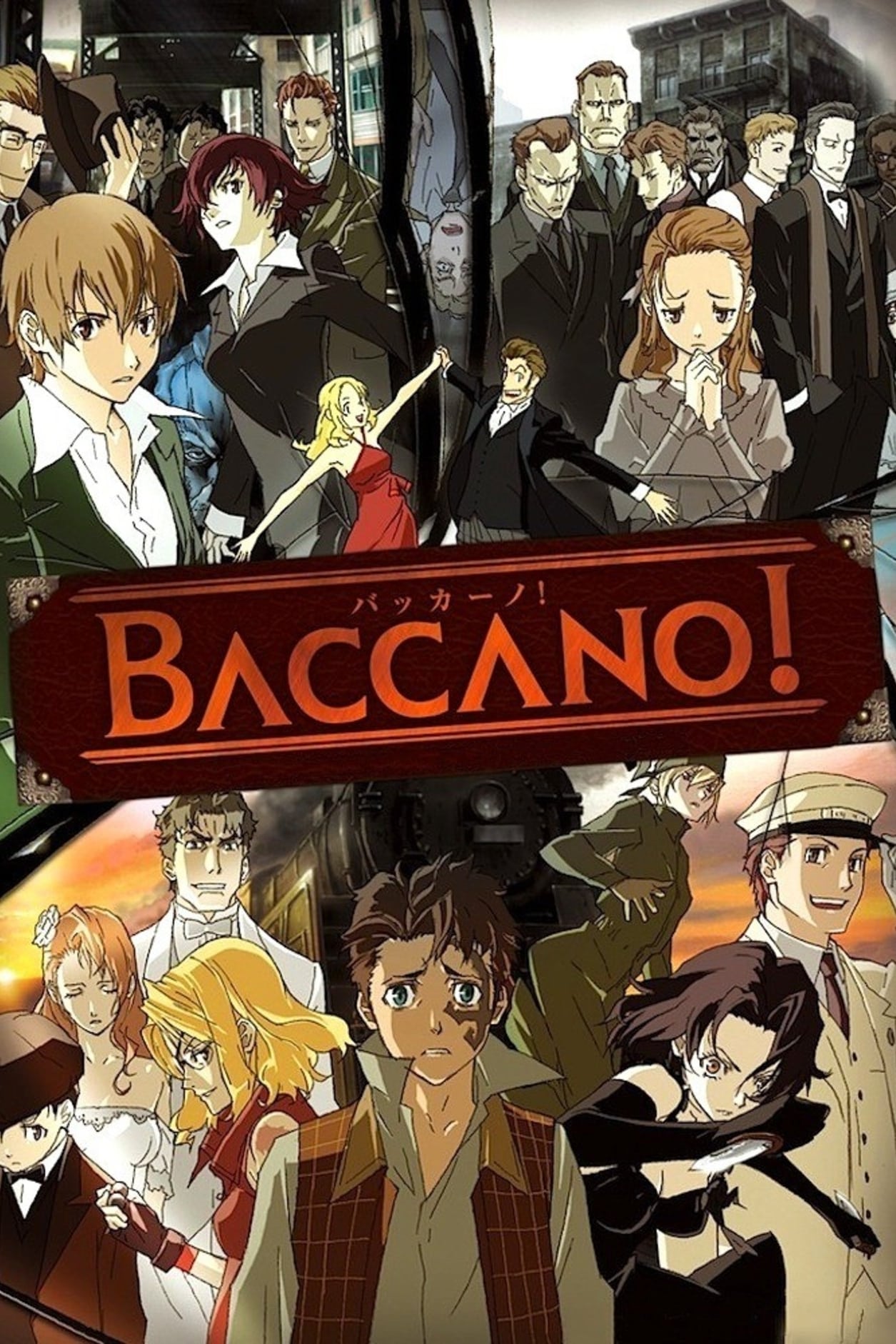
‘Baccano!’ tells interlocking stories about immortals, gangsters, and thieves aboard a cross country train and beyond. The show uses a shuffled timeline that fills in events from multiple viewpoints. It explains the mechanics of immortality and how characters gain or lose it. The ensemble format introduces distinct crews with clear roles and motives.
‘Kaguya-sama: Love Is War’ (2019–2022)

‘Kaguya-sama: Love Is War’ follows two elite students who refuse to confess and turn romance into a tactical contest. Episodes break into skits that track schemes, misunderstandings, and student council duties. Narration and visual gags present rules for each psychological duel. Music, editing, and cutaway charts keep strategies readable and fast.
‘Chainsaw Man’ (2022–)

‘Chainsaw Man’ follows Denji, a devil hunter who merges with a chainsaw devil and joins a public safety unit. MAPPA grounds fights with sharp camera work and realistic backgrounds. The world uses contracts, blood recovery, and devil categories to define power. Mission structure covers patrols, ambushes, and team dynamics that shift as new devils appear.
‘Frieren: Beyond Journey’s End’ (2023–2024)
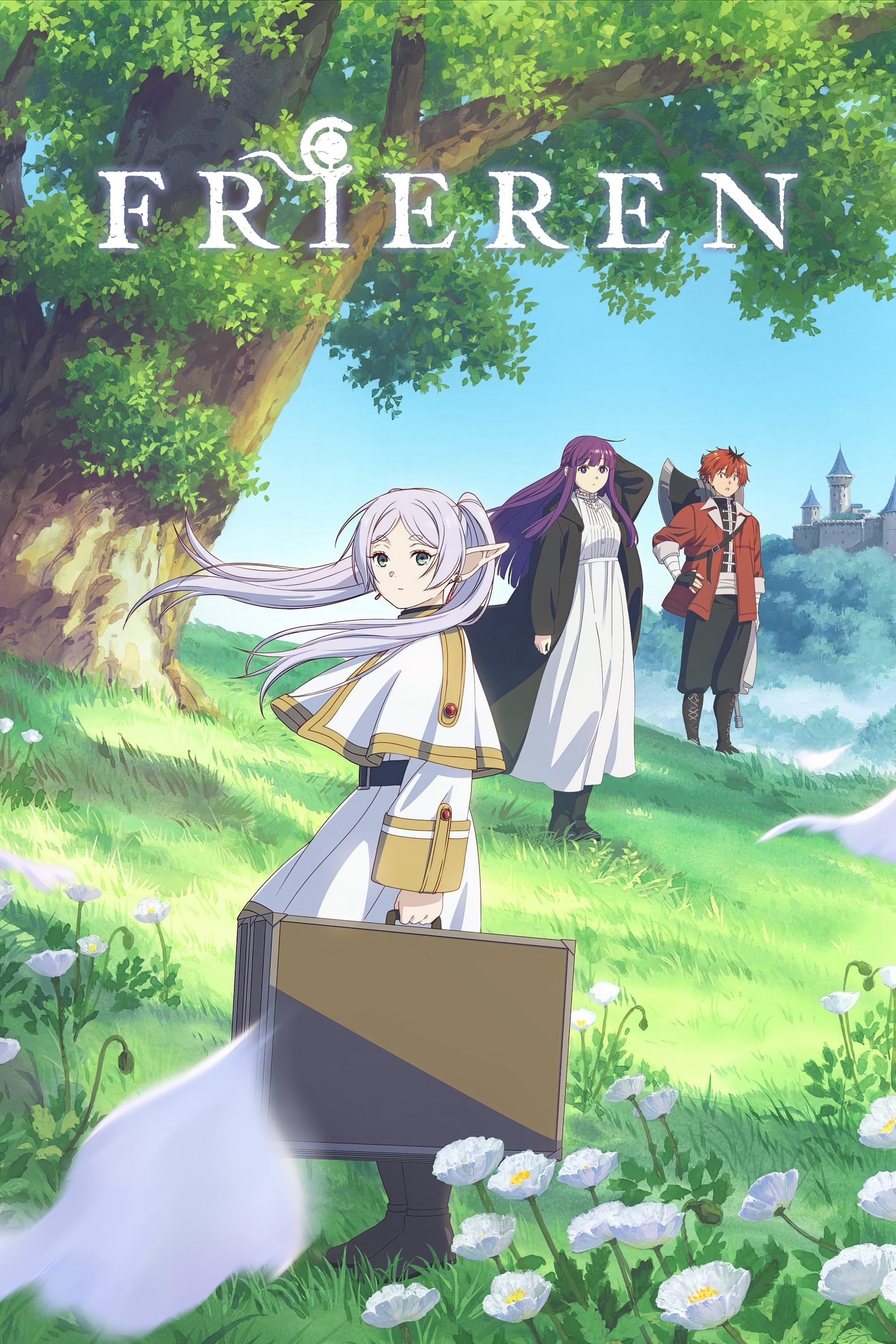
‘Frieren: Beyond Journey’s End’ looks at the long life of an elf mage after a demon lord has been defeated. The show tracks apprenticeships, certification exams, and the study of old spells. Quiet episodes map how memory and time change how people relate. Studio Madhouse builds soft lighting and detailed towns that reinforce the passage of years.
‘Ranking of Kings’ (2021–2022)
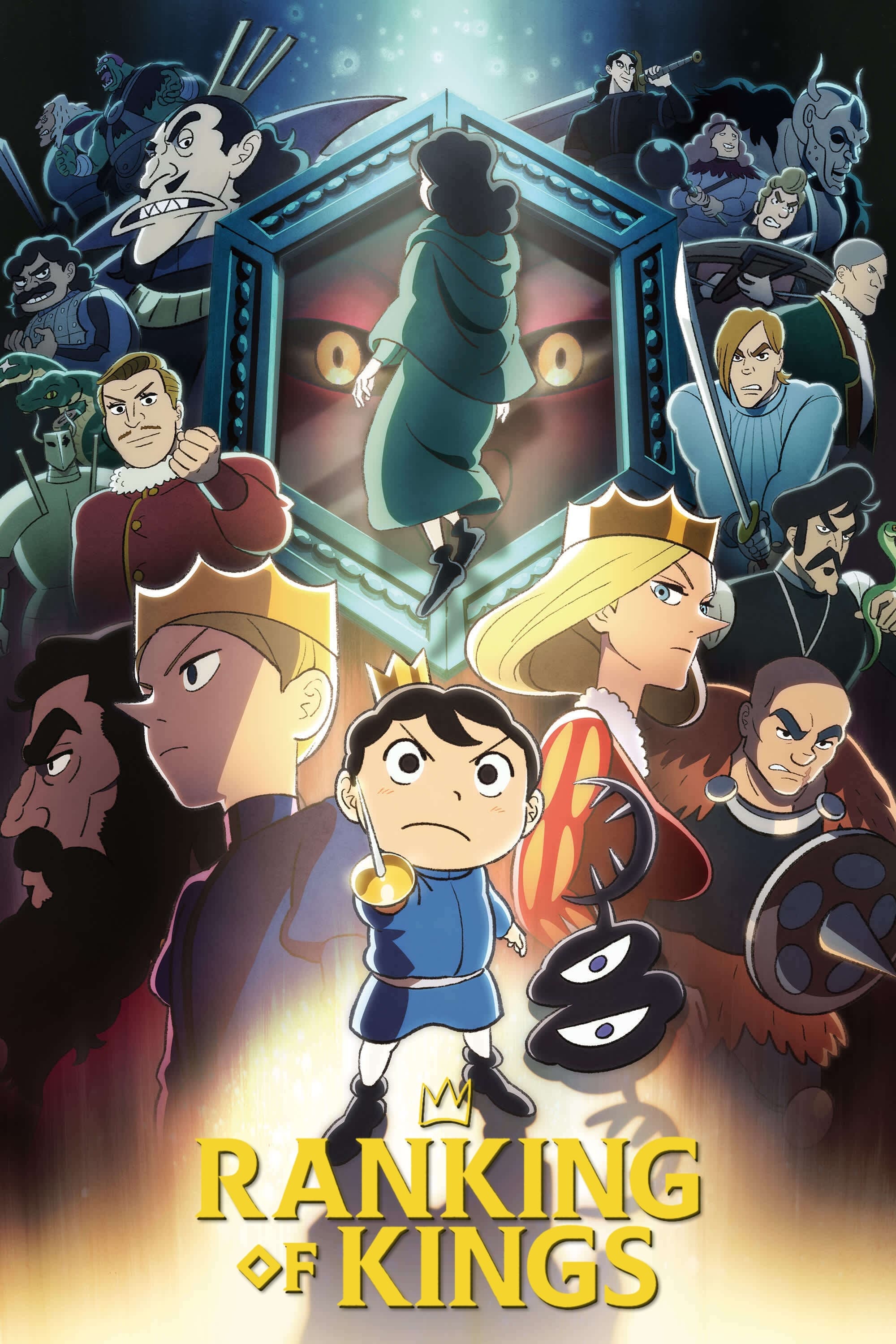
‘Ranking of Kings’ follows Bojji, a deaf prince who trains to protect his kingdom. The setting uses a formal ranking list for rulers with criteria tied to strength and governance. The series explains weapon choices and coaching methods that fit Bojji’s body and skills. Wit Studio’s art style contrasts simple shapes with intricate action layouts.
‘Dr. Stone’ (2019–2023)
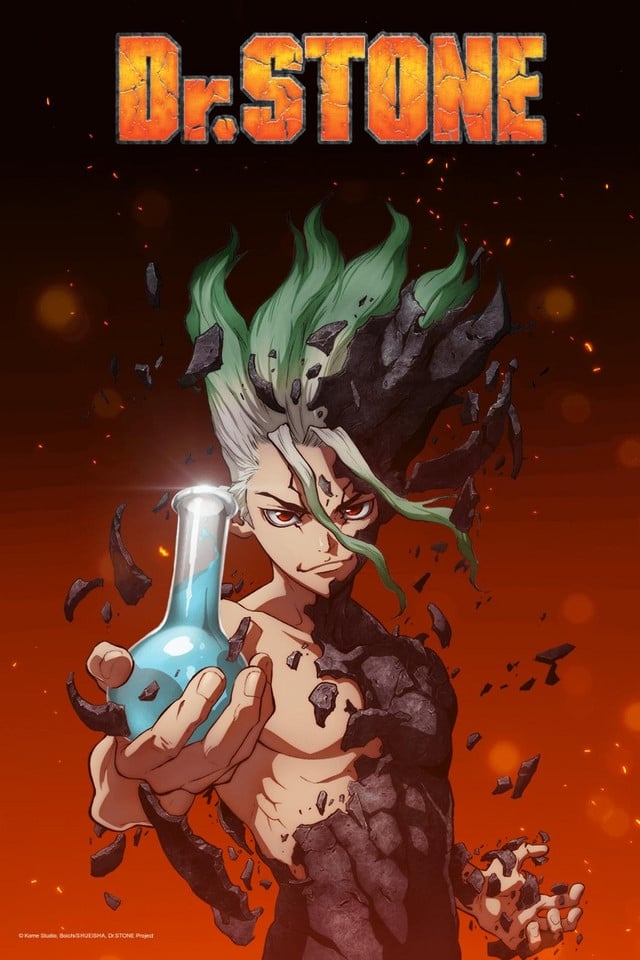
‘Dr. Stone’ begins after humanity turns to stone and a science prodigy tries to rebuild civilization. Each episode walks through practical inventions like soap, glass, and electricity. The story splits into factions with different views on technology and leadership. Production I G visualizes lab steps and resource gathering so viewers can follow the plan.
‘Erased’ (2016)
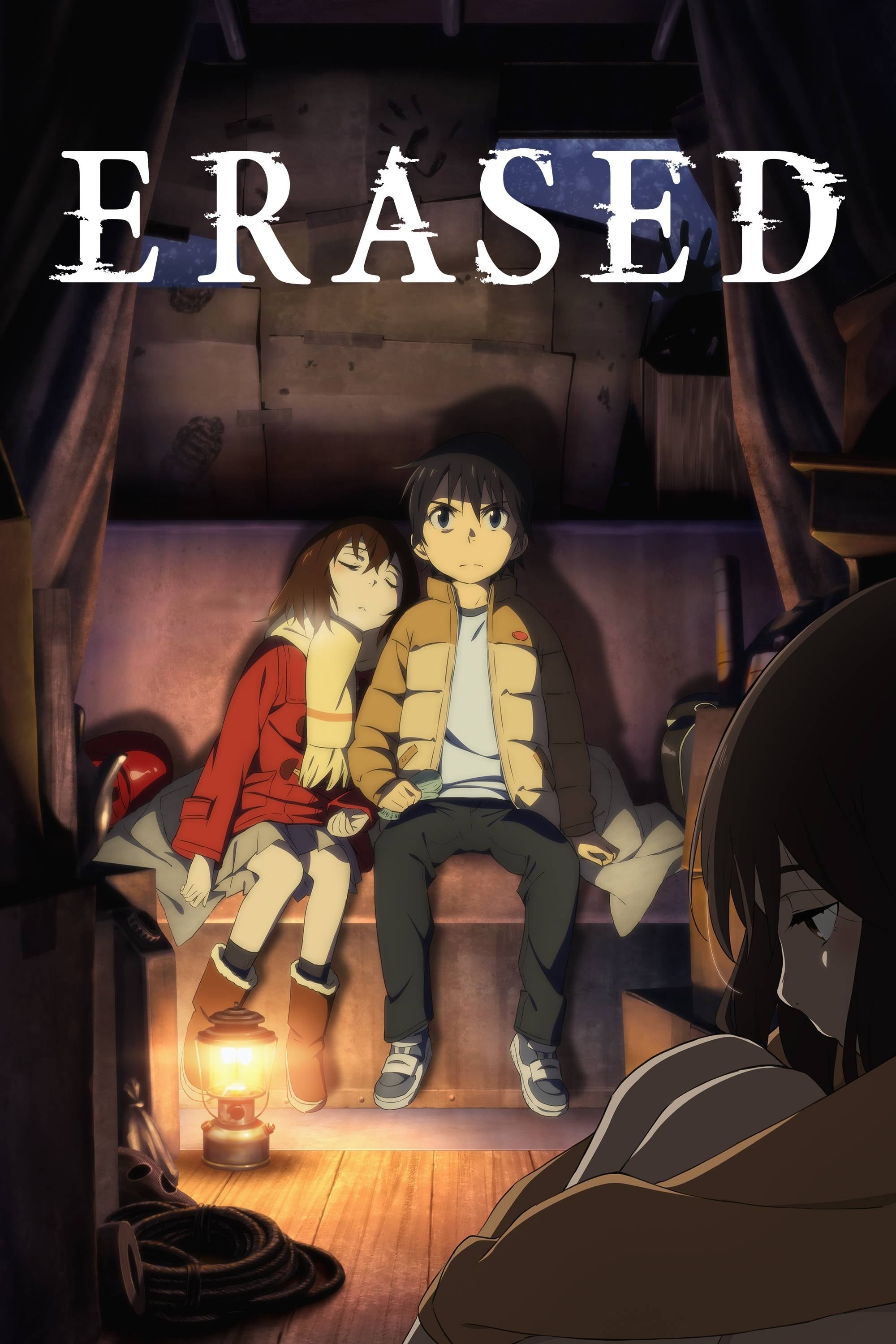
‘Erased’ follows a man who experiences short rewinds that let him prevent tragedies. A major incident sends him back to his childhood where he investigates a series of kidnappings. The show lays out clues through class schedules, alibis, and small changes in routine. It balances thriller beats with careful attention to how adults and children communicate.
‘A Silent Voice: The Movie’ (2016)
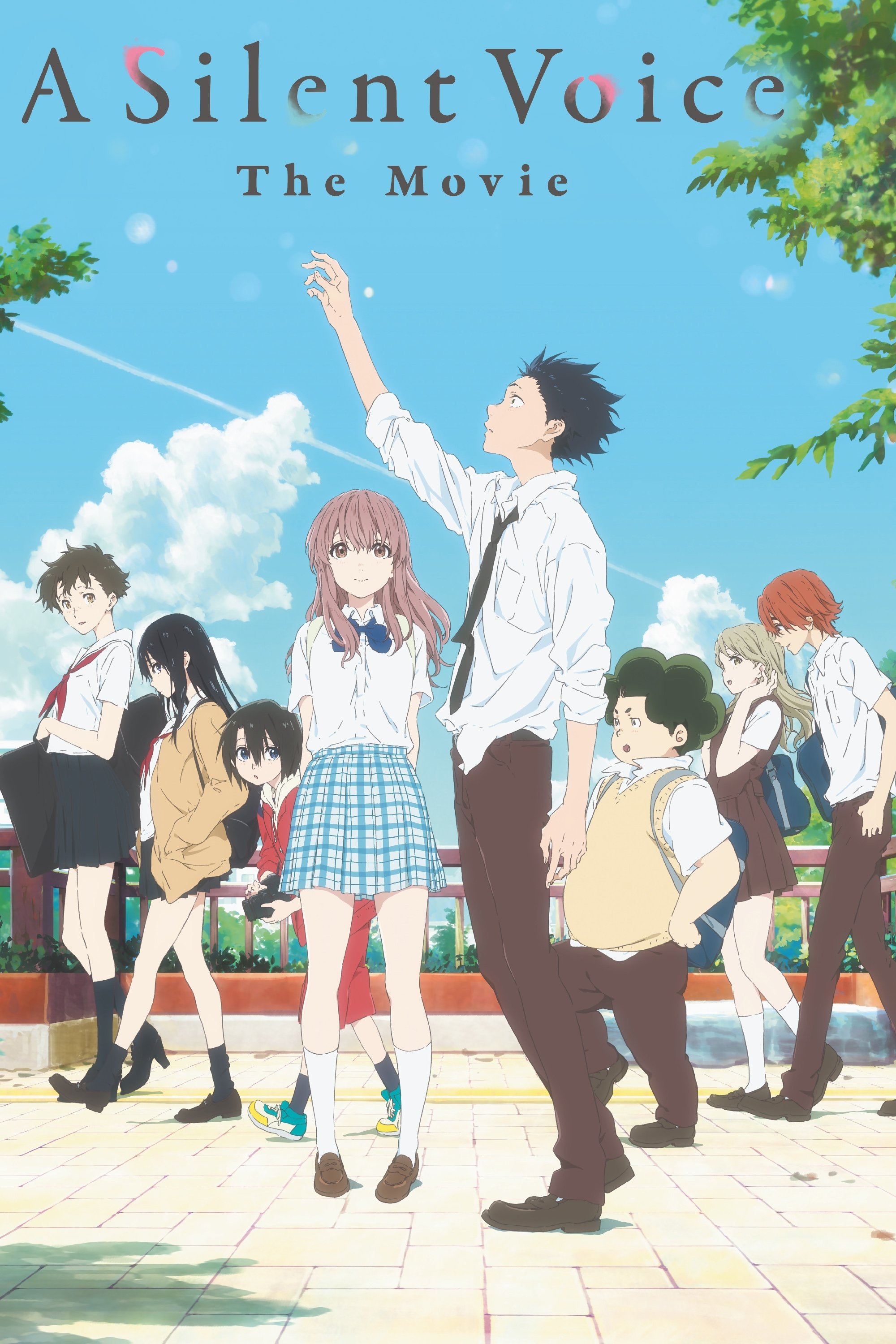
‘A Silent Voice’ centers on a former bully who seeks to make amends with a deaf classmate. The film depicts sign language, hearing aids, and classroom accommodations with care. It spends time on social isolation, group dynamics, and the process of rebuilding trust. Kyoto Animation uses close ups and ambient sound to show how characters perceive the world.
‘Kill la Kill’ (2013–2014)
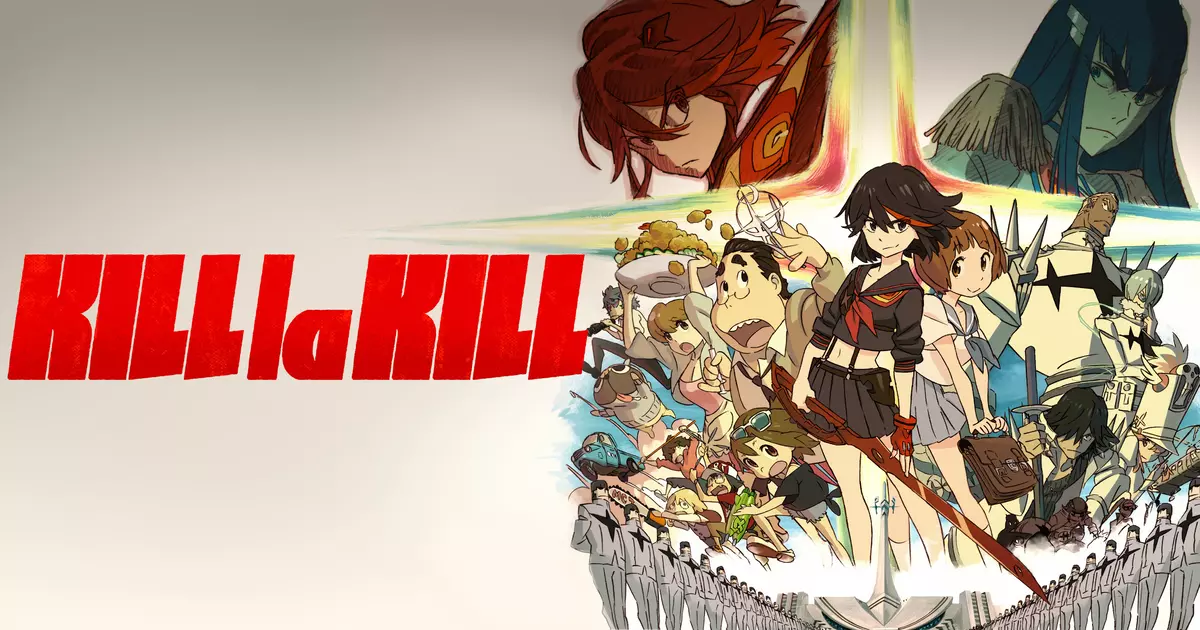
‘Kill la Kill’ follows a student who wields a scissor blade and challenges a school ruled by uniform based power. The plot explains Life Fibers, Goku Uniforms, and how clothes grant abilities. Studio Trigger delivers rapid cuts and visual jokes that keep battles readable. The tournament and invasion arcs lay out clear brackets, ranks, and objectives.
‘Devilman Crybaby’ (2018)
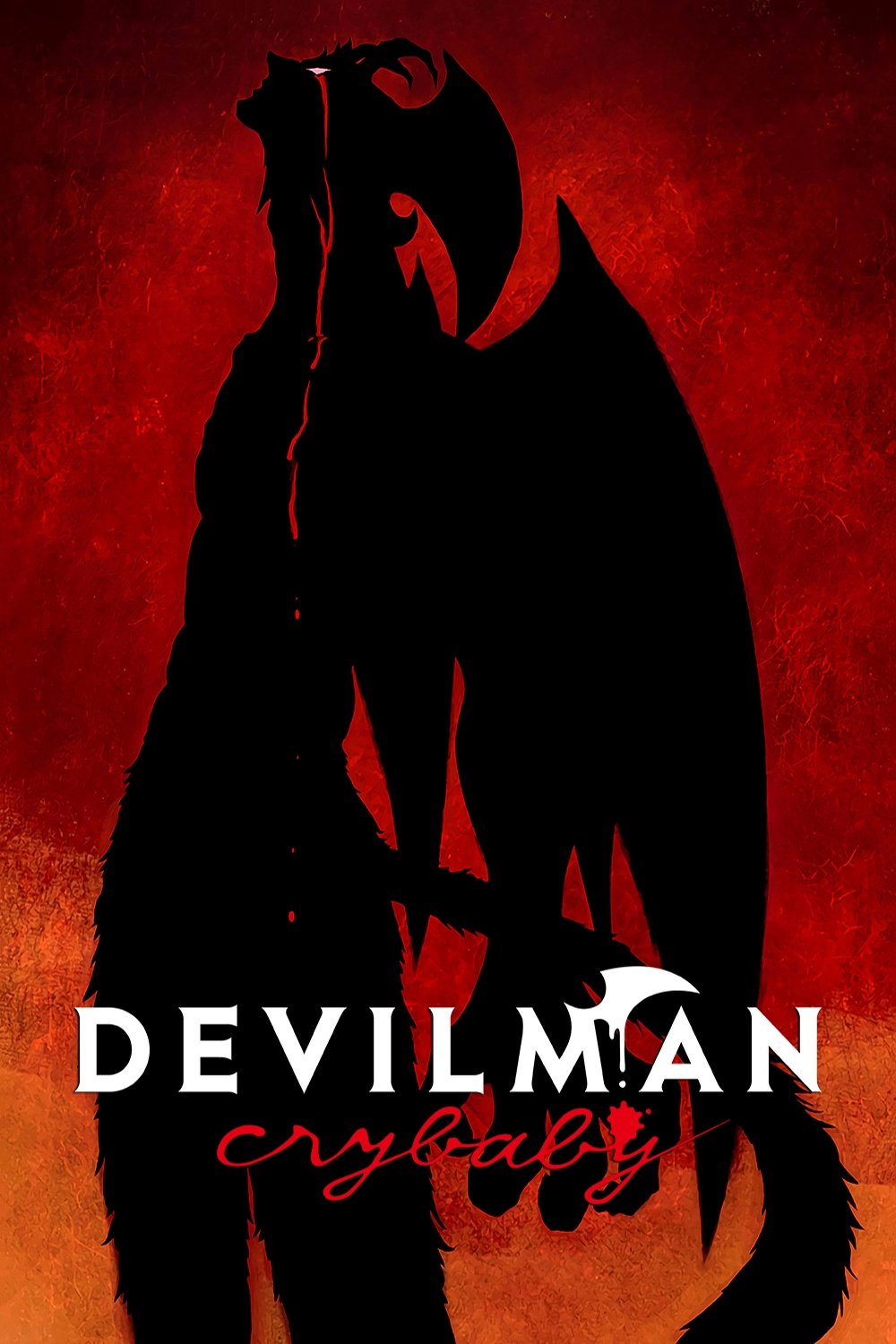
‘Devilman Crybaby’ retells Go Nagai’s story with modern settings and internet culture. The transformation rules for devils and humans drive conflicts in clubs, schools, and media. Masaaki Yuasa’s direction uses elastic designs and heavy motion to show possession and speed. The narrative tracks how public panic spreads and how factions form under pressure.
Share your own favorites and the ones you think we missed in the comments.