

Top 25 Anime That Defined Our Childhood

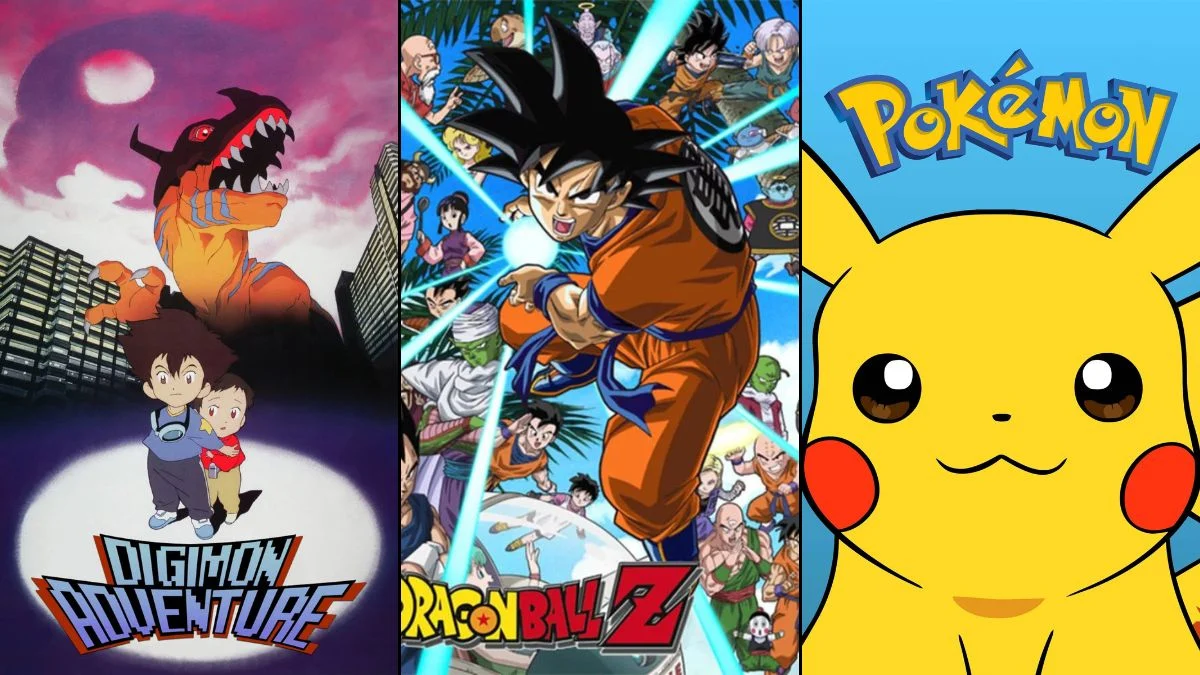


These are the shows that filled after school hours with monsters, magic, and mecha, and they built the shared language of trading cards, catchphrases, and toy aisles everywhere. Each entry below includes the basics you might want to remember, from the premise to the formats and spin offs that kept the worlds expanding. You will also find details like broadcast reach, franchise branches, and signature elements that made each title a staple for kids. Dive in and see which ones matched your own viewing schedule.
‘Pokémon’ (1997–present)
‘Pokémon’ follows Ash Ketchum and Pikachu as they travel across regions to compete in leagues and collect badges. The series ties closely to the video games and a vast line of trading cards and toys. It has produced many feature films and multiple sequel series with rotating companions and regions. Localization brought the show to dozens of countries with edited theme songs and name changes for international audiences.
‘Dragon Ball Z’ (1989–1996)

‘Dragon Ball Z’ centers on Goku and the Z Fighters as they defend Earth from powerful foes. The show is known for multi episode battles and transformations that raise power levels through distinct forms. It introduced arcs like Saiyan, Frieza, Cell, and Buu that structured the story into clear stages. Syndication and home releases made it a fixture on action blocks and shaped dubbing trends.
‘Sailor Moon’ (1992–1997)
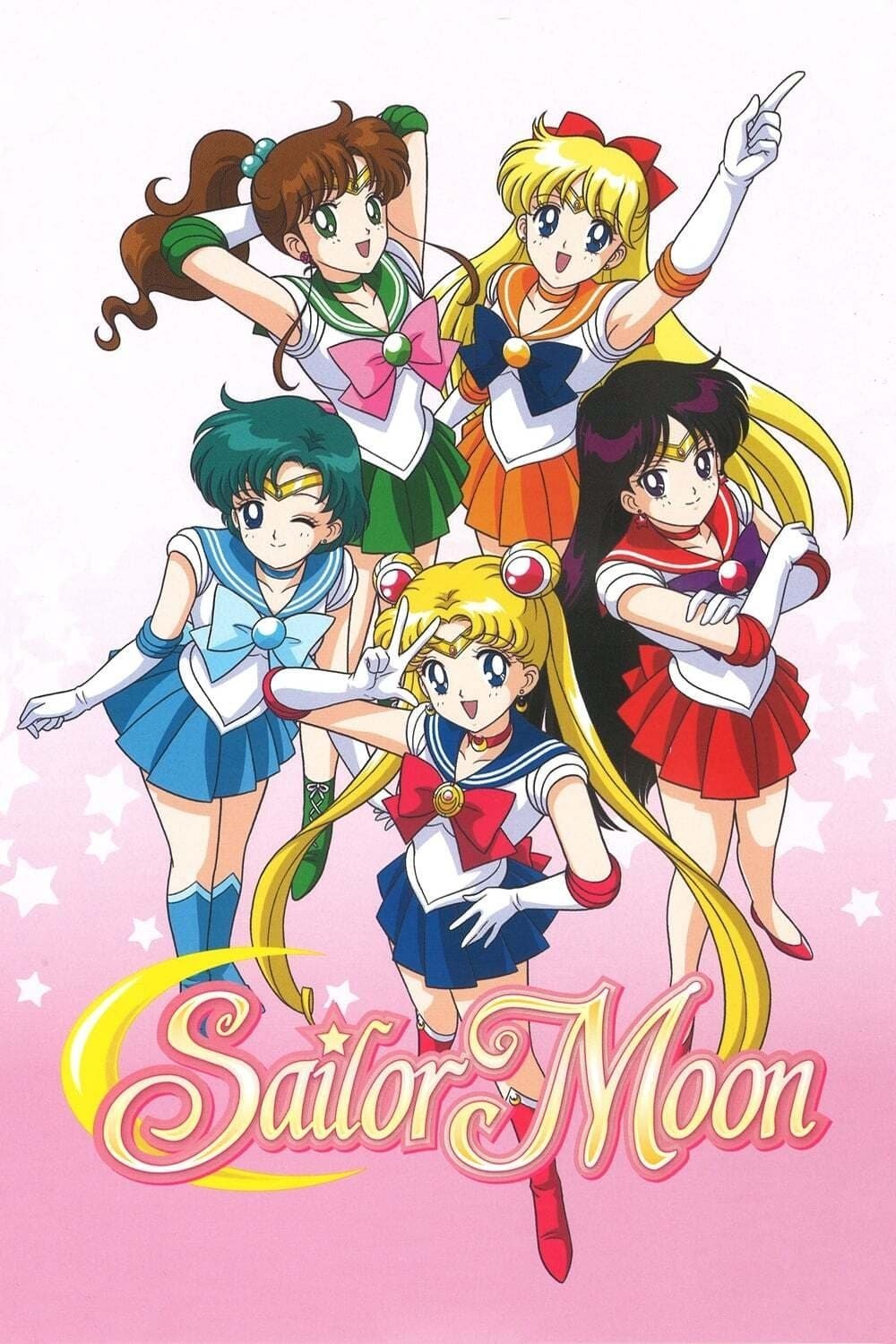
‘Sailor Moon’ tells the story of Usagi Tsukino who awakens as a sailor guardian to fight dark forces. The team formation model brought new guardians with themed powers and items. It popularized transformation sequences and a monster of the week format that supported merchandising. International broadcasts featured edits to character relationships and content for local standards.
‘Naruto’ (2002–2007)
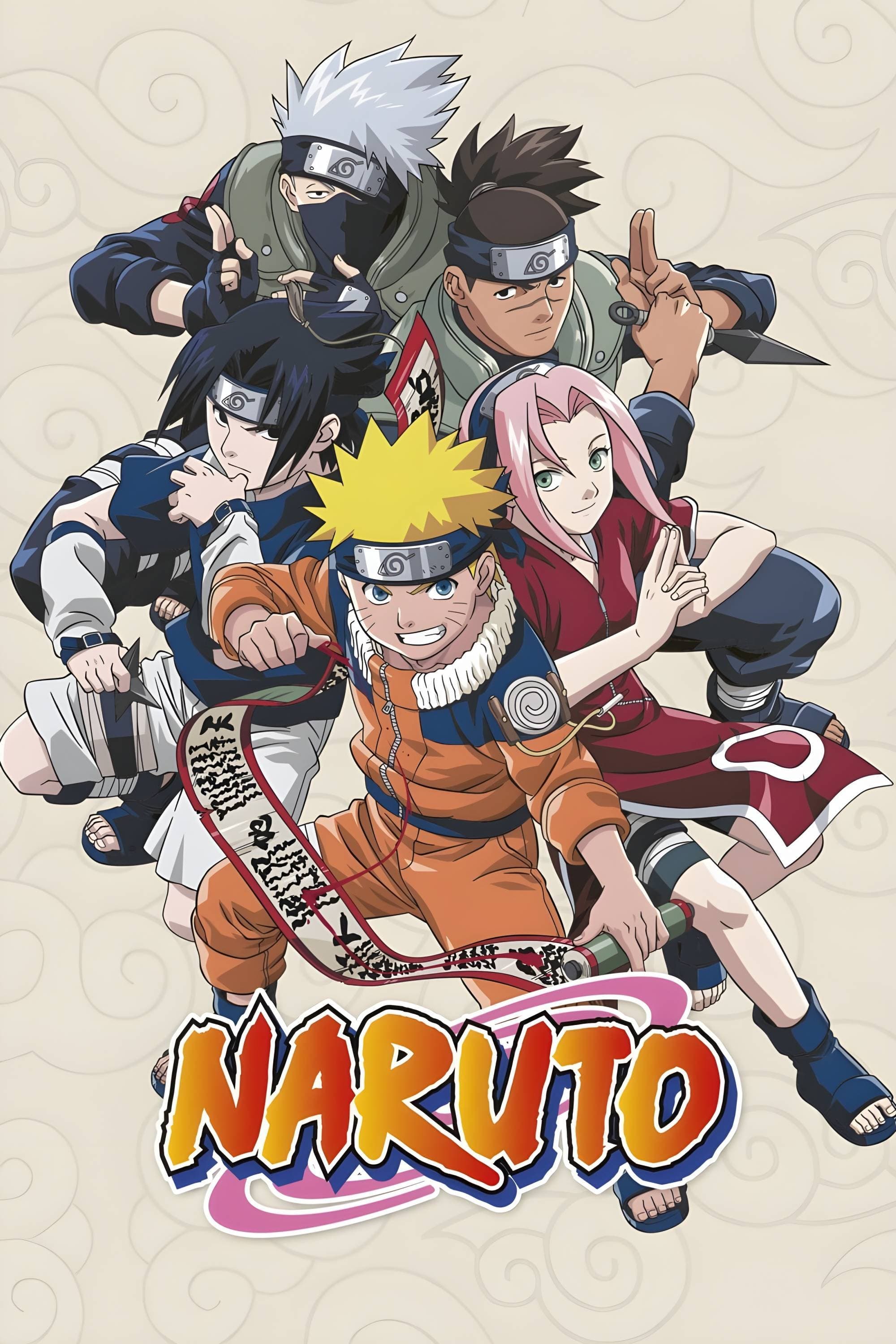
‘Naruto’ follows a young ninja with a sealed beast who aims to become leader of his village. The show divides its story into missions, exams, and larger conflicts between hidden villages. Techniques use named hand signs and chakra systems that organize abilities. The franchise extends into a sequel series, movies, novels, and video games with playable ninja rosters.
‘Yu-Gi-Oh! Duel Monsters’ (2000–2004)
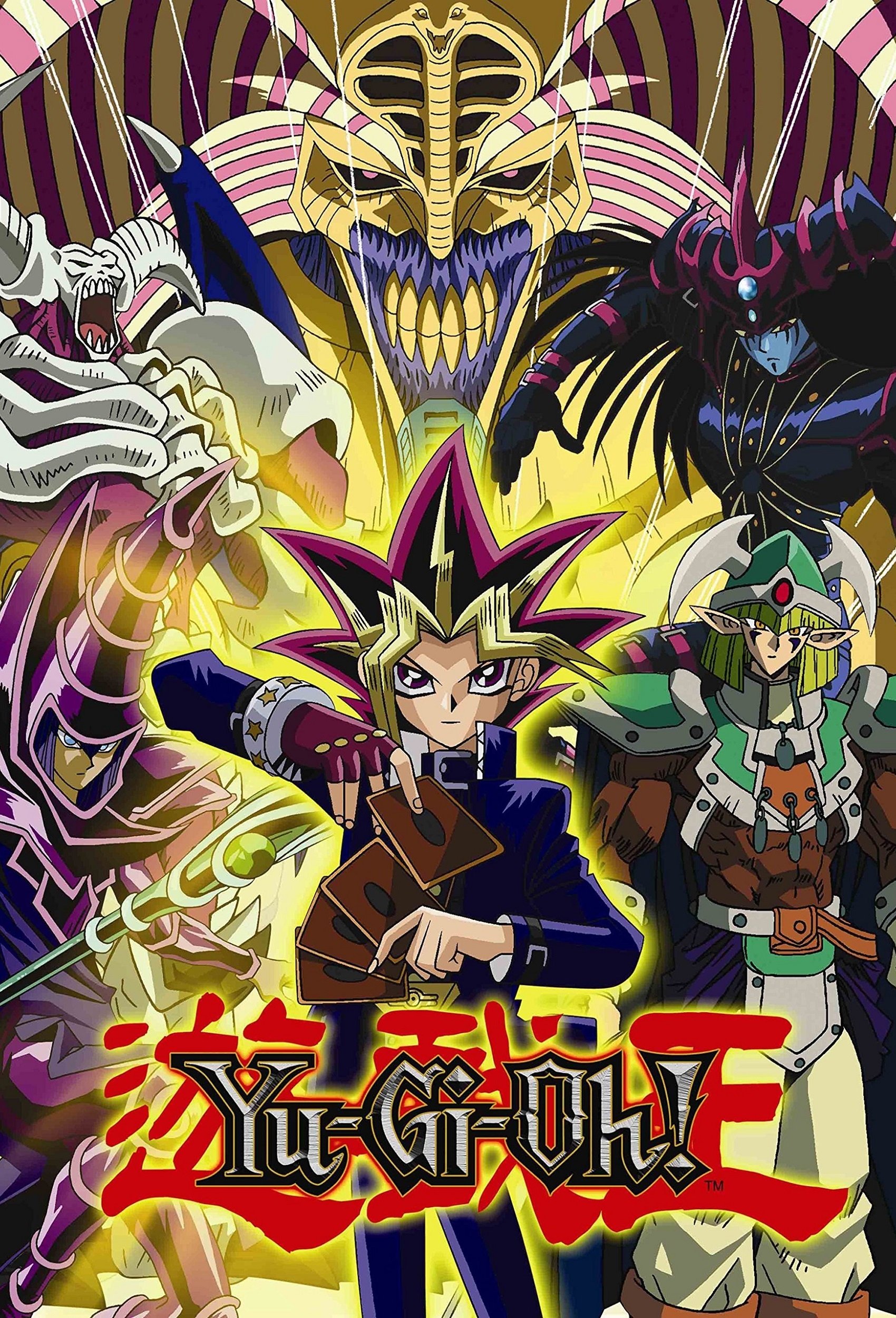
‘Yu-Gi-Oh!’ revolves around Yugi Muto who activates an ancient puzzle and duels using a trading card game. Episodes depict rule based matches that mirror real world decks and strategies. The show helped drive competitive play and booster set releases. Multiple spin offs introduced new summoning mechanics that refreshed the game for later seasons.
‘Digimon Adventure’ (1999–2000)
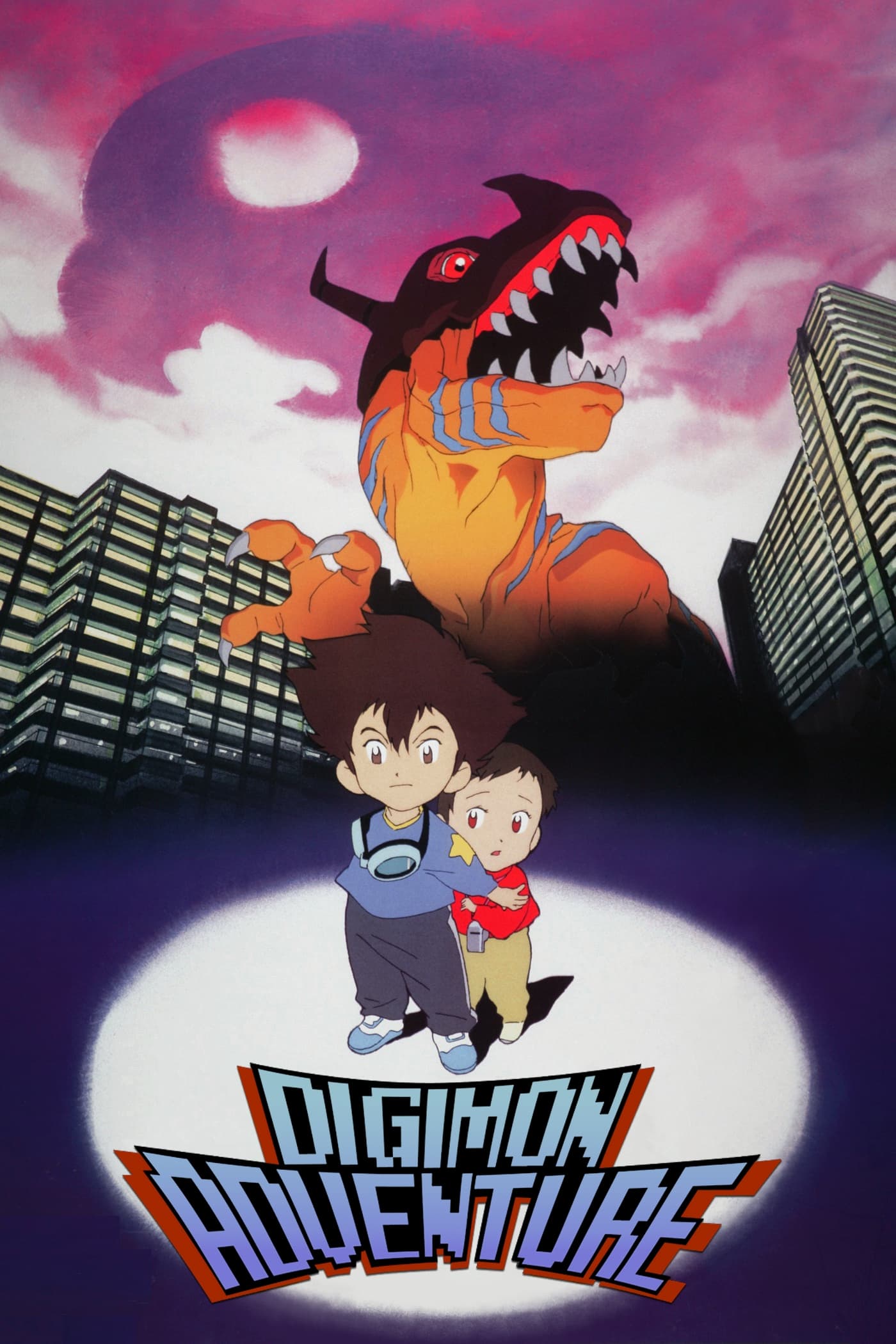
‘Digimon Adventure’ places a group of children in a digital world alongside partner creatures that evolve in battle. The story moves between the digital and real worlds with threats that cross over. Crests and emblems grant upgrades that tie growth to character traits. The brand expanded with new seasons that reset the cast and digital rules.
‘Beyblade’ (2001–2003)
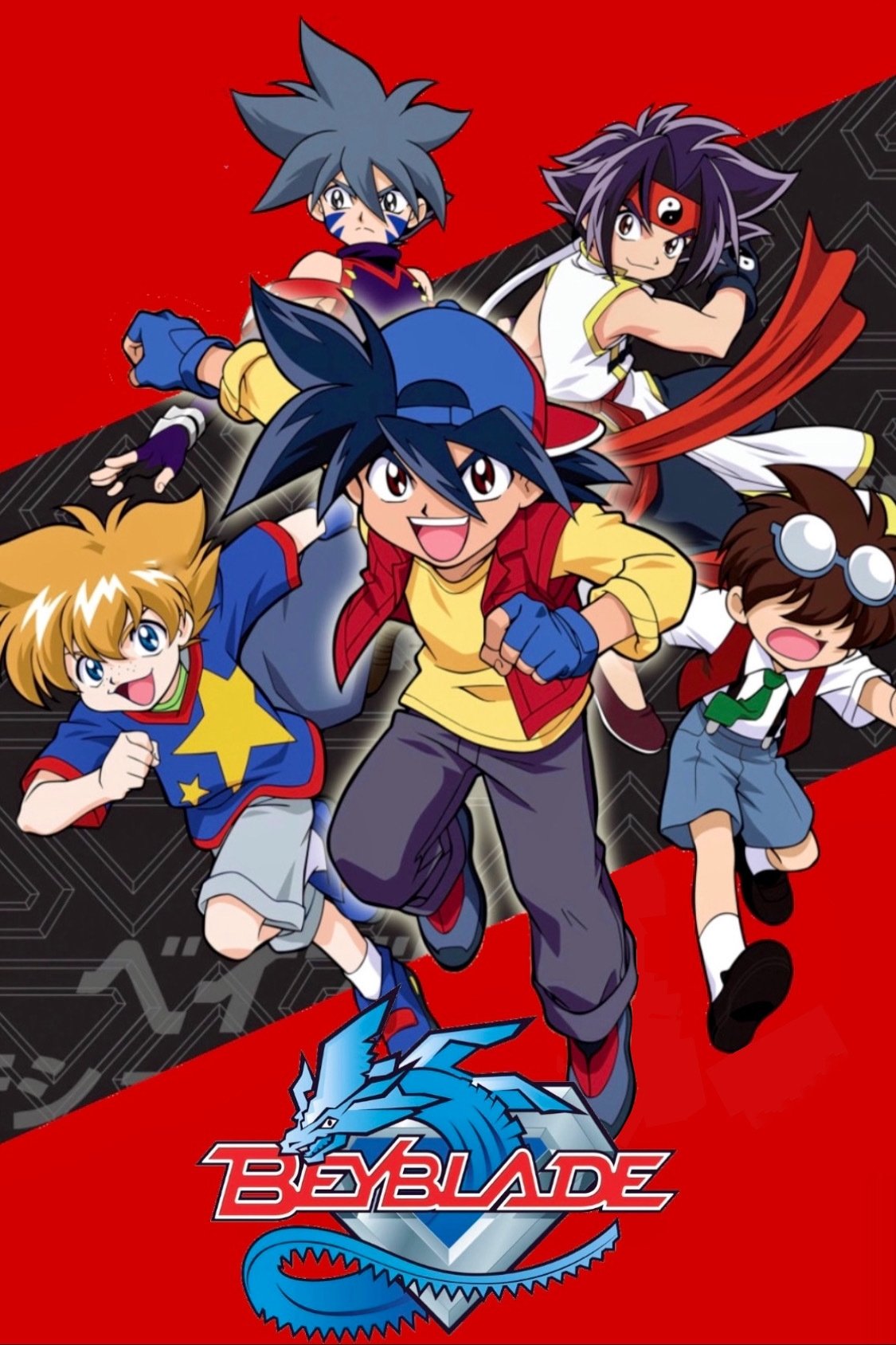
‘Beyblade’ focuses on tournaments where spinning tops equipped with bit beasts clash in arenas. The show demonstrates launch techniques and parts customization that match retail products. Story arcs advance through city, national, and world competitions. The format supported live events and schoolyard play with official stadiums and accessory kits.
‘One Piece’ (1999–present)
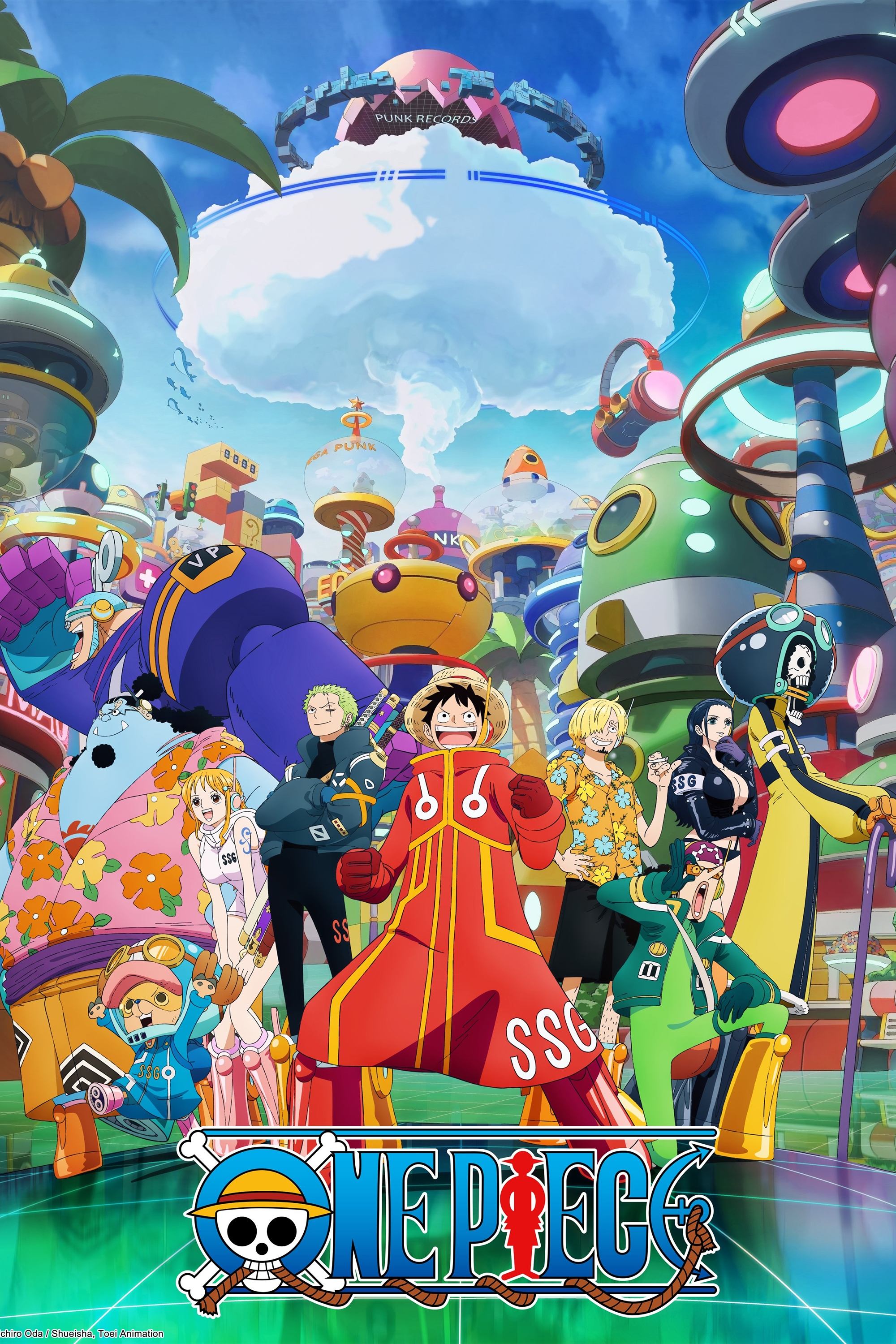
‘One Piece’ follows Monkey D. Luffy and his crew as they search for a legendary treasure across island arcs. Powers derive from special fruits that grant abilities with defined drawbacks. The series uses a long running continuity with crew recruitment and evolving bounties. Films, games, and specials add side stories that complement the main voyage.
‘Cardcaptor Sakura’ (1998–2000)
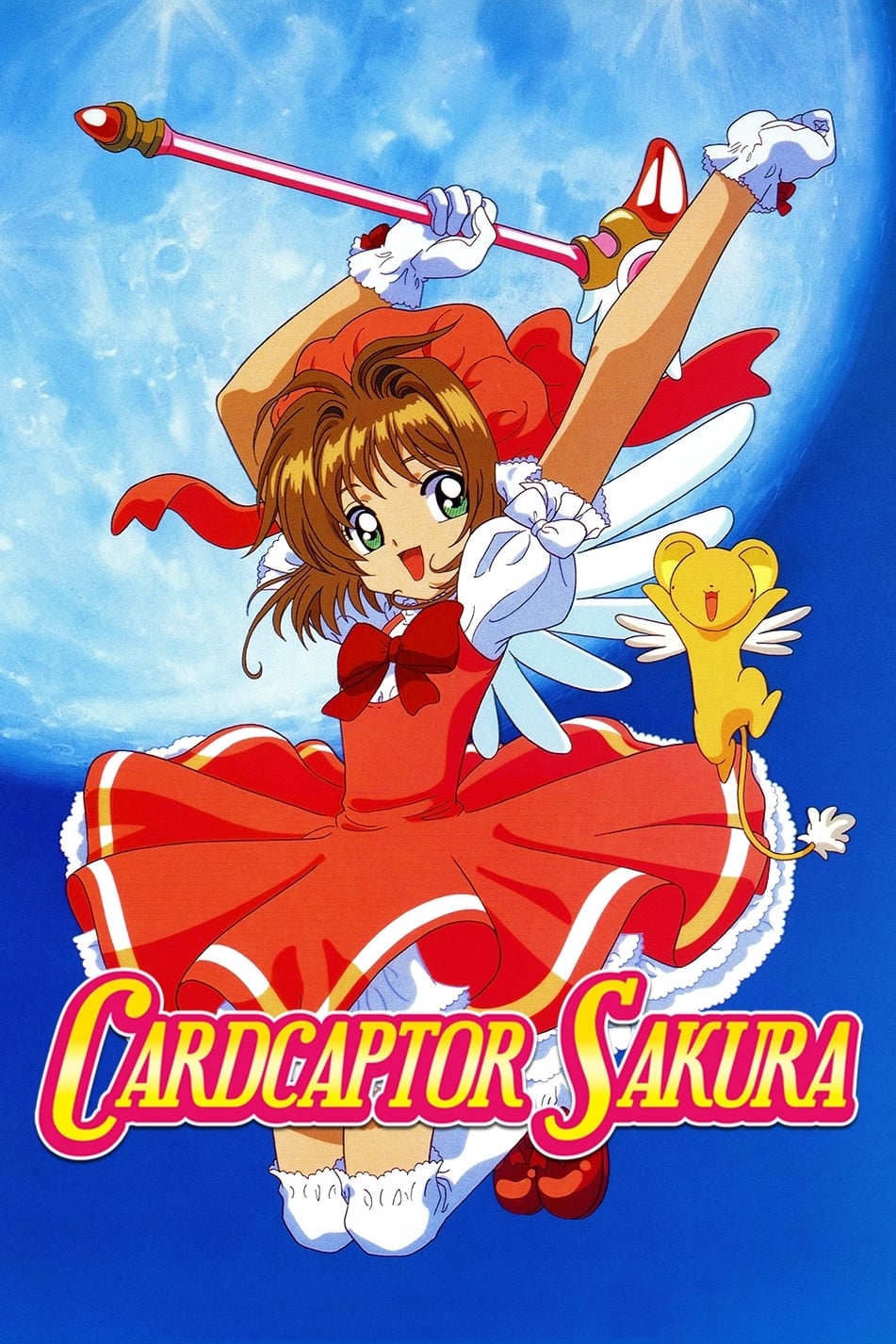
‘Cardcaptor Sakura’ features a student who releases magical cards and must capture them using a staff and costumes. Each card has a unique property that dictates the plan for retrieval. The show blends school life with episodic captures and seasonal story peaks. International versions adjusted episodes and character details for local audiences.
‘Inuyasha’ (2000–2004)

‘Inuyasha’ sends a modern student to a historical era where she teams up with a half demon to recover shards of a sacred jewel. The quest structure creates encounters with recurring allies and rivals. Episodes combine folklore creatures with artifact based powers. The franchise includes movies, a completed sequel season, and a next generation follow up.
‘Fullmetal Alchemist’ (2003–2004)
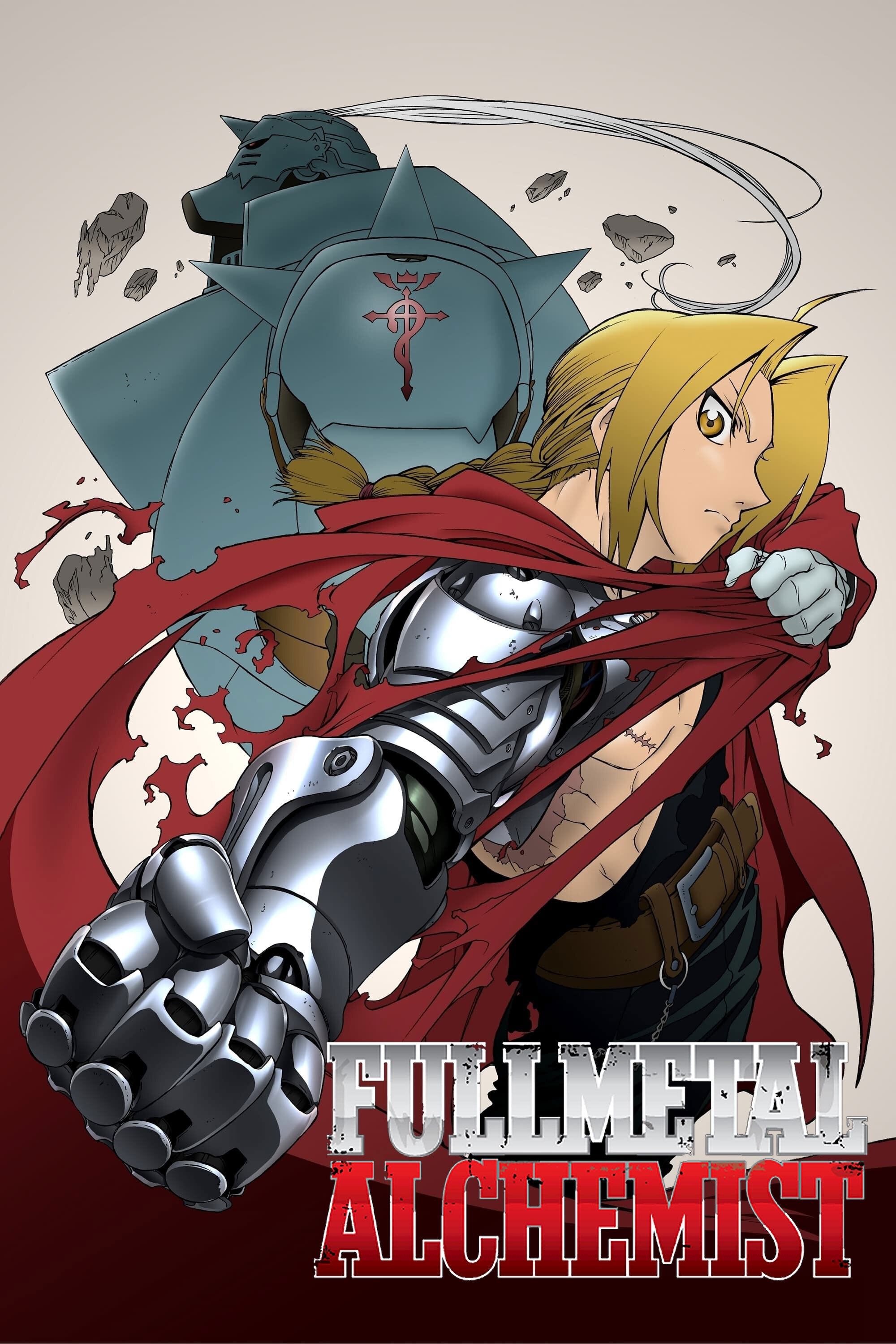
‘Fullmetal Alchemist’ follows two brothers who use alchemy under strict rules to search for a way to restore their bodies. The narrative explores state alchemists, homunculi, and a military regime. Transmutations obey an equivalent exchange principle that regulates abilities. The title later received a second adaptation that followed the completed manga storyline.
‘Neon Genesis Evangelion’ (1995–1996)
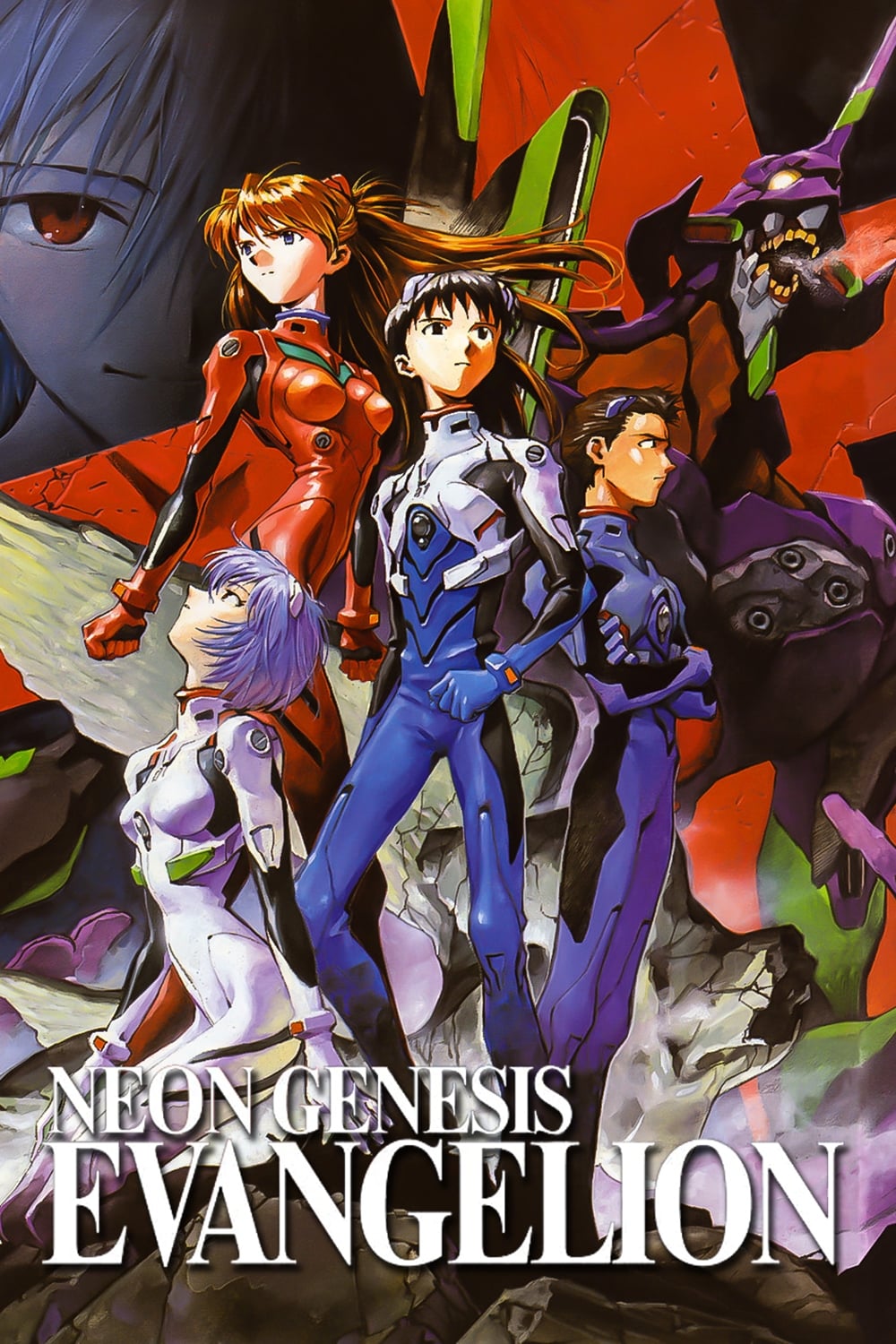
‘Neon Genesis Evangelion’ depicts teenagers piloting biomechanical units to fight enigmatic enemies while a secret project unfolds. The show layers mecha action with classified organizations and code named operations. It introduced distinctive cockpit interfaces and synchronization metrics for pilots. Subsequent films reinterpreted the narrative with new scenes and conclusions.
‘Doraemon’ (1979–2005)
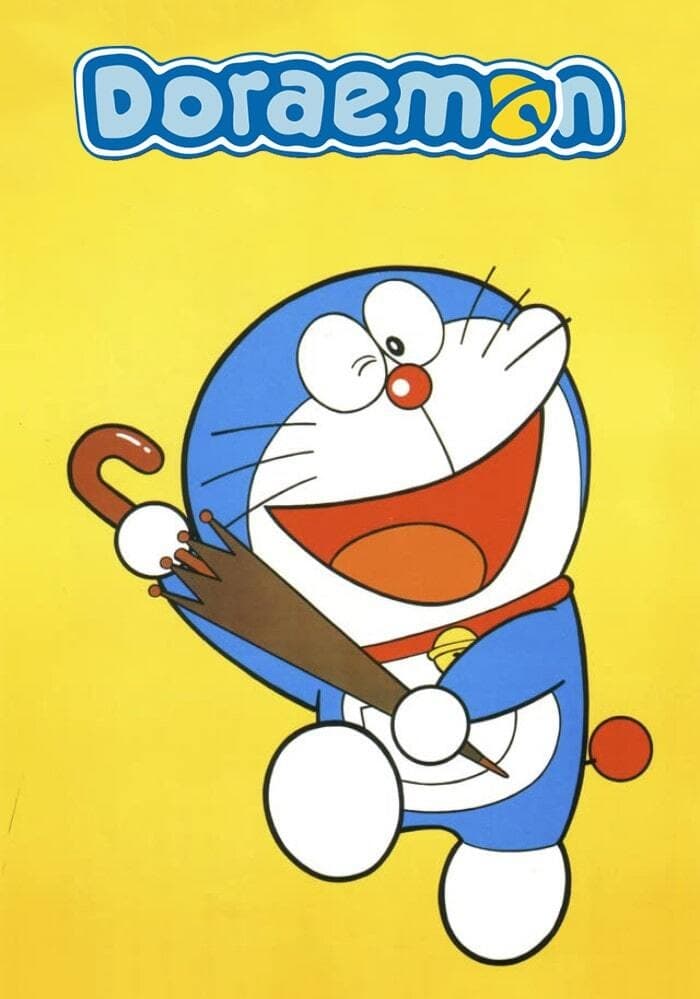
‘Doraemon’ follows a robotic cat who uses gadgets from a pocket to help a schoolboy with everyday problems. Episodes present stand alone stories with devices that create cause and effect lessons. The show maintained consistent character designs and settings that support long term familiarity. It produced annual movies and educational specials linked to science themes.
‘Astro Boy’ (1963–1966)
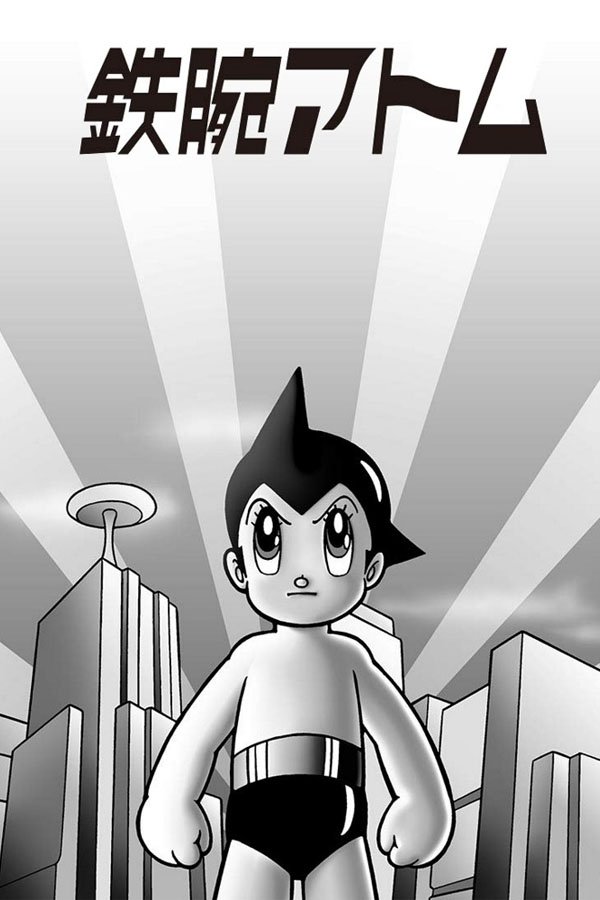
‘Astro Boy’ presents a child robot with advanced powers who encounters ethical questions about technology and humanity. The series pioneered televised animation techniques that influenced later productions. Stories feature recurring scientists, robots, and city settings with repeatable frameworks. International distribution introduced the format to audiences outside Japan through early dubbing.
‘Yu Yu Hakusho’ (1992–1994)
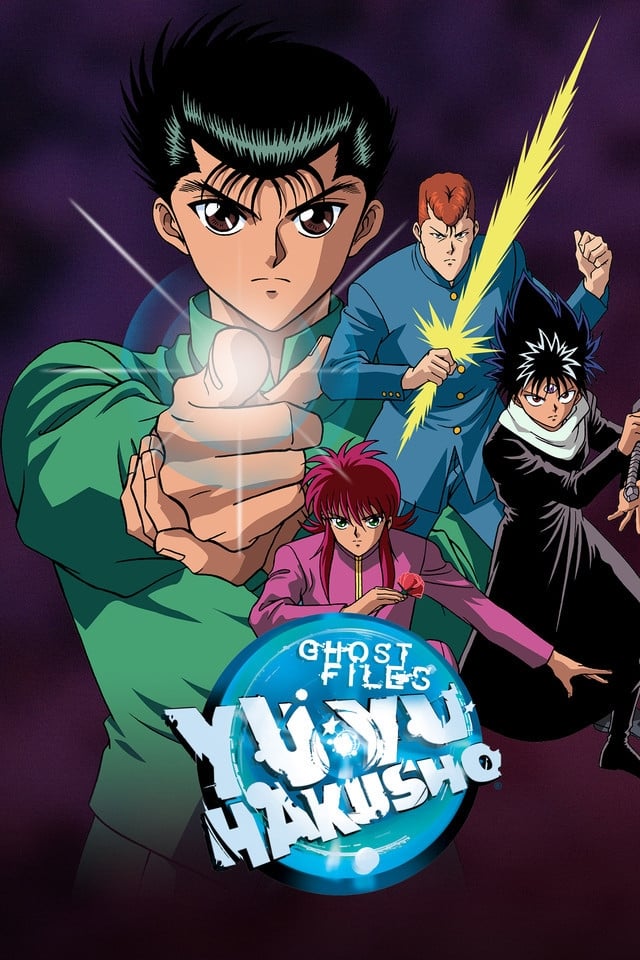
‘Yu Yu Hakusho’ follows a teenager who becomes a spirit detective and enters tournaments and missions against supernatural foes. Energy attacks use named techniques with arenas and brackets that structure combat. Teams assemble with defined roles for cooperative battles. The show wrapped with arcs that moved from cases to a world scale conflict.
‘Ranma ½’ (1989–1992)
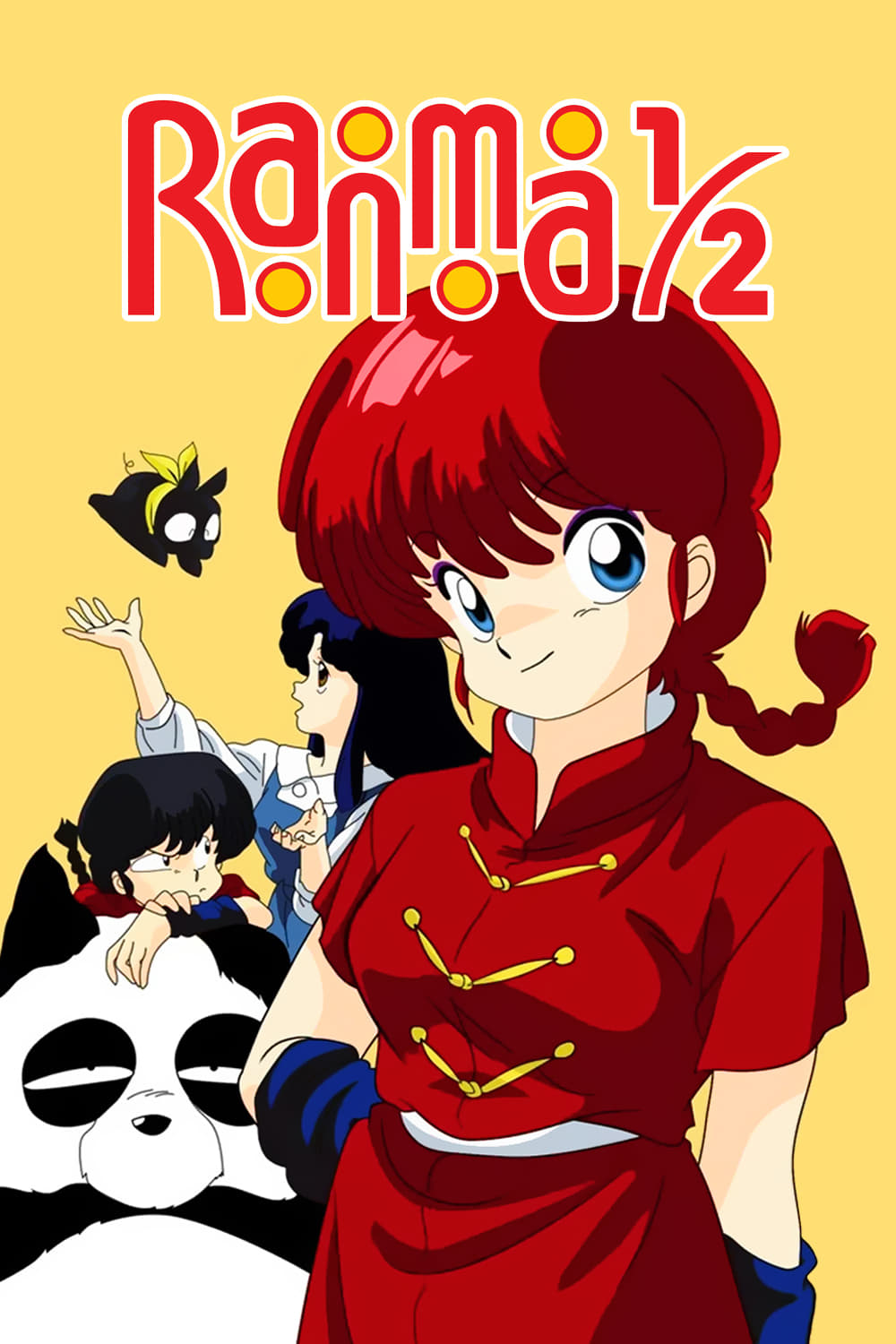
‘Ranma ½’ revolves around martial artists who change forms when splashed with different types of water. The format mixes school events with training and rivalries. Techniques and stances are used for both gags and serious matches. The property includes original video animations and films that extend side stories.
‘Slam Dunk’ (1993–1996)
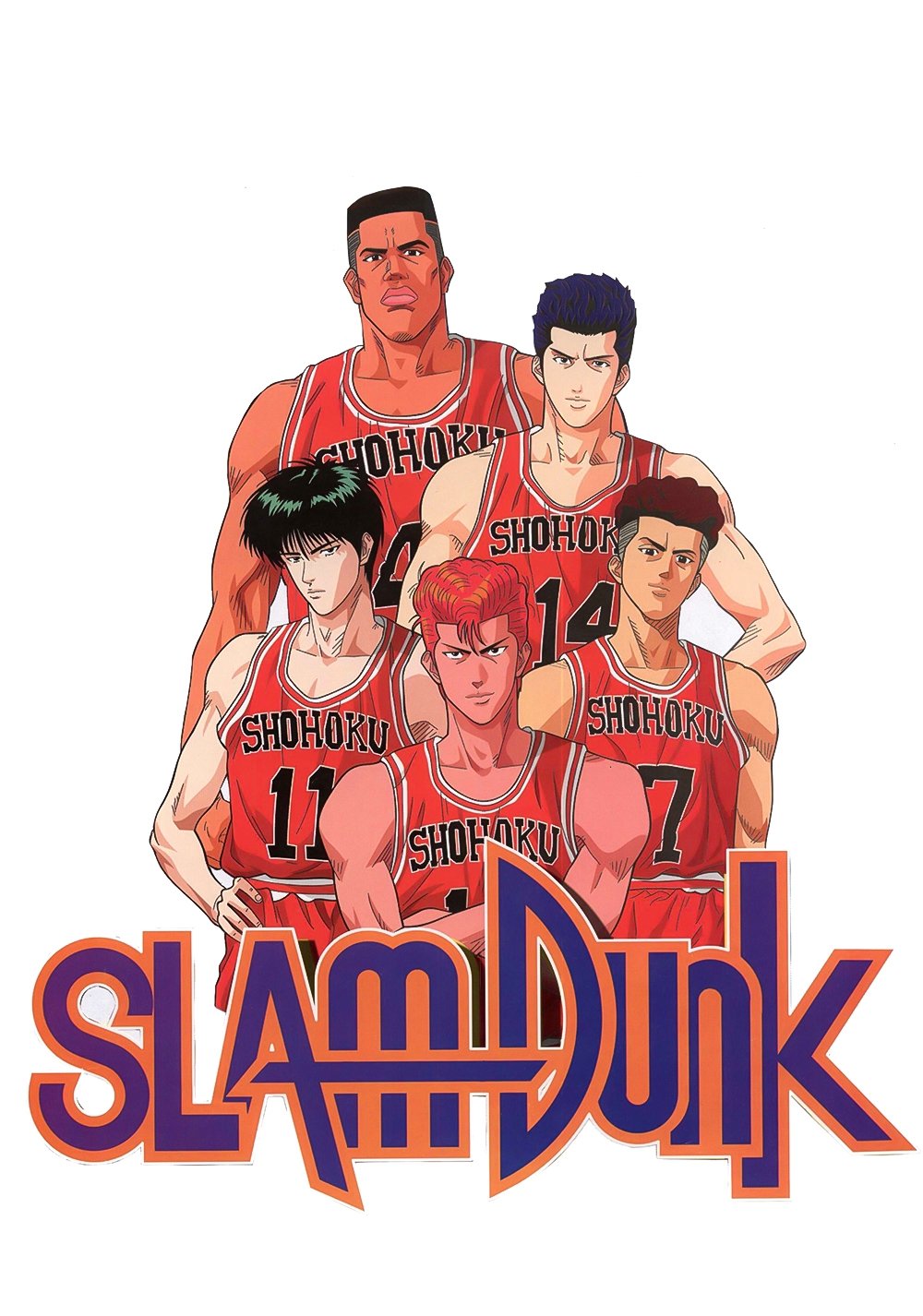
‘Slam Dunk’ covers a high school basketball team as it competes in regional tournaments. Episodes break games into possessions with timeouts and strategy shifts. Training sequences detail fundamentals and positions on the court. The manga and anime boosted interest in the sport and inspired team merchandise.
‘Hamtaro’ (2000–2006)
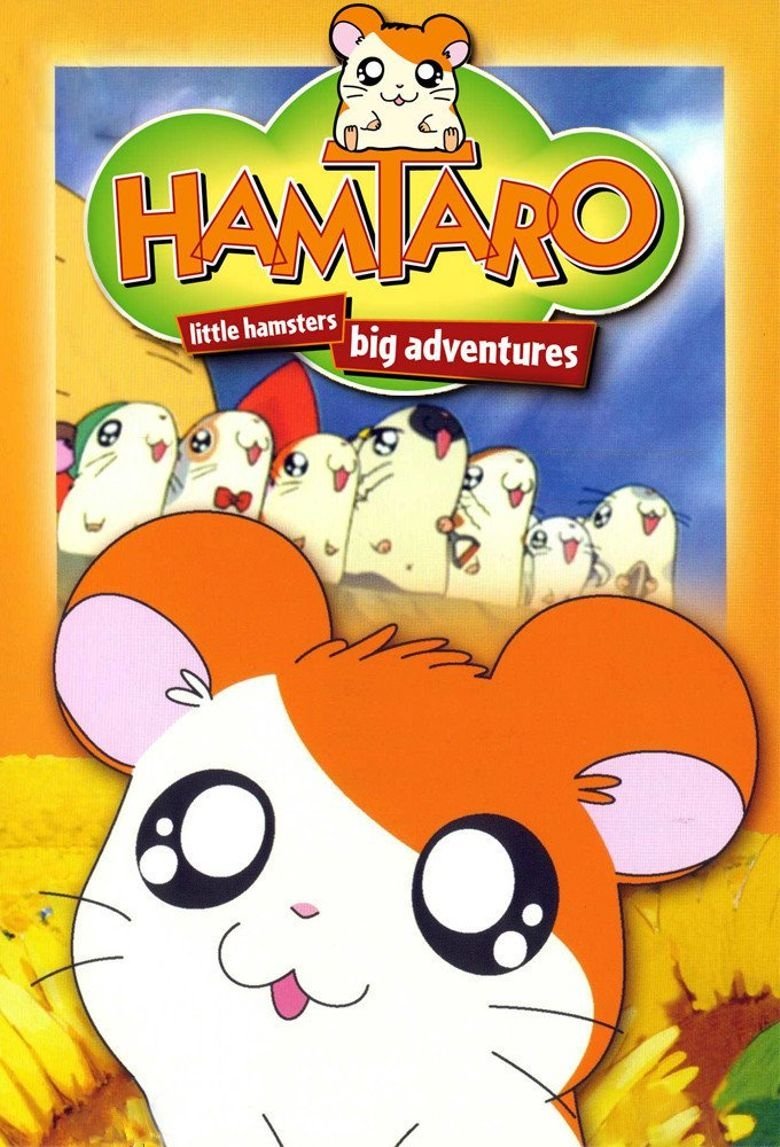
‘Hamtaro’ follows a pet hamster and his friends as they explore neighborhoods and help their owners. Episodes feature small scale adventures with clubs, crafts, and events. Character speech patterns and nicknames became a hallmark of the show. Toy lines offered playsets that matched locations seen in the series.
‘Shin Chan’ (1992–present)
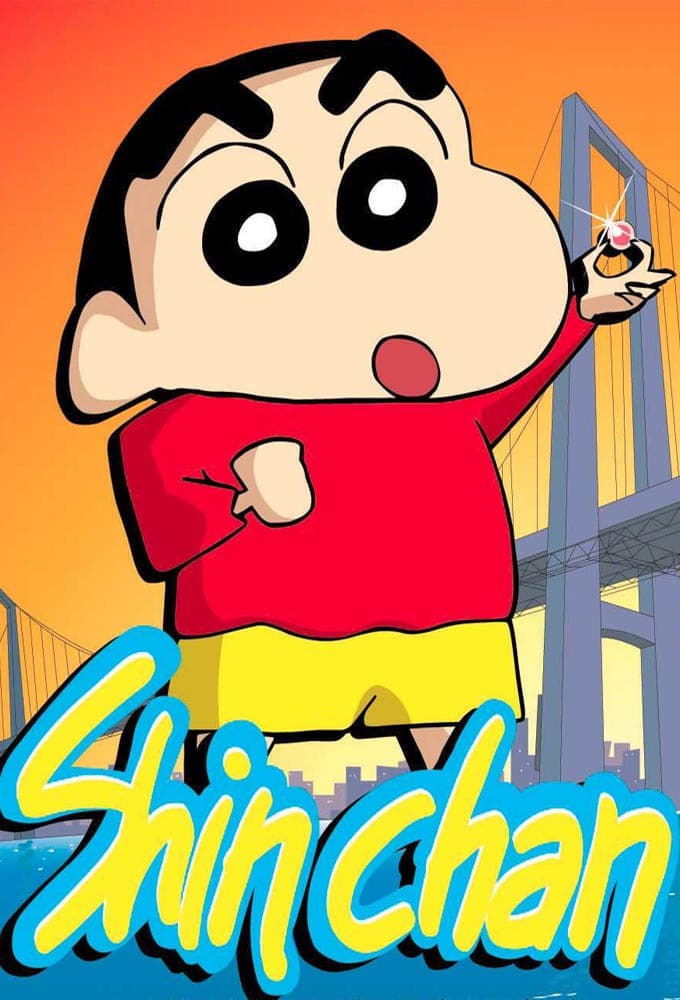
‘Shin Chan’ centers on a kindergartener whose everyday life turns into comedic scenarios. The show uses short segments that highlight family, school, and neighborhood cast members. It continues to release theatrical films alongside television episodes. Localization varies by region with edited jokes and different voice directions.
‘Shaman King’ (2001–2002)
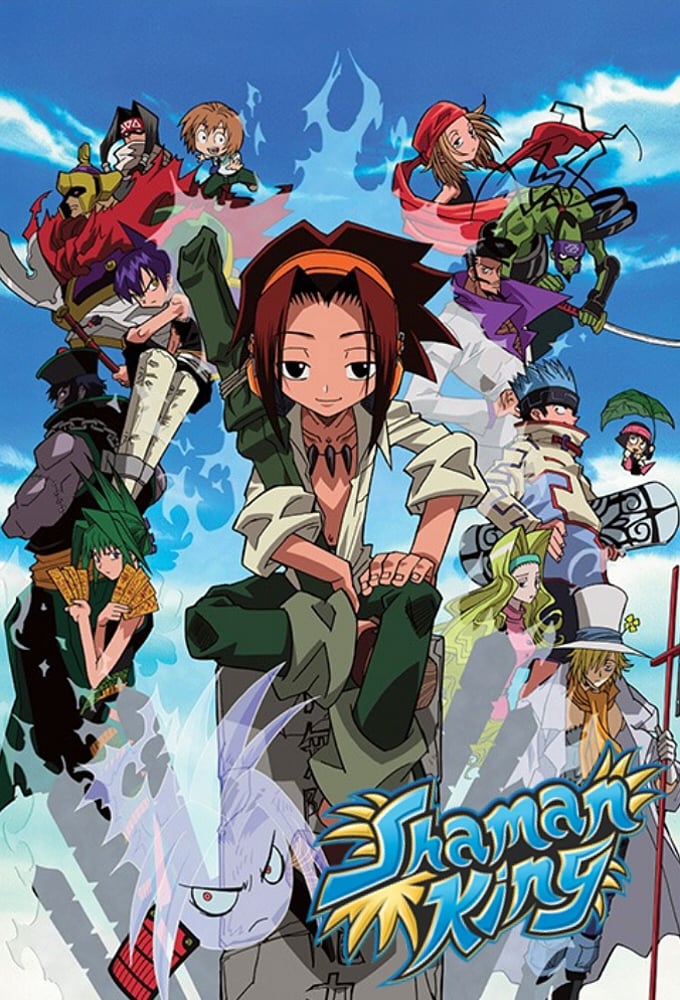
‘Shaman King’ features mediums who partner with spirits to compete in a tournament that crowns a leader. Abilities combine human and spirit attributes through oversoul techniques. The story introduces rival factions with artifacts and training to unlock new forms. The brand later returned with a new adaptation that followed the complete manga.
‘Sonic X’ (2003–2004)
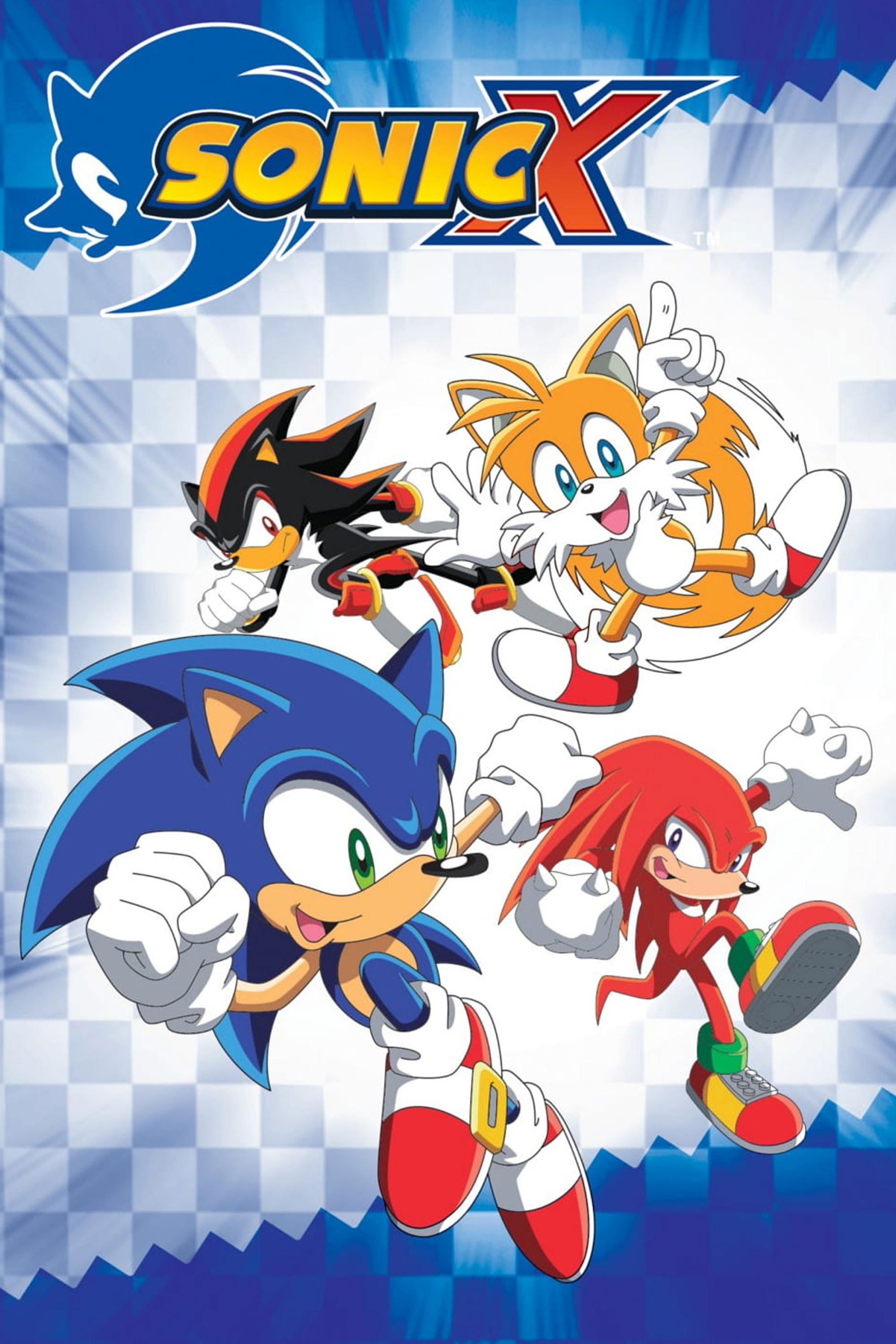
‘Sonic X’ brings game characters into an Earth setting where they race to collect emeralds and face classic villains. Episodes adapt well known game stages and vehicles. The cast includes heroes and a human companion who bridges worlds. Broadcast blocks delivered edited runs with different episode orders across regions.
‘Detective Conan’ (1996–present)
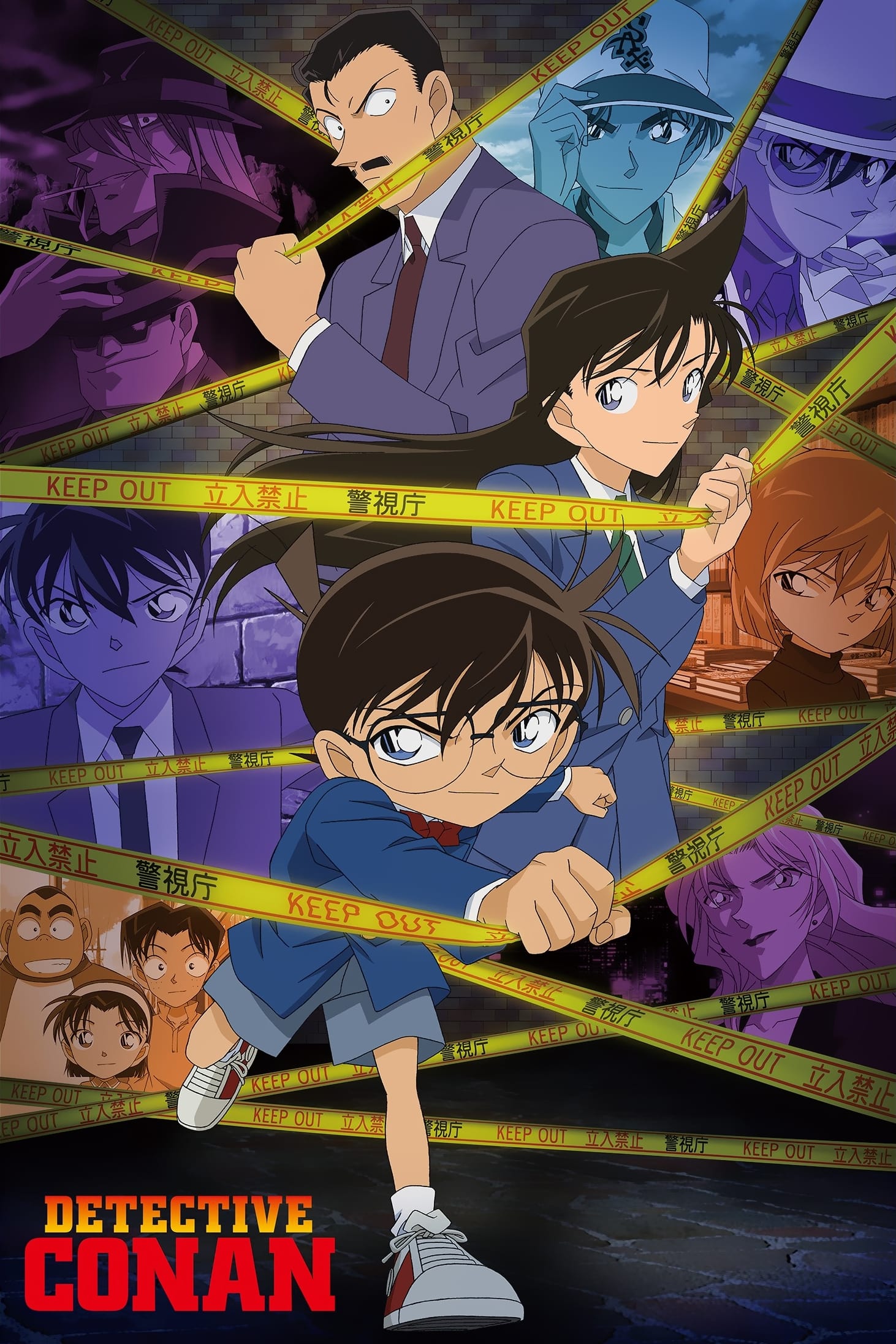
‘Detective Conan’ also known as ‘Case Closed’ follows a teen detective turned into a child who solves crimes while hiding his identity. Cases use locked rooms, alibis, and gadgets that assist investigations. The series features recurring organizations and multi part storylines. It has produced a long list of films and specials that release on a regular schedule.
‘Medabots’ (1999–2000)
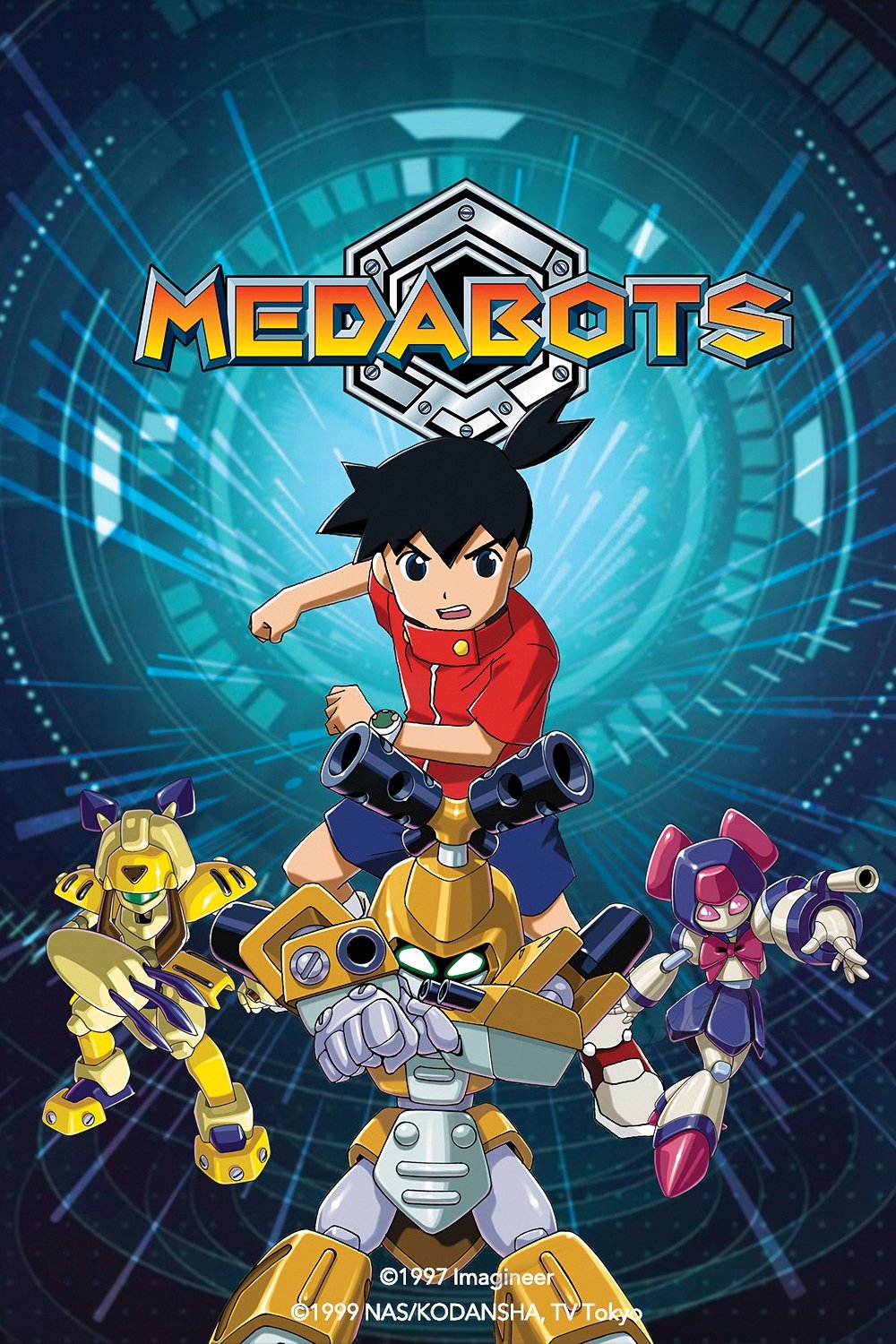
‘Medabots’ centers on customizable robots that battle using medal cores and interchangeable parts. The series promotes collection and upgrades that mirror toy and game systems. Episodes include official matches and schoolyard challenges with referees and rules. The franchise spans handheld games and model kits that match on screen designs.
‘Monster Farm’ (1999–2001)
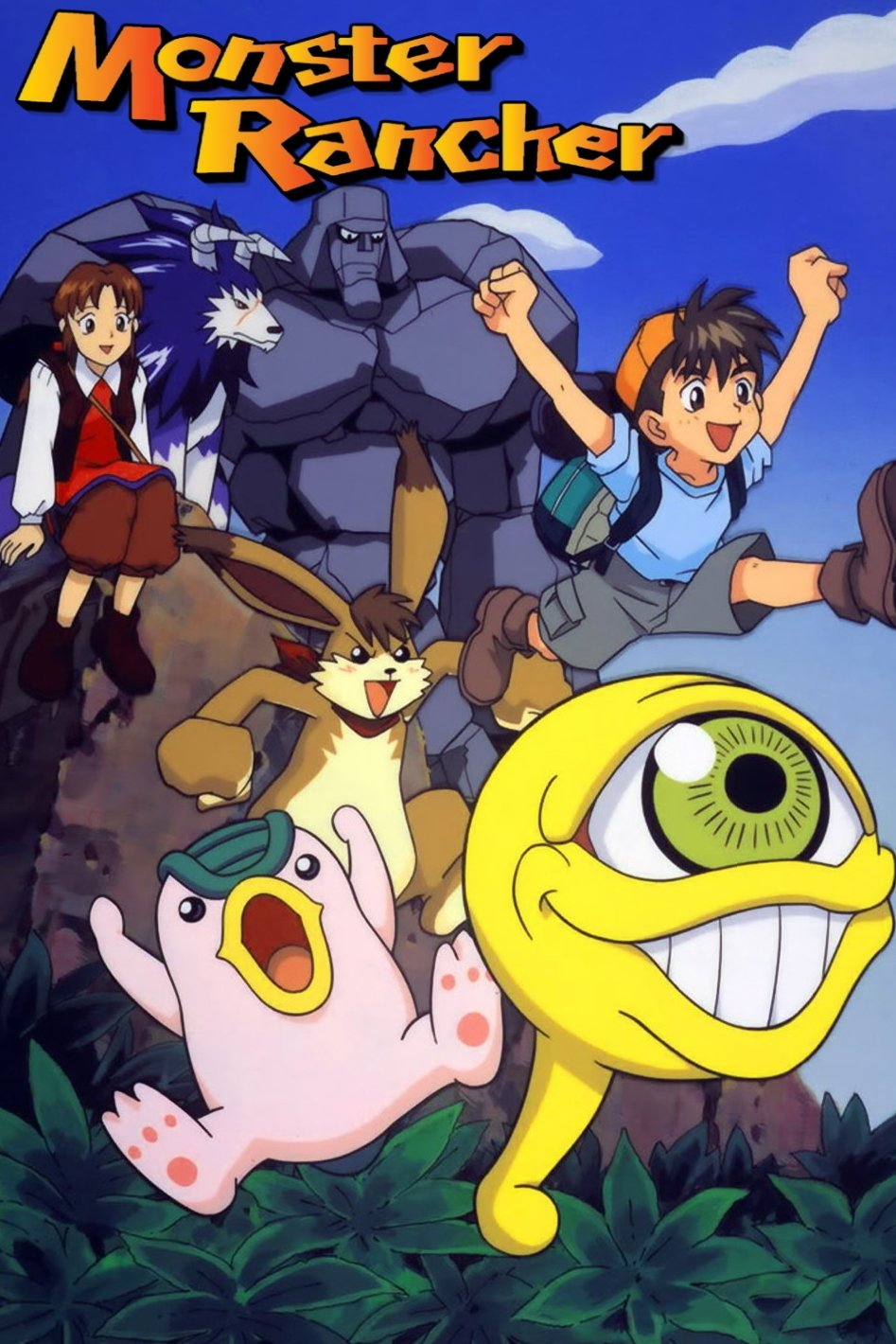
‘Monster Farm’ follows kids who enter a world where discs awaken creatures that can be trained and combined. The plot moves through quests to find special items and defeat an ancient enemy. The show connects to video game mechanics for breeding and tournaments. Home releases and reruns introduced the series to new viewers after the initial run.
‘Bakugan Battle Brawlers’ (2007–2011)
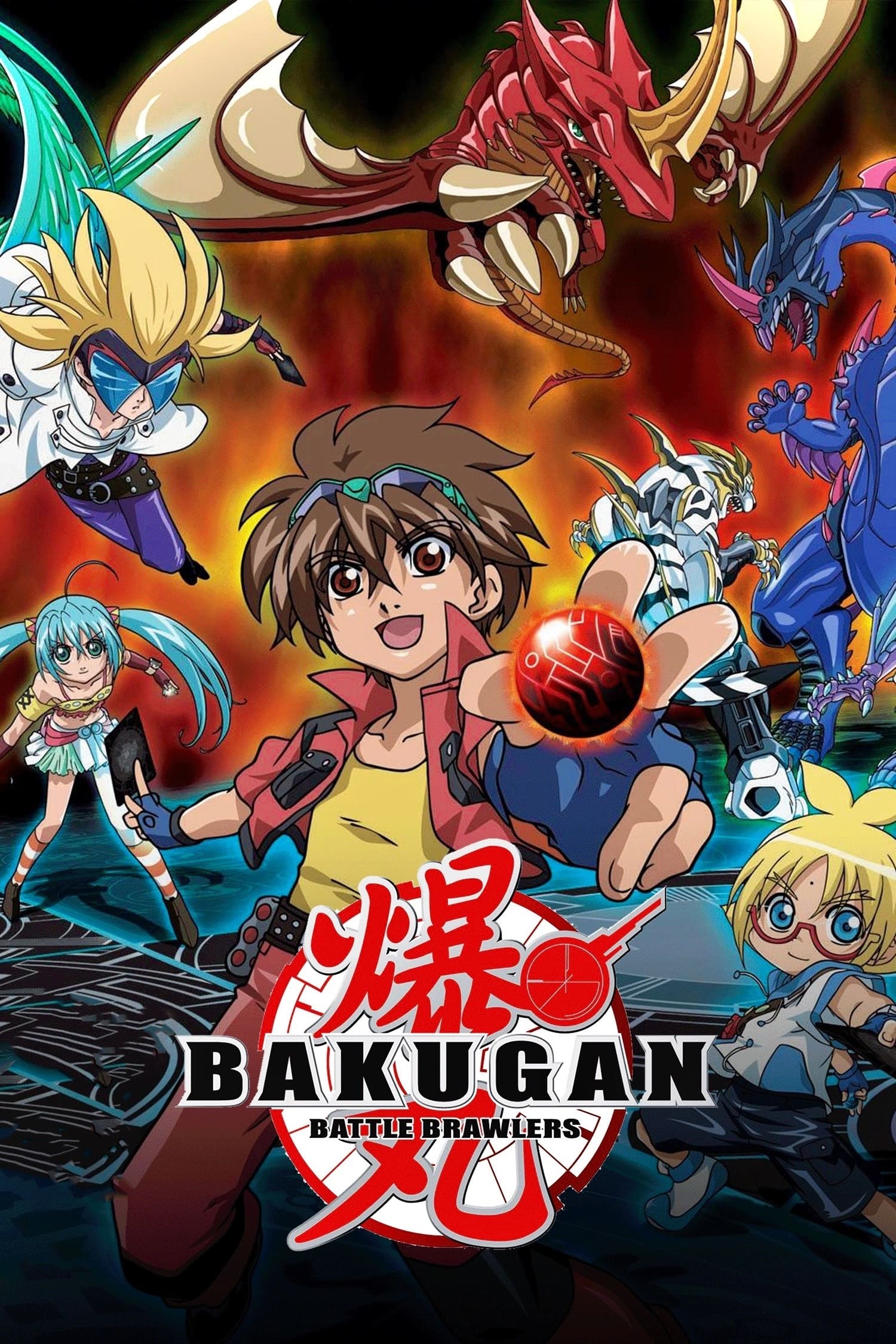
‘Bakugan Battle Brawlers’ introduces spheres that transform into creatures during strategic matches on magnetic cards. The ruleset on screen aligns with physical products sold in seasons. Teams and attributes categorize abilities for collecting and play. The property expanded with sequels, video games, and organized events in stores.
Share which shows shaped your own early watchlist in the comments so we can compare memories.