Top 20 Anime That Didn’t Age Well

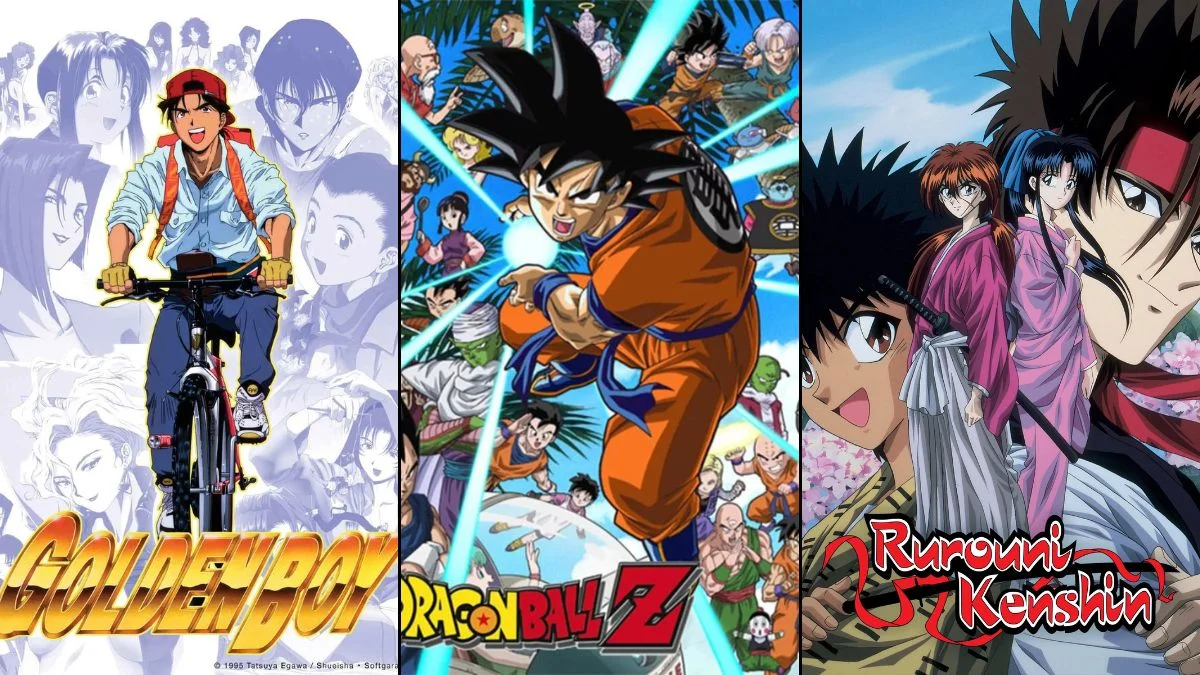

Some classic anime still matter, but their tech, pacing, and cultural context can feel frozen in time today. Standard definition transfers, 4 to 3 aspect ratios, and early digital coloring often show their age on modern screens. Early 2000s storytelling also leaned on filler arcs and tropes that current series handle differently. These picks highlight where production, distribution, and dated conventions make revisiting tougher now.
‘Dragon Ball Z’ (1989–1996)

The series was produced in standard definition with a 4 to 3 aspect ratio, so modern HDTVs reveal visible grain and composite artifacts. Many home releases rely on cropped or heavy noise-reduced masters that soften line work. The broadcast pacing includes frequent reused cuts and long power up stretches that inflate episode counts. A large portion of episodes adapt minimal manga pages per week, which results in extended cliffhangers.
‘Naruto’ (2002–2007)

Production used early digital coloring and low resolution composites that exhibit banding on larger screens. The run contains a long stretch of filler episodes that interrupt the main story progression. Fight animation fluctuates widely because key cuts were scheduled around weekly deadlines. The original master is 4 to 3, so pillarboxing is required for proper display.
‘Sailor Moon’ (1992–1997)
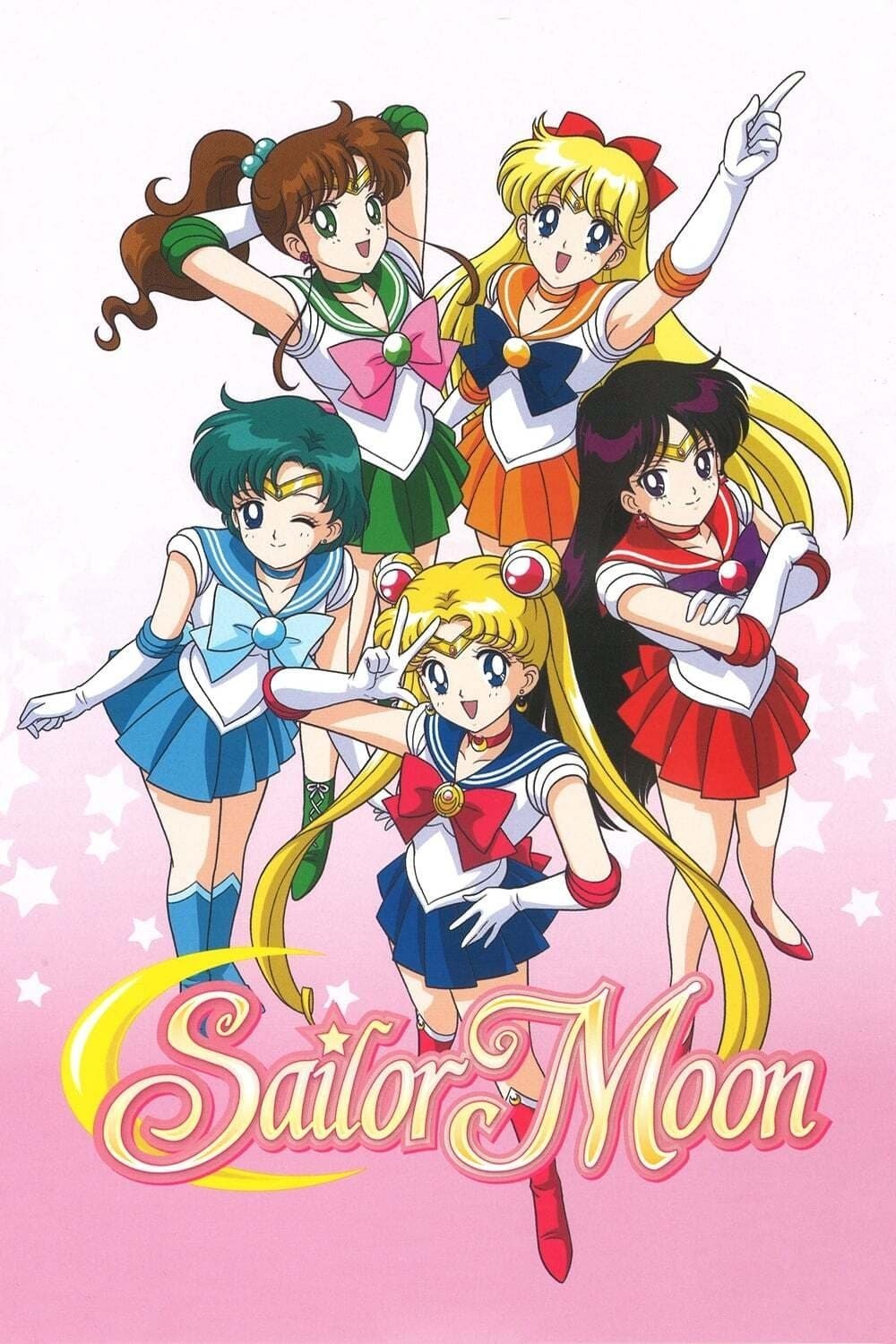
Most versions circulate in standard definition with telecine wobble and dust that are visible on modern displays. International broadcasts were heavily edited, so regional catalogs still vary in scene order and content. The monster of the week format repeats setups that modern viewers expect to move faster. Audio mixes are narrow and can sound thin compared to today’s remasters.
‘Ranma ½’ (1989–1992)
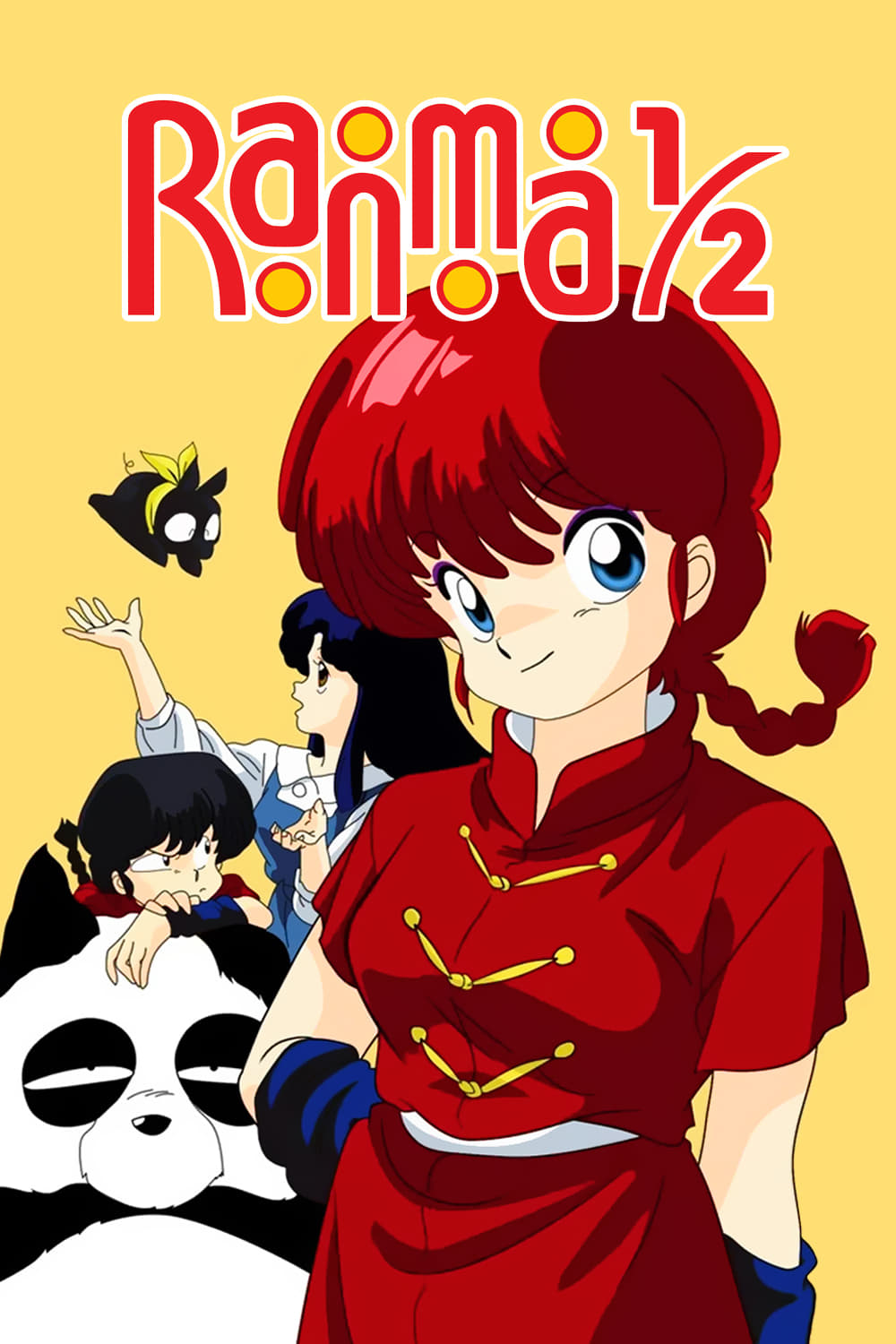
The show was animated and composited for 4 to 3 presentation with film to tape workflows that add jitter. Distribution history split seasons and OVA material unevenly across regions, which complicates watching in intended order. Running gags repeat frequently across cour breaks, leading to predictable episode structures. Color design reflects late 80s palettes that drift on uncorrected transfers.
‘Rurouni Kenshin’ (1996–1998)

The Kyoto arc adapts the manga with limited animation resources and frequent still pans. Later episodes diverge into anime original material that leaves core plot threads unresolved. Masters are standard definition with dot crawl and rainbowing artifacts from composite sources. Availability has shifted due to licensing changes, so catalogs sometimes exclude key specials.
‘Love Hina’ (2000)

Early digital paint and soft line art reveal aliasing and banding on 4K screens. The series relies on misunderstanding driven comedy that resets character progress each episode. Audio is mixed in stereo with limited dynamic range, so crowd and ambience layers feel sparse. Regional home videos vary in episode order and bonus content, making a complete set harder to assemble.
‘Chobits’ (2002)
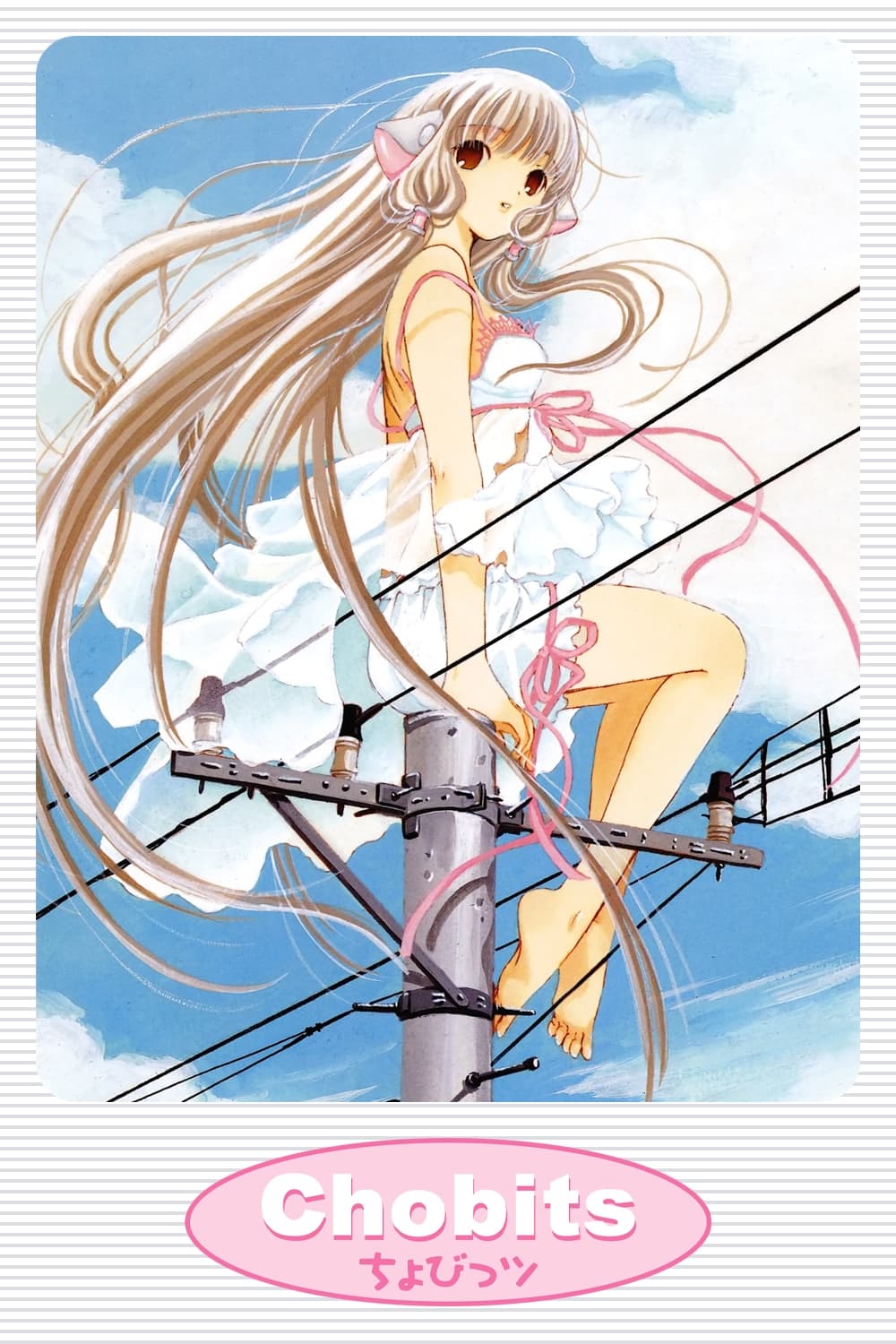
Technology references revolve around desktop form factor androids and dial up era internet, which date plot mechanics. The show uses gradient heavy digital coloring that exhibits posterization on modern displays. Many scenes rely on static compositions with sliding cels to meet weekly schedules. Release versions mix broadcast and home video edits, so scene lengths and eyecatches differ by region.
‘Golden Boy’ (1995–1996)

The OVA was authored for standard definition and shows compression noise on larger panels. Episodic structure resets the lead every chapter, which limits narrative momentum for modern binge viewing. Some gags reference mid 90s pop culture that newer viewers may not recognize. Audio tracks are limited to stereo with noticeable hiss on older discs.
‘Elfen Lied’ (2004)
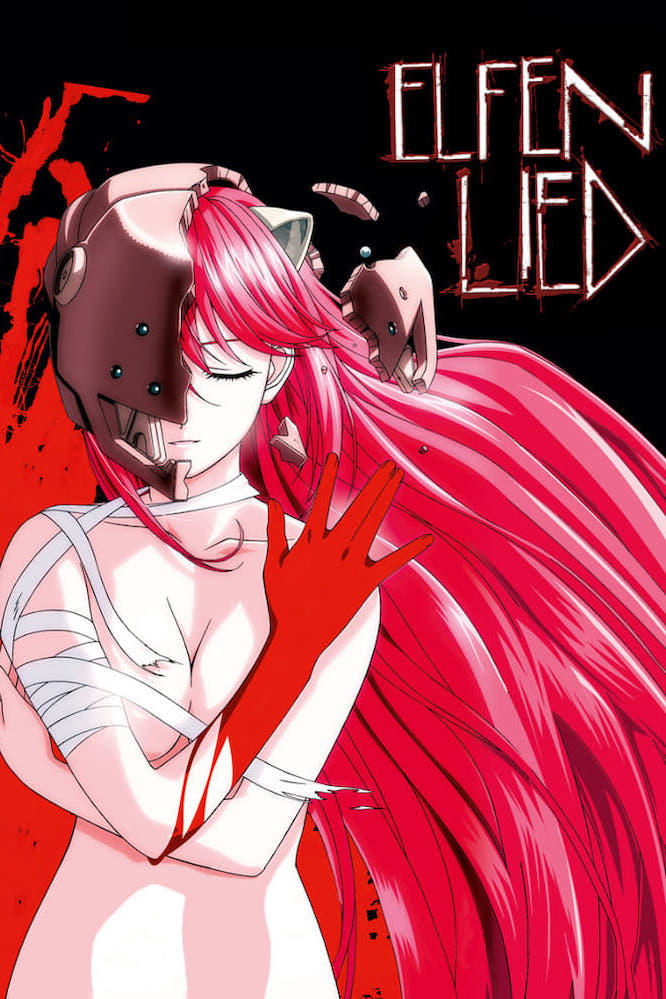
The show uses early 2000s digital color timing that can clip highlights and crush shadows on today’s screens. Gore and shock heavy scenes push broadcast safe framing that resulted in differing TV and DVD cuts. Character designs drift off model in fast action due to schedule constraints. Backgrounds rely on low resolution photos that are easier to spot after upscaling.
‘Highschool of the Dead’ (2010)
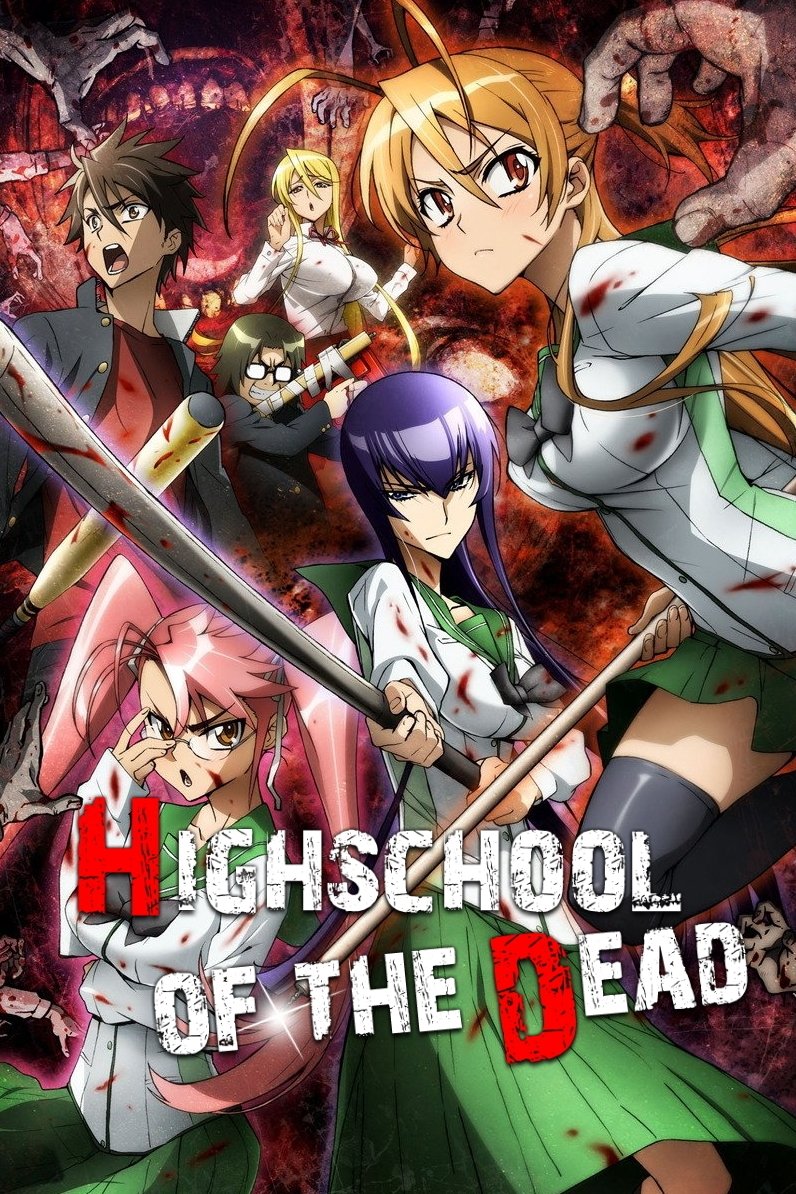
CG elements such as vehicles and crowds were composited at lower resolutions that stand out in HD. The broadcast version includes TV safe edits that differ from later home releases, creating version fragmentation. Story events are tied to early smartphone norms and message board culture that read as period specific. The series halted without a concluding arc, so the final episodes feel abrupt.
‘Neon Genesis Evangelion’ (1995–1996)
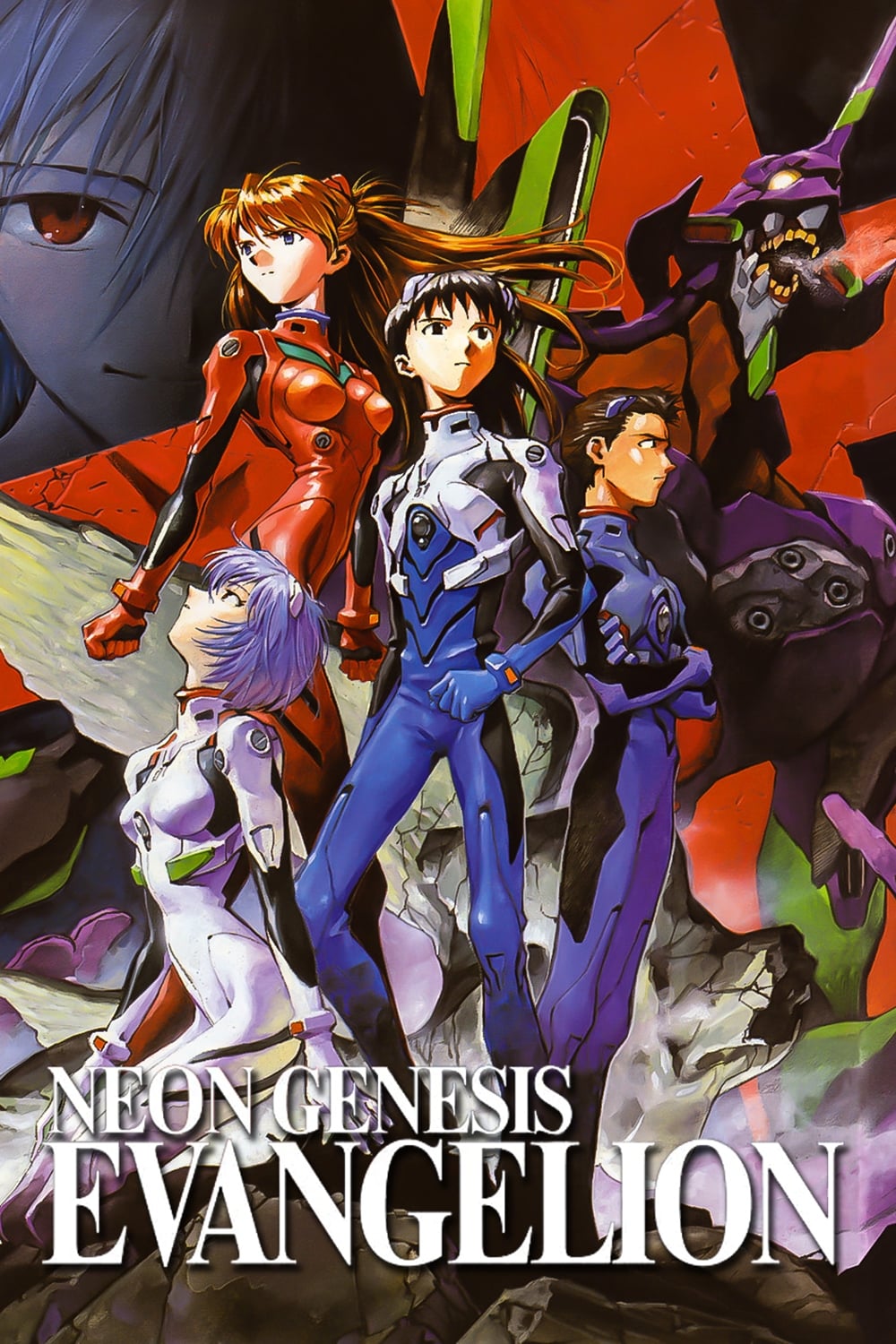
The production shifted from film to tape finishing late in the run, which introduces visible noise and color drift. Episode 25 and 26 use extensive stills and text frames due to budget and schedule, creating a tonal whiplash from earlier episodes. Multiple home video and streaming masters vary in color timing and subtitle terminology. Aspect ratio and grain structure require careful display settings to avoid over sharpening.
‘Berserk’ (1997–1998)
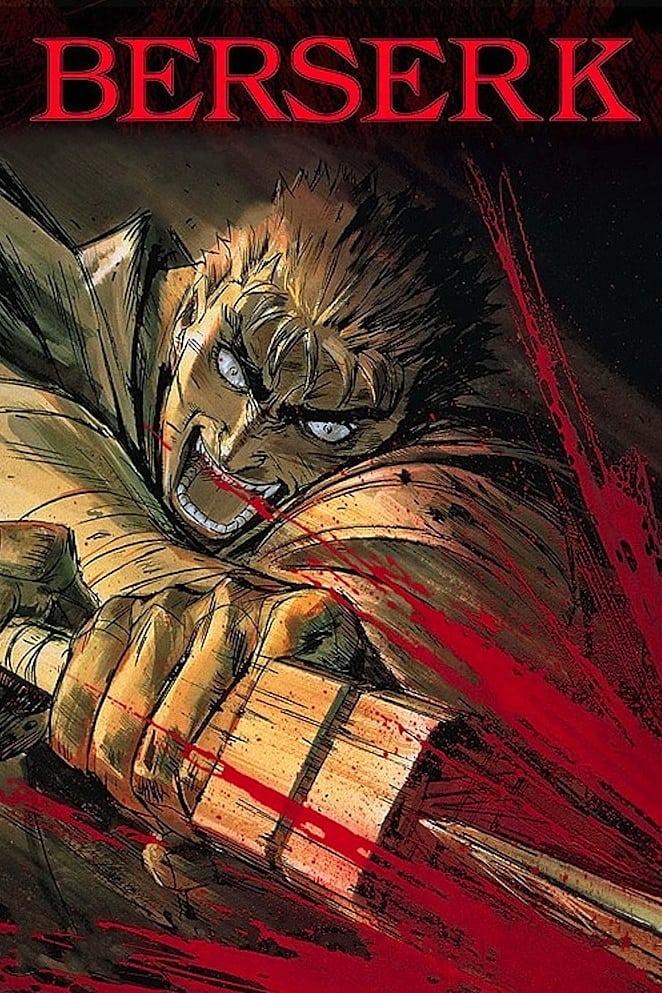
The adaptation relies on limited animation with frequent pans across detailed stills. A choral heavy audio mix and dated foley stand out against current high fidelity standards. The ending stops ahead of later manga arcs, leaving newcomers without on screen resolution. SD masters show stair stepping on diagonals when scaled to 4K.
‘Trigun’ (1998)
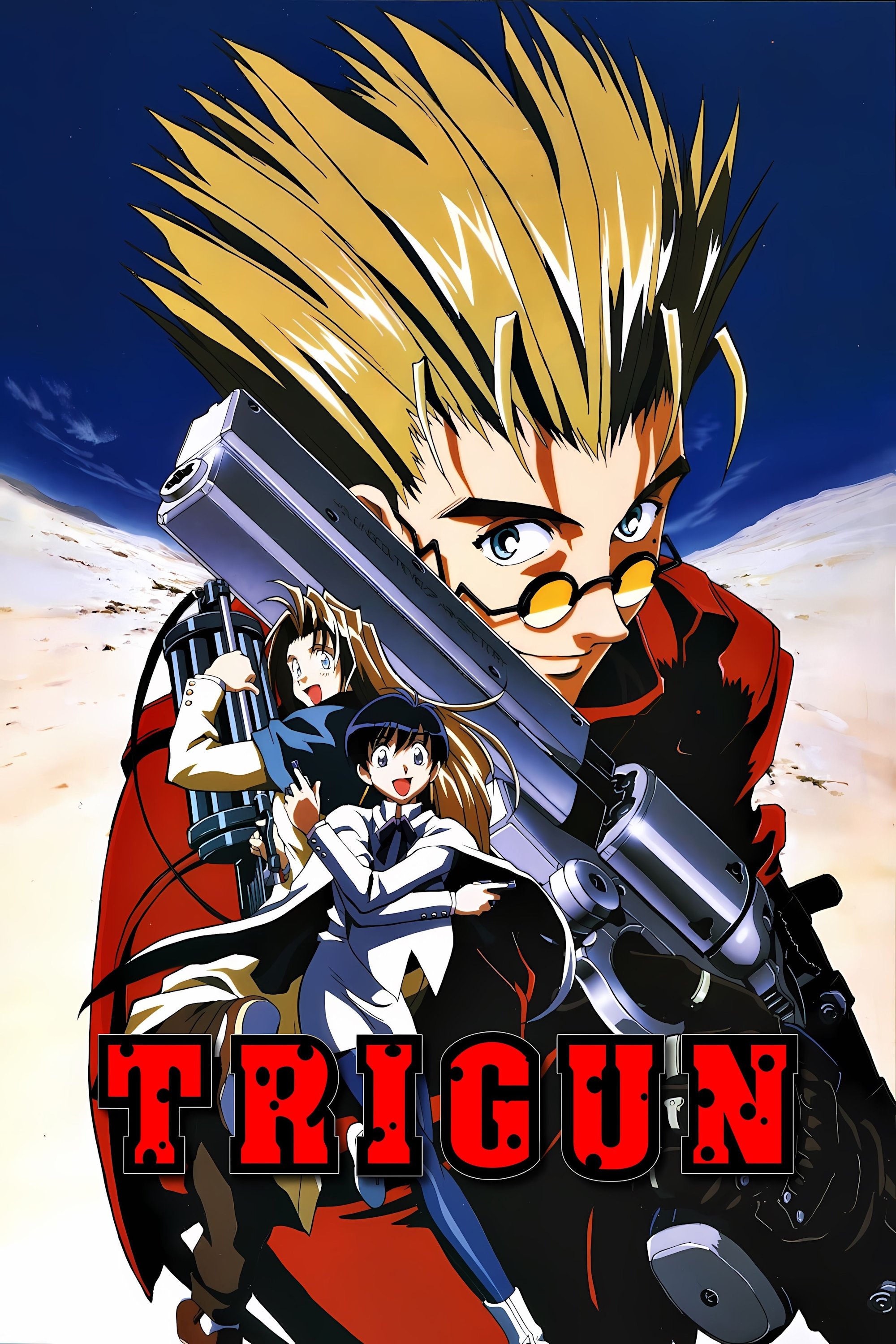
The original uses hand painted backgrounds with tape based composites that introduce shimmer. Early episodes follow standalone adventures that delay the main plot, which feels slow for current binge habits. Character art shifts noticeably between cuts due to tight weekly schedules. The remastered releases cannot fully remove composite artifacts from the source.
‘Mobile Suit Gundam Wing’ (1995–1996)
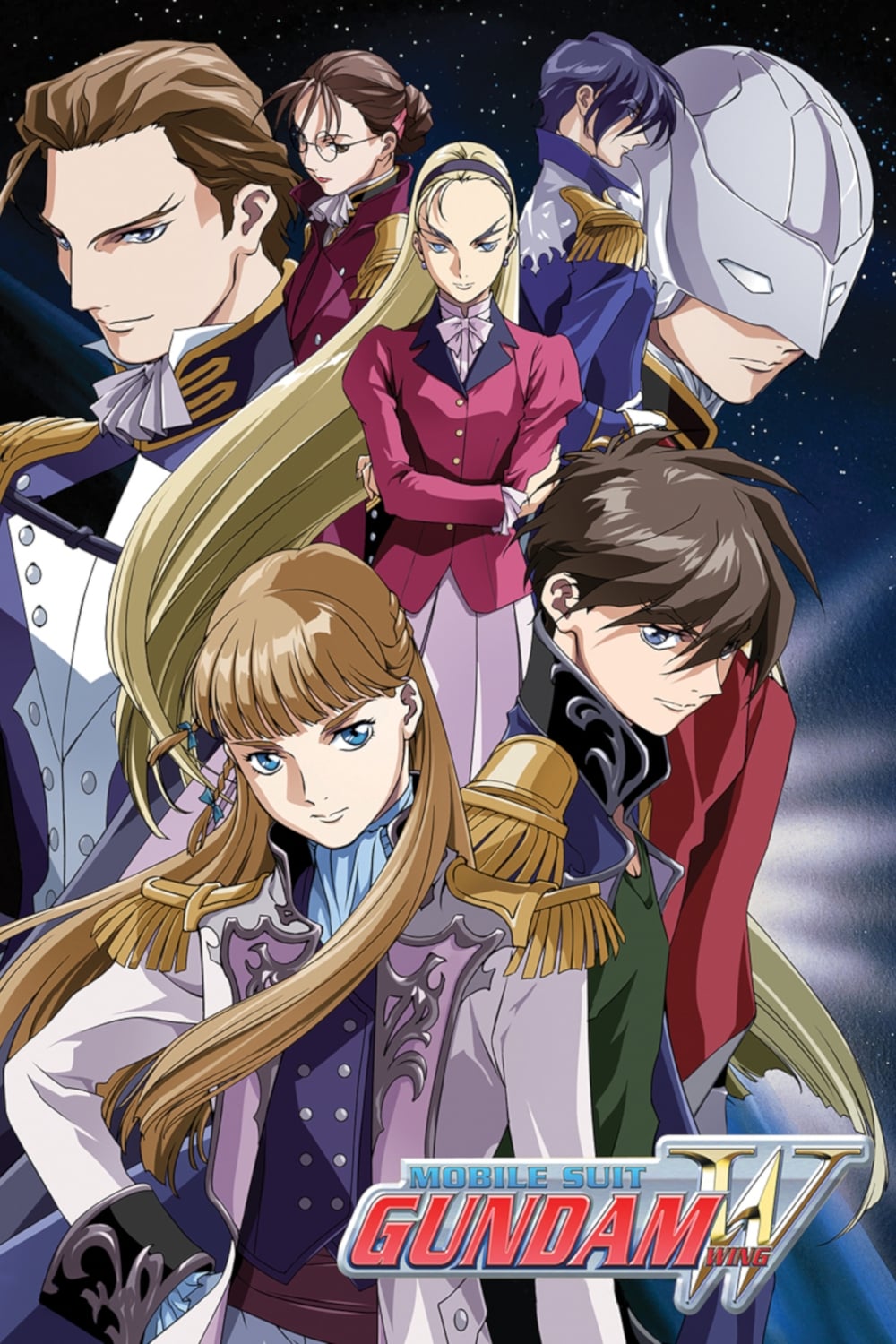
Mechanical animation mixes hand drawn cels with limited explosion libraries, so battles reuse effects frequently. Dialogue heavy episodes front load political exposition that modern series tend to spread across arcs. Several releases maintain the original 4 to 3 aspect ratio with SD detail limits. Music and effects are mixed for broadcast standards, resulting in narrow dynamic range.
‘Hellsing’ (2001–2002)
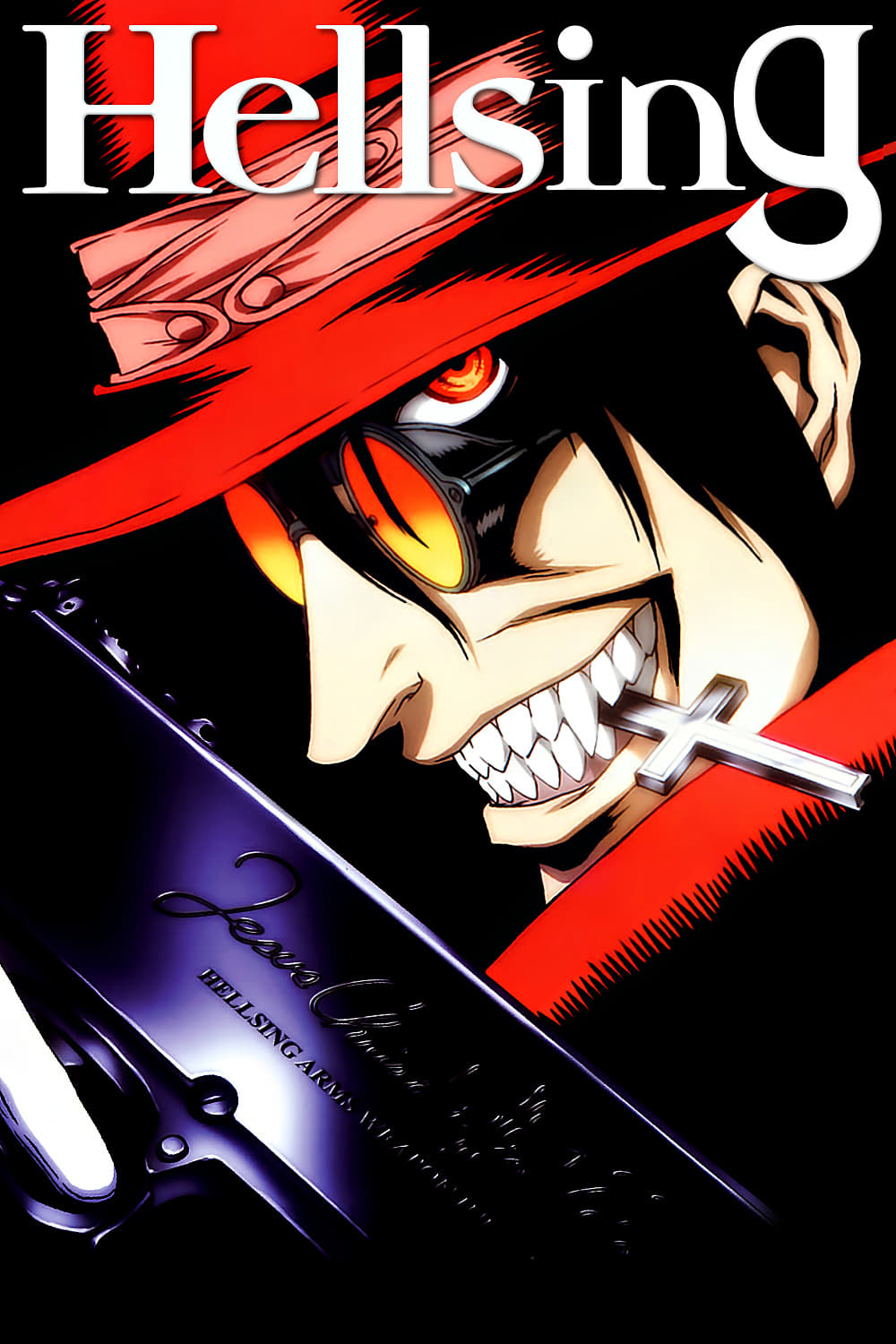
The TV version diverges from the source material midway, leading to plotlines that stop rather than resolve. Early digital composites display visible banding in night scenes. Later OVA remakes use higher resolution assets, which highlight the TV version’s limitations. Catalogs often split licensing between TV and OVA, so viewers encounter inconsistent availability.
‘Yu-Gi-Oh! Duel Monsters’ (2000–2004)
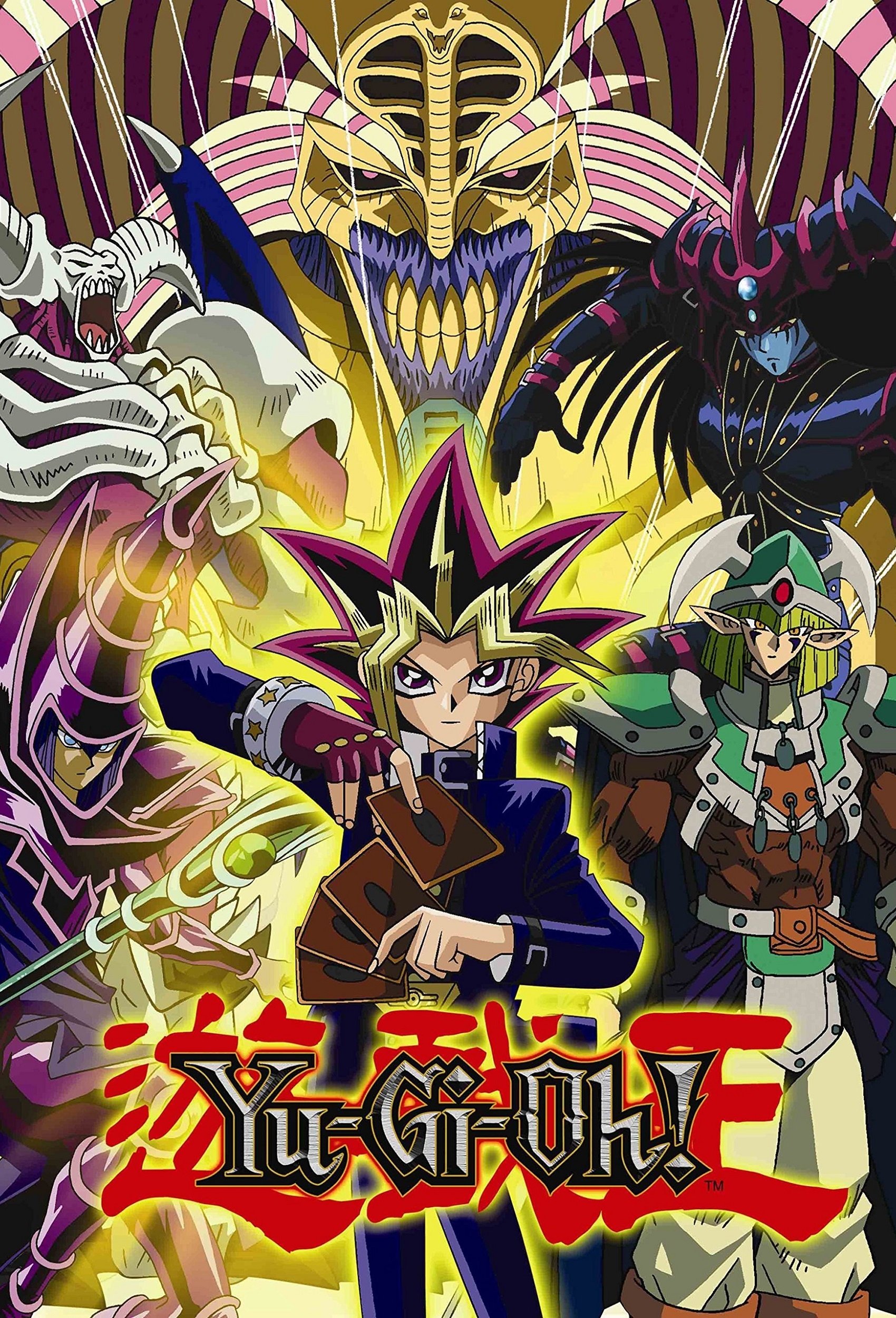
International broadcasts implemented heavy edits, including card art and dialogue changes, creating multiple canonical versions. Duel pacing stretches single games across many episodes with frequent recaps. Early digital ink and paint produce color banding on modern displays. Episode orders and arcs differ by region, which complicates chronological viewing.
‘Inuyasha’ (2000–2004)

The original run ended before adapting the complete story, requiring a later continuation to finish key arcs. Animation alternates between strong key moments and extended limited cuts to manage weekly output. SD masters show gate weave and dust that are visible on large screens. Musical cues loop often, which stands out during binge viewing.
‘Pokémon’ (1997–2002)

The early seasons were framed for 4 to 3 and finished in standard definition, so upscales reveal aliasing. TV edits and episode removals vary internationally, leaving gaps in streaming catalogs. Frequent formula episodes repeat capture and gym structures with minimal long term change. Color correction differs across releases, so some versions appear overly bright or muted.
‘Excel Saga’ (1999–2000)
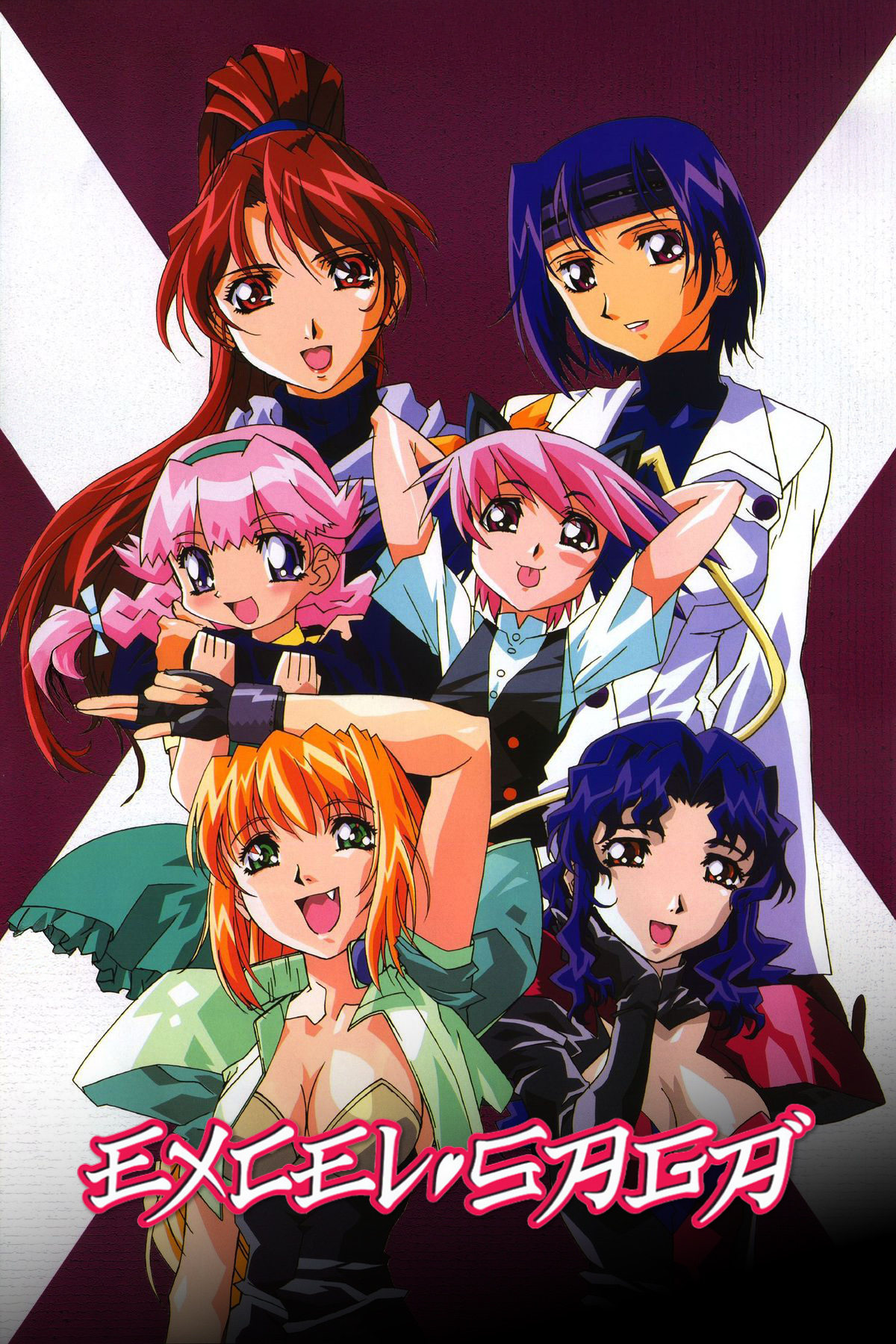
The series fires rapid parodies of late 90s anime and TV that require specific cultural context. Animation uses fast cuts over limited movement to sell gags, which can be tiring in long sessions. Masters are SD with compression artifacts that become obvious after scaling. Episode 26 exists as a home video only cut that further fragments availability.
‘Hand Maid May’ (2000)
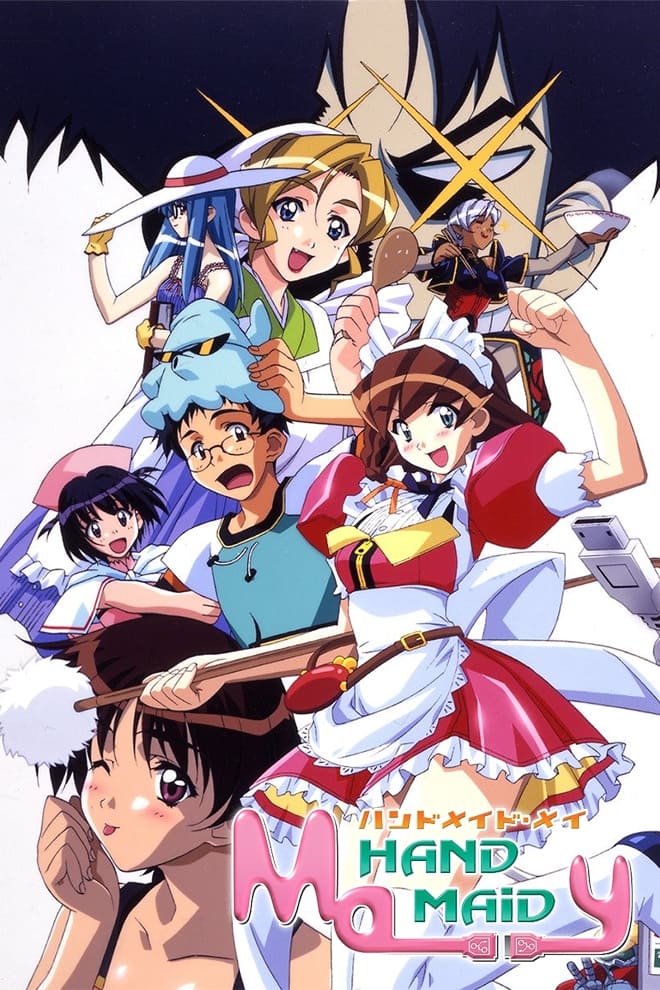
The show centers on turn of the millennium personal computer tech and tiny robot companions, which dates its premise. Early digital visuals introduce banding and moiré in bright scenes. Short episode count leaves character arcs thin compared to modern cour standards. Region releases differ in extras and credit sequences, so versions do not line up cleanly.
Share your own picks that felt stuck in their time and tell us which ones you think still hold up in the comments.