

Top 20 Anime That Ended Too Soon



Some anime wrap up neatly, then there are shows that stop while there is still plenty left to adapt or explore. Sometimes the manga or light novels continue for years after the broadcast finishes. Other times a studio change, scheduling crunch, or financial trouble means a follow-up never materializes.
This list looks at series that halted with major plot threads still open or with only a slice of their source material on screen. For each title you will find clear details like episode counts, the status of the original work, and where the adaptation left off so you know exactly how far the anime got.
‘No Game No Life’ (2014)
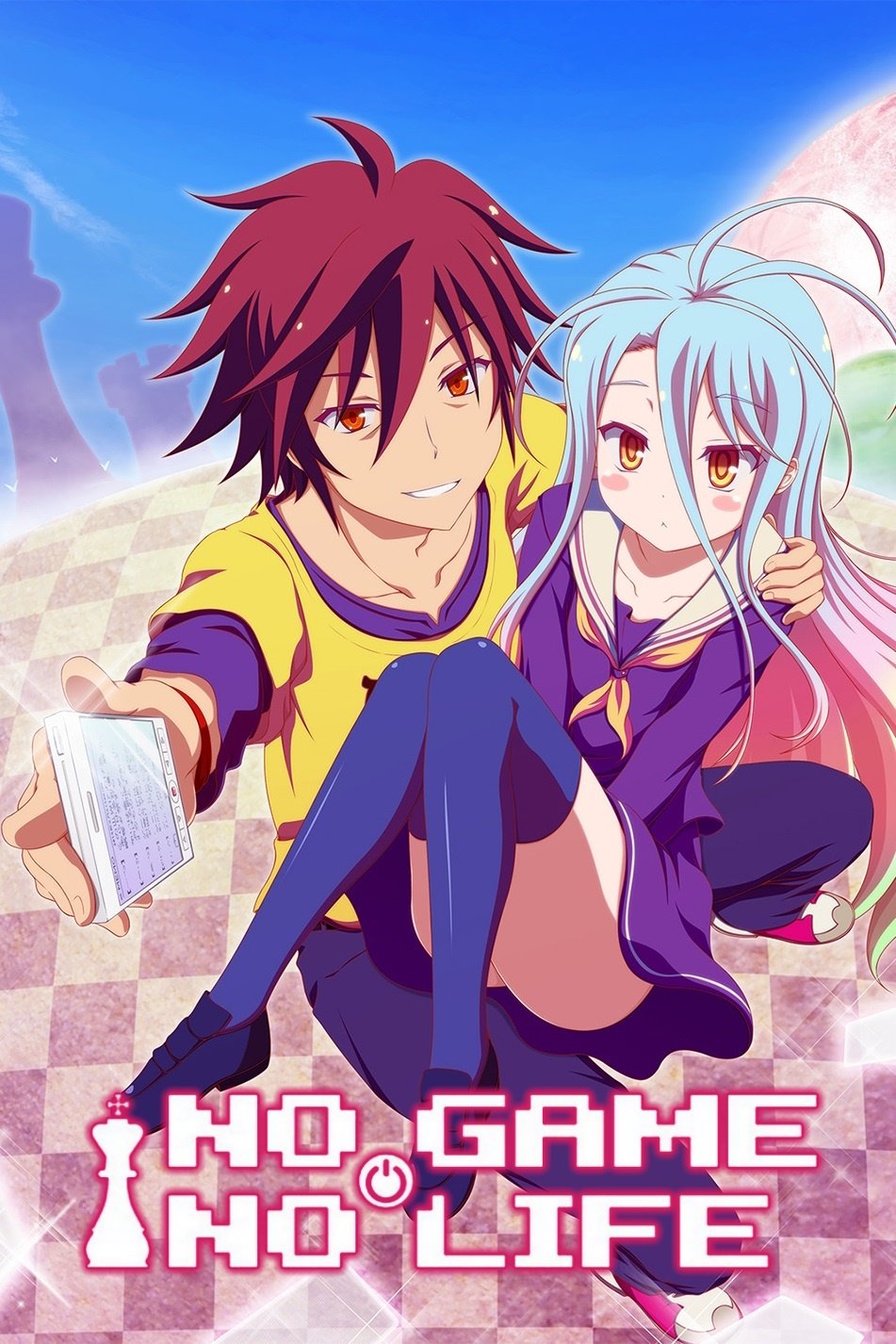
The series adapts the early volumes of Yuu Kamiya’s light novels and ends after 12 episodes. The TV run covers the main tournament setup in Disboard and stops before several later game arcs introduced in the books. A film prequel adapts the sixth volume, but the core TV storyline has no second season.
The light novel series continues the siblings’ campaign against other races and expands the politics of the world. Official releases of the novels and manga spin-off make it possible to follow the narrative past the anime’s endpoint for readers who want the full arc.
‘GANGSTA.’ (2015)
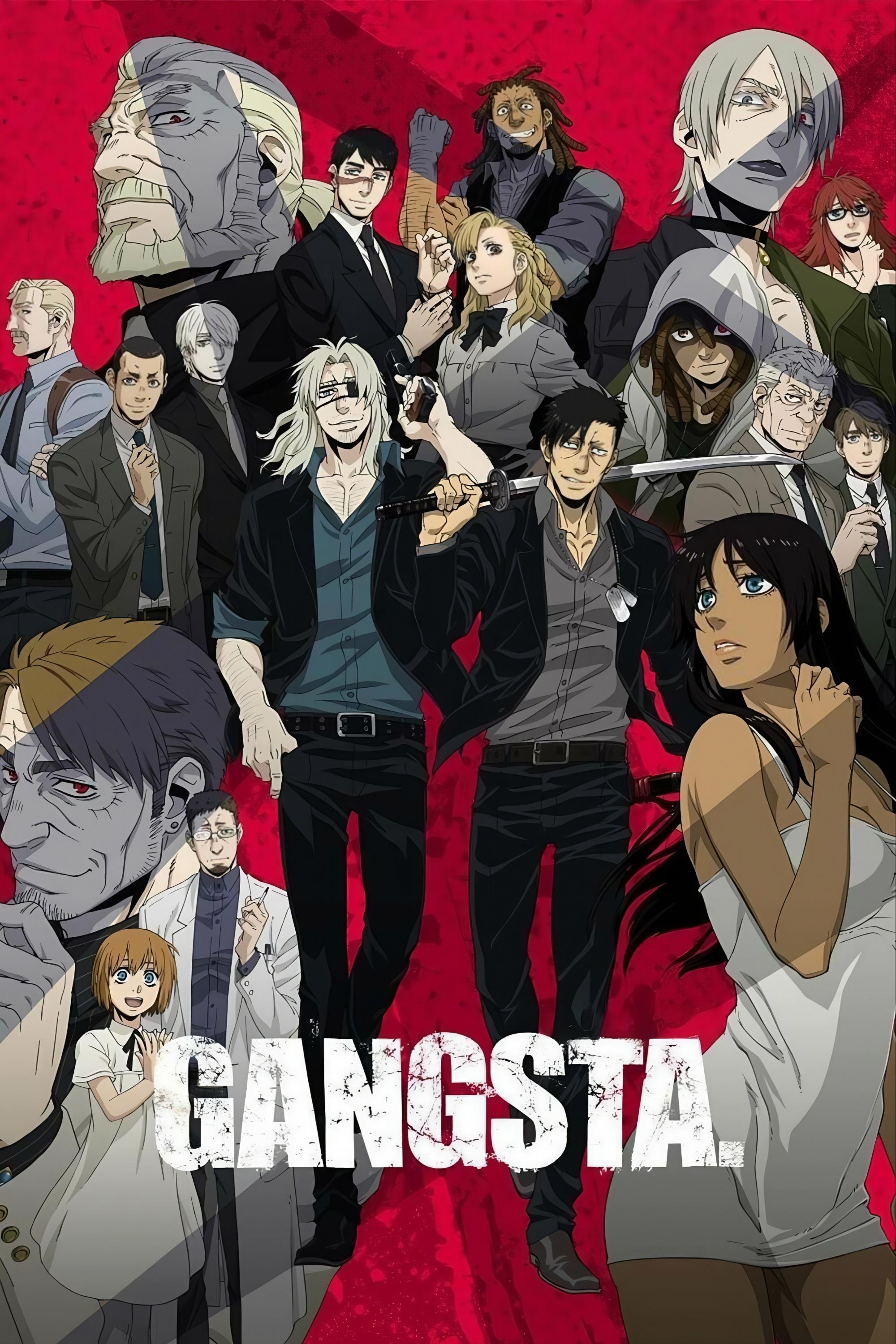
This crime drama runs for 12 episodes and adapts only a portion of Kohske’s manga. The anime reaches into the early conflicts in Ergastulum and introduces the Twilights system, then stops without concluding the power struggle among the city’s factions.
The manga went on hiatus at points due to the author’s health, and the studio behind the anime faced financial issues, which complicated continuation. Collected volumes provide material well beyond the televised episodes, including character backstories and later turf wars.
‘Nana’ (2006–2007)
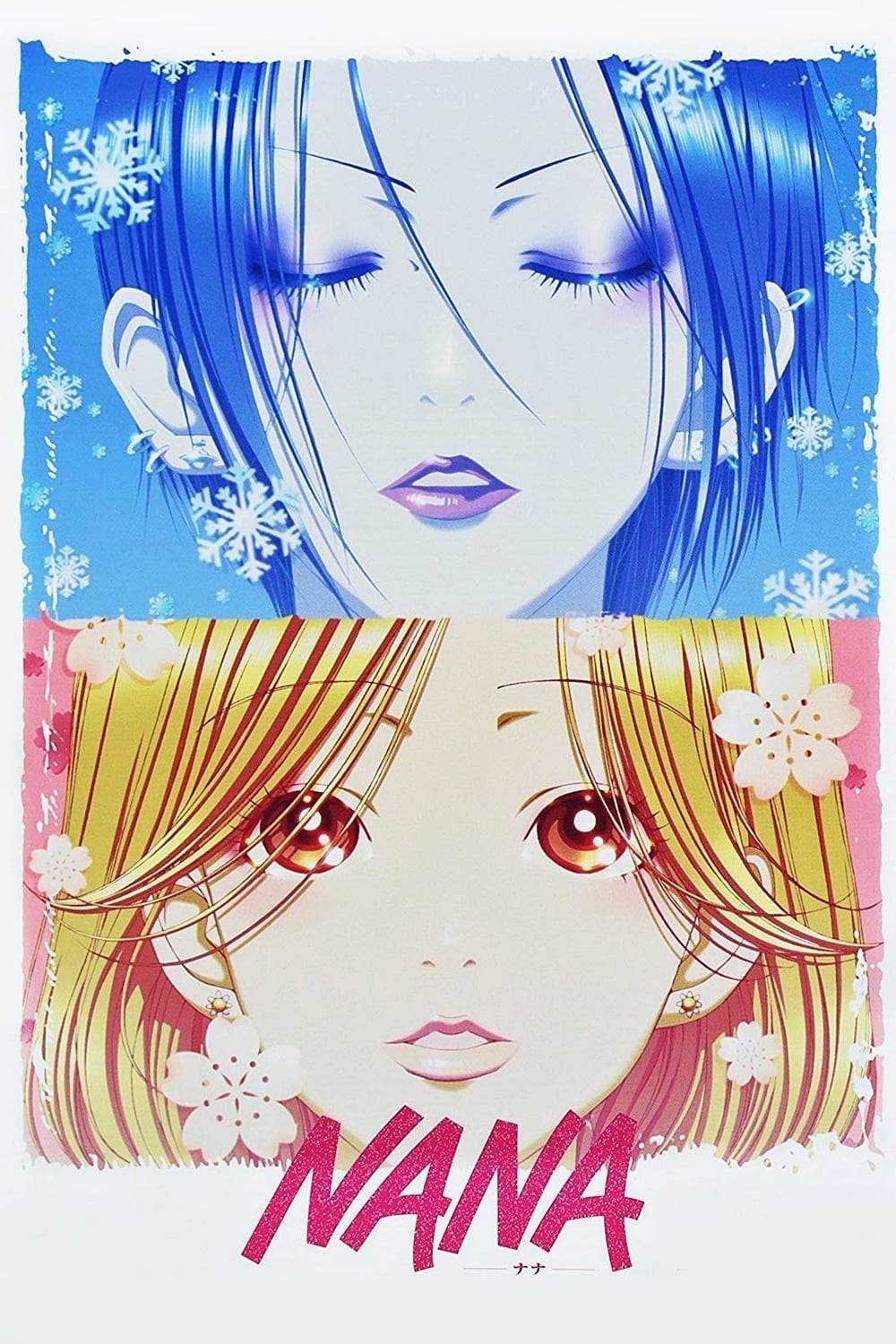
The 47-episode adaptation of Ai Yazawa’s manga stops before the source material’s later developments with the bands and relationships. The show follows both protagonists through their early careers and living arrangements, then ends without depicting subsequent plotlines.
The manga entered a long hiatus, leaving the overall story unfinished in print as well. Existing volumes still extend the narrative beyond the anime’s last broadcast episode, covering music industry shifts and evolving dynamics among the core cast.
‘Highschool of the Dead’ (2010)
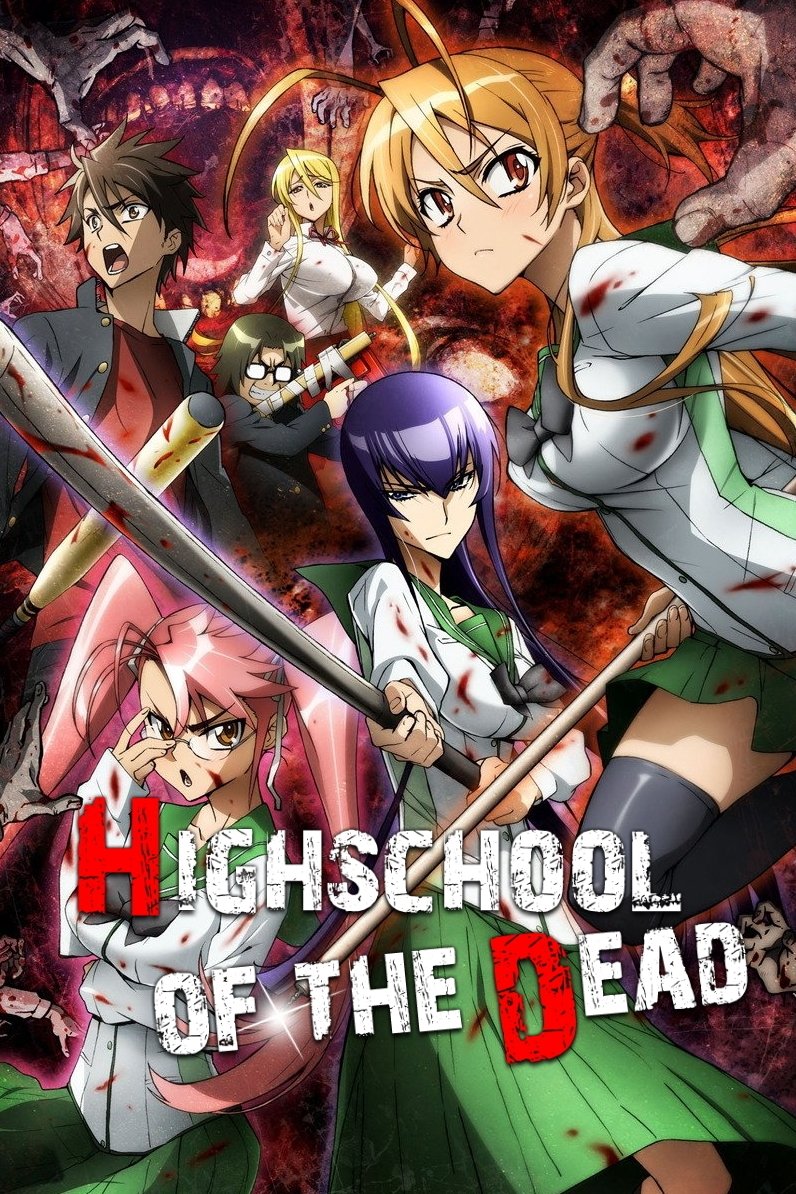
The adaptation runs 12 episodes and an additional OVA and covers early manga volumes. The show follows the initial outbreak, the group’s escape routes, and school and city survival sequences, then concludes without adapting later arcs.
The manga itself is incomplete, so the television version necessarily stops early. Collected chapters still available outline new locations, additional survivor groups, and expanded equipment and tactics not shown in the broadcast run.
‘Deadman Wonderland’ (2011)
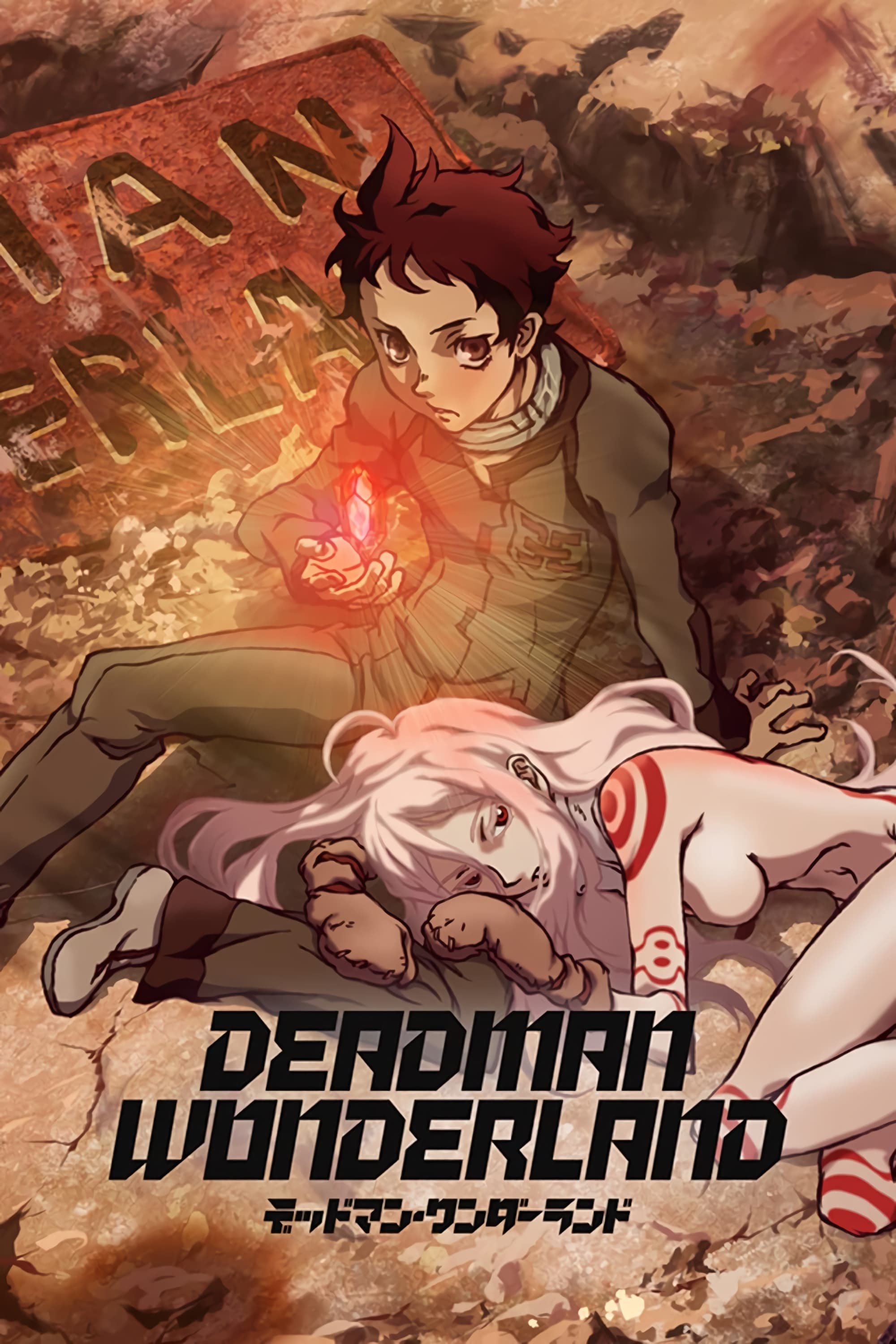
The series adapts only part of Jinsei Kataoka and Kazuma Kondou’s manga across 12 episodes. The anime introduces the prison theme park setting, Branches of Sin abilities, and several Deadman matchups, then ends before the larger conspiracy is resolved.
The manga continues far beyond the televised content with new characters, deeper lore about the experiments, and the full conclusion. Readers can pick up from the point the anime stops to see the remainder of the Carnival Corpse storyline and the outside world’s response.
‘Baccano!’ (2007)
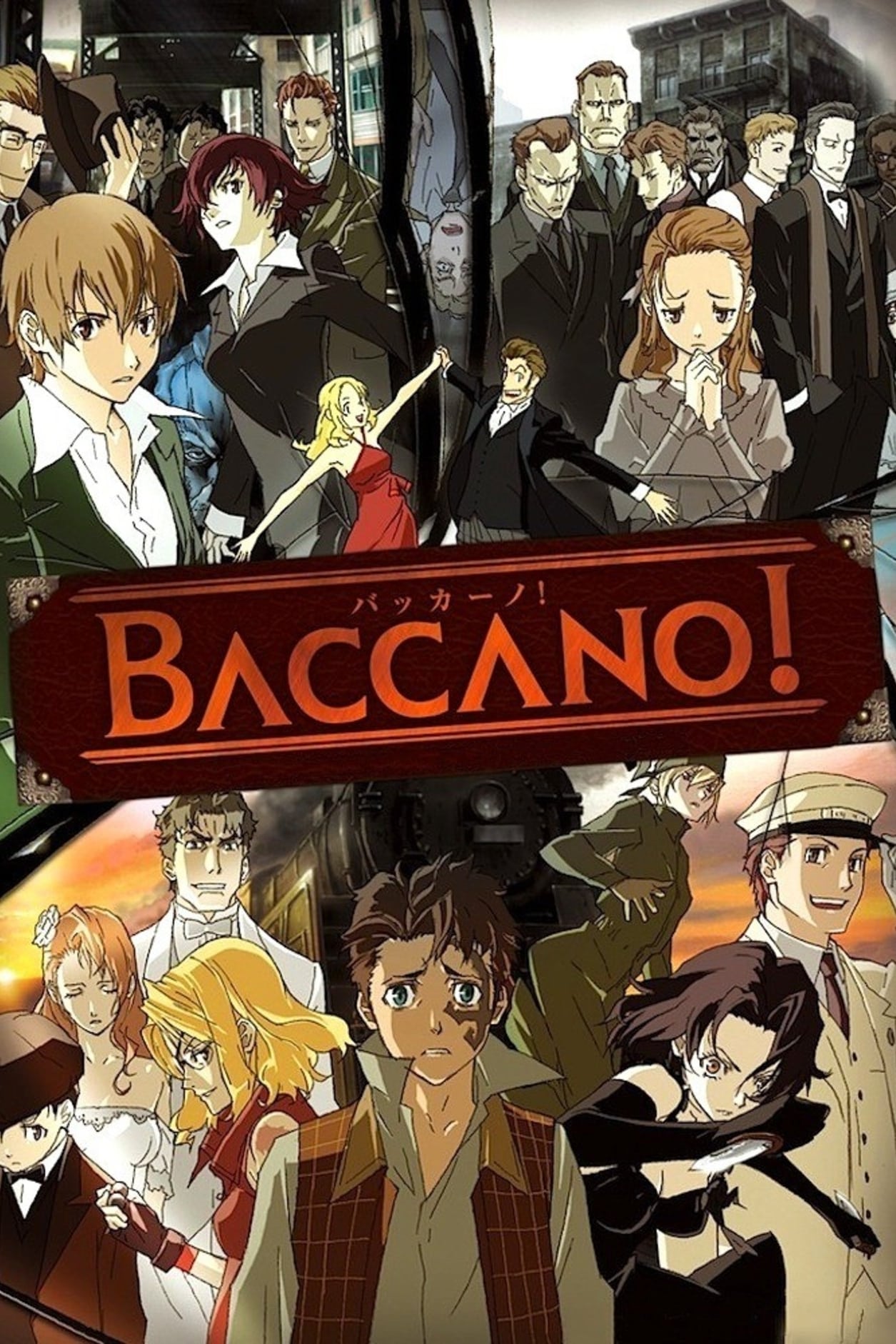
The adaptation spans 13 broadcast episodes plus three OVA episodes and draws from multiple volumes of Ryohgo Narita’s light novels. The show weaves several timelines on the transcontinental train and in Prohibition-era cities, then leaves many later novel arcs untouched.
The novels continue with additional eras and new criminal factions. Official releases include stories the anime never covered, such as further consequences for immortals and shifting alliances across different American cities.
‘Dorohedoro’ (2020)
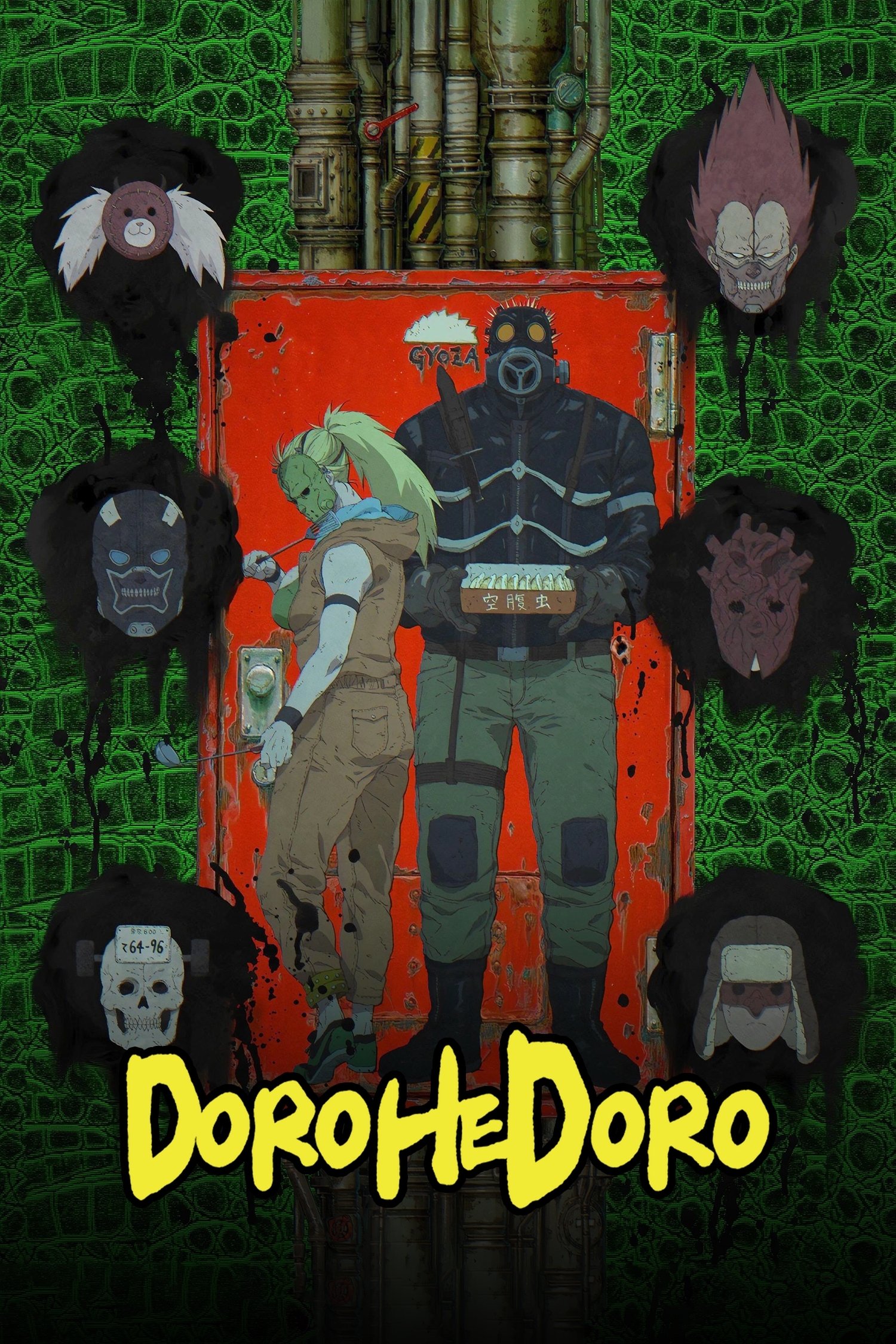
The first season runs 12 episodes plus six short extras and adapts the early portion of Q Hayashida’s manga. The anime introduces Hole, the sorcerers, and Caiman’s search for his identity, then stops before the manga’s middle and later arcs.
The completed manga spans dozens of volumes and resolves major mysteries about transformations, history, and the world’s hierarchy. Readers can move far past the anime’s endpoint to follow battles with top sorcerers and the full explanation of the central curse.
‘Yuri!!! on Ice’ (2016)
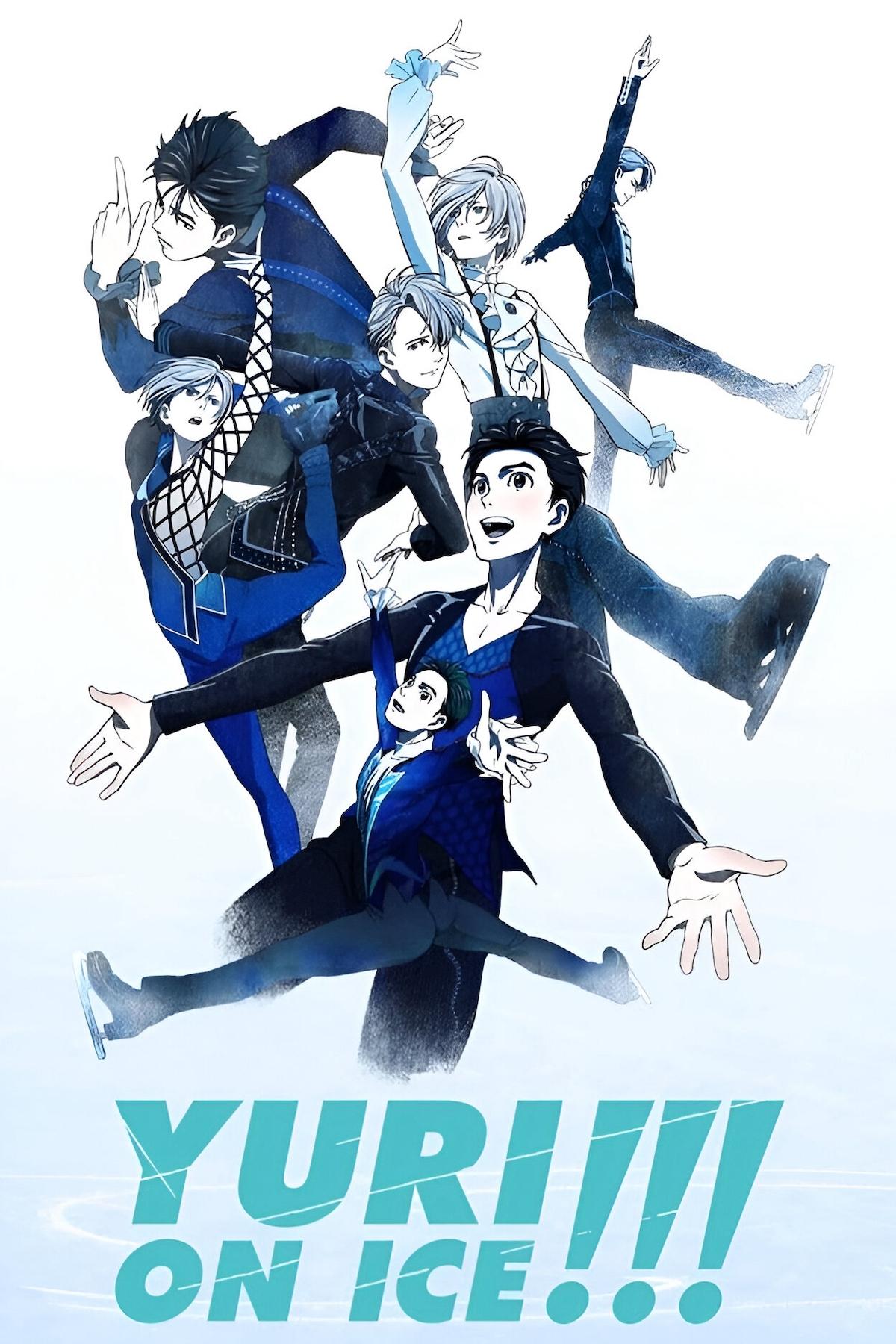
This original series delivers 12 episodes focused on the Grand Prix season and the development of its main skating programs. A feature film was announced and later reworked, but no additional televised season followed the main competition arc.
The production’s music, choreography supervision, and skating terminology remain well-documented, and releases include exhibition routines and behind-the-scenes materials. Fans tracking official updates can see how real-world skating events and collaborations influenced the show’s planned follow-ups.
‘Claymore’ (2007)
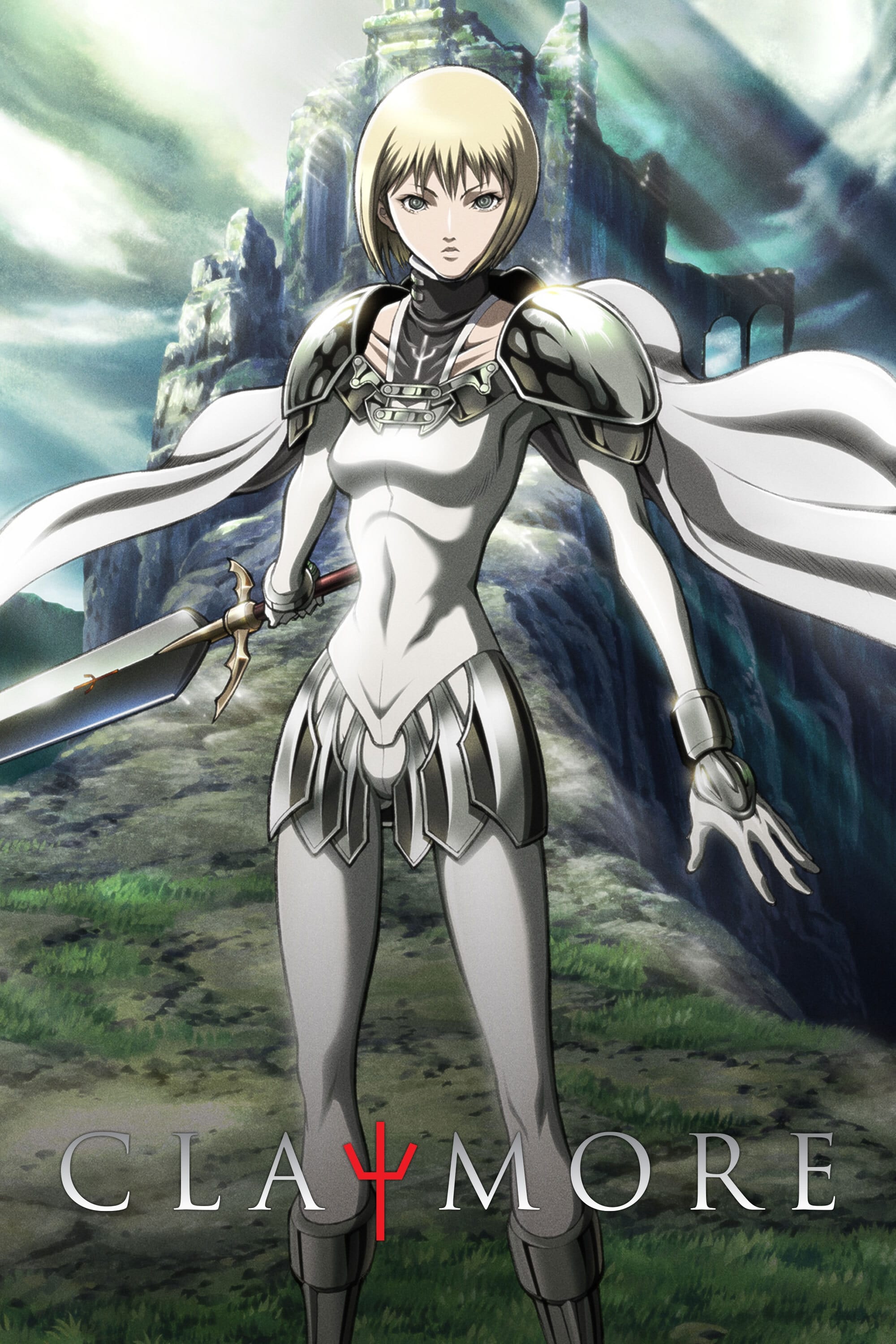
The anime adapts much of the early manga across 26 episodes and then diverges with an original ending. The televised narrative introduces the Organization, Awakened Beings, and the Northern Campaign, but it does not adapt the manga’s later revelations.
The source continues with new regions, organizational secrets, and a complete conclusion. Collected volumes cover post-campaign storylines and additional ranks and abilities not depicted in the broadcast episodes.
‘Soul Eater’ (2008–2009)
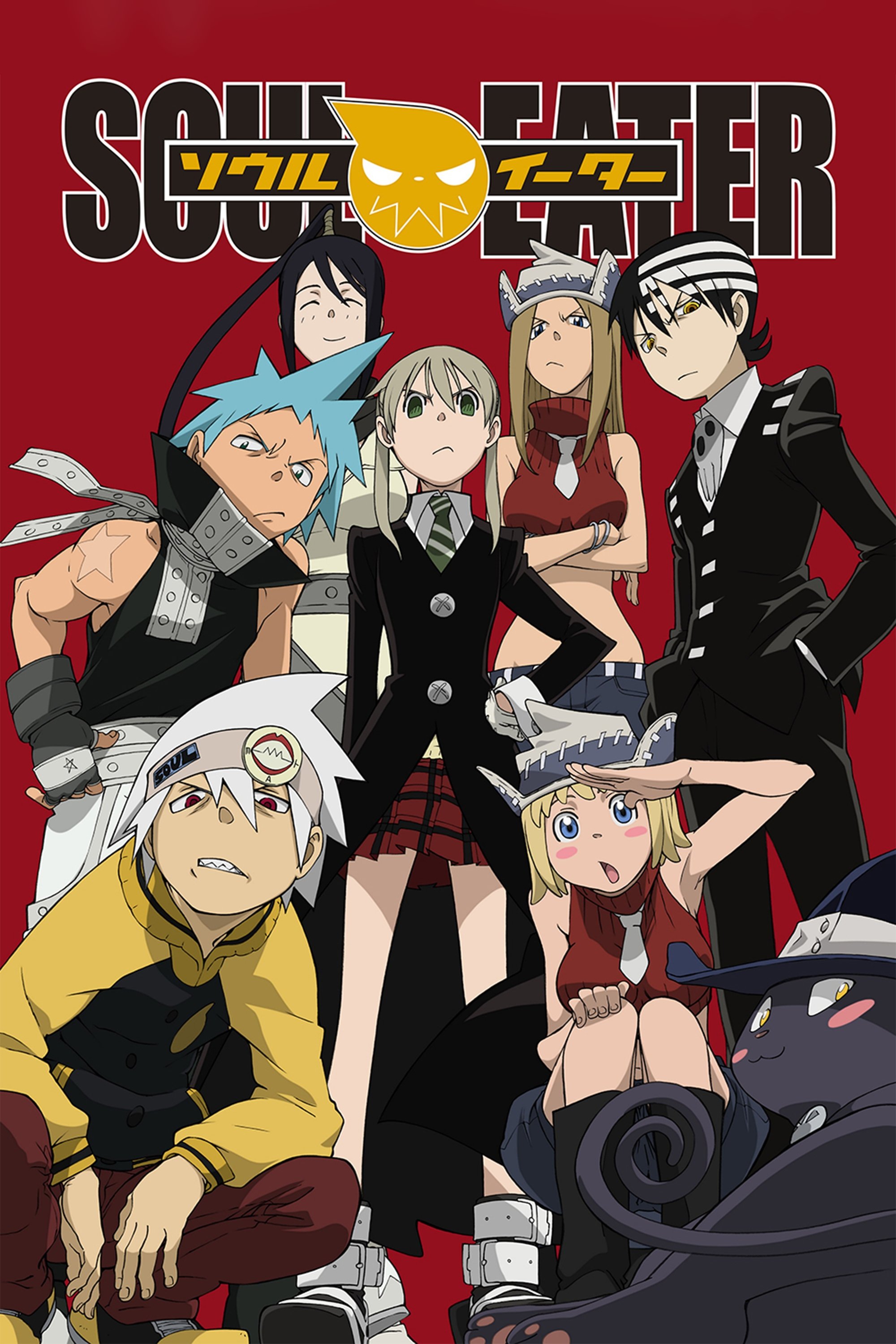
The 51-episode series adapts a significant portion of Atsushi Ohkubo’s manga before moving to an anime-original final arc. The show establishes Death City, meister and weapon pairs, and major antagonists, then concludes without following the source’s exact late-stage events.
The manga continues with further battles, academy politics, and character growth that differ from the TV ending. Official art books and guide materials document techniques and rankings that appear later in print.
‘Hellsing’ (2001–2002)
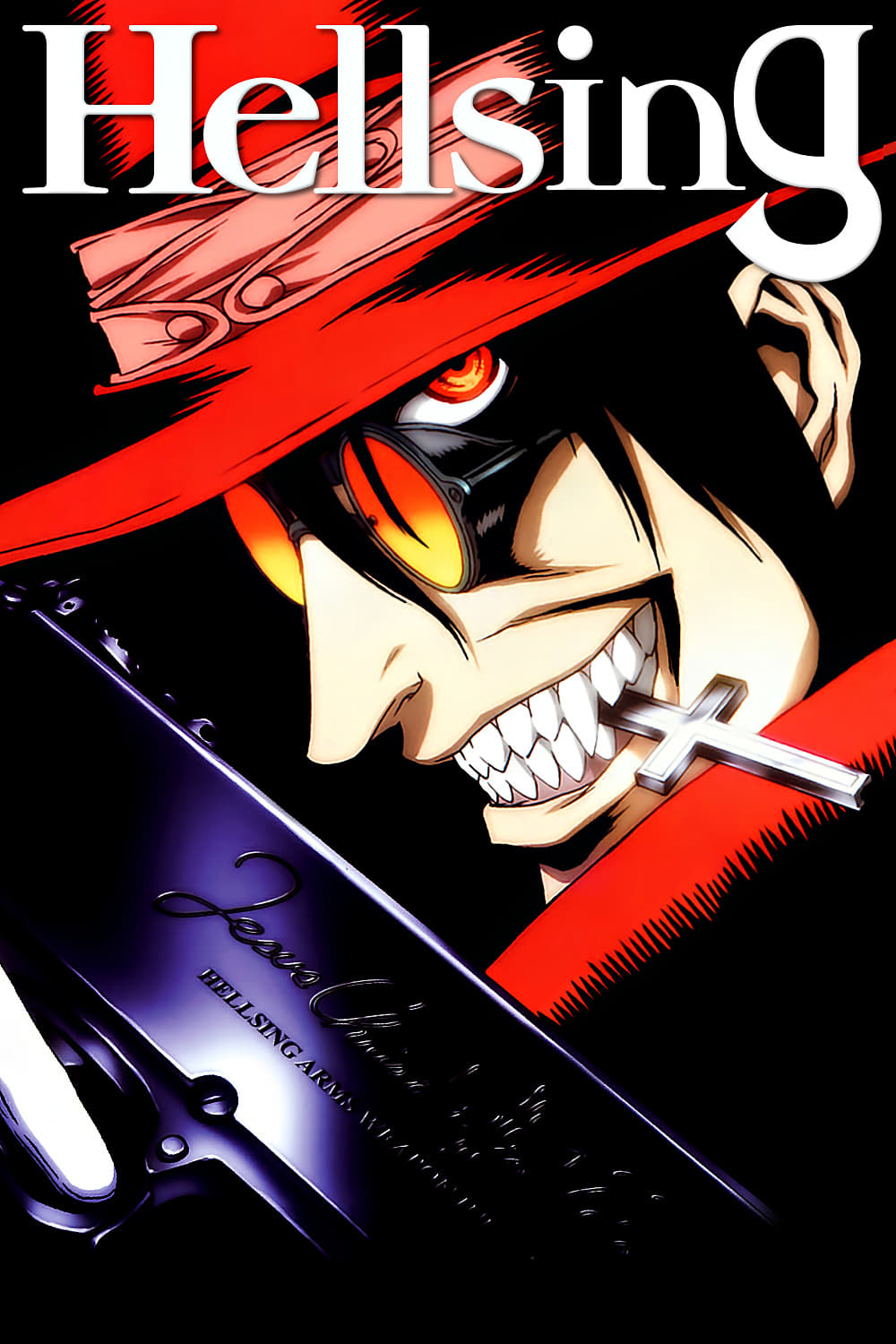
The TV adaptation runs 13 episodes and diverges from Kouta Hirano’s manga after the initial setup. It introduces the Hellsing Organization, Alucard, and early threats within London, then follows an original path without the full Vatican and Millennium conflicts from the source.
A later OVA series, released over multiple years, adapts the manga much more completely. Viewers who only saw the TV broadcast can switch to the OVA or to the manga to experience the entire war storyline.
‘The Promised Neverland’ (2019–2021)
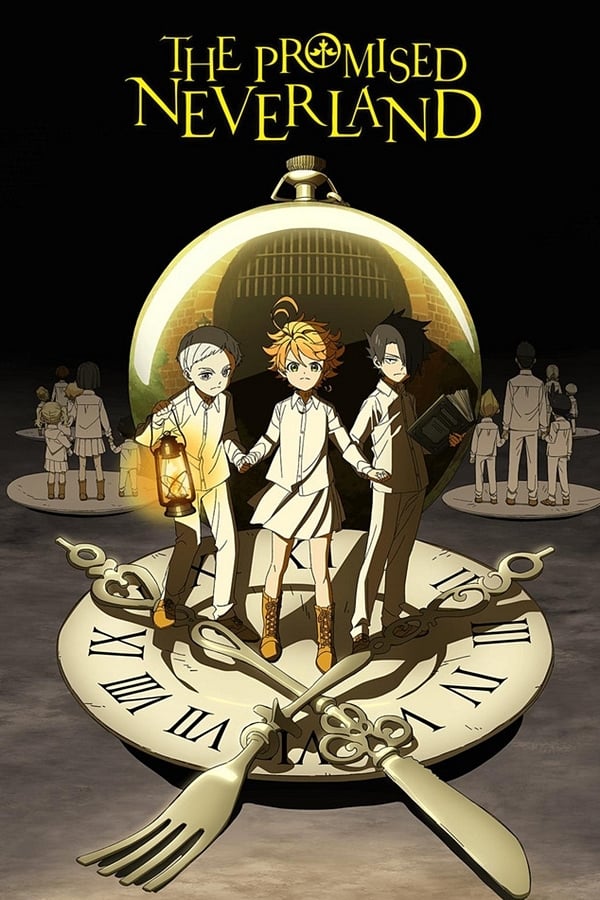
Across two seasons, the adaptation compresses and rearranges large sections of Kaiu Shirai and Posuka Demizu’s manga. The broadcast begins with the orphanage escape and worldbuilding and then speeds through multiple arcs without depicting several key locations and characters.
The manga presents a different sequence with full arc development and a detailed resolution. Official volumes include maps, terminology, and creature lore that were abbreviated or skipped in the televised version.
‘Berserk’ (1997–1998)
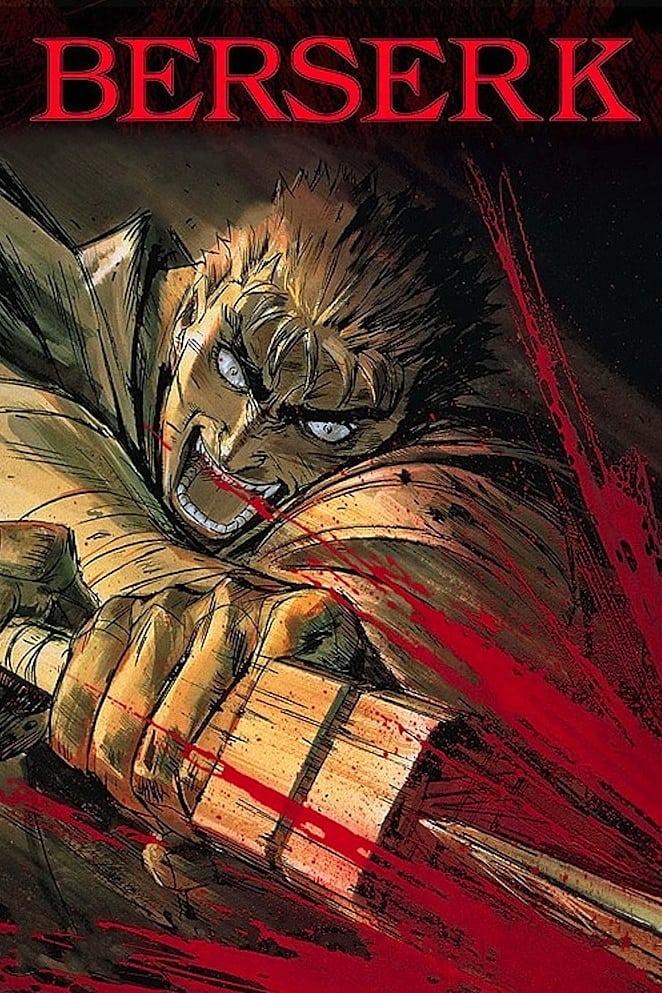
This adaptation, commonly called the Golden Age arc series, covers the Band of the Hawk storyline across 25 episodes. It stops before the manga’s extensive post-event arcs, leaving most of the protagonist’s later journey and allies unadapted in this version.
Subsequent anime projects and film trilogies adapt additional arcs with different production styles, while the manga remains the most complete source. Collected editions outline equipment, locales, and factions well beyond the broadcast content.
‘Black Bullet’ (2014)
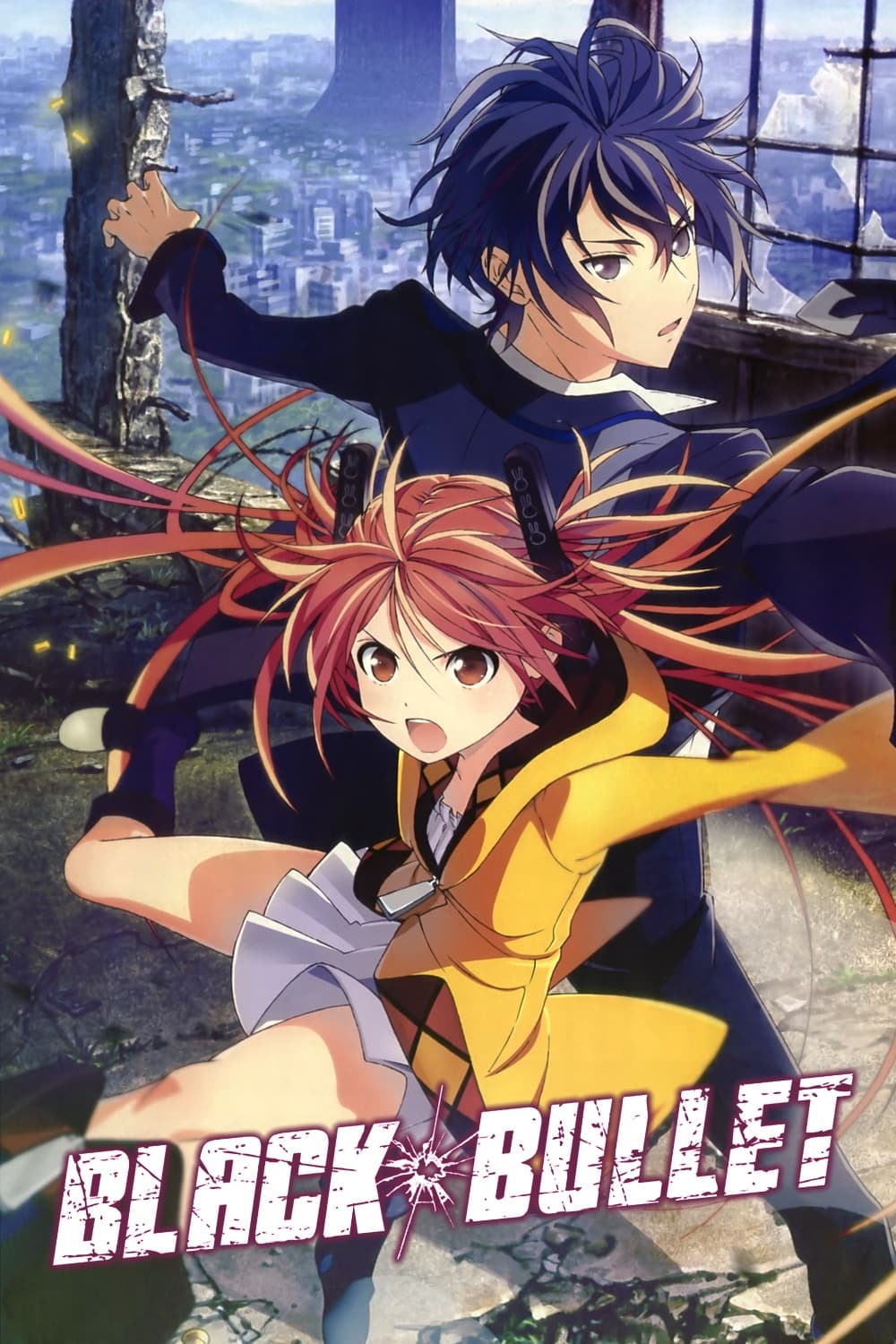
The 13-episode series adapts the early volumes of Shiden Kanzaki’s light novels. It sets up the Gastrea threat, the Initiator-Promoter system, and Tokyo Area defense operations, then ends before several novel arcs that expand the political and military picture.
The light novels continue with wider regional conflicts, new weapons research, and further rankings for civil security teams. Readers can follow the chain of events after the TV storyline and learn more about the origins of the outbreak.
‘Ouran High School Host Club’ (2006)
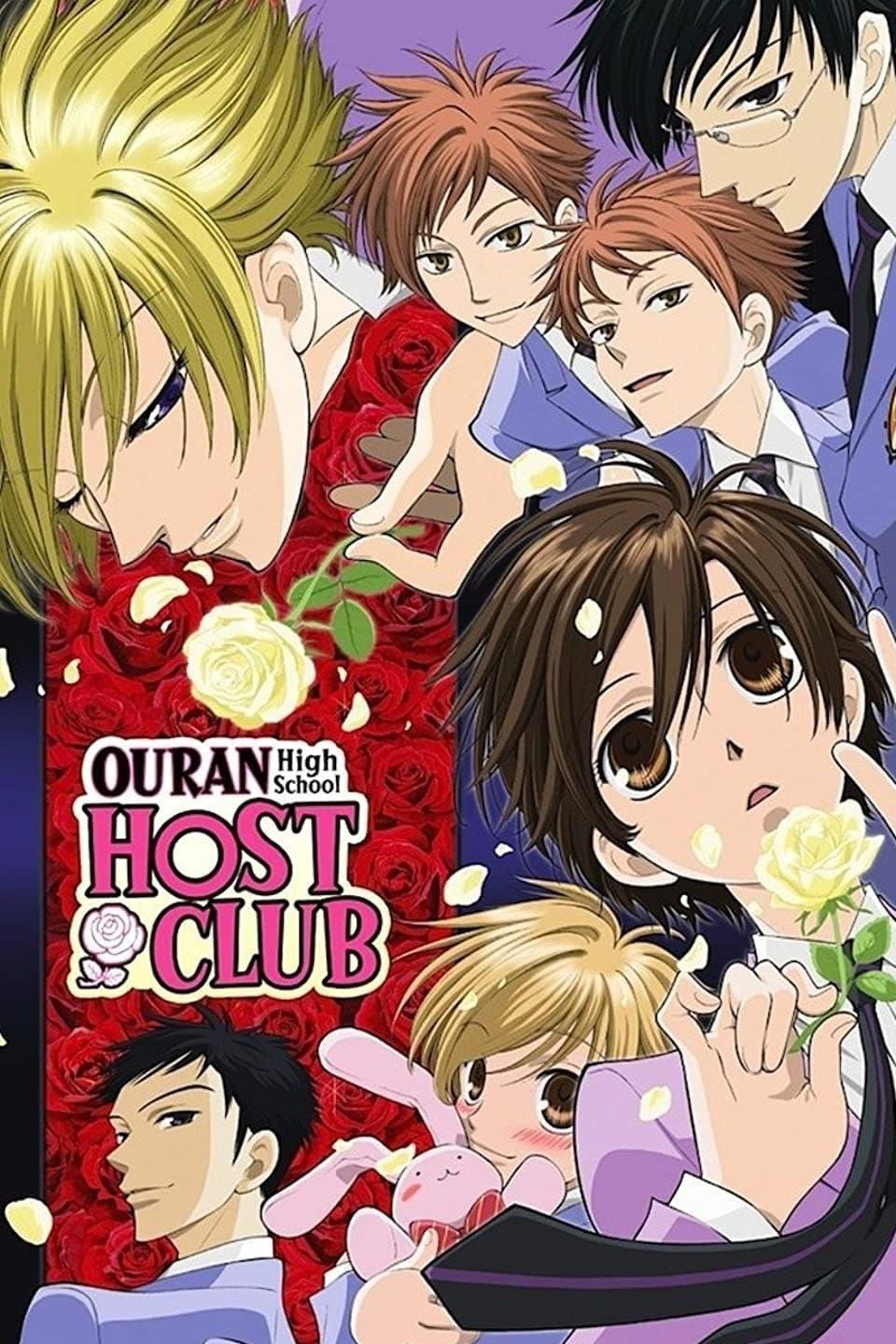
The romantic comedy runs 26 episodes and adapts early and middle manga content, ending without the printed story’s later developments. The show introduces the club’s structure, family backgrounds, and school events, then stops prior to the full relationship outcomes presented in the manga.
The source continues with additional school years and character arcs. Box sets and guidebooks map out character profiles and club history that exceed the televised episodes.
‘Hyouka’ (2012)
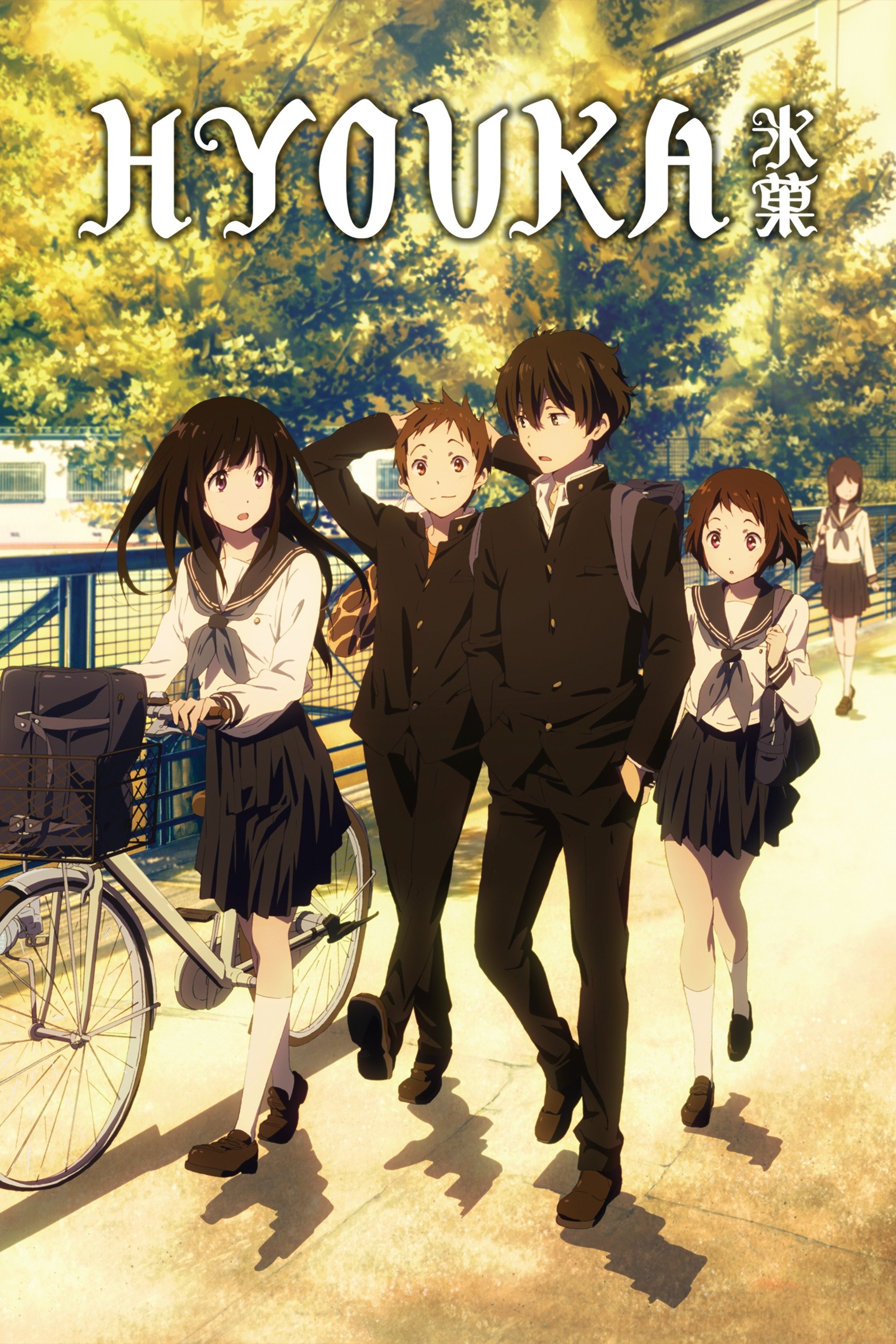
This 22-episode adaptation draws from Honobu Yonezawa’s Classic Literature Club novels and does not cover all available books. The series includes several case arcs and cultural festival episodes, then concludes without adapting later published stories.
The novel series provides additional mysteries and character studies. Official releases of the books include timelines and club member details that extend the narrative beyond the anime.
‘Spice and Wolf’ (2008–2009)
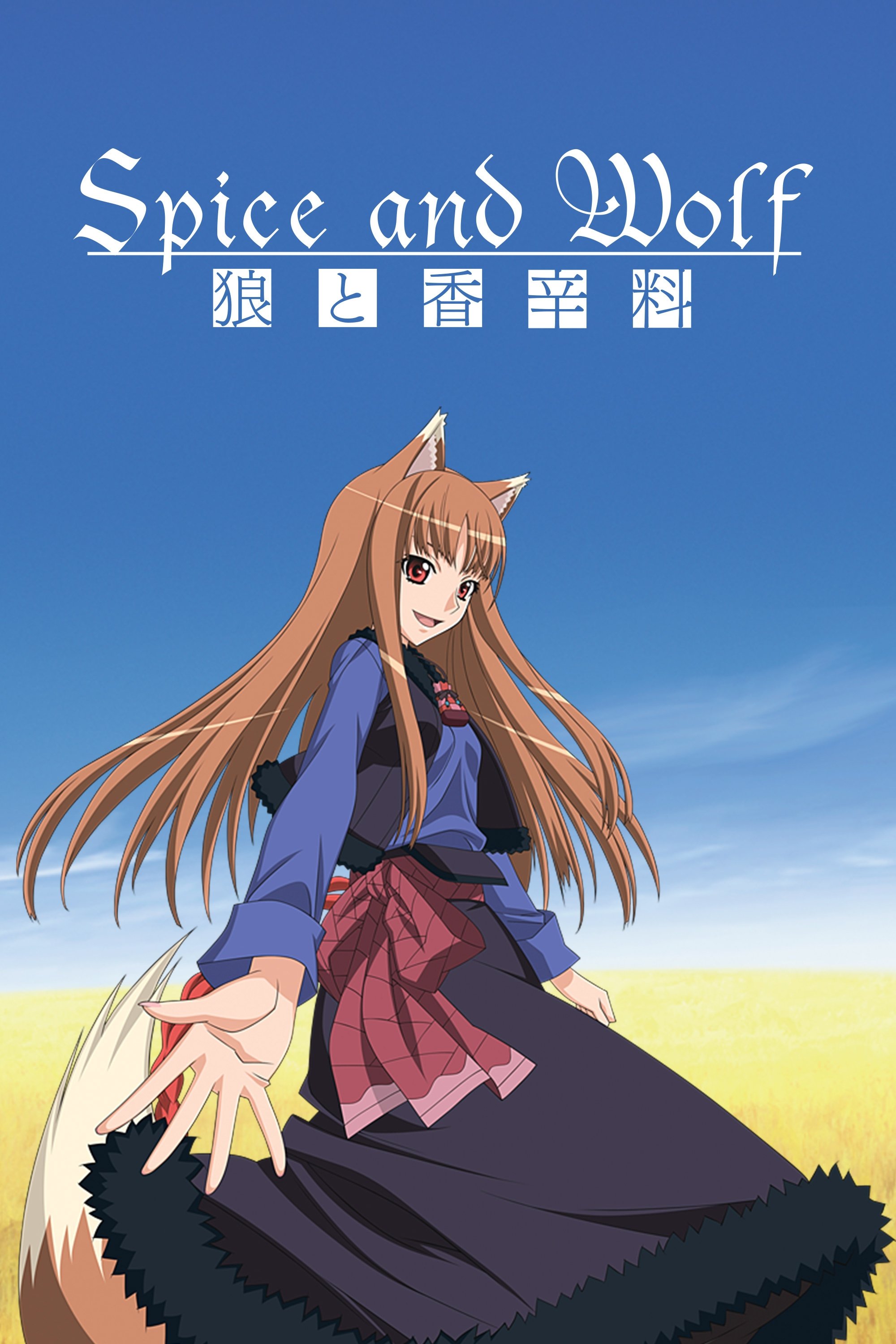
The original two-season run adapts only part of Isuna Hasekura’s light novels across 25 episodes and several specials. The anime focuses on trade routes, currency negotiations, and the central partnership, then ends before many later economic ventures in print.
The novels continue far deeper into market mechanics, new cities, and long-term business plans. Readers can follow subsequent deals, financial instruments, and guild dynamics that the broadcast never reached, and they can reference maps and appendices included in the books.
‘The Pet Girl of Sakurasou’ (2012–2013)
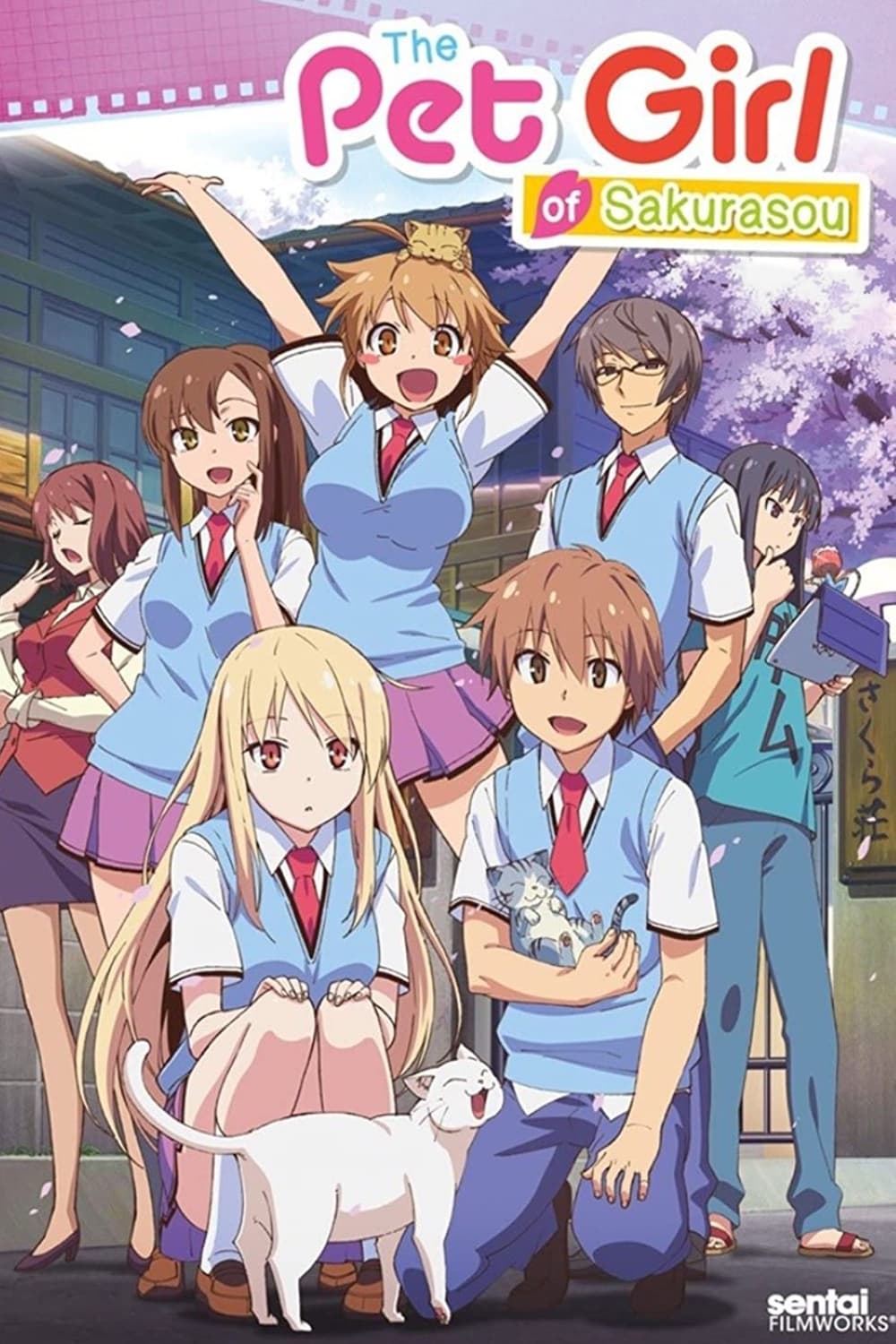
This series adapts portions of Hajime Kamoshida’s light novels across 24 episodes. It covers the school’s creative projects, contests, and dorm life through several terms, then finishes before all printed volumes are represented on screen.
The novels move beyond the televised timeframe with additional competitions and post-graduation paths. Character design collections and official fanbooks document project timelines and creative outputs that go past the anime’s finale.
‘Nichijou: My Ordinary Life’ (2011)
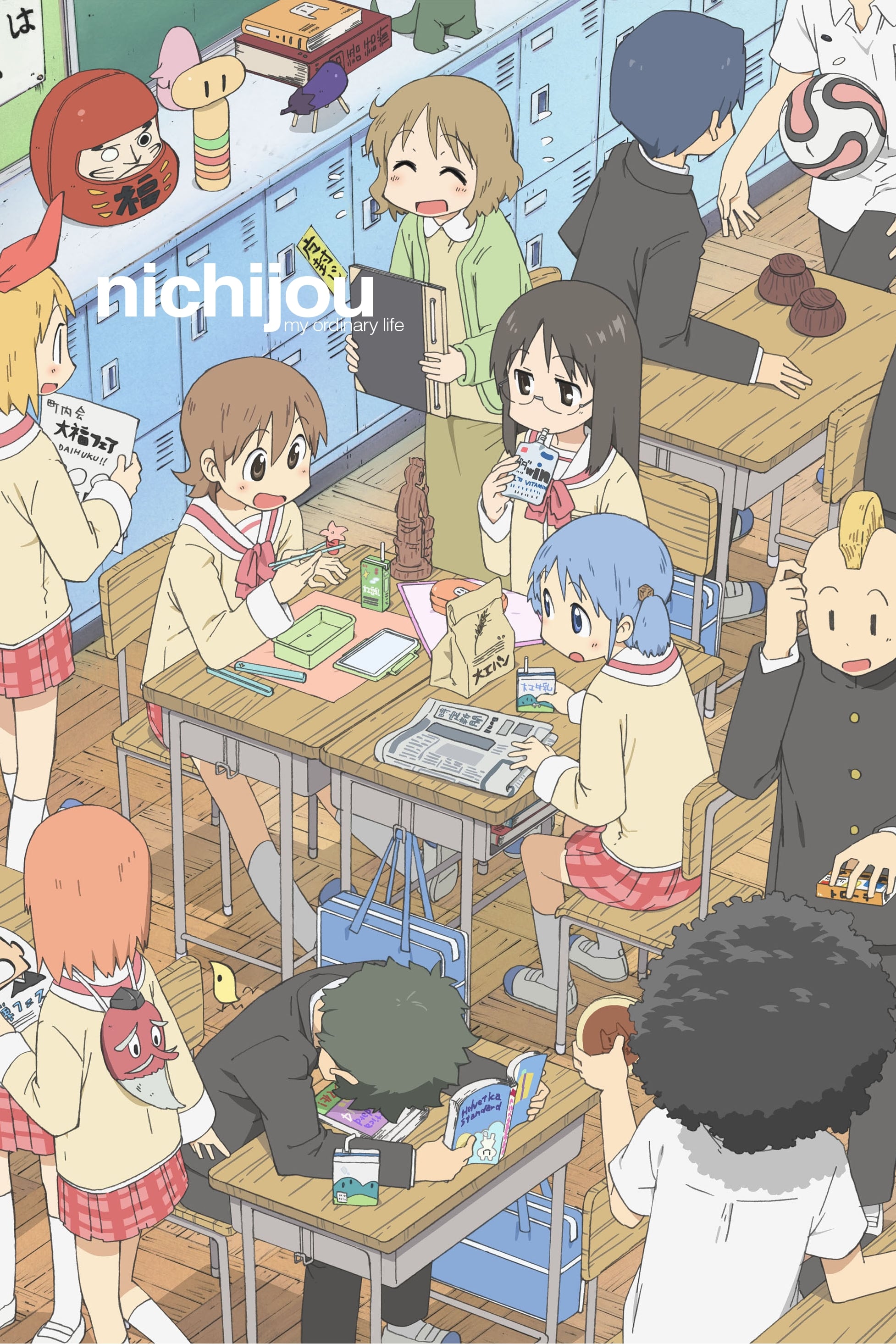
The slice-of-life comedy runs 26 episodes and adapts a selection of Keiichi Arawi’s manga chapters. The broadcast arranges sketches from various volumes and ends while the manga still has plenty of material left unanimated.
The print series contains numerous chapters never adapted for television, including additional school gags and Professor and Nano segments. Artbooks and omnibus editions catalog chapter order, character charts, and recurring bits beyond the aired episodes.
‘Bloom Into You’ (2018–2019)
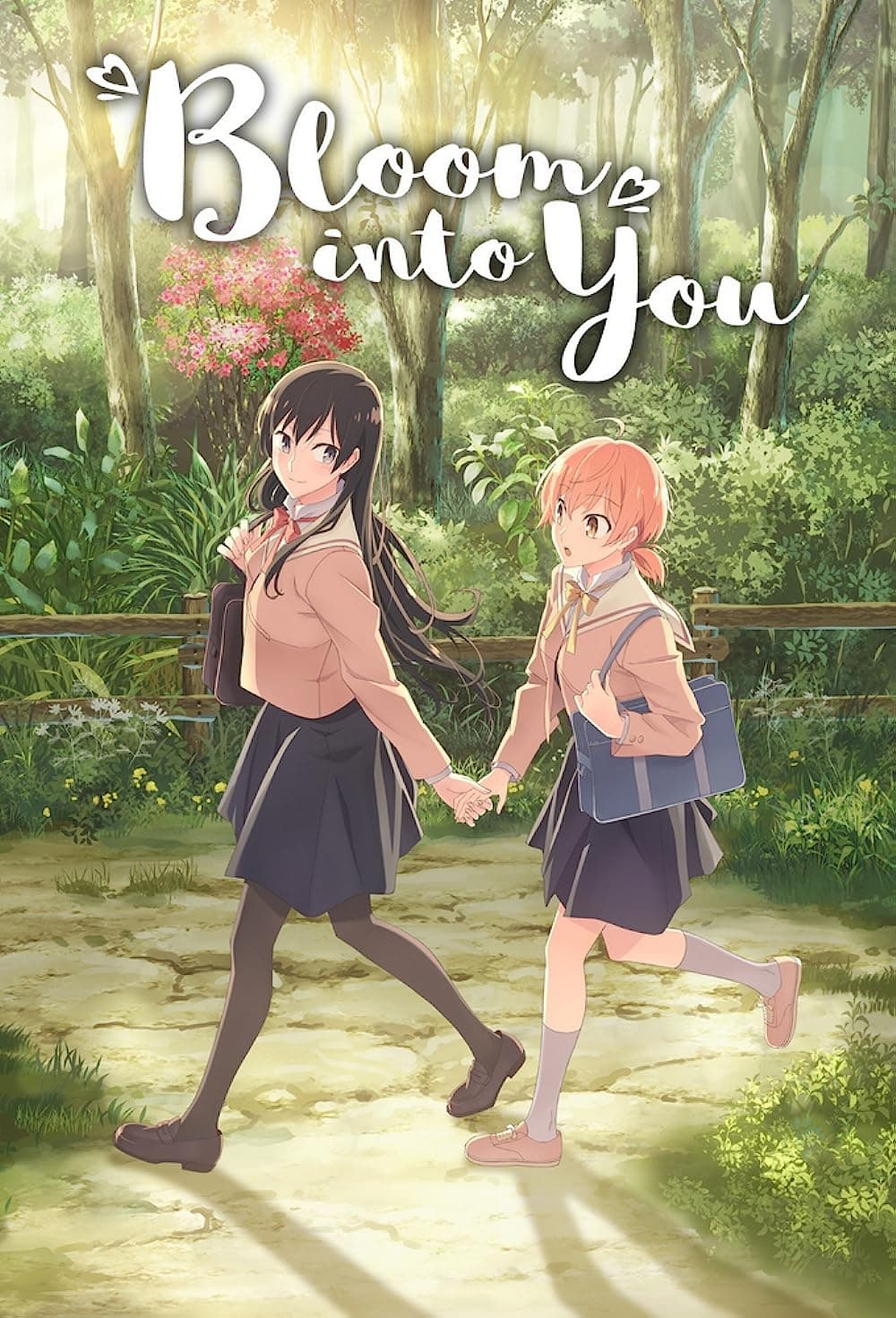
The 13-episode adaptation covers the beginning and middle of Nio Nakatani’s manga. It features the student council production and the development of the leads’ perspectives, then concludes before the source material’s final volumes.
The manga continues with later school terms and resolves character arcs in print. Official volumes include author notes, script excerpts, and stage play details that extend well past the televised content.
Share the anime you think stopped too early and which unfinished arcs you most want to see completed in the comments.