

Top 20 Anime That Kinda Rip Off Other Anime

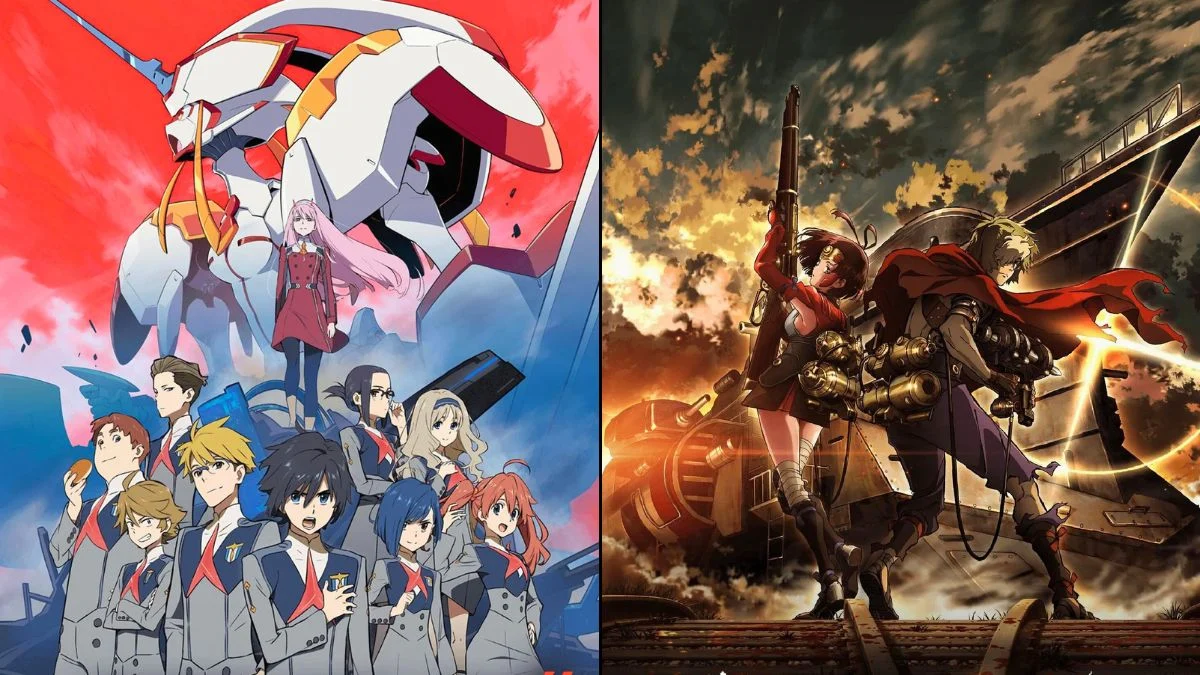


Some anime feel instantly familiar because they reuse setups, power systems, or story beats that worked well somewhere else. That does not make them bad. It just means you can spot the family resemblance the moment the opening arc kicks in and the mentor shouts the rules of the world.
This list gathers shows that echo earlier hits in ways you can actually point to. For each one you will see concrete elements that mirror older series, from near identical exam arcs and squad formats to mecha frameworks and survival game rules. Think of it as a friendly guide to déjà vu viewing.
‘Black Clover’ (2017–2021)

‘Black Clover’ follows a magic centered meritocracy where guild like squads compete and grow, while a loud underdog with no innate power strives to become the top leader. The structure of squads, tournament arcs, and rival dynamics parallel long running shounen formats that fans first met in series like ‘Naruto’ and ‘Fairy Tail’. Specific beats include entrance evaluations, mission based rankings, and a rival who is gifted from the start.
The show also leans on well worn power escalation steps that look familiar. Grimoire unlocks stand in for specialized techniques, captains mirror elite squad leaders, and the hero’s anti magic ability fills the classic twist slot where a handicap becomes a unique trump card. The end result is a blueprint that maps closely to earlier battle anime systems.
‘Kabaneri of the Iron Fortress’ (2016)
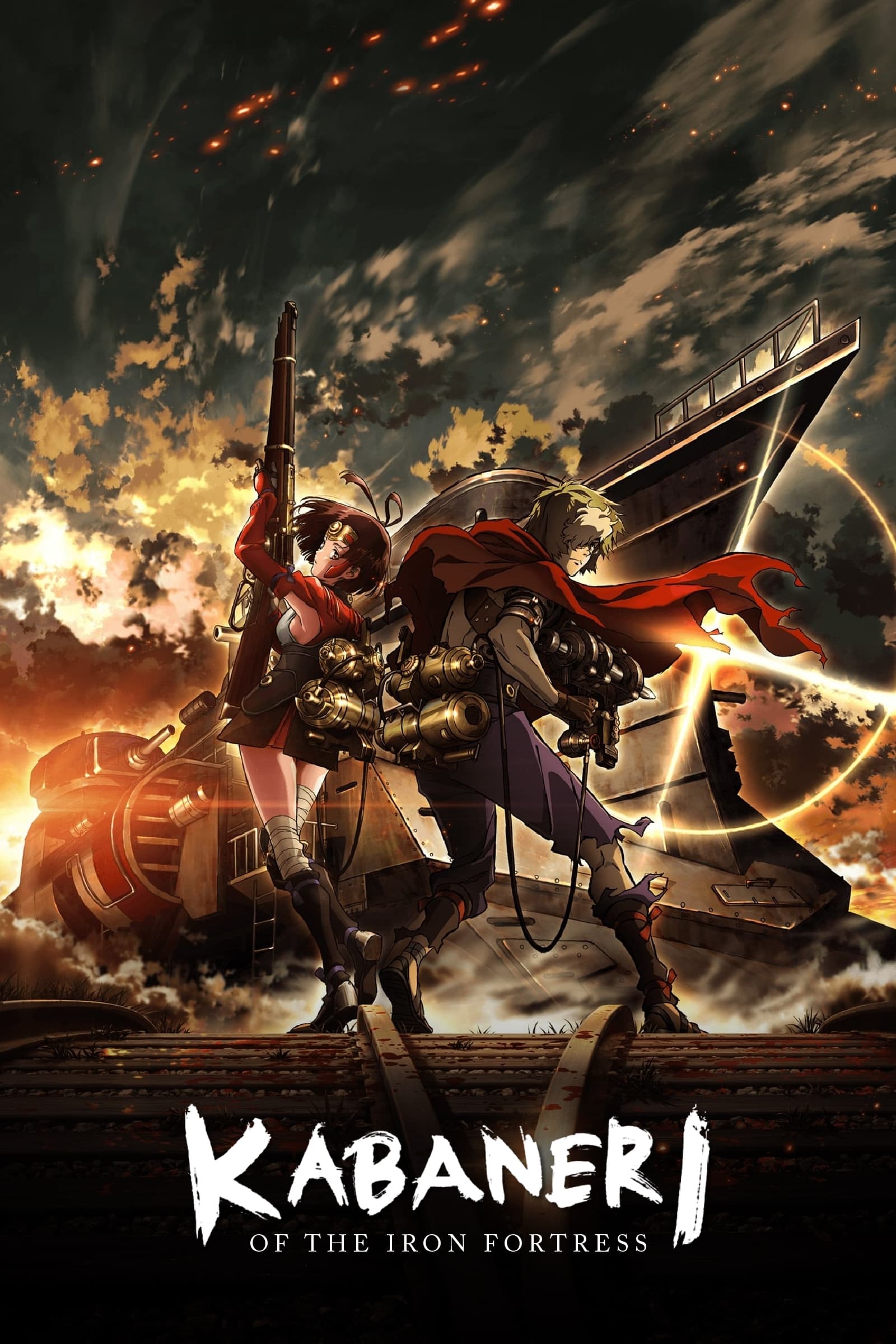
‘Kabaneri of the Iron Fortress’ puts a walled society under siege by monstrous beings while elite fighters zip around with gear that enables acrobatic takedowns. A train functions as a mobile fortress, which gives the series the same loop of breach, retreat, and counterattack that defined the early appeal of ‘Attack on Titan’. Even the cold open beats hit similar notes with a sudden catastrophic incursion.
The tactical layout mirrors earlier scripts as well. You get squads with gear specific roles, a protagonist who is part human and part enemy, and chain reaction set pieces where one breach triggers a collapse across multiple walls. The way the show treats travel between strongholds and the constant pressure of dwindling supplies also echoes the survival cadence of its predecessor.
‘Darling in the Franxx’ (2018)
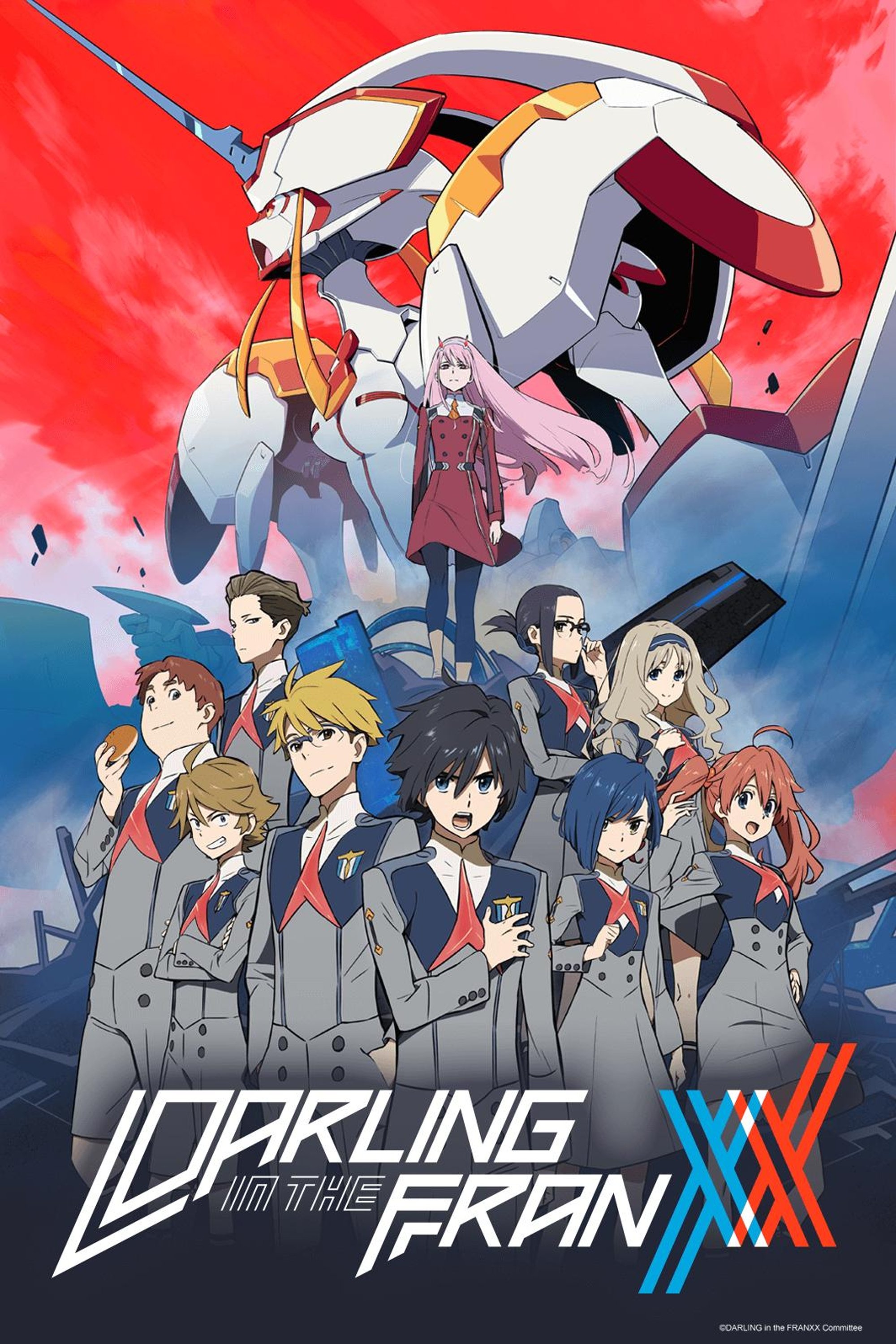
‘Darling in the Franxx’ runs on the same coming of age in robots energy that powered ‘Neon Genesis Evangelion’. Teen pilots partner up to control biomechanical mecha, adults keep opaque secrets, and the fights often pull double duty as metaphors for identity. The sterile training environment and the drip feed of world lore follow a pattern that viewers already knew.
It also lifts recognizable design and staging choices. Cockpit intimacy shapes character bonds, monster of the week encounters push psychological buttons, and late story reveals reframe why the war started. Even the governing organization’s rituals and the patrol scheduling of the squads track with the mecha school playbook set by earlier classics.
‘Aldnoah.Zero’ (2014–2015)
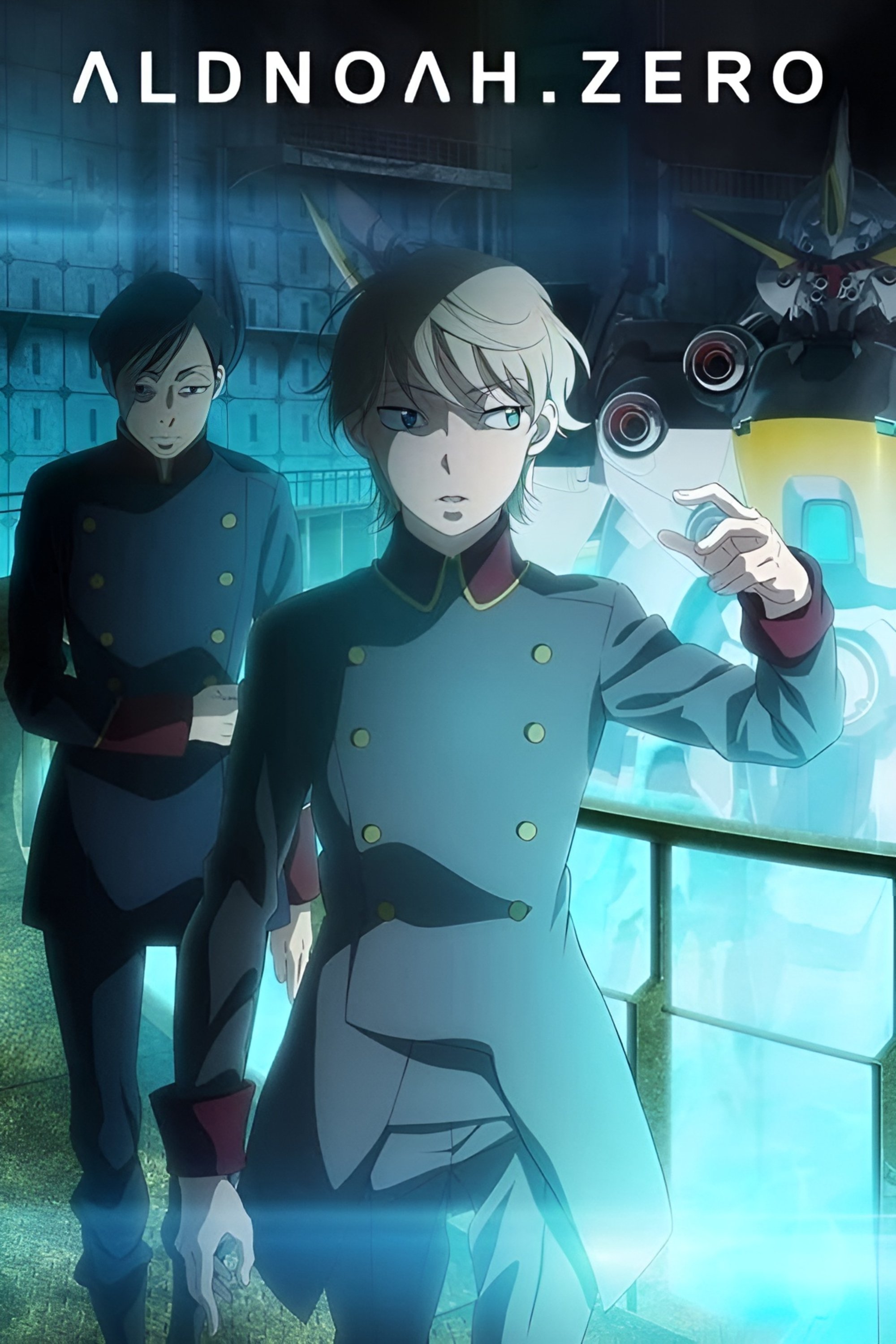
‘Aldnoah.Zero’ revisits the off world empire versus Earth conflict that shows like ‘Mobile Suit Gundam’ made standard. The tilt in power rests on exotic tech that only one side can activate, which recreates the recurring imbalance that drives tactical problem solving each week. Earth forces must jury rig solutions while nobles field unique units.
The series also reuses the politically arranged assassination trigger and the split perspective storytelling that alternates between a stoic strategist and a privileged rival. Siege episodes, collapsing peace talks, and duels with named enemy aces follow a cadence that mecha veterans will recognize from earlier war sagas.
‘The Asterisk War’ (2015–2016)
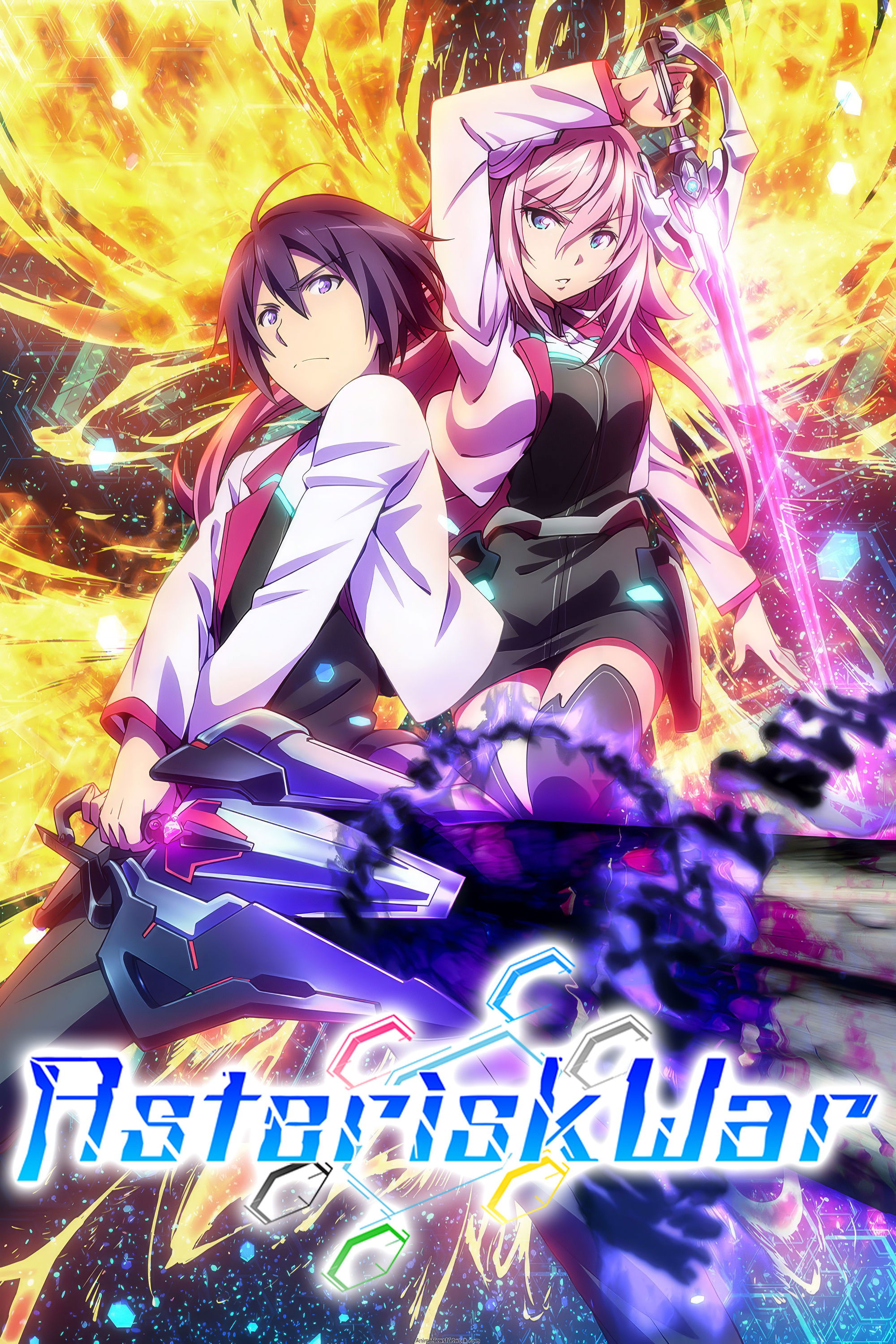
‘The Asterisk War’ drops a transfer student into a competitive academy where duels and tournaments decide status. That setup closely matches the modern magic school framework that earlier shows popularized. The use of partner based matches, school rankings, and a big festival arc lets the story replay familiar beats in quick succession.
Weapon manifests, student councils with real power, and corporate sponsors round out the echo. Episodes revolve around bracket progress, contract negotiations for combat rights, and dorm politics. It is the same chassis many academy battle anime use, only with a new coat of paint and a different city layout.
‘Chivalry of a Failed Knight’ (2015)
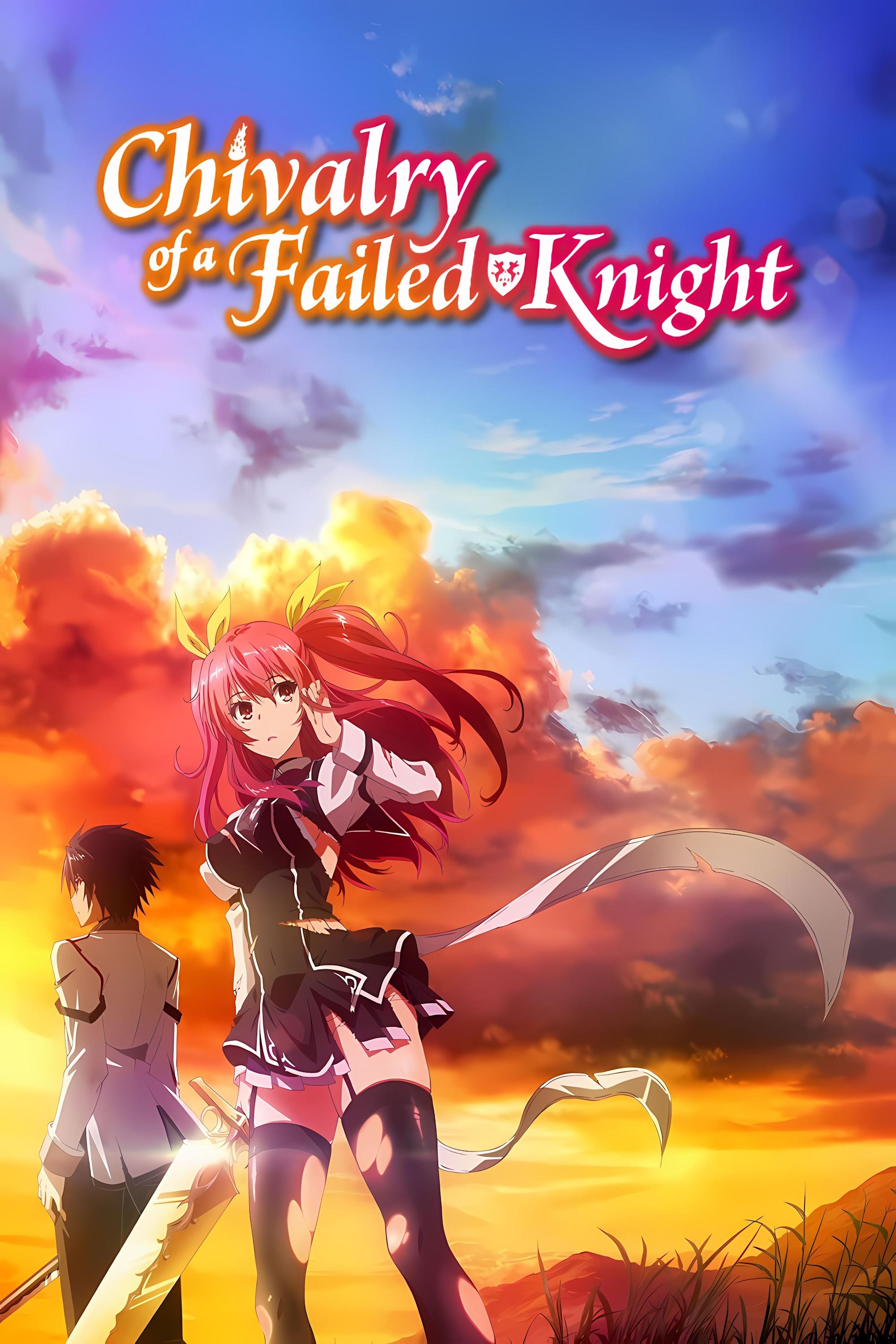
‘Chivalry of a Failed Knight’ tells another academy duel story that launched in the same season as ‘The Asterisk War’. Both shows feature a seemingly underpowered male lead, a fiery top ranked heroine, and a tournament that crowns the strongest student in the nation. The first encounter meet wrong room, draw swords, and fight scenario plays almost identically.
It also mirrors the power progression in close detail. Training montages stress technique over raw output, tag team matches test compatibility, and the final bracket forces rematches with earlier rivals. The overlap in class structures and event pacing makes it easy to line up episodes beat for beat with other academy fighters.
‘Tokyo Ghoul’ (2014–2018)
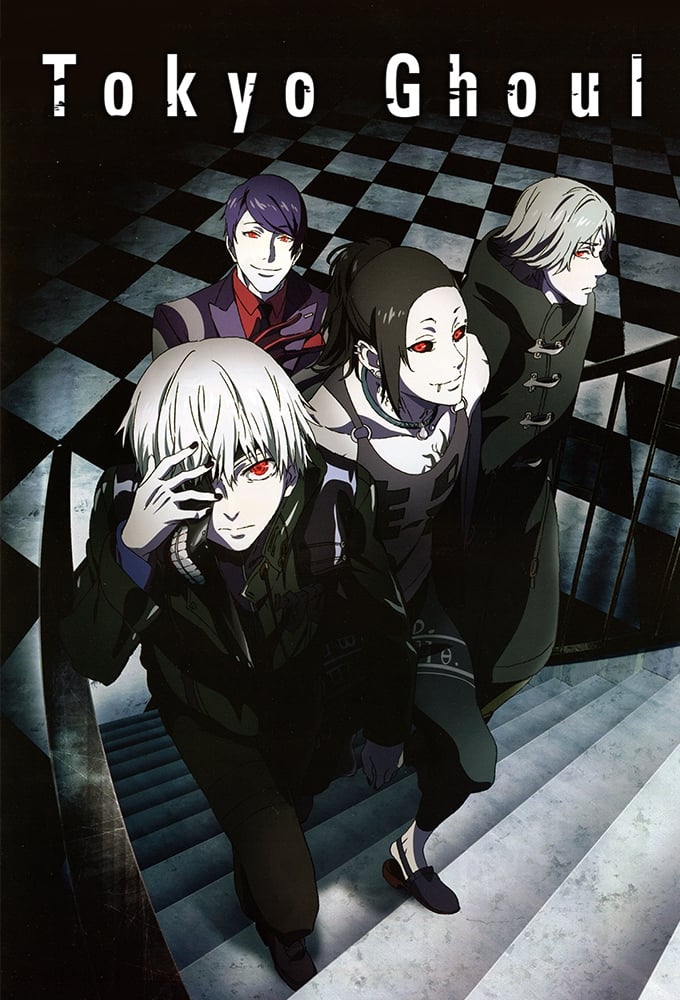
‘Tokyo Ghoul’ follows a college student who becomes a hybrid being after a deadly encounter, then learns secret rules of a hidden predator society. That premise echoes transformation horror anime like ‘Parasyte’ and ‘Devilman’, where a human hosts otherworldly power and struggles to keep a grip on daily life while factions close in.
It also adopts a similar underground ecosystem. There are territories, enforcers with specialized weapons, and moral debates about feeding that mirror earlier shows. Investigators play the same role as organized hunters, and masks plus code names maintain double lives. The structure of introduction, initiation, and inevitable clash follows a proven route.
‘Seraph of the End’ (2015)
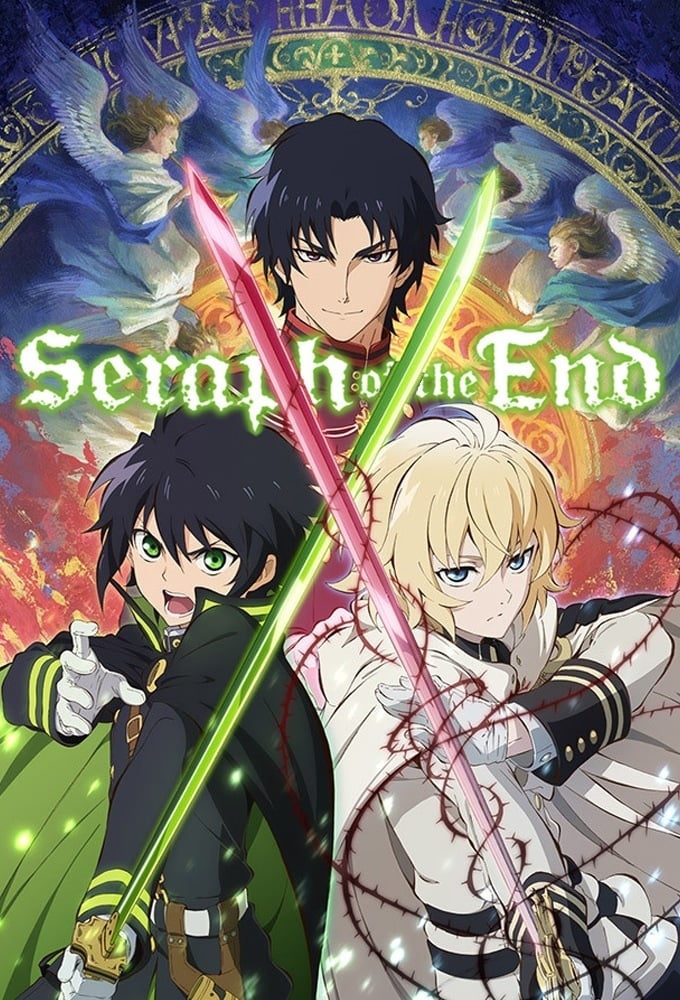
‘Seraph of the End’ opens with a population collapse, child survivors pressed into military units, and a hero who swears revenge on a monstrous ruling class. That framework echoes the militarized survival model that fans already saw in series centered on humanity under occupation. Squad based missions, city recon, and elite weapon units return in familiar form.
It keeps the training and ranking treadmill intact as well. New recruits join squads, learn weapon bonds, and take incremental steps up the chain while rival teams compete for assignments. The push and pull between a grudge driven lead and a more measured friend also recreates a dynamic used earlier in post collapse action shows.
‘The Seven Deadly Sins’ (2014–2021)
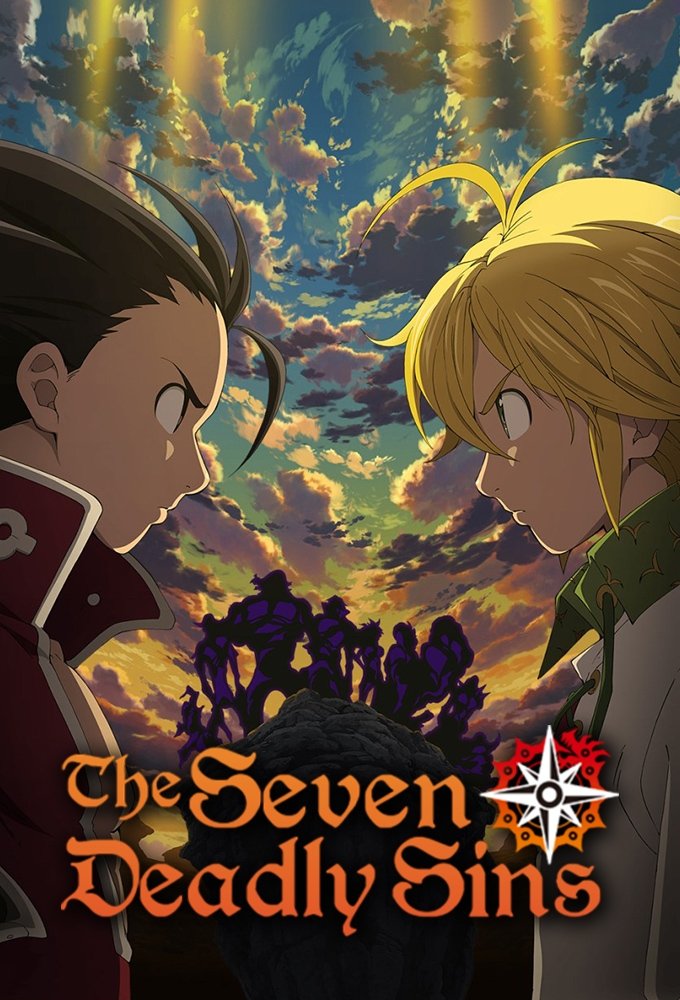
‘The Seven Deadly Sins’ uses a traveling party of powerful misfits who take on missions, bond through tavern stops, and escalate into festival sized battles. That road trip guild feeling tracks closely with adventure anime like ‘Fairy Tail’, where camaraderie and episodic quests eventually fold into homeland shattering arcs.
Signature pieces match up across series. There are named teams with emblems, bar hangouts that serve as base camps, and seasonal tournaments that funnel many fighters into one arena. Flashback heavy reveals for each party member also mirror how earlier ensemble casts deepened backstories over time.
‘Bleach’ (2004–2012)
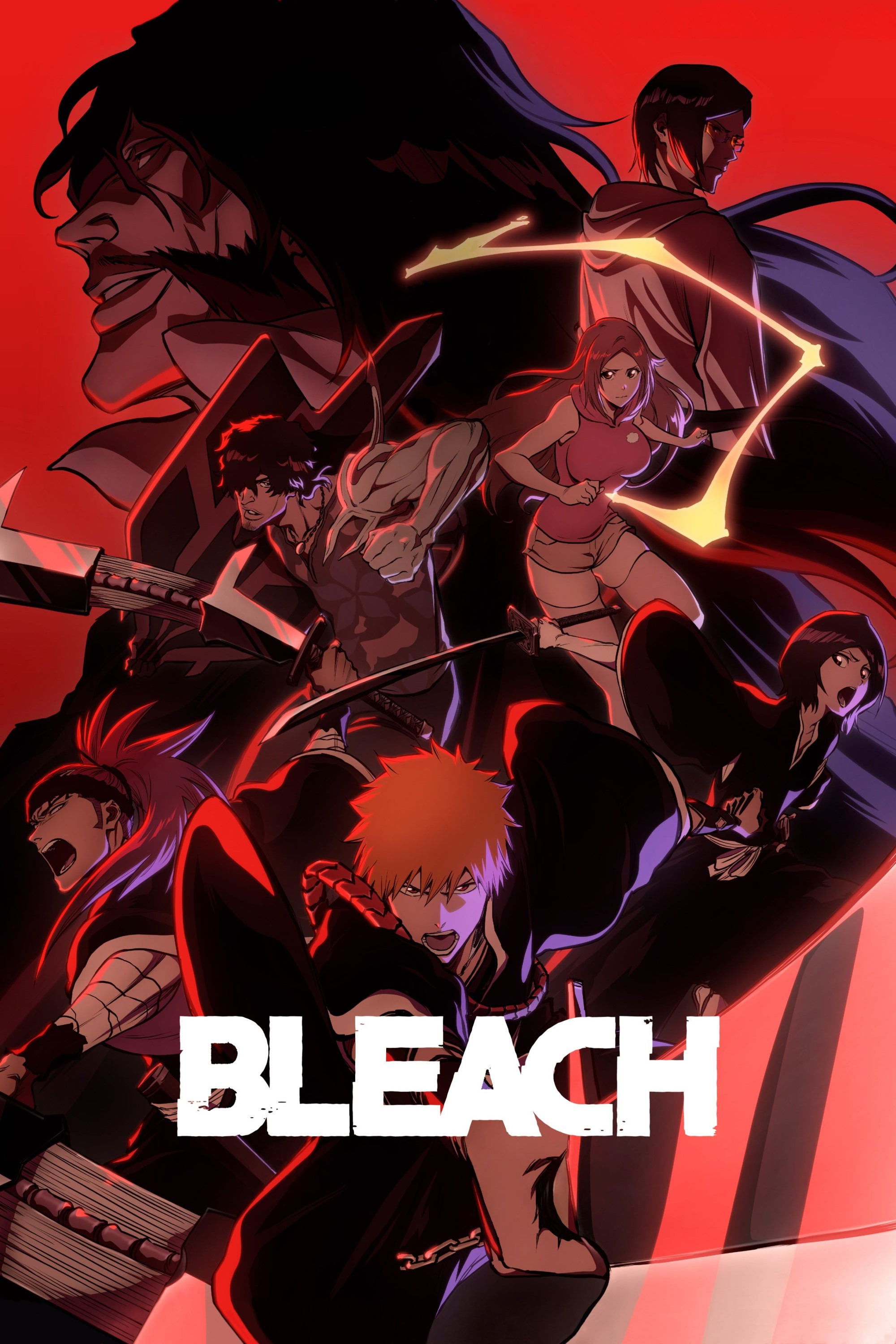
‘Bleach’ adapts the spirit reaper concept into a squad based paramilitary world that operates with ranks, captains, and divisions. That structure evokes guidance from ‘Yu Yu Hakusho’, where a teenager takes on duties in a spirit realm while navigating tournaments and elite opponents. The formalized hierarchy and constant promotion tests keep the comparison close.
Rescue arcs, numbered enemy organizations, and power releases that come in staged forms also align with earlier blueprints. The way it moves from street level exorcisms to a full detour into an otherworld capital follows a road that earlier battle anime had already paved, only scaled up with distinct sword forms.
‘Fairy Tail’ (2009–2019)
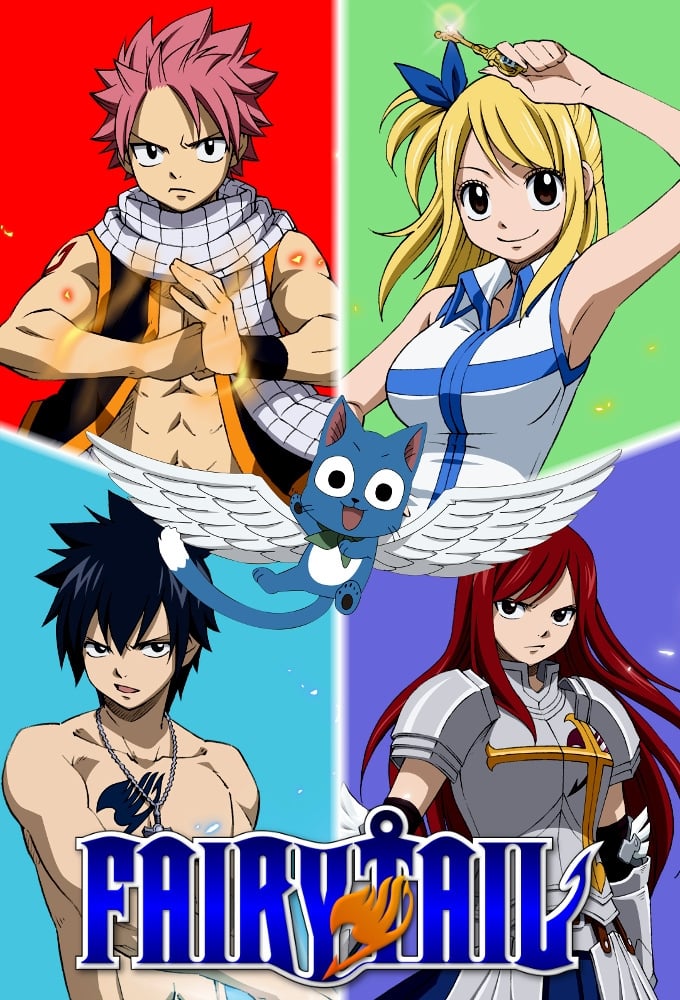
‘Fairy Tail’ centers on a guild that takes jobs, celebrates in a hall filled with recurring faces, and treats found family as the engine for big team fights. That community based quest model hews to patterns seen in ‘One Piece’ and other long form adventures where a core crew expands while tackling mission boards and bounty lists.
Arc types also overlap. Tournament showcases, S class promotion trials, and enemies who later join the guild trace lines to older ensemble adventures. Even the power synergy moments where pairs combine special moves for headline attacks replay familiar tag team choreography from earlier crowd pleasing action series.
‘Sword Art Online’ (2012–2020)

‘Sword Art Online’ strands players in a virtual world with real death stakes and then clears floors in a boss rush ladder. That design follows the path set by ‘.hack’ projects, where users face game system mysteries, memory gaps, and persistent online identities that bleed into their real lives. Item drops, guild politics, and data corruption events echo directly.
It also keeps the multiple game pivot that earlier shows explored. After an initial arc, the cast moves into new VR titles with different rule sets while past consequences carry over. The mix of romance side quests, rare gear crafting, and GM level antagonists builds on a template that fans first learned in the older network based saga.
‘Great Pretender’ (2020)
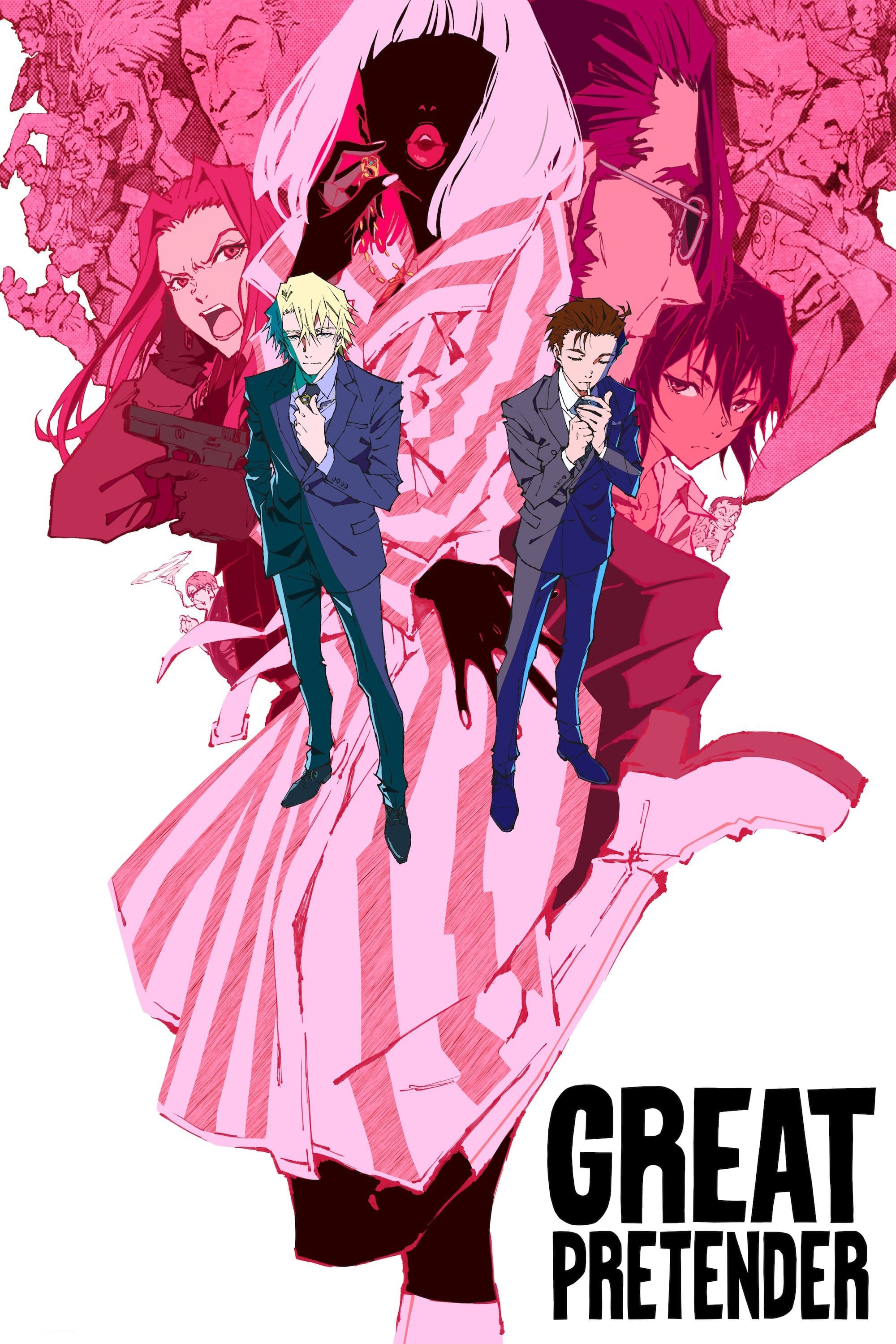
‘Great Pretender’ stages international capers with flamboyant disguises, elaborate double crosses, and a charming thief mentor who recruits a talented newcomer. The feel lines up with the caper energy of ‘Lupin the Third’, where heists string together travelogue episodes and each con unspools in layers.
Job structures also match. Cases break into scouting, baiting the mark, running a long game, and a reveal that shows how early scenes hid key moves. Recurring rivals, law enforcement near misses, and stylish codas give it the same jazzy momentum that classic heist anime popularized decades earlier.
‘No Game No Life’ (2014)
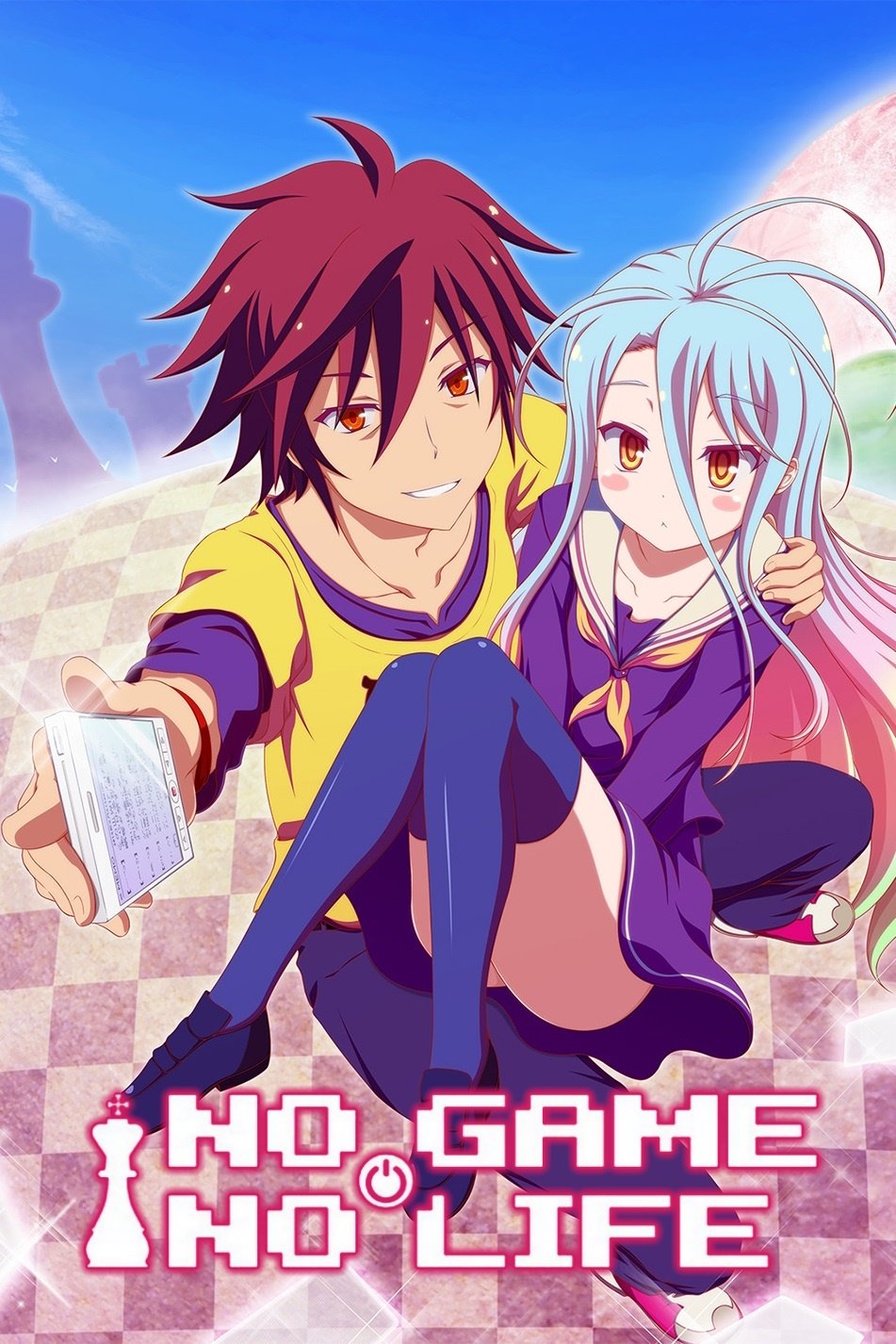
‘No Game No Life’ moves siblings into a world where every conflict runs on formal games and written wagers. That premise parallels shows where genius players challenge a rule bound realm, including series that used chess like duels and contract based gambles to settle politics. The way each match rewrites local law follows that earlier logic.
Episode flow mirrors the old pattern. Rules are learned, a loophole is identified, and then a flashback reveals the winning trick that was planted early. Side nations recruit the duo, new species enter the bracket, and tournament ladders lead to a throne. It is a clear reuse of the strategic game world blueprint.
‘Soul Eater’ (2008–2009)
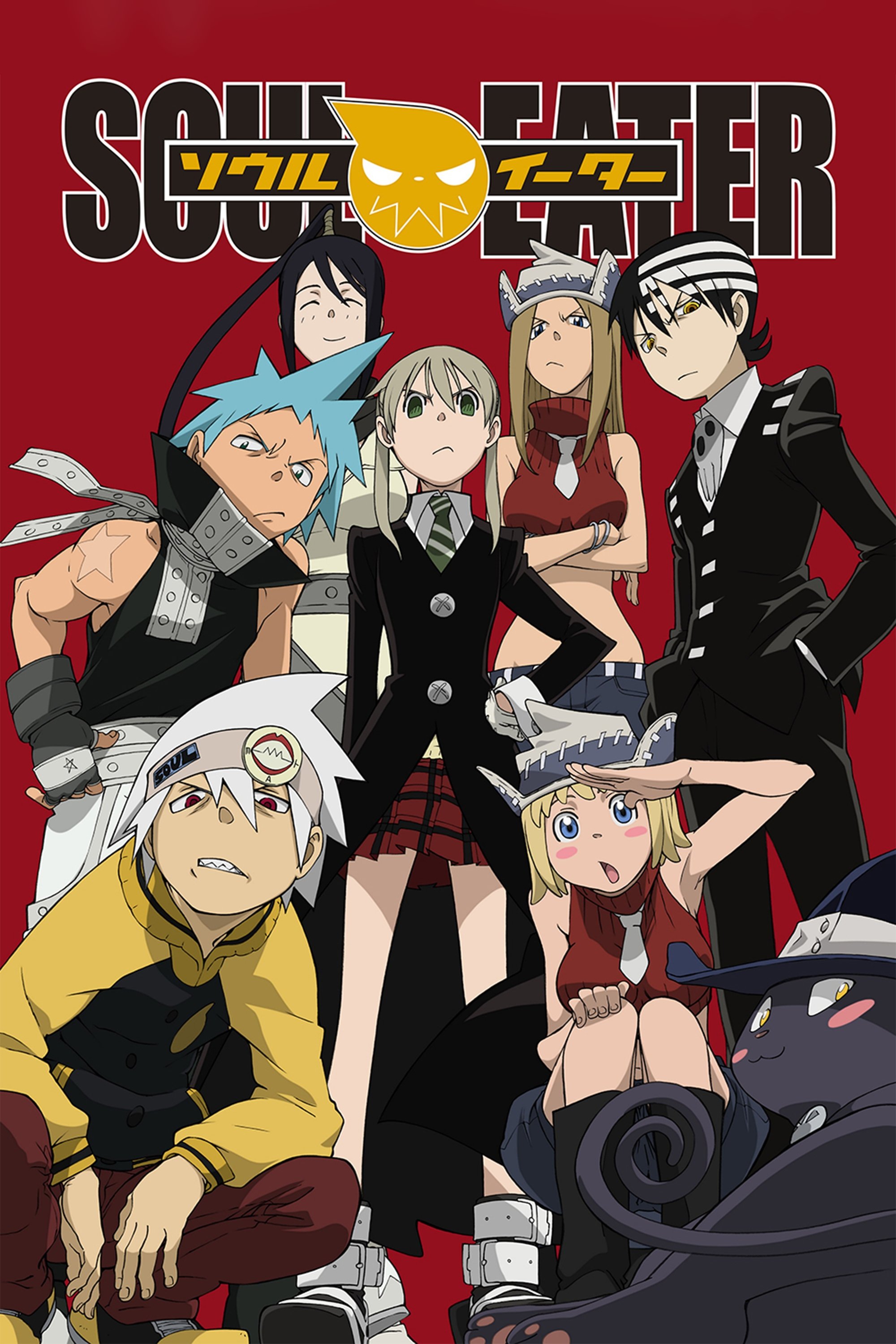
‘Soul Eater’ builds a school where students partner with living weapons and collect enemy souls to rank up. That fusion of academy life and monster hunting echoes systems seen in shows that mix exorcism duty with class schedules and rank exams. Mission boards and three person teams make the overlap sharper.
It also borrows the rhythm of festival arcs and graduation benchmarks. Power ups arrive through resonance techniques, teachers carry secret histories, and a central villain plays mind games that spill into class life. The campus as battlefield idea is a familiar engine that earlier action comedies already refined.
‘Radiant’ (2018–2020)
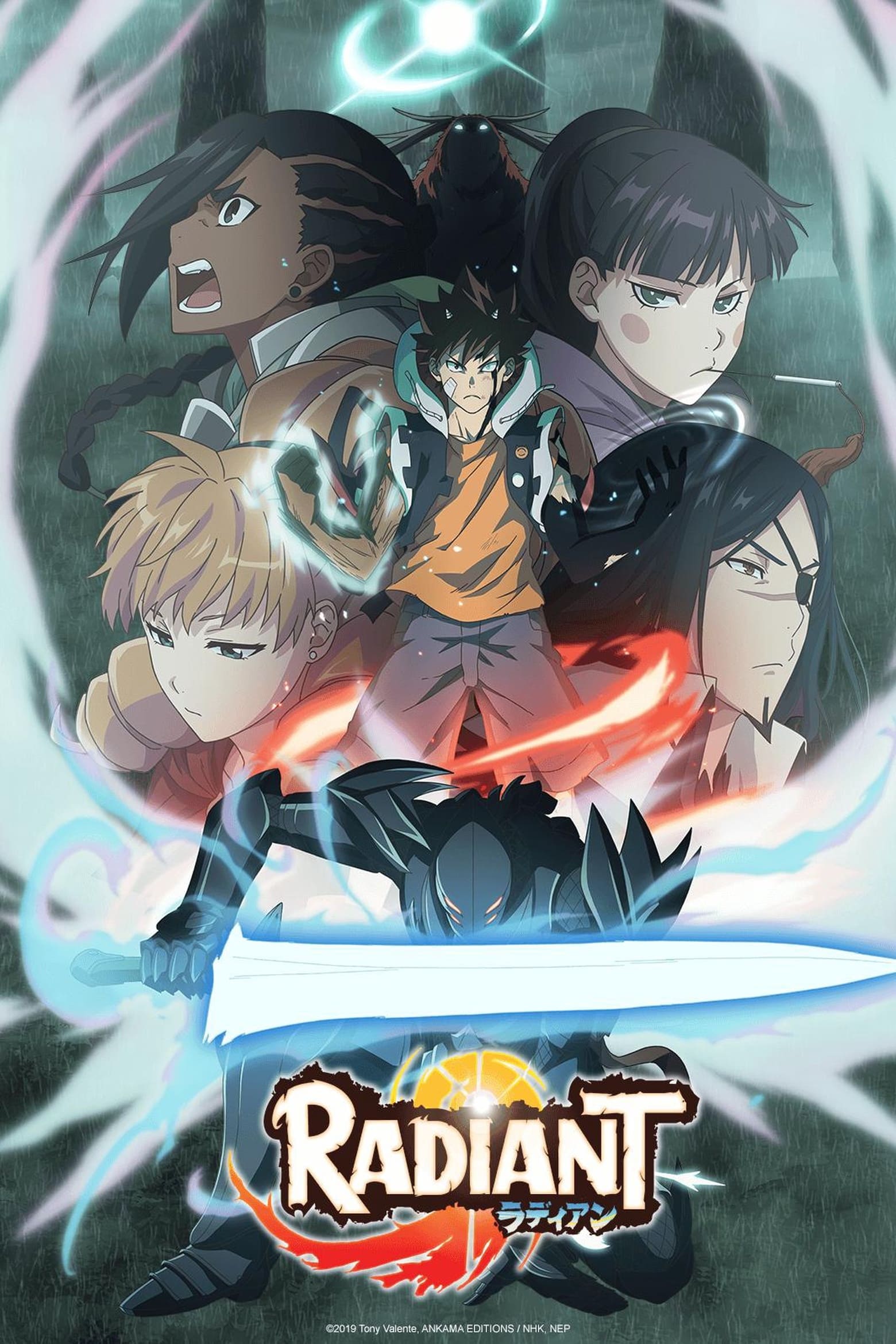
‘Radiant’ follows a boy chasing the source of monsters while learning magic that society fears. The arc of joining a group, sailing between towns, and taking guild style requests feels close to ‘Black Clover’ and ‘Fairy Tail’. Even the distinctions between sanctioned sorcerers and inquisitors mirror older authority versus outlaw setups.
The season layout uses the same travel, tournament, and siege beats that adventure fantasy fans expect. Mentors teach signature spells, rivals pop up across ports, and a shadowy organization pursues the hero for reasons tied to a rare condition. The similarities stack into a familiar loop of training and town saving.
‘Kill la Kill’ (2013–2014)
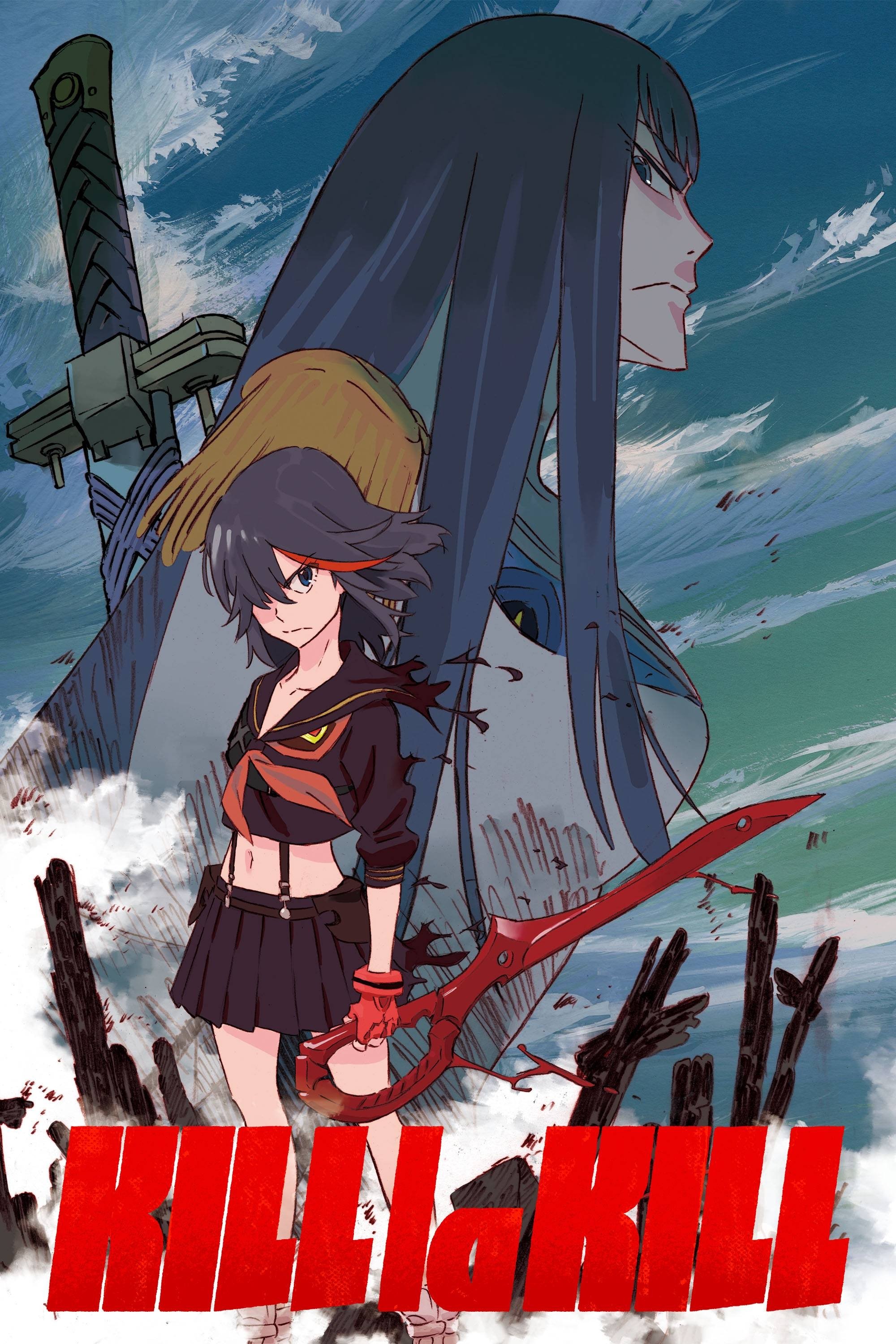
‘Kill la Kill’ returns to the battle academy ladder that ‘Revolutionary Girl Utena’ and other school fighters climbed years earlier. A transfer student challenges a tyrannical council, wins uniform upgrades through duels, and triggers a revolt that flips the pecking order. Club leaders with theme outfits match the old ritual of boss rooms on campus.
It also mirrors the reveal pattern where family ties reframe the conflict. Artifact clothing stands in for magical crests, and tournament weeks compress many fights into one block to spike momentum. The fuel is the same school rules used as combat law, only swapped into a louder aesthetic.
‘My Hero Academia’ (2016–2024)
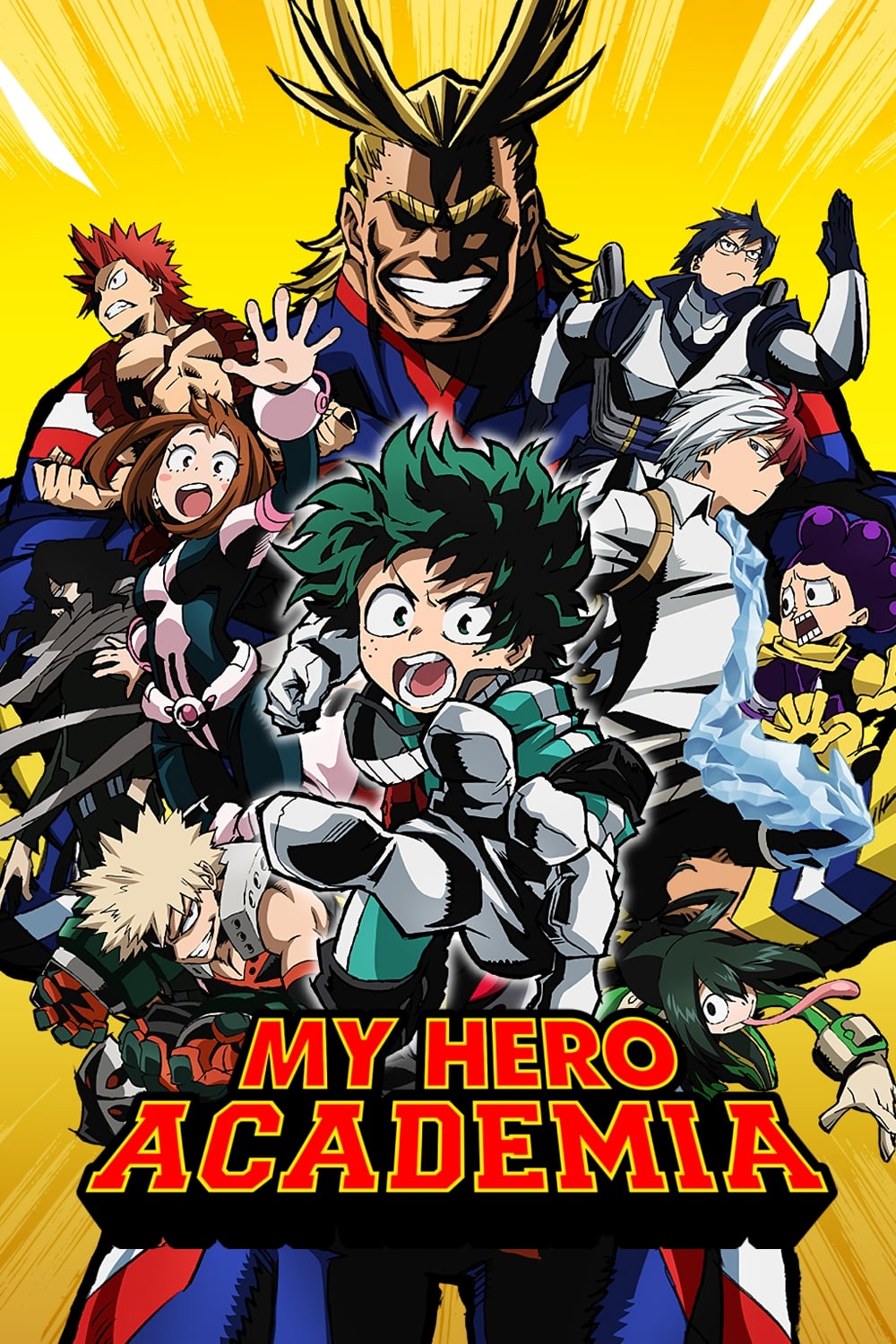
‘My Hero Academia’ pairs a powerless boy with a borrowed ability and places him in a training school that sorts students into hero courses with internships. The homeroom teacher, seat charts, and rescue drills recall the class based frameworks of earlier shounen where a homeroom becomes the main cast hub. Even the sports festival restages a standard mid story showcase.
Villain leagues, internship arcs with pro mentors, and provisional license exams echo common checkpoints in youth hero stories. Rivalries that hinge on opposite temperaments and inherited power secrets add another layer of déjà vu for viewers who know earlier academy action blueprints.
‘Btooom!’ (2012)
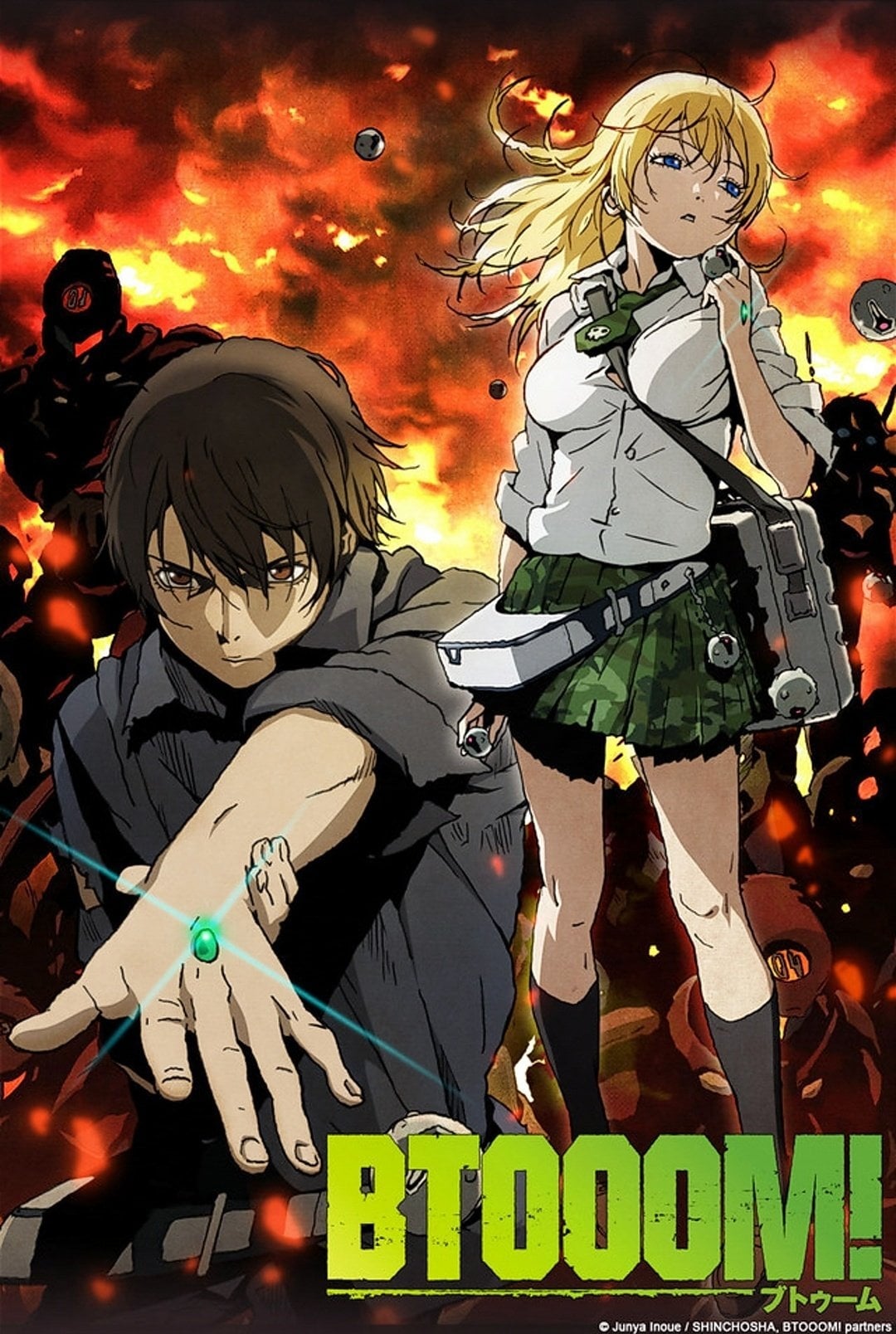
‘Btooom!’ traps players in a deadly island game based on a bomb focused video title and gives everyone a limited inventory of weapon types. The rules, kill counters, and alliance betrayals align with survival contests that older series laid out, where participants wear trackers and the game master watches from a control room.
The season stages familiar phases. There is an opening panic, a mid game team up, and a late push toward an extraction point that tests whether the lead will play by the rules. Supply drops and map control fights repeat well known survival game mechanics that other anime had already charted.
‘KonoSuba’ (2016–2017)
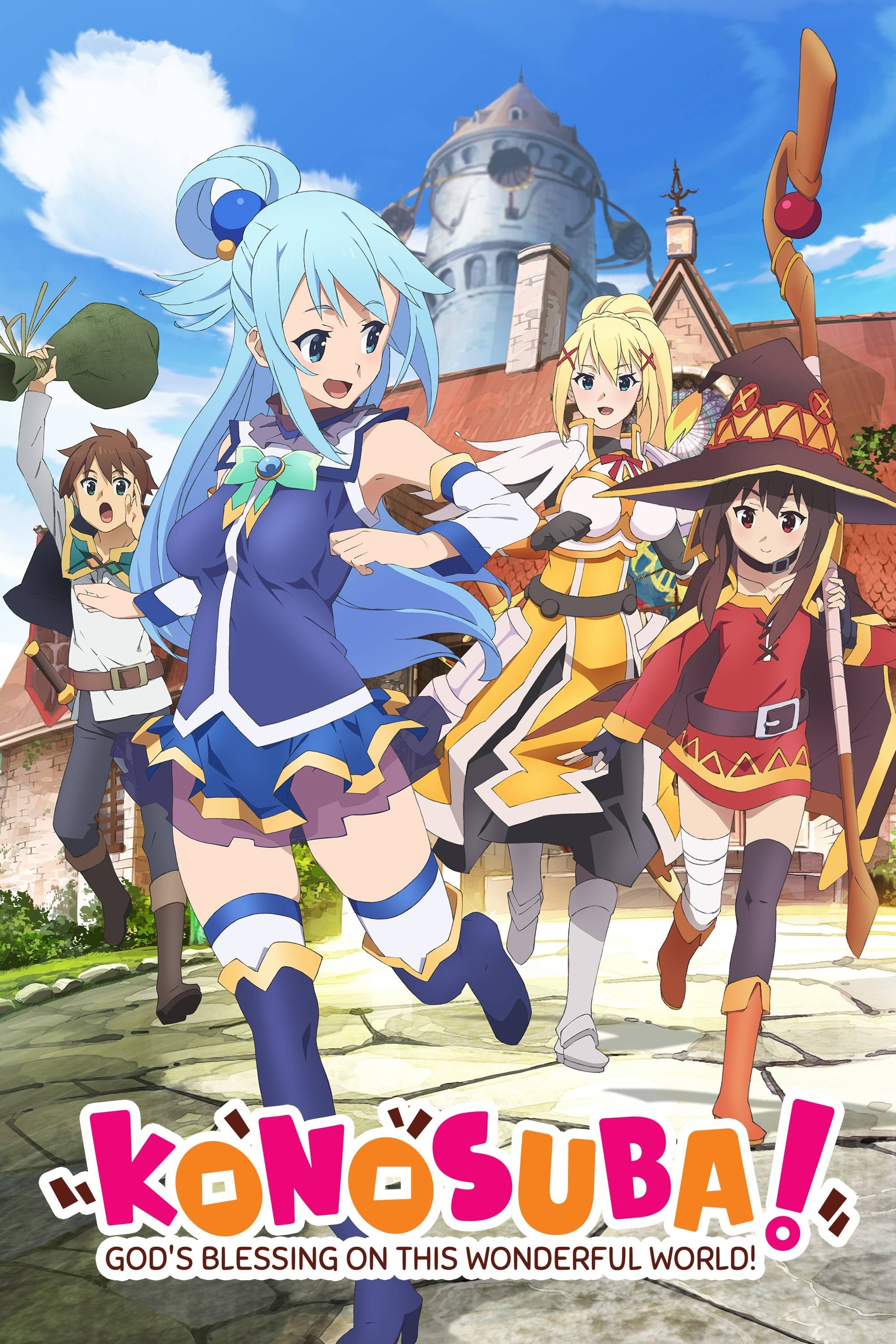
‘KonoSuba’ begins with a death, a meeting with a goddess, and a one way ticket to a fantasy world with RPG stats. That doorway is the standard isekai opener used by many shows after earlier trailblazers introduced the quest loop of town jobs and dungeon crawls. Party formation follows the expected roles of warrior, mage, and support.
It mirrors quest board pacing as well. Early episodes tackle low level tasks, skill unlocks happen during comedic mishaps, and bigger threats arrive in waves tied to a demon army. While it leans into comedy, the backbone is the same isekai progression map that many series share.