

Top 20 Anime That Need A Reboot




Some anime landed with strong ideas but ran into detours like unfinished manga, limited budgets, or storylines that changed midstream. A thoughtful reboot can follow the source faithfully, finish skipped arcs, or update early 2000s production to modern standards. The shows below have clear paths for improvement through complete adaptations or technical refreshes. Each entry explains what went wrong and what a new version could fix to help viewers get the full story.
‘Berserk’ (1997–1998)

The series adapts the Golden Age arc and stops before key events that define the rest of the saga. Important characters like Skull Knight and major arcs such as Conviction and Falcon of the Millennium Empire are not covered. Later projects continued the story with a different format and uneven results. A full reboot could adapt the manga in order and maintain a consistent visual approach.
‘Claymore’ (2007)
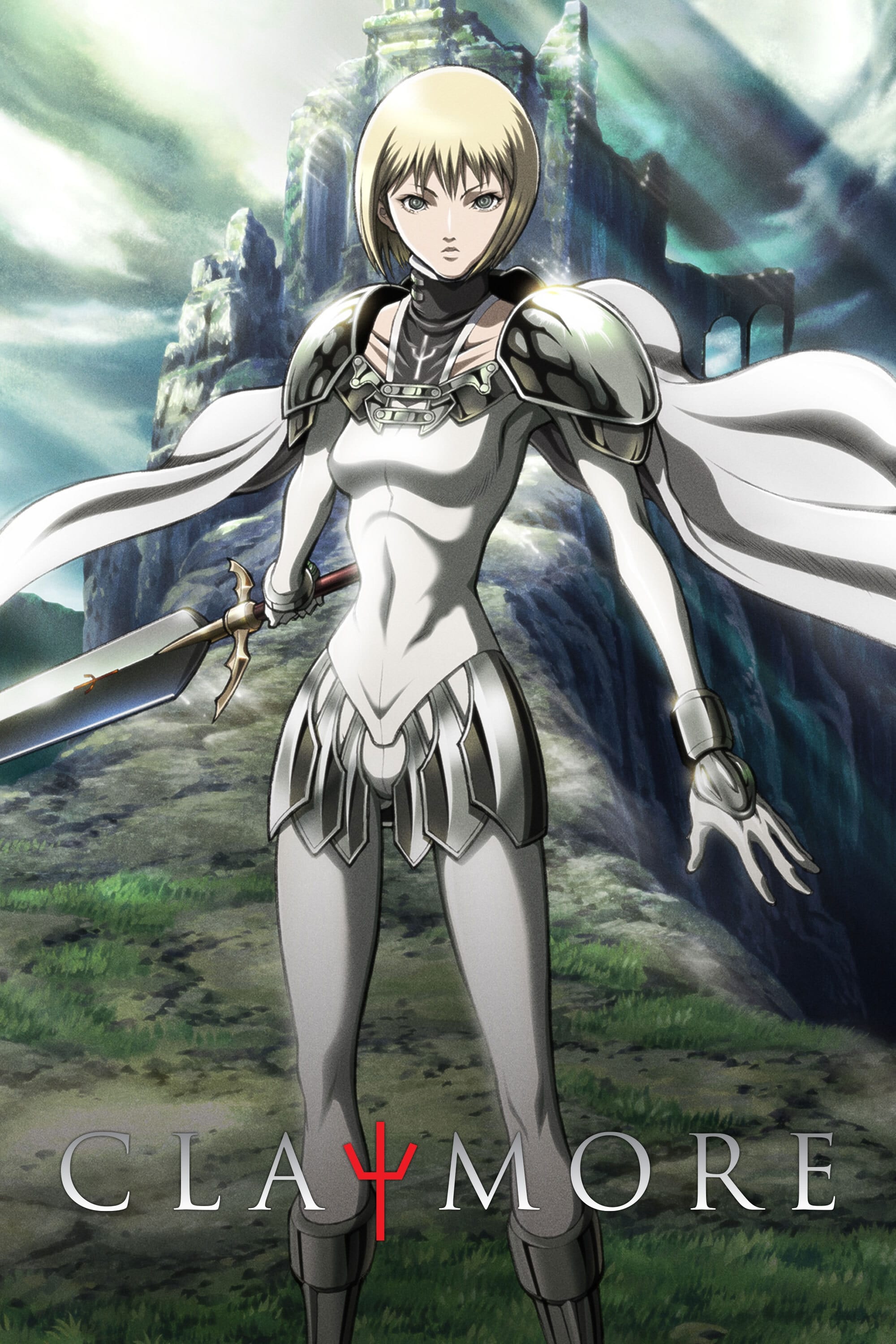
The anime follows the manga closely until the final stretch where it creates an original ending. Many later arcs including the Organization’s secrets and the northern campaigns remain unadapted. Character relationships and power progressions are compressed near the end. A reboot could align to the manga and complete the entire narrative.
‘Soul Eater’ (2008–2009)
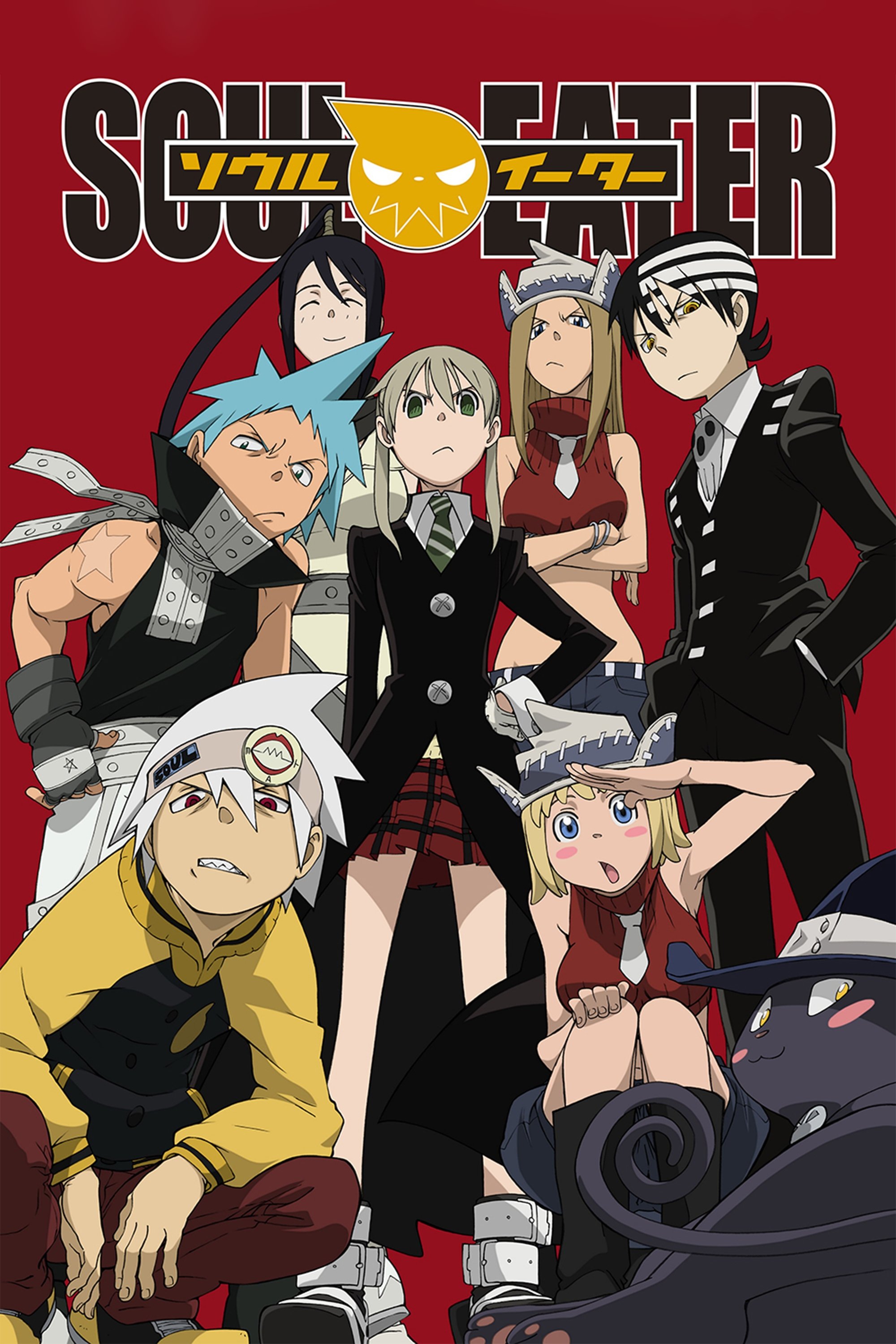
The production diverges from the manga in the final third and changes the conclusion. Several antagonists and character developments from later volumes are missing. Power scaling and lore about kishin and witch lineages are abbreviated. A new adaptation could track the manga’s sequence and include the full endgame.
‘Tokyo Ghoul’ (2014–2018)
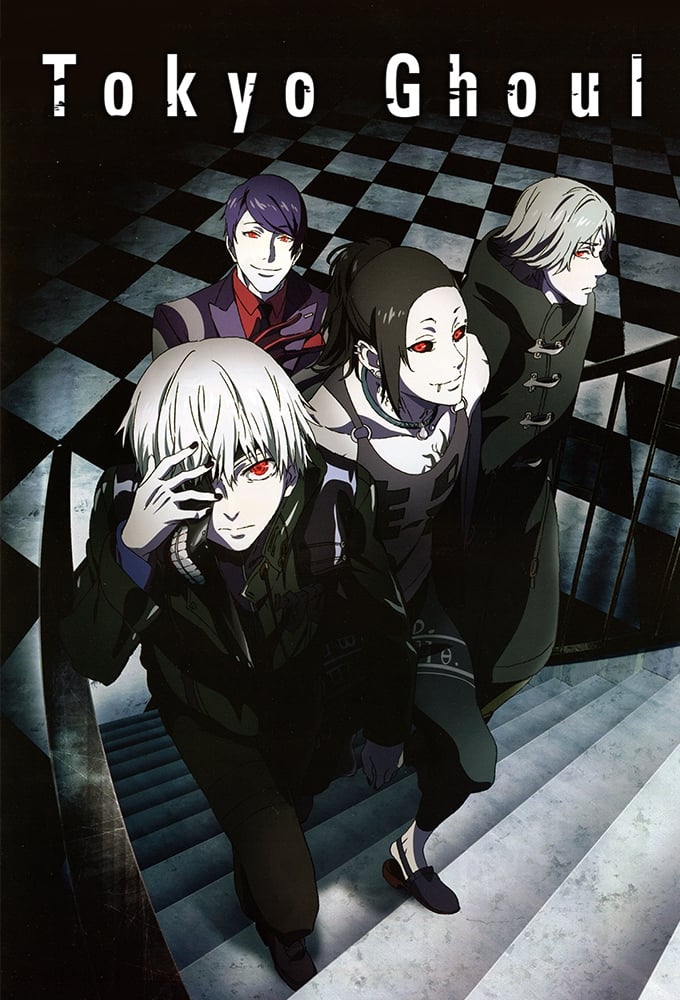
The first season covers early material while the second invents a storyline that conflicts with later canon. The adaptation of the sequel manga compresses entire arcs and removes key motivations. Character growth for Kaneki and the CCG is condensed into short passages. A reboot could follow the original and sequel manga precisely and preserve the intended pacing.
‘The Promised Neverland’ (2019–2021)
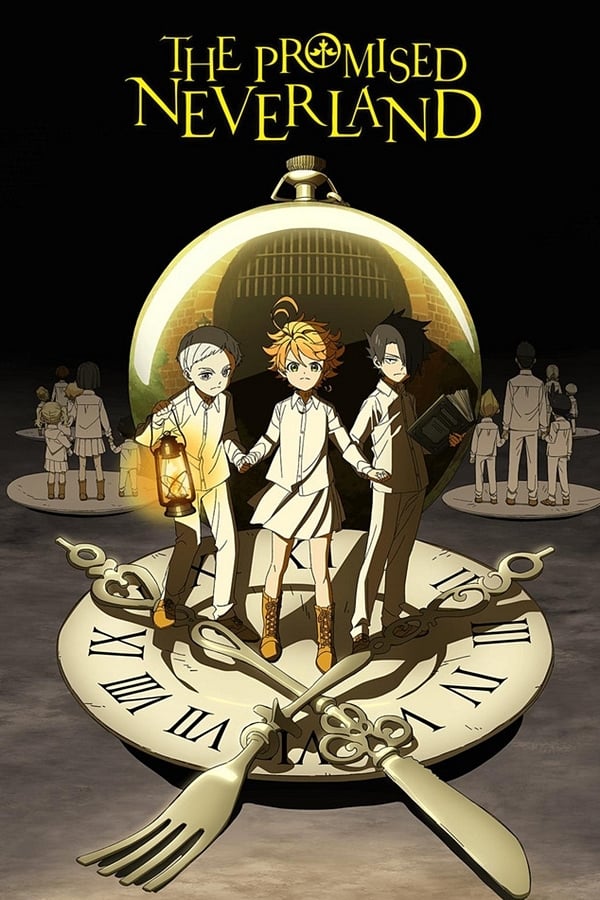
Season one adapts the escape arc faithfully while season two skips multiple arcs and condenses others into brief segments. Major characters from the manga do not appear or receive only minimal screen time. Worldbuilding about the demon hierarchy and human resistance is reduced. A fresh version could reinsert the missing arcs and restore the full journey.
‘D.Gray-man’ (2006–2008)
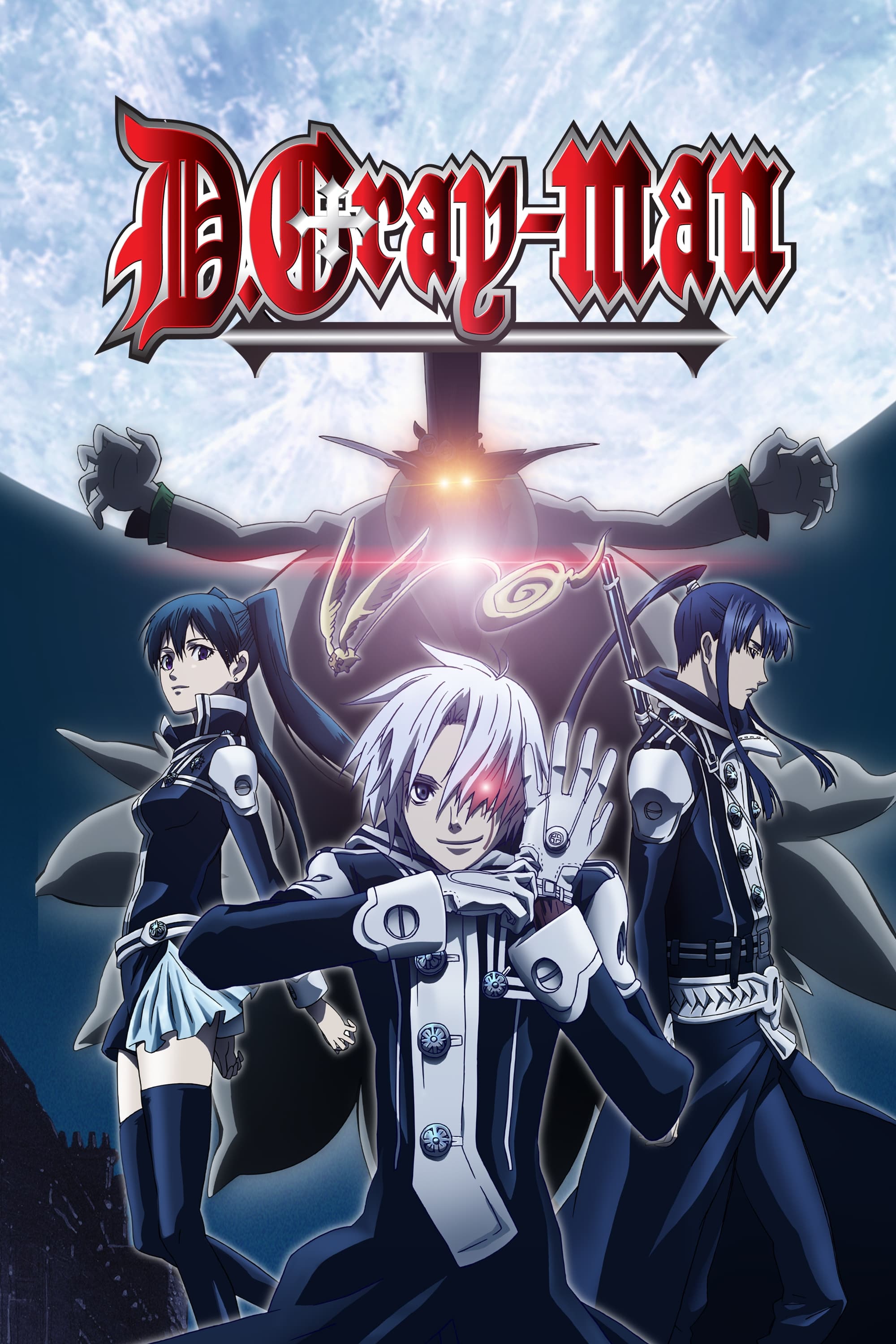
The series paused before adapting critical arcs about the Heart of Innocence and the Noah clan. The follow up season continues the story years later with a different production setup and limited episode count. Large sections of the manga after the Alma arc remain unanimated. A continuity reset could present the entire plot in a consistent style.
‘Gantz’ (2004)
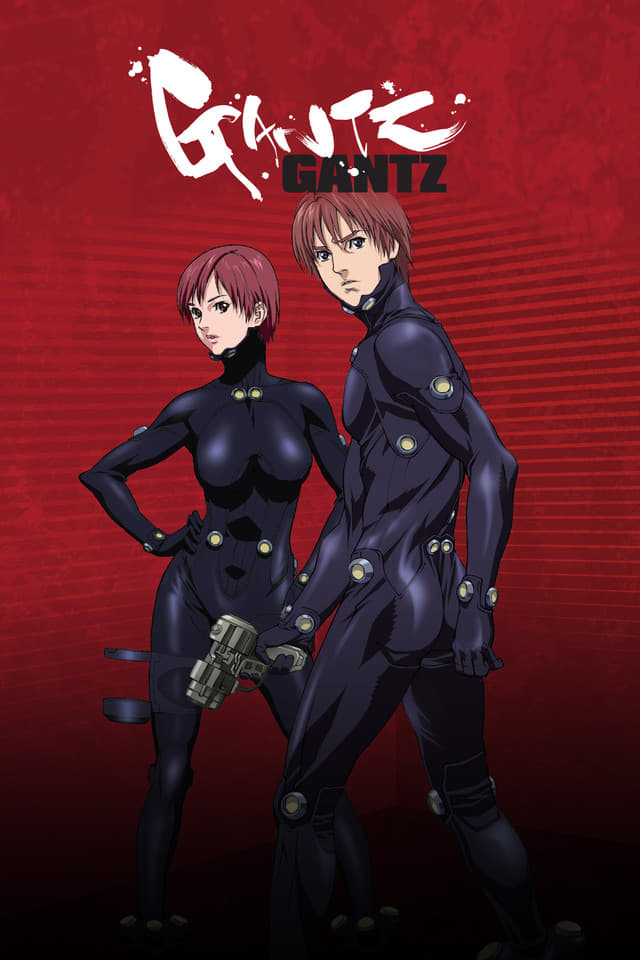
The anime follows the manga early on then shifts to an original conclusion that leaves later missions untouched. The source continues with international arcs and expanded rules for the game. Character fates and technology are different from the print version. A reboot could adapt the full sequence of missions and keep the original ruleset.
‘Katekyo Hitman Reborn!’ (2006–2010)
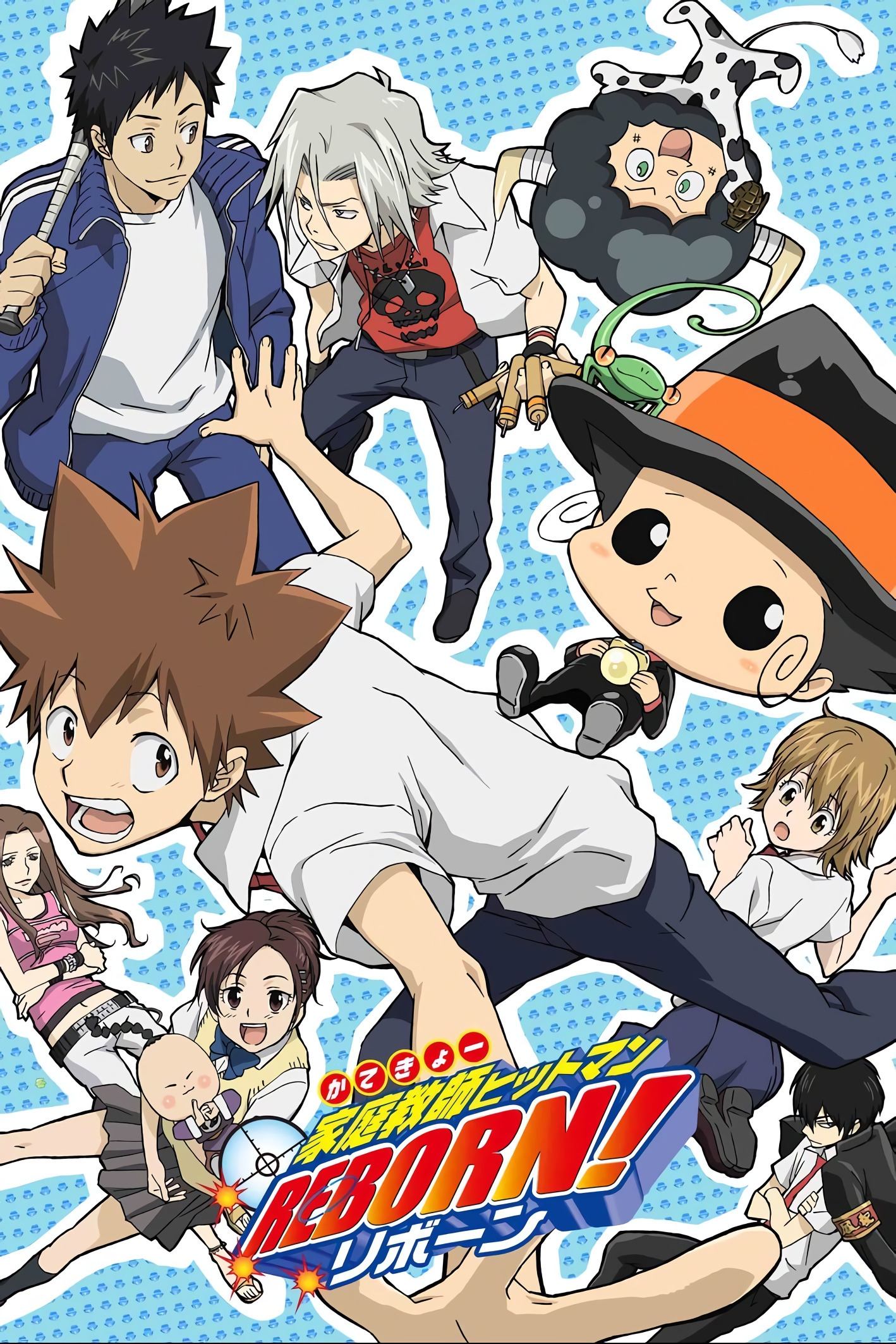
The show adapts early comedic chapters and major story arcs but ends before the final battles. The inheritance conflict and closure for several guardians are not animated. Power systems and rings receive limited late stage exploration. A new run could finish the remaining arcs and update action choreography.
‘Air Gear’ (2006)
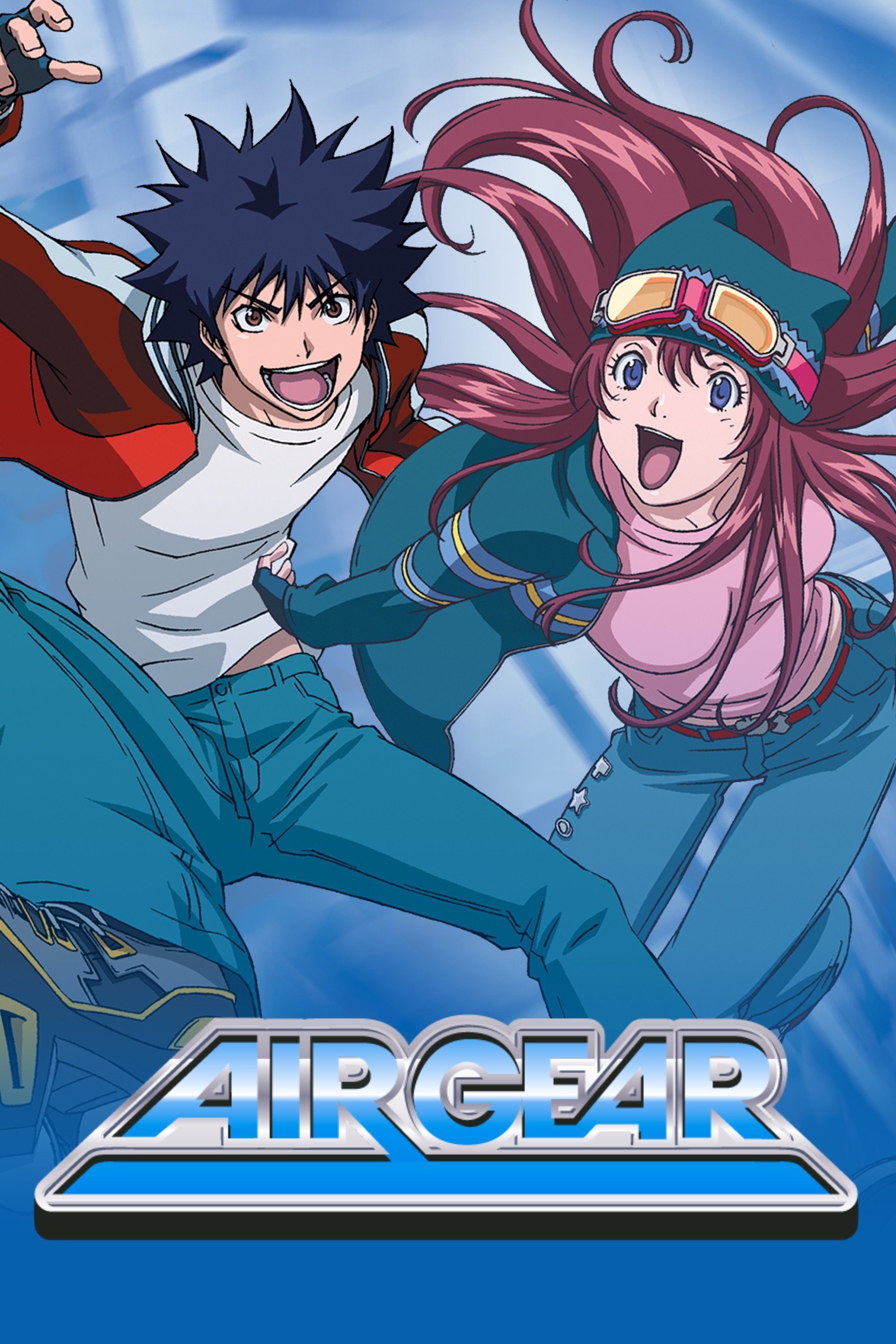
The adaptation stops well before the manga’s later tournaments and revelations. Important teams and character backstories are left out. The science behind the motorized skates and tuning culture is only lightly covered. A reboot could complete the tournament arcs and highlight the technical aspects of the sport.
‘Ouran High School Host Club’ (2006)
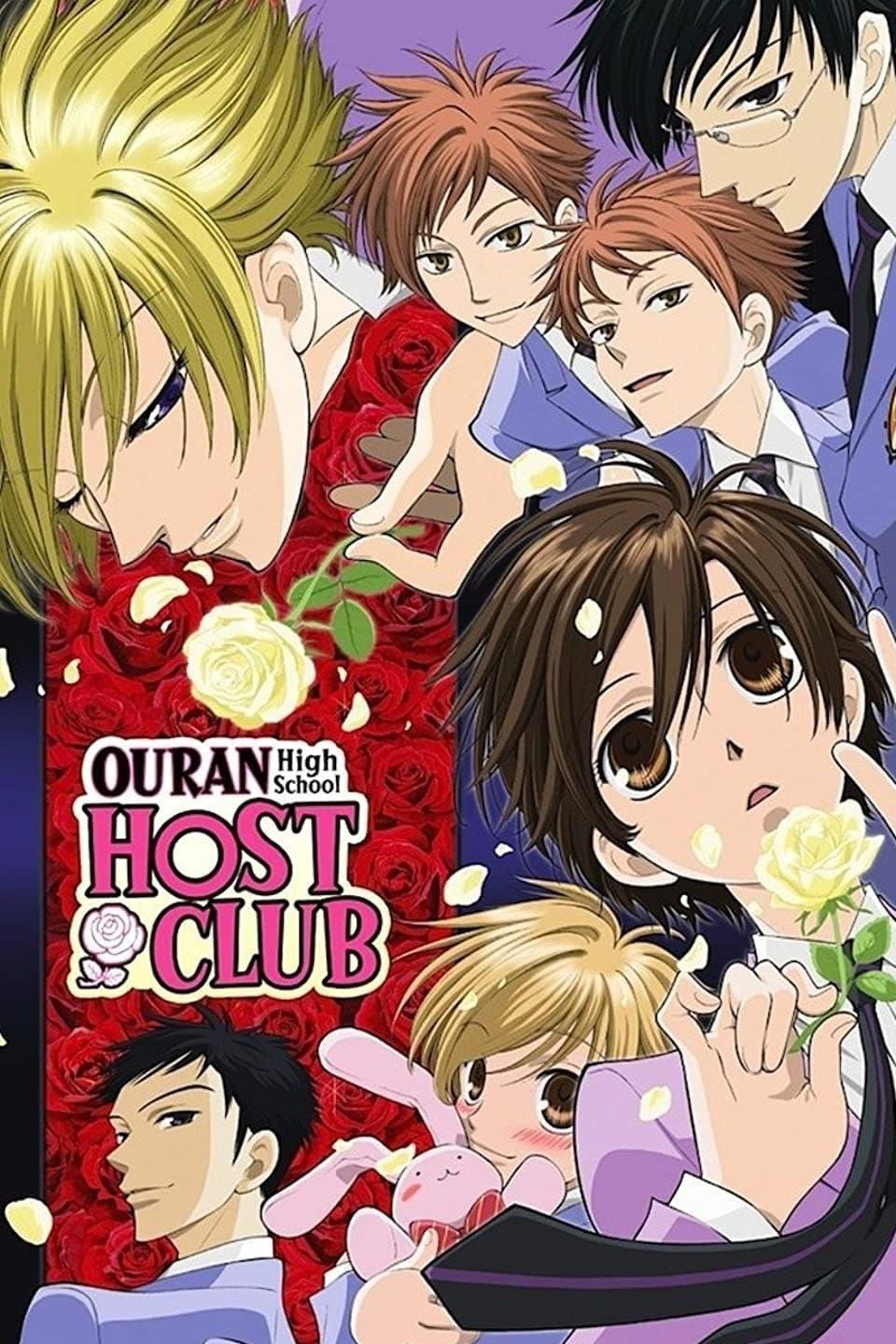
The series wraps with an anime endpoint that predates major manga developments. Later character growth and the true resolution of relationships are not included. School politics and family dynamics that drive the final chapters are missing. A modern version could adapt the full manga through its conclusion.
‘Deadman Wonderland’ (2011)

The anime introduces the prison and its powers then stops before major factions and conspiracies are explained. Several core characters from the manga do not appear. The Tokyo tragedy backstory and the Wretched Egg arc are incomplete on screen. A complete adaptation could cover the full plot and clarify the origin of the abilities.
‘Rave Master’ (2001–2002)
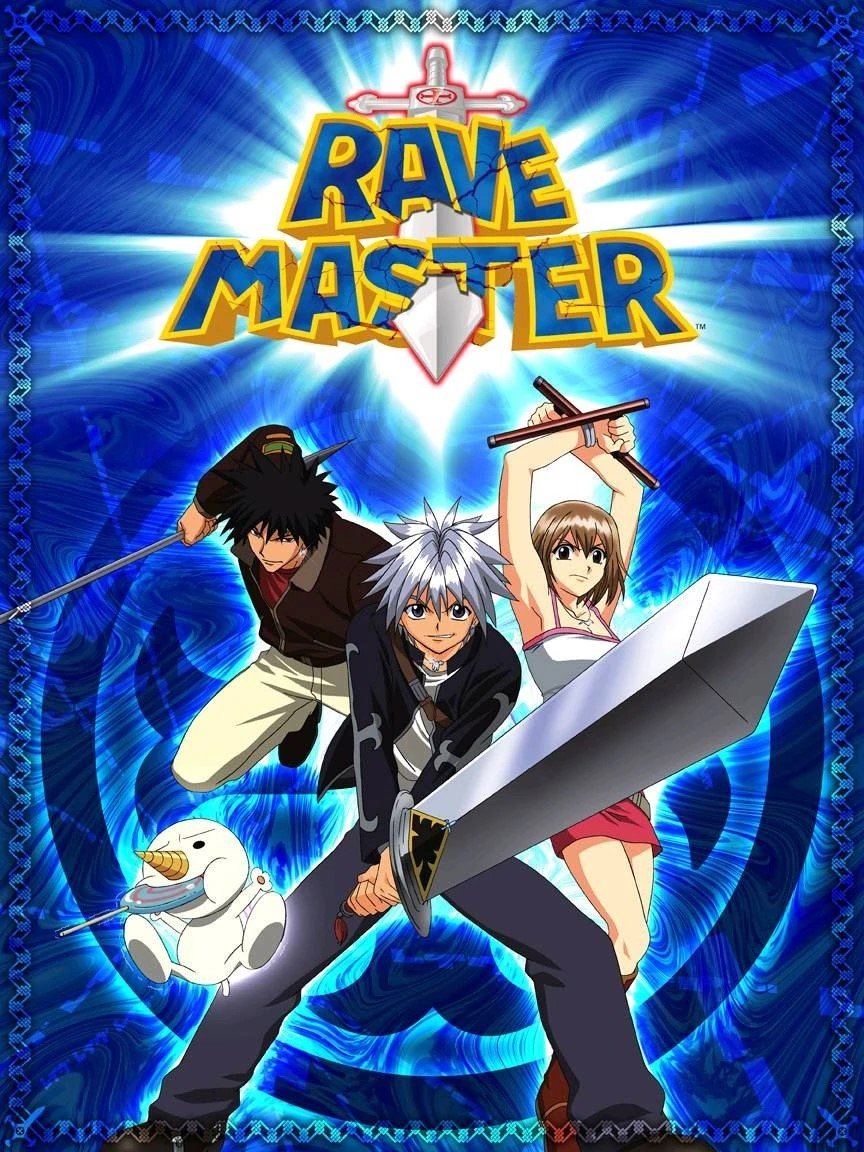
The show ends long before the manga’s midpoint and leaves many Rave stones and enemies unaddressed. The connections to later guild conflicts and key heritage reveals are not shown. Power progressions and weapon forms stop early. A reboot could cover the entire journey and link its mythos more clearly.
‘Zetman’ (2012)
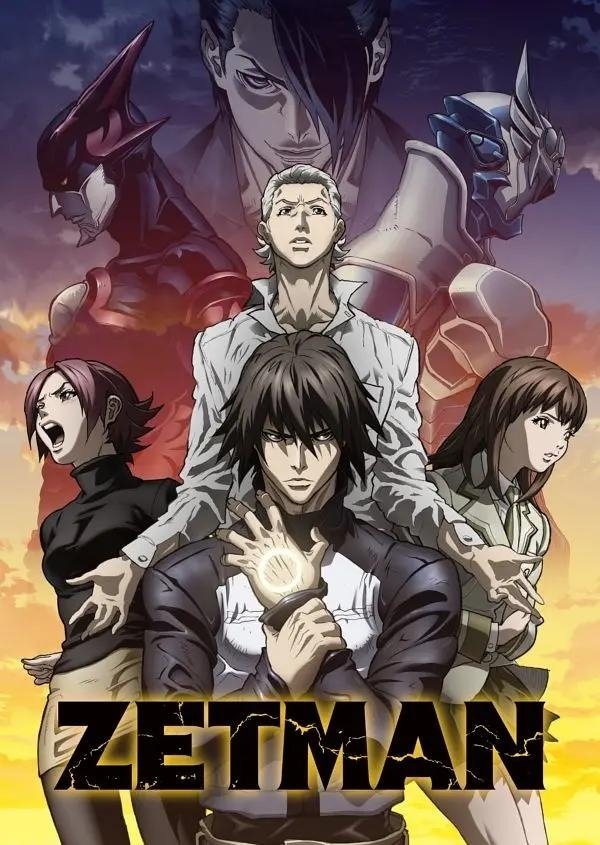
The anime condenses multiple volumes and rearranges events which alters character motivations. Several antagonists and ethical dilemmas around hero creation are shortened. Key relationships receive limited buildup. A faithful retelling could restore the intended chronology and themes.
‘GetBackers’ (2002–2003)
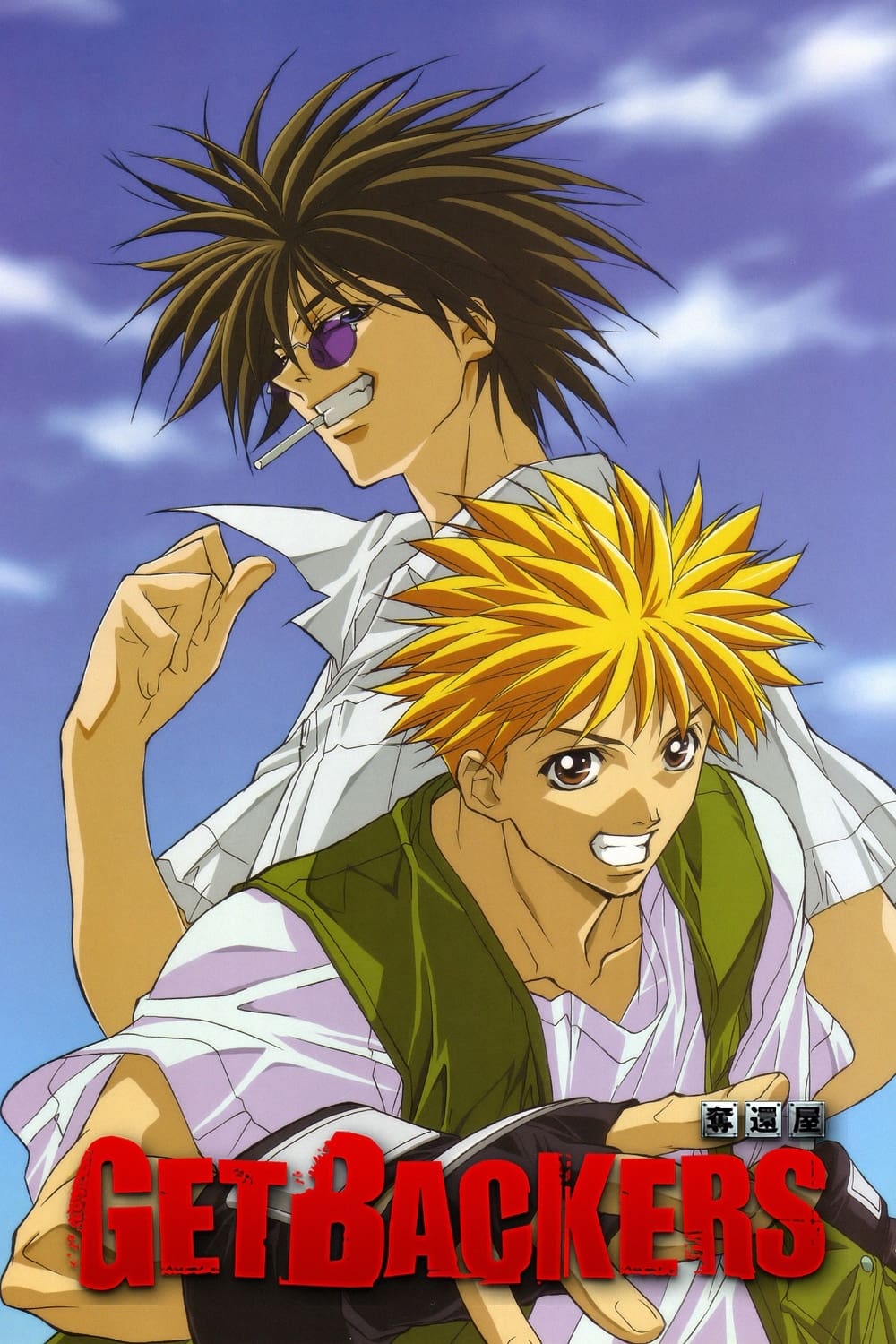
The series adapts early retrieval cases then diverges and concludes without the manga’s endgame. The Babylon City storyline and the full scope of the Limitless Fortress are truncated. Character abilities and histories are only partly revealed. A reboot could present the complete arc structure and final resolution.
‘Noblesse’ (2020)
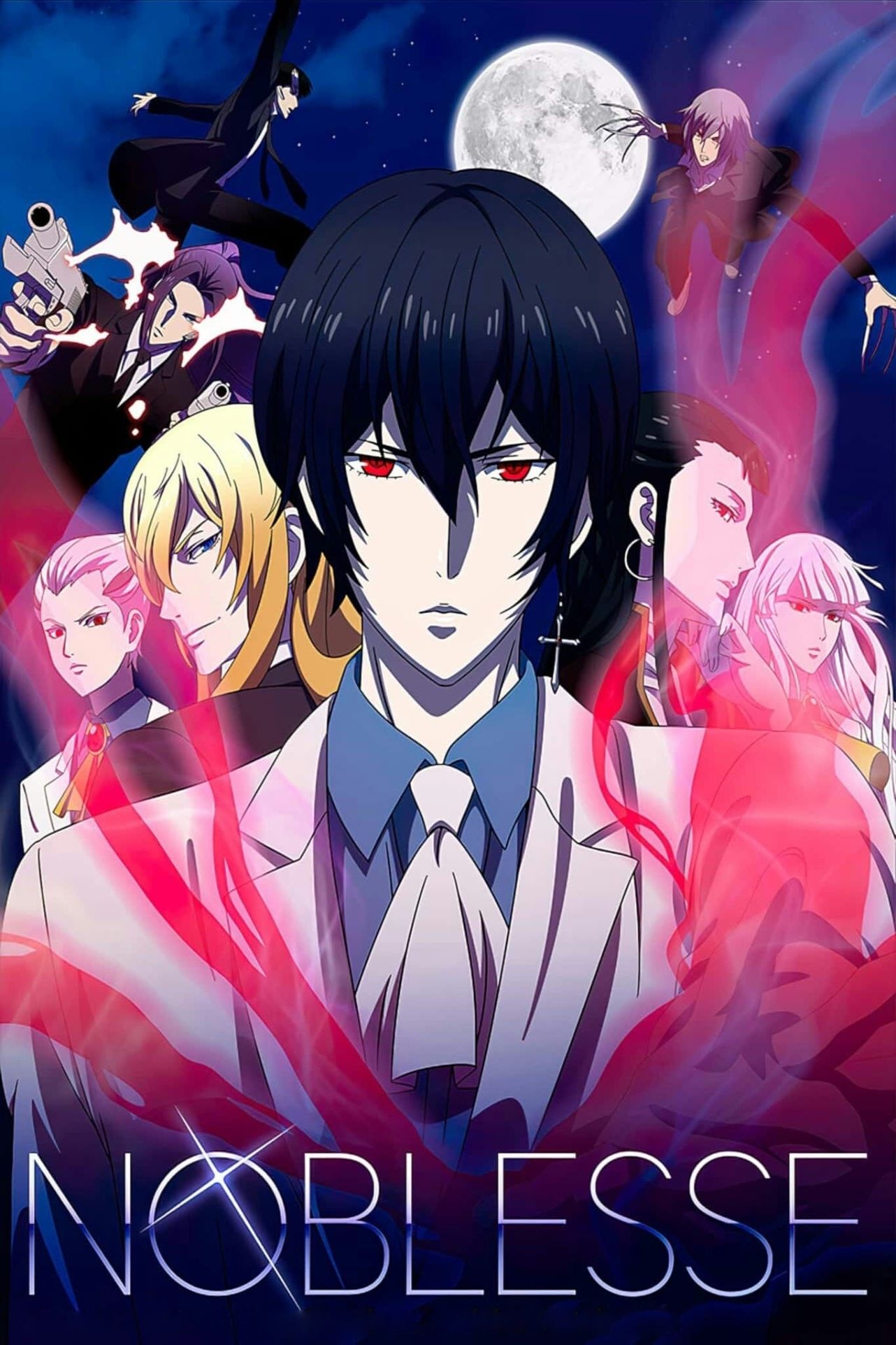
The adaptation begins after material that defines the world and the core group’s origin. Several arcs are summarized which reduces the buildup to the Union confrontations. Power hierarchies and clan politics receive brief explanation. A new series could start from the beginning and adapt every arc in sequence.
‘Elfen Lied’ (2004)
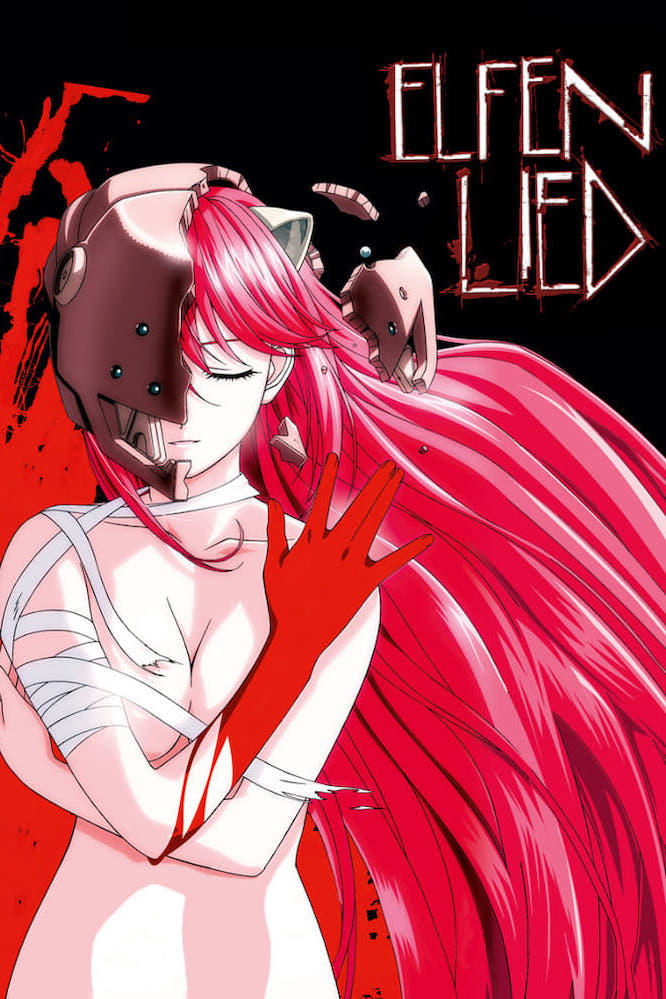
The anime stops before the manga’s ending and changes several plot points. Additional diclonius characters and late conflicts are not depicted. Scientific details about vectors and the broader outbreak are reduced. A reboot could include the missing volumes and provide the canon conclusion.
‘Ranma ½’ (1989–1992)
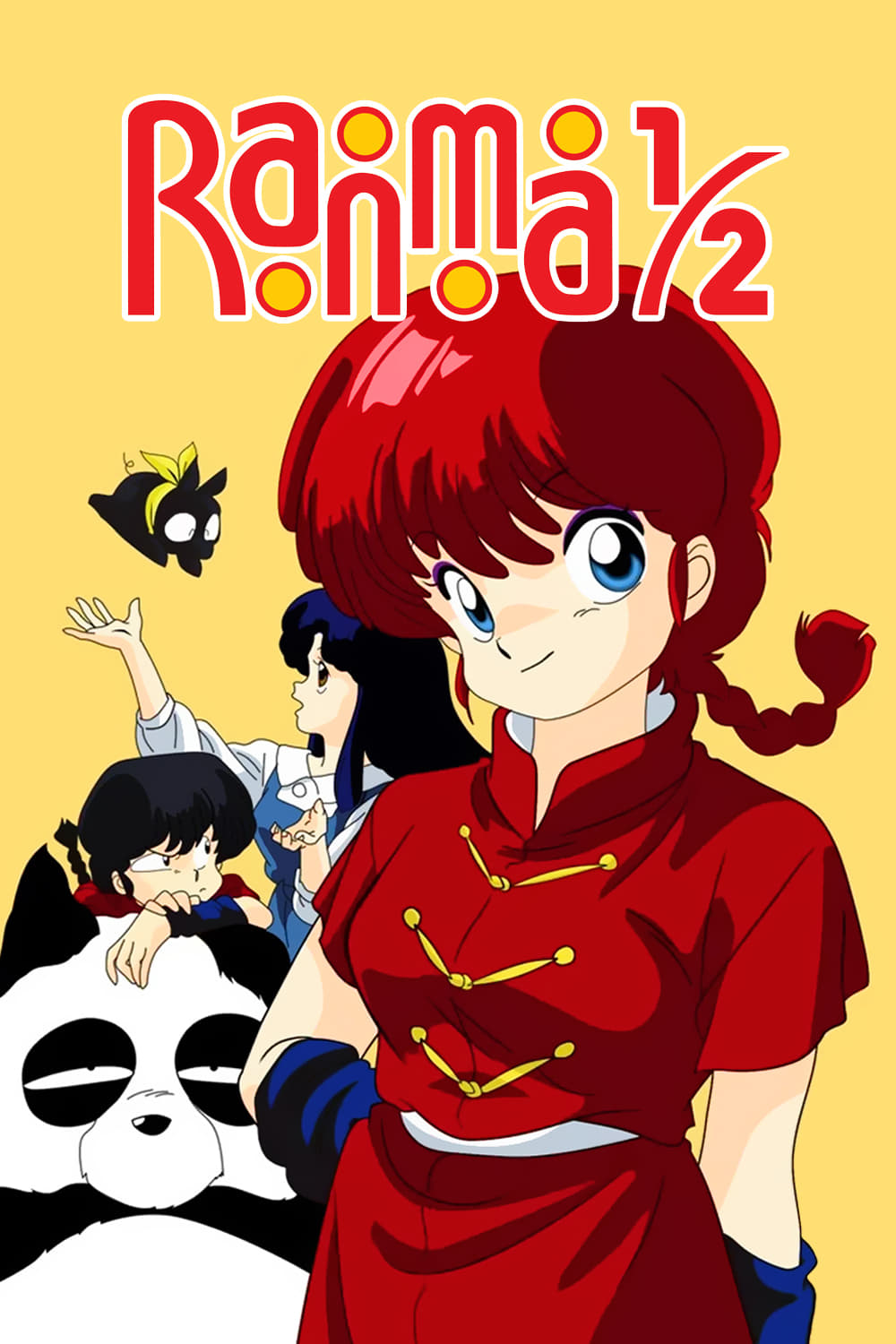
The show adapts many comedic and martial arts stories but never reaches a final resolution. Several late manga rivals and training arcs are absent. The curse mechanics are explored but not taken through to an endpoint. A modern adaptation could cover all volumes and deliver a definitive finish.
‘Bokurano’ (2007)
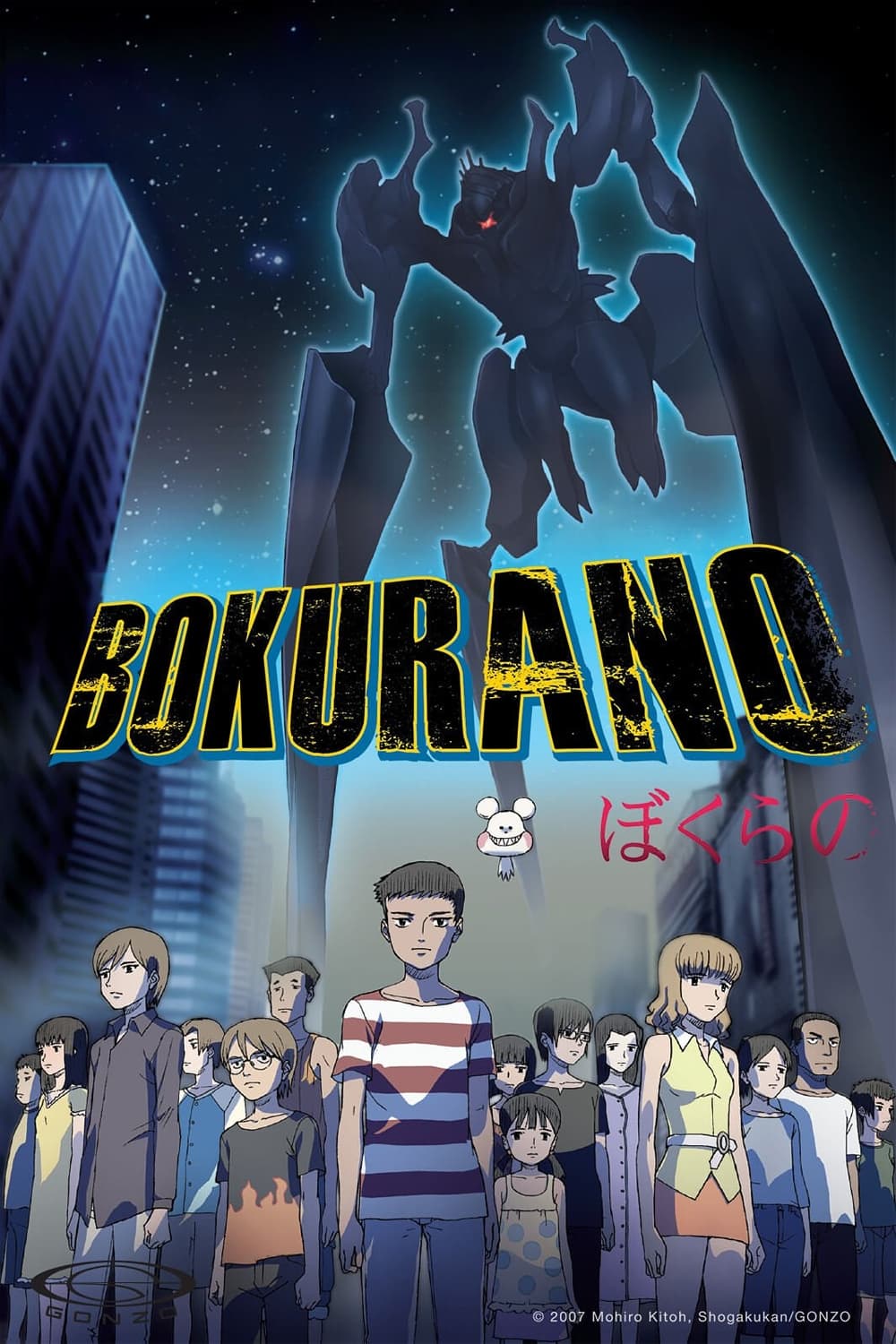
The anime alters character fates and adjusts the tone compared to the manga. Later revelations about the selection system and parallel worlds are modified or skipped. Several pilots receive less background than in print. A faithful reboot could restore the original structure and themes.
‘Lunar Legend Tsukihime’ (2003)

The series changes routes and compresses key story branches from the visual novel. Important characters and lore about bloodlines and the Dead Apostles are simplified. Later content that clarifies the main heroine routes is missing. A new version could adapt each route properly and reflect the complete setting.
‘Tsubasa Reservoir Chronicle’ (2005–2006)
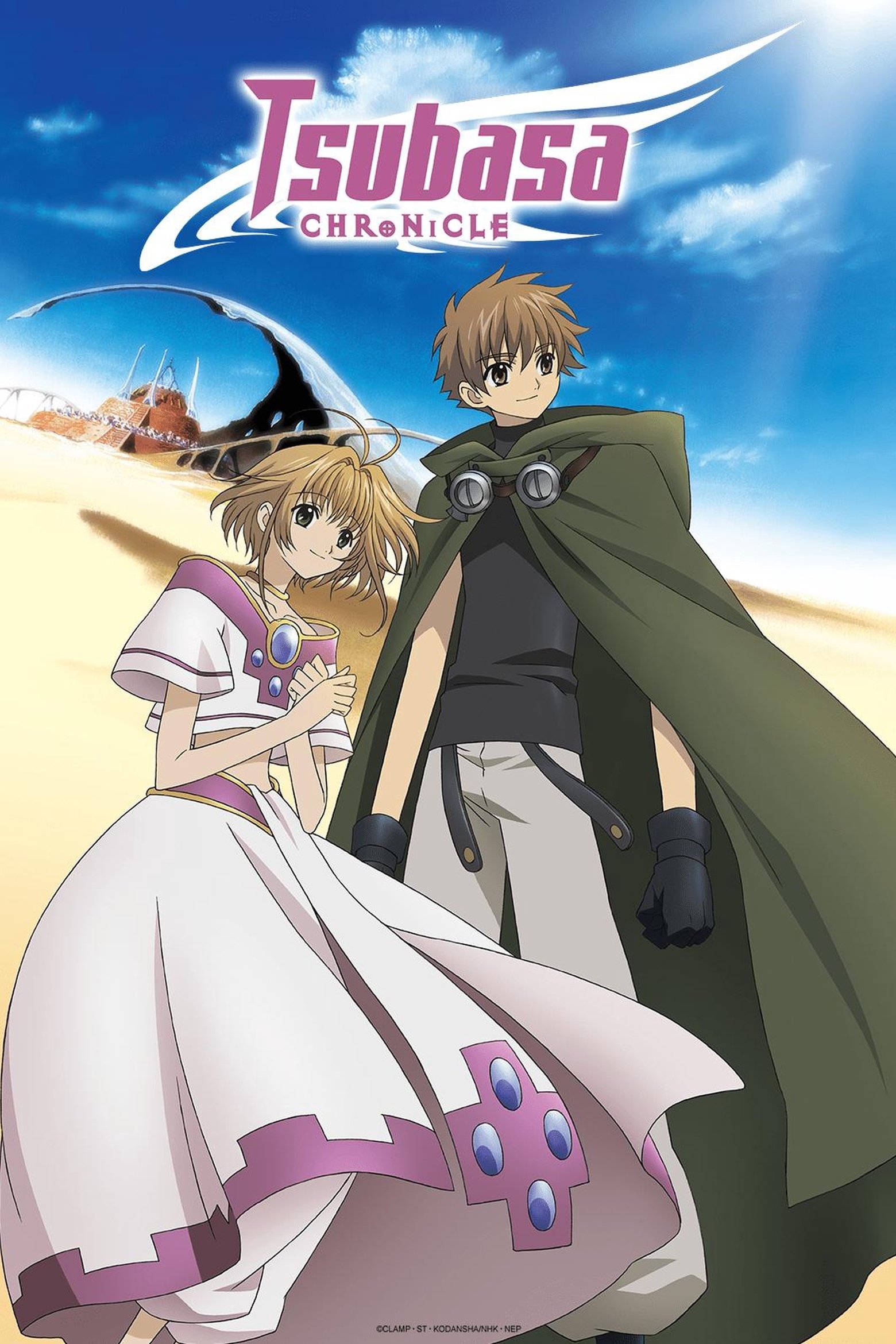
The anime covers early travel arcs but stops before the multiverse plot fully unfolds. Crossovers with related works and the true identities of several characters are left unresolved. The manga’s later twists and final confrontation are not animated. A reboot could adapt the entire storyline and maintain continuity across dimensions.
Share your picks in the comments and tell us which anime you think should get the next fresh start.