

Top 20 Anime That Went Out With A Bang

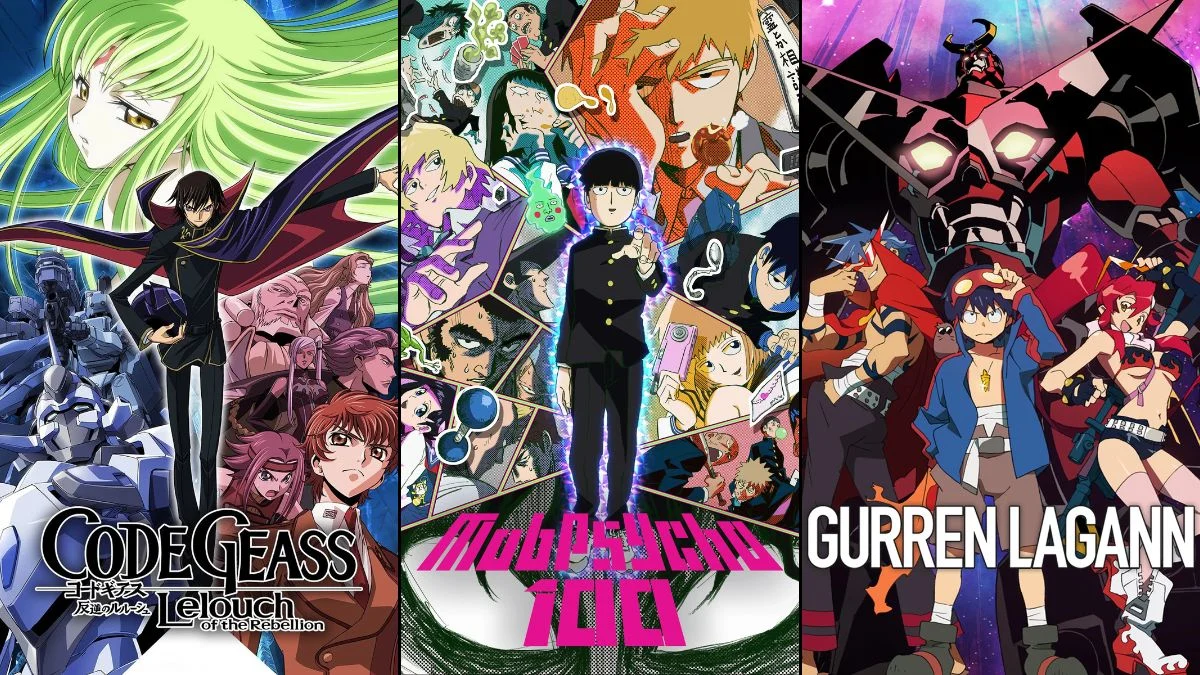


Some anime wrap up their stories with finales that resolve key arcs, deliver big emotional payoffs, and leave almost nothing hanging. These endings stick because they answer the central questions, bring characters to their natural destinations, and often add one last visual or musical flourish. From conclusive last episodes to theatrical wrap ups that close entire franchises, each pick below ended decisively and on its own terms. Here are twenty anime that finished strong and sent their stories off in memorable fashion.
‘Fullmetal Alchemist: Brotherhood’ (2009–2010)
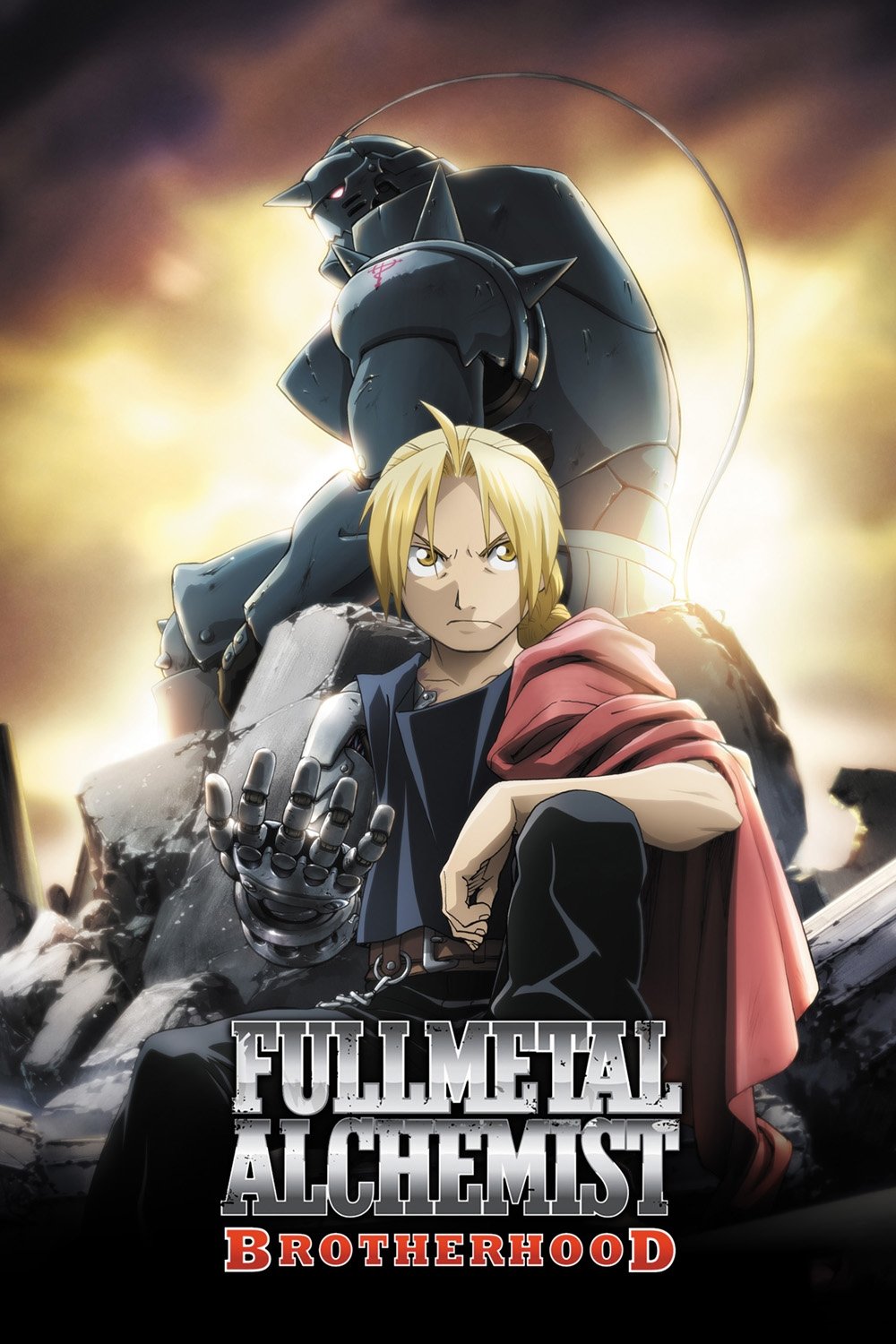
The final battle resolves the pursuit of the Philosopher’s Stone and closes the Elric brothers’ journey with clear consequences. The show ties every homunculus thread back to the central conflict in Amestris. Characters like Mustang and Scar reach definitive turning points that align with their goals. The epilogue confirms where major characters end up and how the world changes afterward.
‘Attack on Titan’ (2013–2023)
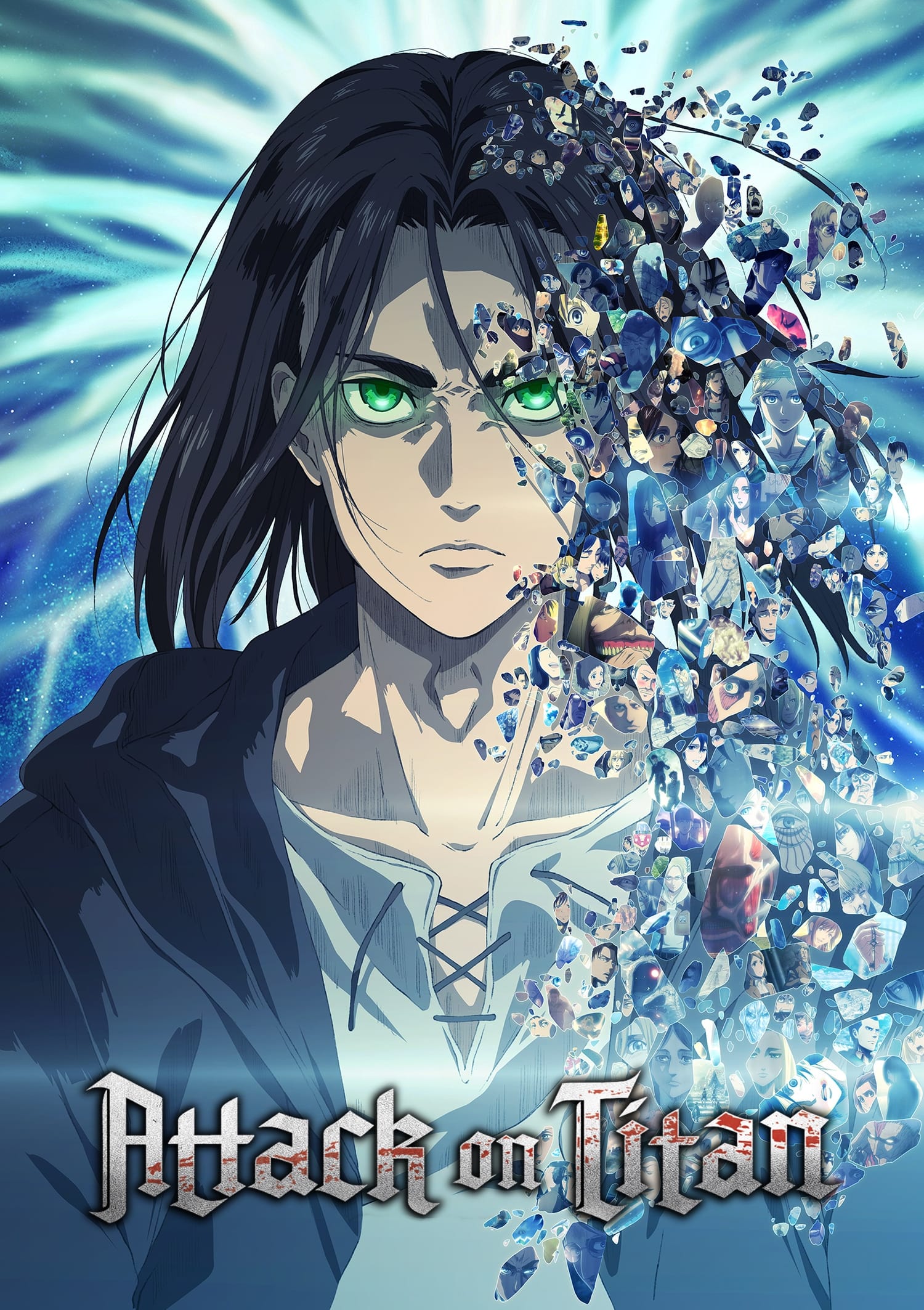
The conclusion addresses the origin of the Titans and the history behind the walls. Eren’s plan is fully revealed and judged by those closest to him. The final stretch documents the fate of Paradis and Marley and shows how the surviving cast processes the cost. A closing epilogue outlines the long term outcome for the island and its people.
‘Code Geass: Lelouch of the Rebellion’ (2006–2008)
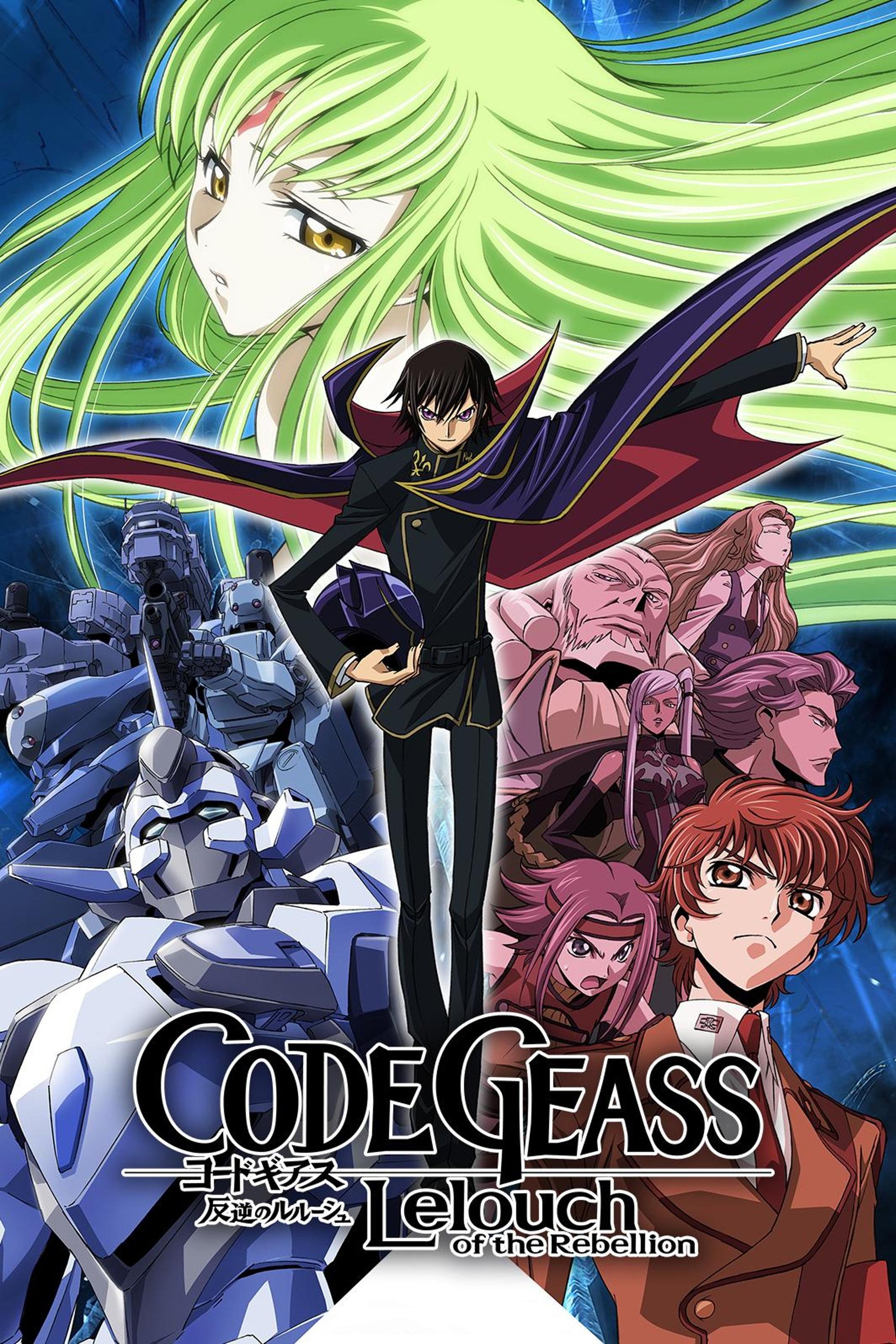
The ending pays off Lelouch’s Zero Requiem plan and settles the Britannian conflict. Suzaku’s role is defined with exact clarity and the new political order is shown on screen. The story accounts for the Black Knights and the fate of key royals. The final scene confirms how peace is created and who carries its burden.
‘Death Note’ (2006–2007)
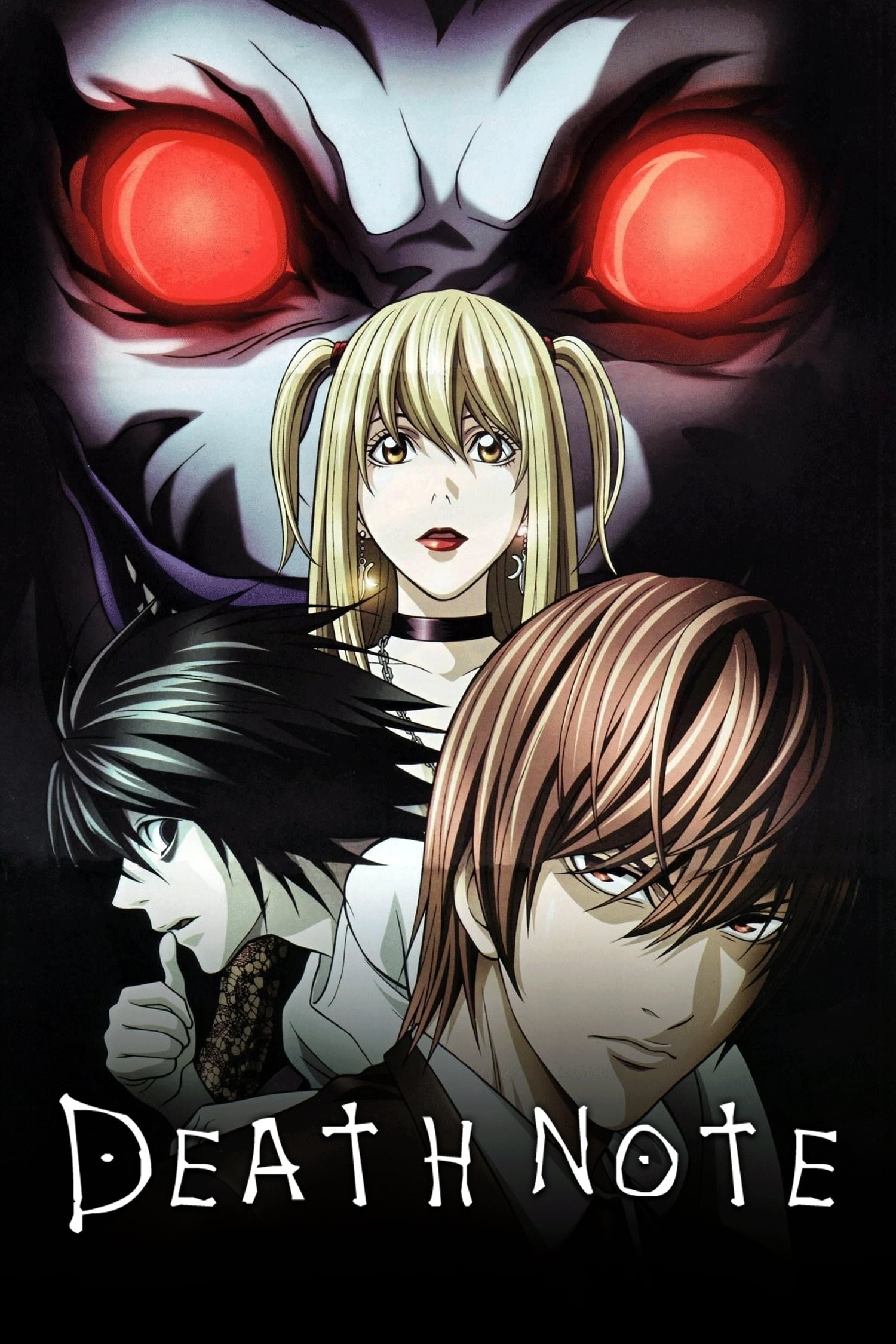
Light’s identity and strategy are exposed and tested in a final face off. Near’s operation details how the notebook is tracked and swapped. The resolution shows the legal and personal fallout for the task force members. A concluding montage marks the end of Kira’s influence on society.
‘Cowboy Bebop’ (1998–1999)

Spike’s past with the Syndicate and Julia is brought into focus in the last episodes. The show closes the loop on Vicious and the Red Dragon leadership. Each member of the Bebop crew receives a parting waypoint that explains their next steps. The final showdown leaves no doubt about Spike’s choice and its result.
‘Tengen Toppa Gurren Lagann’ (2007)
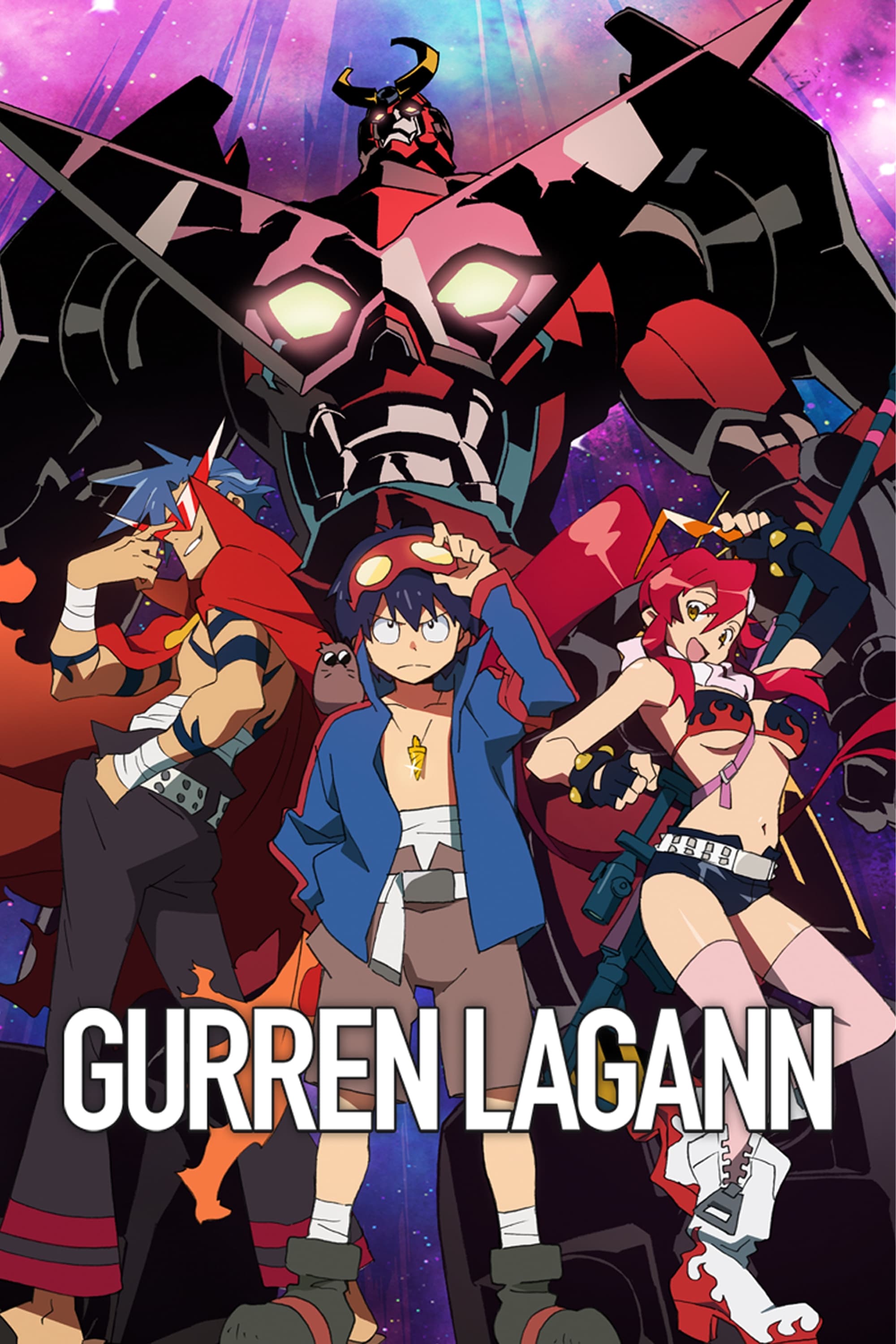
The Anti Spiral conflict escalates to a universal scale with concrete stakes. Simon and Team Dai Gurren carry out a final plan that ends the Spiral Nemesis threat. Relationships formed across the series receive clear outcomes. The epilogue states how humanity advances after the battle.
‘Steins;Gate’ (2011)
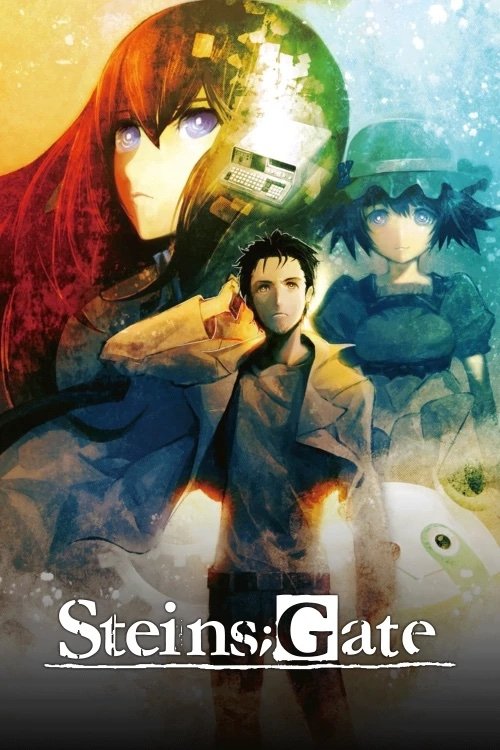
Okabe’s objective to save Kurisu and Mayuri is executed with precise conditions. The solution explains how world lines and divergence work without contradictions. Side characters contribute key data points that enable the operation. A final message affirms the target timeline and its stability.
‘Mob Psycho 100’ (2016–2022)
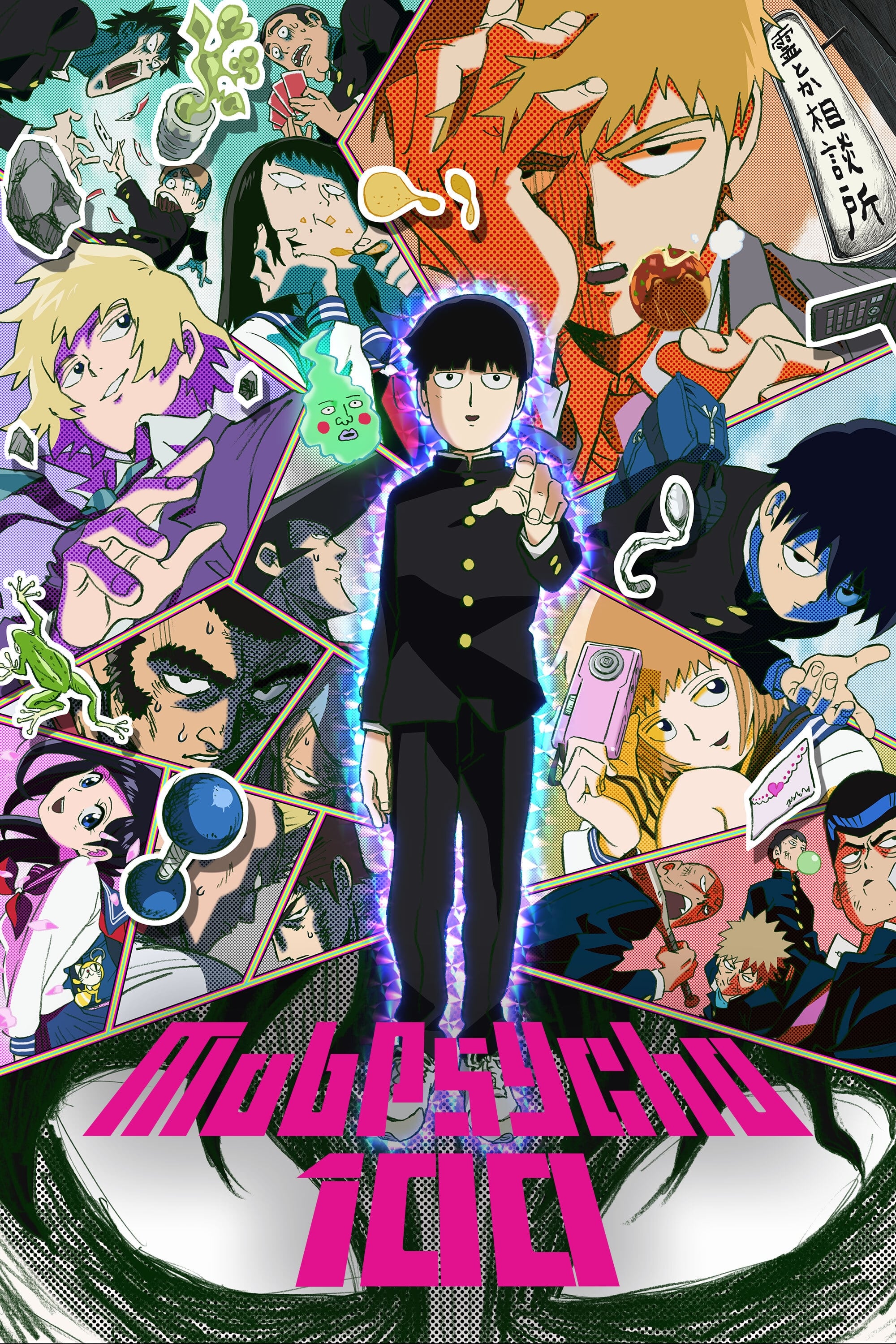
Mob confronts his powers and identity in a concluding arc that folds in every major character. The finale clarifies Reigen’s influence and the nature of Mob’s growth. Former antagonists return with specific roles that affect the outcome. The last episode provides time skips that show where everyone lands.
‘Fruits Basket: The Final’ (2021)
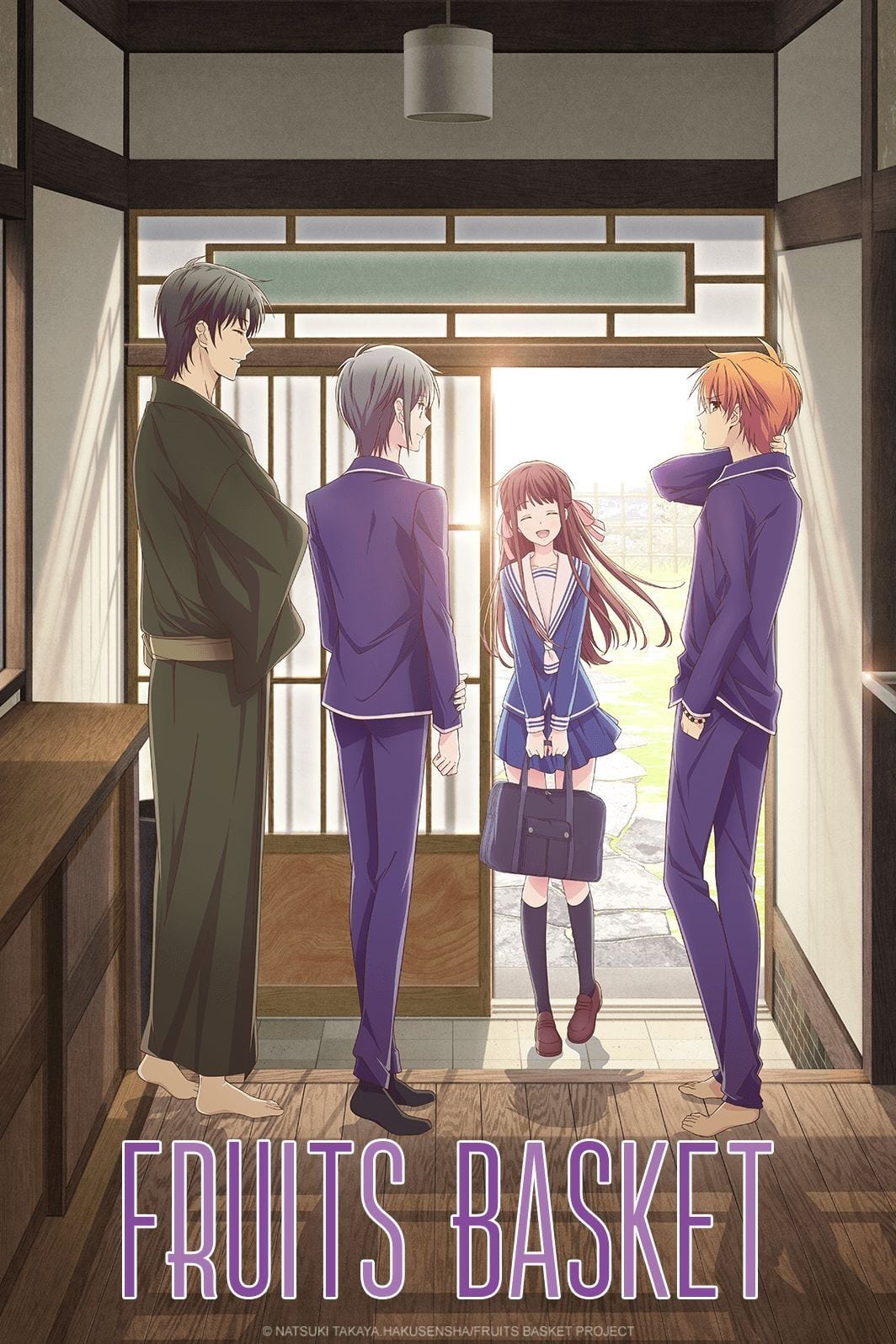
The Soma family curse is explained and resolved in full. Tohru’s influence on each Zodiac member is shown through direct reunions and confessions. The storyline closes long standing disputes inside the family. A final epilogue confirms relationships and shows the next generation.
‘Inuyasha: The Final Act’ (2009–2010)

The series condenses the remaining manga arcs to finish the Jewel of Four Souls story. Naraku’s defeat is depicted with the exact conditions required to purify the jewel. Inuyasha and Kagome’s relationship receives a definitive outcome. Time separation and reunion are handled with clear chronology.
‘Violet Evergarden: The Movie’ (2020)

The film completes Violet’s search concerning Gilbert and her understanding of love. It resolves the mystery letters and clarifies her career path. Supporting characters from the series return to demonstrate Violet’s impact on their lives. A closing sequence details Violet’s future and the state of the postal service.
‘Gintama: The Very Final’ (2021)
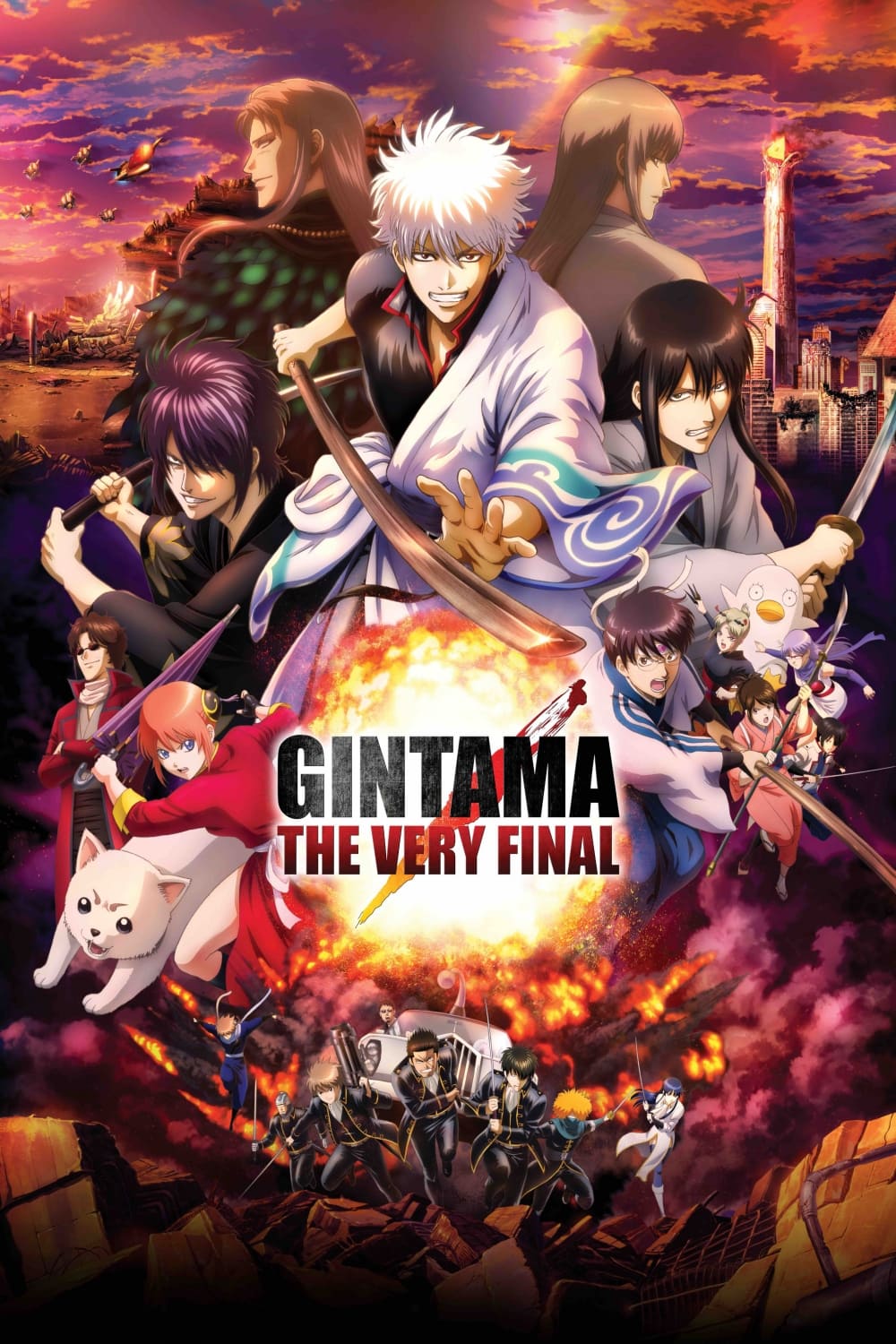
The movie adapts the concluding chapters that end the long running Edo saga. It finishes the Tendoshu and Utsuro conflicts with no remaining loose ends. The Odd Jobs trio receives a proper sendoff that reflects their years together. Post credits material notes the fate of major allies and rivals.
‘The Quintessential Quintuplets Movie’ (2022)
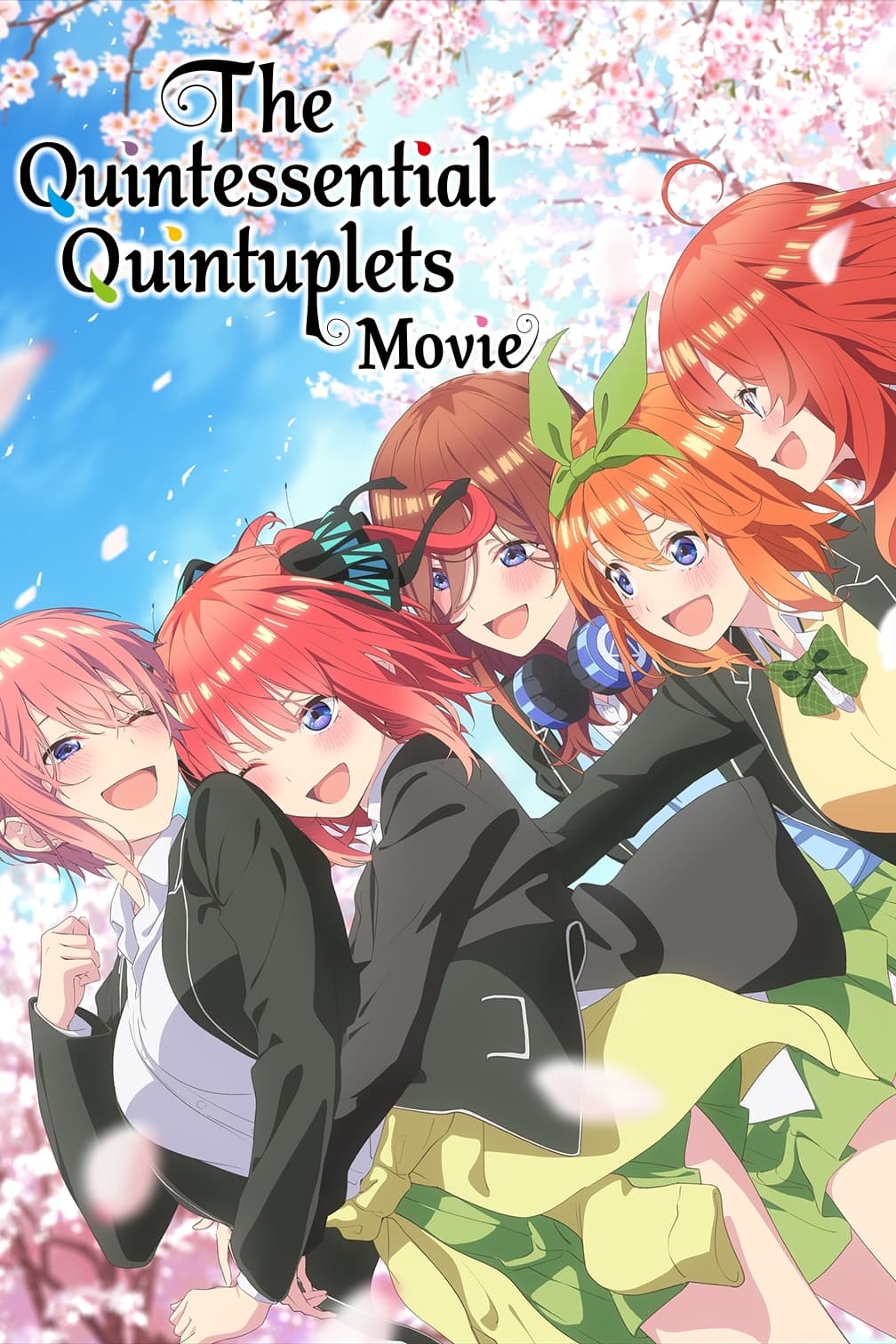
The film adapts the final exam arcs and the wedding outcome from the source. It confirms which sister Futaro marries and how each sibling moves forward. Key flashbacks fill in missing pieces about the Nakano family. The epilogue shows the characters’ careers and relationships after graduation.
‘Parasyte -the maxim-‘ (2014–2015)
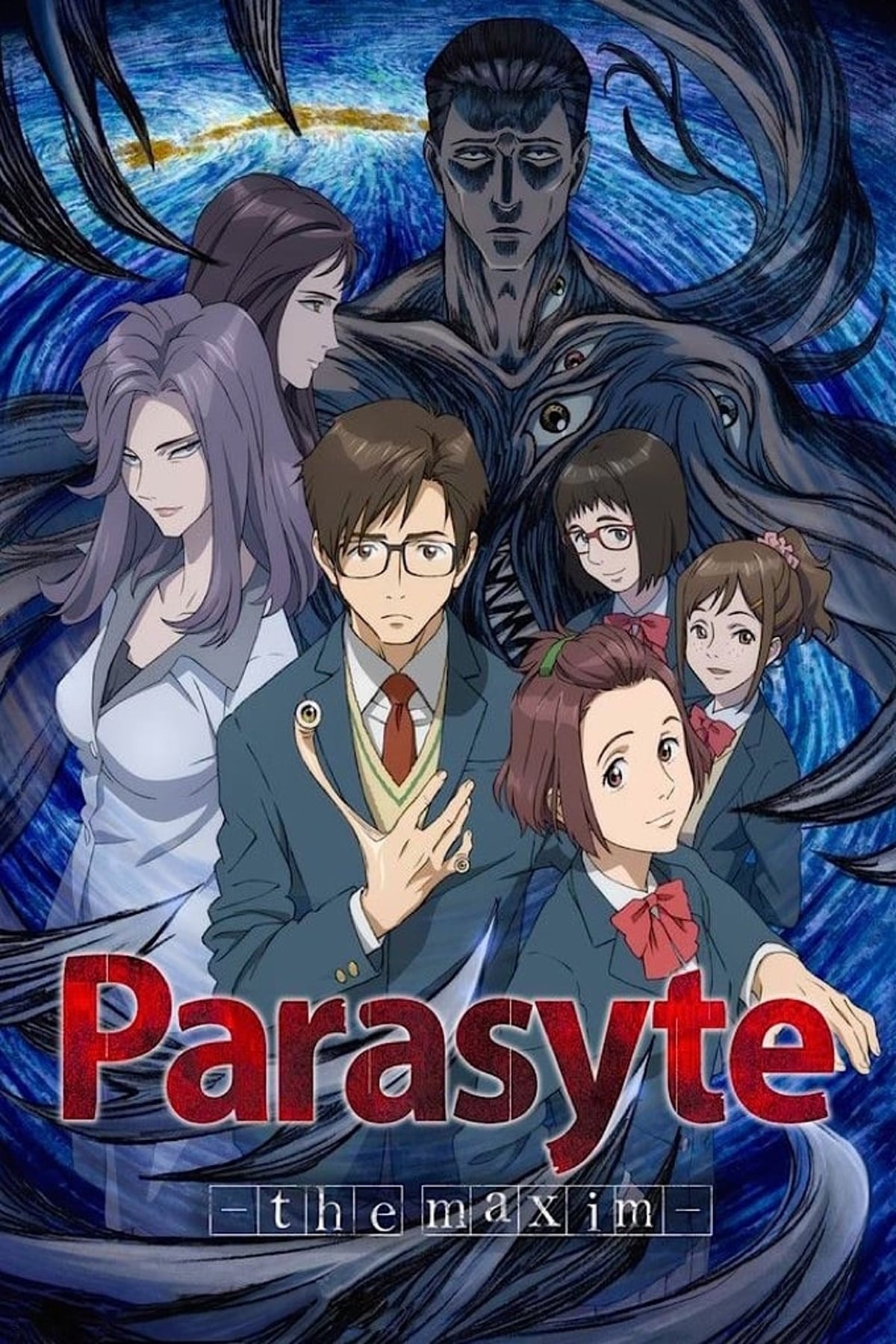
Shinichi and Migi face the final Parasyte threats with a focused plan. The government response is portrayed in detail, including raids and investigations. The identity and fate of the serial killer subplot are concluded. A time skip shows Shinichi’s life after the incidents and the status of remaining Parasytes.
‘Anohana: The Flower We Saw That Day’ (2011)

The group confronts Menma’s wish and completes the steps to lay her to rest. Each member acknowledges their role in the accident’s aftermath. The finale includes a farewell that closes the supernatural element. The last minutes confirm how the friends reconnect and continue their lives.
‘Clannad: After Story’ (2008–2009)
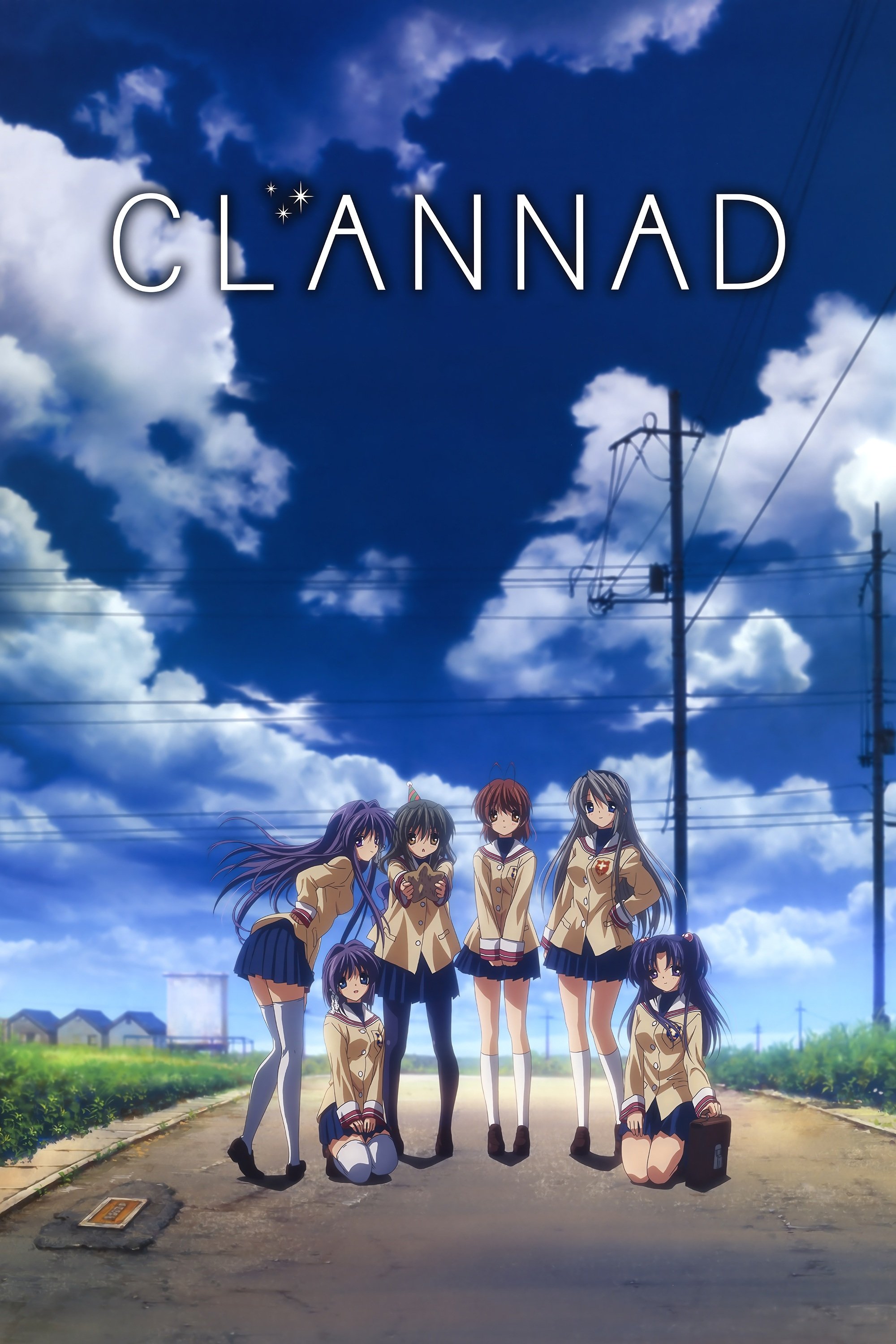
Tomoya’s adult life, family, and work are explored with a clear timeline. Ushio’s arc and Nagisa’s legacy receive direct attention. The series presents the Illusionary World and explains its connection to the main story. The conclusion restores the family and shows the path forward.
‘Angel Beats!’ (2010)
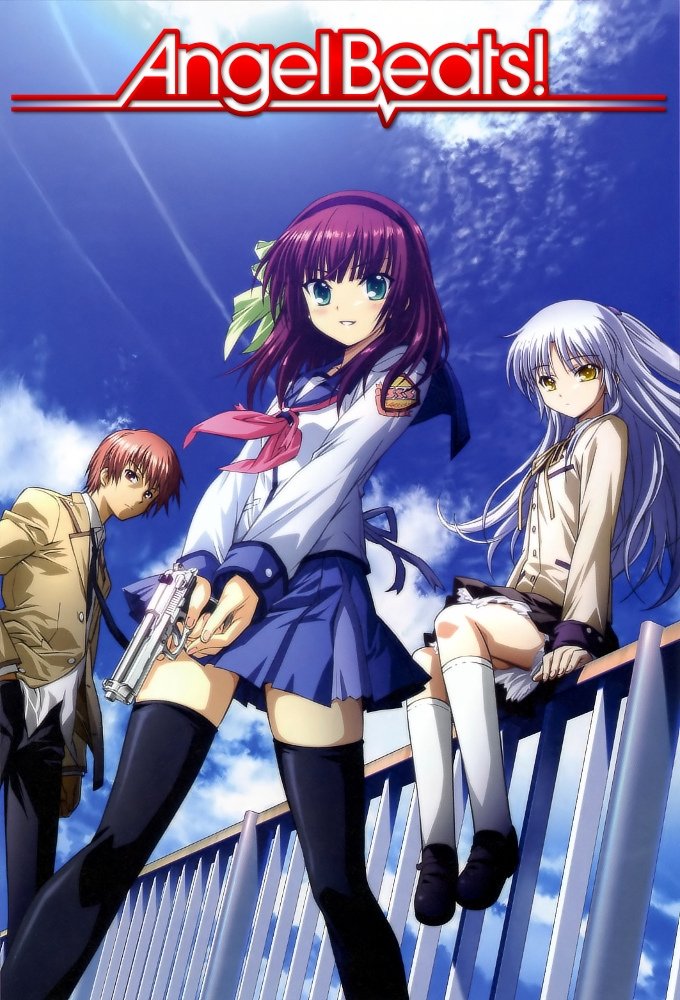
The afterlife setting is explained and the school’s purpose is clarified. Characters graduate from the world once their regrets are addressed. The final episode resolves the student council’s mission and the fate of the leads. A brief coda points to their lives beyond the campus.
‘Erased’ (2016)
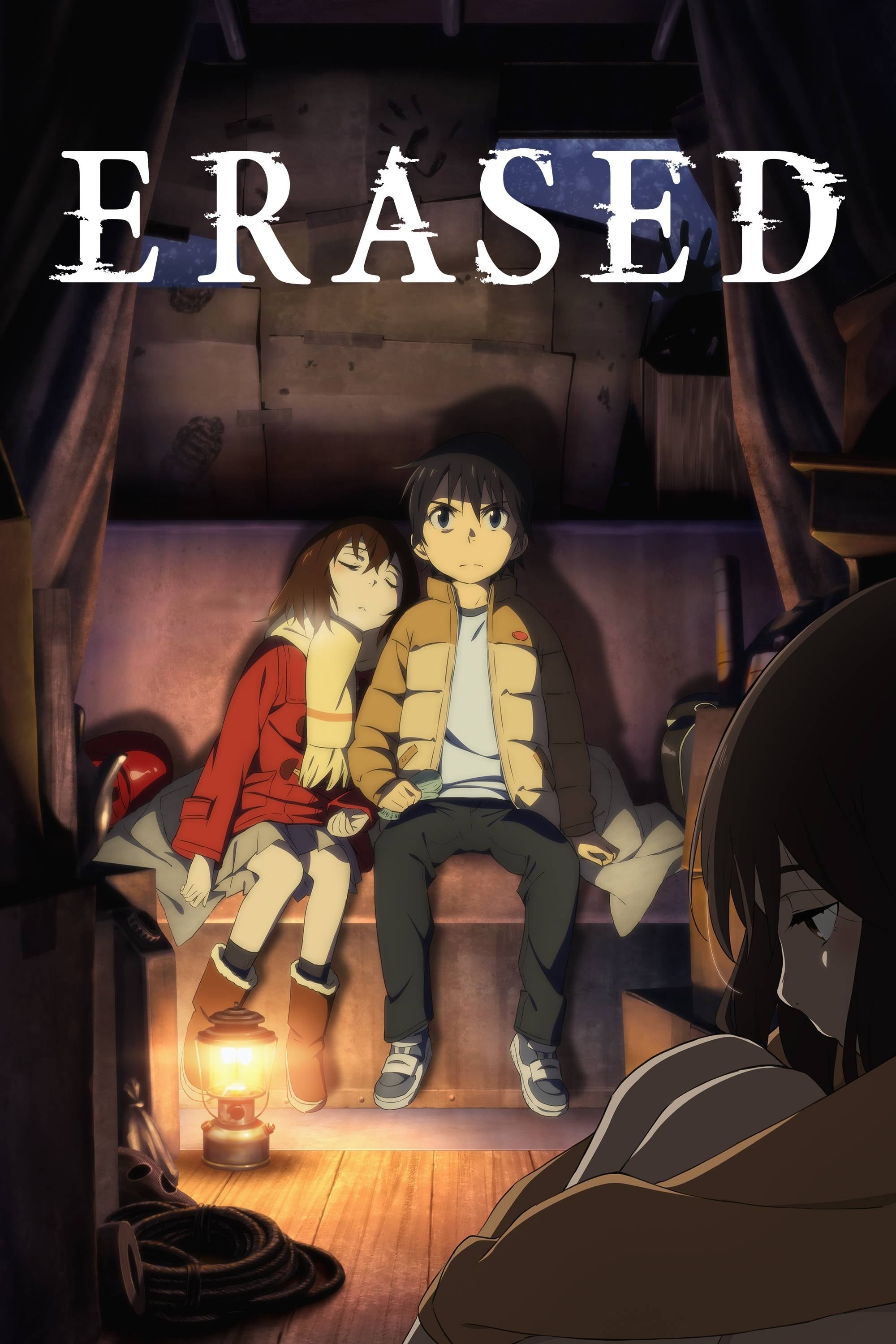
Satoru’s time slips are used to identify and stop the culprit. The show lays out the evidence that connects the kidnappings across years. Recovery and rehabilitation are shown with specific dates and locations. A final meeting confirms how the characters reconnect as adults.
‘Banana Fish’ (2018)
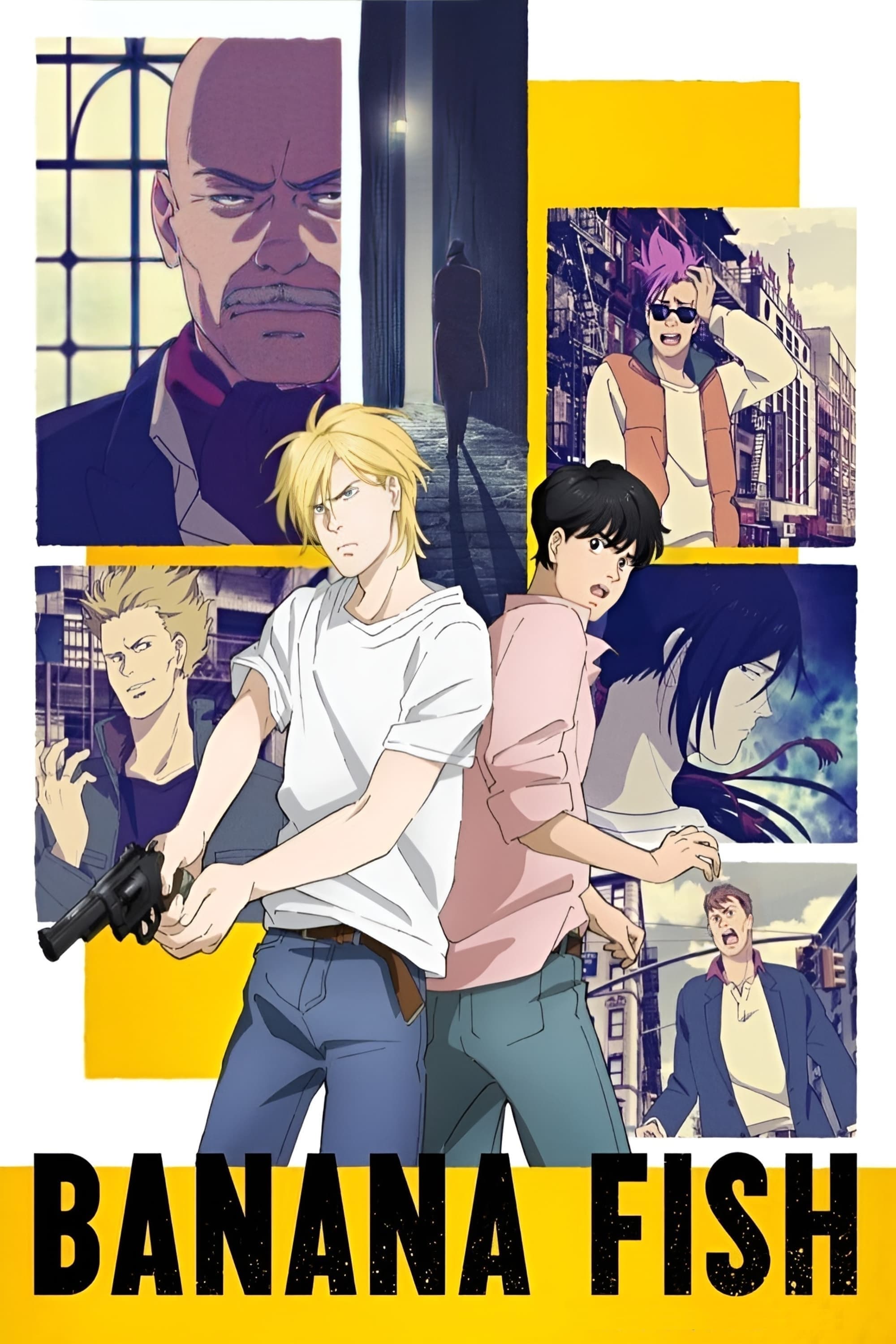
The series completes Ash’s conflict with the crime syndicate and the drug project. Eiji’s safety and future plans are decided with care for legal details. The end accounts for all major factions and their leaders. A closing scene indicates the lasting effect of their bond.
‘Evangelion: 3.0+1.0 Thrice Upon a Time’ (2021)
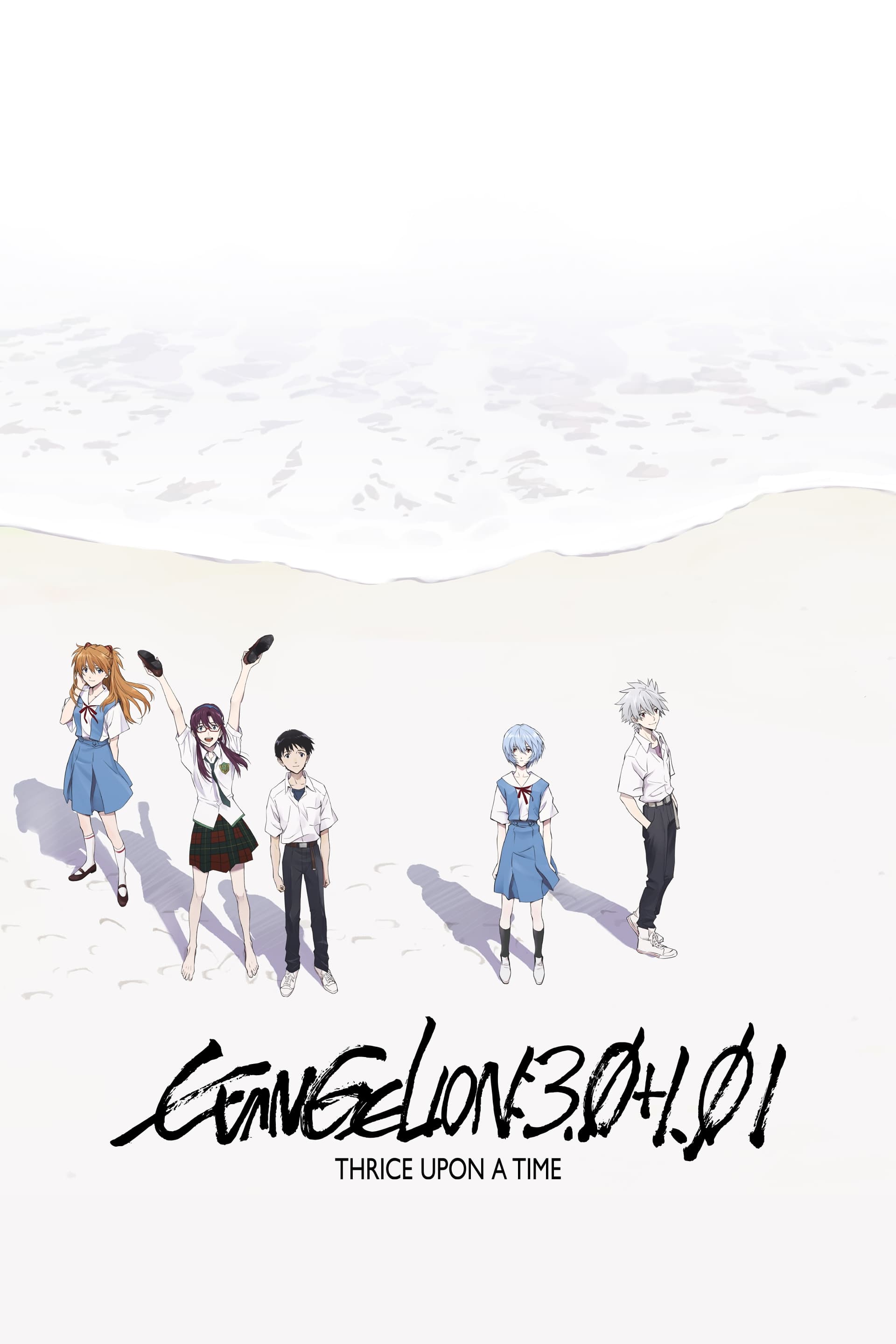
The film closes the Rebuild continuity by resolving the Human Instrumentality dilemma. Shinji’s decisions settle the fate of the Evangelions and the world’s reset. Key pilots and supporting figures receive definitive conclusions. The last sequence marks the end of that universe’s cycle and releases the cast from it.
Share your favorite final episodes or films in the comments and tell us which endings hit hardest for you.