

Top 15 Banned Anime

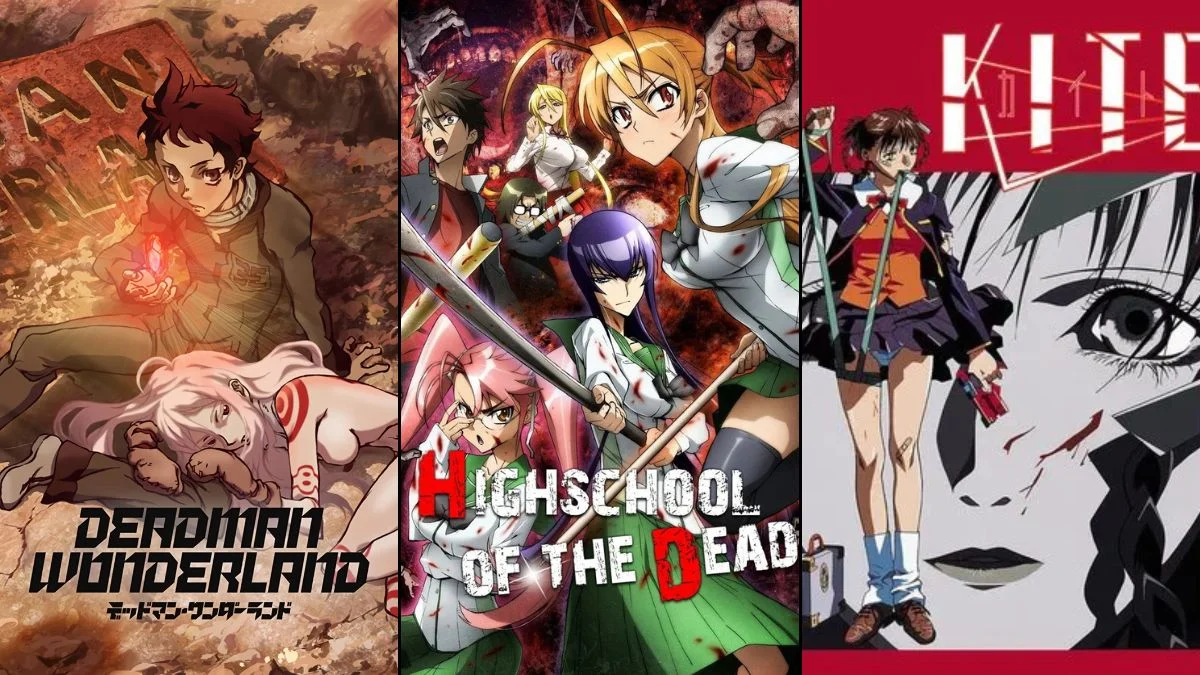


Anime has reached viewers in nearly every corner of the world, but not every title makes it past local rules. Governments, ratings boards, and even courts have stepped in when shows or films are seen as too violent, too sexual, or unsuitable for younger audiences. In some places the result is a full ban. In others it means takedowns from streaming platforms, refusal of home video classification, or school and library removals.
Bans are not universal. A title that is blocked in one country may be freely available in another with an age gate or edits. The reasons also vary a lot. Common triggers include graphic violence, sexual content that regulators judge as exploitative, and stories that officials believe could harm minors. Here are notable cases where authorities or platforms restricted access in a clear and documented way.
‘Death Note’ (2006–2007)
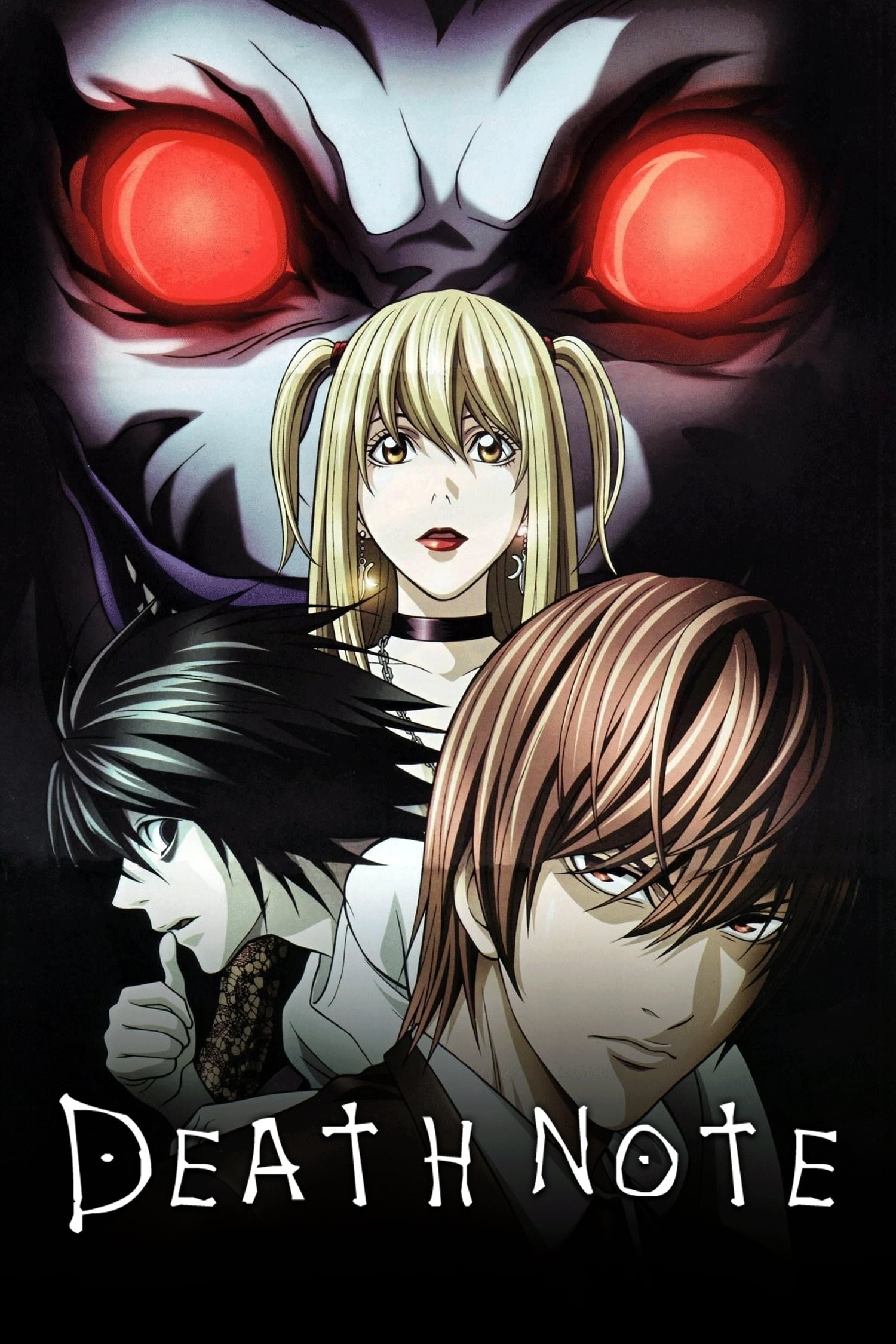
Chinese authorities targeted distribution of ‘Death Note’ after reports of students copying the notebook idea, which led to seizures of related merchandise and orders to remove the title from local websites. Years later a Russian court restricted online availability for minors, directing platforms to block pages hosting the series for harmful content.
School systems have also taken action against ‘Death Note’. Multiple districts removed the manga or disciplined students over imitation notebooks, citing safety concerns. While these steps were local rather than nationwide, they added to a pattern of formal restrictions around the series.
‘Attack on Titan’ (2013–2023)
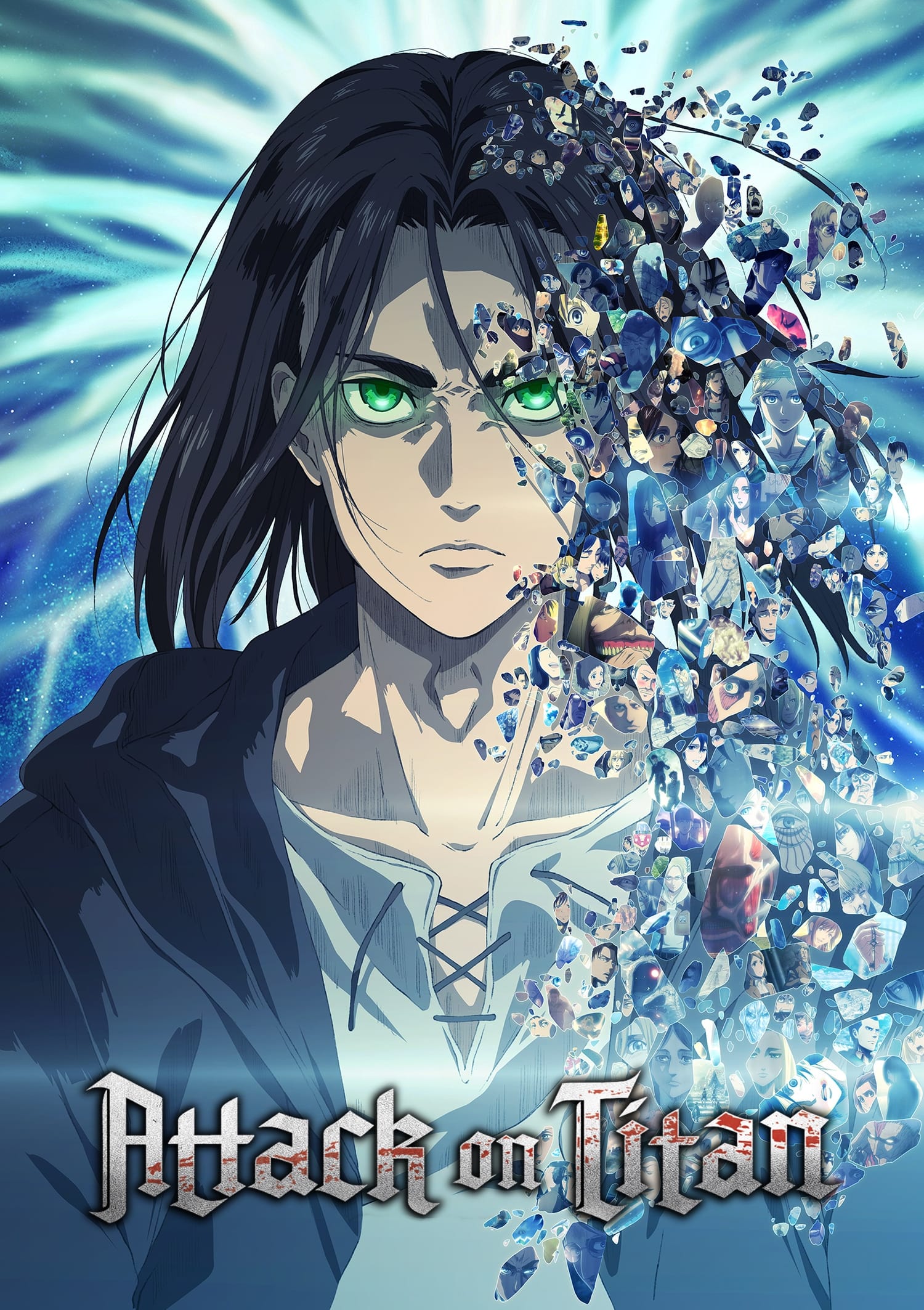
‘Attack on Titan’ was included on an official list of foreign animated works blocked from legal online distribution in China. Platforms were instructed to remove titles on the list and warned of penalties for violations. The stated basis centered on depictions of extreme violence and gore.
Removal orders affected major Chinese streaming services. Viewers in the country reported takedowns from catalog pages, and new uploads were actively monitored. Outside China the series remained widely available with mature ratings.
‘Tokyo Ghoul’ (2014–2018)
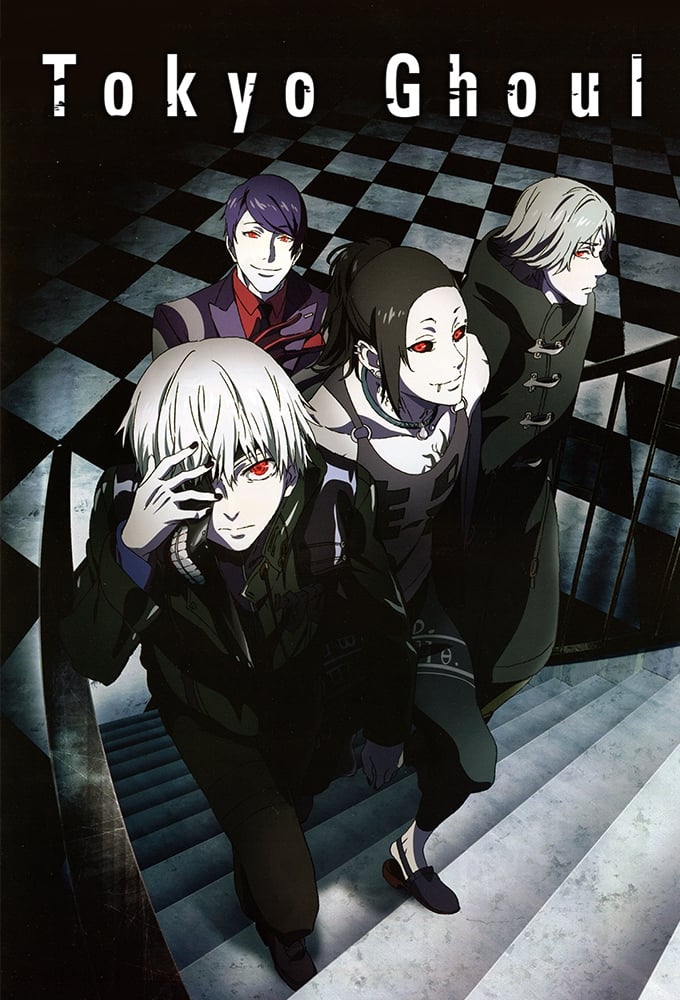
Chinese regulators barred ‘Tokyo Ghoul’ from licensed streaming, citing violent and gory content. Local platforms complied by taking the series down, and the title appeared in public notices about prohibited shows.
In Russia a court decision required blocking specific web pages that hosted ‘Tokyo Ghoul’ for minors. The ruling framed the show as potentially harmful to young viewers, which led to targeted restrictions rather than a blanket national broadcast ban.
‘Highschool of the Dead’ (2010)
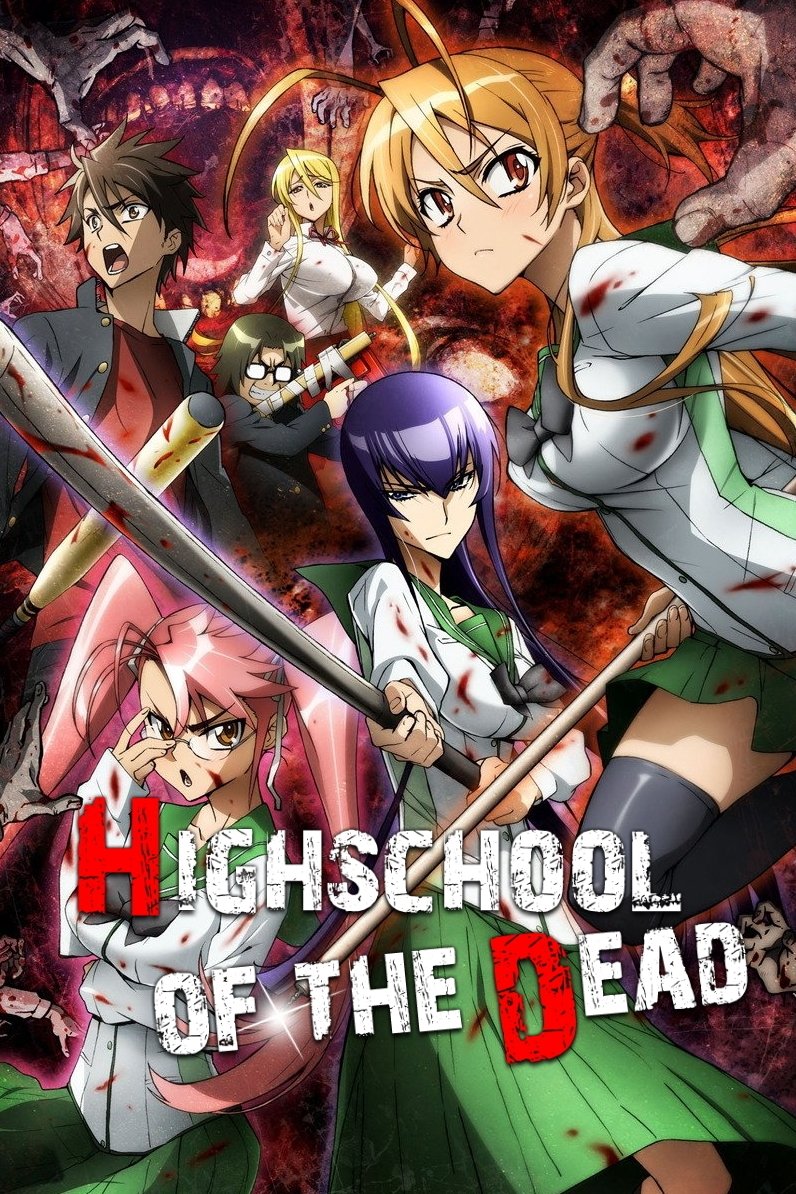
‘Highschool of the Dead’ was named among titles removed from legal streaming in China for sexualized imagery combined with graphic violence. Services delisted episodes and scrubbed search results to meet compliance demands.
In other markets regulators leaned on age ratings and content advisories. Some broadcasters avoided late night runs entirely, while home video releases carried strict mature labels and retailer restrictions.
‘Elfen Lied’ (2004)
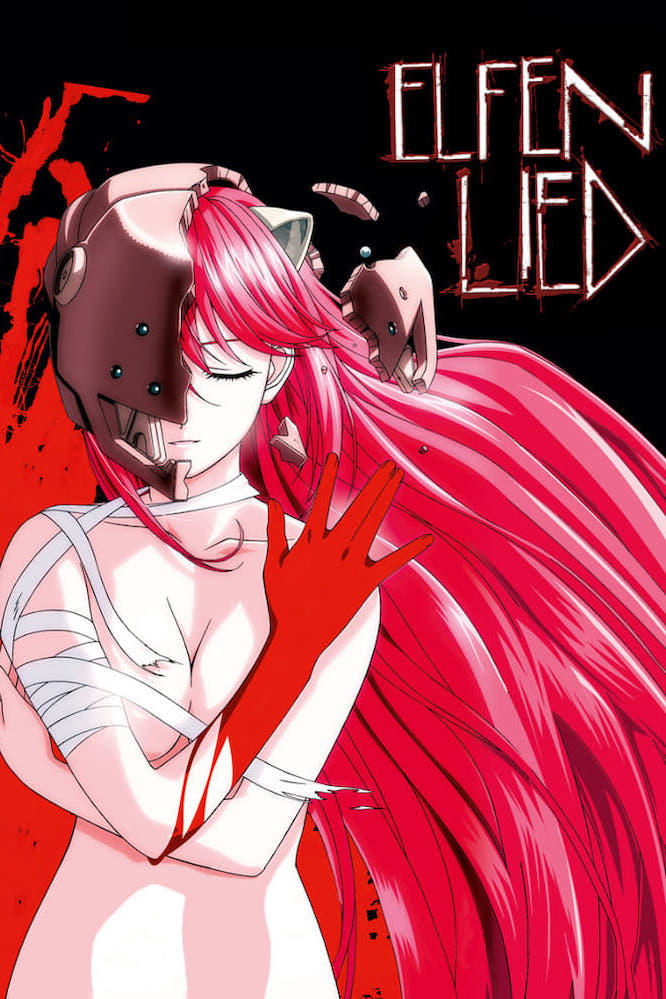
Russian courts ordered limits on access to ‘Elfen Lied’ for minors after prosecutors argued it was harmful to children. The rulings instructed site operators to restrict pages that hosted the series, which affected mainstream and smaller platforms.
Elsewhere the title often faced the strongest advisory categories available. Broadcasters and retailers relied on high age thresholds and content warnings, which functioned as a soft barrier even without a formal national ban.
‘Psycho-Pass’ (2012–2013)
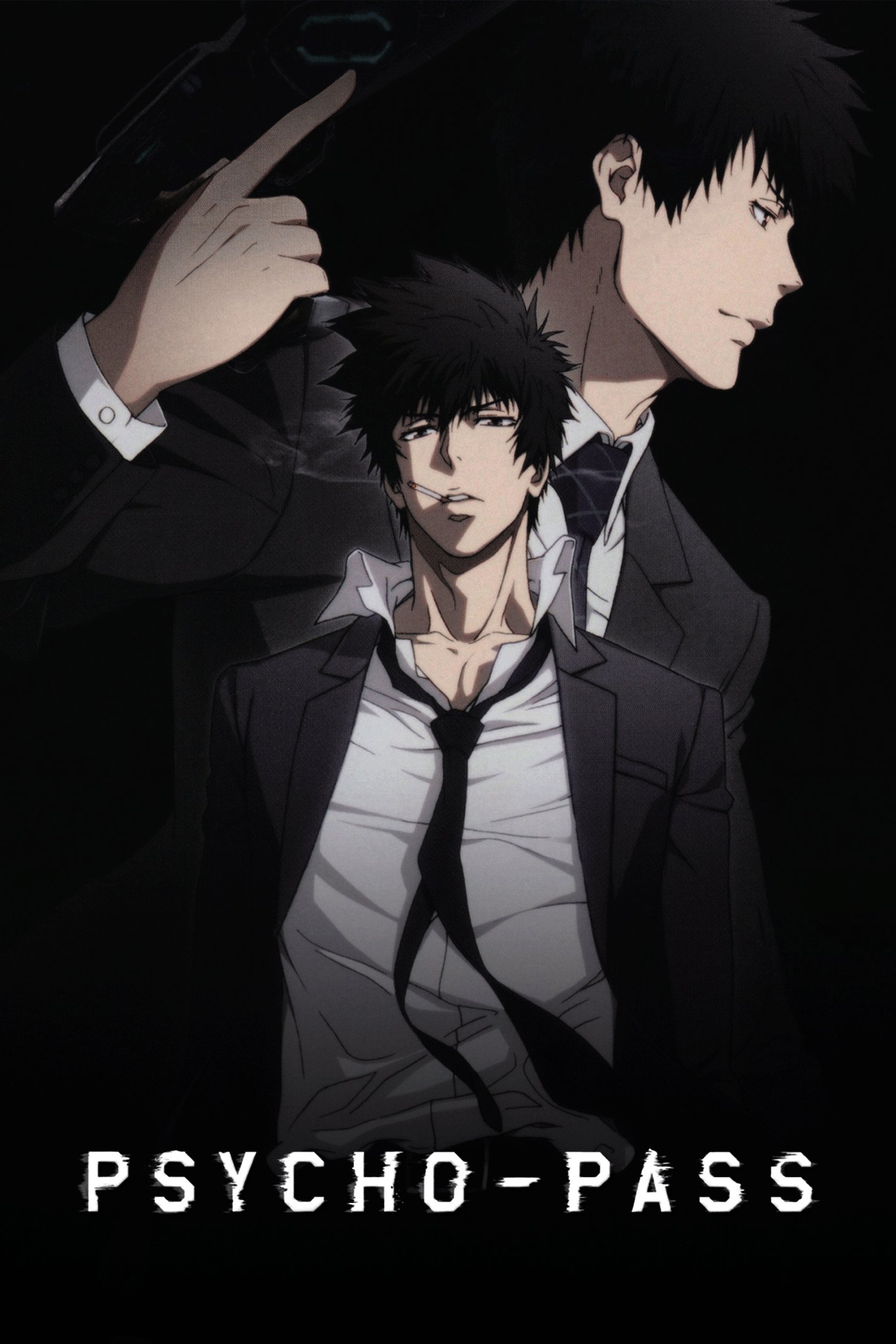
Authorities in China directed platforms to take down ‘Psycho Pass’ as part of a larger sweep of foreign animated works. Notices emphasized violent crime themes and mature content as reasons for removal.
Domestic streaming services implemented the directive by purging the show from catalogs and search. The order applied to licensed distribution, so viewers were pushed to overseas sources or physical imports where local law permitted.
‘Parasyte -the maxim-‘ (2014–2015)
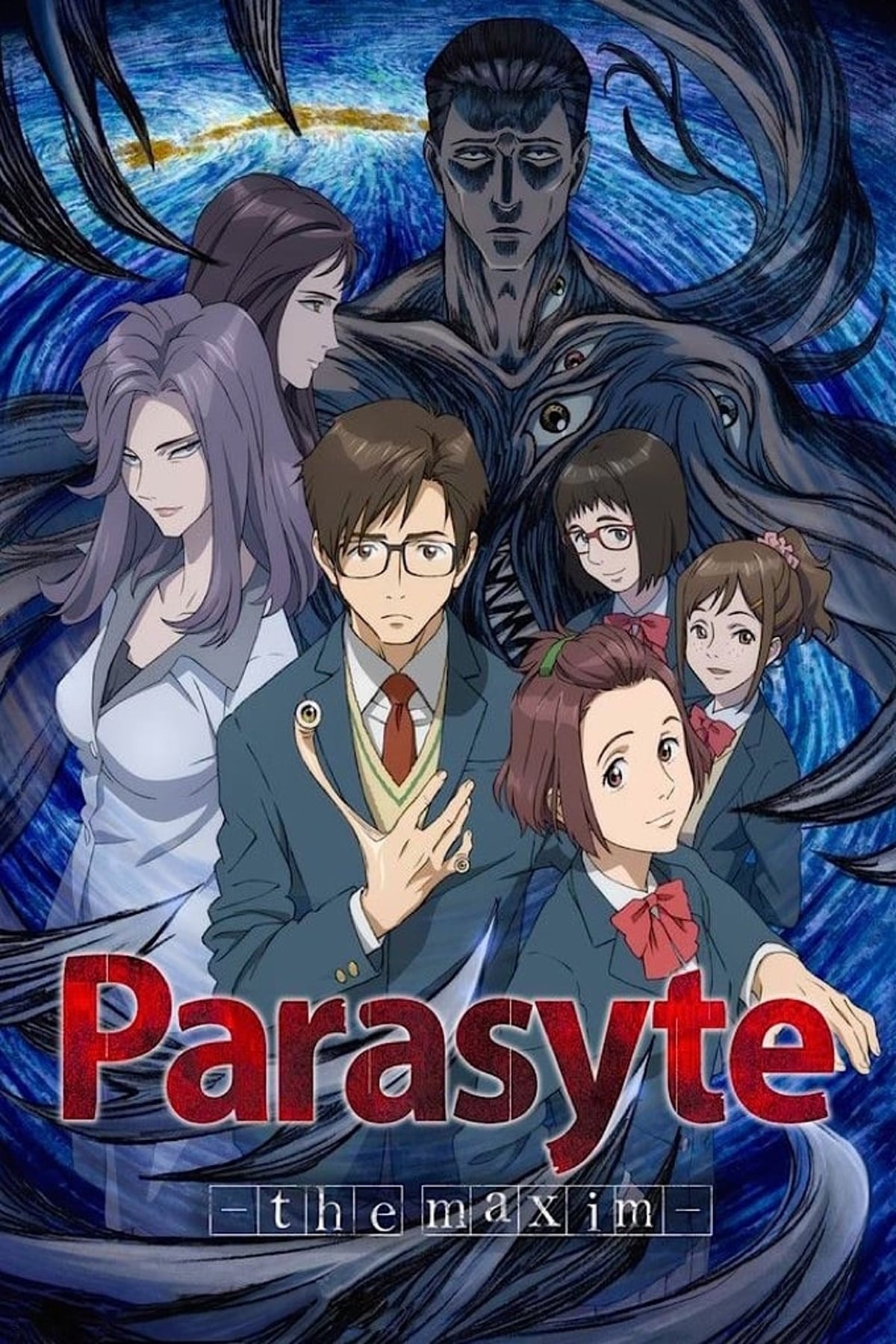
‘Parasyte The Maxim’ was blocked from legal streaming in China under rules targeting titles with intense body horror and gore. The enforcement was handled at the platform level, where catalog pages were removed and uploads were suppressed.
In broadcast markets that kept the show, late night slots and strict content labels were standard. Home video packaging also highlighted strong warnings, which signaled to retailers to limit placement to adult sections.
‘Blood C’ (2011)
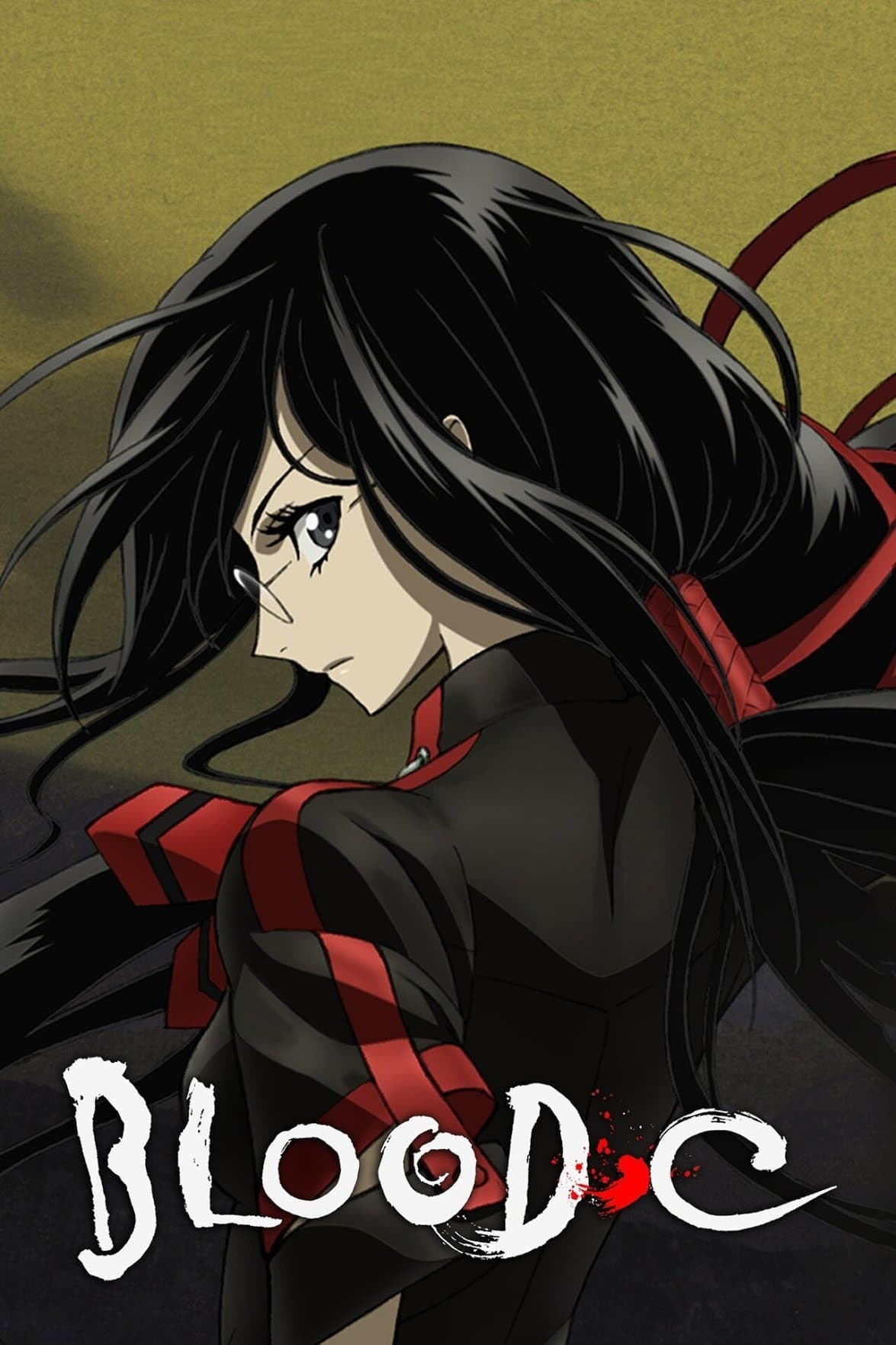
‘Blood C’ appeared among the animated works Chinese regulators ordered off licensed platforms, with graphic violence cited as a core concern. The removal affected full series listings and related clips.
In other territories, compliance focused on editing and scheduling. Some television runs trimmed scenes of bloodshed, while others restricted the show to mature blocks with clear advisories.
‘High School D×D’ (2012–2018)
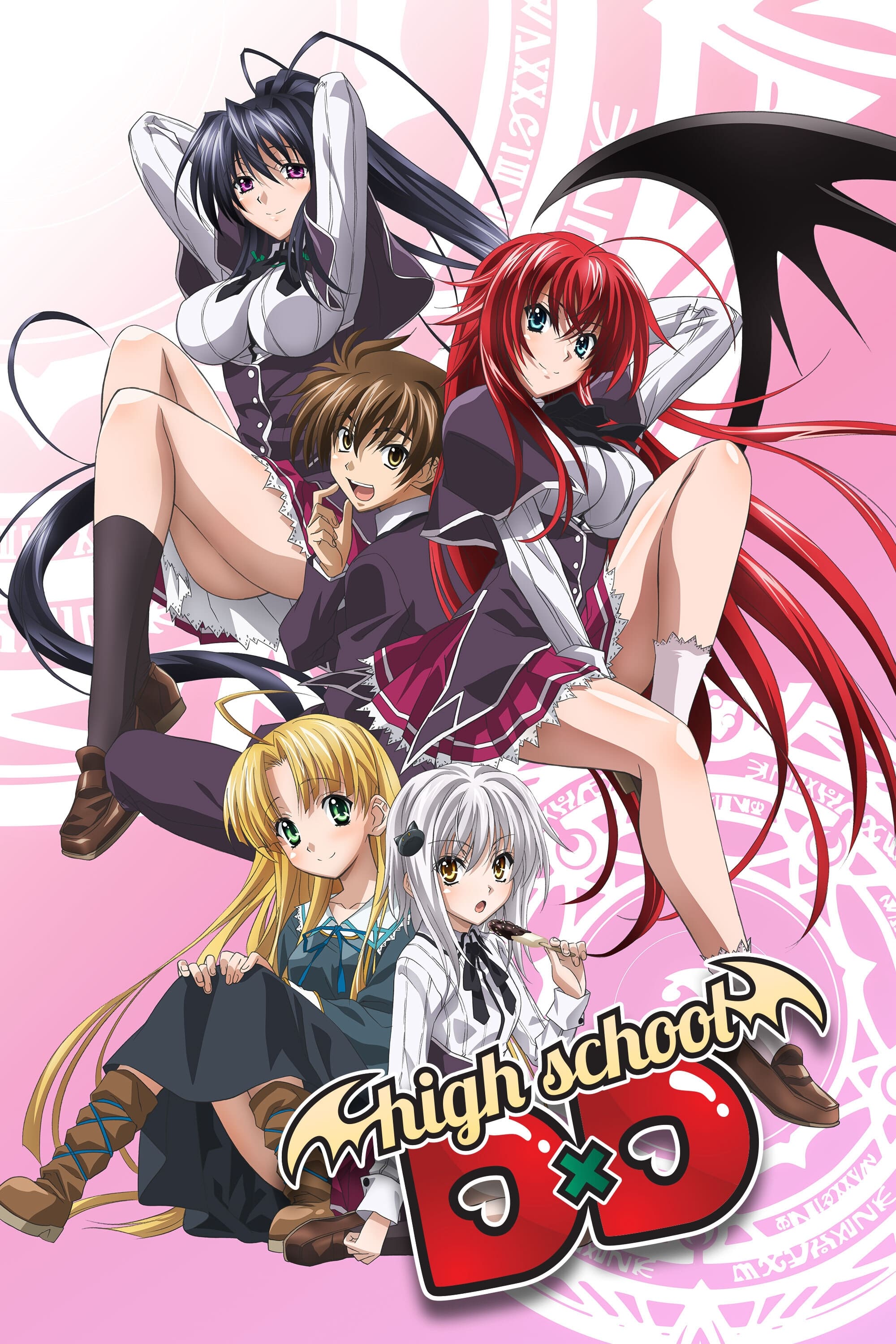
Chinese enforcement actions targeted ‘High School DxD’ for explicit sexual content, leading to takedowns from domestic streaming platforms. Listings and thumbnails were scrubbed to prevent casual discovery by younger users.
Several international services responded with tighter age gates or declined to carry certain seasons. Physical releases often shipped with prominent mature markings, and some retailers opted for online only sales to control access.
‘Deadman Wonderland’ (2011)
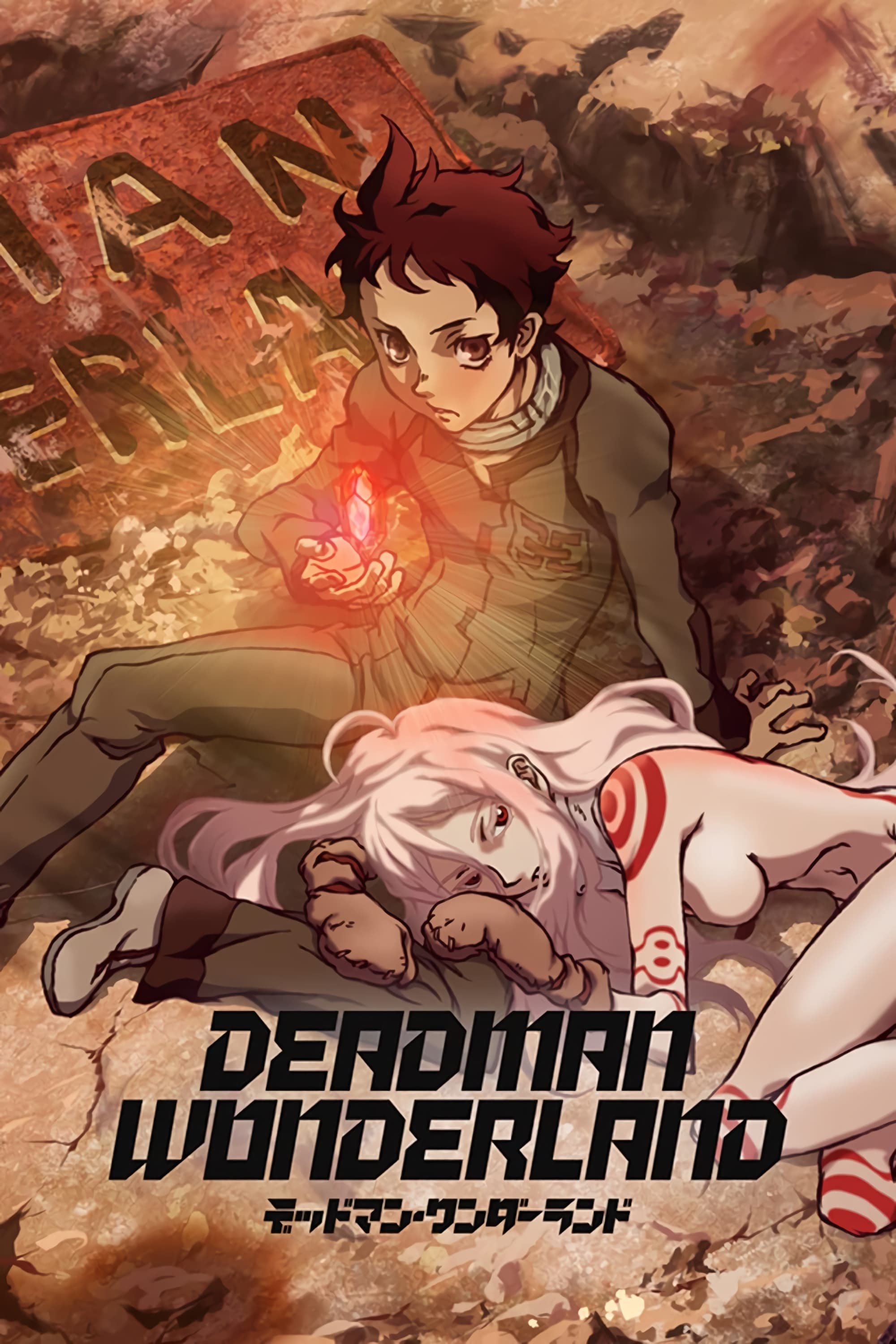
‘Deadman Wonderland’ was included in a Chinese removal list for violent content. Platforms removed the series from search and catalog pages to align with the directive.
In North America an edited television version trimmed blood and injury detail for broadcast standards. Uncut home video editions kept the original content but were sold under strict age ratings.
‘Kite’ (1998)

Regulators in multiple countries refused classification for uncut versions of ‘Kite’ due to sexual violence and the involvement of characters represented as minors. Refusal of classification typically prevents legal sale or distribution, which functioned as an effective ban.
Where classification was granted, releases were cut to remove flagged scenes. Some markets allowed only a heavily edited edition, while others limited availability to adult specialty retailers with additional safeguards.
‘Urotsukidōji: Legend of the Overfiend’ (1989)
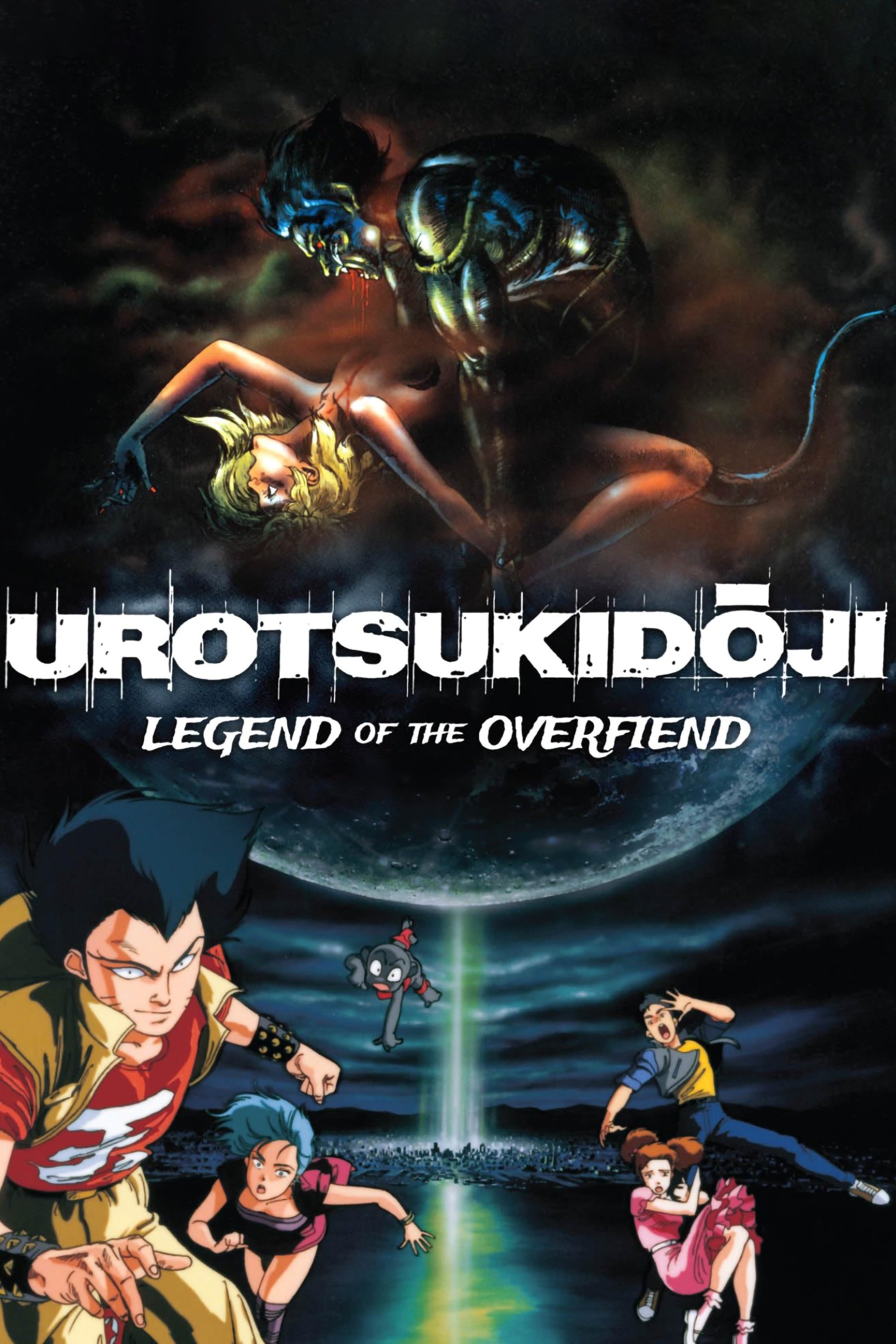
‘Urotsukidōji Legend of the Overfiend’ faced refusals or severe cuts from several national boards over extreme sexual violence. In jurisdictions where classification was denied, the title could not be legally sold or supplied, which created outright bans on standard distribution channels.
Even in places that permitted release, censors required extensive edits that removed entire sequences. Retailers were instructed to treat the title as adult only, and mainstream broadcasters avoided it entirely.
‘Shoujo Tsubaki’ (1992)
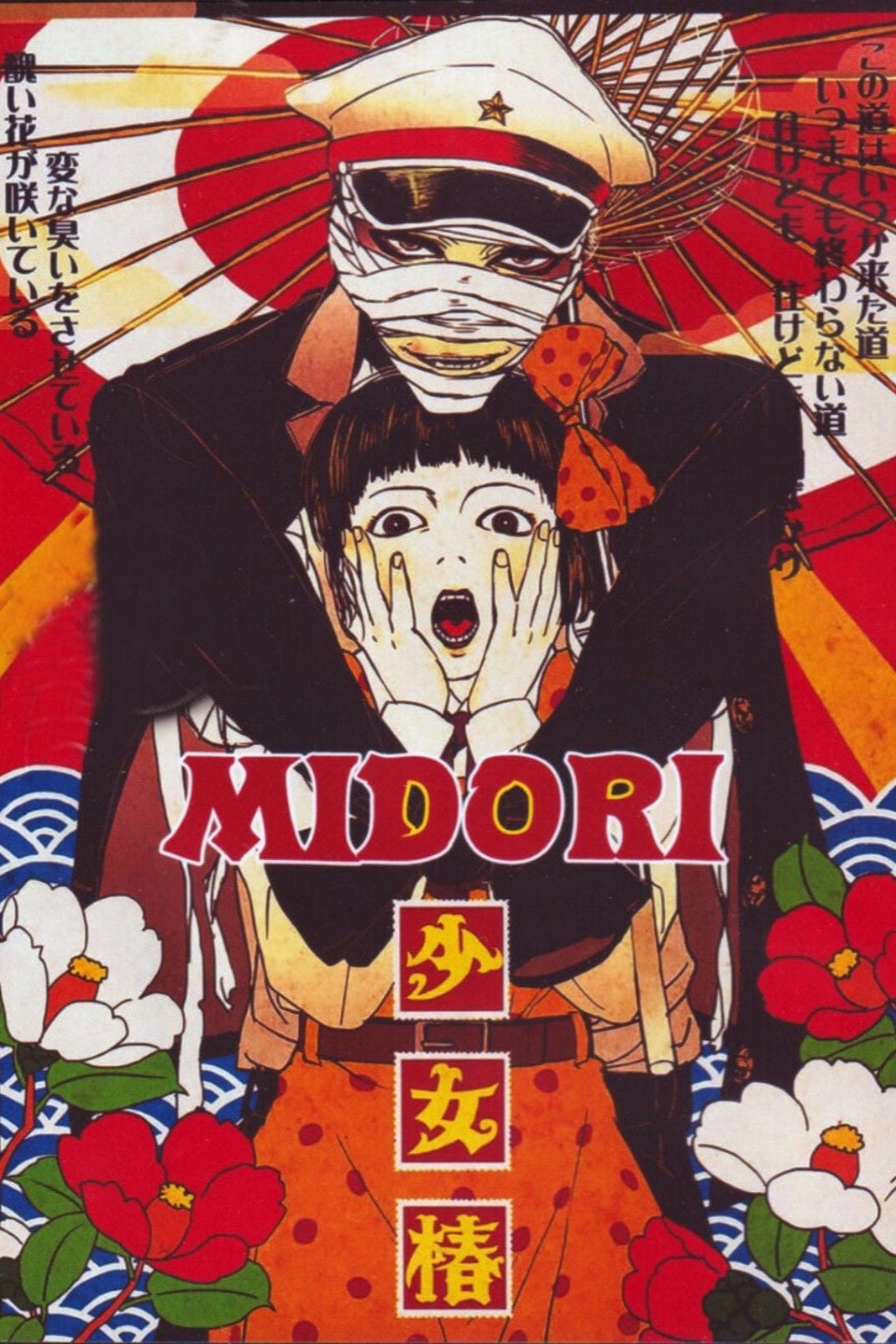
Also known as ‘Midori’, ‘Shoujo Tsubaki’ ran into censorship barriers soon after completion. Screenings were canceled under pressure, and the film circulated for years outside normal commercial channels due to concerns over depictions of abuse involving a minor.
Several countries refused cinema or home video approval, which blocked lawful sale and exhibition. Later festival showings in some regions used special exemptions or private club status to avoid general release rules.
‘Crayon Shin chan’ (1992–)
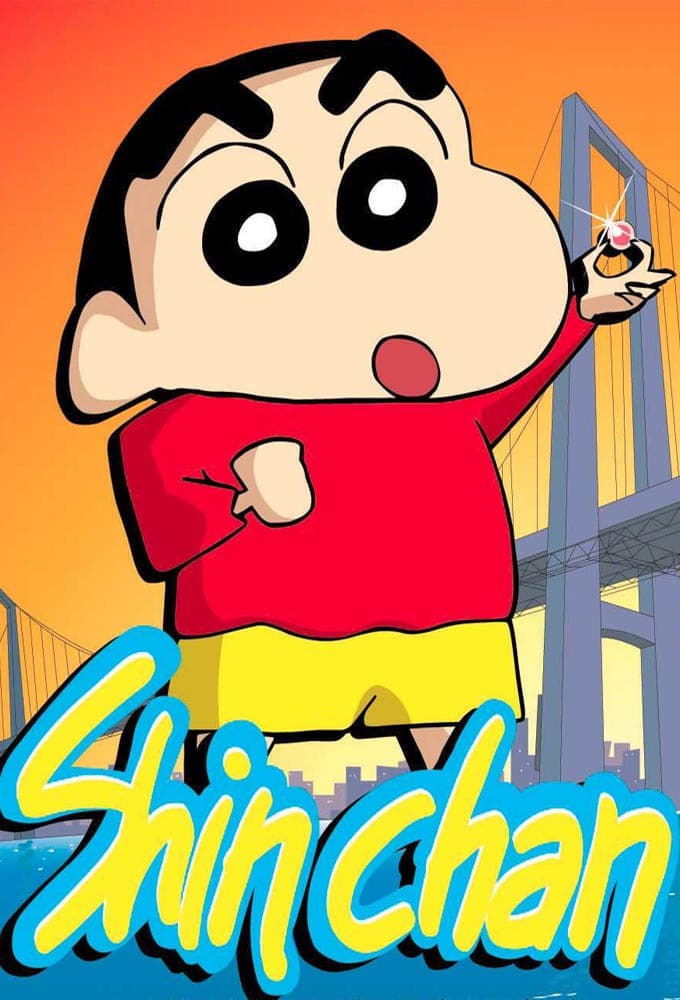
India’s broadcast regulator instructed channels to stop airing ‘Crayon Shin chan’ after complaints about language and suggestive humor that were considered unsuitable for children. The show was later allowed back with heavy edits and stricter time slots.
The Indian version continues to use reworked dialogue and scene trims to comply with local standards. Merchandise and marketing also shifted toward clearer child friendly messaging to avoid another suspension.
‘Interspecies Reviewers’ (2020)
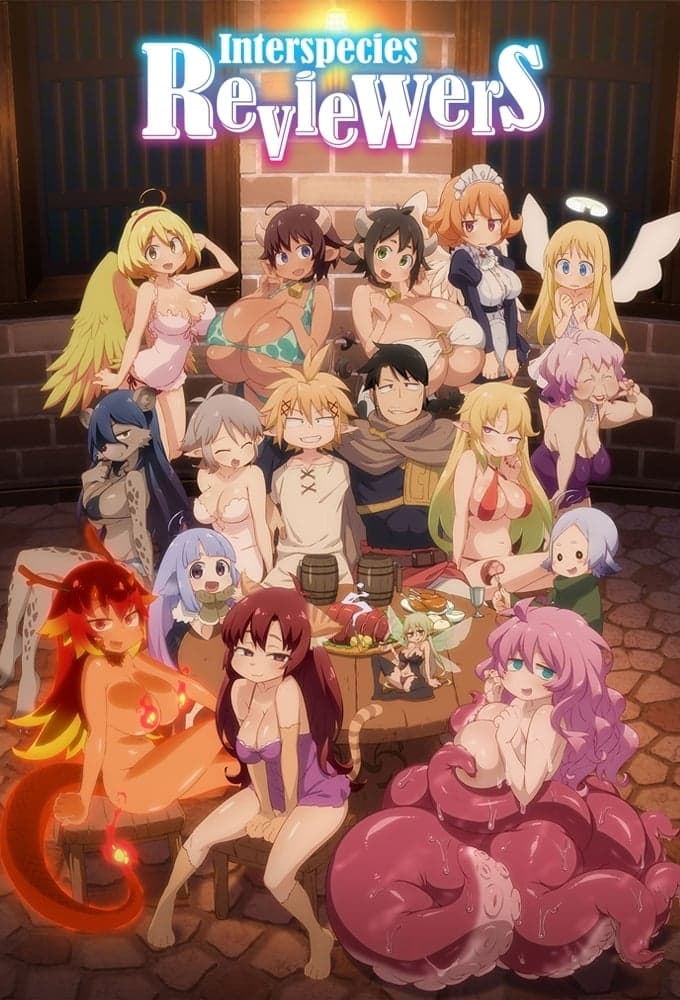
Australia’s classification authority refused classification for ‘Interspecies Reviewers’ in home video form, which prevented legal sale and supply in that market. The decision cited explicit sexual content that exceeded thresholds for approval.
Streaming services in multiple countries removed the show from catalogs after internal reviews concluded it did not fit platform policies. In regions where it remains available, access is typically limited to adult sections with age verification.
Share the titles you would add and where they were blocked in the comments.