

Top 25 Best Nintendo Games Of All Time

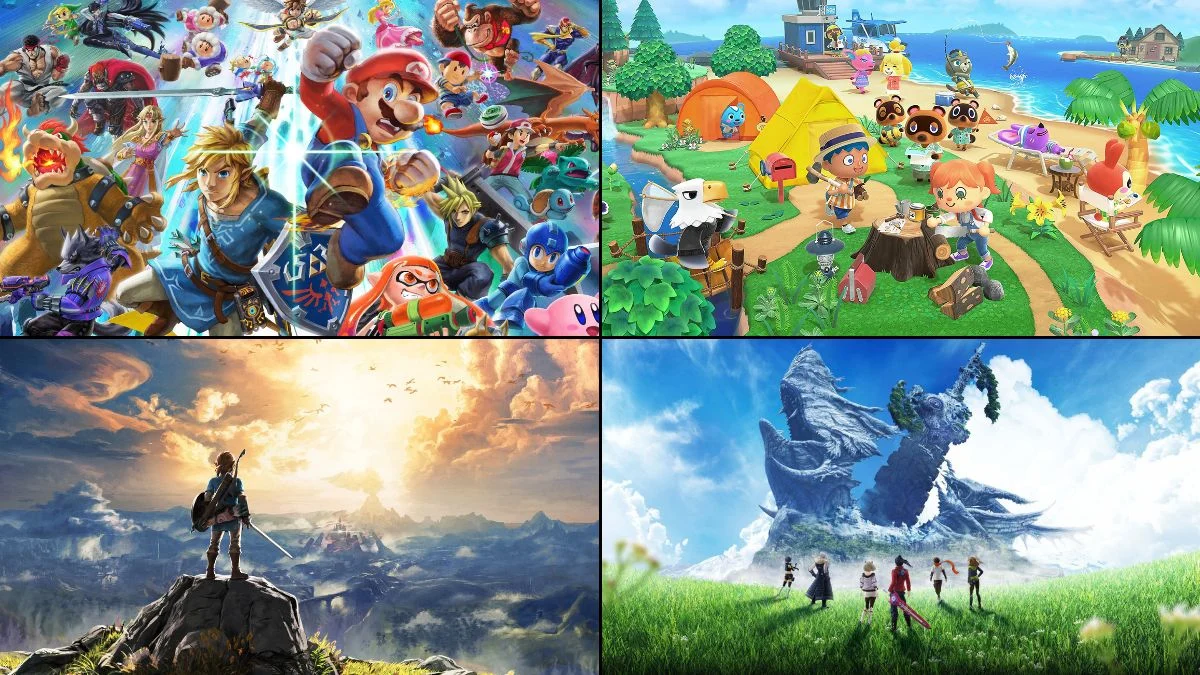


Nintendo’s history is packed with games that defined hardware generations and reshaped how people play. From sprawling adventures to tight platforming and party friendly favorites, these titles show the variety and craftsmanship that keep players coming back. Each pick here left a clear mark through design breakthroughs, smart systems, or cultural impact. Whether you grew up with cartridges or digital libraries, these games explain why the brand keeps setting the pace.
The Legend of Zelda: Breath of the Wild
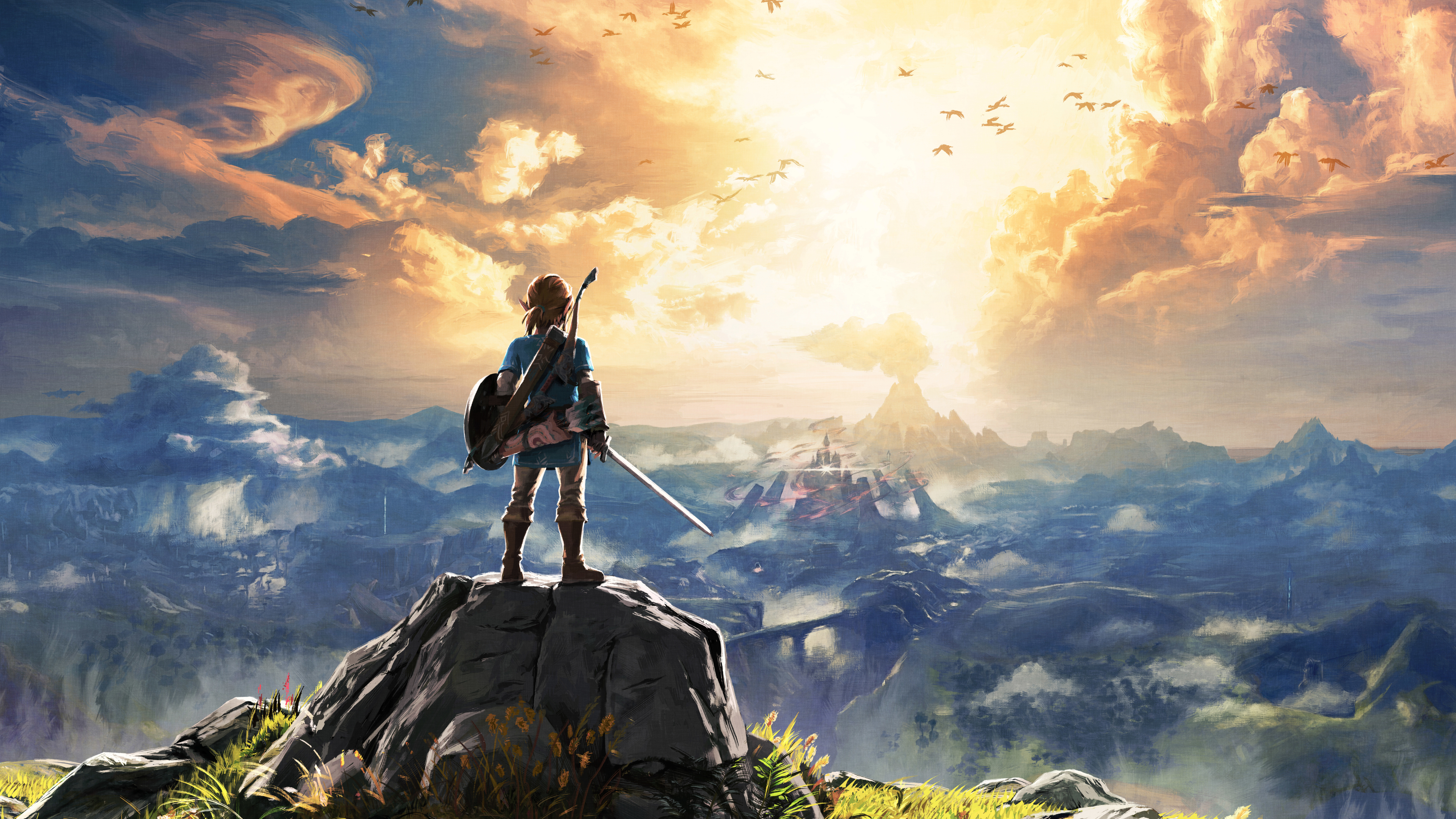
This adventure reimagines exploration with a seamless world that rewards curiosity at every turn. Systems like physics driven combat, dynamic weather, and cooking interact in flexible ways that encourage creative problem solving. Shrines and Korok puzzles replace traditional dungeons to keep progression steady across the map. The climbing and paraglider tools make travel smooth and give players freedom from the first hour.
The Legend of Zelda: Tears of the Kingdom
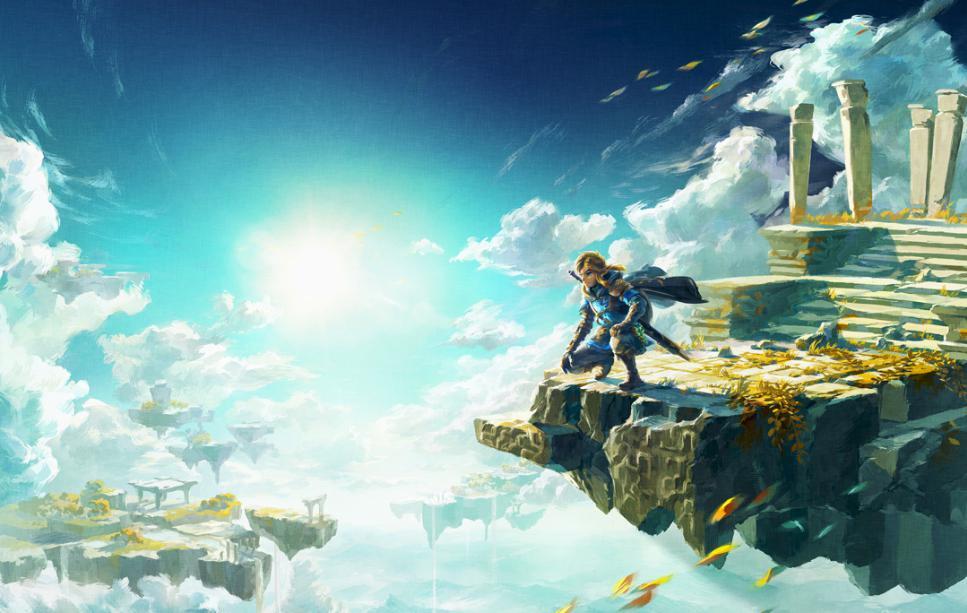
This follow up builds on the same map by stacking sky islands above it and a vast Depths region below. New abilities such as Ultrahand and Fuse let players assemble vehicles and combine items to create custom solutions. Zonai devices support experimentation with movement and combat tools. A modular approach to quests and temples allows different play styles to reach key story beats.
The Legend of Zelda: Ocarina of Time
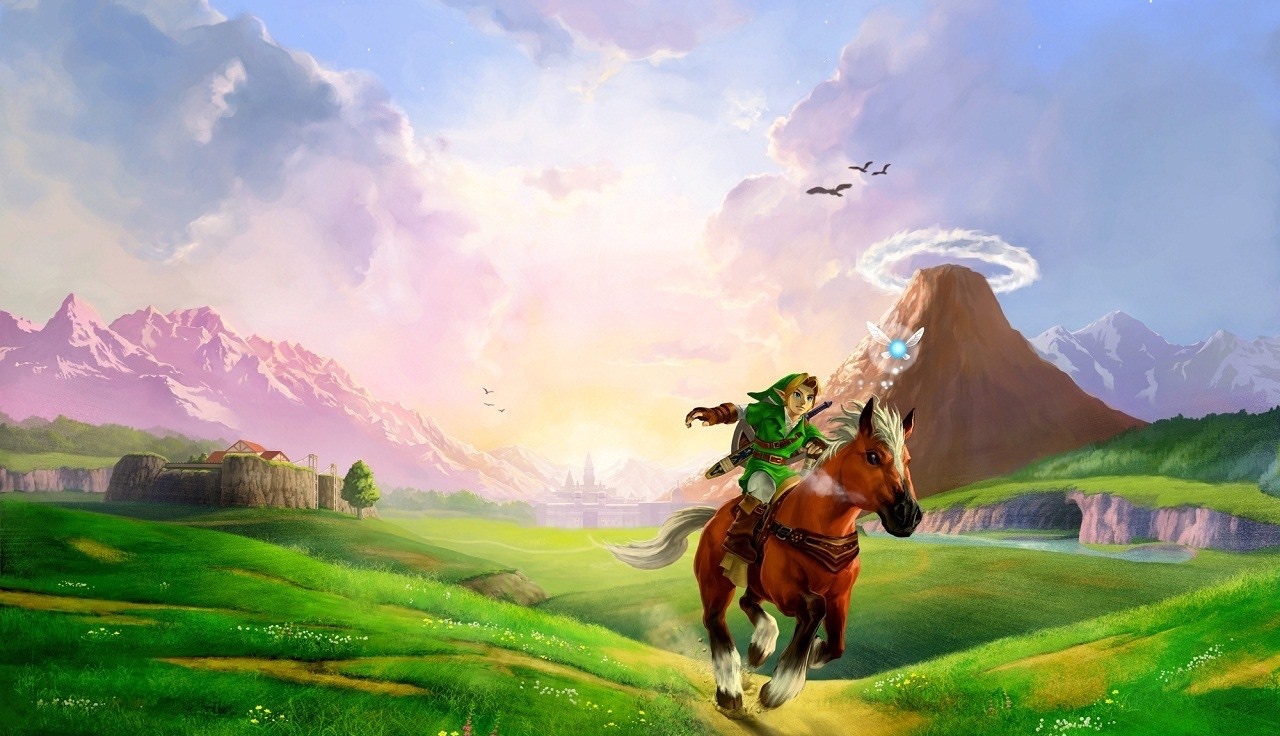
This game brought lock on targeting and context sensitive actions to 3D adventure design. Time travel between child and adult eras changes dungeons and side quests in practical ways. Dungeon items reshape both puzzle logic and overworld access to keep progress clear. Its structure set standards for camera behavior and level pacing used across the genre.
The Legend of Zelda: A Link to the Past
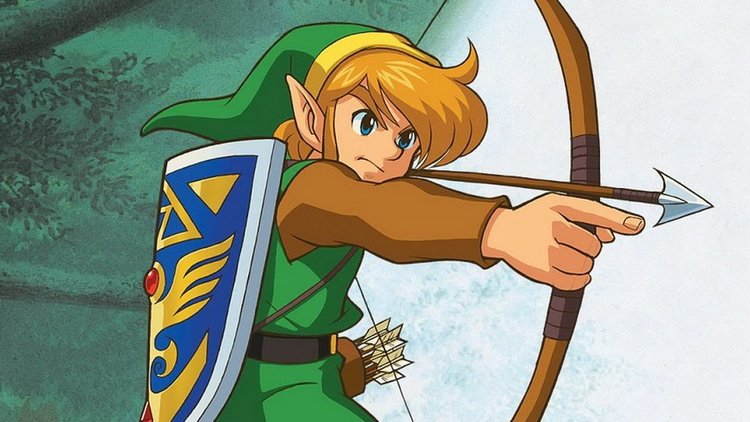
This entry introduced a dual world concept that changes terrain, enemy placement, and puzzle routes. The item set supports both combat and traversal, with tools like the Hookshot creating new shortcuts. Dungeons use small keys and layered layouts to teach navigation step by step. The map encourages optional exploration to find heart pieces and magic upgrades.
Super Mario Bros. 3
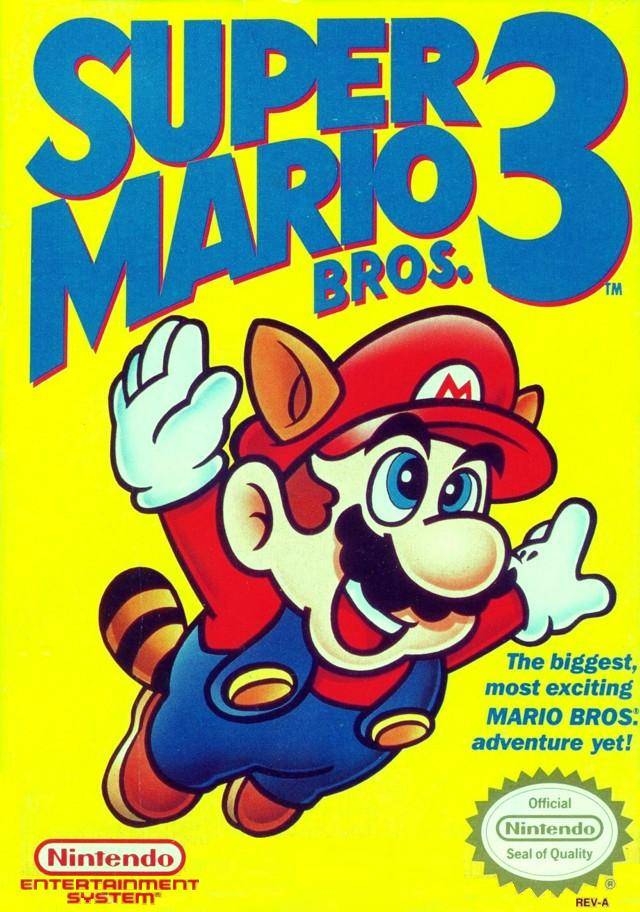
This platformer adds world maps, power up variety, and short challenge levels that mix the pace. Suits like Tanooki and Frog change movement and level approach across water and air. Ships and hand trap stages introduce unique scrolling and enemy patterns. Secrets and inventory items give players control over routing and difficulty.
Super Mario World

The addition of Yoshi and a generous spin jump expand movement and enemy interactions. The overworld has hidden exits that unlock Star Road and special stages for skilled play. Cape flying introduces a high skill ceiling with momentum based control. Ghost houses teach puzzle platforming through switches and looping rooms.
Super Mario 64
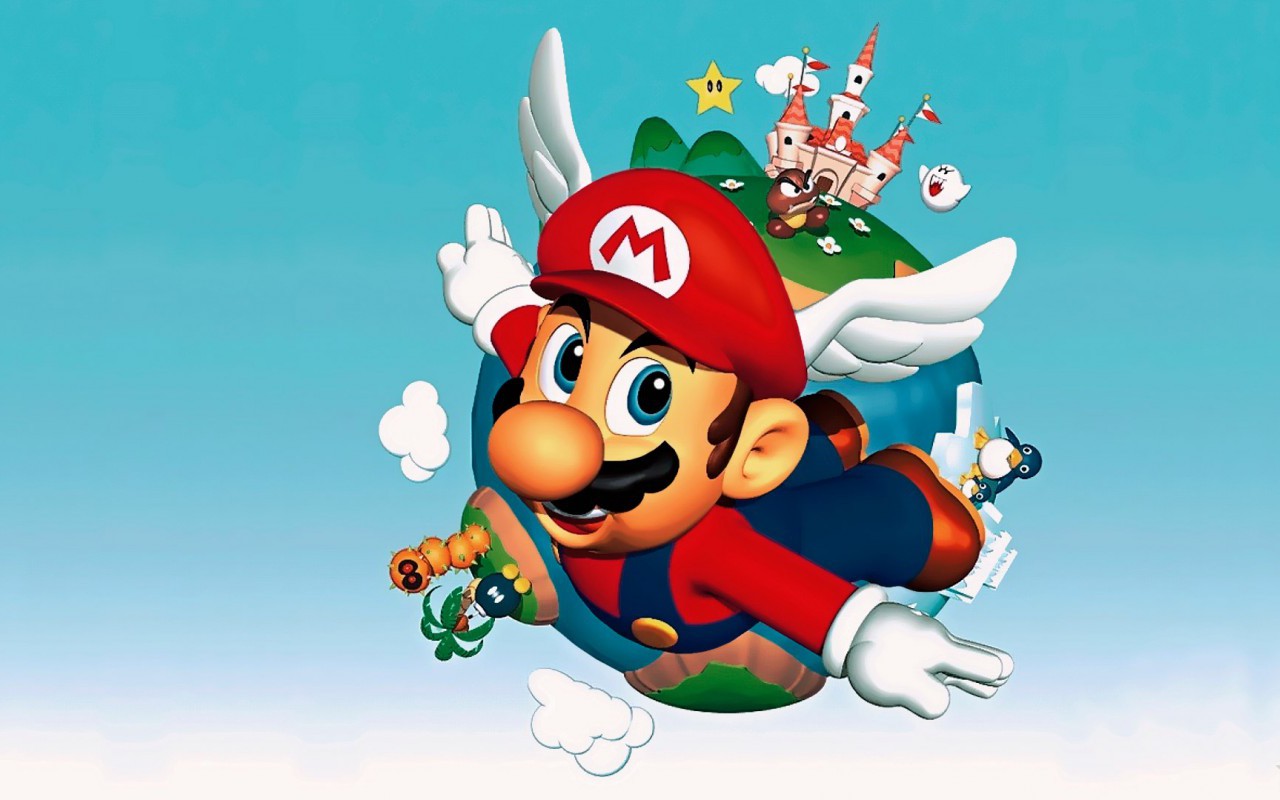
Analog stick movement and a flexible camera show how 3D platforming can feel precise. Stars gate progression while letting players choose the order that fits their strengths. Levels are built as playgrounds with multiple objectives and environmental tricks. Moves like long jump and wall kick create expressive routes through stages.
Super Mario Odyssey
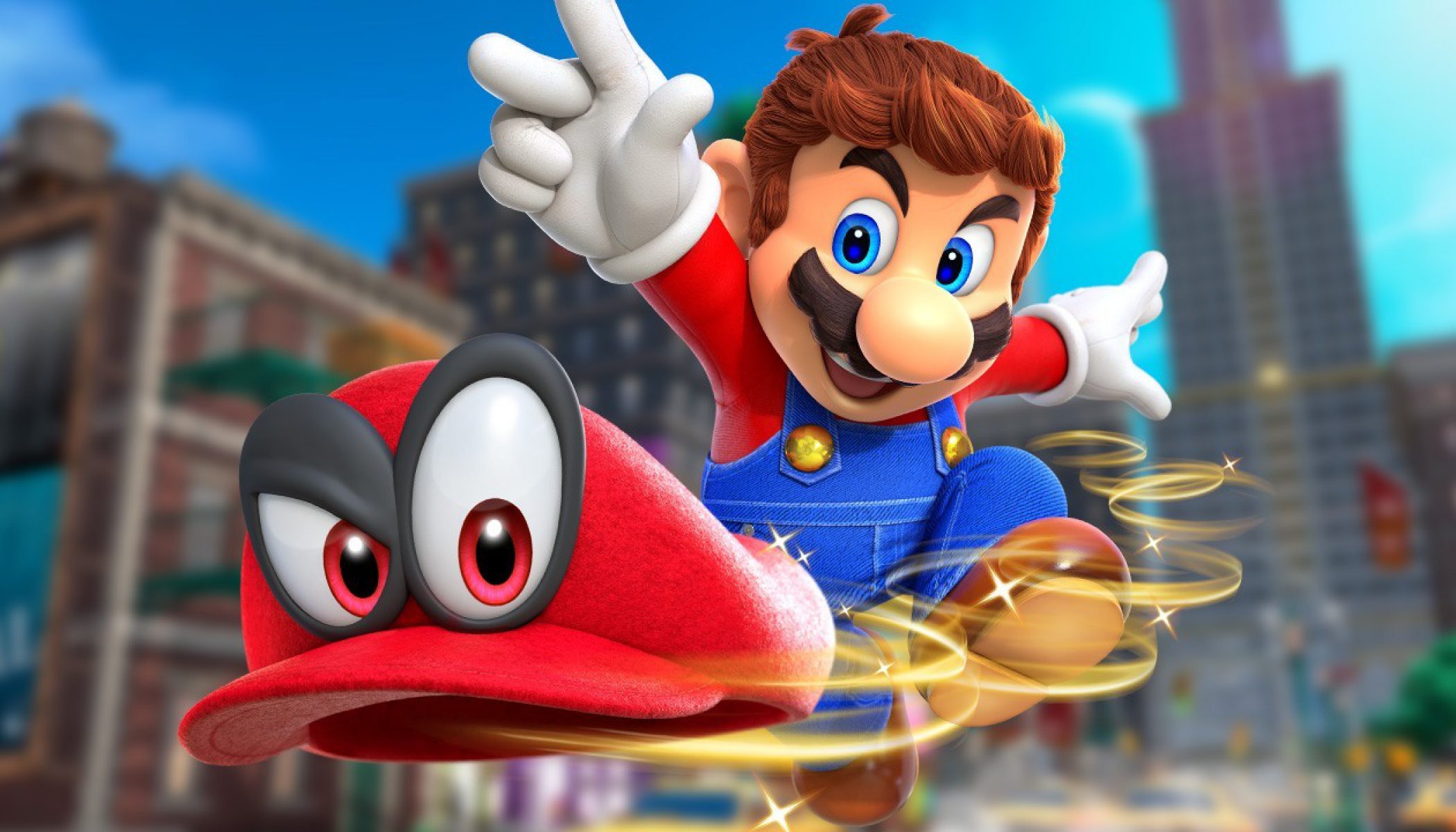
Kingdoms are dense with objectives that can be completed in short bursts or long sessions. Cappy capture mechanics let players control dozens of creatures to gain new abilities. Checkpoints and fast travel support quick exploration without backtracking. Post game content expands challenges with remixes and hint systems for completionists.
Mario Kart 8 Deluxe
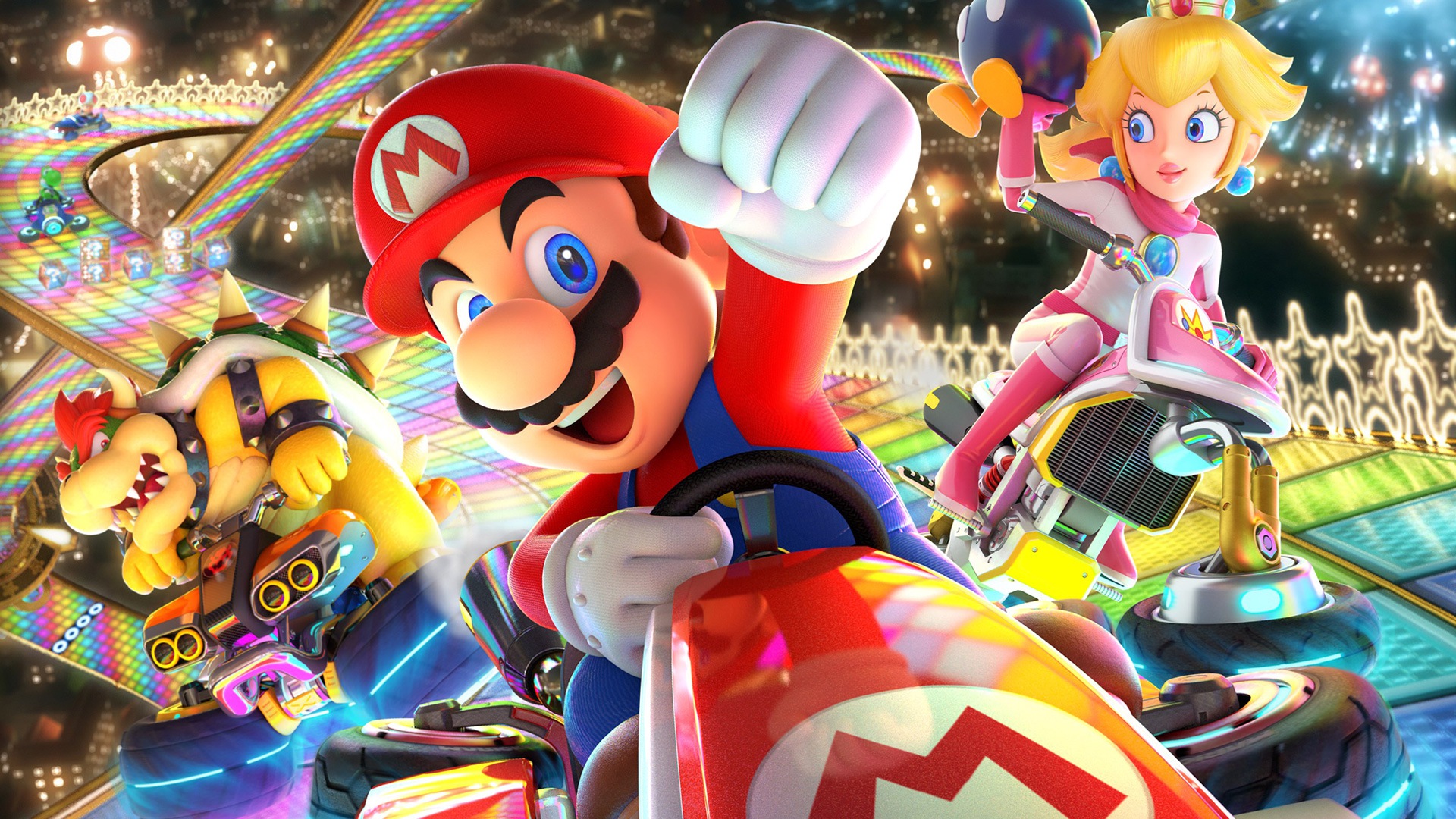
This release includes all previous DLC tracks and a revamped battle mode for local and online play. Anti gravity sections change racing lines and encourage bumping for speed boosts. Smart steering and auto accelerate options make entry friendly for new players. Regular track updates have extended the roster with classic and new circuits.
Super Smash Bros. Ultimate
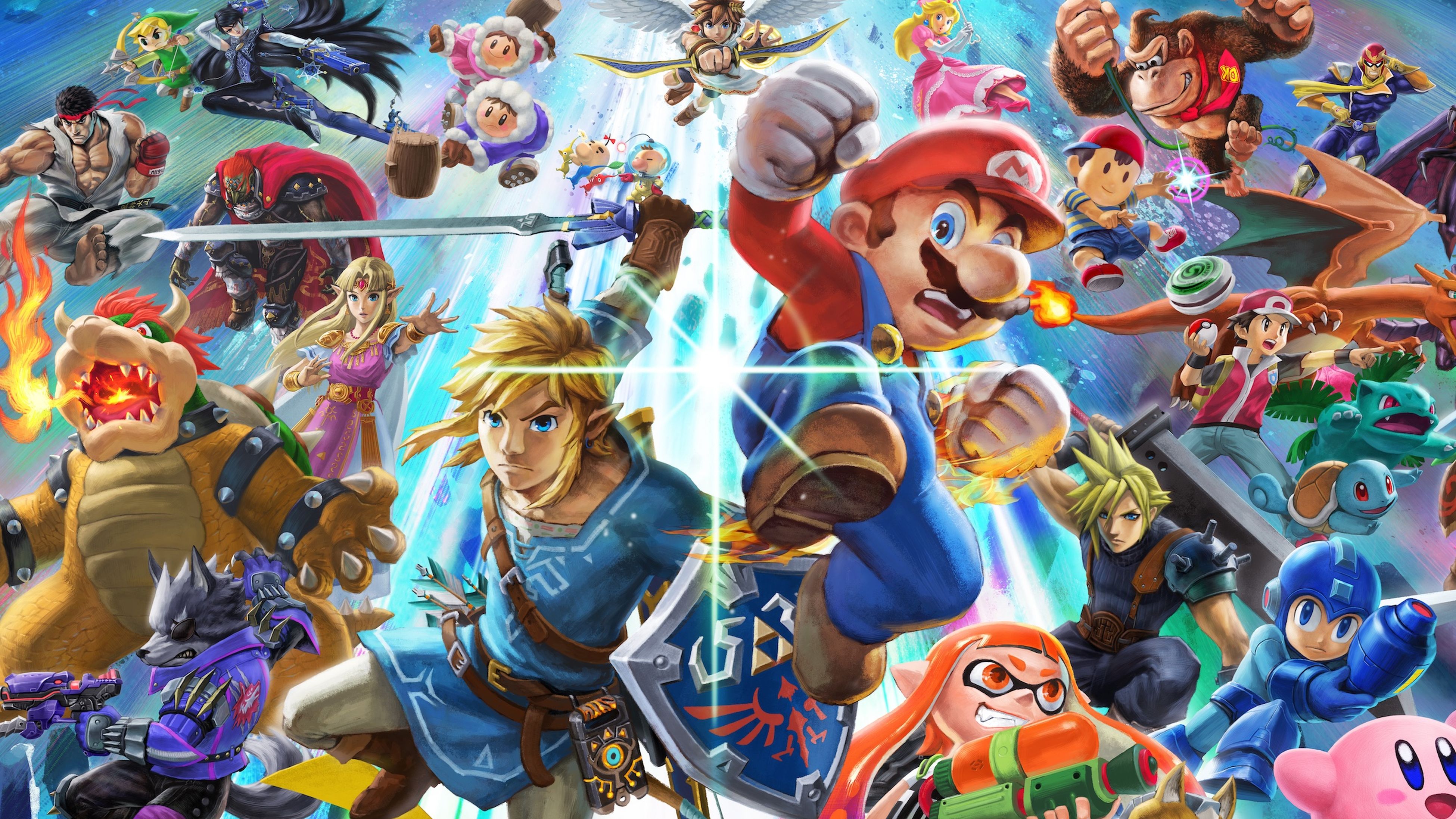
The roster includes fighters from across gaming with distinct move sets and mechanics. Stages feature hazards and transformations that can be toggled for competitive play. Spirits and World of Light add progression for solo players through themed battles. Network features support arenas, quickplay, and rule customization.
Metroid Prime
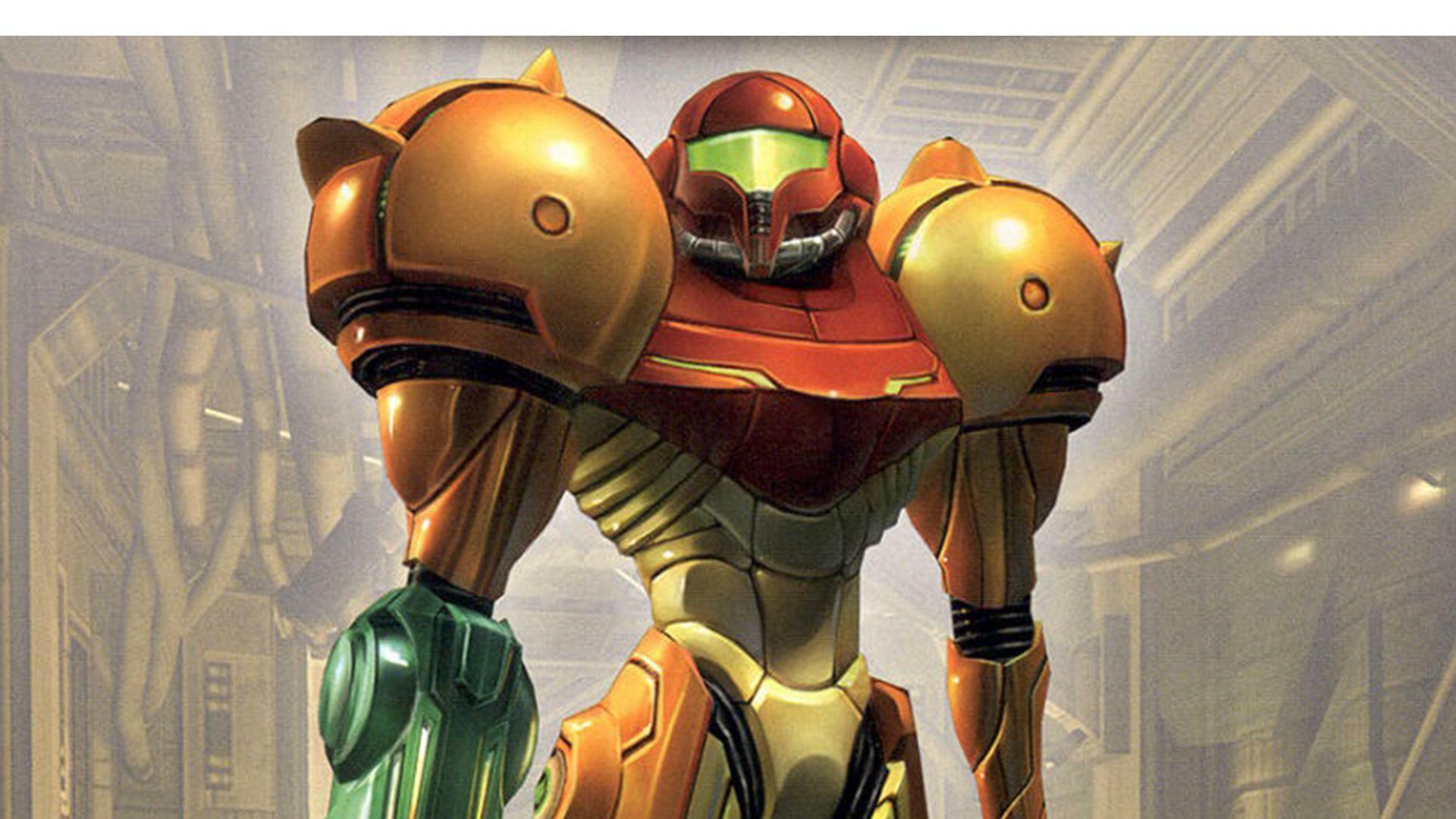
First person exploration uses visor modes and scanning to tie story and mechanics together. The world loops back through new abilities that open doors, elevators, and secret paths. Platforming and environmental puzzles are tuned for precise movement without motion sickness tricks. Boss fights teach item utility while expanding traversal.
Super Metroid
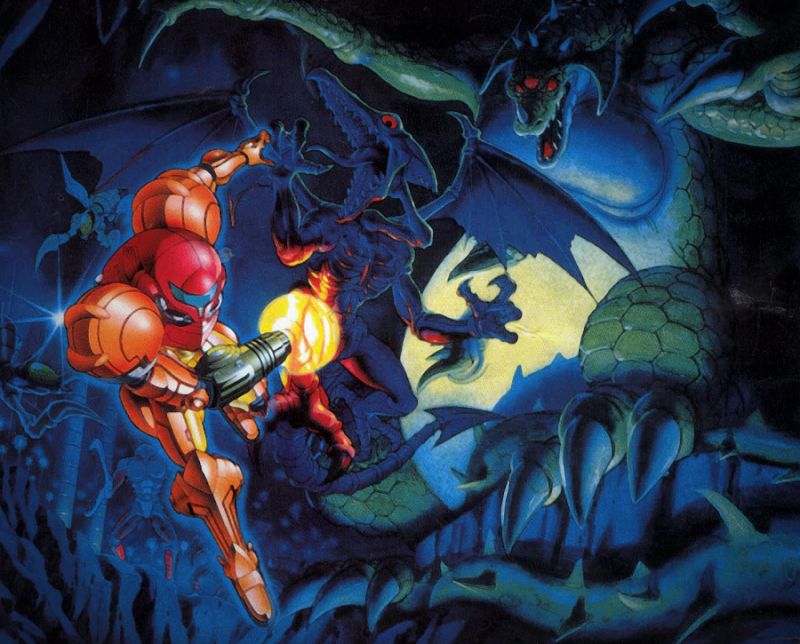
This side scrolling adventure refines map design with clear silhouettes and readable tiles. Upgrades like the Speed Booster and Grapple Beam layer new routes over old rooms. The map screen and auto save points make backtracking manageable. Subtle environmental hints guide players toward sequence progress without text.
Animal Crossing: New Horizons
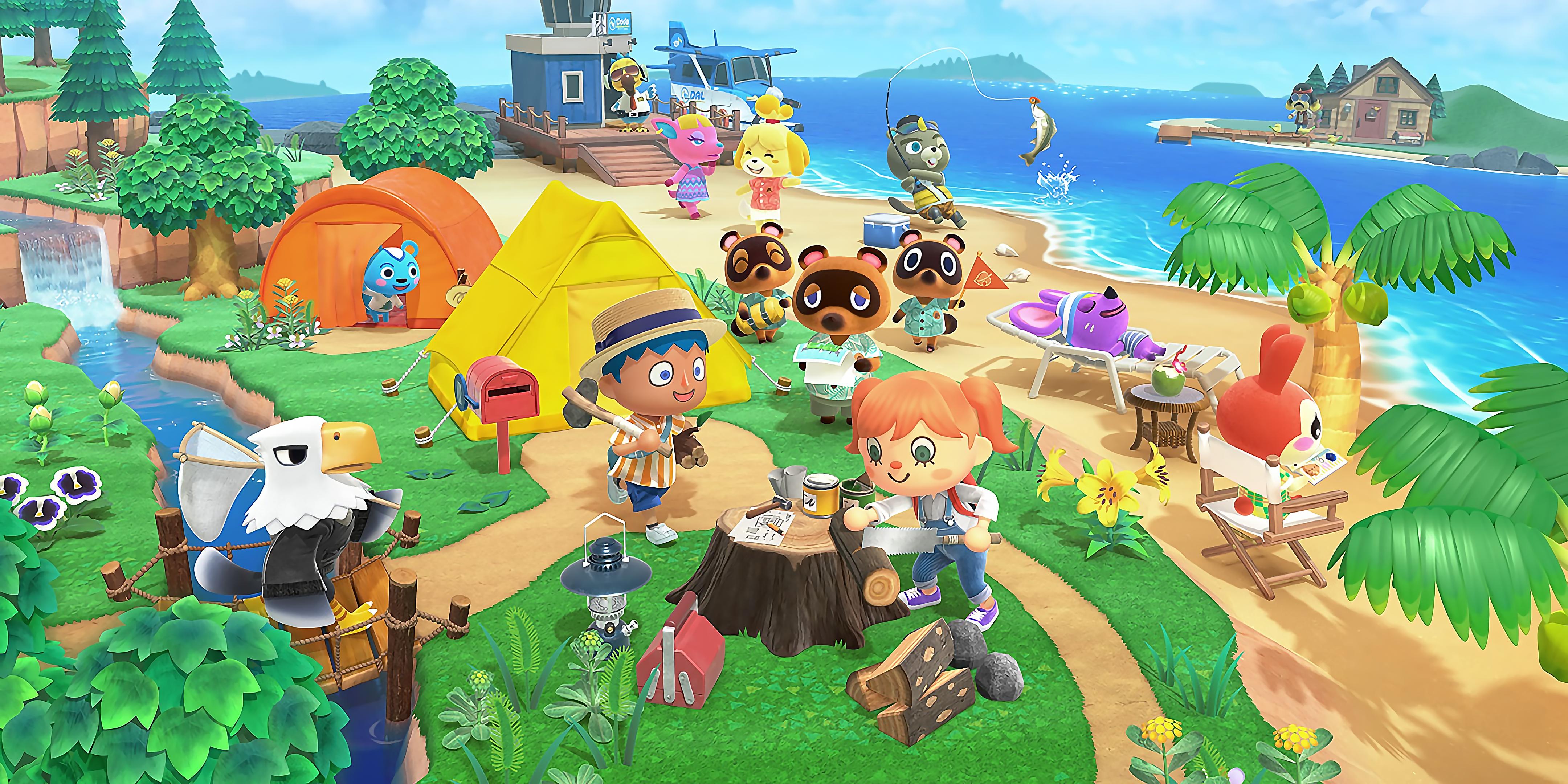
Island development gives players control over house placement, terrain editing, and decoration. Seasonal events and rotating shops tie play to real world time. Crafting and resource gathering feed into museum collections and custom designs. Online visits and local play let friends trade items and share ideas.
Splatoon 3
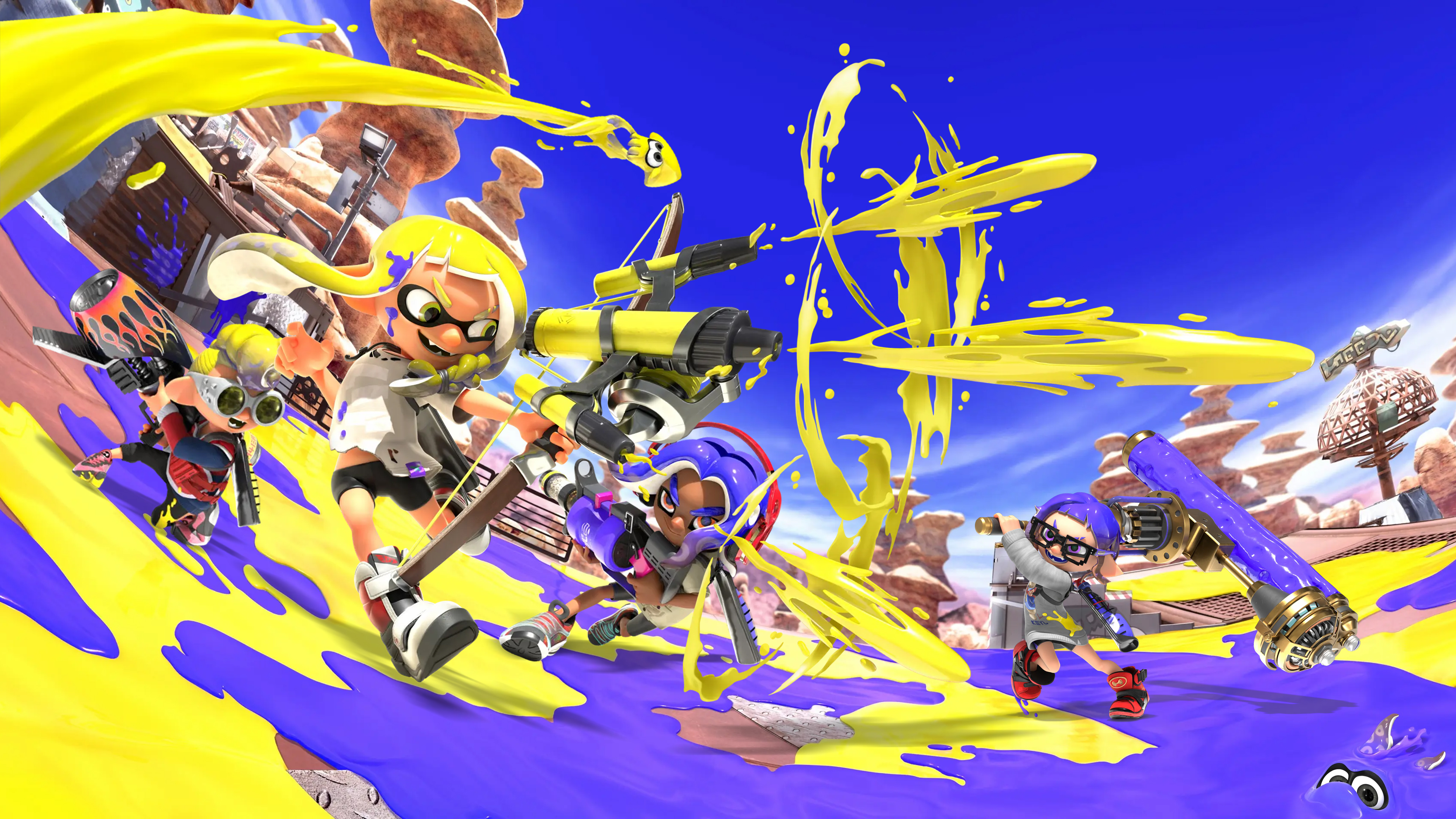
Turf War focuses on ink coverage rather than eliminations to keep matches active. Weapon classes and sub abilities support roles from front line to backline support. The cooperative Salmon Run mode features rotating maps and event hazards. Regular Splatfests and catalog updates add cosmetics and map tweaks.
Pokémon Red and Blue
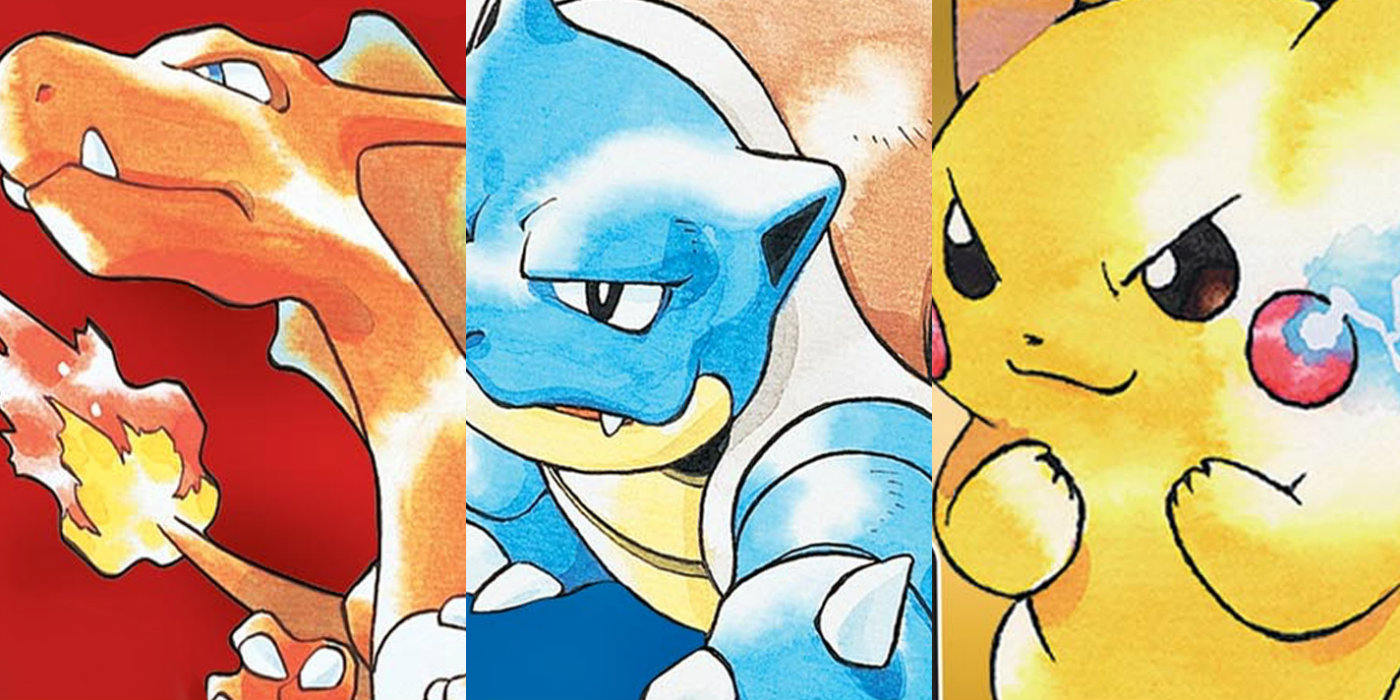
The original regional Pokédex and turn based battles established type matchups and status conditions. Link cable trading enabled version exclusive catches and evolution by trade. Route based progression and gym badges teach team building in steps. The Elite Four and post game content encourage training and optimization.
Pokémon Gold and Silver
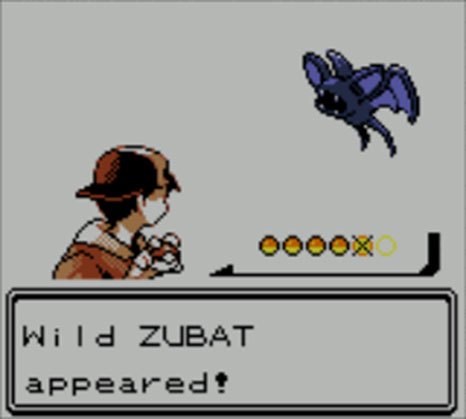
Day and night cycles and a real time clock affect encounters and evolutions. Breeding introduces inherited moves and IV considerations for team planning. The Johto journey expands into Kanto for an extended late game. Held items add strategic depth to both casual and competitive battles.
Kirby and the Forgotten Land
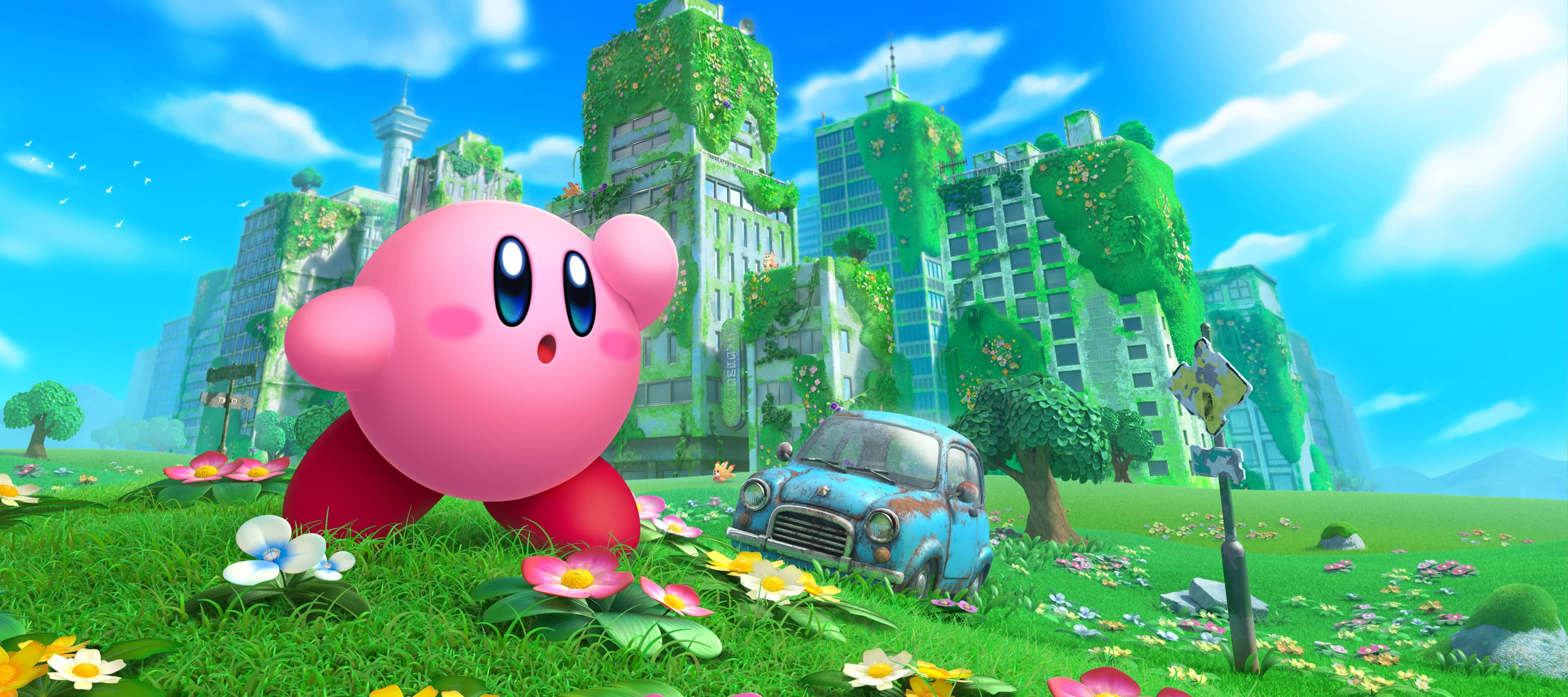
Fully 3D stages adapt copy abilities into exploration and combat challenges. Mouthful Mode changes level flow by letting Kirby control objects like cars and stairs. Waddle Dee Town upgrades unlock shops, minigames, and ability evolutions. Optional missions in each stage reward careful play and replay value.
Fire Emblem: Three Houses
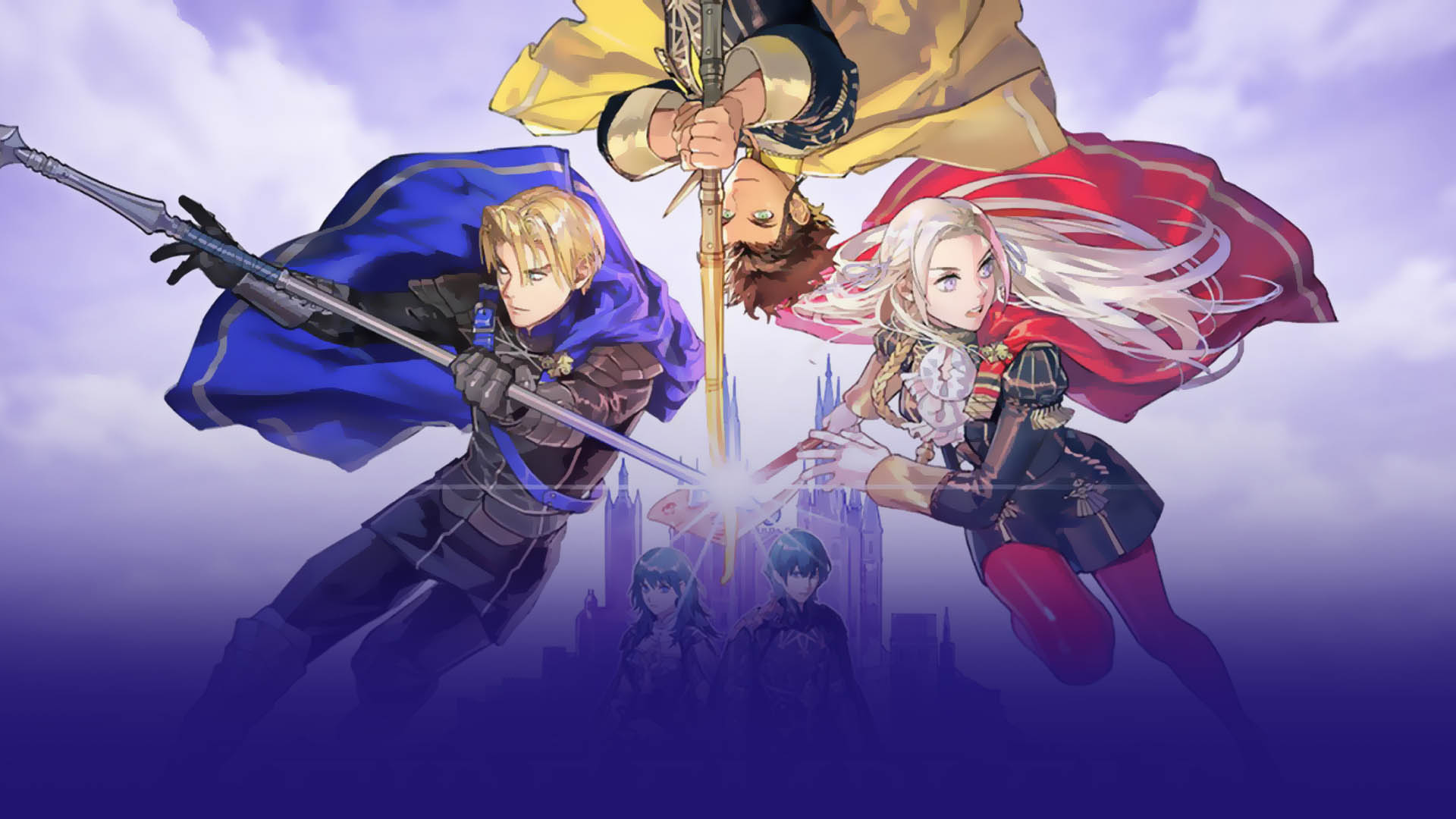
The monastery calendar structures teaching, exploration, and battle preparation. Players choose a house that changes story routes, character bonds, and late game maps. Battalions and combat arts add tactical layers beyond traditional weapon triangles. Support conversations and class certification systems encourage long term planning.
Xenoblade Chronicles 3
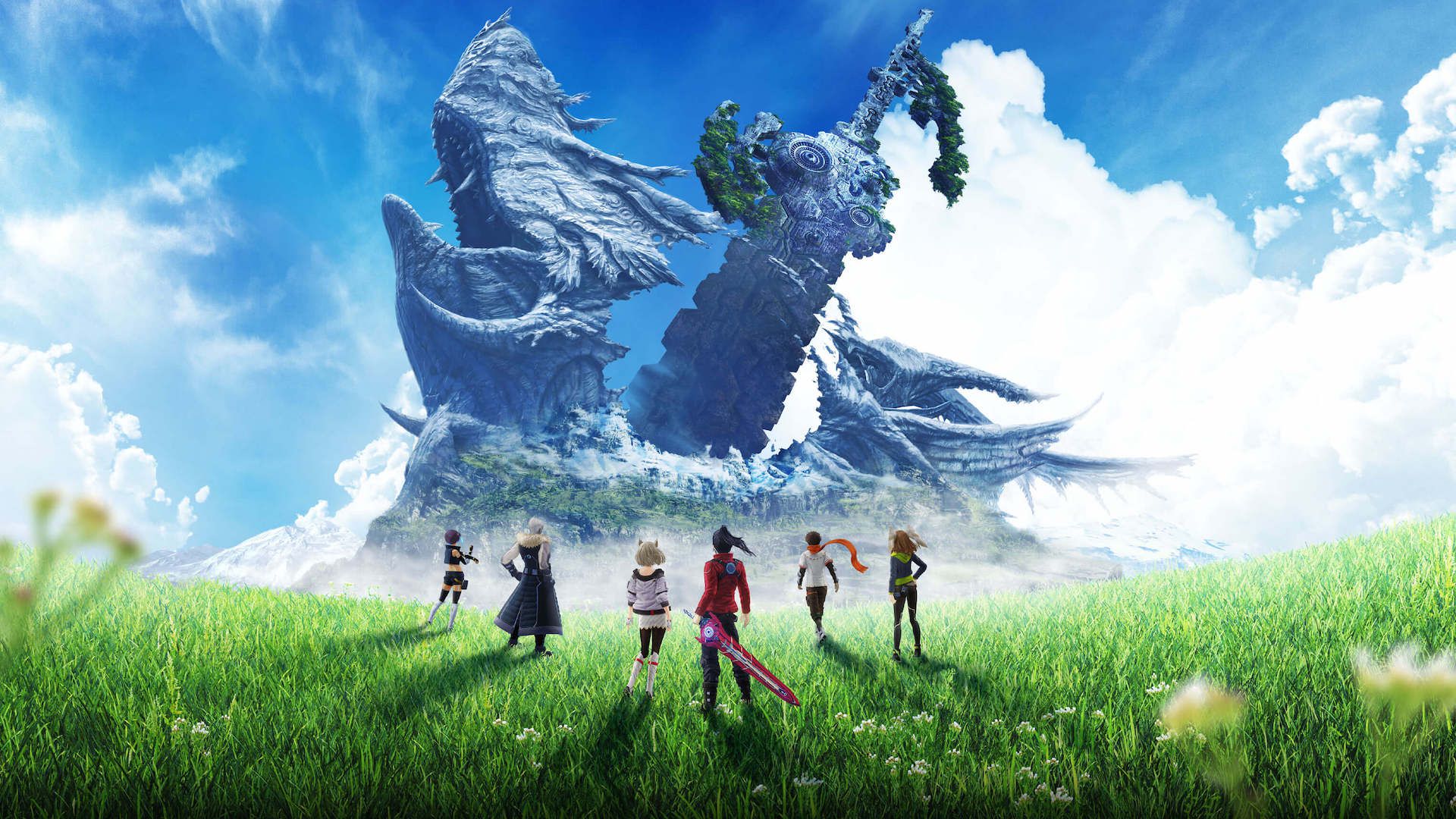
An interconnected world supports seamless travel with minimal loading and clear landmarks. Class swapping lets party members share arts and roles to fit encounters. Ouroboros forms add temporary fusions with unique skill trees. Quest lines tie colonies and characters to mechanical upgrades and traversal tools.
Pikmin 4
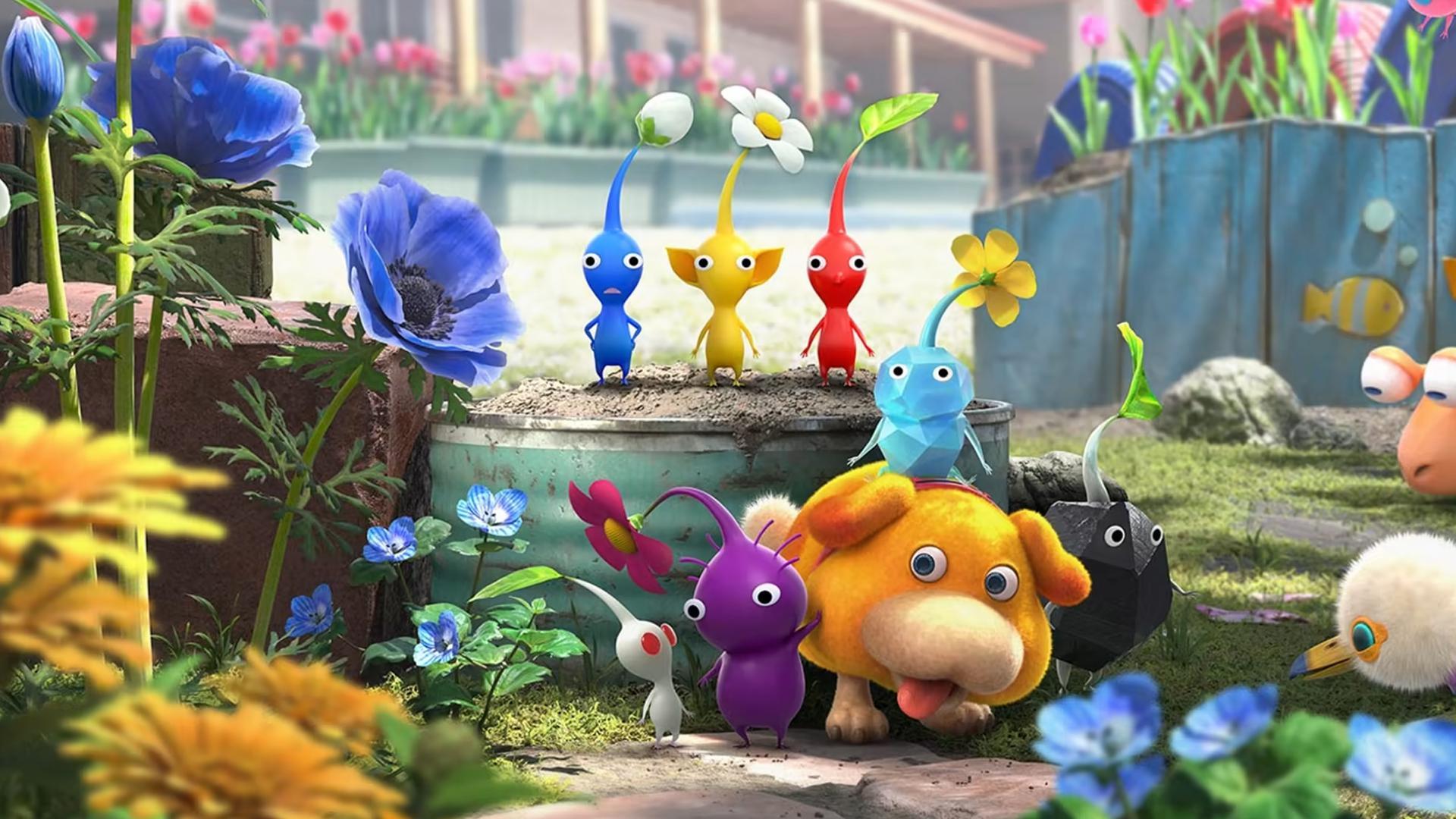
The new hub and Dandori challenges train efficient resource management. Oatchi assists with carrying, combat, and traversal by learning skills over time. Night expeditions introduce glow Pikmin with defensive objectives. Caves and surface areas mix puzzle paths with enemy types that reward scouting.
Donkey Kong Country 2: Diddy’s Kong Quest
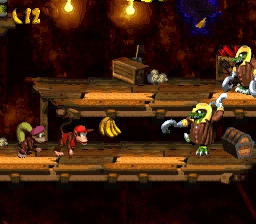
Level design centers on movement options like roll jumps and team throws. Animal buddies create distinct mechanics for swimming, flying, and charging. Collectibles such as Kremkoins and DK Coins encourage mastery of hidden routes. Checkpoints and bonus rooms balance difficulty with fair retries.
EarthBound
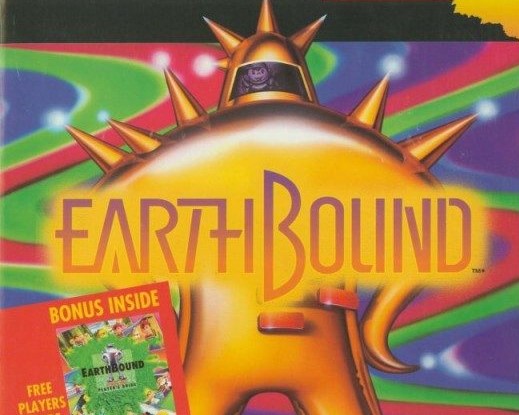
A modern setting blends psychic abilities with items and status effects that mimic everyday life. Rolling HP counters allow last second recovery if players act quickly. The game tracks unique battle conditions like back attacks and instant wins. Inventory and ATM systems add light resource management to exploration.
Wii Sports
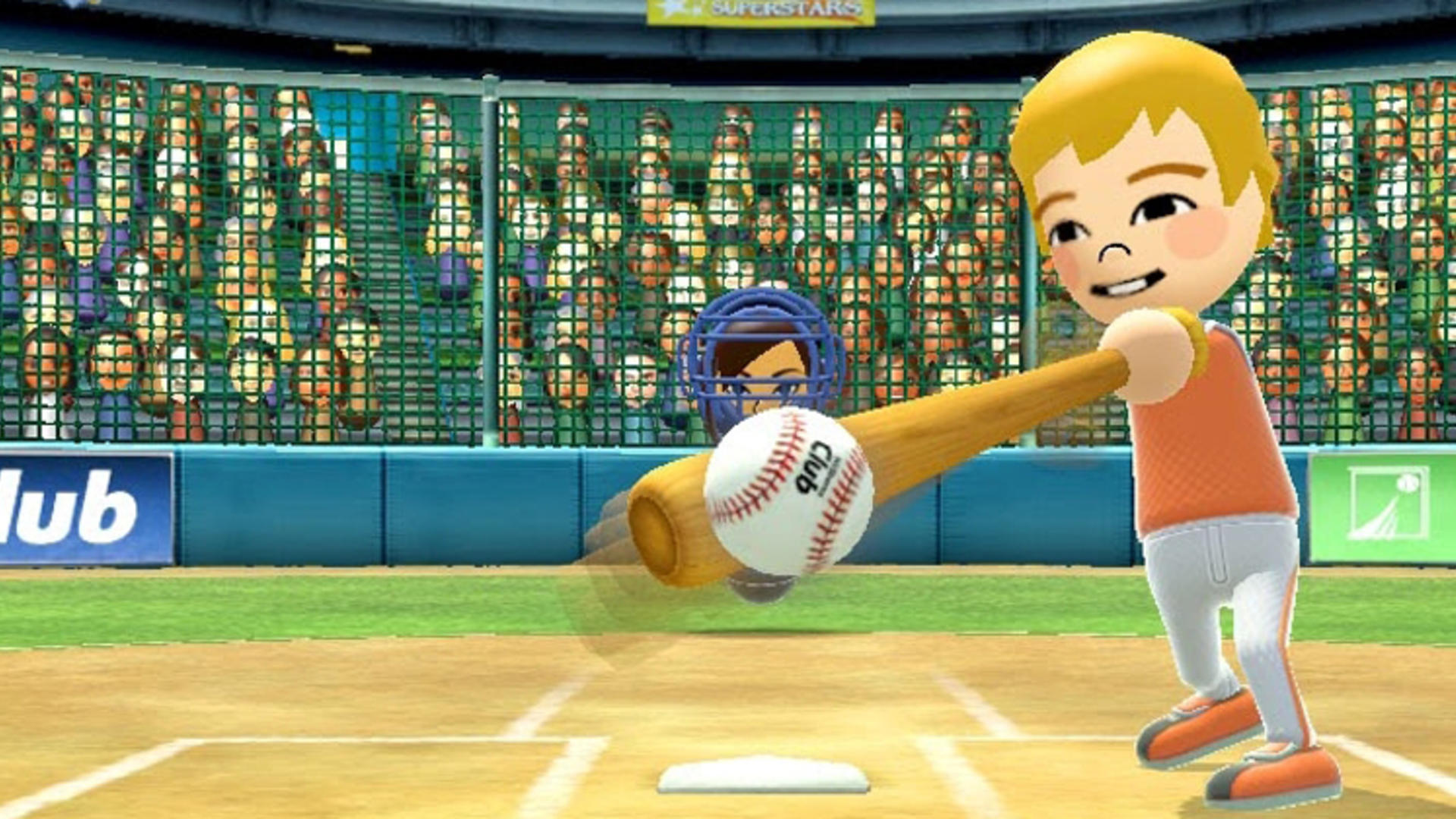
Motion controls map simple gestures to tennis, bowling, boxing, golf, and baseball. Mii avatars carry progress across modes for easy family sharing. Training drills and skill levels provide structure for practice. Local multiplayer setup makes party play accessible with minimal menus.
Tetris on Game Boy
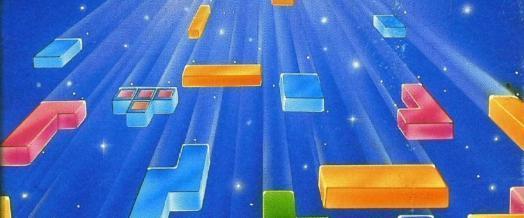
Portable play and link cable multiplayer turned a puzzle into a travel companion. Gravity speed and line clear rules teach stacking strategy through repetition. The seven tetromino shapes create a consistent but deep decision space. Battery backed saves and small file size made quick sessions practical anywhere.
Paper Mario: The Thousand Year Door
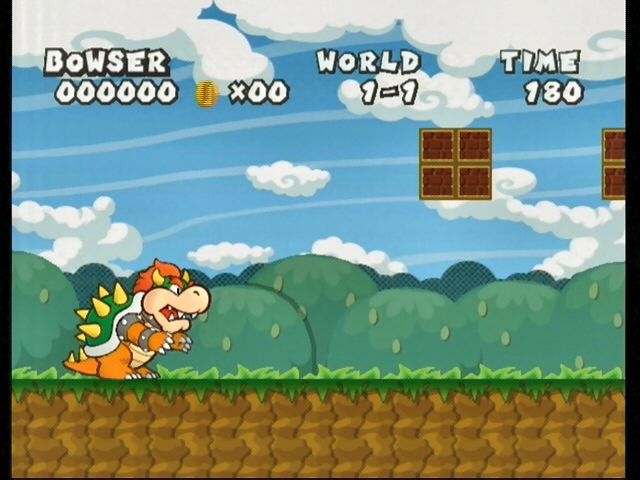
Turn based battles use timed button inputs to raise damage and defense. Badge systems customize builds by changing stats and adding unique moves. Stage effects and audience reactions influence fights in real time. Chapter structure mixes overworld puzzles with character focused partners and abilities.
Share your own all time favorites and the picks you think deserve a spot in the comments.