


Top British Celebrities America Rejected




There are plenty of British stars who dominate ratings, awards, and headlines at home yet never quite turn those wins into long-term footholds in the United States. Some tried American TV runs that ended quickly. Others released music stateside that didn’t match their UK chart highs. A few built brief bursts of visibility and then chose to refocus on the audiences who already knew them best.
This list looks at well-known names who achieved major success in Britain but never secured sustained mainstream traction in the U.S. market. You’ll find concrete career moments like canceled pilots, short American stints, modest chart peaks, and projects that stayed UK-only. It’s a snapshot of how different the two entertainment ecosystems can be, even for proven stars.
Robbie Williams
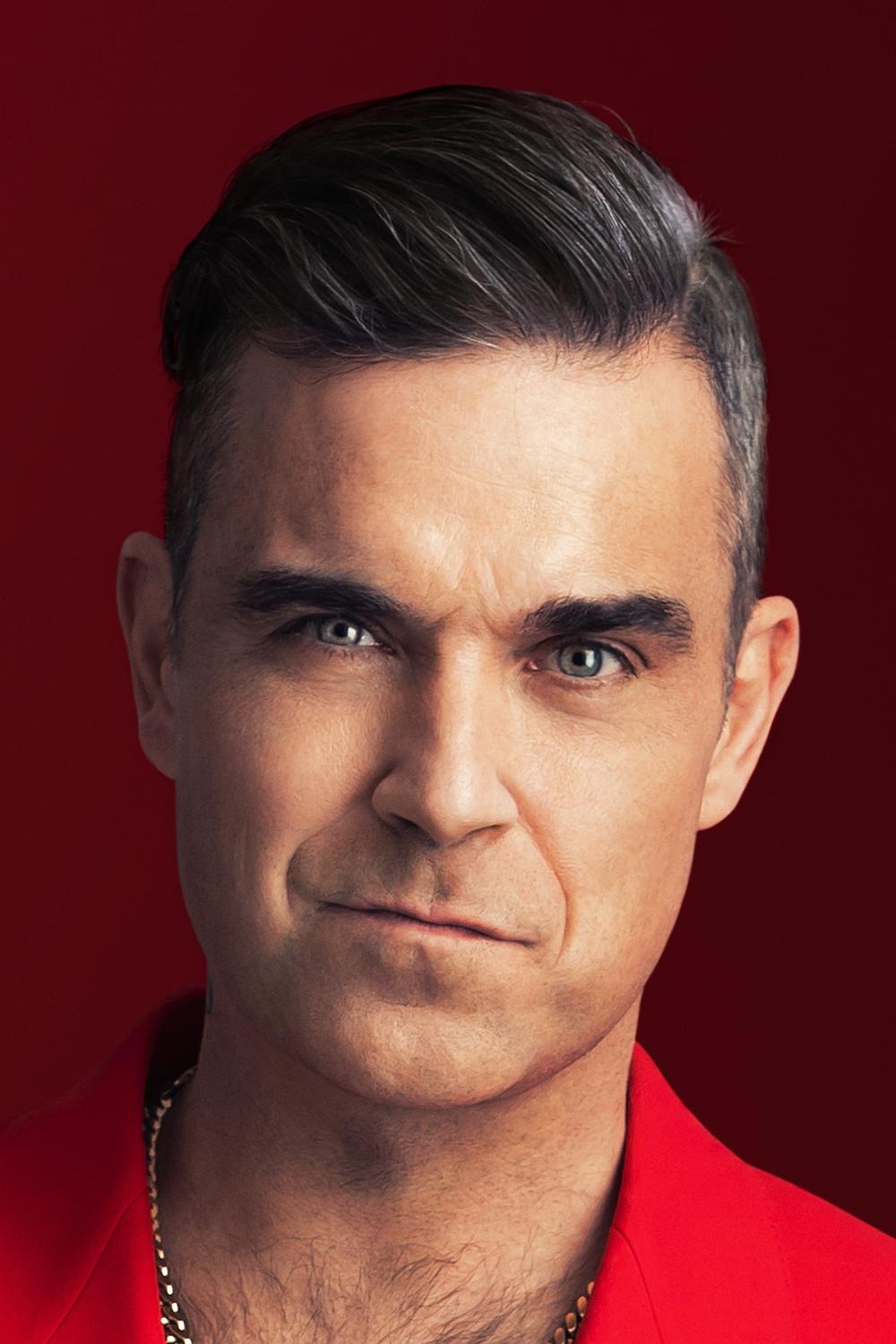
Robbie Williams is one of the UK’s best-selling solo artists, with multiple multi-platinum albums, arena tours, and a long run of number-one singles at home. He made a concerted American push with a compilation aimed at U.S. listeners and high-profile promo appearances, but the singles that defined his UK superstardom received limited U.S. radio rotation and comparatively modest sales.
After that early-2000s effort, Williams largely concentrated on Europe, where each new release drew major first-week numbers and stadium dates. Catalog favorites that are staples in Britain never became recurrent radio fixtures in America, and later albums were prioritized for territories where his core audience delivered consistent chart results.
Take That

Take That became a defining British pop group with record-setting tours and a run of number-one singles in the 1990s, followed by a blockbuster reunion era with new chart-topping albums. In the U.S., however, their releases saw limited promotion and minimal mainstream radio airplay compared with their UK dominance.
The band’s post-reunion strategy focused on arenas and stadiums across the UK and Europe, where demand remained exceptionally strong. U.S. activity was occasional and selective, reflecting the reality that their fan base and commercial momentum were concentrated in Britain and continental Europe rather than North America.
Cheryl

Cheryl rose to prominence with Girls Aloud, then built a solo career with multiple UK number-one singles and primetime judging roles. Her highest-profile American moment came with a judging slot on ‘The X Factor’ USA that ended quickly during the show’s early tapings, and planned U.S. music releases did not develop into a sustained campaign.
She continued to headline British television and music projects, returning to high-visibility roles that consistently drew attention at home. Subsequent singles and appearances were targeted to UK media cycles, where she maintained strong brand recognition and an established audience.
Paul Hollywood

Paul Hollywood became a household name through ‘The Great British Bake Off’, where his judging role and signature handshakes became pop-culture shorthand. When an American adaptation launched, it ran for one season before ending, and it didn’t replicate the ratings and cultural momentum of the UK original.
Hollywood’s ongoing profile remained anchored to British baking shows, tours, and food media tied to Bake Off’s enduring popularity. While the UK series found international fans via distribution, his television projects that positioned him at center stage worked best within the familiar British format and audience expectations.
Graham Norton

Graham Norton’s UK chat show built a reputation for lively multi-guest couches and viral story clips. An earlier U.S.-specific series ran for a short period and did not lead to a long-running American franchise, even as his BBC show continued to thrive and syndicate clips globally.
Norton’s career focus stayed on British broadcasting, where his talk show’s format and booking power consistently delivered strong lineups. His radio and hosting work also remained UK-centric, reinforcing a media footprint that is massive at home and primarily clip-based for American audiences.
Kelly Brook

Kelly Brook booked multiple UK television and modeling projects before pursuing American acting opportunities. U.S. pilots and a network sitcom appearance produced limited runs, and subsequent roles did not coalesce into an enduring stateside screen career.
Brook continued to land presenting work, campaigns, and acting roles in Britain, where she had longstanding name recognition. Her media schedule remained centered on UK outlets that leveraged her profile more effectively than American casting pipelines did.
Olly Murs

Olly Murs parlayed a breakout TV appearance into UK chart success with platinum albums, number-one singles, and sold-out tours. In the U.S., single releases and promotion produced modest footholds but not the sustained radio support needed to cement a long chart presence.
Murs’s touring and release plans increasingly prioritized the UK and Europe, aligning with where his singles performed best. His television hosting and judging roles also came through British formats that kept him prominent on home screens rather than in American primetime.
Pixie Lott

Pixie Lott debuted with UK number-one singles and a platinum album that established her as a mainstream pop figure at home. U.S. releases did not produce comparable radio or sales momentum, and promotional activity shifted back toward British campaigns.
She broadened her UK footprint with stage roles, TV appearances, and brand partnerships. Subsequent recording projects, live shows, and media spots concentrated on British audiences, where singles received stronger playlist support and faster chart responses.
Alexandra Burke

Alexandra Burke won a major British TV competition and followed with a string of UK hits and prominent performances. Her attempts to transition those results to the U.S. saw limited commercial follow-through, and planned stateside releases did not match her UK impact.
Burke diversified into West End roles and UK television, building a sustainable career around stage work and national broadcasts. Music projects continued to target the markets where her earlier singles resonated most strongly, keeping her profile anchored in Britain.
Sugababes

Sugababes scored multiple UK number-one singles and albums across lineup eras, shaping mainstream British pop through the 2000s. In the U.S., releases charted lower and received lighter radio exposure, which curtailed touring scale and long-term stateside promotion.
The group’s strongest commercial returns remained in the UK and parts of Europe, leading their team to prioritize those territories for singles, festivals, and media. Catalog hits continue to stream robustly among British listeners, while American familiarity centers on niche pop audiences.
JLS

JLS quickly moved from TV breakout status to multi-platinum albums and arena tours in Britain. Attempts to introduce the group to American pop audiences saw minimal radio traction and did not evolve into a sustained chart presence.
The band’s strategy centered on UK album cycles, reunion shows, and festival appearances, where demand remained consistent. Retail partnerships, charity singles, and television engagements also leaned into their British fan base rather than U.S. promotion.
Paul Weller

Paul Weller’s influence in British music spans The Jam, The Style Council, and a lengthy solo career with multiple UK number-one albums. In the U.S., his releases cultivated a dedicated niche following without reaching broad mainstream radio playlists.
Weller’s touring schedules and album promotions leaned toward the UK and select European dates, aligning resources with the regions that delivered top-tier chart outcomes. American activity remained periodic and venue-focused rather than chart-driven.
Ant & Dec
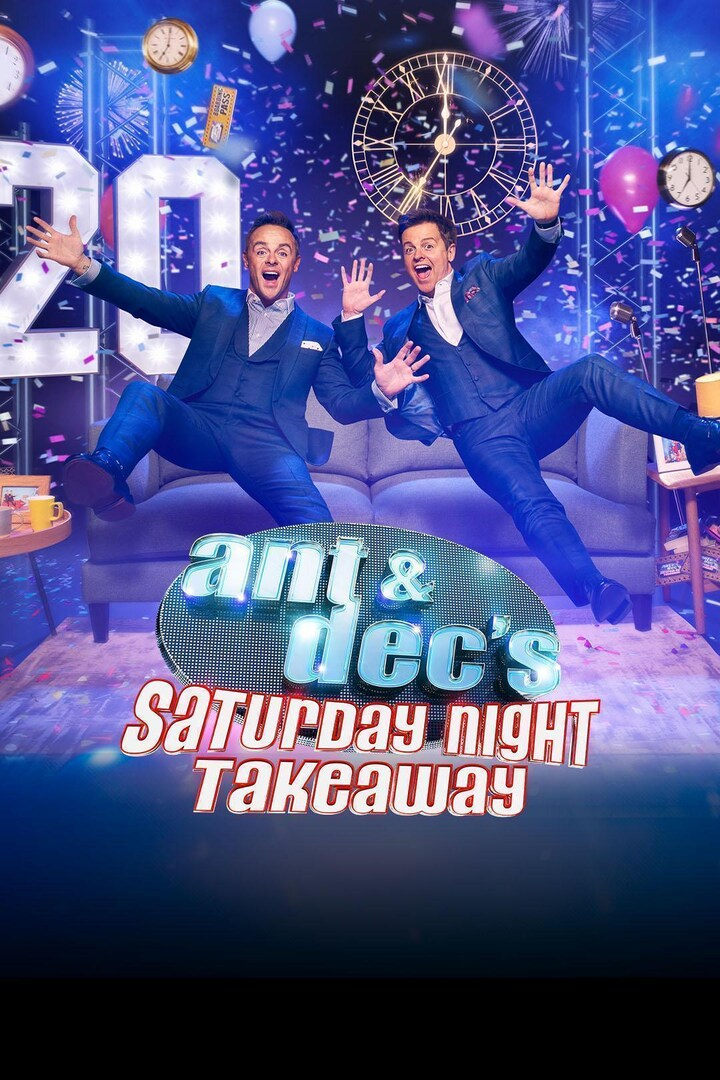
Ant & Dec became staples of British television with long-running prime-time shows and national awards. While their formats have international versions, their own on-camera presence did not translate into a long-term American hosting franchise.
They continued to anchor UK flagships that depend on local familiarity and live audience habits. Production calendars, brand partnerships, and special broadcasts remained Britain-centric, reflecting where their viewer loyalty and ratings power are strongest.
Alan Carr
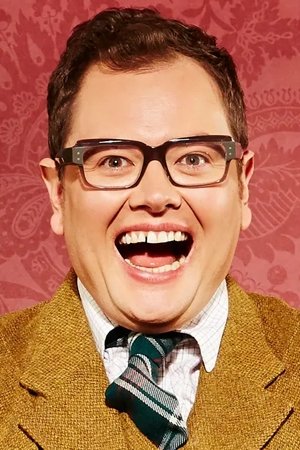
Alan Carr established himself with hit UK chat shows, stand-up tours, and frequent panel appearances. His television work is tailored to British formats and guests, and he has not fronted a long-running American talk series.
Carr’s projects, from specials to hosting gigs, are developed for British broadcasters and streaming buyers who understand his audience profile. Tour routing and publicity similarly focus on the UK, where he consistently sells tickets and attracts television commissions.
Leigh Francis

Leigh Francis created characters that became fixtures of British comedy television, drawing strong ratings across multiple series. Those personas were closely tied to UK pop culture references, which limited opportunities to transplant them directly to American screens.
When international versions surfaced, they did not evolve into sustained U.S. vehicles featuring Francis himself. Subsequent projects continued to launch on British networks, where the humor’s references and guest rosters fit audience expectations.
Peter Kay

Peter Kay’s record-setting stand-up tours and television projects made him one of Britain’s most commercially successful comedians. In the U.S., his material was not packaged into a long-running network or cable series fronted by him, and his live dates were selective.
Kay’s creative releases and comeback announcements consistently centered on the UK market, where broadcast specials and arena residencies deliver major numbers. Distribution and promotion aligned with British demand rather than establishing an extended American TV foothold.
Michael McIntyre

Michael McIntyre headlined massive UK arenas and fronted prime-time television, becoming one of Britain’s most bankable comedians. While he has performed in the U.S., he did not anchor a long-running American network show, and his television vehicles were commissioned by British broadcasters.
His touring and production plans prioritize the UK and international territories where his specials drive strong ticket sales. British TV series and event episodes continue to place him in prime slots at home, reinforcing a career centered on UK viewers rather than U.S. network schedules.
Share your own picks and experiences in the comments so everyone can compare notes on which British stars did or didn’t catch on stateside.